A Longstanding Scientific Challenge
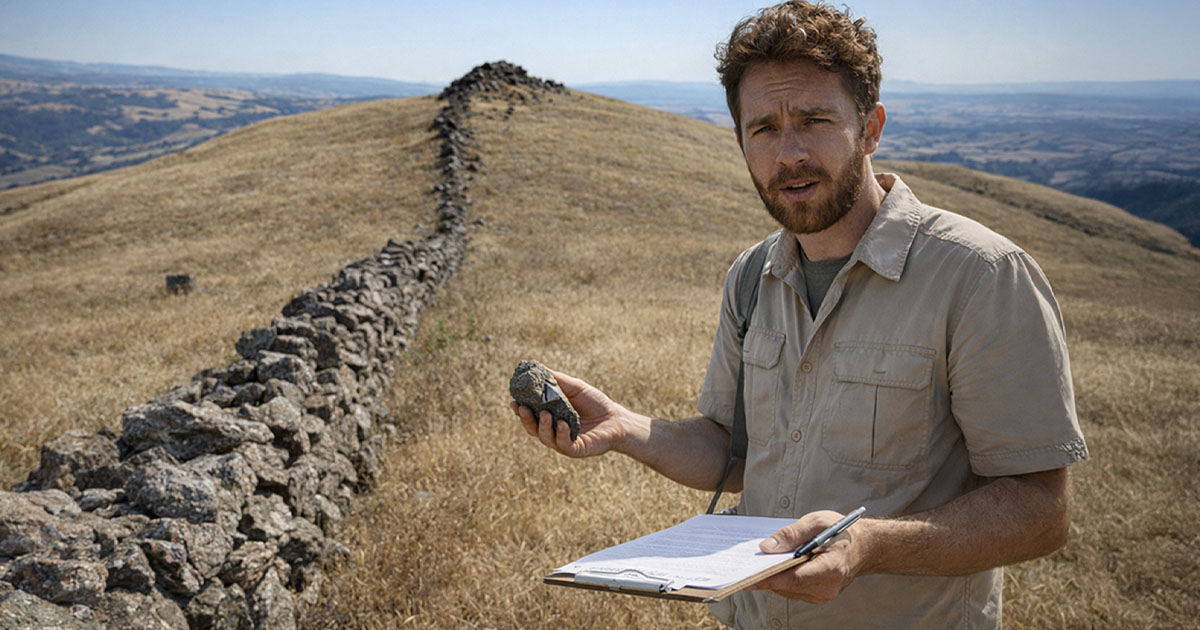
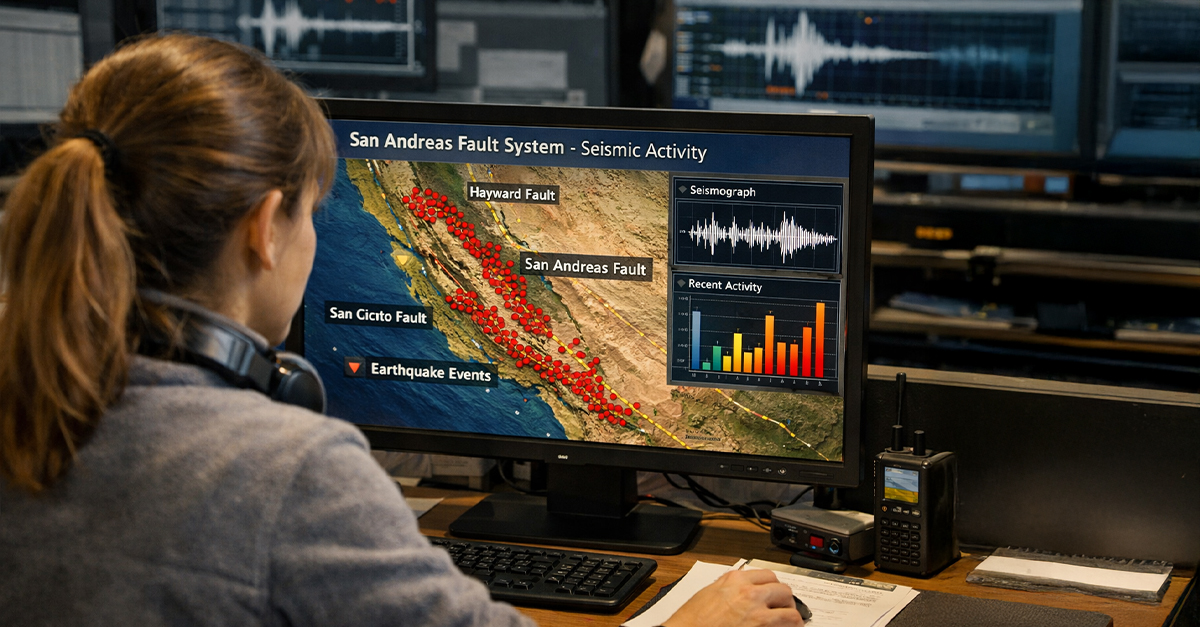
For decades, earthquake prediction has been one of the biggest thorns in the collective side of scientists. Unlike weather systems, earthquakes originate deep underground where direct observation is limited. Researchers have always struggled to identify consistent warning signs. Now, advances in computing, sensing technology, and global data networks are bringing a wave of optimism to a field once renowned for its uncertainty.
From Prediction To Forecasting
Scientists have increasingly shifted from the idea of exact prediction to a more probabilistic forecasting method. Rather than pinpointing a precise moment, modern systems estimate the likelihood of earthquakes over specific time periods. This approach has gained credibility, offering more practical insights into risk and helping communities ready themselves for seismic events without relying on unrealistic expectations.
Rise Of Artificial Intelligence
Artificial intelligence has turned into a helpful tool for earthquake science. By processing vast datasets of seismic activity, AI systems can pick out patterns that humans can’t easily recognize. These models analyze microearthquakes, fault stress signals, and historical trends, offering a way to anticipate where seismic activity may intensify.

Machine Learning And Seismic Data
Machine learning models are trained on millions of seismic waveforms. These systems can distinguish between noise and meaningful signals with amazing accuracy. Researchers are now putting these tools to work identifying subtle shifts in fault behavior, which may show increased earthquake risk in specific regions.

A Breakthrough In Lab Experiments
Recent laboratory experiments have shown promising results using AI to predict failure in simulated fault systems. By monitoring stress changes and acoustic signals, researchers have achieved high levels of predictive accuracy in these kinds of controlled environments. These findings suggest that similar techniques may one day be applied to real-world fault systems.

Hybrid Models Combine Physics And AI
One of the most intriguing developments is the integration of physics-based models with machine learning. These hybrid systems combine traditional knowledge of tectonic stress with modern data analysis techniques. It’s way too technical to get into in any detail here, but the result of this is that we’ll have a more complete understanding of how earthquakes develop and how they might be anticipated.
 Utopix Pictures Pictures, Pexels
Real-Time Monitoring Systems Improve
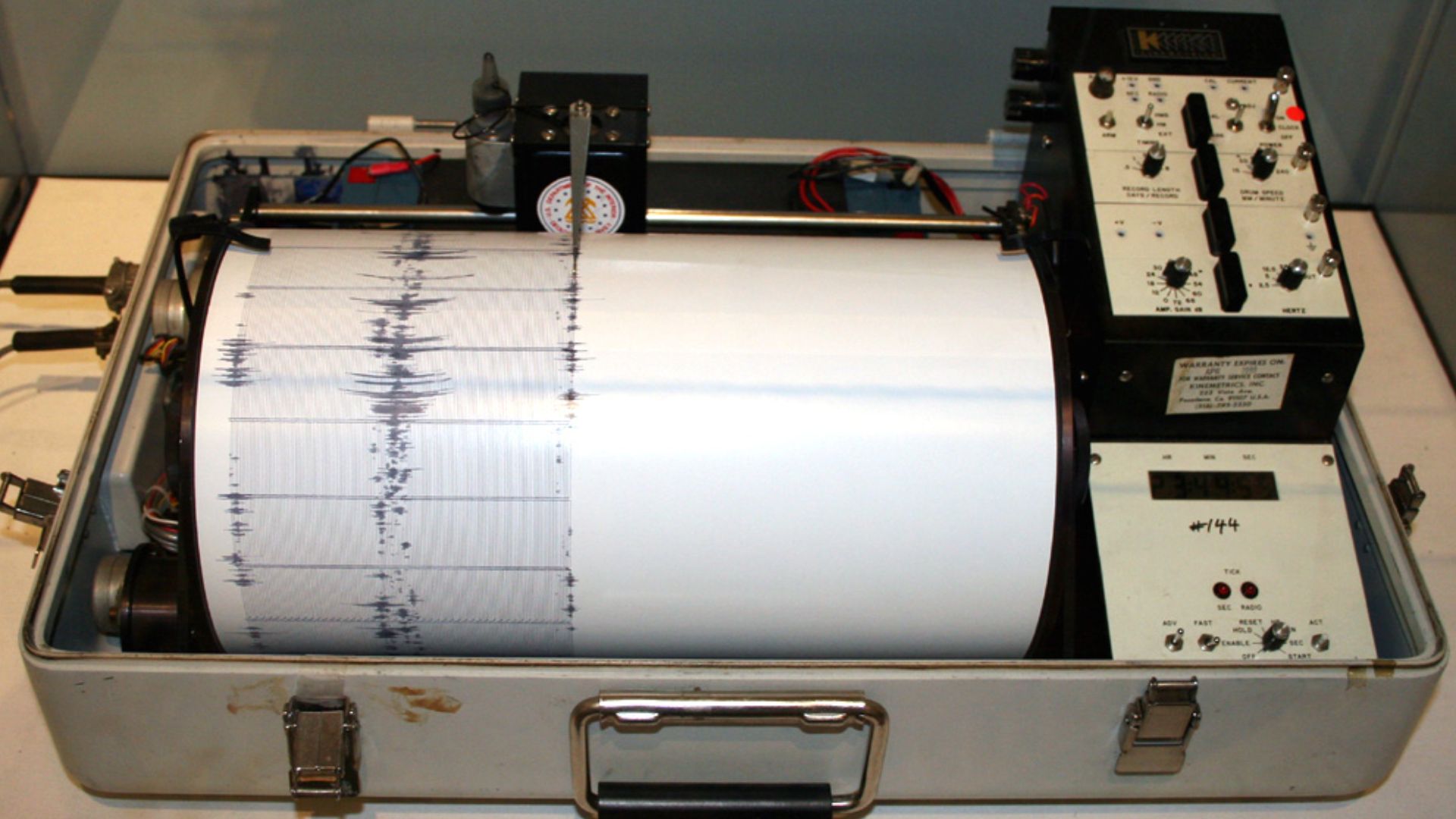
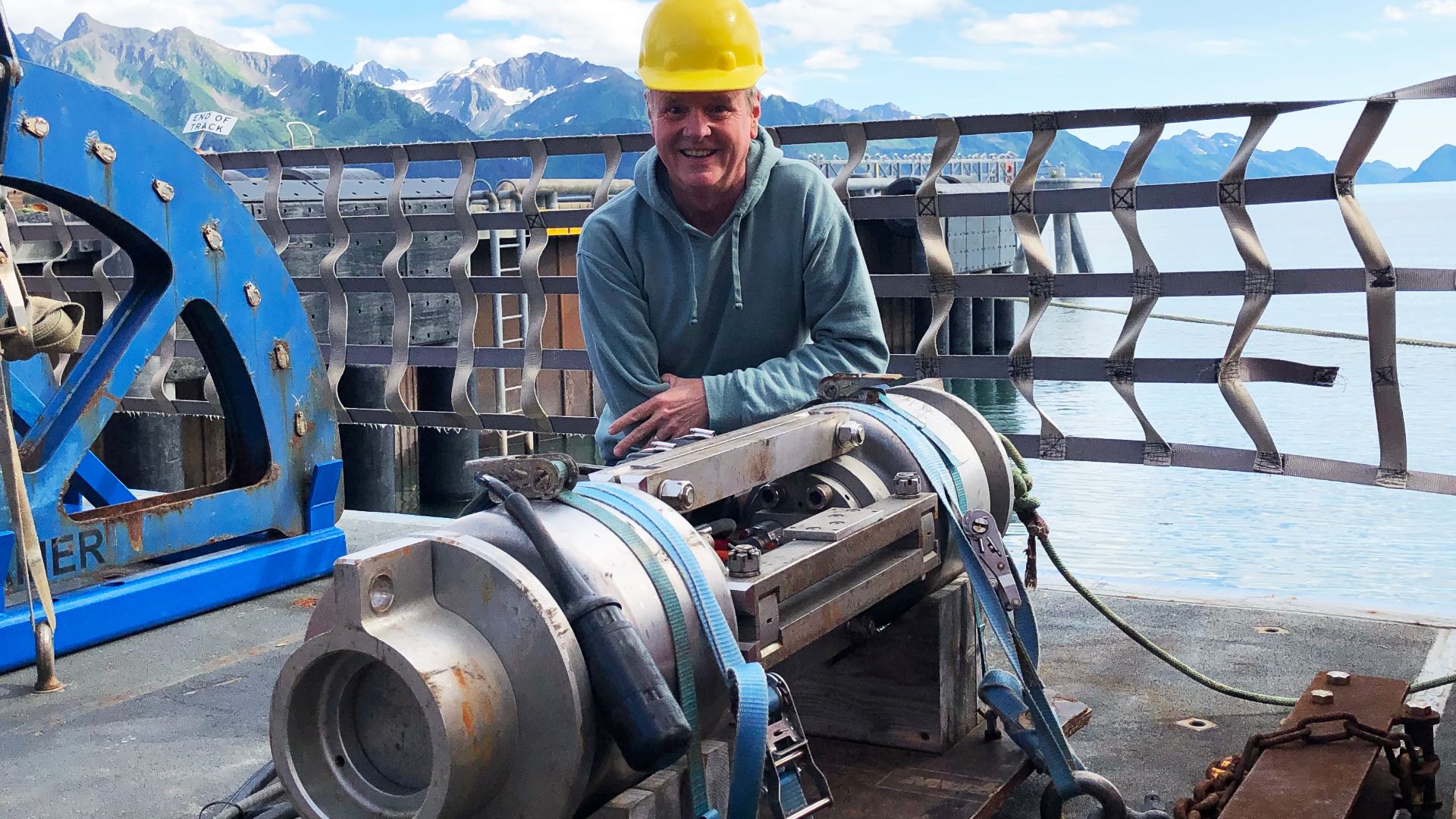
Advances in sensor networks have greatly improved real-time monitoring. Dense arrays of seismometers and GPS stations now track all ground movements with extraordinary precision. These systems feed researchers a continuous stream of data, allowing them to observe changes in the Earth’s crust while they happen.
Satellite Technology Tracks Deformation
Satellite-based tools like InSAR have revolutionized the study of ground deformation. These systems detect tiny shifts in the Earth’s surface over large areas. By mapping the stress buildup along fault lines, scientists can zero in on regions where earthquakes are more likely to happen.
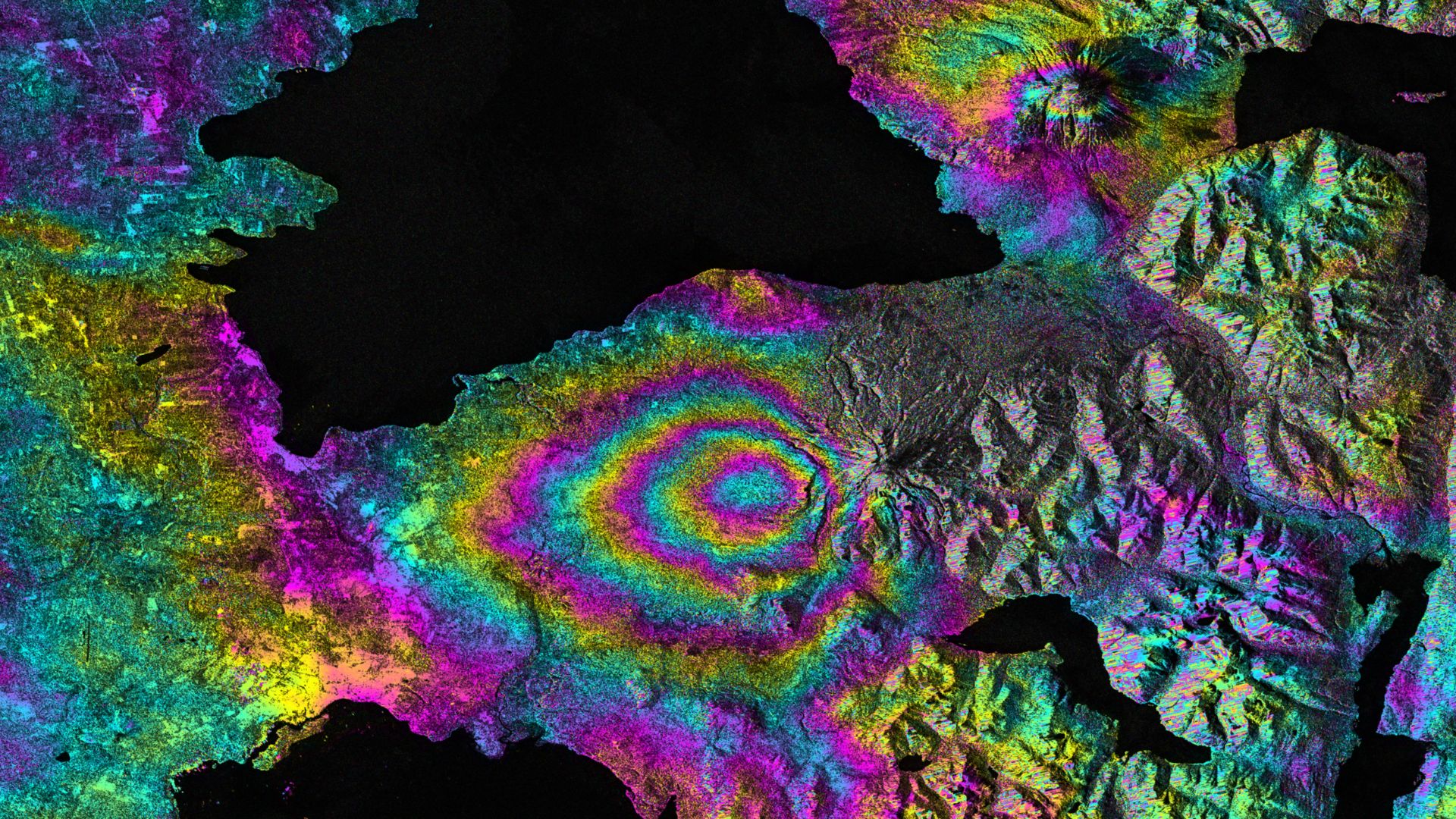 Image credit: ESA/NASA/JPL-Caltech, Wikimedia Commons
The Role Of Early Warning Systems
Although they aren’t classified as true prediction, early warning systems represent a major success. These systems pick out the first seismic waves and send alerts seconds before actual strong shaking begins. Countries like Japan and regions such as California have implemented these systems, and this has helped to reduce injuries and damage during earthquakes.

Organizations Leading The Field
Several organizations are in the lead of earthquake forecasting research. The United States Geological Survey plays a key role in monitoring seismic activity and developing forecasting models. Their research informs public safety strategies for governments and advances our general understanding of seismic hazards worldwide.
 Sonobuoydude, Wikimedia Commons
Japan’s Advanced Seismic Research
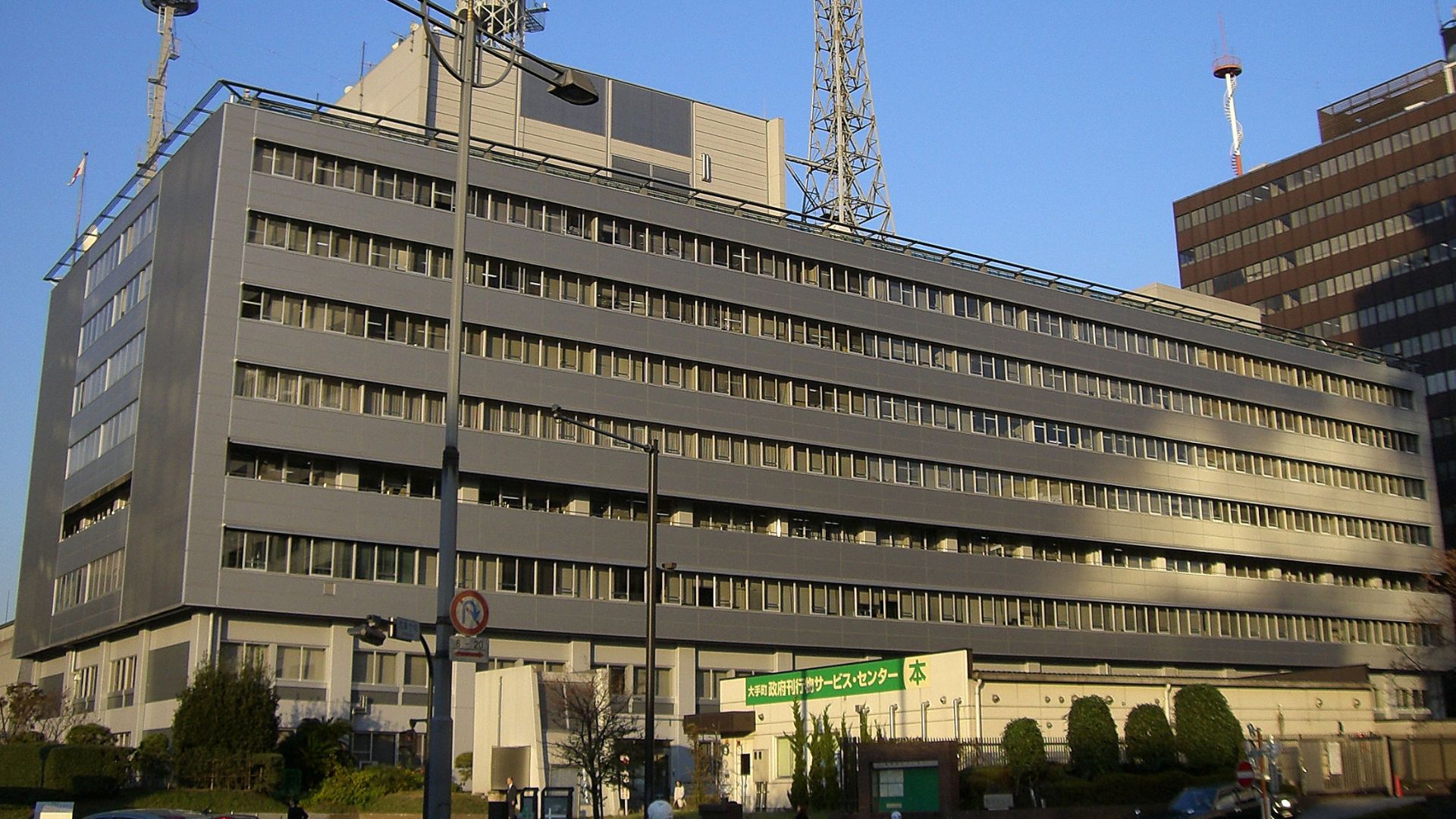
As one of the most seismically active places on the planet, Japan is a global leader in earthquake science through institutions like the Japan Meteorological Agency. With one of the world’s most advanced early warning systems, Japan is always working on improving its ability to detect and respond to seismic events in real time.
European Contributions To Forecasting
European research institutions, including the European-Mediterranean Seismological Centre, contribute a great deal to global seismic monitoring. Their collaborative networks provide rapid data sharing and analysis, improving response times and enhancing international cooperation in earthquake research.

Academic Institutions Drive Innovation
Universities still play a major role in advancing earthquake prediction technologies. Researchers at institutions like the University of Southern California are developing new methods to detect precursor signals and improve forecasting accuracy through interdisciplinary approaches.

Private Sector Involvement
Private companies are also entering the field, applying advanced computing and AI technologies. These organizations bring new resources and innovation, accelerating the pace of discovery. Their work often focuses on practical applications, such as improving infrastructure resilience and providing real-time risk assessments.
 LinkedIn Sales Solutions, Unsplash
A Notable AI Success Story
One recent breakthrough came in 2023, when researchers used AI to analyze seismic activity in China’s Sichuan region. The system reportedly predicted several moderate earthquakes about a week in advance with roughly 70% accuracy during testing between 2020 and 2022. While still experimental, this marked one of the first real-world examples of short-term AI-based earthquake forecasting working outside a laboratory setting.

Improved Aftershock Predictions
Another area of success is aftershock forecasting. AI models can now estimate the number and location of aftershocks almost instantly after a major quake. As aftershocks can produce a lot of damage, this information is extremely important for emergency response efforts, helping authorities allocate resources and protect affected communities.

Understanding Fault Behavior Better
New research has given us better understanding of how faults behave under stress. Scientists now can see that faults exhibit complex, nonlinear behavior. By studying these dynamics, researchers are constantly developing more accurate models of how stress accumulates and releases in the Earth’s crust.

The Challenge Of Rare Events
One of the biggest obstacles in earthquake prediction is the rarity of large events. Because major earthquakes don’t happen that often, there isn’t much data to train predictive models. This makes it challenging to validate new methods and ensure their reliability across different regions.

Revisiting Earthquake Precursors
Scientists are revisiting the idea of earthquake precursors, such as electromagnetic signals and gas emissions. While these are historically unreliable, new technologies are enabling more precise measurements of them. Combined with AI, these signals may offer an addition to our general understanding and more accurate forecasting systems.
Global Data Sharing Expands
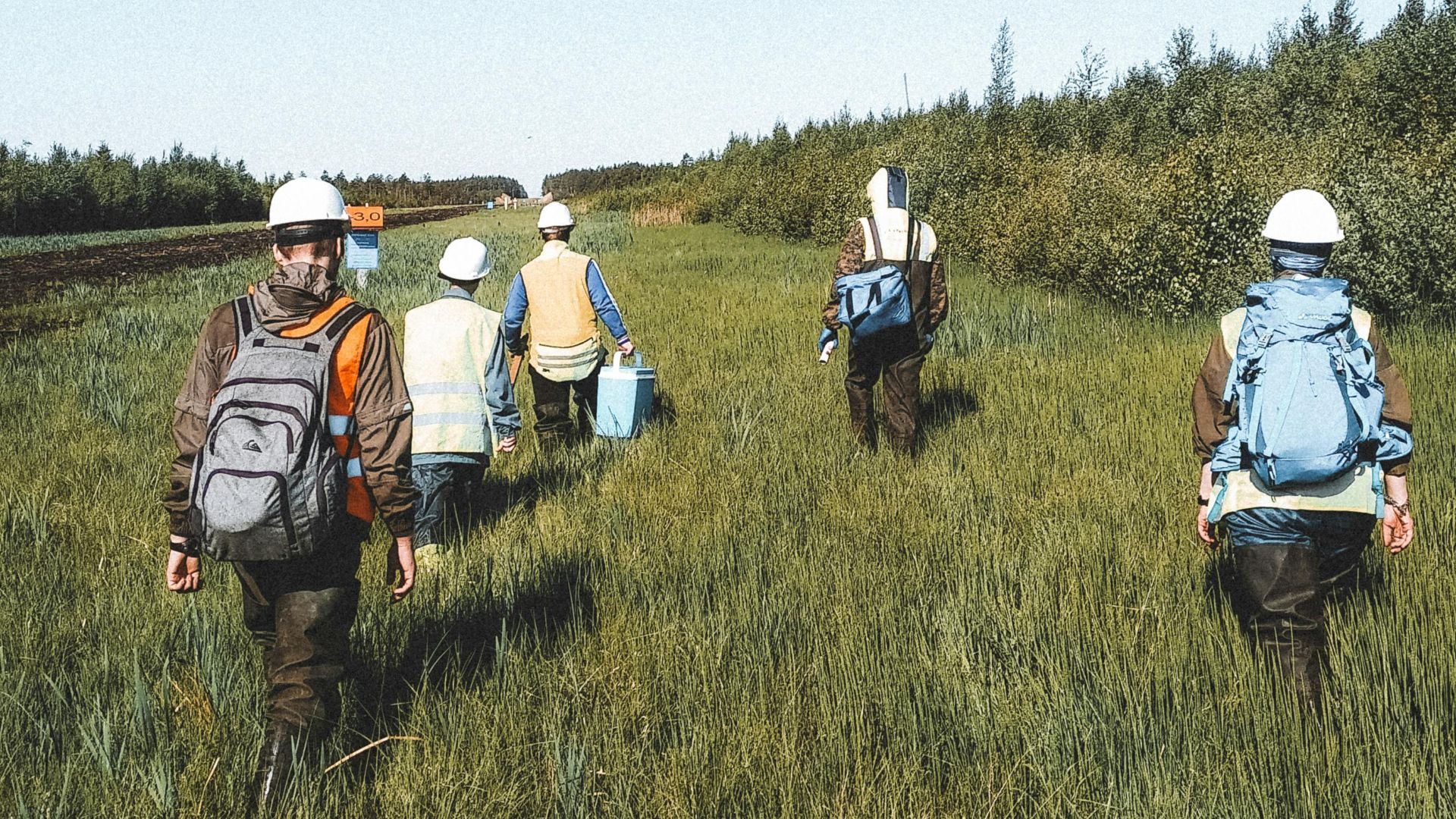
International collaboration is very important in the earthquake research field. Scientists around the world are sharing seismic data and research findings, and generating larger and more comprehensive datasets. This global approach may be the only chance we have to gain the ability to detect patterns and improve our forecasting accuracy.

Public Communication And Preparedness
Effective communication is a must for advancing earthquake forecasting. Scientists have to convey risk levels in a way that people can understand and act upon. Clear communication helps communities prepare without spreading panic, ensuring that scientific progress translates into some tangible real-world benefits.

The Limits Of Current Technology
Despite all the recent progress, significant limitations still need to be overcome. Earthquake systems are inherently complex, and there are a ton of variables that we still don’t fully comprehend. While forecasting has gotten better, the ability to predict exact events with precision remains just out of reach.

A Future Of Increasing Accuracy
Looking ahead, continued advances in AI, sensor technology, and global data networks are expected to improve forecasting accuracy. As models get more sophisticated, scientists may be able to provide more precise estimates of earthquake risk over shorter time intervals.

A Turning Point In Earthquake Science
The field of earthquake prediction is entering a new era. While perfect prediction is still elusive, the combination of new technologies and collaborative research is opening up new possibilities. With continued progress, the long-standing goal of reliable earthquake forecasting may finally be within reach.

You May Also Like:
Haunting Photos From Chernobyl Nearly 40 Years Later
Scientists Now Say We May Have Been Completely Wrong About How Life Began