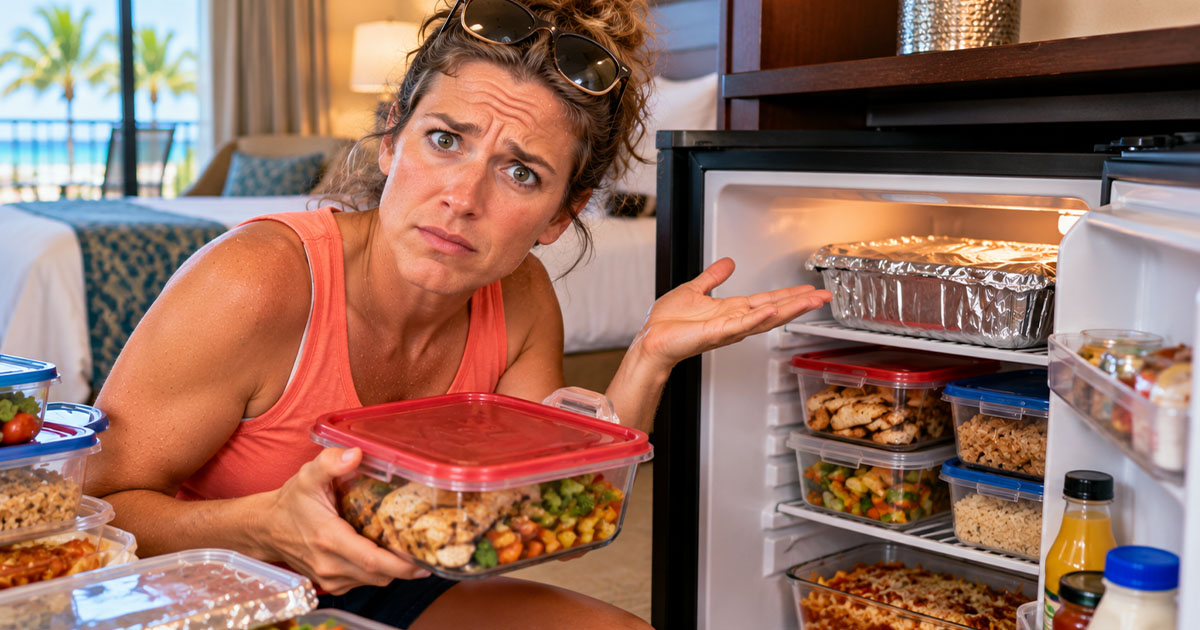
Wait, Isn't The Fridge Part Of The Room?
You arrive at the resort with containers of pre-cooked meals, restaurant leftovers, and enough groceries to avoid buying every meal on-site. There's even a mini fridge waiting in your room. Perfect, right? Then you're told the fridge isn't for personal food. If you're paying for the room and the refrigerator is sitting inside it, can the resort really decide what you're allowed to put in there?
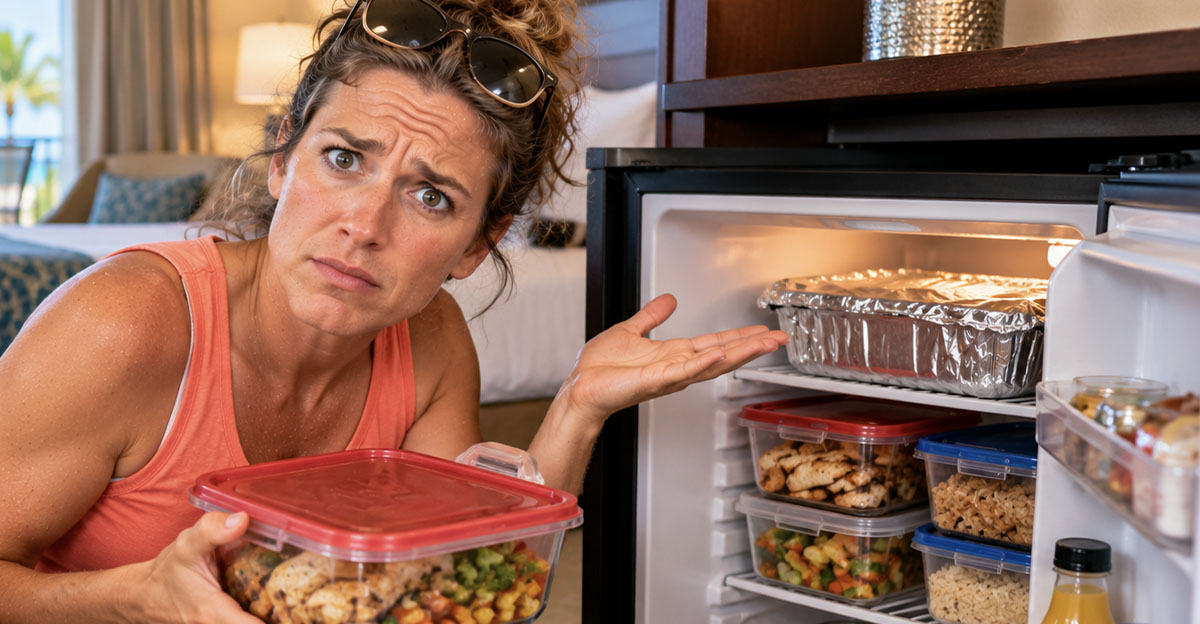
This Is More Than A Few Snacks
We're not talking about slipping a chocolate bar beside the complimentary water.
Maybe you brought containers of pasta, cooked chicken, salads, deli meat, takeout, or meals prepared before the trip. If you're traveling with a family, that can quickly become several days' worth of food.
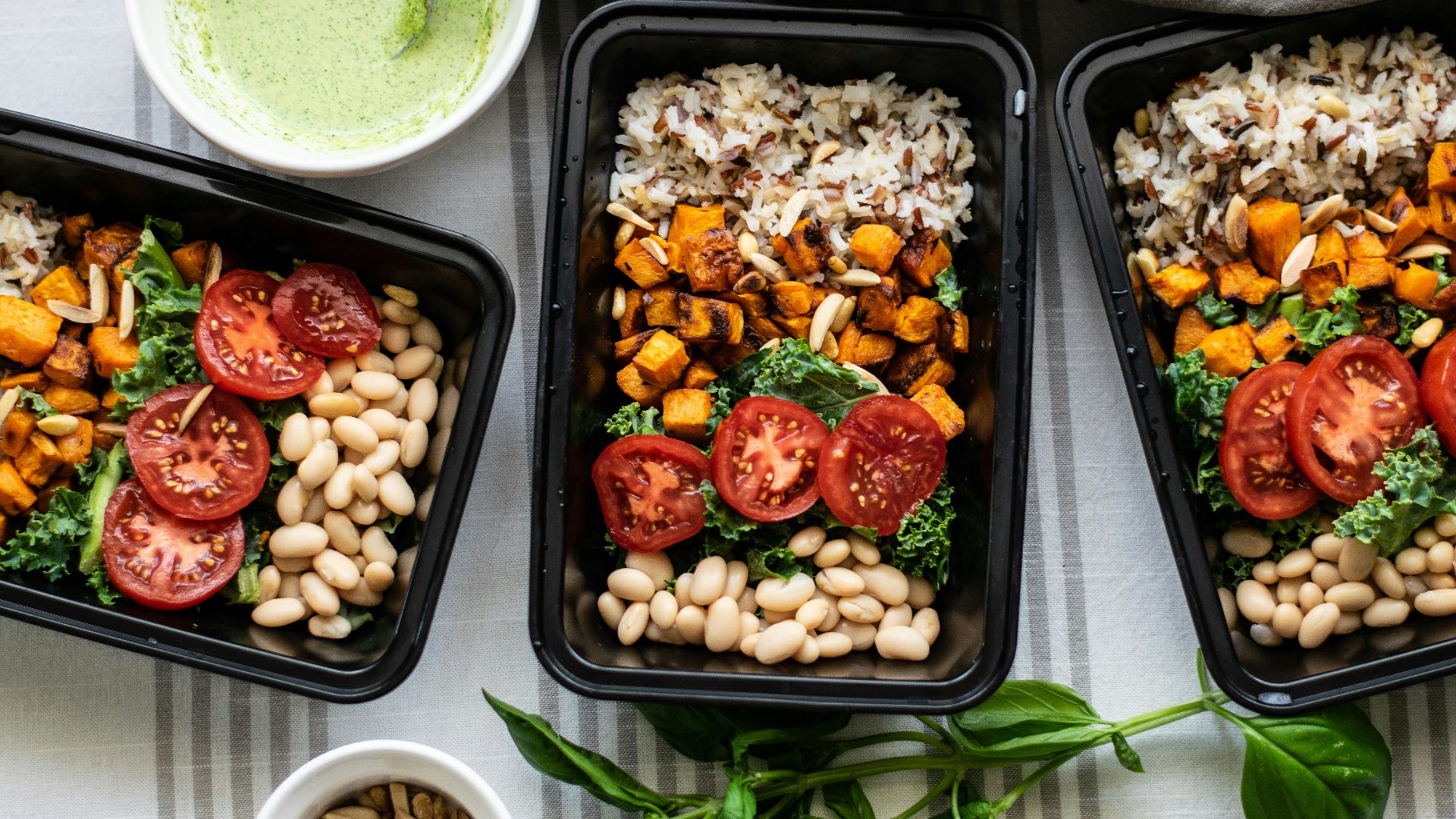
Suddenly, That Tiny Fridge Is Doing A Lot Of Work
A few bottles of water barely challenge a mini fridge. Six containers of leftovers are another matter.
Once guests start filling every shelf with perishable food, temperature and storage become considerably more important than they would be for canned drinks.
First, Look Closely At What The Resort Calls It
"Mini fridge," "beverage cooler," and "minibar" can sound interchangeable when you're booking a vacation, but they aren't necessarily intended for the same purpose.
The wording in the room description can provide an important clue about what guests were promised.

A Minibar Has A Very Specific Job
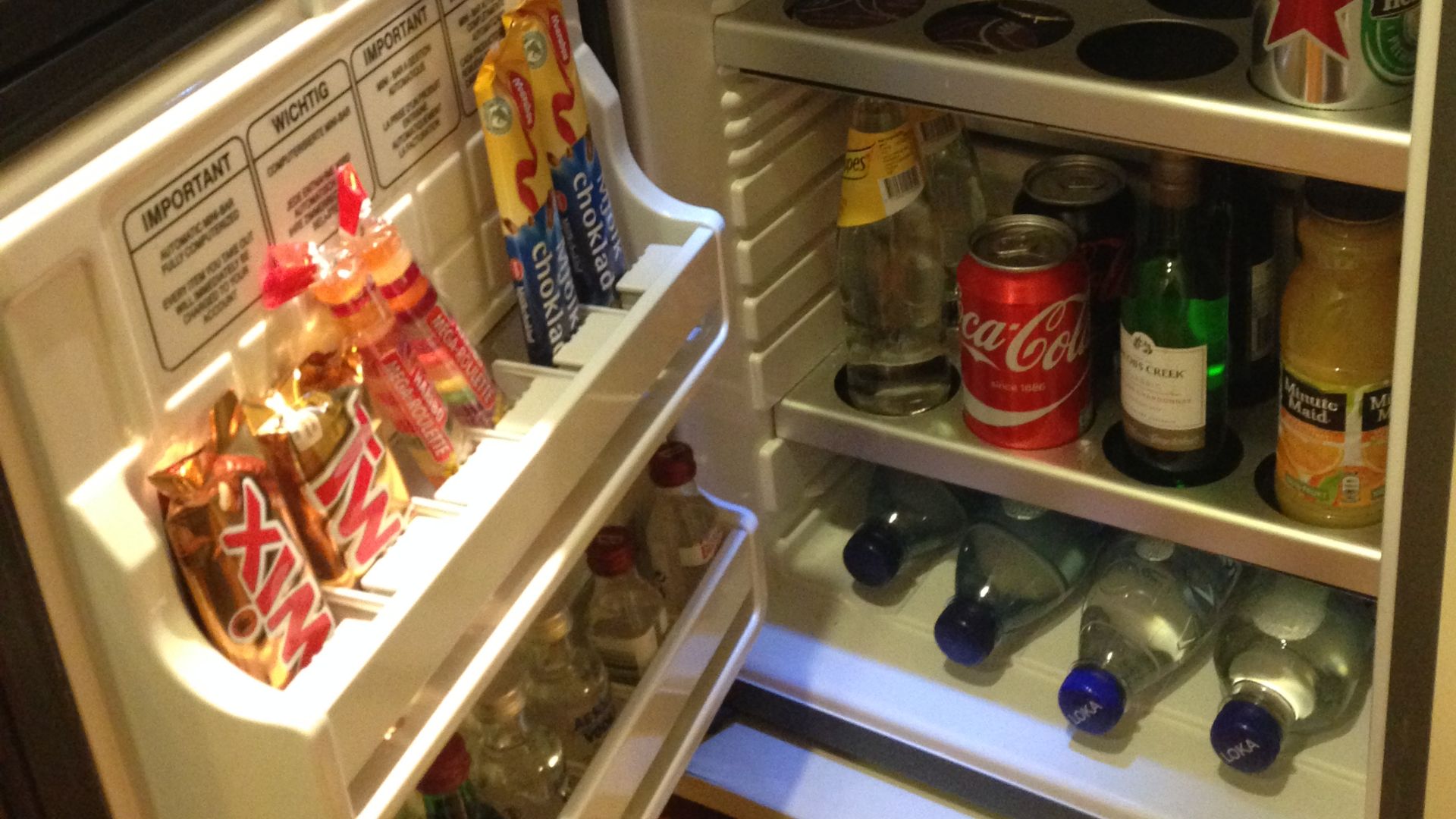
Traditional minibars exist primarily to hold beverages and snacks supplied by the hotel. Some even use sensors that detect when an item has been moved or removed.
Stuffing several takeout containers into one may interfere with that system or require removing hotel products just to make room.
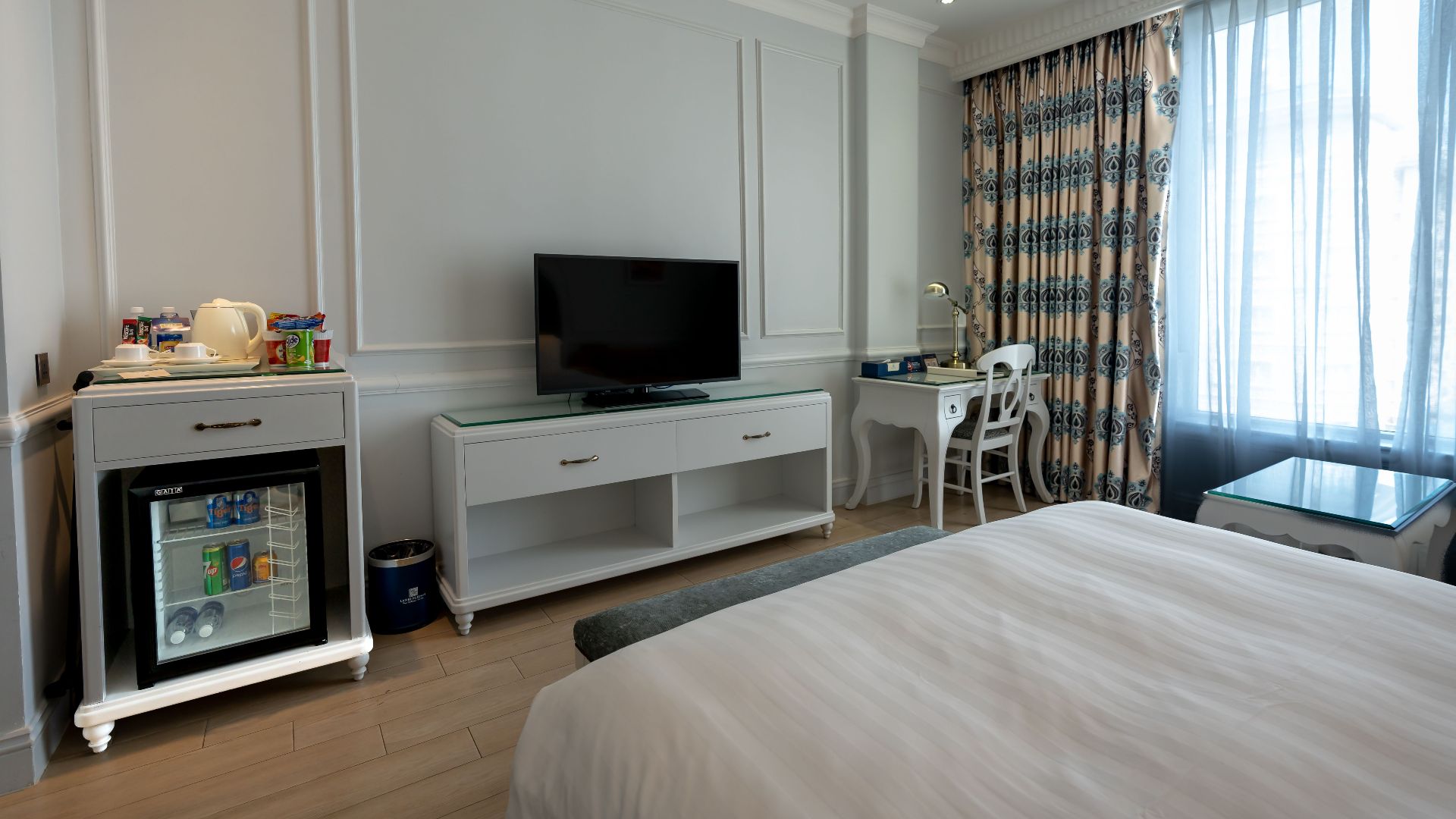
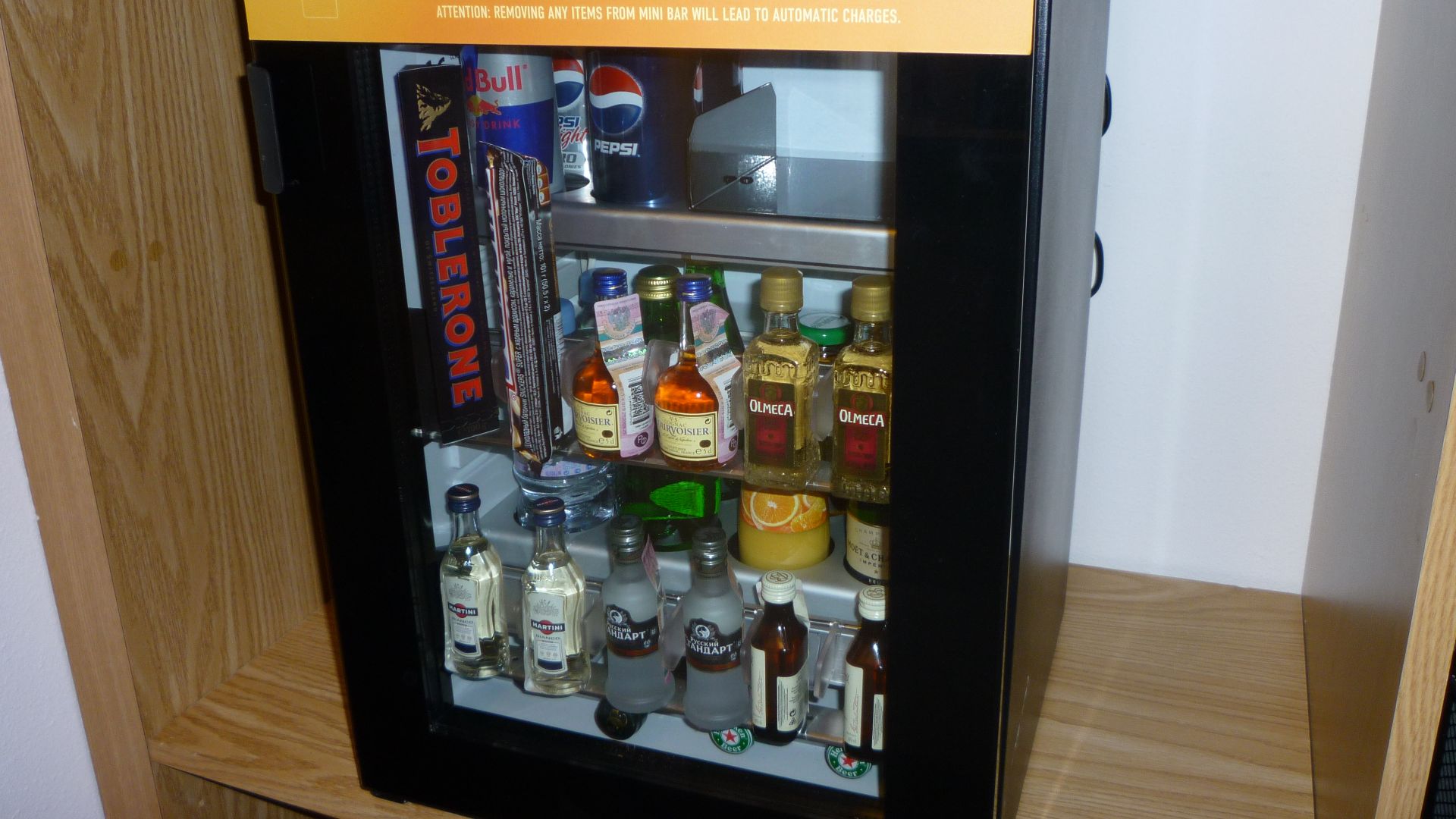
A Beverage Cooler Can Be Another Surprise
Something that looks exactly like a refrigerator may be intended mainly for drinks. And that's particularly important when you're bringing cooked meat, dairy products, leftovers, or other foods that need reliable refrigeration.
Your Leftovers Actually Need To Stay Cold
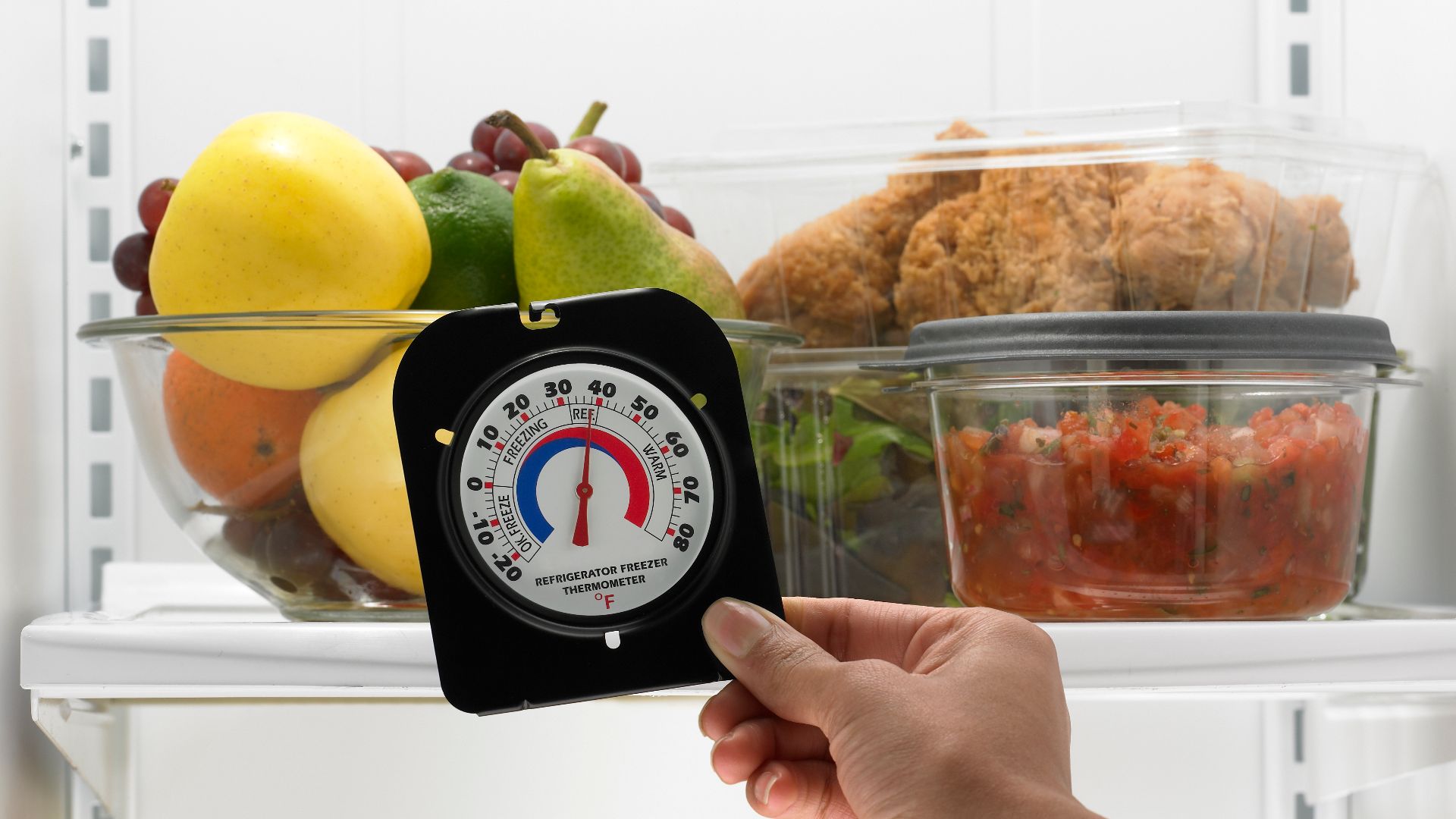
For food safety, the FDA recommends keeping a refrigerator at 40°F (4°C) or below. Perishable foods and leftovers should generally be refrigerated within two hours, or within one hour when temperatures are above 90°F.
That's not merely a suggestion for making yesterday's chicken taste better. Temperature affects how quickly harmful bacteria can multiply.
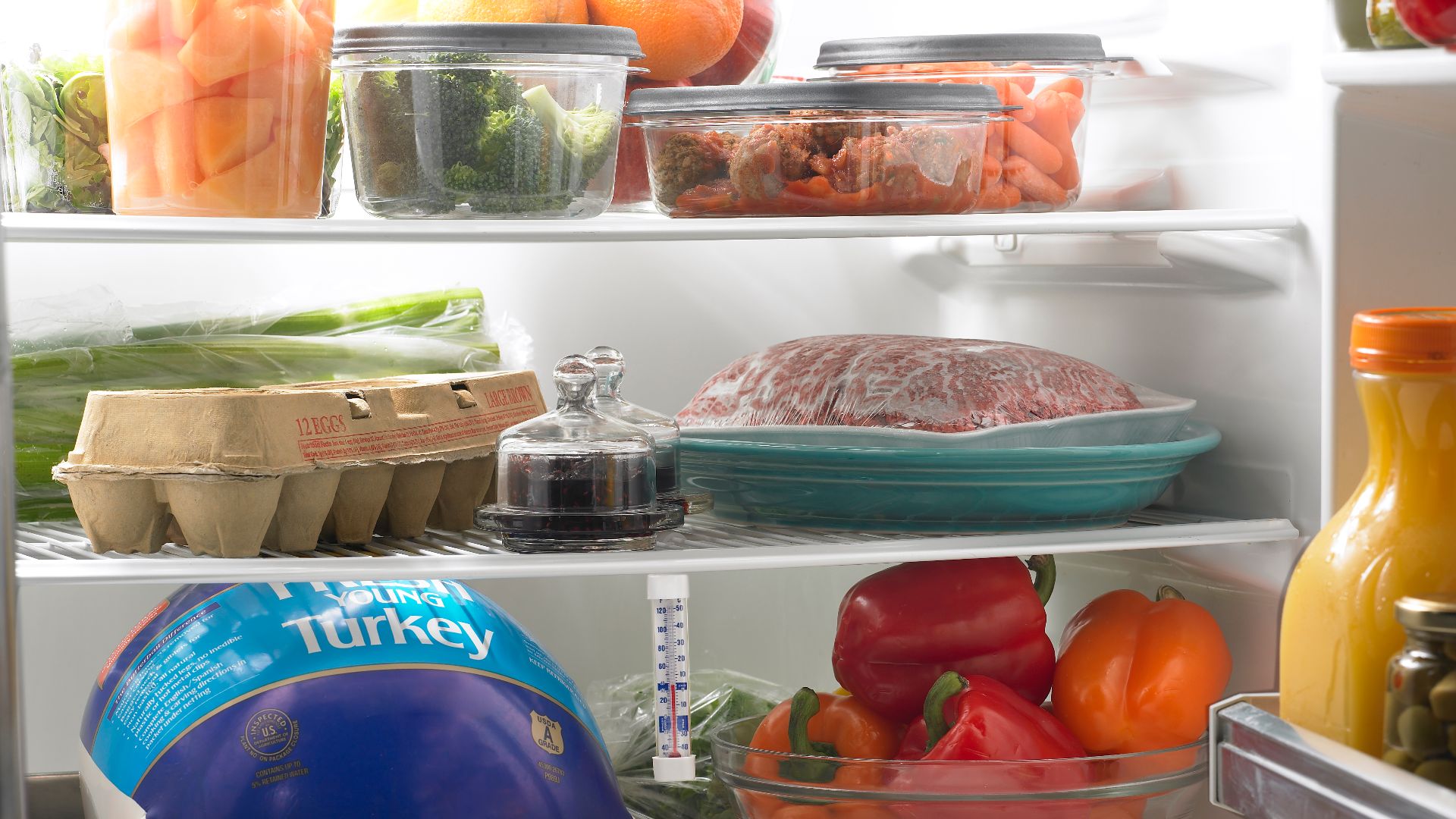
Your Room Fridge Might Not Be Up To The Job
This is where the story becomes more complicated.
If you arrive with a week's worth of prepared meals, you shouldn't assume a small hotel appliance will maintain safe temperatures simply because the interior feels cool.
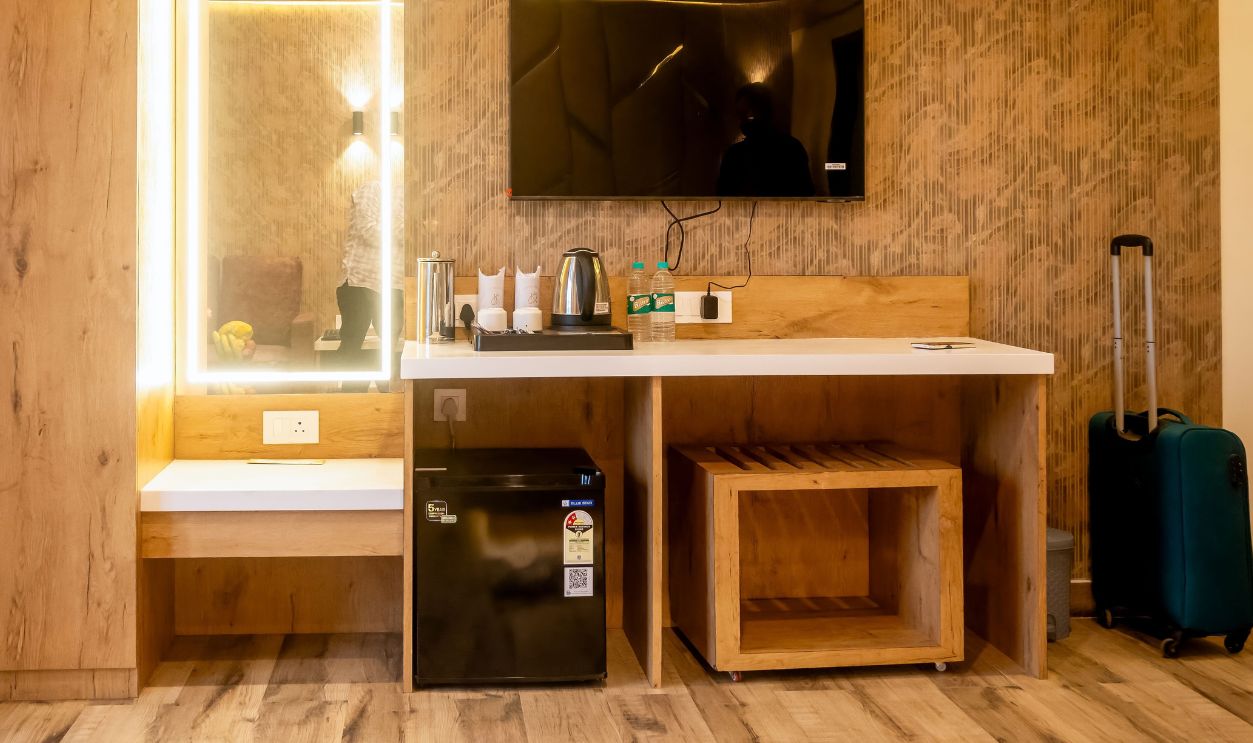
There's A Very Easy Way To Check
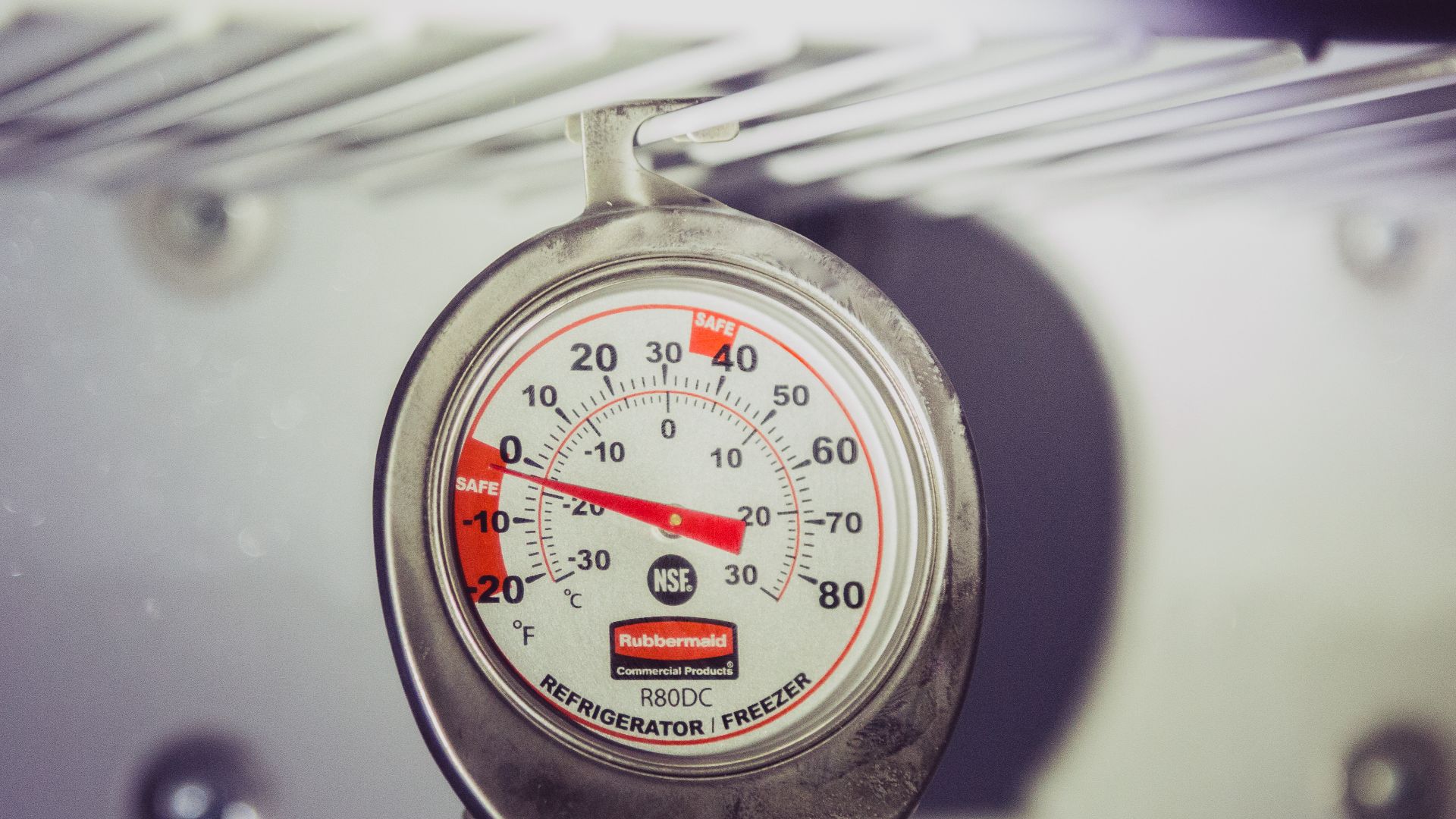
A small refrigerator thermometer can tell you whether the compartment actually stays at or below 40°F. That's especially useful if you're storing cooked meat, seafood, dairy products, or several containers of leftovers rather than just soda and bottled water.
Packing It Completely Full Can Make Things Worse
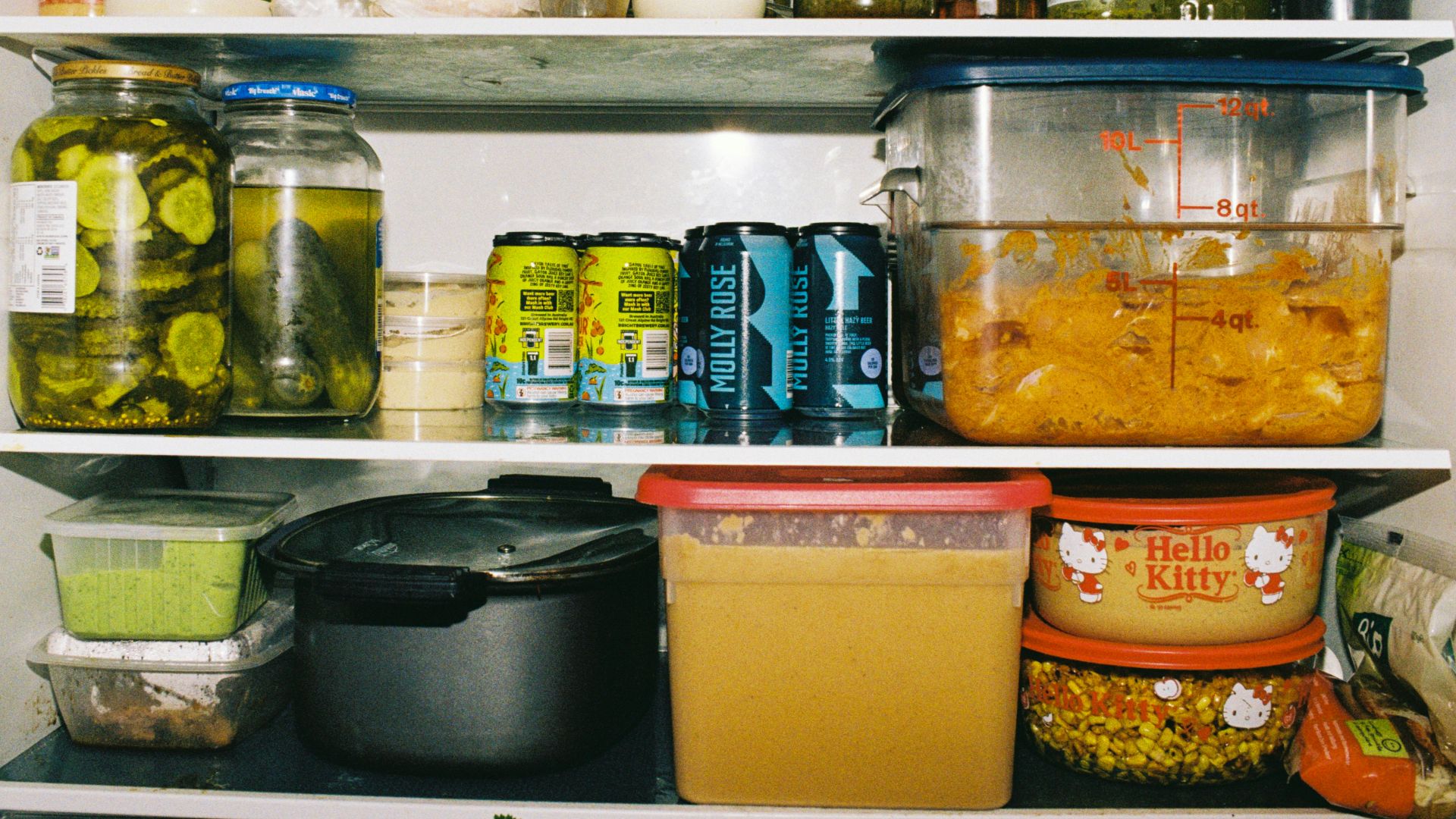
Here's something travelers might not expect: filling every inch of a refrigerator isn't necessarily a good idea. The FDA advises against overpacking refrigerators because cold air needs room to circulate around the food. So that heroic stack of 14 meal-prep containers could create another problem.
Large Amounts Of Cooked Food Need Special Attention
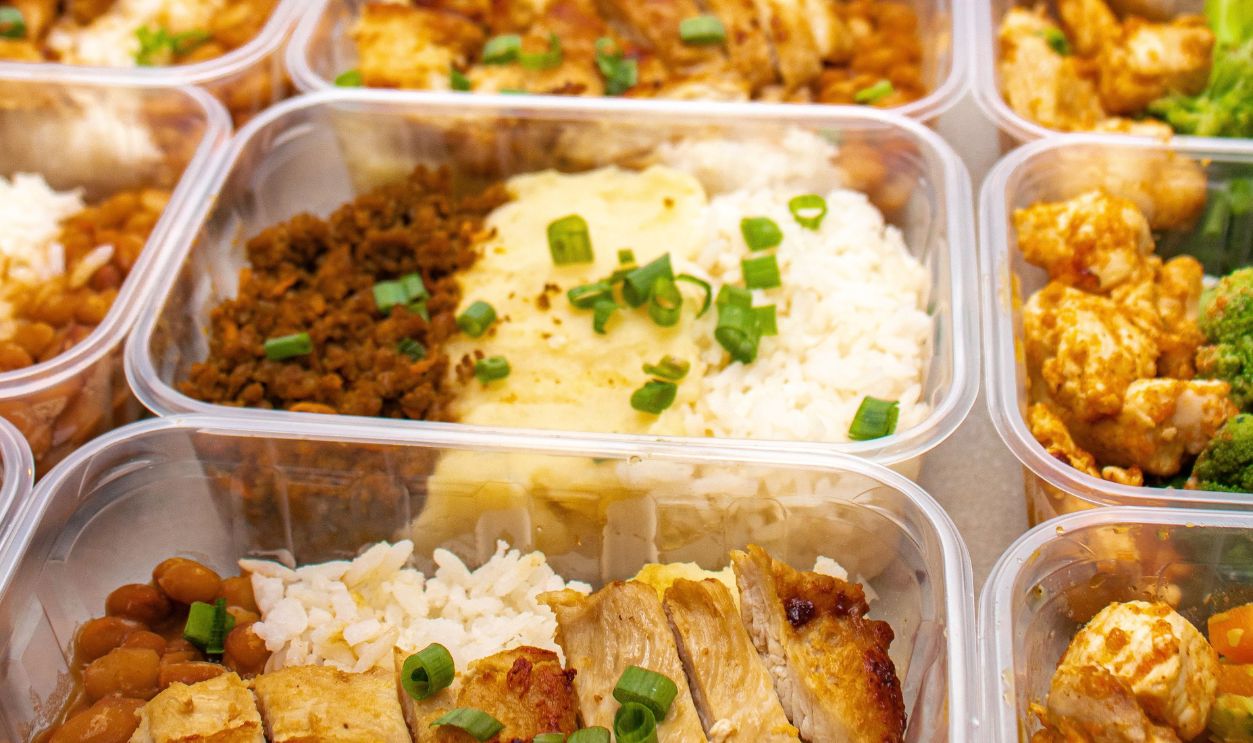
Suppose you arrive with a giant container of cooked pasta, a casserole, or several pounds of prepared meat that are still warm. Food-safety guidance recommends dividing large quantities of leftovers into shallow containers so they cool more quickly. A tiny resort fridge packed with large warm containers may struggle with that job.
And Don't Forget The Journey To The Resort
The fridge can't undo what happened before the food reached your room. If perishable prepared food spent hours sitting unrefrigerated in a hot car, shuttle, or suitcase, putting it into the mini fridge afterward doesn't magically reset the clock.

The Two-Hour Rule Matters
USDA guidance says perishable food generally shouldn't remain at room temperature for more than two hours. When temperatures exceed 90°F, that drops to one hour. That's particularly relevant at warm-weather resorts where groceries may spend time in a hot vehicle.

Then There's The Housekeeping Problem
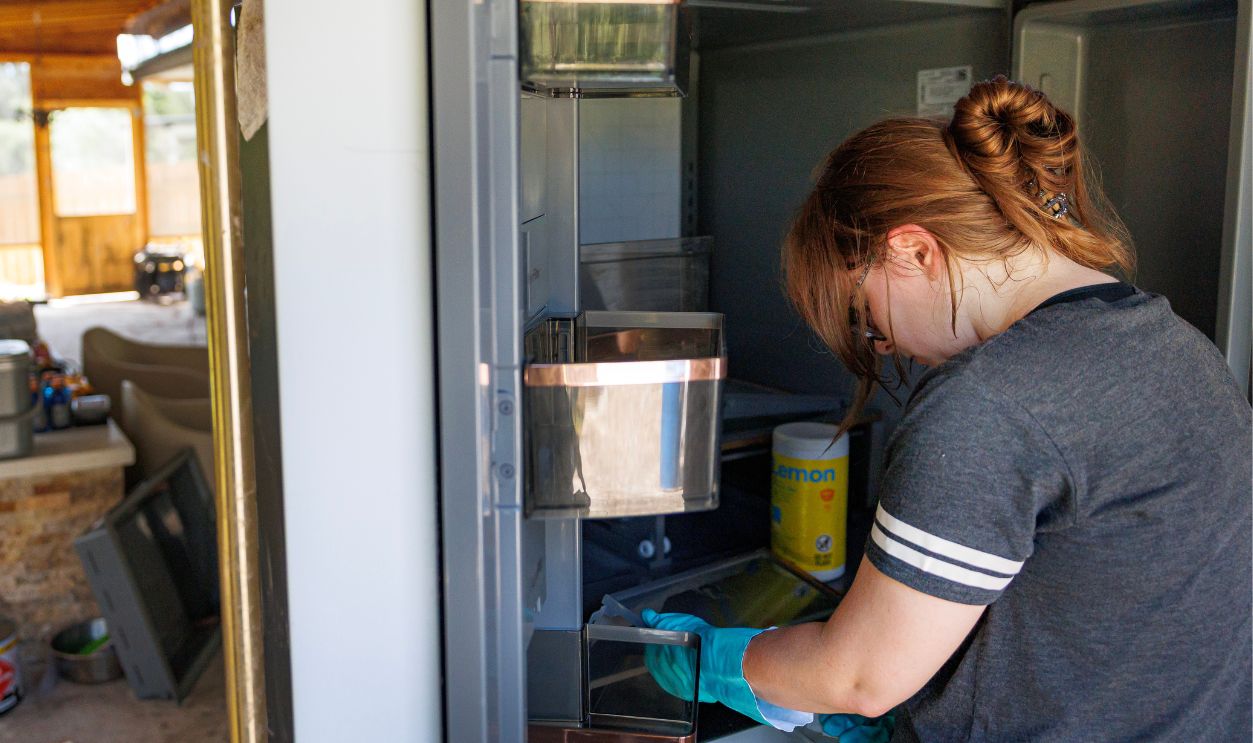
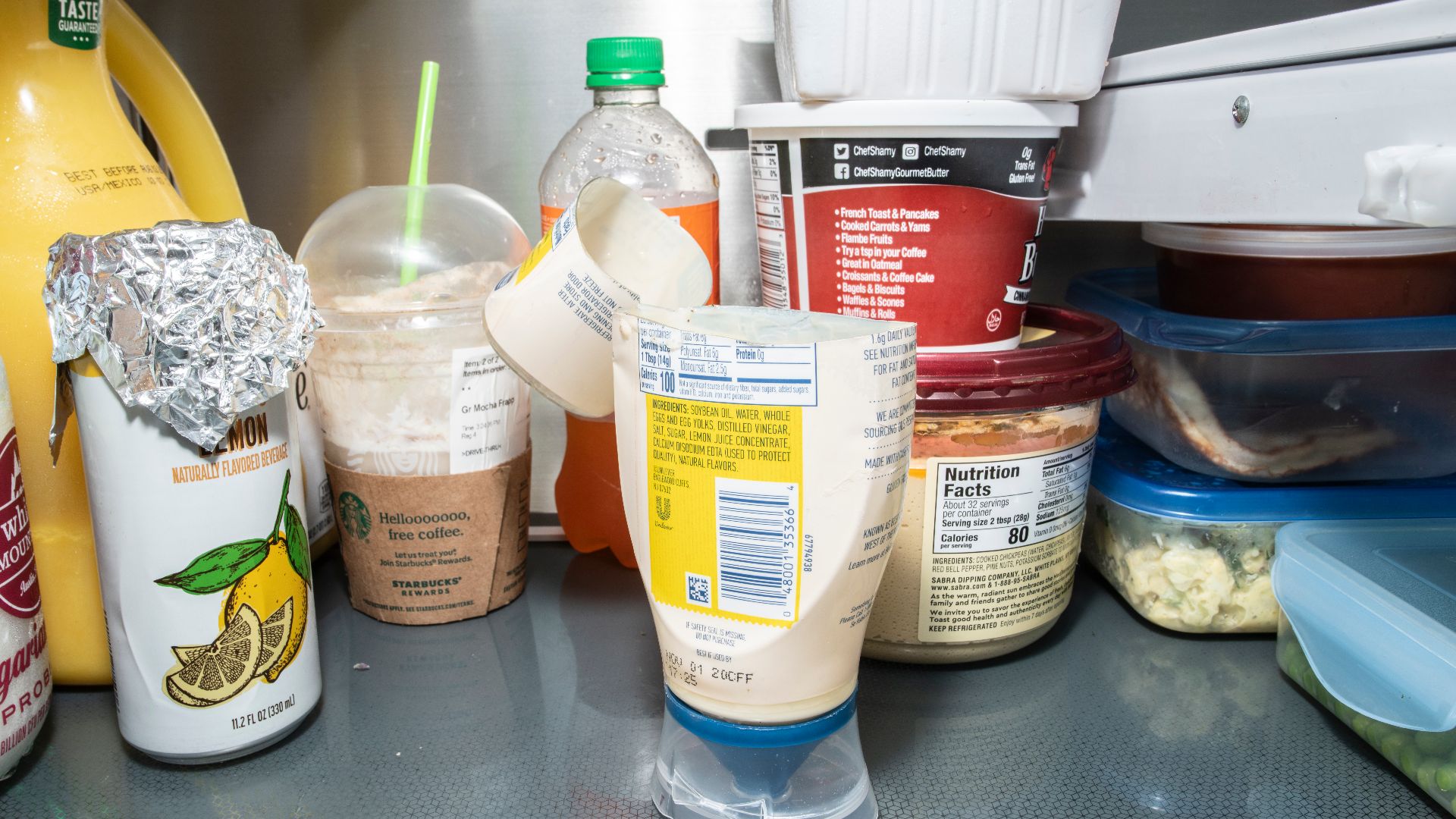
Imagine the situation from the resort's side. Guests check out leaving half-eaten seafood, leaking containers, old takeout, spoiled dairy products, and mysterious leftovers inside hundreds of mini fridges. Housekeeping has to discover, remove, and clean all of it.
 San Antonio Express-News/Hearst Newspapers, Getty Images
Odors Can Become Someone Else's Problem
Last night's curry may have been fantastic. The family checking into the room tomorrow might be less enthusiastic about smelling it every time they open the fridge. Strong odors, leaks, stains, and spoiled food can require considerably more cleaning than sealed hotel beverages.
Pests Are Another Concern
A room filled with groceries creates more crumbs, packaging, waste, and potential spills. Resorts naturally have an interest in preventing insects and other pests, particularly in warm climates where an improperly sealed container can become a much bigger housekeeping headache.

But Something Still Feels Odd Here
All of those concerns explain why a resort might dislike guests turning a tiny minibar into a fully stocked home refrigerator. They don't necessarily explain why someone couldn't put one sealed container of properly refrigerated leftovers inside it. And that's where the exact wording of the policy starts becoming important.
Is The Fridge An Advertised Amenity?
Suppose the resort specifically promoted your room as having a refrigerator.
A guest booking that room could reasonably expect the appliance to be usable in some ordinary fashion. That's different from discovering a minibar stocked and controlled by the hotel.

What Did The Listing Actually Promise?
Go back to the booking page or confirmation. Does it say "refrigerator"? "Mini refrigerator"? "Minibar"? "Beverage cooler"? Does it specifically advertise kitchen facilities or food storage?
Those little distinctions suddenly matter quite a bit.
The Amount Of Food Matters Too
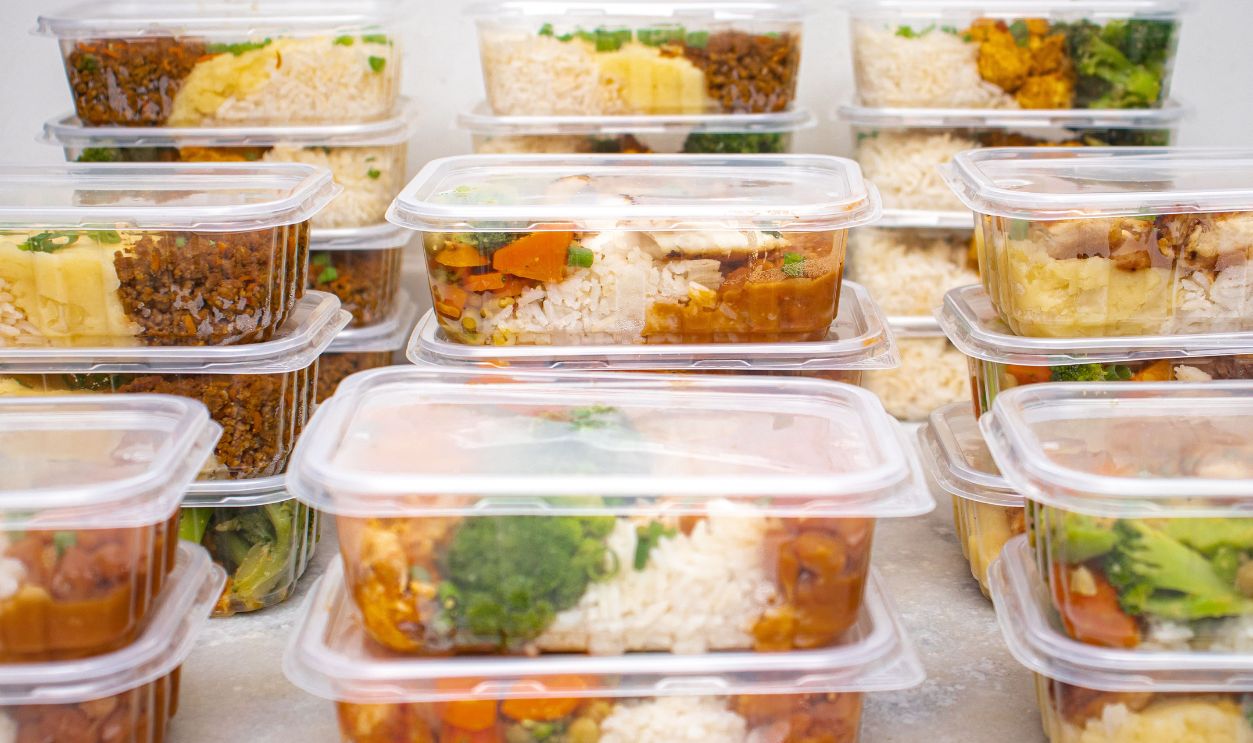
There is a huge practical difference between refrigerating tonight's restaurant leftovers and arriving with enough prepared meals to feed six people for a week.
The more food you bring, the more legitimate concerns about space, cooling capacity, spills, odors, and safe temperatures become.
Don't Assume "Cold" Means "Food-Safe"
This is probably the most useful lesson regardless of the resort's policy.
If the appliance can't consistently keep perishable food at 40°F or colder, it isn't something you should rely upon for storing cooked chicken or other highly perishable meals. FDA and USDA guidance both use that temperature as the basic refrigeration benchmark.
 Tony Webster from Minneapolis, Minnesota, United States, Wikimedia Commons
Ask What The Restriction Actually Covers
Before arguing with the front desk, get specific.
Is personal food completely prohibited? Are guests simply forbidden from removing minibar products? Is the appliance not certified or designed for perishable-food storage? Or does management object only to guests filling it with large quantities of food?
Those are very different policies.

There May Be Another Refrigerator Available
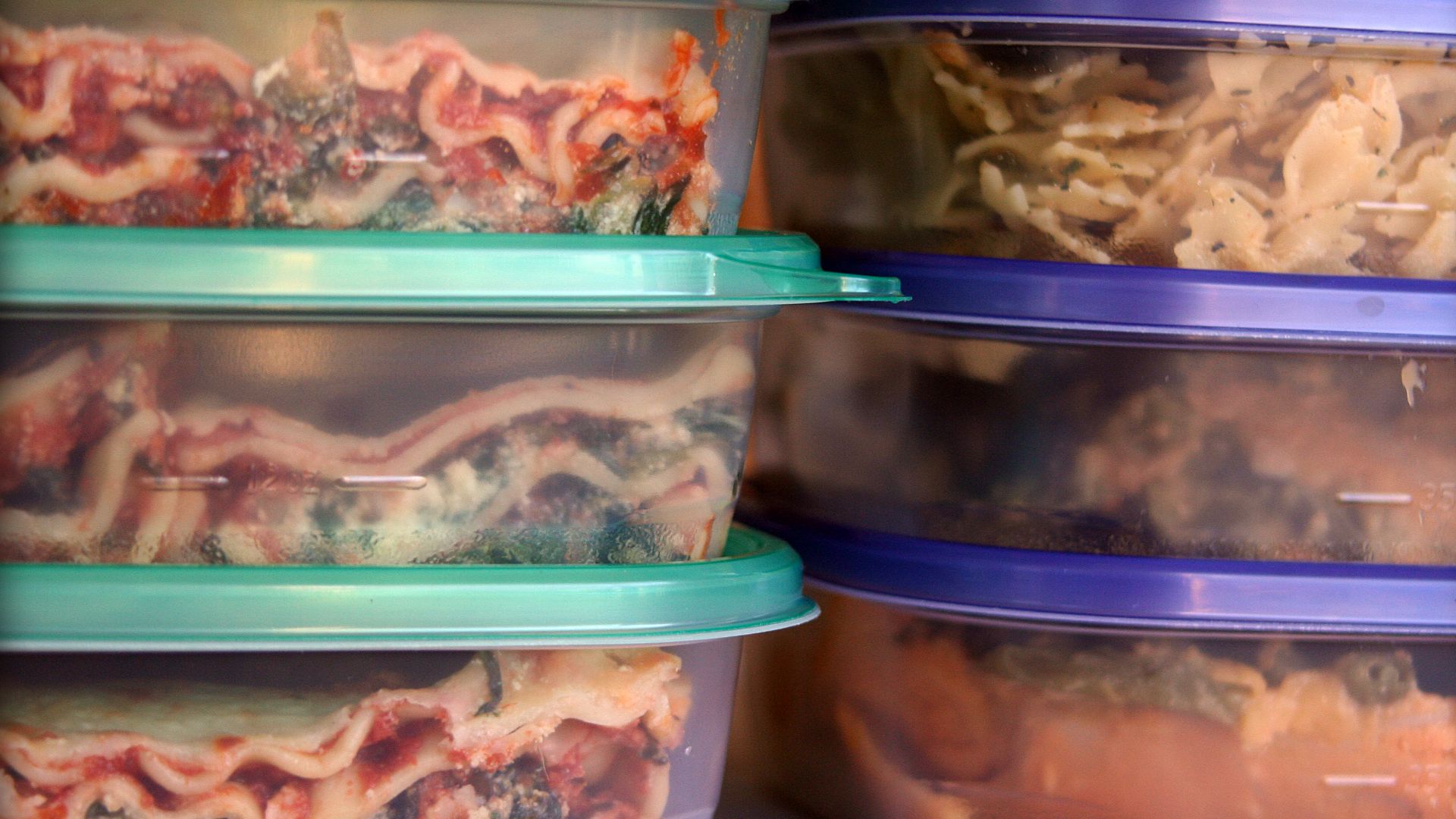
If you need reliable cold storage, ask whether the resort has rooms with full-size refrigerators or kitchenettes.
Some properties may also have another option for storing medically necessary items, although procedures vary. The little cooler beside your bed doesn't necessarily have to be your only option.
Leftovers Shouldn't Hang Around Forever Anyway
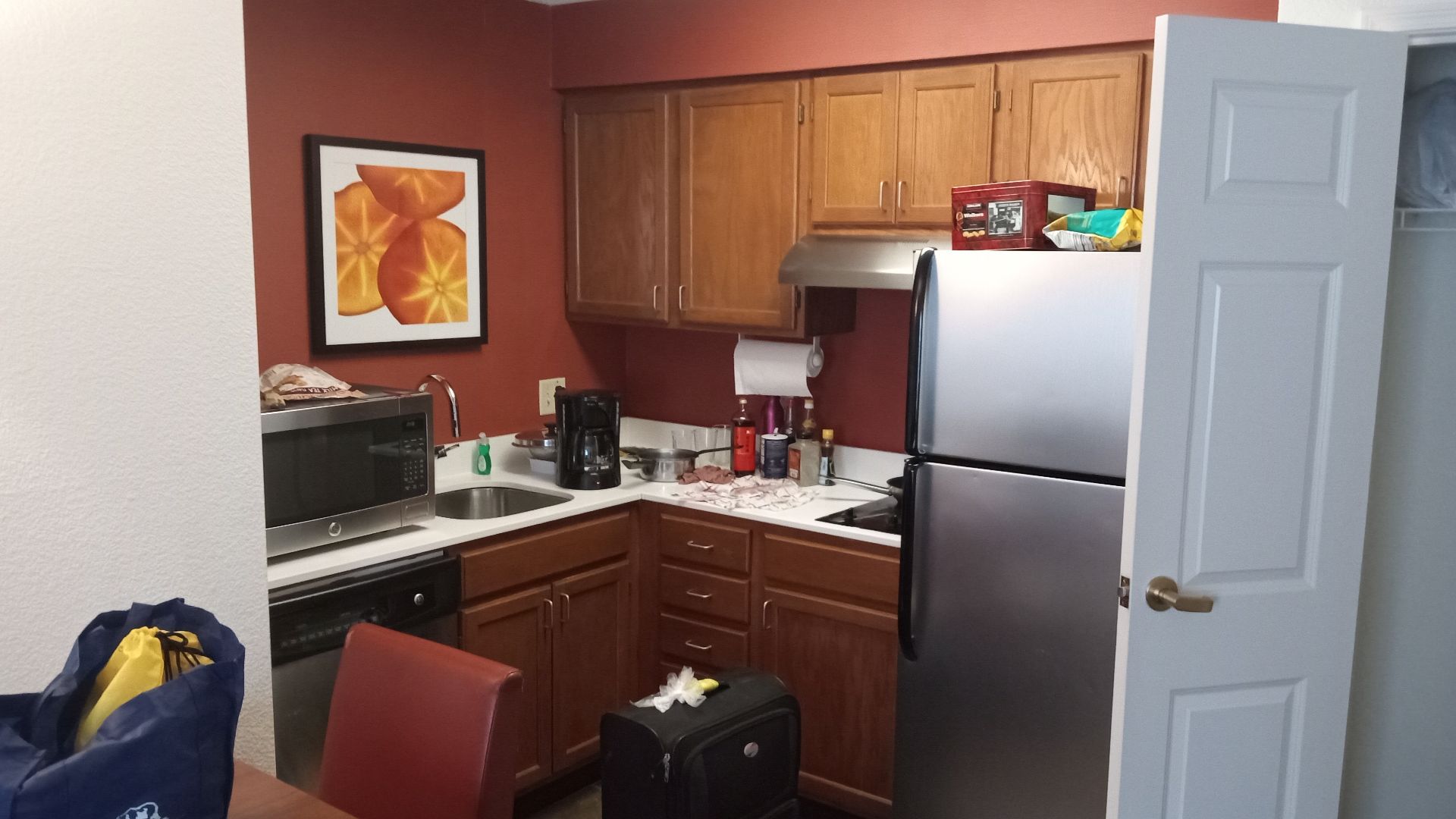
Even when food has been refrigerated correctly, that doesn't make it immortal.
USDA guidance generally recommends using cooked leftovers within several days, depending on the food. Safe storage still matters when you're on vacation.
 Kathleen Franklin, Wikimedia Commons
Here's The Question That Really Matters
What did the resort provide the appliance for, and what did it tell you about its use before or when you booked?
A hotel-provided minibar intended for its own products presents a different situation from a refrigerator specifically advertised as a guest amenity.
And a couple of sealed leftovers are different from turning the thing into Thanksgiving dinner storage.

So... Can The Resort Control What Goes In The Mini Fridge?
Generally, a resort can establish reasonable house rules governing its rooms and hotel-owned equipment, which can include restrictions on how a minibar or mini fridge is used. But there isn't a universal rule saying guests are automatically forbidden from storing their own food in every hotel refrigerator.
The exact answer depends on the property's terms, what type of appliance was provided, what was advertised, local law, and the nature of the restriction.
The Resort Doesn't Get To Rewrite What It Sold You
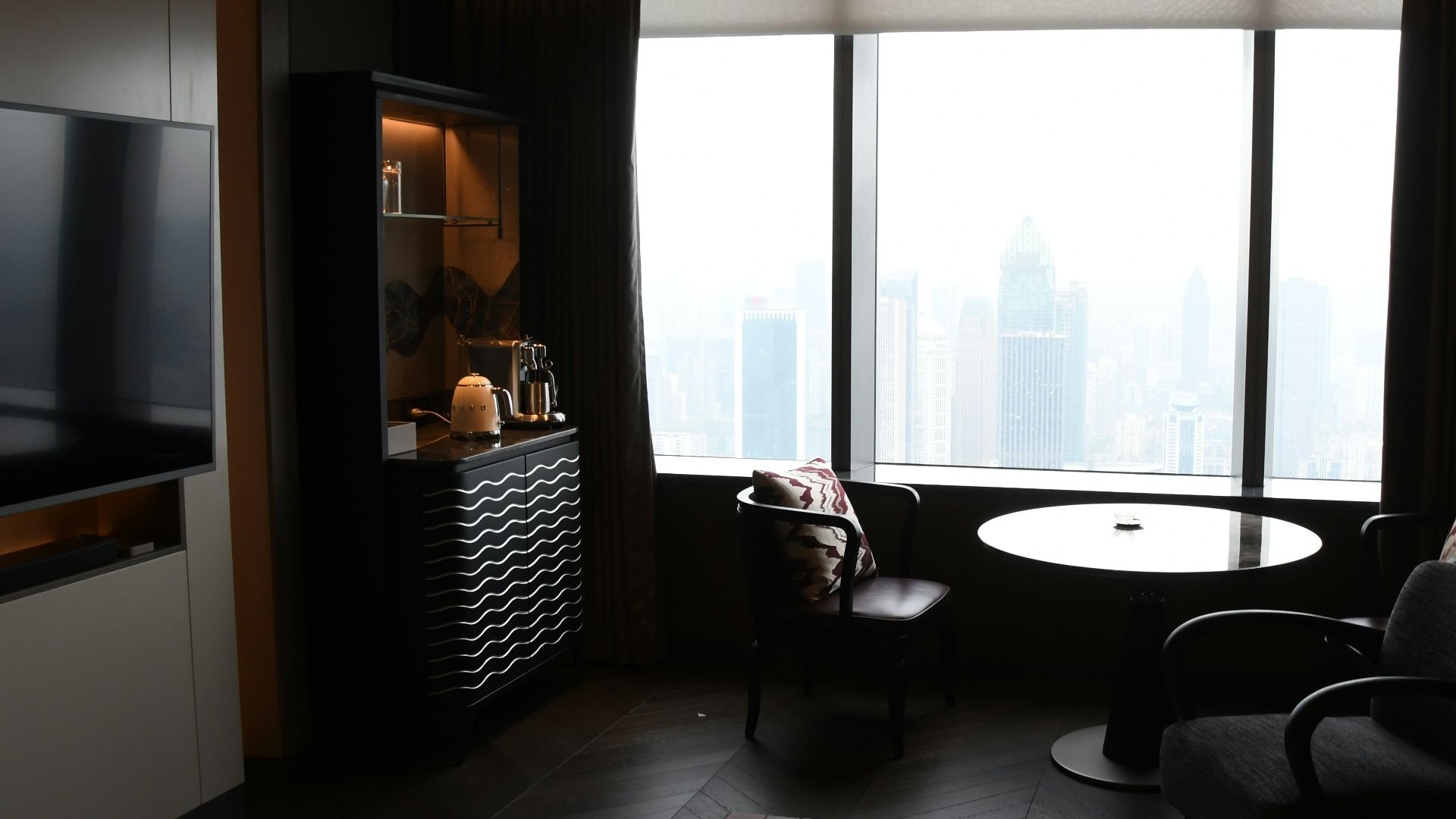
If the room was clearly advertised as having a refrigerator for guest use, but you arrive and discover that guests aren't actually allowed to put personal food inside it, ask management to explain the discrepancy.
If the appliance was described only as a minibar or beverage cooler, the resort's position may be considerably easier to understand.

And Your Week's Worth Of Chicken Might Need Another Plan
If you're traveling with large quantities of pre-cooked food, don't count on a mystery mini fridge until you know what it can safely handle.
Check the property's rules before arriving, confirm that the appliance maintains food-safe temperatures, and ask about a room with proper refrigeration if necessary.
Because winning an argument with the resort won't be much consolation if Thursday's chicken has been sitting at 50°F since Monday.

You May Also Like: