
Apparently, Making A Sandwich Is Now A Hotel Issue
You stopped at a grocery store before arriving at the resort and picked up bread, cheese, deli meat, and a few other basics. Nothing needs to be cooked, and you're planning to make simple sandwiches in your room. Then the resort tells you outside groceries can't be prepared there. It's your room and your food, so how much control can the resort really have over what you eat behind the door?

This Isn't Exactly Room-Service Competition
You're not operating an underground sandwich shop from Room 214. You're making lunch.
That distinction makes the restriction feel especially strange. There are no ovens, frying pans, or smoky cooking involved, and you aren't asking hotel employees to prepare anything.
Travelers Bring Groceries To Hotels All The Time
Buying groceries can be practical on a longer trip, particularly for families. Sandwich ingredients, cereal, fruit, yogurt, and snacks can also prevent every meal from becoming another expensive restaurant visit.
But common travel behavior and hotel policy aren't necessarily the same thing.
First, Check What Kind Of Room You Actually Booked
A standard hotel room and a suite advertised with a kitchenette are very different products.
If the resort specifically advertises a refrigerator, microwave, kitchenette, or full kitchen, guests naturally have a stronger expectation that at least some food storage or preparation is part of the accommodation.
A Mini-Fridge Doesn't Necessarily Mean "Kitchen"
That little refrigerator underneath the television can create confusion. Guests may see it and think, "Great, sandwich supplies."
The resort may view it simply as an amenity for beverages, leftovers, medication, or minibar products. What the room was advertised as matters.
And Some Resorts Really Do Publish Outside-Food Rules
This isn't just a hypothetical hotel quirk. Actual properties have written policies restricting food brought from elsewhere.
For example, the Park Hyatt St. Kitts publishes an outside-food policy restricting preparation, heating, storage using hotel facilities, and cooking equipment in ordinary guest rooms, while making distinctions for designated villa kitchens.
But Other Hotels Do Almost The Opposite
Here's where the story gets more interesting.
The Eden Resort & Suites in Pennsylvania says outside food and beverages aren't permitted in many public areas, but specifically makes an exception for guest rooms.
So there clearly isn't one universal hotel rule.

Another Hotel Draws The Same Room/Common-Area Line
Hyatt Place St. Paul/Downtown similarly says outside food and adult beverages aren't permitted in hotel common areas, while outside food and beverages can be consumed inside a guest's private room.
That distinction makes sense operationally. Your room isn't the hotel's restaurant.

Then There's The Complete Ban Approach
Some properties go considerably further.
Oriental Hotel Okinawa Resort & Spa publishes rules stating that outside food and beverages may not be brought into the hotel or ordered from elsewhere. Its rules separately prohibit using fire for cooking in guest rooms.
Suddenly, your innocent sandwich has wandered into surprisingly complicated territory.
 Anastasia Ilina-Makarova, Pexels
Why Would A Resort Care In The First Place?
The cynical answer is obvious: resorts make money selling food.
But that's not the only possible explanation. Hotels also have legitimate concerns involving pests, spills, odors, waste, food storage, housekeeping, electrical equipment, fire hazards, and contamination.

Cooking Is Where Resorts Get Especially Nervous
Making a cold sandwich is one thing. Bringing a portable burner, toaster oven, electric skillet, or hot plate into a standard hotel room is another.
Properties have much stronger safety reasons to control equipment that generates heat or could cause a fire.
Your Sandwich Doesn't Need Any Of That
And that's what makes this scenario unusual.
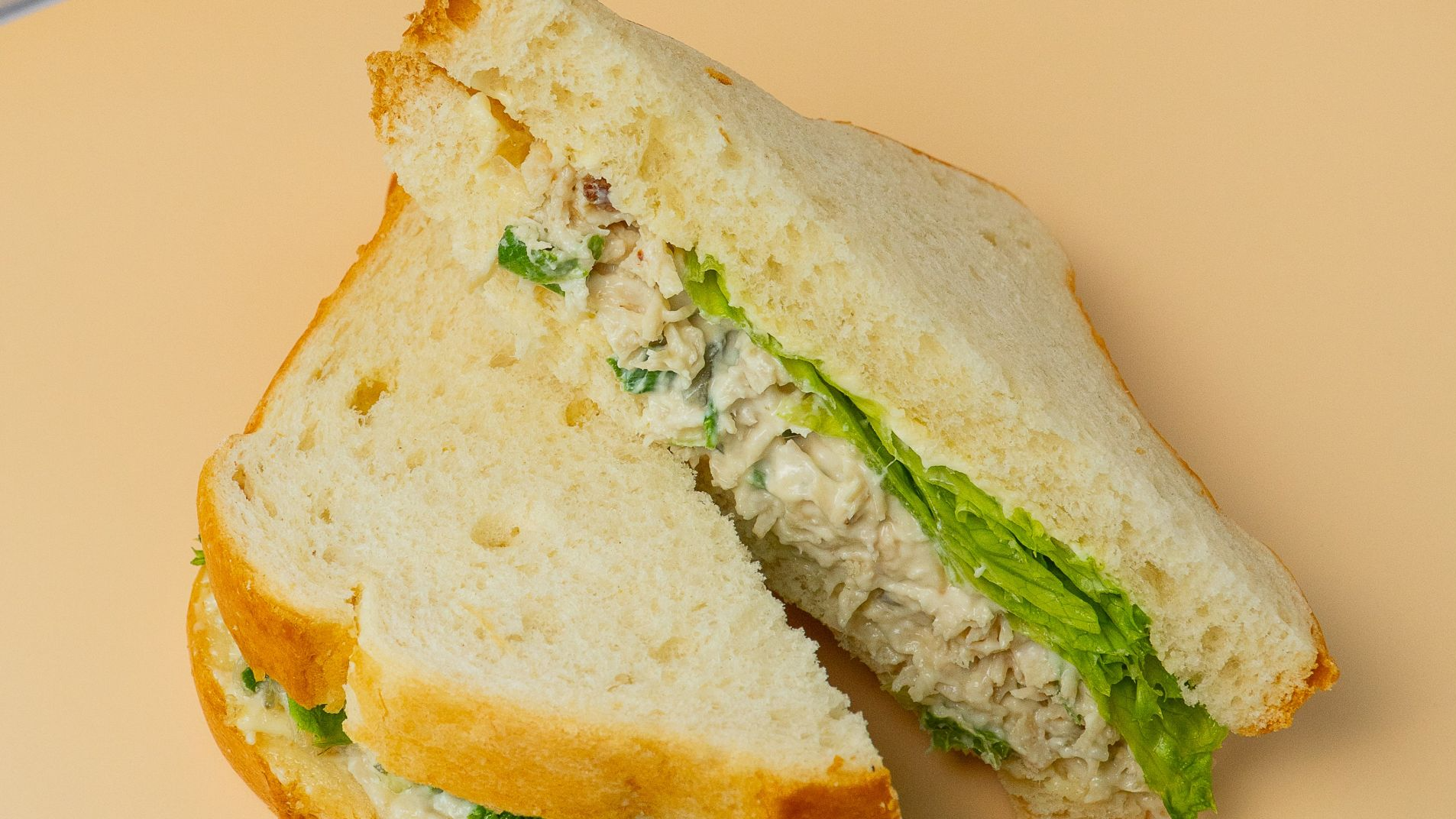
Bread, sliced cheese, deli meat, mustard, and a knife don't create the same obvious fire risk as someone attempting to cook bacon on a portable griddle beside the bed.
So what exactly is the resort trying to prevent?

Refrigeration Could Be Part Of The Problem
Cold sandwich ingredients can still create food-safety issues if they aren't stored properly.
Deli meats and other perishable foods require appropriate refrigeration. A tiny minibar that barely keeps drinks cold may not necessarily be intended for storing several days' worth of groceries.
Food Safety Rules Aren't A Simple Explanation
In the United States, the FDA Food Code provides a model for jurisdictions regulating restaurants and retail food service. It isn't a universal federal hotel-room rule, and jurisdictions can adopt or modify its provisions.
That matters because saying "health code" doesn't automatically settle this particular argument.
A Guest Room Isn't Automatically A Restaurant Kitchen
The Food Code itself distinguishes living and sleeping quarters from food-establishment operations. For example, it says a room used as living or sleeping quarters cannot be used for conducting food-establishment operations.
You making lunch for yourself, however, is not the same thing as the resort operating a restaurant from your room.
Public Areas Are A Different Story
Imagine carrying your grocery bags into the resort's steakhouse, occupying a table, and making your own sandwiches while everyone else orders from the menu.
A resort has much clearer operational reasons for restricting outside food in restaurants, bars, banquet spaces, and pool areas. Indeed, several published hotel policies specifically distinguish those areas from private rooms.

All-Inclusive Resorts Add Another Wrinkle
At an all-inclusive property, the financial argument can become even stranger because meals may already be included in your rate.
Still, "all-inclusive" doesn't mean the property stops having house rules. The resort can regulate how its restaurants, facilities, and accommodations are used.
 Monkey Business Images, Shutterstock
What Was Advertised When You Booked?
This could become one of the most important details.
If the room was marketed as having a kitchenette where guests could prepare food, being told after arrival that you're forbidden from making any food would raise a very different issue from booking an ordinary room with no food-preparation amenities.

Look For The Rule Before Assuming It Exists
Ask the resort to show you its written policy.
Does it say no cooking appliances? No outside food in restaurants? No food preparation whatsoever? Or does it genuinely prohibit guests from assembling their own cold food inside their rooms?
Those aren't interchangeable rules.

"No Cooking" Isn't Necessarily "No Sandwiches"
This distinction is worth pushing on politely.
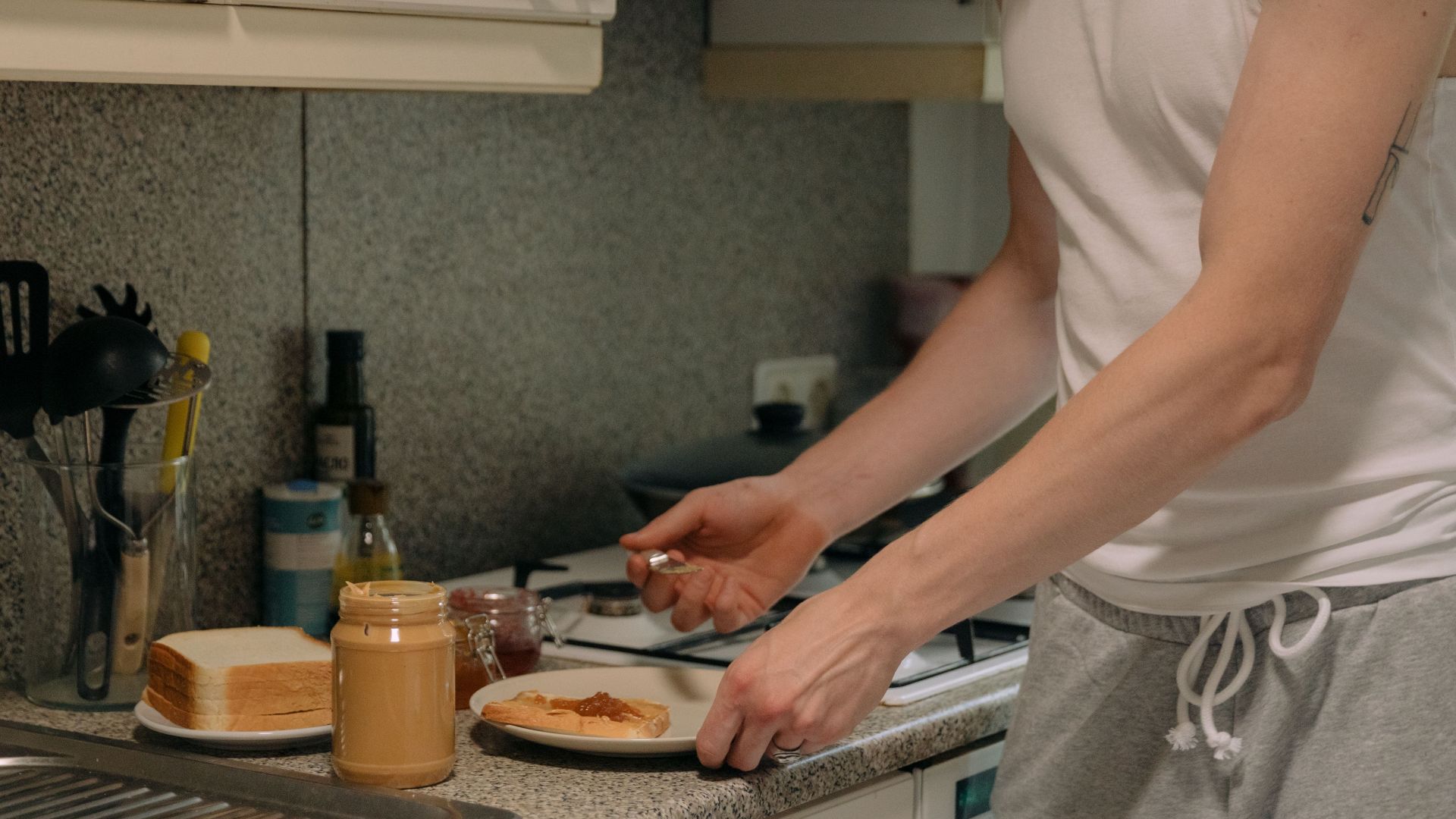
If the policy prohibits cooking, ask whether cold food preparation is included. Making a ham-and-cheese sandwich normally involves no heating or cooking at all, so the employee may be applying a broader interpretation than the written policy actually supports.
The Resort Might Have A Narrower Rule Than You Think
Sometimes the first explanation from an employee isn't the whole policy.
You may discover that groceries are allowed but hot plates aren't, outside food is allowed only inside rooms, or food preparation is permitted in suites with kitchenettes but prohibited in standard rooms.

International Resorts Complicate The Legal Question
Many resorts are located outside the United States, and hotel, consumer, fire-safety, and food regulations differ considerably between countries.
That makes it impossible to say that one U.S. rule determines what every resort in Mexico, Jamaica, the Dominican Republic, Japan, or elsewhere can require.

The Booking Terms Matter Too
House rules can form part of the conditions attached to your stay, particularly when they're disclosed before booking.
That's why it's worth checking your confirmation email, booking page, resort website, and any terms you accepted instead of relying entirely on what someone at the front desk says.

What If Nobody Told You Until You Arrived?
Now the situation becomes more frustrating.
If the property advertised refrigerators or food-preparation amenities, never disclosed an outside-food restriction, and then announced the rule after you arrived with a week's worth of groceries, ask management where the restriction appeared when you booked.
That doesn't automatically invalidate the policy, but it's useful information if you dispute how the stay was represented.
Don't Immediately Turn Lunch Into A Legal Battle
Before arguing over the constitutional right to assemble turkey and Swiss, ask a few practical questions.
Can you store groceries in your room? Can you eat food purchased elsewhere? Does the rule prohibit only heating and cooking? Are cold sandwiches allowed? Does it apply only to public areas?
The answers could resolve the whole thing.
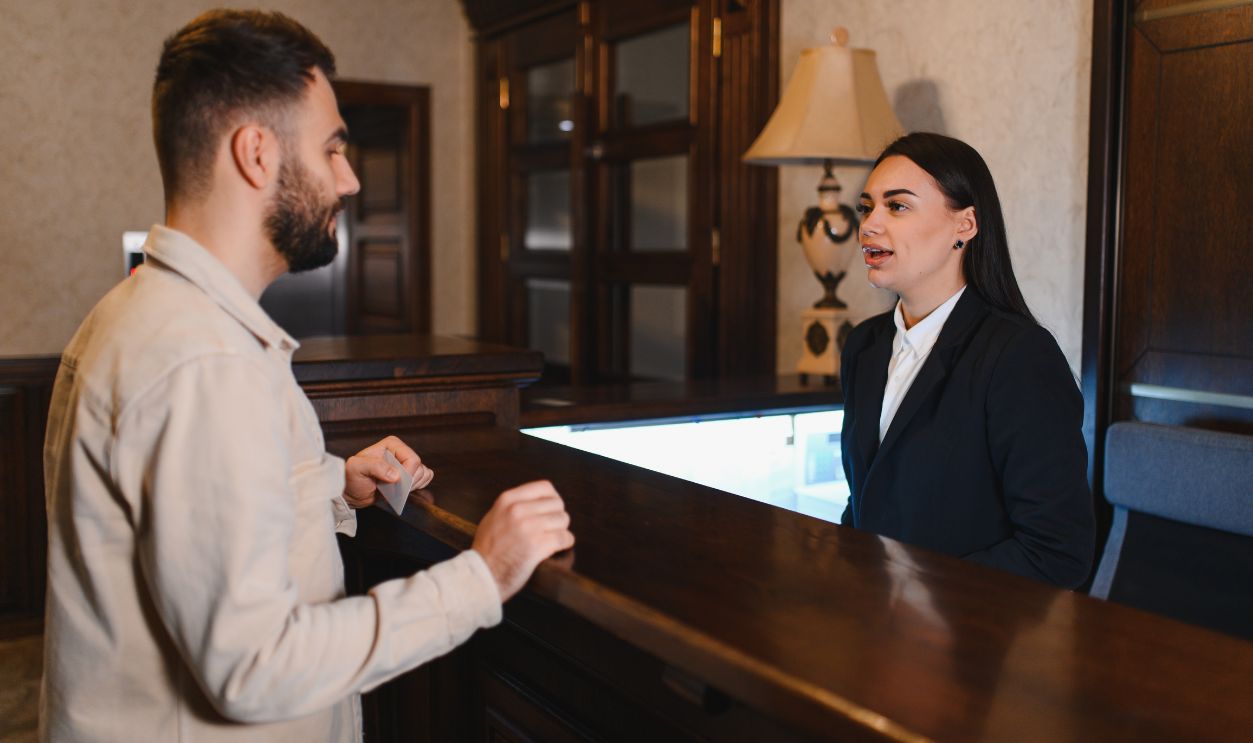 Hryshchyshen Serhii, Shutterstock
Here's The Detail That Changes Everything
There is no single worldwide law governing whether resort guests may assemble sandwiches from their own groceries inside their rooms.
Instead, you have to look at local law, the property's house rules, what was disclosed when you booked, what facilities the room was advertised as providing, and what you're actually doing with the food.
And that finally brings us back to the original question.

So... Can The Resort Actually Tell You Not To Make Sandwiches?
Generally, yes, a resort can establish reasonable house rules restricting outside food or food preparation in guest rooms, provided those rules comply with applicable local laws and other legal obligations. But that does not mean every resort has such a rule, or that a generic "no cooking" policy automatically means guests can't assemble a cold sandwich.
Published hotel policies demonstrate just how much practices vary: some prohibit or heavily restrict outside food, while others expressly allow guests to consume it inside their private rooms.
Before Surrendering The Sandwiches, Ask To See The Policy
If management really says you cannot make a cold sandwich inside your own room, ask for the written rule and check whether it was disclosed when you booked.
If it actually says "no cooking appliances" or "no outside food in public areas," your sandwich may not be the problem at all.
And if the rule genuinely says no outside food preparation in guest rooms? At least you'll know the resort isn't making a personal stand against your turkey sandwich. It's a property policy, and you can decide whether that's a resort you'd ever book again.
You May Also Like: