I went to a popular public beach, but when I arrived there was a sign saying access is by “reservation only." Can they do that to public spaces?

I went to a popular public beach, but when I arrived there was a sign saying access is by “reservation only." Can they do that to public spaces?


June 25, 2026 | Allison Robertson

I went to a popular public beach, but when I arrived there was a sign saying access is by “reservation only." Can they do that to public spaces?


The Public Beach That Suddenly Needed A Reservation

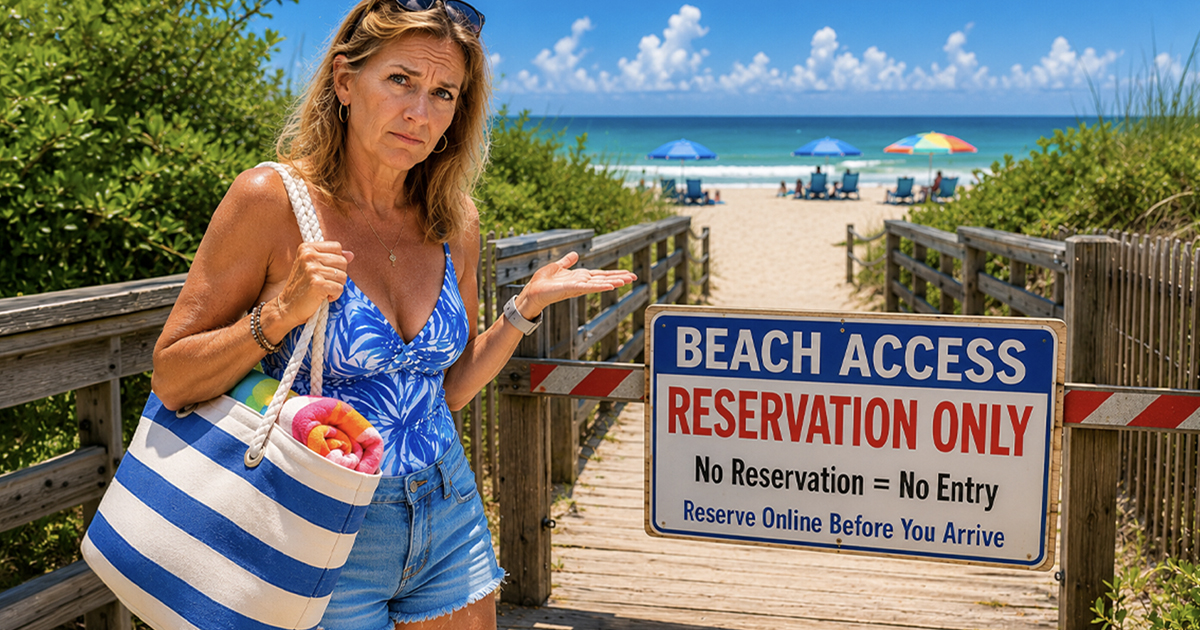
You packed the sunscreen, loaded the beach chairs, and headed for a popular public beach, expecting a relaxing day by the water. Instead, you were greeted by a sign that read, "Reservation Only." If it's a public beach, can they really limit who gets in? The answer isn't as simple as you might think.
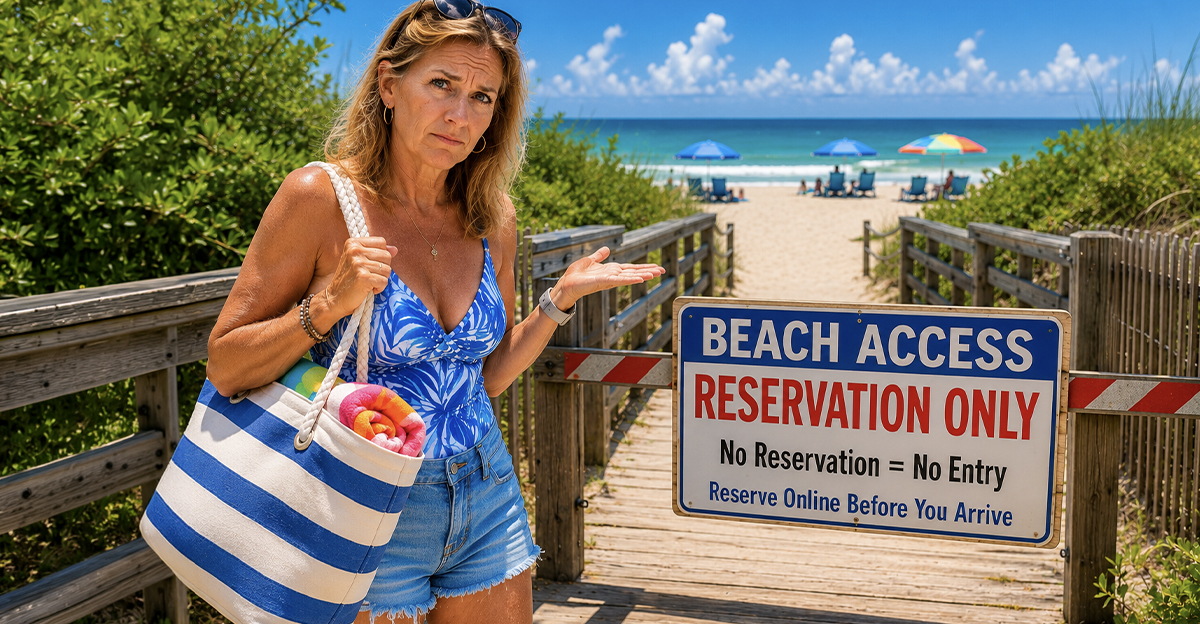
Woman at the beach standing beside a restricted access signFactinate Ltd.

Advertisement

It Feels Strange At First

Most people think of public beaches as places that are open to everyone. That's why reservation systems often catch visitors completely off guard.
A family enjoys a walk on a beach at sunset, casting long shadows with a pier in the background.Garrison Gao, Pexels

Advertisement

So, Can They Really Do That?

Sometimes yes. In many cases, public beaches can require reservations for access, parking, or capacity management, depending on local laws and how the beach is operated.
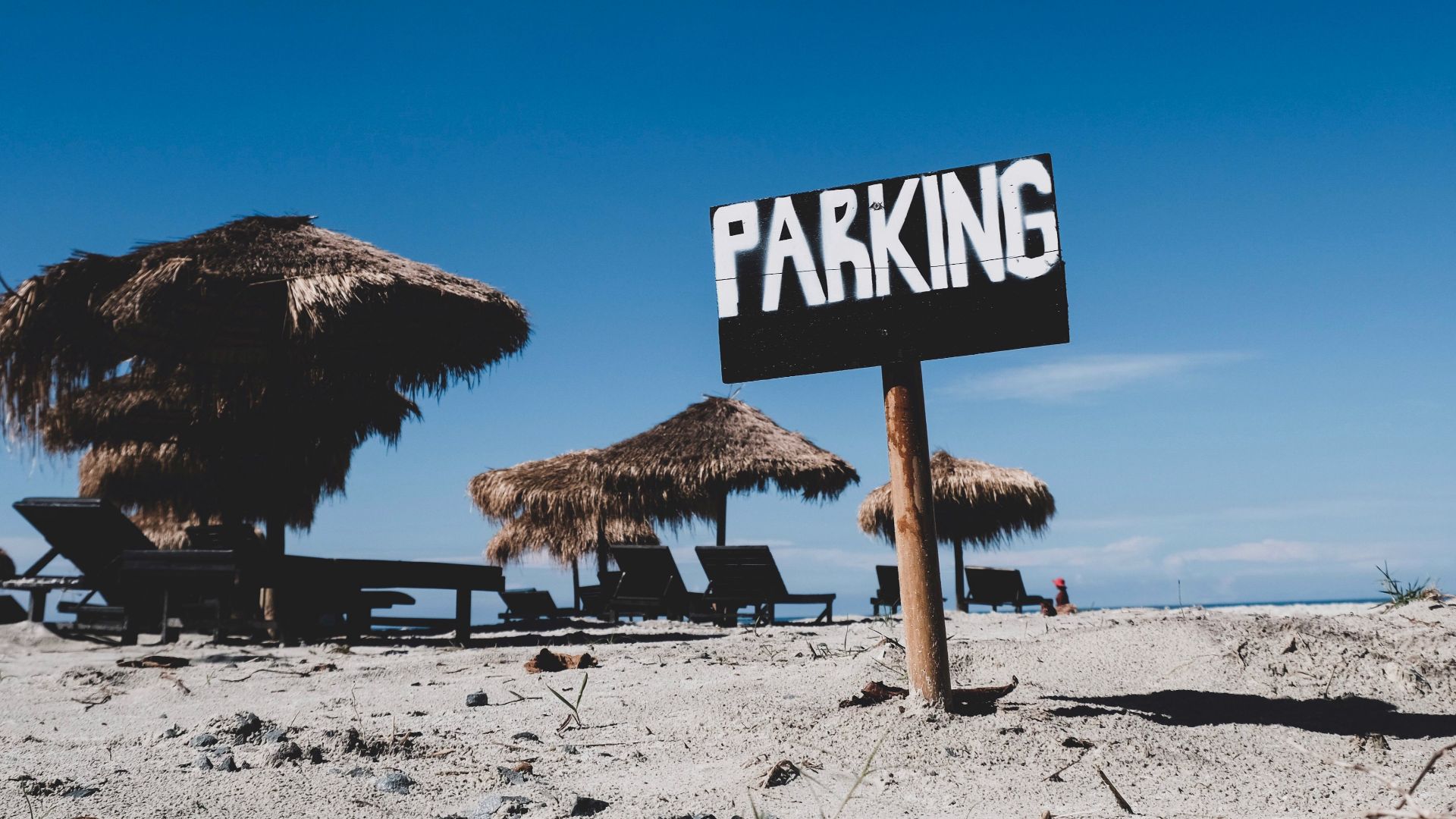
A serene beach scene with a parking sign and straw huts under a clear blue sky.Tomas Ryant, Pexels

Advertisement

Public Doesn't Always Mean Unlimited

This is where confusion starts. A public beach usually means the public can access it. It doesn't necessarily mean unlimited access at any time under any conditions.
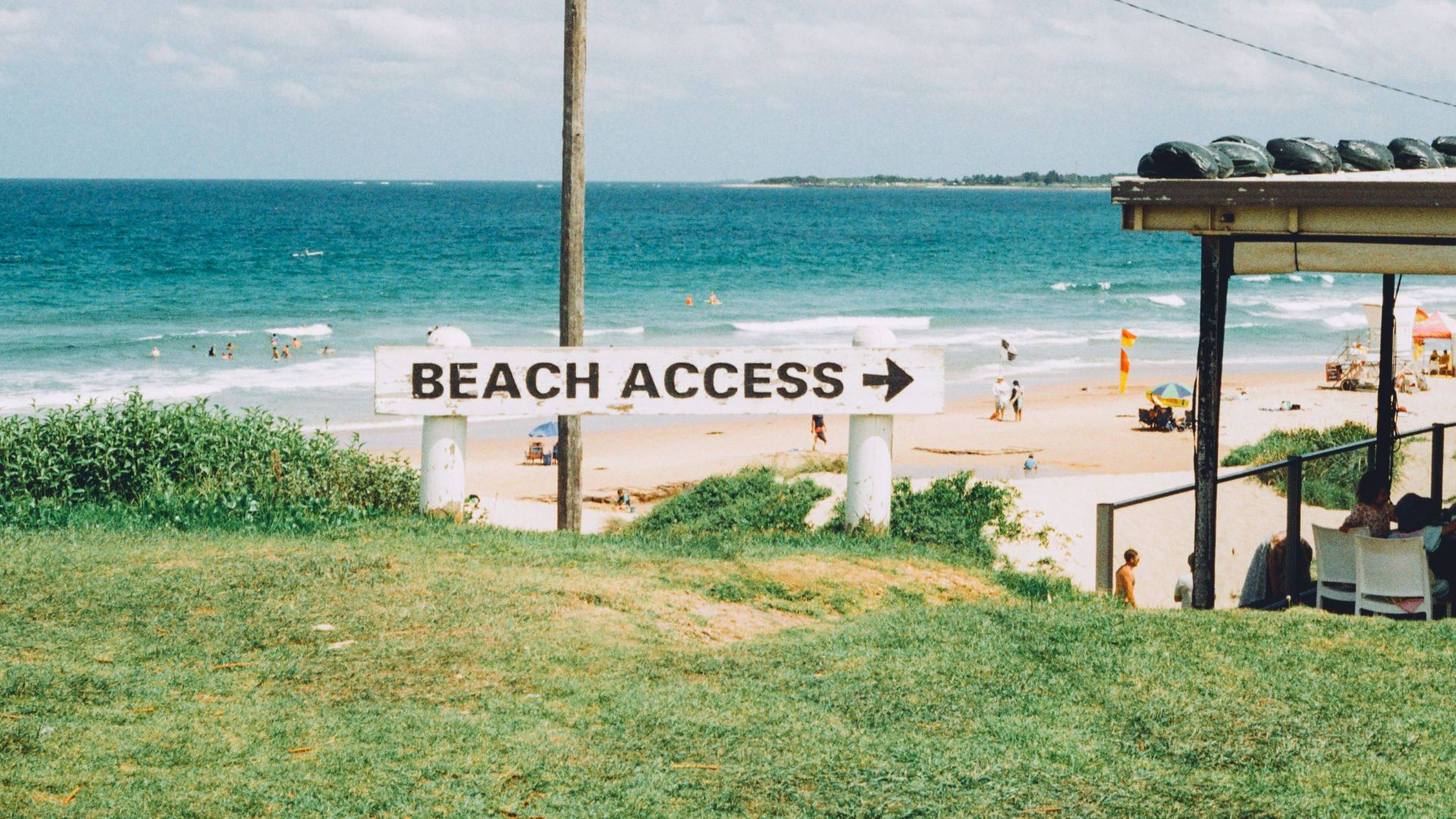
A scenic view of a beach access sign pointing towards the sandy shores at Wollongong, NSW, Australia.Michelle Timotin, Pexels

Advertisement

The Pandemic Changed A Lot

Many reservation systems became popular during COVID-19 when parks and beaches needed ways to control crowd sizes. Some of those systems never went away.

A woman wearing a face mask and straw hat takes a picture by the ocean in Jeju, South Korea.Hojin Kim, Pexels

Advertisement

Crowds Have Become A Major Problem

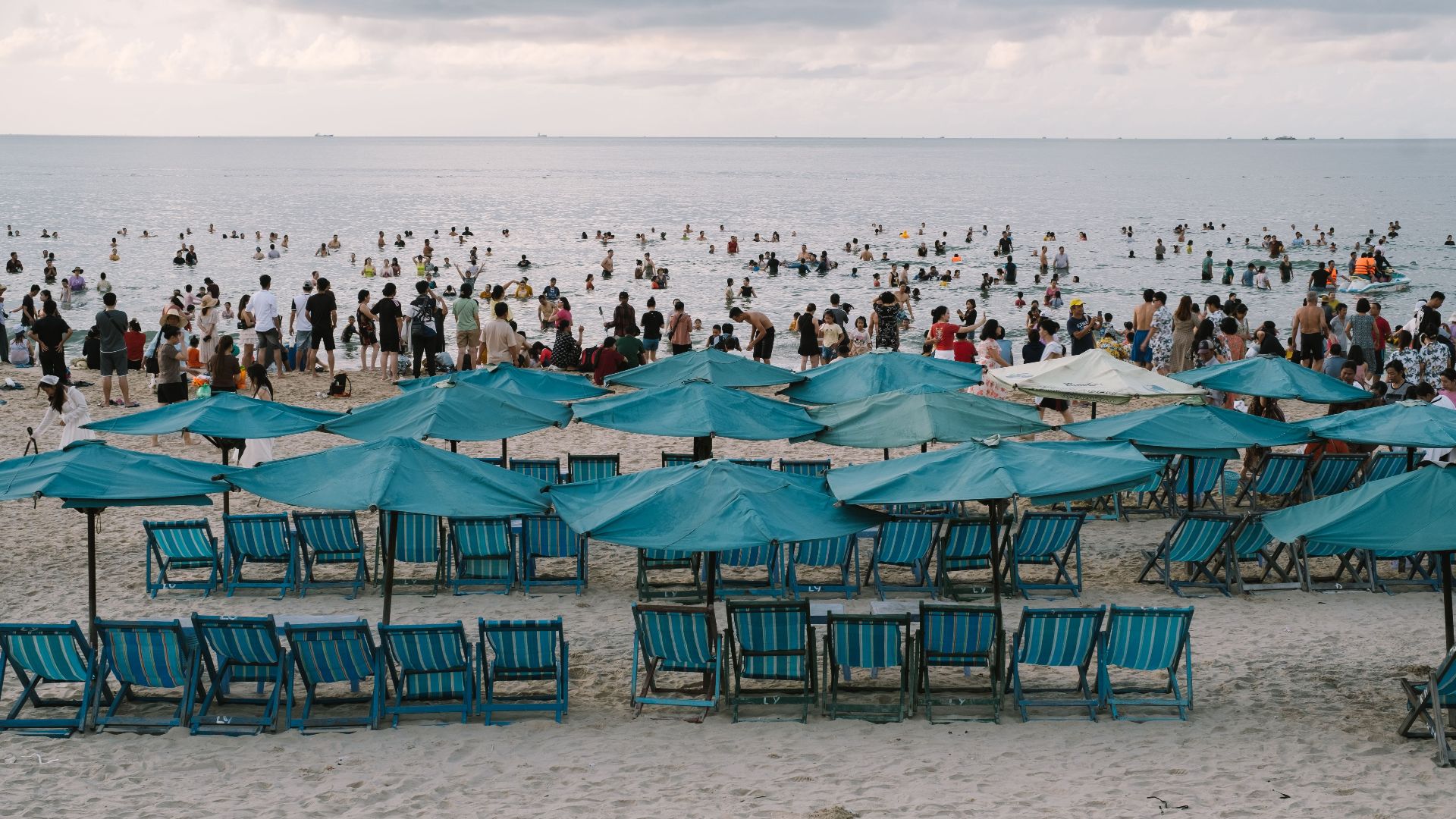
Many famous beaches now attract far more visitors than they were originally designed to handle. On busy weekends, parking lots can fill before breakfast.
A lively beach scene with blue umbrellas, chairs, and people enjoying the sea.Thuong D, Pexels

Advertisement

Reservation Systems Help Control Numbers

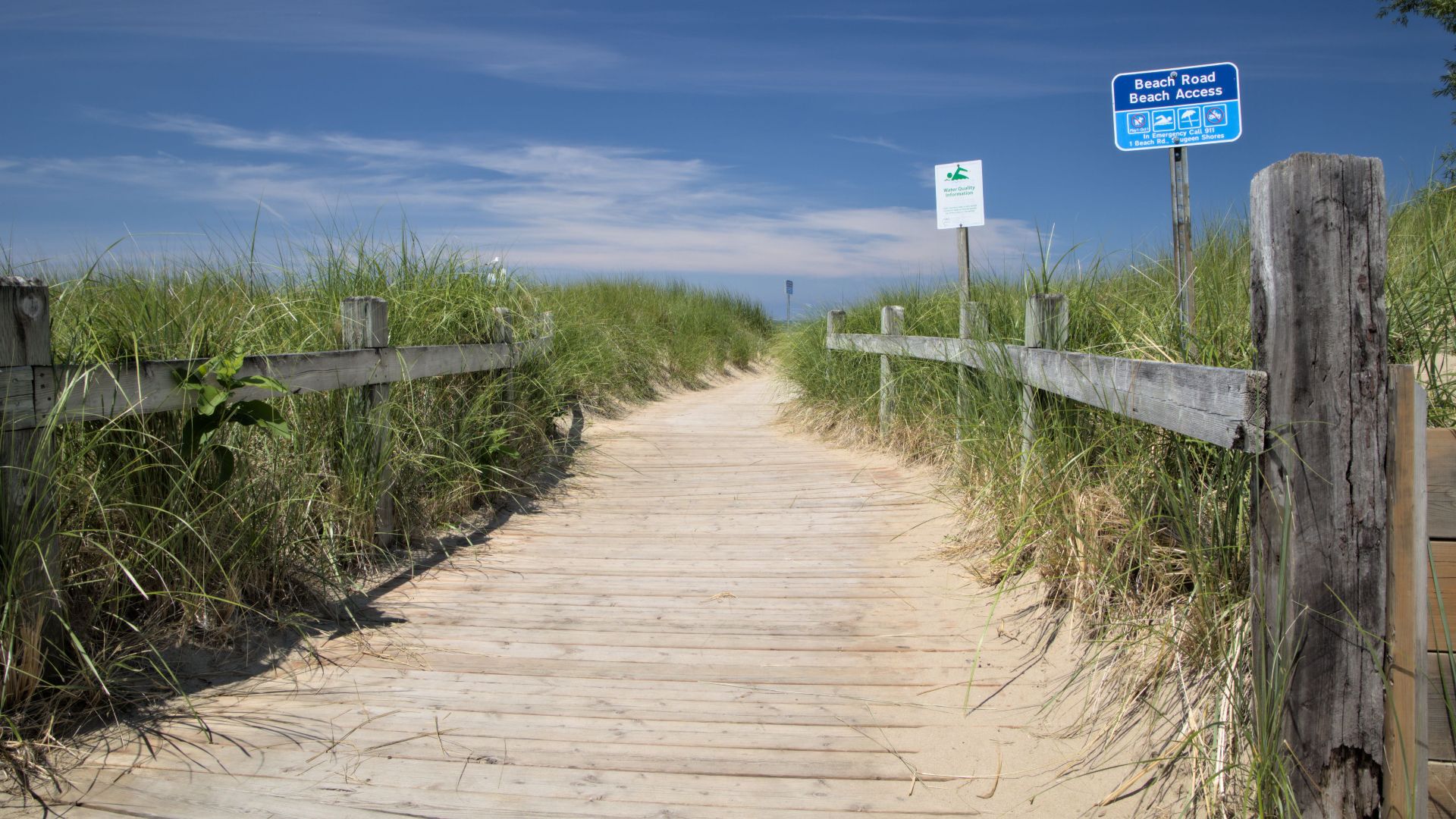
Local governments often use reservations to spread visitors throughout the day and prevent overcrowding that can create safety and environmental problems.
A sunny wooden path through dunes leads to Southampton Beach in Ontario, Canada.Ghost Acolyte, Pexels

Advertisement

Parking Is Often The Real Issue

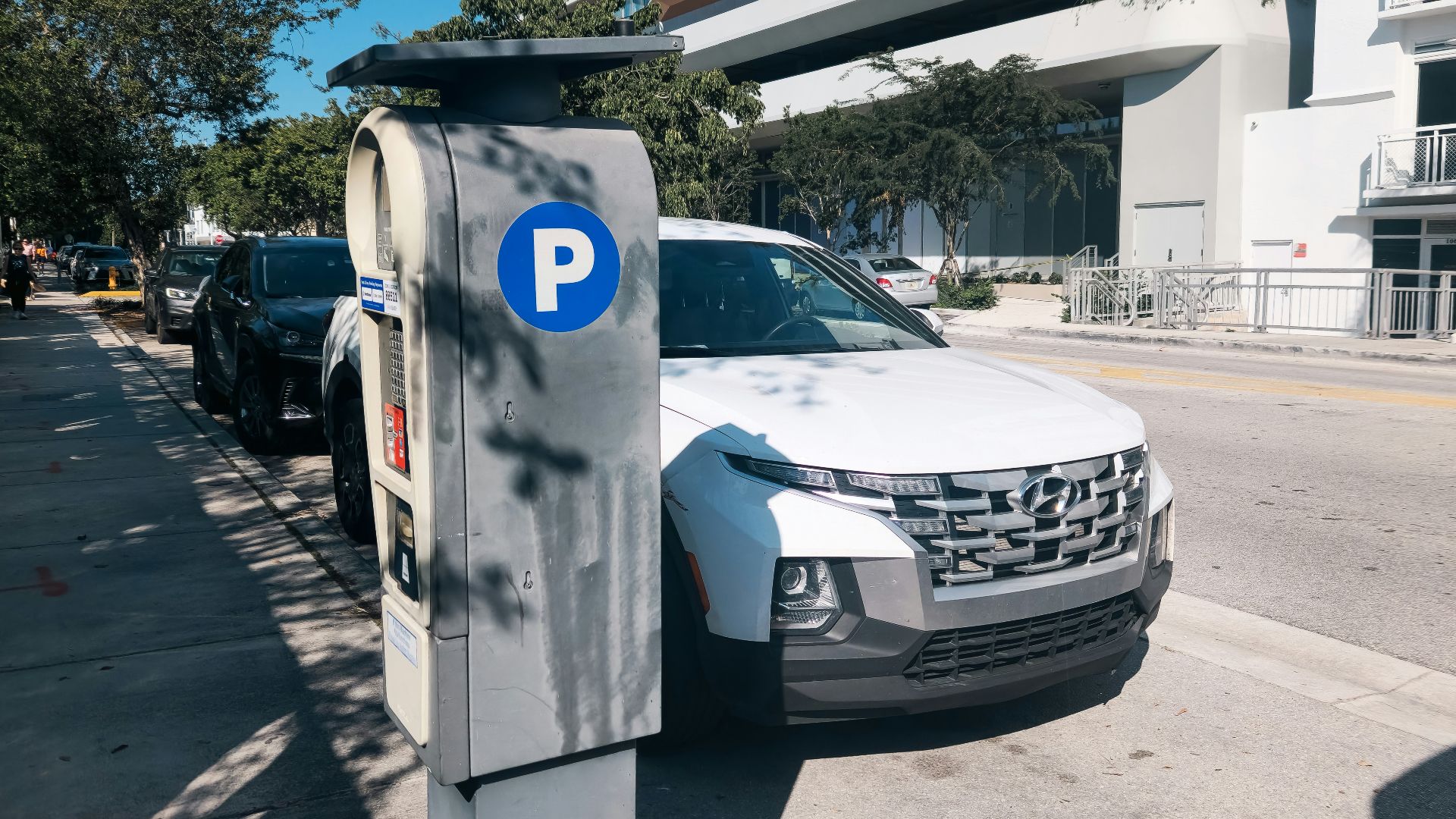
Sometimes the beach itself isn't restricted. Instead, the reservation requirement applies to parking spaces, which indirectly limits how many people can visit.
A car parked on the side of a street next to a parking meterZoshua Colah, Unsplash

Advertisement

Environmental Protection Matters Too

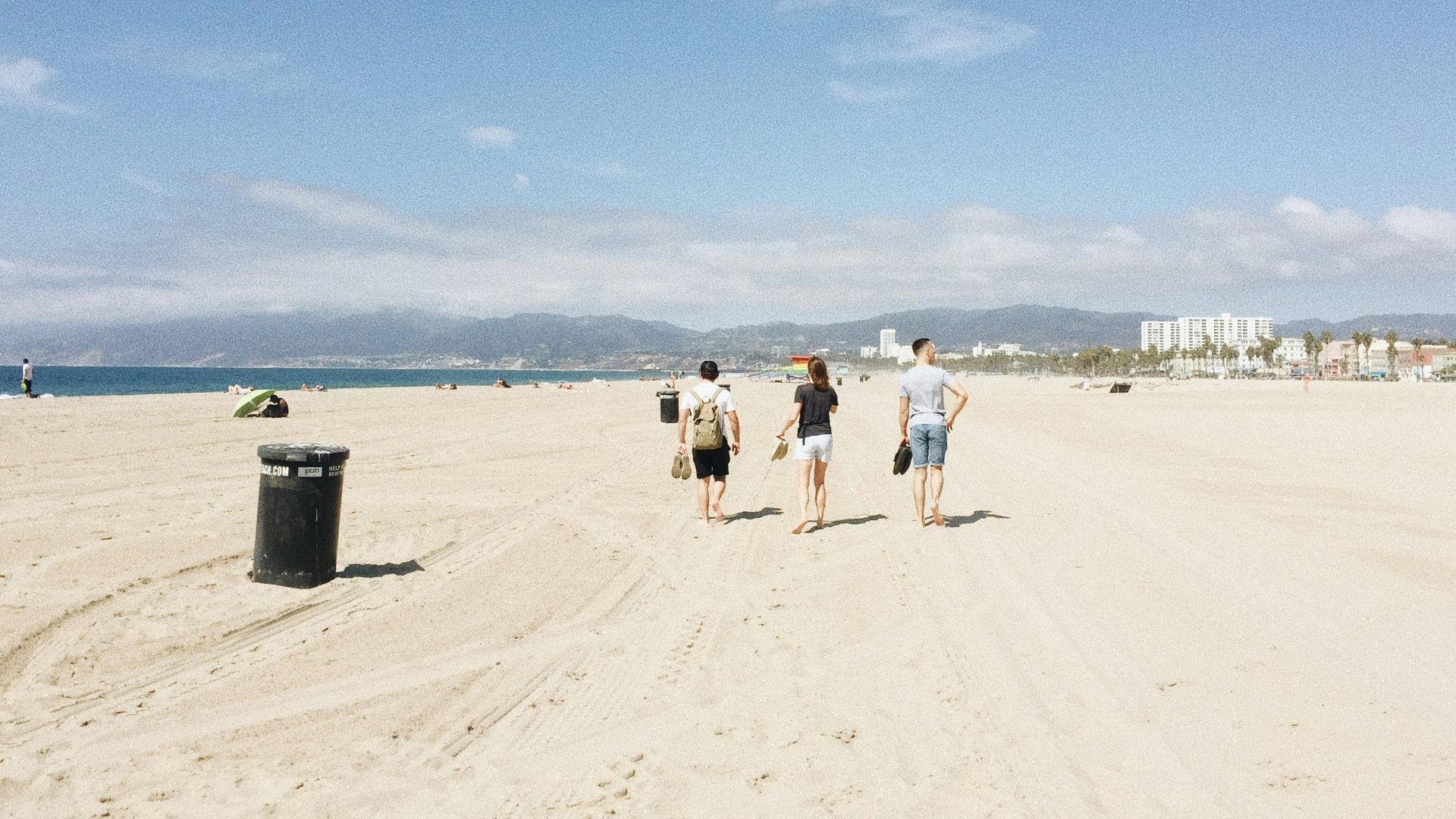
Heavy foot traffic can damage dunes, vegetation, wildlife habitats, and nesting areas. Reservation systems are sometimes used to reduce environmental impacts.
people walking on beach during daytimeJulia D., Unsplash

Advertisement

Popular Beaches Face Unique Challenges

A small local beach might never need reservations. A world-famous beach that attracts thousands of visitors every day may require much stricter management.
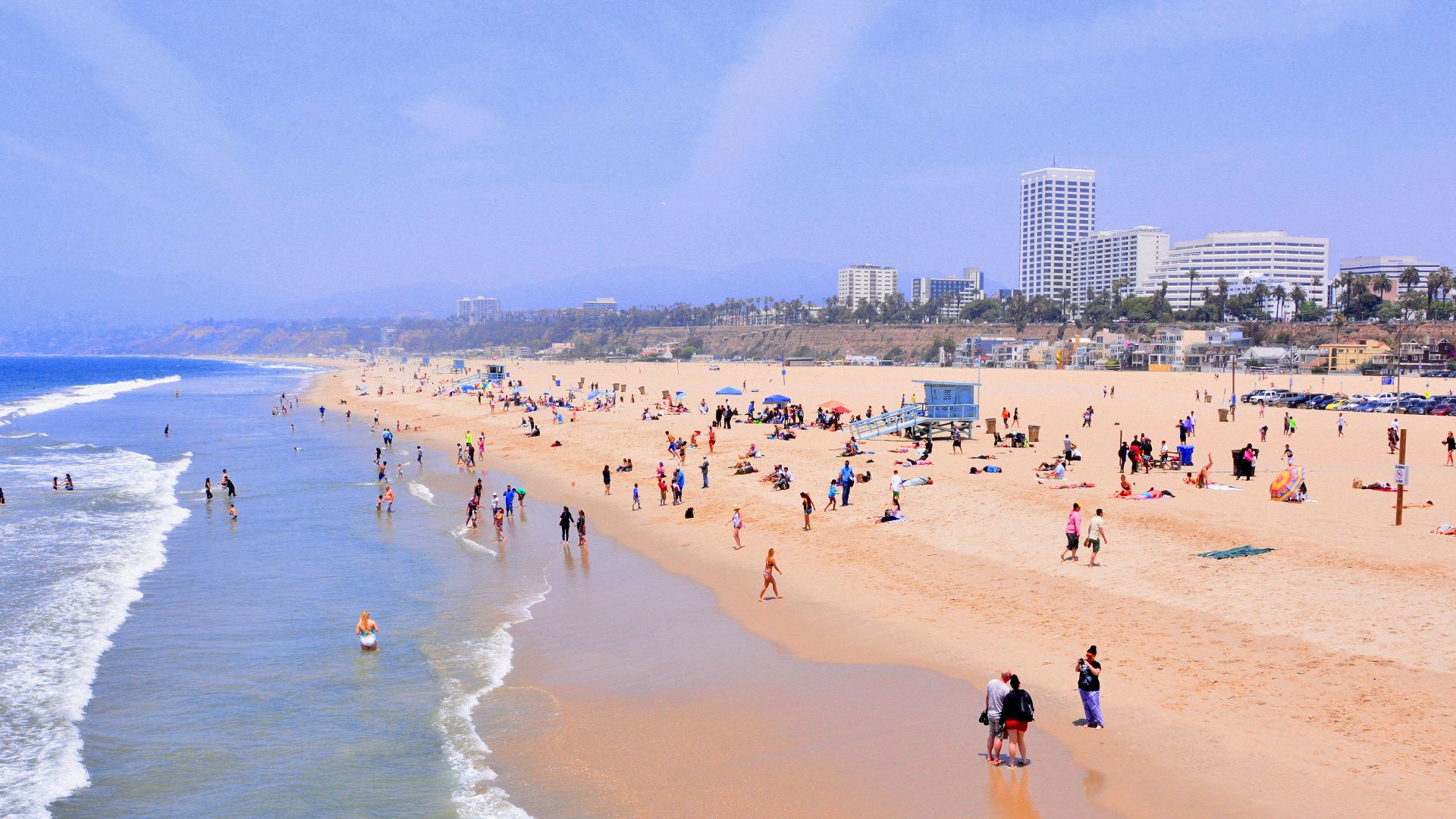
One of Los Angeles' main beaches this is a location made famous by the popular TV seriesMike McBey, Wikimedia Commons

Advertisement

National Parks Use Similar Systems

Many national parks now require reservations for certain roads, attractions, or entry periods. Beaches are increasingly following the same approach.
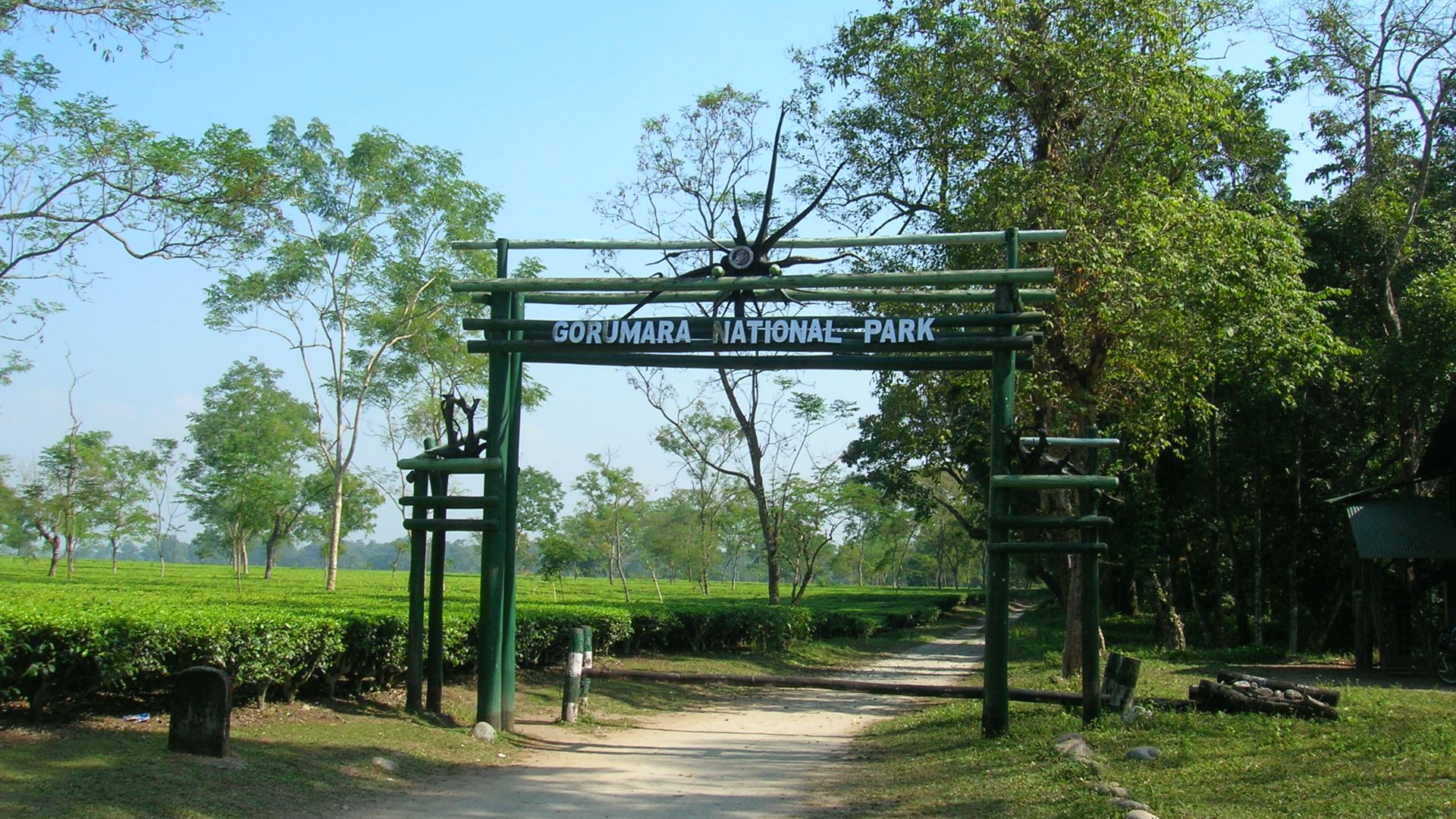
Gateway of Gorumara National ParkJonoikobangali, Wikimedia Commons

Advertisement

Some Reservations Are Free

Not every reservation system is a money grab. Many simply require visitors to reserve a time slot online without charging an additional fee.
Silhouetted group of men walking along a scenic beach during sunset with cityscape in the background.ema reynares, Pexels

Advertisement

Others Include Fees

Some locations charge reservation fees, parking fees, or entrance fees. These costs often help fund maintenance, staffing, and environmental protection programs.
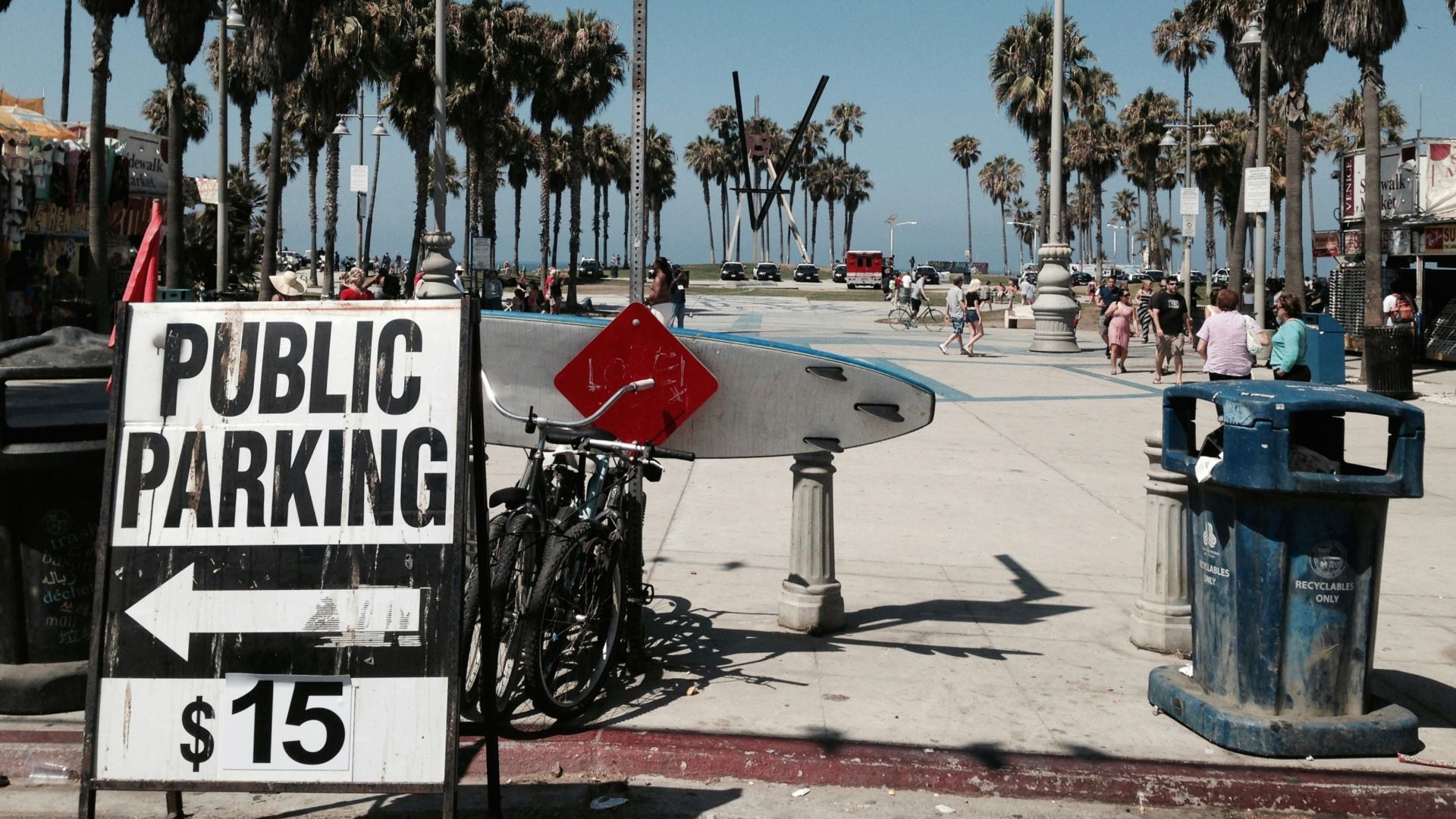
two bicycles parked near trash canRyan M, Unsplash

Advertisement

Locals Sometimes Get Special Access

In some areas, residents receive priority booking windows or special permits because local taxpayers help fund the facilities.

A young couple enjoys the sunny beach with rocky cliffs in the background.Isabell De La Cruz, Pexels

Advertisement

Visitors Don't Always Love The Idea

Many travelers feel frustrated when a public space requires advance planning. It can feel like spontaneity has disappeared from the vacation experience.
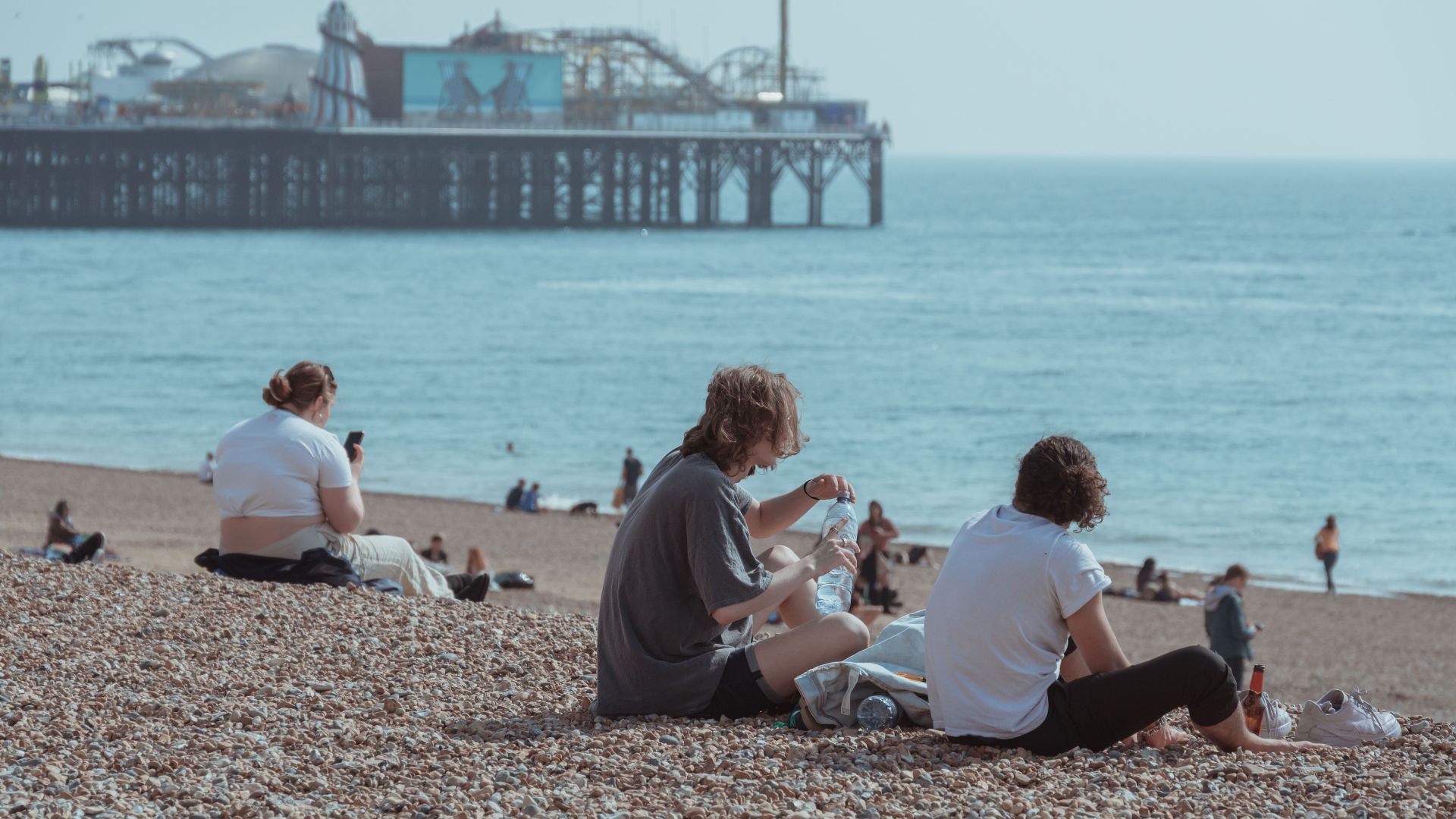
People enjoying a sunny day at Brighton Beach with the iconic pier in the background.Zekai Zhu, Pexels

Advertisement

Supporters See Benefits

On the other hand, supporters argue that reservations reduce traffic jams, overcrowding, litter, and the competition for parking that can ruin a beach day.

Volunteers cleaning up beach in Algiers, promoting environmental awareness.Noureddine Mechden, Pexels

Advertisement

The Rules Vary Widely

This is one reason travelers get confused. One beach may be completely open while another beach a few miles away requires advance reservations.
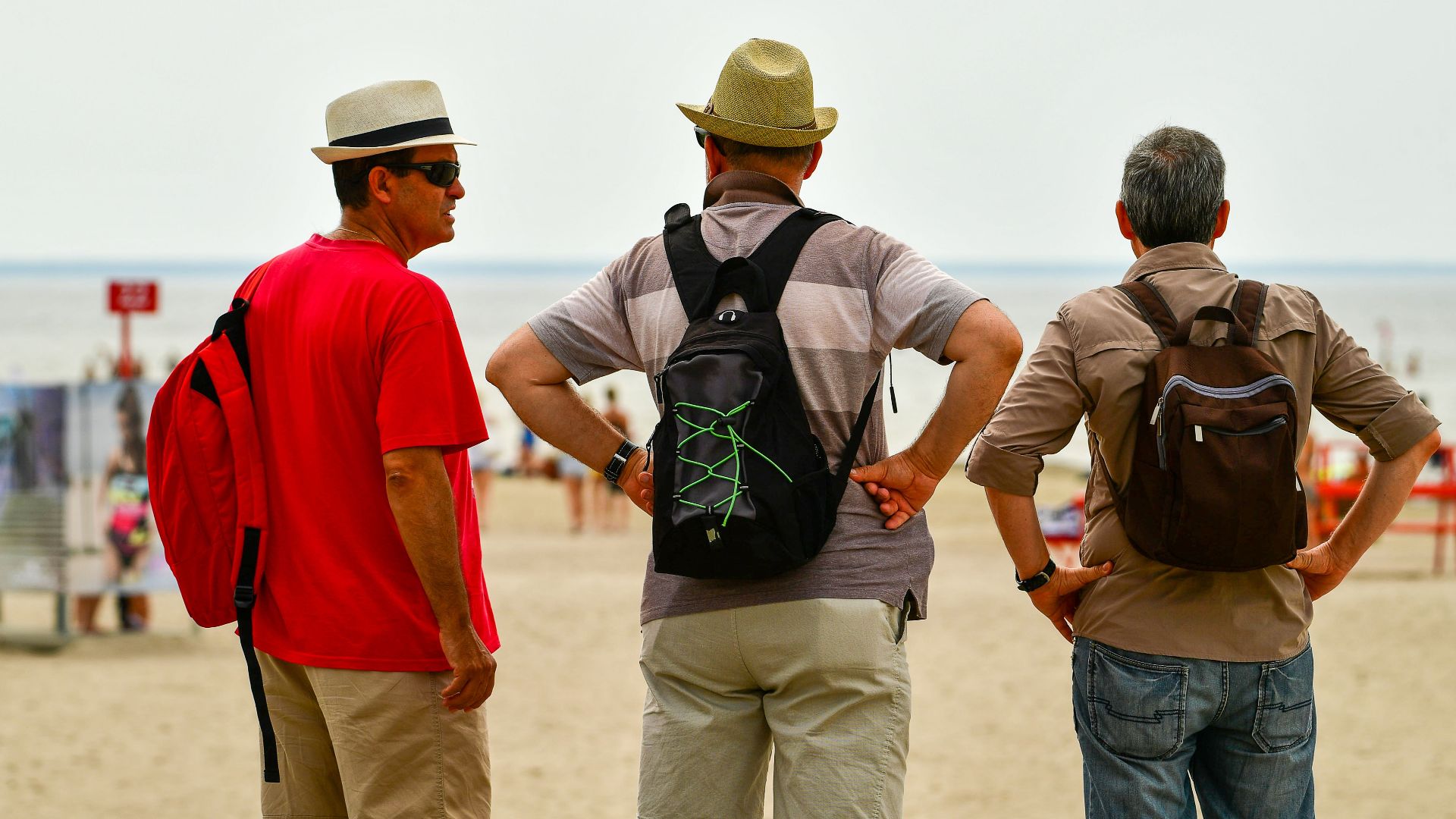
Three men in summer attire enjoying a sunny day at Pärnu Beach, Estonia.Margo Evardson, Pexels

Advertisement

State Beaches May Have Different Policies

State parks, county beaches, municipal beaches, and federally managed recreation areas often operate under different regulations.
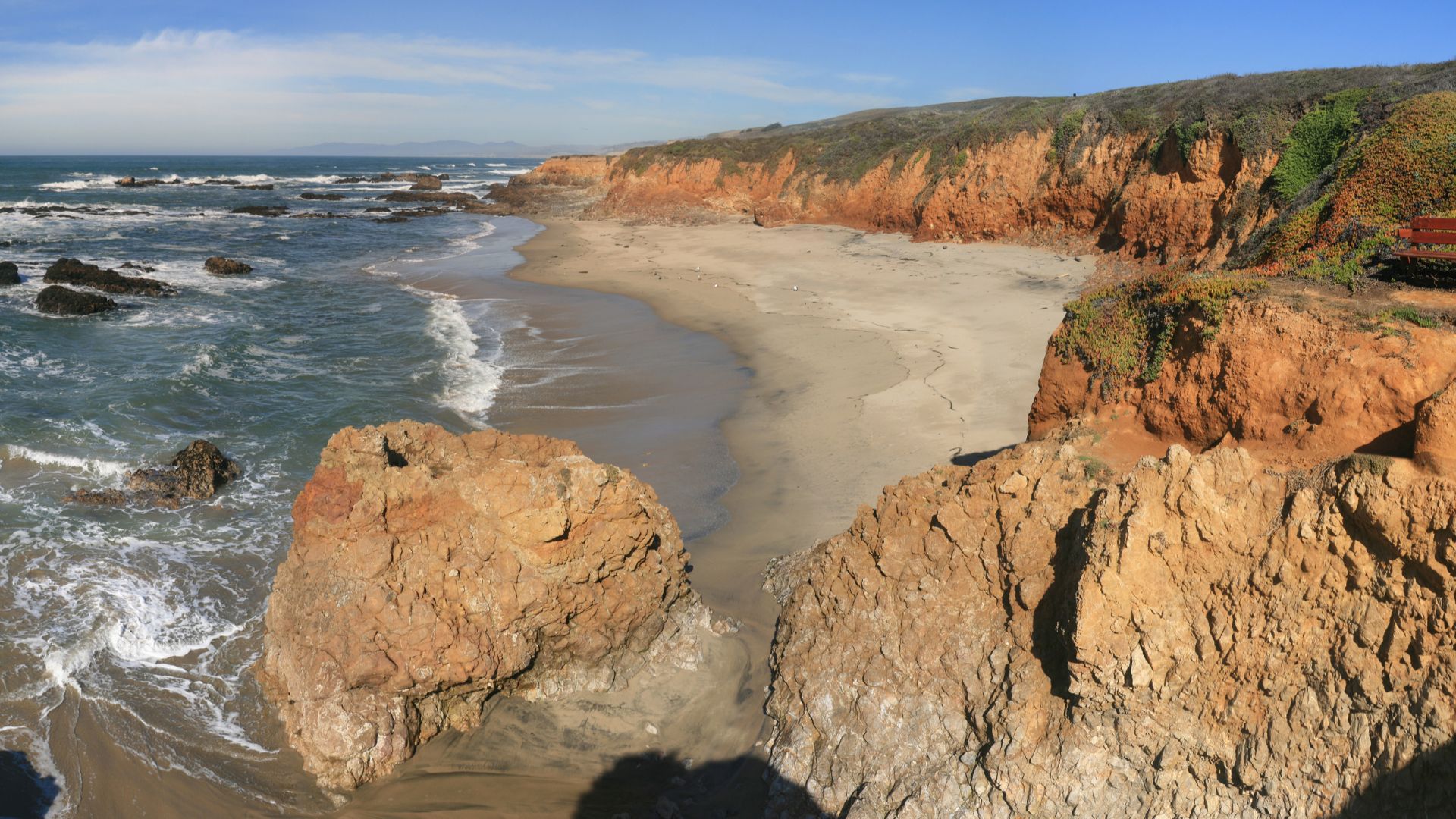
Pescadero State BeachBrocken Inaglory, Wikimedia Commons

Advertisement

Capacity Limits Are Usually Legal

If a government agency has authority to manage a public facility, it can often establish reasonable limits on attendance and access.
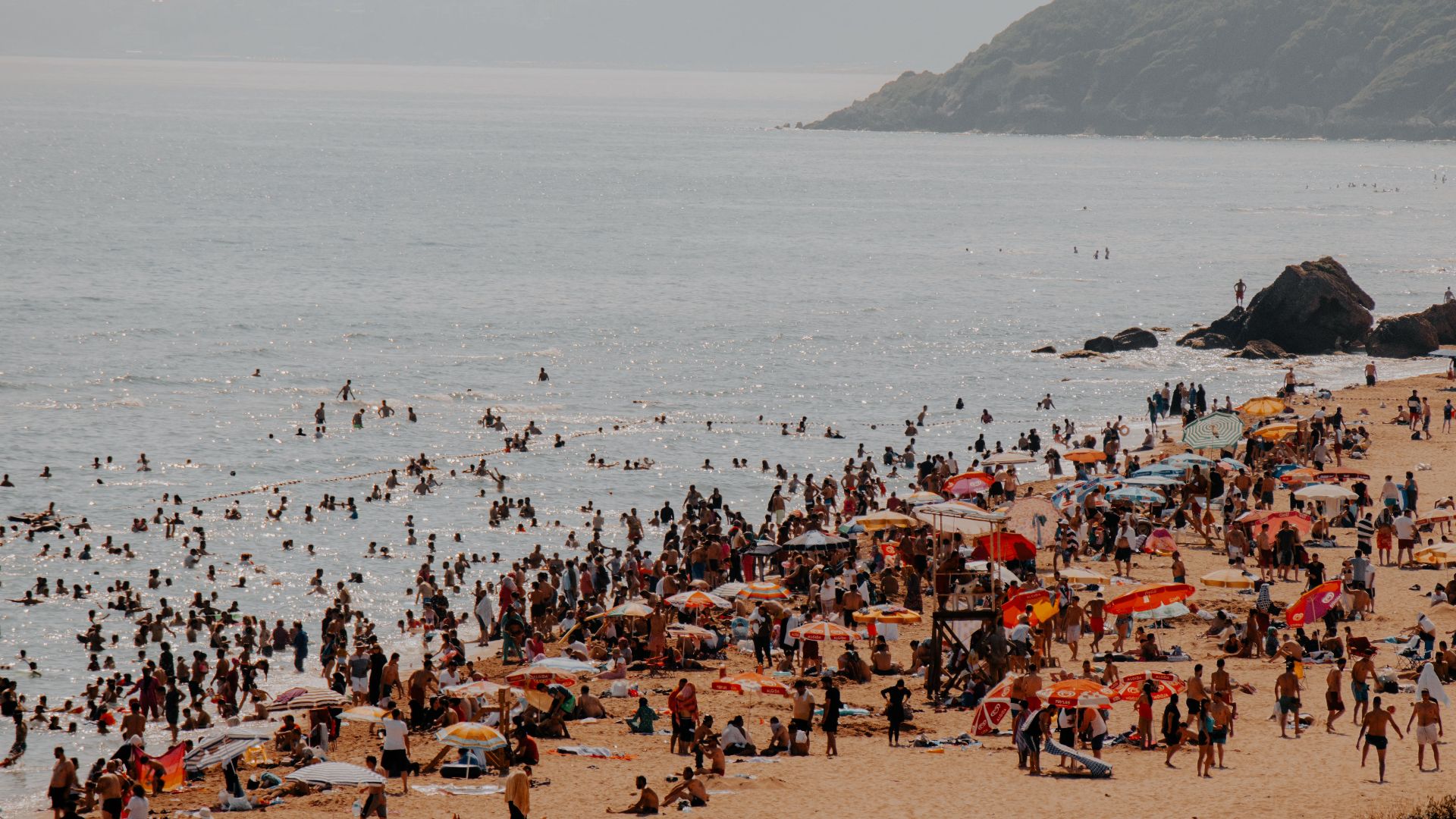
Crowded summer beach at Kilyos, İstanbul with swimmers and umbrellas.Celil DOGAN, Pexels

Advertisement

Safety Is Part Of The Equation

Overcrowded beaches create challenges for lifeguards, emergency responders, parking enforcement, and public works departments.
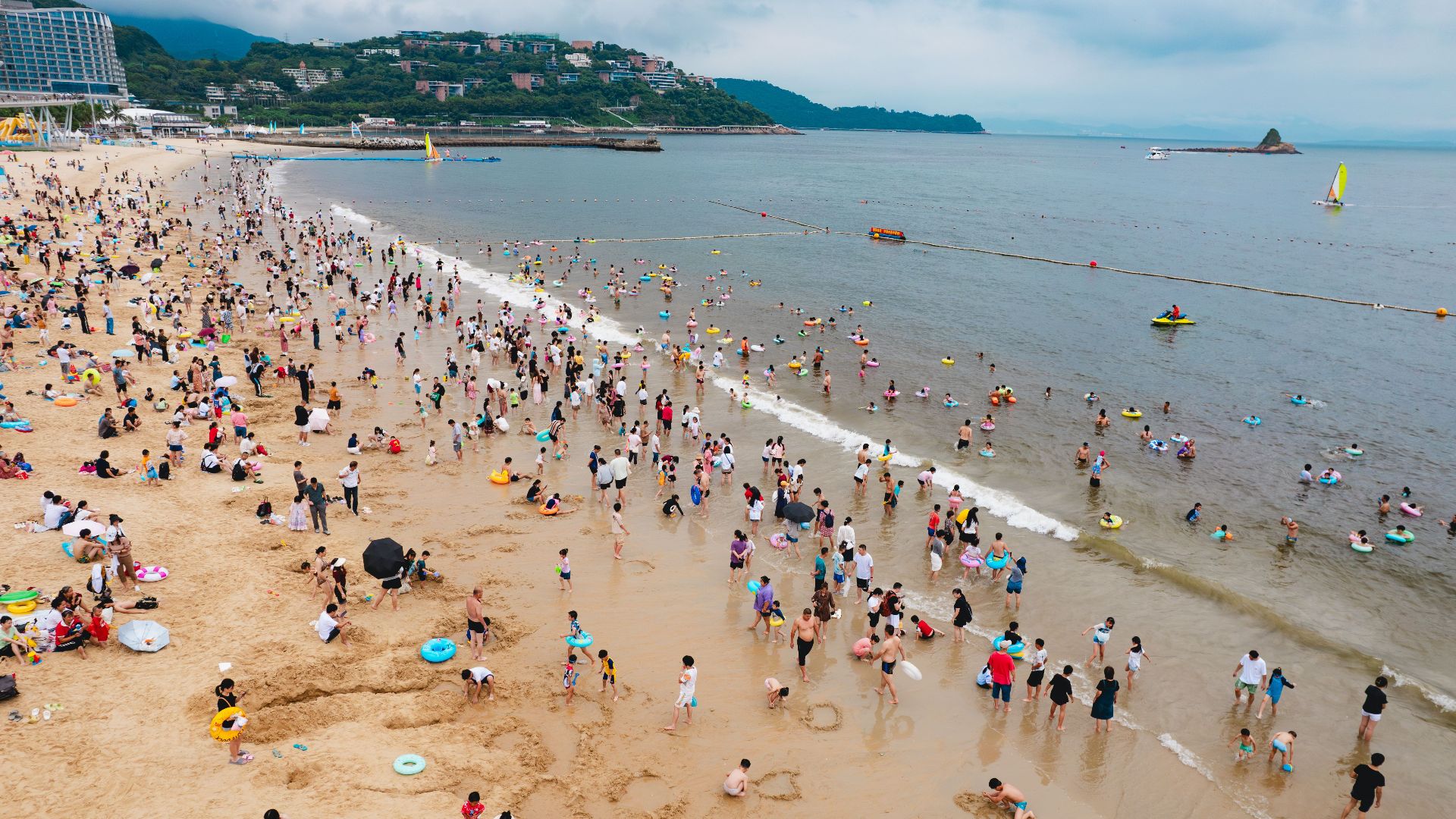
A lively summer scene at the beach in Shen Zhen Shi with crowds enjoying the seaside.jason hu, Pexels

Advertisement

Beach Access Rights Still Matter

Reservation systems generally cannot override public access rights established by law. However, they can often regulate how access is managed.
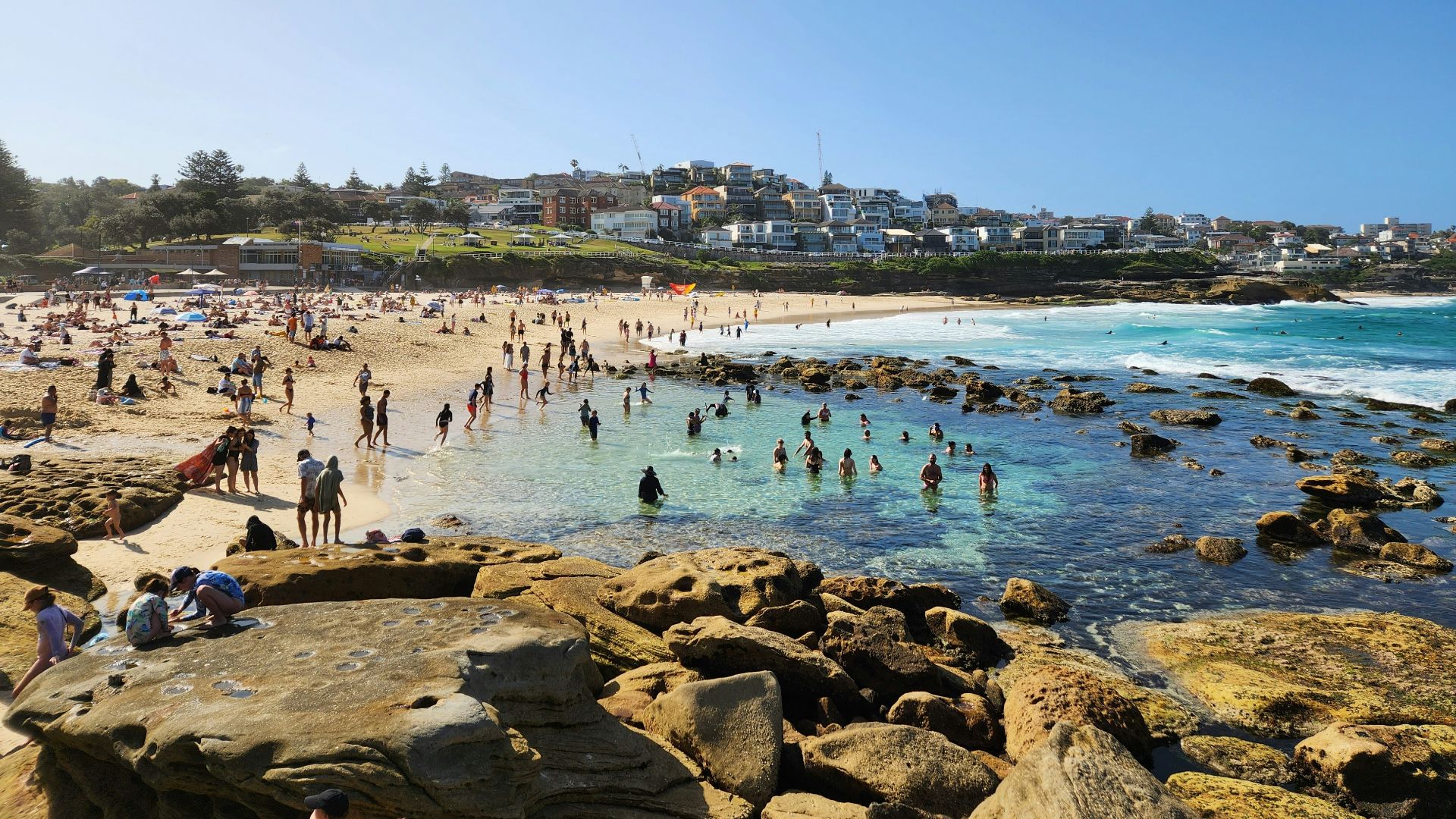
a crowded beach with lots of people on itDominic Kurniawan Suryaputra, Unsplash

Advertisement

Check Before You Drive

One of the easiest ways to avoid disappointment is checking the beach website before leaving home. Many reservation requirements are posted clearly online.

Two teenagers using smartphones in a cozy indoor setting, focused and relaxed.www.kaboompics.com, Pexels

Advertisement

Holiday Weekends Are The Biggest Risk

If a reservation system exists, it's often most important during peak travel periods when visitor demand dramatically exceeds available space.
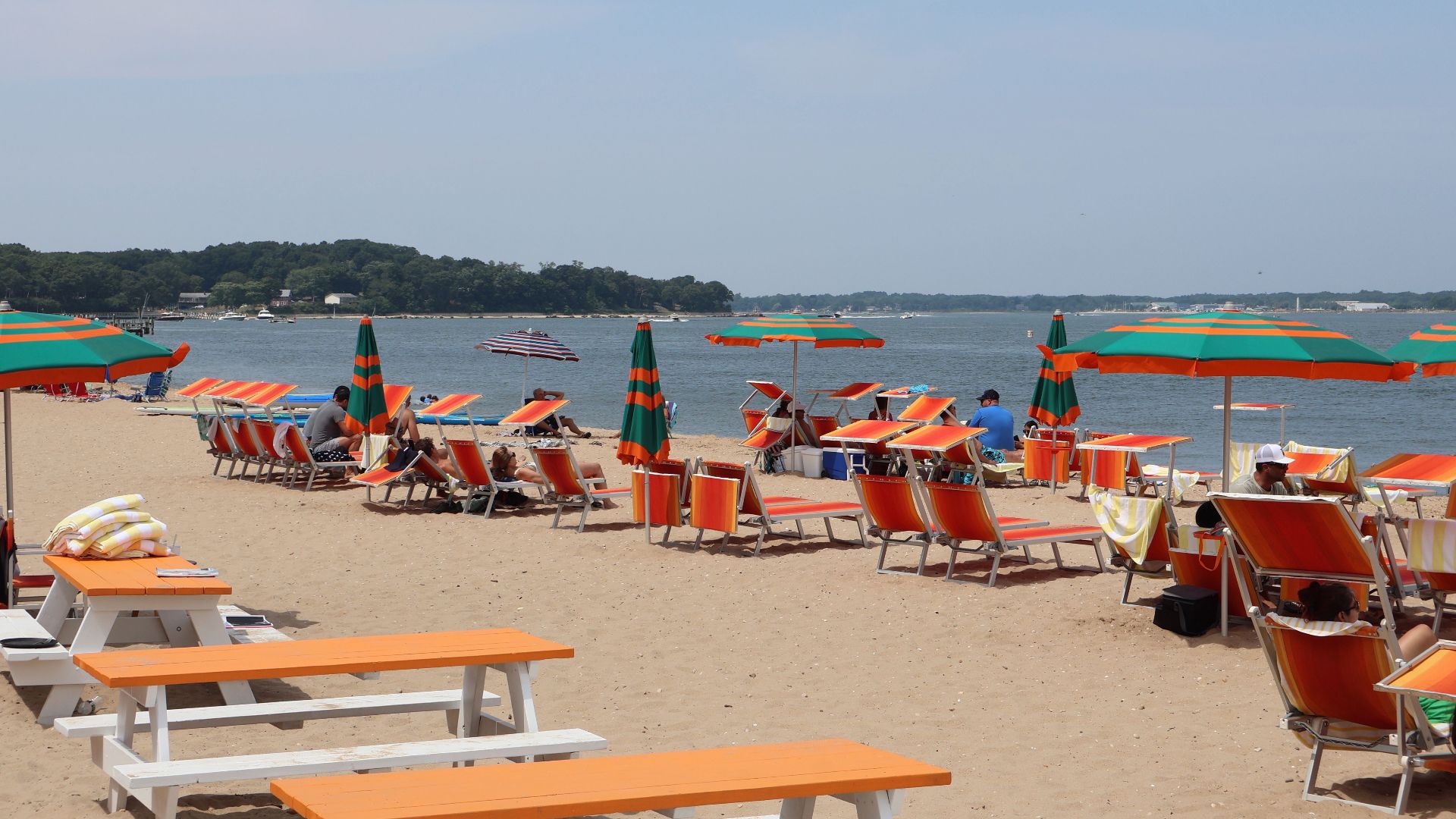
Colorful beach chairs and umbrellas on a sunny day at Shelter Island, NY.Sarah O'Shea, Pexels

Advertisement

Last-Minute Visitors Get Burned Most Often

The people most likely to encounter problems are those who assume nothing has changed since their last visit several years ago.
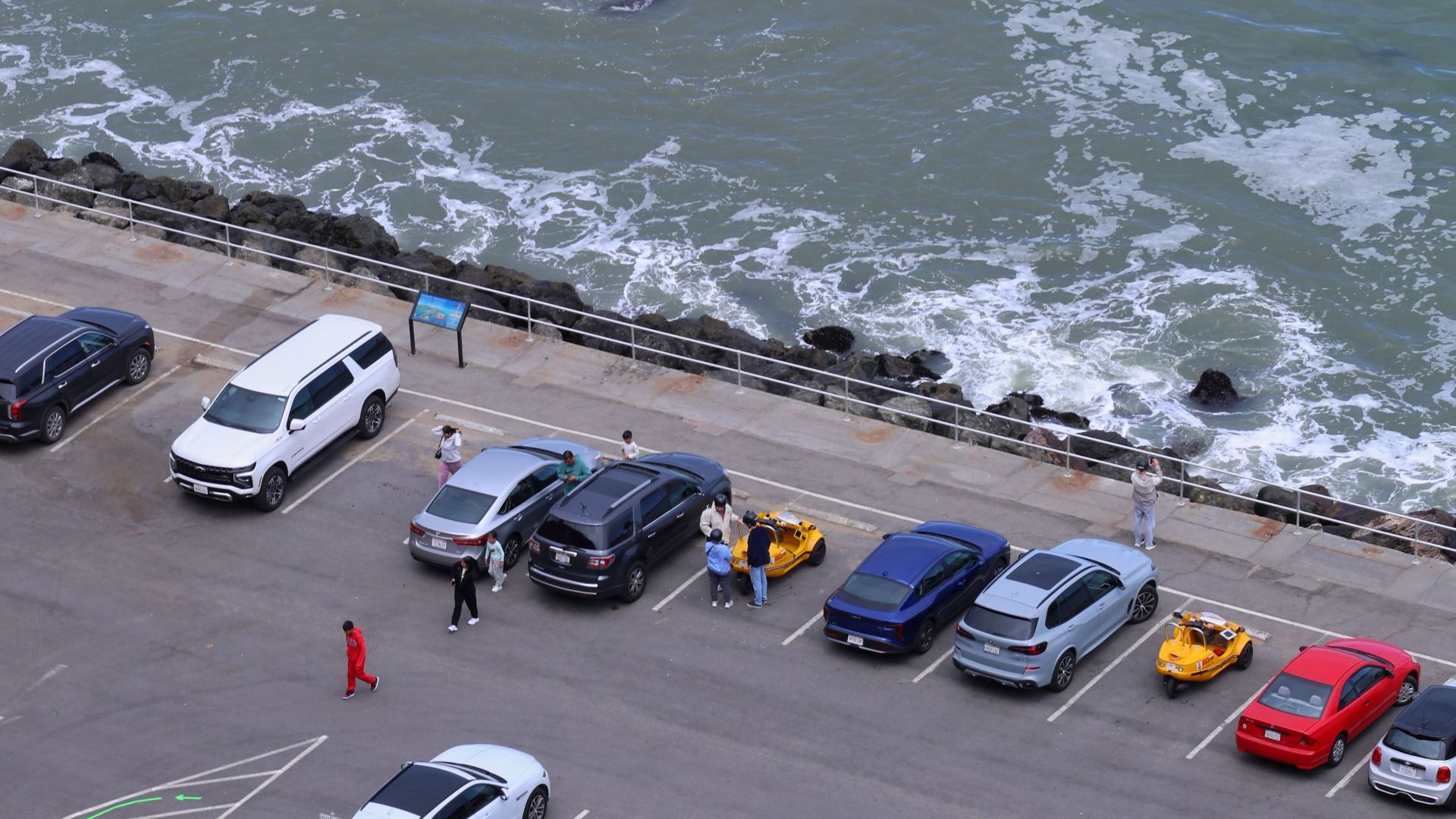
An aerial view showcasing a beachfront parking area in San Francisco with waves and parked cars.Jess Chen, Pexels

Advertisement

There May Be Alternative Access Points

Some beaches have multiple entrances, transit options, shuttle systems, or nearby public access areas that don't require reservations.
Two friends stroll through a scenic autumn forest, enjoying nature's beauty.Duschek Kurt, Pexels

Advertisement

Technology Is Becoming Part Of Recreation

Whether people like it or not, apps, online booking systems, and digital permits are becoming increasingly common in public recreation areas.

A woman uses a laptop while sitting inside, illustrating remote work lifestyle.www.kaboompics.com, Pexels

Advertisement

The Biggest Mistake Beachgoers Make

Many assume 'public' automatically means 'show up whenever you want.' Increasingly, that's not always how popular destinations operate.

Monochrome photo captures a calm beach scene with people enjoying a day outdoors.Roman Biernacki, Pexels

Advertisement

So, Can Public Beaches Be Reservation Only?

In many cases, yes. Public agencies often have legal authority to manage capacity, parking, and visitor access through reservation systems, provided they comply with local laws and public access requirements.
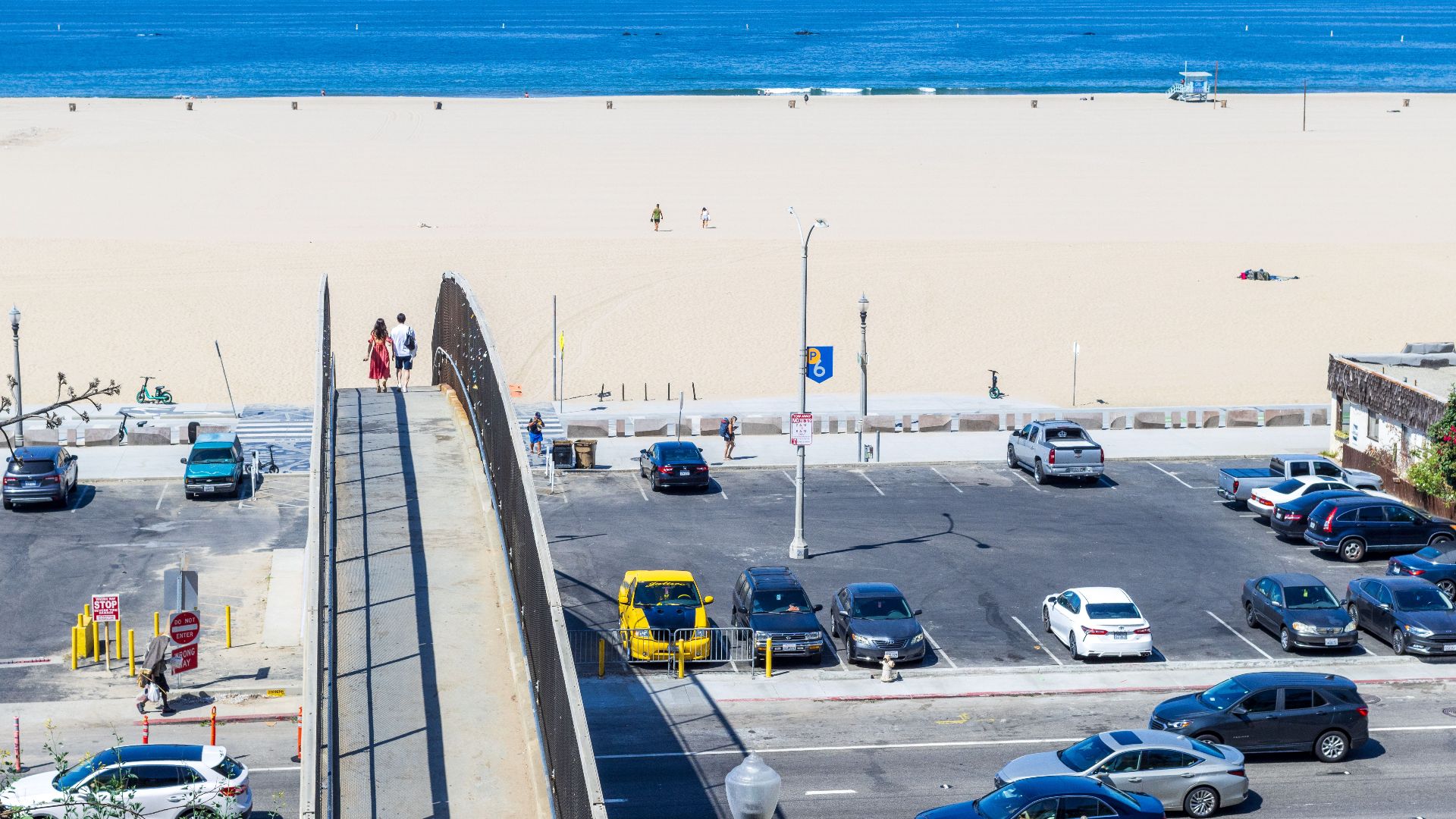
Aerial view of a coastal parking lot with footbridge leading to a serene beach.David Brown, Pexels

Advertisement

The Reality More Travelers Are Discovering

The most popular beaches are facing the same challenge as national parks, historic sites, and scenic attractions: too many visitors and not enough space. Reservation systems may not be everyone's favorite solution, but they're becoming much more common than they were a decade ago.
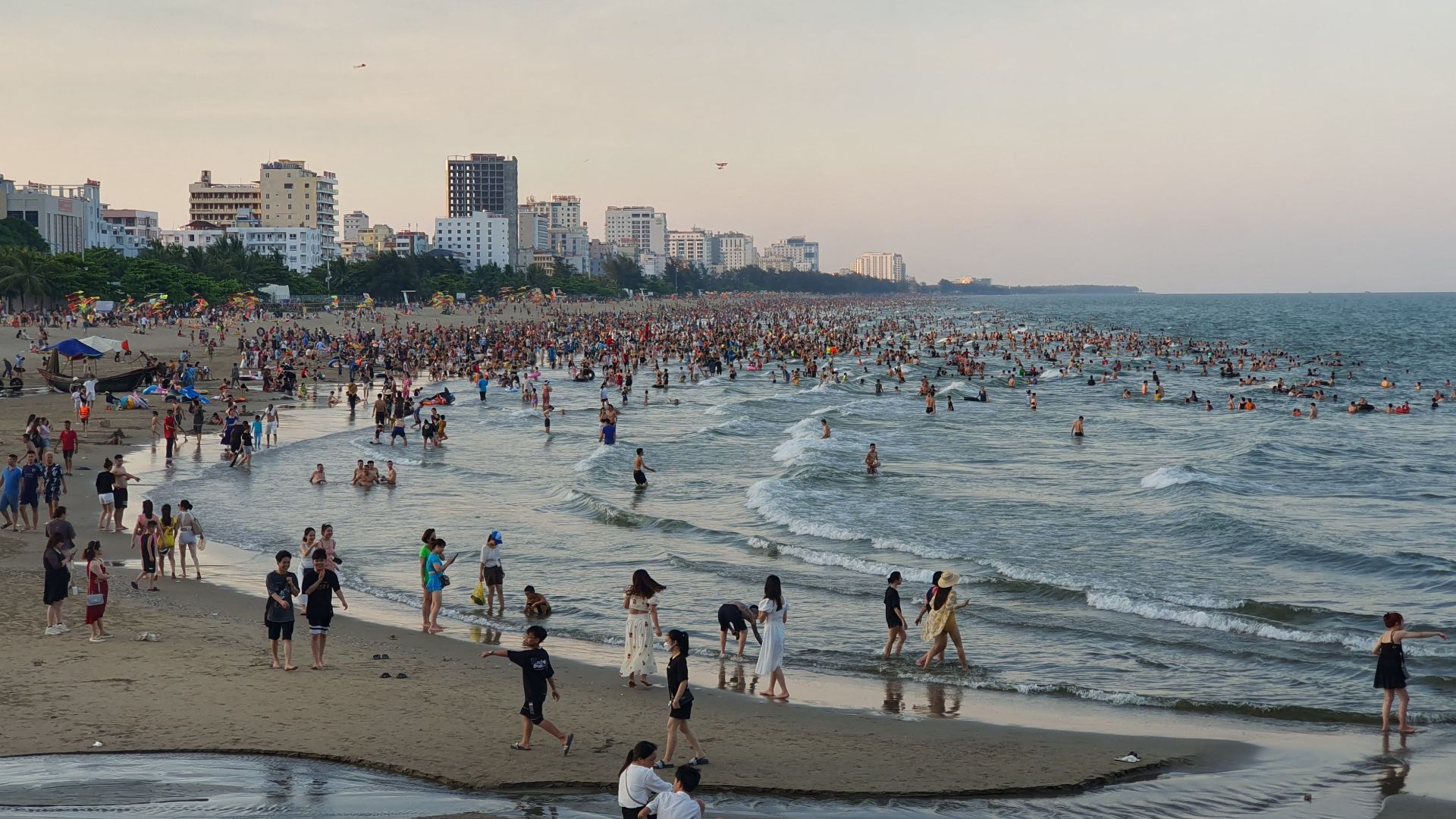
Crowded Sầm Sơn beach in Vietnam with people enjoying the summer by the sea.Tri Kien Luong, Pexels

Advertisement

You May Also Like:

I’m planning a wilderness trek during my trip and the company says if I leave the group at any point, I’m on my own. Are they allowed to do that?

I rented jet skis on vacation and now they’re claiming I caused damage. How do I prove I didn’t?

Sources:  1, 2, 3


READ MORE

Americans waving at USA States map Map

The States Americans Are Actively Avoiding In 2026

Based on the latest domestic migration trends, housing affordability pressures, job growth data, and relocation patterns heading into 2026, these are the states Americans are most actively choosing to avoid. The results reveal where momentum is fading fastest—and some of the top states might surprise you.
January 20, 2026 Jesse Singer
American Man, European woman

Americans Should Know That These “Normal” Things They Do Are Illegal In Europe

Most Americans break European laws without realizing it—sometimes within minutes of landing. Not because they’re reckless, but because everyday U.S. habits quietly cross legal lines overseas. The fines come fast, the rules aren’t obvious, and “that’s normal back home” doesn’t help.
January 28, 2026 Jesse Singer
African landscape

In 2026, researchers uncovered the world’s oldest cremation pyre in Africa, where a hunter-gatherer woman was cremated around 9,500 years ago.

Archaeologists in Malawi uncover the world’s oldest known cremation pyre, dating back 9,500 years, revealing complex funerary rituals, pre-cremation defleshing, and early symbolic behavior among ancient hunter-gatherers.
January 20, 2026 Allison Robertson
Berkeley Mystery Walls

Explorers in California stumbled upon ancient stone walls scattered across the Berkeley hills that archaeologists struggle to explain.

Mysterious stone walls scattered across the Berkeley hills continue to puzzle archaeologists, raising unanswered questions about who built them, when they were constructed, and why they still defy explanation today.
January 28, 2026 Allison Robertson
DB Cooper

The Most Intriguing Cases Of People Who Vanished Without A Trace

What happens when someone vanishes into thin air? Throughout history, certain disappearances have captivated the public imagination because of their mysterious circumstances and the lingering questions they leave behind.
January 30, 2025 Peter Kinney
Amazon Rainforest

In 2024, archaeologists used light-detection technology to uncover a massive Amazonian city hidden in what was once believed to be untouched jungle.

Archaeologists reveal a 2,500-year-old network of ancient garden cities hidden beneath Ecuador’s Amazon rainforest, reshaping what we know about early urban life in the Amazon.
January 19, 2026 Allison Robertson