
Do Those Windchimes Ever Stop?
You used to enjoy sitting on your back porch with a cup of coffee. Now, every breeze sounds like an orchestra tuning up. Your neighbor has installed what feels like dozens of oversized wind chimes, and they never seem to stop ringing.
Is this just an annoying neighbor... or could it actually cross the line into something illegal? As it turns out, the answer isn't nearly as simple as you might expect.

Wind Chimes Usually Aren't Illegal
Most cities don't ban wind chimes outright. They're generally considered a normal part of landscaping or outdoor décor, much like bird feeders or garden statues.

But That's Only The Beginning
Just because someone is allowed to install wind chimes doesn't mean they're allowed to create unlimited noise. That's where things start getting more interesting.

Noise Laws Rarely Mention Wind Chimes
If you search your local noise ordinance, you probably won't find a section titled 'Wind Chimes.' Instead, the rules usually focus on excessive or unreasonable noise, regardless of what's causing it.

What Counts As 'Excessive?'
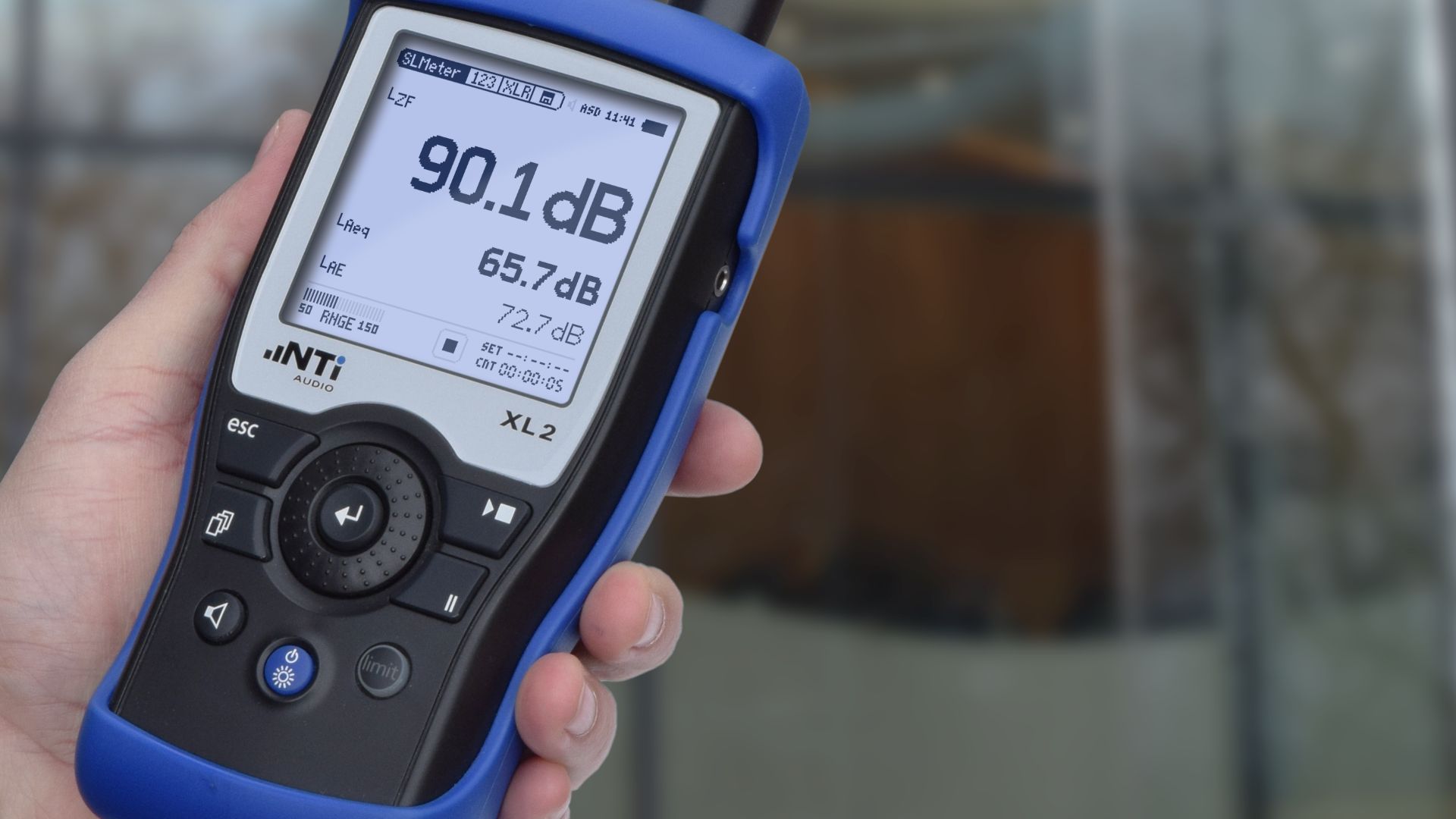
That depends on where you live. Some municipalities use specific decibel limits, while others ask whether a reasonable person would consider the noise excessive under the circumstances.
 Acousticator, Wikimedia Commons
Time Of Day Changes Everything
The exact same sound can be treated very differently depending on when it happens. Noise that's tolerated on a breezy Saturday afternoon may become a much bigger issue at two o'clock in the morning.

Size Actually Matters
A few small bamboo chimes usually create a gentle background sound. Several oversized metal chimes can produce surprisingly loud tones that travel well beyond the property line.

Weather Can Make The Problem Worse
Your neighbor may barely notice the chimes during calm weather. But when the wind picks up, the sound can become dramatically louder—and much more frequent.

Rural And Urban Areas Aren't Always Treated The Same
People living in dense suburban neighborhoods generally have different expectations about noise than people living on large rural properties. Local rules often reflect those differences.

Here's What Many People Don't Realize
Some noise complaints aren't based solely on volume. Frequency, duration, and repetition can all influence whether officials decide something has become a nuisance.

One Wind Chime Isn't The Same As Twenty
This is where circumstances matter. A single decorative chime may never attract attention. An entire collection hanging from every tree and porch might be viewed very differently.

Intent Can Matter Too
If your neighbor installed the chimes simply because they enjoy them, that's one situation. If they openly admit they're using them to annoy you during an ongoing feud, the situation can become much more complicated.

Can You Measure The Noise?
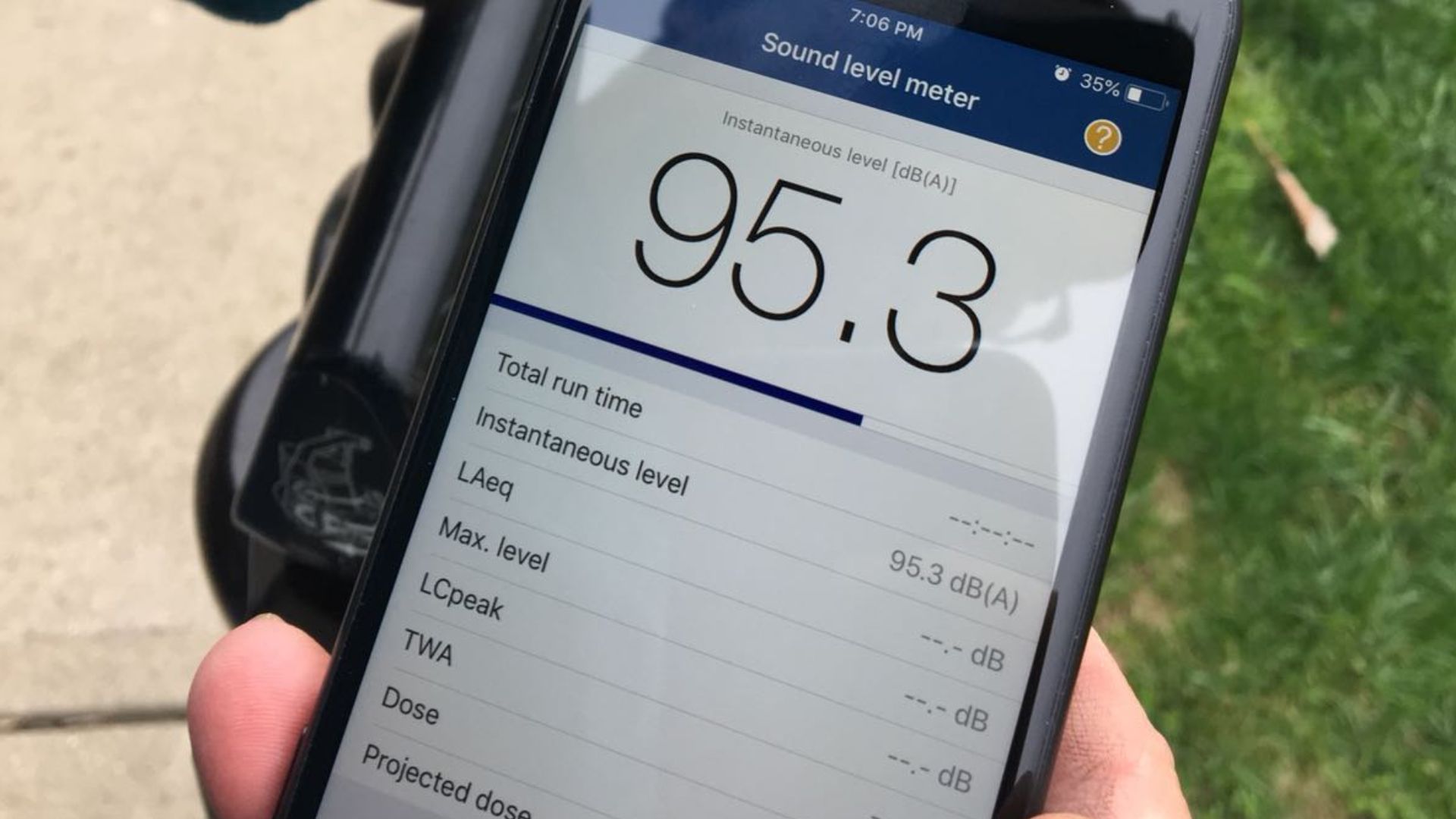
Sometimes, yes. Certain municipalities investigate complaints by taking decibel readings, while others rely more heavily on witness statements and observations.
 Chuck Kardous, Wikimedia Commons
Your Other Neighbors May Matter
If several nearby households are experiencing the same problem, officials are often more likely to investigate than if only one resident complains.

Keeping Records Can Help
If the noise is constant, keeping a simple log of dates, times, weather conditions, and how the noise affected you can become valuable if you eventually file a complaint.

Audio Recordings Aren't Always Enough
Many people assume a phone recording proves everything. In reality, recordings often fail to capture how loud or persistent the noise actually sounds in person.

Mediation Sometimes Works Better
It may sound boring compared to calling bylaw enforcement, but many neighborhood disputes are resolved through simple conversations or community mediation before legal action becomes necessary.

What If They Refuse?
Not every neighbor is willing to compromise. Some people believe that because the chimes are on their own property, nobody else has any right to complain.

HOA Rules Can Change The Situation
If you live in a neighborhood governed by a homeowners association, its rules may be much more specific than municipal noise ordinances.

Cities Usually Prefer Voluntary Solutions
Local governments generally don't rush to issue fines over the first complaint. They often encourage neighbors to work things out before escalating enforcement.

But Complaints Can Add Up
If multiple complaints continue over weeks or months, officials may begin viewing the situation differently than they did after the first phone call.

Don't Fight Noise With More Noise
As tempting as it might be, blasting music back across the fence or installing your own louder wind chimes usually makes the dispute worse—and could leave both neighbors violating local rules.

There's One Question Officials Usually Ask
When authorities investigate ongoing noise complaints, they often focus on one issue above all else: is the noise reasonable for the neighborhood, or has it crossed into an ongoing nuisance?

So... When Does It Actually Become Illegal?
This is where the answer finally comes together. Wind chimes themselves are rarely illegal. However, if their noise becomes excessive, persistent, unreasonable, or violates local nuisance or noise ordinances—especially after repeated complaints—they can absolutely become the subject of enforcement. Whether that happens depends on local laws, the volume, the frequency, the time of day, and the specific circumstances.

The Best Outcome Usually Doesn't Involve Court
Most wind chime disputes never reach a courtroom. A respectful conversation, mediation, or a reasonable adjustment—such as moving a few chimes or removing the largest ones—often solves the problem long before lawyers or bylaw officers become involved.

You May Also Like: