Your Neighbor Loves Feeding Crows—But Now They're Taking Over
At first, it was just a handful of crows gathering in the neighborhood. Then the numbers kept growing. Now, every morning, hundreds of birds seem to descend outside your house, filling the trees, covering rooftops, and waking everyone up with nonstop cawing. You know your neighbor has been intentionally feeding them, and you're wondering whether this has crossed the line from quirky hobby to neighborhood nuisance.
So... can you actually report it?

Crows Are Smarter Than Most People Realize
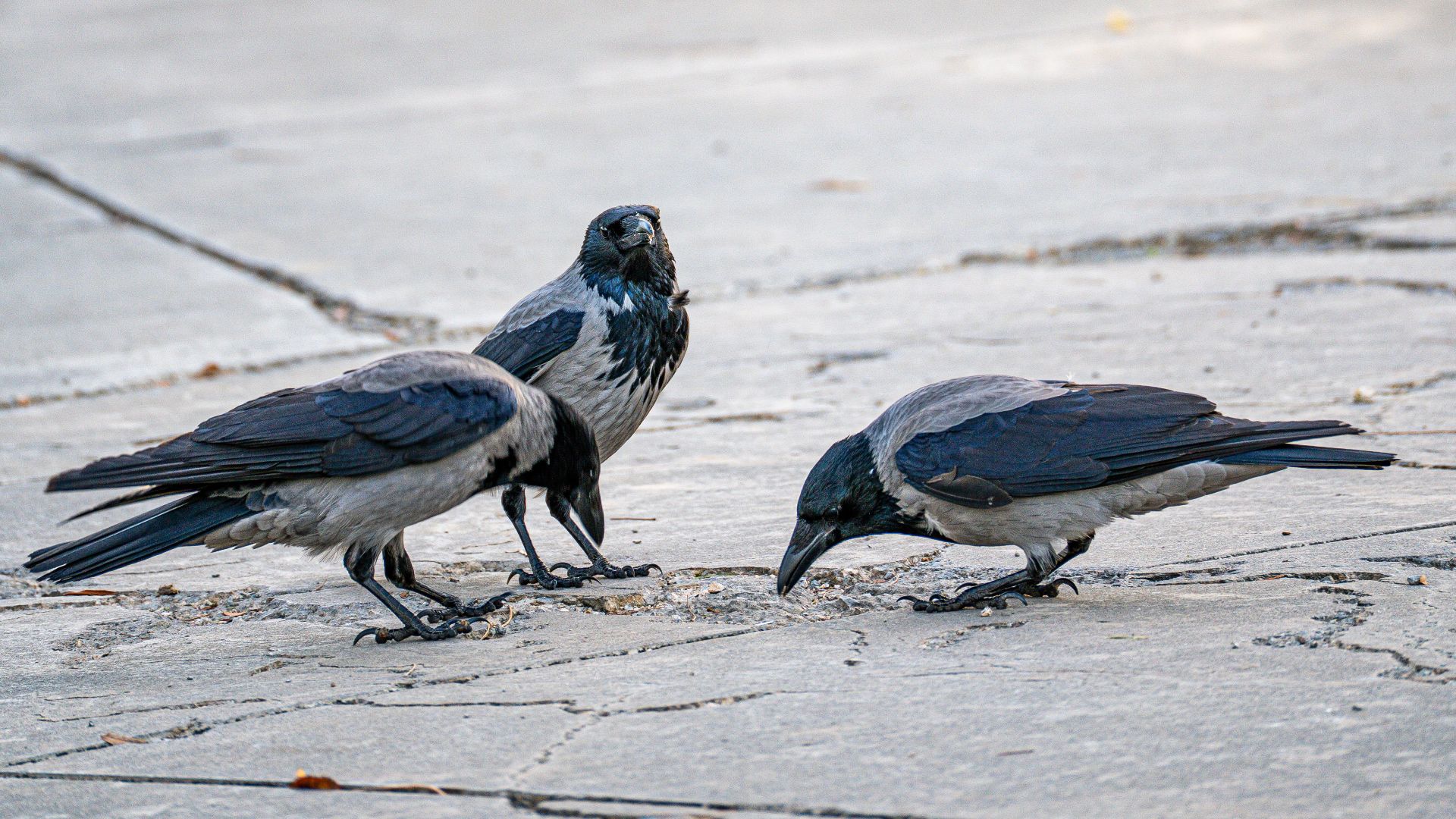
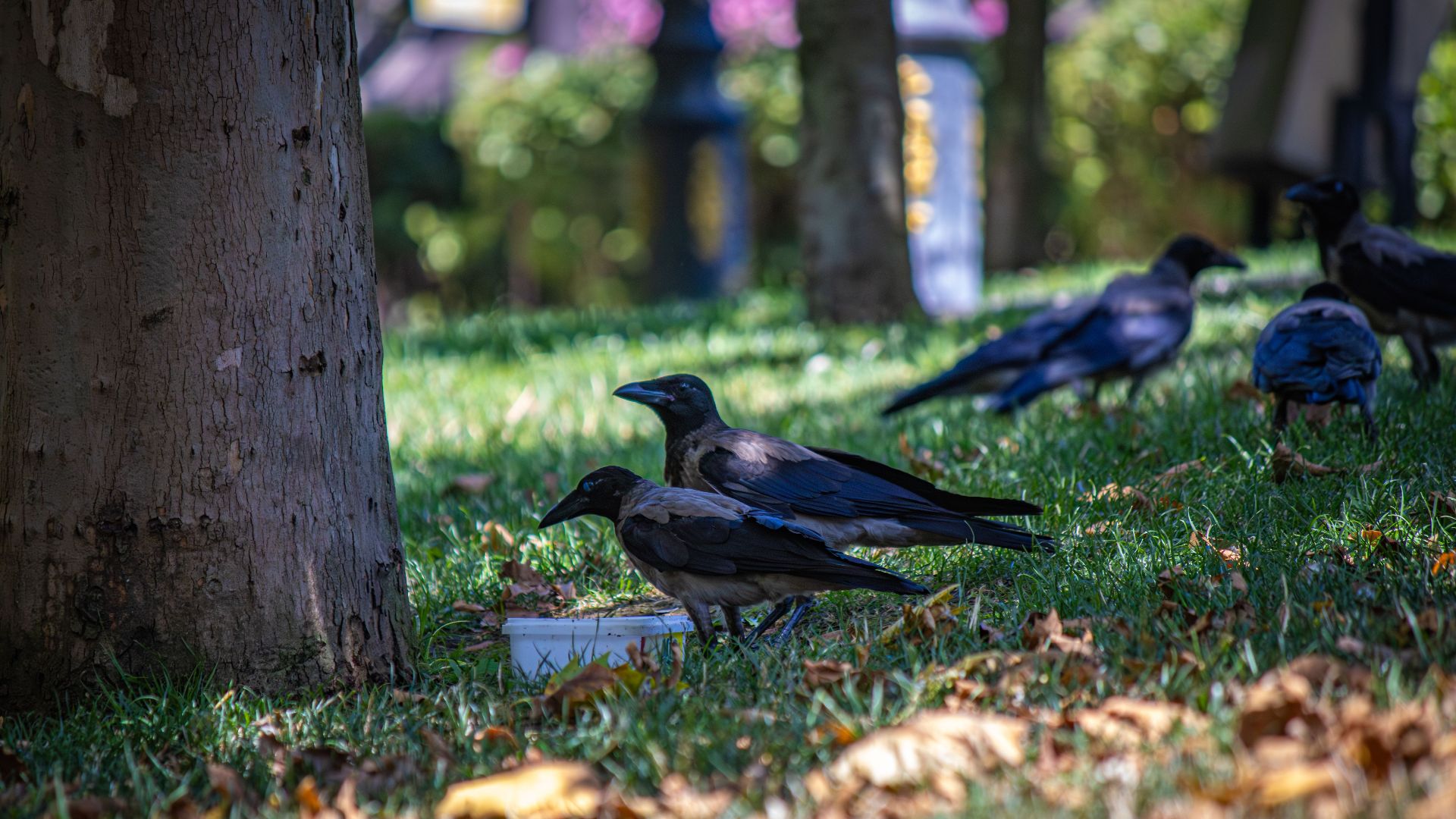
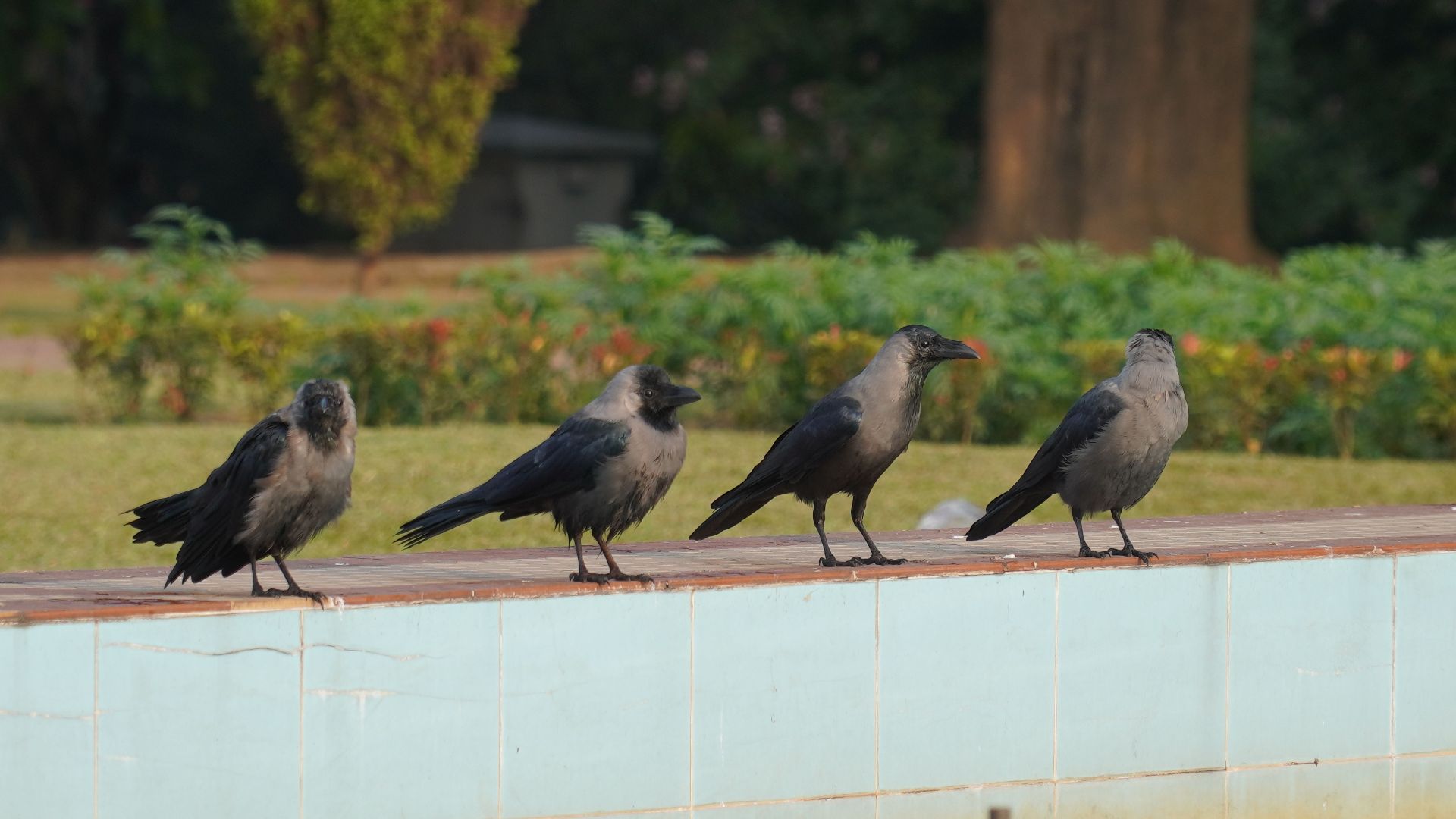
Crows are among the most intelligent birds in the world. They recognize human faces, remember reliable food sources, and even teach other crows where to find an easy meal. Once they discover someone regularly feeding them, they're likely to keep returning.
A Few Birds Can Become Hundreds
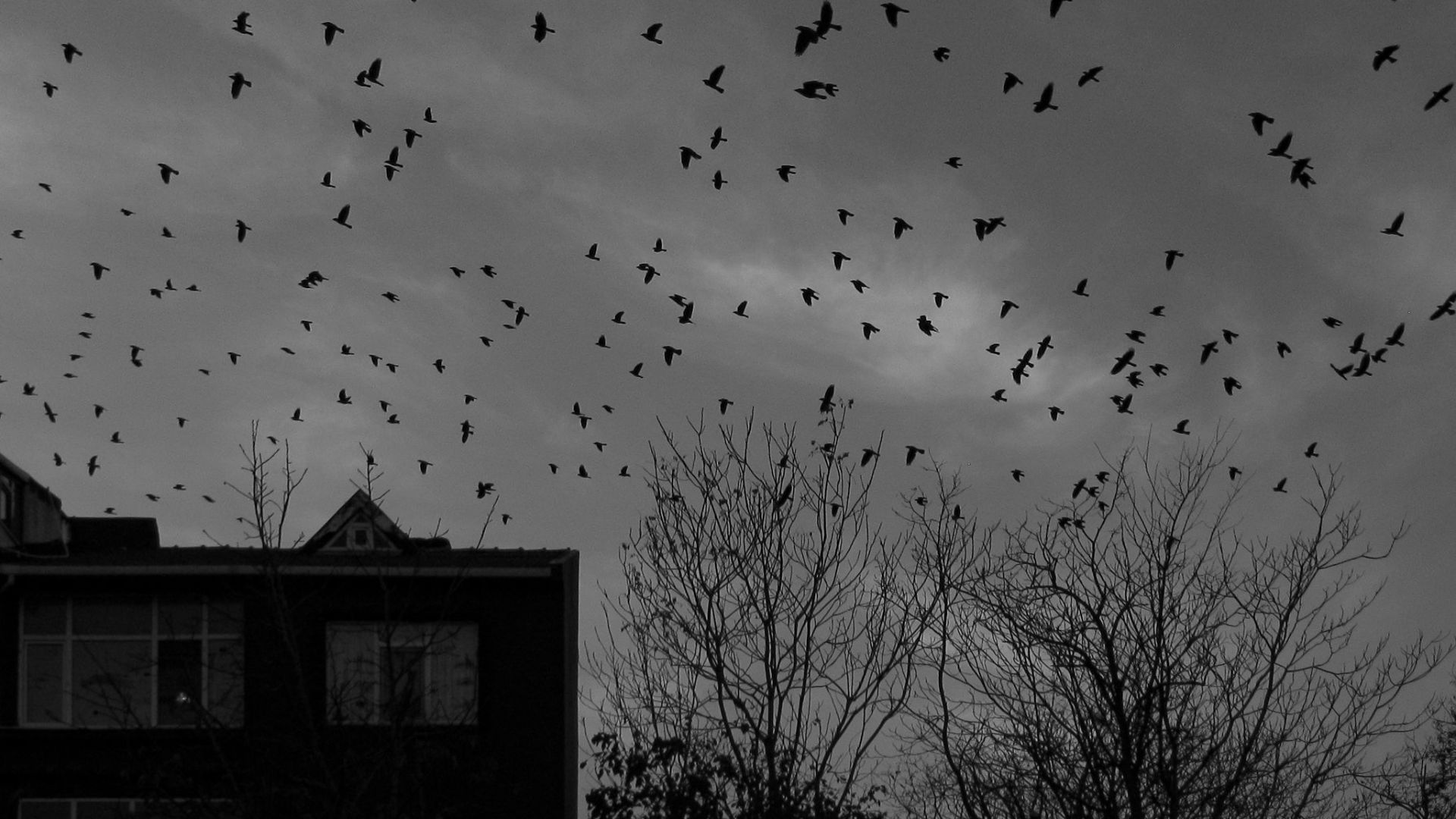
It usually doesn't happen overnight. A small group of crows finds the food first, then more birds begin following them. Before long, what started as feeding five or six birds can turn into dozens—or even hundreds—showing up at roughly the same time every day.
The Noise Can Be Surprisingly Loud
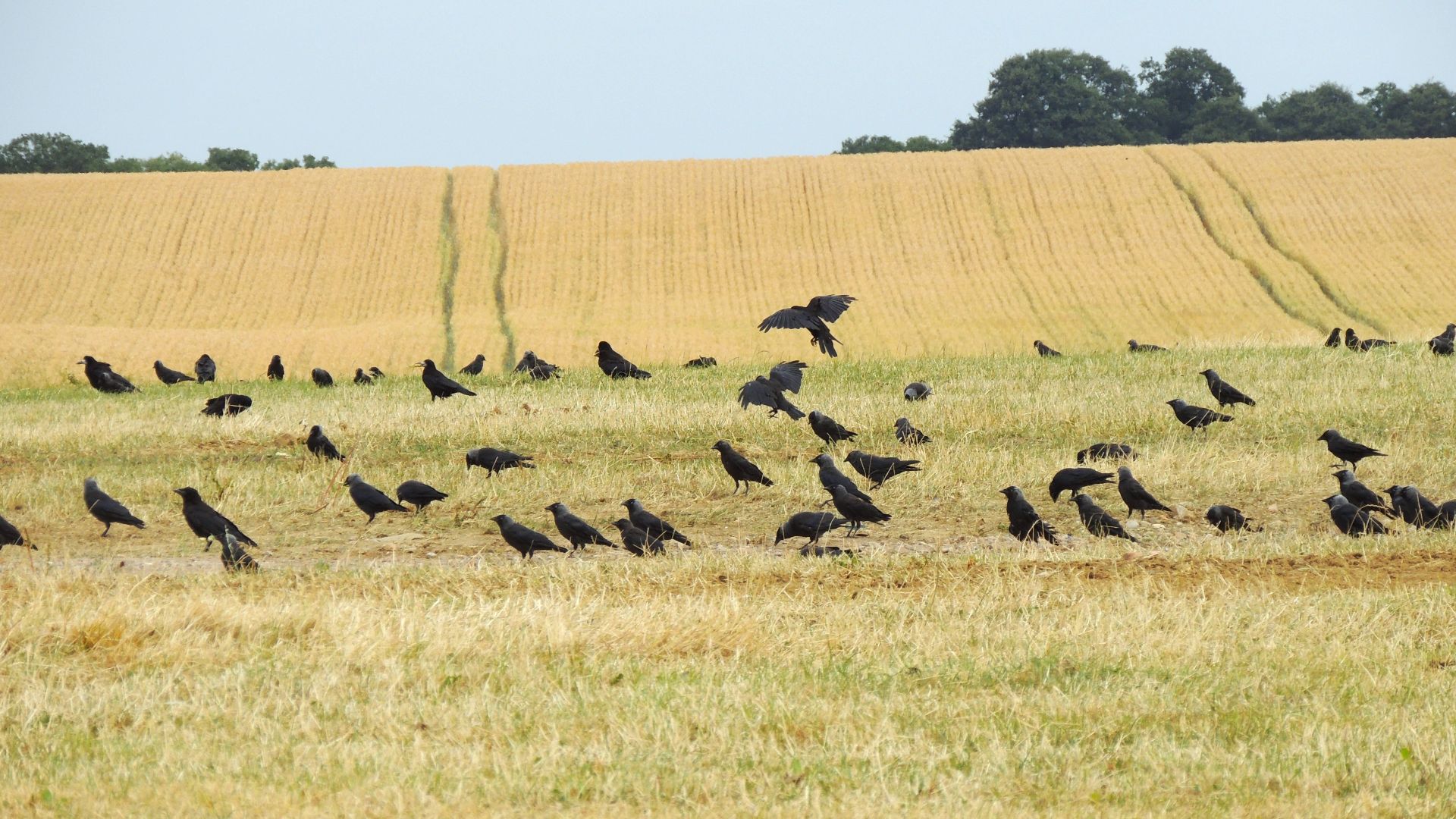
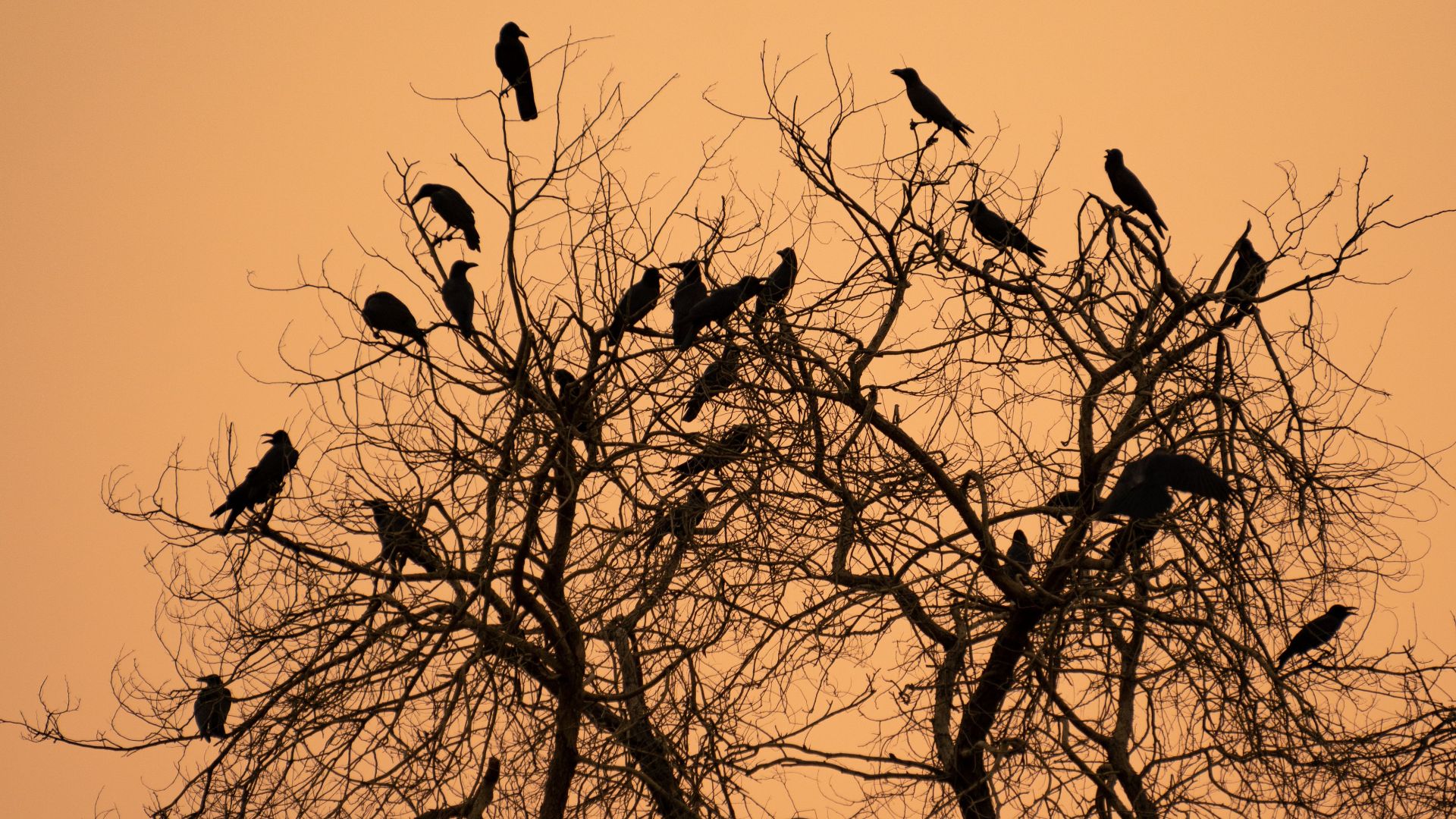
One crow isn't much of a disturbance. A large flock is another story entirely. Early morning cawing, birds calling to one another, and constant movement through nearby trees can become difficult for neighboring homeowners to ignore.
The Mess Doesn't Stay On One Property
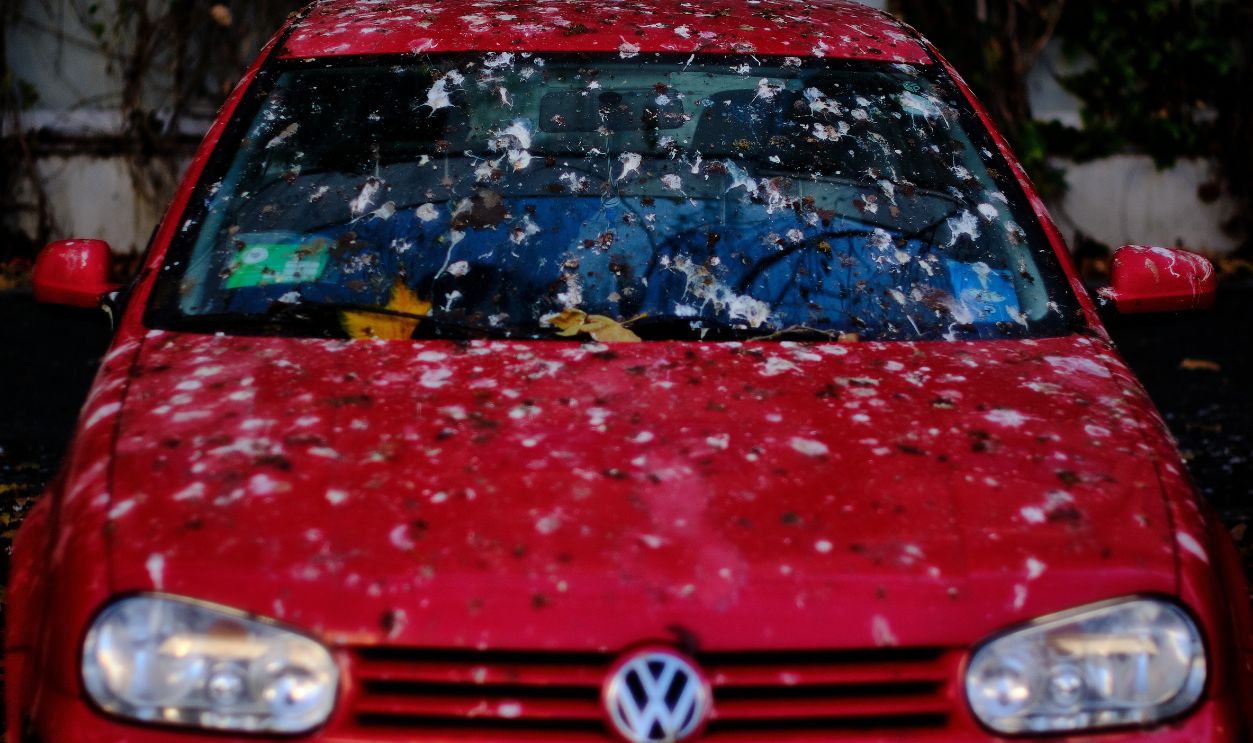
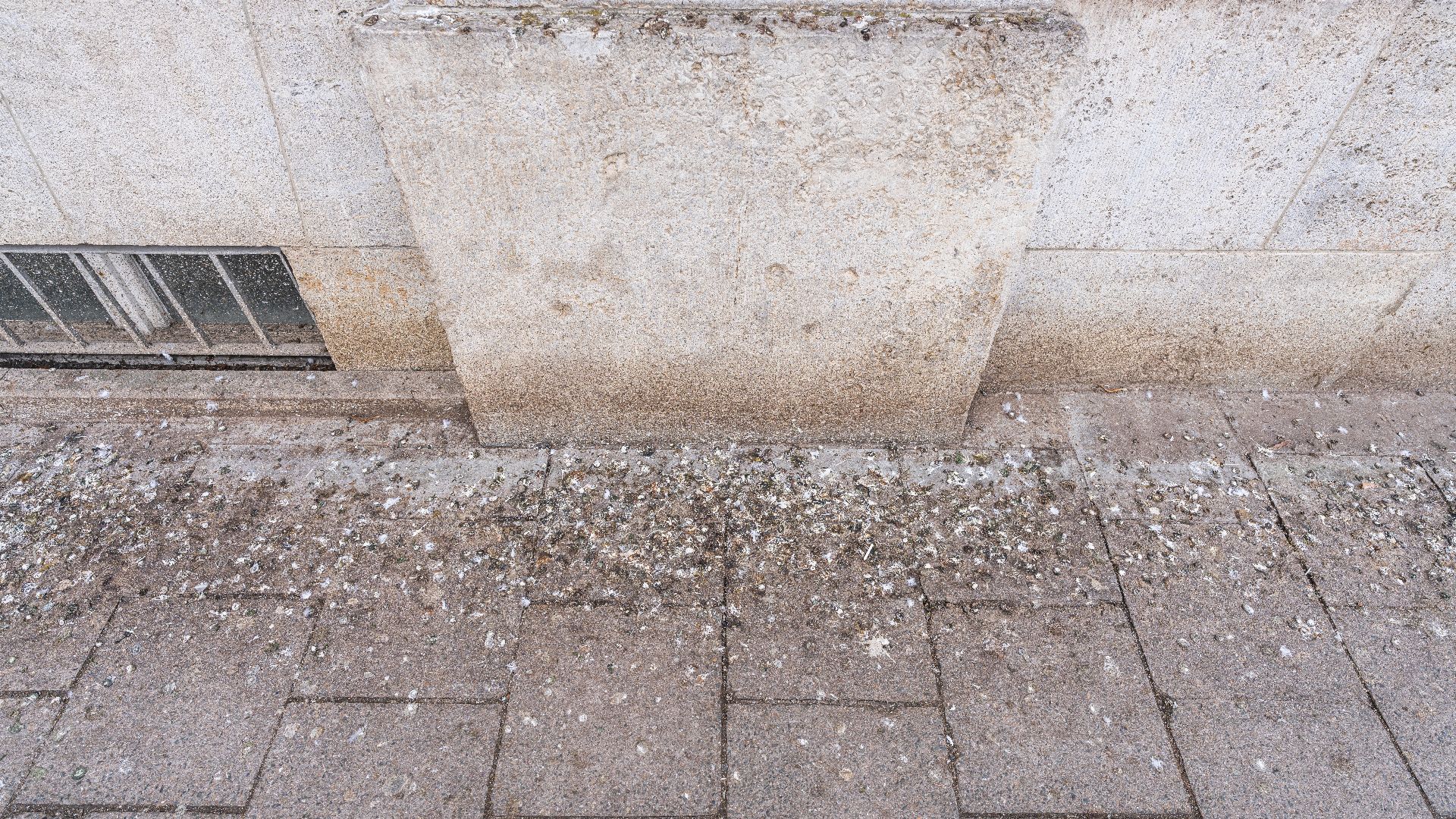
Bird droppings don't respect property lines. Cars, sidewalks, roofs, fences, patios, outdoor furniture, and even children's play equipment can all end up covered if large numbers of birds begin gathering nearby.
 picture alliance, Getty Images
Feeding Wildlife Can Create Bigger Problems
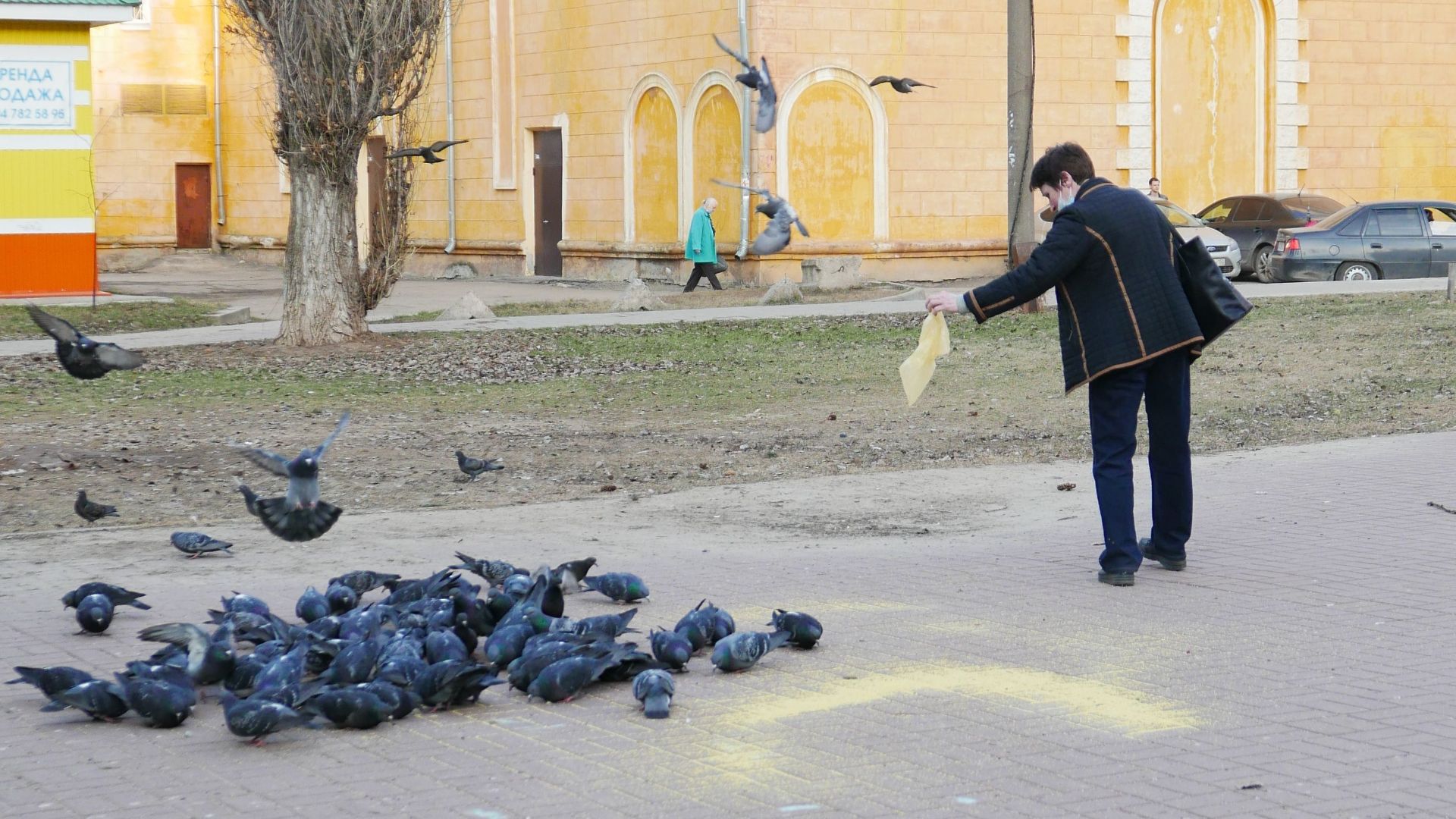
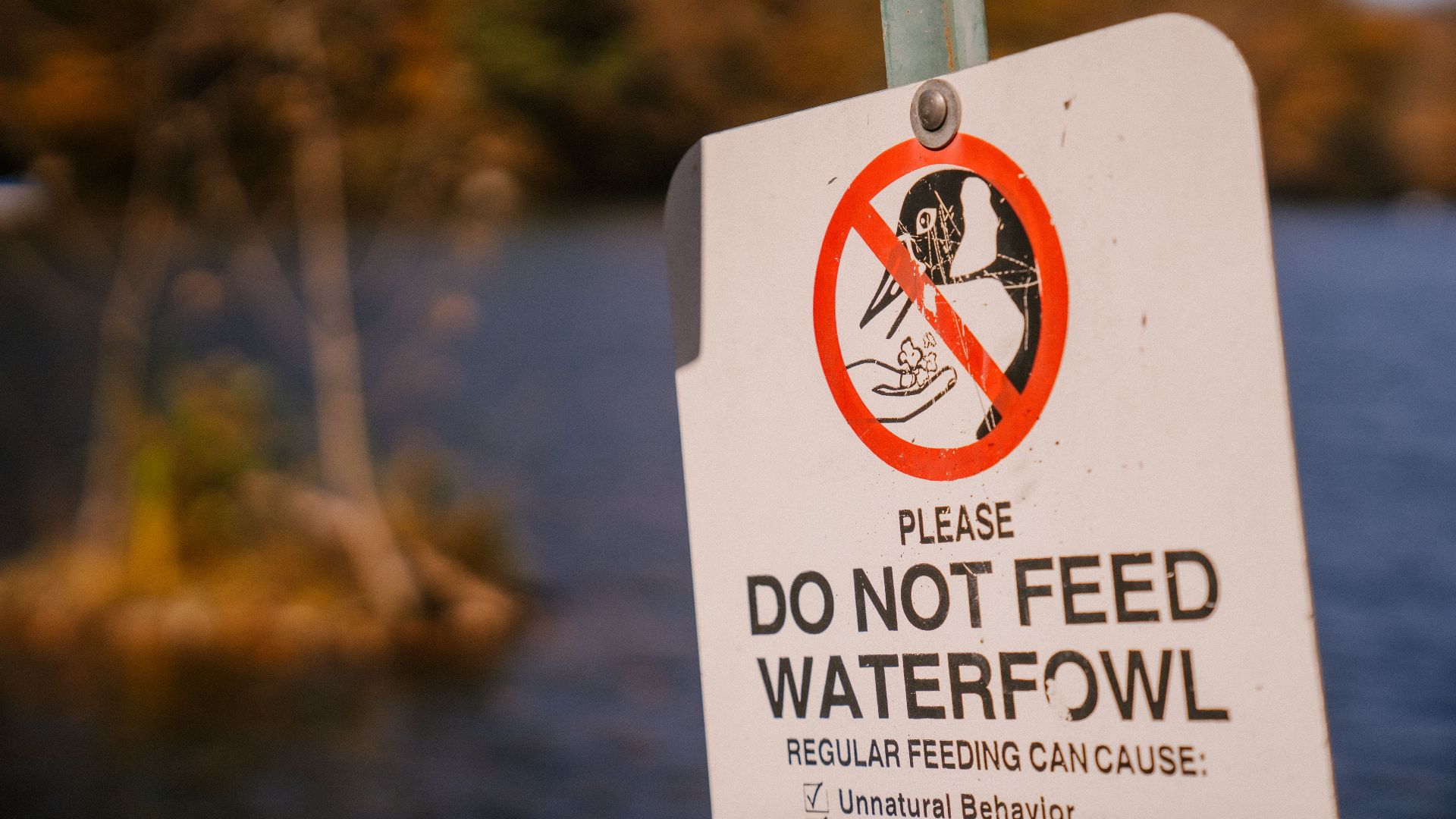
Wildlife agencies generally discourage intentionally feeding wild animals because it changes their natural behavior. Animals that become dependent on people often lose their natural caution and continue returning to the same location.
Crows Remember Reliable Food Sources
Unlike many backyard birds that simply stop by a feeder, crows can remember exactly where food has been provided. If your neighbor feeds them every morning, the birds may continue arriving even before the food appears.
Your Neighbor May Not Be Breaking The Law
Simply feeding birds isn't automatically illegal everywhere. Whether you can report it depends largely on local ordinances, HOA rules, health regulations, or nuisance bylaws where you live. Some municipalities prohibit feeding wildlife, while others allow certain types of bird feeding under specific conditions.
Some Cities Specifically Restrict Wildlife Feeding
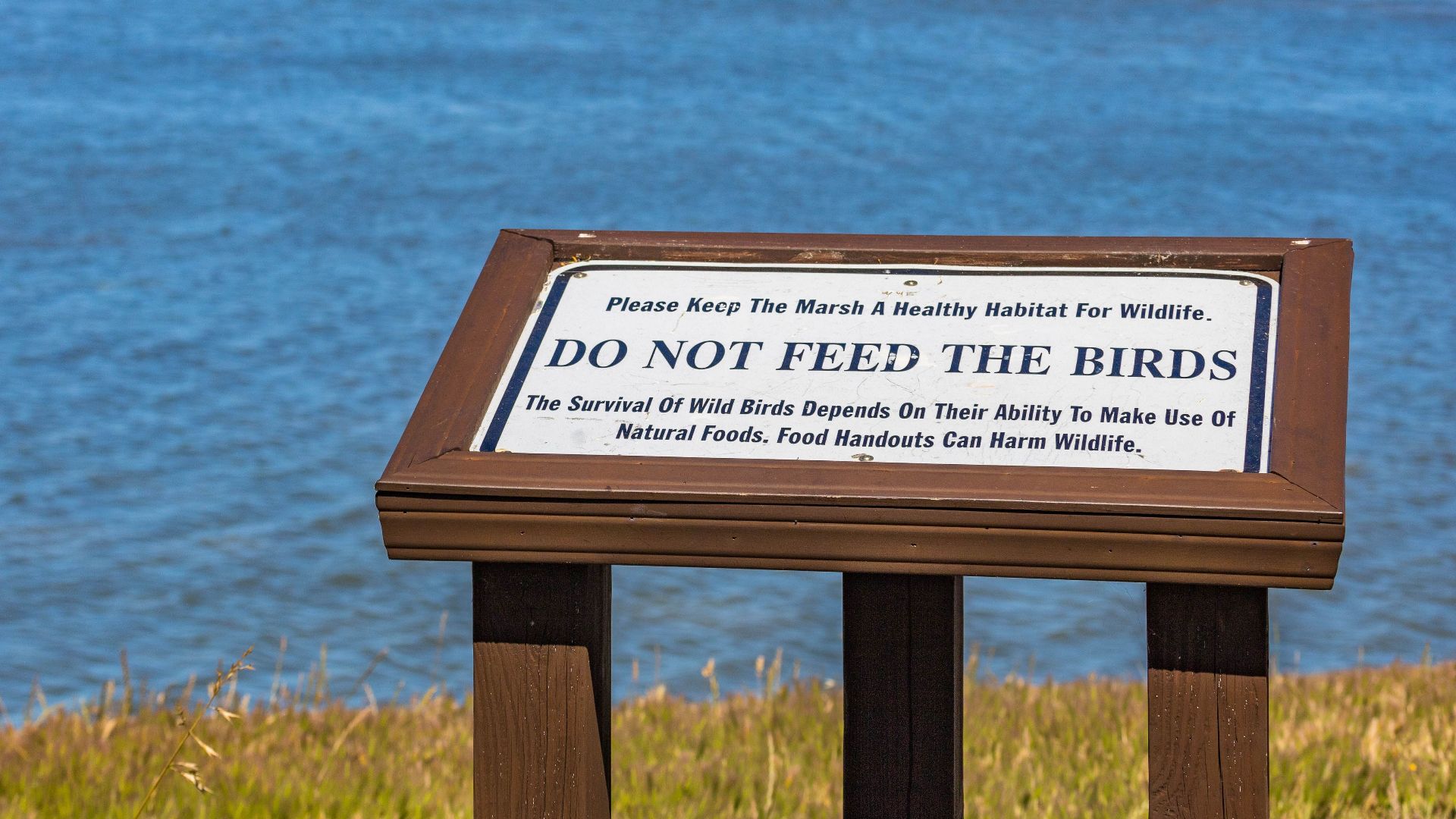
An increasing number of municipalities have adopted bylaws limiting or prohibiting intentional wildlife feeding because it can attract large numbers of animals, create sanitation issues, and increase neighborhood conflicts.
It May Become A Public Health Issue
Large groups of birds can leave significant amounts of droppings, which create unpleasant odors, damage property, and may contribute to sanitation concerns. That's one reason some local governments investigate complaints involving unusually large bird congregations.
 PantheraLeo1359531, Wikimedia Commons
Start With A Friendly Conversation
Before filing a complaint, it may be worth talking to your neighbor. They may have no idea how many birds are gathering outside your home or how disruptive the situation has become.
 RealPeopleStudio, Shutterstock
Document What's Happening
If the problem continues, take photos or short videos showing the size of the flock, the noise, the mess, and how frequently it occurs. Having clear documentation is helpful if you eventually contact your city or homeowners association.

Check Your Local Rules
Cities often handle wildlife feeding differently. Some prohibit feeding wildlife entirely. Others permit bird feeders as long as they don't create unsanitary conditions or attract nuisance wildlife. Looking up your local ordinances can save a lot of guesswork.

Homeowners Associations May Have Their Own Rules
Even if your city allows feeding birds, your HOA may have separate rules addressing nuisance animals, excessive noise, sanitation, or activities that interfere with neighboring properties.

Wildlife Officials Usually Prefer Education First
In many communities, the first response isn't punishment. Animal control or bylaw officers often educate residents about why intentionally feeding wildlife creates long-term problems before moving toward enforcement.

Reporting Doesn't Always Mean Someone Gets Fined
Sometimes officials simply ask the person to stop feeding the birds or reduce whatever is attracting them. If the flock disperses after the food source disappears, the issue may resolve itself without formal penalties.

Don't Expect The Birds To Leave Overnight
Even if your neighbor stops feeding them tomorrow, the crows may continue showing up for a while. They've learned that location is associated with food, and it can take time for that behavior to fade.
 Sound Designer S.K Pramanik, Pexels
Here's The Question That Really Matters
Is your neighbor simply enjoying wildlife, or has the feeding created a recurring nuisance that's affecting surrounding properties? That distinction is often what determines whether local authorities decide to step in.

So... Can You Report It?
Yes, in many places you can report it if the feeding is creating a genuine nuisance or violates local bylaws. Whether enforcement actually follows depends on your city's rules and the severity of the problem. If large flocks are causing excessive noise, sanitation concerns, or property damage, documenting the issue and contacting your municipality, HOA, or local animal control office is a reasonable next step.

A Few Handfuls Of Food Can Change An Entire Neighborhood
Most people who feed crows simply enjoy watching these remarkably intelligent birds. But when hundreds begin gathering every morning, the effects can spread well beyond one yard. A little communication—and a quick look at local rules—can often solve the problem before it turns into a neighborhood feud.
You May Also Like: