The Upgrade That Felt Like A Gift
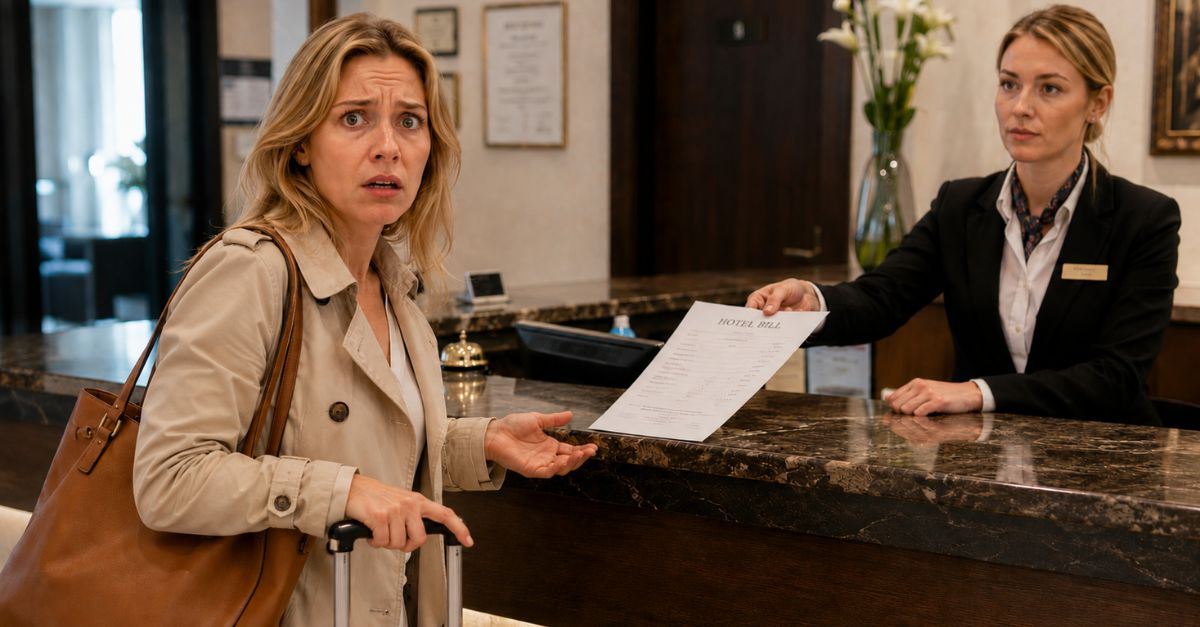
You check in, hear the word “free upgrade,” so of course you take the better room. It feels like one of those rare travel wins people talk about later. But what about when the bill comes and it's suddenly skyrocketed? Suddenly that free upgrade seems more like you got scammed. But is this problem widespread? And if it happens to you, what are you options?
Yes, Travelers Really Do Report This
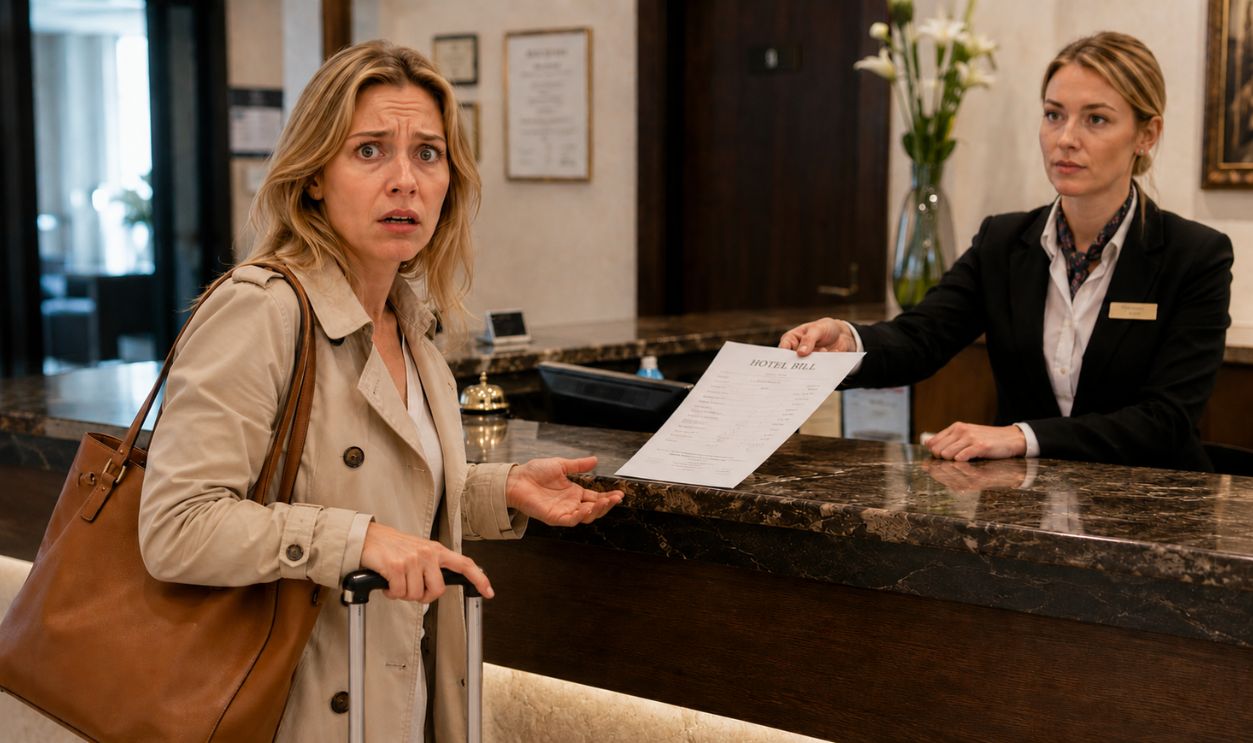
Complaints about surprise hotel charges, including room changes and upsells guests say were not explained clearly, show up all the time in consumer forums and complaint databases. The Better Business Bureau and state attorneys general regularly tell travelers to review hotel bills line by line before paying. That does not mean every upgrade charge is a scam, but it does mean this happens often enough to be worth watching.

What Usually Happens At The Front Desk
Most of the time, the problem starts with a vague conversation. A staff member offers a “better room,” a “special rate,” or even a “complimentary upgrade,” and the guest hears one thing while the hotel system records another. If the hotel later treats that room change as a paid upsell, the fight comes down to what was actually promised and what is written in the reservation.

Hotels Do Offer Real Complimentary Upgrades
Major hotel loyalty programs do promise complimentary upgrades for some elite members, though the details matter. Marriott Bonvoy, Hilton Honors, and World of Hyatt all explain when upgrades may be given and what kinds of rooms qualify. One thing is clear: a real complimentary upgrade should not turn into a surprise charge at checkout.
Marriott’s Policy Is Pretty Clear
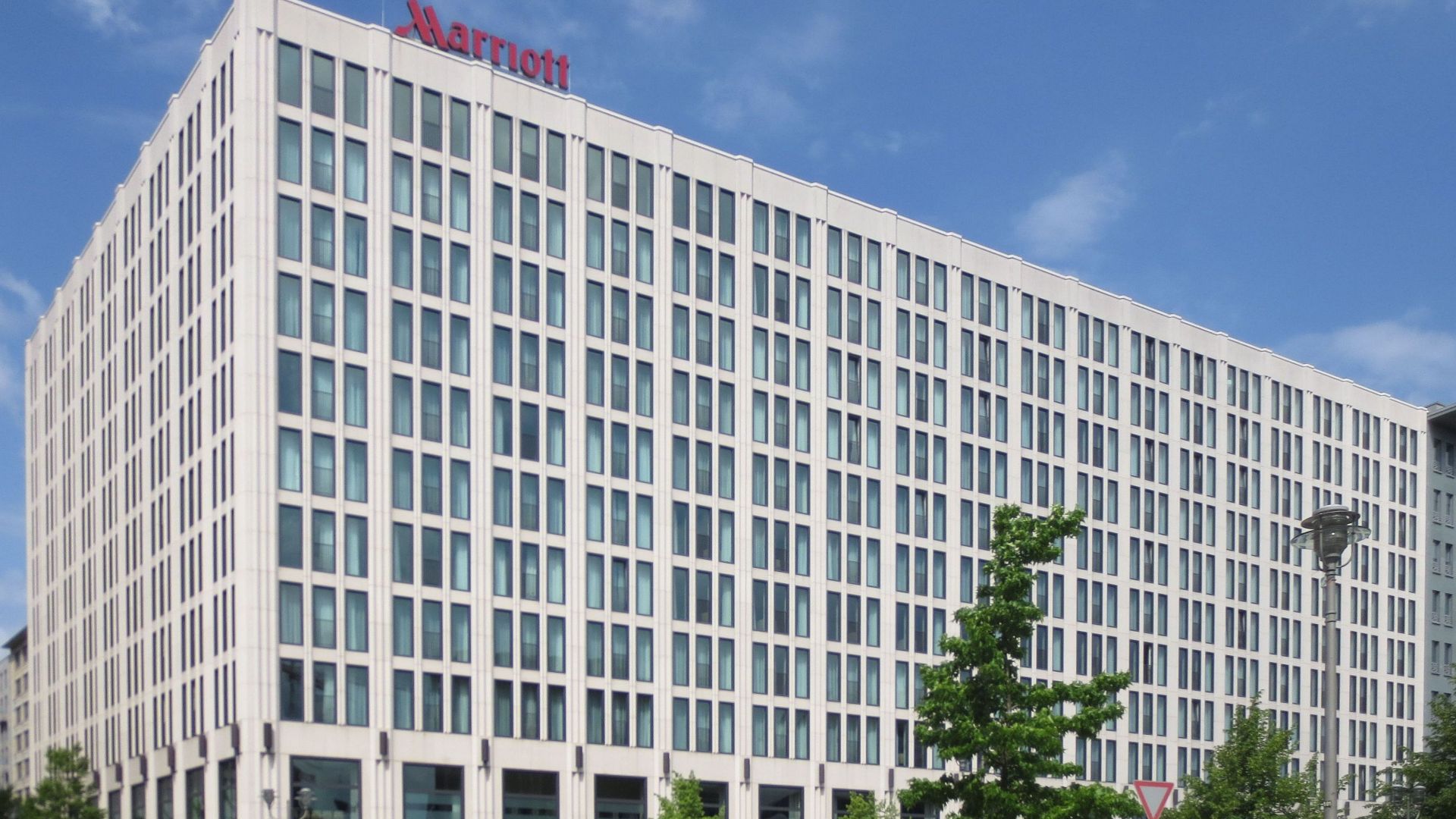
Marriott Bonvoy says elite members may get a complimentary enhanced room upgrade, depending on availability, with suite eligibility varying by brand. The key word is complimentary. If a front desk agent says the upgrade is free, the bill should reflect that unless the guest separately agreed to pay for something else.
Hilton Says Much The Same
Hilton Honors lists space-available room upgrades as a benefit for certain elite members at most brands. Again, the program presents this as a member perk, not a hidden add-on. If there is a charge, it should be because the guest agreed to a paid room type or package, not because a free elite benefit was quietly turned into a fee.
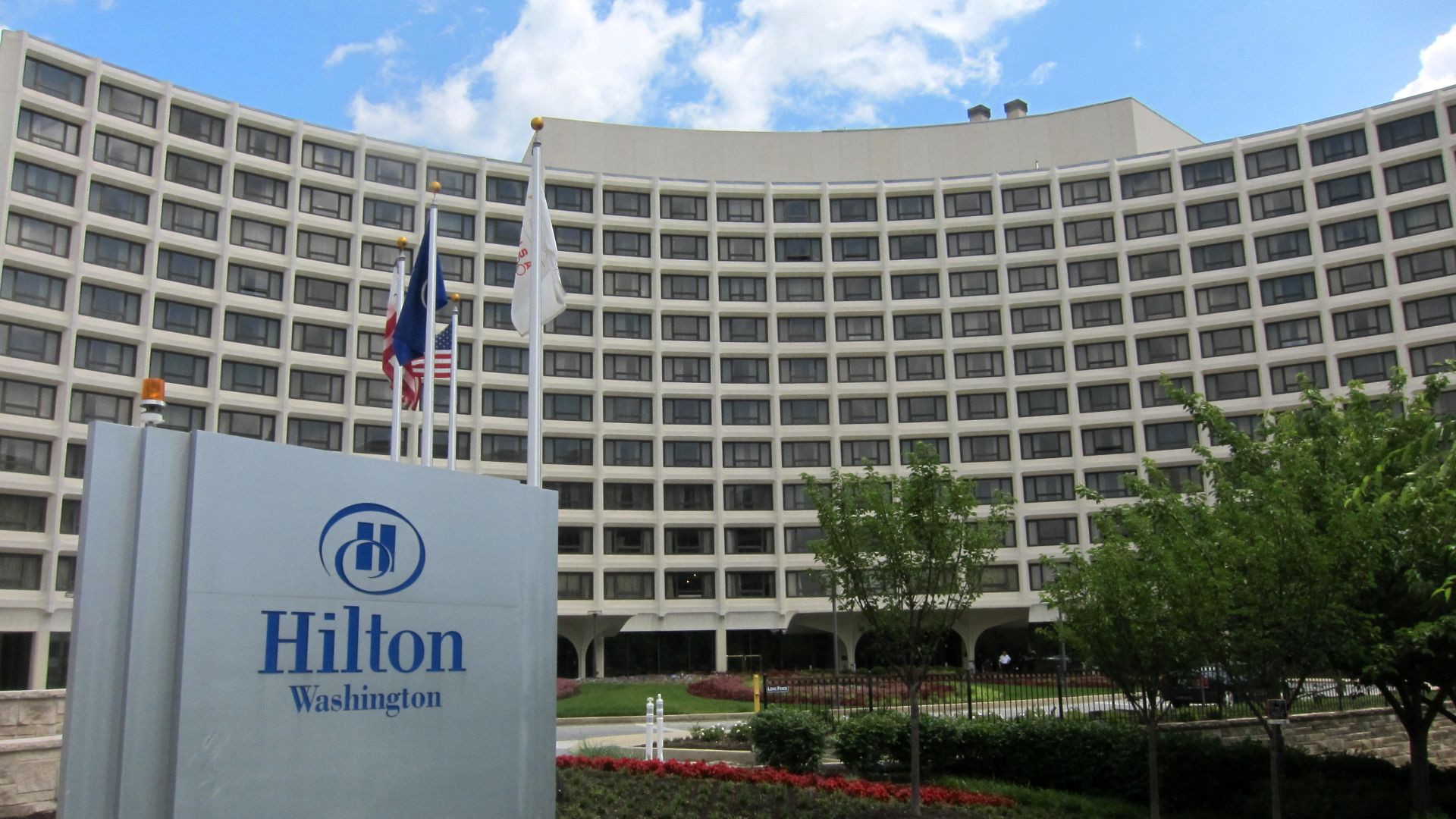 AgnosticPreachersKid, Wikimedia Commons
Hyatt Uses The Same Language
World of Hyatt also describes complimentary room upgrades for elite members at check-in when available. That wording matters because it draws a clear line between a free perk and a paid upsell. When hotels blur that line, guests have every reason to question the charge.

Why The Mix-Up Happens
Hotels sell rooms through a maze of rates, packages, and room categories. A desk agent might move a guest to a better room to fix an operational problem, reward loyalty, or make an extra sale. If the conversation is rushed and the bill is not shown clearly, a guest can walk away thinking one thing while the system logs something else.

The Folio Is Where The Truth Usually Shows Up
Your folio is the itemized hotel bill listing the room rate, taxes, resort fees, parking, minibar charges, and other extras. Consumer agencies regularly say to check it before leaving the property. If an upgrade fee appears there, that is the clearest sign the hotel treated the room change as something billable.

The FTC’s Advice Fits Here Too
The Federal Trade Commission tells consumers to inspect bills closely and dispute unauthorized charges quickly. That advice often comes up with credit cards, but the same logic applies at hotels. The sooner you question a charge, the easier it is to fix.

Billing Errors Are Common In Travel
Travel billing problems happen for all kinds of reasons, including duplicate authorizations, minibar mistakes, and wrong room rates. Hotels also place temporary holds that can make it look like you were charged twice. That is why it helps to separate three things: an authorization hold, a valid paid upsell, and a truly unauthorized charge.

A Hold Is Not The Same As A Real Charge
The American Hotel & Lodging Association explains that hotels often place authorization holds on cards for the room, tax, and incidentals. Those holds can look like extra charges while your stay is still active. But a hold should eventually disappear based on your bank’s timing, while a posted checkout charge for an upgrade is a different issue and deserves immediate attention.

What A Paid Upsell Looks Like
A paid upsell happens when the hotel offers a better room or extra amenity for an added cost and you agree to it. That is normal and legal if the price is explained clearly. The warning sign is when it is pitched like a freebie but billed like a sale.

What A Real Complimentary Upgrade Means
A true complimentary upgrade means the hotel moves you to a better room without raising your rate. That can happen because of loyalty status, hotel operations, or simple goodwill after a problem. If the rate goes up, it is not complimentary, no matter how nicely it was presented.

The Most Important Question To Ask
If a better room is offered, ask one very direct question before taking the key: “Just to confirm, will my total nightly rate and total stay cost stay exactly the same?” That leaves little room for confusion and gives you something specific to point to later if there is a problem.
Get It In Writing If Possible
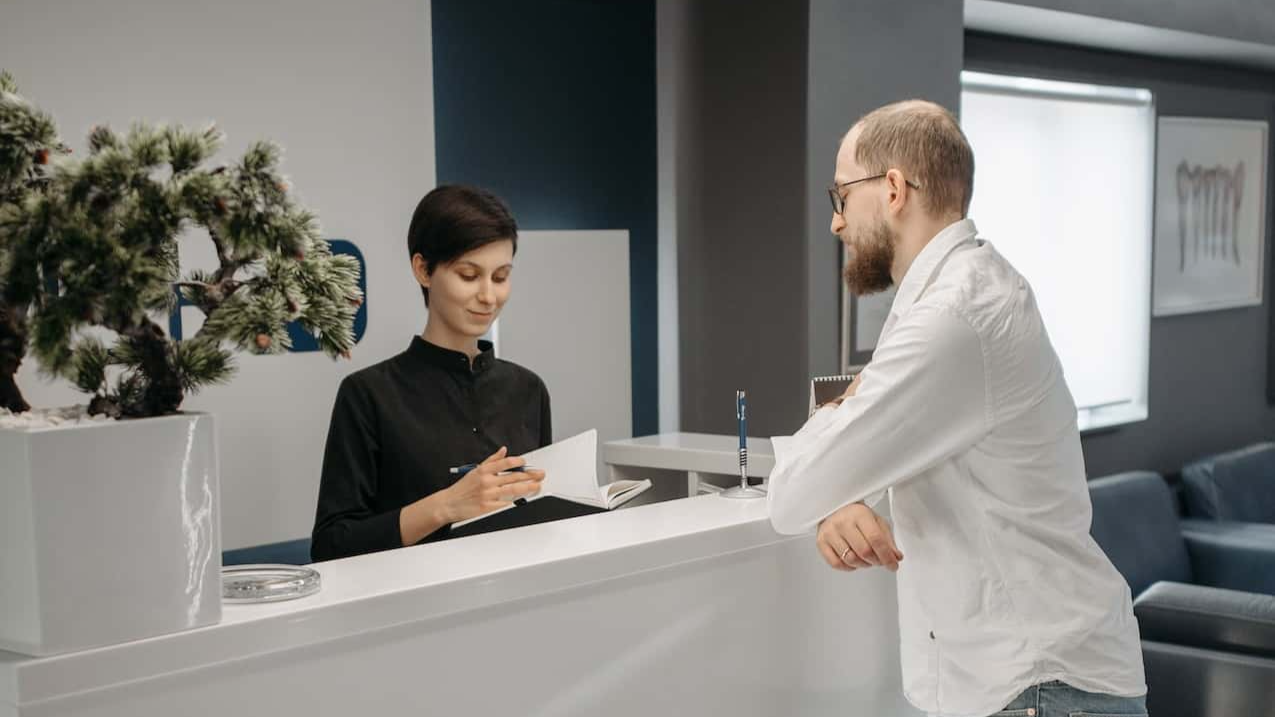
The safest move is to ask for the updated rate in writing on the registration form, a printed folio estimate, the hotel app chat, or an email. Even a short written note can stop a dispute before it starts. If the staff will not give written confirmation, that is a good reason to slow down and ask more questions.

Take A Screenshot Before Bed
If your reservation is visible in the hotel app, screenshot the room type, nightly rate, taxes, and any messages about the upgrade. Do the same for texts or app chats with the property. Those records can make a big difference if the hotel later says you agreed to a paid room change.

Check Out Carefully
Do not just toss the keys on the desk and head for the airport if anything changed during your stay. Ask for an itemized bill and read every line, especially room rate changes, destination charges, parking, and minibar entries. A problem caught in person can often be fixed in minutes. A problem caught days later can drag on.

If You See The Charge, Push Back Calmly
Start by saying you were told the upgrade was complimentary and ask the agent to check the reservation notes. Stay calm and stick to the facts, including dates, times, and names. If you have a screenshot or written confirmation, show it right away.

Escalate Before You Leave
If the front desk cannot or will not fix the issue, ask for the manager on duty before checkout is finalized. Hotels are much more likely to remove a disputed charge while you are still there. Once you leave, the issue usually gets pushed into slower post-stay customer service channels.

What To Do After Checkout
If the charge still posts, contact the hotel first and then the brand’s customer service if it is part of a chain. Keep your confirmation, screenshots, folio, and notes about when you spoke to staff. Good records make a much stronger case than anger alone.

When A Credit Card Dispute Makes Sense
If the hotel refuses to fix a charge you did not authorize, you can dispute it with your card issuer. The Consumer Financial Protection Bureau says consumers can challenge billing errors and unauthorized charges under federal protections. Be clear, factual, and ready to submit your records, including proof that you tried to resolve the problem with the hotel first.

Third-Party Bookings Can Make It Messier
If you booked through an online travel agency, the room description and rate terms may not match exactly what the hotel sees in its own system. That creates more room for confusion over upgrades and paid room changes. Even so, the hotel still should not describe something as free and then quietly charge for it later.

Independent Hotels And Resorts Need A Closer Look
Big chains at least have published loyalty rules and brand customer service channels. Independent properties may use looser practices and less standard wording at the desk. That does not make them untrustworthy, but it does mean guests should ask sharper questions and keep better records.

Resort Fees Can Add To The Confusion
Sometimes guests think the upgrade caused the higher bill when the real issue is a resort or destination fee. The FTC has pushed for clearer hotel pricing because mandatory fees can hide the real cost of a stay. Always compare the final folio with your original confirmation so you can see exactly what changed.

So, Is It A Common Trick
It is fair to say travelers run into vague upsell language and surprise charges often enough for this to be a real consumer issue. But it is not fair to say every case is a deliberate trick. Sometimes it is a misunderstanding, sometimes it is a sloppy explanation, and sometimes it is a charge that should never have been added.

The Best Way To Avoid A Checkout Surprise
Treat every “free upgrade” like an offer that needs one boring follow-up question. Confirm that the total cost will not change, get that confirmation in writing, and check the folio before you leave. That small bit of caution can save you from an ugly surprise at the very end of your trip.