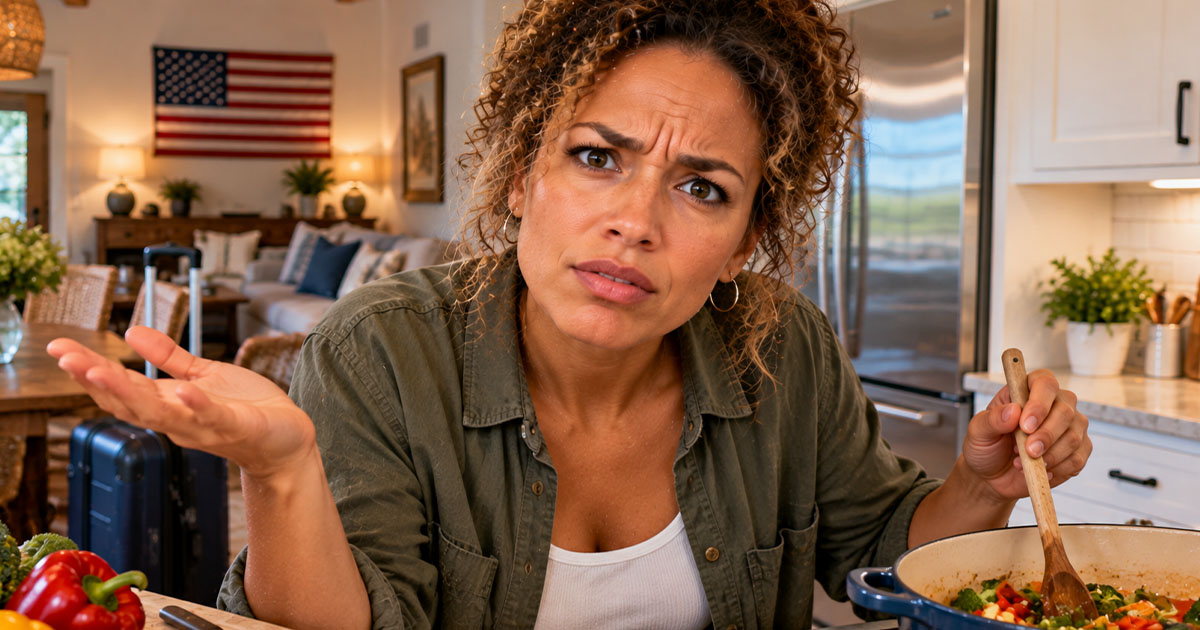
I Rented The Whole Airbnb—So Why Can't I Cook After 9 P.M.?
You booked an entire house on Airbnb specifically because you wanted the freedom to cook your own meals. Then, after arriving, you noticed a house rule stating that no cooking is allowed after 9:00 p.m. That seems odd, especially when you rented the entire property rather than just a private room. It raises an understandable question: Can a host really make a rule like that, or does renting the whole house mean you can use the kitchen whenever you want?
Renting The Entire Home Doesn't Mean There Are No Rules
Booking an entire home generally gives you exclusive use of the property during your stay. However, Airbnb still allows hosts to establish reasonable house rules that guests agree to when booking.

House Rules Must Be Shared Before You Book
One important detail is timing. Hosts are expected to display their house rules on the listing before guests reserve the property. That gives travelers the opportunity to decide whether the rules are acceptable before committing to the stay.

Quiet Hours Are Common
Many Airbnb listings include quiet hours, often between 10:00 p.m. and 7:00 a.m. Those rules are intended to reduce noise for neighbors rather than control every activity inside the home.
Cooking Isn't Automatically A Noise Problem
Making a sandwich or reheating leftovers at 9:30 p.m. is very different from hosting a loud dinner party. Whether a "no cooking after 9 p.m." rule is reasonable may depend on why the host created it in the first place.
Some Homes Have Unique Circumstances
Perhaps the kitchen sits directly beside a neighboring bedroom, or the property shares walls with another unit where late-night cooking regularly disturbs residents. In those situations, a host may try to reduce late-night noise.
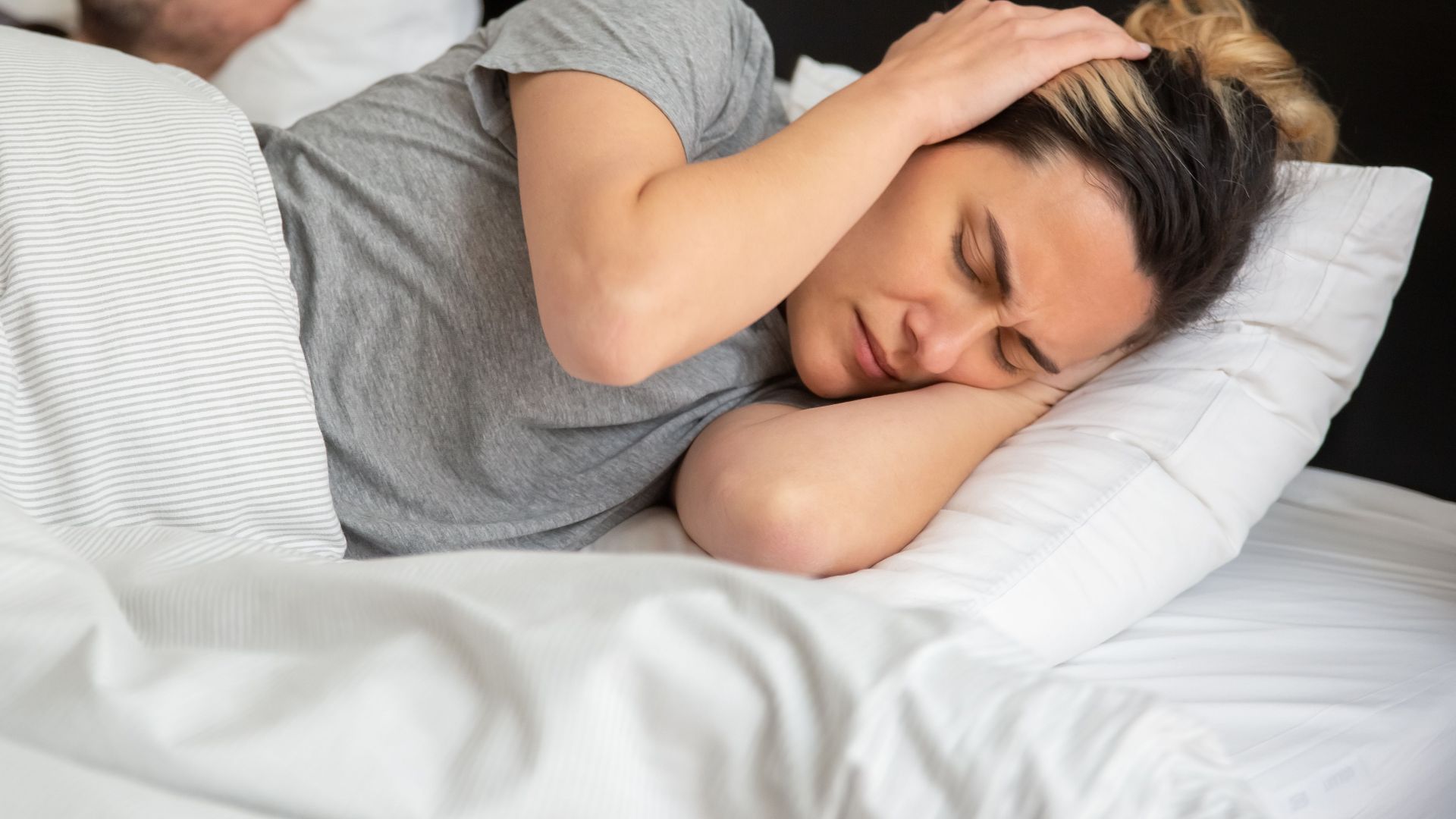
Strong Cooking Odors Can Travel
In some apartments, duplexes, or older homes, cooking smells linger or spread easily. A host may be trying to prevent strong odors from affecting neighboring units, particularly late at night.

Airbnb Lets Hosts Create Additional Rules
Beyond Airbnb's standard categories like pets, smoking, and quiet hours, hosts may add reasonable additional rules for their property, provided they don't conflict with Airbnb's policies or applicable laws.

The Rule Shouldn't Be A Surprise
If the restriction wasn't visible until after you booked—or worse, until after you checked in—that's a different issue. Guests generally expect important limitations on how they can use the property to be disclosed before making a reservation.

Ask What Counts As "Cooking"
Rules are sometimes written too broadly. Does "no cooking" mean you can't use the stove? What about the microwave? The kettle? The coffee maker? Clarifying the rule with the host may reveal it's much narrower than it first appears.

Most Guests Expect Kitchen Access
One reason many people choose an Airbnb over a hotel is to prepare their own meals. Restrictions on using the kitchen can affect the value of the rental, especially for families, people with dietary needs, or travelers staying several days.
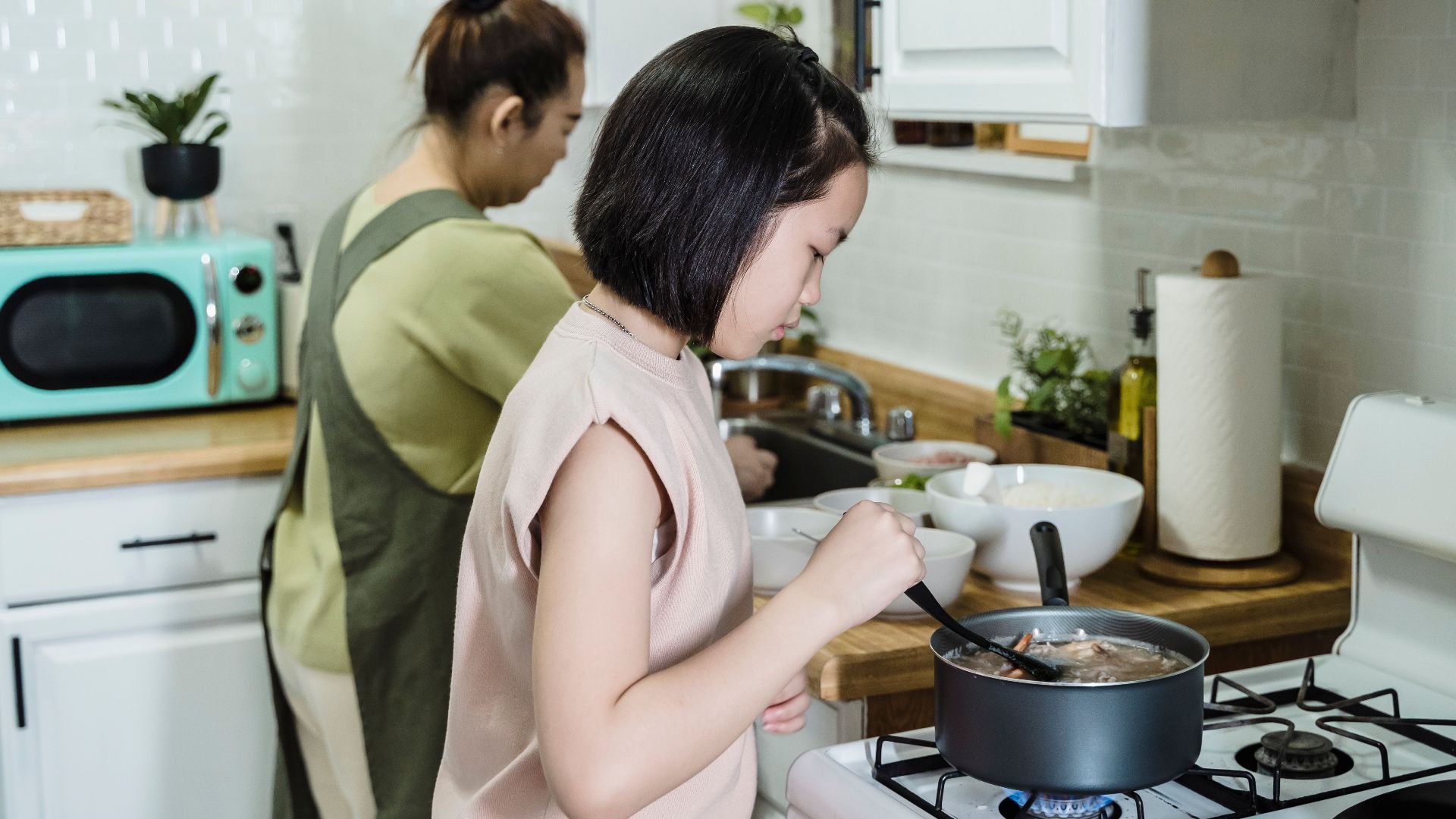
Common Sense Still Applies
Even without a specific rule, it's reasonable to avoid banging pots, slamming cabinet doors, or running noisy appliances in the middle of the night if nearby neighbors could be disturbed.
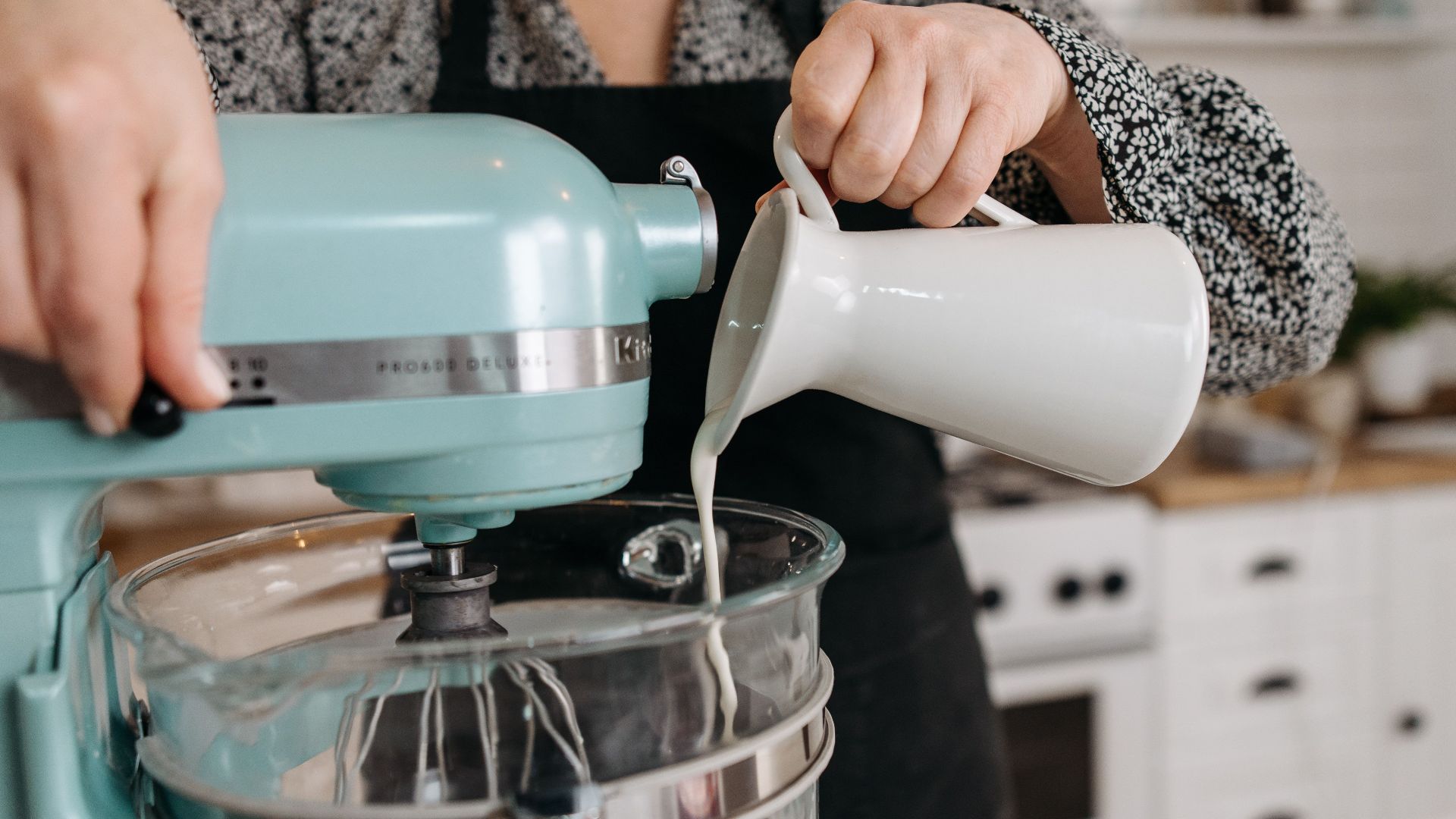
Communication Solves Many Problems
If you know you'll be arriving late and need to prepare dinner after 9 p.m., asking the host ahead of time may resolve the issue before it becomes a conflict. Many hosts are willing to make exceptions for quiet, respectful use.

Reviews Can Offer Clues
Recent guest reviews sometimes mention unusual house rules that aren't obvious at first glance. Reading a few of the newest reviews may help identify strict policies before you book.

Airbnb Expects Guests To Follow House Rules
Guests are expected to respect the host's published house rules during their stay. Ignoring clearly disclosed rules can lead to complaints, poor reviews, or intervention by Airbnb if the issue becomes serious.

Not Every Rule Is Equally Practical
A rule can be allowed yet still feel inconvenient. Banning loud parties after 10 p.m. is one thing. Preventing someone from quietly heating soup in a microwave at 9:15 p.m. may strike many travelers as unnecessarily restrictive.
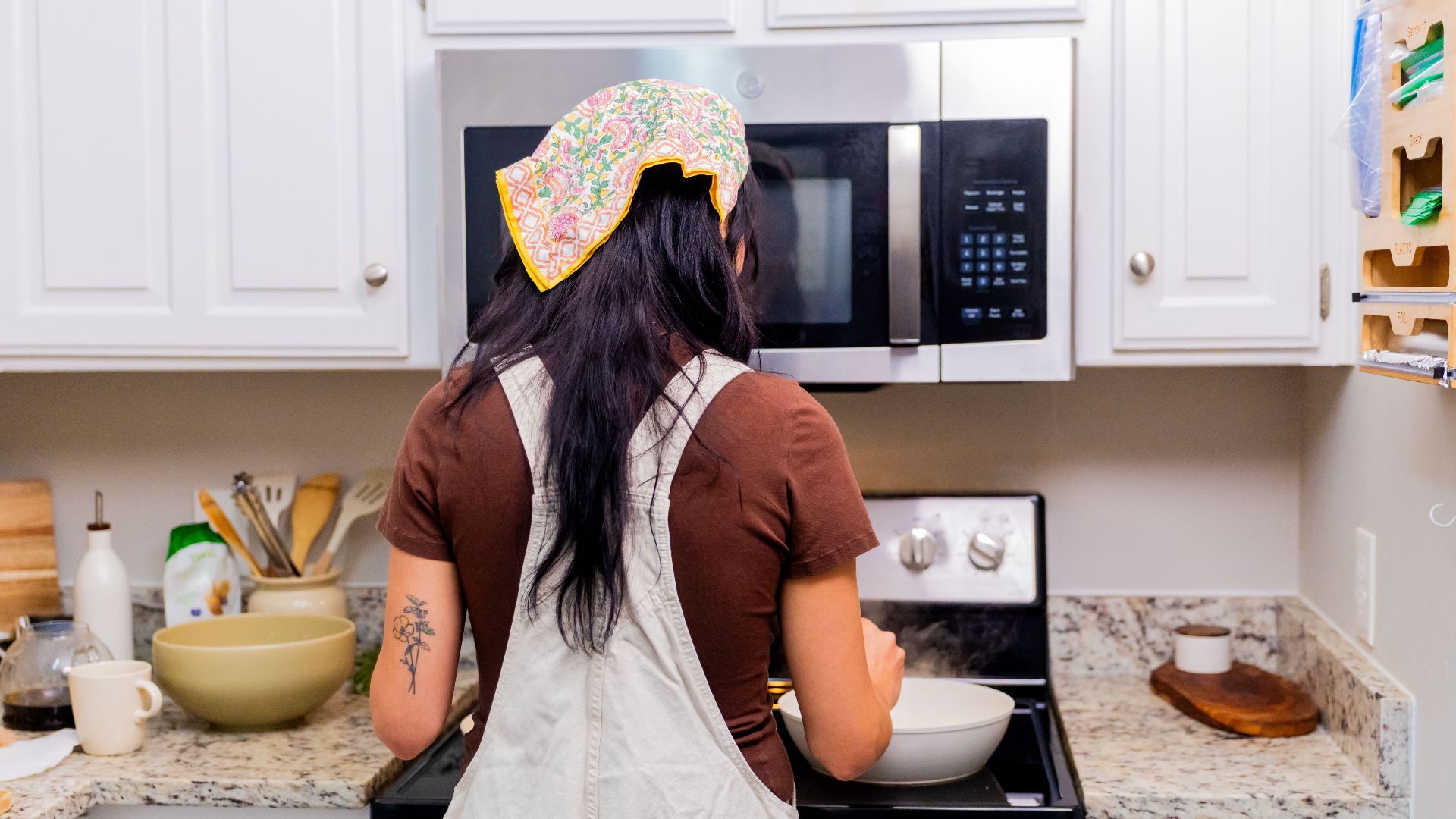
Entire Homes Are Different From Shared Homes
Restrictions often make more sense in shared accommodations where hosts live on-site. Guests renting an entire standalone house generally expect greater flexibility because they aren't sharing the kitchen with anyone else.

Here's The Question That Really Matters
Was the rule clearly disclosed before you booked, and does it serve a reasonable purpose related to the property or the surrounding community? Those are often the key considerations.
 https://kaboompics.com/, Pexels
So... Can A Host Make That Rule?
Usually, yes—provided it was clearly disclosed before booking and doesn't violate Airbnb's policies or local laws. Hosts have broad discretion to establish house rules for their property, and guests agree to those rules when they reserve the listing. If the restriction wasn't disclosed until after you arrived, or if it materially changes how you expected to use the property, it's reasonable to discuss it with the host or contact Airbnb for guidance.

Clear Expectations Make Better Vacations
Most travelers don't mind following reasonable house rules—they simply want to know what those rules are before they click "Book." A host who clearly explains unusual restrictions helps guests choose the right property, while guests who review those rules carefully are much less likely to encounter unpleasant surprises after check-in.

You May Also Like: