Your Airbnb Vacation Can Change Fast When Jackhammers Move In
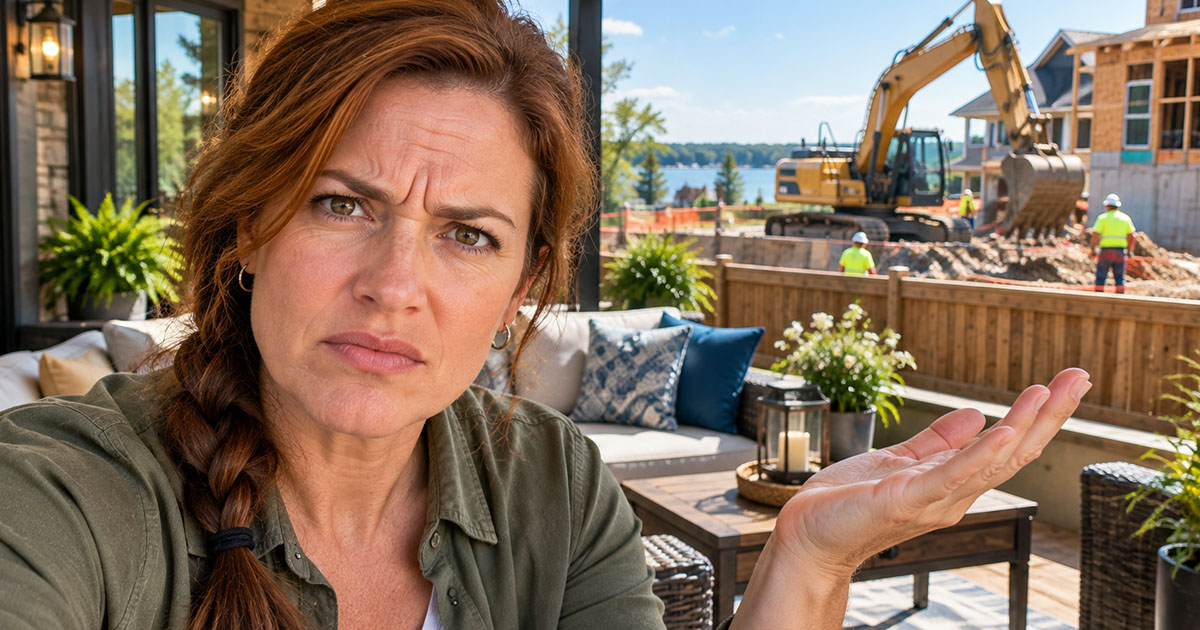
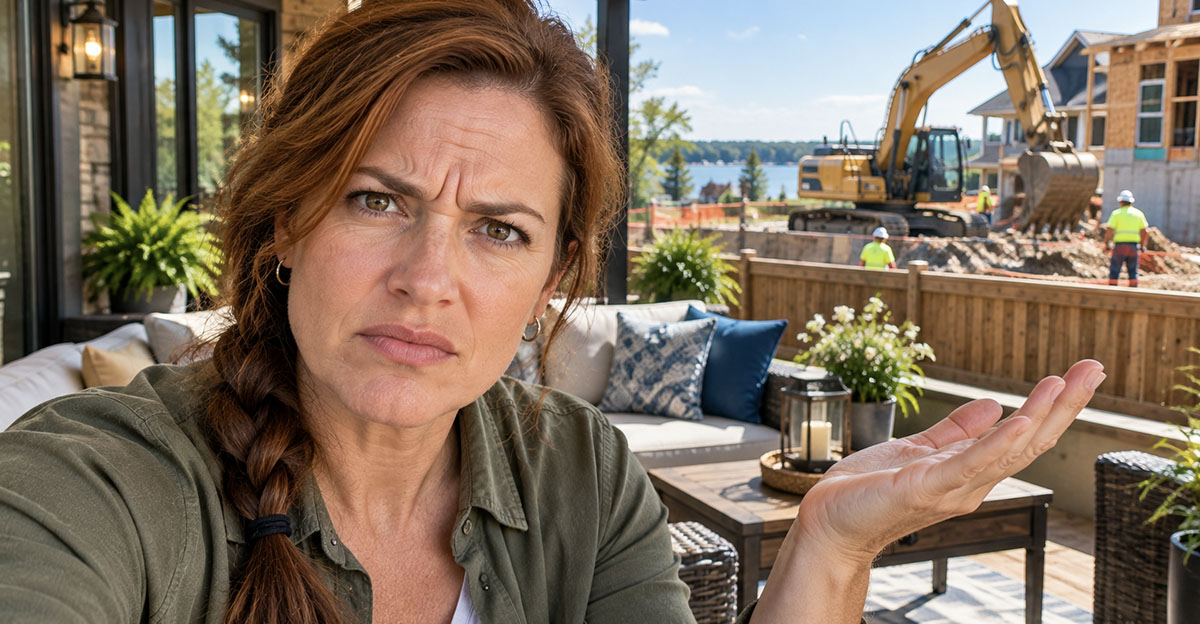
You finally arrive at your Airbnb after months of planning, only to wake up the next morning to jackhammers, dump trucks, and workers tearing apart the property next door. The listing showed peaceful mornings and quiet coffee on the patio, but nobody mentioned the major construction happening just a few feet away. It's frustrating—and it naturally raises the question: Should your host have told you before you booked?
Construction Can Completely Change A Stay
Most travelers choose accommodations based on comfort, location, and atmosphere. Constant construction noise can affect sleep, remote work, family vacations, and even simple conversations on the patio. A property that's peaceful one month may feel completely different the next.
 Boudoirphotographyguide, Wikimedia Commons
Not Every Construction Project Is Predictable
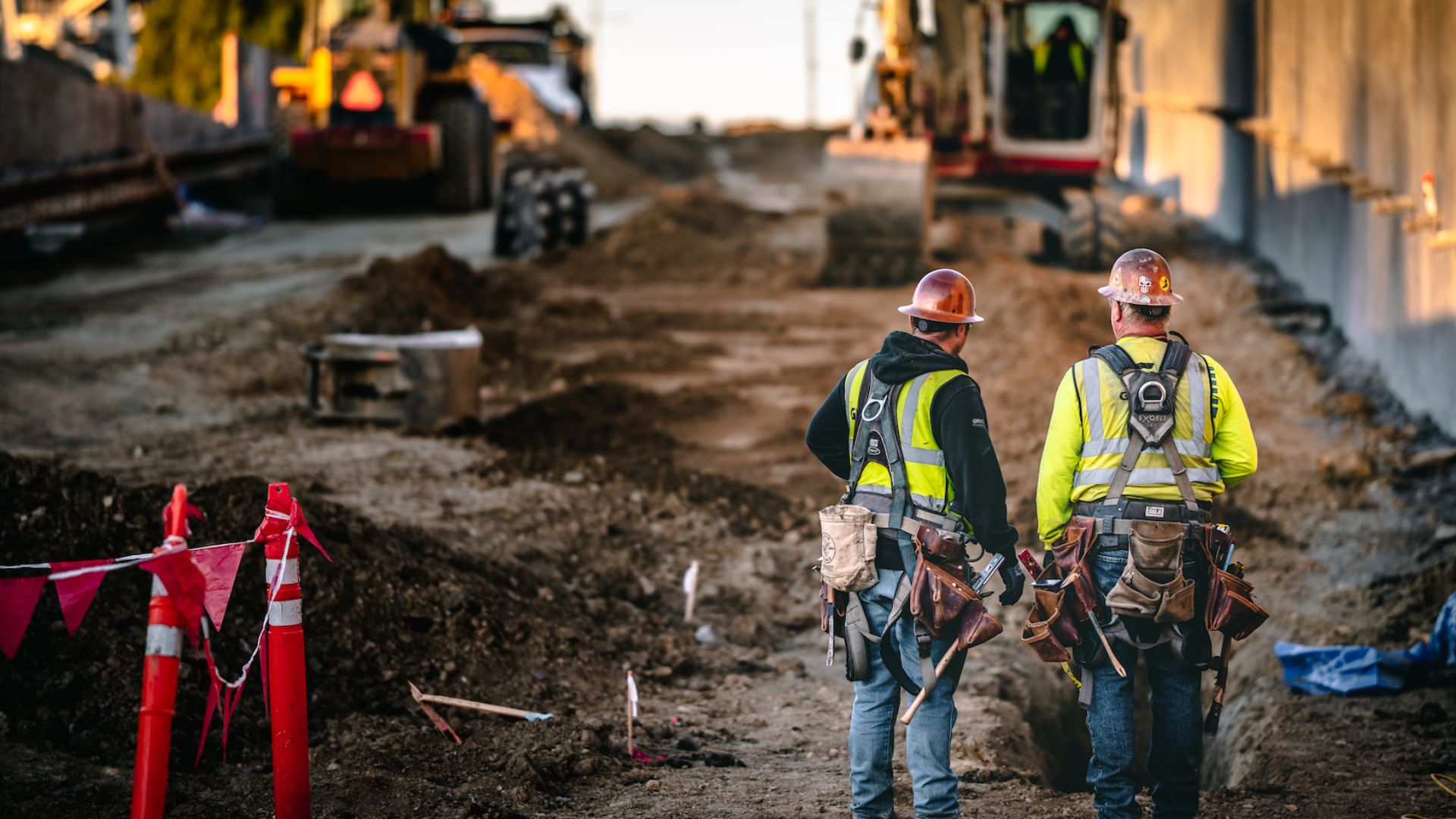
Sometimes a host has very little notice before nearby work begins. Emergency utility repairs or city roadwork can appear with almost no warning. In other situations, however, construction has been scheduled for weeks or months beforehand.
If The Host Knew, Guests Usually Expect Disclosure
While Airbnb doesn't have a blanket rule requiring hosts to disclose every nearby construction project, guests generally expect to be told about significant, known disruptions that could materially affect their stay. Many experienced hosts voluntarily disclose major construction because it helps avoid complaints and refund requests later.
 Raysonho @ Open Grid Scheduler / Scalable Grid Engine, Wikimedia Commons
Accurate Listings Matter
Airbnb requires listings to accurately represent the property and avoid misleading guests. If a known condition significantly changes the experience compared with what guests reasonably expect, failing to mention it can become a source of disputes.
The Problem Isn't Just Noise
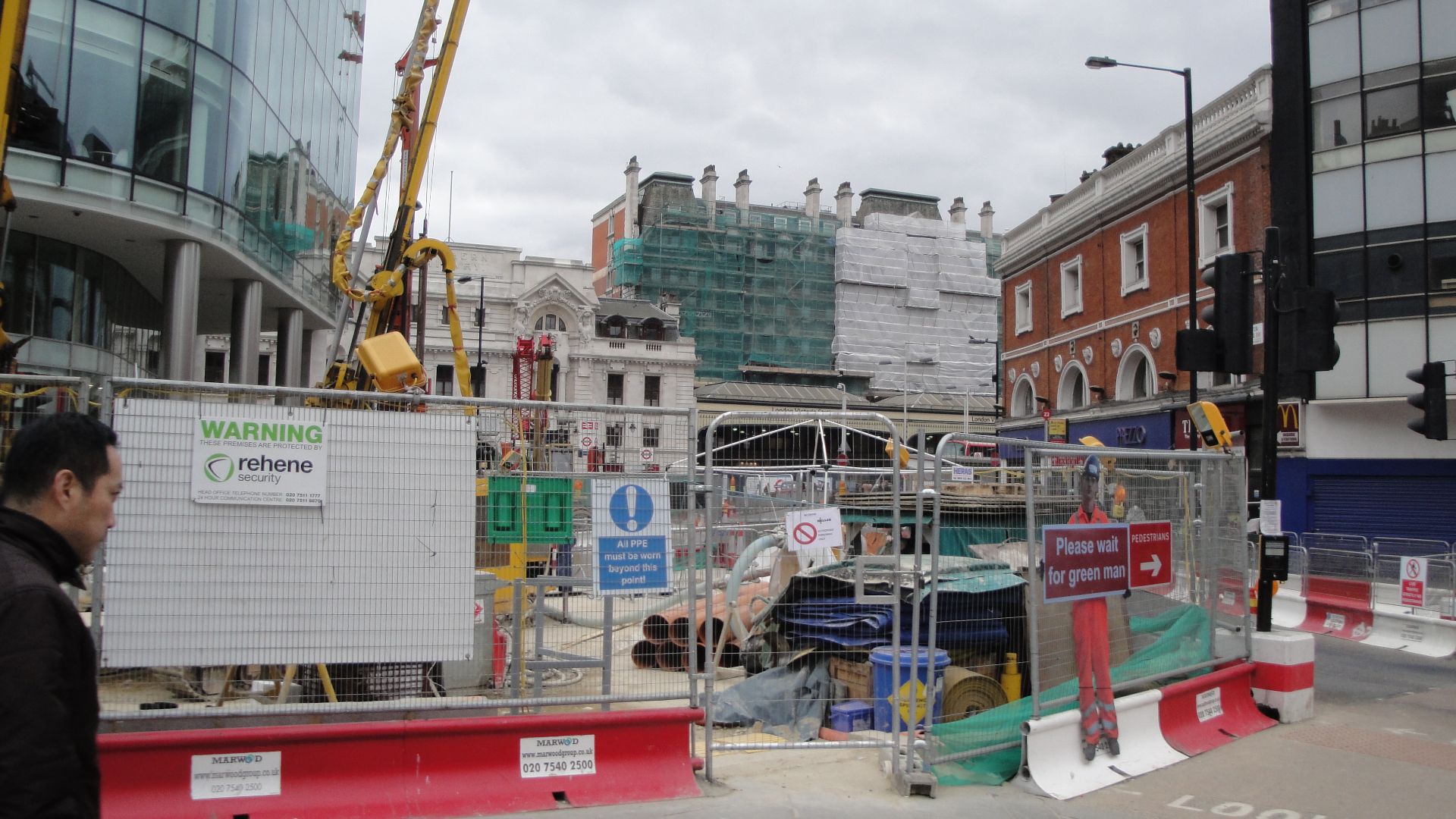
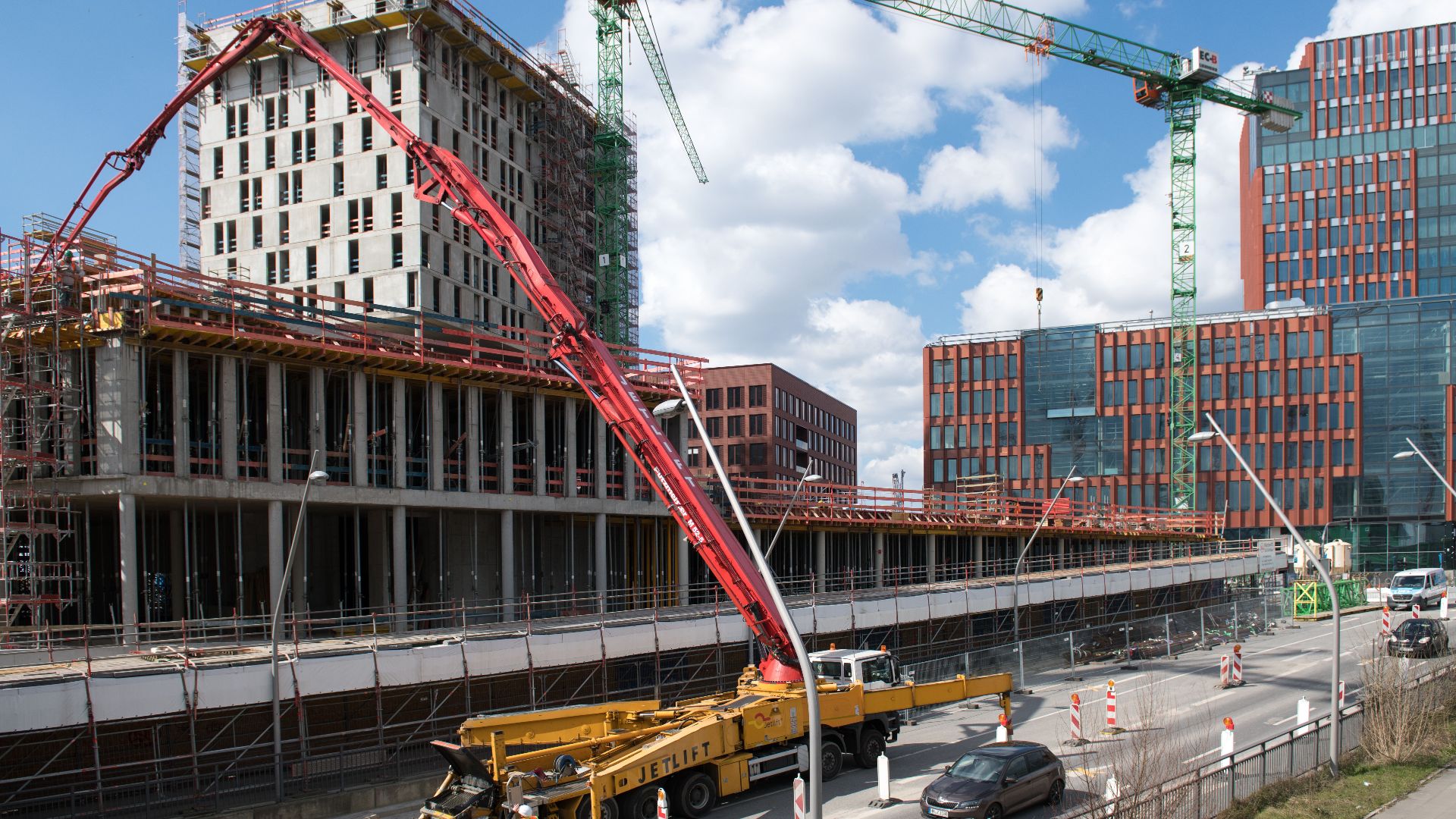
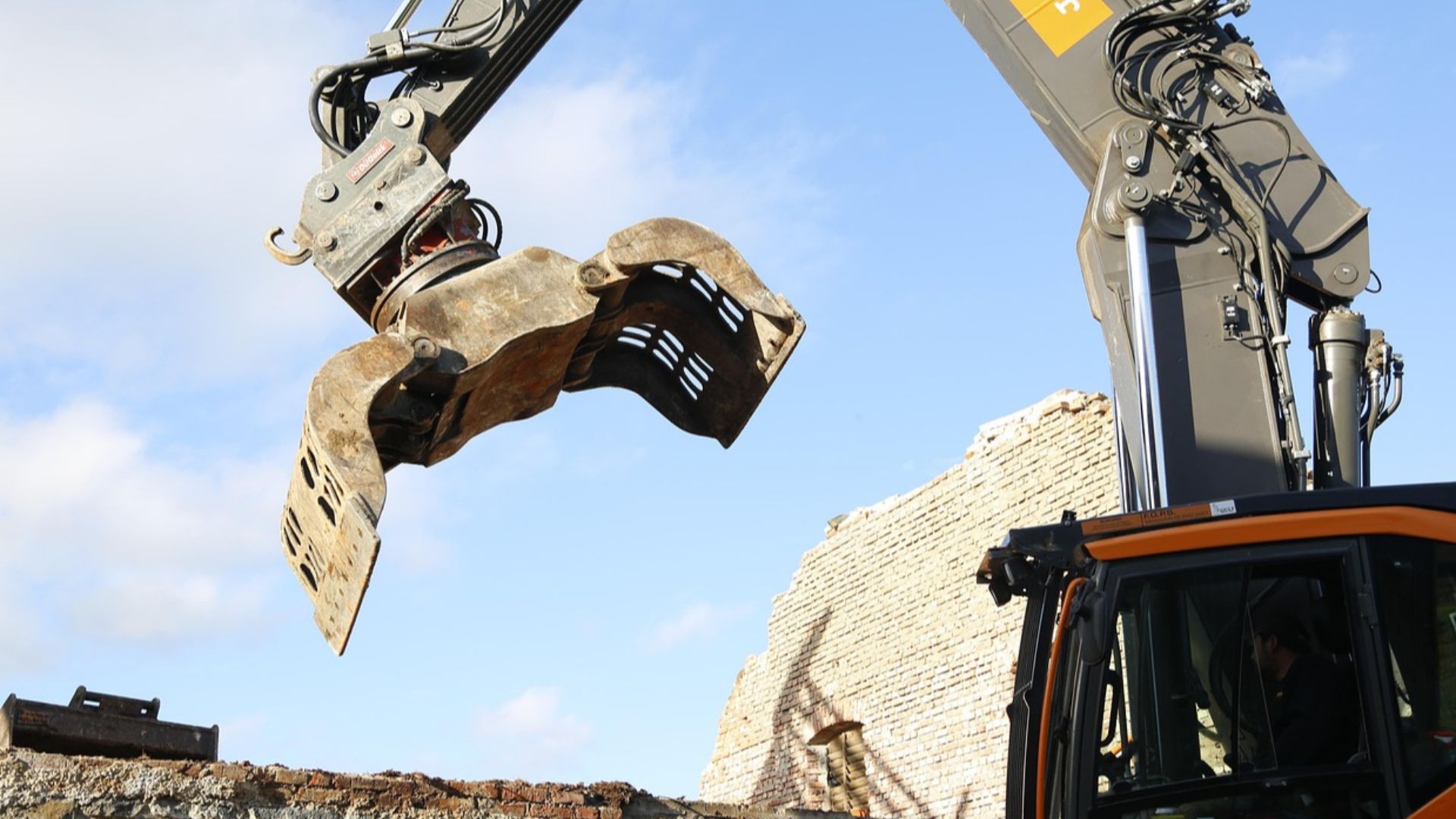
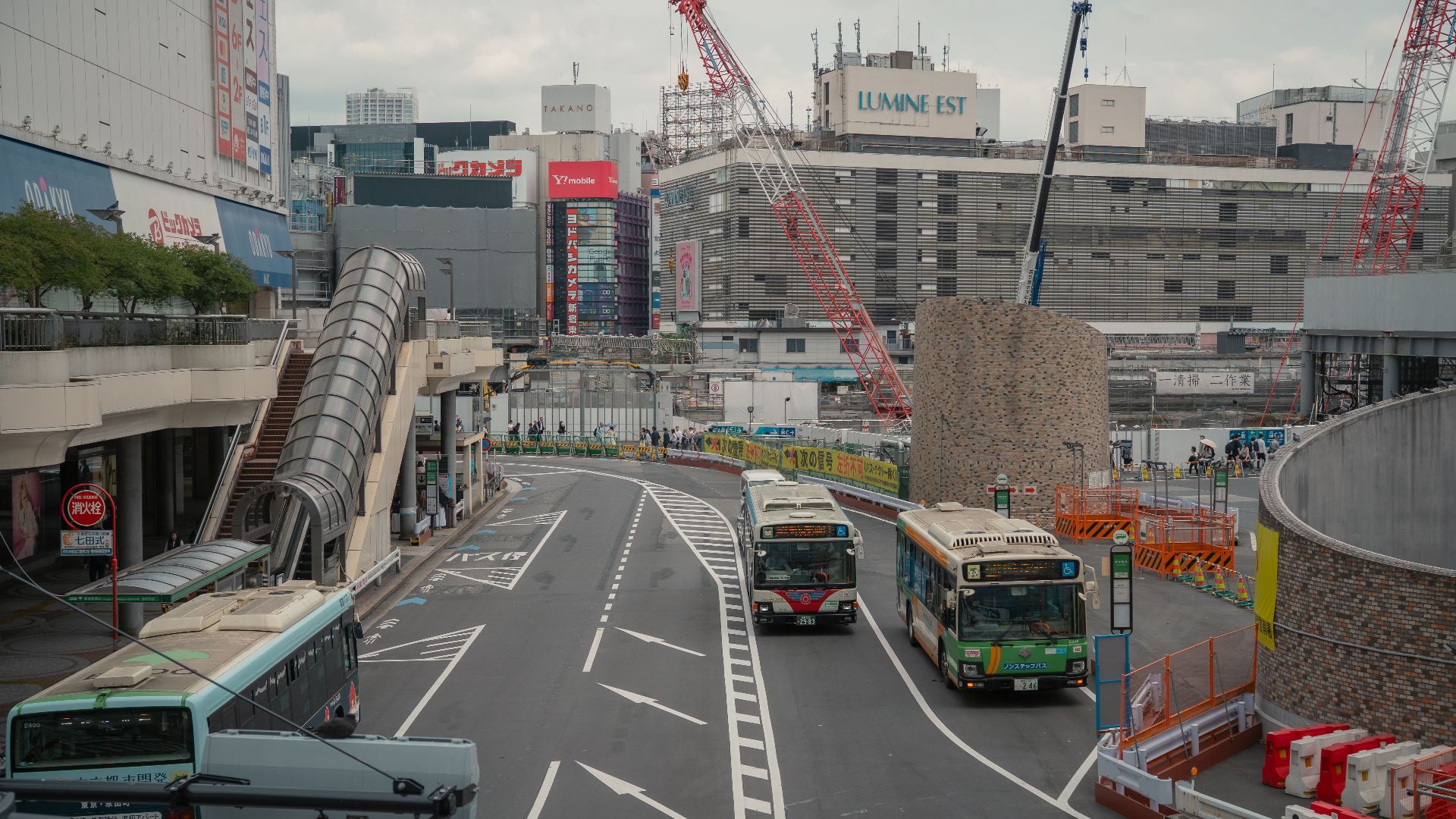
Construction often brings dust, blocked sidewalks, temporary road closures, early morning work, backup alarms, cranes, and limited parking. Even if the rental itself is spotless, the surrounding environment may feel completely different than advertised.
Timing Makes A Difference
A project lasting one afternoon isn't the same as six months of demolition. The longer and more disruptive the work, the stronger the argument that guests would reasonably want to know before booking.
Photos May Already Be Outdated
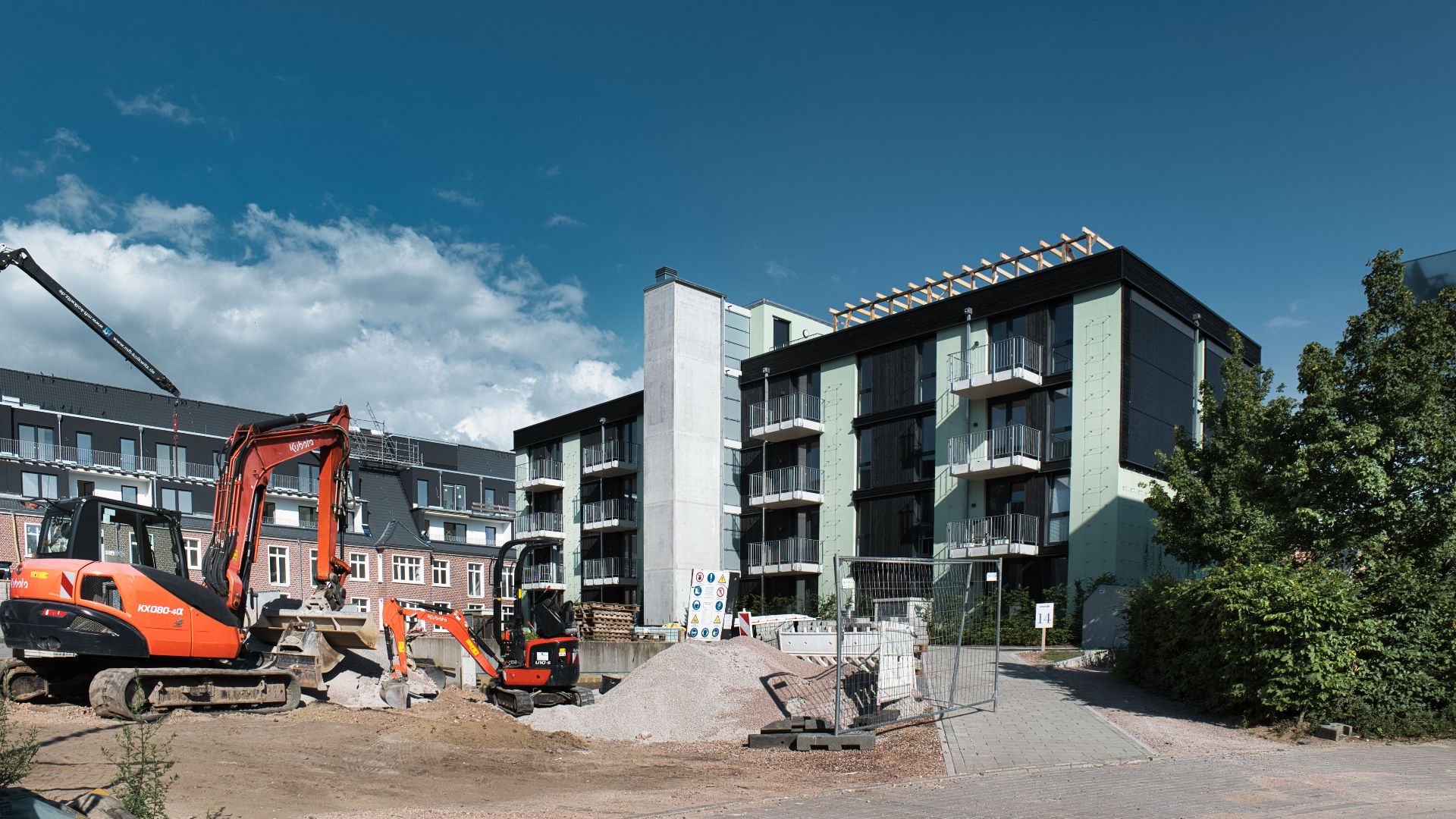
Many listings feature photos taken months—or even years—before your visit. If a peaceful empty lot next door has become an active construction site, those pictures may no longer reflect what you'll actually experience during your stay.
Contact The Host Immediately
If you arrive and discover unexpected construction, don't wait until checkout to mention it. Airbnb generally asks guests to report reservation issues promptly—typically within 72 hours of discovering them—and to provide supporting evidence such as photos or videos.

Document Everything
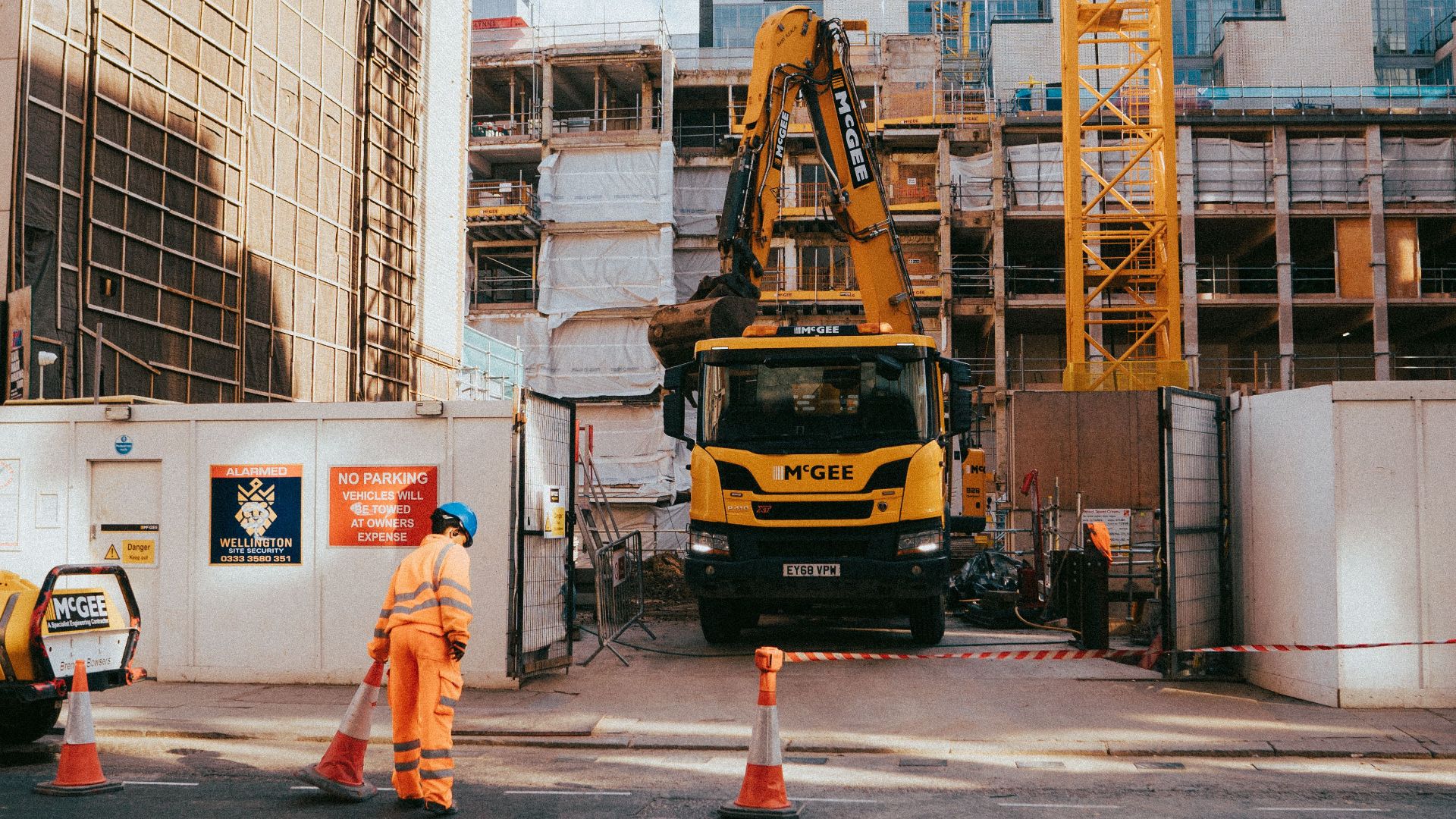
Take photographs of heavy equipment, blocked views, construction fencing, or any other conditions affecting your stay. Short videos capturing the noise can also be helpful if you're requesting assistance from Airbnb.

Your Host May Not Control The Construction
This is worth remembering. The neighboring property usually isn't owned by your Airbnb host. Even if they knew about the work, they may have no ability to stop it. That doesn't necessarily answer whether they should have disclosed it, but it does explain why the problem exists.
Refunds Aren't Automatic
Simply discovering nearby construction doesn't automatically guarantee a refund. Airbnb considers the circumstances, the severity of the disruption, the listing description, the evidence provided, and communication between the guest and host when evaluating reservation issues.

Sometimes A Partial Refund Makes Sense
If you decide to stay despite the disruption, some hosts voluntarily offer partial refunds or discounts as a goodwill gesture. Others may help guests relocate if the conditions are significantly worse than expected.

Communication Often Solves The Problem
Many disputes are resolved simply because the guest contacts the host early. A reasonable host may provide fans, white-noise machines, flexible checkout, discounts, or other accommodations that improve the stay.
 Christina @ wocintechchat.com M, Unsplash
Read Recent Reviews Carefully
Before booking, recent guest reviews often provide clues that listing descriptions don't. Multiple comments mentioning construction noise, roadwork, or nearby development can help you avoid unpleasant surprises.
 San Francisco Chronicle/Hearst Newspapers, Getty Images
Some Hosts Already Warn Guests
Many experienced Airbnb hosts proactively notify upcoming guests whenever they learn about nearby construction, even if Airbnb doesn't specifically require it. Some even allow penalty-free cancellations because they'd rather lose a booking than receive unhappy reviews.

Travel Insurance May Still Help
If construction significantly disrupts an expensive vacation, travel insurance may provide benefits in certain situations depending on your policy. Coverage varies widely, so it's worth checking before assuming you're protected.

Here's The Question That Really Matters
Did the host know about major construction before you booked, and would a reasonable traveler have wanted that information before choosing the property? That's often the issue at the center of these disputes.
So... Should The Host Have Disclosed It?
In many cases, yes—if they knew about significant construction that could materially affect your stay. While not every nearby project creates a legal obligation to disclose, being transparent helps guests make informed decisions and often prevents disputes later. If the undisclosed construction substantially changes the experience, contact the host immediately and document the conditions. Airbnb may be able to assist depending on the circumstances and the evidence available.
A Five-Minute Conversation Could Save Everyone Stress
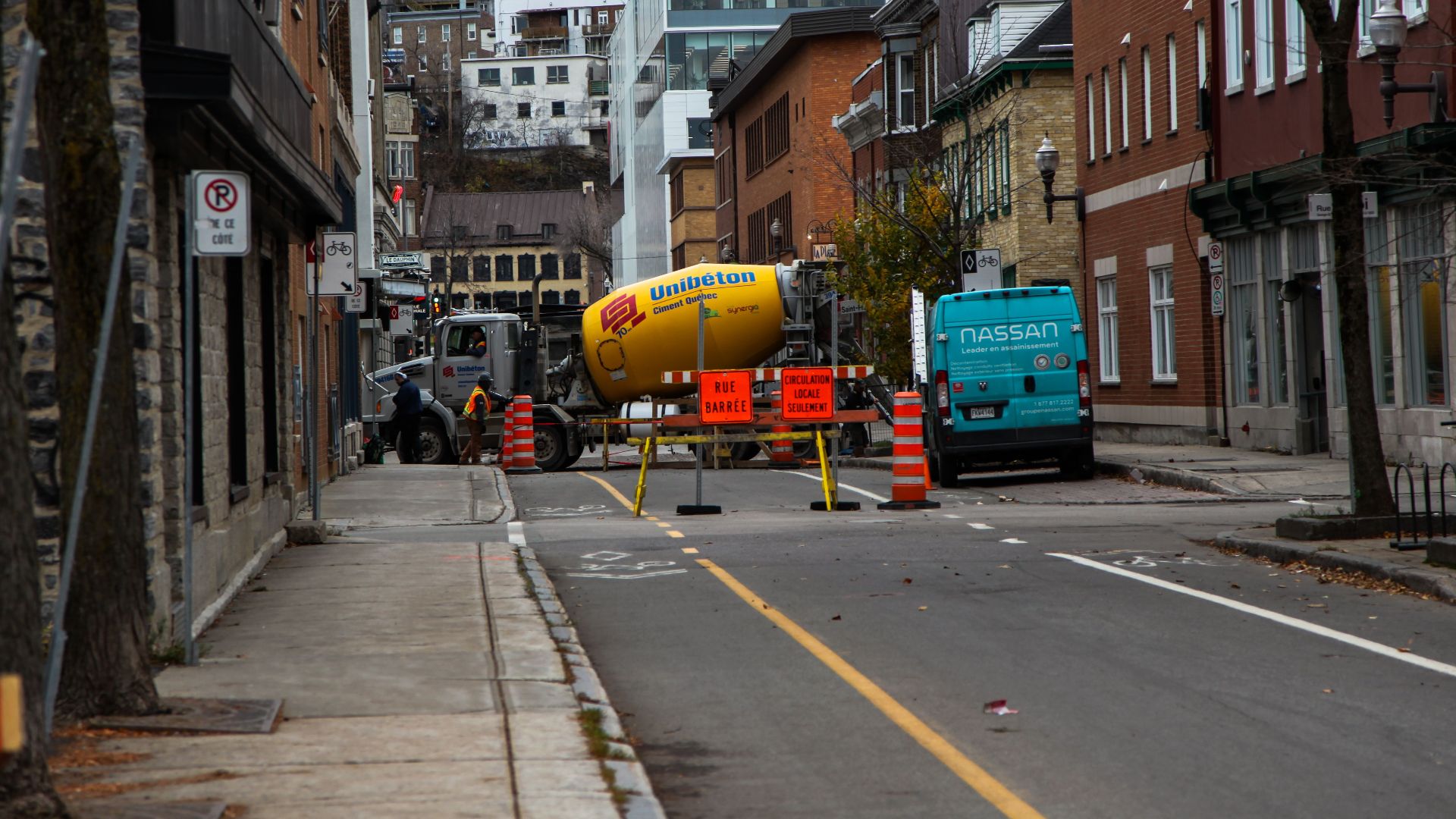
Most travelers understand that unexpected things happen. What frustrates people isn't necessarily the construction itself—it's arriving to find something major that nobody mentioned. Honest communication before check-in often prevents bad reviews, refund requests, and awkward conversations after the vacation has already started.

You May Also Like: