
When Love Meets Immigration Control
You arrive at passport control flushed with excitement, already planning the first cocktail of the trip. Your boyfriend breezes through. You don’t. Suddenly, romance is replaced by fluorescent lighting, a polite-but-firm officer, and the chilling words: “I’m afraid you don’t have the correct visa.” If this is your travel horror story, you’re not alone—and it’s not necessarily the end of the world.

The Arrival Hall Reality Check
Airports have a unique talent for making small mistakes feel catastrophic. Being denied entry can feel personal, even humiliating, but it’s almost always procedural. Immigration officers aren’t judging your relationship choices; they’re enforcing rules that change by passport, purpose of travel, and sometimes even by day.

First, Take A Breath
Before tears, blame, or dramatic texts to friends back home, pause. Panicking rarely improves your options. You need a clear head to understand what’s happening, what your rights are, and what realistic next steps look like—because there usually are some.

Why Visas Go Wrong
Visa disasters often stem from misunderstanding, not negligence. Requirements vary wildly between nationalities, and official government websites are not known for clarity. One country’s “visa-free” can mean “visa-free for some passports, under certain conditions, on alternate Tuesdays.”

Different Passports, Different Rules
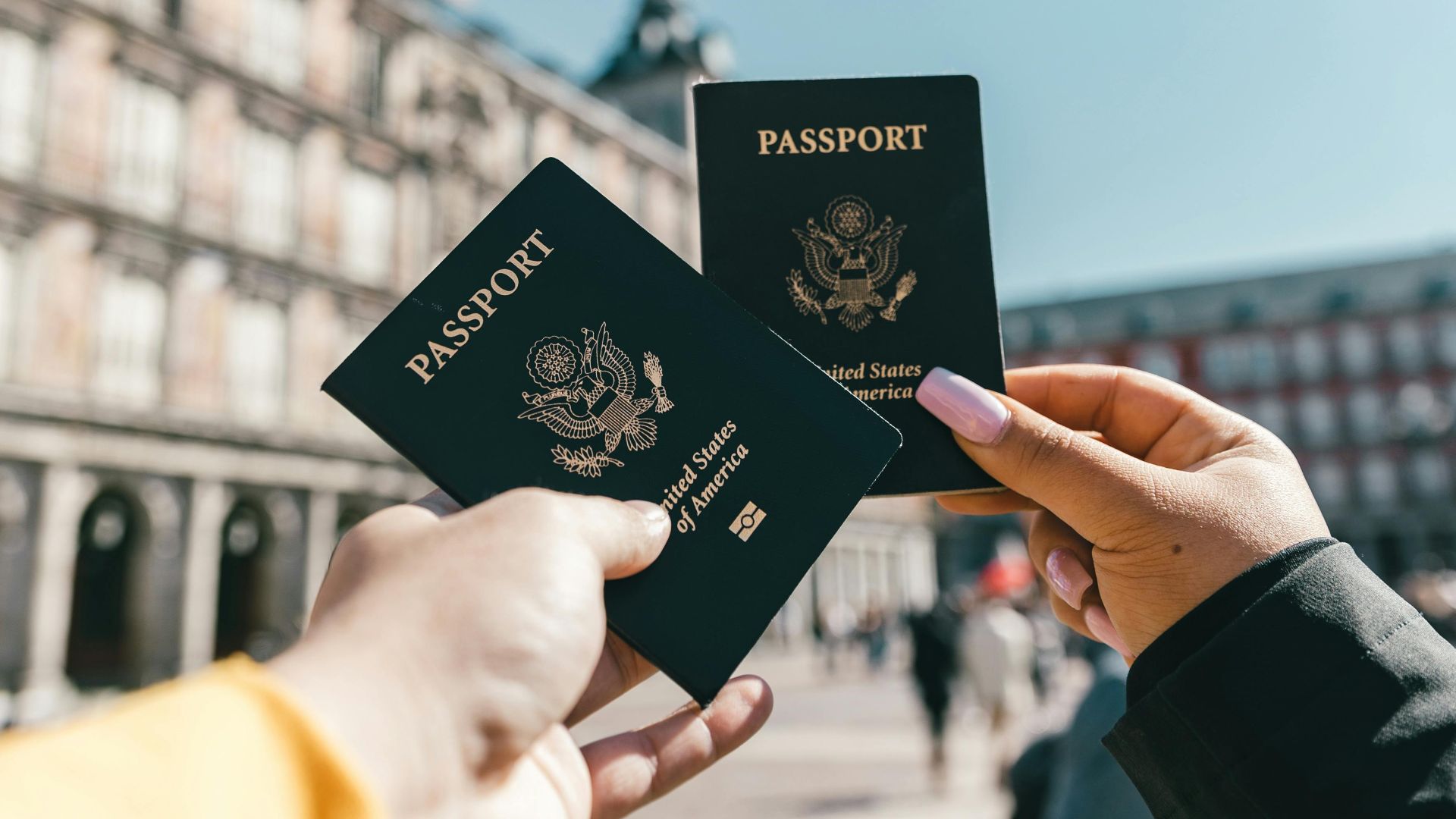
This is the most common culprit. Your boyfriend may genuinely not need a visa while you do. Even if you live together, travel together, and booked together, immigration law doesn’t care. Your passport alone determines your fate at that counter.
Electronic Visas Aren’t Universal
Many travellers assume an eVisa or ETA works like a golden ticket. It doesn’t. Some countries require approval before travel, others only on arrival, and some systems reject applications silently. If your authorization wasn’t properly issued, border control will catch it.

Assumptions That Trip People Up
“I’ve been here before.” “I’m only transiting.” “I can get a visa on arrival.” These assumptions regularly unravel at immigration desks. Rules change, exemptions expire, and past entry doesn’t guarantee future access.
What Border Officers Can And Can’t Do
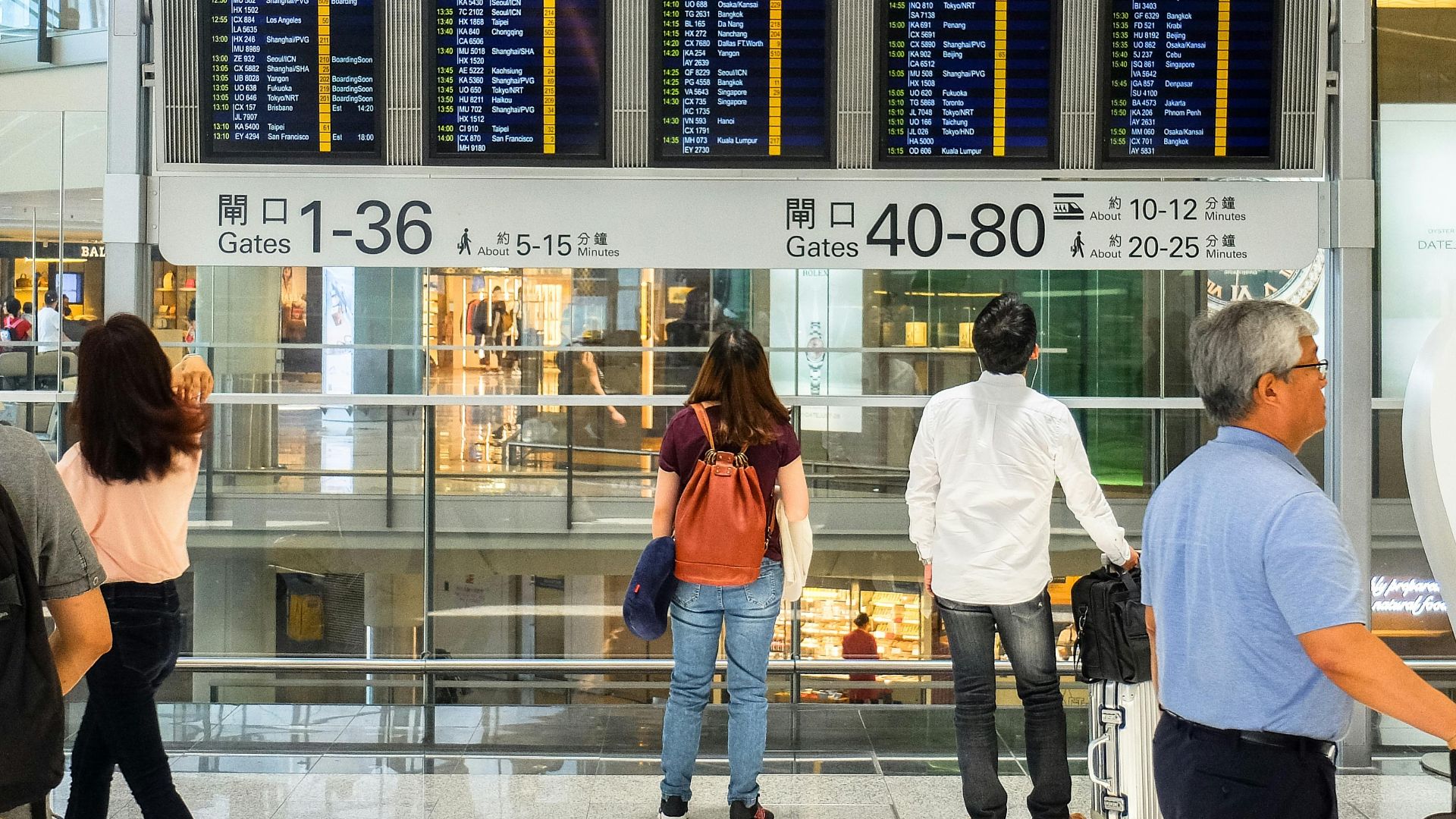
Immigration officers have authority, but they also have limits. They can refuse entry, cancel visas, or put you on the next flight out—but they can’t bend rules because you’re tired, in love, or already booked a hotel.
 Department of Transportation, Wikimedia Commons
Your Immediate Options At The Airport
Ask—politely—what your options are. Sometimes there’s a same-day fix, an interview, or a holding area while paperwork is checked. Other times, refusal is final. Listen carefully to the explanation; details matter for what comes next.

Can You Apply On The Spot?
In rare cases, yes. Some countries allow emergency visas or corrections at the airport, usually for an extra fee and several hours of waiting. More often, though, applications must be done online or through an embassy outside the country.

Being Refused Entry Versus Being Denied Boarding
If you made it to immigration, you were refused entry—not denied boarding. That distinction matters. Airlines deal with boarding; countries deal with entry. The paperwork you’re given will affect future travel, so keep it.

What Happens To Your Luggage
Your bags may be held, rerouted, or placed on the same return flight as you. Ask explicitly. Don’t assume your partner can just grab them. Airports are efficient in ways that are inconveniently final.

Will Your Partner Have To Leave Too?
Usually, no. Your boyfriend can legally enter and stay. Whether he should is a relationship question, not an immigration one. Some couples split temporarily; others leave together. There’s no universally “right” answer.
The Emotional Fallout
This is where logic collides with feelings. You might feel betrayed, embarrassed, or furious. He might feel guilty, defensive, or helpless. A little empathy on both sides goes a long way in preventing a paperwork problem from becoming a breakup story.

Money Matters And Unexpected Costs
Denied entry often means last-minute flights, lost accommodation, and non-refundable bookings. Check travel insurance immediately. Some policies cover visa mishaps; many don’t. It’s painful, but knowing your financial position helps you plan.

Calling Your Embassy Or Consulate
Your embassy can’t override immigration decisions, but they can explain your rights, help with documentation, and sometimes liaise on your behalf. If nothing else, they’ll confirm whether re-entry is possible soon—or at all.

Rebooking, Rerouting, Or Retreating
Your options usually fall into three categories: return home, reroute to a nearby country, or wait while fixing the issue. Each has cost, time, and emotional implications. Choose based on reality, not stubborn optimism.

When A Visa Fix Is Actually Possible
If the problem was incomplete paperwork or a technical error, you may be able to reapply quickly and re-enter in days or weeks. If the issue was eligibility, criminal history, or overstaying elsewhere, the fix may take much longer.

When You Have To Go Home
Sometimes, the only option is to leave. It feels unfair and anticlimactic, but going home isn’t failure—it’s damage control. Use the flight to regroup, not to spiral.

How To Salvage The Trip For One Or Both Of You
Your partner might continue the trip while you rejoin later. Or you might pivot to a new destination together. Flexibility can turn a disaster into a detour, even if it’s not the trip you originally imagined.

Turning Airport Limbo Into A Plan
Use the waiting time productively. Research visa timelines, check insurance, message hotels, and document everything. Future you will be grateful for screenshots and receipts.

What To Say To Each Other (And What Not To)
Avoid blame in the heat of the moment. Focus on facts and solutions. There will be time later for jokes, therapy, or dramatic retellings over dinner. Right now, teamwork beats righteousness.

Lessons For Future Trips
Never outsource visas blindly. Double-check official sources, apply early, and keep copies of everything. Love is wonderful, but bureaucracy demands redundancy.

Dividing Travel Admin Like Adults
One person can lead, but both should verify. Think of visas like passports: shared responsibility, individual consequences. Romance thrives better without surprise deportations.

Red Flags To Watch Before You Fly
If visa rules seem unclear, contradictory, or oddly specific, that’s a sign to dig deeper. When in doubt, assume you need permission—and get it in writing.

Laughing About It Later (Yes, Really)
Right now, this feels awful. In time, it may become an absurd story you tell at parties: the trip that tested your patience, your planning skills, and your relationship—without actually ending it.

Conclusion: Love, Paperwork, And Moving On
Being denied entry while your partner strolls through immigration is brutal, but it’s also survivable. With calm questions, realistic planning, and a little emotional generosity, this horror story doesn’t have to define your trip—or your relationship. Sometimes travel teaches lessons the hard way. The key is learning them together.

You May Also Like:
Americans Were Asked If The U.S. Is Still The Greatest Country—The Results Shocked Even Researchers
Fewer Than 50 People Remain On Earth's Most Isolated Island, And Nobody Knows How Long They'll Last