
What Happens If You Get Hurt Abroad?
You book that once-in-a-lifetime extreme experience overseas—skydiving, cliff diving, maybe even off-road biking through the mountains. Then someone says, “What if you get hurt over there?” Suddenly you’re wondering… what actually happens if something goes wrong in another country?

Why Injuries Abroad Are a Whole Different Situation
Getting hurt at home is one thing—you know the system, your insurance works, and help is familiar. Abroad? Everything changes—language, laws, costs, and how fast you can even get treated.

Scenario #1—Minor Injury, Local Clinic Visit
Let’s say you twist your ankle ziplining or cut yourself during a hike. You head to a local clinic for treatment. In many countries, you’ll be expected to pay upfront—often $50 to $300 for basic care, depending on where you are.

Why “Pay First” Is the Norm Overseas
Unlike the US, many countries don’t bill insurance later. If you don’t have international coverage, you’ll likely be asked to pay before receiving treatment.

Scenario #2—Emergency Room Visit Abroad
Now imagine something more serious—broken bones, head injuries, or severe dehydration. You’re taken to a hospital. Costs can range from $500 to $5,000+ for emergency care, depending on the country and level of treatment.

Scenario #3—Hospital Stay in Another Country
If you need to stay overnight, things escalate quickly. A hospital stay abroad can cost anywhere from $1,000 to $10,000+, especially in private hospitals that cater to tourists.
 National Cancer Institute, Unsplash
Why Tourists Often End Up in Private Hospitals
Public hospitals may be crowded or limited. Tourists are often directed to private facilities—which are faster, but significantly more expensive.

Scenario #4—Medical Evacuation (The Big One)
This is the nightmare scenario your dad is thinking about. If your injury is severe and local care isn’t enough, you may need to be flown home. Medical evacuation costs can range from $20,000 to $100,000+ depending on distance and urgency.

Why Evacuation Is So Expensive
You’re not just booking a flight—you’re paying for a flying ICU, medical staff, equipment, and priority routing. It’s one of the biggest financial risks in travel.

What US Health Insurance Usually Covers
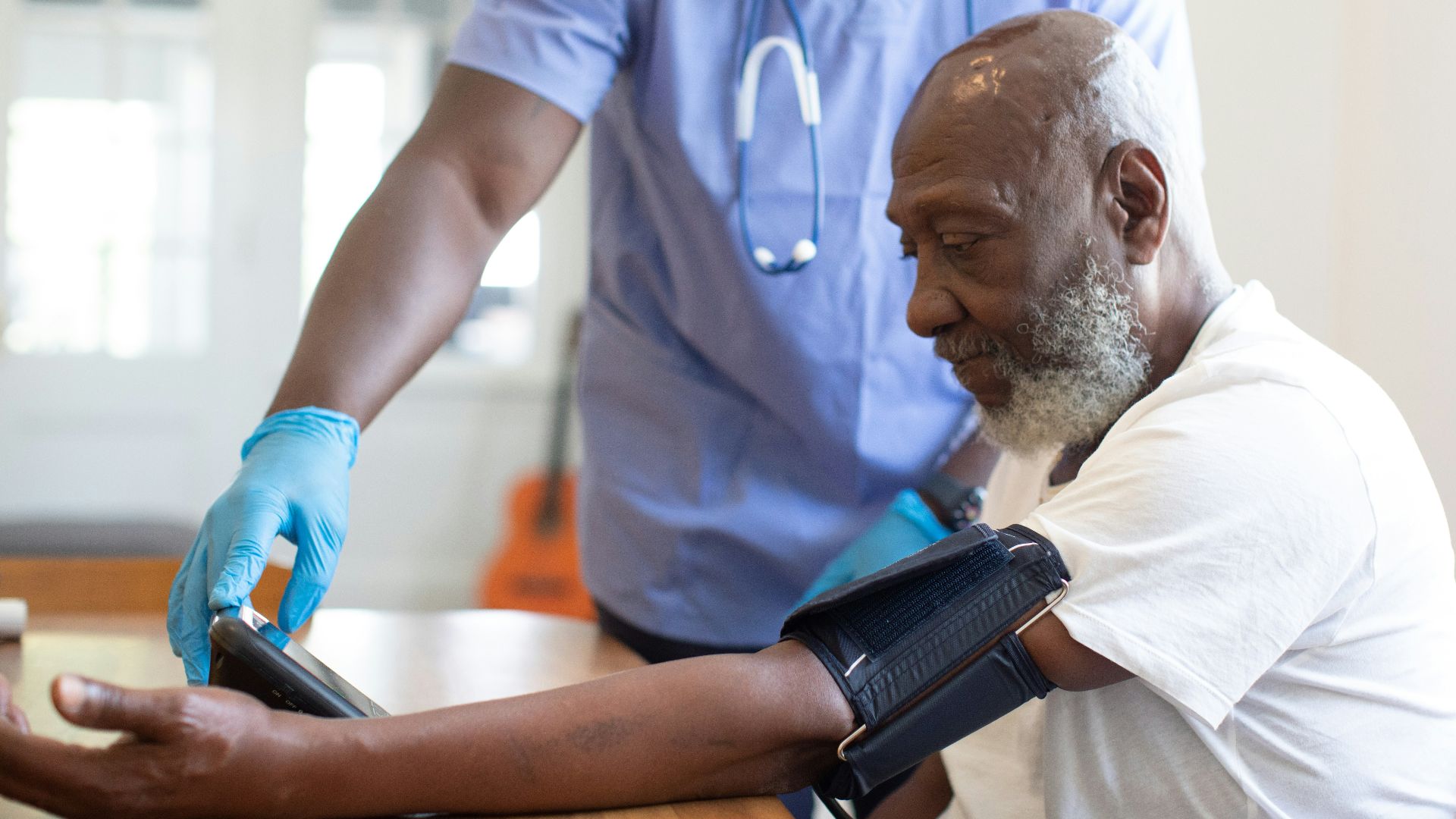
Here’s the catch—most US health insurance plans do not fully cover international care. Some offer limited reimbursement, but many offer none at all.
Why That Leaves Travelers Exposed
Without coverage, you’re paying out of pocket—and in emergency situations, you don’t exactly have time to shop around for prices.

Scenario #5—You Can’t Travel Home Immediately
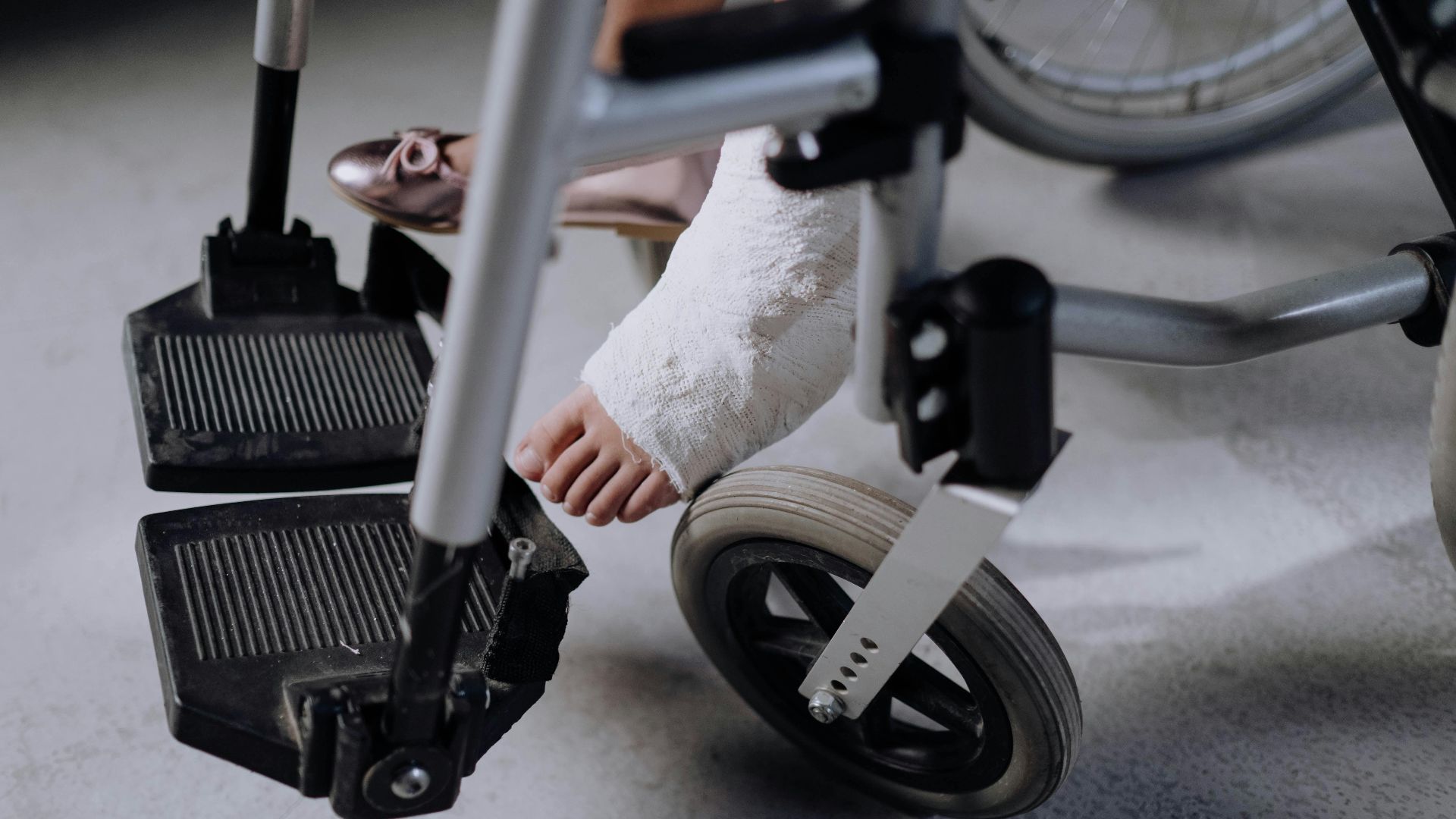
If your injury prevents you from flying, you may need to extend your stay. That means hotel costs, food, transportation, and follow-up care—all adding up quickly.
The Hidden Costs No One Talks About
Even smaller things—like prescription medications, follow-up visits, or transportation to medical facilities—can easily add hundreds or thousands more.

What Travel Insurance Actually Covers
This is where travel insurance becomes critical. Many plans include: emergency medical coverage, medical evacuation, and trip interruption.

What Travel Insurance Typically Costs
Basic travel medical insurance can cost around $40 to $150 for a short trip. More comprehensive plans with evacuation coverage may run $100 to $300+.

Why Adventure Activities Complicate Things
Here’s the catch—many policies exclude “high-risk” activities like skydiving, scuba diving, or extreme sports unless you add extra coverage.

Scenario #6—Injury During an Extreme Activity
If you get hurt doing something labeled “extreme,” your insurance might deny the claim unless you purchased the right add-on. That’s where people get caught off guard.

Language Barriers and Legal Differences
Getting treatment abroad isn’t just about money. You may face language barriers, different medical standards, and unfamiliar legal systems if something goes wrong.

What the US Government Can (and Can’t) Do
US embassies can help you find hospitals or contact family—but they won’t pay your medical bills or arrange evacuation for you.
 United States Department of State, Wikimedia Commons
So… Is Getting Injured Abroad a Nightmare?
It can be—but only if you’re unprepared.
Injuries abroad can be expensive and complicated, but with proper travel insurance and planning, the risks become much more manageable.

The Smart Way to Travel
Before booking that extreme experience, check your insurance, understand what’s covered, and consider adding evacuation protection. It’s a small cost compared to what could happen.

One Last Thought Before You Book That Adventure
Next time someone says, “What if something happens over there?”—you’ll know the answer isn’t panic… it’s preparation. Because the real difference isn’t where you get hurt—it’s whether you planned for it.

You May Also Like:
I booked “hidden city” flights to save money, but my dad says airlines can ban me for that—is that actually true?
My friend says TSA can’t make you unlock your phone. My cousin says they absolutely can at some airports. Who’s telling the truth?