A Different Way Of Living
Living abroad changes more than your address. As you settle into another culture, everyday routines begin to shift in ways you barely notice until you return home. Many Americans discover that they've adopted new habits involving food, transportation, social customs, work, and daily life that stay with them long after their overseas adventure ends.
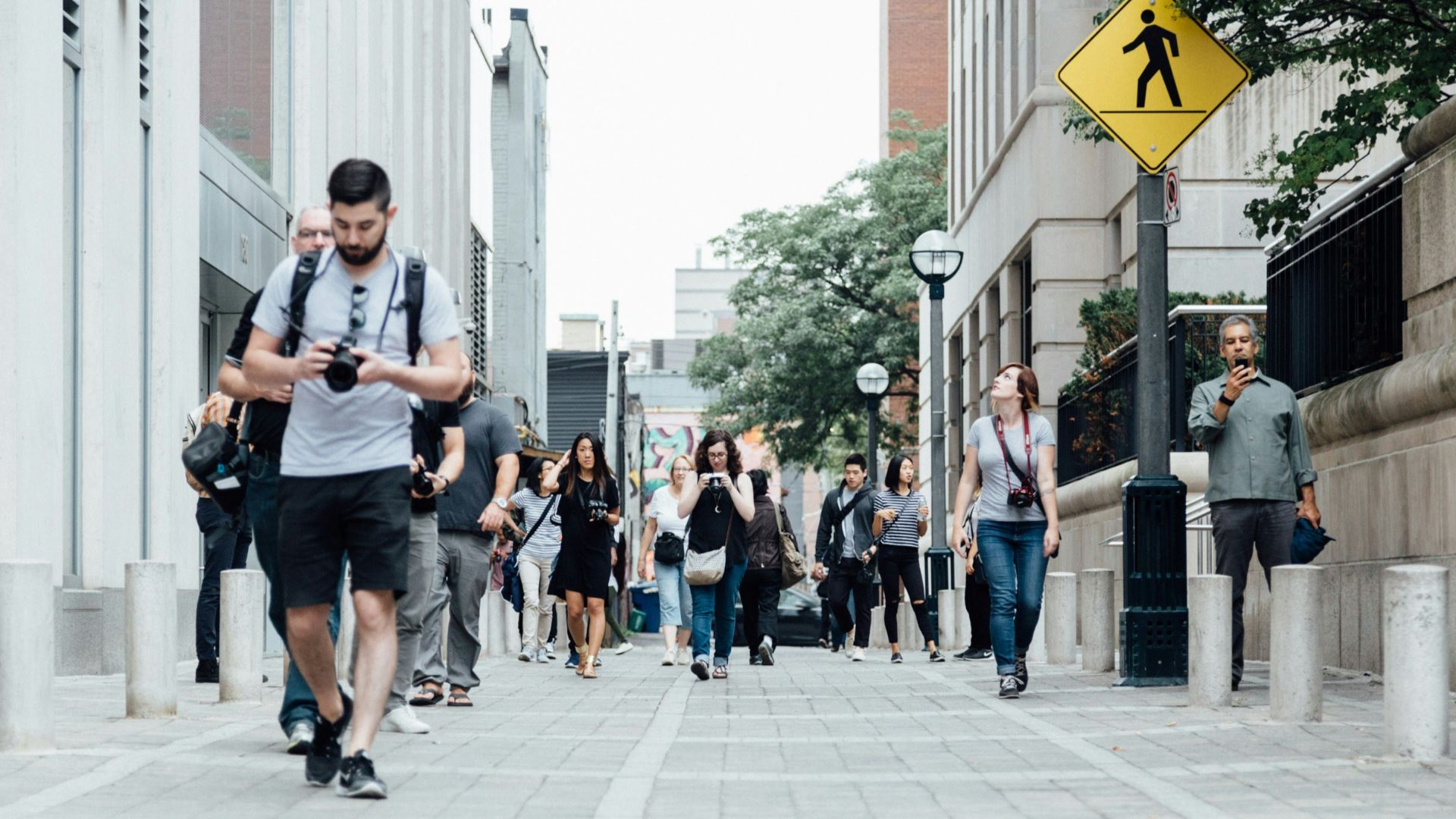
Walking Everywhere
Many Americans who spend time in cities with excellent public transportation become comfortable walking several miles each day. Even after returning home, they often prefer strolling to nearby destinations instead of automatically reaching for their car keys whenever they need something.
Eating Dinner Later
In countries like Spain, Italy, and Argentina, dinner often starts much later than in the United States. Americans living there frequently adjust their schedules and later discover that an 8:30 or 9:00 p.m. meal feels perfectly normal instead of unusually late.

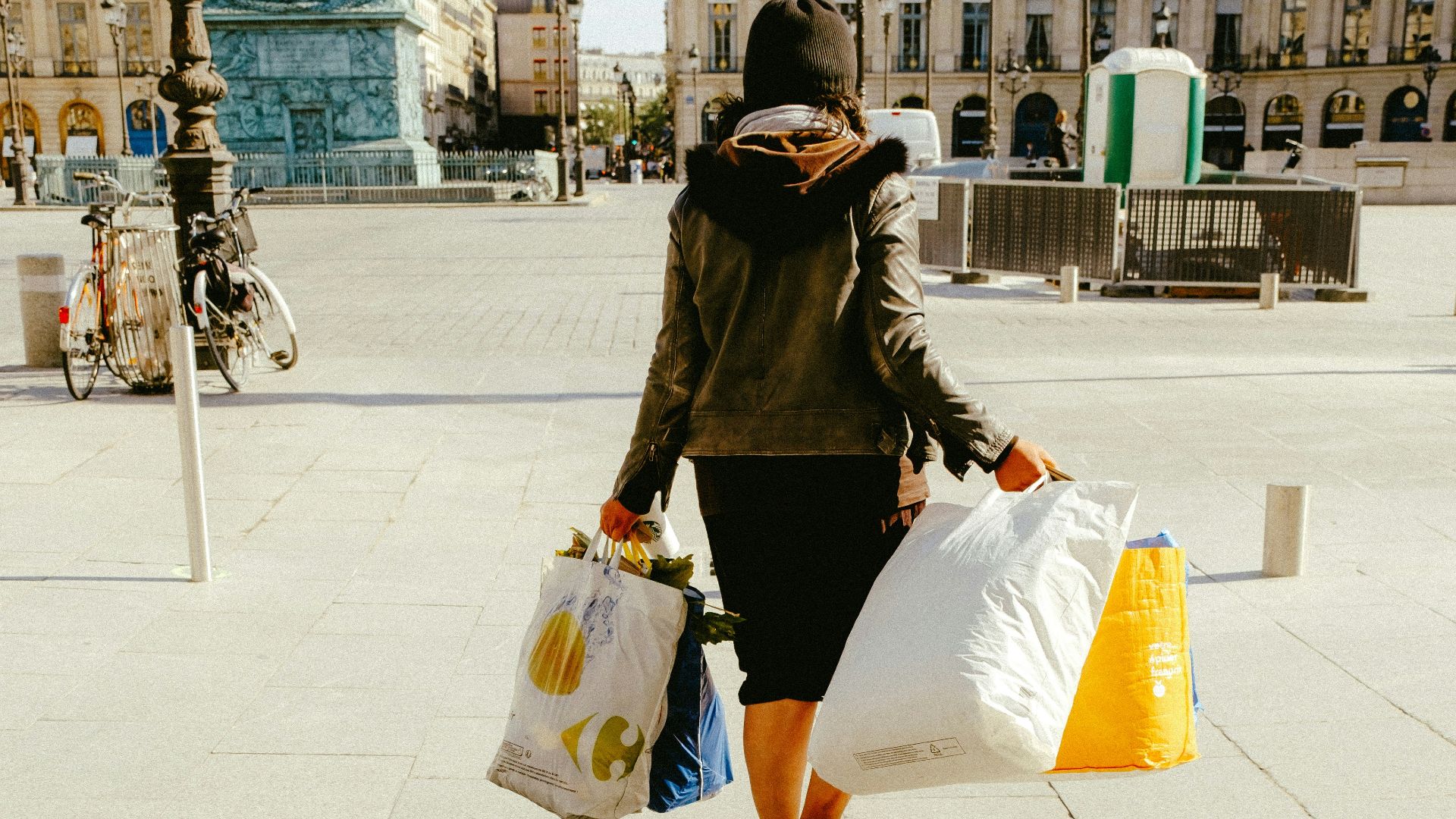
Carrying Reusable Shopping Bags
Places that charge for disposable bags quickly encourage new habits. Americans abroad often develop the routine of carrying lightweight reusable bags in backpacks, purses, or vehicles, making spontaneous grocery shopping easier while producing less waste.
Shopping More Frequently
Instead of making one enormous weekly grocery trip, many people living overseas begin shopping several times a week. Smaller refrigerators, neighborhood markets, and fresher ingredients encourage buying only what's needed, reducing food waste while keeping meals varied and seasonal.

Slowing Down At Meals
In many countries, meals are treated as social events rather than quick refueling stops. Americans often learn to linger over dinner, enjoy conversation, and resist rushing through every meal, carrying this slower pace back into everyday life after returning home.

Depending Less On Cars
Living where buses, trains, trams, or bicycles work well can completely change transportation habits. Americans often realize they do not need a personal vehicle for every errand and become more comfortable mixing different forms of transportation throughout the week.

Drinking Coffee Differently
Many Americans abroad discover that coffee is meant to be savored rather than carried around in oversized cups. Smaller servings, café culture, and taking time to sit down instead of rushing away often become lasting habits after returning home.

Using Public Transit Confidently
Navigating subway maps or train schedules may feel intimidating at first, but it quickly becomes second nature. Returning Americans often feel far more willing to use buses, commuter rail, and metro systems whenever they are available in the United States.
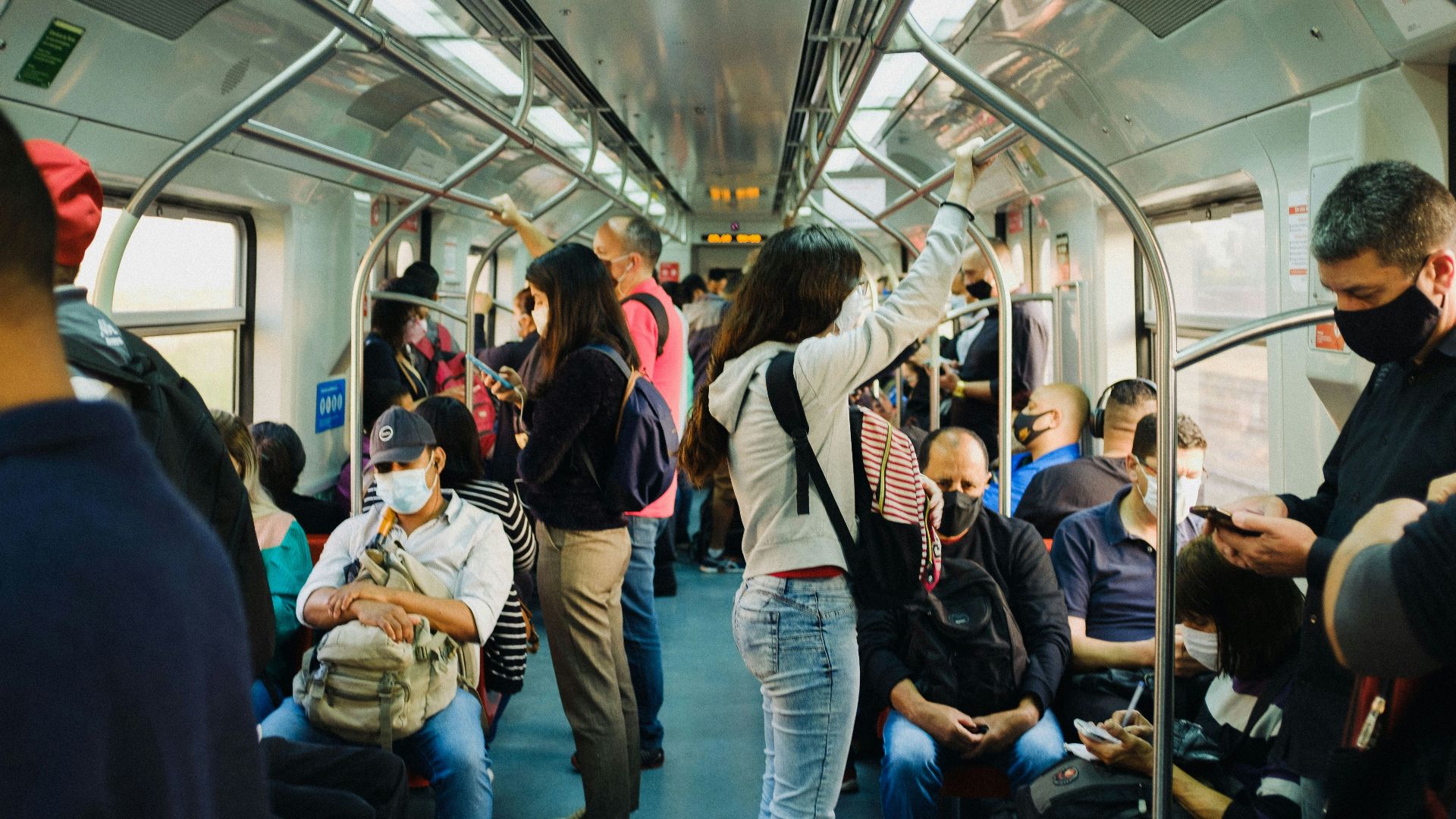
Taking Longer Vacations
Many countries encourage employees to actually use generous vacation time. Americans who experience this culture often return with a greater appreciation for taking meaningful breaks instead of treating vacation days as something to save indefinitely.
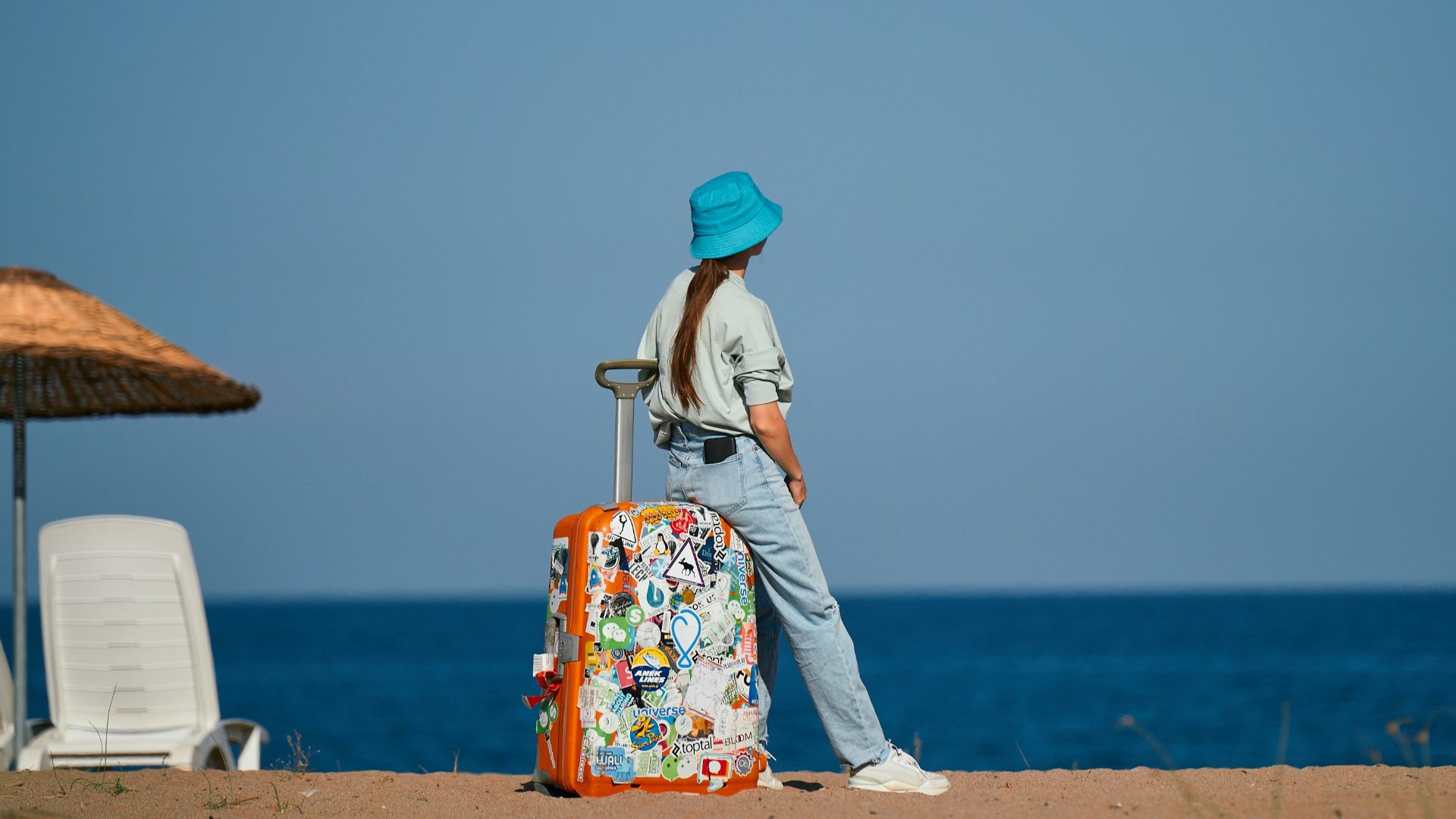
Keeping Work Separate
Living in cultures with stronger work-life boundaries can reshape priorities. Many Americans begin resisting the urge to answer emails after hours, discovering that personal time can remain productive without always being connected to the office.
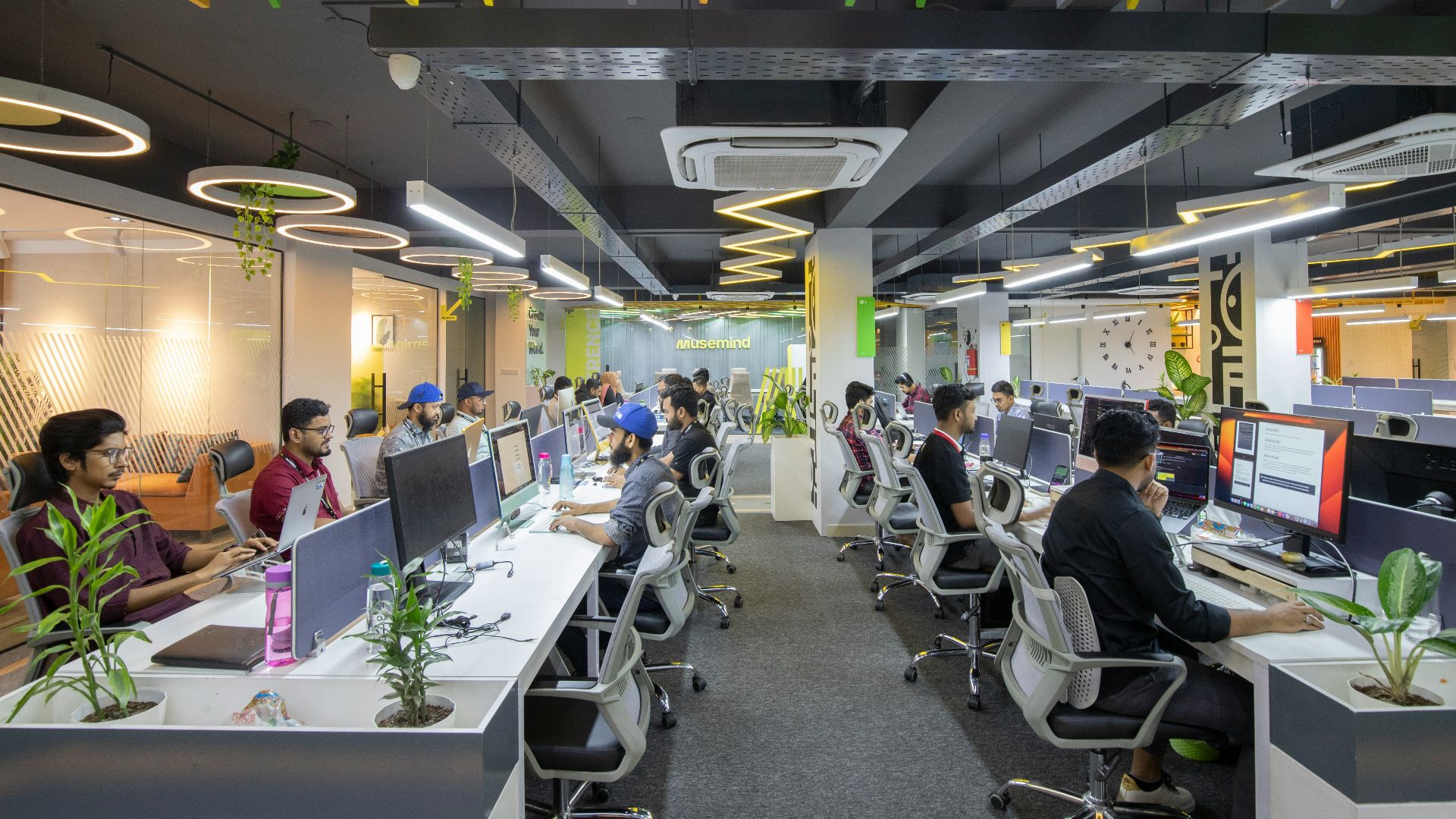
Carrying Cash Again
Although digital payments are widespread, many countries still rely heavily on cash for neighborhood businesses, markets, or cafés. Americans abroad often rediscover the convenience of keeping some local currency on hand instead of relying entirely on credit cards.
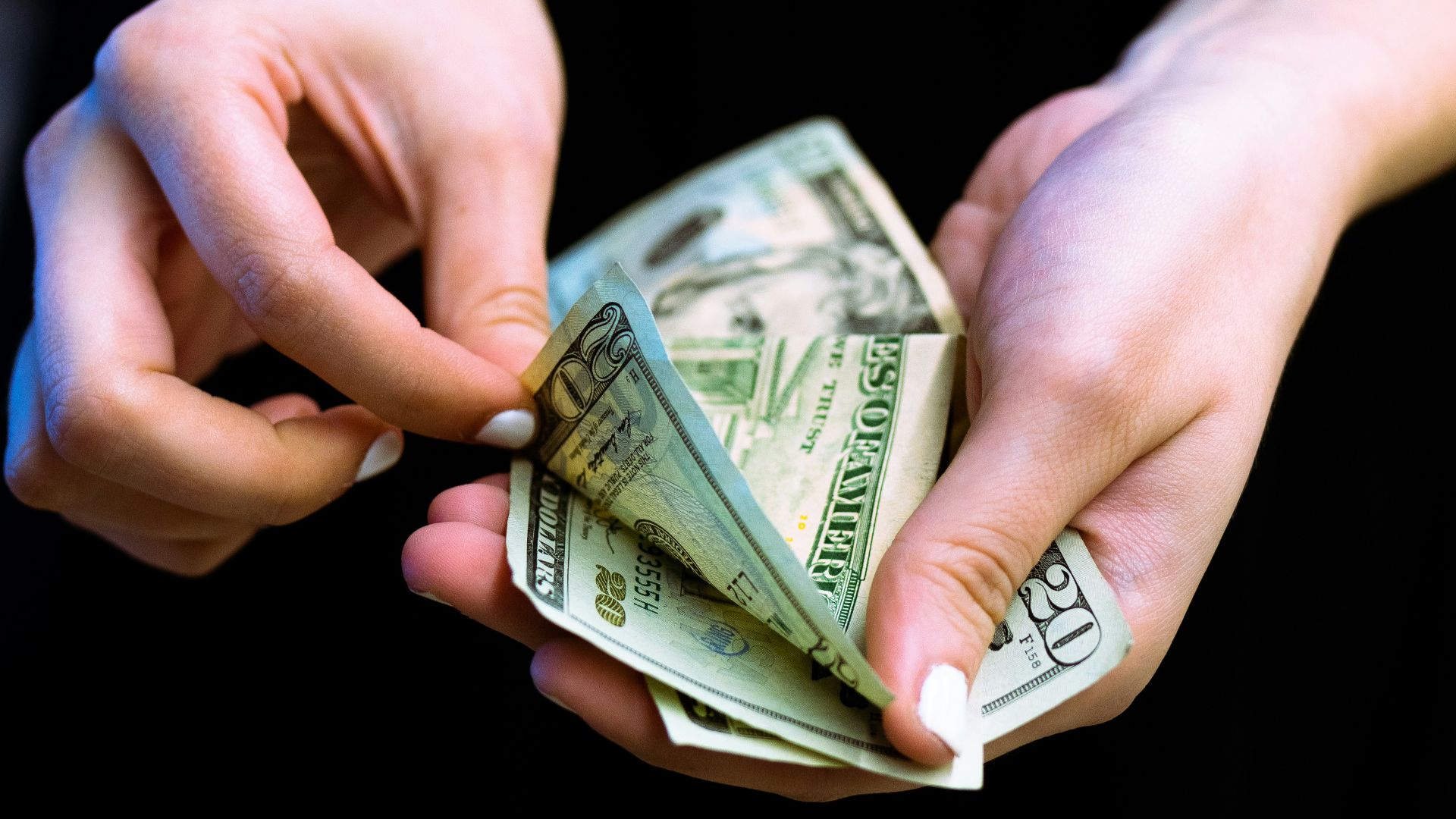
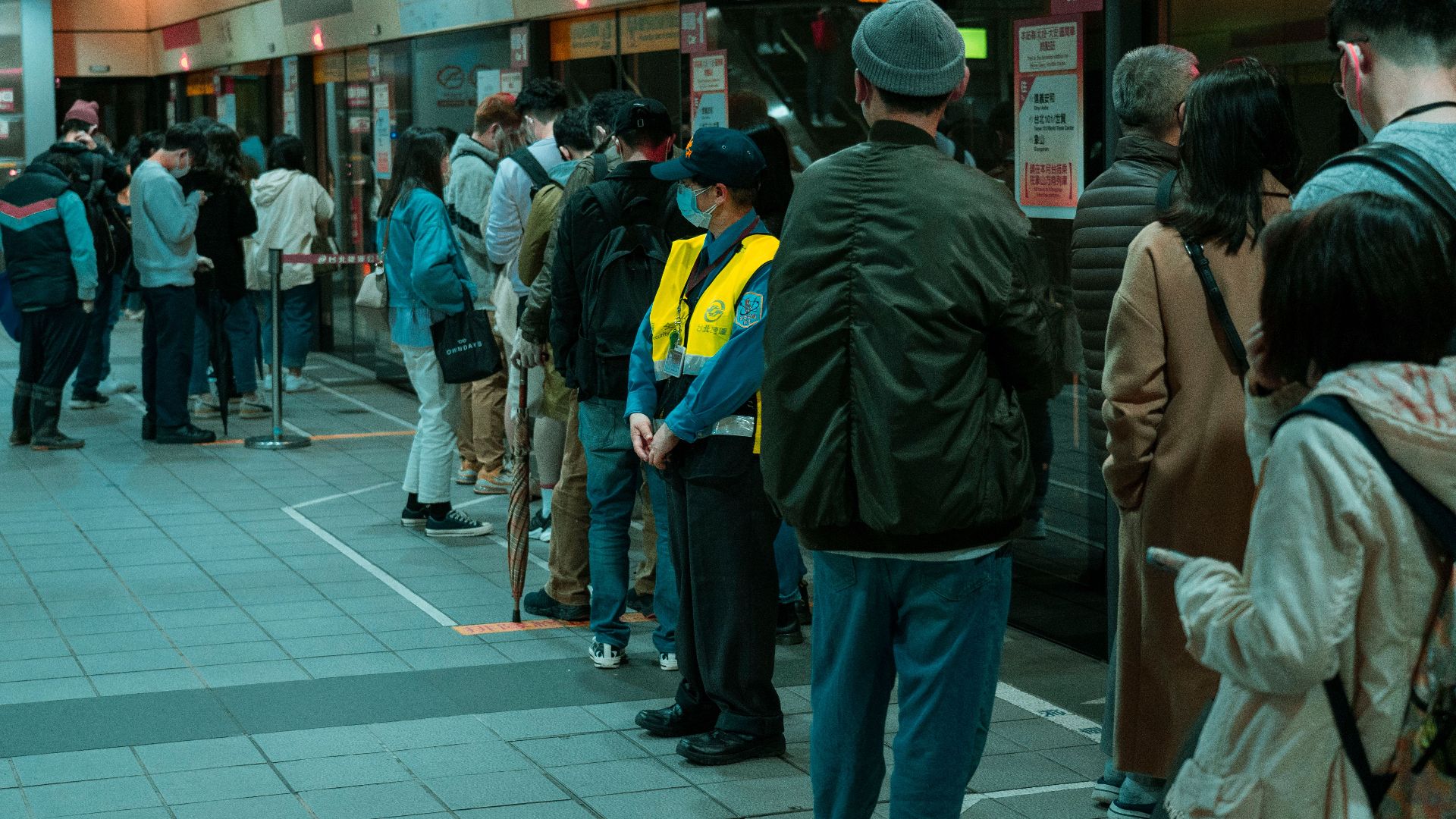
Learning To Queue Patiently
Countries with orderly queuing cultures can influence behavior surprisingly quickly. Americans frequently become more patient while waiting their turn and notice chaotic lines much more immediately when they eventually return to the United States.
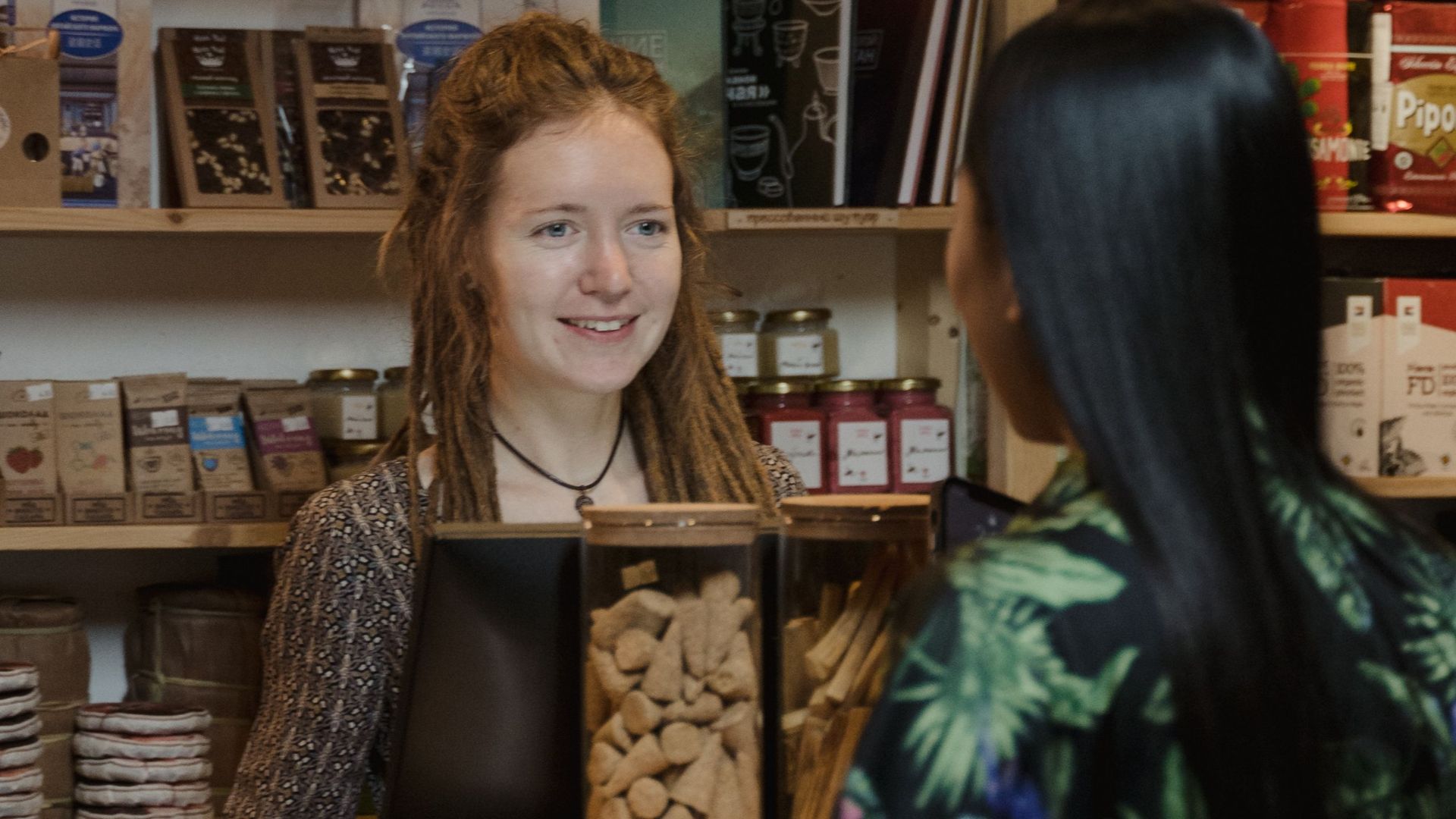
Greeting Shopkeepers
In many parts of Europe and elsewhere, entering a small store without greeting the owner is considered impolite. Americans often adopt the simple habit of saying hello when entering and goodbye when leaving, making everyday interactions feel friendlier.
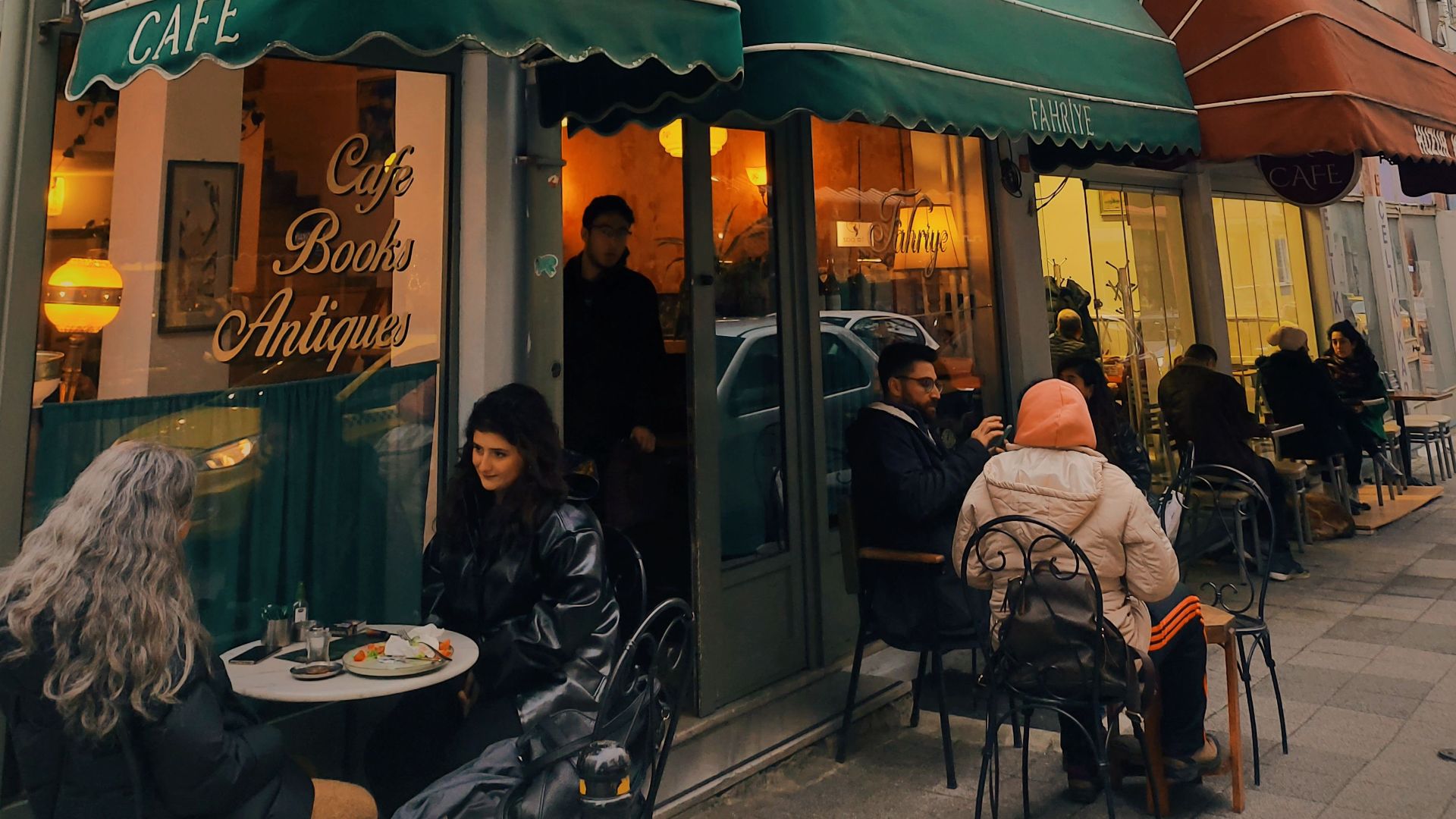
Spending More Time Outdoors
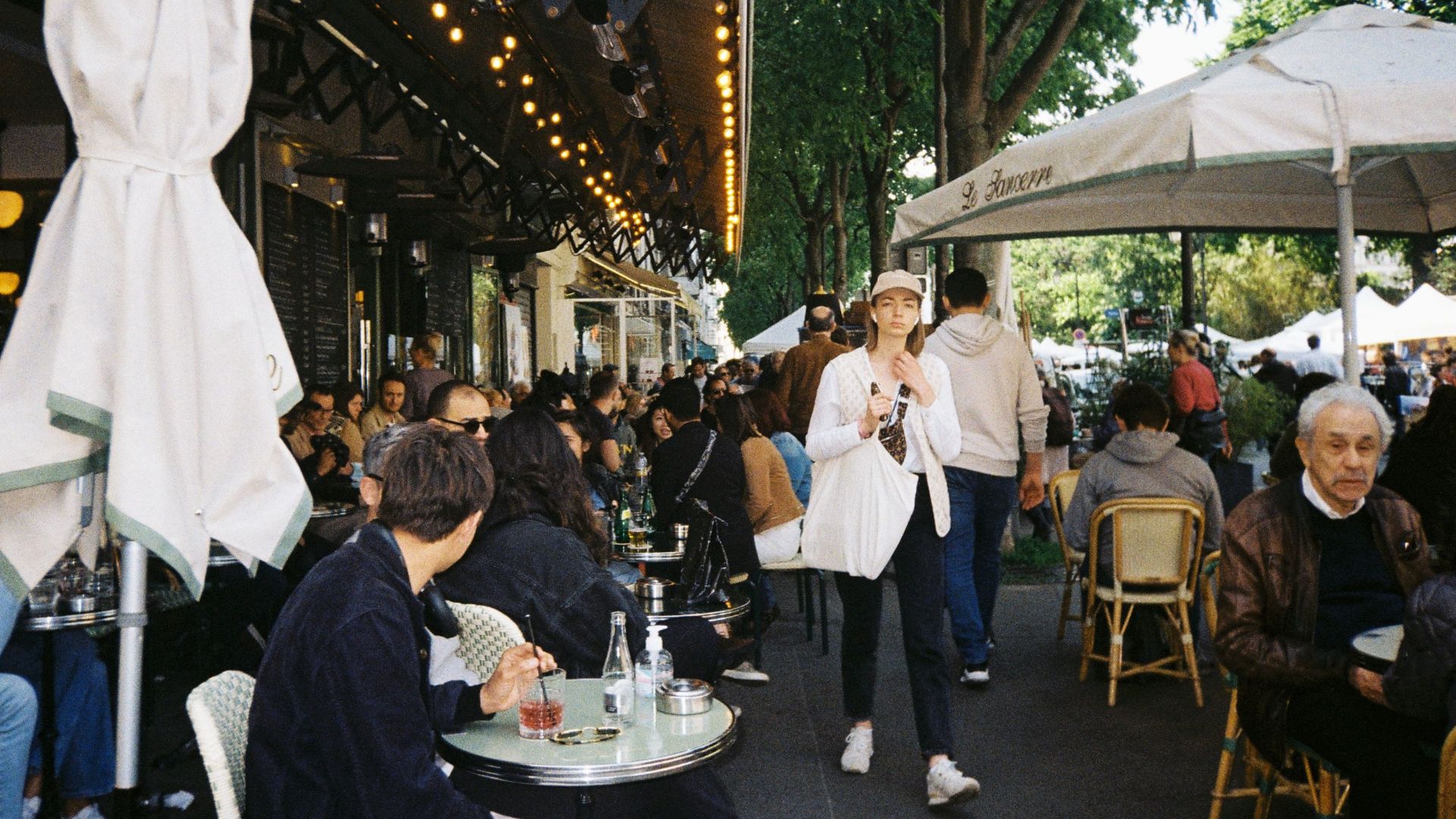
Living in places where public squares, parks, and outdoor cafés are central gathering places encourages spending more leisure time outside. Many Americans continue seeking parks, walking trails, and public spaces after moving back home.
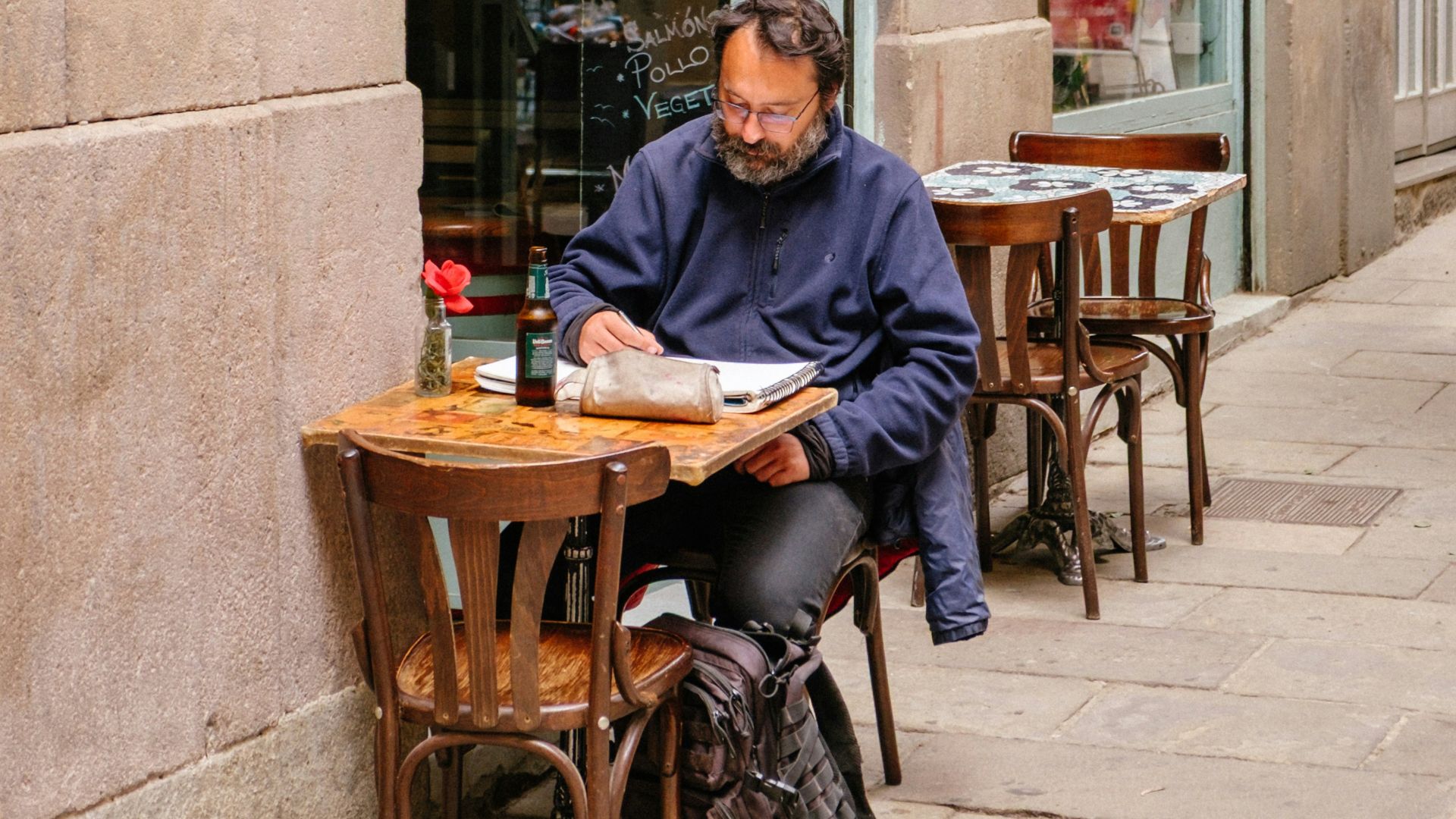
Becoming Comfortable Alone
Solo dining, reading in cafés, or exploring cities independently is common in many countries. Americans often become less self-conscious about doing activities alone and discover they genuinely enjoy spending time without needing a group.
Appreciating Local Markets
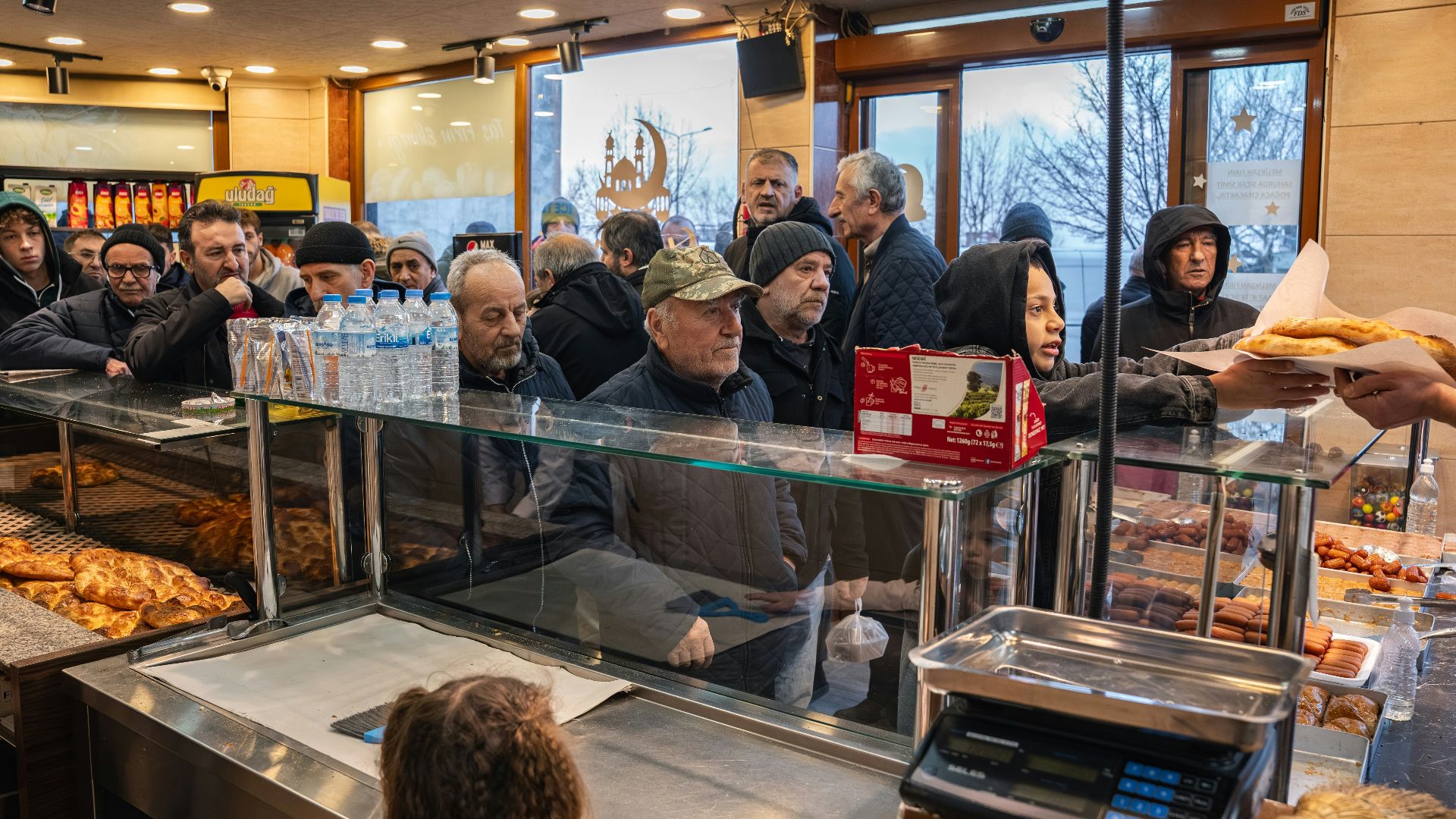
Weekly farmers markets, neighborhood bakeries, and family-owned specialty shops become regular stops for many expatriates. Returning Americans often continue seeking locally owned businesses rather than automatically shopping at large national chains whenever possible.
Paying Attention To Seasonal Food
Many countries emphasize eating produce when it is naturally in season. Americans living abroad frequently develop a stronger awareness of seasonal ingredients and begin planning meals around what is freshest instead of expecting everything year-round.

Recycling More Carefully
Different recycling systems often require separating materials into multiple categories. Americans who adapt to these rules frequently return home with greater attention to proper recycling practices and a stronger awareness of reducing unnecessary household waste.

Speaking More Softly
After living in cultures where public conversations are generally quieter, some Americans notice they naturally lower their own speaking volume. Friends back home may even comment that they seem calmer or less animated in crowded public spaces.

Measuring Distance By Time
Instead of thinking in miles, many expatriates begin estimating destinations by travel time. Saying something is 'twenty minutes away' becomes more natural than describing how many miles separate two locations, especially in transit-oriented cities.
Packing Light
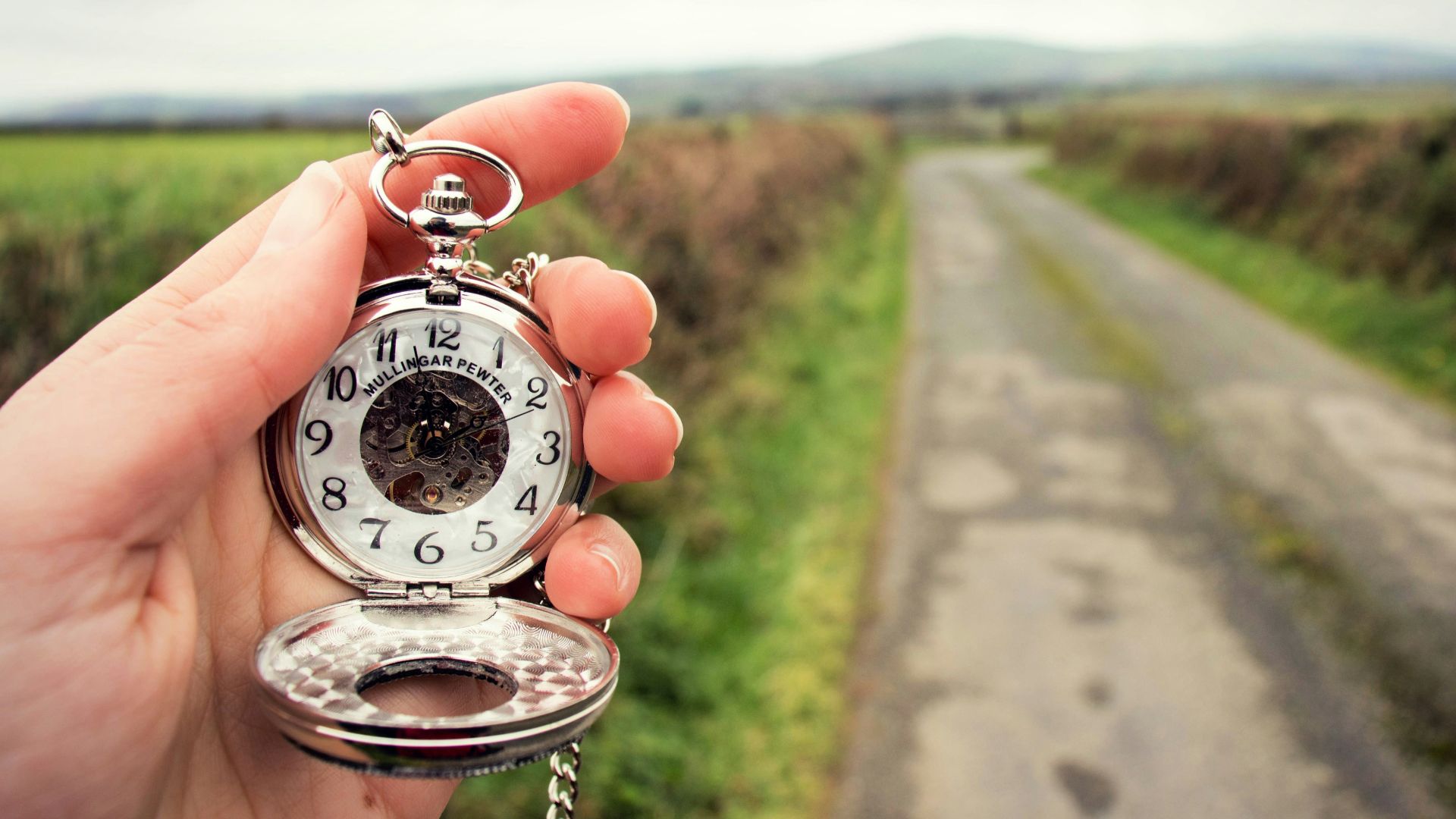
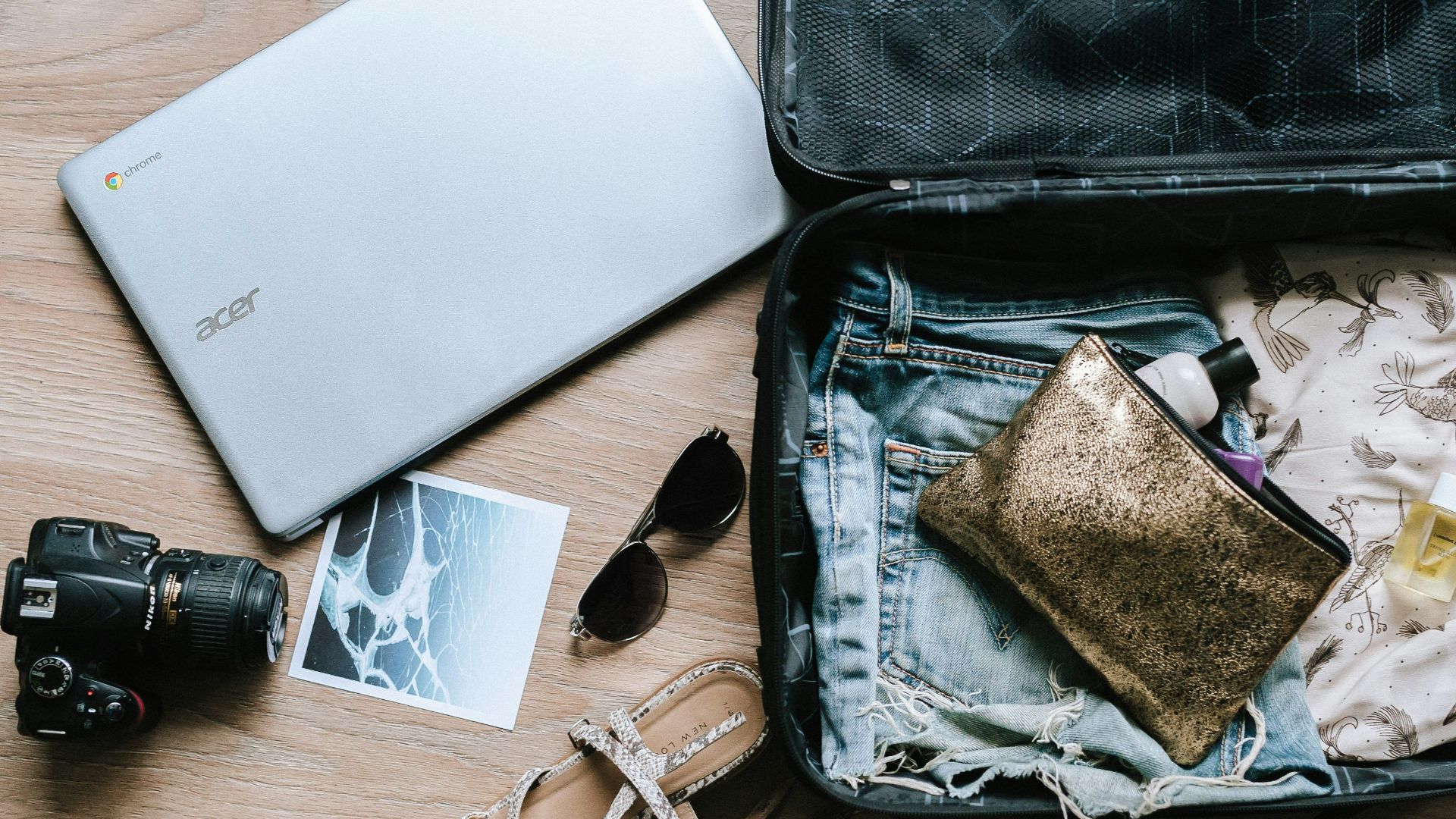
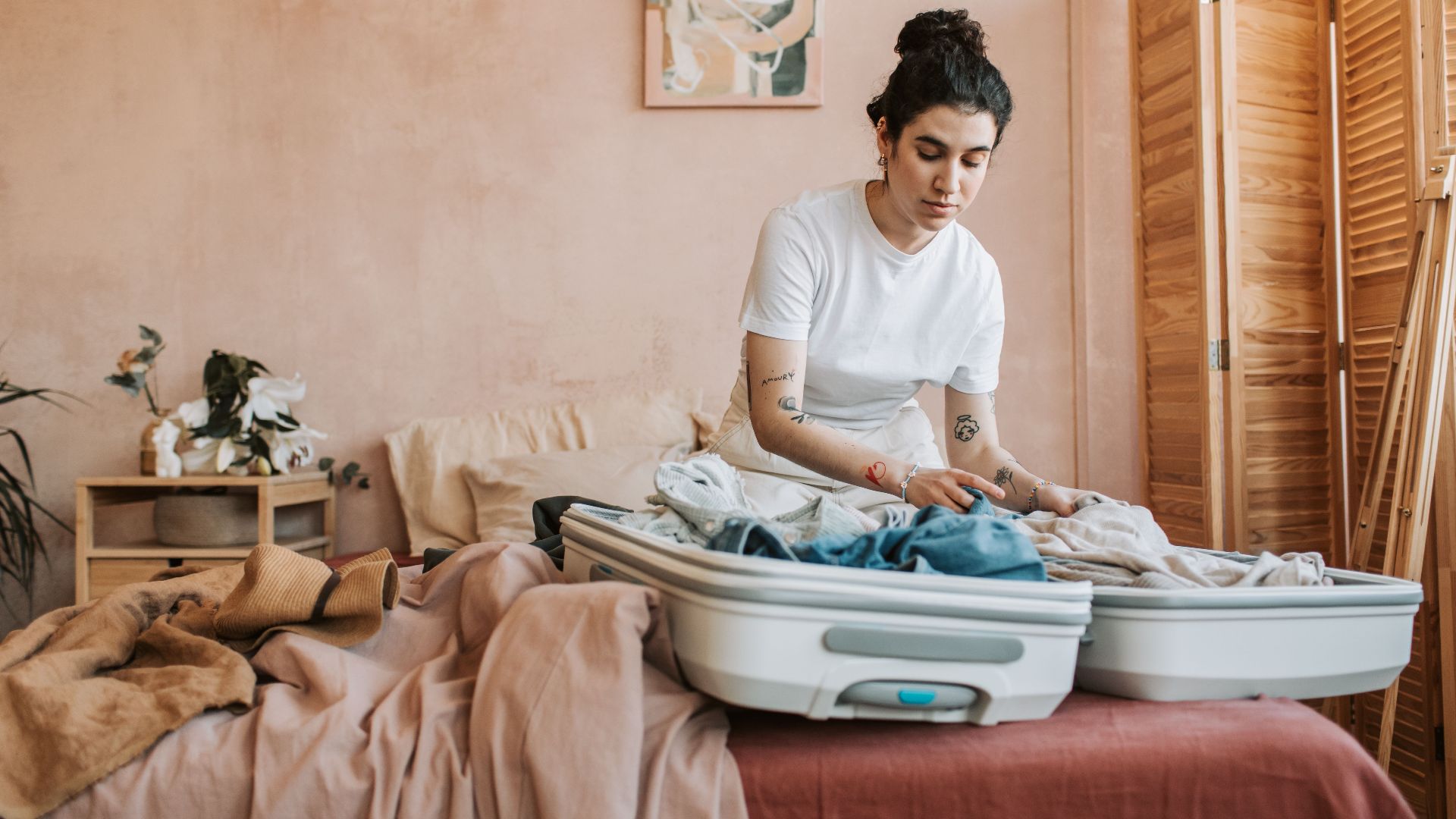
Budget airlines, extensive rail travel, and frequent weekend trips teach many Americans the value of traveling with less luggage. Returning home, they often discover that one carry-on bag can handle trips that previously required several suitcases.
Trying New Languages
Even learning basic greetings or everyday phrases can change someone's perspective. Americans often become more willing to study languages, appreciating how even modest efforts can build goodwill and create more meaningful interactions while traveling.

Expecting Better Bread
Fresh bread from neighborhood bakeries becomes surprisingly difficult to forget. Many returning Americans begin searching for artisan bakeries or baking their own loaves after becoming accustomed to purchasing freshly baked bread almost every day abroad.

Thinking More Globally
Living among people with different histories, customs, and perspectives broadens how many Americans view world events. They often become more curious about international news and more interested in understanding issues from multiple cultural viewpoints.
Feeling At Home Anywhere
Perhaps the biggest change is confidence. Successfully navigating unfamiliar languages, customs, and daily routines helps many Americans realize they can adapt almost anywhere. That resilience often remains long after they unpack their bags and settle back into life at home.

A Lasting Change
Living abroad rarely changes who you are overnight, but it often reshapes countless small habits that gradually become part of everyday life. Those seemingly ordinary changes can leave Americans with fresh perspectives, healthier routines, and a deeper appreciation for both their adopted home and the one they eventually return to.
You May Also Like:
Americans Voted On The World's Friendliest Countries. Do You Agree With The Rankings?
Things Americans Do At Restaurants That Confuse Europeans When They Visit
Americans abroad learn quickly that privacy and personal space aren’t the same as back home.