Privacy Expectations Vs Reality
Many Americans travel or relocate abroad under the naïve assumption that privacy works the same way everywhere that it does back home. But they often learn there are very different norms around personal space, data, noise, surveillance, and social boundaries. From government oversight to everyday interactions, these countries are all great examples of how different the concept of privacy is viewed from one place to another.
 tonefotografia; Krakenimages.com, Adobe Stock
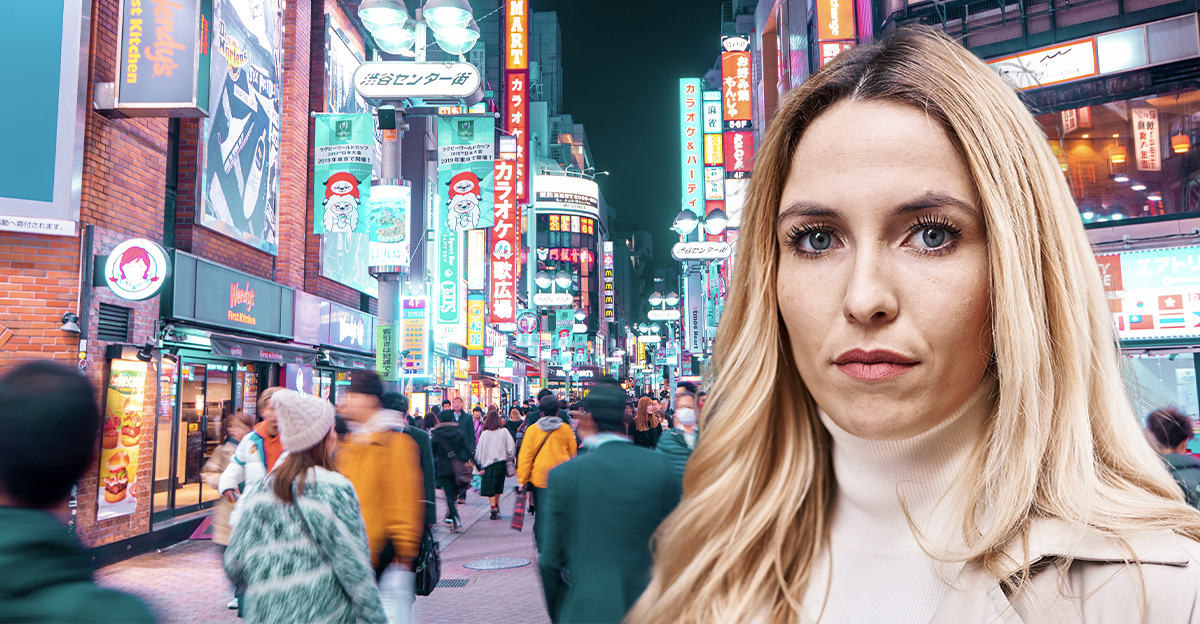
Japan And The Absence Of Personal Space
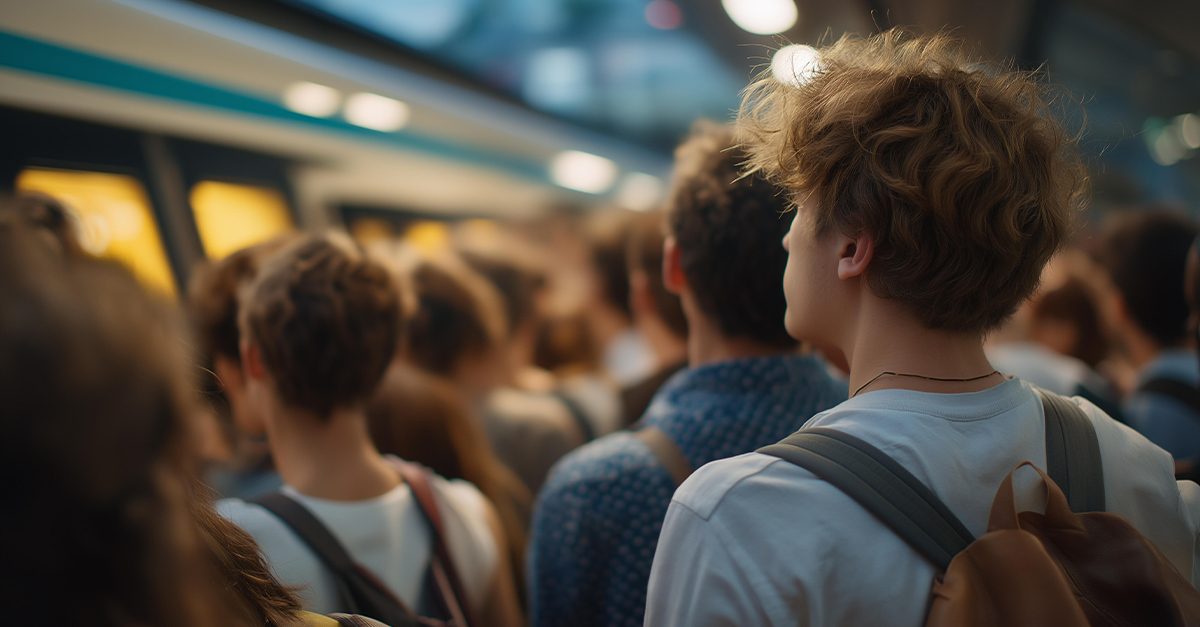
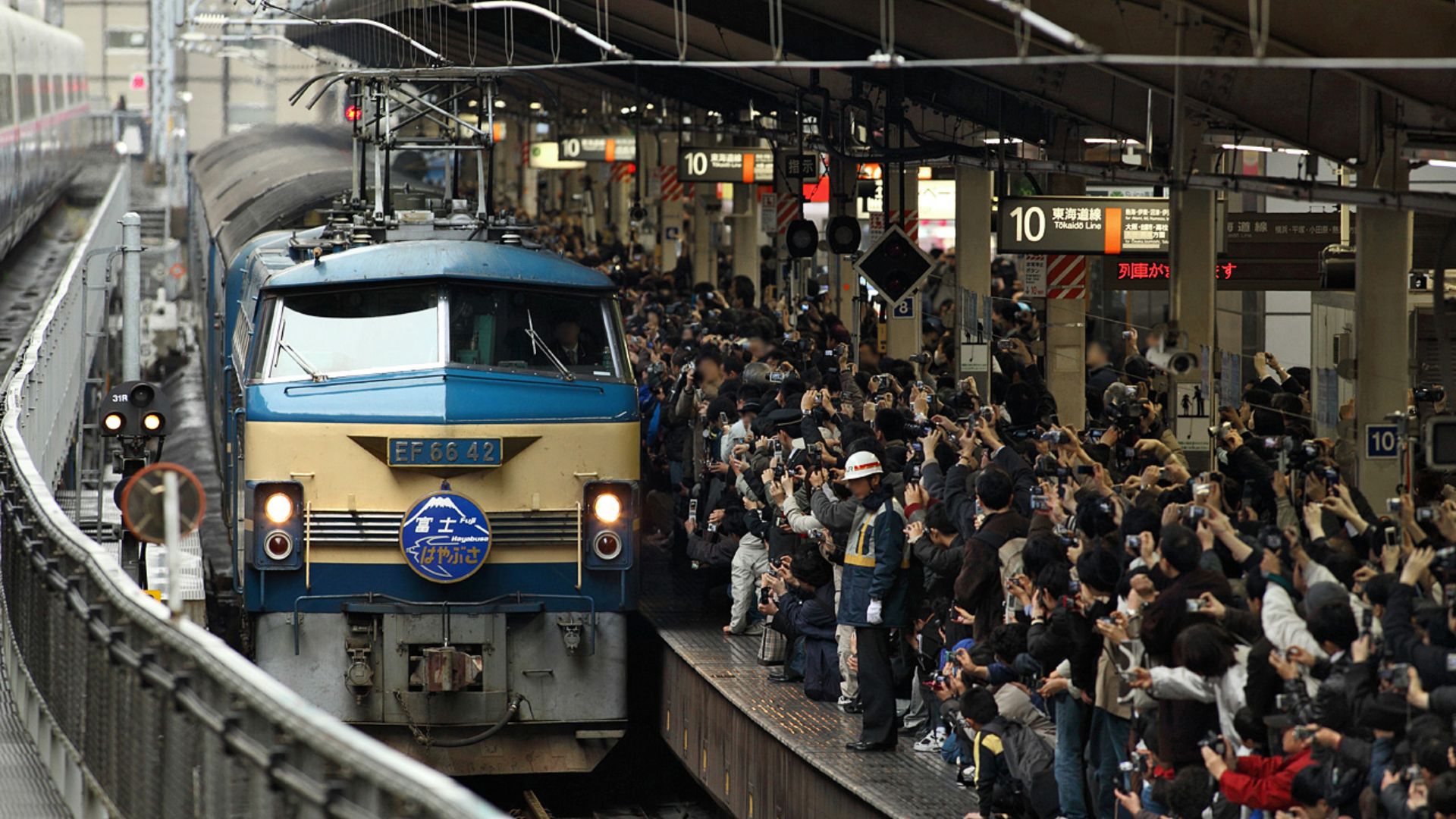
In Japan, privacy is respected socially but not in terms of physical space. Crowded trains, tiny apartments, and shared facilities are standard. Strangers standing extremely close is unavoidable; at the same time, intrusive behavior is discouraged. Americans often struggle to reconcile the lack of physical space with the strong cultural expectation that people show restraint in their emotions and behavior.
Germany And Strict Public Order
Germany values personal privacy but also enforces public order rigorously. Neighbors are more zealous about reporting noise violations, improper recycling, or rule breaking without hesitation. Americans often view this as intrusive “busybody” behavior, whereas Germans see it as civic responsibility. Privacy ends where the individual person’s behavior affects the collective. This makes boundaries seem more formal and less flexible.
 Zieshan at de.wikipedia, Wikimedia Commons
South Korea And Constant Visibility
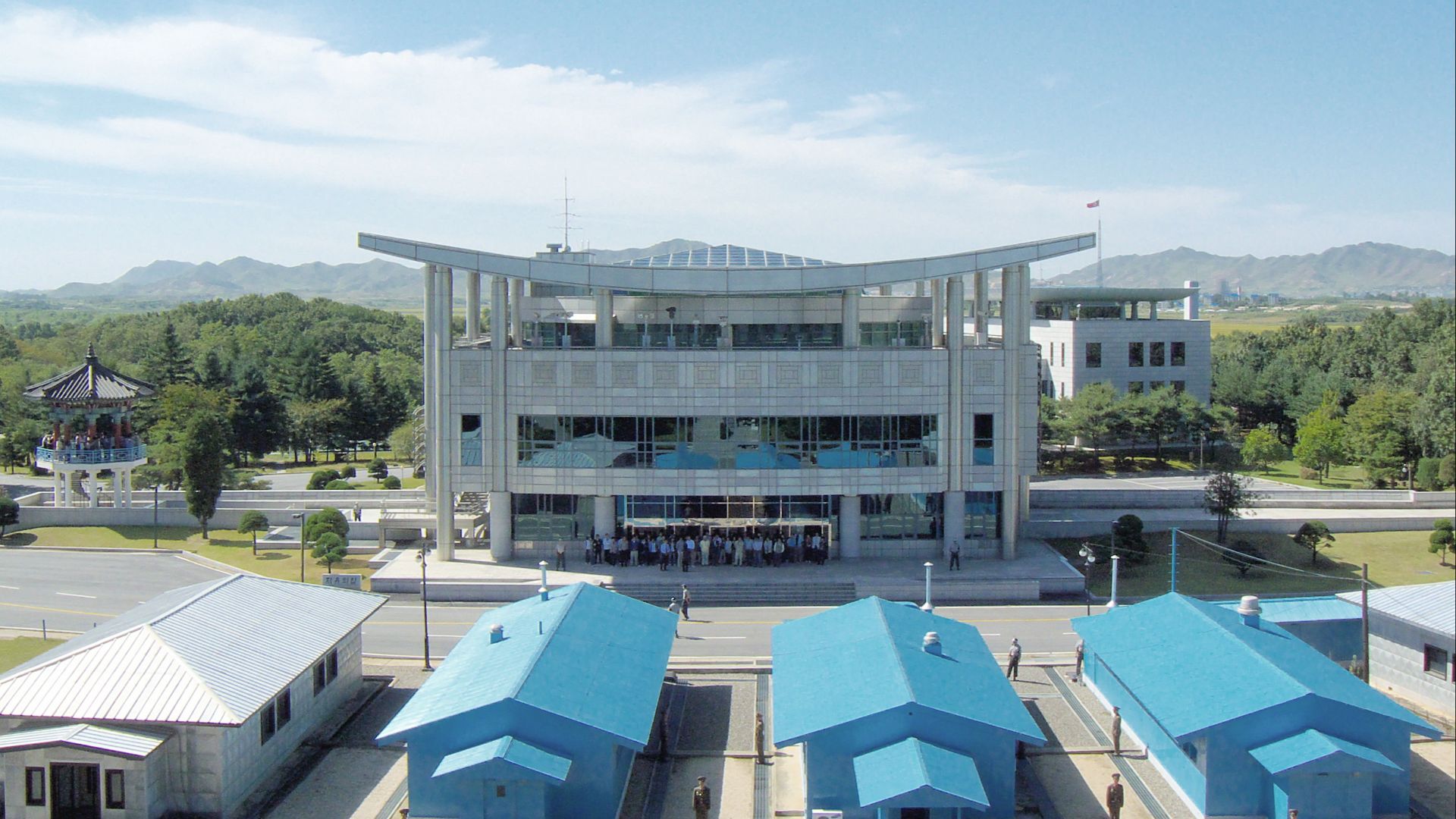
South Korea’s densely populated cities and digital connectivity mean daily life is highly visible. Security cameras are common, apartments are tight, and social behavior is closely observed. Americans are often surprised by their limited anonymity in public spaces, despite strong protections around personal data and a deep respect for private family matters.
United Kingdom And Surveillance Culture
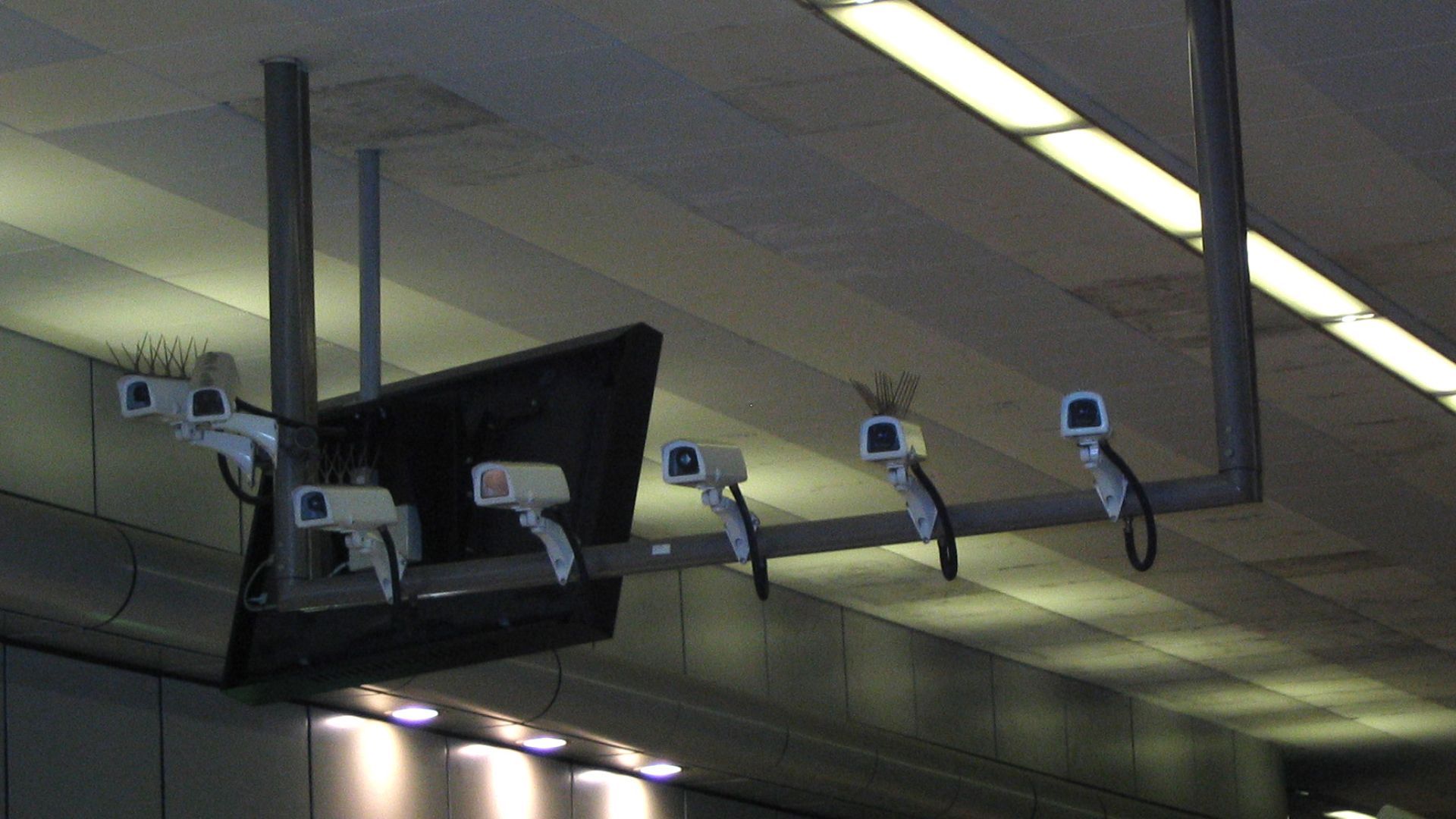
The United Kingdom has one of the world’s highest concentrations of CCTV cameras. While most residents have long since accepted this state of affairs as normal, Americans often find the constant surveillance unsettling. Public monitoring is widely tolerated as a crime deterrent, reflecting a different attitude toward privacy and collective safety than many Americans expect.
 User Mike1024, Wikimedia Commons
France And Public Life Transparency
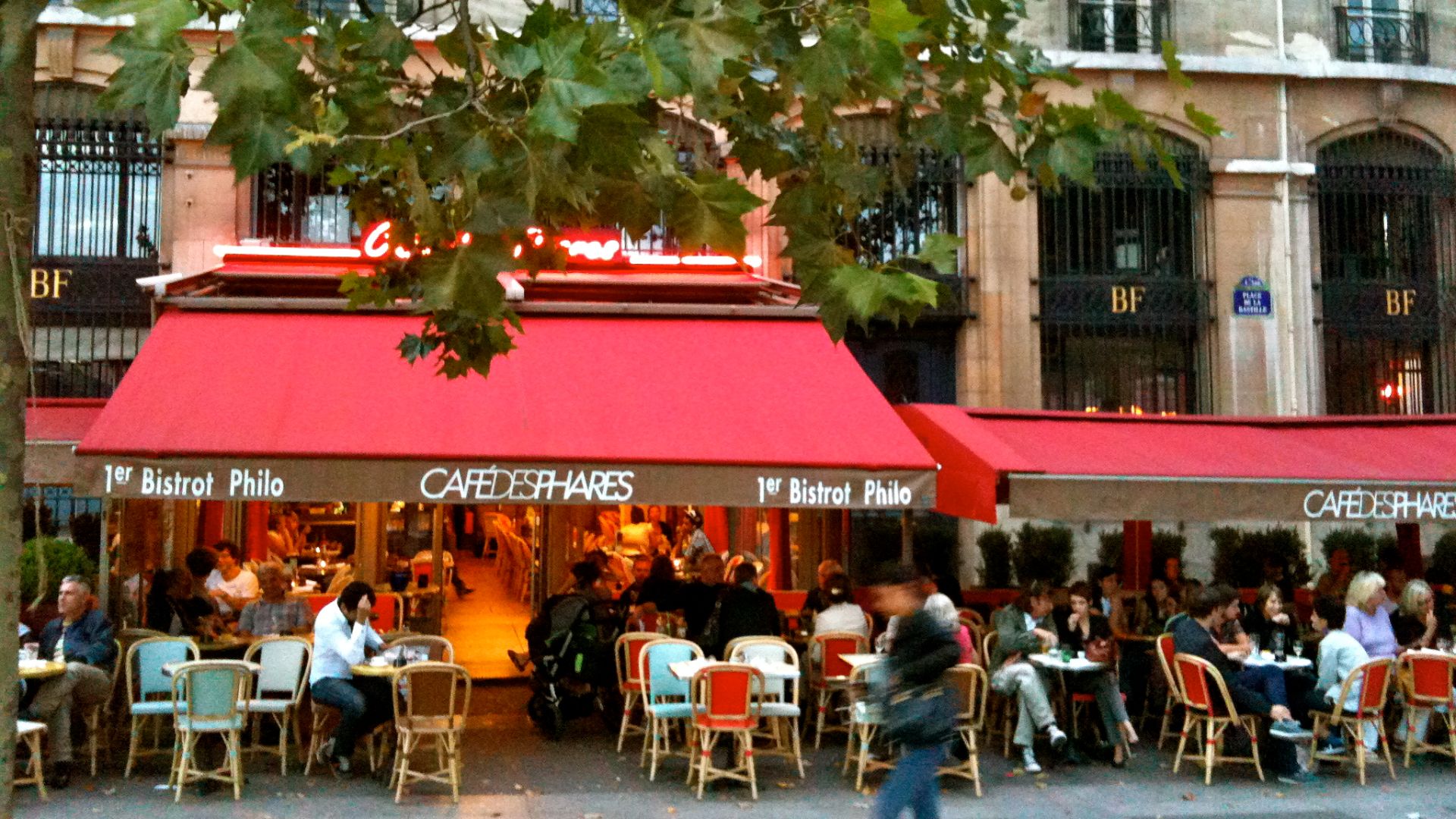
In France, daily life unfolds more publicly. People converse loudly in cafés, and personal matters are discussed openly among friends. At the same time, strict privacy laws protect personal data. Americans sometimes find this social openness intrusive, even while the official legal privacy protections are actually stronger than they are in the United States.
 Booklover206, Wikimedia Commons
Italy And Community Familiarity
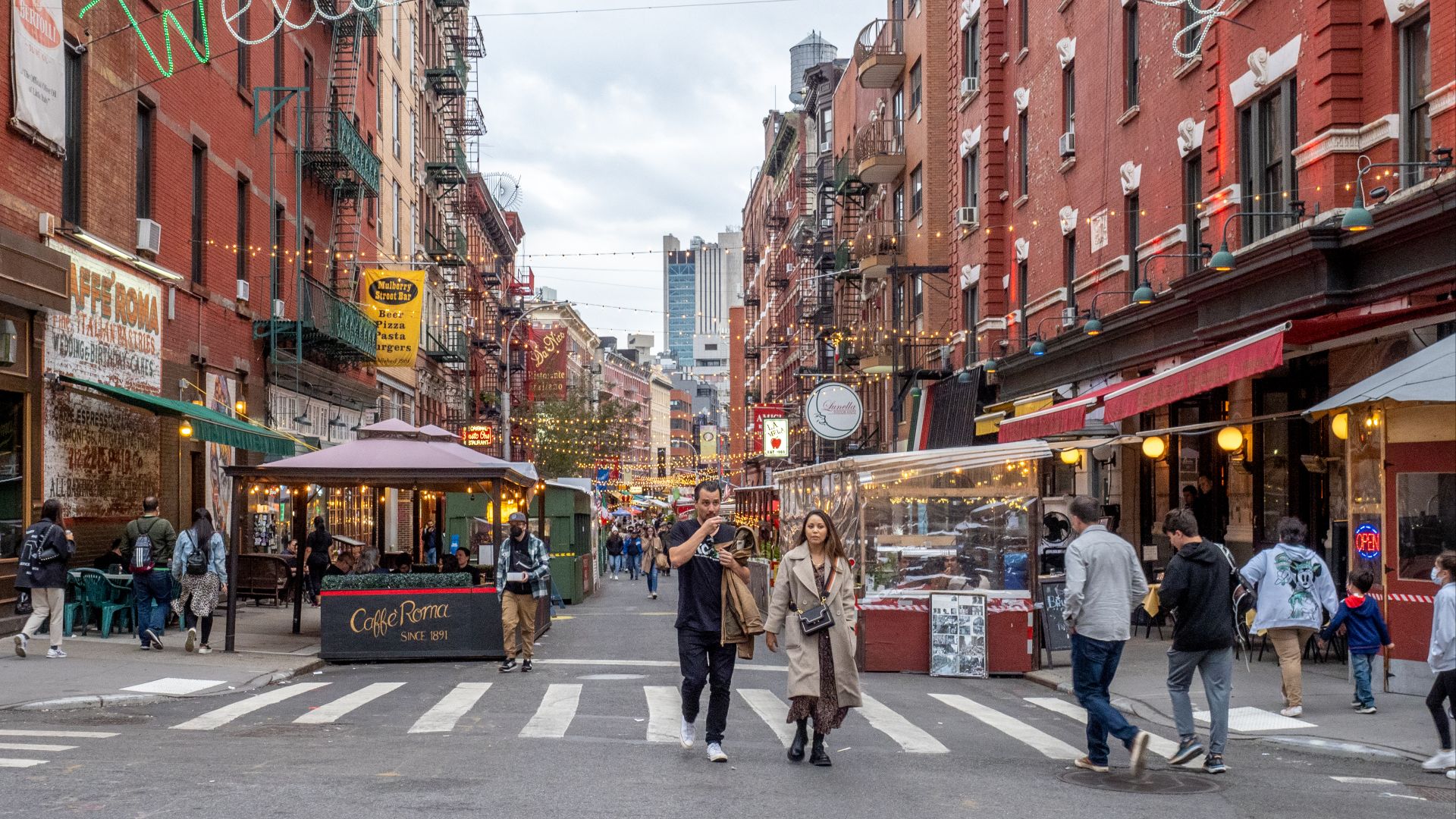
Italian towns often function like close communities. Neighbors know everyone’s routines, family history, and personal business. Americans may look on this familiarity as nosy or invasive. Locals, however, view it as social cohesion, where shared awareness replaces the American preference for personal boundaries.
 ajay_suresh, Wikimedia Commons
China And State Visibility
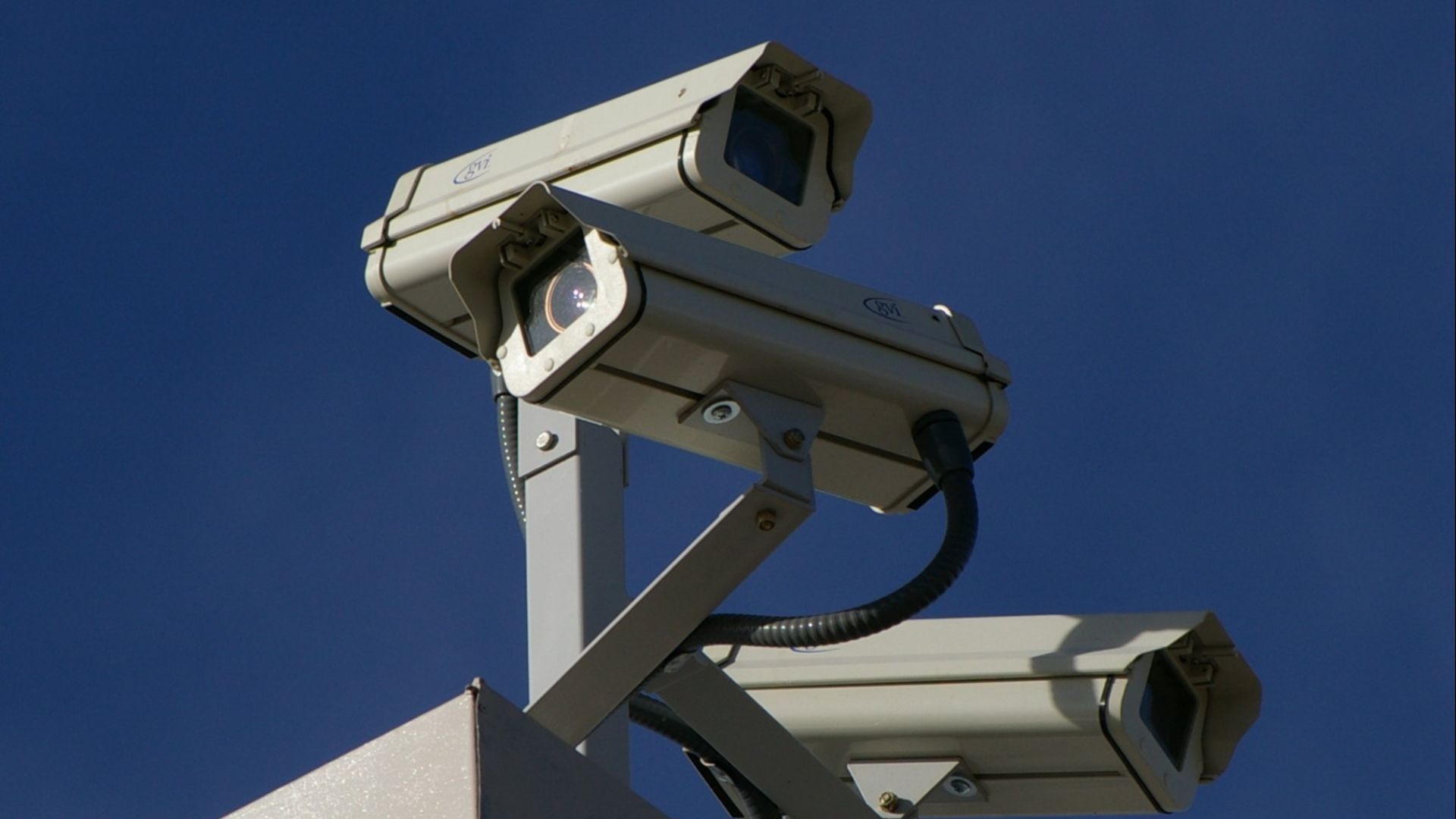
China represents one of the starkest contrasts for Americans. Government monitoring, facial recognition, and digital tracking are widely accepted realities in China, a country that many still view as totalitarian. Personal privacy from the state is limited, though private life within families is respected. Americans often struggle with the scale and normalization of institutional oversight.
Sweden And Transparency Norms
Sweden is well known for its openness laws, allowing public access to a wide range of personal records. Salaries and tax data can be viewed by others. Americans often find this shocking. In Sweden, transparency is viewed as essential to trust and equality, even if it greatly reduces individual financial privacy.
 Frankie Fouganthin, CC BY-SA 4.0, Wikimedia Commons
Netherlands And Social Directness
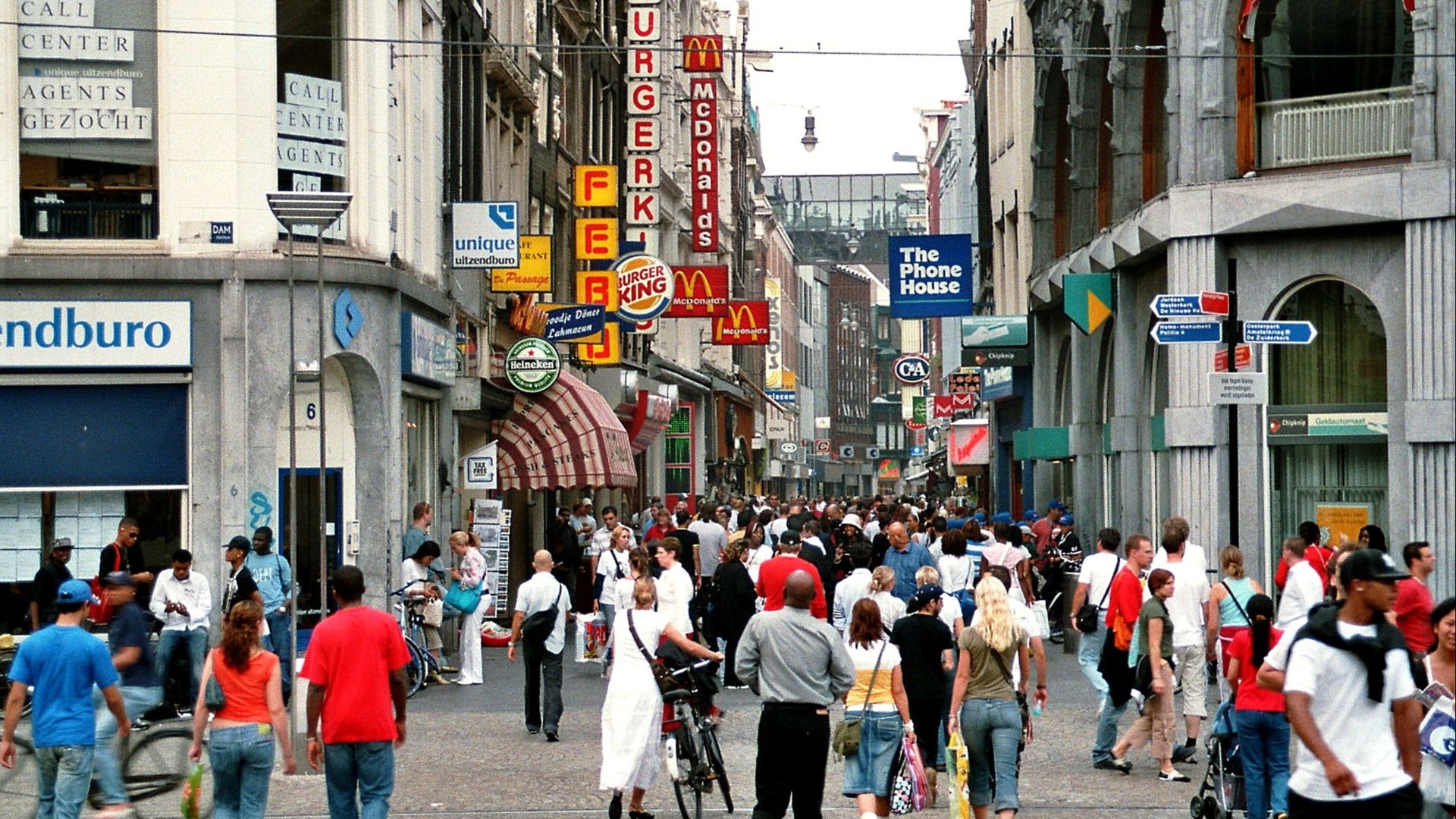
The Netherlands values privacy legally, but also socially favors openness and directness. Personal questions might be asked without hesitation, and bluntly shared opinions are common. Americans may feel exposed or judged, while locals see honesty as respectful. Privacy here is protected by law, not necessarily by social convention.
Mexico And Flexible Boundaries
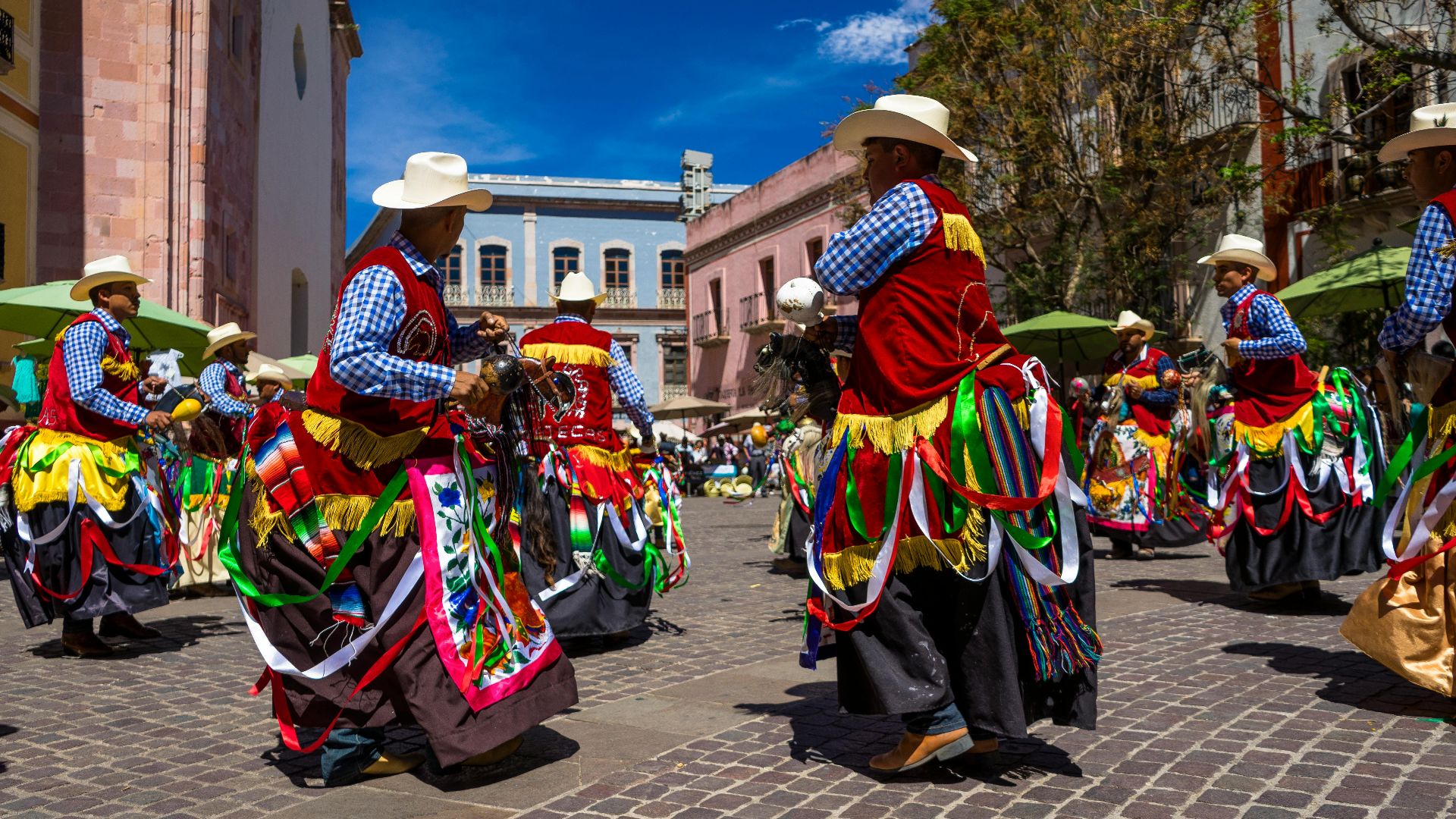
In Mexico, privacy is shaped by close family networks and community. Homes, celebrations, and daily interactions often involve extended family and neighbors. Americans can often end up missing the personal quiet or autonomy. What feels intrusive to visitors is often viewed as warm concern and a sense of social belonging by locals.
 Luis Becerra Fotógrafo, Pexels
Brazil And Public Personal Lives
Brazil’s culture encourages openness and shared experiences. Personal conversations about the most private matters go on in public, and social life is highly visible. Americans may feel their private lives are exposed more quickly in this type of setting. While formal privacy laws exist, social norms prioritize connection over seclusion.
 Prefeitura de Olinda, Wikimedia Commons
Singapore And Regulated Privacy
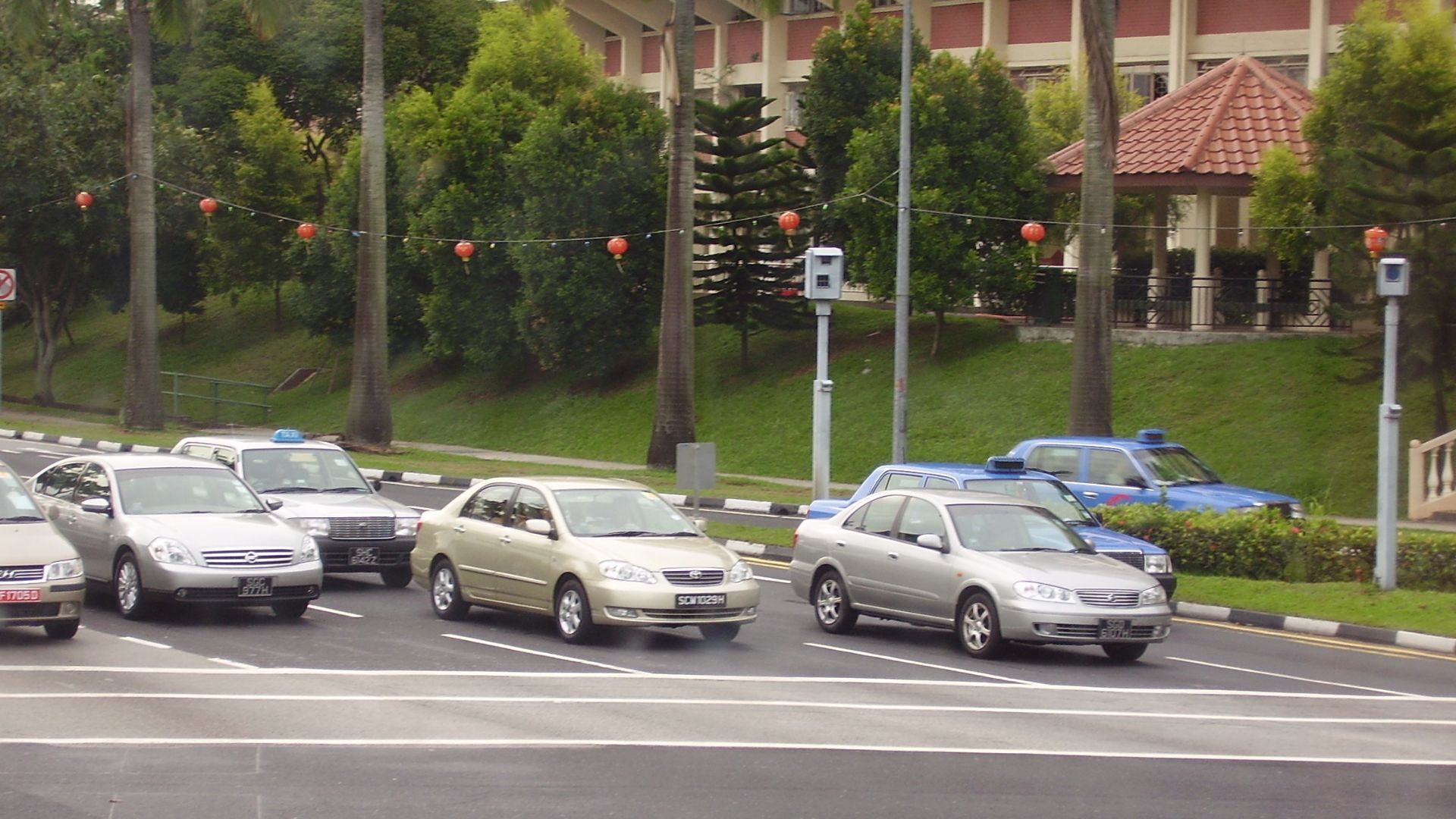
Singapore maintains strict order through regulation and surveillance. Public behavior is heavily monitored, and laws govern conduct closely. Americans often feel watched but also note the tradeoff of high safety and efficiency. Privacy still exists within the confines of the home, while public spaces are designated to prioritize collective discipline.
 File Upload Bot (Kimchi.sg), Wikimedia Commons
India And Shared Living Spaces
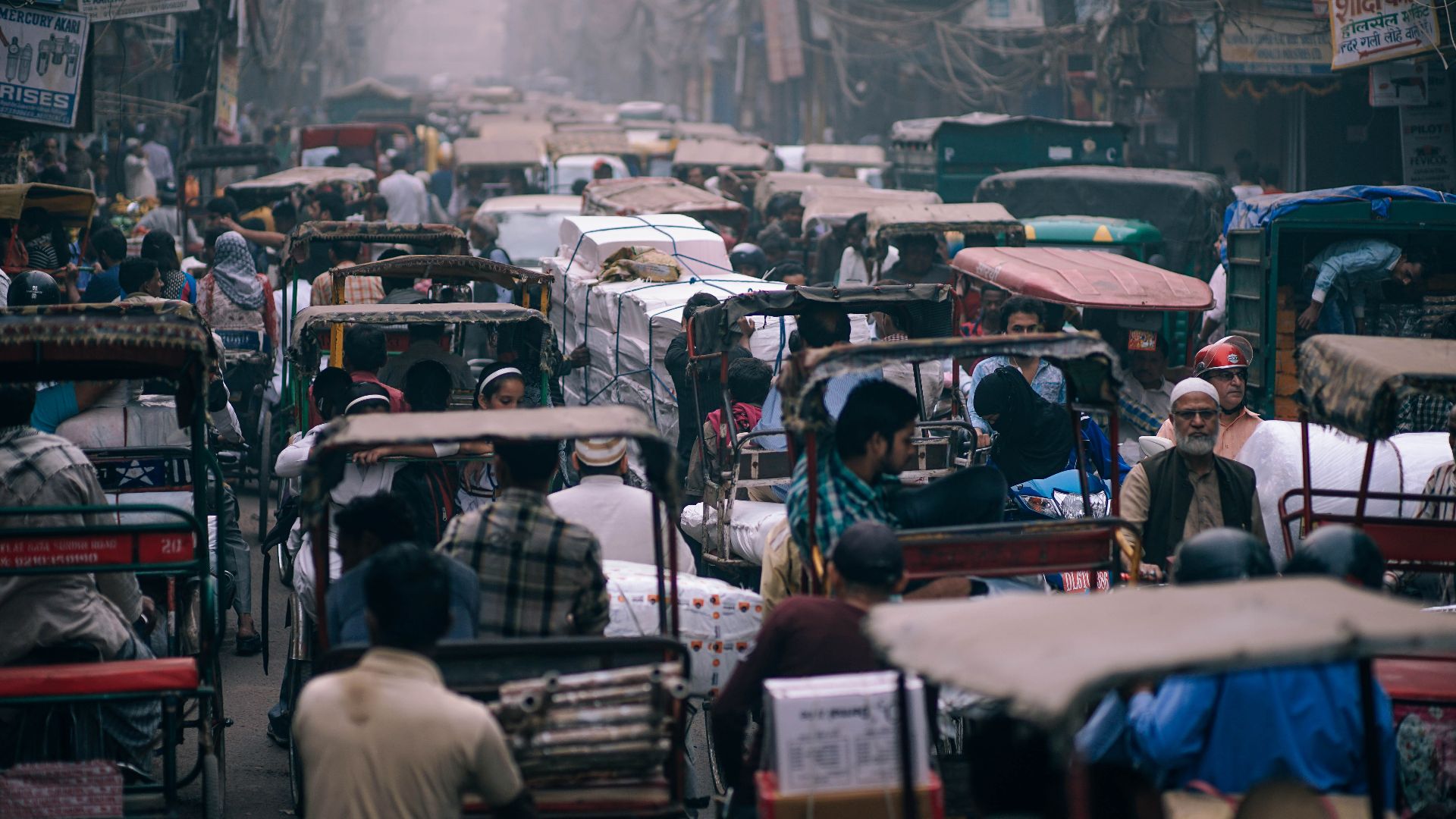
In India, privacy is limited by the presence of multigenerational households and some of the most densely populated cities on Earth. Personal space is hard to come by, and daily life unfolds elbow-to-elbow with others. Americans might feel they’re constantly under observation, yet strong social norms also govern respect and modesty. Privacy here is personal, not spatial.
 Igor Ovsyannykov igorovsyannykov, Wikimedia Commons
Australia And Casual Oversight
Australia feels culturally familiar to Americans because it’s an English-speaking nation, but privacy expectations are different even here. Strict biosecurity rules, enforcement, and public compliance can feel highly intrusive. Social life is open and informal, but regulatory oversight is firm. Americans often notice the contrast between relaxed attitudes and serious enforcement.
 Adam.J.W.C., Wikimedia Commons
Spain And Public Social Life
Spain’s culture puts emphasis on more public and social lifestyles. Meals, conversations, and gatherings spill into streets and plazas. Americans used to having their own private space may find constant social presence overwhelming. Privacy is respected emotionally, but physical and noise boundaries are a lot more flexible than in the United States.
 Craig Sunter from Manchester, UK, Wikimedia Commons
Switzerland And Quiet Enforcement
Switzerland values personal privacy deeply but enforces rules around noise and public order very precisely. Neighbors can report violations without personally notifying or confronting you. Americans often interpret this as invasive. In Swiss culture, keeping public peace and mutual respect takes precedence over the discomfort of reporting others.

Turkey And Cultural Sensitivities
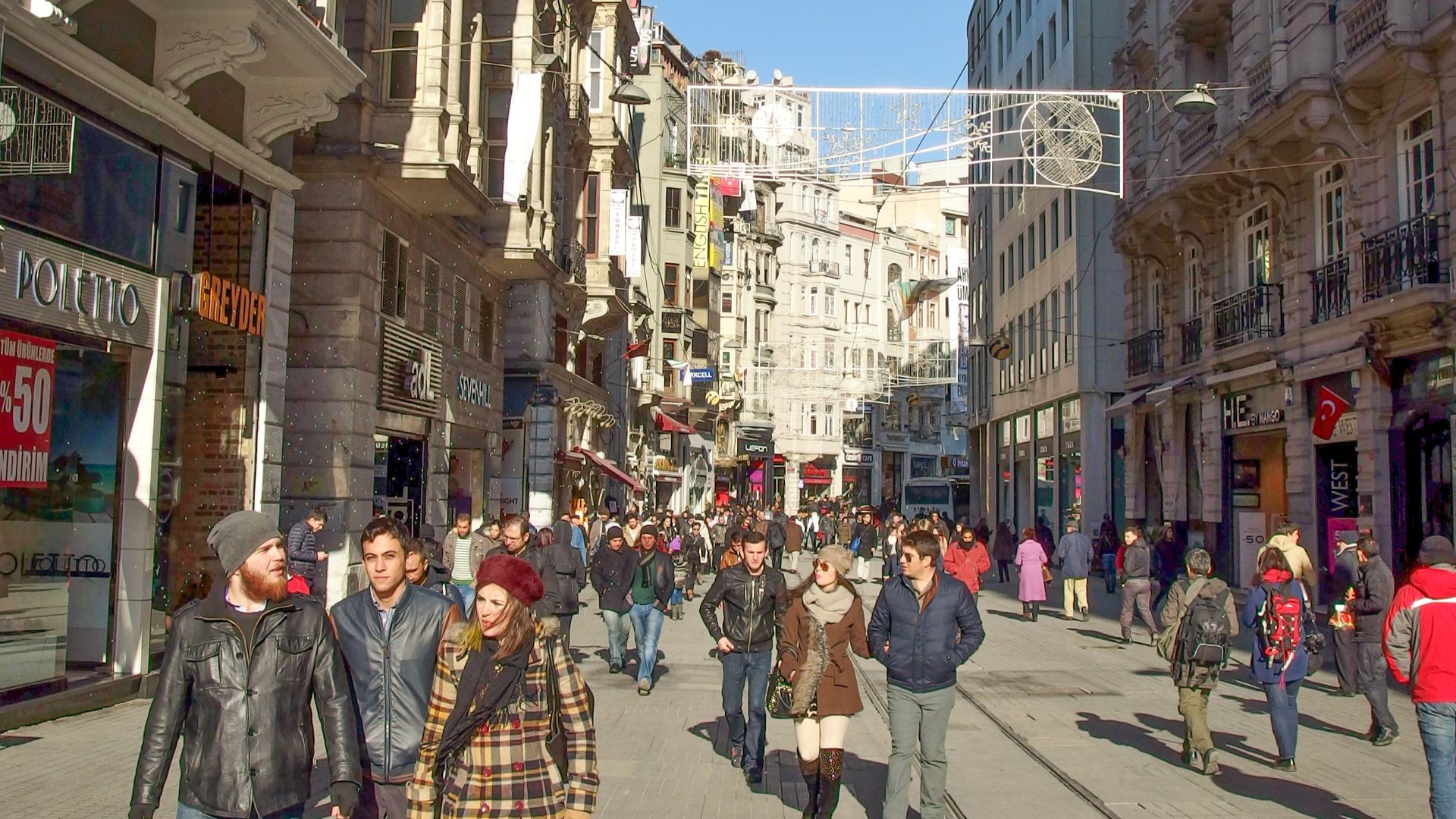
In Turkey, privacy is shaped by the local cultural and political sensitivities. Speech, photography, and public behavior are more regulated than Americans might expect. Personal relationships are still private, as one would expect, but public expression is closely monitored. Visitors often learn privacy boundaries are strongly context-dependent.
 Mark Ahsmann, Wikimedia Commons
Why Americans Feel The Difference So Strongly
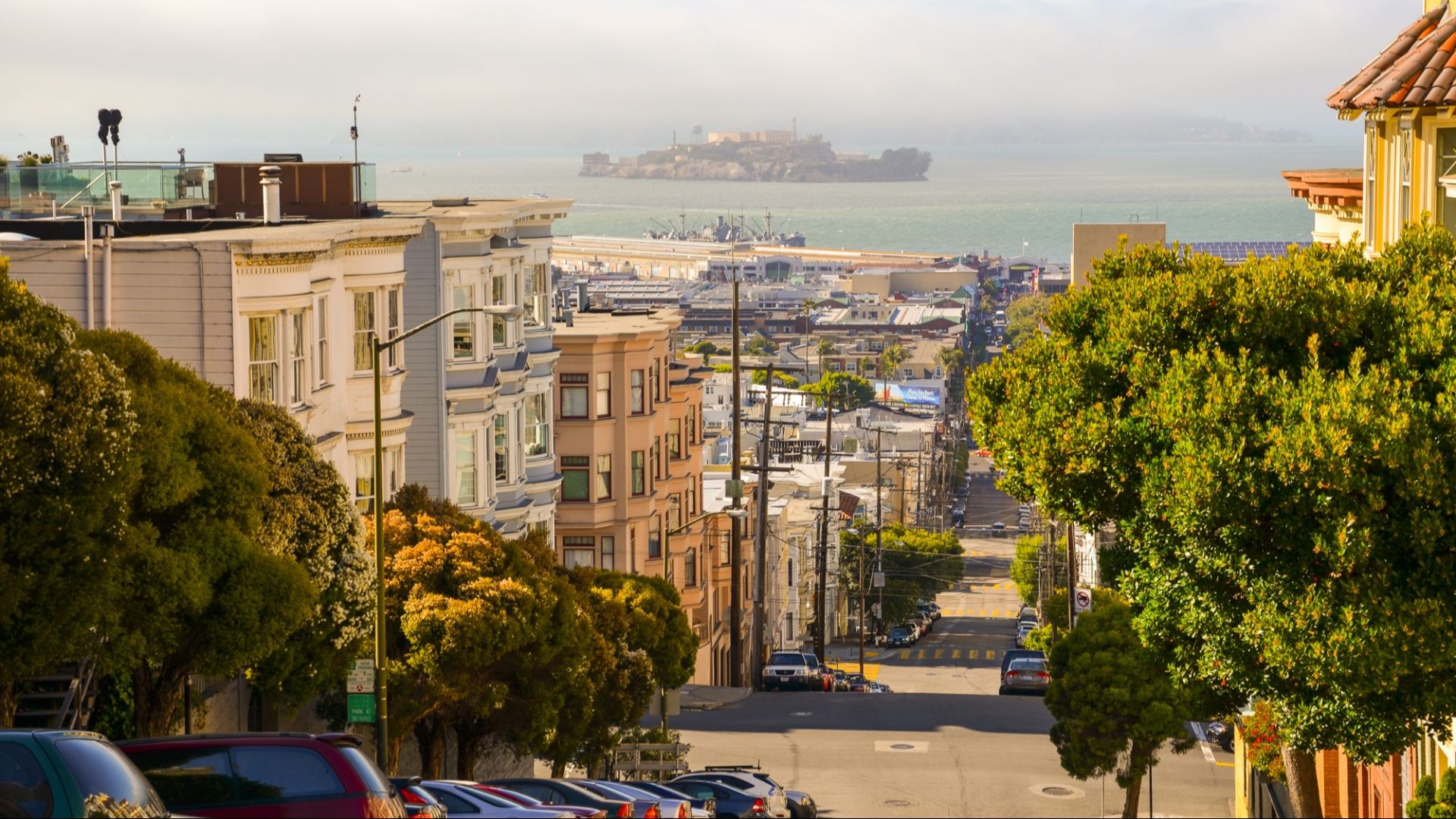
American culture puts such a premium on individual autonomy and personal space that they may be shocked at the way things work elsewhere. Abroad, privacy is often balanced against community, transparency, or safety. What seems invasive to Americans might be perfectly normal or even respectful elsewhere, highlighting how deeply privacy expectations are a product of culture.
 USA-Reiseblogger, Wikimedia Commons
Adjust Without Losing Yourself
Successful adjustment is a matter of observing the local norms. Don’t assume universal standards. Americans abroad often find peace by redefining their privacy as flexibility rather than control. Understanding the cultural context helps travelers and expats maintain their own comfort level while respecting how other societies organize their daily life. It’s all about finding a balance.
You May Also Like:
The Most Peaceful Countries In The World—Ranked According To Data
The Biggest Culture Shocks For Non-Americans Moving To America