

The Biggest Culture Shocks For Non-Americans Moving To America
No matter what your reasons are for moving to the United States—"the land of the free and the home of the brave"—if you come "from away", even a place that's culturally similar like Canada, you may find yourself feeling a bit of culture shock. Here are some of the biggest culture shocks that non-Americans can expect when moving to the United States.

The Size Of Everything
America is the fourth-biggest country in the world by land area. They have the space and they fill it! Everything is bigger in the United States, from the size of their shopping centers to the portions of their fast food. If you're coming from Europe and aren't already familiar with American, expect everything to be about 20% bigger when it comes to fast food portions. But in general, everything is bigger in the US.
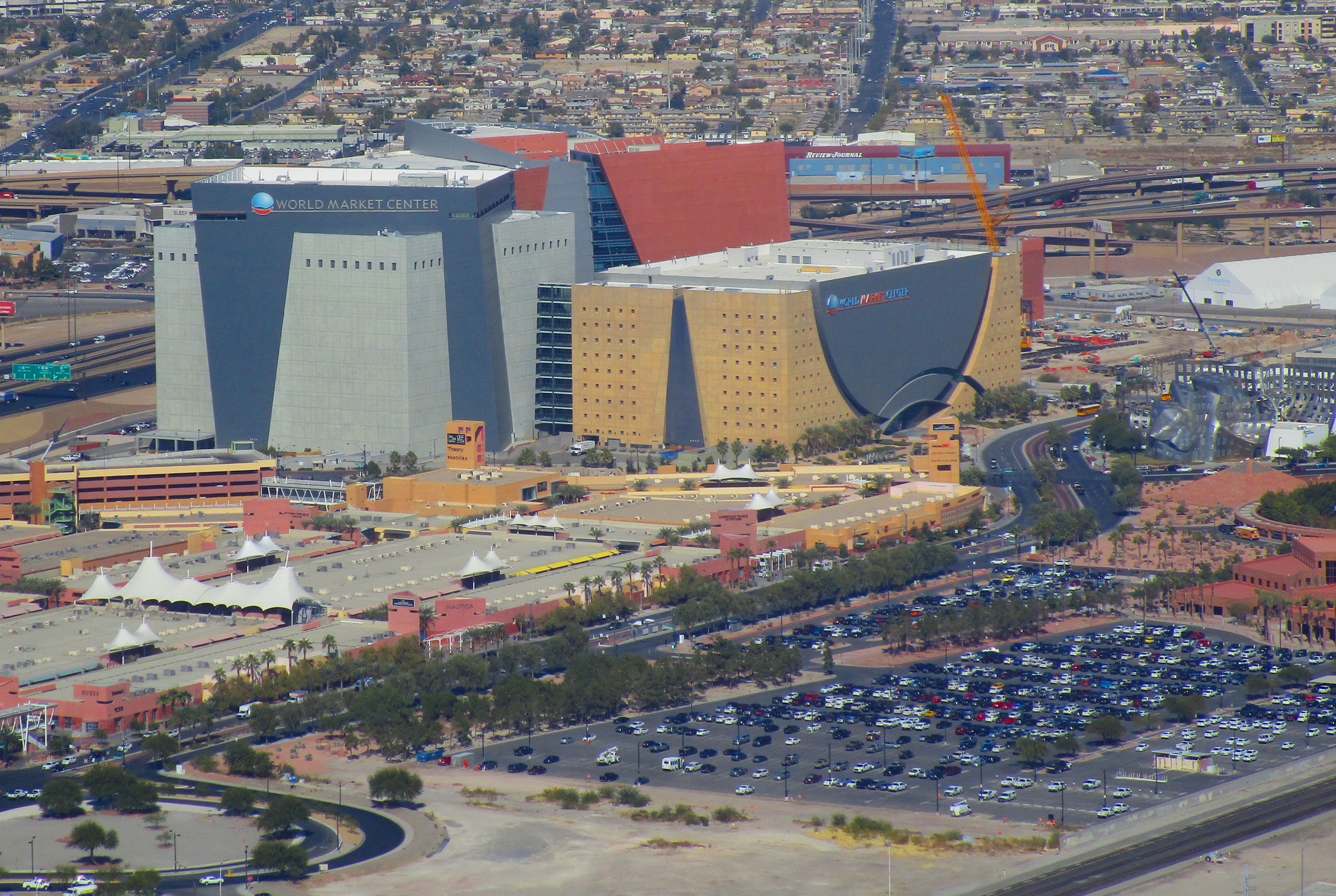 Reinhard Link, CC BY-SA 2.0, Wikimedia Commons
Tipping Serving Staff
One of the biggest culture shocks for non-Americans that move to the United States is the culture of tipping your serving staff. Practically unheard of in Europe and even considered rude in some countries in Asia, tipping is very much a North American thing. You'll likely see a suggested tip amount of between 15% and 22% on top of your original bill—you're free to decline a tip of course, but it's seen as rude to refuse when the service was good.

Taxes Not Included
Another surprising thing for non-Americans is that taxes aren't included in the purchase price you see on the shelves. Meaning you'll need to calculate your sales taxes (which differ by state), and add those on top of your purchase price—or just wait for it to be calculated at the cash register. Louisiana has the highest combined sales tax at 9.65%, meanwhile Alaska has the lowest combined sales tax rate at 1.82%.
 Open Grid Scheduler / Grid Engine, Flickr
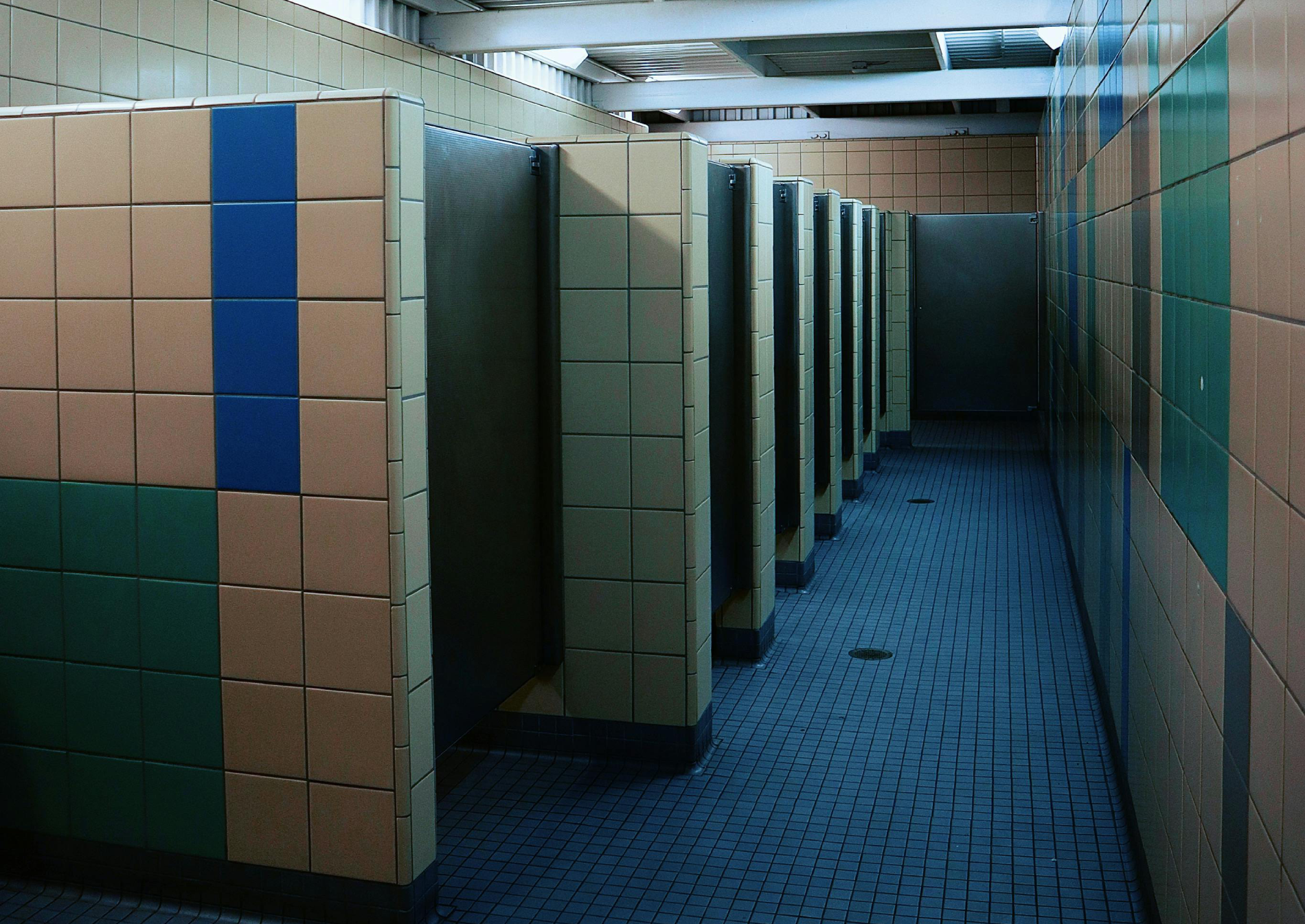
Smaller Bathroom Stall Doors
Despite going big with almost everything else, American bathroom stall doors are generally fairly short. Practically, these help with cleaning when hosing down floors—just try and avoid the uncomfortable eye-contact with the stall next door.
Different National Holidays
You may know about Labor Day being celebrated in September, rather than May as in Europe. But a couple of different national holidays you'll celebrate in the United States include Groundhog Day (celebrated on February 2), then two weeks later, they celebrate President's Day on February 17. Thanksgiving is also celebrated on November 28, annually.
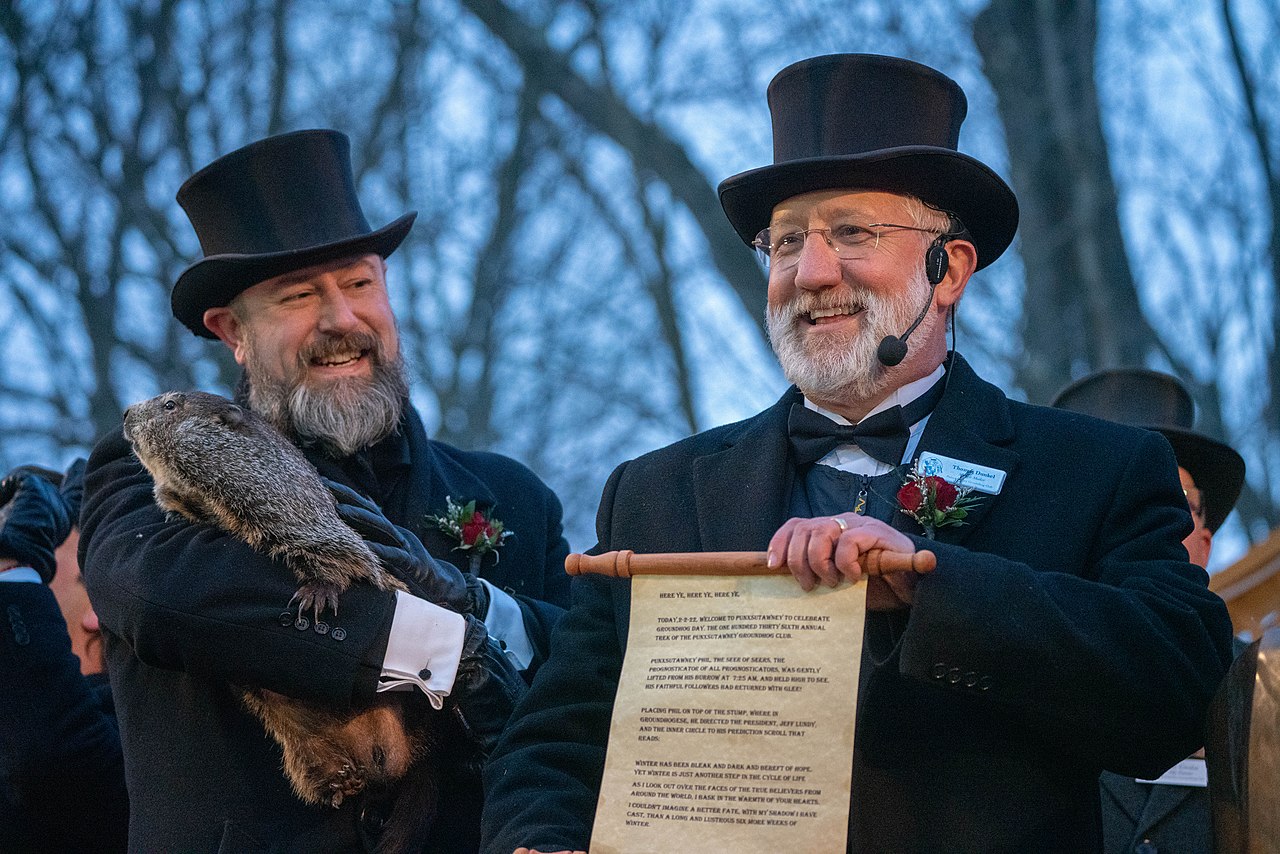 Anthony Quintano, CC BY 2.0, Wikimedia Commons
American Flags Aplenty
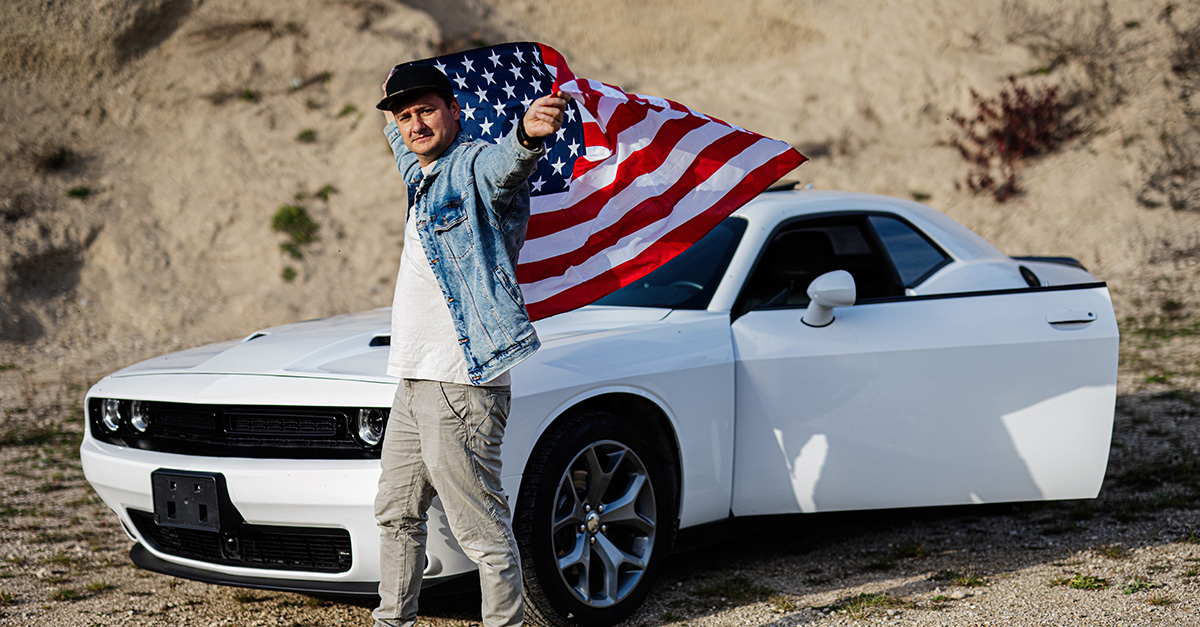
Well-known as a nation of patriots, Americans fly the Stars and Stripes absolutely everywhere—on their homes, on their cars, inside buildings, outside shopping malls, up flagpoles on their property, at sporting events like NASCAR or American football games. Everywhere.
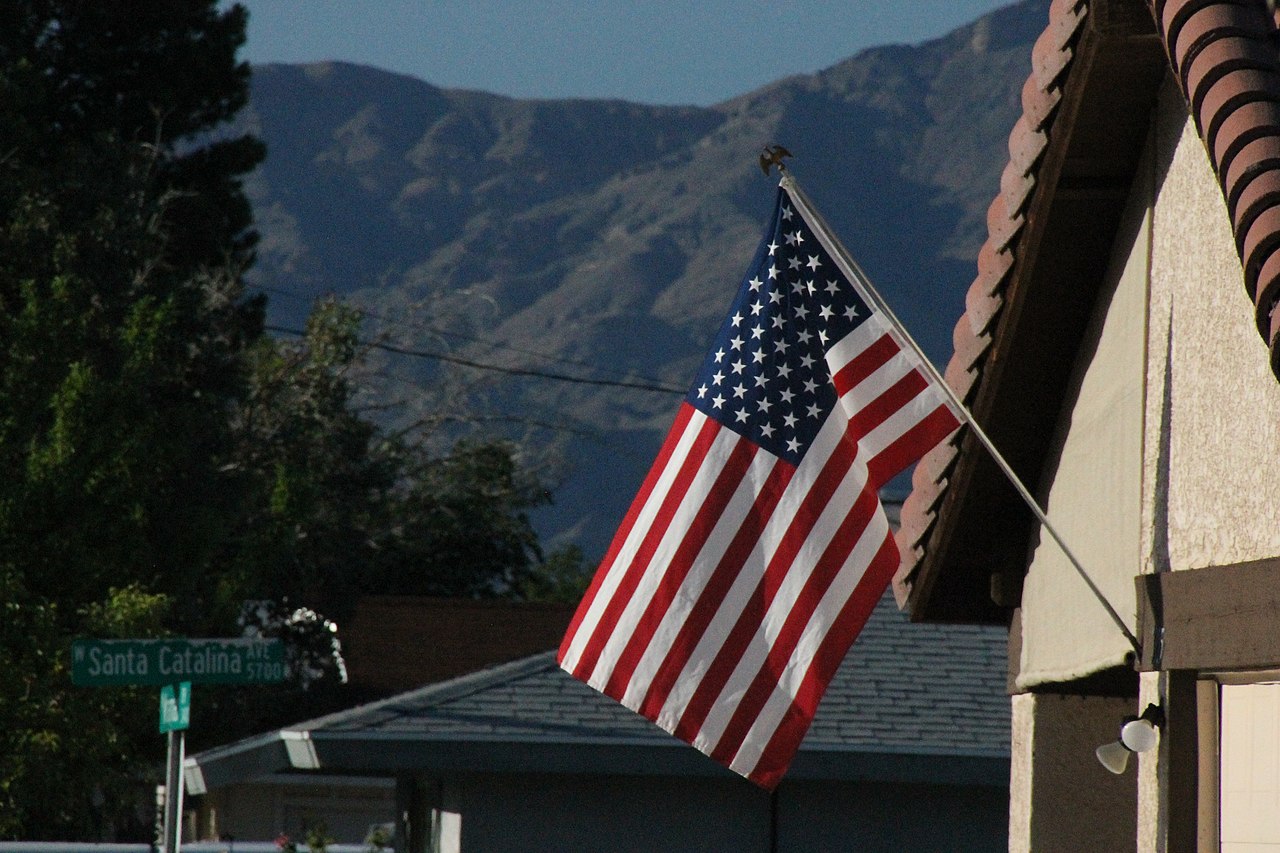 Noah Wulf, CC BY-SA 4.0, Wikimedia Commons
Public Building Air Conditioning
No more sweating profusely in public buildings in America. You'll find that all (most?) public buildings in the United States have air conditioning, particularly so in the nation's hotter states like those across the South and Midwest. Did you know that the first public building to receive air conditioning was the Missouri State Building at the St Louis World Fair in 1904?

The Imperial System
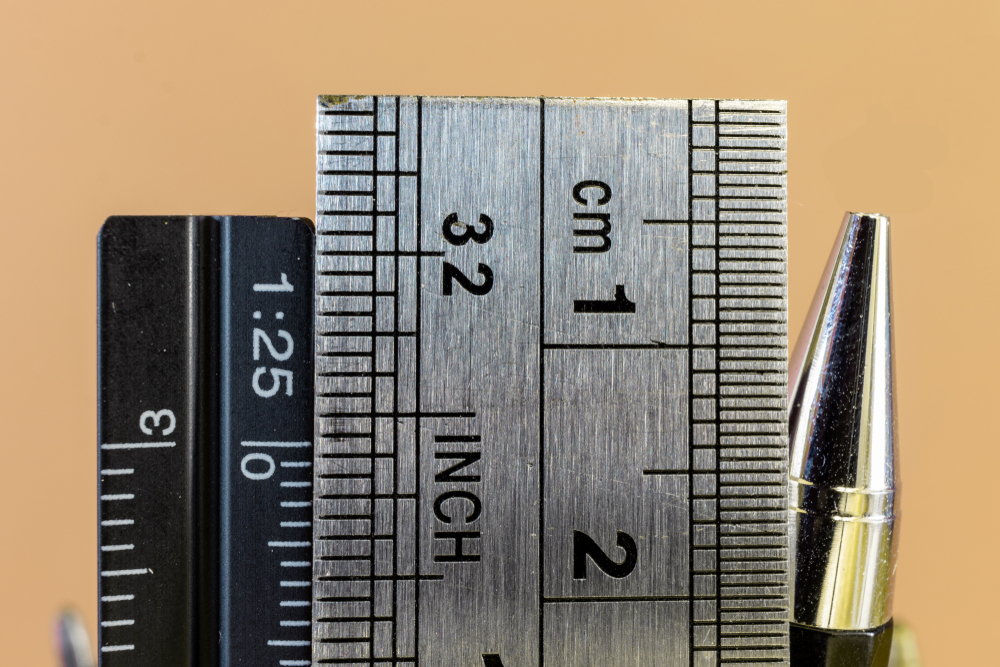
For a country that didn't want anything to do with the Crown or imperial powers more broadly, it couldn't escape the Imperial System when it adopted it in 1776. Be prepared to do some conversions if you're used to the metric system. Print off a cheat-sheet from the Internet!
Very Different Words For Things
This is particularly interesting for those of you coming across the pond from the UK: you'll find that Americans have very different words for vegetables. "Cilantro" instead of coriander, "trucks" are what you'd call lorries, "tissues" are what you'd call napkins, and many more.

"Hi, How Are You?" Is A Form Of Greeting
This one's for people who come from cultures where many people keep to themselves. You may occasionally hear "Hi, how are you?"—that's a friendly greeting that you should respond to. Americans are generally pretty friendly folk.

Public Transport Outside Of Major Cities Is Nearly Nonexistent
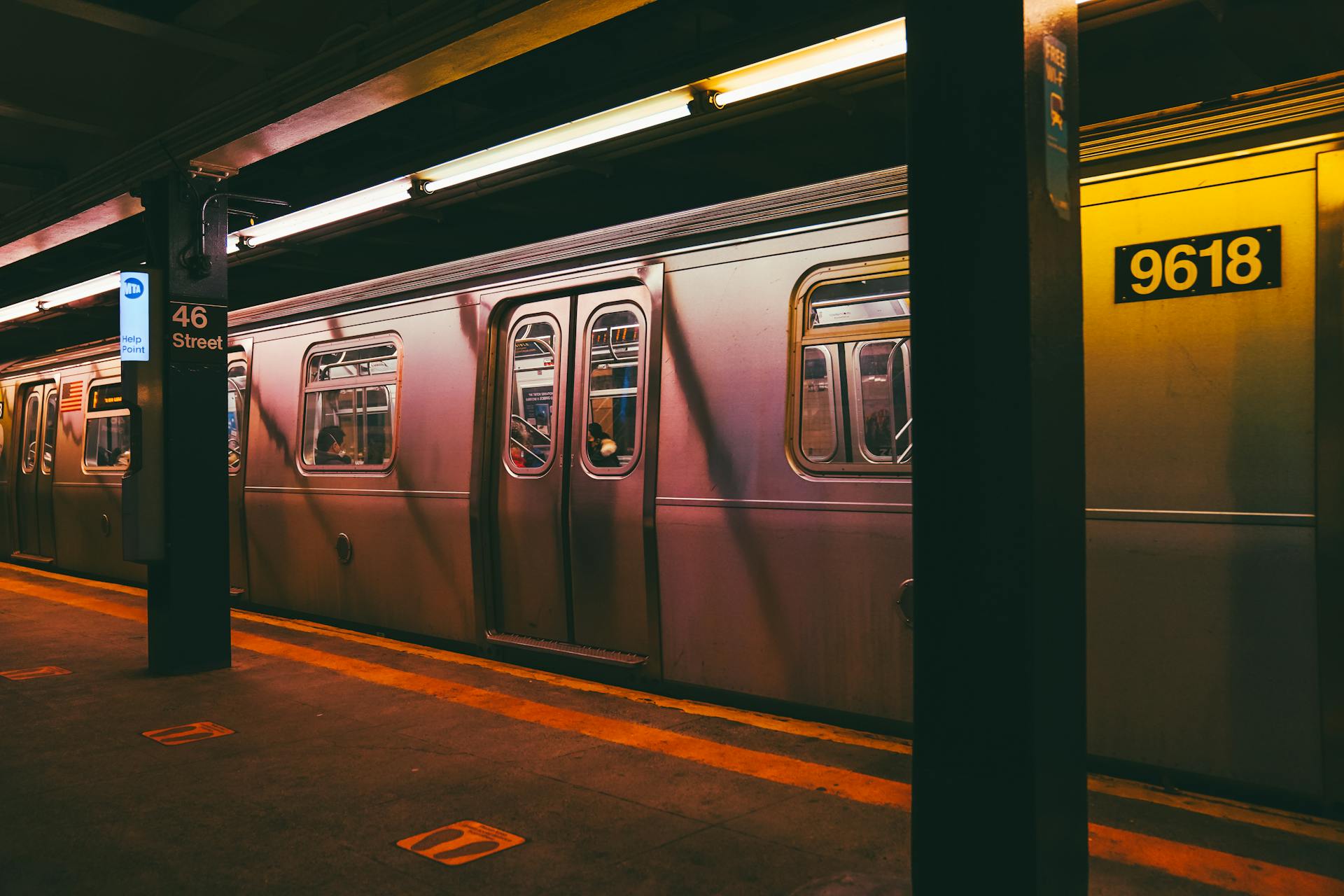
Due to the sheer size of the United States, it's worth noting that any expectations of easily accessible, affordable public transit outside of major cities is almost non-existent. While you can get the AmTrak train from city to city, outside of major thoroughfares, you'll find public transit sorely lacking.
Cars—Cars Everywhere
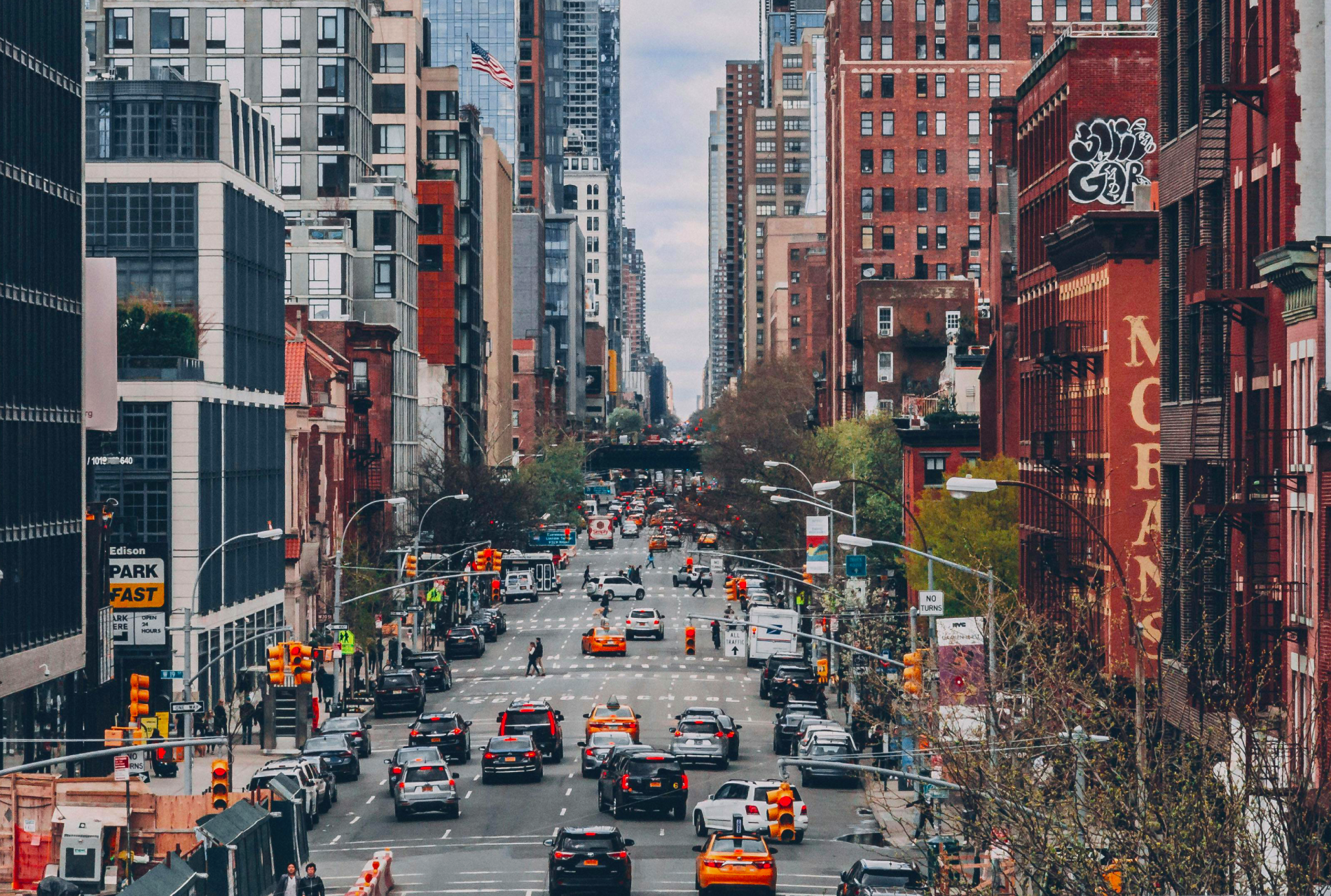
Because public transit in the US is generally lacking, people use cars as their primary mode of transport outside of major cities. You'll also notice that cars are generally much bigger in the US, with bigger engines than in Europe.
Small Talk Is Commonplace
Another homage to the friendliness of Americans is the presence of small talk. People making conversation in line-ups (or queues, if you're British), in many cafes, and just about everywhere. Get used to being conversational in the United States.

A Lack Of Time Off Work
In the rest of the world, paid time off is part of the job—Iranians have a stunning 53 days paid time off, with San Marino having 46 days. And over in Iceland, people get 40 paid days off. But in the United States, there are no federal or state minimum allowances for either paid holidays or paid public holidays. In fact, most companies only offer 10 paid days off per year.

The Ingredients In Milk
In most of the rest of the world, milk has a single ingredient: you know—milk. But in America, your milk may come with several different ingredients, including recombinant bovine growth hormone, or rBST.

The Number Of Advertisements
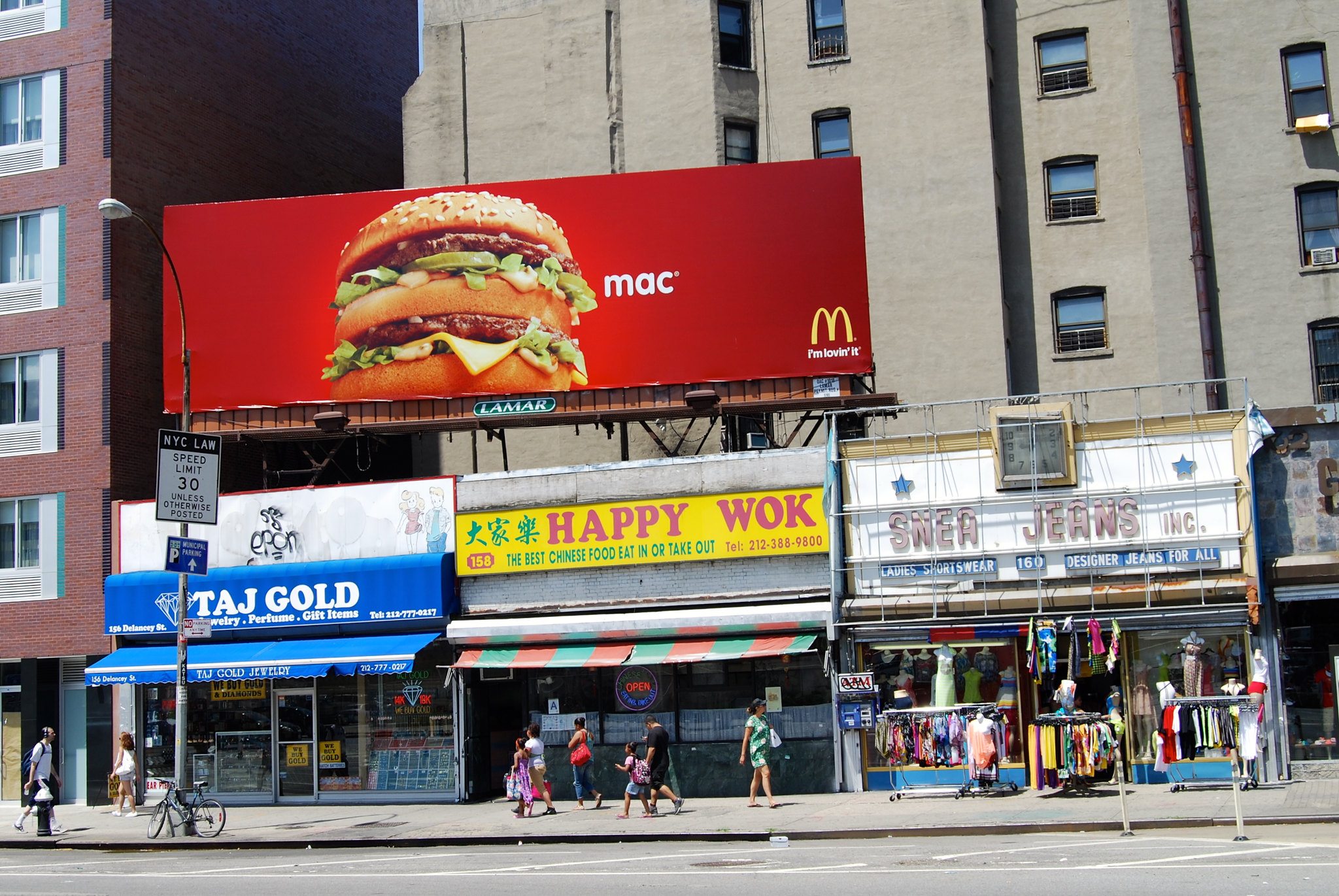
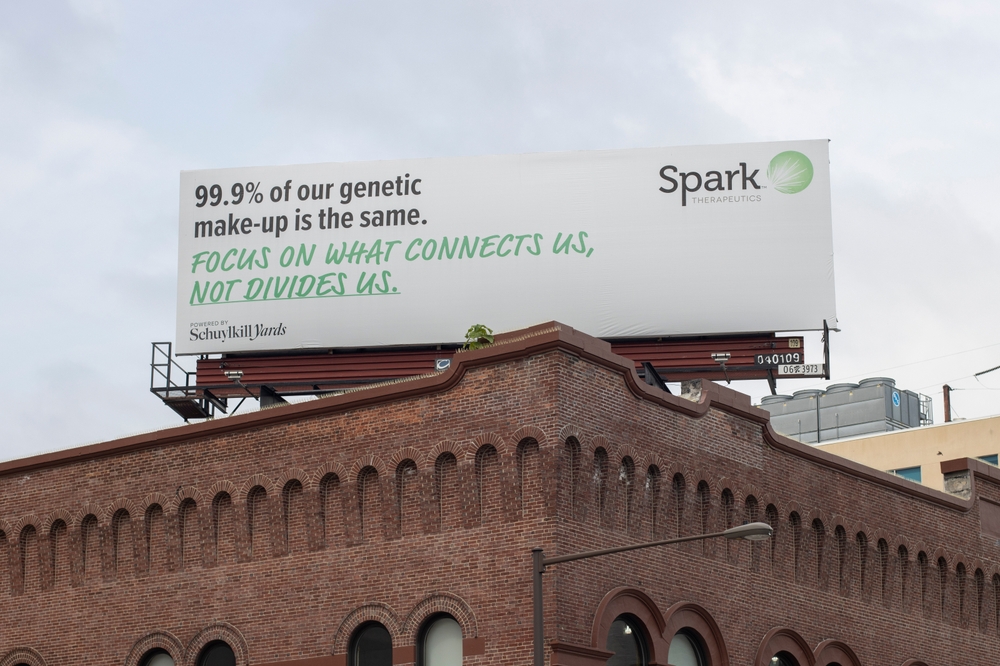
Advertisements are a big part of American culture—you'll find them everywhere, from Times Square billboards to breaks during sports games, with "commercial breaks" in between time-outs during basketball games, and almost anywhere else they can fit them!
Turning Right On A Red
"What do you mean, I can turn right on this red light?" Because the United States road system was built mostly on a grid system, turning right on a red is possible and legal.

Nowhere To Walk
Outside of major or medium-sized cities, you may struggle to find somewhere to walk—sidewalks, or "pavements" as they're known in the UK, can be few and far between in the US, leaving you with a choice of walking on the road or on the roadside.

Food Options Galore
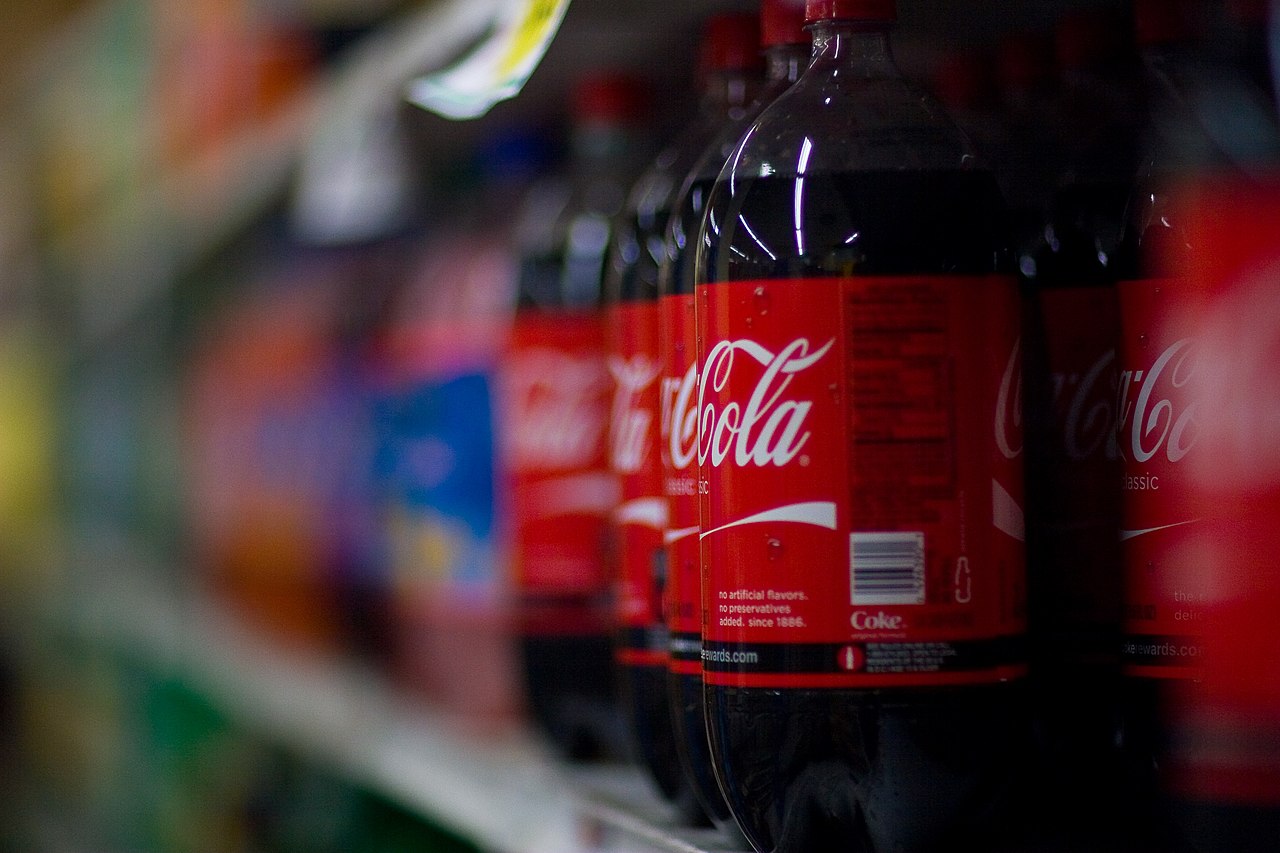
Here's one of the things you won't find in Europe: a nearly endless amount of flavors, sizes, and options for the same types of food. They've got every flavor you might imagine, including cheese that's orange and more plastic than cheese (looking at you, Kraft Singles) and Super-Size options for drinks and food at McDonald's—just more food than you could possibly eat in more variations than you thought possible.
 Vox Efx, CC BY 2.0, Wikimedia Commons
Medication Advertisements
In many European countries it's illegal to advertise prescription medications, whereas in the United States, you can expect to see ads for prescription medications.
Not As Many Roundabouts
Roundabouts are few and far between in the United States—there are roughly 13,000 roundabouts in the US. Meanwhile, the UK has double the number of roundabouts. Traffic congestion can be reduced by installing roundabouts, but don't expect to see as many if you're coming from overseas.
 Grand Canyon National Park, Flickr
Homeowners Associations
"What's a homeowners association?" you may ask, particularly if you're from Europe. While HOAs are "a thing" in Europe, they're far less prevalent than in America. HOAs also aren't particularly concerned with the height of your grass, among many other silly rules that have become something of a meme.
 Famartin, CC BY-SA 4.0, Wikimedia Commons
Religiosity Everywhere
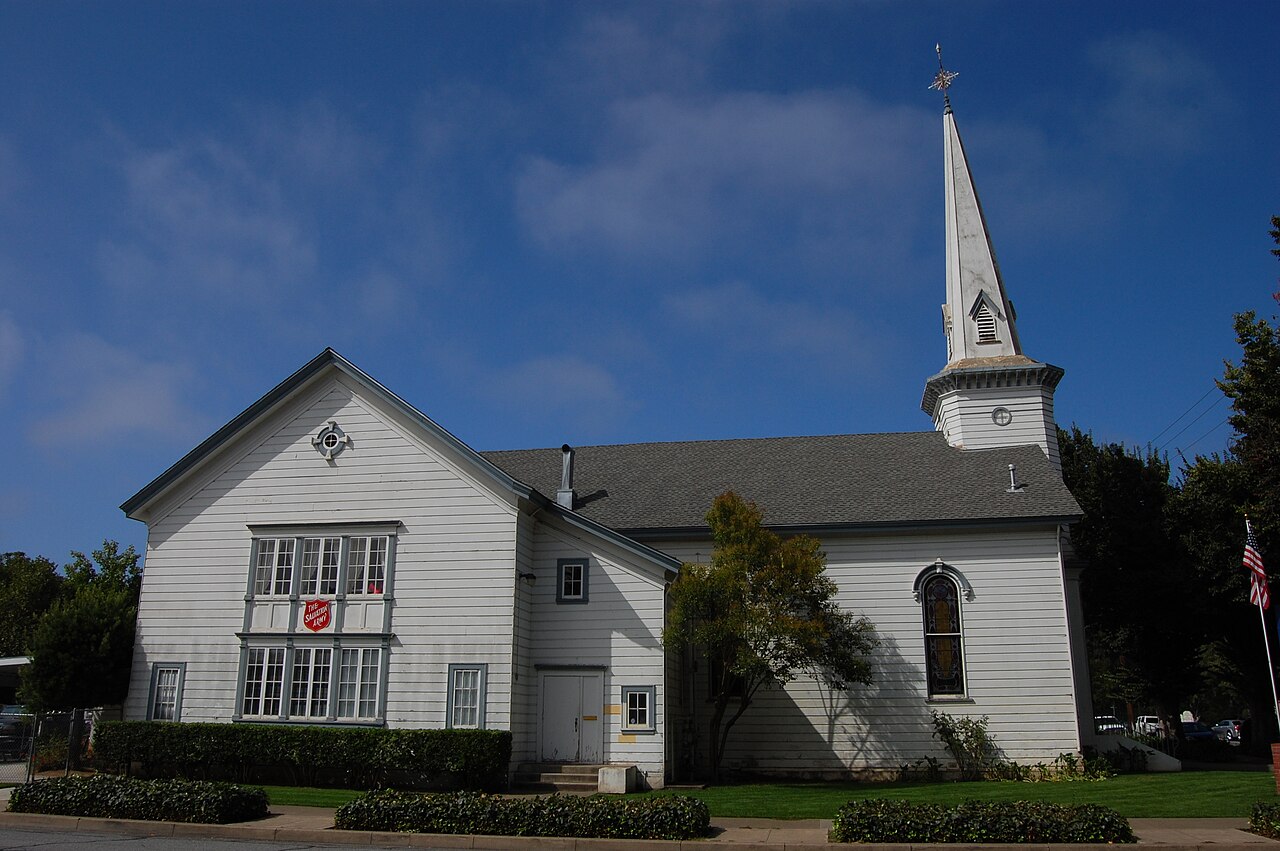
While much of Europe is agnostic or atheist, you'll see religious symbols—mostly Christian religious symbols—everywhere in the States. Sporting events like NASCAR are often begun with a prayer.
 Eugene Zelenko, CC BY-SA 4.0, Wikimedia Commons
Winter Being A Fact Of Life Rather Than A Feared Obstacle
While much of Northern Europe looks at winter as a fact of life too, many central European countries (and the UK) simply aren't prepared to handle snow and ice. But in the United States, particularly where there's plenty of snow and ice, the country simply adapts and life goes on.
 Danazar, CC BY-SA 4.0, Wikimedia Commons
Different Interpretations Of The Second Amendment
While the vaunted Second Amendment may be a foreign concept for most people outside of the United States, you'll notice that different interpretations of the Amendment (and how that's carried out in public) vary greatly across the country. Different states have very different restrictions on sales, ownership and carrying, so don't be surprised if you travel from one state to the next and people interpret the Second Amendment very differently.





.jpg)
.jpg)


