A Mile-High Etiquette Emergency
Airplane space issues are awkward, but super common. You’re not overreacting—this stuff really does affect your comfort. Here’s how to handle it smoothly, with zero drama.
The “No Shoes, No Problem?” Moment
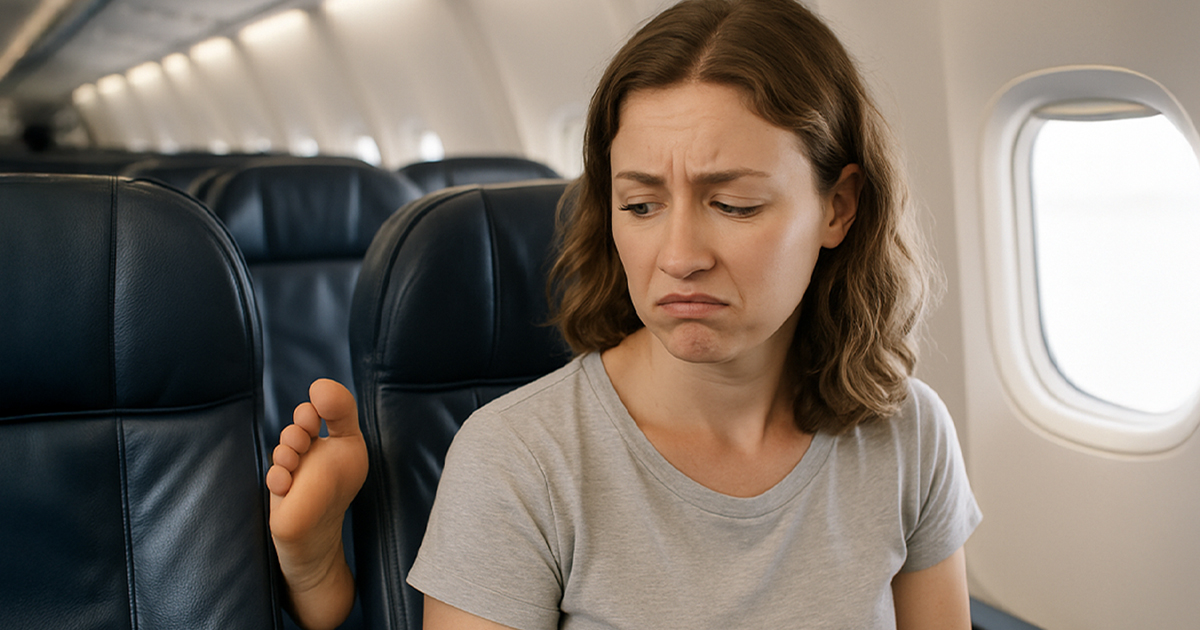
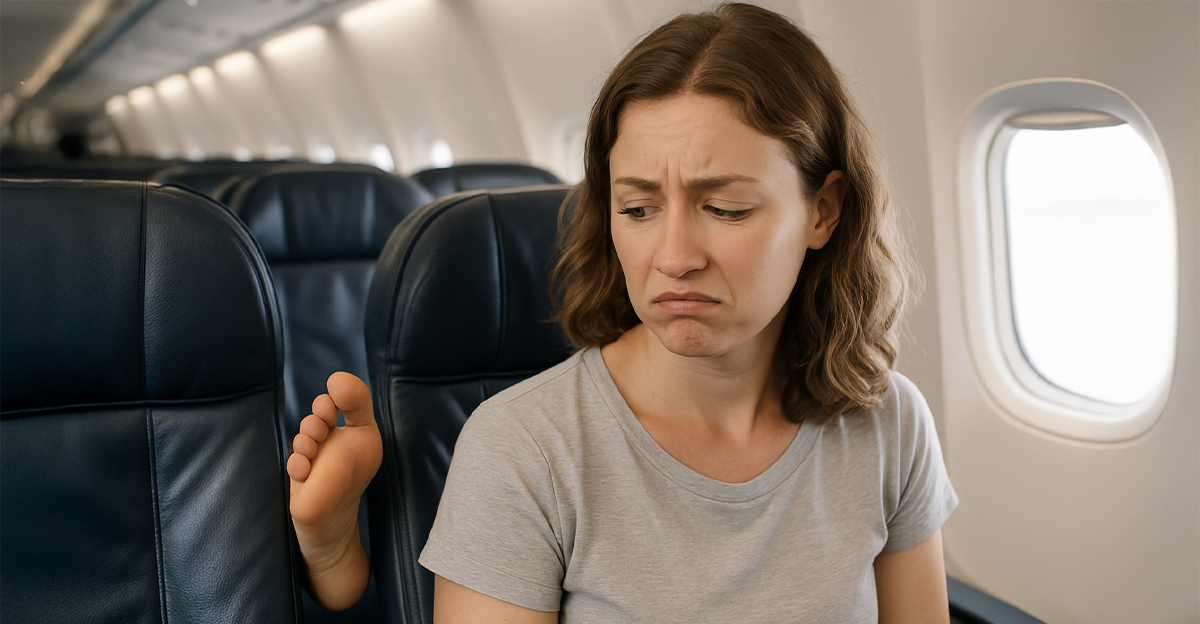
Finding someone barefoot behind you is instantly uncomfortable. Feet aren’t just a hygiene thing—they invade personal space and can distract you the whole flight. Before you react, it helps to understand what behavior falls into the “worth speaking up” category versus what’s just mildly annoying.
Why This Actually Matters More Than You Think
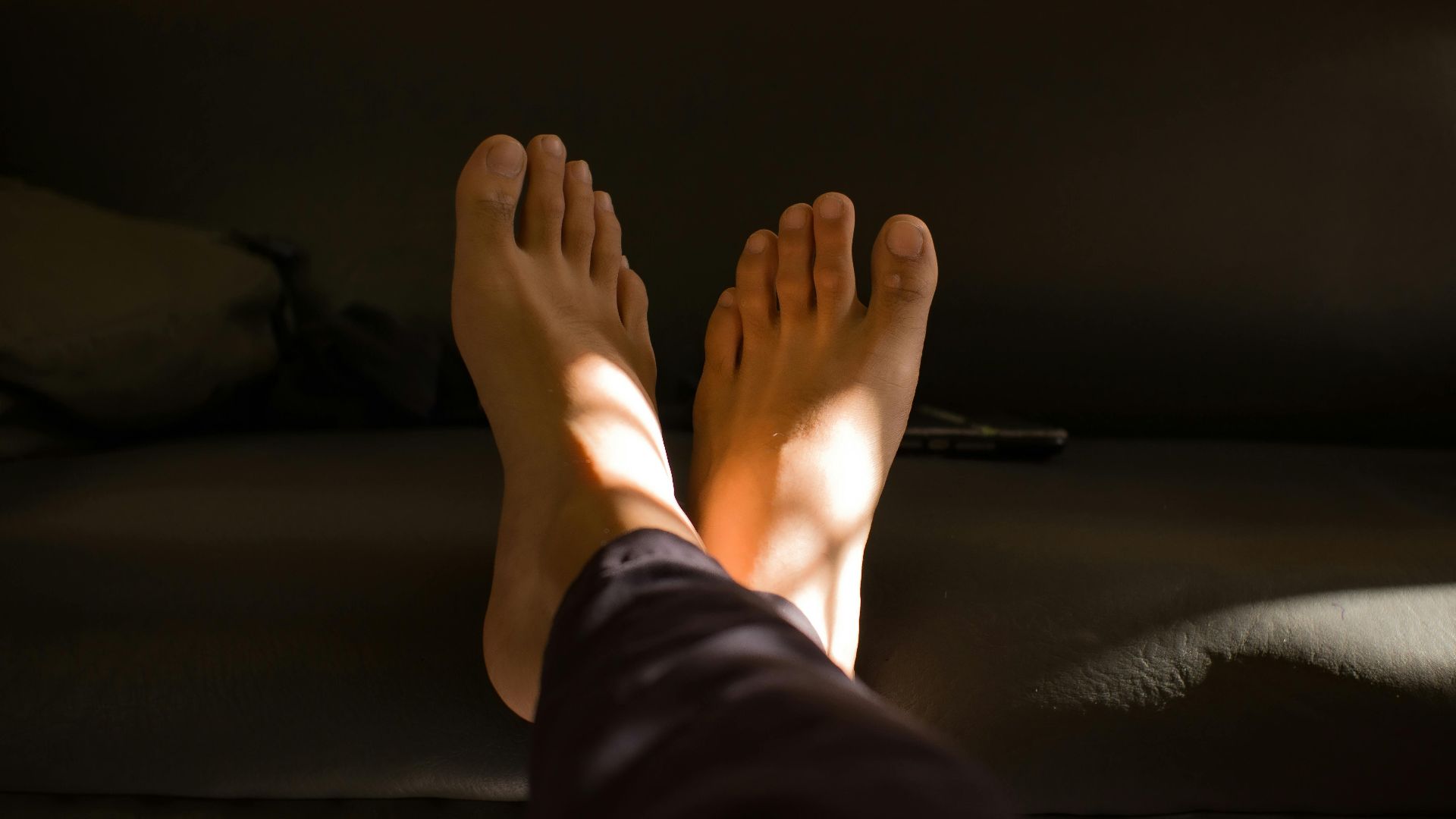
People underestimate how confined airplane space is. When someone’s feet or legs cross into your area, it disrupts your ability to sit comfortably, adjust your seat, or even reach into your bag. You’re allowed to expect a basic level of respect for your paid seat space.

When It Crosses Into Your Space—Literally
Once a stranger’s feet, knees, or legs physically enter the area you paid for, it’s no longer a “preference” issue—it’s a boundary issue. That physical intrusion is exactly the kind of thing flight attendants want to help resolve because it affects passenger comfort and safety.

Your First Move: The Friendly Look-Back
Sometimes all it takes is turning around briefly, making eye contact, or shifting in your seat with purpose. People often don’t realize they’re invading someone’s space, and a quick glance can be enough to make them pull back without a word.
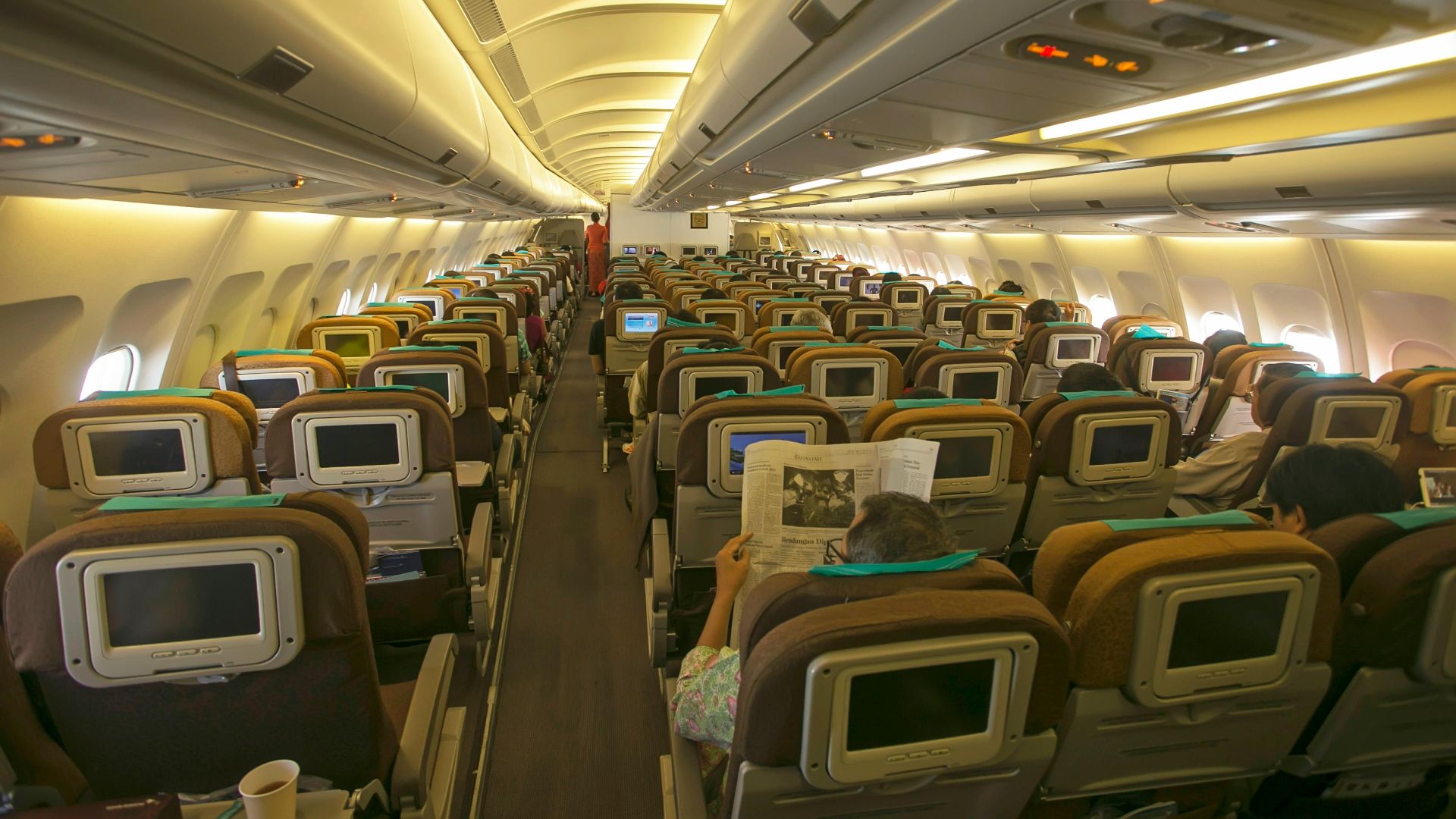
If That Doesn’t Work—Try the Polite Ask
A simple, friendly line usually does the trick:
“Hey, sorry—your feet are coming into my space a bit. Would you mind pulling them back?”
Most people react with mild embarrassment and immediately fix it. Tone matters: calm and casual works wonders.

What If They Act Like They Didn’t Hear You?
Some passengers pretend they “don’t notice.” In that case, repeat yourself once—still polite, still calm. If they ignore you again, stop engaging. You’ve given them fair warning, and it’s time to escalate.
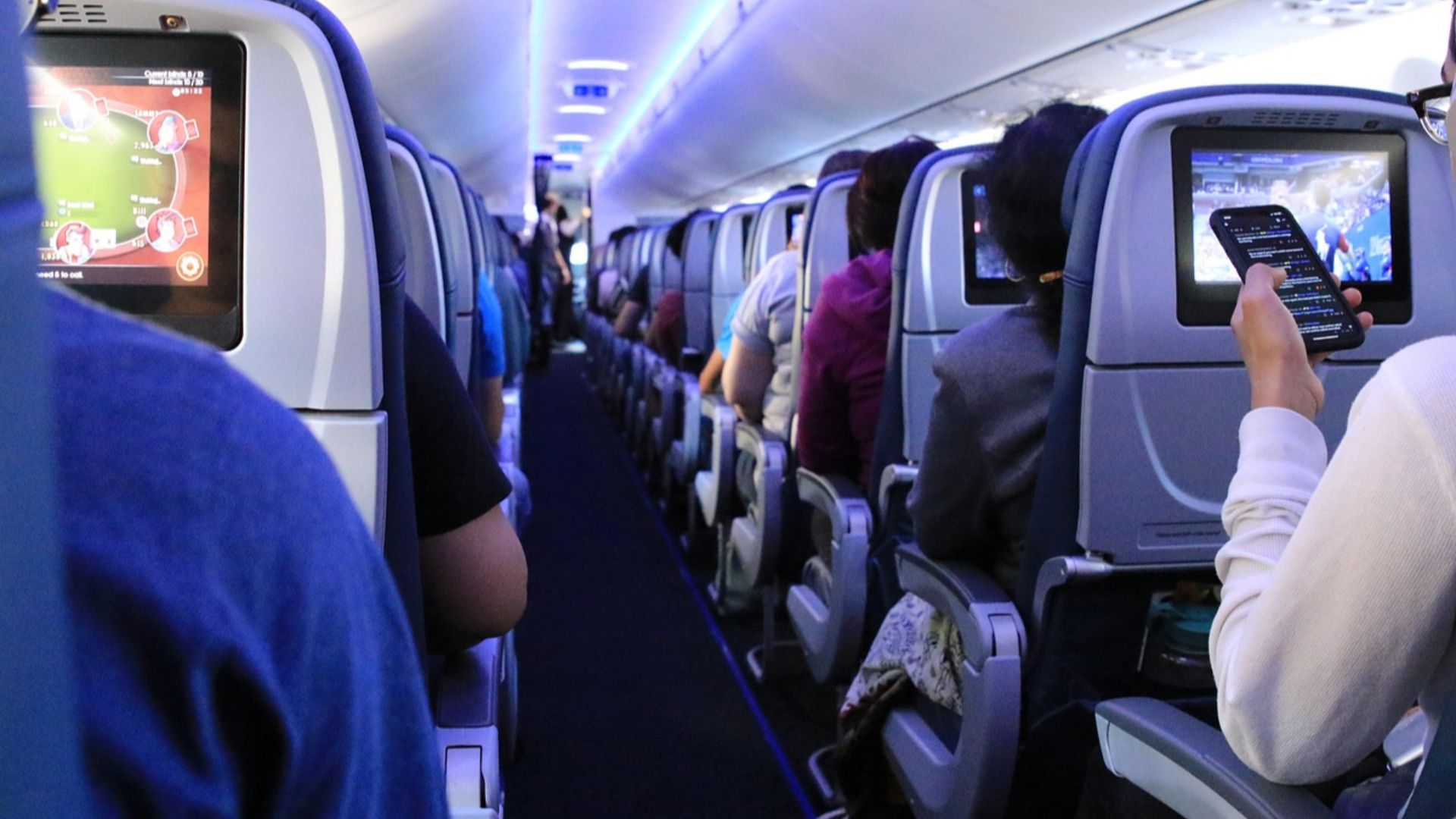
Calling In the Flight Attendant (Guilt-Free)
Flight attendants are trained to address exactly these comfort and hygiene issues. You’re not tattling—you’re asking for help maintaining the basic space you paid for. They’ll handle it quickly, professionally, and usually without embarrassing anyone.

Why You Shouldn’t Just Endure It
Enduring it leads to resentment and frustration, and it can ruin the whole flight. Speaking up respectfully prevents hours of discomfort. You are NOT being rude for wanting your personal space respected—it’s totally reasonable.

When Not to Engage Directly
If the passenger seems intoxicated, aggressive, or confrontational, skip the friendly ask. Go straight to the flight crew. Your safety matters more than the etiquette sequence.

Setting the Boundary Early Helps
The longer the person thinks the behavior is okay, the harder it becomes to correct. Addressing it early—politely—sets expectations and usually stops the behavior before it gets awkward.
Keeping It Calm Helps Everyone
Reacting angrily or snapping can escalate things fast on a plane. Keeping your tone soft and steady makes the situation easier for the other person to correct without feeling embarrassed or defensive.

What If It Keeps Happening Later in the Flight?
Sometimes people slip back into old habits. If it happens again after you’ve already addressed it, you can either remind them once more or flag a flight attendant. You shouldn’t have to babysit someone’s legs.
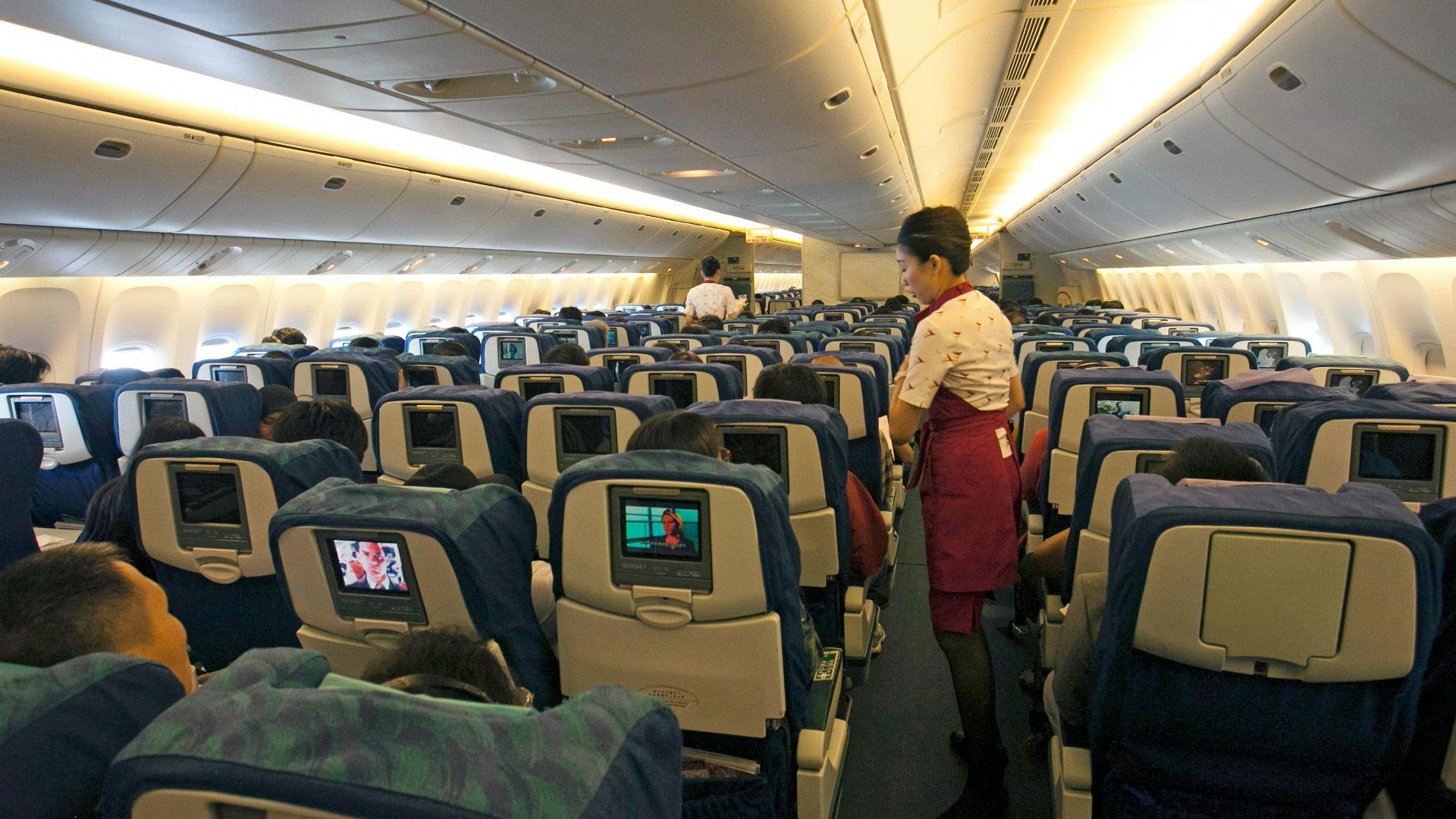
If You’re Not Comfortable Speaking Up
Not everyone feels at ease confronting a stranger. If that’s you, skip straight to asking the flight crew. They’ll never make you feel silly for bringing it up—comfort issues are part of their job.

Remember: Your Seat = Your Space
Your seat boundaries include the area under your legs, the sides of your seat, and the space directly in front of you. No one else’s limbs, feet, hair, or bags belong there. You’re completely justified in protecting that space.

It’s Not About Being Confrontational
People sometimes worry they’ll seem rude. In reality, calmly protecting your space is normal and expected. You’re not asking for a special favor—you’re asking for standard behavior.
What You Shouldn’t Do
Don’t kick back, trap their foot, shove the seat, or retaliate passive-aggressively. It might feel tempting, but it quickly escalates things and puts you in the wrong. Keep it simple and adult.
A Script You Can Use Next Time
Try this easy line:
“Hi there—your foot keeps coming into my space a bit. Could you pull it back? Thanks!”
It’s friendly, direct, and clear, without sounding annoyed.

If It Happens Frequently When You Fly
Some travelers just attract weird seat neighbors. Consider booking aisle seats or exit rows when possible—they offer more space and reduce the chance of someone’s feet landing near you.

You Definitely Should’ve Said Something
Enduring it wasn’t necessary—you had every right to speak up respectfully or ask a flight attendant for help. Next time, a calm, quick boundary-setting moment will save you hours of discomfort and awkwardness.
You May Also Like:
Ranking The Top 50 Airports In The World, According To Travelers
Ranking The Worst Airports In America, According To Travelers
The Best First Class Perks Aboard Emirates Airline