A Lost Gem of Roman Art Rediscovered
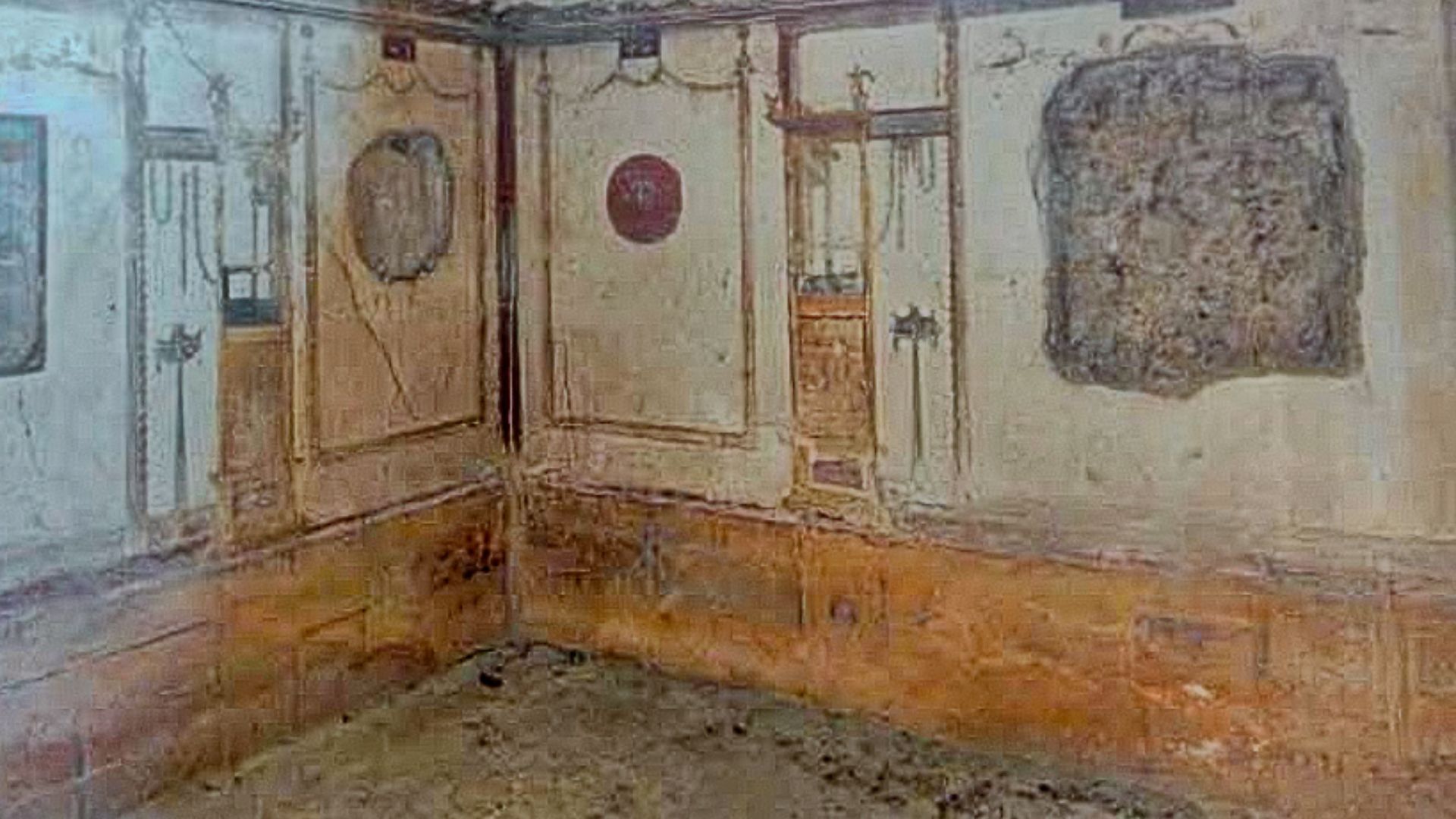
Pompeii has always been a place full of surprises. Just when it seems like everything has already been uncovered, archaeologists find something new. This time, it’s a stunning banquet room with colorful frescoes that were hidden under ash for nearly 2,000 years, perfectly frozen in time.
The Banquet Room Emerges
Buried beneath thick layers of volcanic ash, this large dining room stayed sealed off from the world since the eruption of Mount Vesuvius. When excavators finally uncovered it, the walls were still bright and vivid, almost as if the room had been abandoned only yesterday.
 Galina Fomina, Wikimedia Commons
A ‘Megalography’ Comes To Light
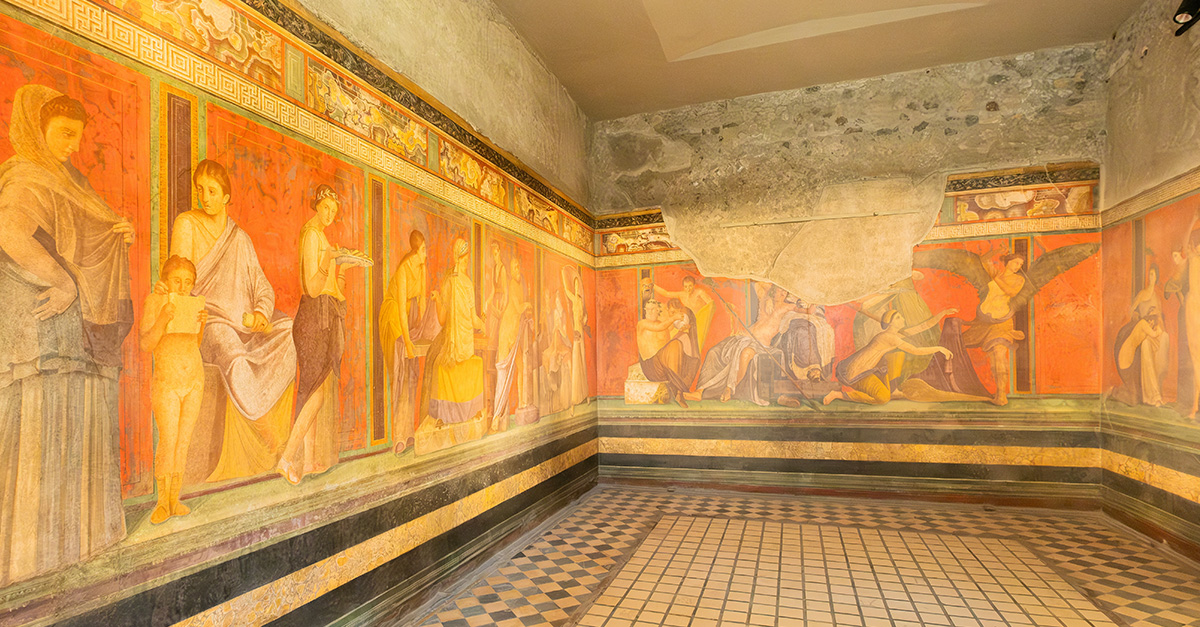
What makes this room especially impressive is the artwork itself. The walls are covered with a massive painted scene featuring nearly life-size figures. This kind of artwork, known as a megalography, was designed to completely surround guests and pull them into the story.
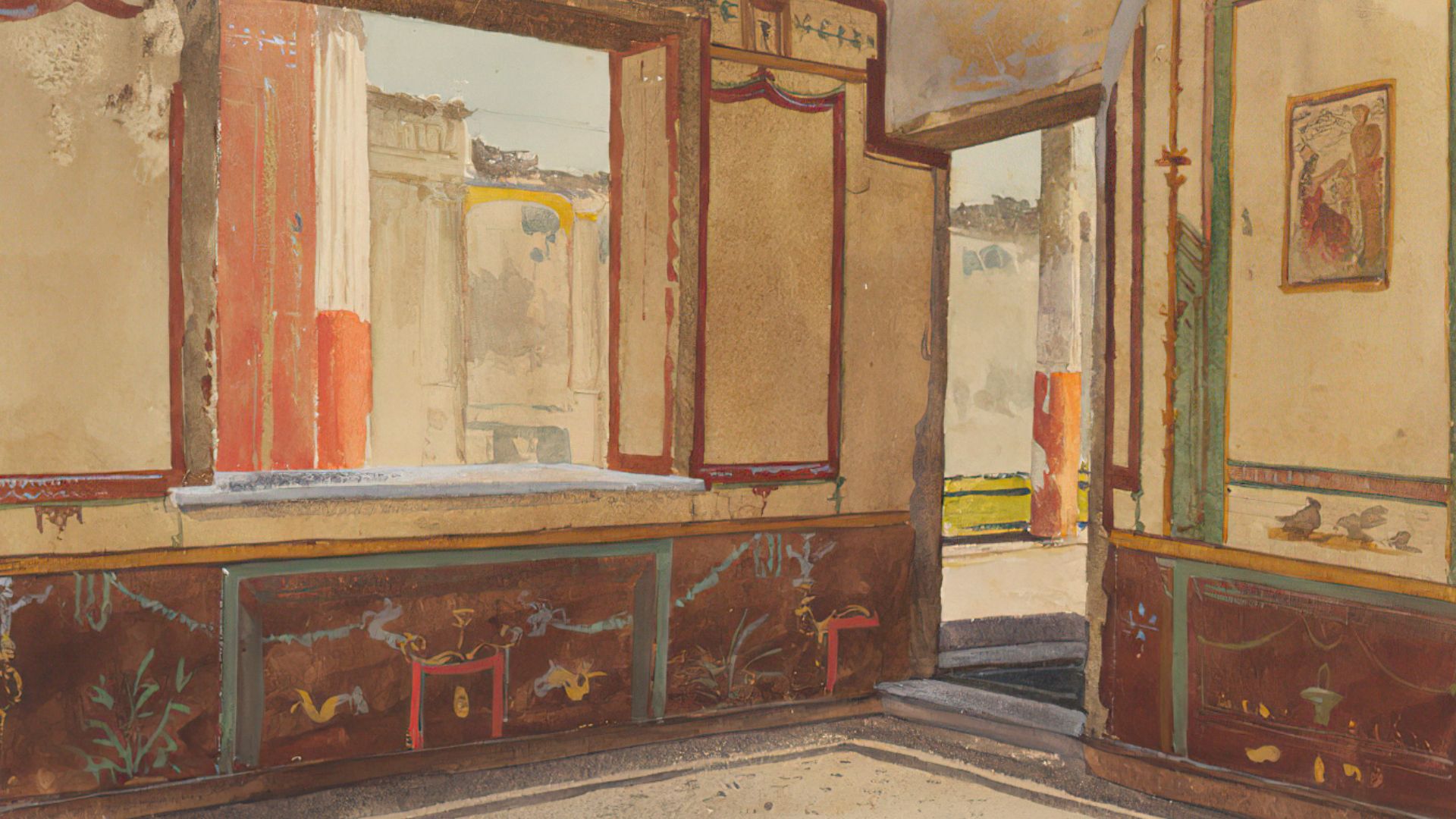 Luigi Bazzani, Wikimedia Commons
Where It All Happened
The banquet room sits in Pompeii’s Regio IX, an area that has recently become a hot spot for discoveries. Archaeologists have been uncovering homes, shops, and workshops here, giving us a clearer picture of how busy and lively this part of the city once was.
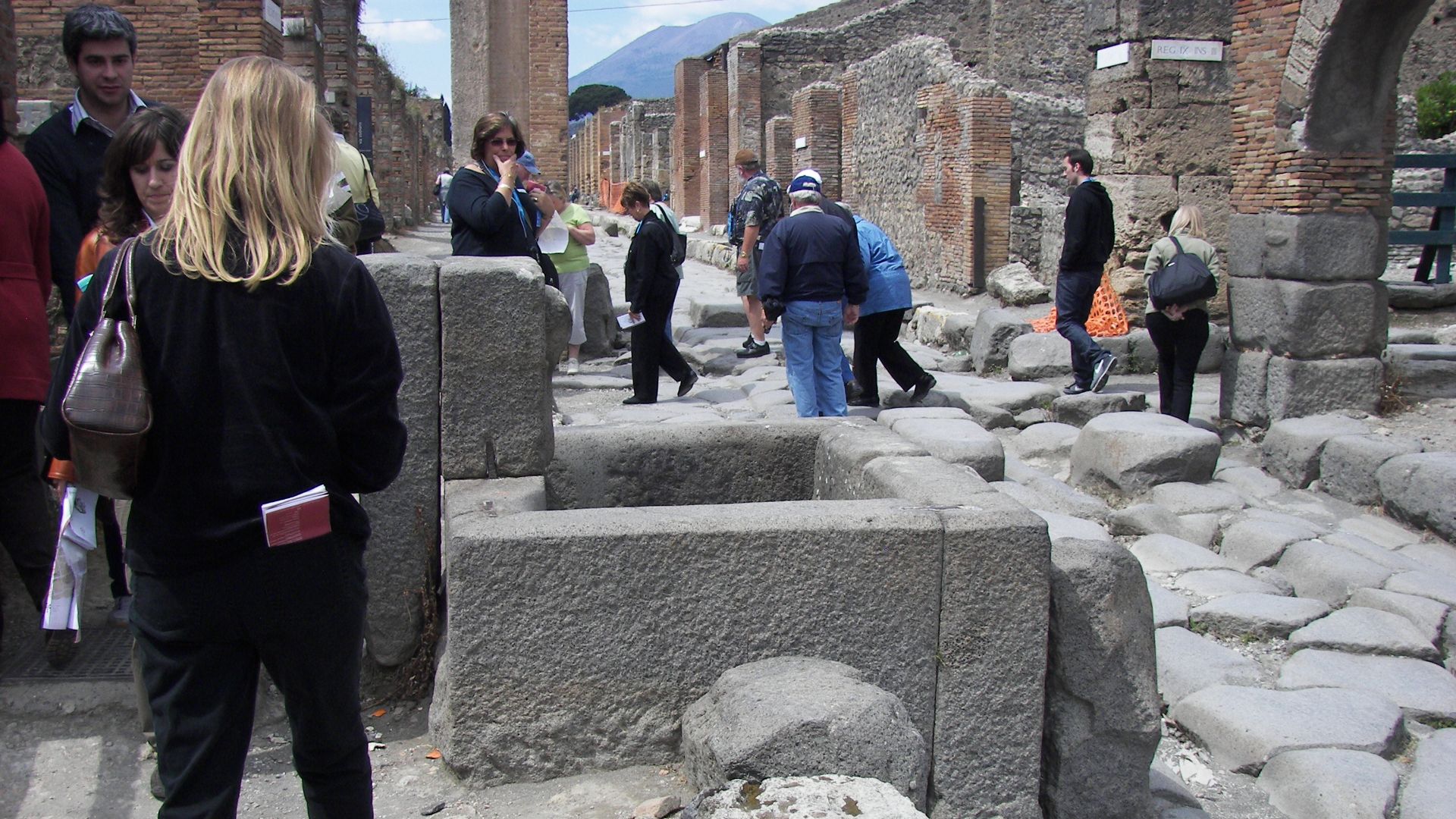
A Feast for the Eyes and the Mind
Roman banquets weren’t just about eating. They were social events filled with conversation, wine, and entertainment. This room was clearly designed to impress guests, using art and storytelling to turn every meal into a memorable experience.
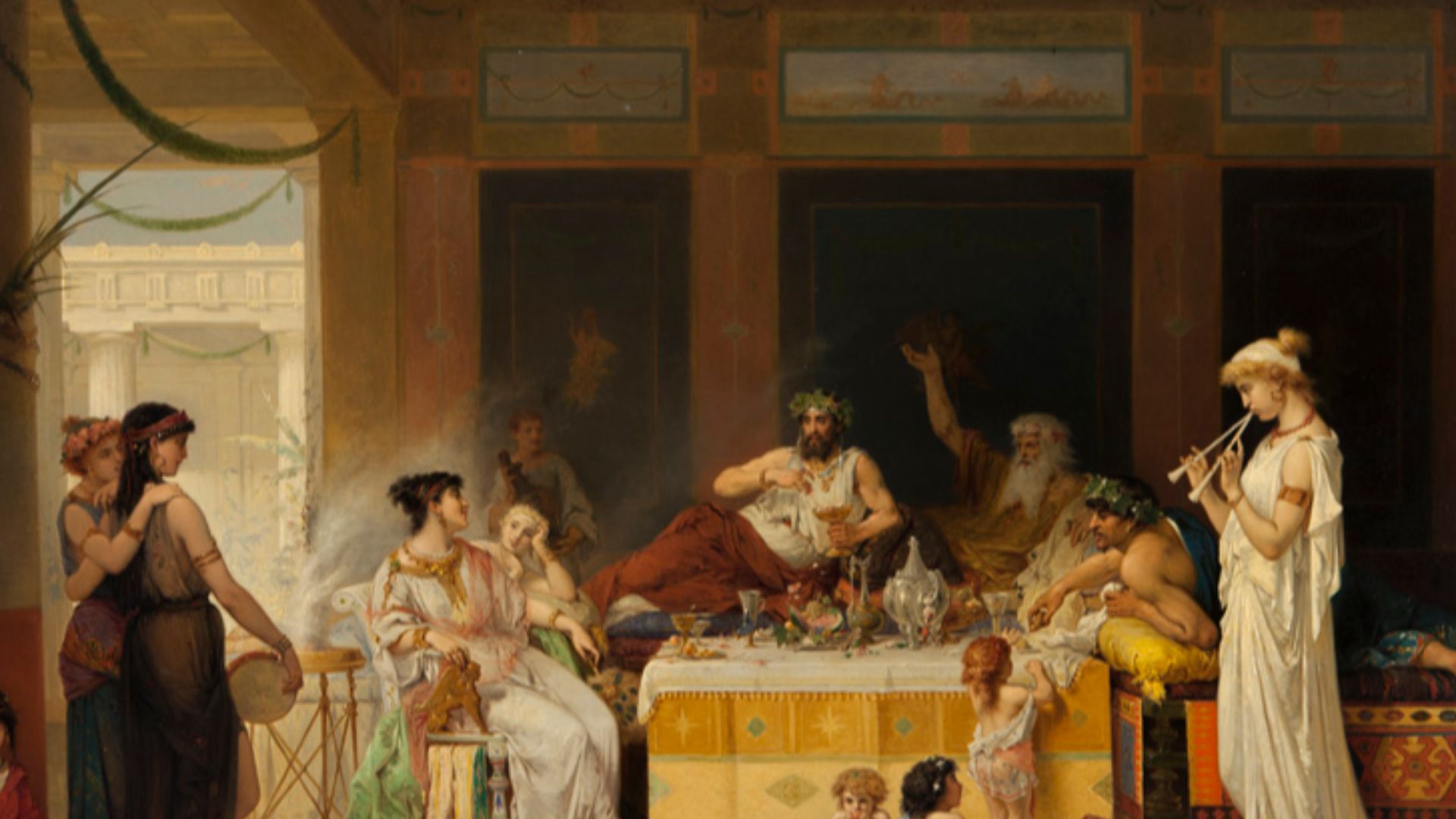 Pierre Olivier Joseph Coomans, Wikimedia Commons
The God of Wine Takes Center Stage
The main figure in the frescoes is Dionysus, the god of wine, pleasure, and transformation. His presence makes sense in a dining room, where wine flowed freely and guests celebrated life, joy, and sometimes even spiritual ideas linked to the god.
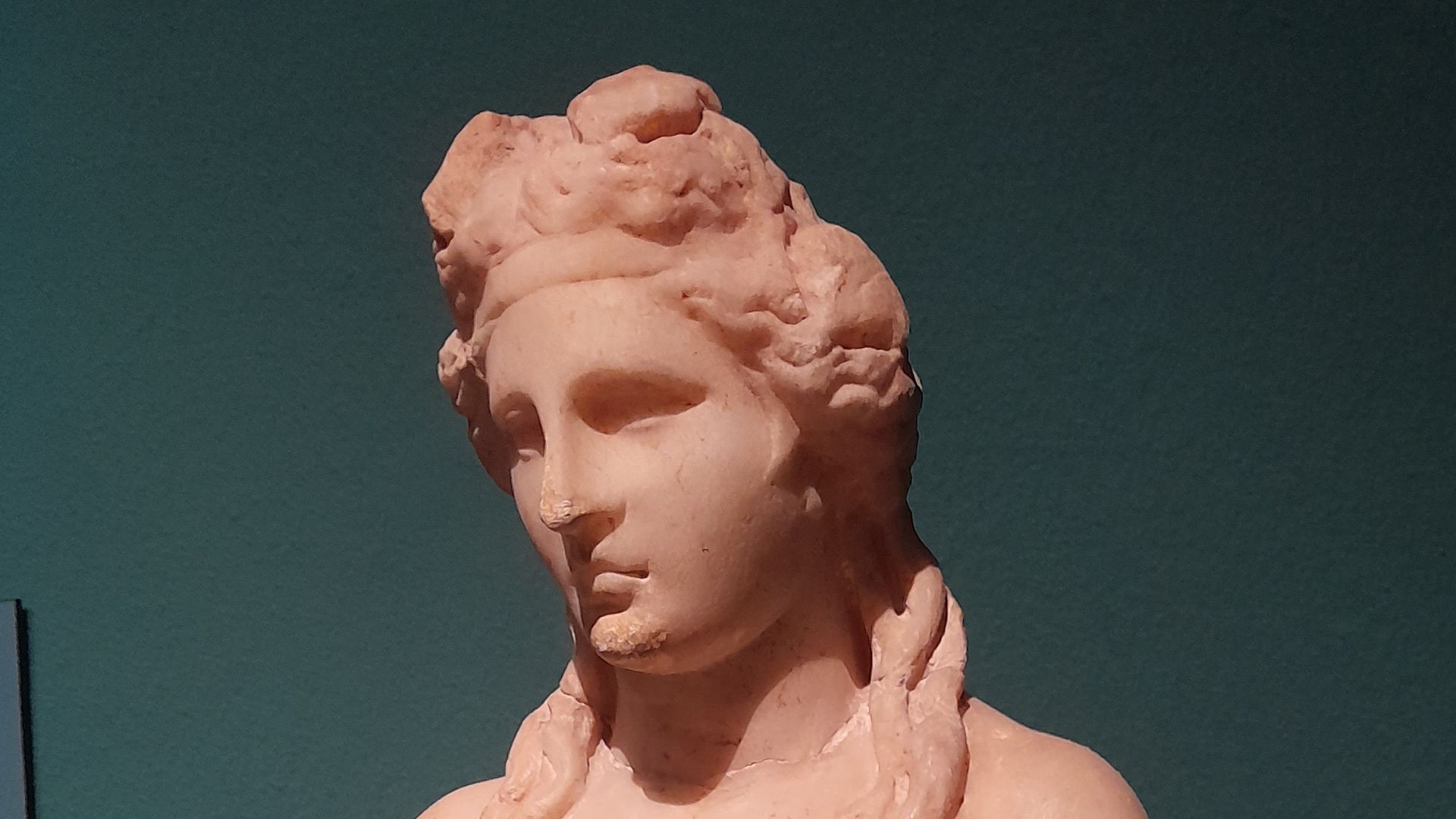 Deiadameian, Wikimedia Commons
Bacchantes in Motion
Dancing across the walls are bacchantes, followers of Dionysus. They’re shown spinning, moving, and celebrating, their flowing clothes and energetic poses capturing both beauty and wild excitement at the same time.
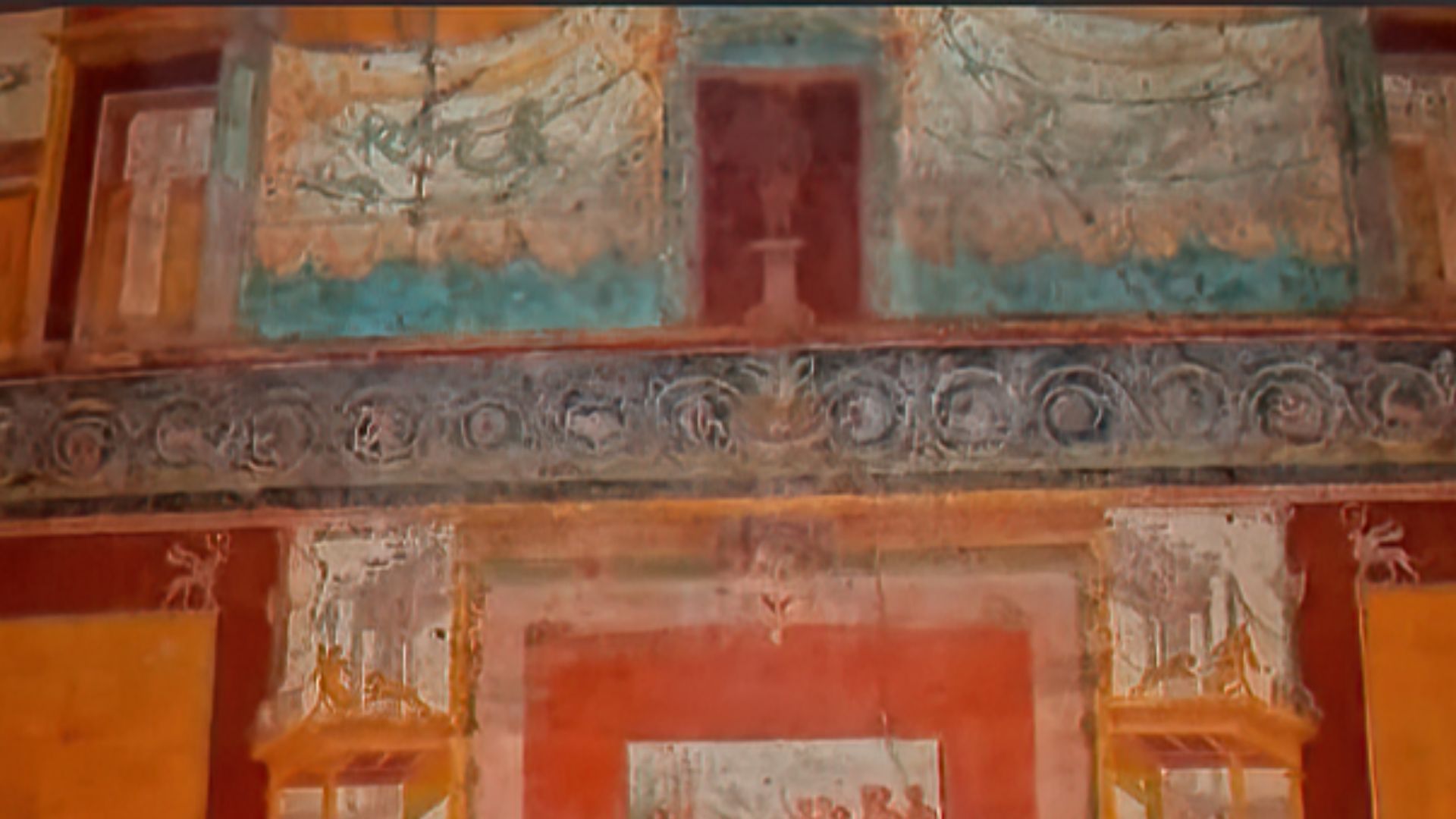 Mary Harrsch, Wikimedia Commons
Hunters and Revelers
Some figures appear calm and joyful, while others carry animals or weapons. This mix shows two sides of Dionysian worship: celebration and excess on one hand, and raw, powerful emotion on the other.
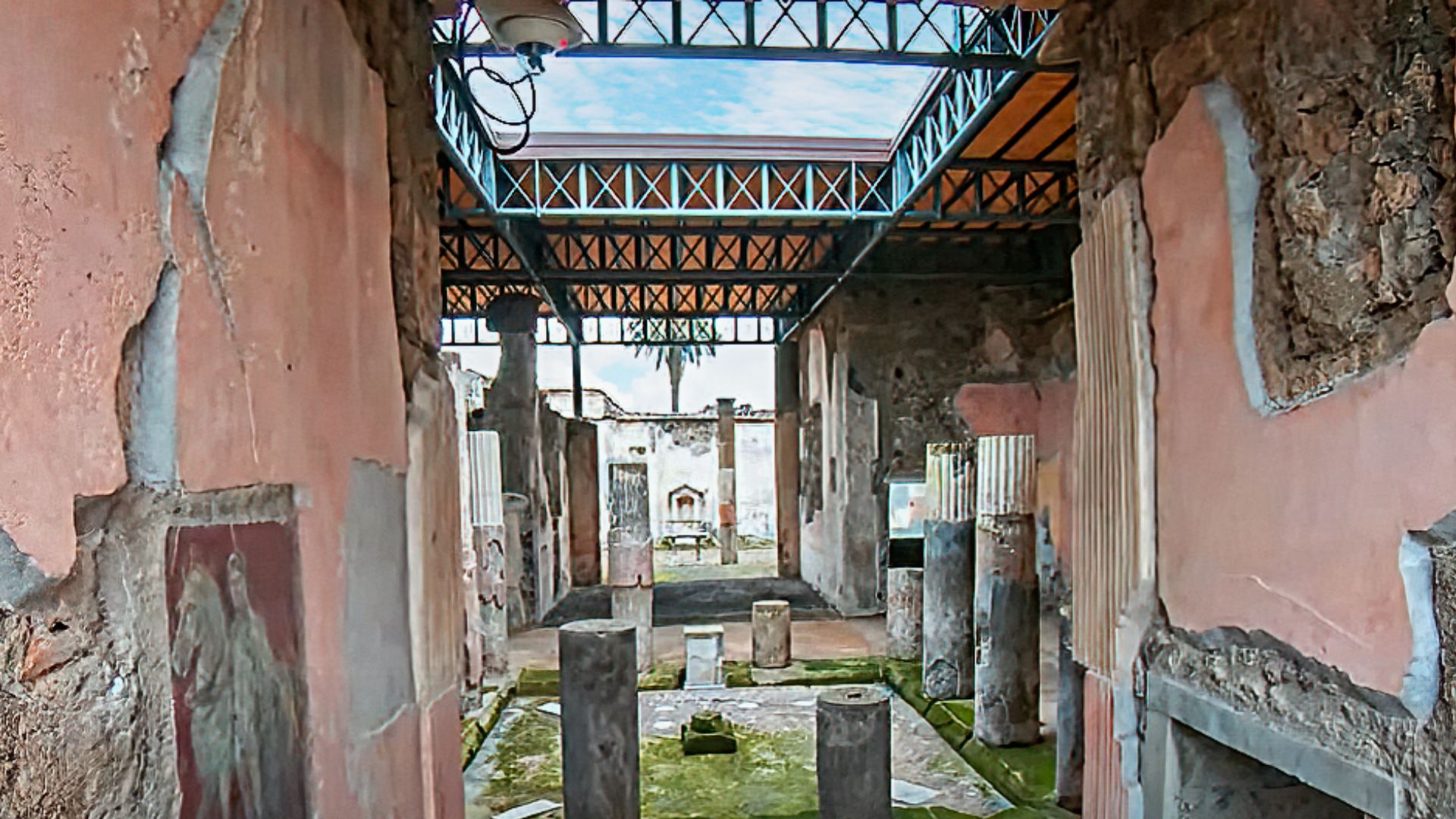 Mary Harrsch, Wikimedia Commons
Satyrs Add Mischief
The scene wouldn’t be complete without satyrs. These playful half-goat creatures are shown making music, pouring wine, and performing acrobatic tricks. They bring humor and chaos into the artwork, reminding viewers that fun and mischief were part of the god’s world.
Initiation Into the Mysteries
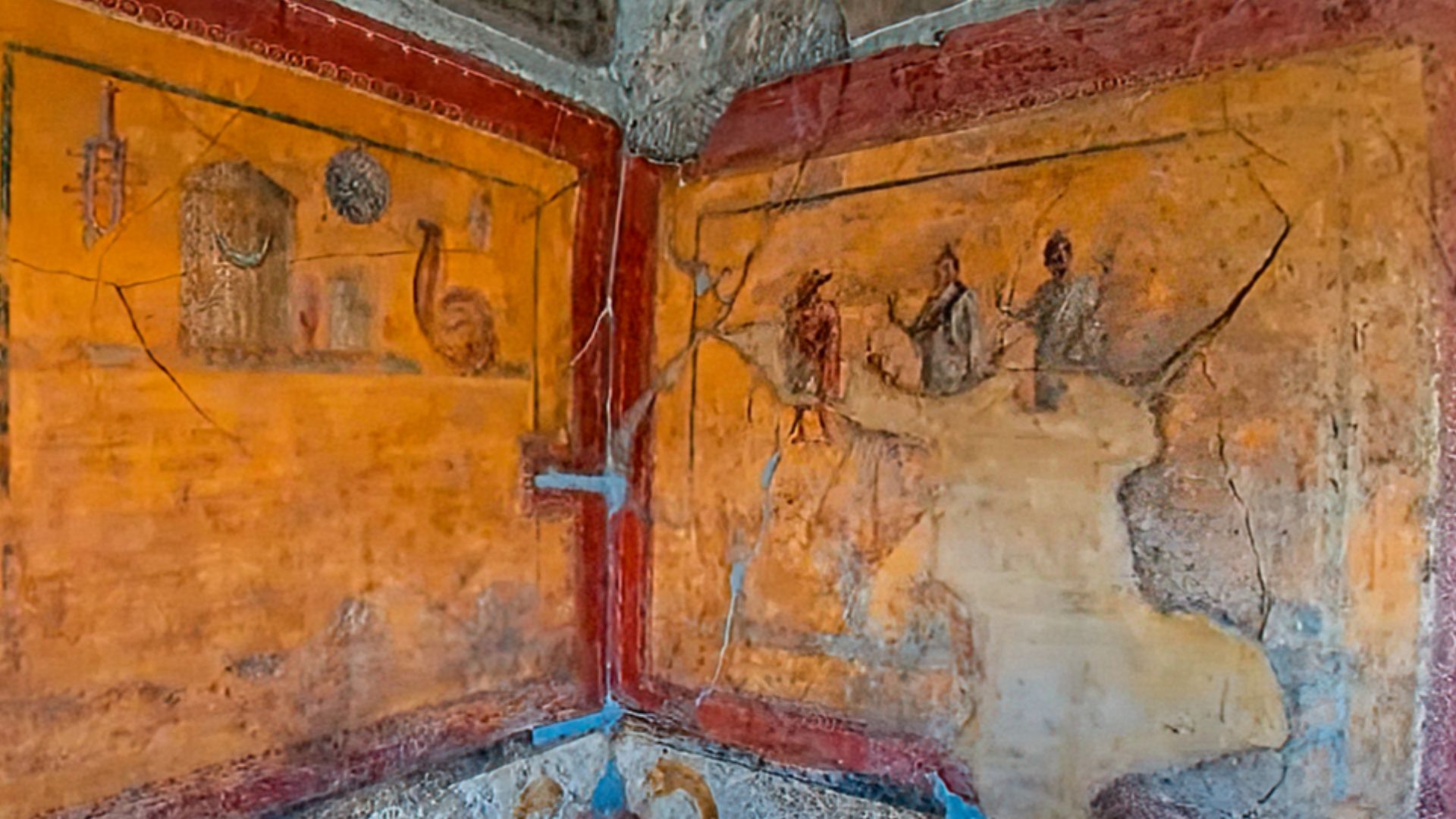
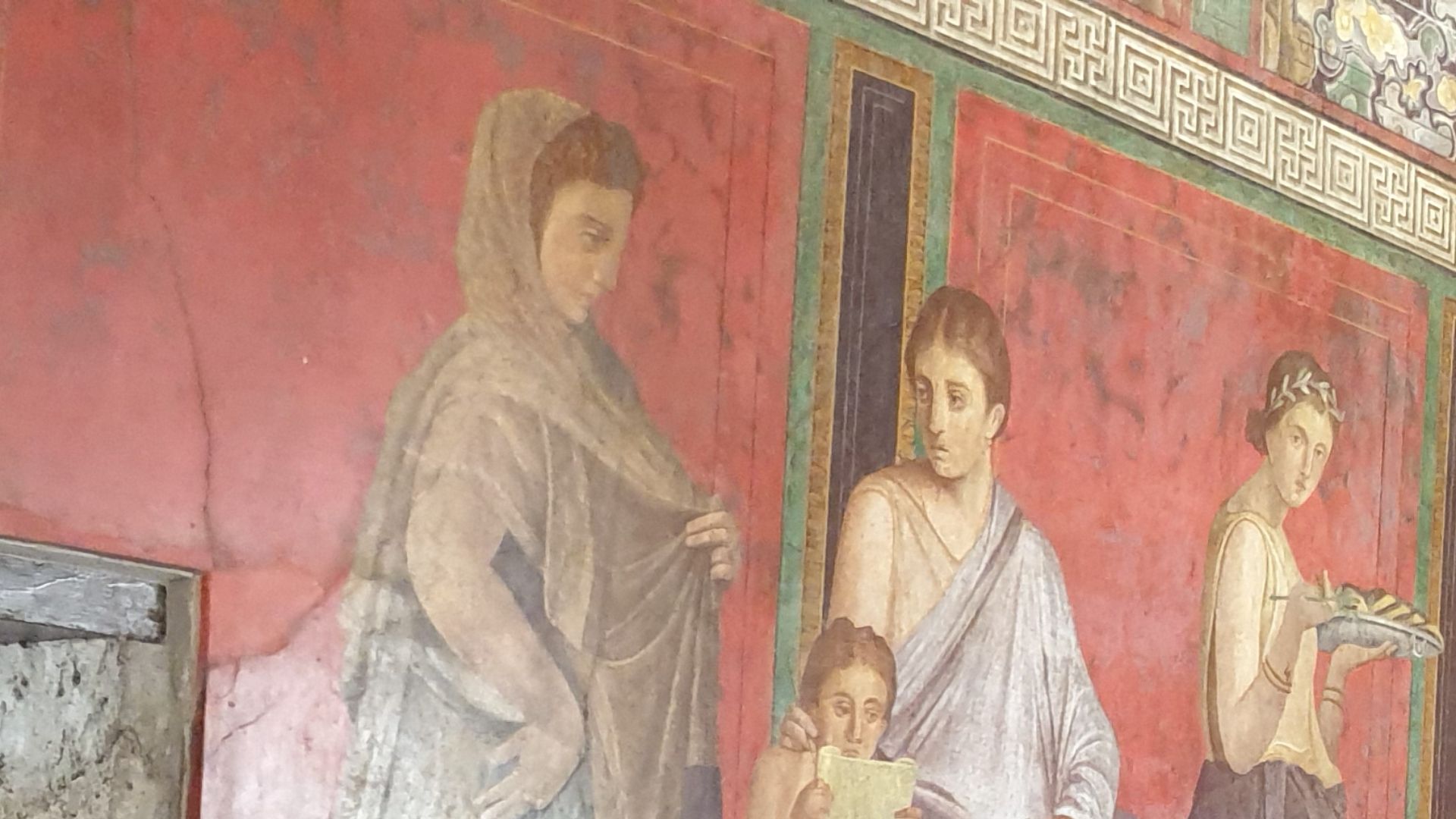
At the center of the fresco is a young woman about to take part in a secret initiation ritual. Guided by older figures, she stands at the edge of a new spiritual journey, one that promised deeper meaning and a special connection to the divine.
Lifelike Yet Ghostly
Even though the figures are painted, they feel surprisingly alive. Careful shading, natural body positions, and expressive faces make them seem almost ready to step off the wall and into the room.
 Mary Harrsch, Wikimedia Commons
A 2,000-Year-Old Story
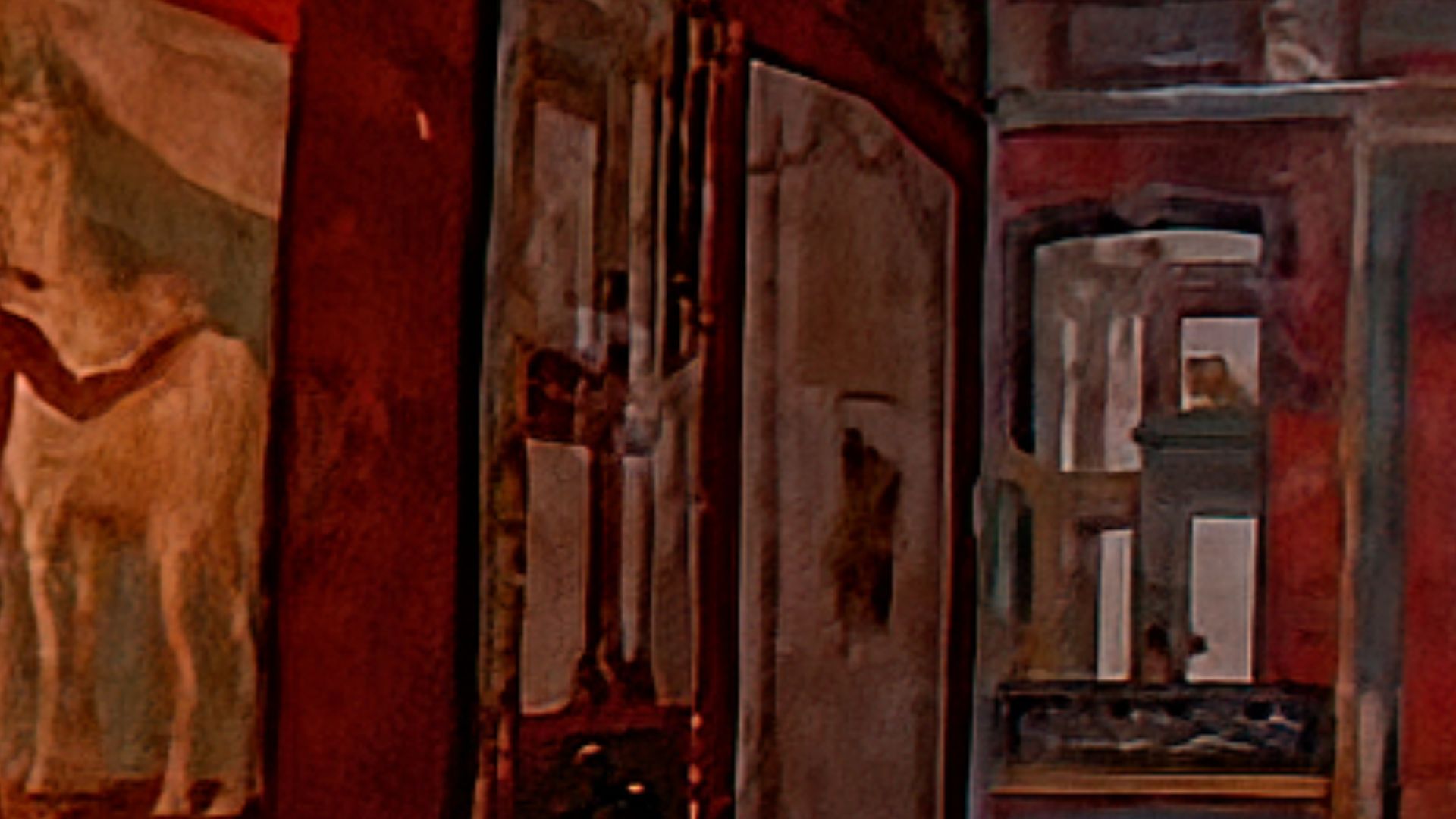
These paintings were already old when Pompeii was destroyed. Created decades earlier, they survived long enough to be buried by ash, preserving not just art, but a snapshot of Roman beliefs and traditions.
 Mary Harrsch, Wikimedia Commons
Echoes of the Villa of the Mysteries
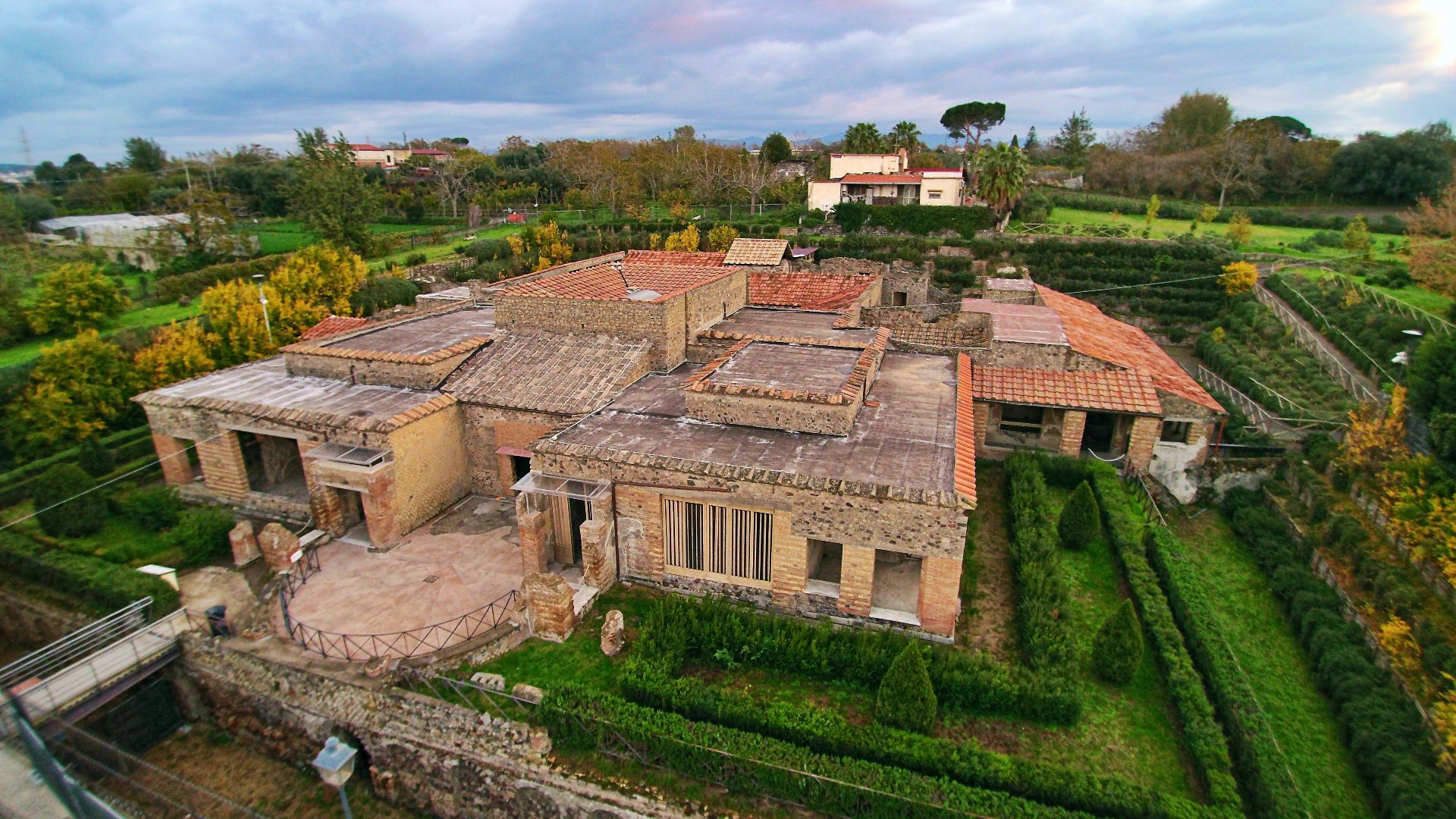
The artwork immediately brings to mind the famous Villa of the Mysteries nearby, which also features scenes tied to secret religious rituals. Together, they suggest that these themes were popular and meaningful among Pompeii’s wealthy residents.
Ritual and Revelry
The frescoes show that religion in ancient Rome wasn’t always serious or quiet. Instead, it could be loud, emotional, joyful, and deeply personal, blending celebration with spiritual experience.
 MumblerJamie, Wikimedia Commons
Beneath the Ash: Perfect Preservation
Ironically, the disaster that destroyed Pompeii also protected it. The ash sealed the room so tightly that colors, details, and brushstrokes survived far better than anyone could have expected.
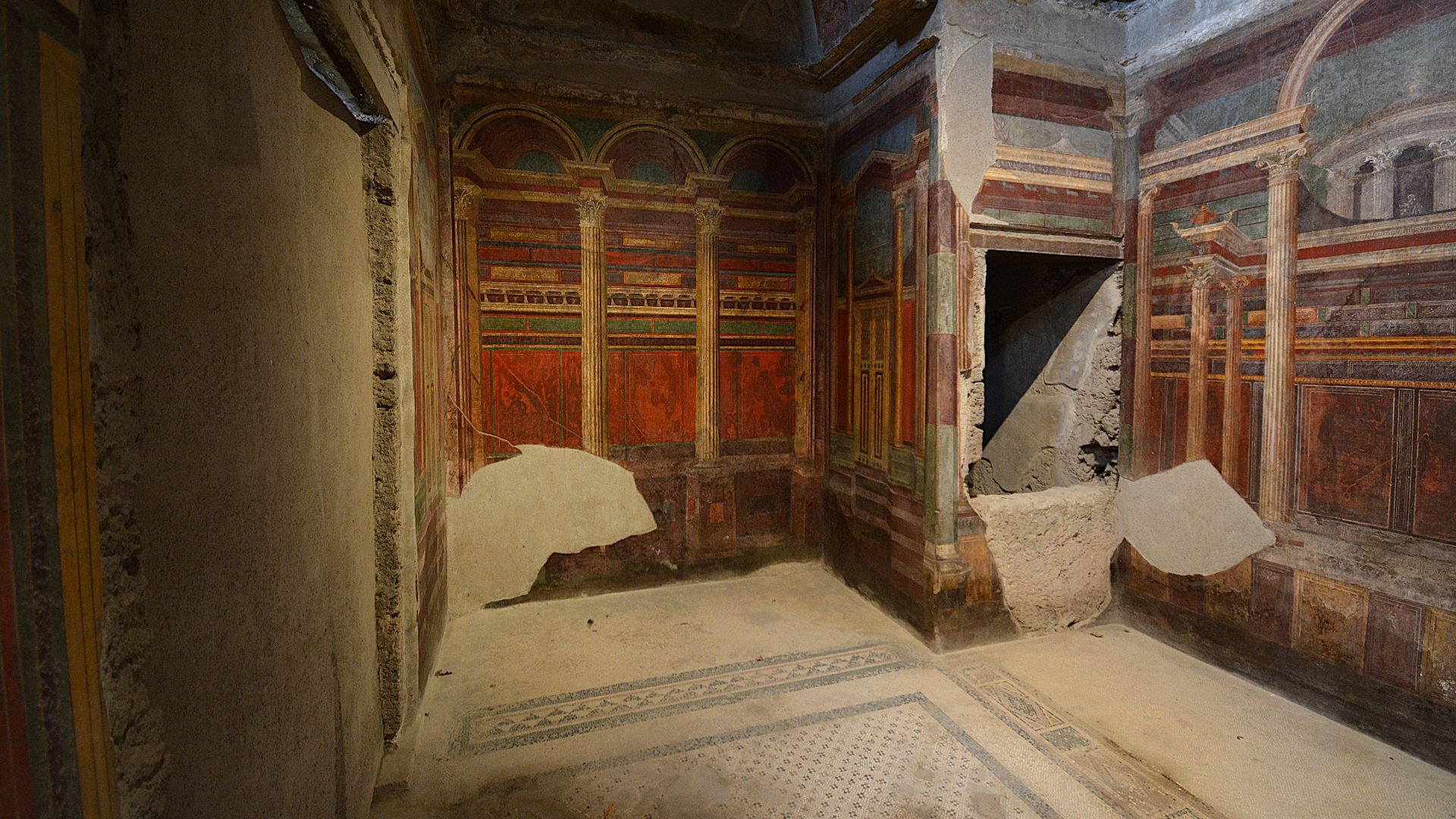
The Banquet Room’s Secrets
Everything about this room suggests it was built to impress. The size, artwork, and subject matter all point to a wealthy owner who wanted guests to feel amazed, entertained, and maybe even a little awed.
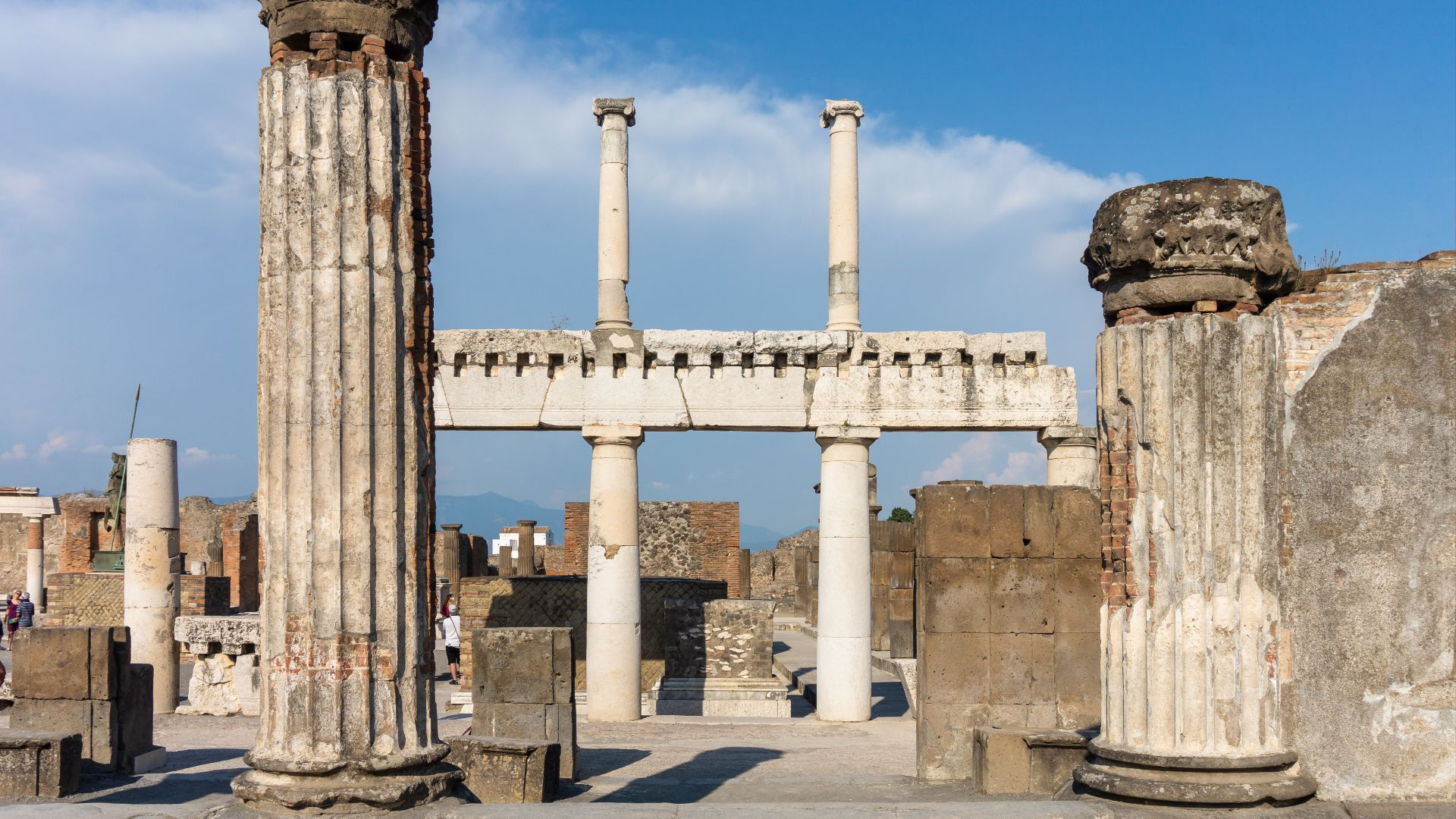
Painting and Performance
Roman dinners were like stage performances. As guests reclined and talked, the painted figures seemed to move in the flickering light of oil lamps, turning walls into silent actors in the evening’s drama.
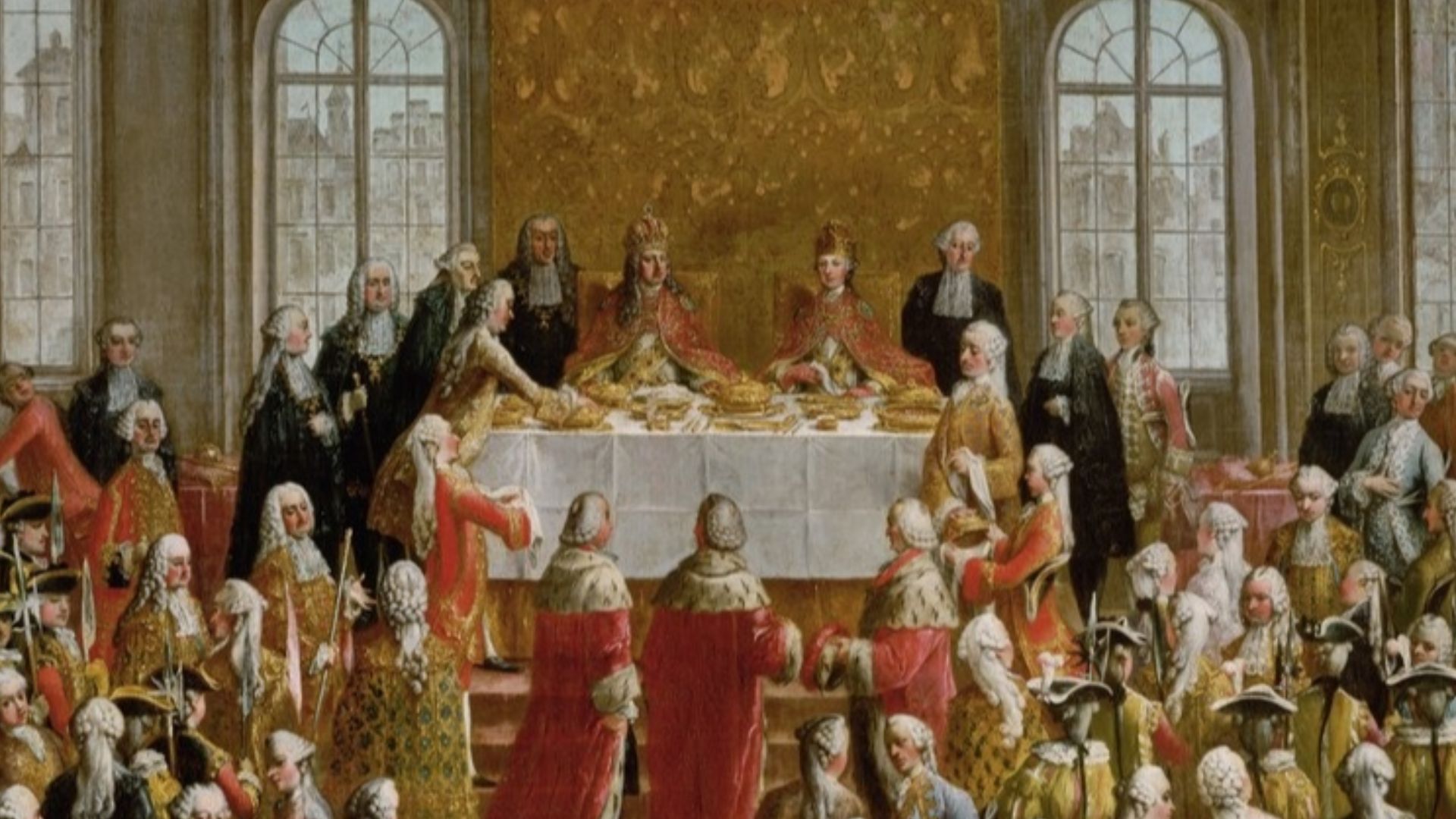 School of Martin van Meytens, Wikimedia Commons
A Wider World of Myth
This wasn’t the only room filled with mythological art. Nearby discoveries show that stories from Greek legend played a big role in decorating elite Roman homes throughout this neighborhood.
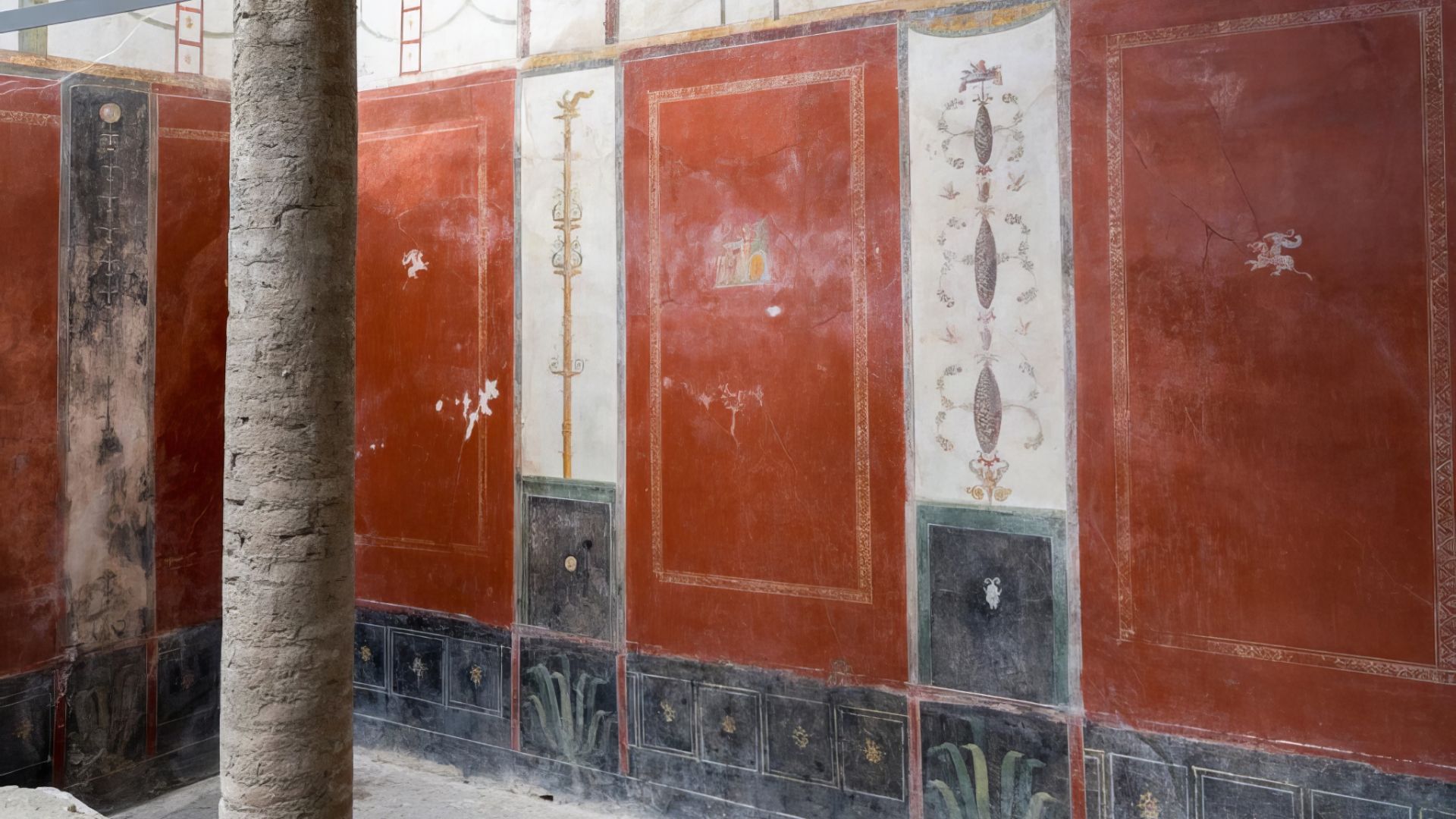 Unknown 1st century CE Roman artist; original photograph by Johannes Eber, Wikimedia Commons
Heroes, Love, and Tragedy
Other frescoes found close by depict famous figures from epic myths. These stories were well known to Roman audiences and added drama, romance, and tragedy to dinner conversations.
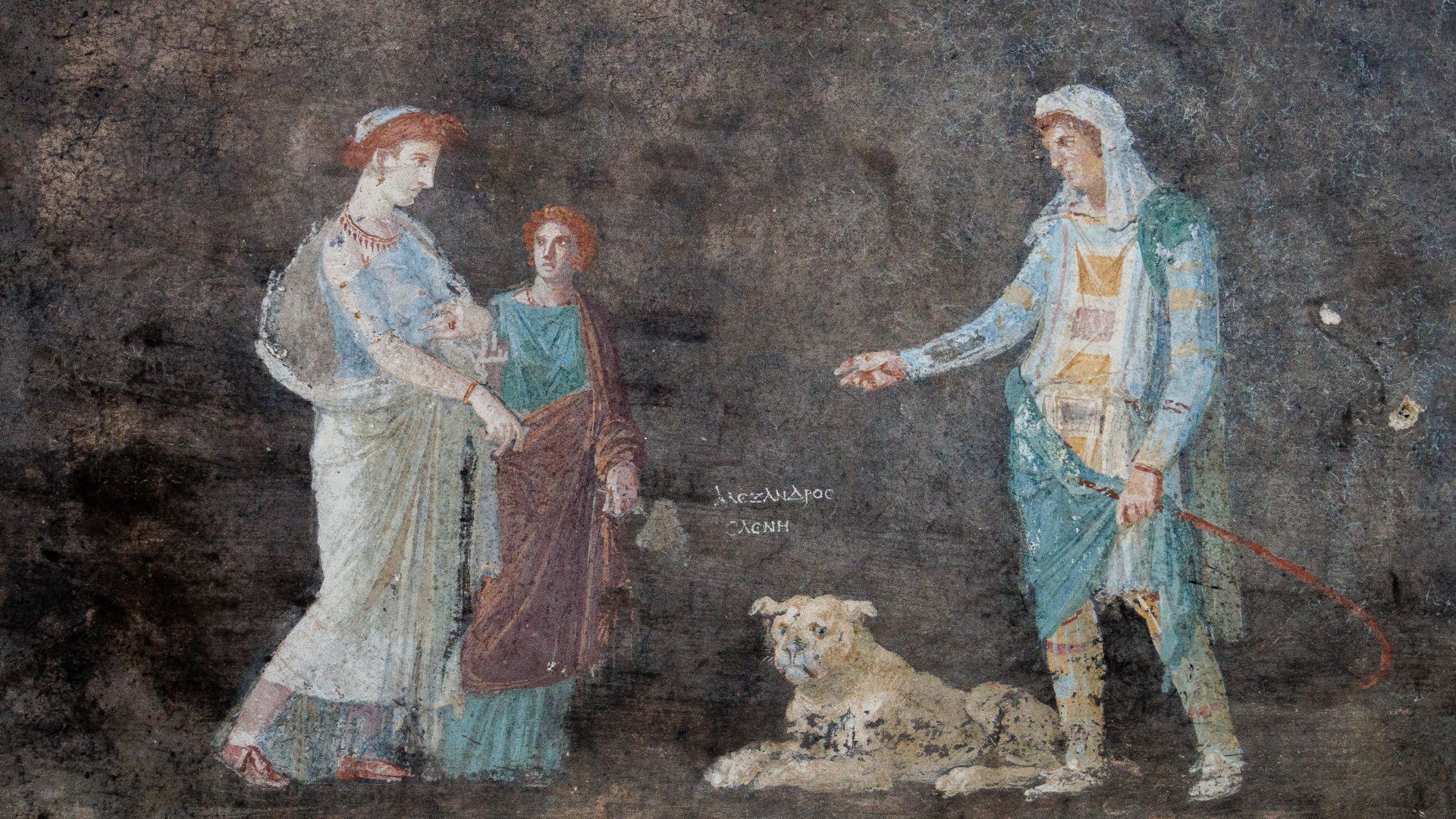
 Unknown 1st century CE Roman artist; Photo courtesy of Buzz Ferebee, Wikimedia Commons
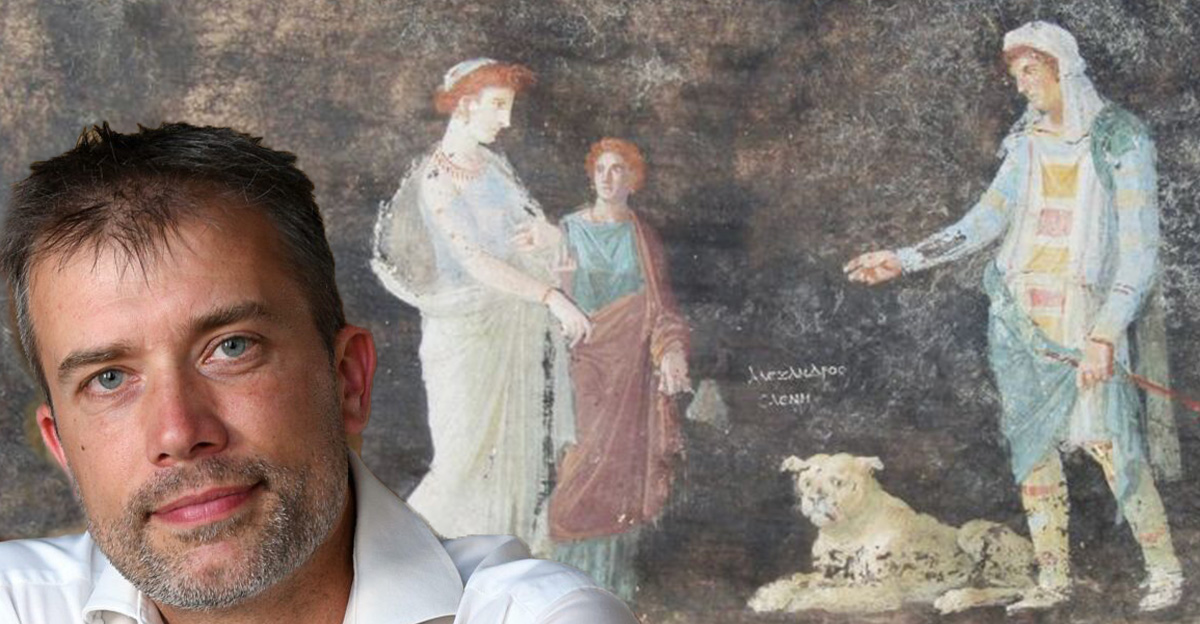
Helen and Paris Painted Large
One scene shows Helen of Troy with Paris, capturing the moment that led to the Trojan War. It’s a powerful reminder of how love, desire, and poor choices can change history.
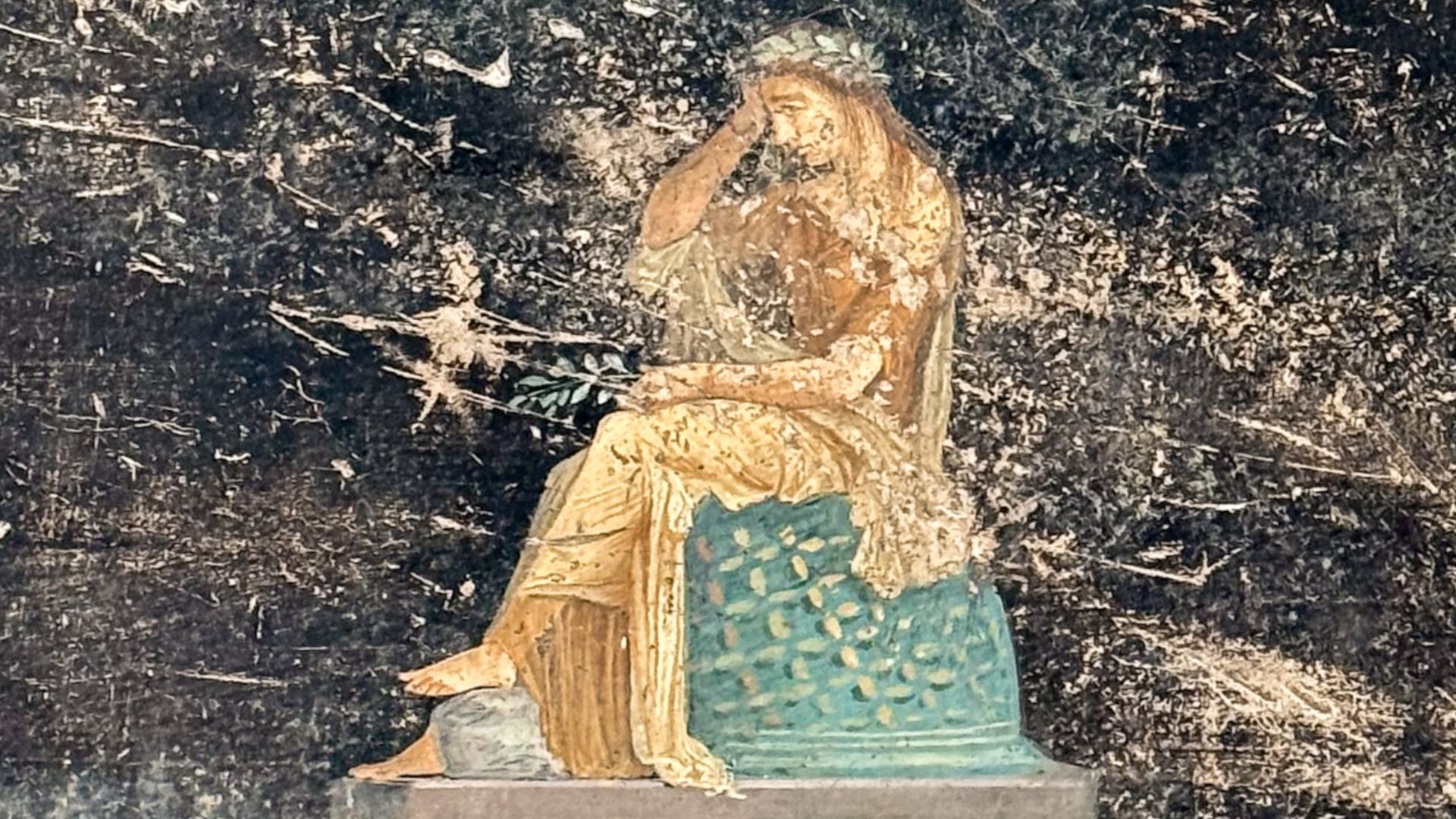
Apollo and Cassandra in Color
Another fresco shows Apollo with Cassandra, the prophet cursed to never be believed. The scene reflects themes of power, rejection, and tragic fate that Romans found endlessly fascinating.
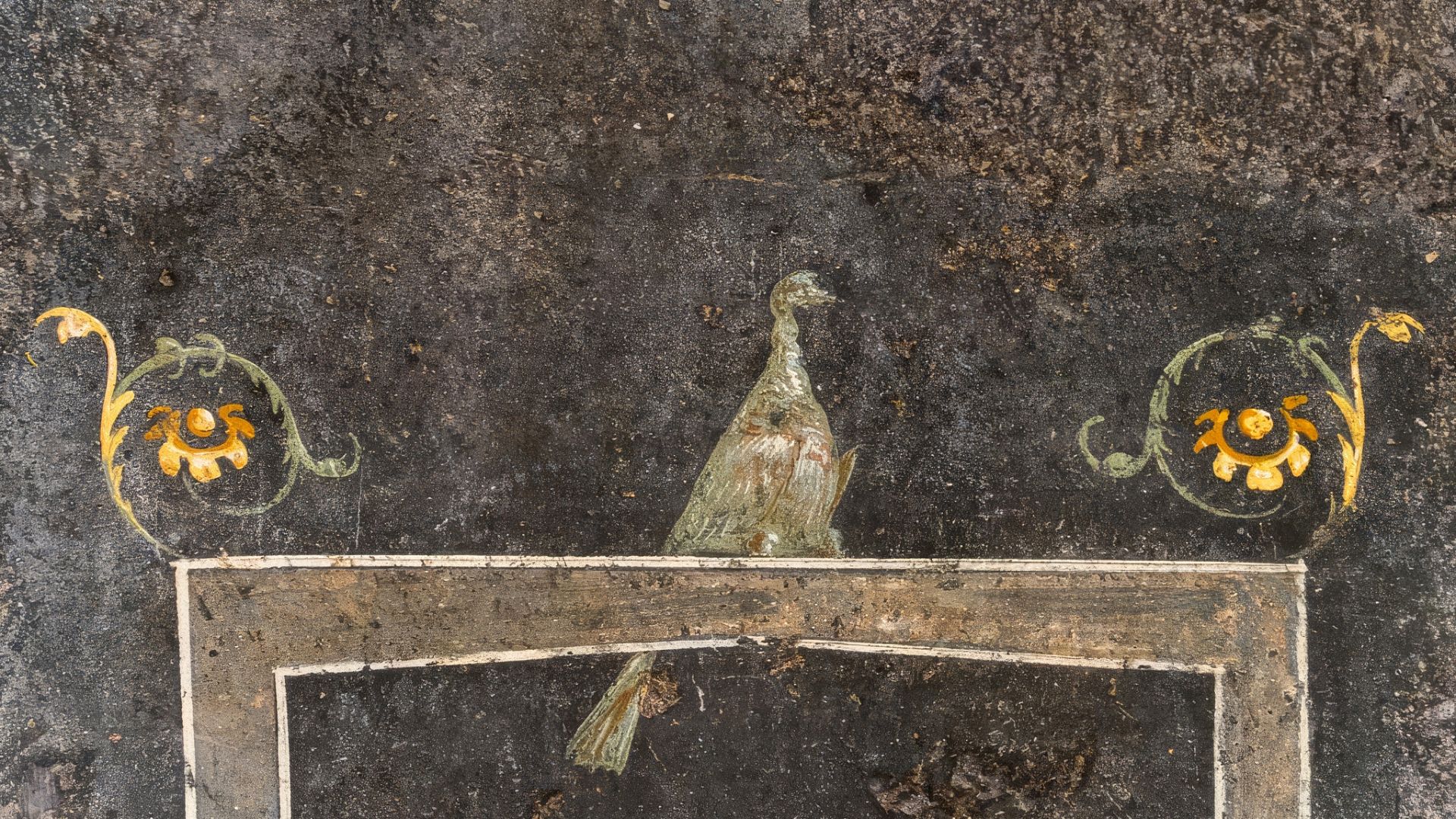
Black Walls and Flickering Lamps
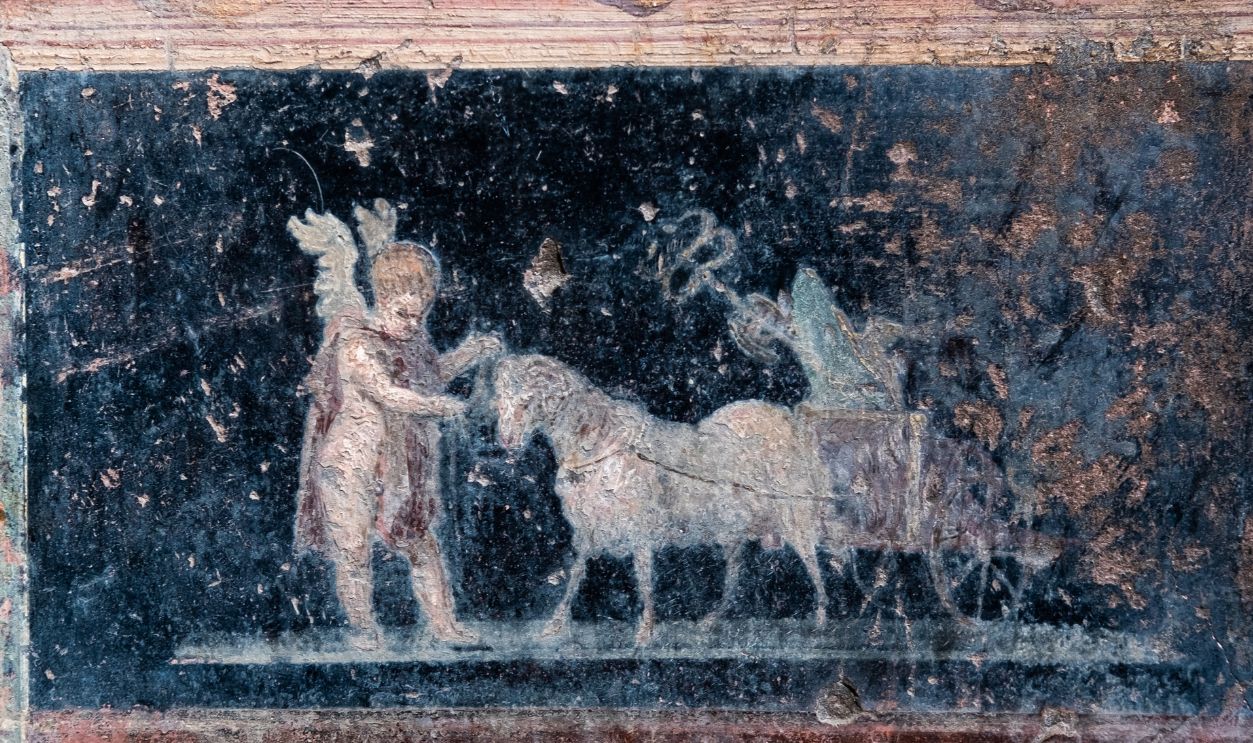
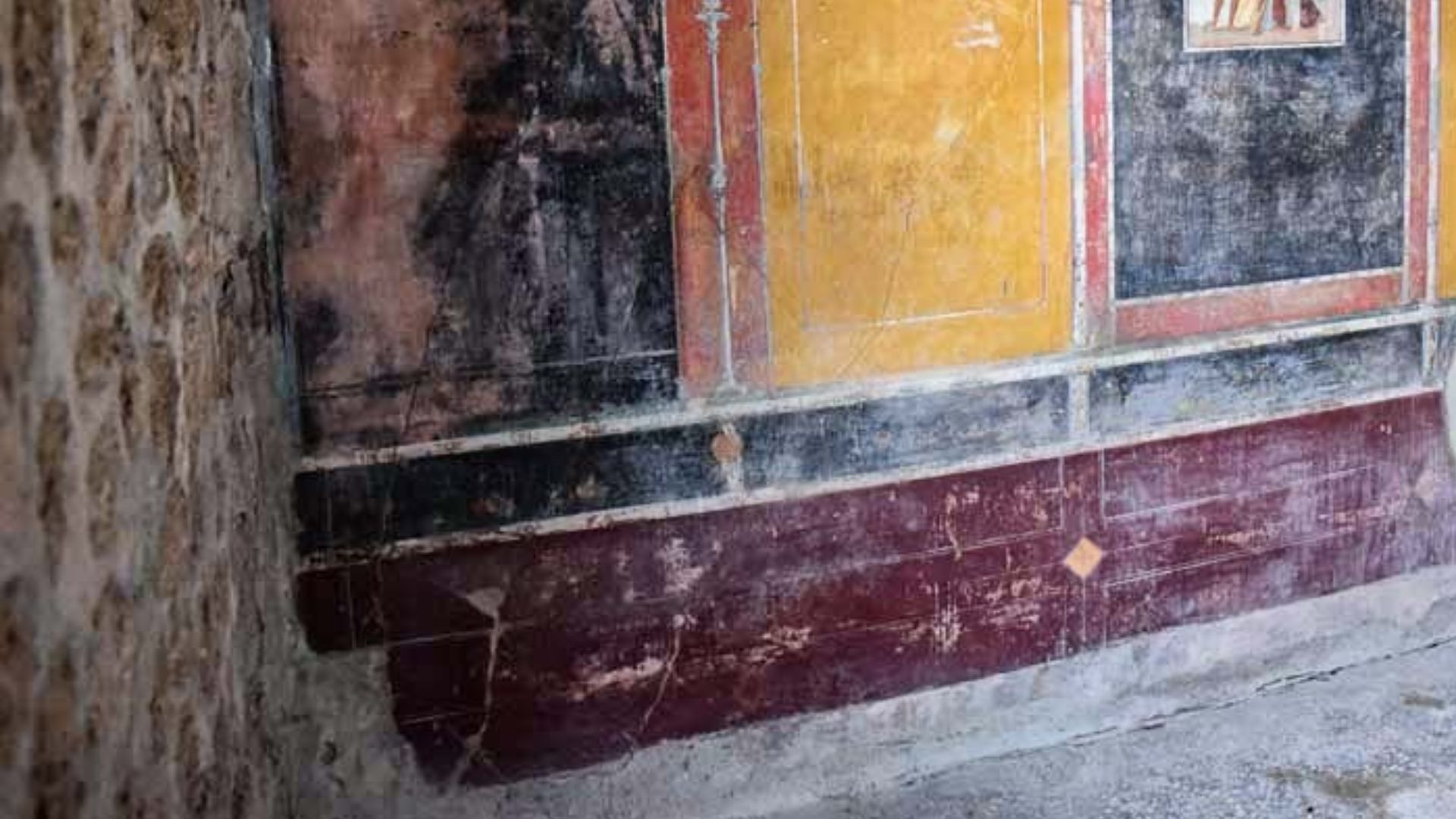
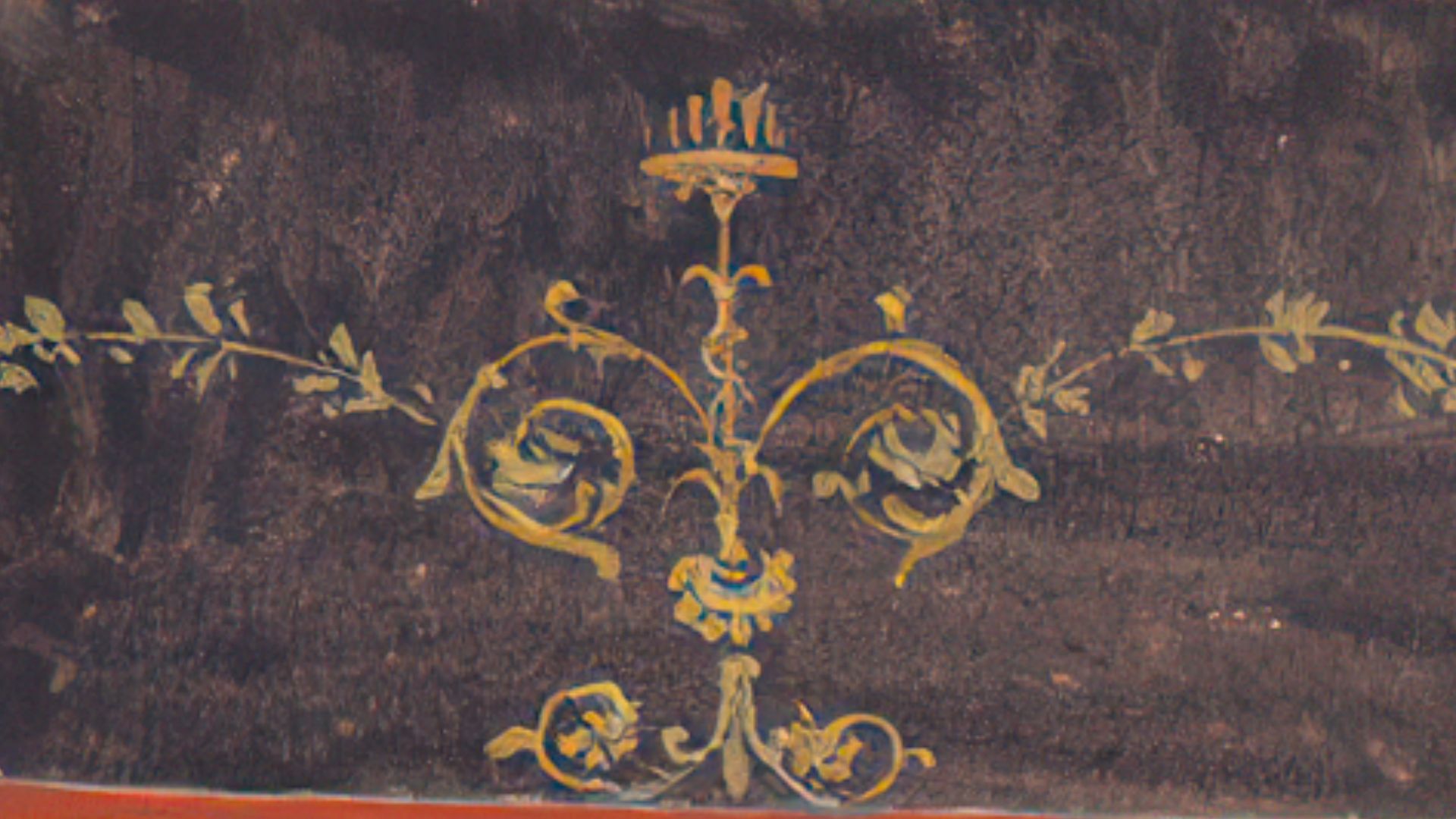
Many of these paintings sit on dark backgrounds. This wasn’t just for style—it helped hide smoke stains from lamps and made the bright figures stand out dramatically at night.
 Unknown 1st century Roman artist; original photographs by Johannes Eber, Wikimedia Commons
Art That Entertained
For Roman elites, wall paintings were more than decoration. They were conversation starters, moral lessons, and entertainment rolled into one, sparking debates about fate, gods, and human behavior.
 Unkknown 1st century CE Roman artist; photo by Annette Haug, Wikimedia Commons
A House of Many Stories
Taken together, the frescoes suggest a home filled with meaning. Religion, culture, education, and personal identity all came together on these walls.
 Luigi Bazzani, Wikimedia Commons
The Larger Dig
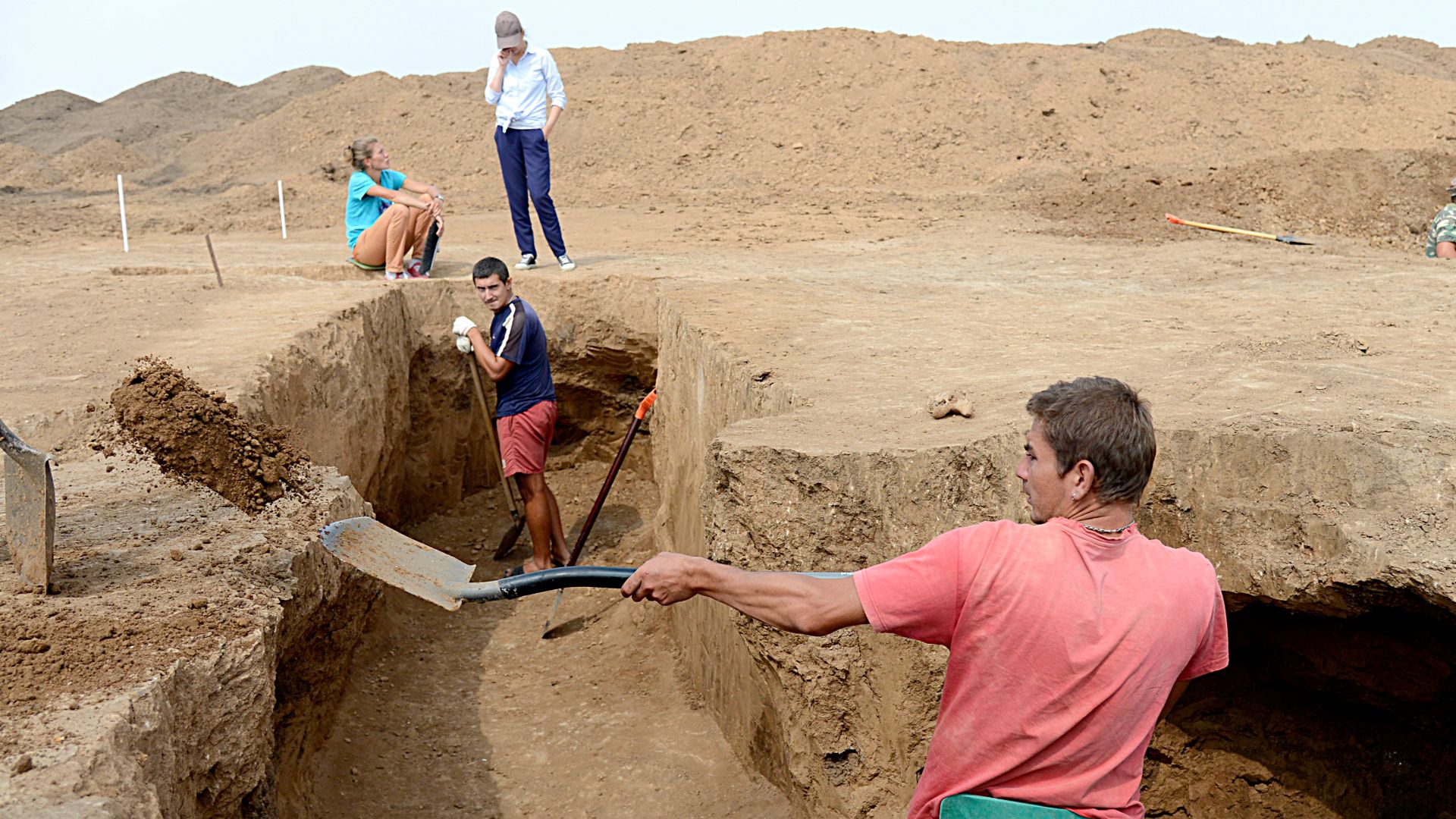
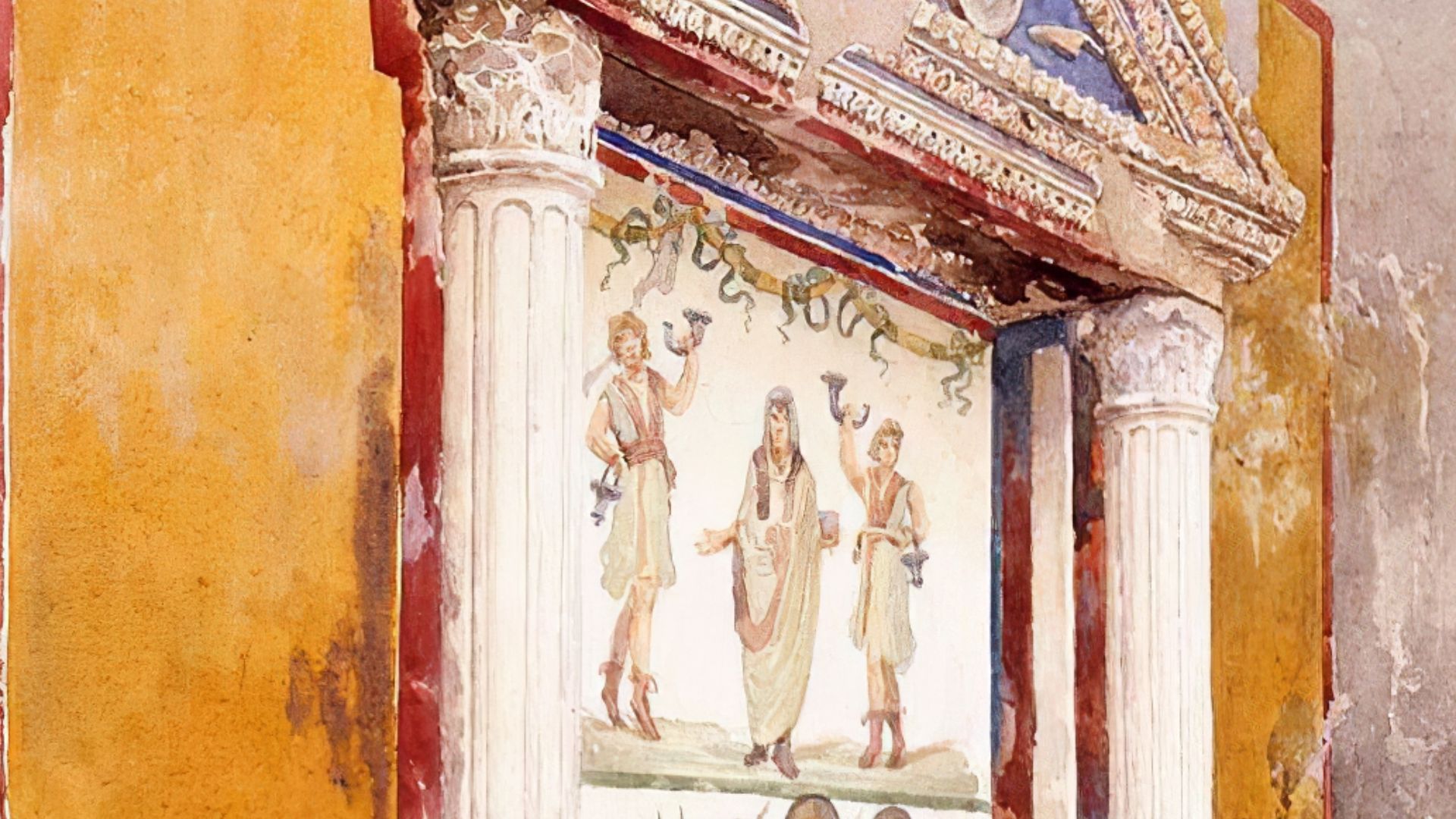
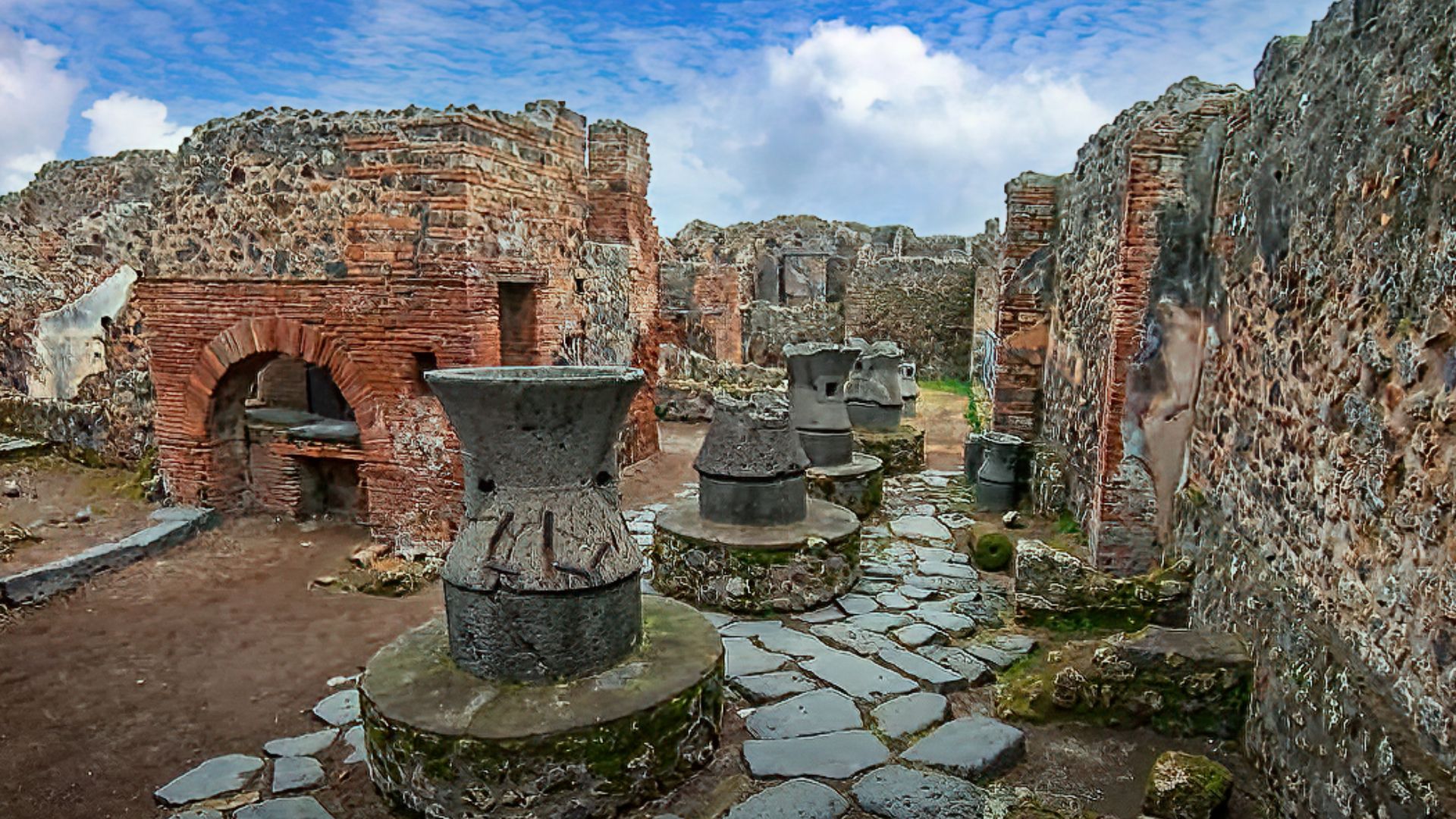
This banquet room is part of a much larger excavation project. Archaeologists have uncovered dozens of rooms nearby, revealing bakeries, shrines, workshops, and more everyday spaces.
 Mary Harrsch, Wikimedia Commons
New Clues to Ancient Lives
Each new discovery adds detail to the story of Pompeii. These paintings help us understand how people lived, worshipped, entertained guests, and expressed themselves through art.
 Luigi Bazzani, Wikimedia Commons
A Feast for Archaeology Lovers
For archaeology fans, this find is incredibly exciting. It offers a rare chance to connect emotionally with people from the past who once laughed, celebrated, and shared meals in this very room.
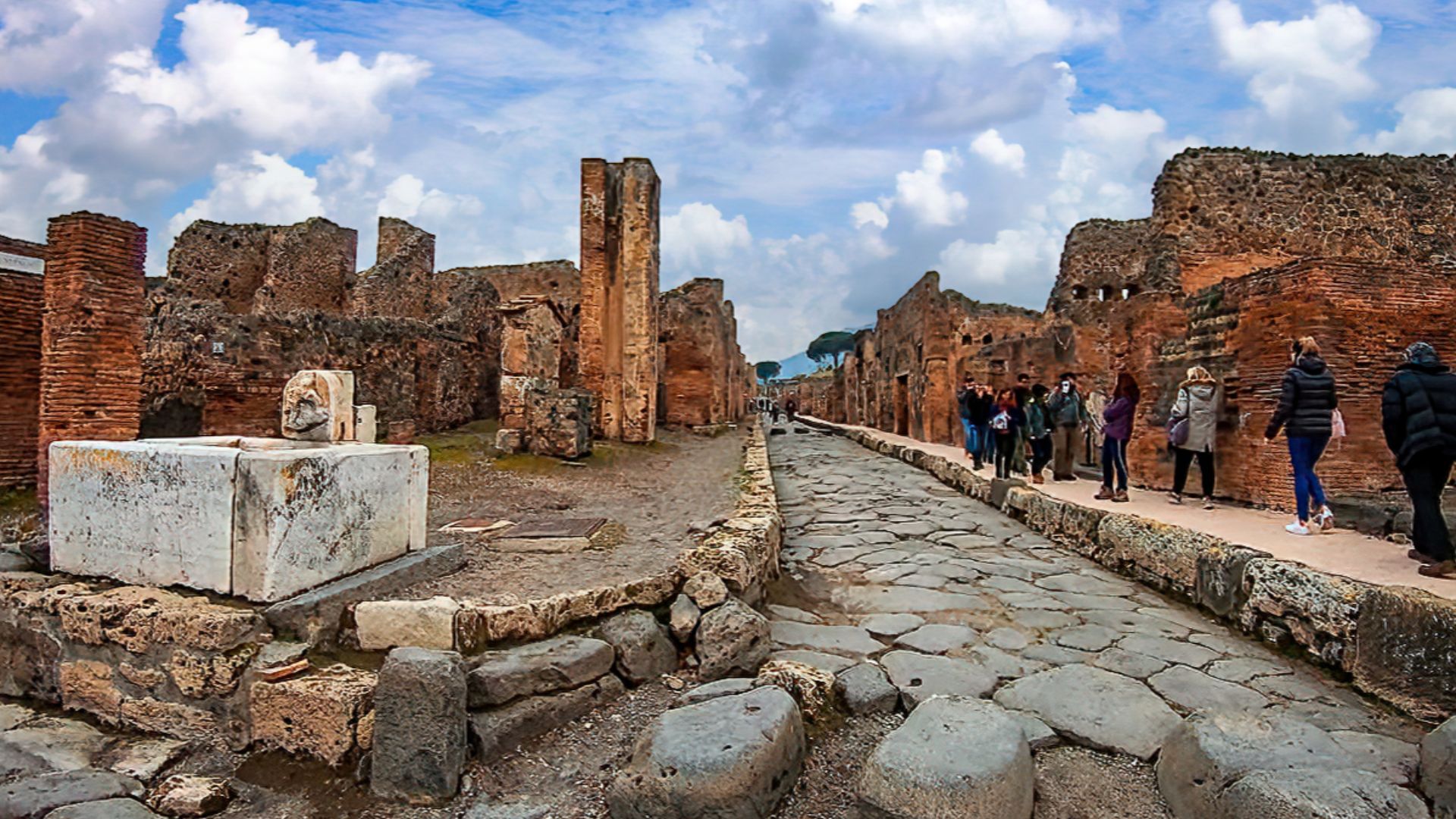 Mary Harrsch, Wikimedia Commons
What Comes Next
Experts are now carefully preserving the frescoes so they can survive exposure to air and light. Researchers will continue studying them to uncover more details about their meaning and creation.
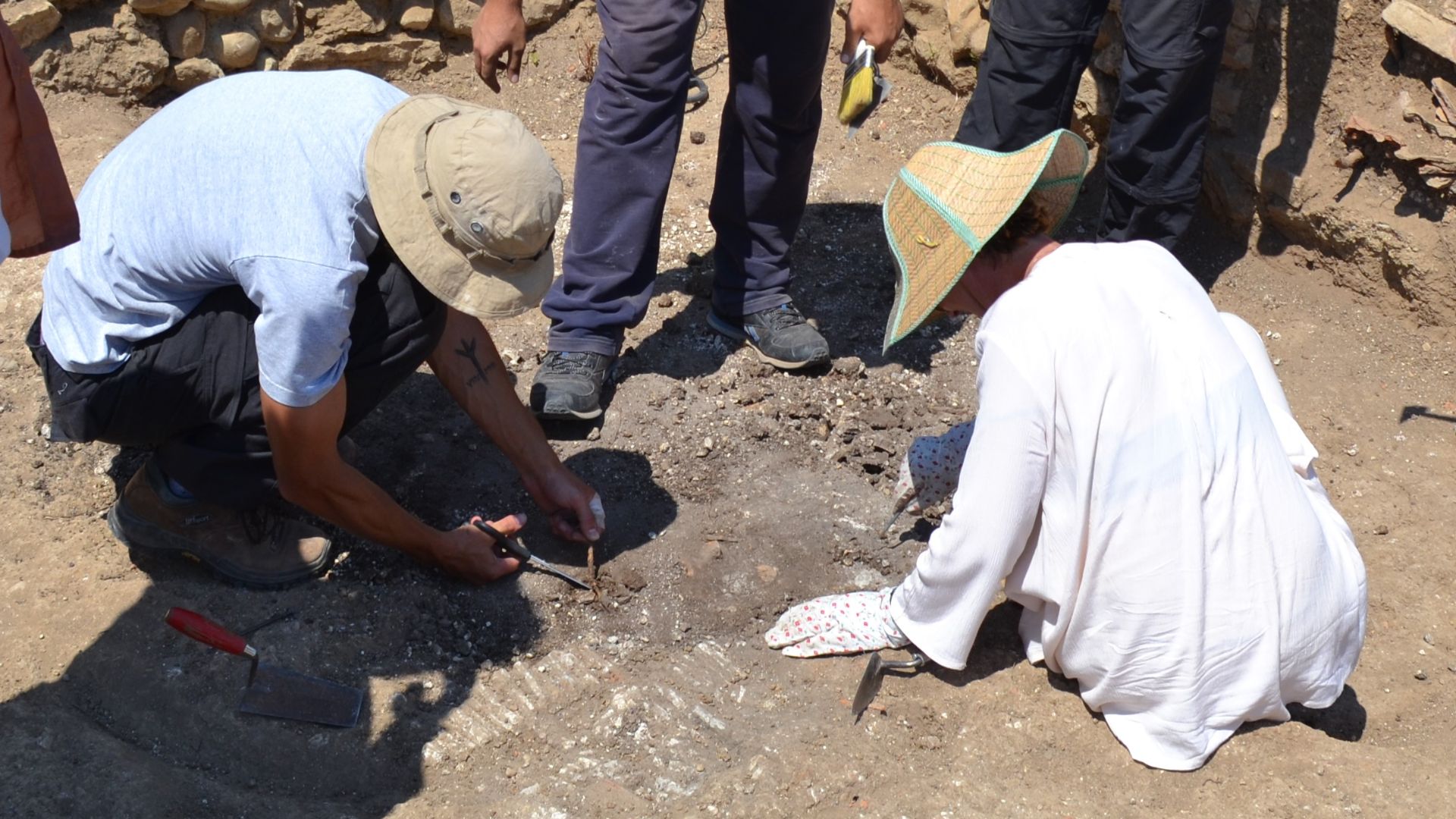
Pompeii: Still Alive After 2,000 Years
Pompeii keeps proving that it still has stories left to tell. Beneath the ash, the city remains alive—full of color, creativity, and human experiences waiting to be rediscovered.
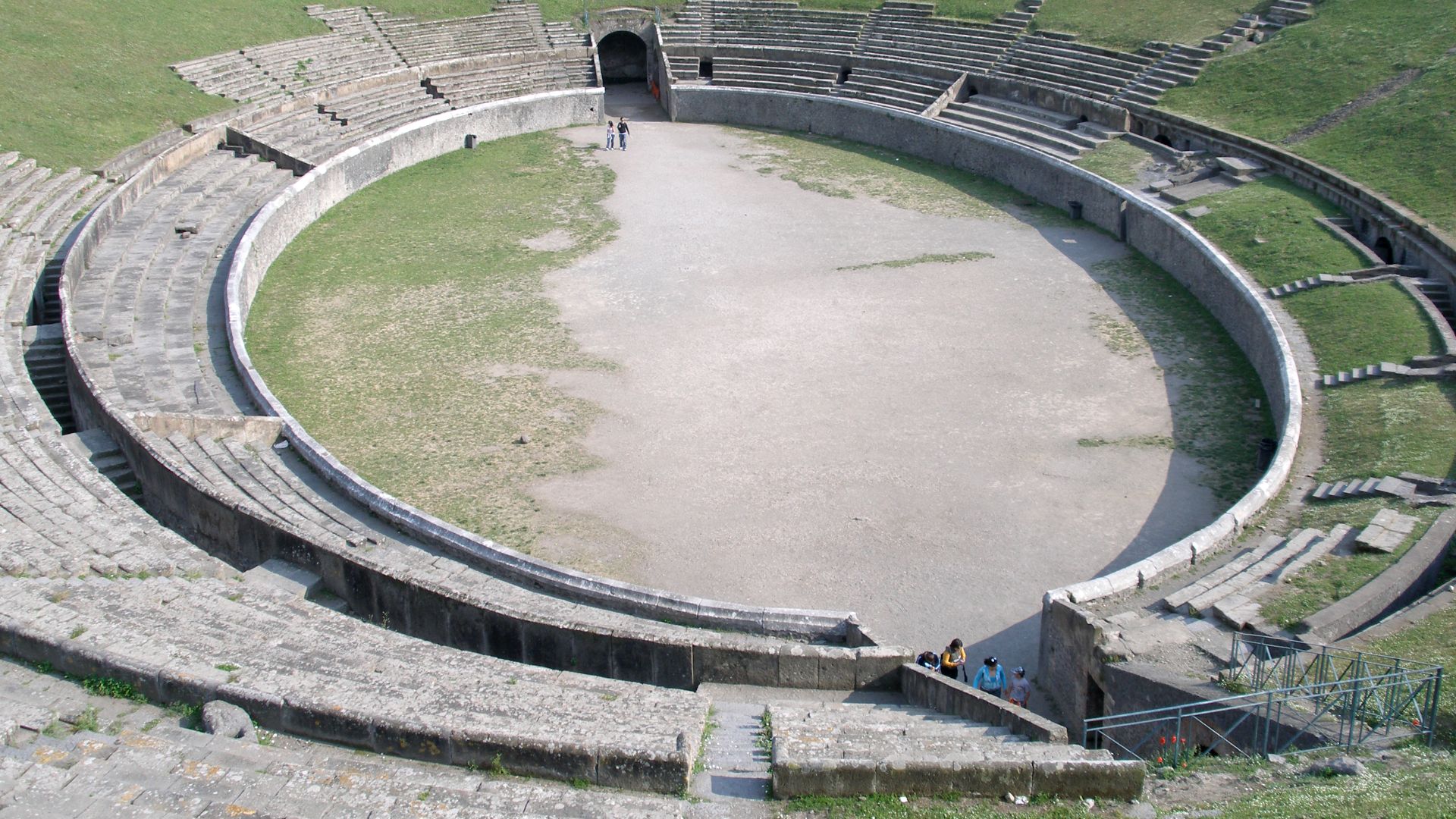 Vyacheslav Argenberg, Wikimedia Commons
You May Also Like:
Hotel Employees Admit These Insider Realities Change Everything About Your Stay
Every tourist who goes to Japan quickly understands why it's the most satisfying country to visit.
How Many Americans Have Seen Their State's Greatest Natural Wonder?