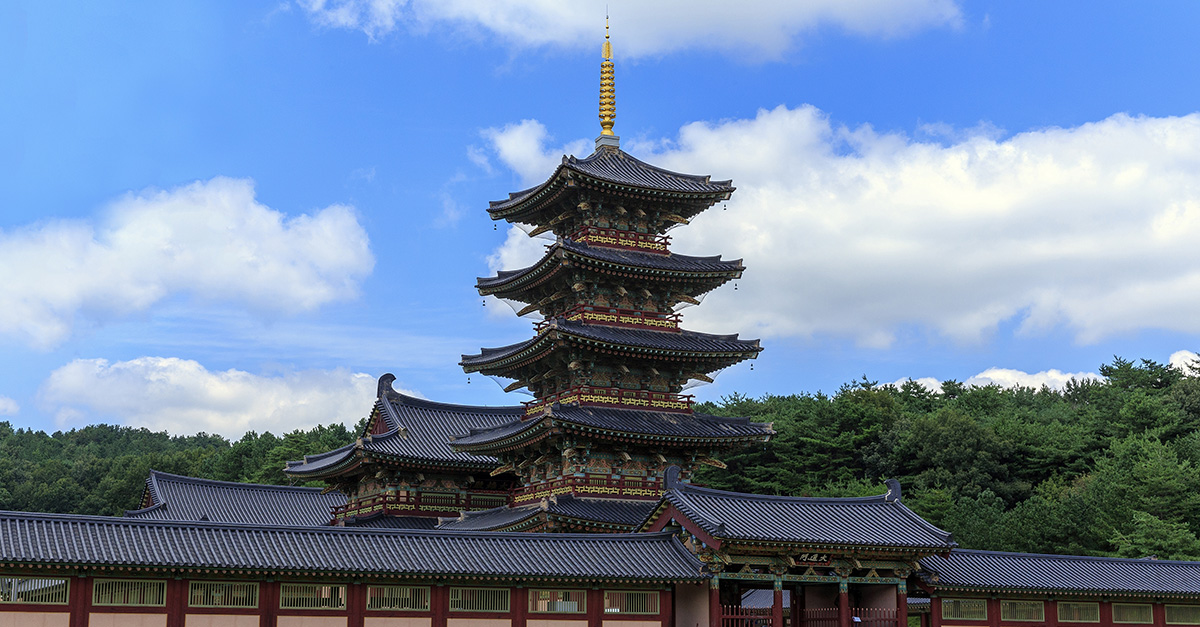
Sparkling Secrets From Korea’s Ancient Past
What if ancient tombs could talk? In Jeongeup, South Korea, they almost are. Recently uncovered Baekje burial sites have yielded dazzling gold ornaments and elegant pottery that give us a vivid, personal window into a kingdom that once shaped much of early Korean culture.
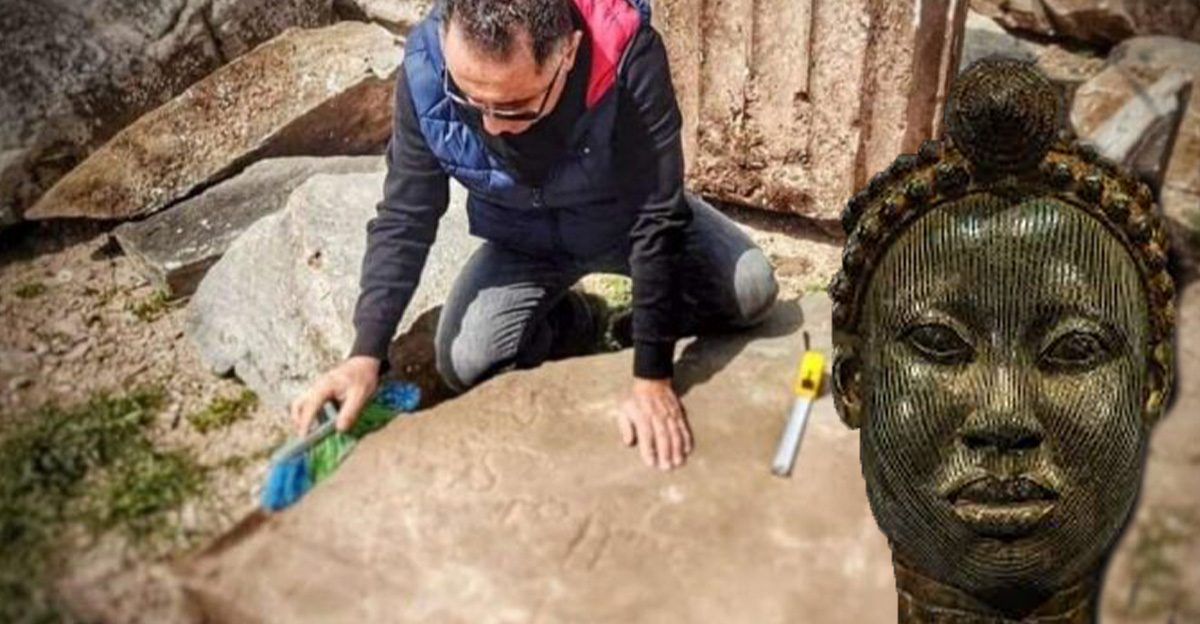
Meet Baekje: Korea’s Elegant Kingdom
Baekje — written 百濟 in Chinese characters — was one of the Three Kingdoms of ancient Korea, flourishing from 18 BCE to 660 CE. It was a powerhouse of art, trade, and diplomacy, known for its refined taste and vibrant exchange with neighboring cultures.
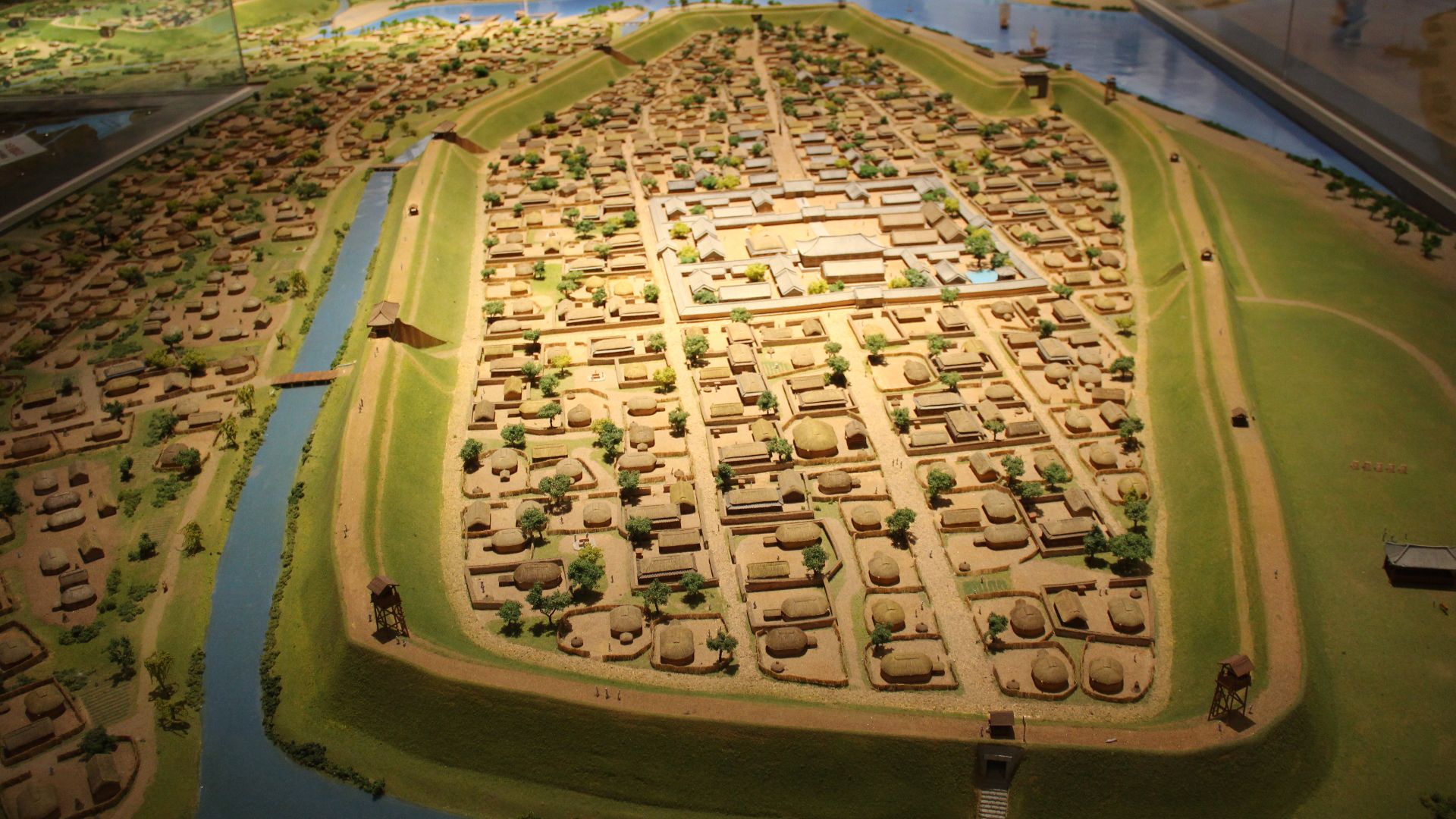 Gary Todd from Xinzheng, China, Wikimedia Commons
A Tale Of Two Tomb Clusters
The treasures weren’t found by accident: archaeologists have been meticulously excavating Eunsun-ri and Dogye-ri, two large tomb clusters in Jeongeup’s Yeongwon-myeon district. These sites sit across roughly 2 square kilometers and include more than 270 ancient graves — a real treasure map under the earth.
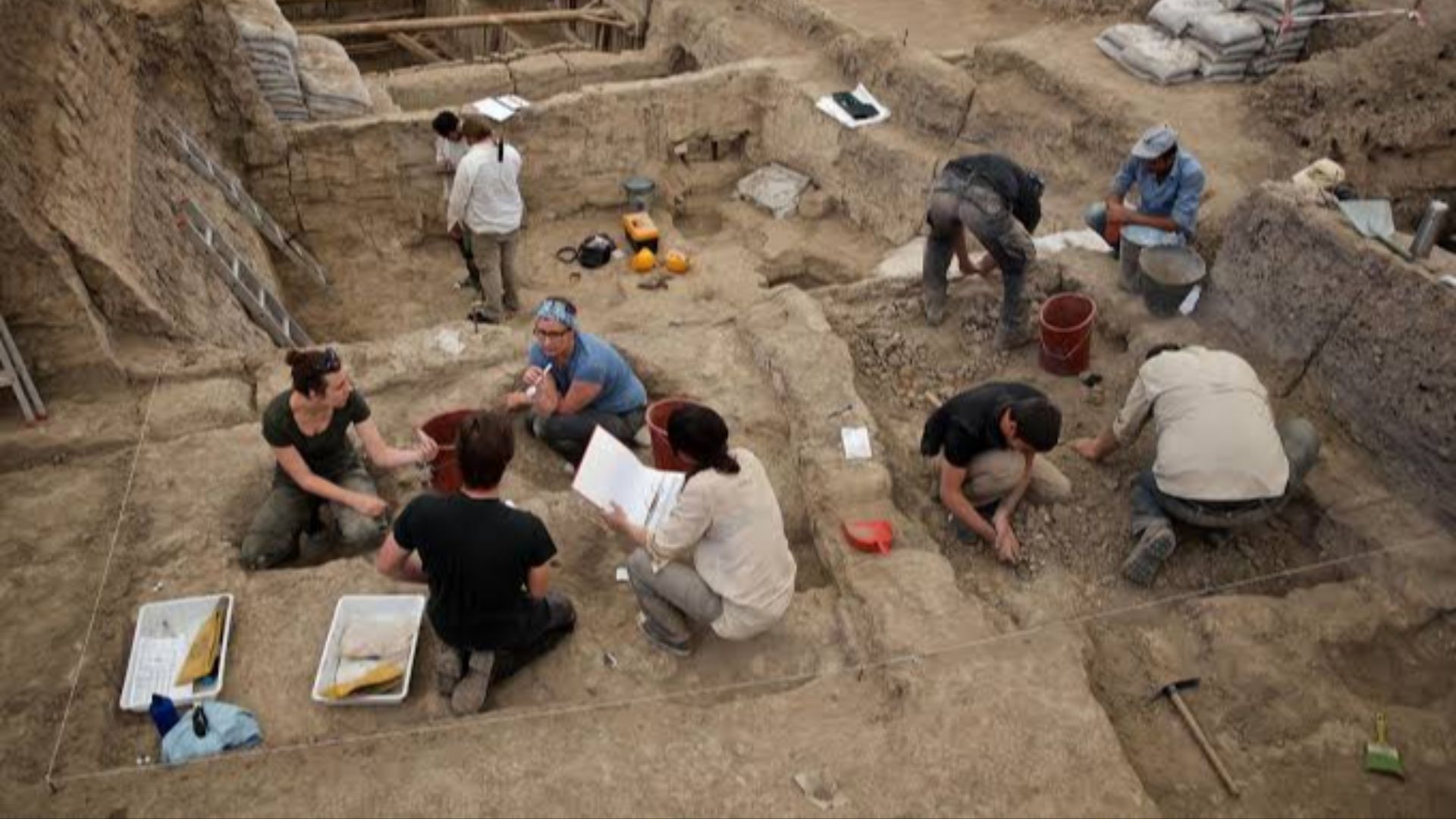
What’s Buried Beneath The Soil?
So far, excavations have turned up gold jewelry and ornaments, Baekje-style pottery, iron tools, glass beads, and decorative pieces. Taken together, they reveal something special about the people who lived and died here.
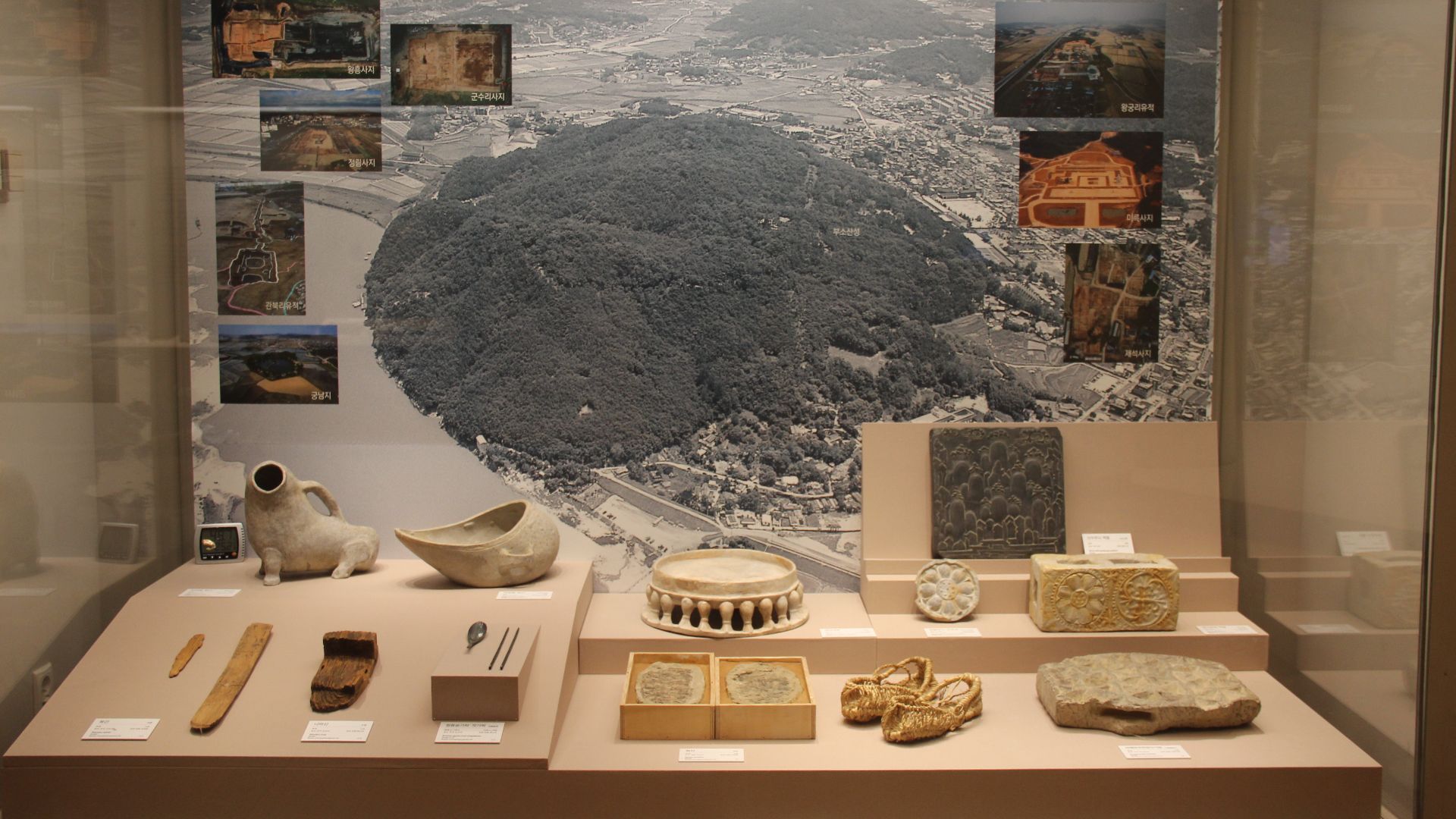 Gary Todd from Xinzheng, China, Wikimedia Commons
Tiny Gold, Big Stories
Some of the most eye-catching finds are gold beads, floral and leaf-shaped gold decorations, and gilded bronze inlays. They shimmer not just with shine but with meaning, hinting at the tastes and status of the individuals buried alongside them.
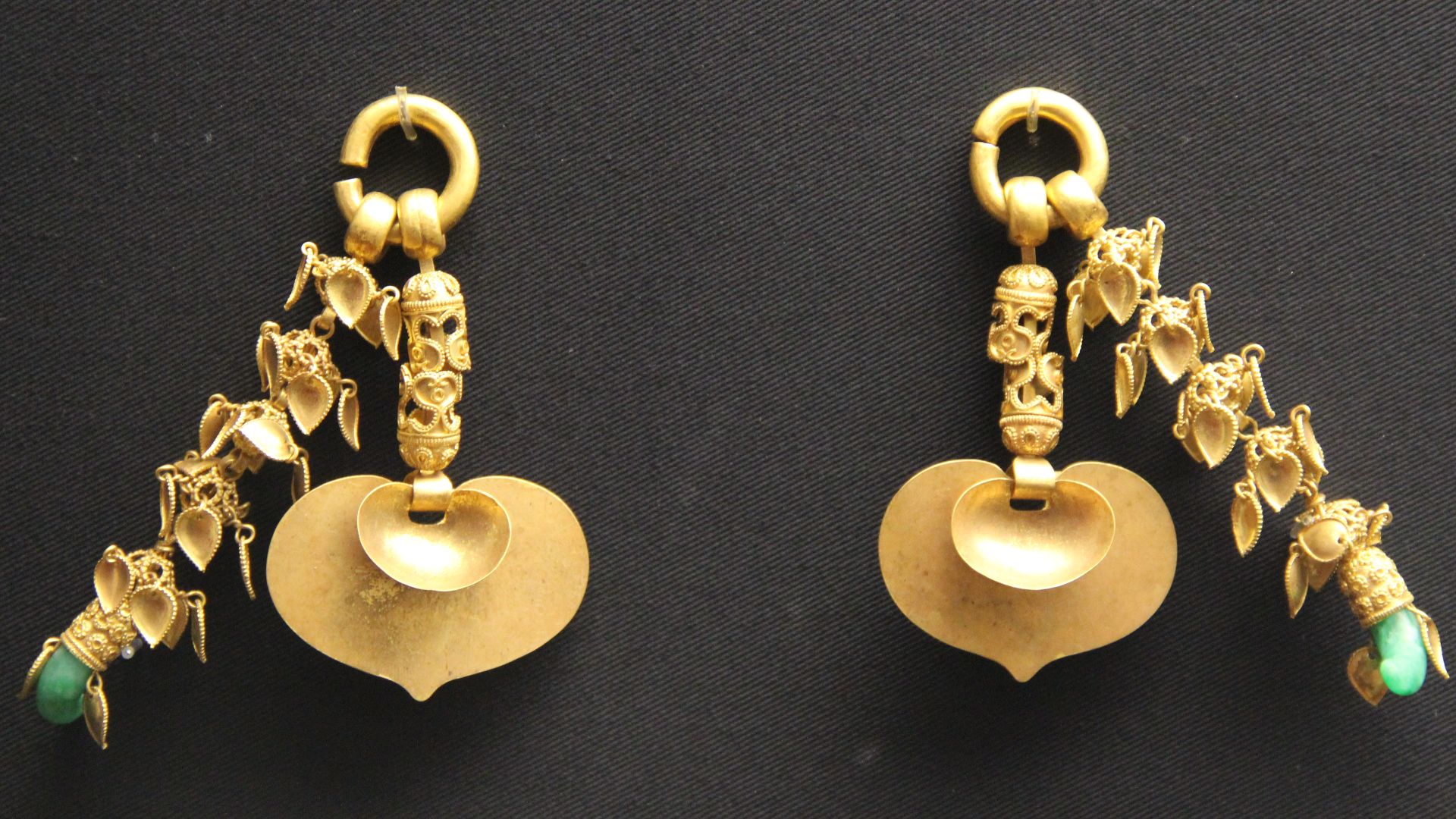 Gary Lee Todd, Ph.D., Wikimedia Commons
Signs Of High Status
These ornaments were not everyday trinkets. Their craftsmanship and use of precious metals suggest they belonged to local elites or influential families, not ordinary townsfolk. That’s important for understanding how Baekje society was structured.
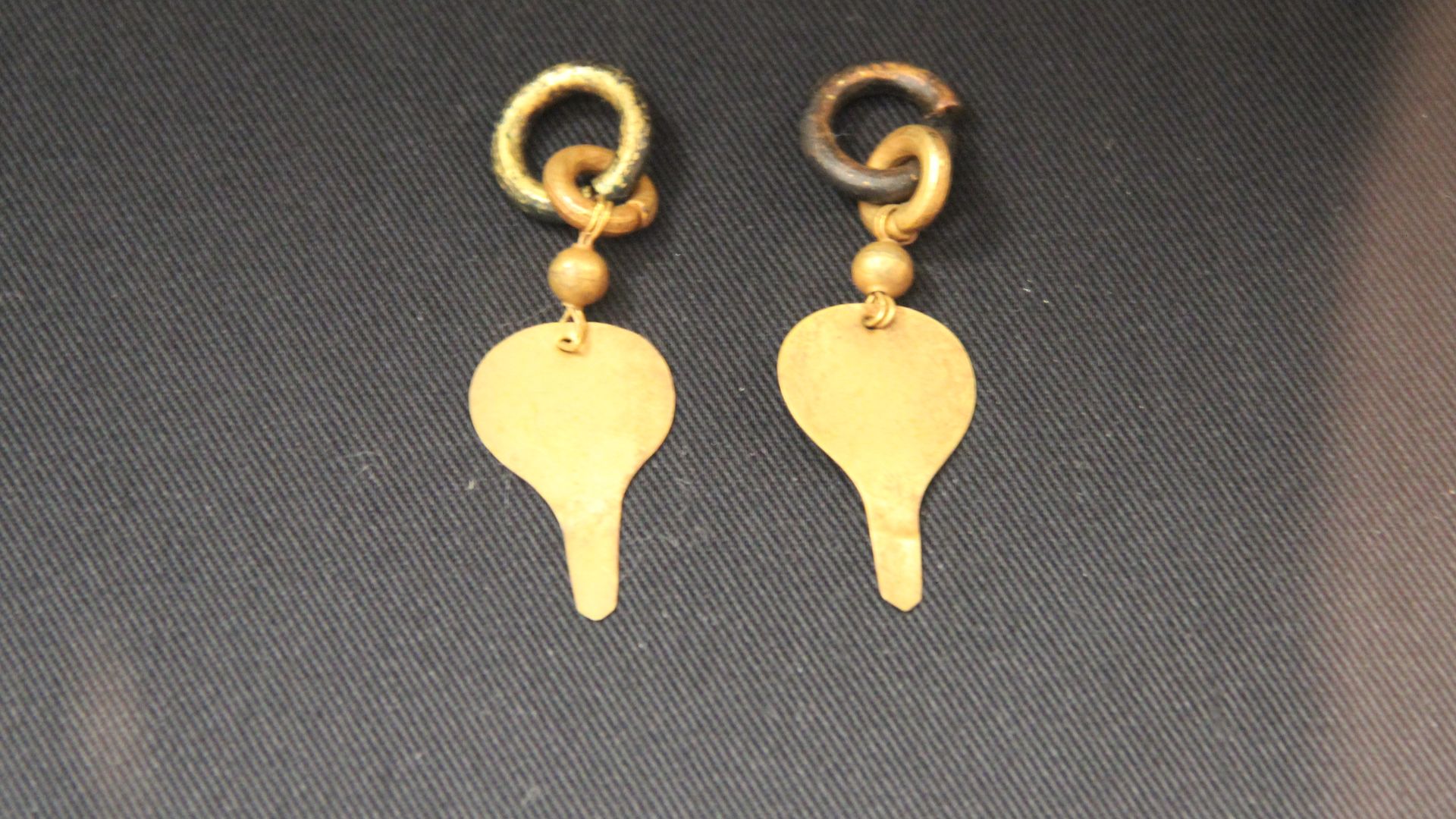 Gary Todd from Xinzheng, China, Wikimedia Commons
Beads, Hairpins & Glass Gems
In addition to gold, archaeologists have uncovered glass beads, hairpins, and bronze bracelets that likely represent personal fashion and possibly imported styles — showing that Baekje was connected to broader trade and cultural networks.
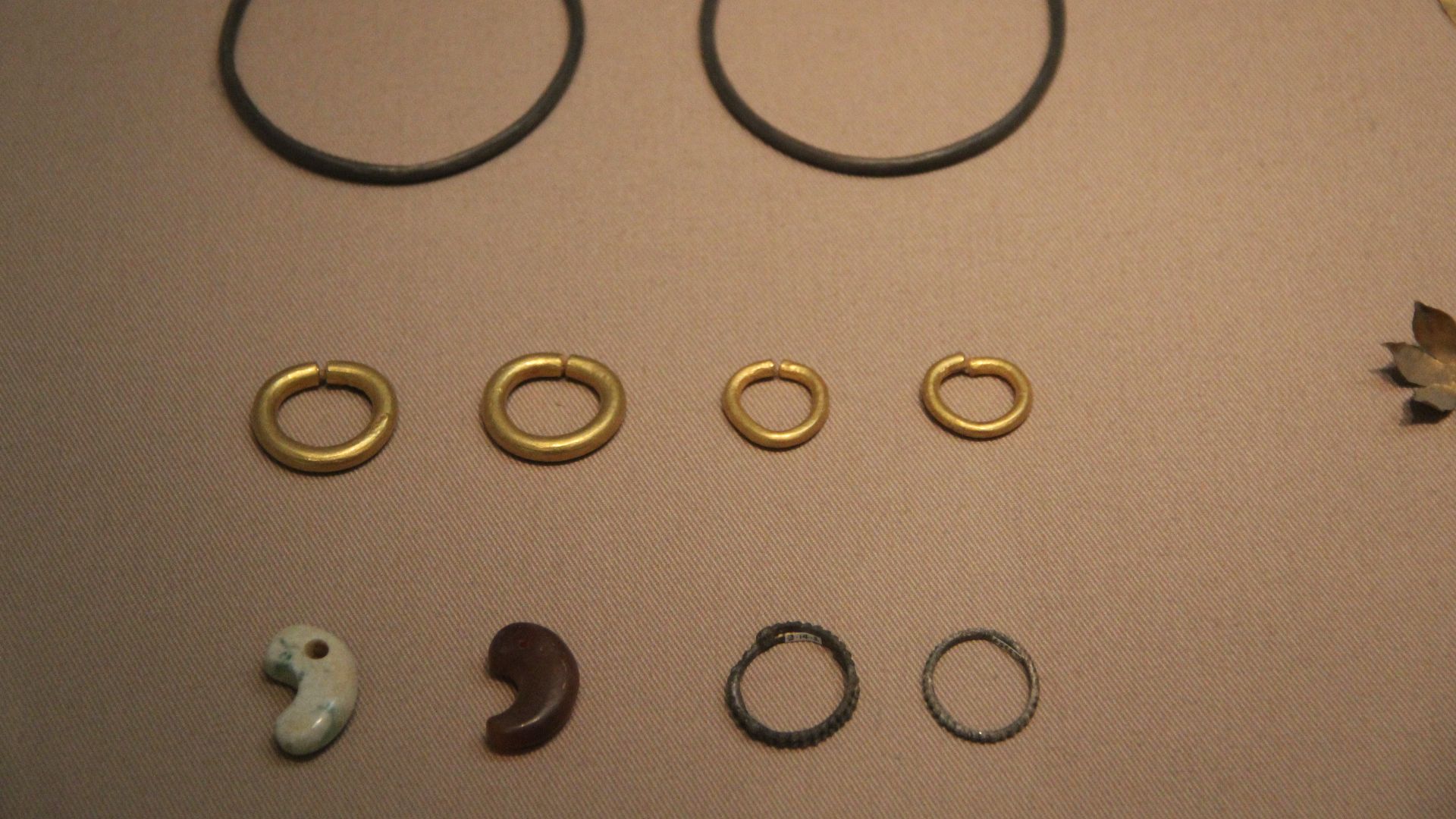 Gary Todd from Xinzheng, China, Wikimedia Commons
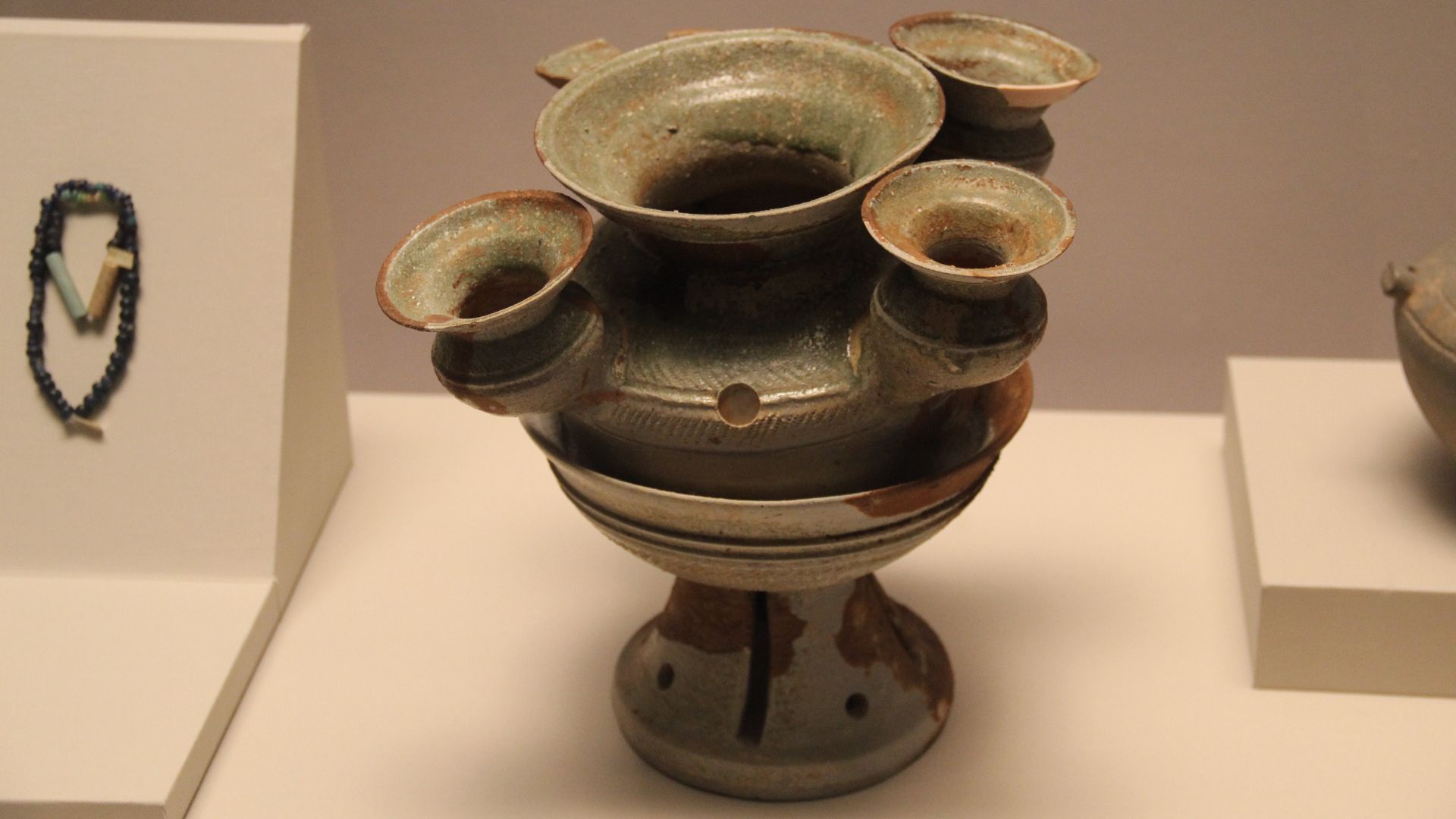
Pottery With Personality
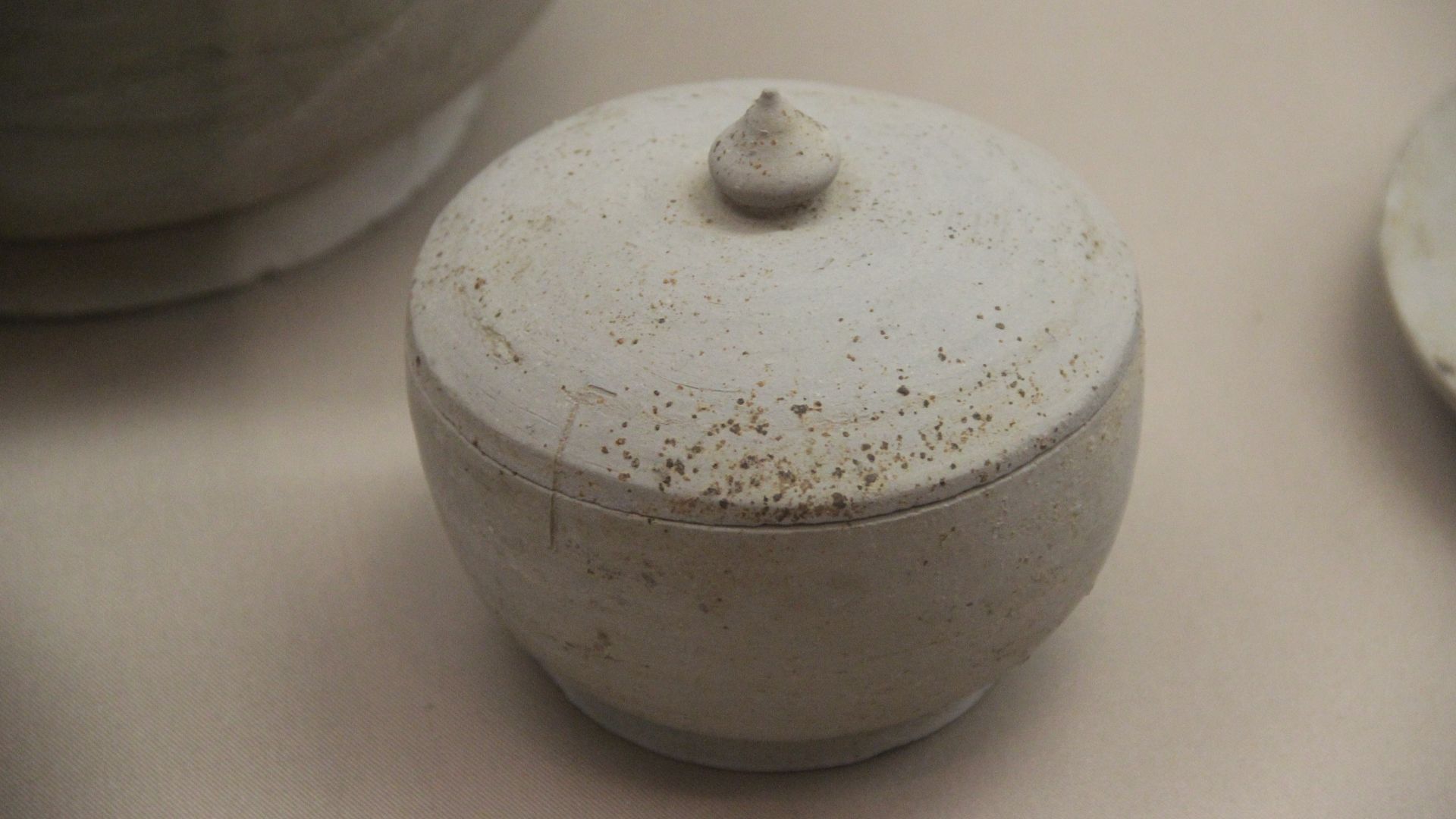
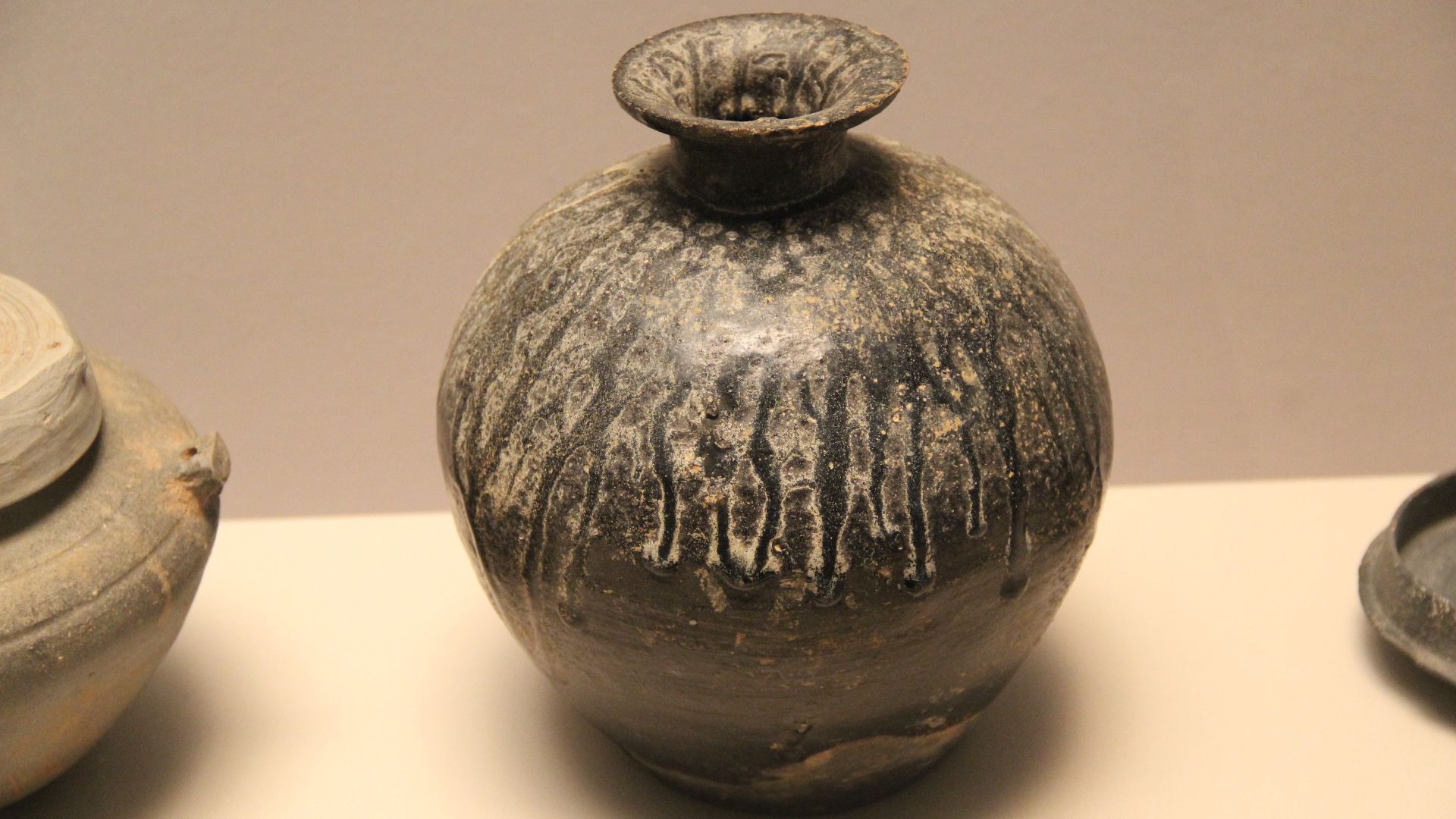
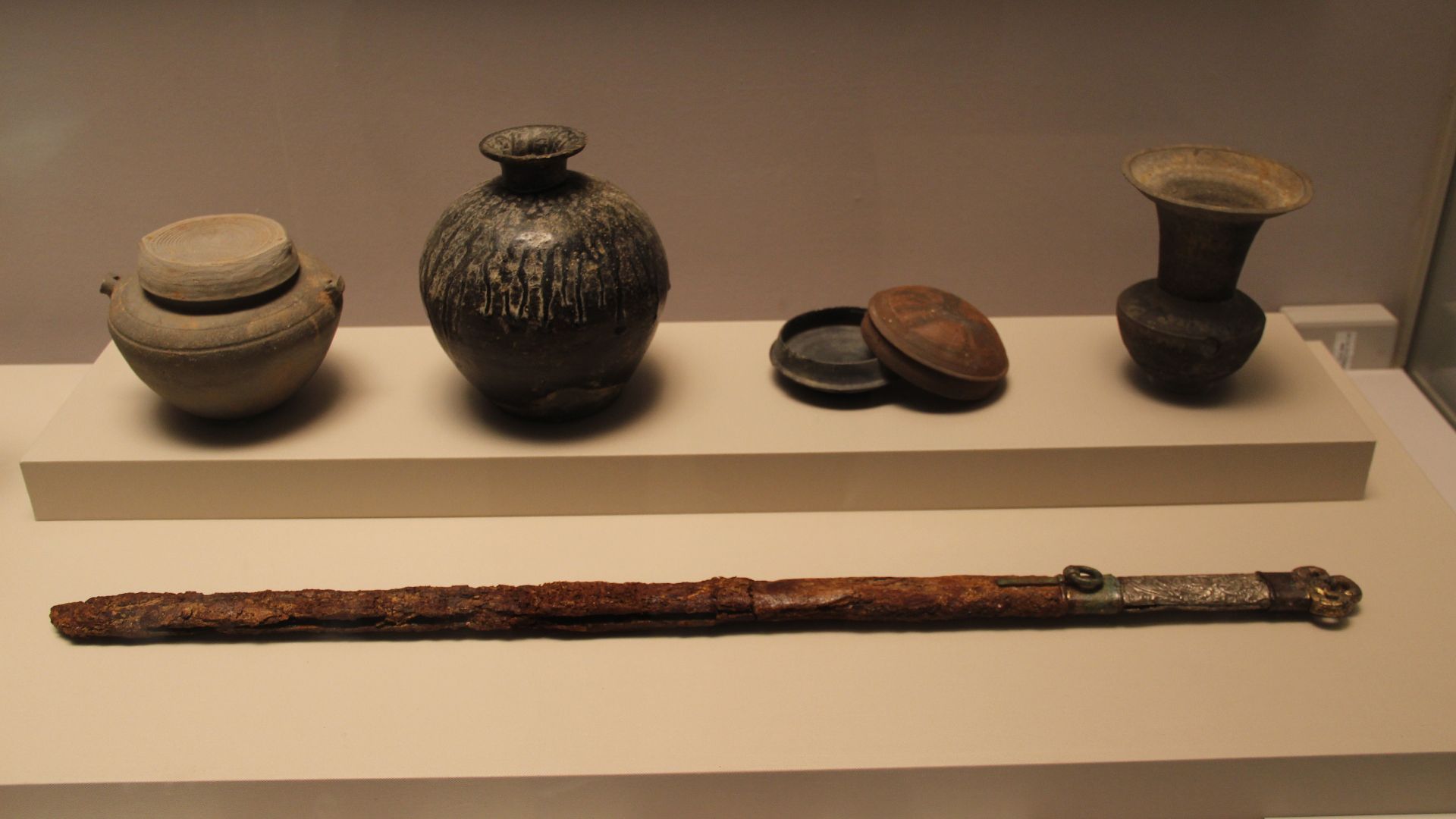
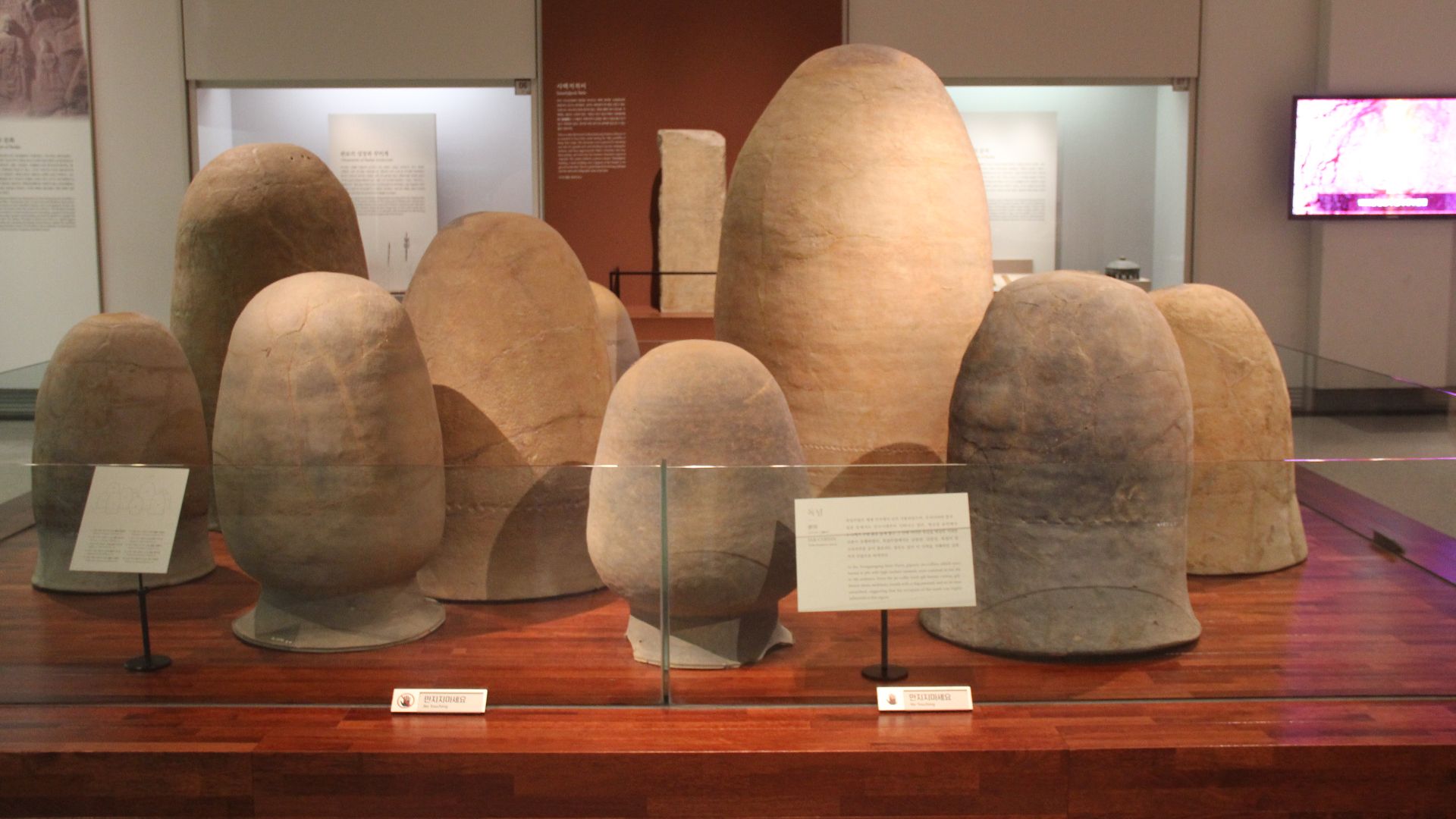
Pottery takes center stage alongside the metalwork. The Baekje pieces — from three-legged vessels (samjok togi) to bottle-shaped jars and large bowls — reflect both everyday life and ceremonial practices.
 Gary Todd from Xinzheng, China, Wikimedia Commons
What Pottery Can Tell Us
Although they may seem humble compared to gold, these pots are invaluable. Their shapes, finishes, and decorations help archaeologists understand not just how people cooked or stored food, but how they lived, worshipped, and marked important moments.
 Gary Todd from Xinzheng, China, Wikimedia Commons
Jeongeup’s Place In The Baekje World
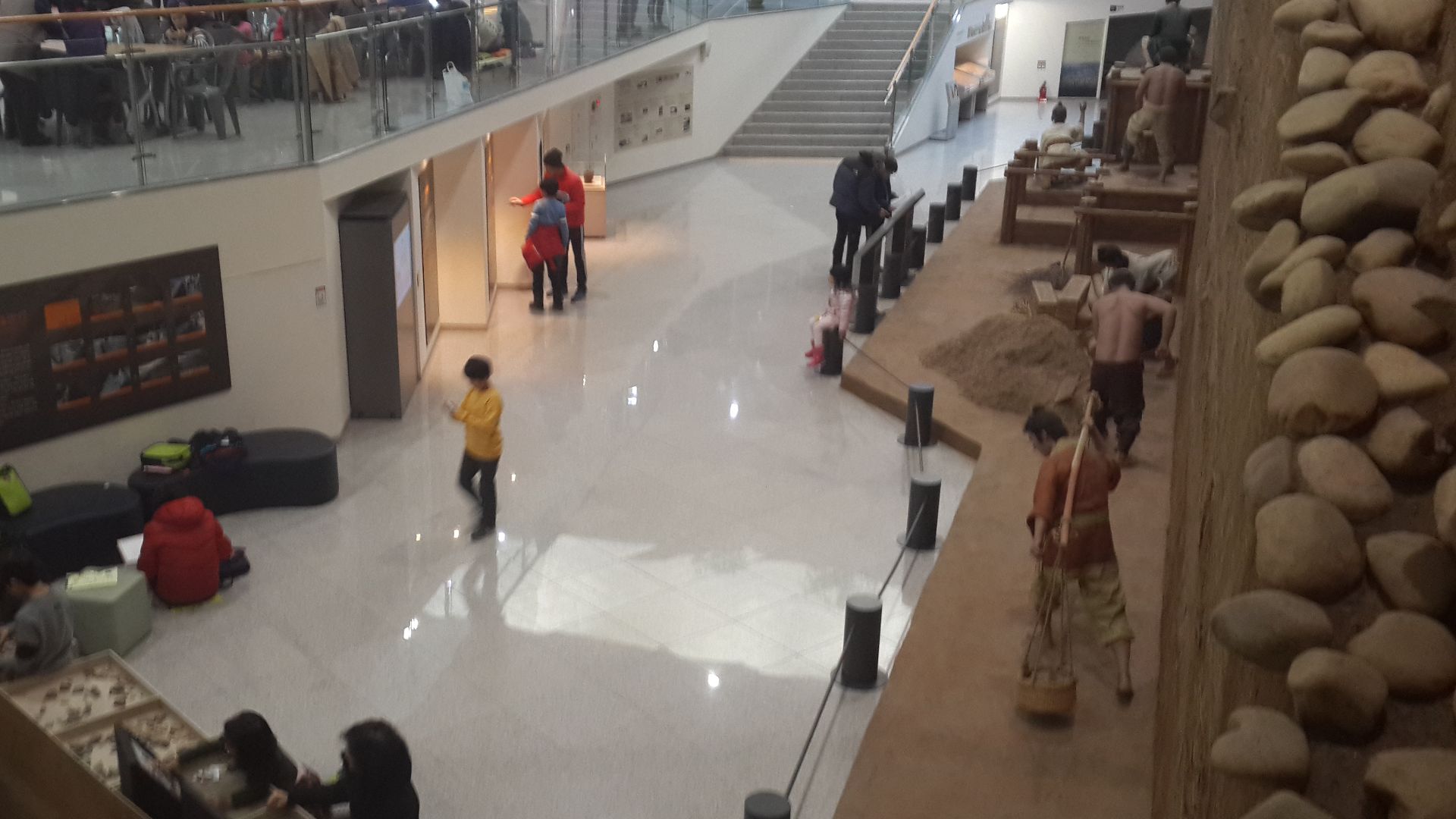
The sheer number of tombs and the quality of the goods found suggest Jeongeup was more than a backwater village — it was likely a regional hub of Baekje Middle Region Culture, with strong political and cultural ties to the kingdom’s core power.
 Mar del Este, Wikimedia Commons
The Ground Beneath Our Feet
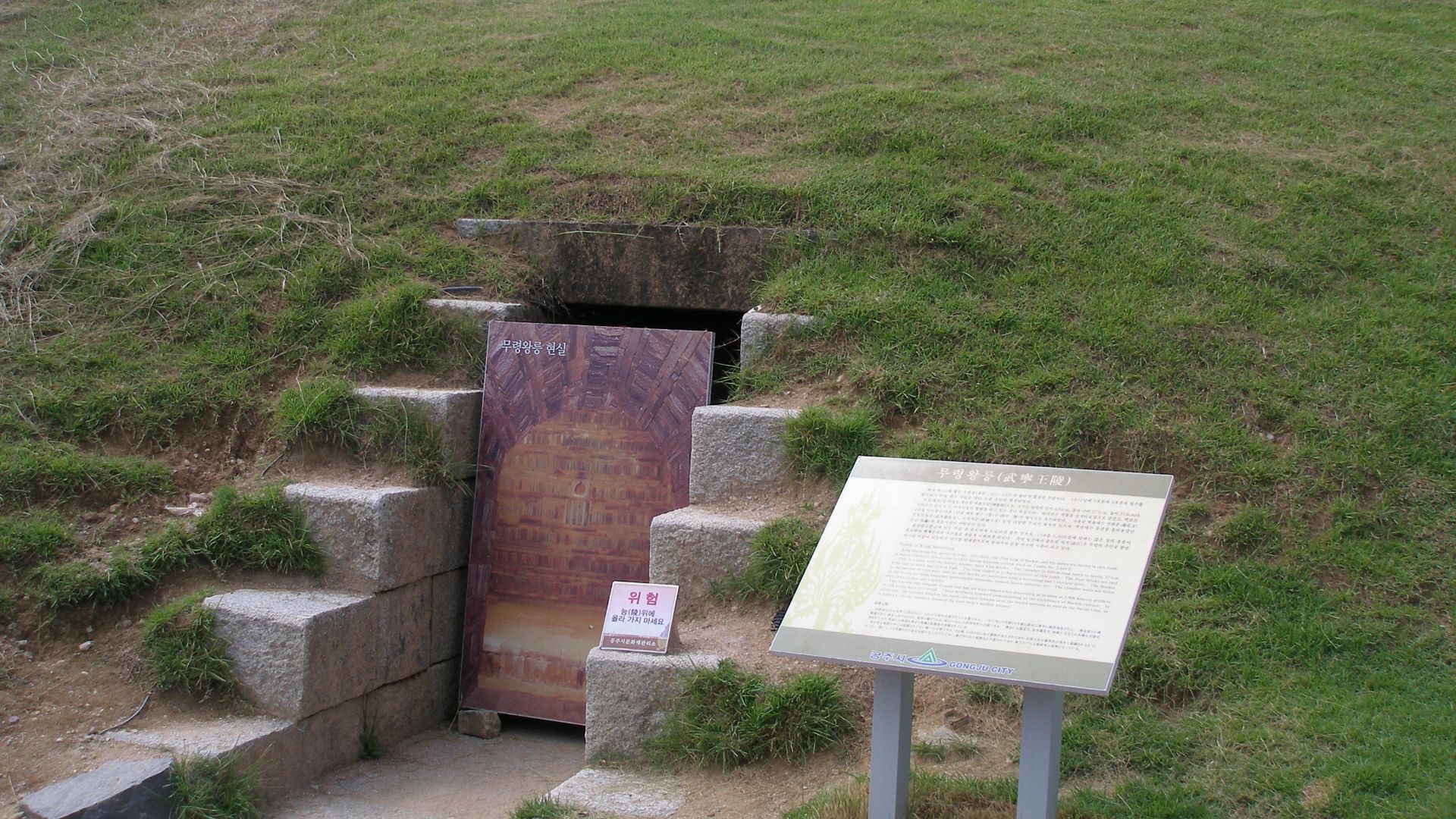
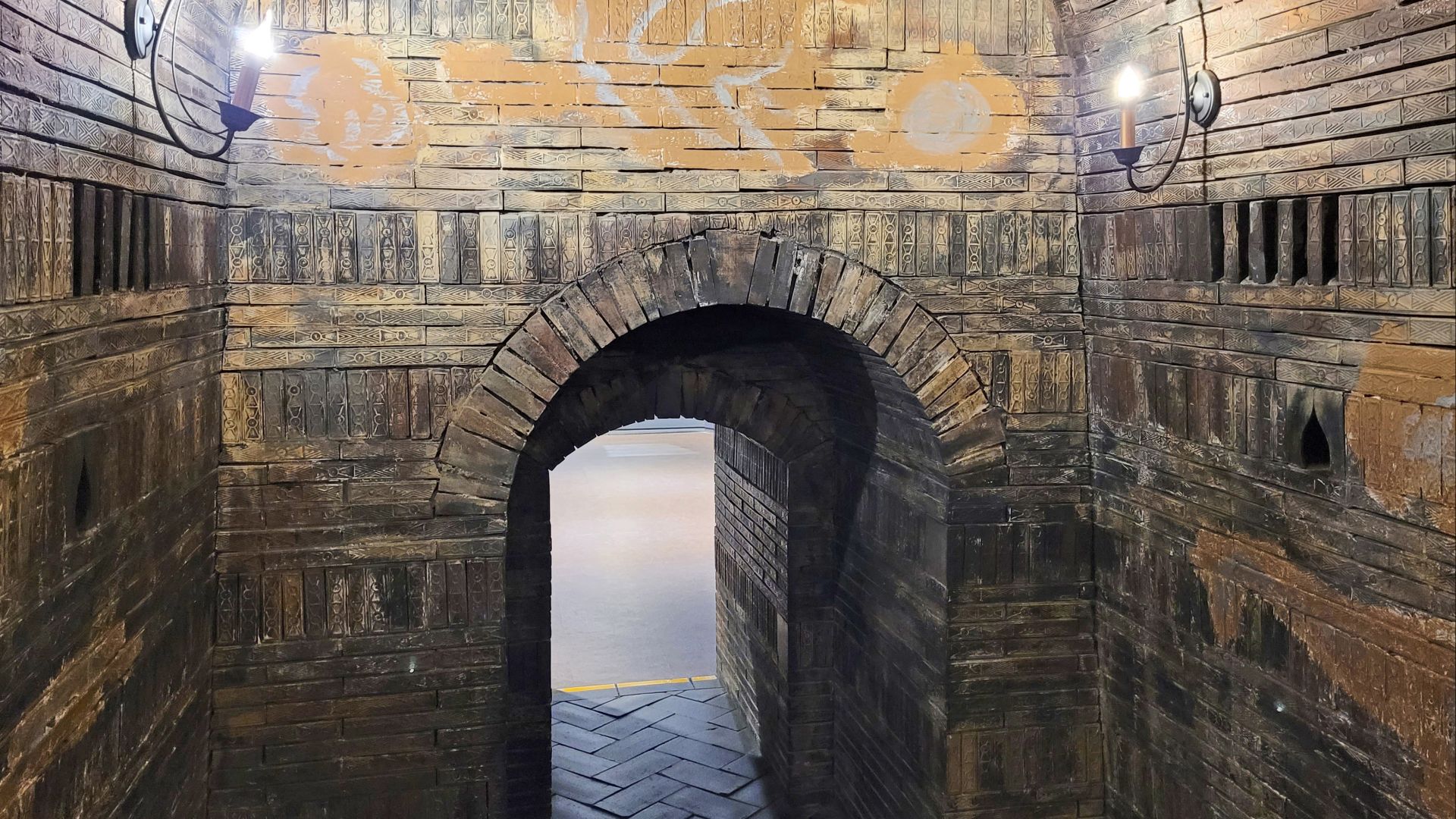
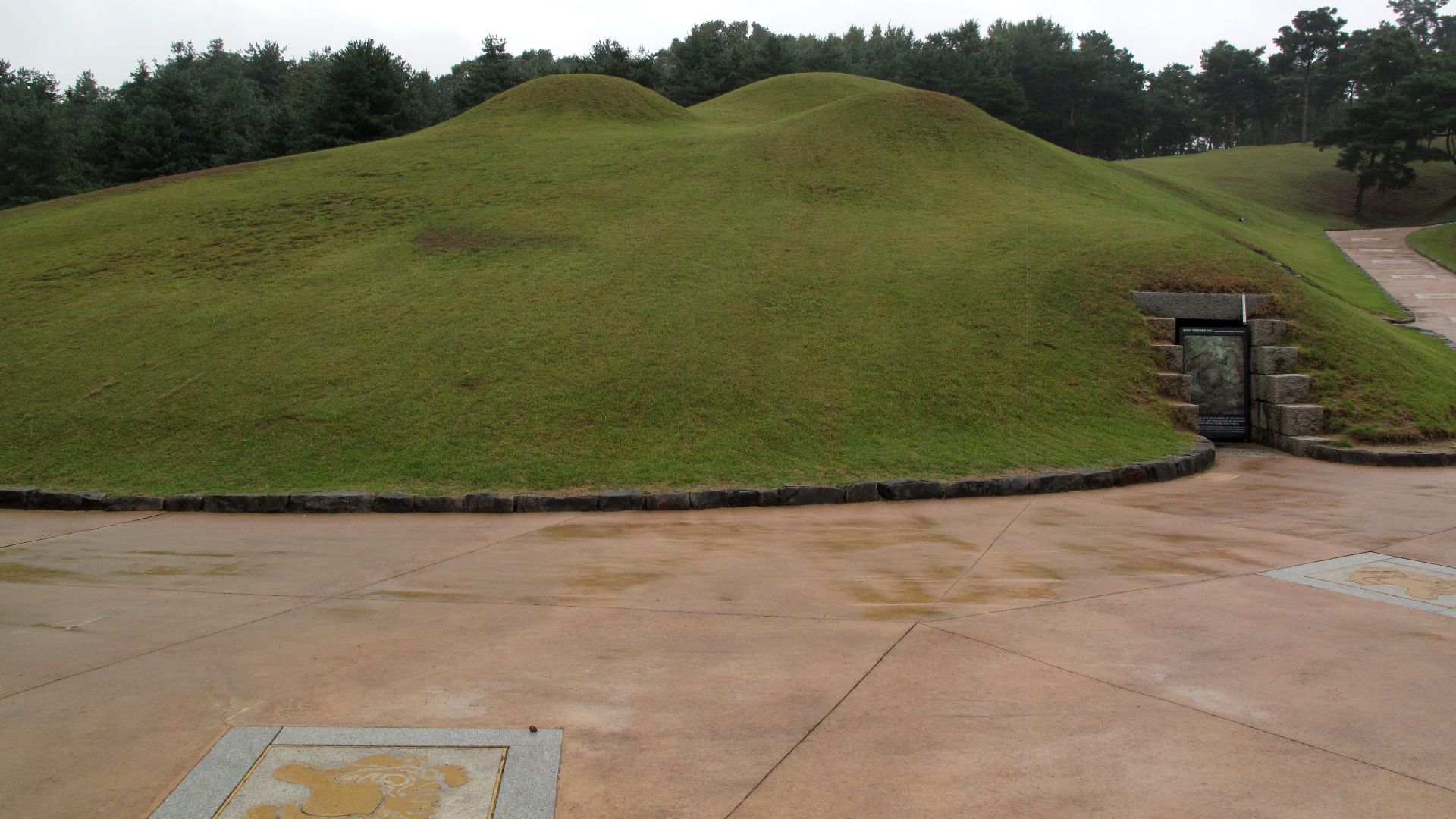
Many of the tombs contain horizontal stone chambers, a Baekje burial practice where the coffin sits inside a specially built stone room. This tells us not just about death rituals, but about architectural styles of the time.
Tombs—Robbed But Revealing
Some tombs show signs of ancient tomb raiders, which isn’t too surprising given their treasures. But even disturbed graves still hold valuable clues about social hierarchy, community networks, and ritual behavior.
 Bernard Gagnon, Wikimedia Commons
What This Says About Baekje Society
These discoveries reinforce what we already suspected about Baekje: it was a society that valued artistic refinement, social rank, and symbolic expression — ideas embodied in both precious jewelry and crafted pottery.
Baekje’s World Beyond Jeongeup
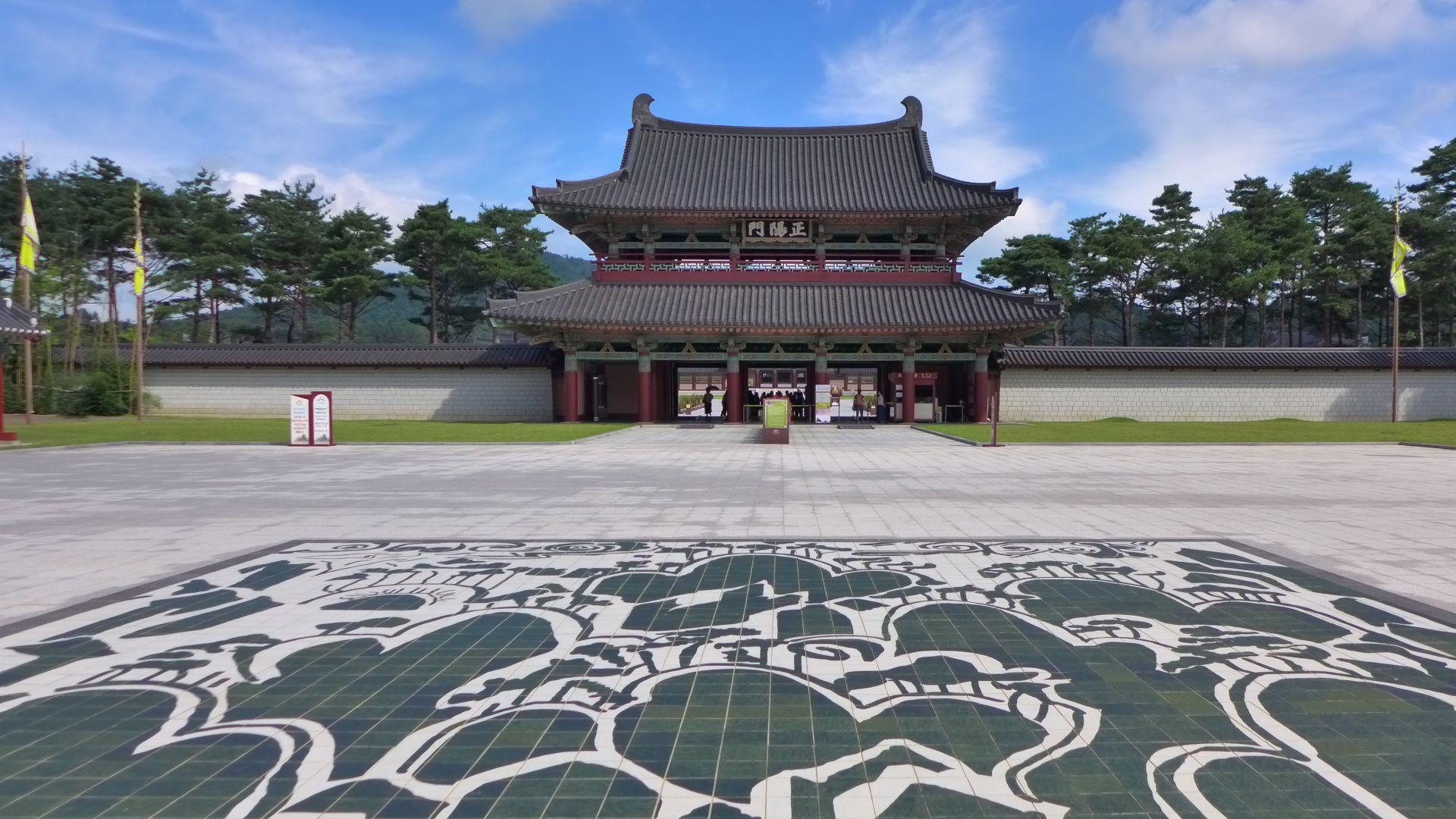
Jeongeup’s finds fit into a broader picture of Baekje archaeology across Korea. The Baekje Historic Areas — a UNESCO World Heritage Site — include temples, fortifications, and royal tombs that together tell the story of a dynamic, influential kingdom.
 travel oriented from Seoul, South Korea, Wikimedia Commons
A Royal Example: King Muryeong’s Tomb
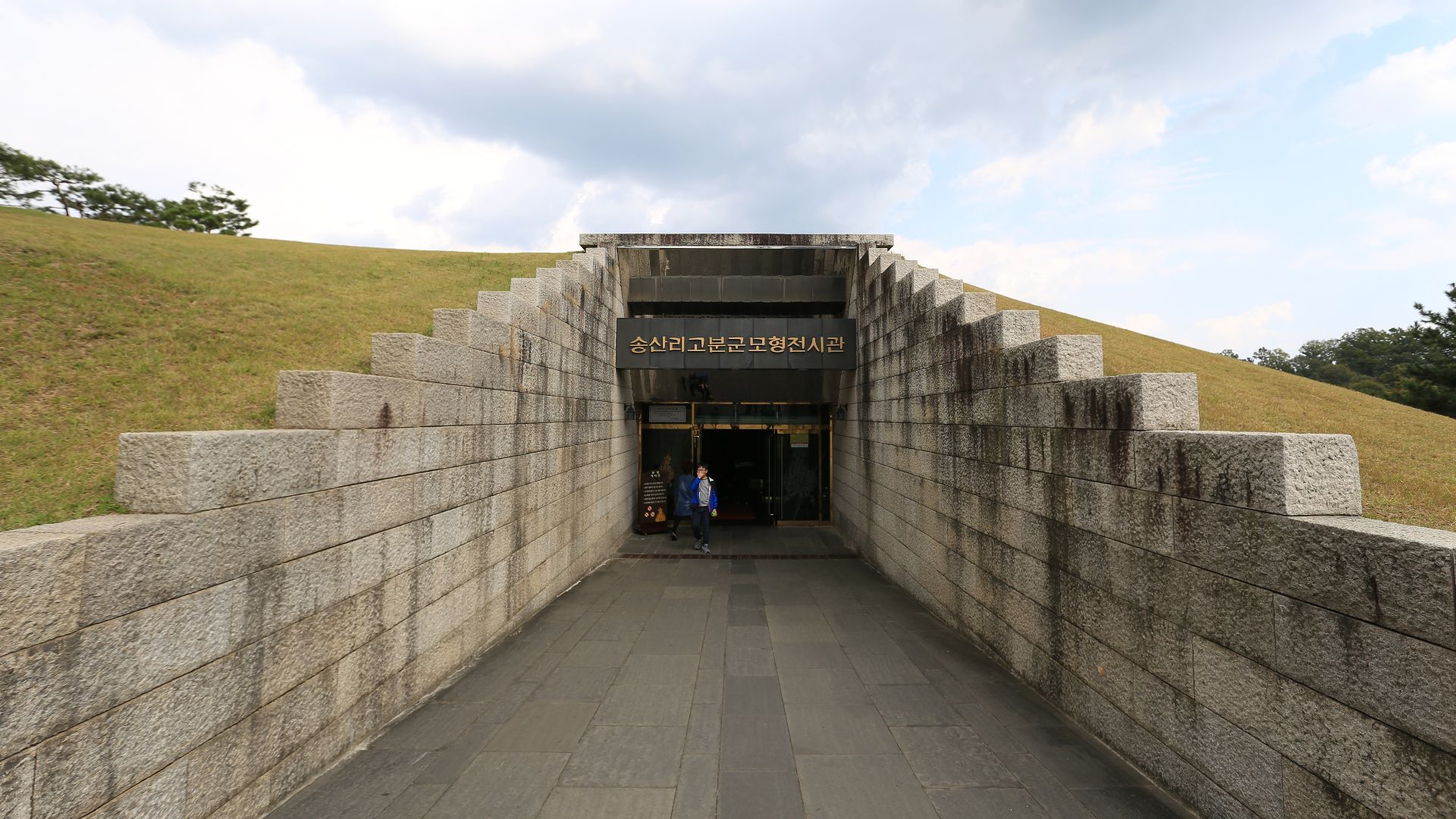
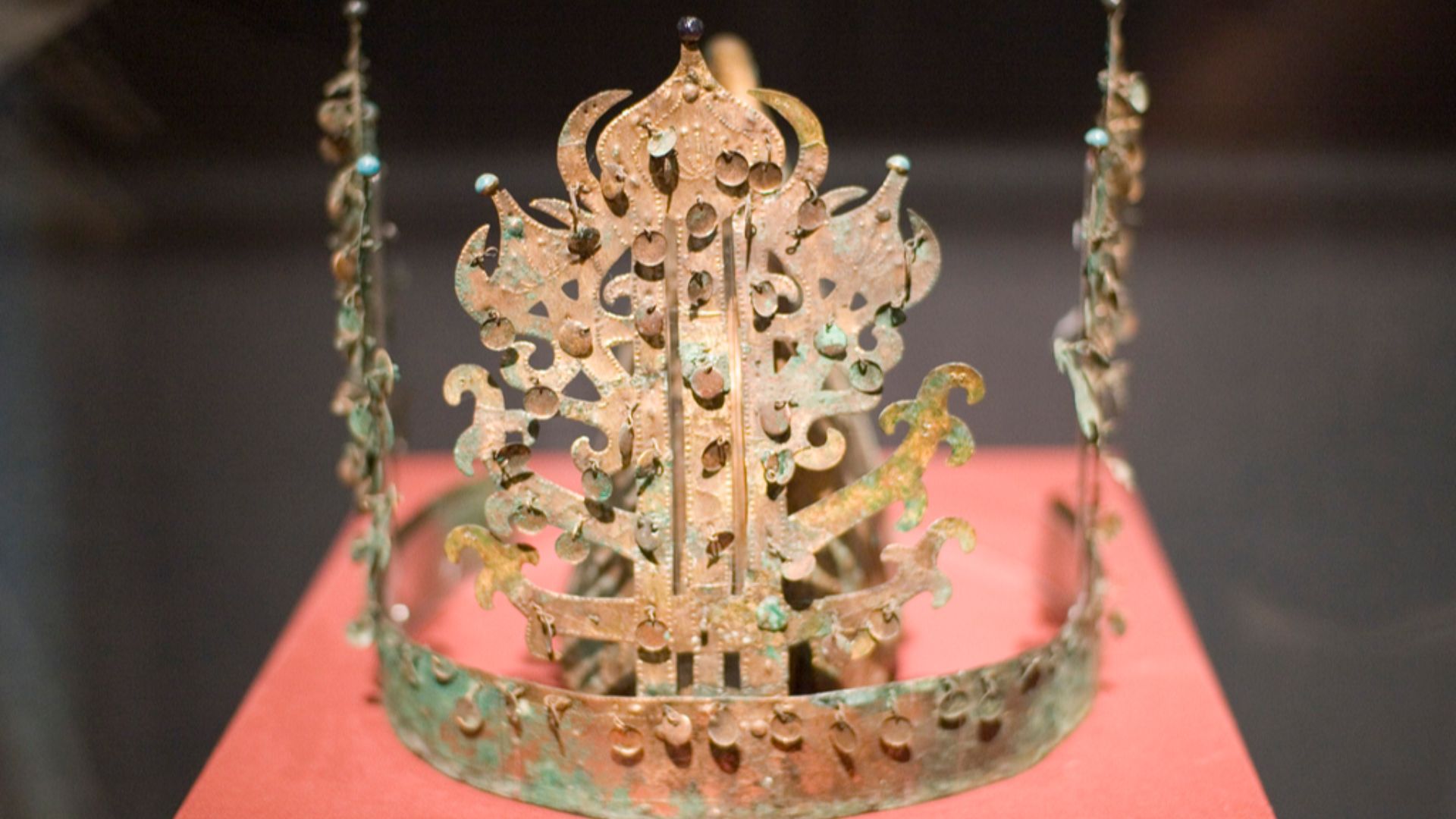
One of the most celebrated Baekje burials is the Tomb of King Muryeong in Gongju. Discovered intact in 1971, it yielded thousands of artifacts including exquisite gold ornaments now considered national treasures.
Crowns Fit For Kings & Queens
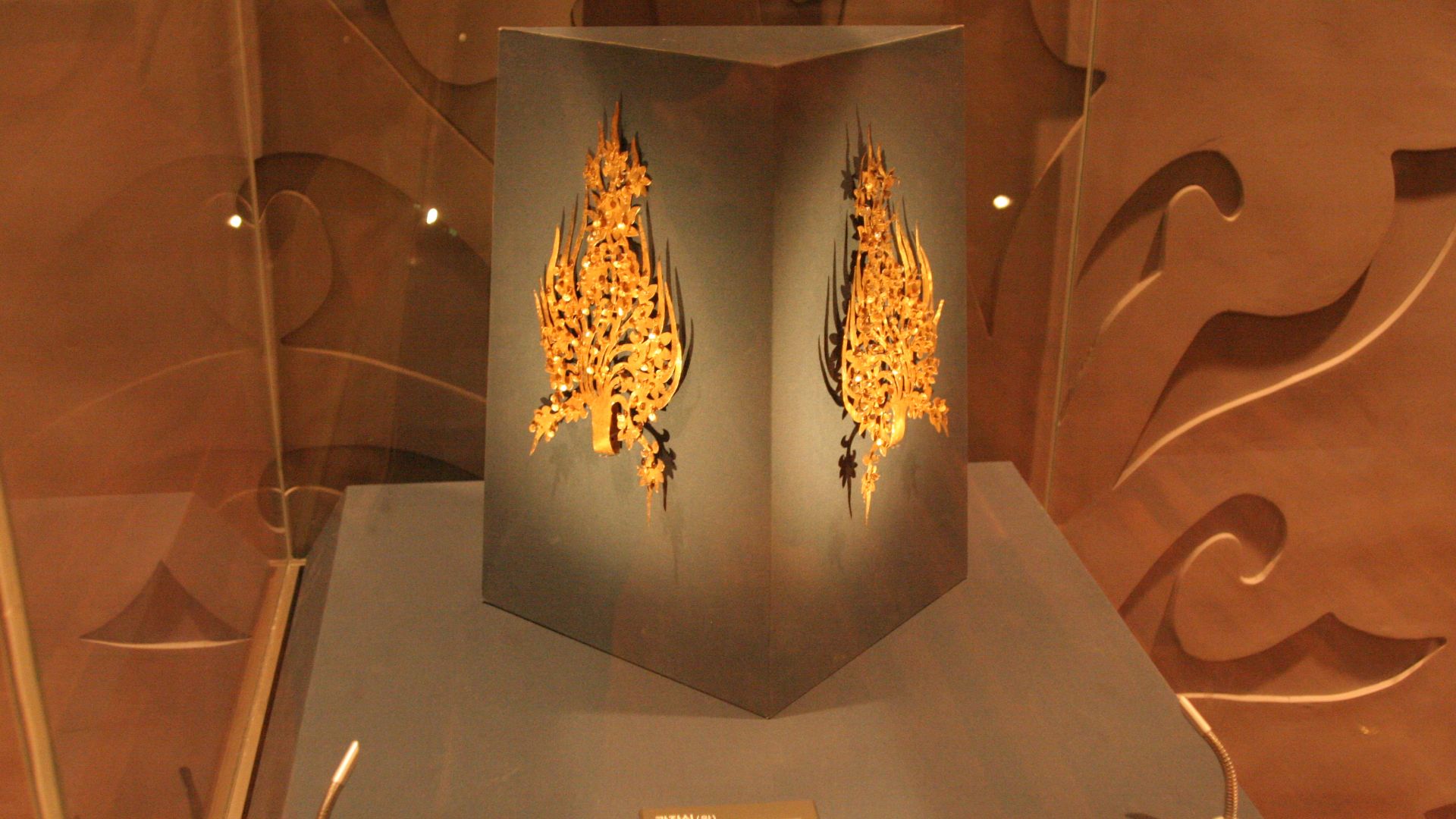
The Muryeong tomb contained pairs of gold crown ornaments worn on headgear, crafted into flame-like and floral patterns — artful symbols of authority and divine connection.
 en:Gihoon81, Wikimedia Commons
Jewelry Beyond Jeongeup
Like Jeongeup’s beads and brooches, the Muryeong tomb’s jewels show that Baekje elites adorned themselves with richly decorated metalwork. Some pieces were even worn in life before burial.
 mentaldesperado (a flickr user), Wikimedia Commons
A Kingdom Connected
These finds, both from Jeongeup and other sites like Gongju, suggest Baekje was part of a cultural exchange network extending to China and Japan, sharing not just goods but styles, symbols, and craft techniques.
 Gary Lee Todd, Ph.D., Wikimedia Commons
Putting The Pieces Together
Every ornament and pottery shard helps fill gaps in our understanding of Baekje — how people lived, how leaders showed status, and how culture spread across East Asia in ancient times.
 Gary Todd from Xinzheng, China, Wikimedia Commons
Life, Death & Afterlife Rituals
The mix of grave goods tells us that Baekje people cared deeply about life and what comes after. Objects buried with the dead were meant to guide, honor, and even support them on their journey beyond life.
 Gary Lee Todd, Ph.D., Wikimedia Commons
Jeongeup’s Growing Cultural Role
Now that these tombs are being studied and artifacts conserved, Jeongeup has the chance to become a major heritage destination, giving tourists and scholars alike a richer sense of Baekje’s legacy.
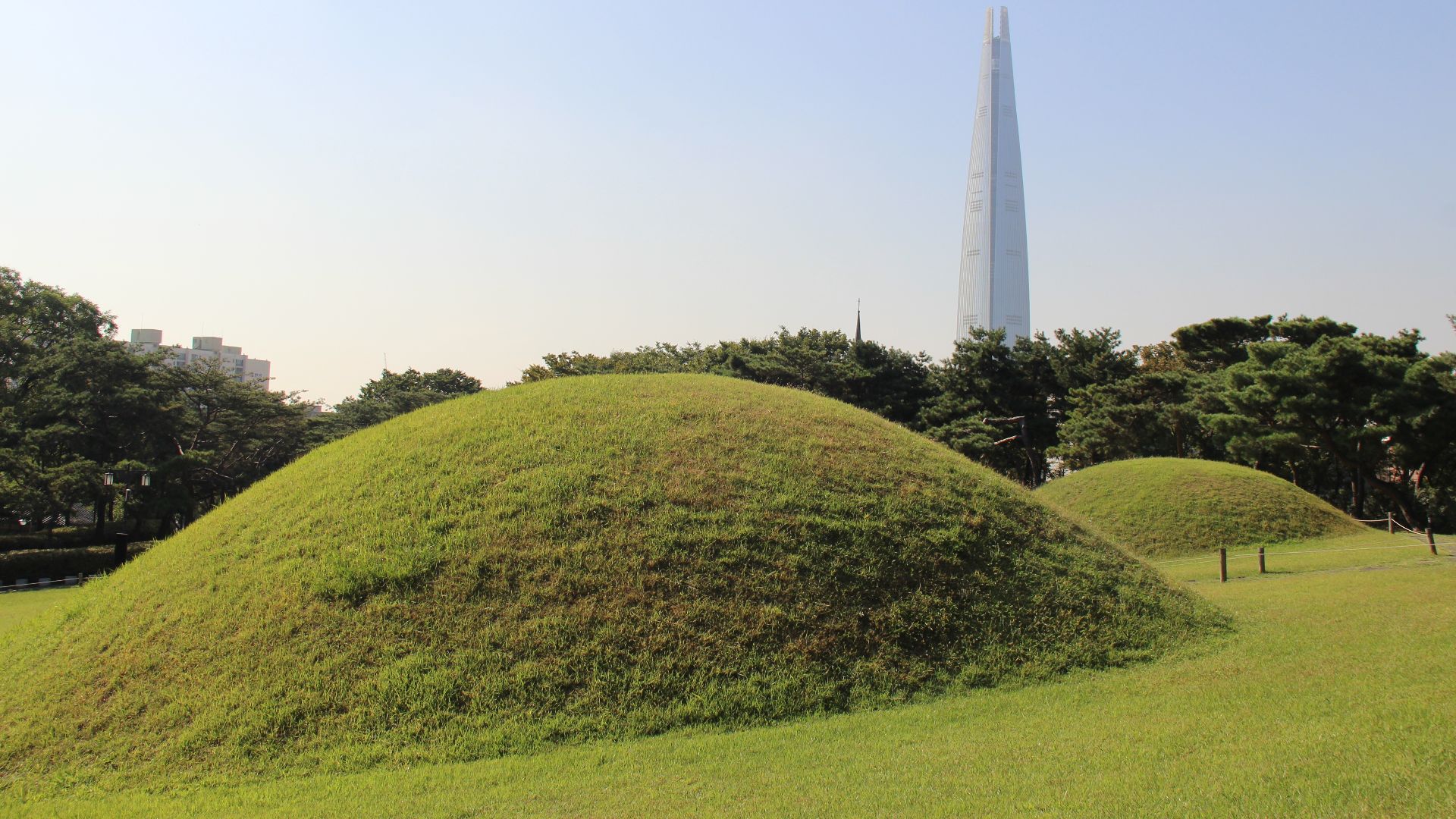
Every Shard Holds a Story
Sometimes it’s not just the shiny gold that speaks, but a broken pot or bead that tells us about the rhythms of everyday life in a kingdom long gone.
 Gary Todd from Xinzheng, China, Wikimedia Commons
Why These Discoveries Matter
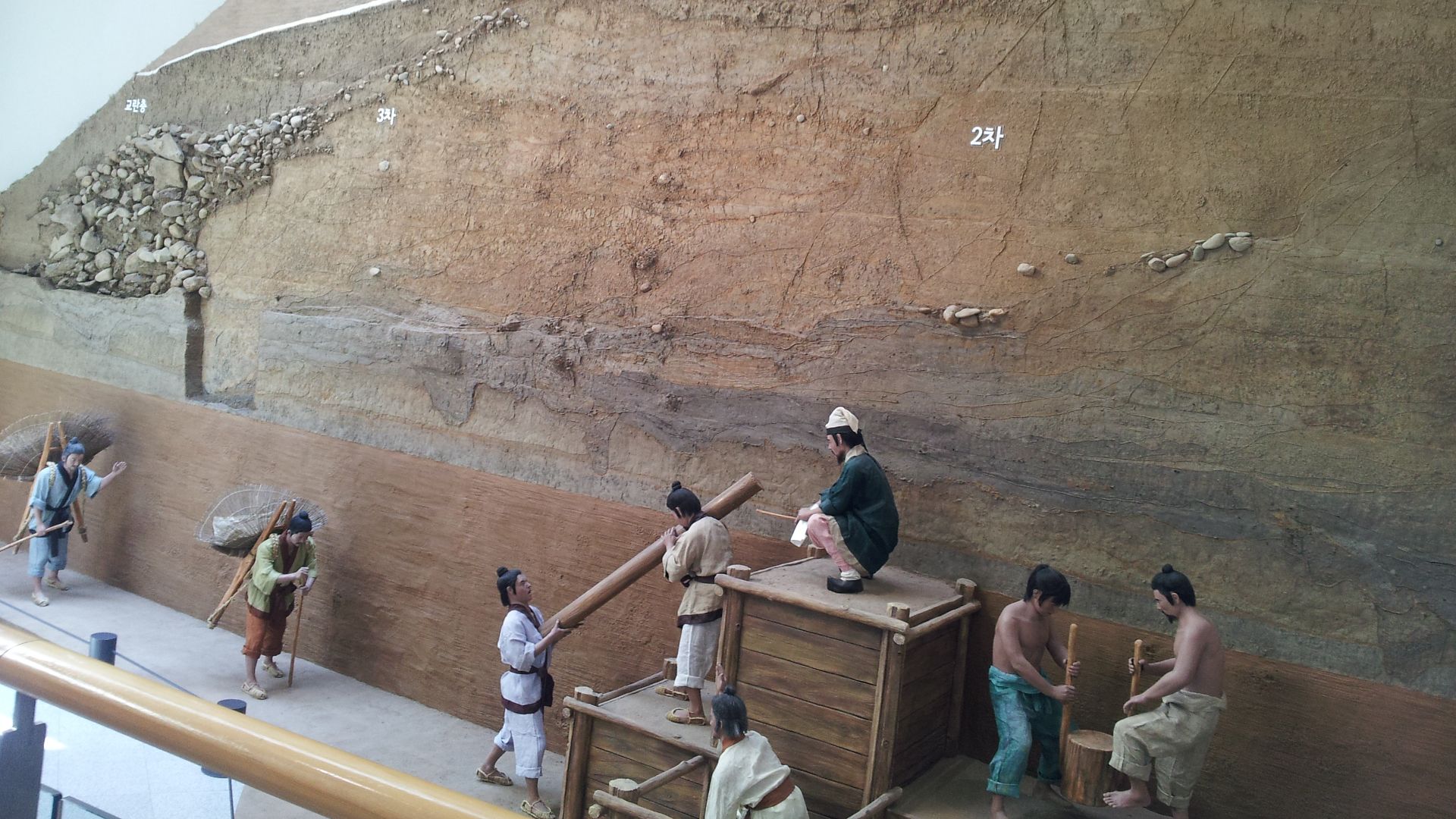
These tombs aren’t just piles of old stuff. They are windows into a past that shaped Korean identity, influenced the region, and continues to captivate historians and the public alike.
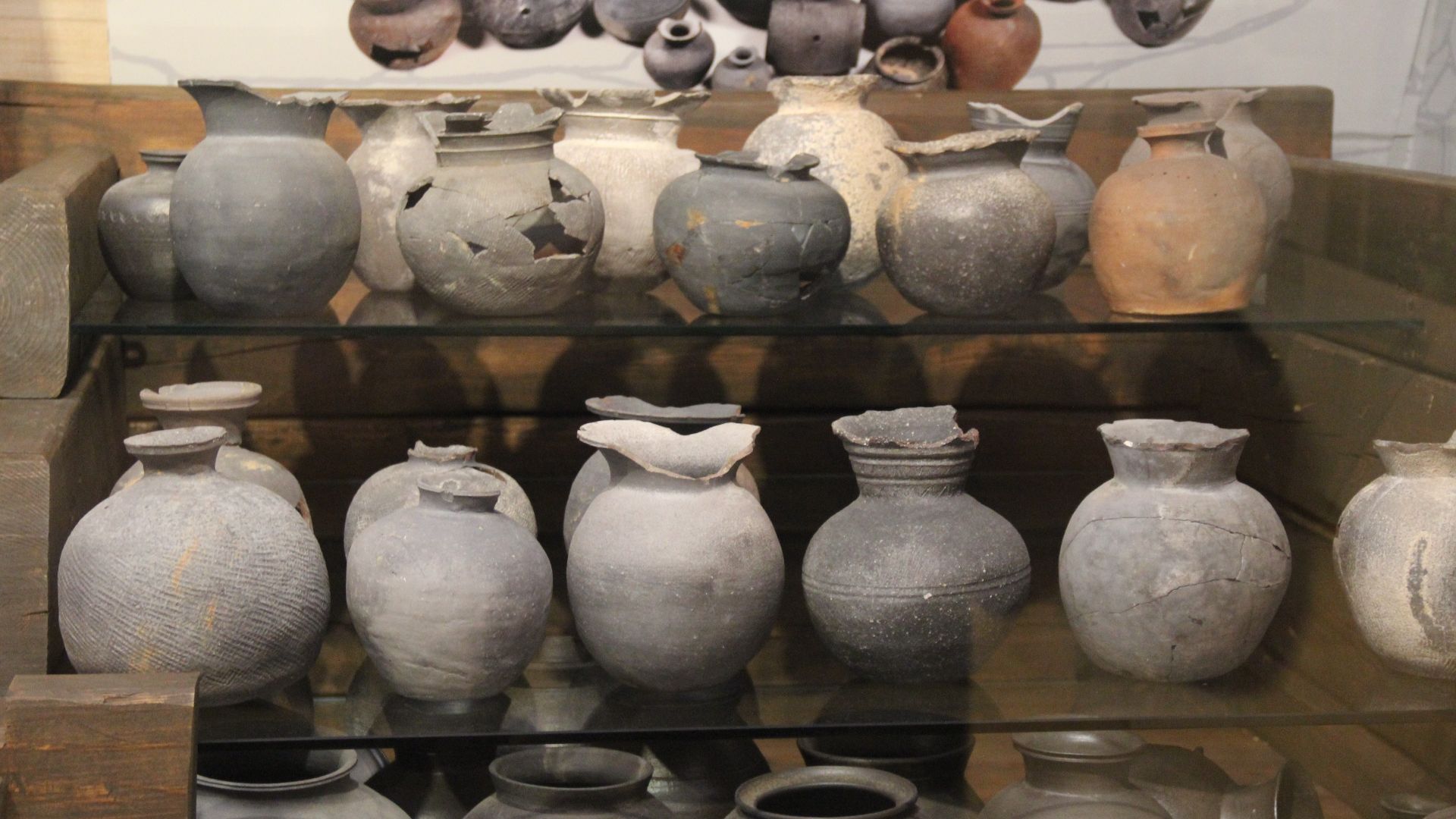
Connecting Past & Present
Each newly unearthed treasure reminds us that history isn’t distant — it’s right here, buried beneath fields and cities, waiting to teach us who we are and where we came from.
 Gary Todd from Xinzheng, China, Wikimedia Commons
A Golden Legacy
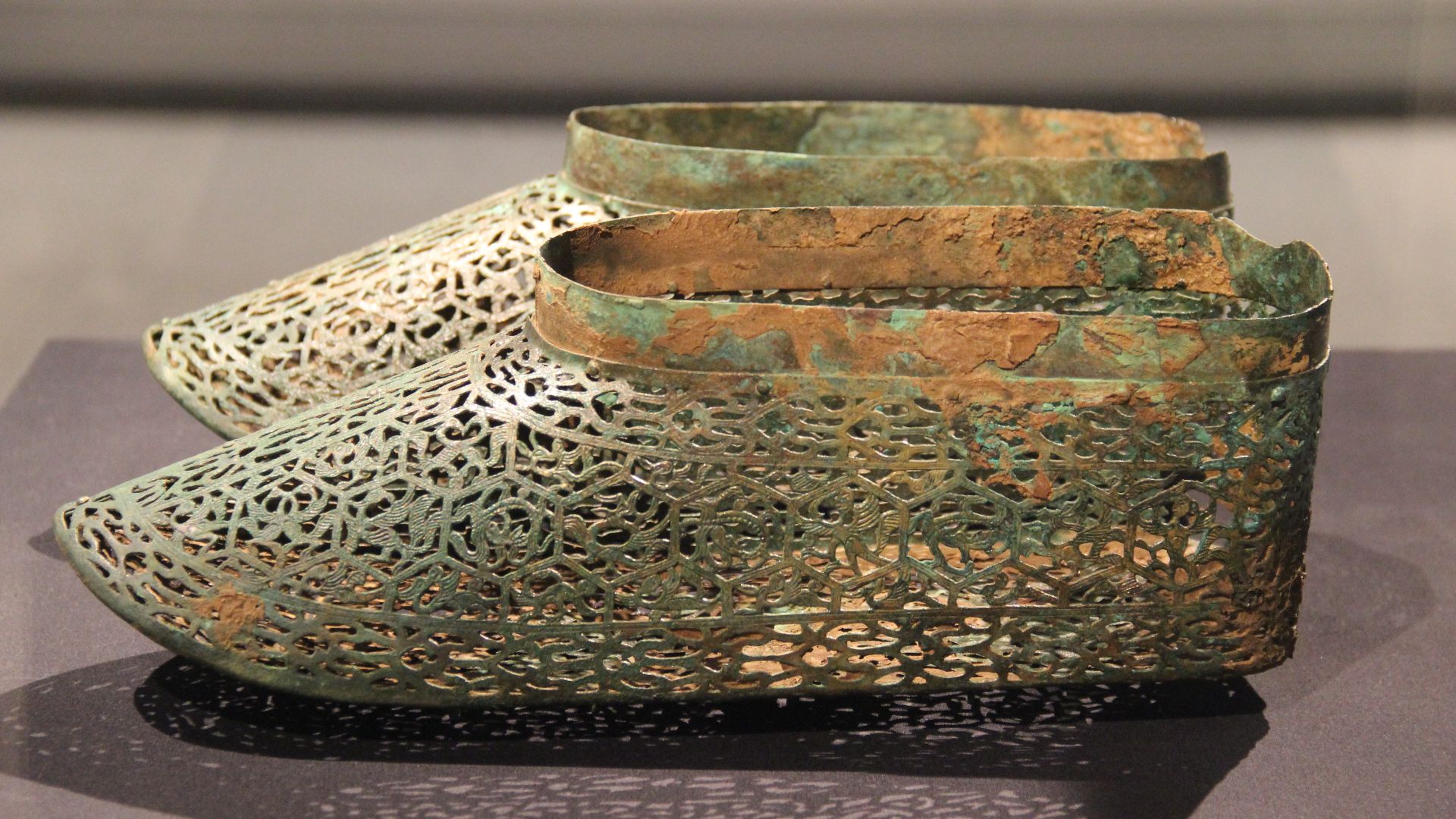
From delicate gold beads to timeless pottery shapes, Baekje’s treasures show a culture that blended artistry, diplomacy, and daily life into something beautiful. And with every excavation season, we learn even more about this brilliant ancient kingdom.
 Gary Todd from Xinzheng, China, Wikimedia Commons
You May Also Like:
Pizza Is America's Greatest Food, But Who Has The Best Slice In Each State?
Hotel Employees Admit These Insider Realities Change Everything About Your Stay
Every tourist who goes to Japan quickly understands why it's the most satisfying country to visit.