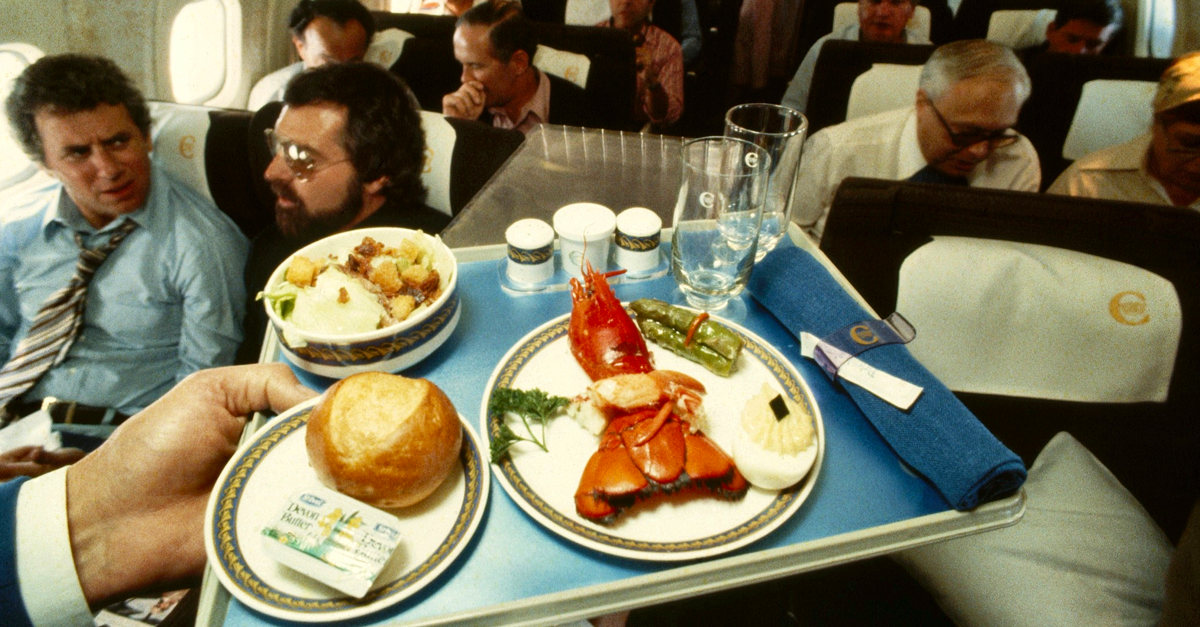
Flying Was A Whole Different Experience
Imagine boarding a plane with a paper ticket, enjoying a full meal, and heading upstairs for a drink in the lounge. In the 1970s, flying offered comforts that have almost completely disappeared. But there were also some things about air travel back then that passengers definitely wouldn't miss today.
How many of these forgotten flying experiences do you remember?
Travel Agents
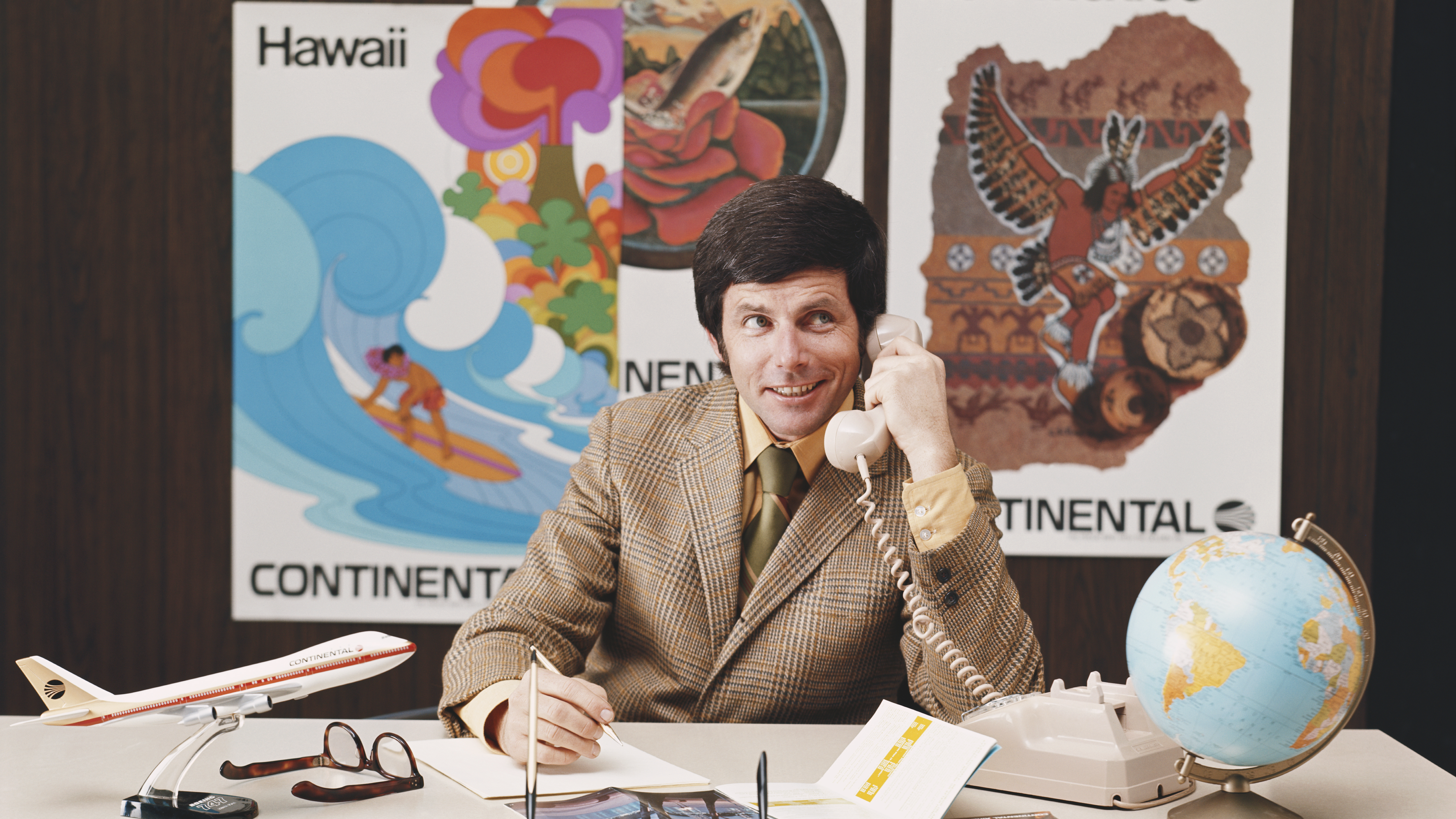
Before online booking, Americans often visited travel agents or called airlines to arrange their flights. Agents helped compare routes, organize connections, and issue tickets. Booking a vacation could involve an appointment and a stack of paperwork rather than a few clicks.
Printed Airline Timetables
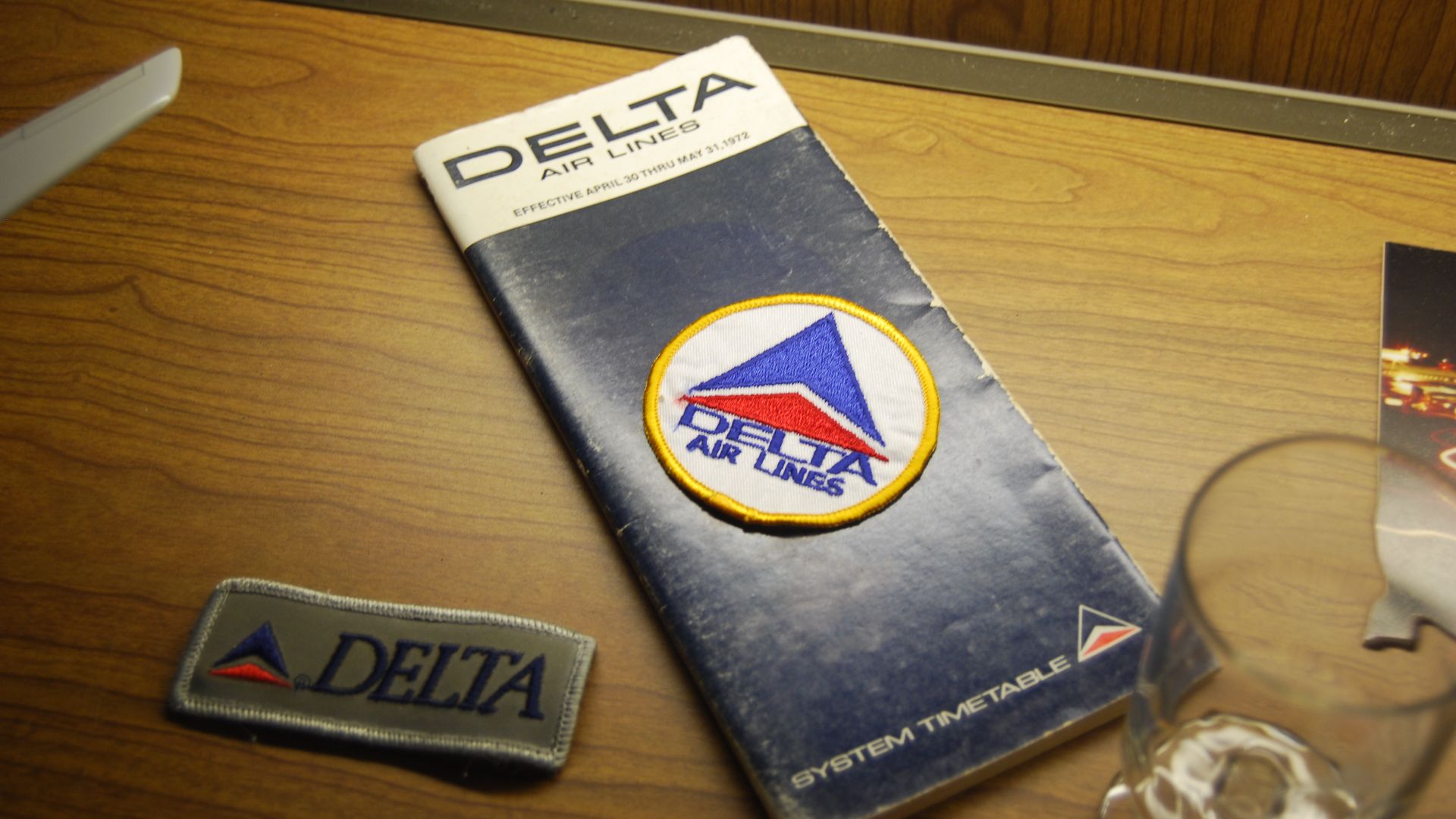
Airlines published paper timetables listing their flights, destinations, and departure times. Travelers could pick up these booklets at airport counters or airline offices to help plan their trips. Before online flight searches, finding the right connection sometimes meant carefully comparing several printed schedules.
 Eddie Maloney from North Las Vegas, USA, Wikimedia Commons
Paper Tickets
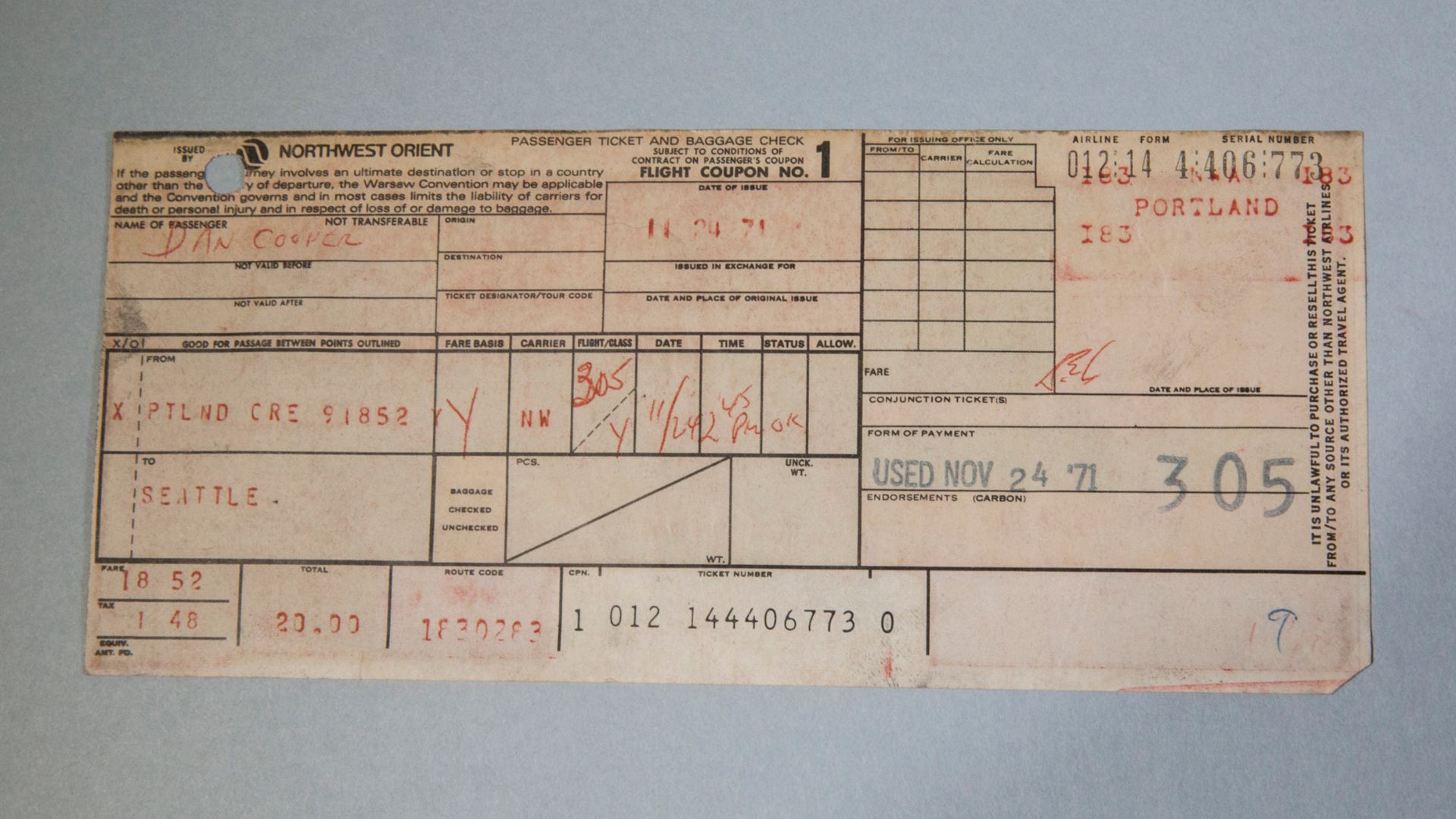
Airline tickets in the 1970s were physical documents, often assembled into small booklets with separate coupons for each flight. Airline employees collected the appropriate coupon when passengers traveled. Losing your ticket could be a major headache, since replacing it wasn't as simple as retrieving an email.
 Federal Bureau of Investigation (FBI), Wikimedia Commons
Airport Observation Decks
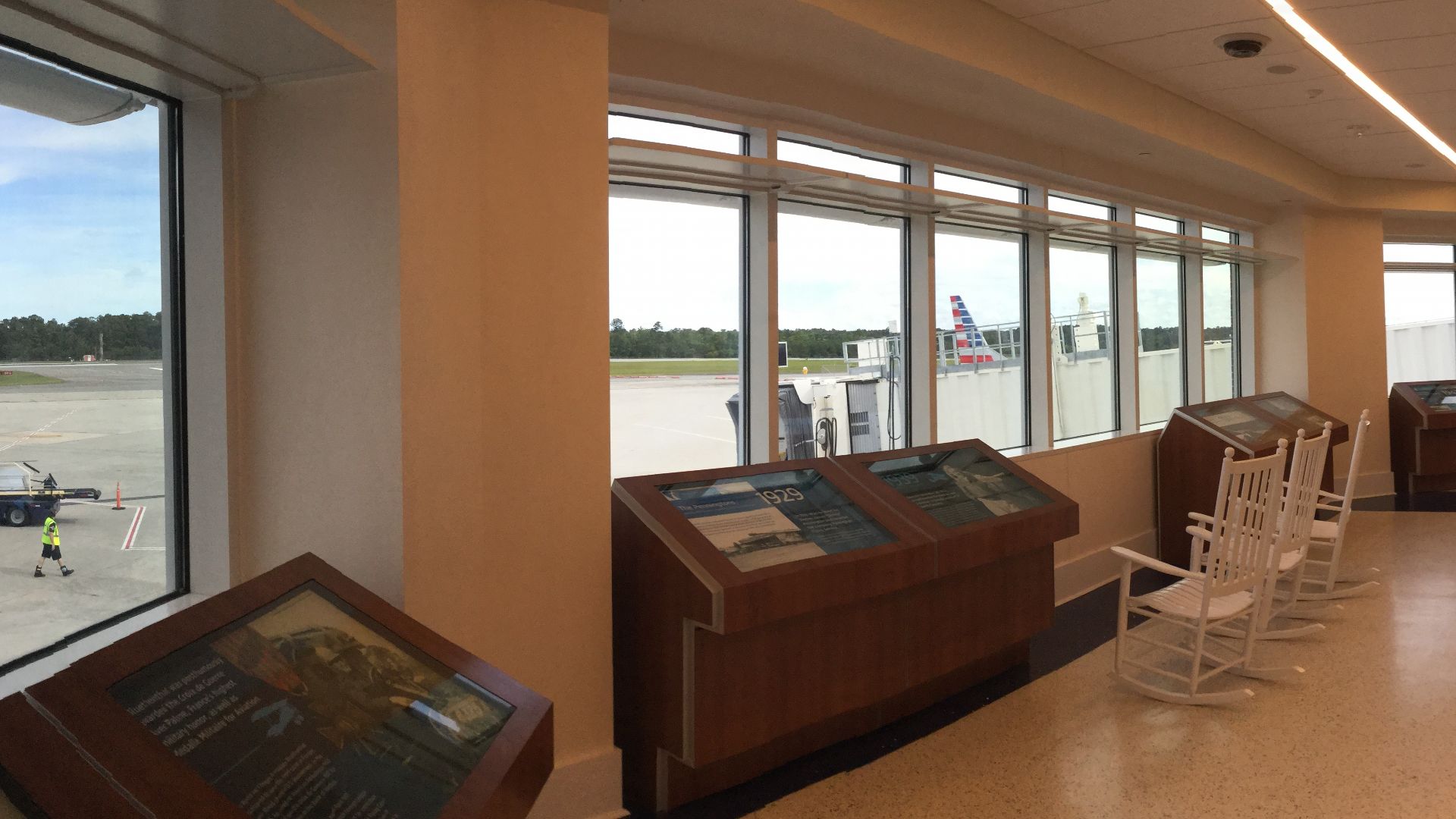
Airports were once attractions in their own right, drawing visitors who had no intention of flying. Many offered observation decks where families could watch enormous jets take off and land. LaGuardia Airport still had a popular plane-spotting deck in 1975, where aviation enthusiasts gathered with binoculars and aircraft identification books.
Airport Goodbyes
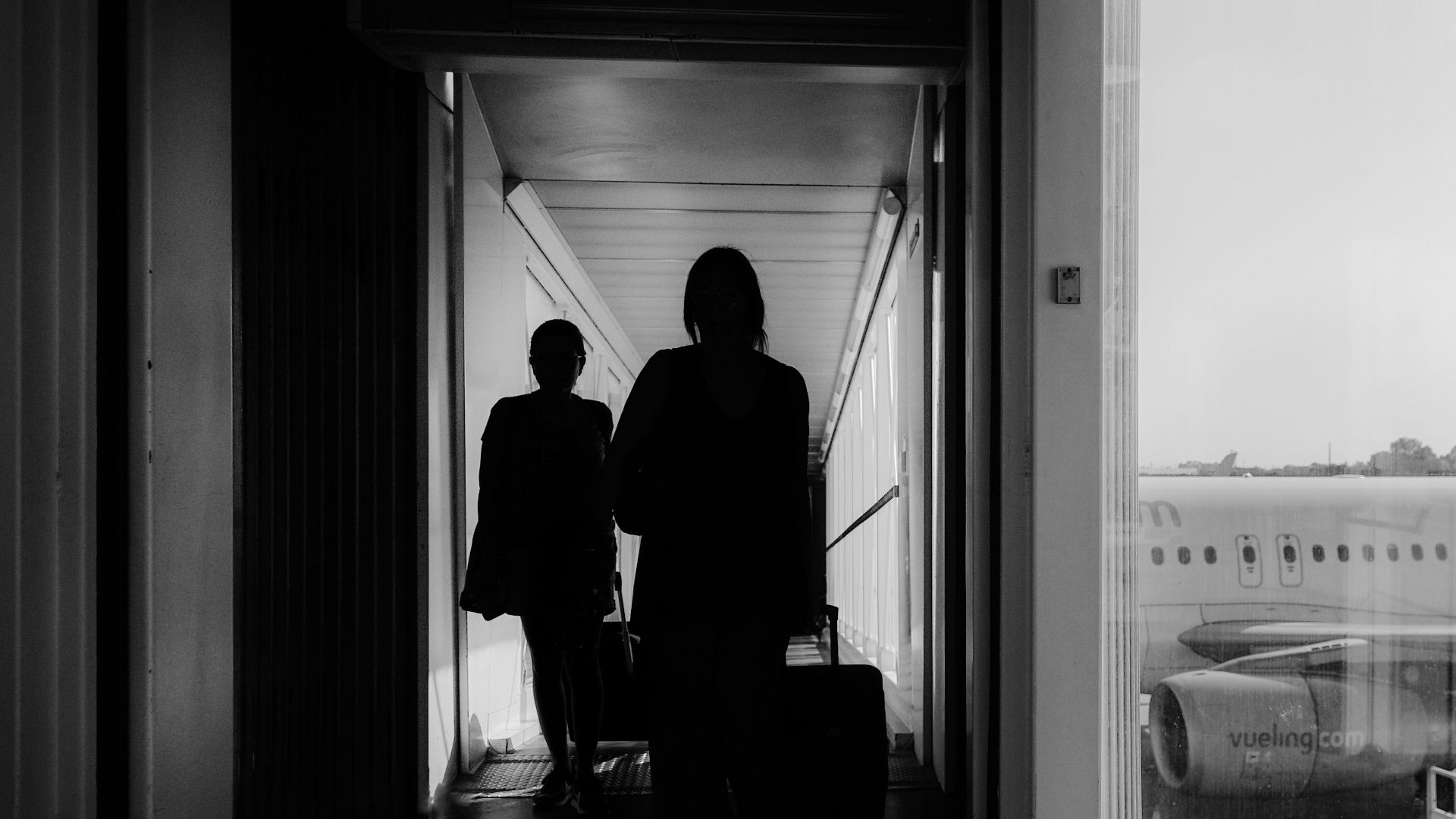
Remember when your entire family could accompany you to the departure gate? Before today's security restrictions, non-ticketed visitors could generally walk through the terminal and wait alongside passengers. Loved ones could wave goodbye at the gate or greet arriving relatives almost immediately after they left the aircraft.
Airport Security
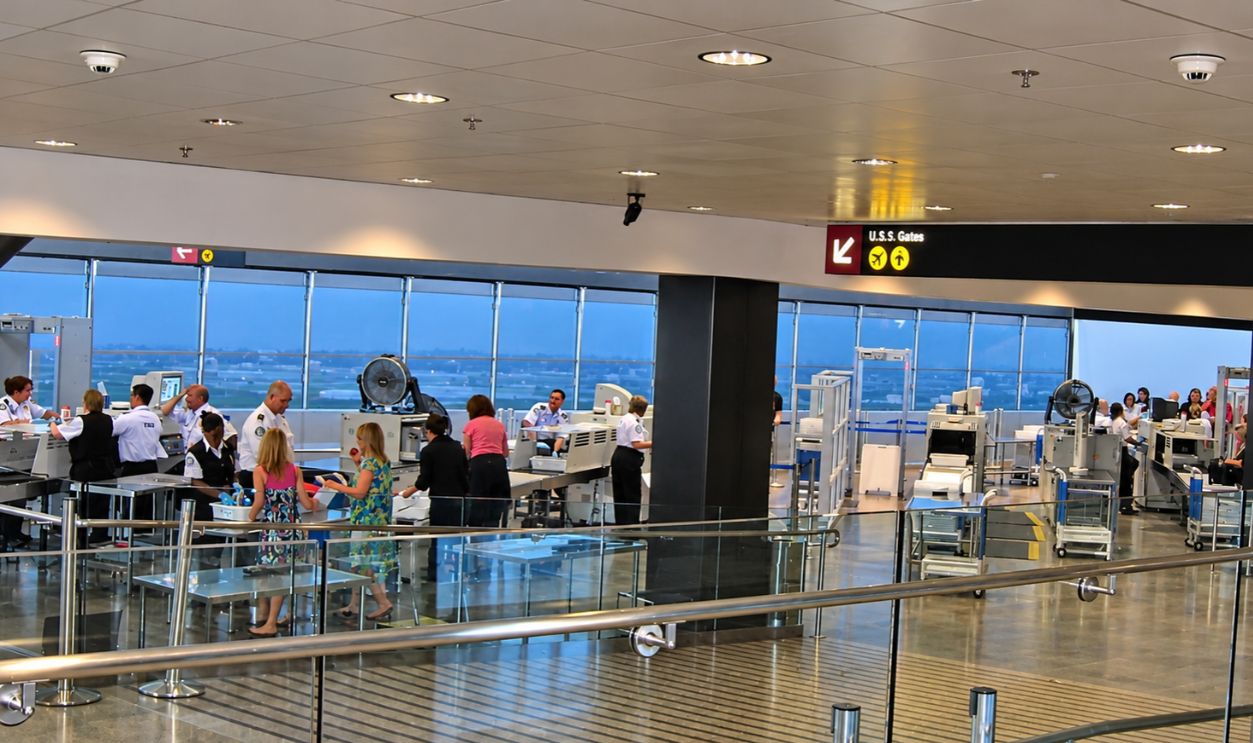
At the beginning of the 1970s, American airport security was far less comprehensive than it is today. Following a wave of hijackings, mandatory screening of passengers and carry-on baggage began on January 5, 1973. Metal detectors and baggage inspections became part of the boarding process, although security arrangements continued evolving throughout the decade.
 Minnaert, Wikimedia Commons, Enhanced
Gate-Side Security Checks
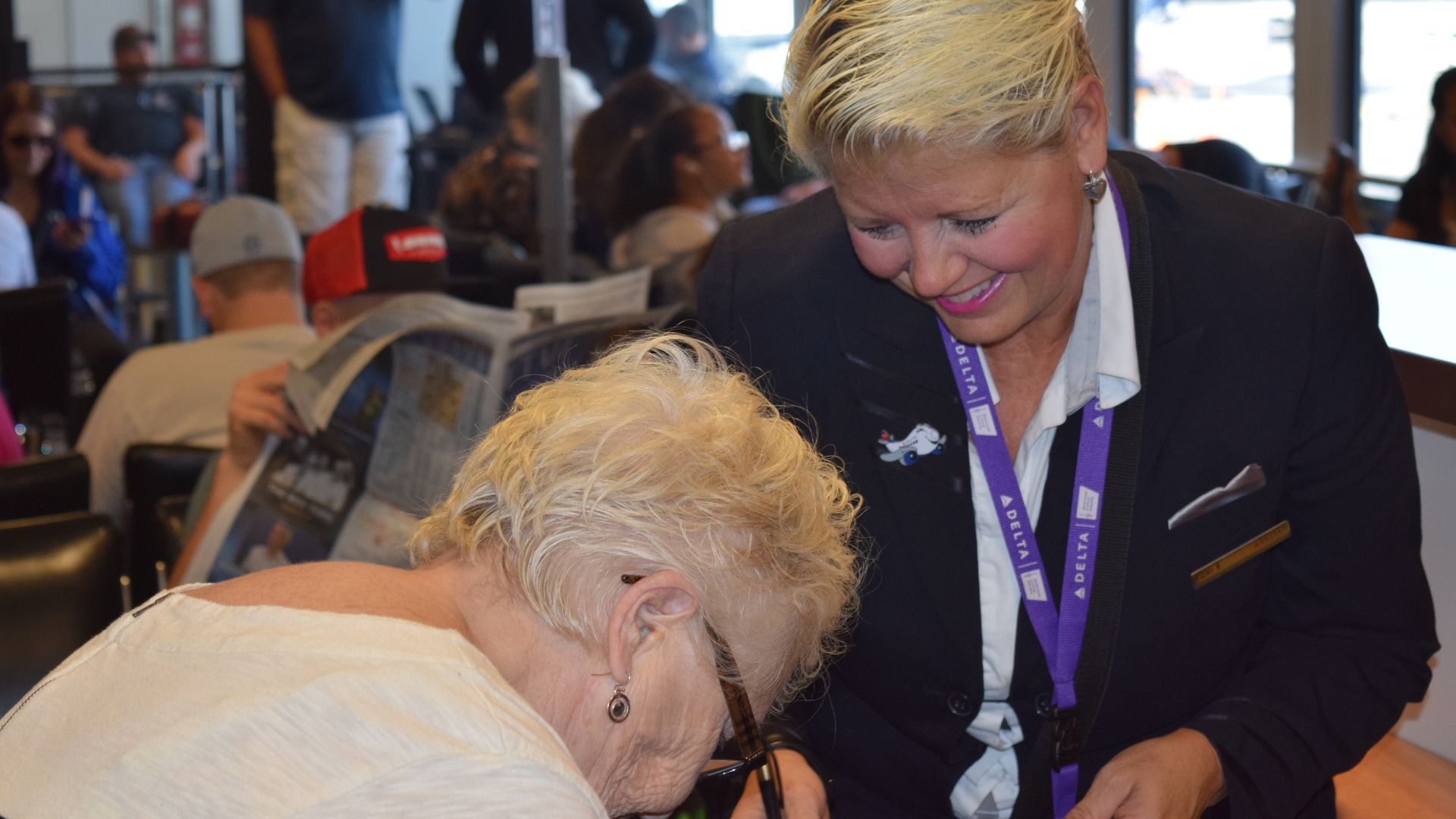
Early passenger screening didn't always involve a large, centralized security checkpoint. At some airports, airline personnel positioned metal detectors near departure gates and screened passengers before they boarded. Travelers could encounter security equipment just steps away from the aircraft.
 Delta News Hub, Wikimedia Commons
Dressed-Up Passengers
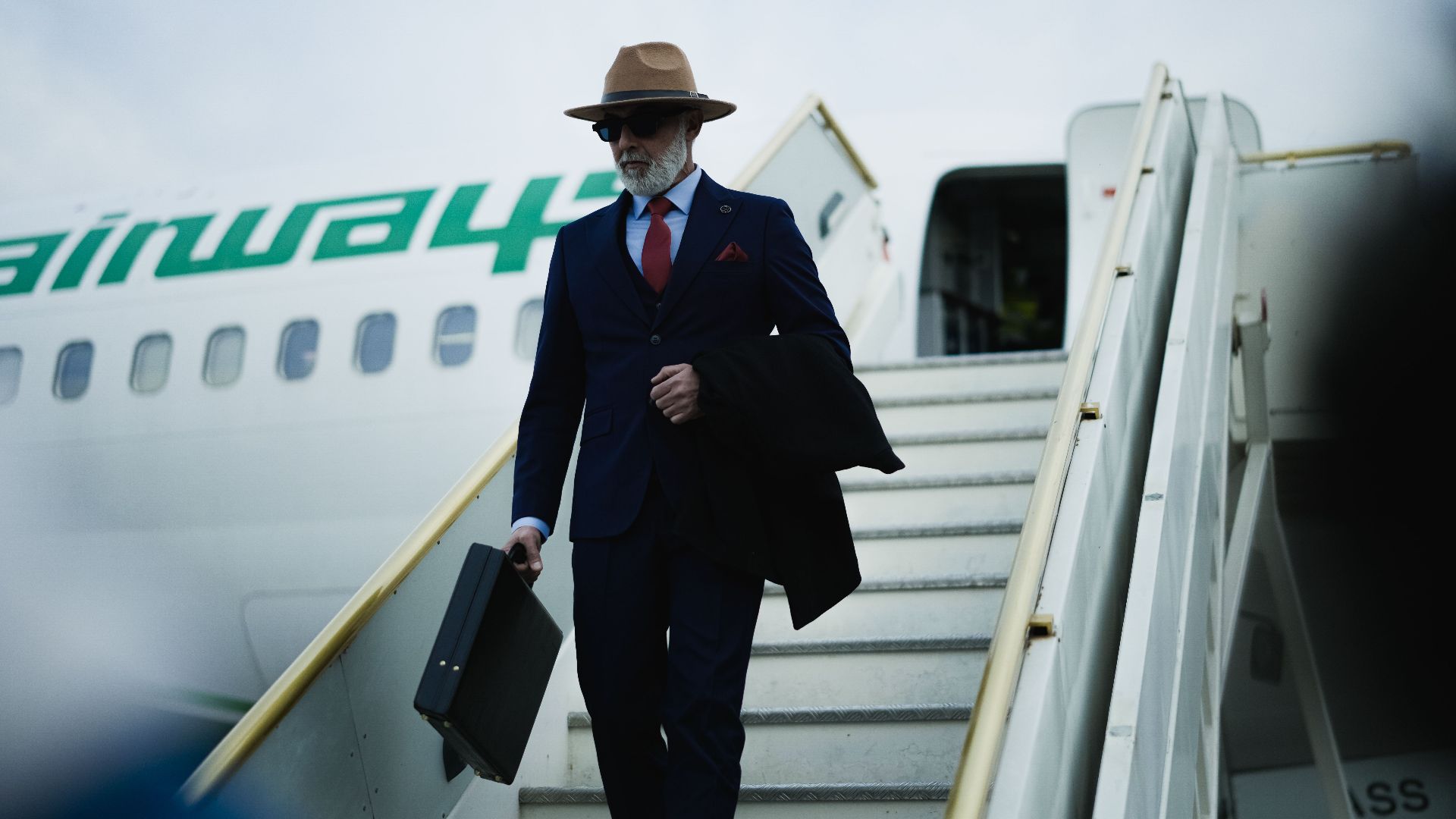
For many travelers, flying was still an occasion worth dressing up for. Suits, dresses, polished shoes, and smart jackets were common sights in airline cabins, especially on business trips. Casual clothing was certainly around, but the atmosphere could feel more formal than today's typical flight.
Regulated Airfares
For most of the 1970s, the Civil Aeronautics Board controlled fares and routes for interstate airlines in the United States. Airlines couldn't freely slash ticket prices to undercut their competitors, so they emphasized service and amenities instead. Flying was often expensive, but passengers could receive more elaborate treatment in return.
 https://kaboompics.com/, Pexels
Boeing 747 Jumbo Jets
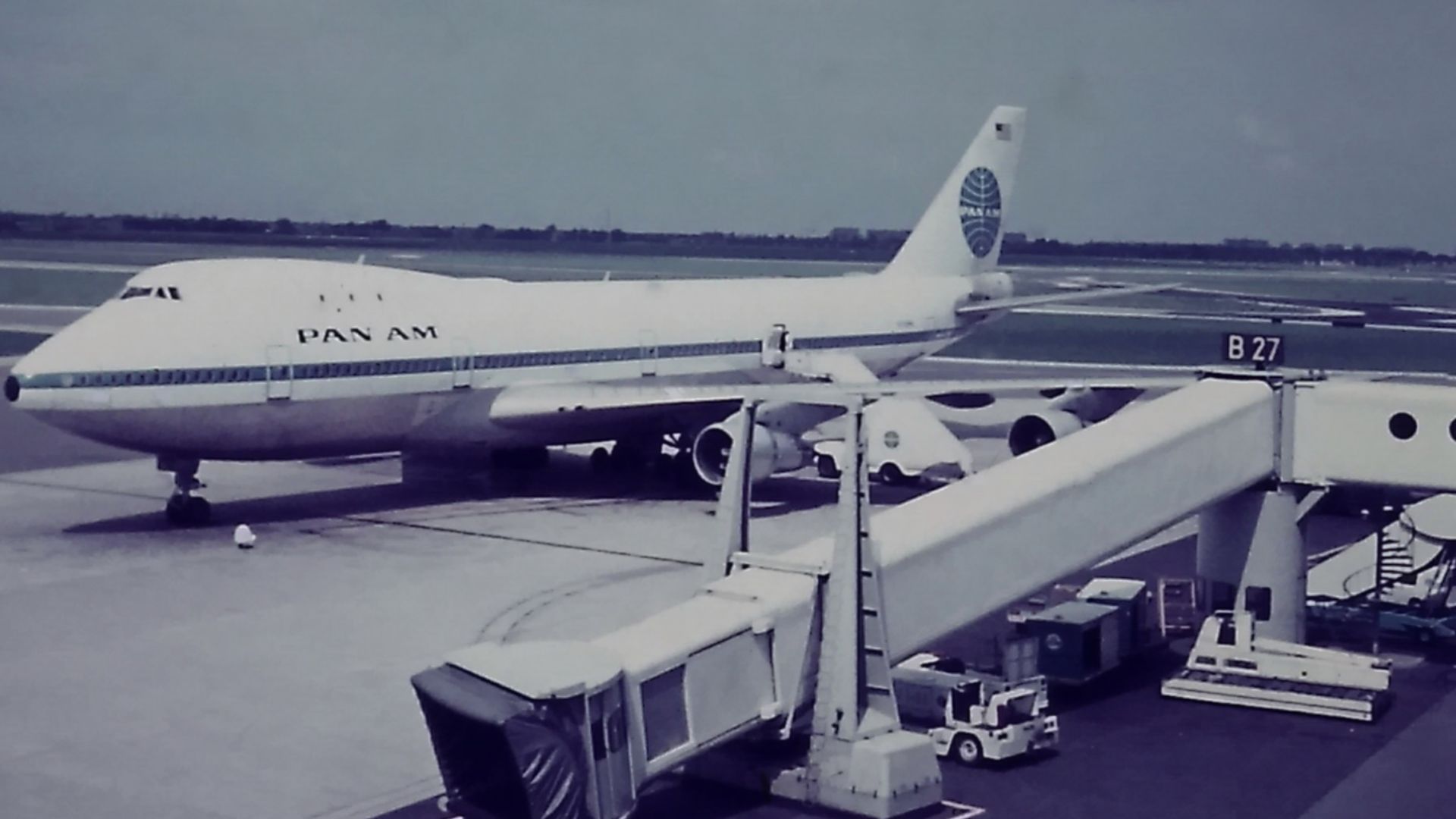
The Boeing 747 entered commercial passenger service with Pan Am in January 1970, transforming long-distance travel. Its enormous size allowed airlines to carry hundreds of passengers while offering features that smaller aircraft couldn't accommodate. Some of those features made the jumbo jet feel more like a flying hotel than an ordinary airplane.
Upstairs Lounges
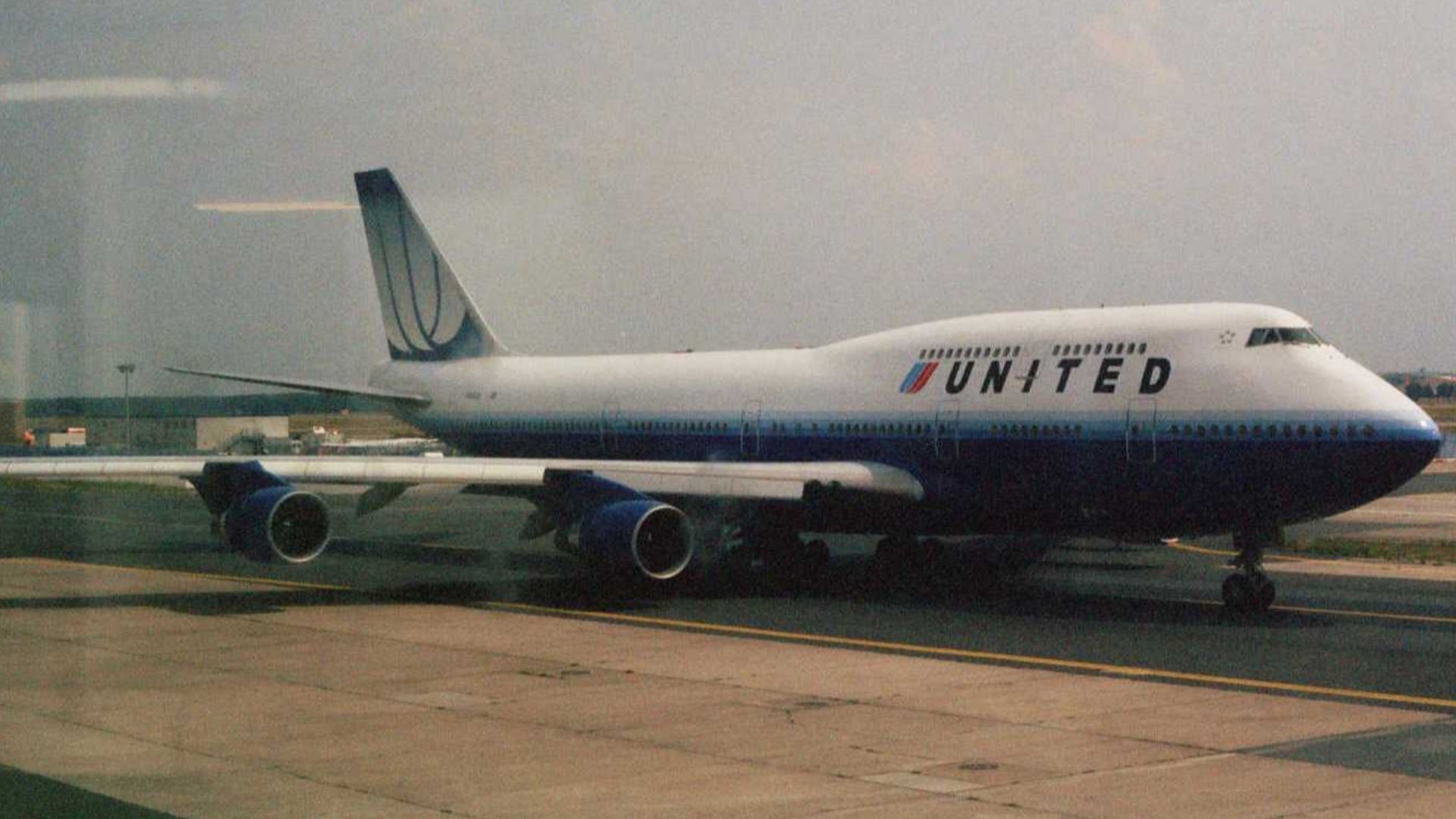
Early Boeing 747s featured upper-deck lounges reached by an interior staircase. First-class passengers could leave their regular seats and relax in comfortable chairs while enjoying drinks or conversation. Pan Am, United, and other airlines used these exclusive spaces to promote the luxury of jumbo-jet travel.
 Andrew Thomas from Shrewsbury, UK, Wikimedia Commons
Economy-Class Lounges
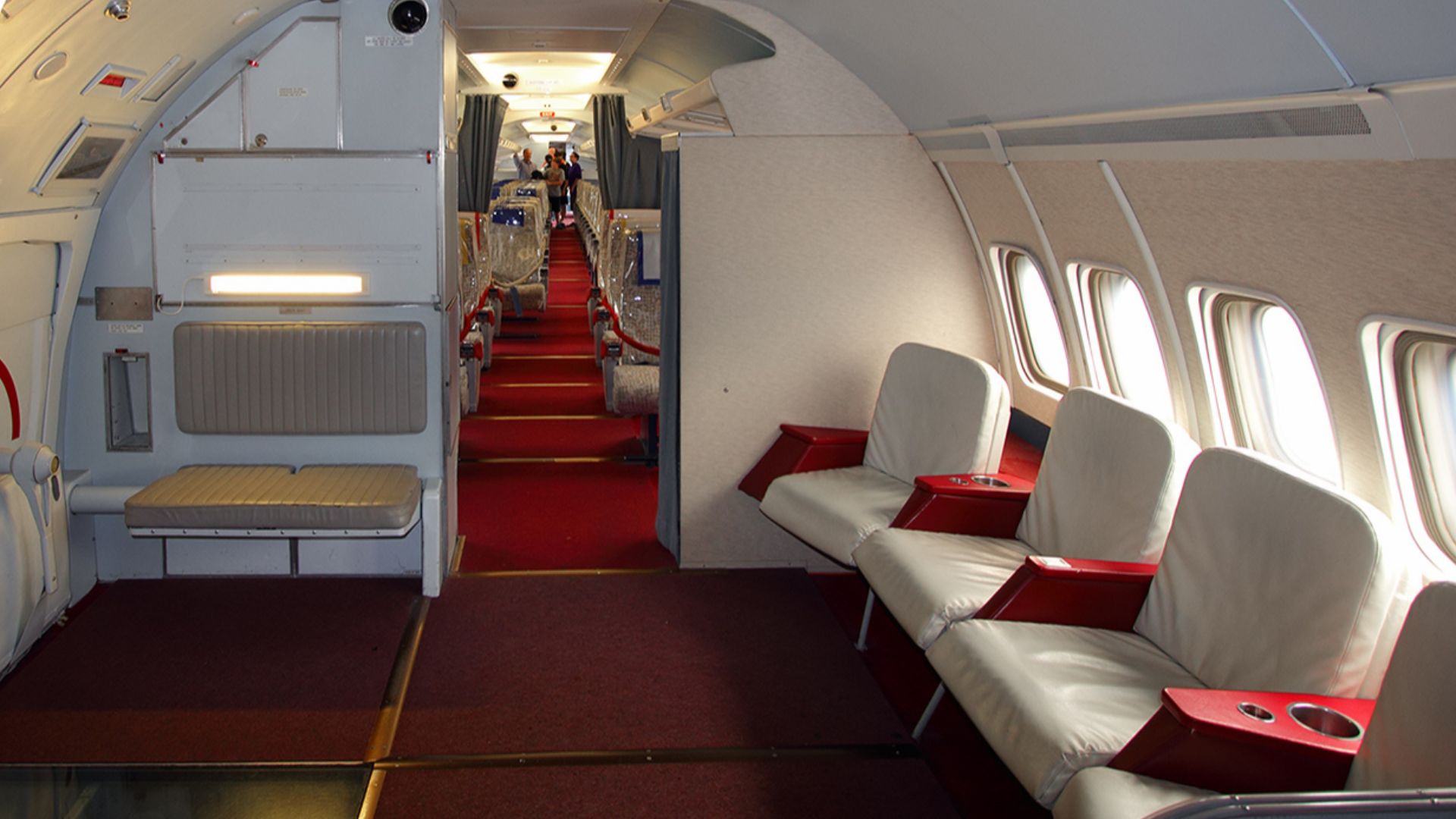
It wasn't just first-class passengers who got to enjoy unusual amenities. Some airlines installed lounges in the main cabins of wide-body aircraft, giving economy passengers somewhere to socialize. These areas featured comfortable seating and sometimes bars, offering an experience almost unheard of in today's economy cabins.
 Alexander Datsenko, Wikimedia Commons
Piano Bars
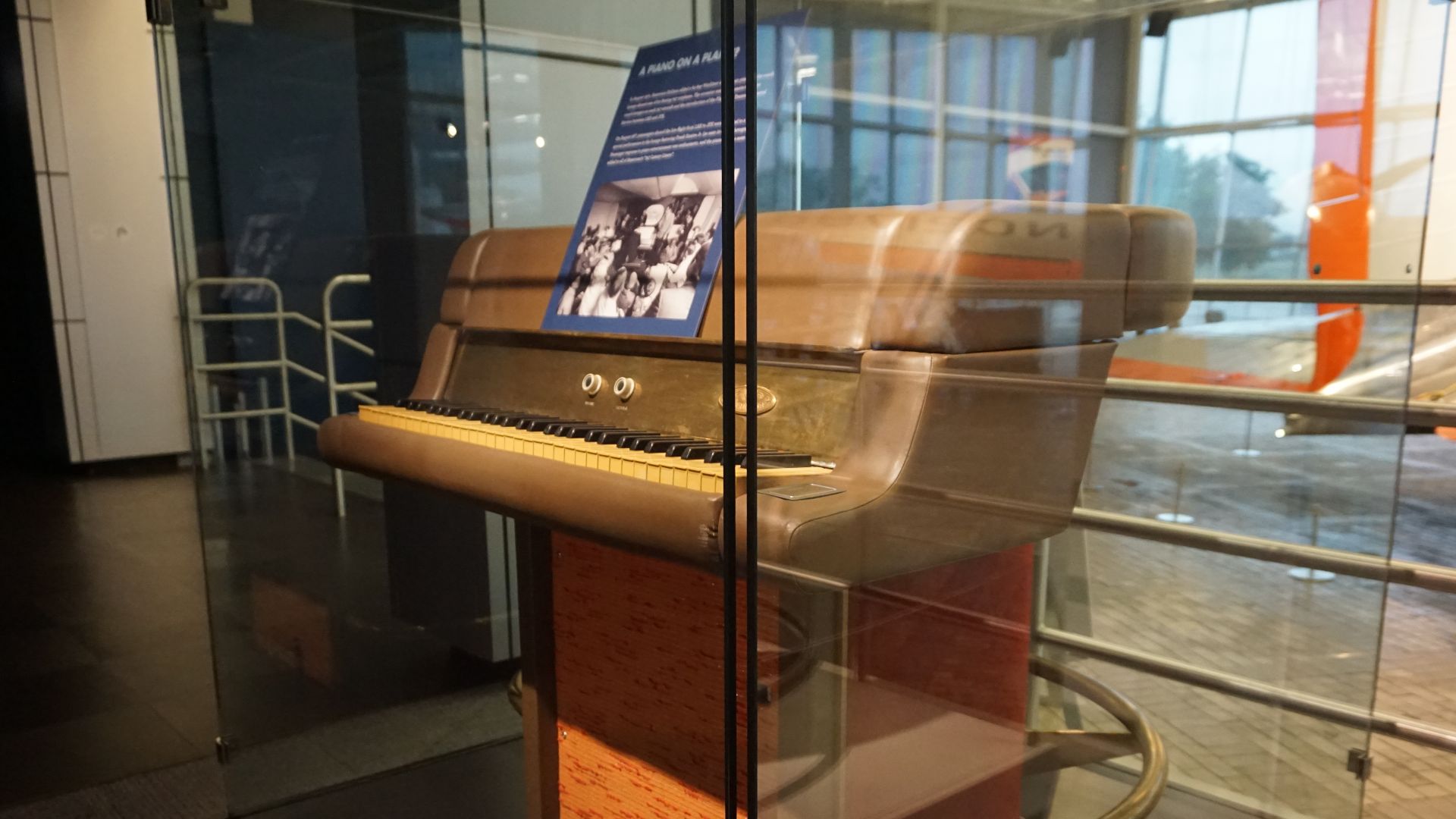
American Airlines took onboard entertainment to another level by installing electric pianos in the coach lounges of its early Boeing 747s. Passengers could gather around the instrument, sing along, or enjoy a drink with fellow travelers. The Wurlitzer pianos were secured to the aircraft floor, making them an unforgettable feature of early 1970s flying.
 Michael Barera, Wikimedia Commons
Restaurant-Style Dining Tables
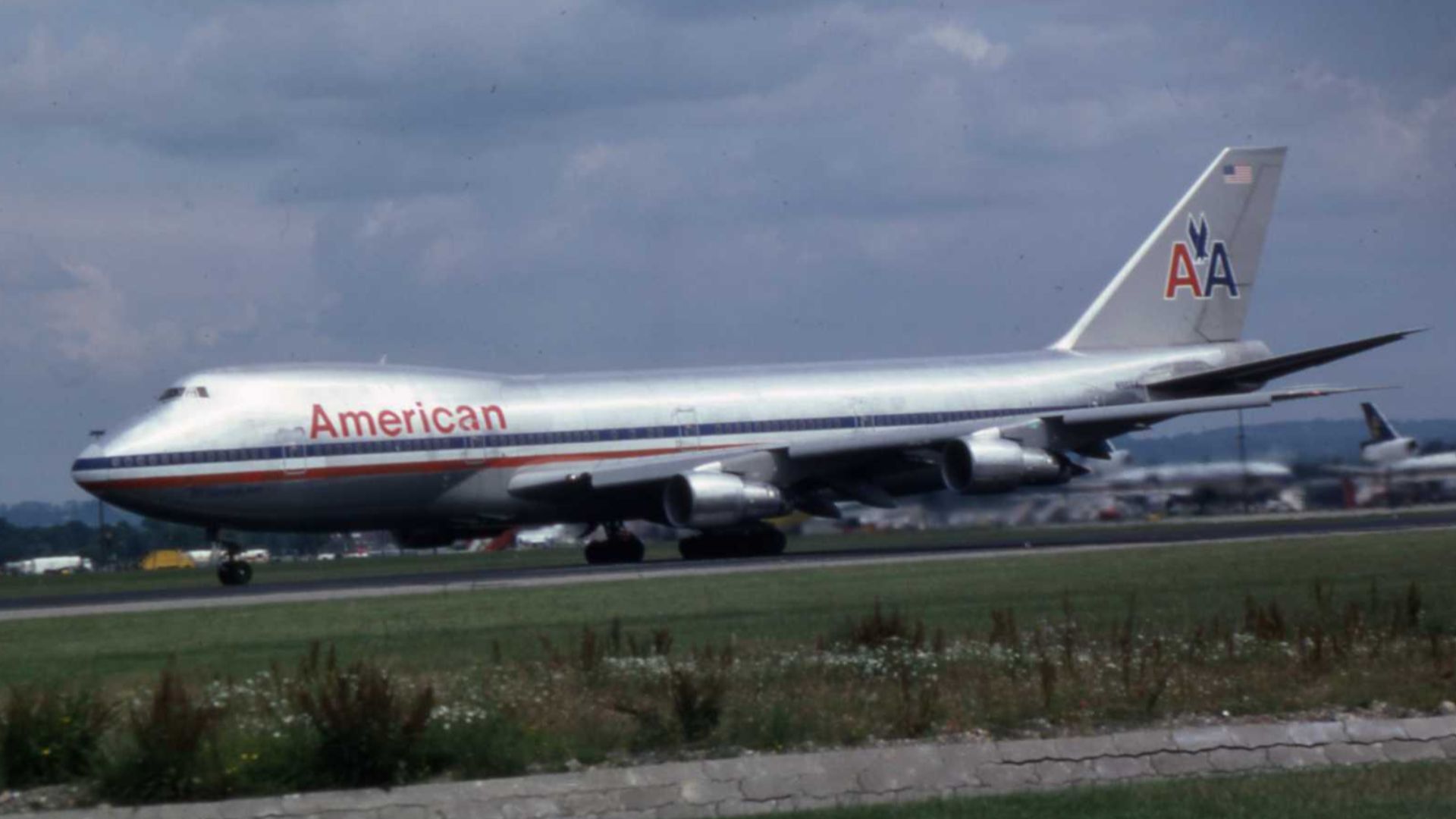
American Airlines also offered something remarkable in first class aboard its 747s: dining tables for groups of three or four. Passengers could reserve a table and enjoy a meal together instead of eating from individual seat trays. Some even used the tables for meetings or card games during their flights.
Spacious Cabins
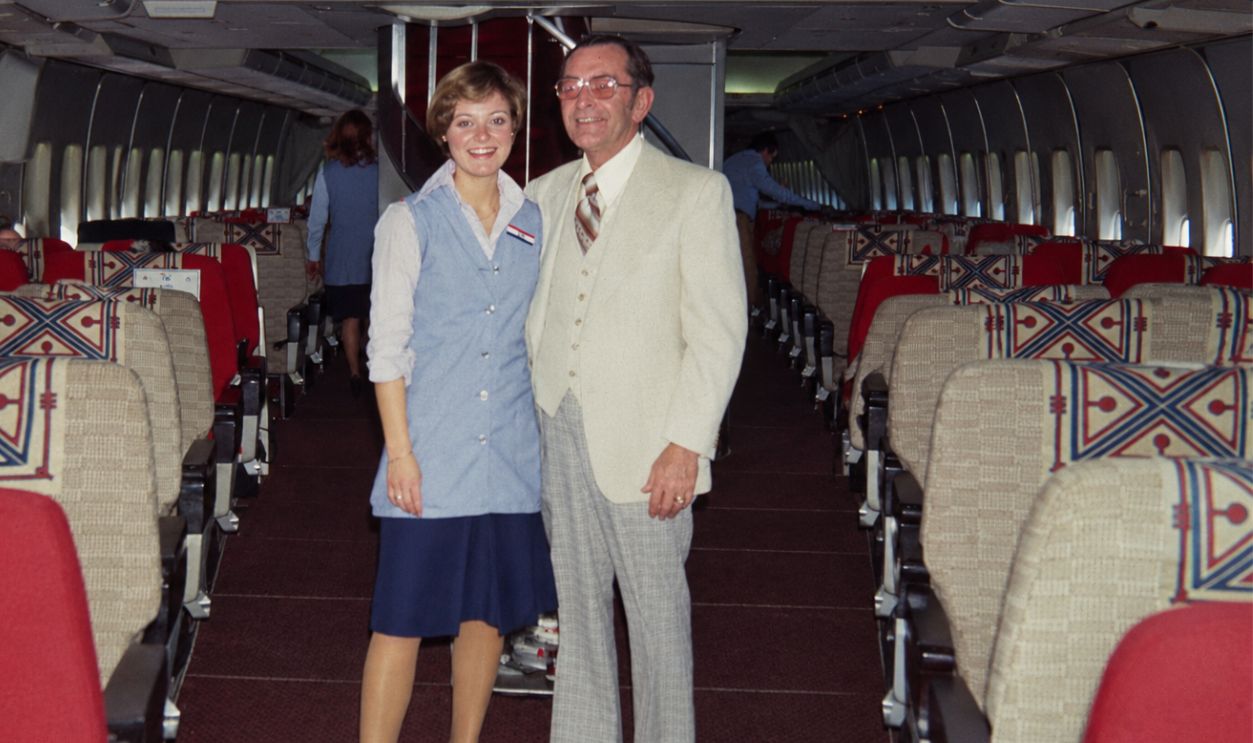
Early wide-body aircraft sometimes offered noticeably more room than today's tightly packed economy cabins. During periods of weaker passenger demand, some airlines even removed seats to create additional lounge space. The generous layouts were especially memorable on the first generation of jumbo jets.
 clipperarctic, Wikimedia Commons, Enhanced
Full Economy Meals
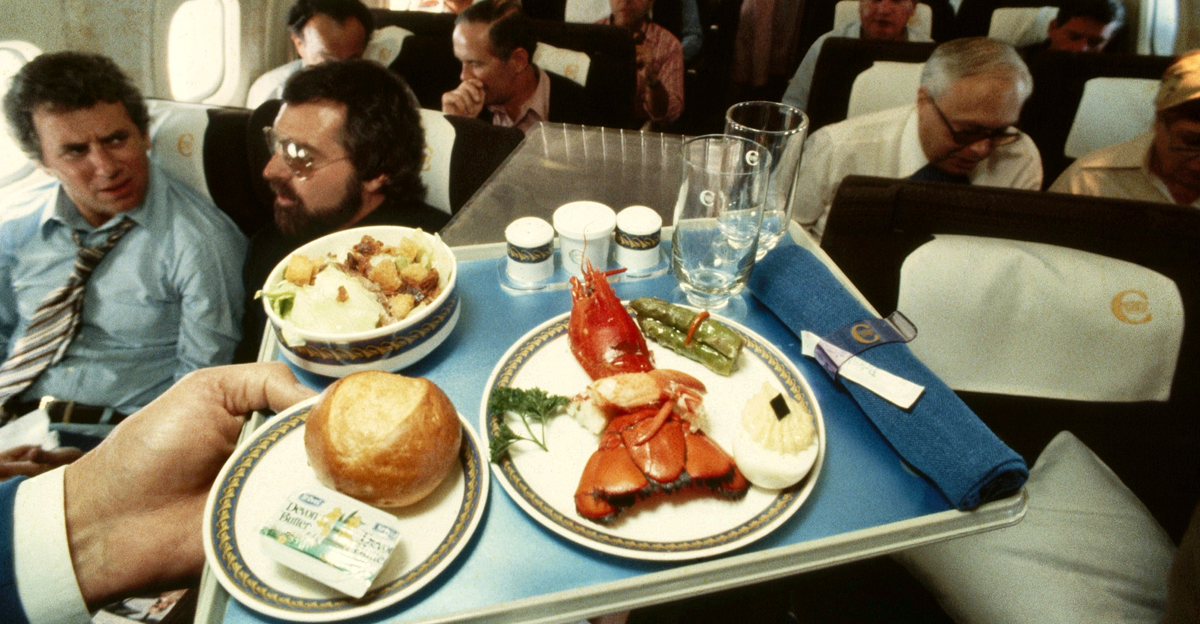
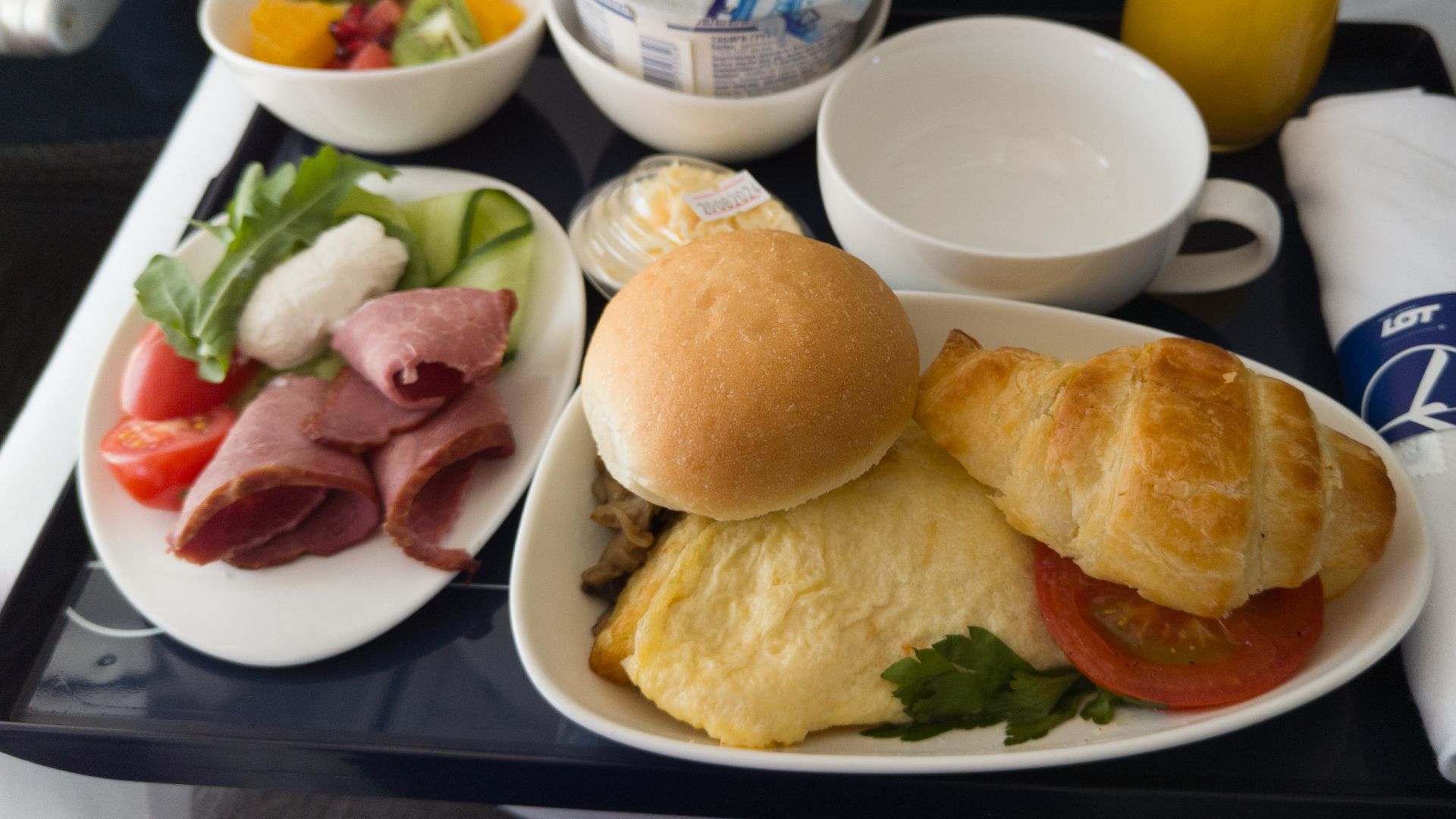
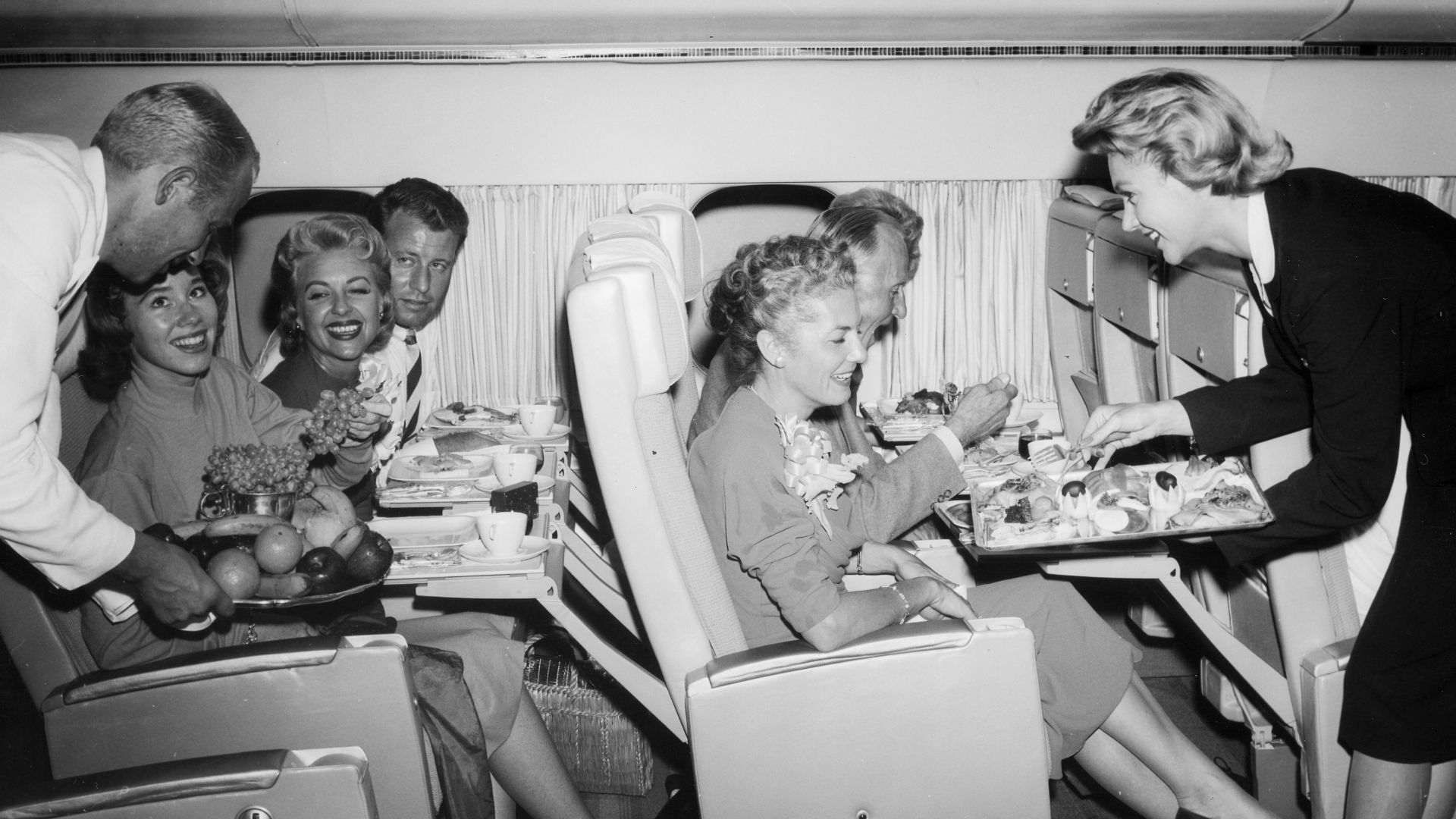
Economy passengers on many longer flights received meals that would seem surprisingly generous today. Depending on the airline and route, dinner might include a hot entrée, salad, bread, dessert, and a beverage. Airlines considered food an important selling point rather than simply another onboard expense.
 Matti Blume, Wikimedia Commons
Printed Menus
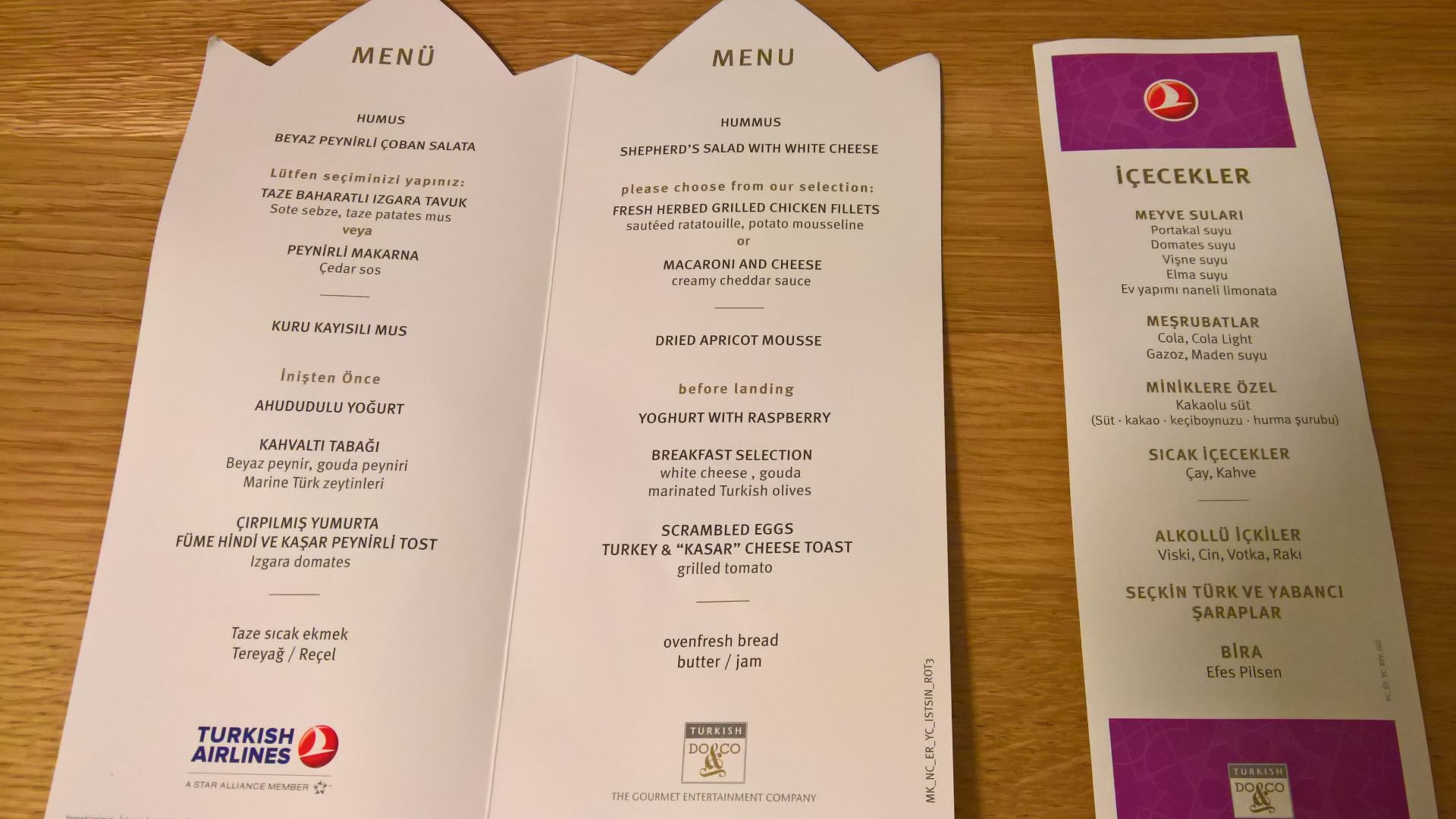
Passengers on certain flights received printed menus describing the meals available onboard. These could include multiple courses, entrée choices, and carefully selected drinks. Airlines sometimes commissioned attractive artwork for their menus, turning an ordinary meal announcement into a small souvenir.
 Donald Trung, Wikimedia Commons
Real Plates And Cutlery
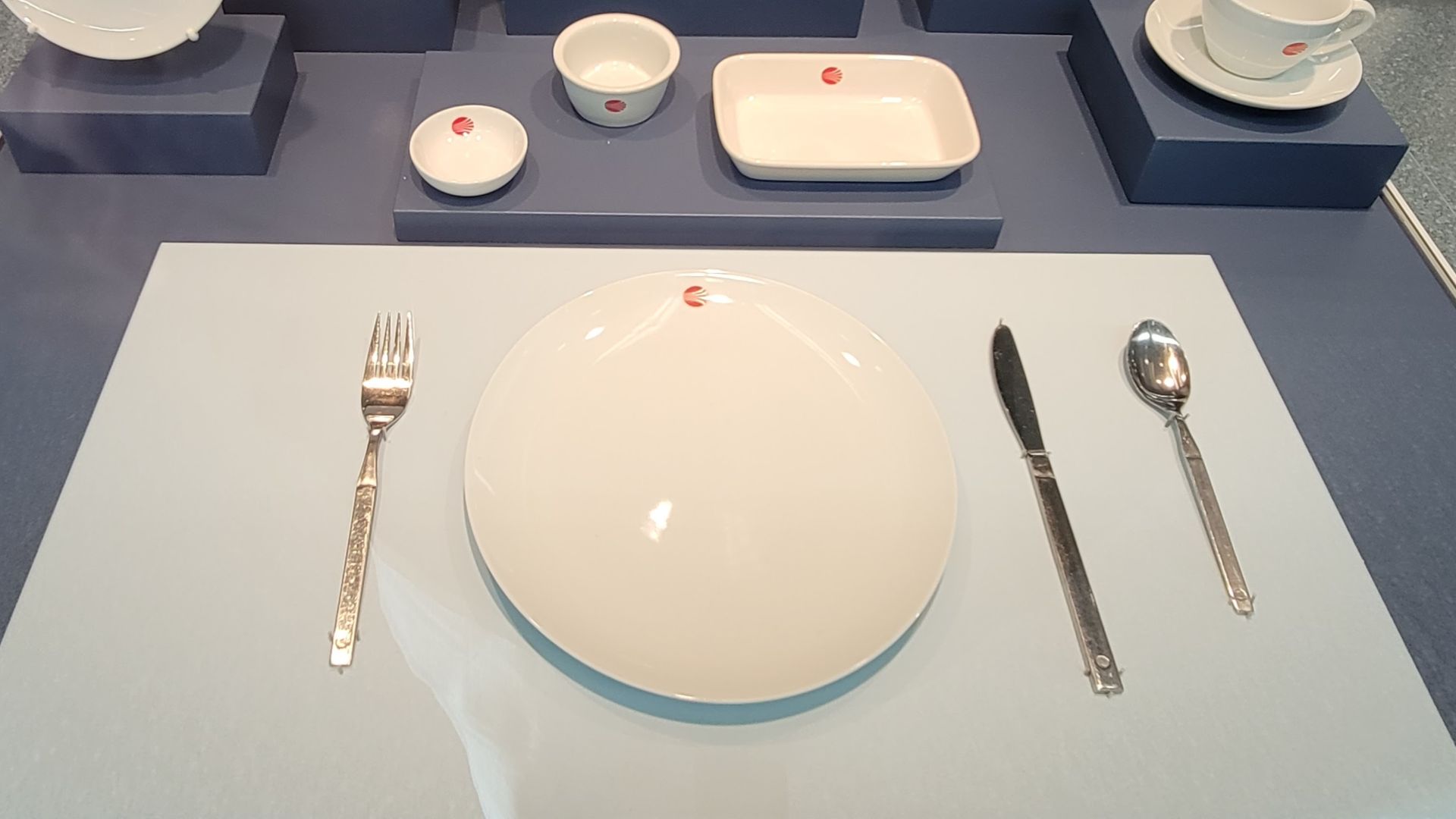
Disposable packaging wasn't always the standard for airline dining. Many carriers served meals using reusable plates, metal utensils, and proper glasses, particularly on longer flights. Even economy passengers could receive a meal presented with a level of care more commonly associated with premium cabins today.
First-Class Meals
First-class dining could be remarkably elaborate in the 1970s. Historical menus featured dishes such as filet mignon, seafood, and multi-course dinners accompanied by wine and champagne. Some airlines promoted their cuisine as a major reason to choose their flights over competing carriers.
Cigarette Smoking
One of the biggest differences was the presence of cigarette smoke in passenger cabins. Airlines permitted smoking in designated sections, meaning nonsmokers could still find themselves sitting close to people lighting cigarettes. For travelers accustomed to smoke-free flights, the experience would be difficult to imagine today.
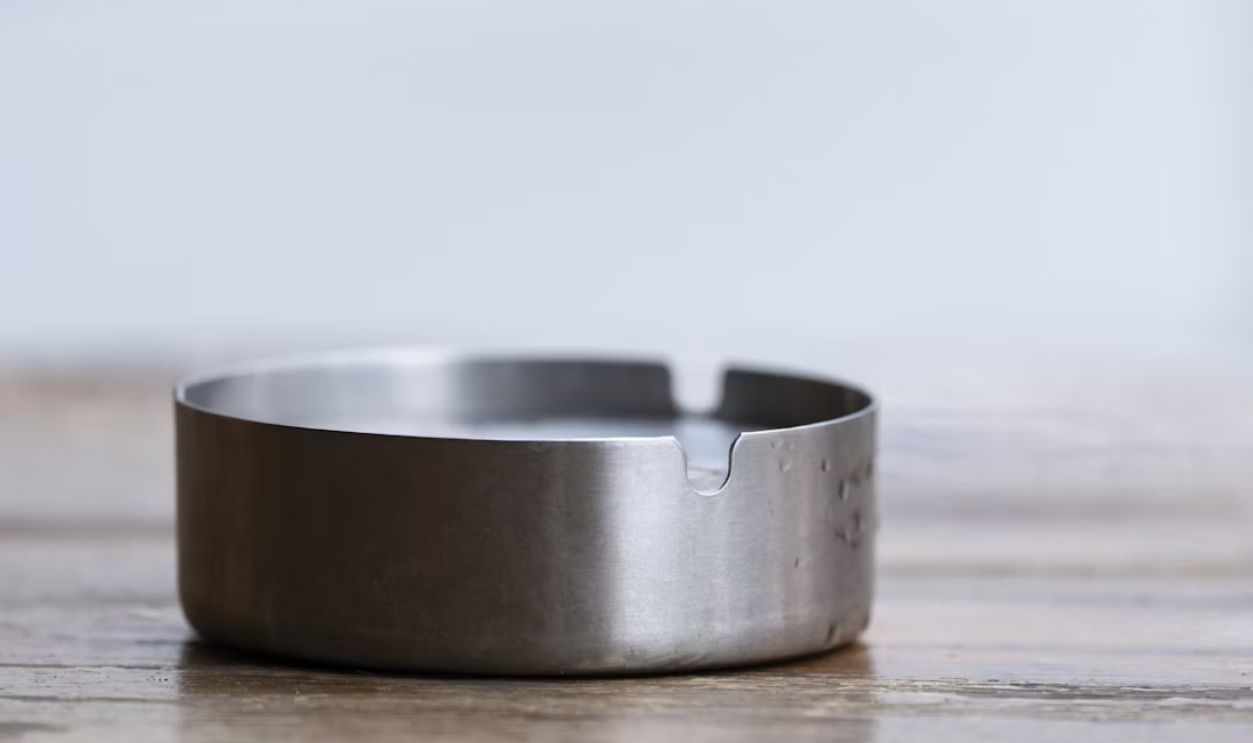
Built-In Ashtrays
The smoking culture of the 1970s was reflected in airplane interiors. Many passenger seats had small metal ashtrays built directly into their armrests. Travelers could use them during permitted smoking periods, making these little compartments a familiar feature of commercial aviation.
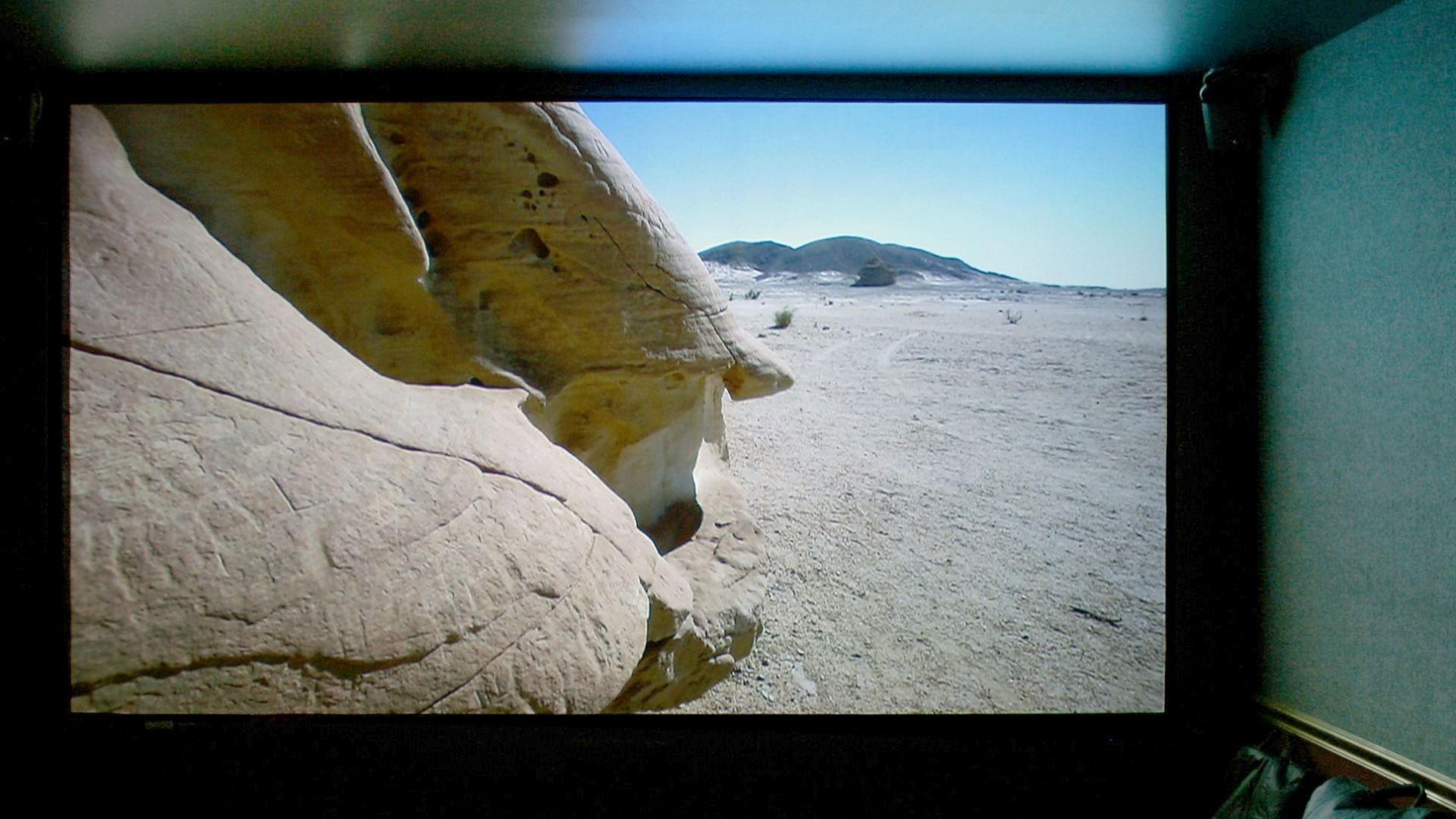
Shared In-Flight Movies
Personal entertainment screens were far from standard in the 1970s. Instead, airlines showed movies on shared screens, with passengers watching the same film together. Some carriers used larger projection screens in their wide-body aircraft, turning part of the cabin into a miniature movie theater.
 Derek Jensen, Wikimedia Commons
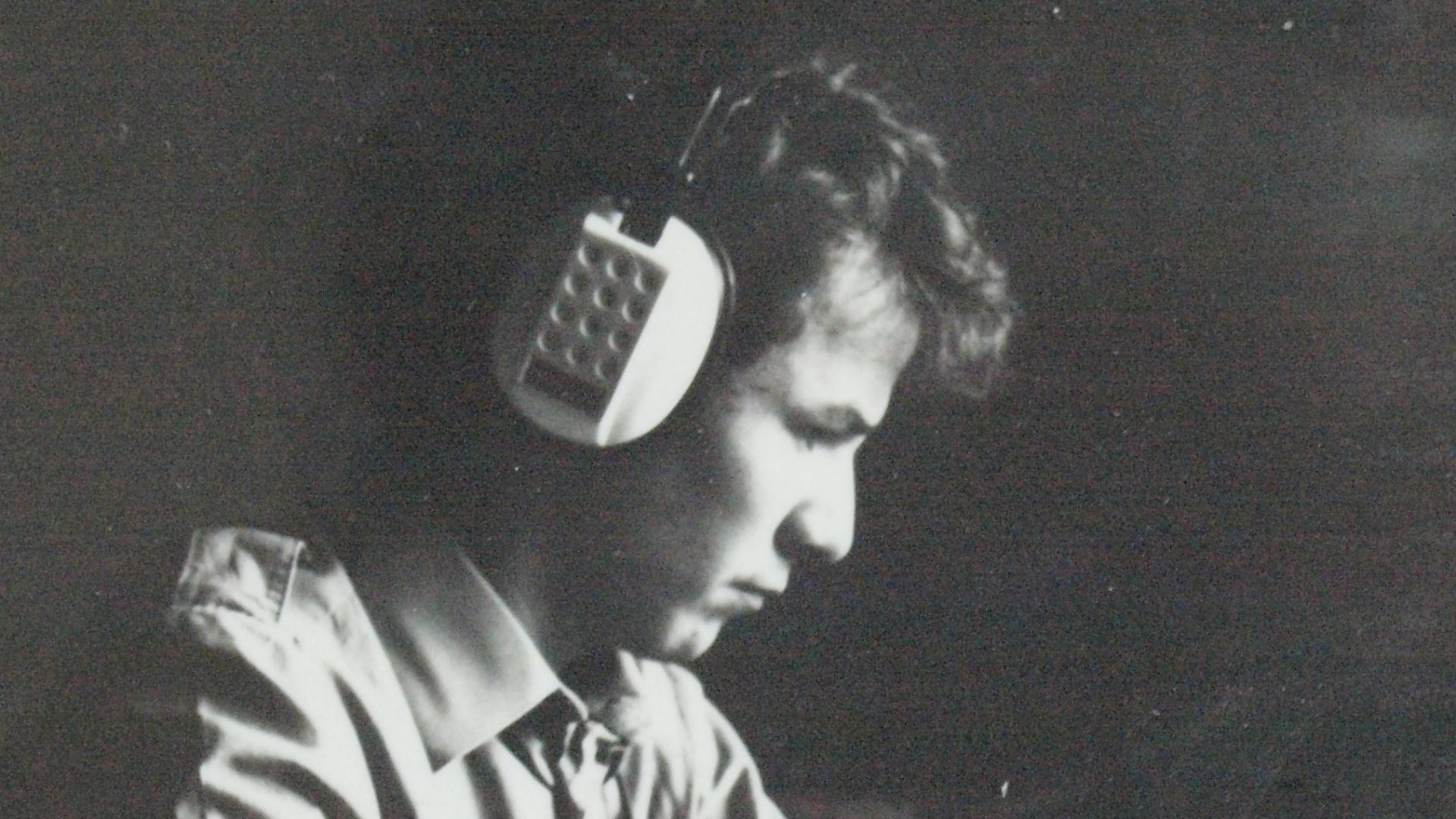
Rental Headphones
Watching an in-flight movie wasn't necessarily free. Some airlines charged economy passengers for headphones, while first-class travelers received them without an additional fee. TWA was among the carriers that used this arrangement, long before passengers could bring their own wireless headphones and personal devices.
 Hp.Baumeler, Wikimedia Commons
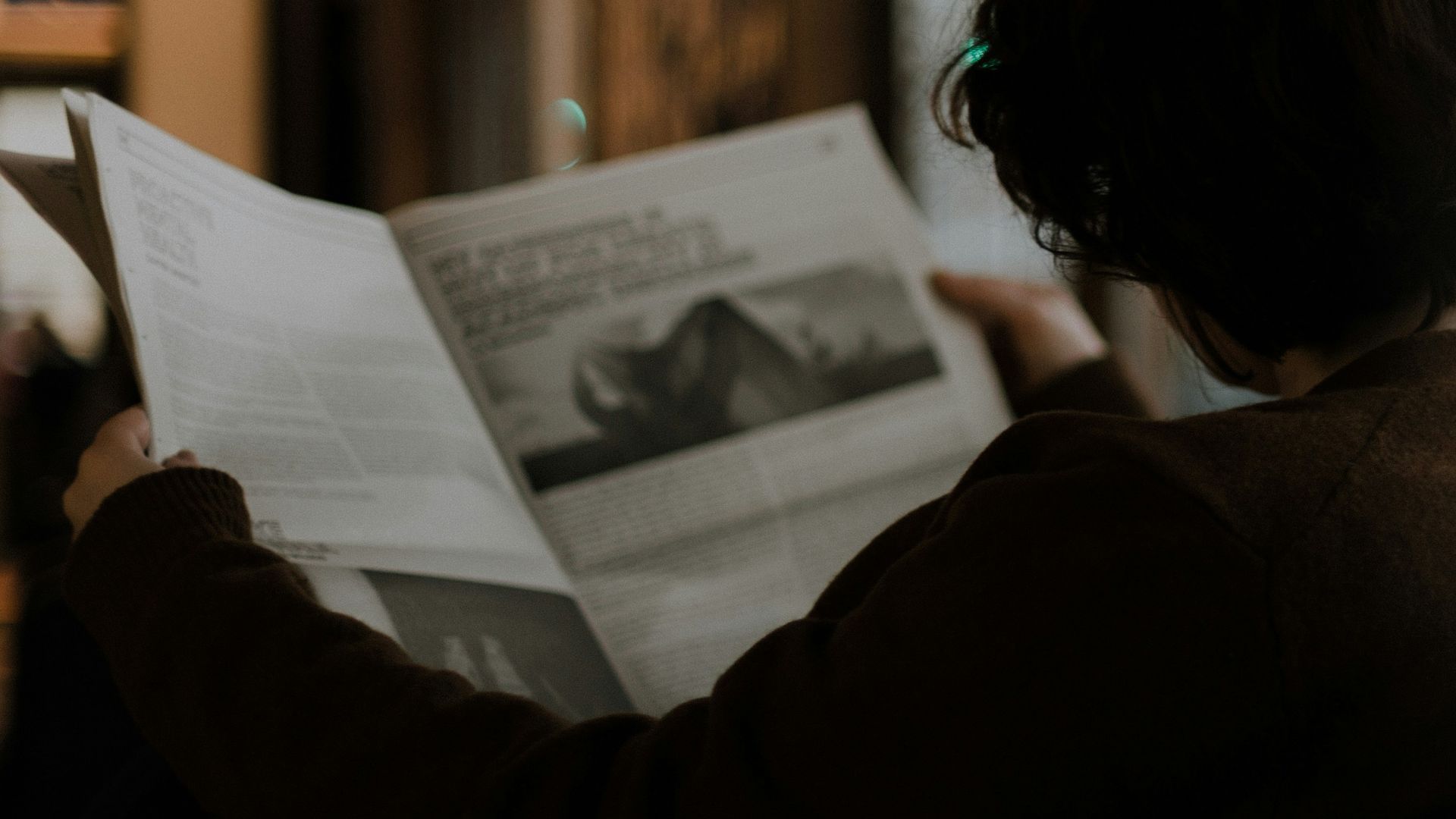
Newspapers And Magazines
Without smartphones or on-demand streaming, passengers relied heavily on traditional entertainment. Flight attendants sometimes distributed newspapers and magazines during the journey. Reading, chatting with seatmates, and simply looking out the window helped fill the hours between takeoff and landing.
 Priscilla Du Preez 🇨🇦, Unsplash
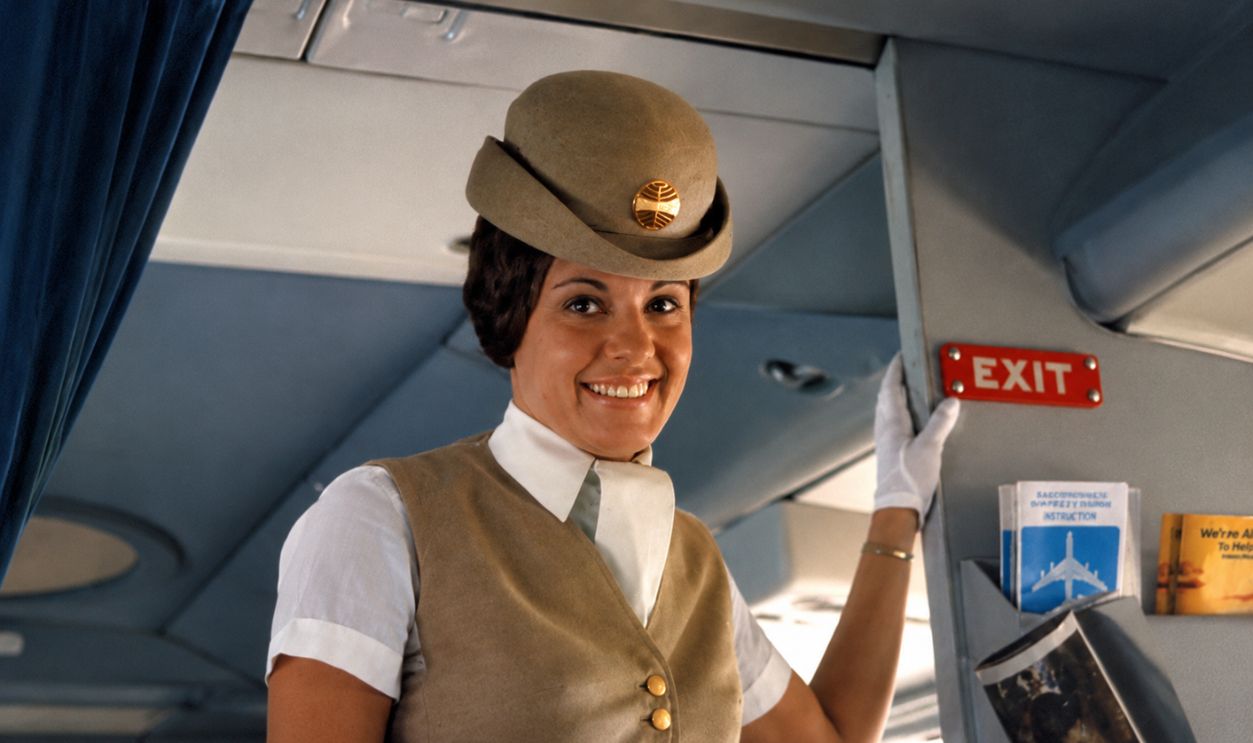
Flight Attendant Uniforms
Airlines embraced the colorful fashions of the 1970s when designing cabin crew uniforms. Bright colors, short skirts, patterned fabrics, and go-go boots appeared on some American carriers. Southwest Airlines and Pacific Southwest Airlines became particularly associated with bold, fashionable uniforms that looked very different from today's professional styles.
 John Atherton, Wikimedia Commons, Enhanced
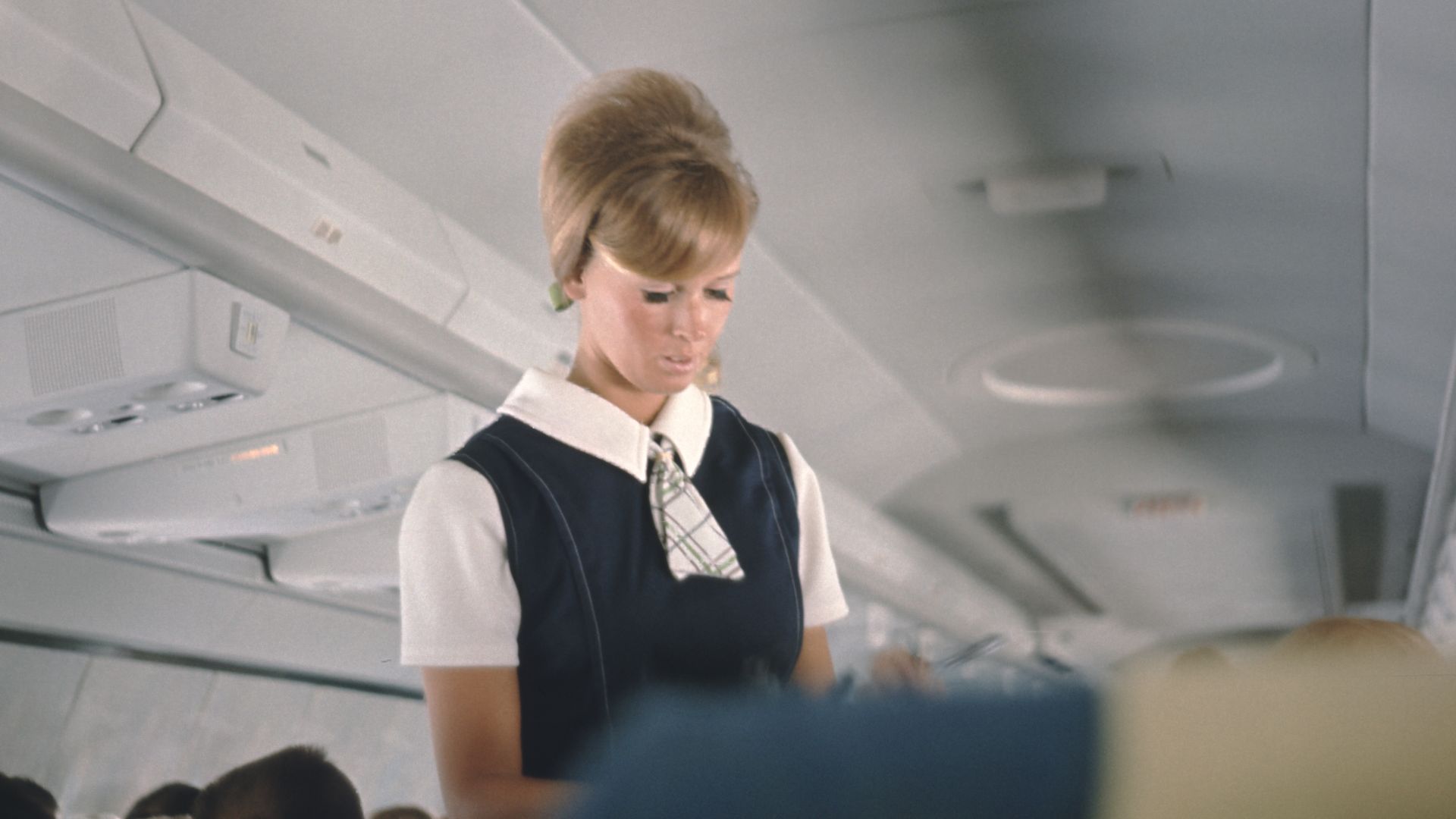
Stewardesses
The term "stewardess" was still widely used during the 1970s, reflecting an industry that had long employed restrictive rules for female cabin crew members. Some airlines had required women to remain unmarried or leave their jobs after reaching a particular age. Legal challenges and changing attitudes helped eliminate these policies, while the gender-neutral title "flight attendant" became increasingly common.
 Victor Grigas, Wikimedia Commons
Airline Deregulation
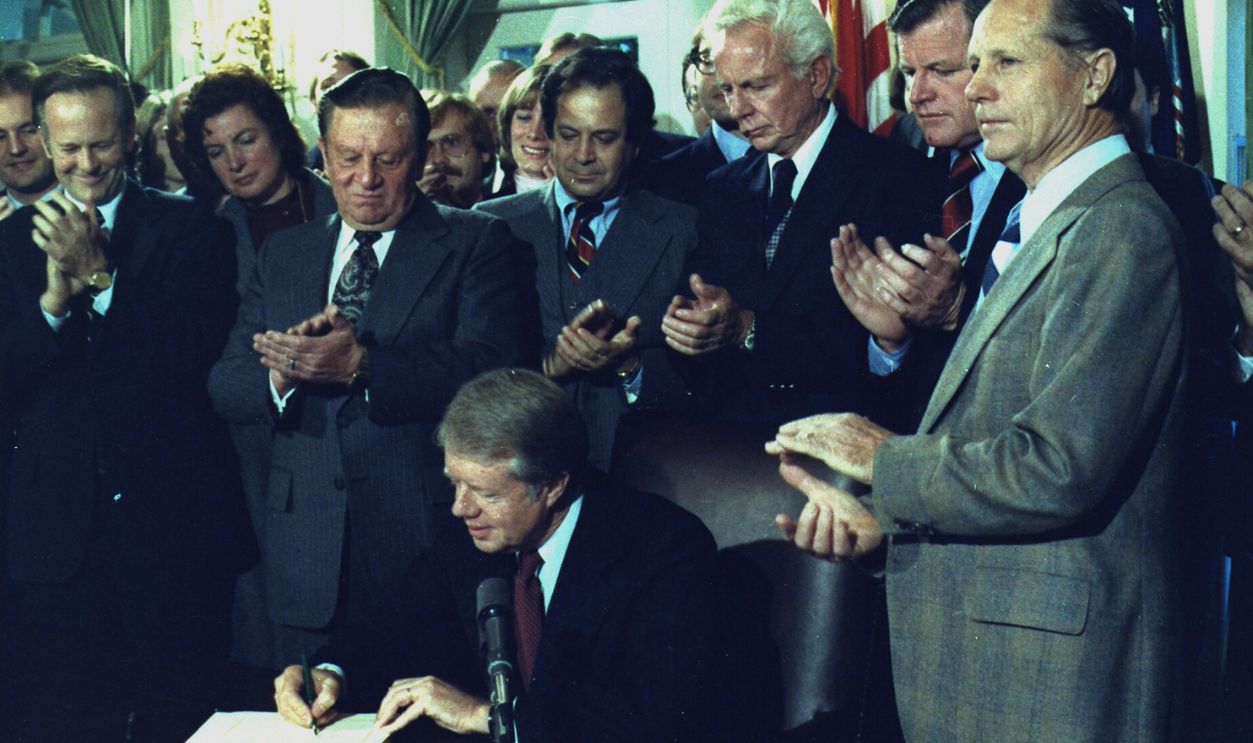
Everything began changing when President Jimmy Carter signed the Airline Deregulation Act on October 24, 1978. The law gradually removed federal controls over airline fares and routes, allowing carriers to compete more directly on price. Over the following years, the industry moved toward lower-cost operations, and many extravagant onboard amenities disappeared.
 National Archives and Records Administration, Wikimedia Commons
The End Of An Era
Flying in the 1970s offered a remarkable combination of luxury, convenience, and practices that would seem strange today. Passengers enjoyed elaborate meals, spacious lounges, and airport goodbyes that modern travelers rarely experience. Yet cigarette smoke, expensive tickets, and less developed security were hardly things worth bringing back.
Would you rather fly in the 1970s or stick with the experience we have today?
 SAS Scandinavian Airlines, Wikimedia Commons
You May Also Like:
American Cities Baby Boomers Vacationed In During The 1970s—But Millennials Never Visit Anymore