One Of History's Greatest Mysteries
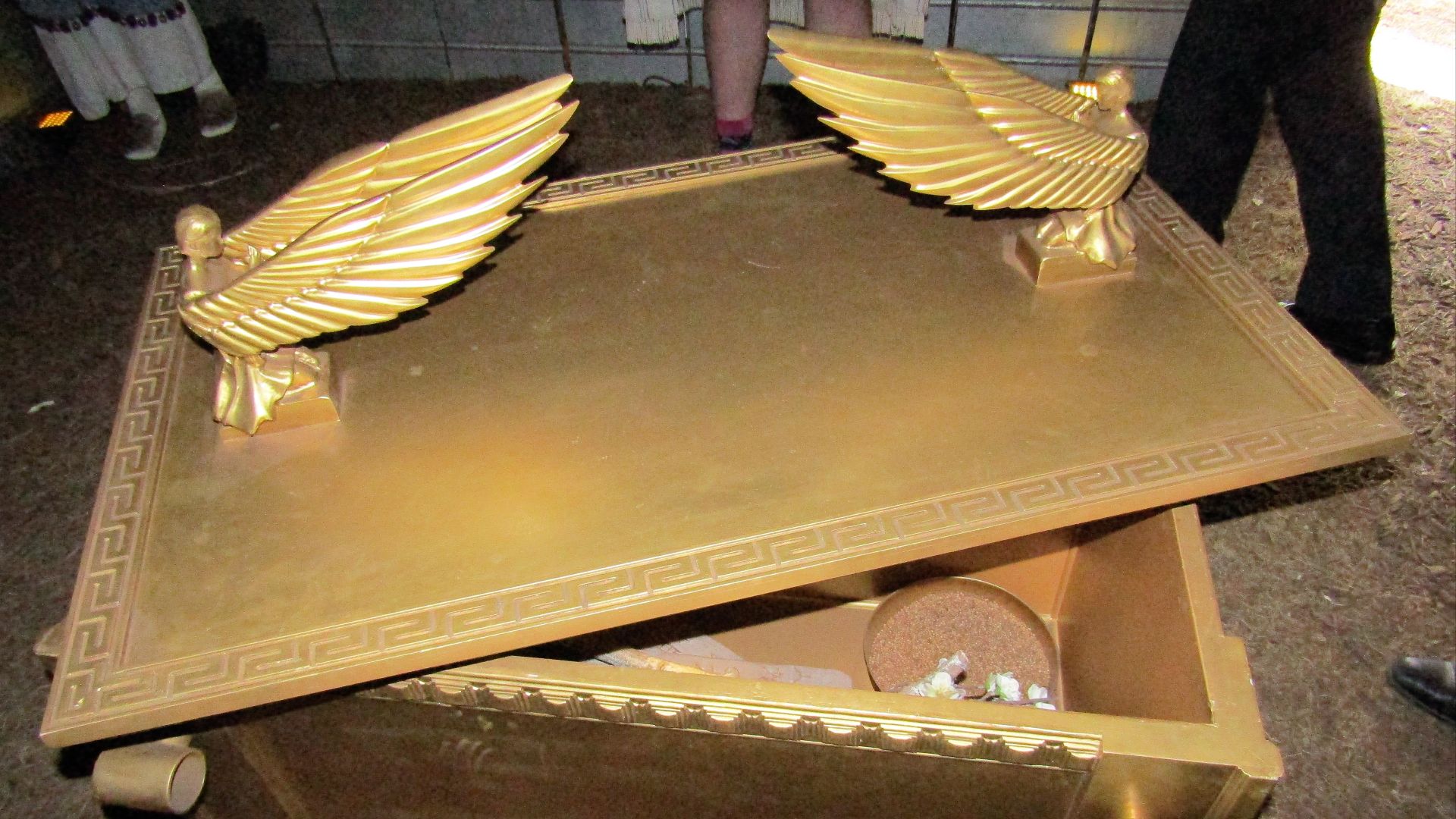
For more than 2,500 years, the Ark of the Covenant has been one of history's greatest unsolved mysteries. It has inspired treasure hunters, historians, archaeologists, and countless theories, all trying to answer one simple question: what happened to it? New claims appear regularly, but none has ever been proven.
But this latest discovery feels different.
Everybody Looks In The Wrong Place
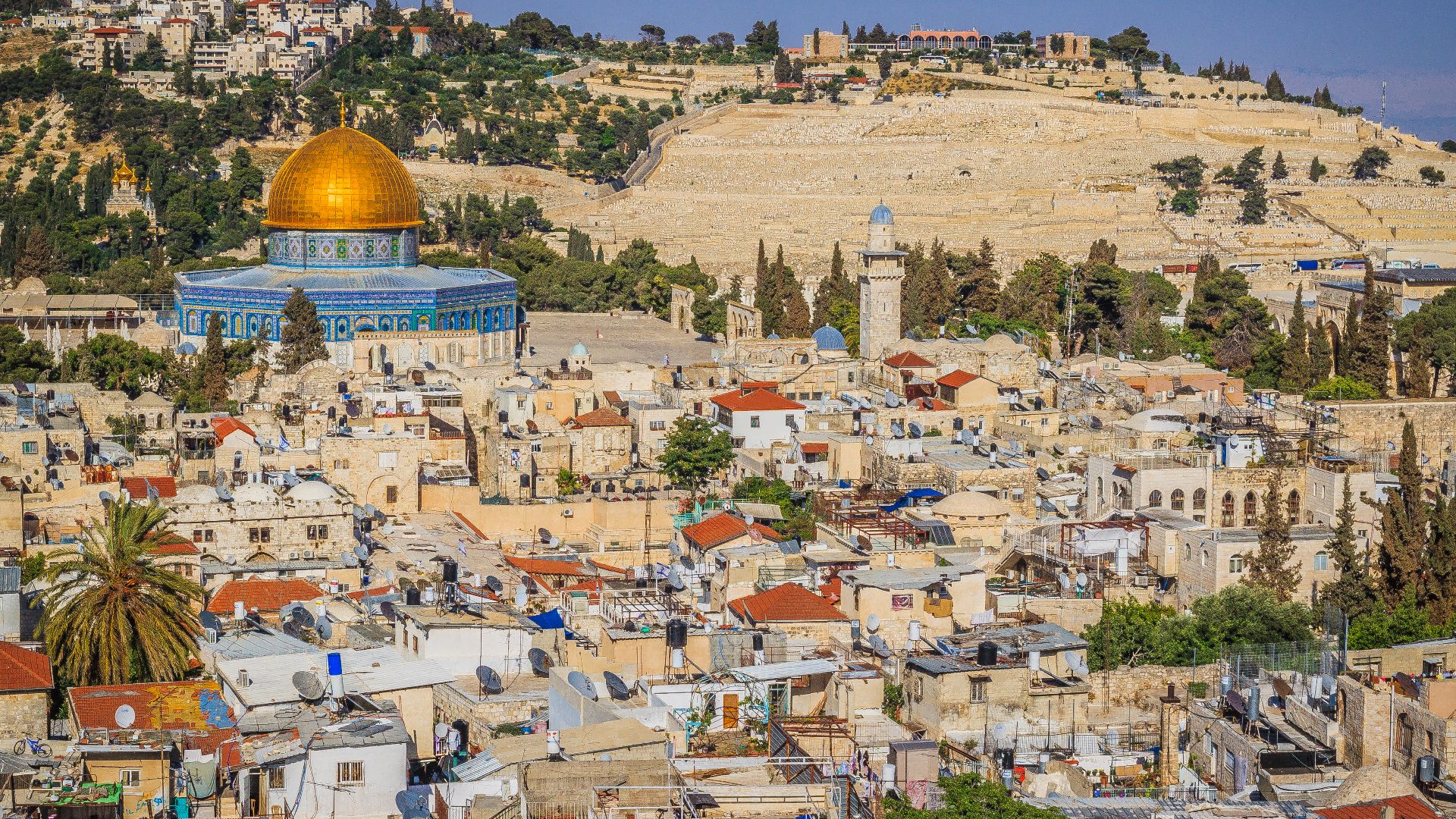
Whenever the Ark makes headlines, the conversation almost always revolves around where it might be today. Is it buried beneath Jerusalem? Hidden in Ethiopia? Locked away inside a secret chamber? Those ideas grab attention because everyone wants to know how the story ended.
But what if the bigger clue comes much earlier?
 Edmund Gall, Wikimedia Commons
The Earlier Mystery
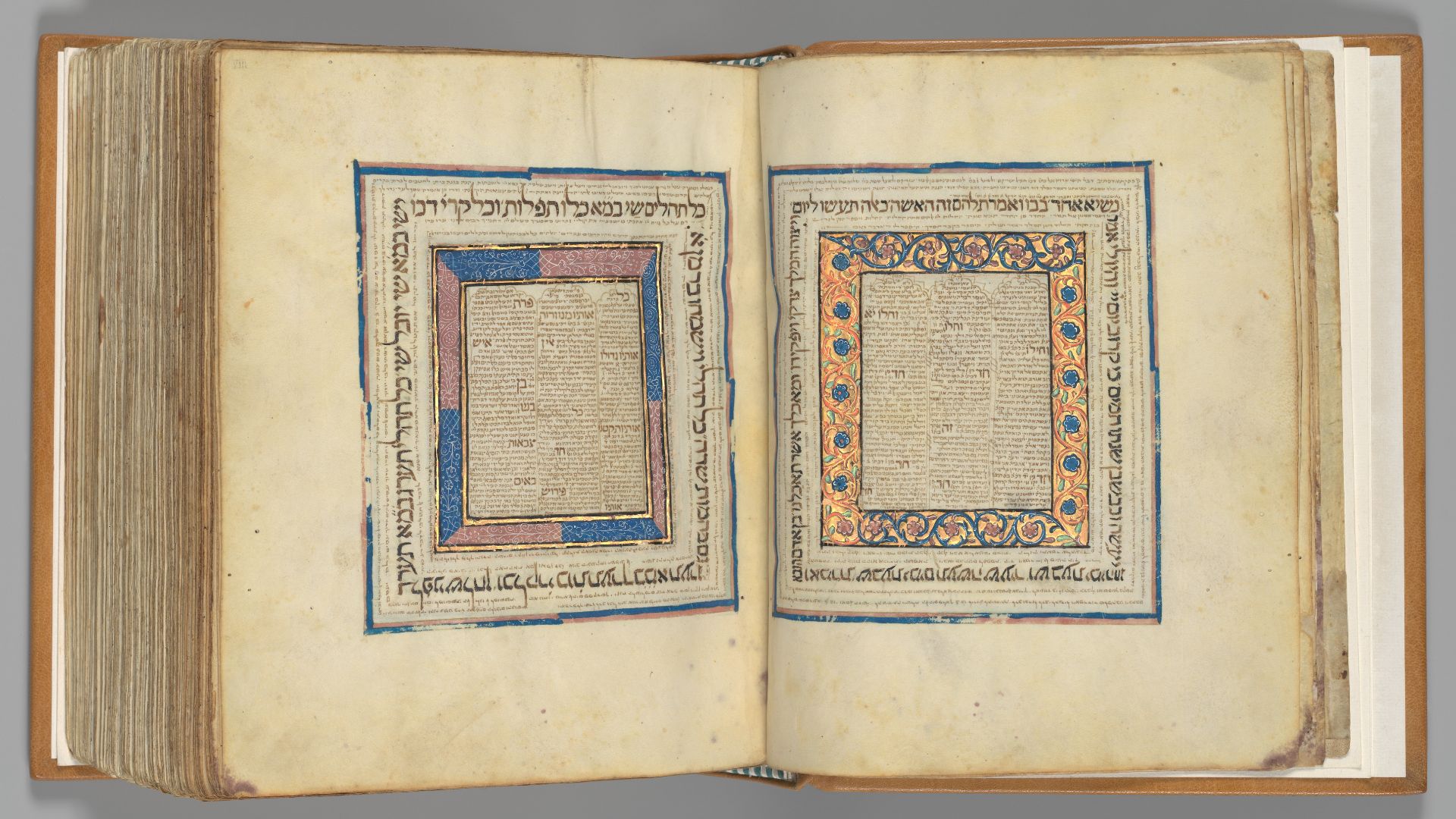
Long before the Ark disappeared, it had to be kept somewhere. According to the Hebrew Bible, before Jerusalem became Israel's religious center, the Ark spent generations in another sacred location. Historians have debated exactly where that place was, and whether archaeology would ever be able to identify it.
That question may finally be getting some answers.
 Unknown authorUnknown author , Wikimedia Commons
Then A New Discovery Changed The Conversation
A recent excavation has caught the attention of biblical historians around the world. Not because archaeologists announced they had found the Ark, but because they believe they've uncovered new evidence connected to one of the biggest unanswered questions surrounding it.
And the story starts in a place called Shiloh.
Why Shiloh Matters
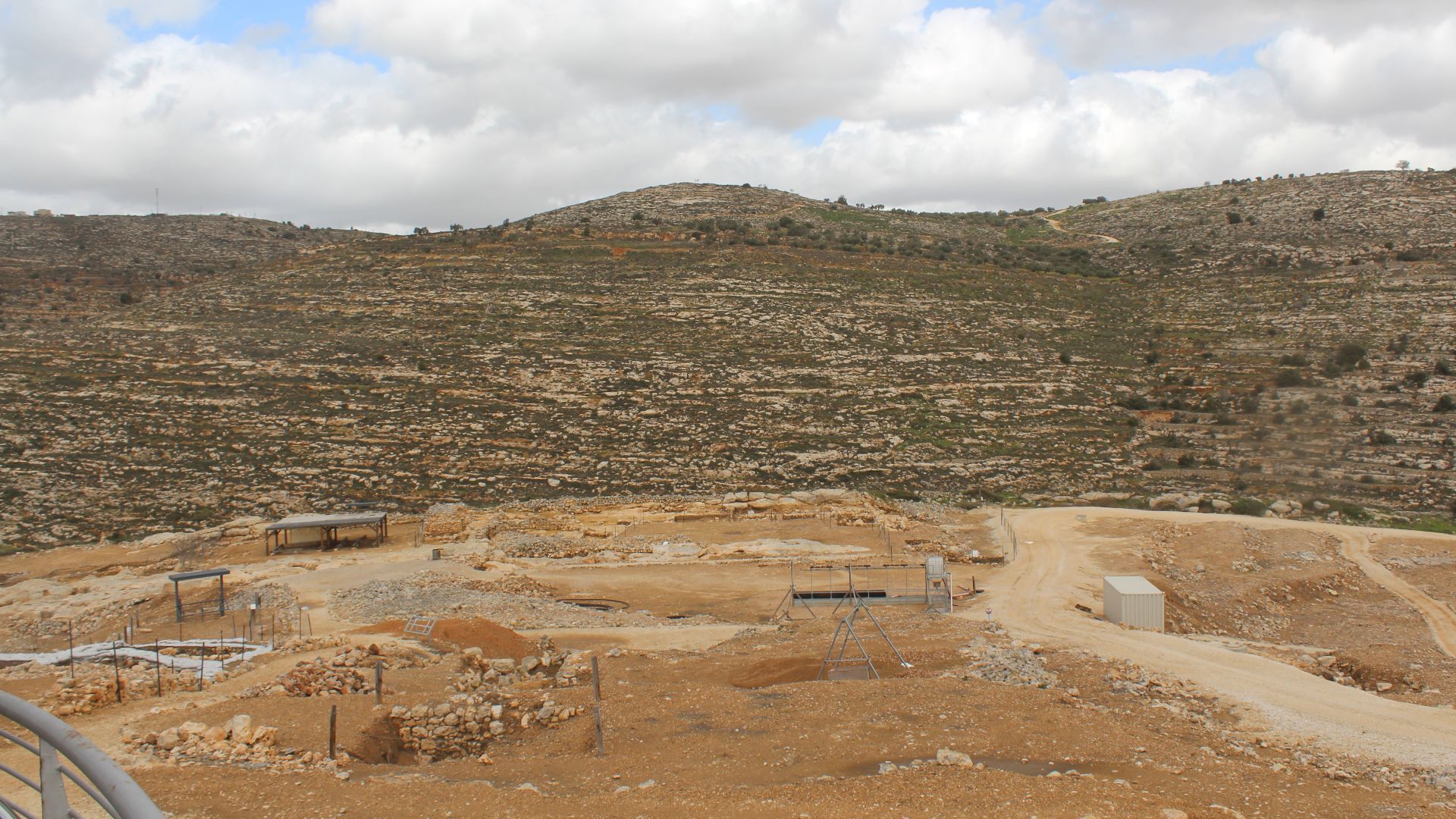
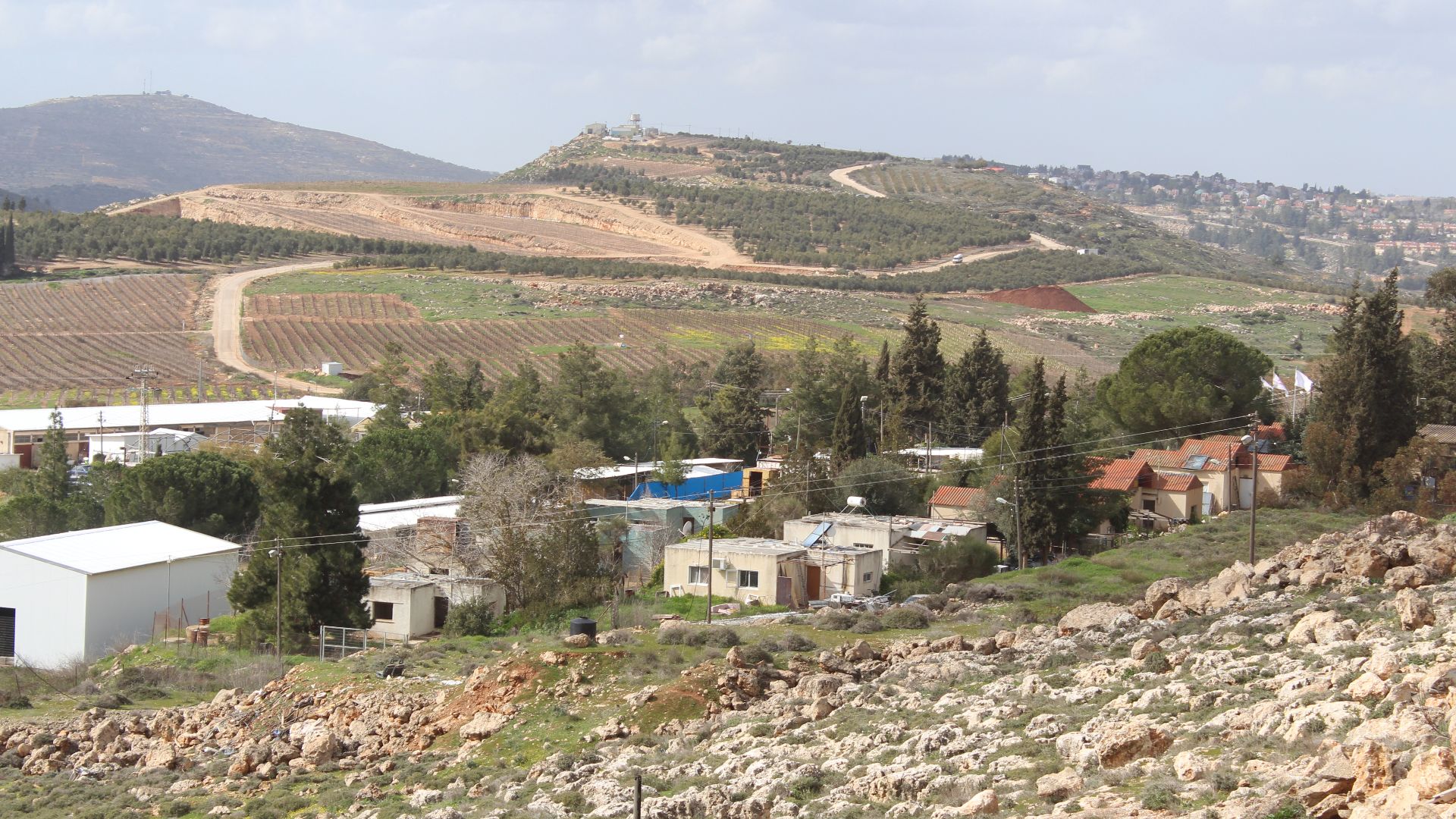
Ancient Shiloh, located in today's West Bank, has been excavated for decades. According to the Hebrew Bible, it served as Israel's religious center before King Solomon built the First Temple in Jerusalem. That tradition has made Shiloh one of the most closely studied biblical sites in the region.
Then researchers uncovered something unexpected.
It Started With A Wall
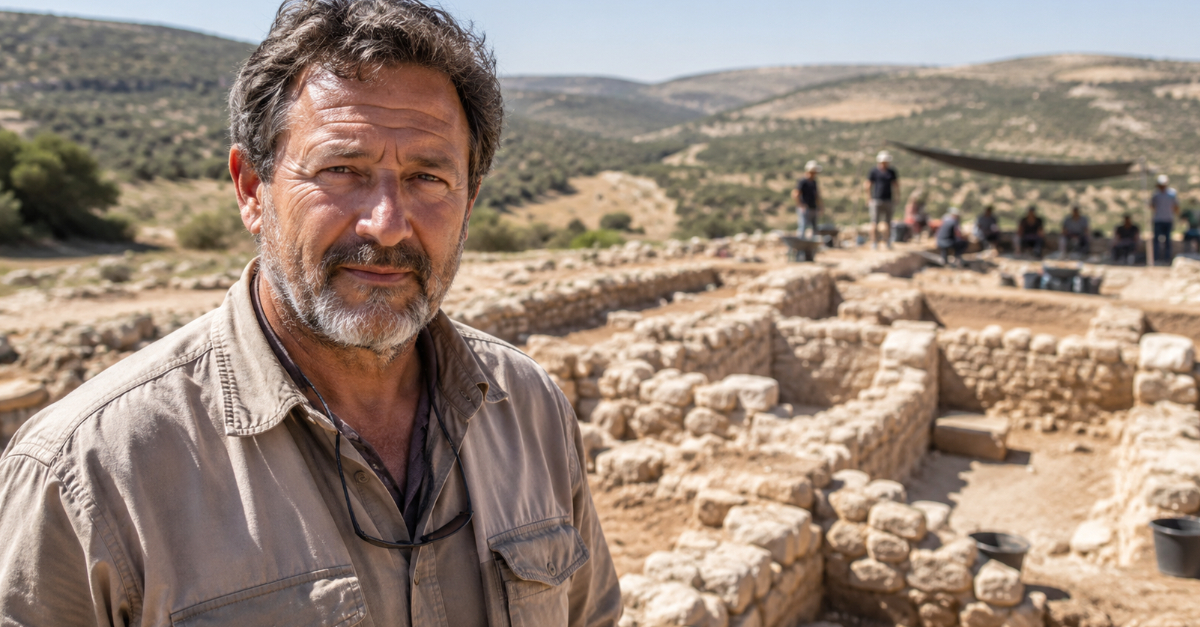
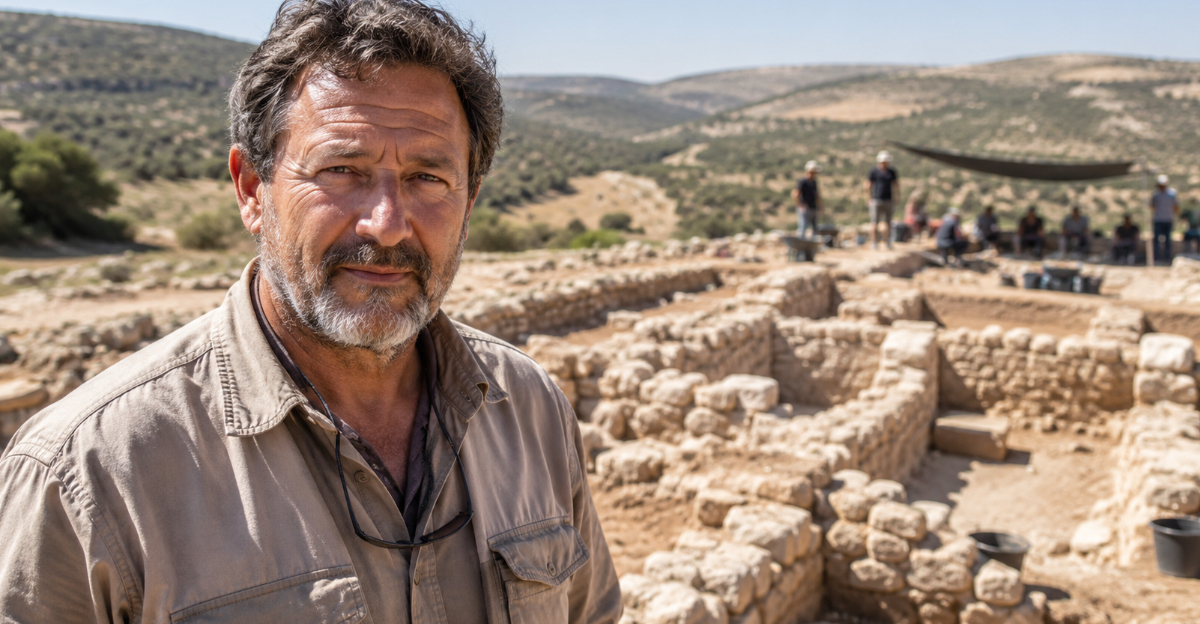
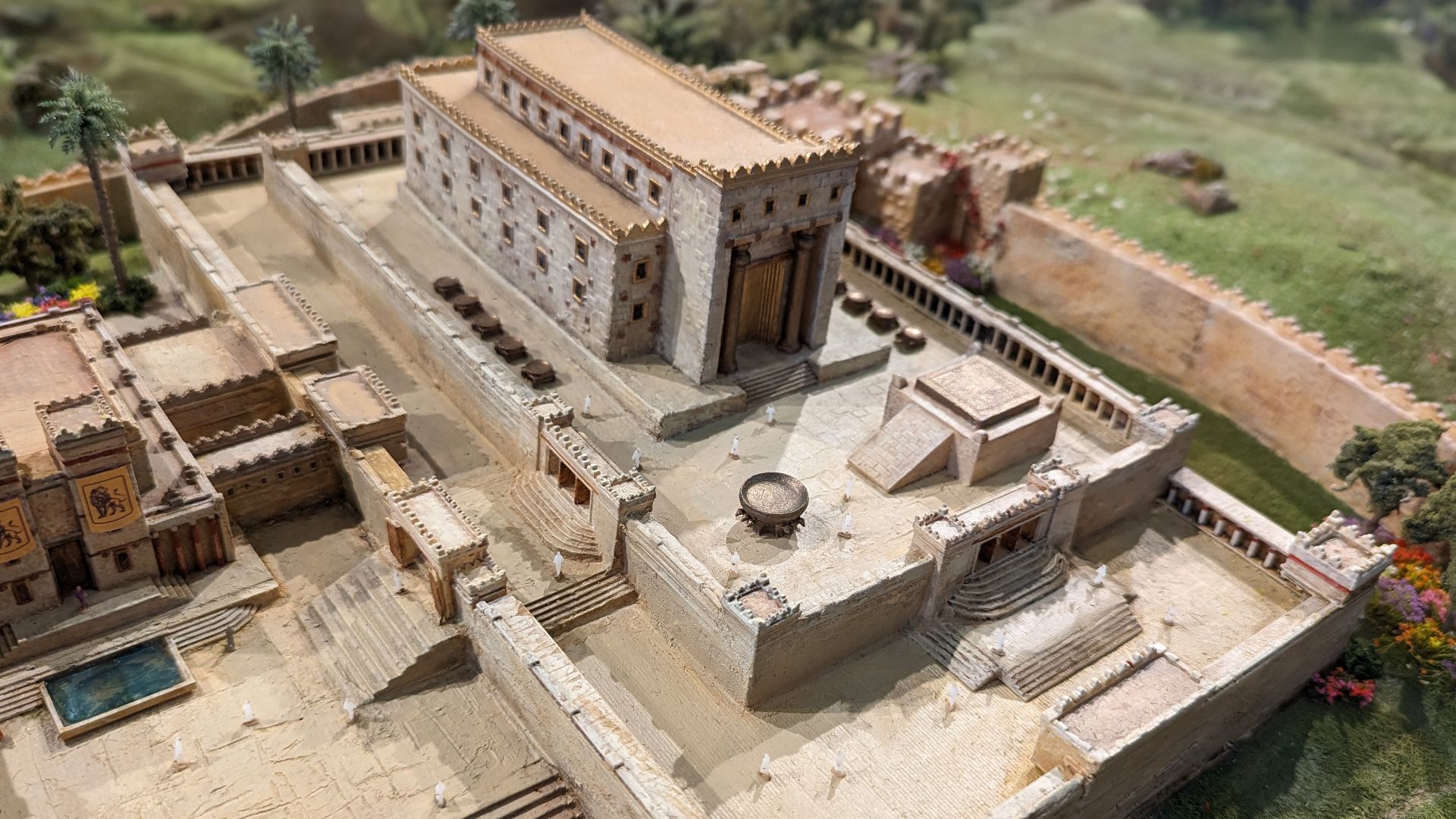
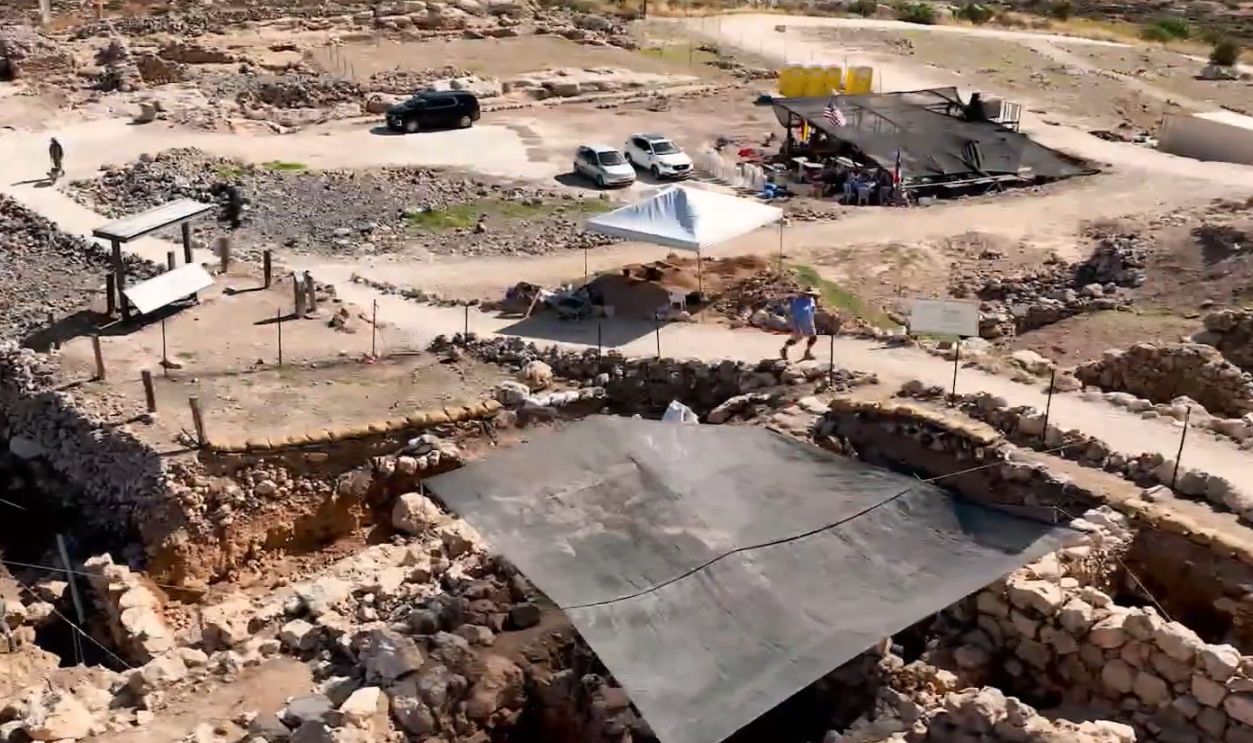
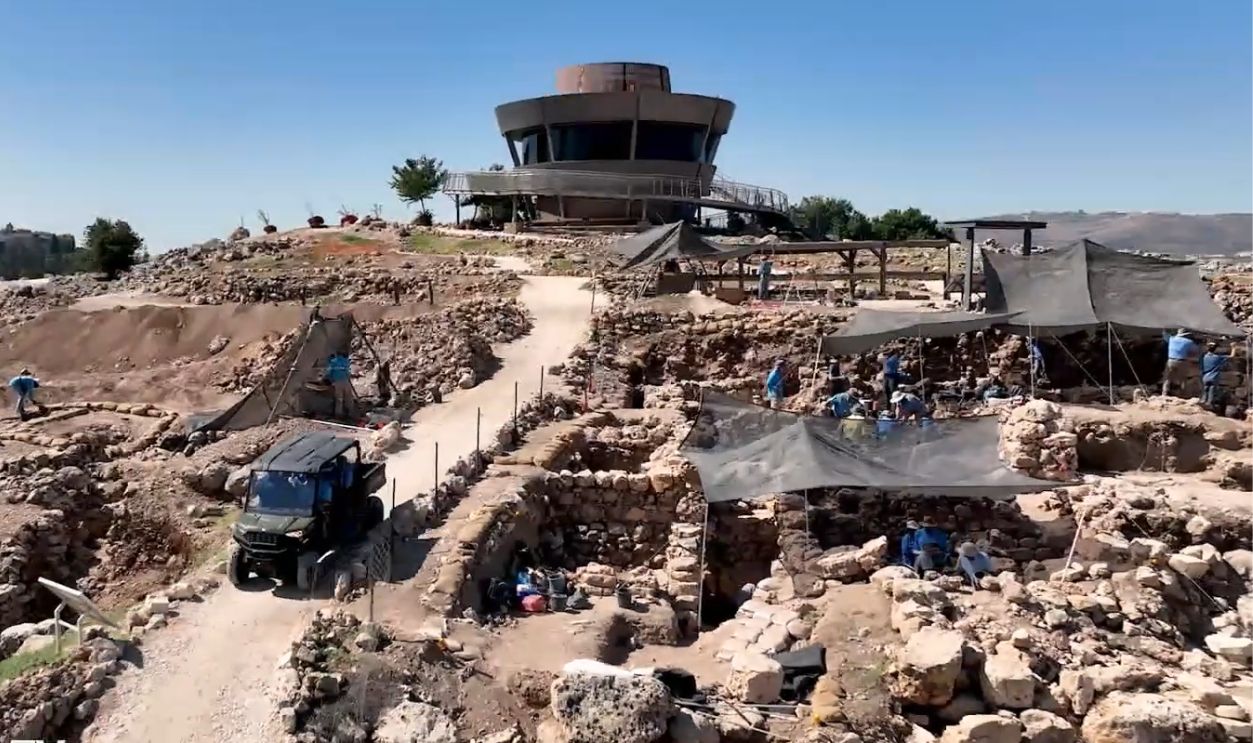
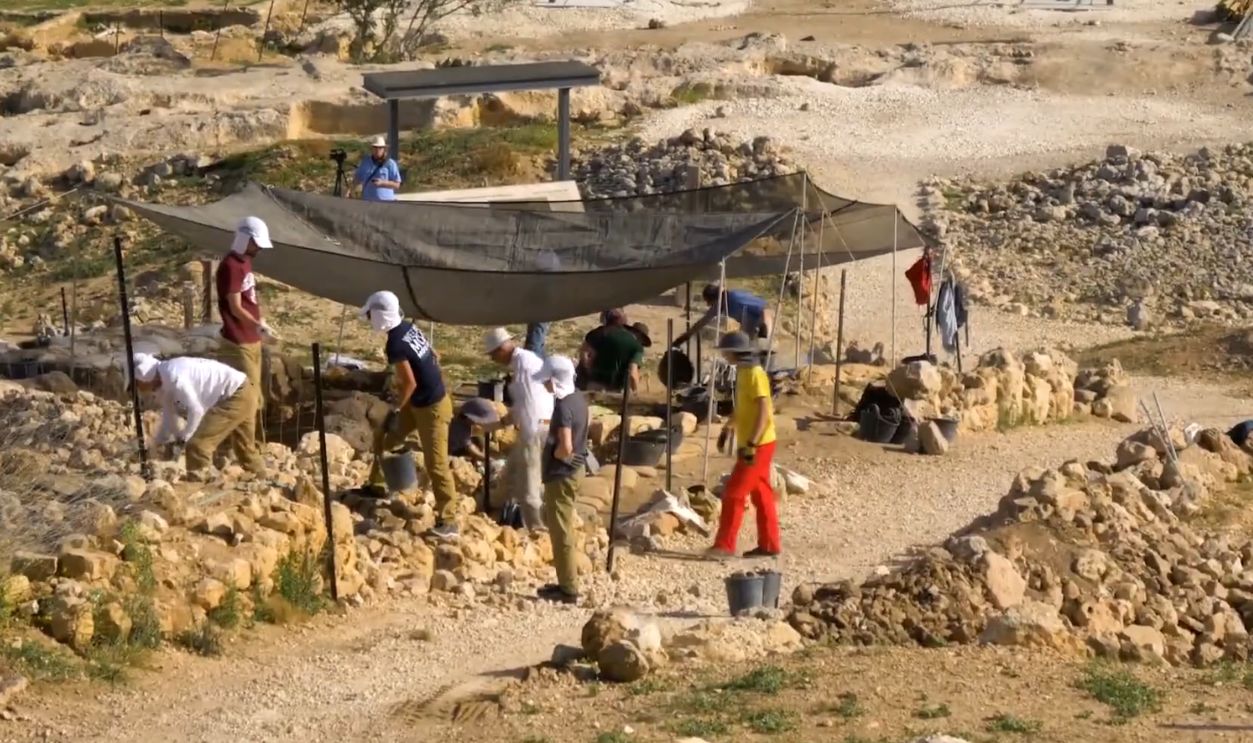
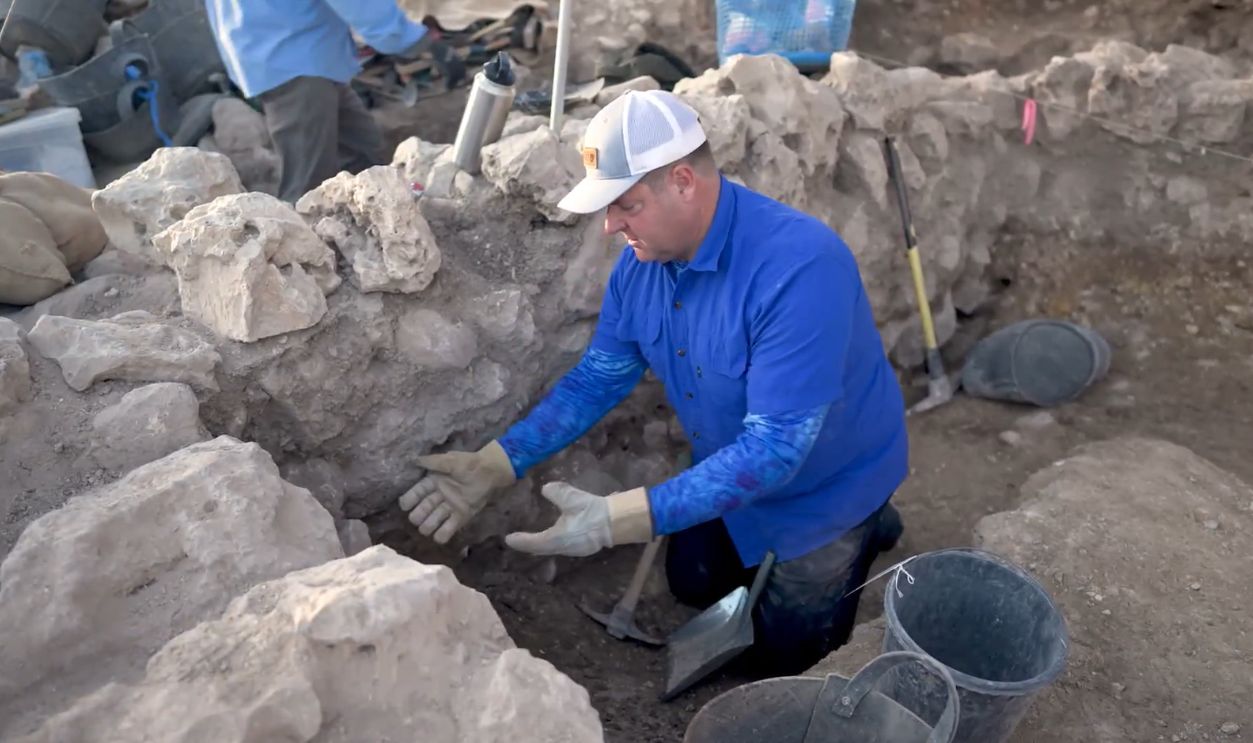
During the latest excavation season, archaeologists exposed another section of a large Iron Age structure. At first, it looked like little more than another stretch of stone wall. But as more of the building came into view, researchers realized they could finally reconstruct much more of its original layout.
That's when the excavation became much more interesting.
 Screenshot from InGrace Israel with Jim Scudder, Trinity Broadcasting Network (2019-)
One Discovery Led To Another
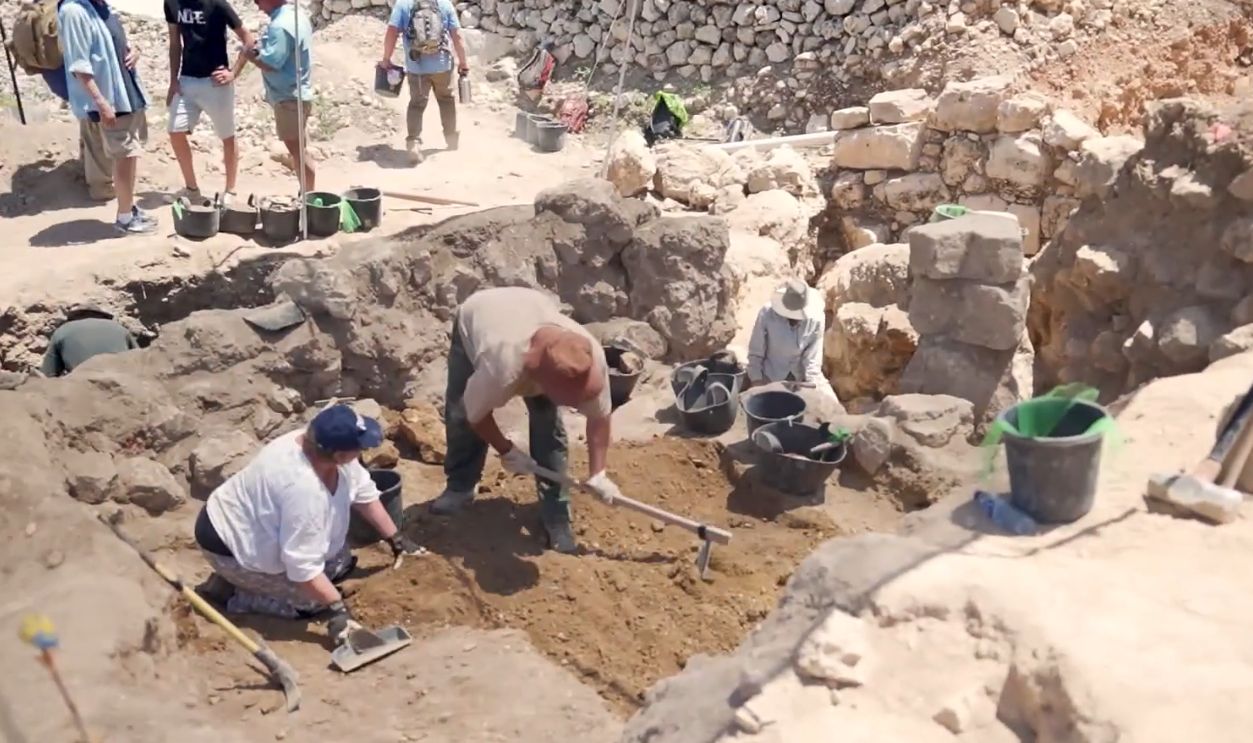
The newly uncovered southern wall helped researchers estimate the structure's original size, orientation, and proportions far more accurately than before. On its own, that doesn't identify the building. But when combined with earlier discoveries from the site, archaeologists believed they had a much stronger case to investigate.
The next discoveries made that case even more intriguing.
 Screenshot from InGrace Israel with Jim Scudder, Trinity Broadcasting Network (2019-)
That's When People Started Paying Attention
According to the excavation team, several features of the structure are broadly consistent with what they would expect from the area associated with the biblical Tabernacle—the sanctuary that, according to biblical tradition, housed the Ark of the Covenant before the First Temple existed. They stress that this is a working interpretation rather than a proven conclusion.
Then the artifacts started appearing.
 Screenshot from InGrace Israel with Jim Scudder, Trinity Broadcasting Network (2019-)
The Building Was Only The Beginning
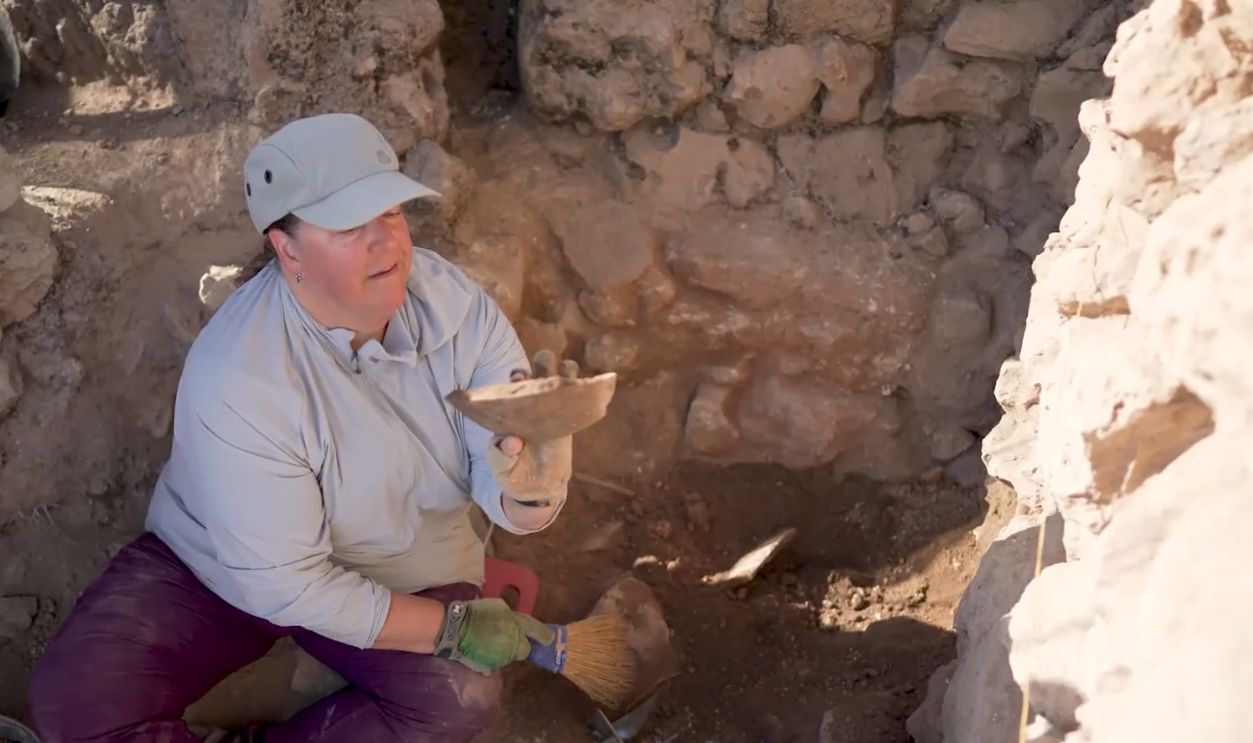
The structure itself wasn't the only thing researchers uncovered. As excavations continued, archaeologists began finding objects that suggested this had once been far more than an ordinary settlement. Individually, none of them could identify the site.
Together, they made the discovery much harder to ignore.
 Screenshot from InGrace Israel with Jim Scudder, Trinity Broadcasting Network (2019-)
The First Clues Emerged
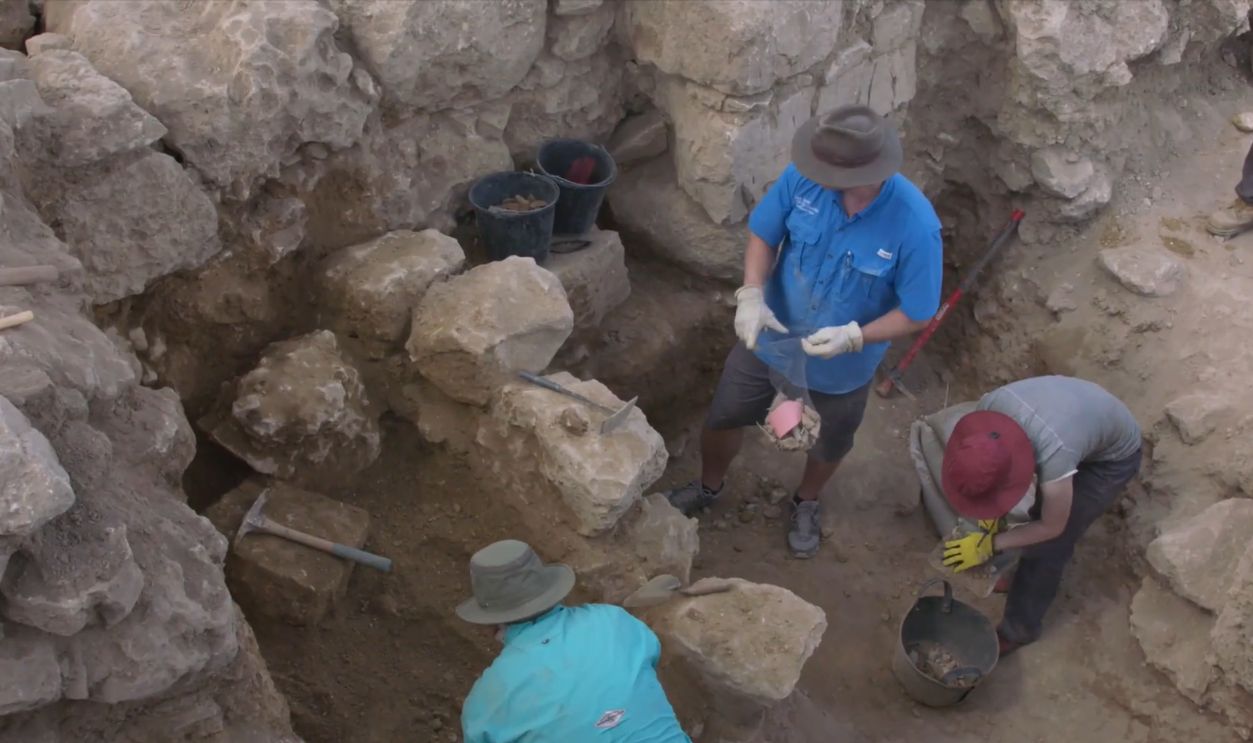
Among the discoveries were altar horns—objects associated with ancient Israelite worship that would once have been attached to ceremonial altars. Finding one would have been noteworthy on its own, but it wasn't the only religious artifact archaeologists uncovered.
The excavation was only getting started.
 Screenshot from Patterns of Evidence, Thinking Man Films (2014)
Then They Found Something Even More Unusual
Researchers also uncovered ceramic pomegranates, decorative objects that appear throughout ancient Israelite religious symbolism. While pomegranates were used by several ancient cultures, they are also closely associated with biblical descriptions of priestly garments and sacred architecture.
On their own, they proved very little.
Together with everything else, they became much harder to dismiss.
 Dietmar Rabich, Wikimedia Commons
There Was Another Surprise Waiting
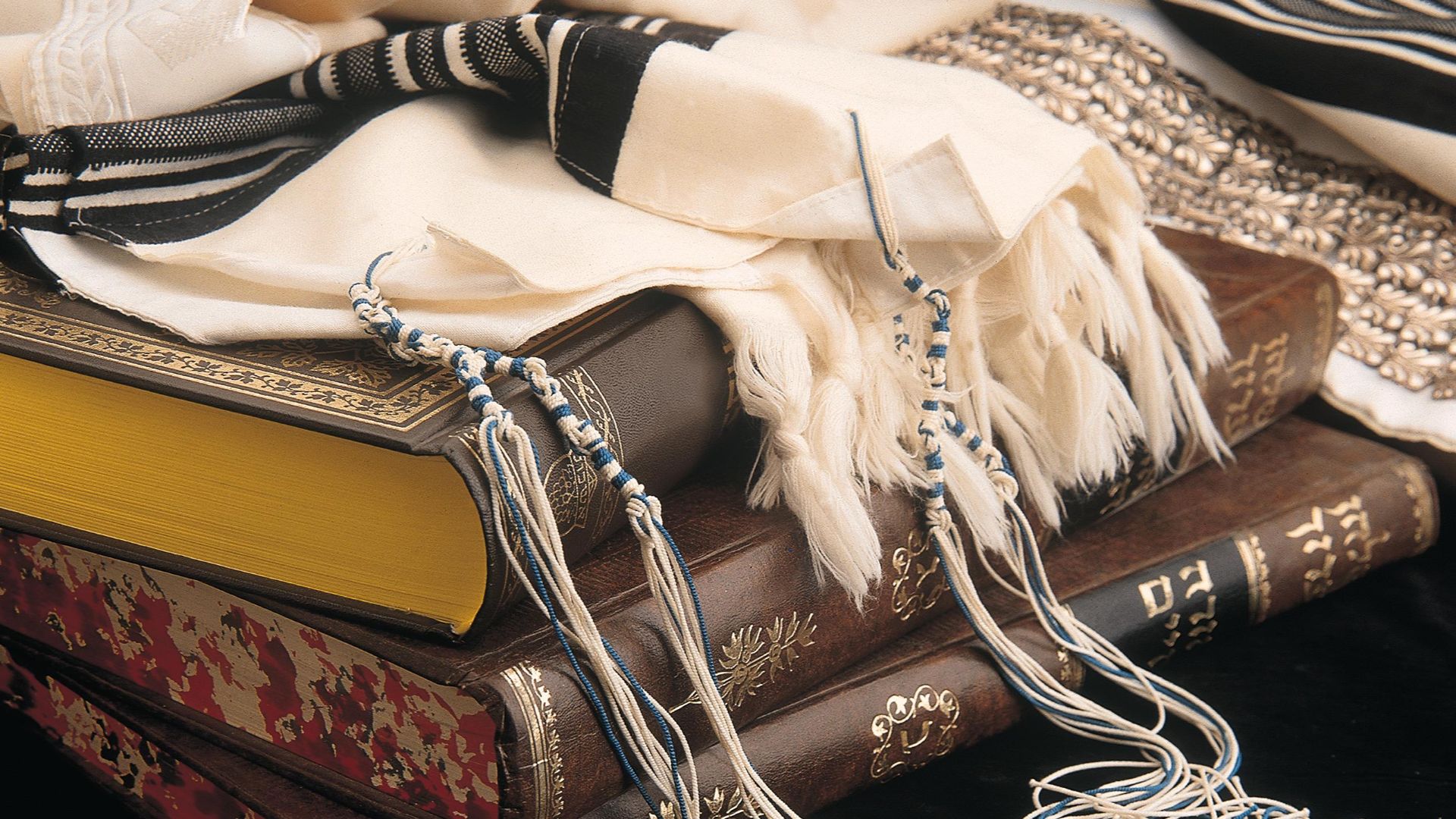
Among the more intriguing discoveries were murex shells—the source of the rare blue dye known as tekhelet. In biblical tradition, this valuable dye was used in priestly garments and other sacred textiles, making it one of the most prized materials in the ancient Near East.
Finding them here immediately raised new questions.
 Staff of Ptil Tekhelet, Wikimedia Commons
The Evidence Kept Growing
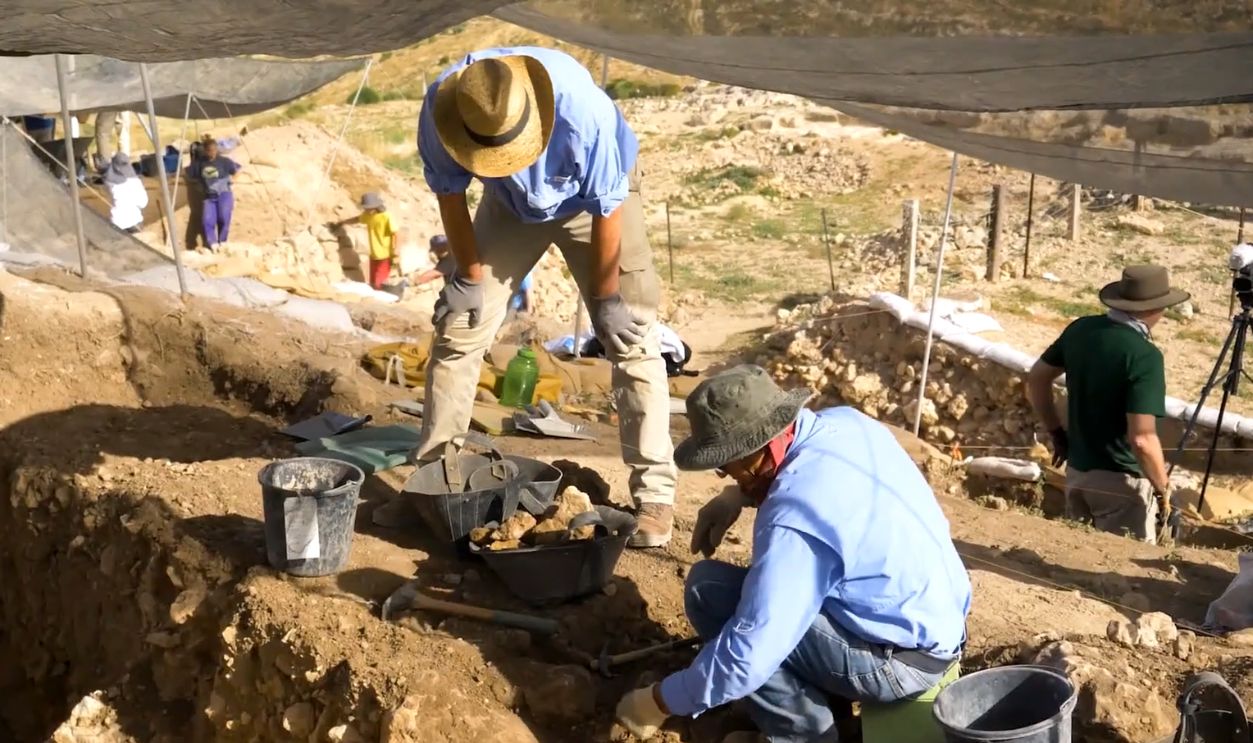
Researchers also found evidence consistent with ritual animal sacrifice—exactly the kind of activity you'd expect at an important religious center. None of it proved what the site was. But with every new discovery, it became harder to believe archaeologists were looking at an ordinary settlement.
The pieces were starting to fit together.
 Screenshot from Digging for Truth, WBPH-TV 60 (2018–)
That's When Everything Clicked
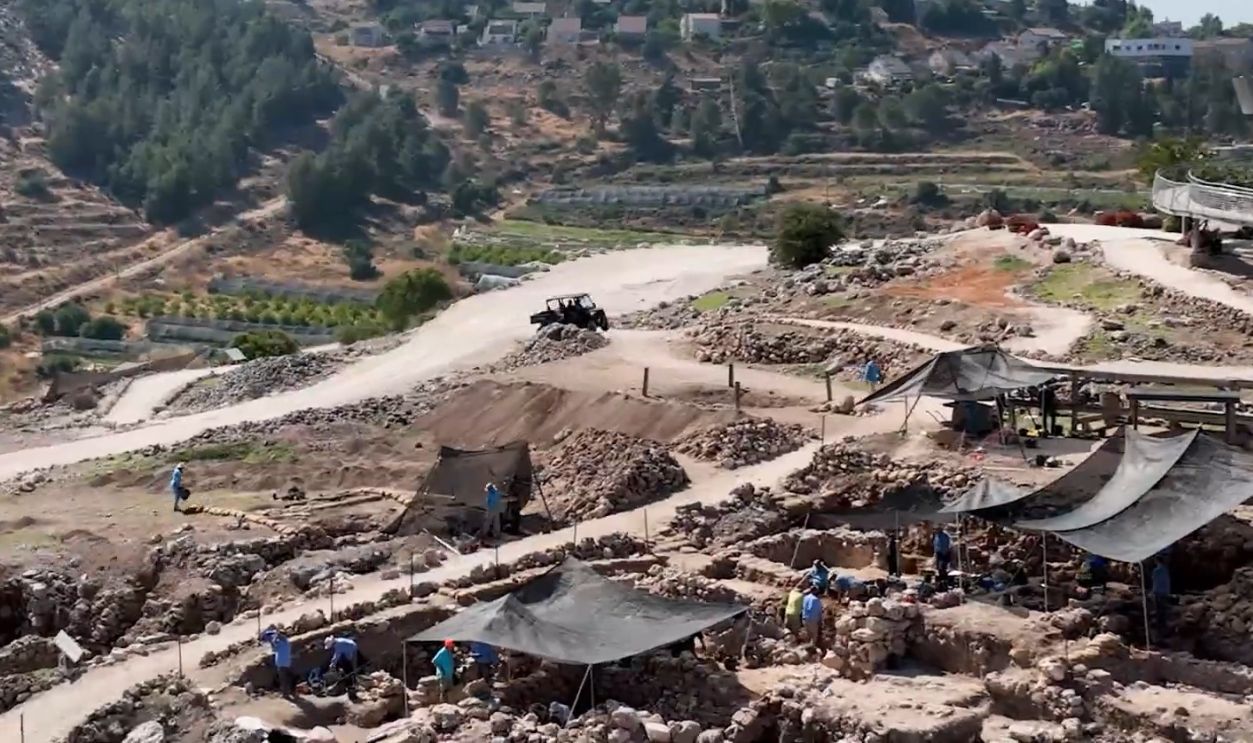
Once the team compared the building's layout, its orientation, the artifacts, and Shiloh's history, they arrived at a remarkable possibility. They believe the evidence strengthens the case that this area may be associated with the biblical Tabernacle—the sanctuary where, according to the Hebrew Bible, the Ark of the Covenant rested for generations before being moved to Jerusalem.
If they're right, it would explain one of the oldest chapters in the Ark's story.
 Screenshot from InGrace Israel with Jim Scudder, Trinity Broadcasting Network (2019-)
Why That Would Matter So Much
The team still isn't claiming they've found the Ark itself.
What they believe they may have found is the place where it rested for generations before being moved to Jerusalem. If future discoveries support that interpretation, archaeologists could finally have an answer to one of the Ark's oldest mysteries—even if its ultimate fate remains unknown.
 Screenshot from Digging for Truth, WBPH-TV 60 (2018–)
But There’s A Catch
Not everyone is convinced.
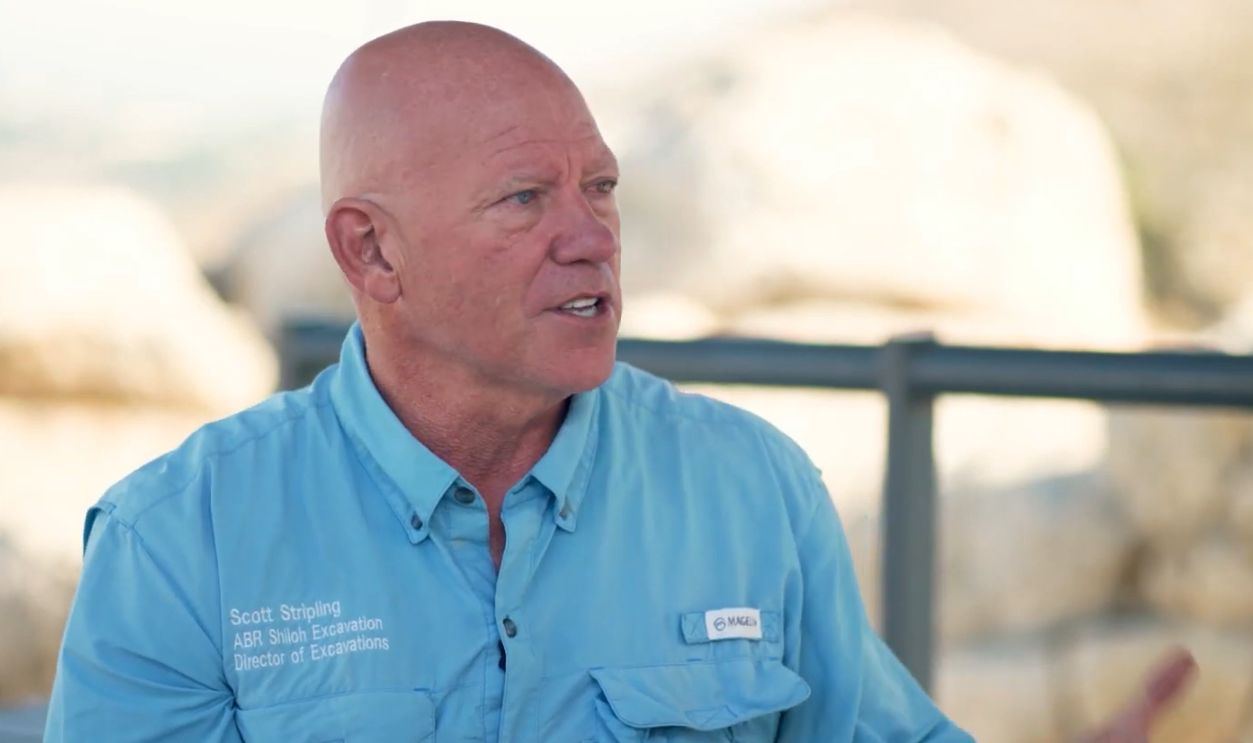
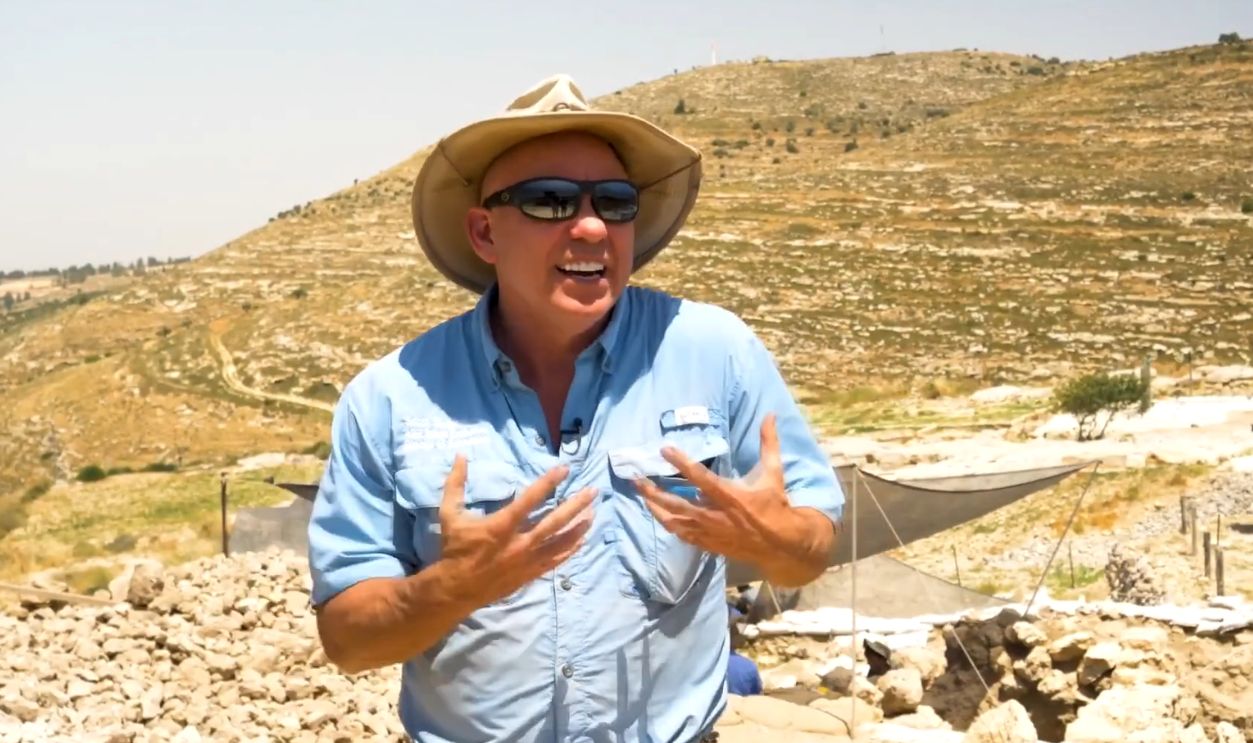
The excavation is being led by Associates for Biblical Research (ABR), an organization that studies archaeology with a particular interest in the historical reliability of the Bible. While many archaeologists consider the discoveries exciting, they also stress that identifying the structure as the Tabernacle remains a hypothesis—not a proven fact.
 Screenshot from InGrace Israel with Jim Scudder, Trinity Broadcasting Network (2019-)
Archaeology Doesn't Usually Work Like The Movies
People often imagine archaeology as one spectacular discovery that instantly changes history.
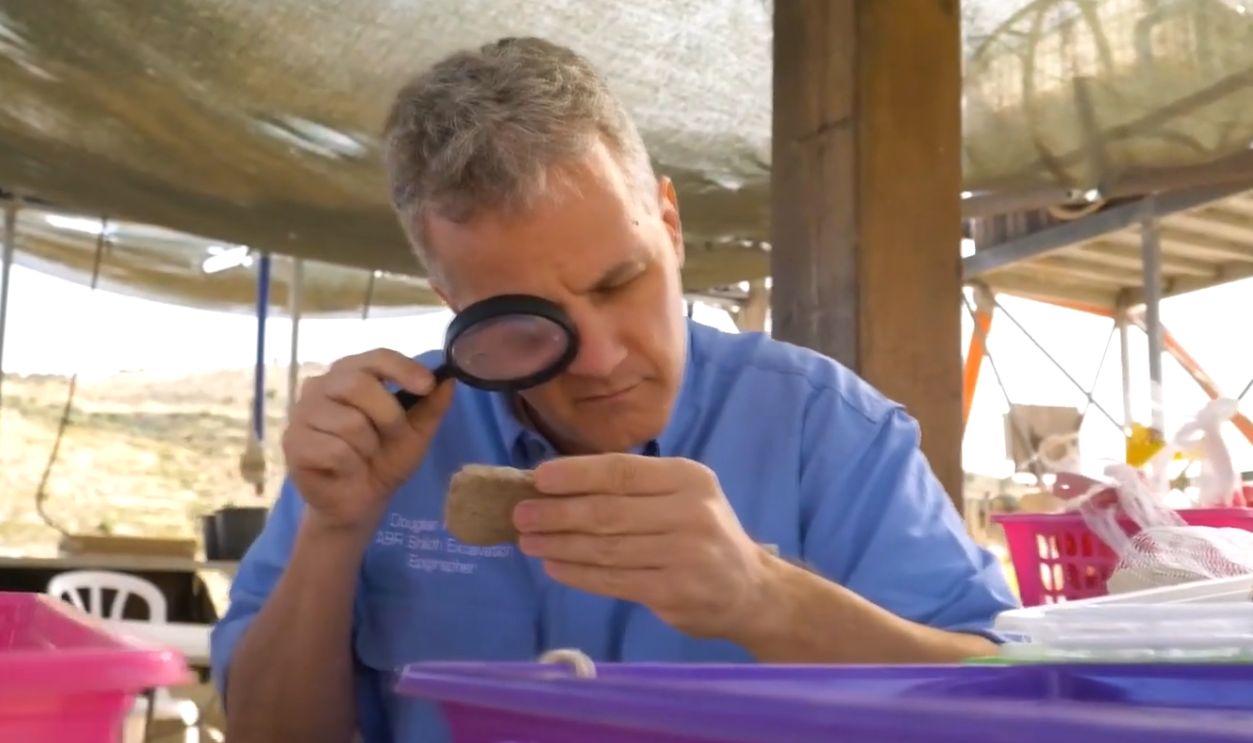
Real life is usually much slower. Researchers build their case one clue at a time—comparing walls, artifacts, dates, geography, and historical records until the evidence starts pointing in the same direction. That's exactly what's happening at Shiloh.
 Screenshot from Digging for Truth, WBPH-TV 60 (2018–)
The Debate Is Only Beginning
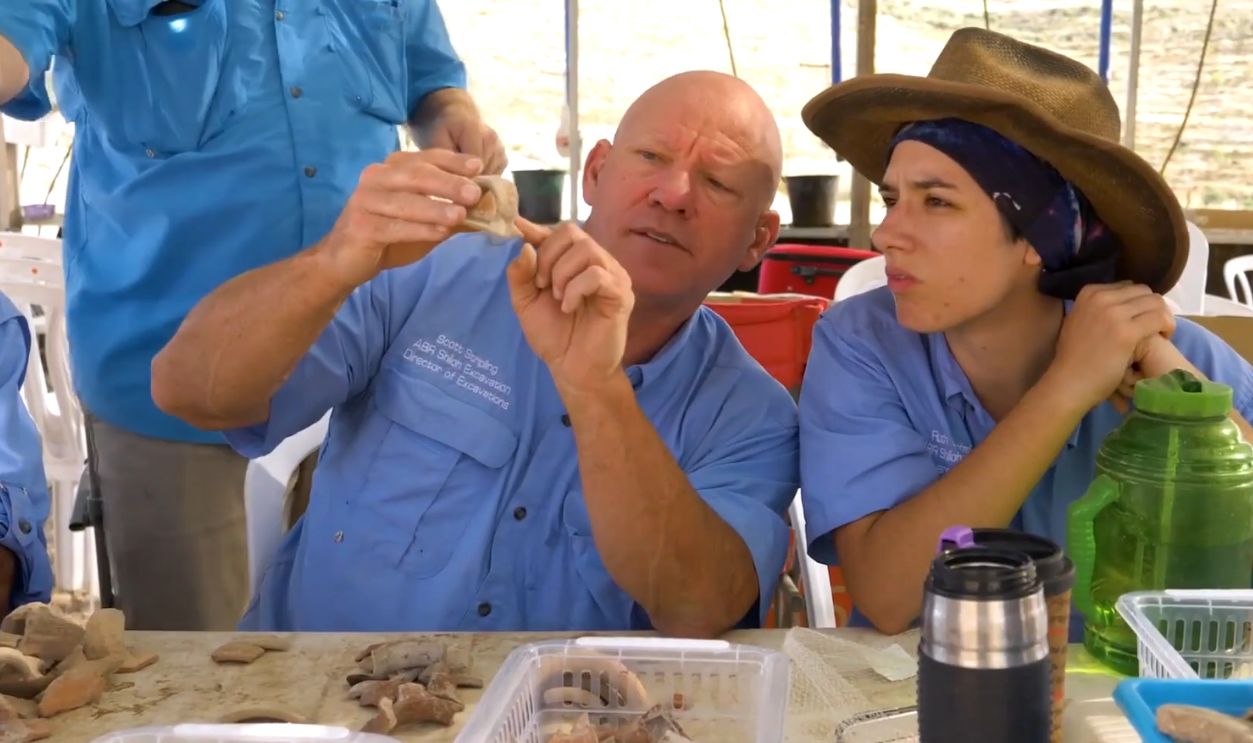
Some researchers believe the discoveries from Shiloh make the Tabernacle interpretation increasingly persuasive. Others argue that more excavation, additional evidence, and independent analysis will be needed before such an important identification can be widely accepted.
Either way, the discoveries have reignited one of biblical archaeology's oldest debates.
 Screenshot from Digging for Truth, WBPH-TV 60 (2018–)
It Changes The Entire Conversation
For decades, most discussions about the Ark of the Covenant have focused on where it disappeared.
This discovery shifts attention to an earlier chapter of its story instead—where it may have rested for centuries before vanishing from the historical record. Even if the interpretation changes in the future, archaeologists now have an entirely new line of evidence to investigate.
 Screenshot from InGrace Israel with Jim Scudder, Trinity Broadcasting Network (2019-)
Shiloh Has Always Been Special
Long before this latest excavation, archaeologists already considered Shiloh one of the most important biblical sites ever discovered. The city was occupied for thousands of years, and its archaeological record stretches from the Bronze Age through the Iron Age and beyond.
Now, researchers believe the site may have one more remarkable story to tell.
The Ark Is Still Missing
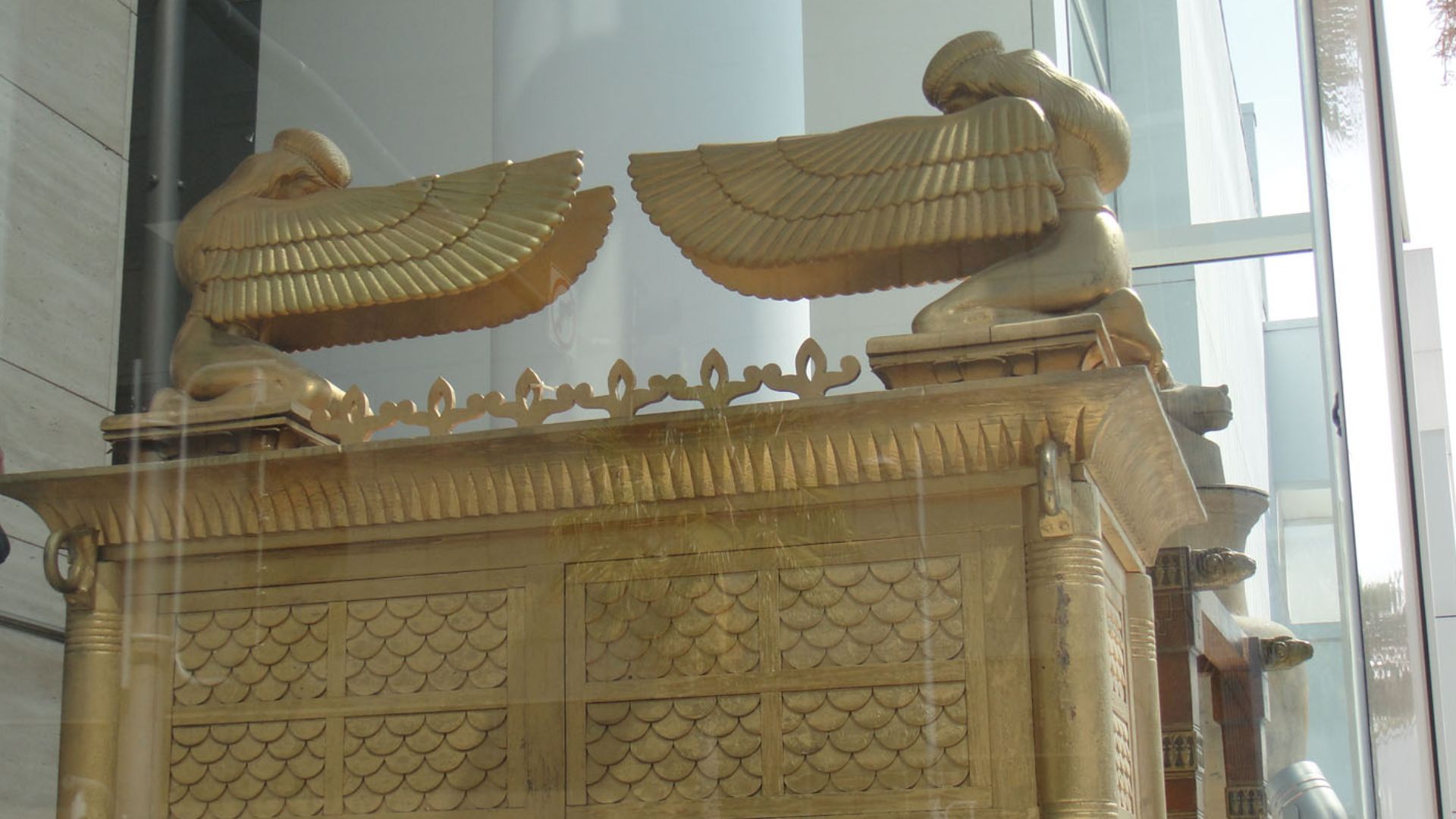
Despite some dramatic headlines, nobody has found the Ark of the Covenant.
Its final fate remains one of history's greatest unanswered questions. No verified archaeological evidence has revealed where it ultimately went after disappearing from the historical record, and historians continue to debate whether it was hidden, destroyed, or taken elsewhere.
That mystery is still very much alive.
 pop culture geek from Los Angeles, CA, USA, Wikimedia Commons
But One Mystery May Be Closer To An Answer
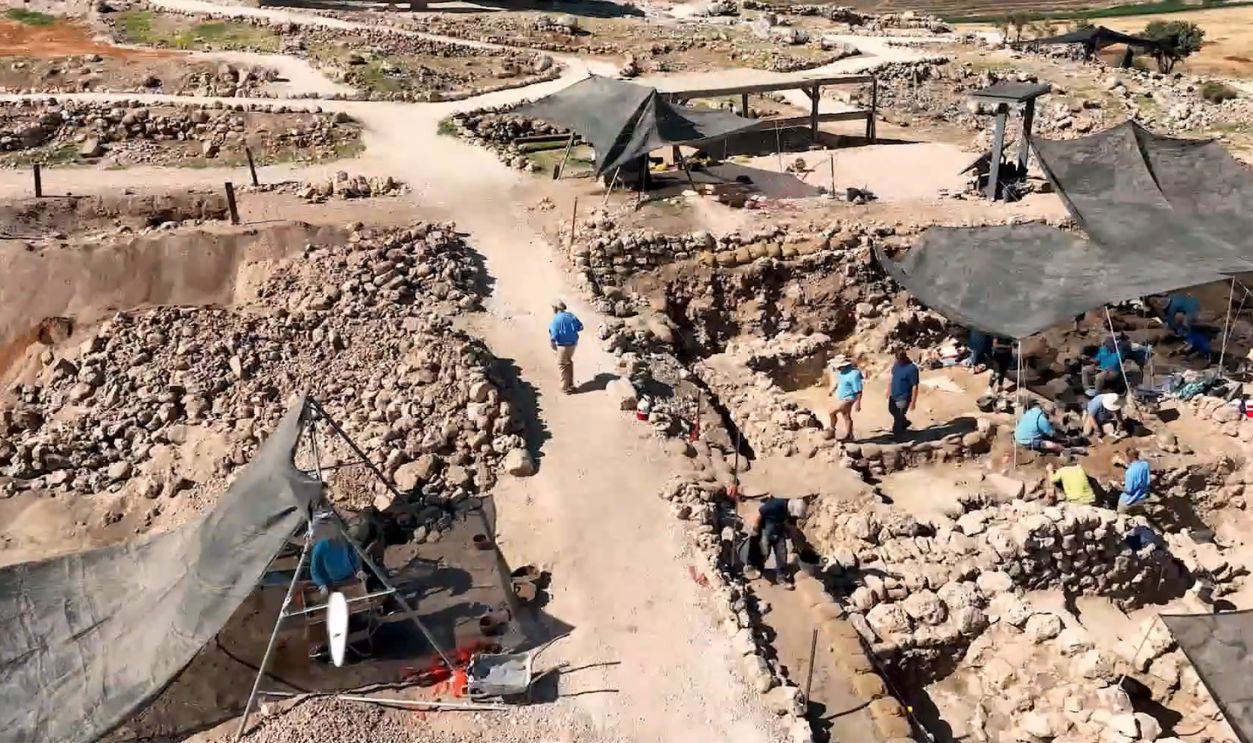
For centuries, historians have debated not only where the Ark ended up, but also exactly where it spent the years before Jerusalem became Israel's religious center. That's the question this excavation is trying to answer.
If the excavation team's interpretation is ultimately supported, archaeologists may finally know far more about where one of history's most famous religious objects once rested.
 Screenshot from InGrace Israel with Jim Scudder, Trinity Broadcasting Network (2019-)
The Search Is Far From Over
Researchers expect excavations at Shiloh to continue, and every new season has the potential to uncover additional clues. More artifacts, more architectural evidence, or even inscriptions could strengthen—or challenge—the current interpretation.
That's one of the things that makes archaeology so fascinating. Every discovery has the power to change the story.
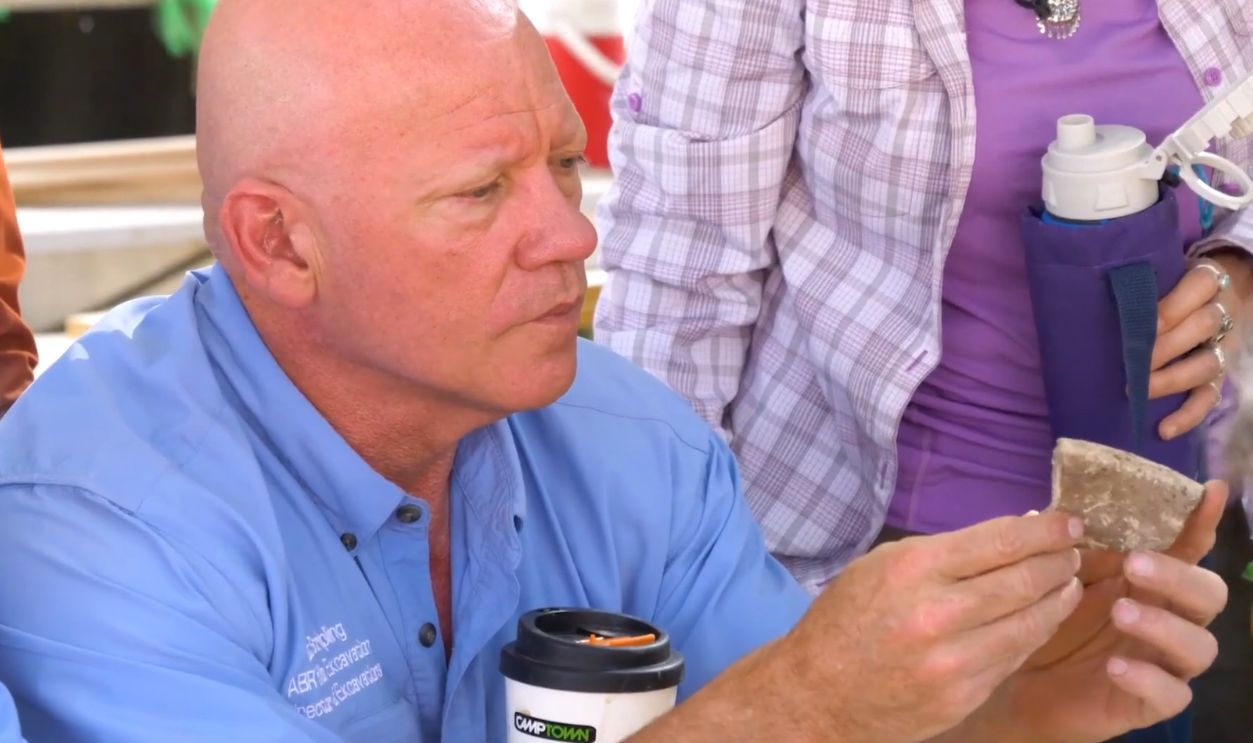 Screenshot from Digging for Truth, WBPH-TV 60 (2018–)
Why Experts Are Watching So Closely
Whether or not this structure ultimately proves to be associated with the biblical Tabernacle, the discoveries themselves are significant. They provide valuable new information about one of the most important religious centers of the Iron Age and help historians better understand a period where written records are limited.
Even archaeologists who remain skeptical agree the site deserves continued investigation.
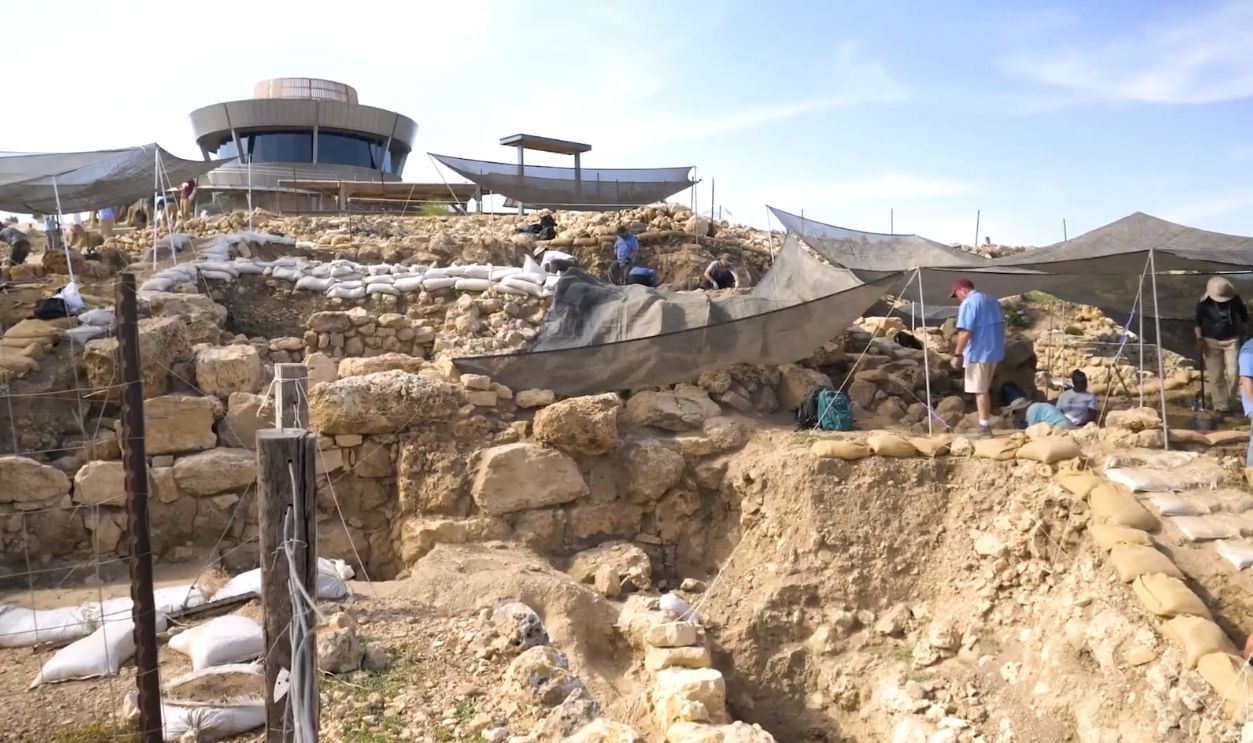 Screenshot from Digging for Truth, WBPH-TV 60 (2018–)
Real Archaeology Takes Time
Movies often make archaeology look like one spectacular discovery that instantly rewrites history.
In reality, breakthroughs usually happen one wall, one artifact, and one excavation season at a time. Every new discovery is tested, debated, challenged, and compared with everything that came before it.
That's exactly what's happening at Shiloh today.
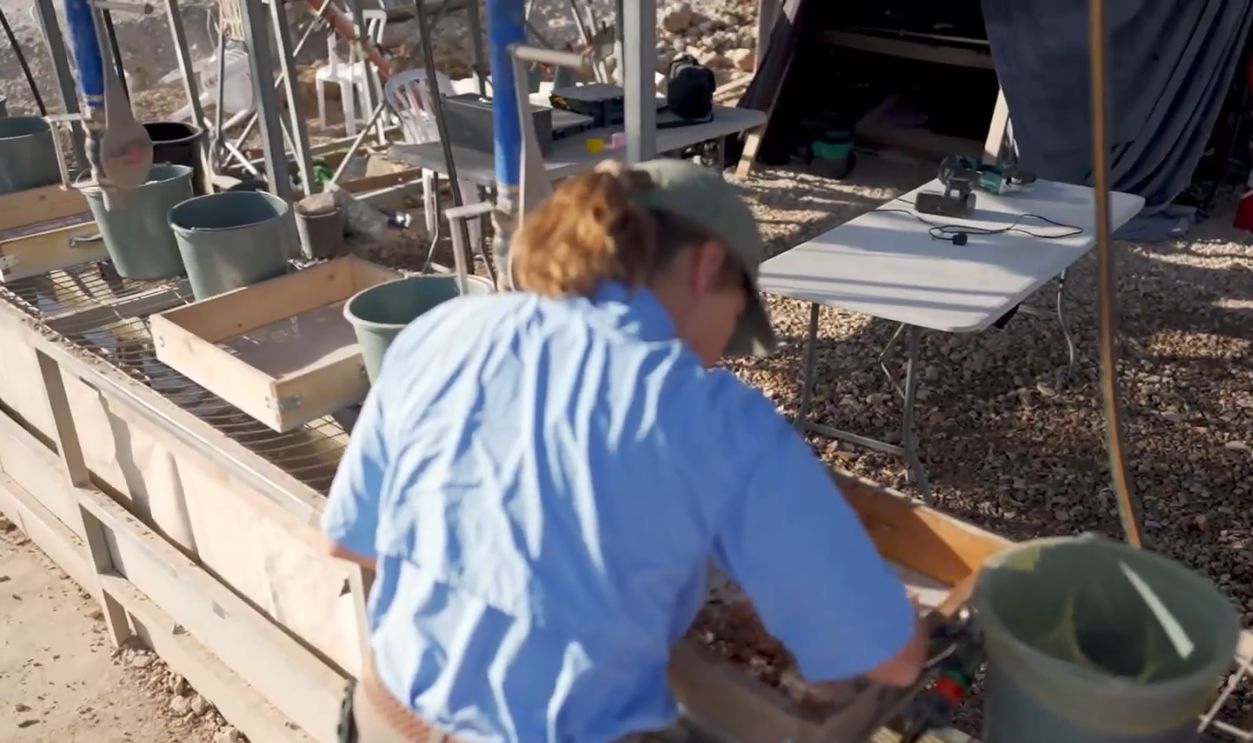 Screenshot from InGrace Israel with Jim Scudder, Trinity Broadcasting Network (2019-)
The Debate Isn't Over Yet
The excavation team believes the discoveries strengthen the case for identifying this area with the biblical Tabernacle.
Other archaeologists believe additional evidence will be needed before accepting that conclusion. That's a normal part of the scientific process, and future excavations may ultimately strengthen—or weaken—the current interpretation.
For now, the conversation is just beginning.
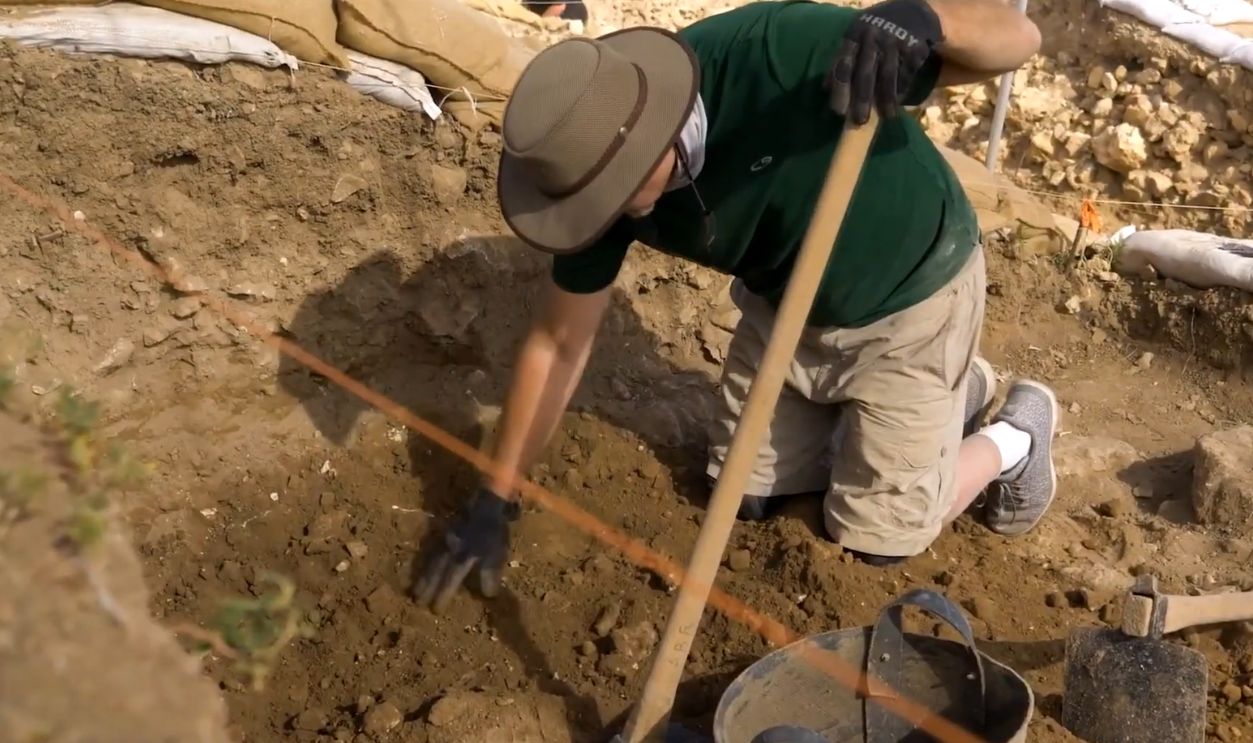 Screenshot from Digging for Truth, WBPH-TV 60 (2018–)
A Mystery That Refuses To Go Away
The Ark of the Covenant continues to fascinate people for the same reason it always has.
No one knows where it is today. No one knows whether it survived. And no one knows if it will ever be found. That uncertainty is exactly why every credible new discovery attracts worldwide attention.
A New Chapter In An Ancient Story
Researchers still aren't claiming to have found the Ark itself.
What they believe they may have found is evidence that could help identify the place where it once rested centuries ago. If future discoveries continue pointing in the same direction, archaeologists may not have solved the Ark of the Covenant mystery—but they may have solved one of its oldest and most important chapters.
 Screenshot from Digging for Truth, WBPH-TV 60 (2018–)
You Might Also Like: