

A Lost People Emerged From Ancient Bones
Archaeologists studying ancient human remains in Colombia expected to learn more about the first people who settled South America. Instead, they uncovered evidence of a mysterious population nobody knew existed.
Even stranger, this group appears to have vanished completely, leaving behind no known descendants and one enormous mystery. And the deeper scientists dug into the DNA, the stranger the story became.
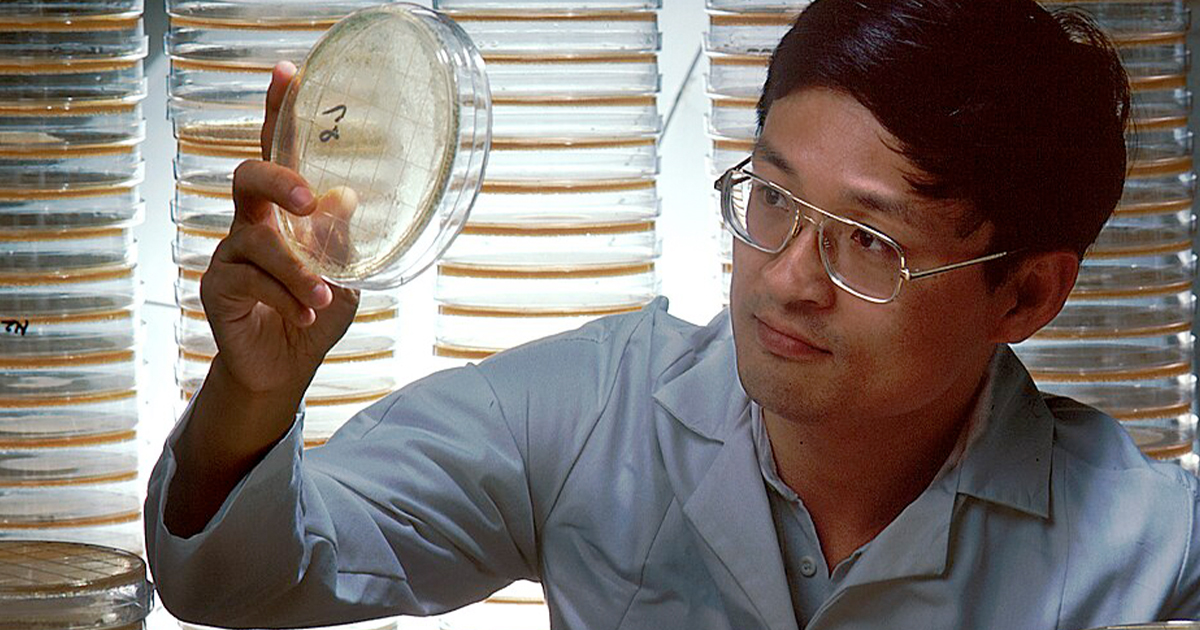
 Bill Branson, Wikimedia Commons
The Story Begins Near Bogotá
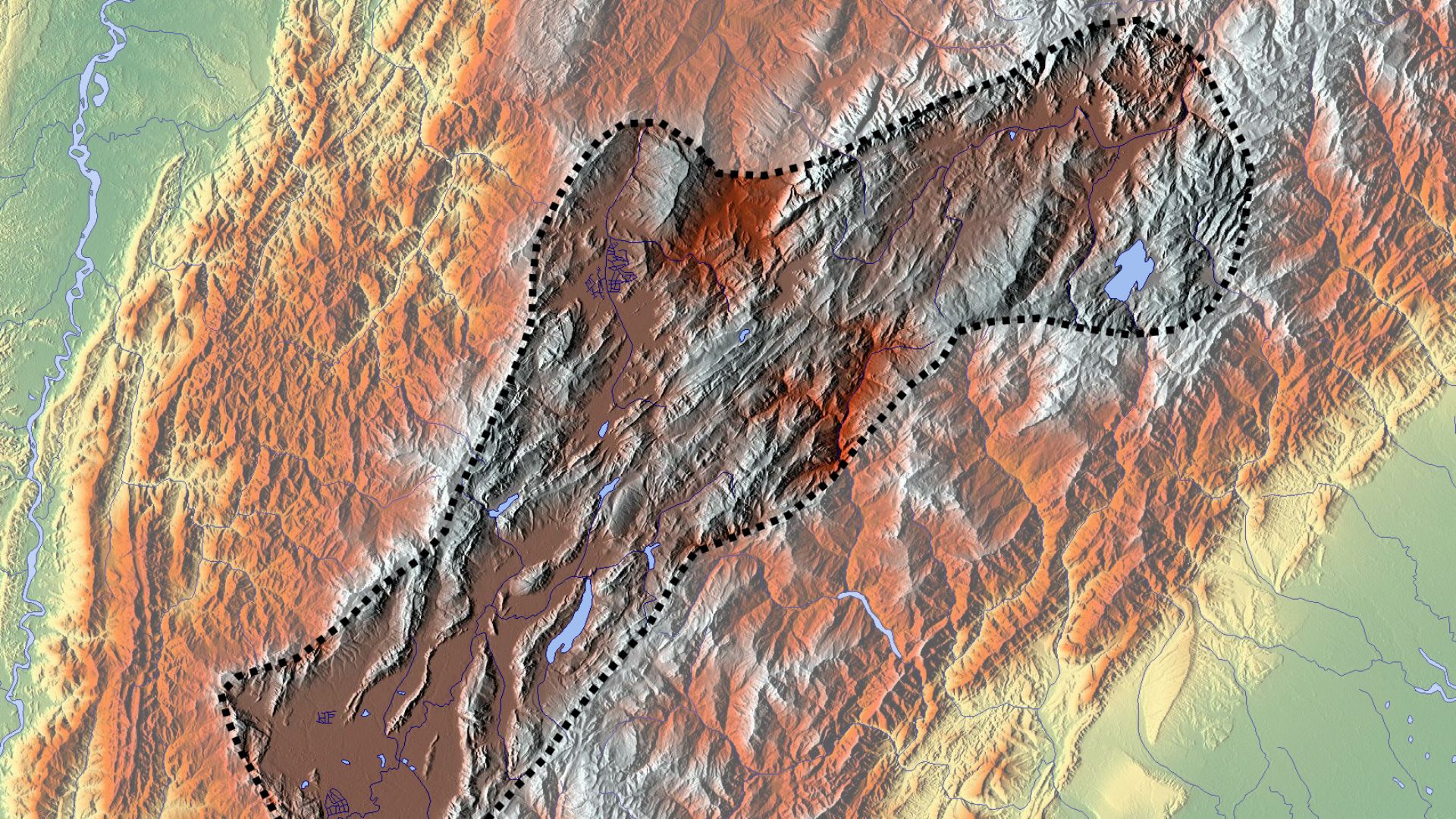
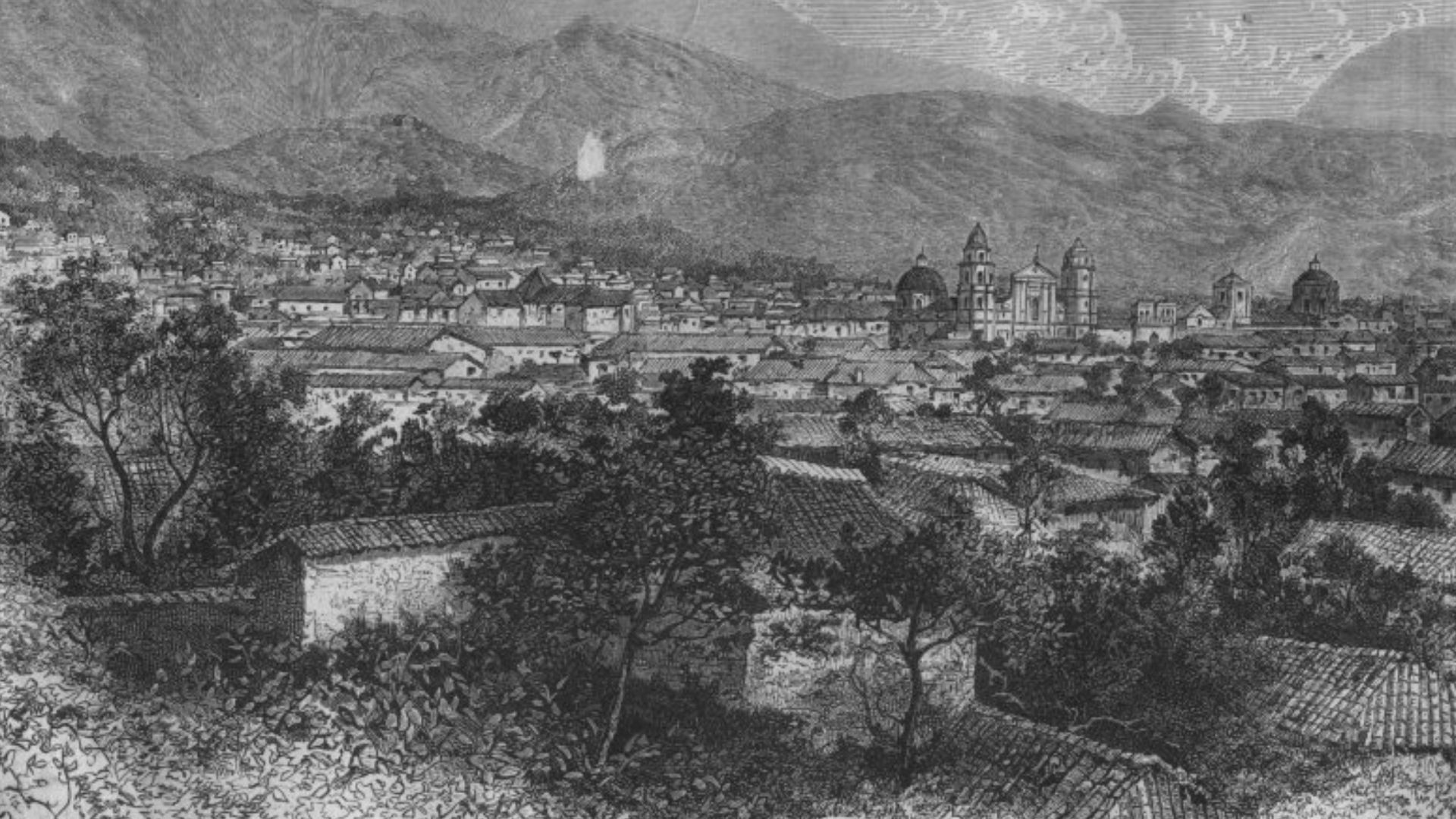
The discovery began on the Bogotá Altiplano, a high plateau in central Colombia that has been home to humans for thousands of years. Archaeologists have excavated ancient campsites and burial grounds there for decades, uncovering clues about some of South America's earliest inhabitants. At first, nothing about the ancient graves seemed unusual.
Ancient Graves Held The First Clues
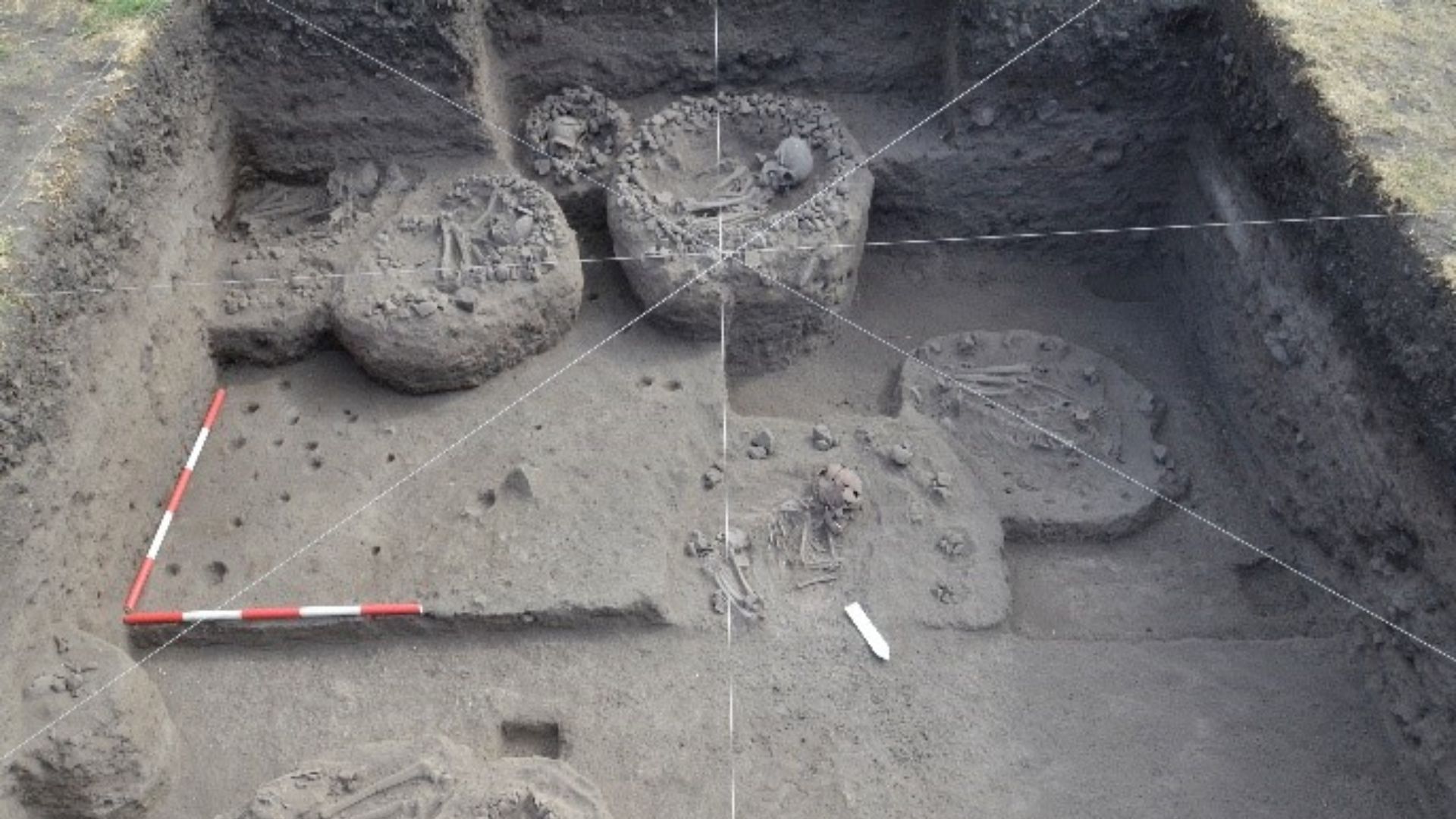
Many of the remains came from archaeological sites such as Checua, a well-known prehistoric settlement located north of modern Bogotá. Excavations led by Colombian researchers recovered human skeletons dating back thousands of years, preserving a record of people who lived long before written history.
But those ancient bones were hiding a secret nobody expected.
 Arqueologiadecolombia, Wikimedia Commons
Scientists Wanted To Study Ancient DNA
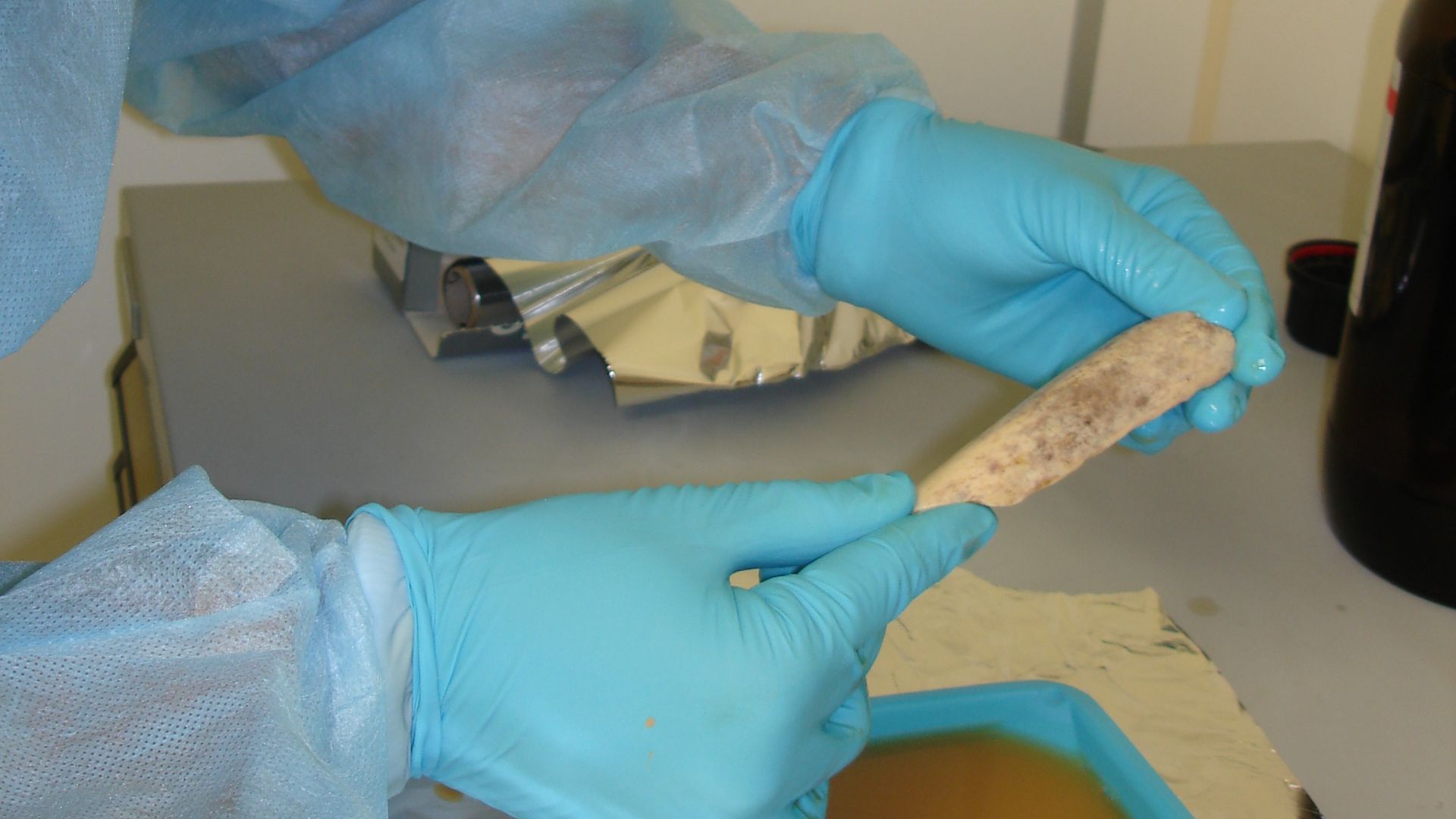
For years, the bones sat quietly in collections while technology caught up. Ancient DNA research has transformed archaeology during the past two decades, allowing scientists to learn not just how people lived, but who they were related to and where they came from.
Researchers thought they knew what they would find. They were wrong.

The Breakthrough Arrived In 2025
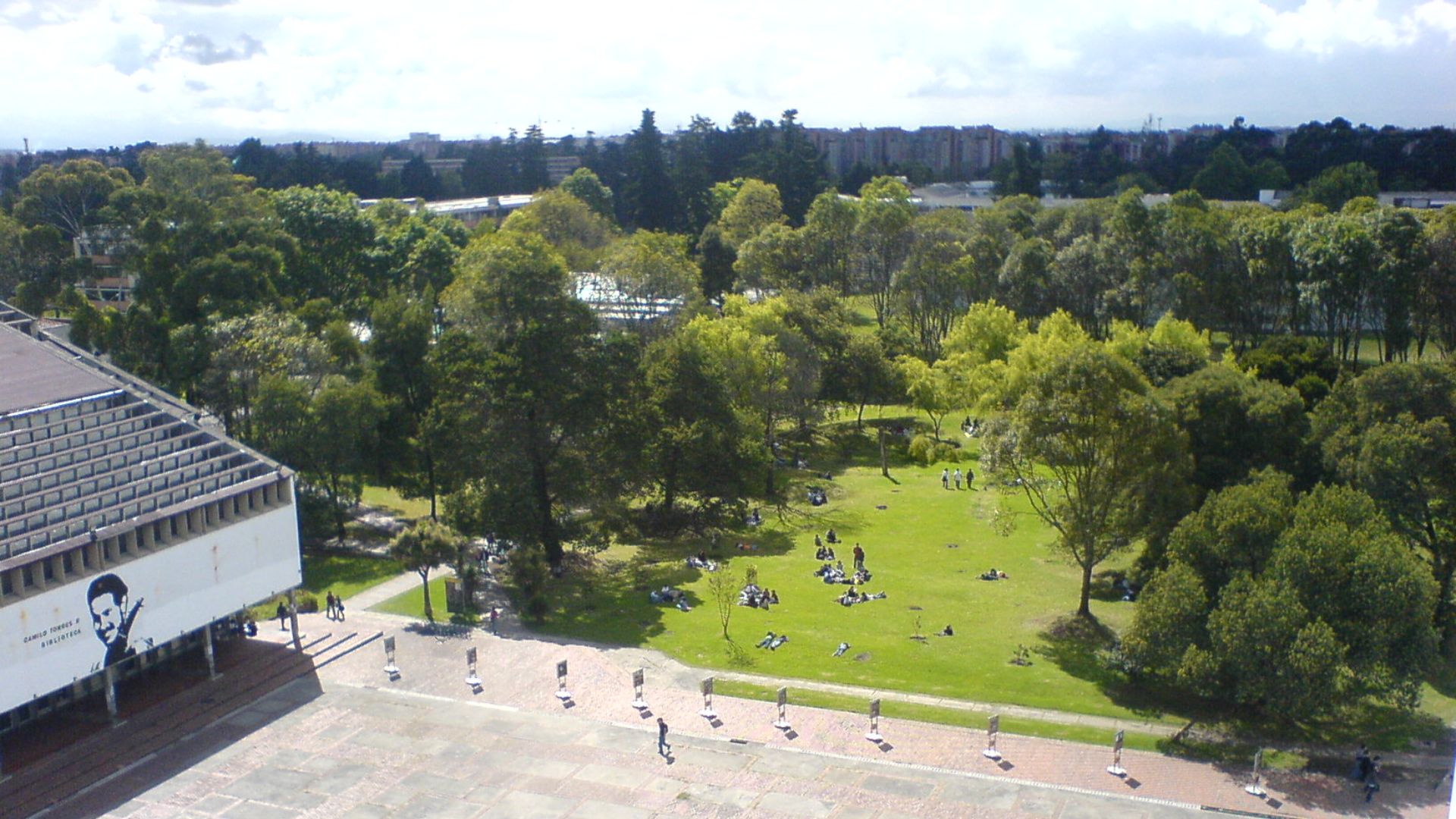
In 2025, an international team of researchers published a groundbreaking study in Science Advances. The project involved scientists from the University of Tübingen, the Senckenberg Centre for Human Evolution and Palaeoenvironment, and the National University of Colombia.
What the DNA revealed would completely rewrite part of Colombia's human story.
Researchers Extracted DNA From Ancient Skeletons
The team analyzed DNA from individuals who lived on the Bogotá Altiplano between roughly 6,000 and 500 years ago. Their goal seemed straightforward enough: trace the genetic history of northern South America. Then things got weird, because the oldest DNA samples refused to fit the known story.

The Oldest Individuals Didn't Match Anyone
The earliest people in the study carried genetic signatures unlike anything researchers expected. Their DNA did not closely match later populations from Colombia, nor did it fit neatly with other known ancient populations from South America.
The mystery had officially begun, and the next discovery would leave researchers scrambling for answers.
A Population Nobody Knew Existed
The DNA pointed to a previously unknown human lineage that lived in Colombia approximately 6,000 years ago. Until the study was published, scientists had no idea this population had ever existed. Imagine discovering an entire chapter of human history that somehow got left out of the book. But finding them was only half the mystery.
 Popayan1210, Wikimedia Commons
The Researchers Were Surprised
Study co-author Andrea Casas-Vargas of the National University of Colombia explained that the findings challenged previous assumptions about the region's population history. Instead of a simple story of continuous settlement, the evidence pointed to something much more complicated.
And things were about to get even stranger.
They Were Among Colombia's Earliest Residents
Researchers believe this mysterious population descended from some of the earliest people who entered northern South America after humans first migrated into the Americas thousands of years earlier. For a long time, they appeared to thrive on the Bogotá plateau. Then, somewhere along the way, the trail went cold.
Life On The Ancient Plateau
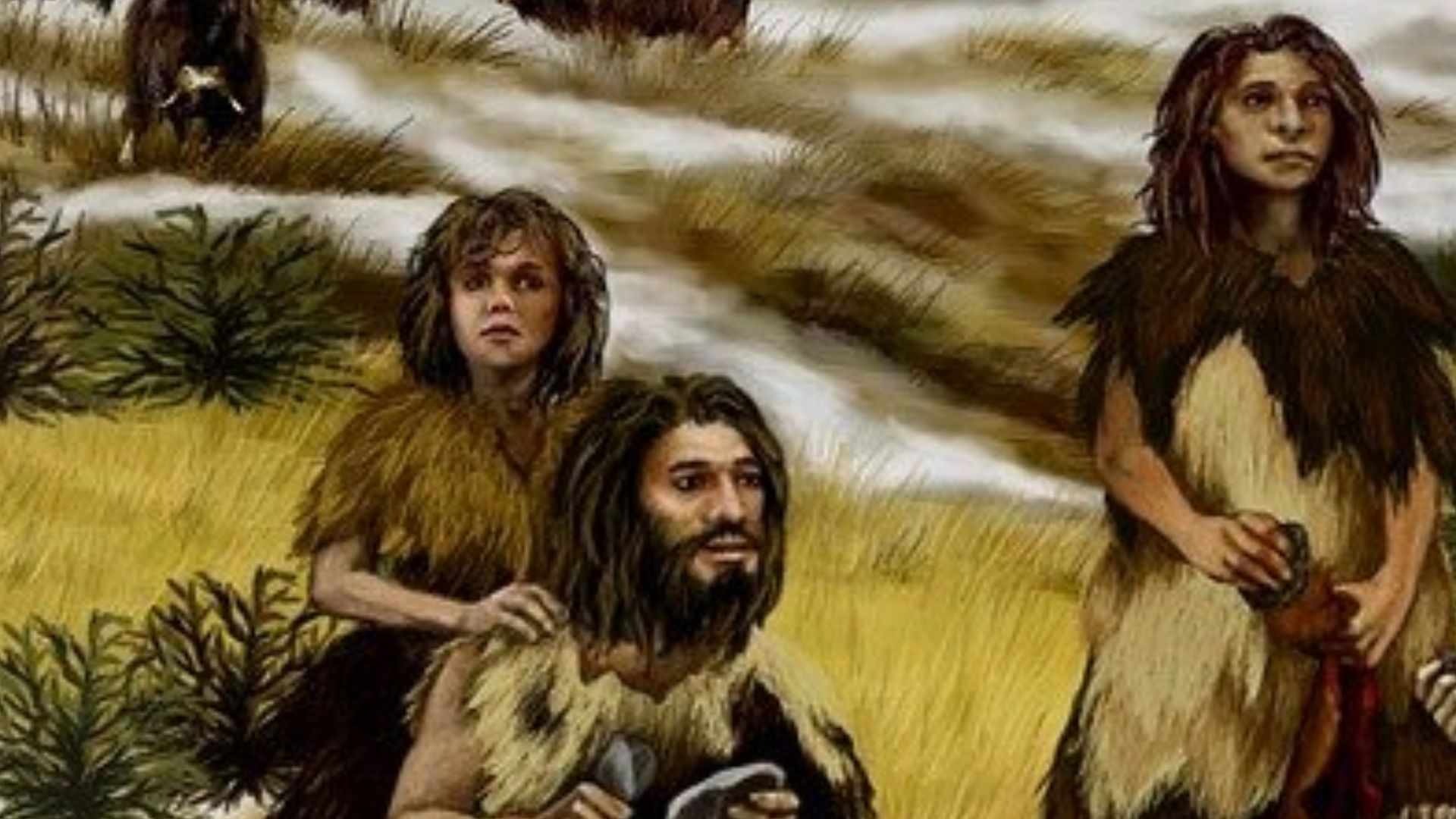
Although no written records exist, archaeologists can make educated guesses about their lives. These people likely hunted deer and small game, gathered edible plants, and traveled seasonally through the high-altitude landscape. Their daily routine probably involved a lot more walking than most modern fitness programs. But their way of life may have lasted for thousands of years.
The Environment Was Challenging
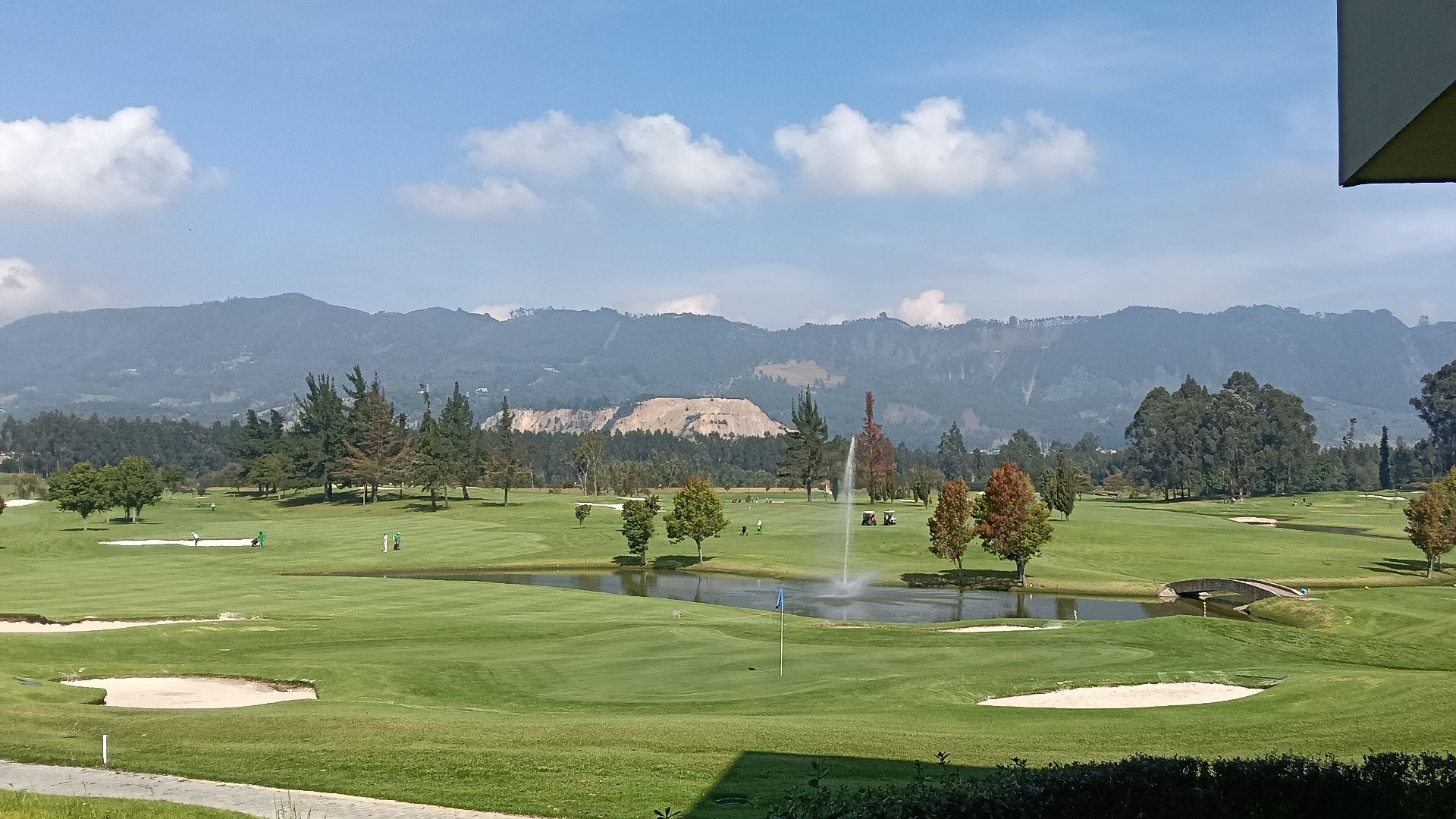
The Bogotá Altiplano sits more than 8,000 feet above sea level. Temperatures can change quickly, and surviving there required knowledge of local plants, animals, and weather patterns. These early inhabitants clearly knew what they were doing. Yet survival skills alone could not guarantee their future.
They Left Behind More Questions Than Answers
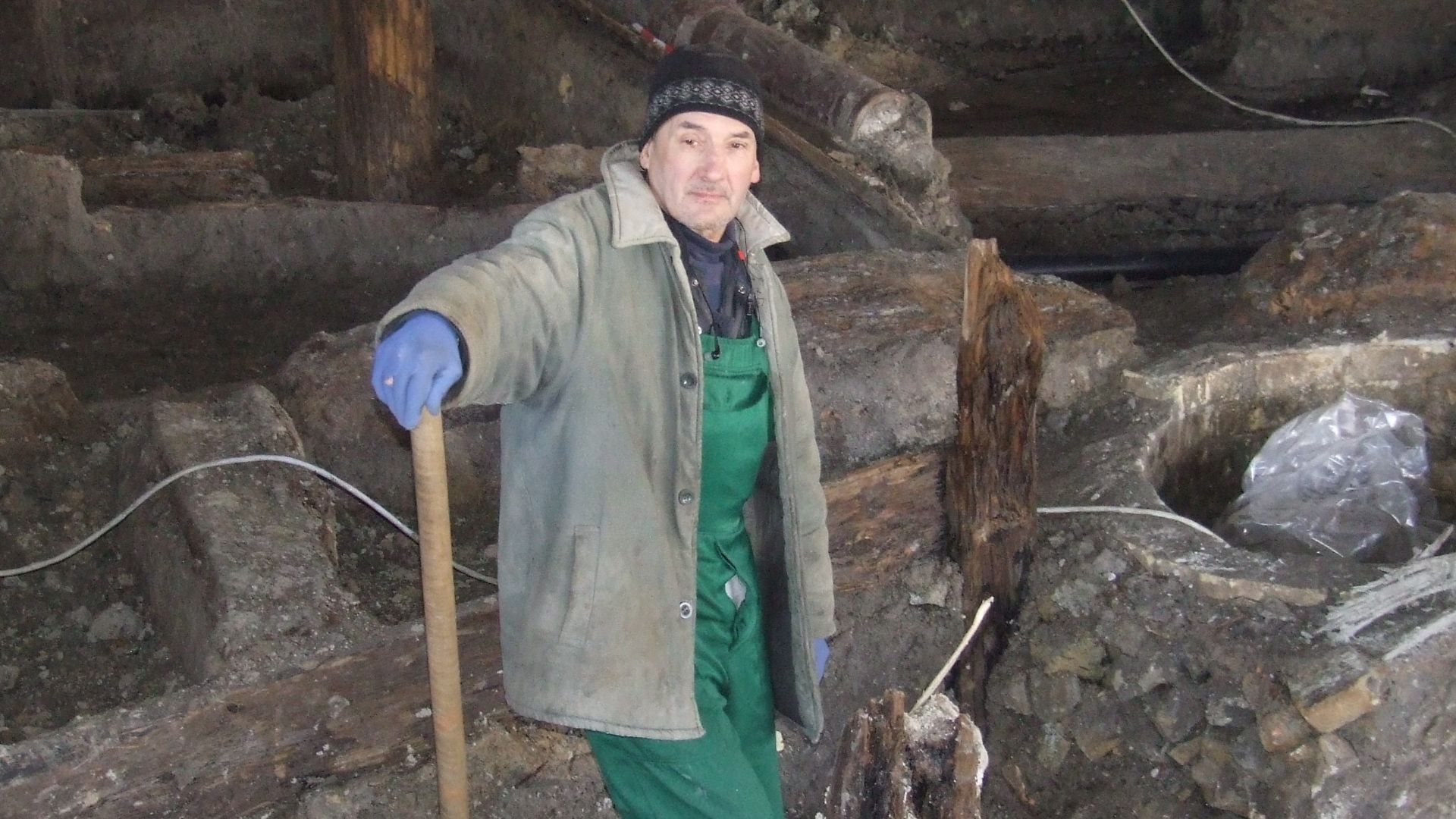
Archaeologists uncovered tools, campsites, and human remains, but very little about the group's culture survives. We don't know what language they spoke, what stories they told, or even what they called themselves. Their identity remains completely lost, and soon researchers would discover something even more troubling.
 Nataliya Shestakova, Wikimedia Commons
Then Researchers Made A Disturbing Discovery
As scientists compared the ancient DNA to later populations, something unusual emerged. The mysterious lineage seemed to disappear. Not decline. Not blend gradually. Disappear.
What happened next remains one of the biggest unanswered questions in South American archaeology.
 Svante Pääbo, Max Planck Institute for Evolutionary Anthropology, Wikimedia Commons
A Genetic Dead End
The researchers found no clear genetic continuity between these early individuals and the populations that later occupied the region. In genetic terms, the trail simply stopped. That's not something archaeologists see every day, and it raised a troubling possibility.
 Max Planck Institute for Evolutionary Anthropology, Wikimedia Commons
A Population Replacement Appears To Have Happened
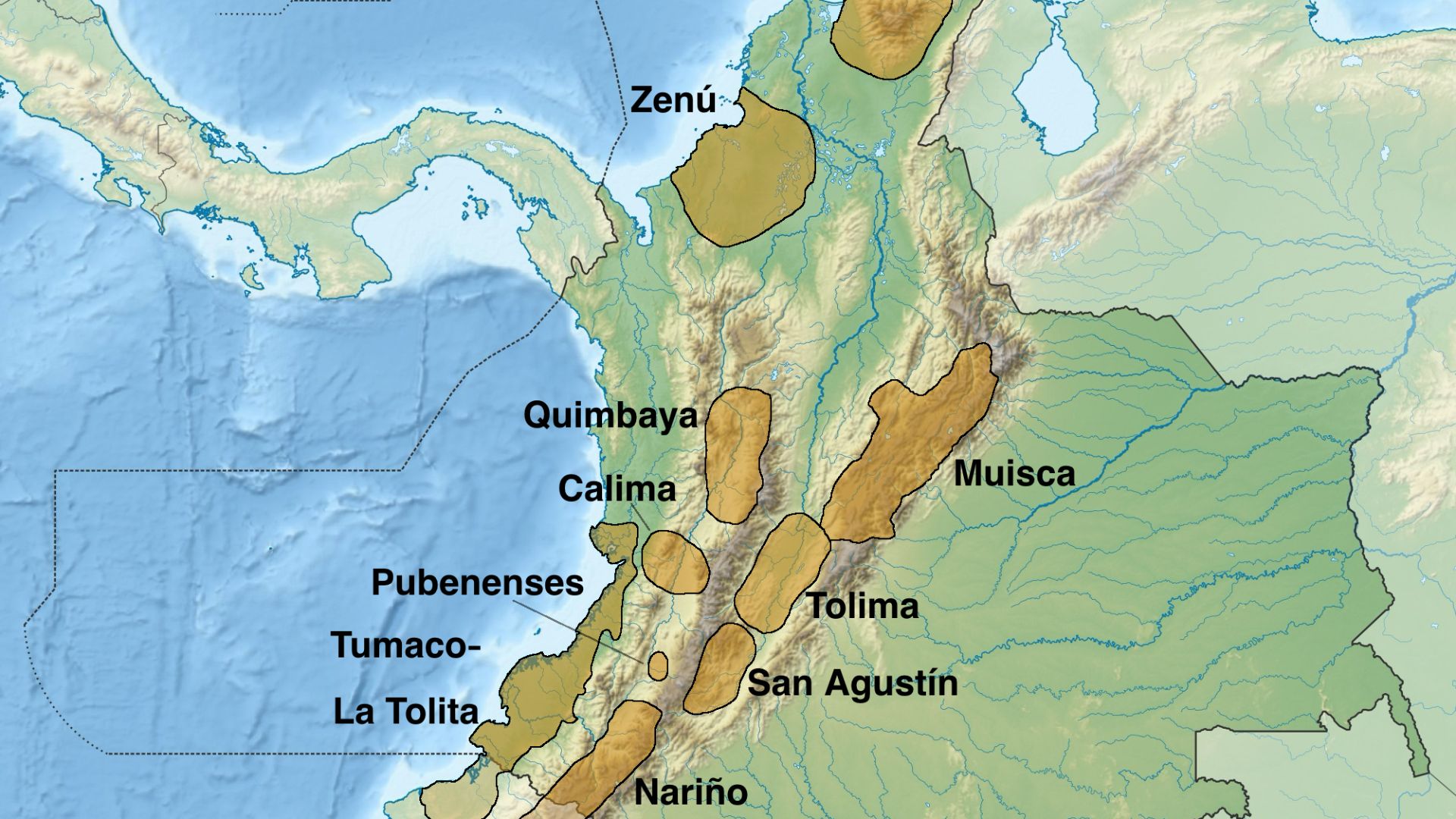
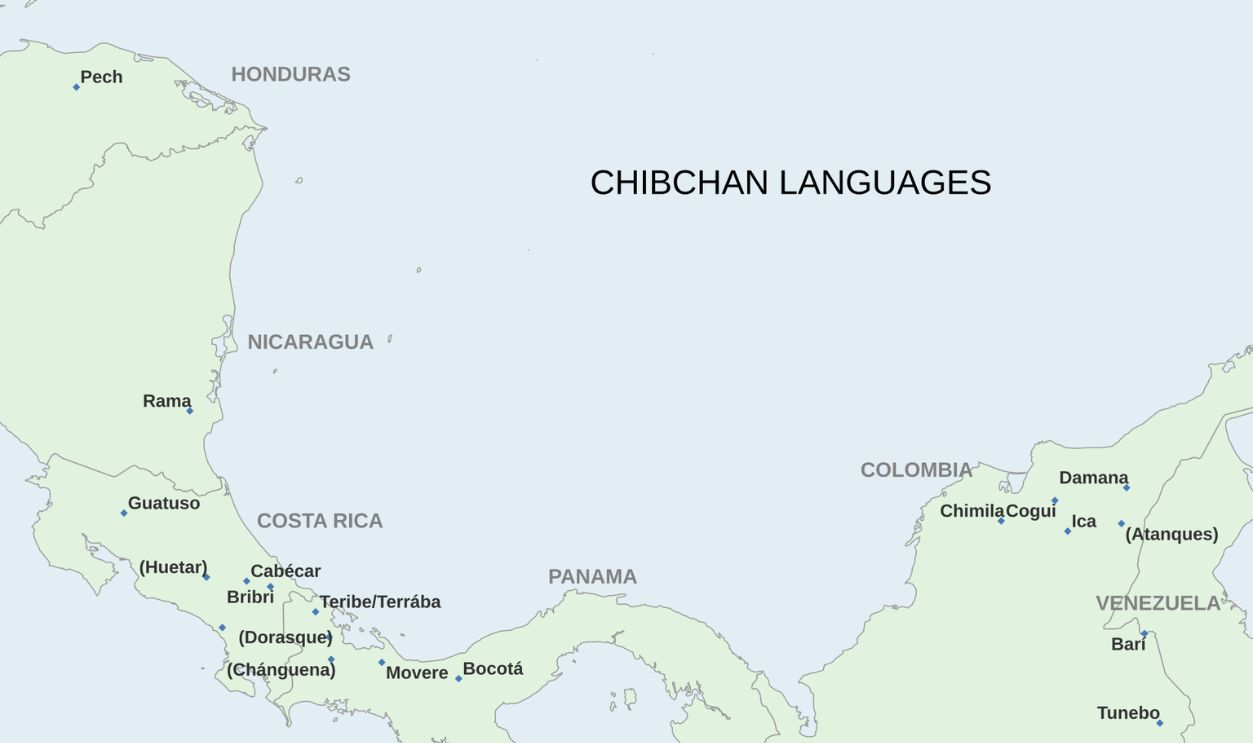
Around 2,000 years ago, the genetic picture changed dramatically. New populations appeared on the Bogotá Altiplano carrying ancestry linked to groups associated with Central America and Chibchan-speaking peoples. Someone new had arrived. But what became of the people who were already there?
 Babbage, CC0, Wikimedia Commons
What Happened To The Original People?
That's the question nobody can answer. Did they migrate somewhere else? Were they absorbed by newcomers? Did disease, conflict, or environmental change reduce their numbers? At the moment, researchers simply don't know. And that's where the mystery becomes truly fascinating.
 Neanderthal-Museum, Mettmann, Wikimedia Commons
The Mystery Deepens
Study co-author Cosimo Posth of the University of Tübingen noted that the early population left no detectable genetic descendants among the groups examined so far. That finding makes the disappearance particularly puzzling. It's almost as if they stepped out of history. But scientists aren't ready to give up the search.
 Emőke Dénes, Wikimedia Commons
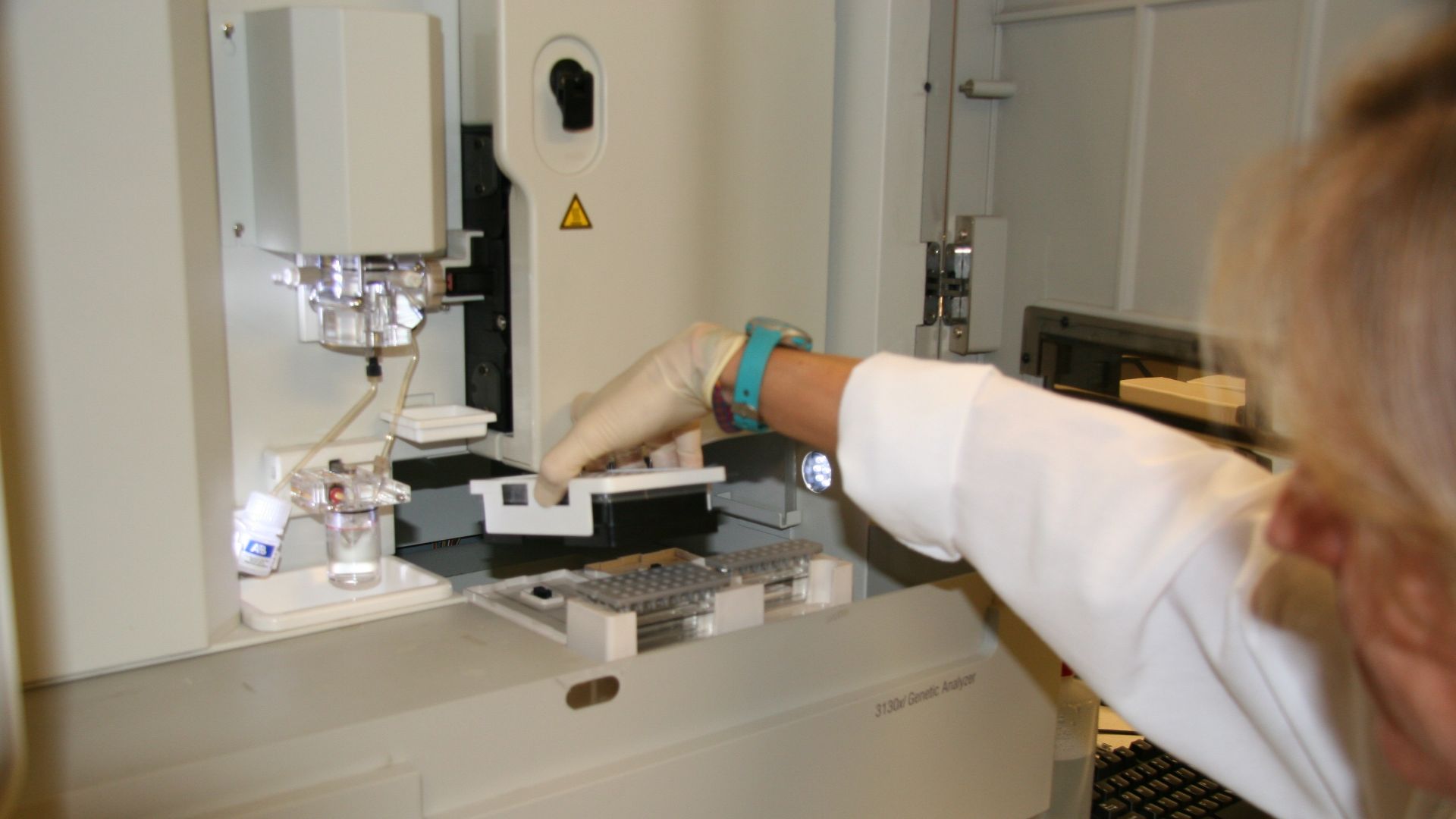
Ancient DNA Revealed An Unexpected Twist
Most ancient DNA studies connect populations together like pieces of a giant family tree. This discovery did the opposite. Instead of finding connections, researchers uncovered a branch that appears to have been completely cut off. A lost branch of humanity had suddenly appeared—and vanished.
 California Department of Fish and Wildlife from Sacramento, CA, USA, Wikimedia Commons
Theories Continue To Grow
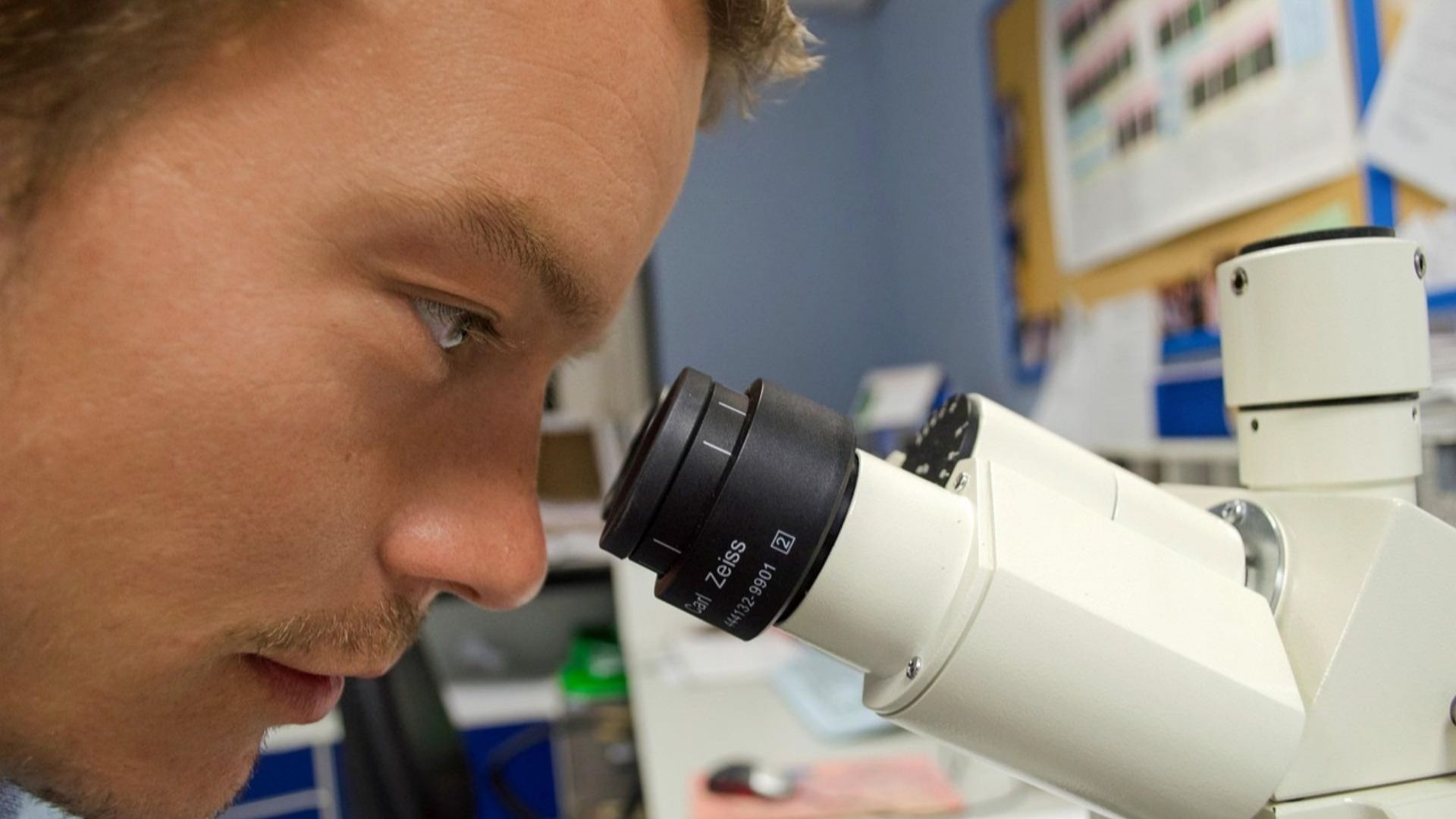
Some researchers suspect population replacement may have occurred gradually over centuries. Others suggest cultural changes or migration waves could explain the genetic shift. The truth may involve several factors working together rather than a single dramatic event. Unfortunately, the ancient DNA isn't giving up its secrets easily.
Newcomers Changed The Region
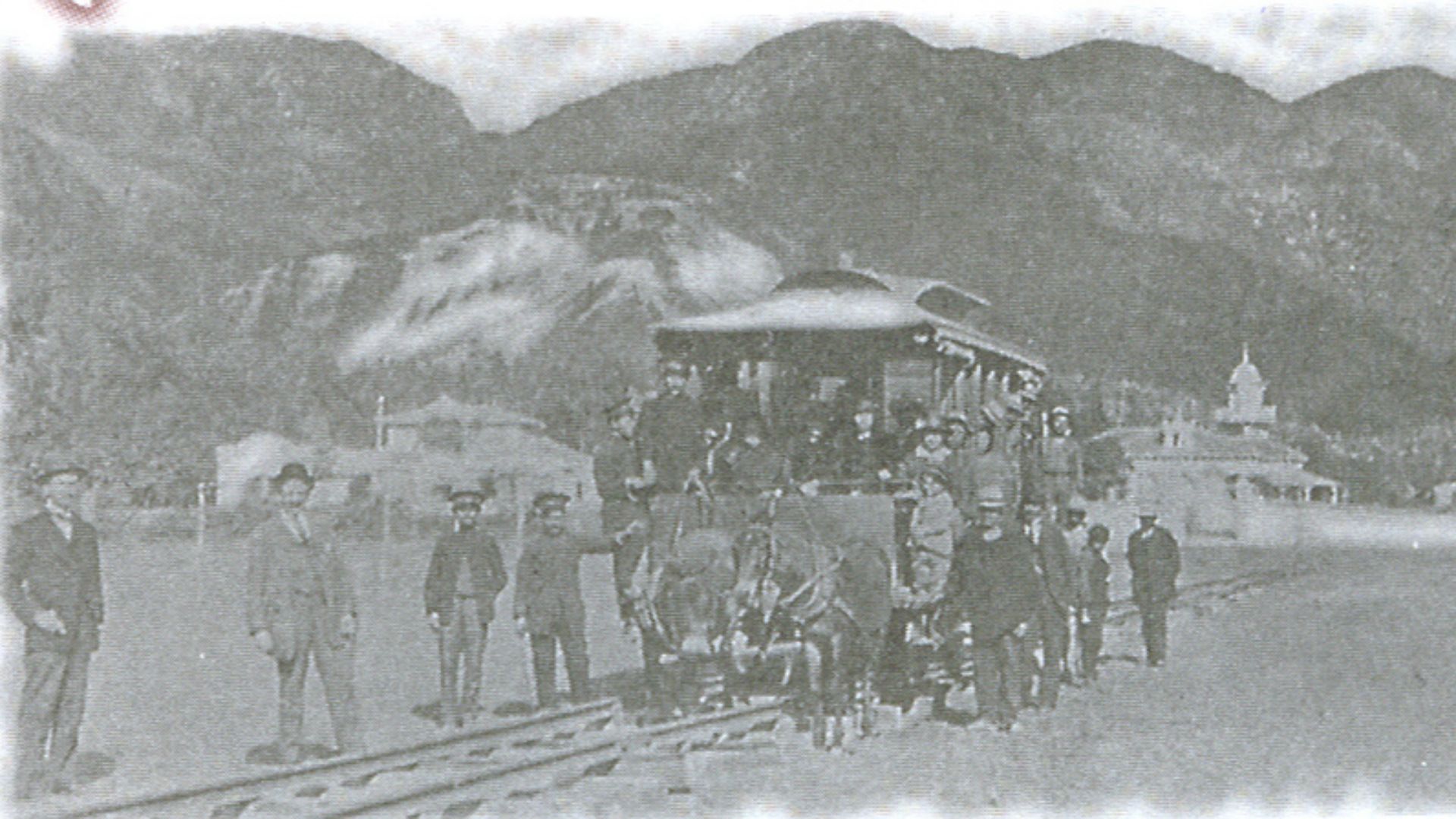
The later populations that settled the Bogotá Altiplano eventually became connected to cultures known from historical and archaeological records. Their arrival marks a major turning point in the region's human story. But they may not have been the first chapter, and they may not have known who came before them.
 Tequendamia, Wikimedia Commons
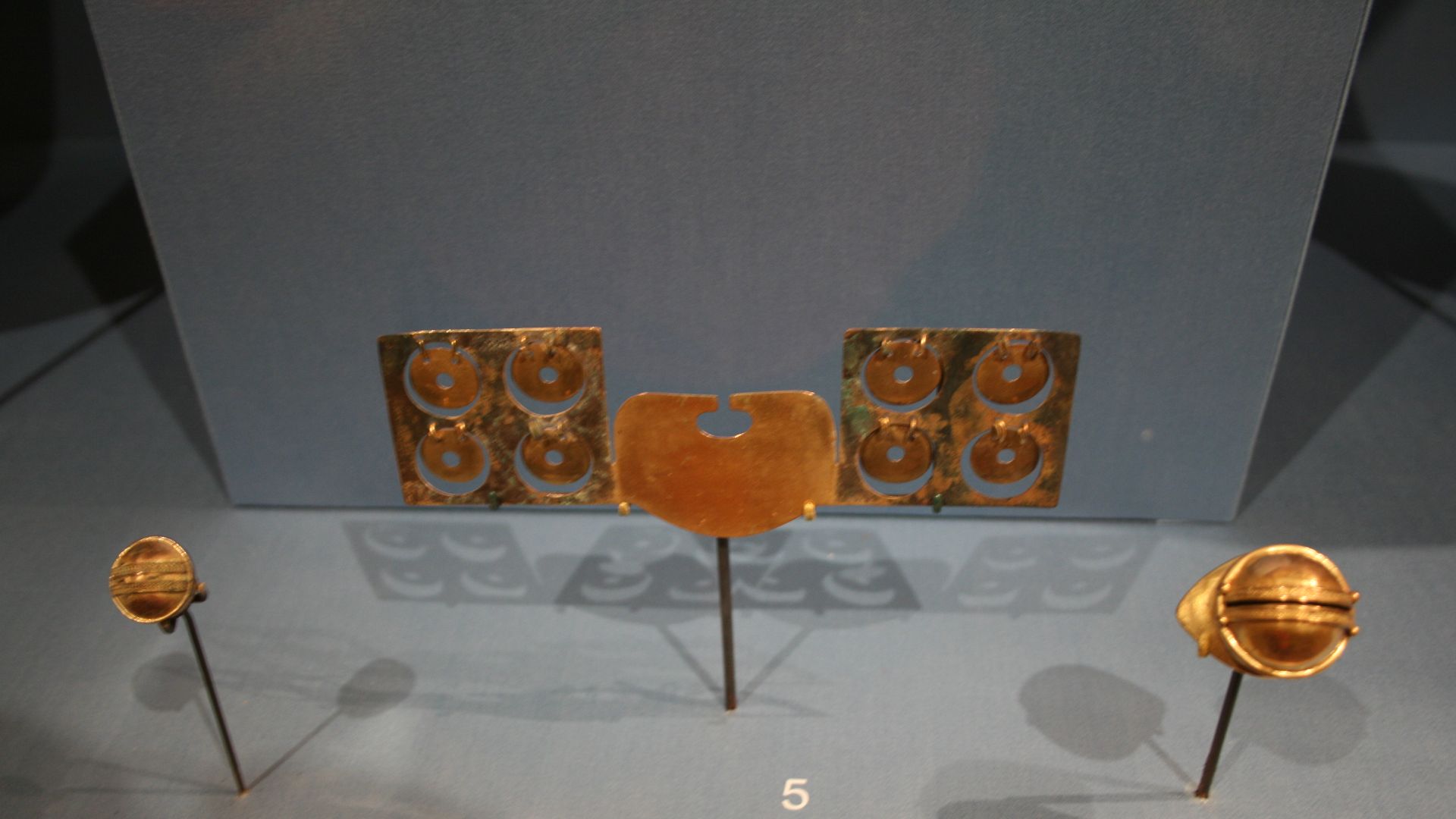
Ancient Colombia Was More Complex Than Expected
For years, scientists assumed population history in the region followed a relatively straightforward path. The DNA evidence now suggests northern South America experienced multiple migrations, population changes, and demographic surprises. Human history rarely likes to keep things simple, and this discovery may only be the beginning.
 Gary Todd from Xinzheng, China, Wikimedia Commons
The Search Is Far From Over
Researchers emphasize that this study represents only a small sample of ancient individuals. Future excavations may uncover additional remains that help explain where the mysterious population came from and what ultimately happened to them. More bones may eventually mean more answers—or even more questions.

One Of South America's Greatest Human Mysteries
The discovery has quickly become one of the most intriguing ancient DNA findings in the Americas. An entire human lineage existed for thousands of years, occupied part of modern Colombia, and then seemingly vanished from the genetic record. That's the kind of mystery archaeologists dream about, and one that researchers are still trying to solve today.
 National Institute of Allergy and Infectious Diseases, Unsplash
A Lost People Still Waiting To Be Found
Today, the ancient inhabitants of the Bogotá Altiplano remain largely unknown. Thanks to DNA preserved inside ancient bones, scientists now know they existed. What they still don't know is why a population that survived for thousands of years disappeared so completely that only fragments of DNA remained to tell its story. Until more evidence emerges, one of South America's oldest populations remains one of its greatest unsolved mysteries.
You May Also Like:





.jpg)
