We All Judge—We Just Pretend We Don’t
While many Americans insist they don’t judge people by where they’re from, that claim falls apart almost immediately under even minimal scrutiny. From whispered stereotypes to loud online takes—and backed up by surveys and studies—opinions about other states are everywhere. And here they are.
California: Influential, Liberal—and “Forcing It on Everyone Else”
California isn’t just seen as liberal—it’s often viewed as culturally dominant. A lot of Americans associate it with tech money, progressive politics, and trend-setting behavior. The controversial part is the assumption that Californians don’t just move—they “bring California with them,” whether locals asked for it or not.
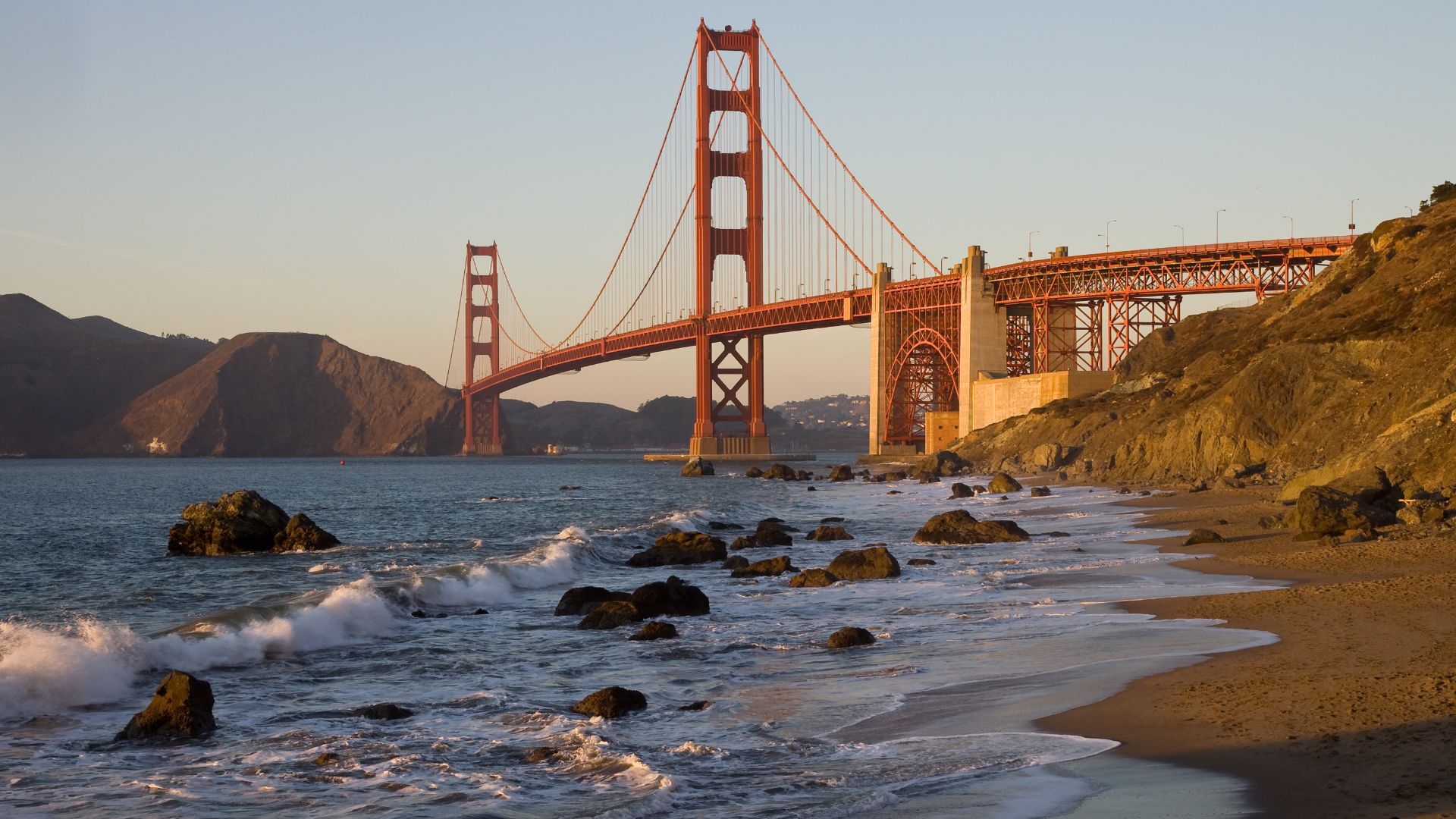 Christian Mehlfuhrer, User:Chmehl, Wikimedia Commons
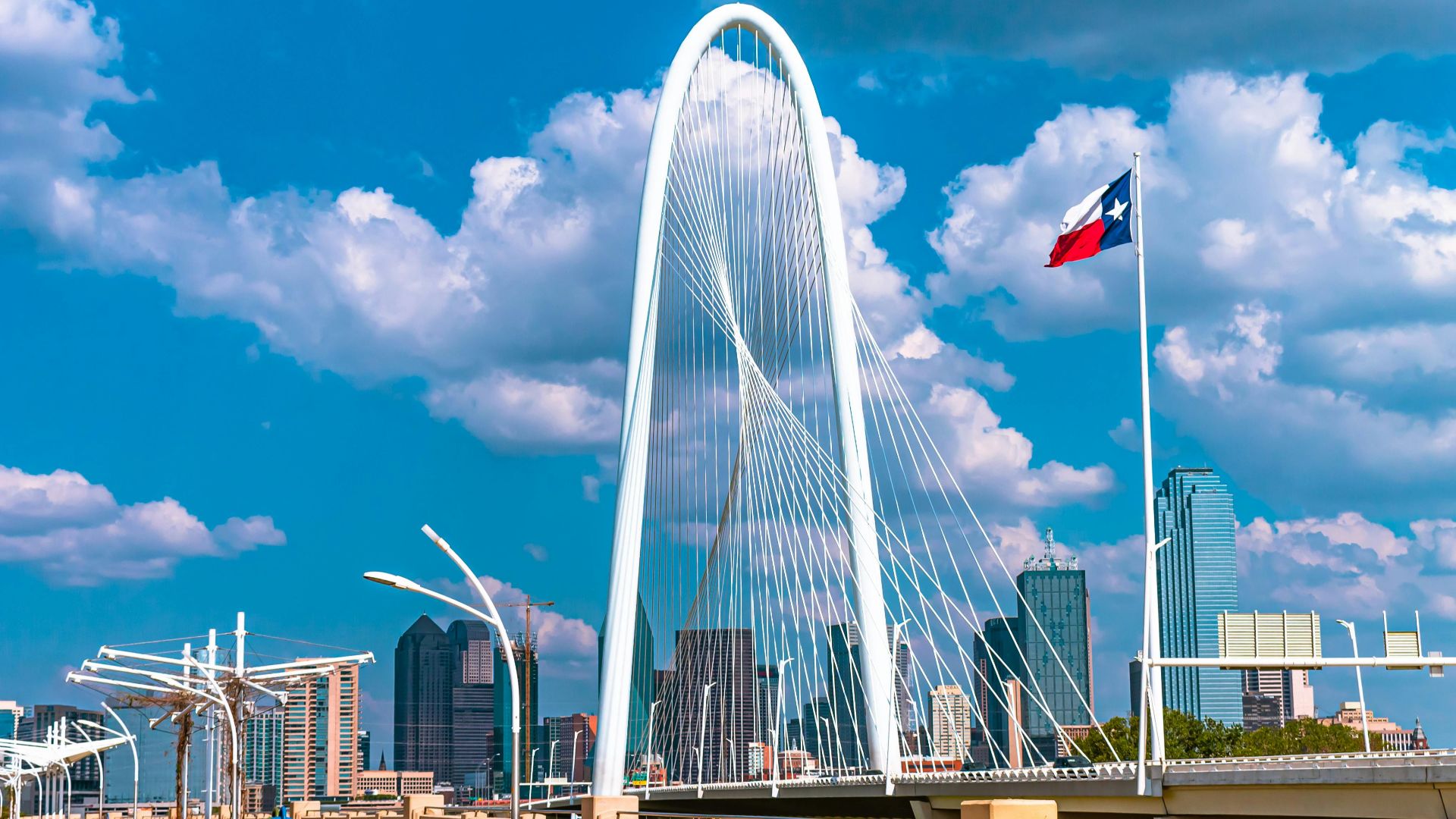
Texas: Proud, Patriotic, and Politically Assumed
Texans are widely admired—but also stereotyped as politically rigid. Outsiders often assume “Texas” automatically means a certain type of politics, personality, and attitude. Even when the reality is more mixed, the state’s pride can read like swagger, which makes people assume Texans are always ready to argue their point.
Florida: Chaos Isn’t a Bug—It’s the Brand
Florida gets judged like it’s a reality show that never ends. People expect retirees, theme parks, humidity, and some fresh headline that sounds made up. Even Americans who like Florida still talk about it like it’s unpredictable by default—like living there means constantly adjusting to something weird happening nearby.
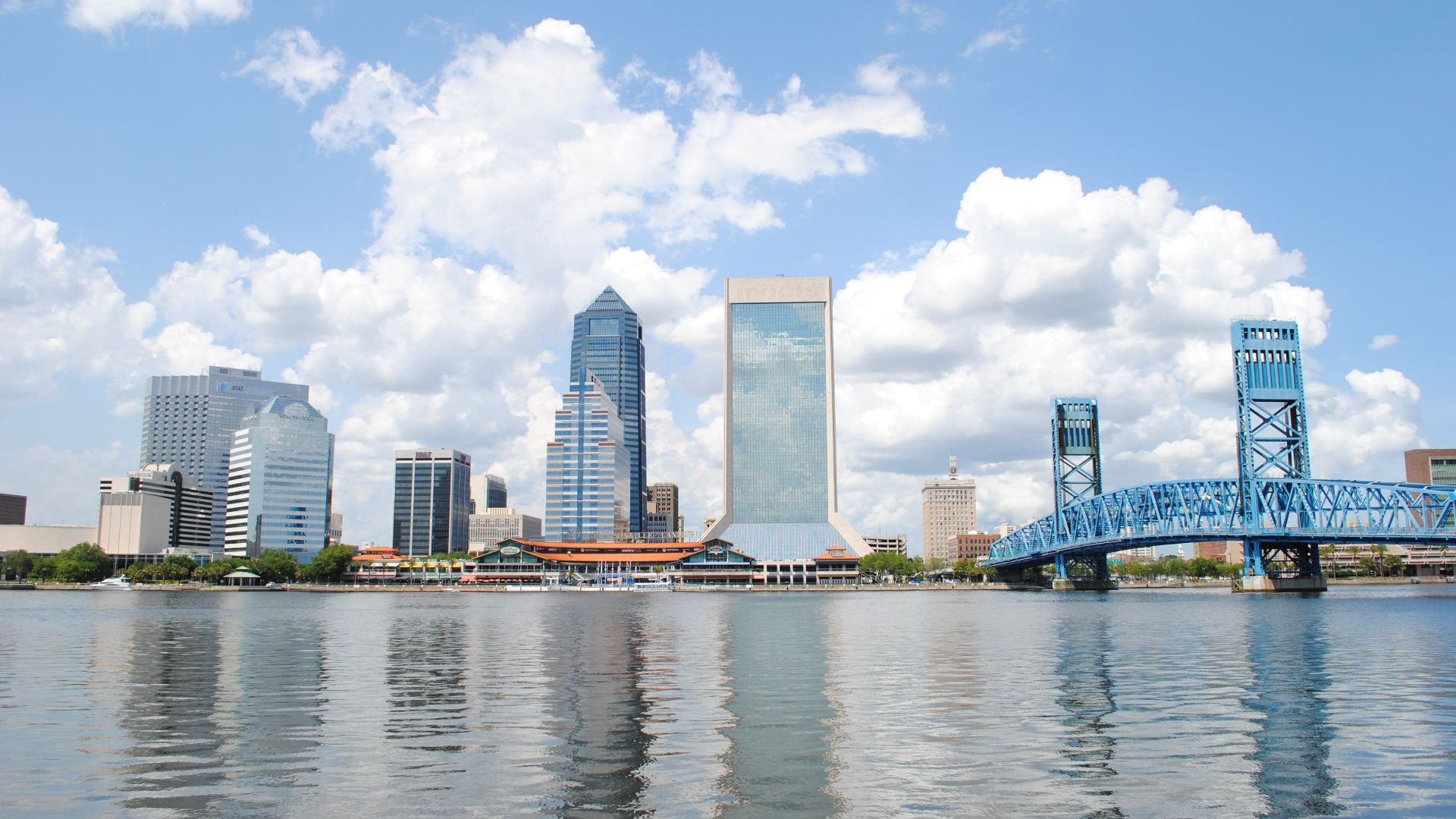 AndrewAvitus, Wikimedia Commons
New York: Smart, Important, and Not Especially Kind
New Yorkers are often labeled rude or aggressive by outsiders. The stereotype is that they’re blunt, impatient, and allergic to small talk. At the same time, there’s a grudging respect baked in—people assume New Yorkers can handle pressure, get things done, and don’t need anyone’s approval.

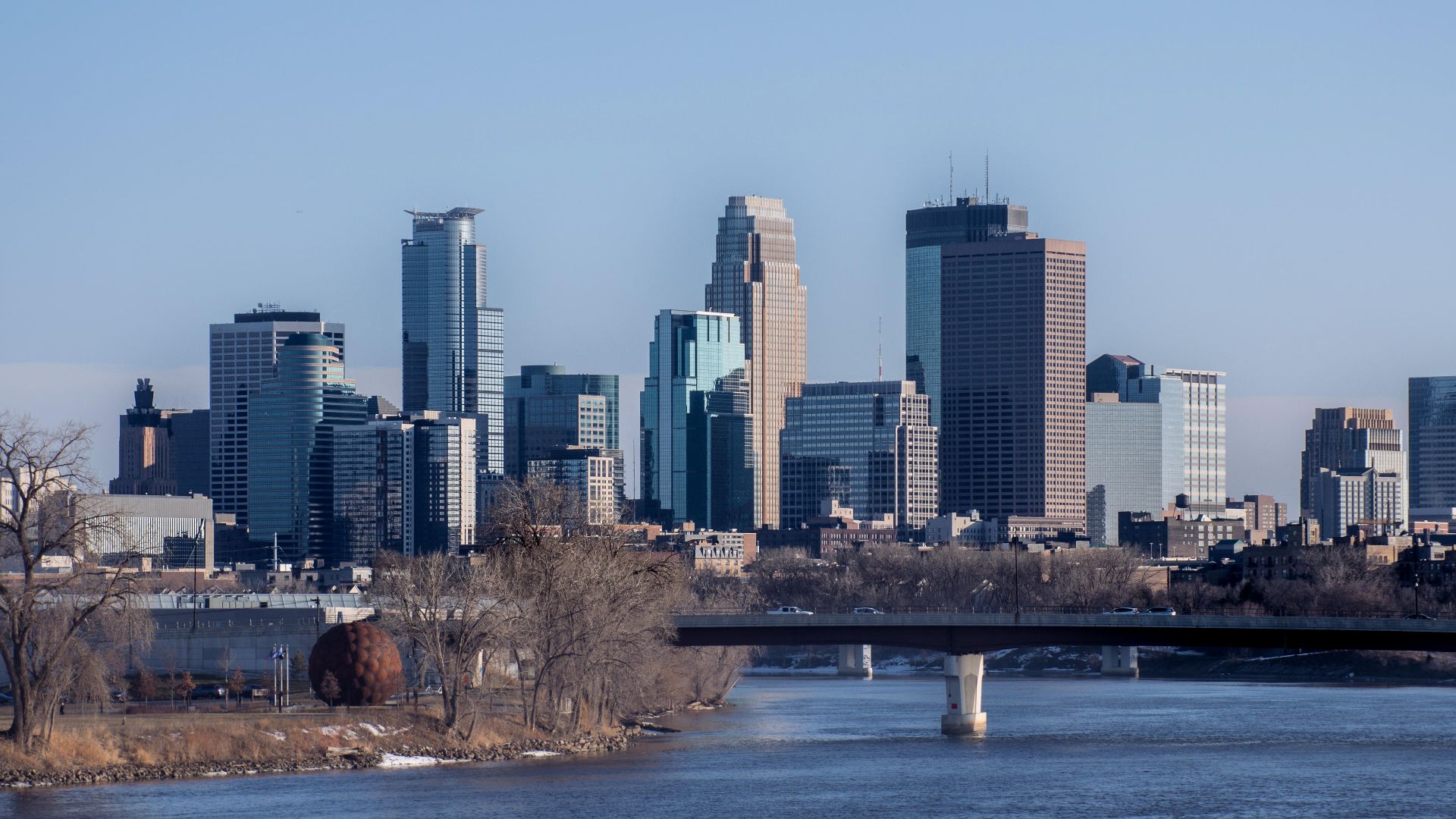
The Midwest: Nice… But Passive-Aggressive?
Midwesterners are widely seen as friendly and polite, but the “nice” stereotype comes with a catch. Outsiders sometimes read it as conflict avoidance: smiling, then judging quietly later. It’s not that people think Midwesterners are mean—more that they think the criticism comes dressed up as politeness.
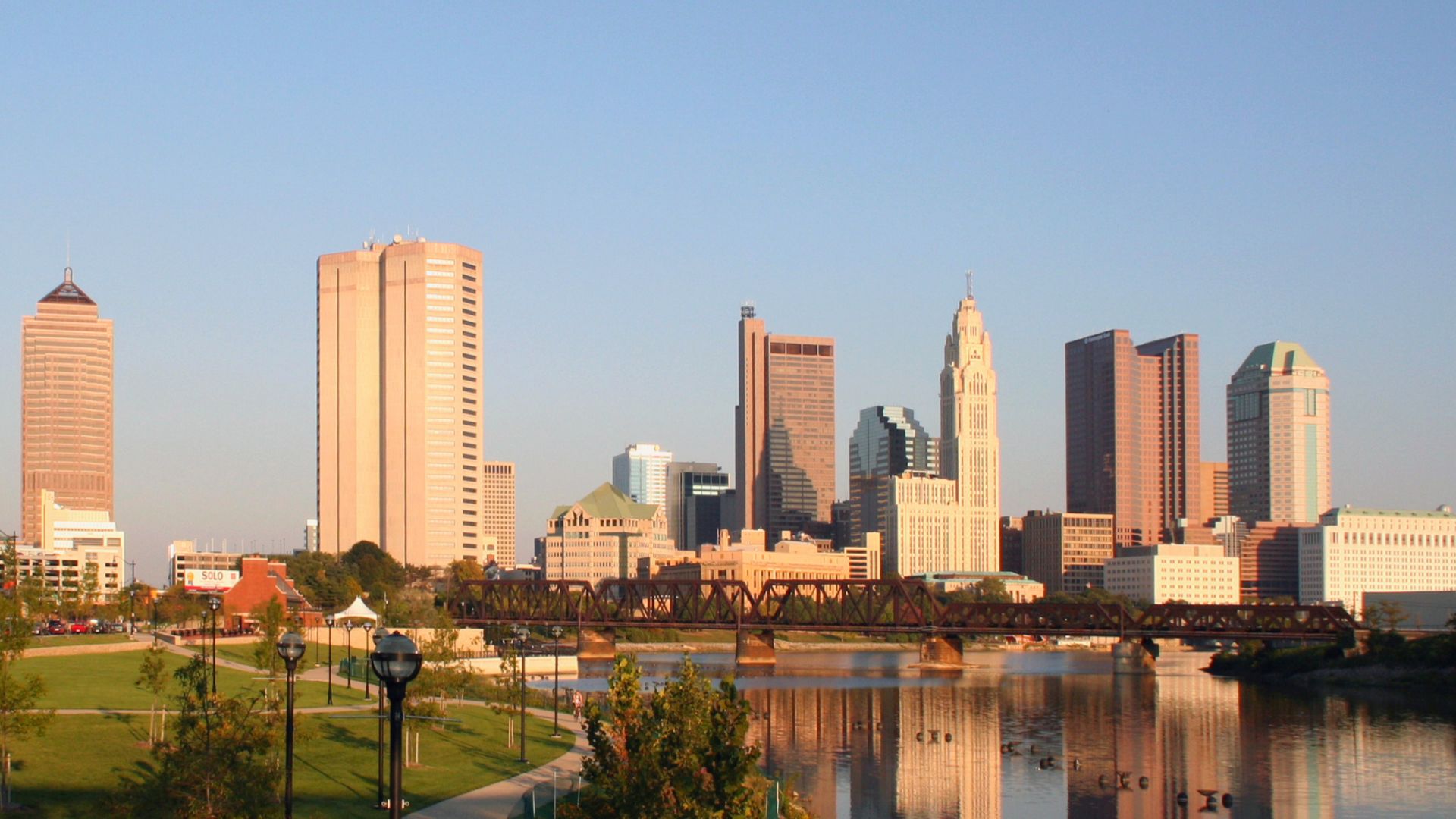
Ohio: So Normal It’s Suspicious
Ohio’s reputation as aggressively average has turned it into a punchline. People don’t usually say they hate Ohio—they just joke like it’s the default setting of America. That “nothing stands out” vibe makes it easy to meme, because you can project almost any stereotype onto it and people will nod along.
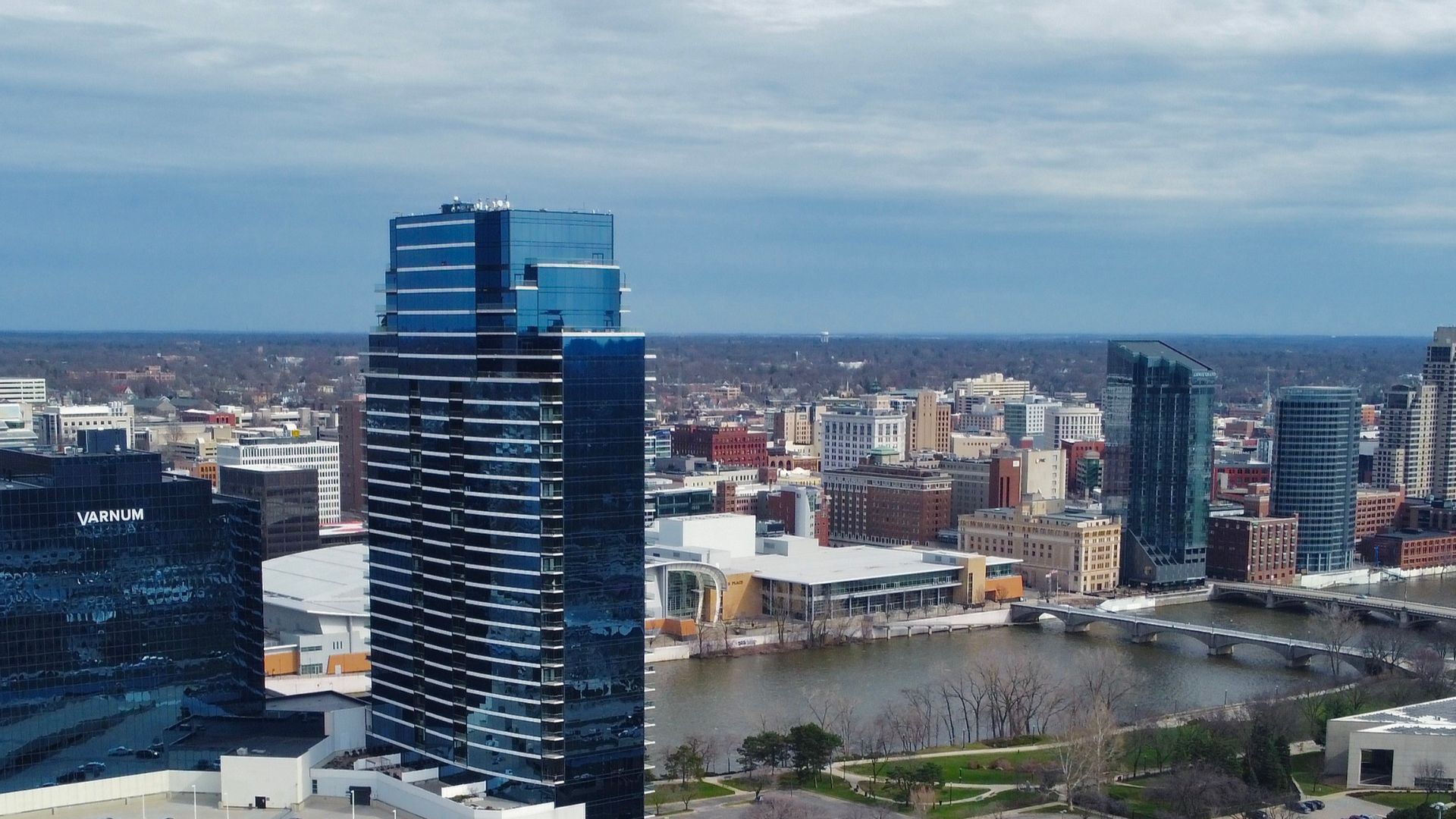
Michigan: Tough, Defensive, and Still Resentful
Michigan residents are often seen as resilient but tired of being framed as decline and rust. Outsiders associate it with old factories and cold winters, while locals emphasize lakes, cities, and culture. The stereotype clash is real: people assume Michigan is stuck in the past, and Michiganders push back hard.
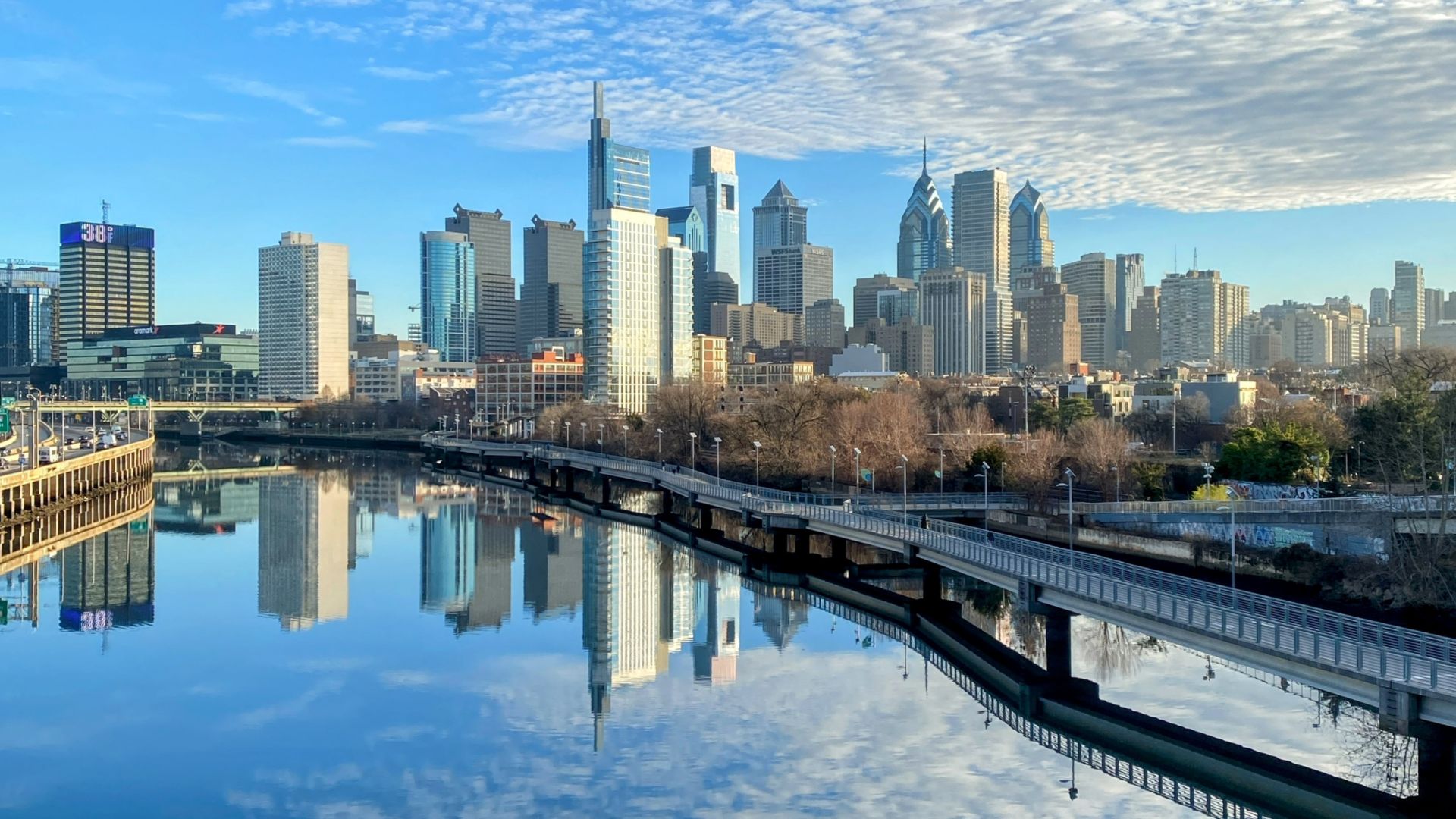
Pennsylvania: Urban vs. Rural—No Middle Ground
Pennsylvania is widely viewed as culturally split. Outsiders talk about it like two different states stitched together—cities on one side and rural areas on the other. The “no middle ground” stereotype makes people assume constant internal conflict, as if every conversation there turns into a political argument by default.
The South: Friendly on the Surface, Judged Behind the Smile
Southern states are associated with politeness and tradition, but outsiders often assume that charm is hiding judgment. The controversial perception is that hospitality can be a social filter: warm to your face, critical behind your back. Whether that’s fair or not, it’s one of the most persistent stereotypes Americans repeat.
 JJonahJackalope, Wikimedia Commons
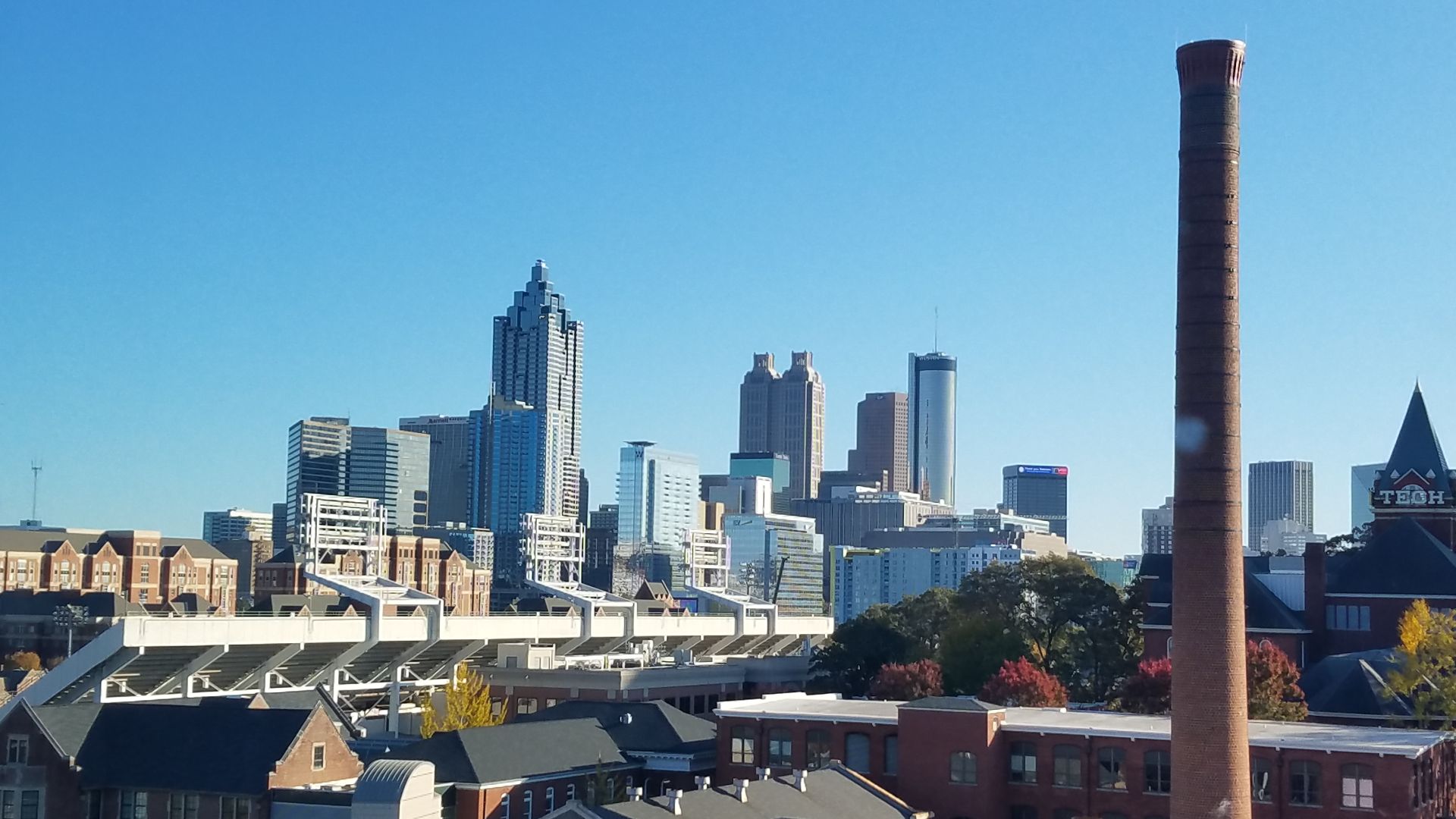
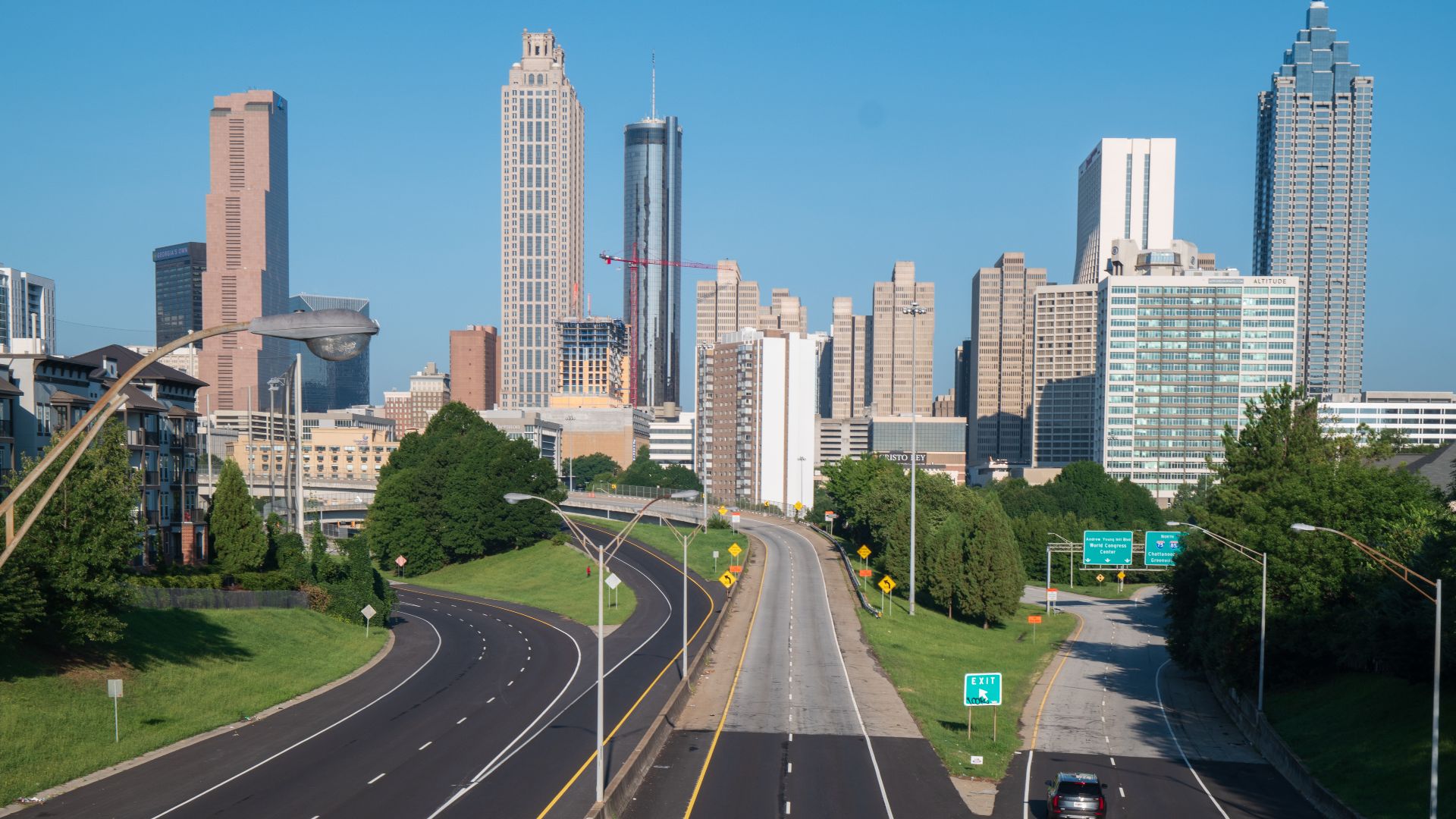
Georgia: Modernizing Faster Than Its Reputation
Georgia’s image has shifted, but unevenly. People increasingly recognize Atlanta as influential, modern, and fast-growing. At the same time, outsiders still apply older stereotypes to “the rest of Georgia.” That tension fuels the assumption that Georgia is constantly battling between new identity and old expectations.
 Marc Merlin, Wikimedia Commons
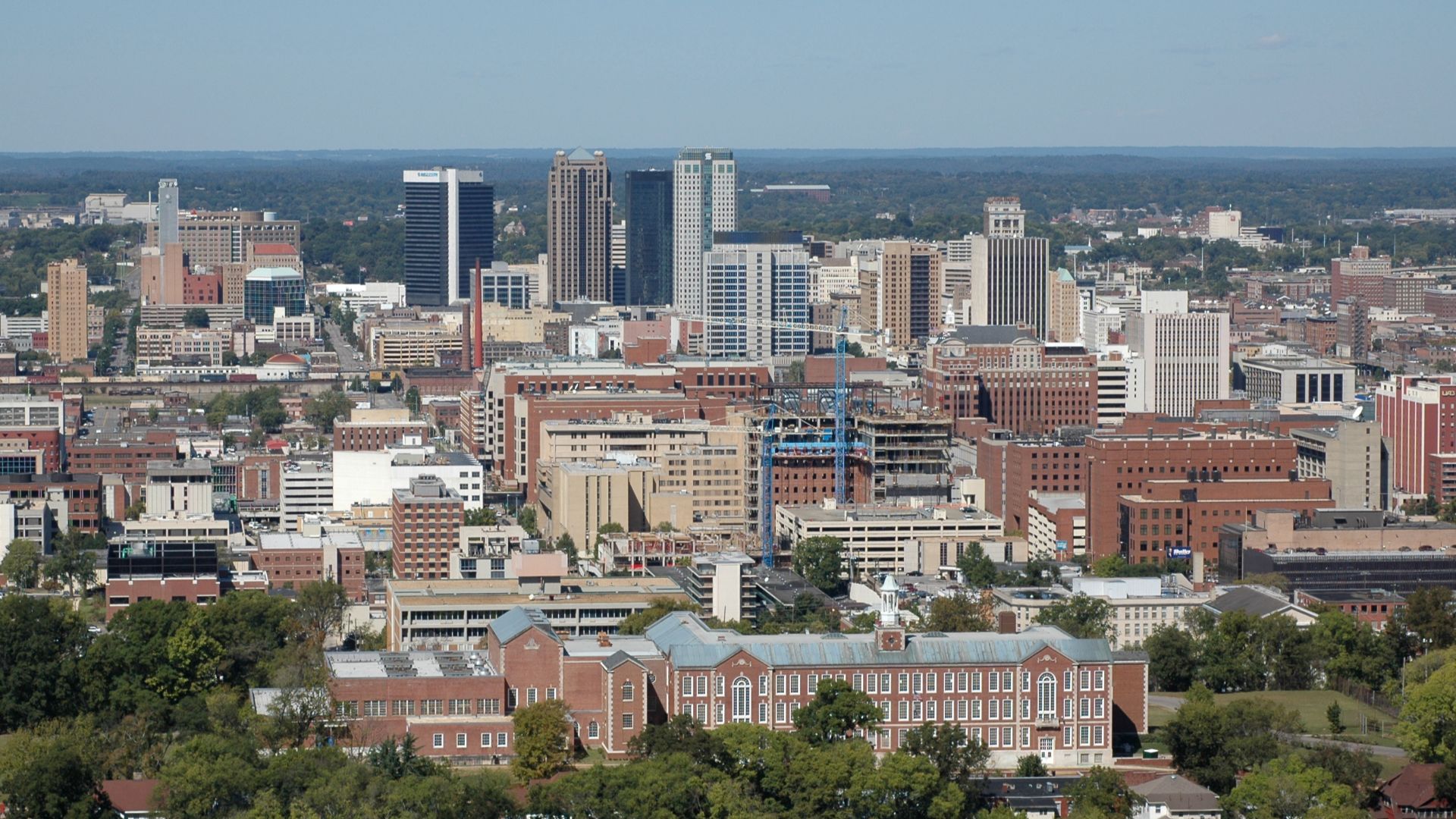
Alabama & Mississippi: Still Carrying the Heaviest Baggage
These states get judged harshly—and quickly. A lot of Americans still associate them with poverty, poor education, and resistance to change, even when they haven’t been there. The result is a stereotype that doesn’t just tease—it dismisses.
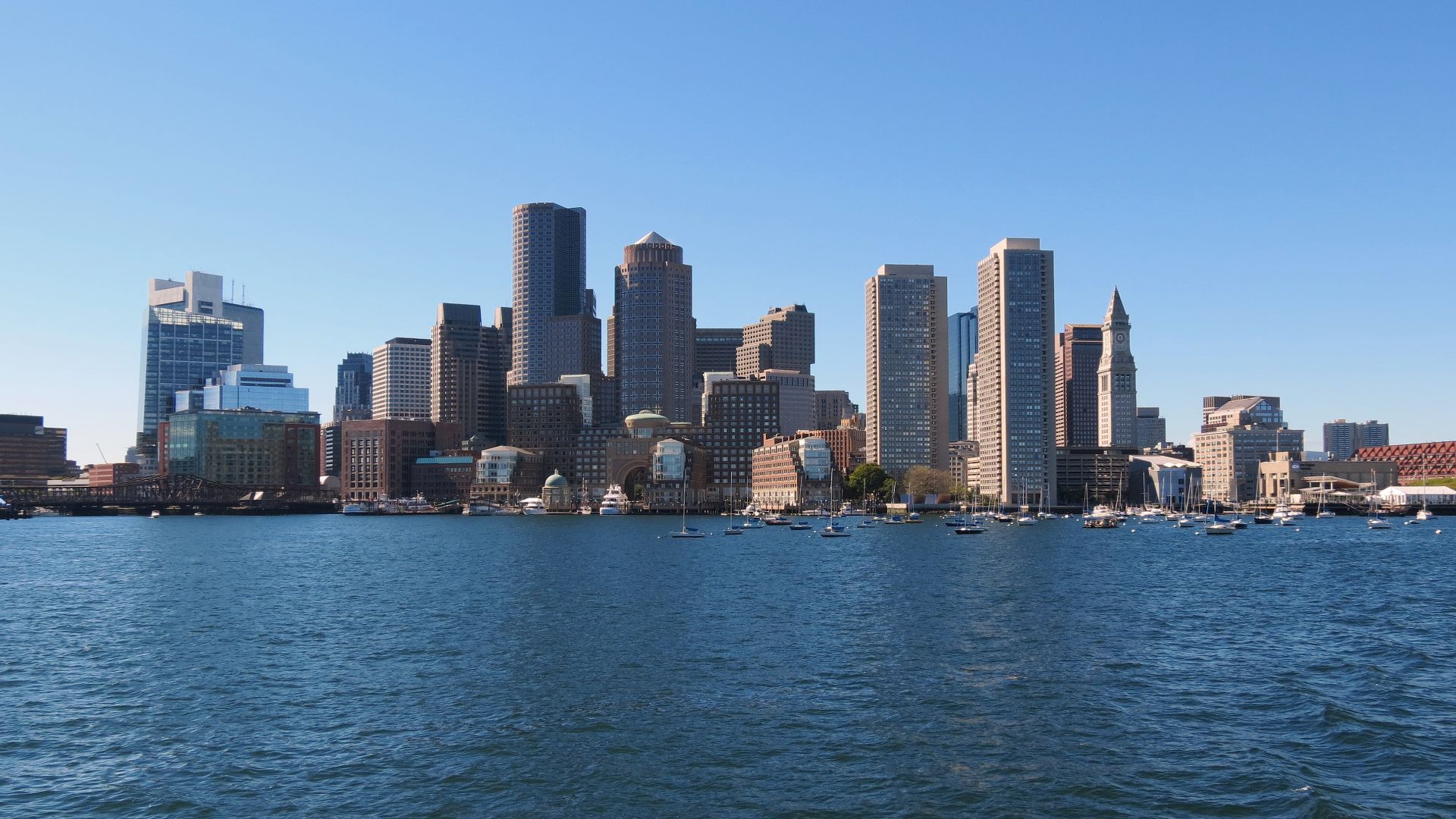
New England: Educated, Cold, and Slightly Condescending
New England benefits from a reputation for intelligence and high standards, but it comes with the assumption of emotional distance. People expect sarcasm, blunt honesty, and a “we don’t do fake friendliness” attitude. The stereotype isn’t that New Englanders are cruel—it’s that they don’t care if you think they are.
 Robert Linsdell from St. Andrews, Canada, Wikimedia Commons
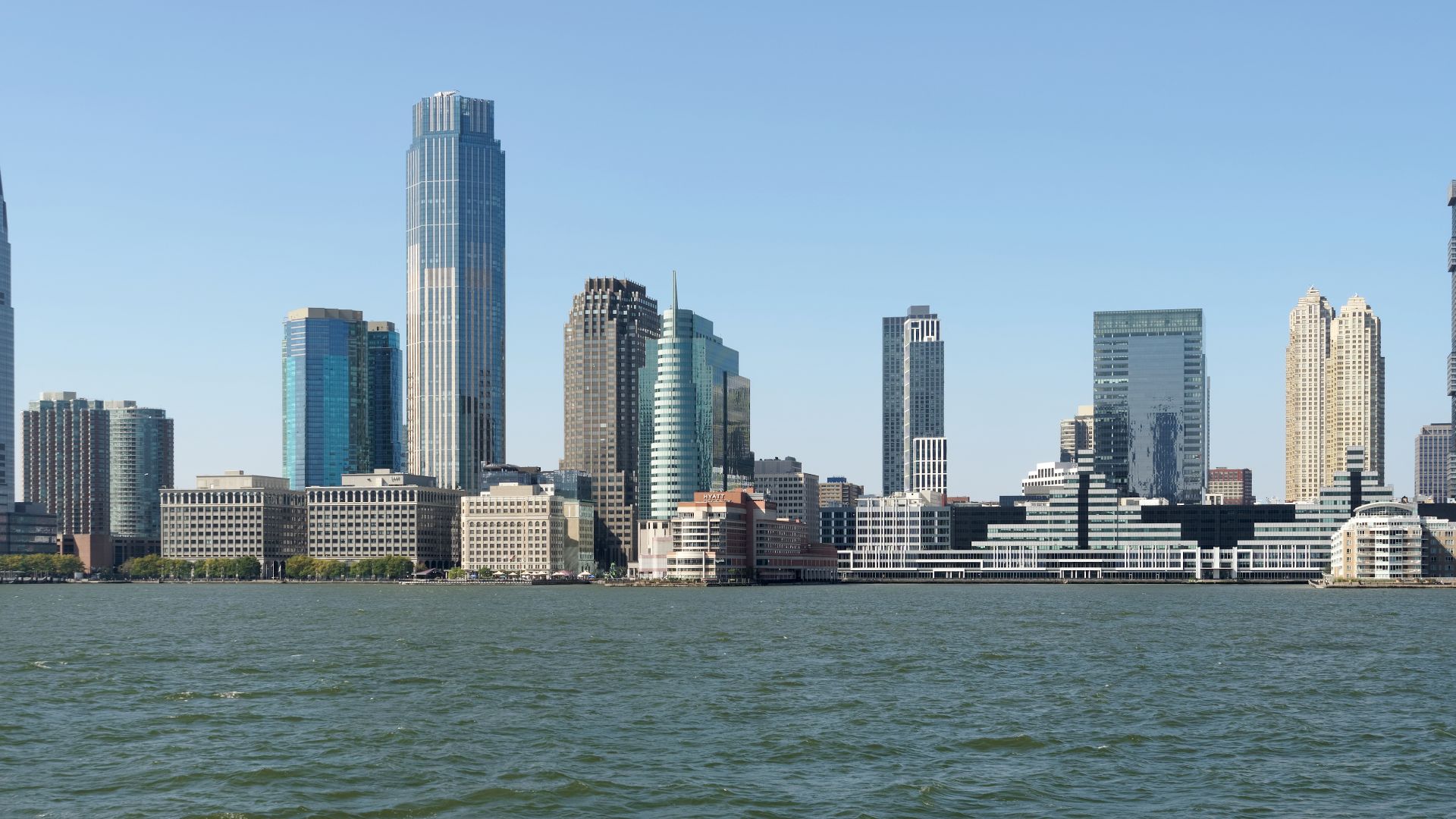
New Jersey: Loud, Defensive, and Secretly Respected
New Jersey gets mocked constantly, but there’s also respect hiding under the jokes. The stereotype is loudness, intensity, and zero patience for outsiders’ opinions—plus fierce loyalty. Americans often act like they hate New Jersey while also admitting that New Jersey energy wins arguments.
 Jakub Halun, Wikimedia Commons
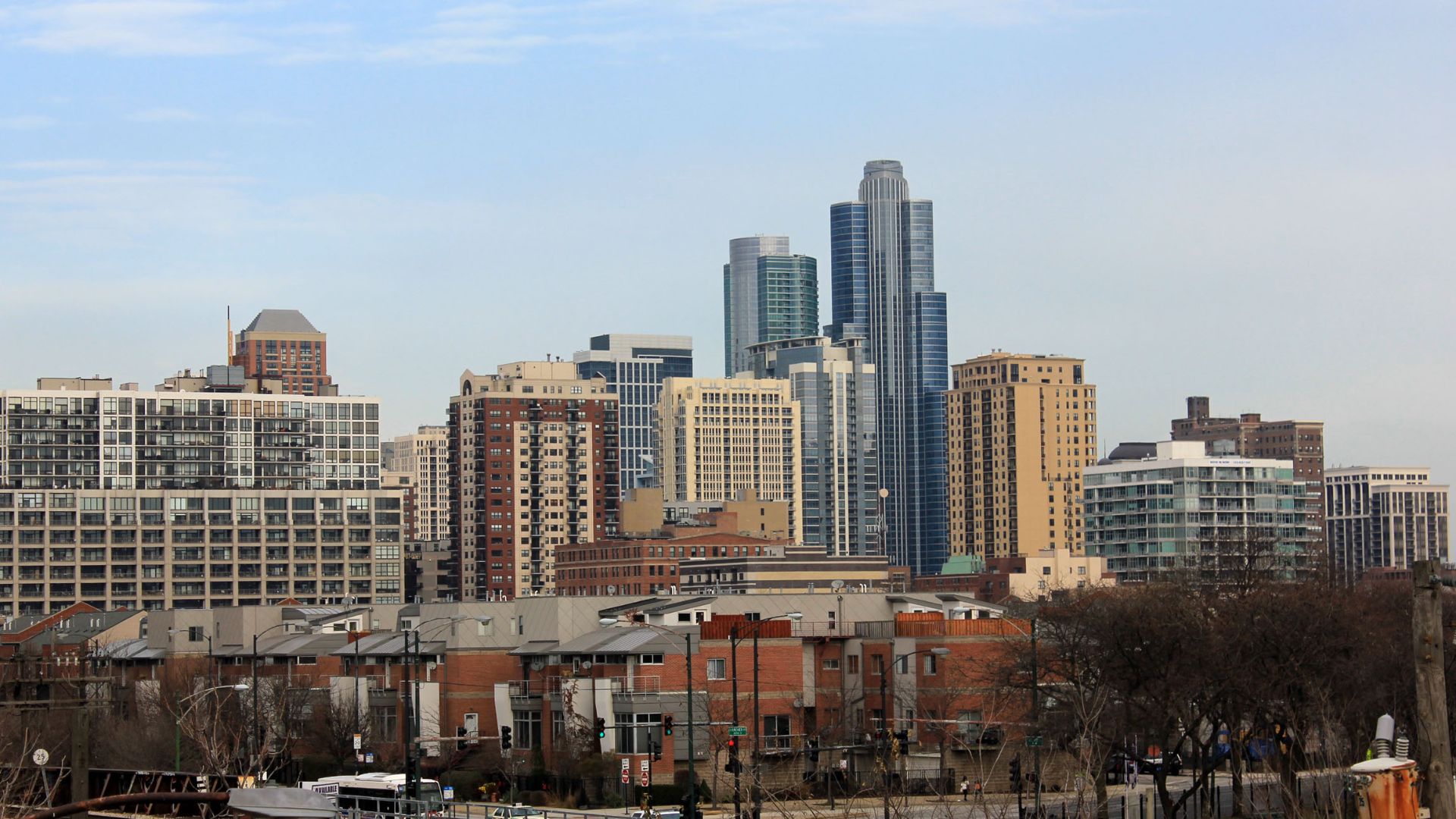
Illinois: Chicago Dominates the Narrative
For many Americans, Illinois basically means Chicago. That can be flattering for the city—but frustrating for everyone else. Outsiders often assume the entire state shares Chicago politics and culture, which flattens everything outside the metro area.
Colorado: Relaxed, Outdoorsy—and Quietly Judgmental
Colorado is admired for lifestyle—mountains, hiking, wellness, and that “work-life balance” aesthetic. The stereotype twist is that Coloradans quietly judge people who don’t live that way. Outsiders sometimes interpret the healthy vibe as moral superiority.
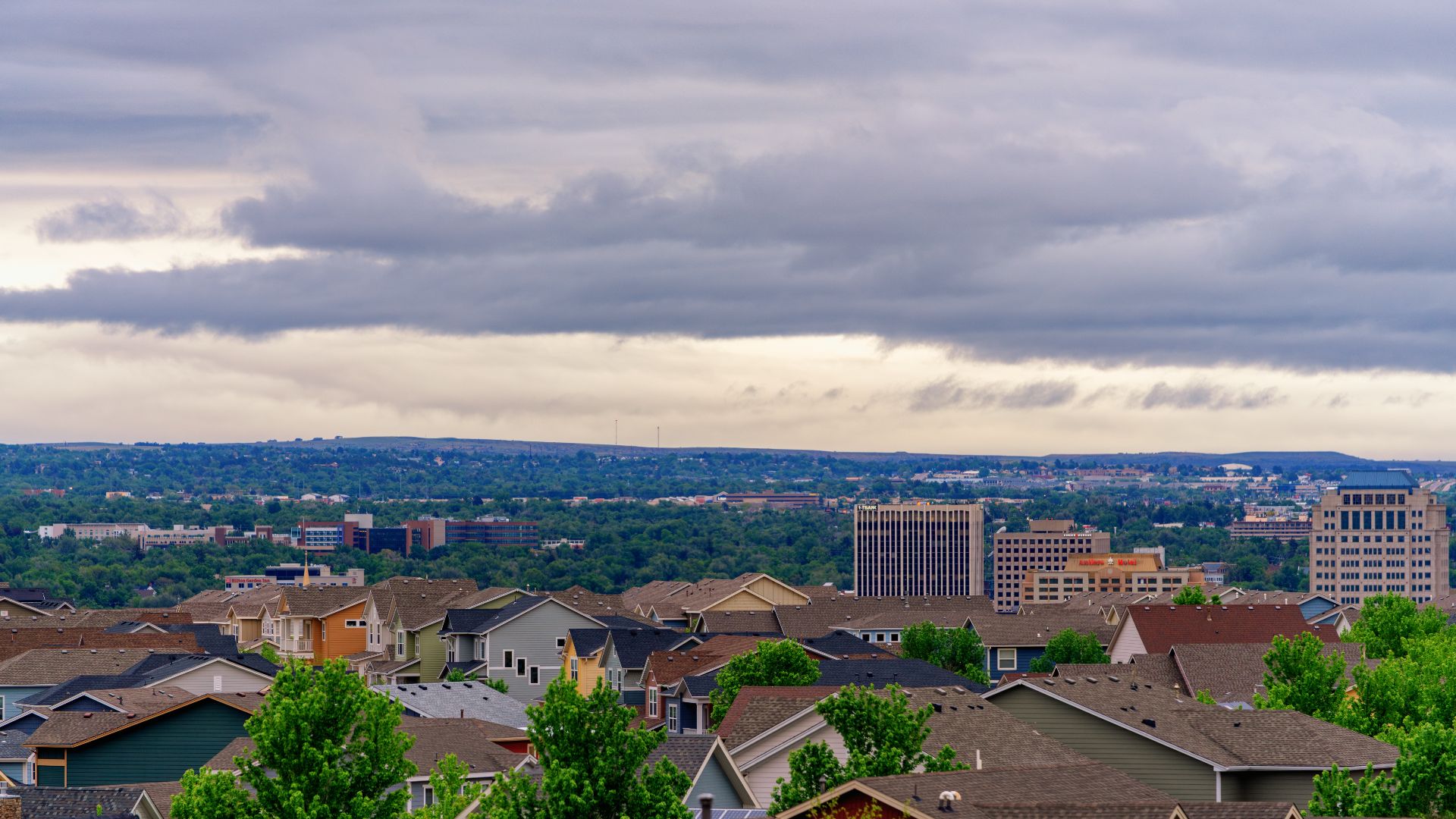 Lumen Wilde, Wikimedia Commons
The Pacific Northwest: Progressive and Socially Closed-Off
Washington and Oregon are often viewed as progressive, nature-loving, and a bit emotionally distant. People assume residents are polite but hard to get close to—friendly enough, but not inviting you in.
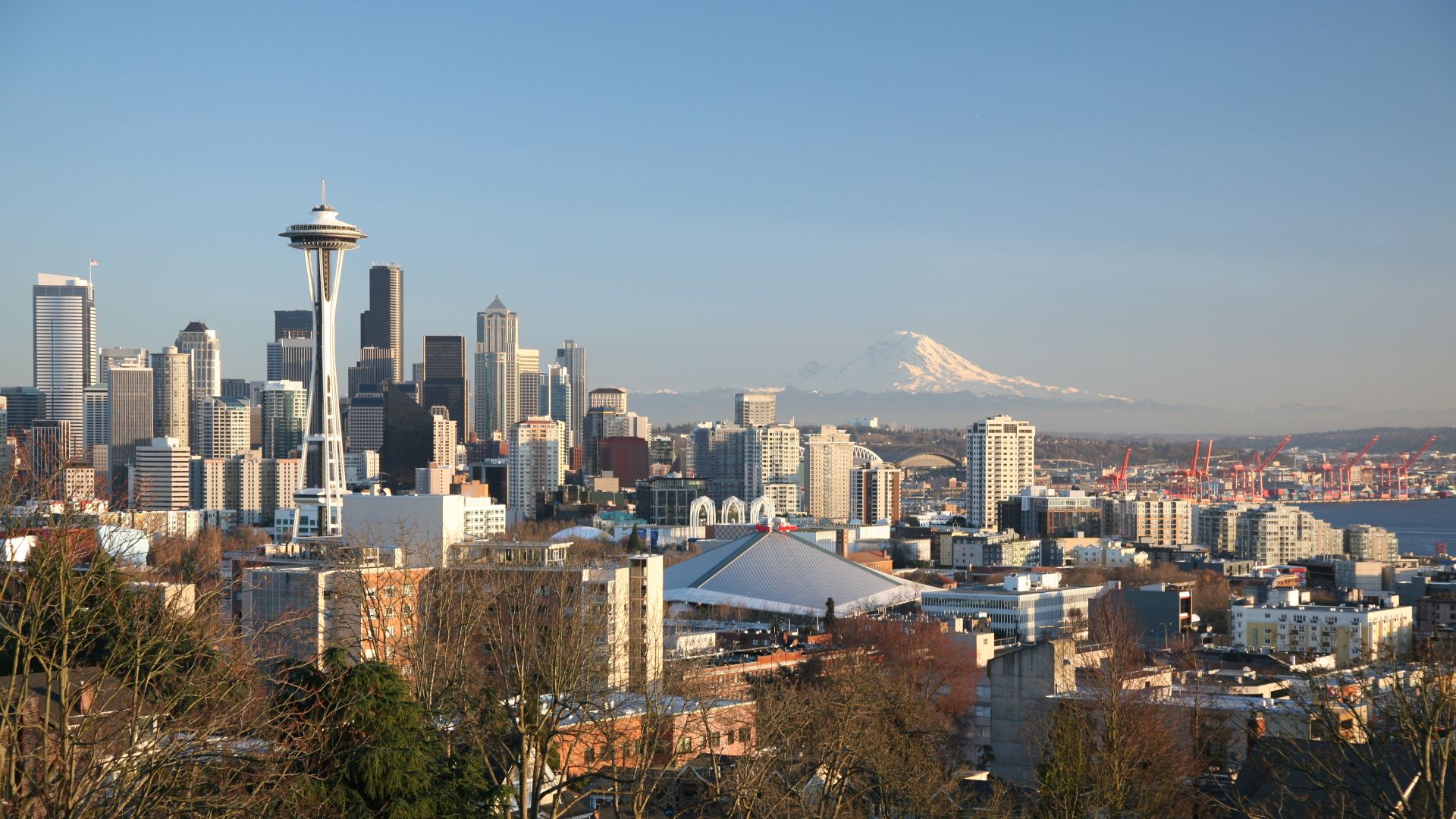 Daniel Schwen, Wikimedia Commons
Arizona: Heat, Retirees, and Questionable Life Choices
Arizona is strongly associated with extreme heat and older populations. Outsiders who visit in peak-heat times love asking why anyone would choose to live there year-round, thus reinforcing the stereotype that residents are either retirees or weirdly heat-tolerant.
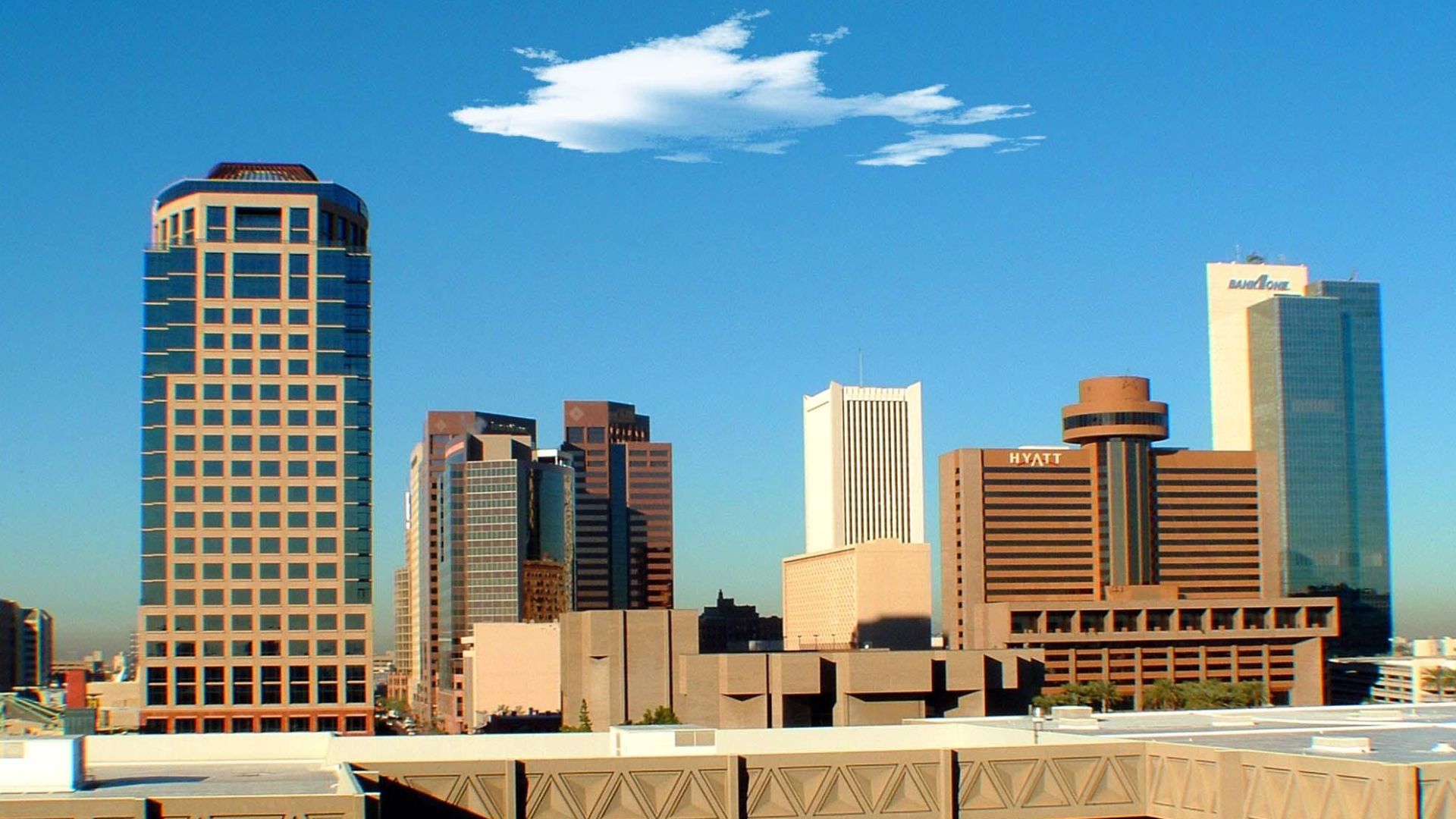 Urban~commonswiki, Wikimedia Commons
Nevada: Vegas First, Everything Else Later
Nevada’s image is basically one giant neon sign. People think Vegas, gambling, nightlife—and then stop there. The rest of the state often disappears entirely from the conversation. What happens in Vegas stays in Vegas, but according to most Americans: What happens in the rest of Nevada....Nothing.
 Carol M. Highsmith, Wikimedia Commons
The Mountain States: Independent and Suspicious of Outsiders
States like Wyoming and Montana are stereotyped as rugged, private, and uninterested in outside opinions. Americans admire the independence while assuming residents prefer to be left alone.
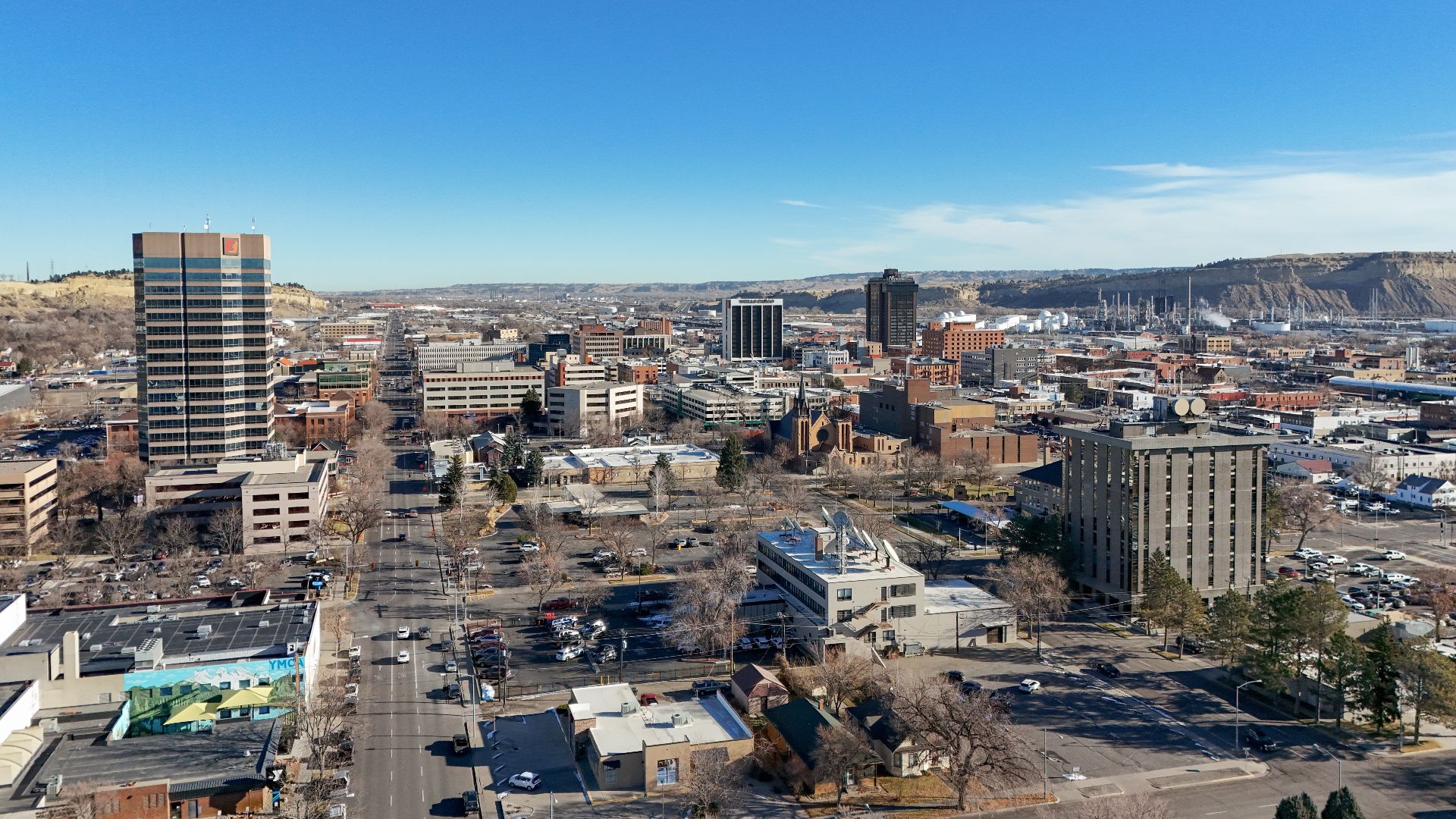 Quintin Soloviev, Wikimedia Commons
You Might Also Like:
Americans Should Know That These “Normal” Things They Do Are Illegal In Europe
Americans Were Asked If The U.S. Is Still The Greatest Country—The Results Shocked Even Researchers