Italy's Overlooked Green Heart
Everyone knows Tuscany. But just across the border lies Umbria, a region of medieval hill towns, spectacular churches, rolling vineyards, and some of Italy's most breathtaking countryside. Often called the country's Green Heart, Umbria offers much of the beauty that draws Americans to Italy, but with fewer international visitors in many of its smaller towns. And its greatest attractions are every bit as remarkable.
Assisi Is Simply Extraordinary
Few places capture Umbria's appeal better than Assisi, the beautifully preserved birthplace of St. Francis. Its pinkish stone buildings climb the slopes of Mount Subasio, while the magnificent Basilica of San Francesco contains celebrated medieval frescoes associated with Giotto and Cimabue. The basilica and other Franciscan sites form part of a UNESCO World Heritage Site. Even visitors with little interest in religious history will appreciate the architecture, narrow streets, and sweeping views across the Umbrian valley.
 Lev Levin, Shutterstock; Factinate Ltd
Orvieto Rises Above Everything
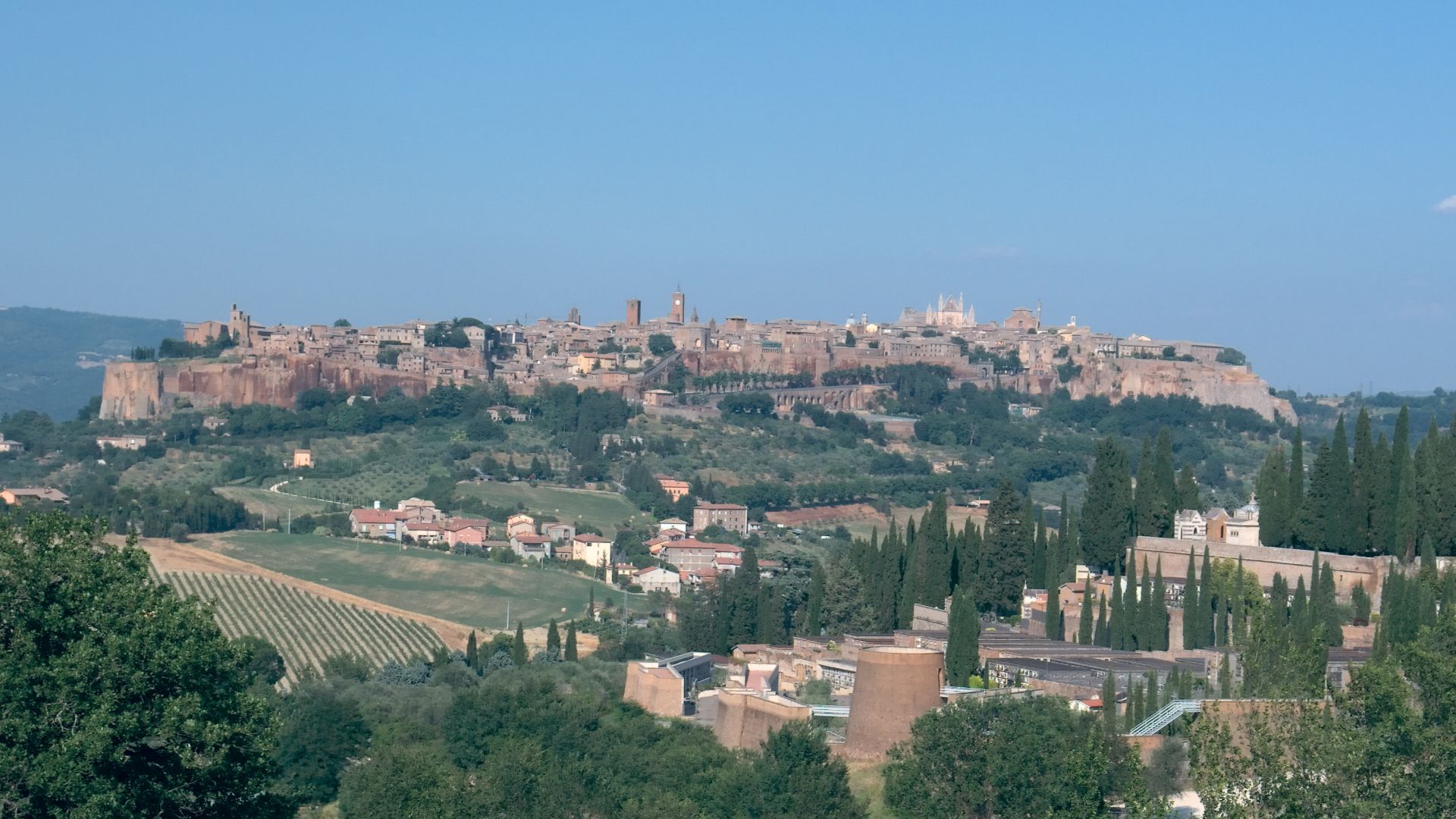
Perched dramatically on a plateau of volcanic rock, Orvieto looks almost impossibly picturesque. Its greatest treasure is the Duomo, a spectacular Gothic cathedral whose richly decorated facade is among Italy's architectural masterpieces. Beneath the town lies a network of underground passages and chambers, while the remarkable 16th-century St. Patrick's Well descends deep into the rock. Orvieto is also particularly convenient for travelers arriving from Rome, making it an excellent introduction to Umbria.
 Hans Peter Schaefer, http://www.reserv-a-rt.de, Wikimedia Commons
Perugia Has Layers Of History
Umbria's regional capital, Perugia, combines ancient history with the energy of a lively university city. Its historic center contains medieval palaces, atmospheric lanes, and remnants of its Etruscan past. Piazza IV Novembre, with its elegant Fontana Maggiore, provides a magnificent centerpiece. Art lovers should visit the National Gallery of Umbria, while food enthusiasts will recognize Perugia's association with chocolate. The city also hosts the internationally celebrated Umbria Jazz festival.
Spoleto Is A Medieval Masterpiece
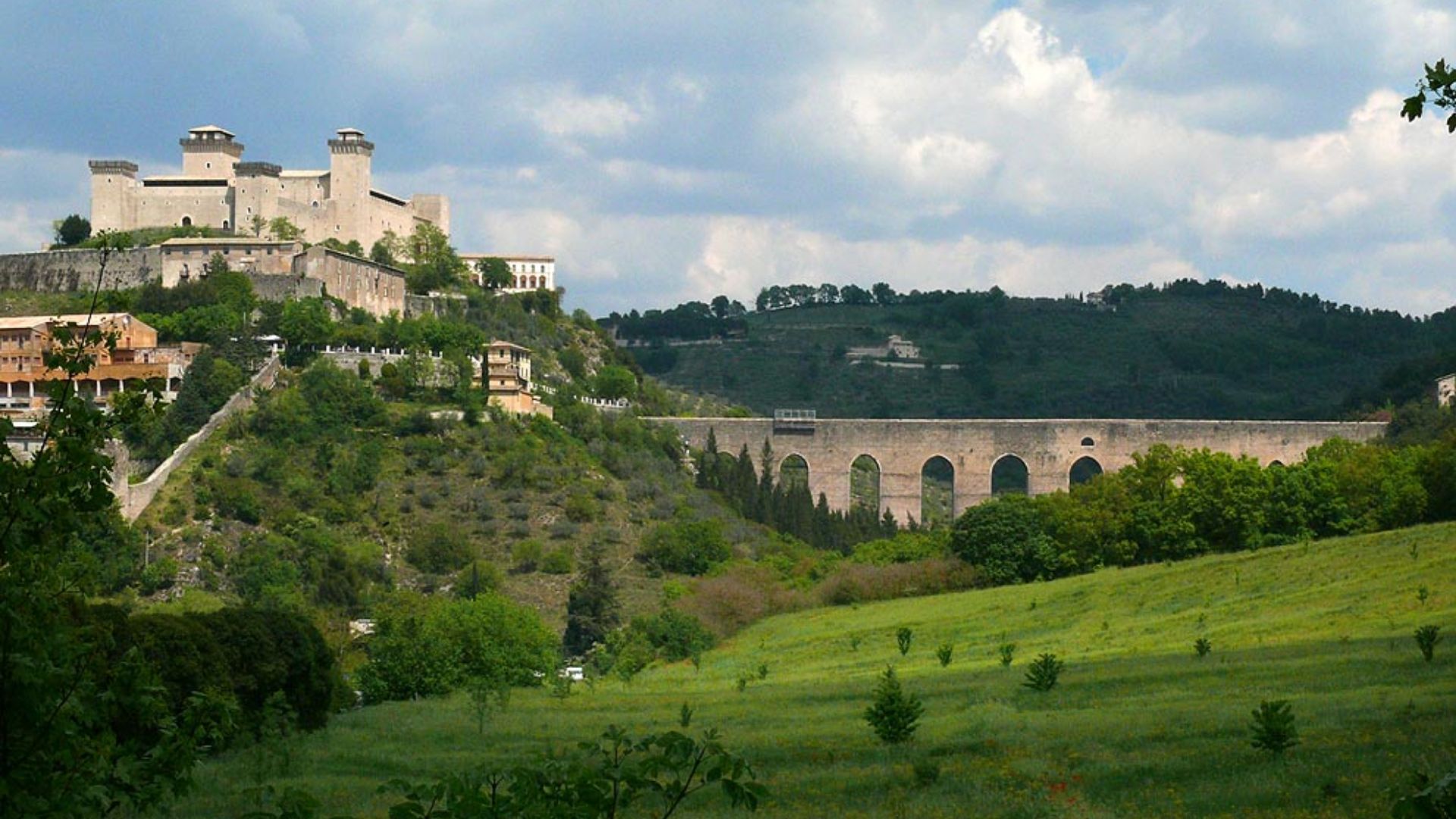
The hillside city of Spoleto offers another remarkable combination of history and scenery. Its imposing Rocca Albornoziana fortress dominates the skyline, while the monumental Ponte delle Torri stretches across a wooded valley. Roman remains, medieval churches, and an impressive cathedral add to the attractions. Spoleto is also famous for its Festival dei Due Mondi, an international performing arts festival that brings music, theater, and dance to its historic surroundings.
Gubbio Feels Frozen In Time
If you're looking for a medieval Italian town that seems barely touched by modern life, Gubbio belongs near the top of your list. Its steep stone streets lead toward the imposing Palazzo dei Consoli, one of the region's most recognizable civic buildings. The town is also famous for its centuries-old Festa dei Ceri celebration. Above Gubbio, Mount Ingino offers magnificent views, with a small cableway providing an unusual way to reach the hillside basilica.
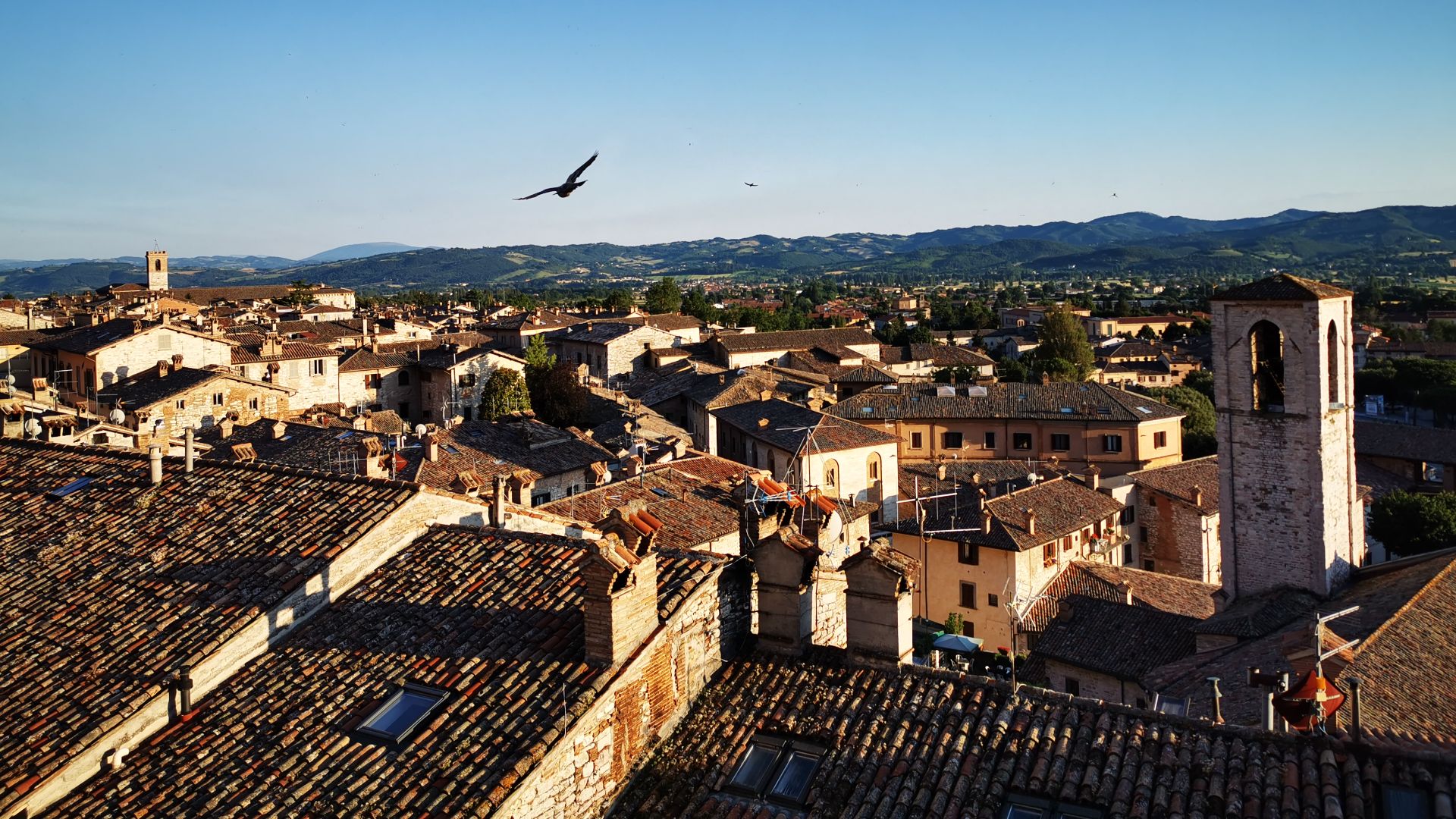 Sirleonidas, Wikimedia Commons
Spello Is A Flower-Filled Jewel
Smaller than Assisi but equally charming, Spello is famous for its narrow stone streets, flower-filled balconies, and beautifully preserved Roman gateways. The town becomes particularly colorful during its annual Infiorata festival, when elaborate floral carpets decorate the streets for Corpus Christi. Nearby Montefalco, surrounded by vineyards, offers another memorable hilltop experience and an opportunity to sample the region's celebrated Sagrantino wines.
Lake Trasimeno Offers Peaceful Escapes
Italy's fourth-largest lake, Lake Trasimeno, provides a different kind of Umbrian scenery. Its broad waters are surrounded by olive groves, gentle hills, and picturesque villages. The fortified town of Castiglione del Lago makes an excellent base, while lakeside communities offer waterfront restaurants and leisurely walks. Visitors can also take boat excursions to the lake's islands, including Isola Maggiore, with its small historic settlement.
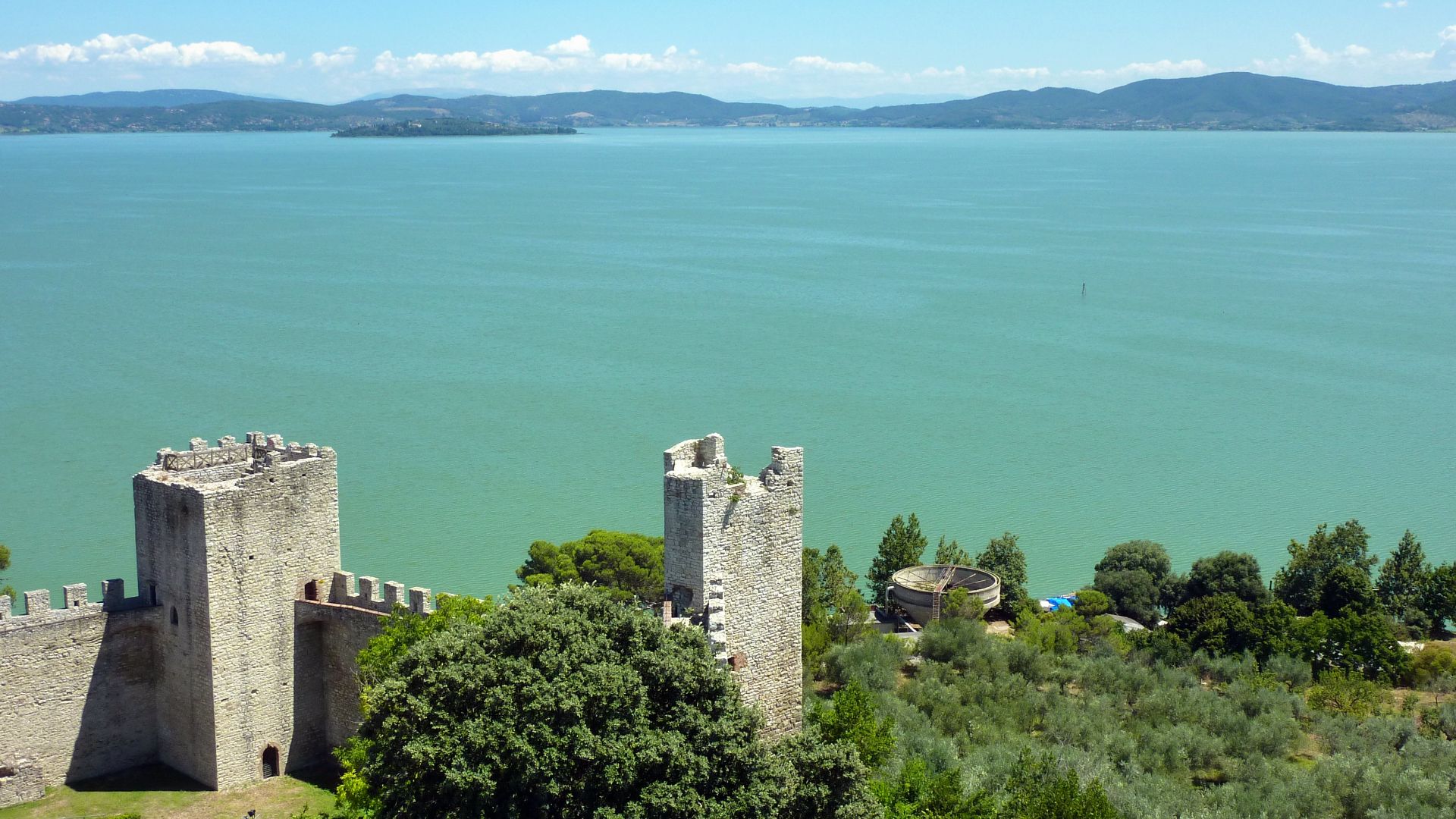
A Waterfall Built By Romans
One of Umbria's most surprising attractions is the Cascata delle Marmore, a spectacular waterfall near Terni. Originally created by Roman engineering in 271 BC to redirect water from the Velino River, it plunges approximately 165 meters across three sections. Today, its flow is regulated for hydroelectric power, so visitors should check the scheduled water releases before arriving. Walking trails provide dramatic viewpoints, making the waterfall a memorable change from Umbria's medieval towns.
The Mountains Are Equally Spectacular
Umbria's eastern mountains reveal yet another side of the region. Around Castelluccio di Norcia, high plateaus stretch beneath the peaks of the Sibillini Mountains. In late spring and early summer, the famous fioritura transforms the landscape with colorful wildflowers. Nearby Norcia is celebrated for its cured meats, black truffles, and lentils. The area also offers excellent hiking, although visitors should check local access conditions because of ongoing earthquake recovery work.
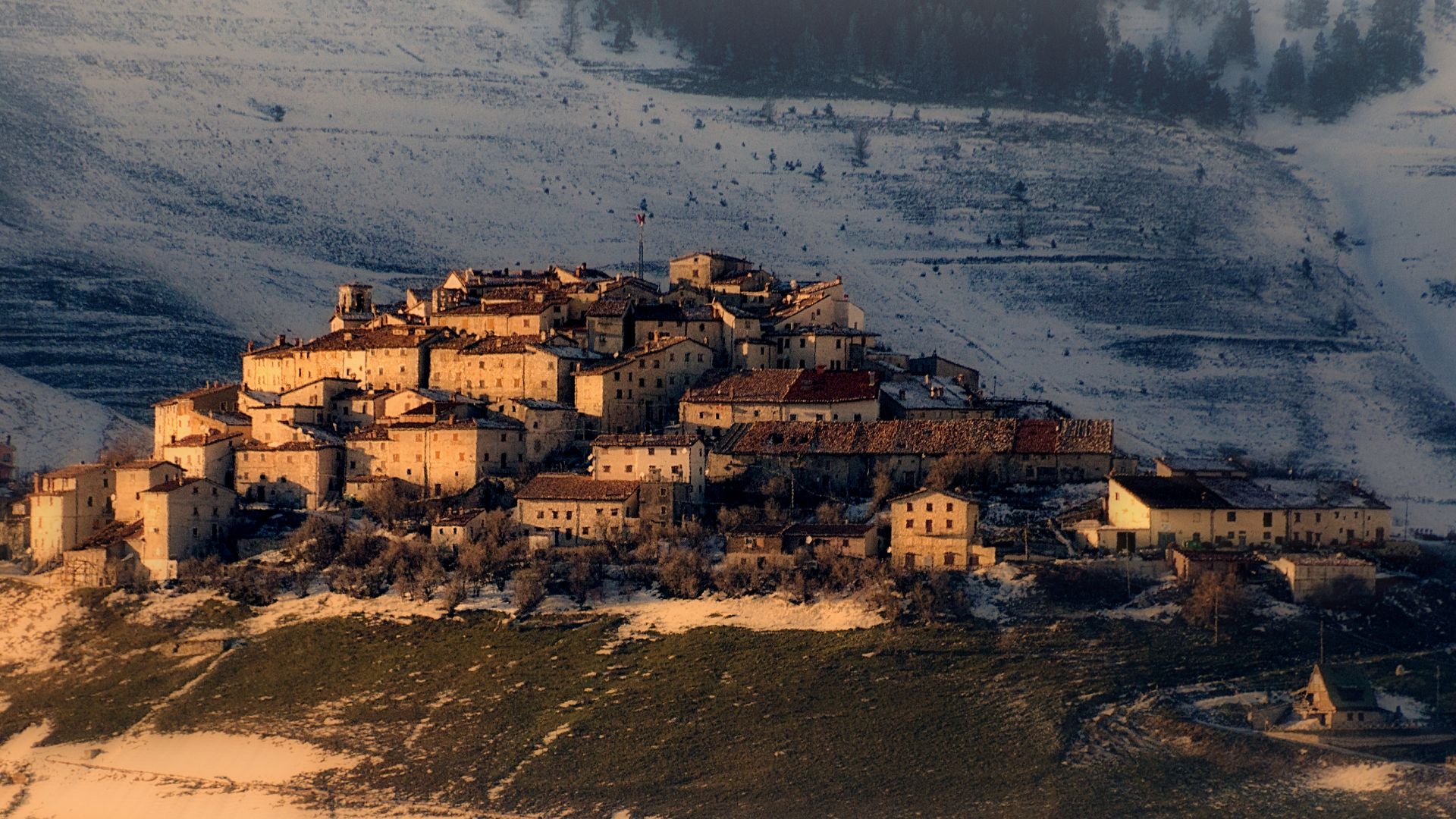 Enrico Pighetti, Wikimedia Commons
The Italy Worth Slowing Down For
What makes Umbria special isn't just its individual landmarks. It's the pleasure of wandering through a quiet medieval village, discovering a family-run trattoria, or watching the evening sun illuminate a valley of olive trees. With its truffles, handmade pasta, robust wines, and extraordinary historical treasures, the region rewards travelers willing to slow down. Assisi and Orvieto certainly attract visitors, but much of Umbria still offers a more relaxed alternative to Italy's busiest destinations. For Americans planning their next Italian adventure, it deserves serious consideration.
You May Also Like:
The Italian Cave City Of Matera And Its Archaic Charm
Inside The Gorgeous Italian Valley Experiencing A Tourism Boom