Designated Treasures of Humanity
Love history, culture, and jaw-dropping natural beauty? UNESCO World Heritage Sites are your global checklist. From ancient temples to breathtaking landscapes, UNESCO World Heritage Sites are the gold standard of global significance. Whether you're into ruins, castles, or wild mountain views, these countries have the highest number of officially recognized treasures.

What Is a World Heritage Site?
UNESCO World Heritage Sites are places with “outstanding universal value” that belong to all of humanity—past, present, and future. These sites can be cultural, natural, or a mix of both, and are selected based on strict criteria like historical importance, ecological uniqueness, or architectural brilliance. Basically, they're Earth’s greatest hits.
 Gelareh.kianpishe, Wikimedia Commons
Iran – Ancient Persia’s Living Legacy
Iran is one of the oldest civilizations in the world, and its UNESCO sites reflect that deep heritage. From poetic gardens to imposing ruins, Iran offers a glimpse into a history that shaped global art, science, and architecture. It’s a treasure trove of cultural surprises.
 Diego Delso, Wikimedia Commons
Iran’s Must-Sees
Total World Heritage Sites: 27
Iran’s 27 sites showcase a civilization that’s been shaping the world for millennia. Persepolis is a haunting and majestic ruin that once served as the ceremonial capital of the Persian Empire. In Tehran, Golestan Palace is an explosion of mirrorwork, tile, and royal flair. And the Shushtar Hydraulic System? It's ancient engineering genius, still admired by modern architects today.
 Diego Delso, Wikimedia Commons
Russia – Vast Lands, Rich Legacy
Russia is a blend of imperial grandeur, Orthodox spirituality, and dramatic natural beauty. Its UNESCO sites stretch across nine time zones and include ornate churches, icy lakes, and ancient fortresses. If you're into epic scale and cultural depth, Russia delivers in spades.
 Sergey Pesterev, Wikimedia Commons
Russia’s Must-Sees
Total World Heritage Sites: 30
Russia’s 30 UNESCO sites are as vast and varied as the country itself. The Kremlin and Red Square in Moscow are bold and iconic, rich with political and religious significance. Lake Baikal, the world’s deepest lake, is a serene and surreal natural wonder. And the historic center of Saint Petersburg stuns with canals, golden domes, and imperial architecture that rivals any European capital.
 Alvesgaspar, Wikimedia Commons
United Kingdom – Royals, Ruins, and Rolling Hills
From prehistoric wonders to royal palaces, the UK packs a lot of punch in its compact size. England, Scotland, Wales, and Northern Ireland each bring their own flair. If you love myths, monarchs, or mysterious landscapes, the UK is a heritage-rich dreamland.
 joanne clifford, Wikimedia Commons
United Kingdom’s Must-Sees
Total World Heritage Sites: 33
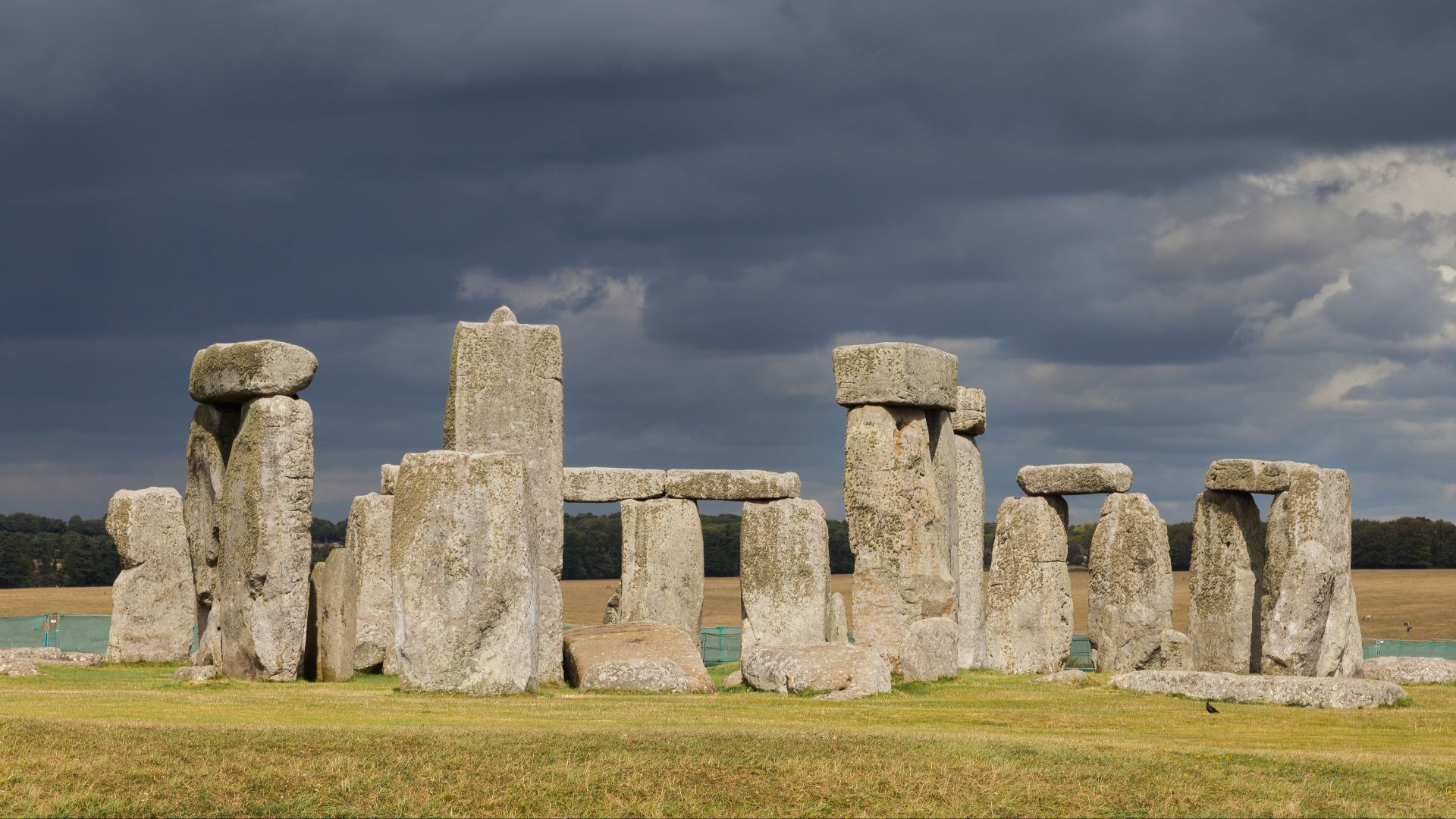
The UK’s 33 sites span ancient mysteries, royal residences, and natural beauty. Stonehenge still stuns visitors with its prehistoric presence and unanswered questions. Giant’s Causeway in Northern Ireland looks like nature got creative with a hexagon obsession. And Edinburgh’s Old and New Towns offer a walk through time, from cobbled medieval streets to neoclassical elegance.
 Diego Delso, Wikimedia Commons
Mexico – Ancient Civilizations and Colonial Beauty
Mexico is a time machine through thousands of years of cultural development—from Olmec and Mayan pyramids to Spanish colonial cities. The UNESCO sites here range from sprawling ancient cities to colorful, bustling towns. Add in tacos and tequila, and you’ve got yourself an unforgettable adventure.
 Ralf Roletschek, Wikimedia Commons
Mexico’s Must-Sees
Total World Heritage Sites: 35
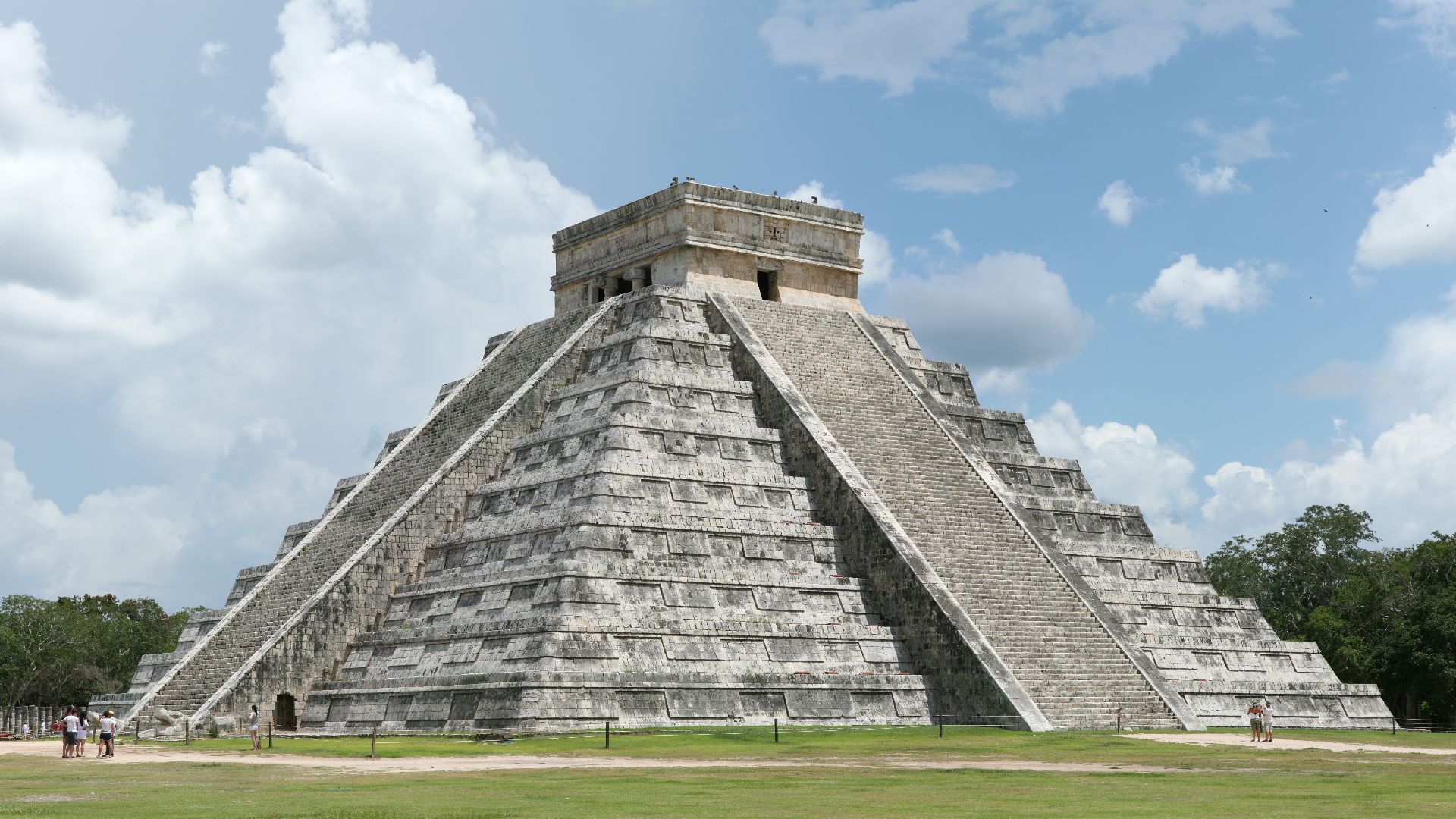
Mexico’s 35 World Heritage Sites reflect its deep Indigenous roots and Spanish colonial legacy. Chichen Itza is a must-see, especially when the serpent shadow appears during the equinox. Oaxaca’s historic center is bursting with color, street food, and Zapotec tradition. And Teotihuacan, with its massive pyramids, will leave you wondering how ancient people built something so impressive without modern tools.
 Daniel Schwen, Wikimedia Commons
India – A Spiritual and Historical Tapestry
India’s history is ancient, layered, and bursting with diversity. Its UNESCO sites reflect sacred temples, sprawling forts, and awe-inspiring natural landscapes. Every monument has a story, often rooted in centuries of devotion, artistry, and cultural evolution. Exploring India is like flipping through a living storybook of civilization.
 Diganta Talukdar , Wikimedia Commons
India’s Must-Sees
Total World Heritage Sites: 42
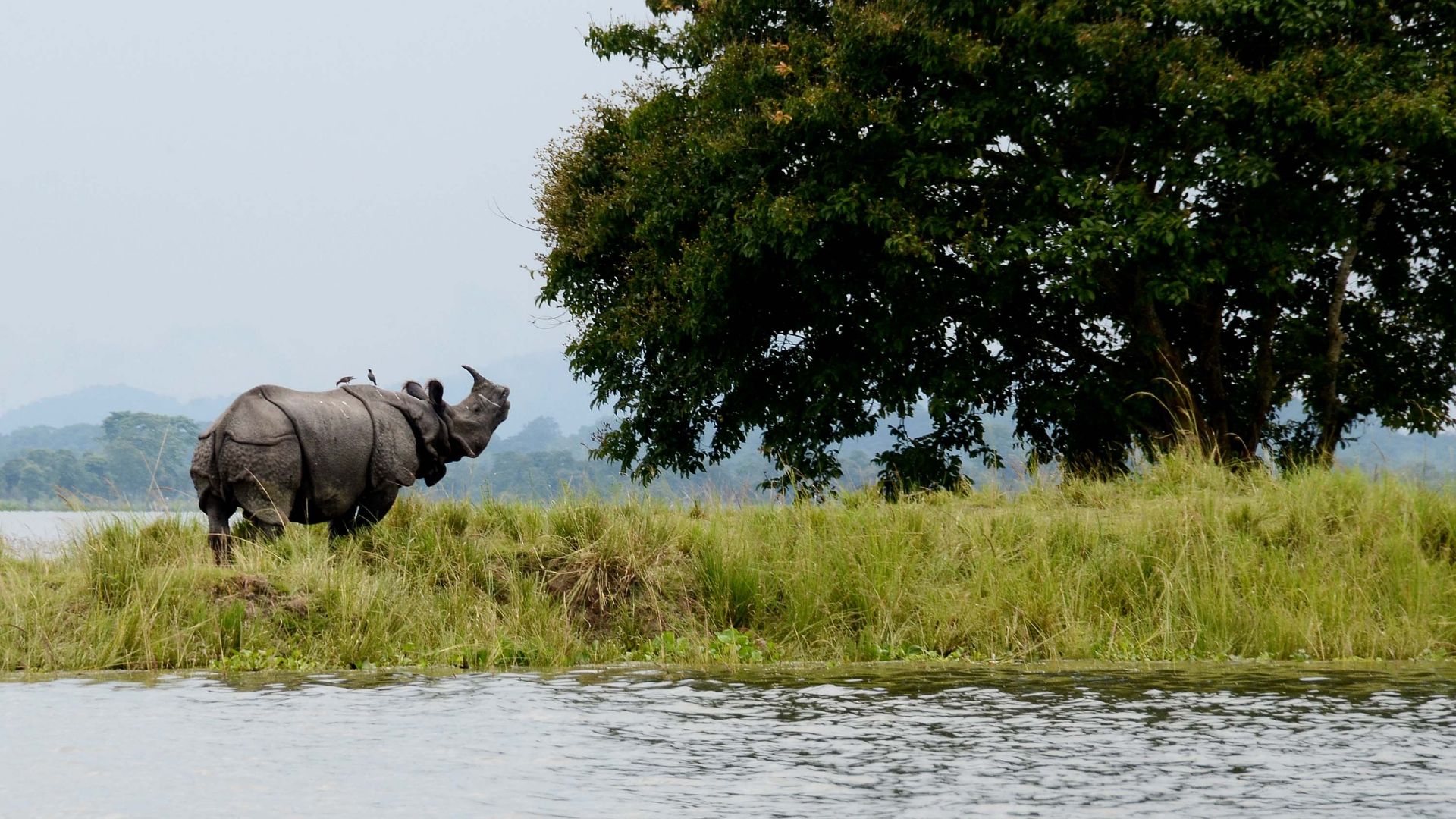
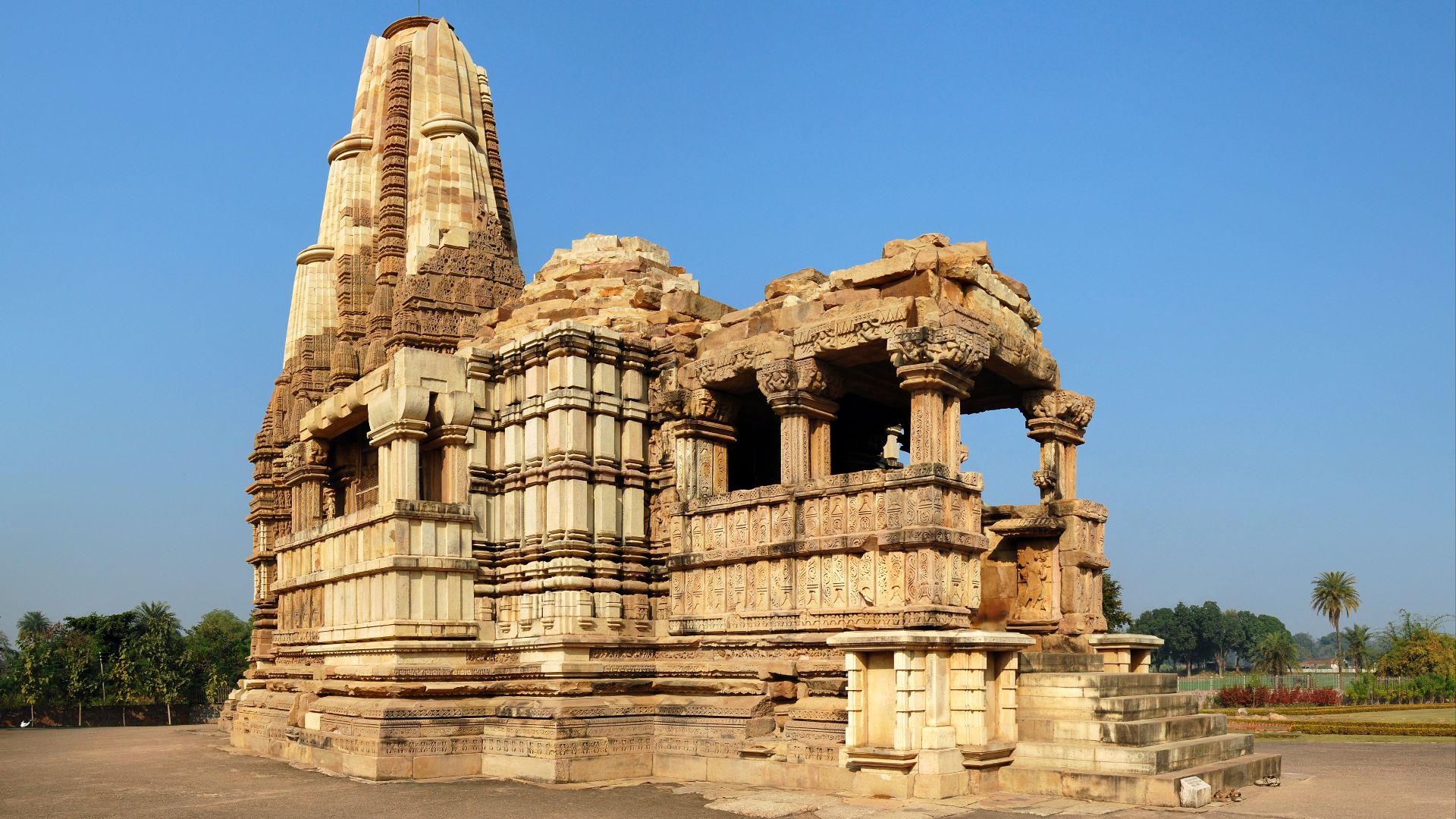
India’s 42 heritage sites range from natural wonders to spiritual sanctuaries. The Taj Mahal, of course, tops the list—a gleaming white symbol of love that never fails to impress. The Khajuraho Temples are bold and beautiful, with carvings that tell stories in stone. And for something wilder, Kaziranga National Park is home to one-horned rhinos and an incredible array of wildlife.
Spain – Passion, Architecture, and Ancient Cultures
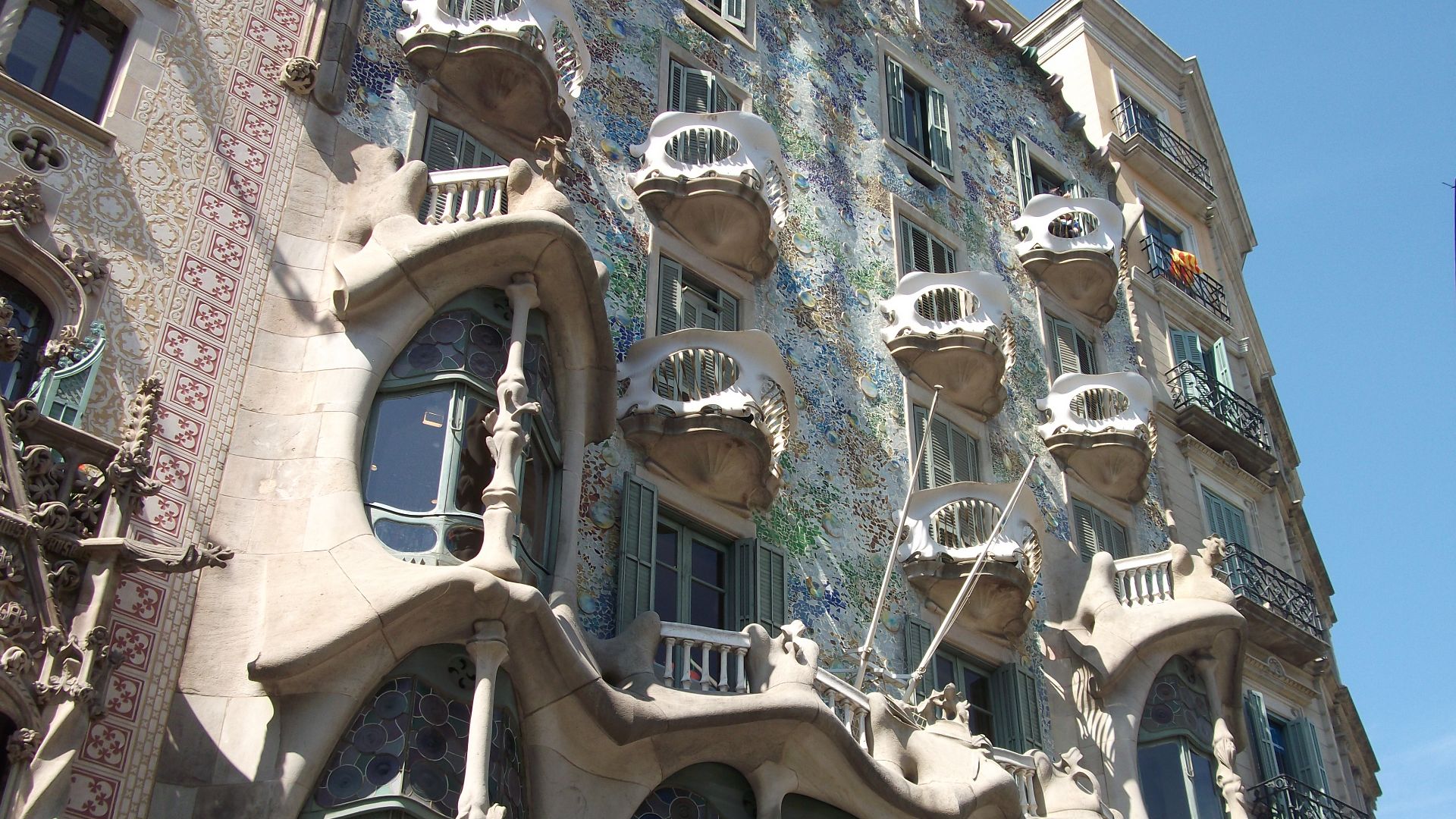
Spain wears its history proudly, with influences from Romans, Moors, and medieval Catholic kings. It’s bursting with color, creativity, and culture—from flamenco rhythms to Gaudí’s surreal architecture. Spain’s UNESCO sites span ancient ruins, palaces, cathedrals, and natural parks, each more captivating than the last.
 Little Savage, Wikimedia Commons
Spain’s Must-Sees
Total World Heritage Sites: 50
Spain’s 50 sites are full of drama, color, and cultural complexity. The Alhambra in Granada is a breathtaking blend of Islamic art and Moorish architecture. In Barcelona, Gaudí’s Sagrada Família looks like it was dreamt up in another universe and is still being completed more than a century after construction began. Meanwhile, Córdoba’s historic center invites you into a fusion of Roman, Islamic, and Christian history all in one place.
 Bernard Gagnon, Wikimedia Commons
France – Where Culture and Cuisine Collide
France isn’t just the land of croissants and the Eiffel Tower—it’s a living gallery of world-changing ideas and timeless beauty. From prehistoric cave art to grand châteaux and iconic churches, France offers some of the most diverse and elegant heritage experiences on the planet.
 Benh LIEU SONG, Wikimedia Commons
France’s Must-Sees
Total World Heritage Sites: 52
France matches Germany with 52 stunning sites that celebrate elegance and history. Mont-Saint-Michel, a medieval abbey rising from tidal waters, feels like a real-life fantasy world. Chartres Cathedral dazzles with its stained glass and gothic perfection. And the Palace of Versailles? It’s everything you’ve ever imagined royal life could be—grand, gold, and unapologetically opulent.

Germany – Castles, Cathedrals, and Fairytales
Germany is more than just Oktoberfest and sausages—it’s a country filled with rich medieval history, charming villages, and awe-inspiring architecture. Its UNESCO sites include ancient Roman settlements, fairytale castles, and modern industrial landmarks. Whether you're into art, archaeology, or nature, Germany has something that’ll make your jaw drop.
 CEphoto, Uwe Aranas, Wikimedia Commons
Germany’s Must-Sees
Total World Heritage Sites: 52
Germany’s 52 heritage sites offer a blend of architectural gems and cultural milestones. Cologne Cathedral stands tall with its gothic spires visible from across the city. Wartburg Castle, which inspired fairy tales, rises from a forested hilltop like something from a storybook. And in Berlin, Museum Island is a cultural goldmine with five world-class museums packed into one picturesque corner of the city.

China – Ancient Wonders and Natural Giants
China’s civilization is one of the oldest on Earth, and its heritage sites reflect that massive timeline. From imperial palaces to sacred mountains and panda-filled forests, China blends human history with untouched nature. Every region tells its own story, and if you’re into photography, spiritual sites, or wild landscapes, China’s got it all.
 xiquinhosilva, Wikimedia Commons
China’s Must-Sees
Total World Heritage Sites: 57
China ranks just behind Italy with 57 incredible sites that span thousands of years. The Great Wall stretches across mountains and deserts, winding like a stone dragon through the countryside. The Terracotta Army in Xi’an is haunting and magnificent, with thousands of life-sized soldiers silently guarding an ancient tomb. For nature lovers, Mount Huangshan delivers misty peaks and sunrise views that feel straight out of a fantasy novel.
 xiquinhosilva, Wikimedia Commons
Italy – Where Every Corner Feels Like a Museum
If you're looking for a country that's basically one giant open-air museum, Italy is it. From ancient Roman ruins and Renaissance masterpieces to jaw-dropping coastal villages and centuries-old cathedrals, Italy packs more history and beauty into a single place than most countries dream of. It’s not just about pizza and pasta (although that doesn’t hurt)—Italy’s influence on art, architecture, and culture is truly global.

Italy’s Must-Sees
Total World Heritage Sites: 59
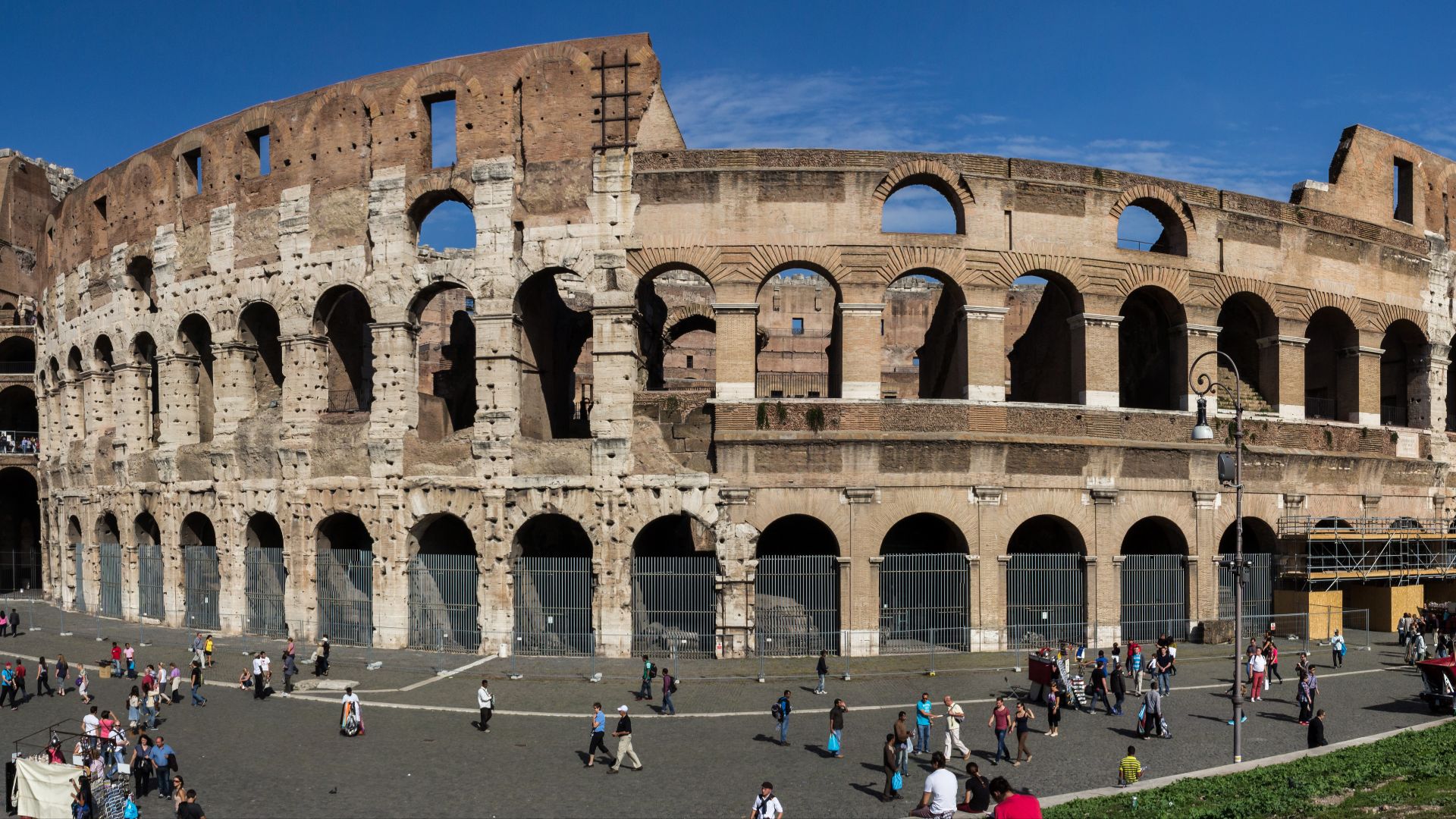
Italy boasts more UNESCO World Heritage Sites than any other country, and it’s easy to see why. The Colosseum in Rome still captures imaginations with its gladiator history and grand design. Florence’s historic center is a masterpiece of Renaissance art and architecture. And Venice, with its dreamy canals and drifting gondolas, is a timeless, otherworldly experience that feels like a postcard come to life.
 Dietmar Rabich, Wikimedia Commons
You May Also Like:
Top World Heritage Sites Across the Globe
Ranking The Top Countries For True Outdoor Adventures—According To Travelers
Ranking The Most Beautiful Countries On Earth—According To Photographers