A Mountain Of History
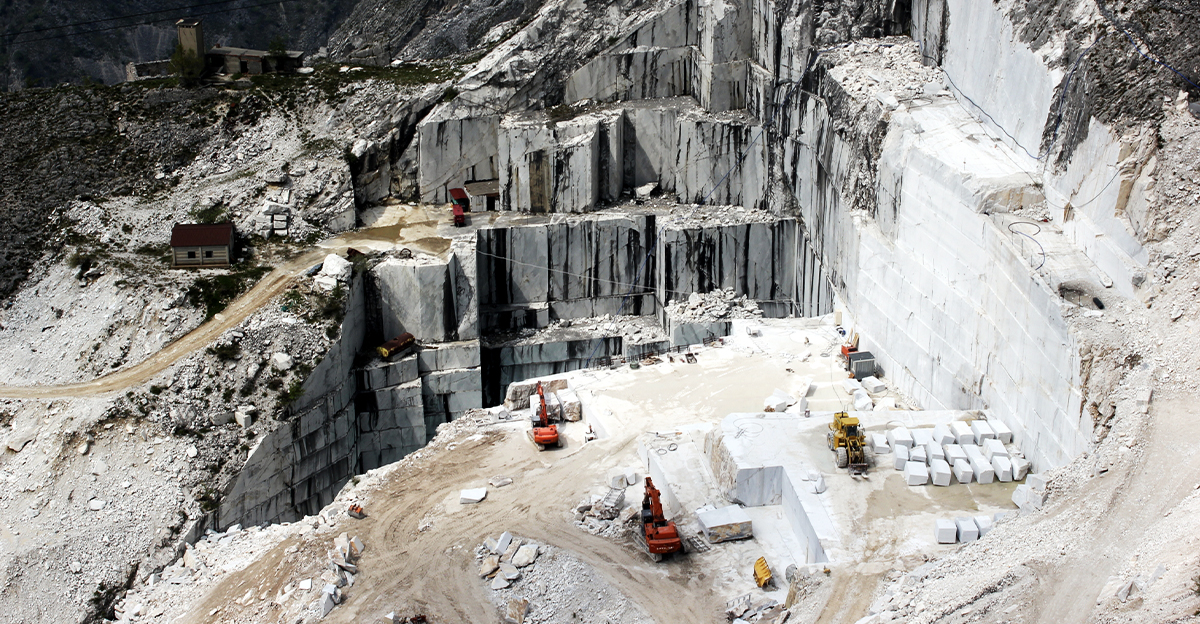
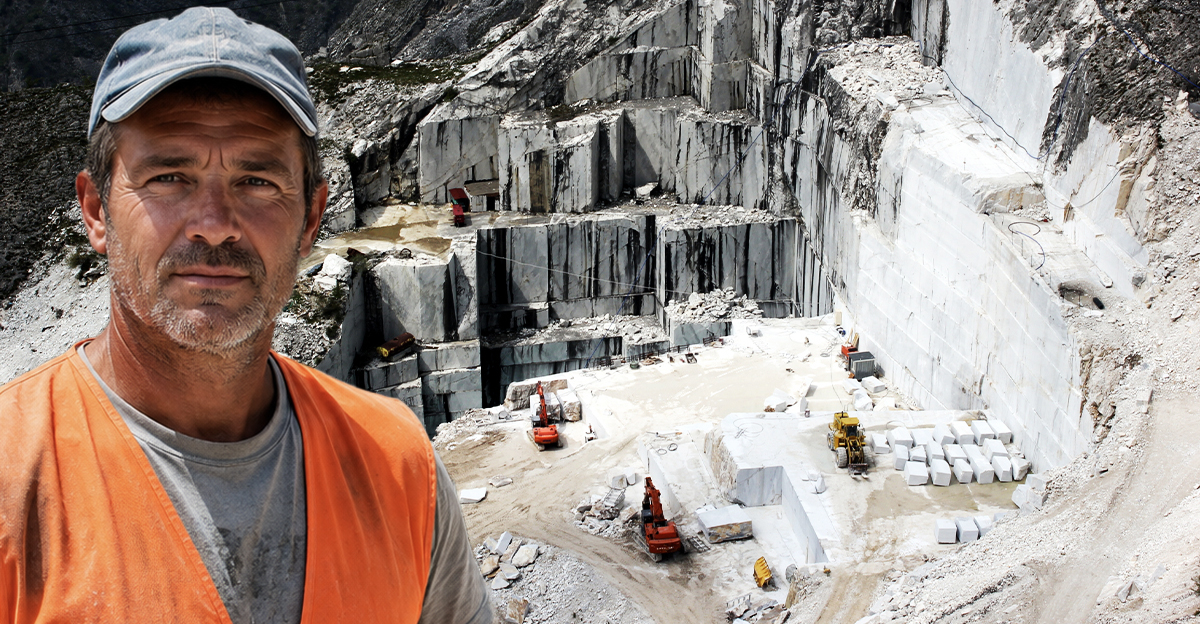
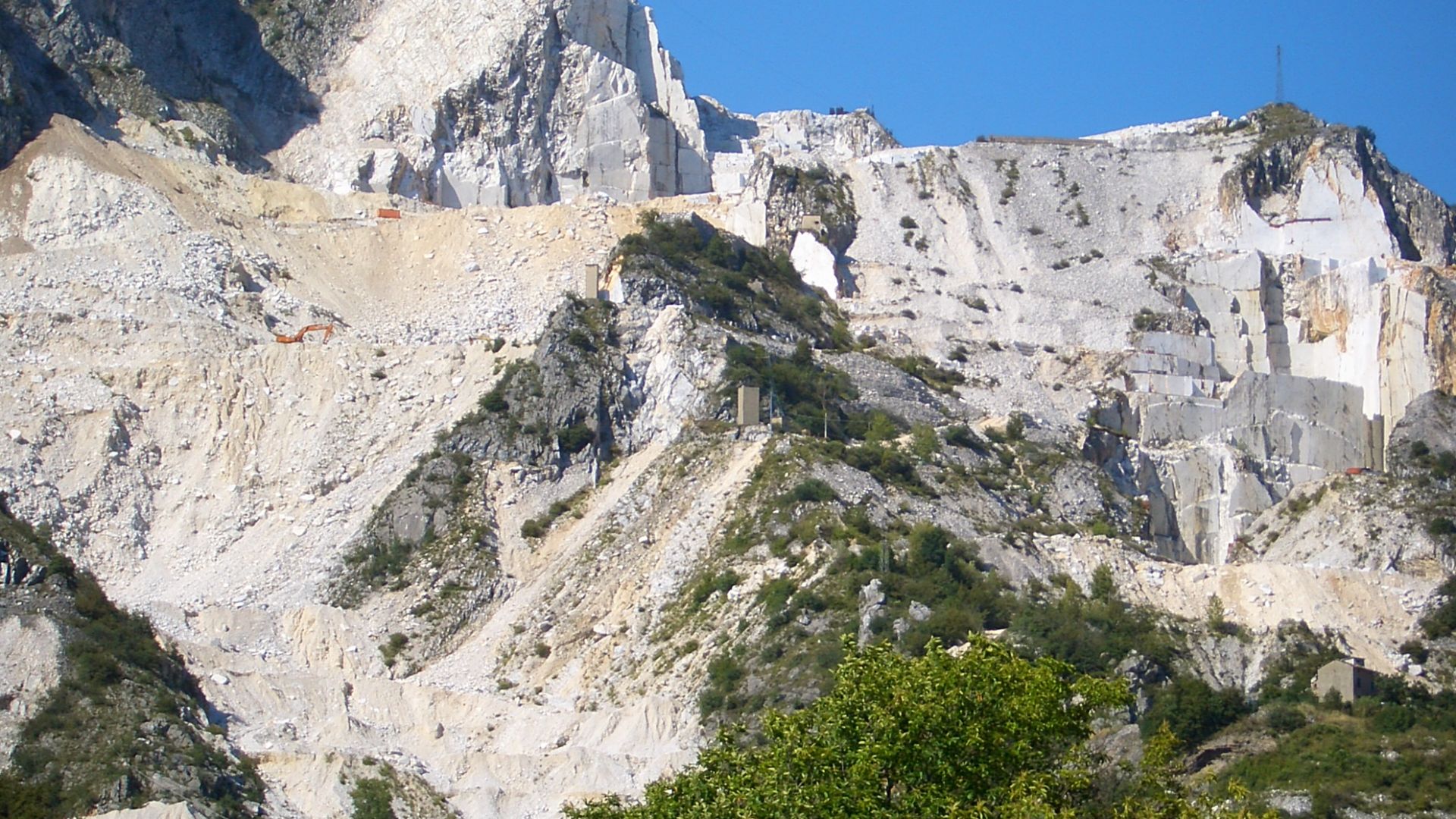
High in Italy's Apuan Alps, above the Tuscan city of Carrara, lie some of the most famous marble quarries on Earth. For more than two thousand years, these mountains have supplied the brilliant white stone used in temples, palaces, sculptures, monuments, and modern architecture. Carrara marble has become synonymous with beauty, craftsmanship, and permanence.
 Julian Nyca, Wikimedia commons; Factinate
How Carrara Marble Was Created
Carrara marble began life as limestone deposited on ancient sea floors hundreds of millions of years ago. Over immense spans of geological time, heat and pressure deep within the Earth's crust transformed the limestone into dense crystalline marble. The result was a stone capable of taking a high polish while remaining strong enough for monumental works.
 User:Vmenkov, Wikimedia Commons
Why Artists Love Carrara Marble
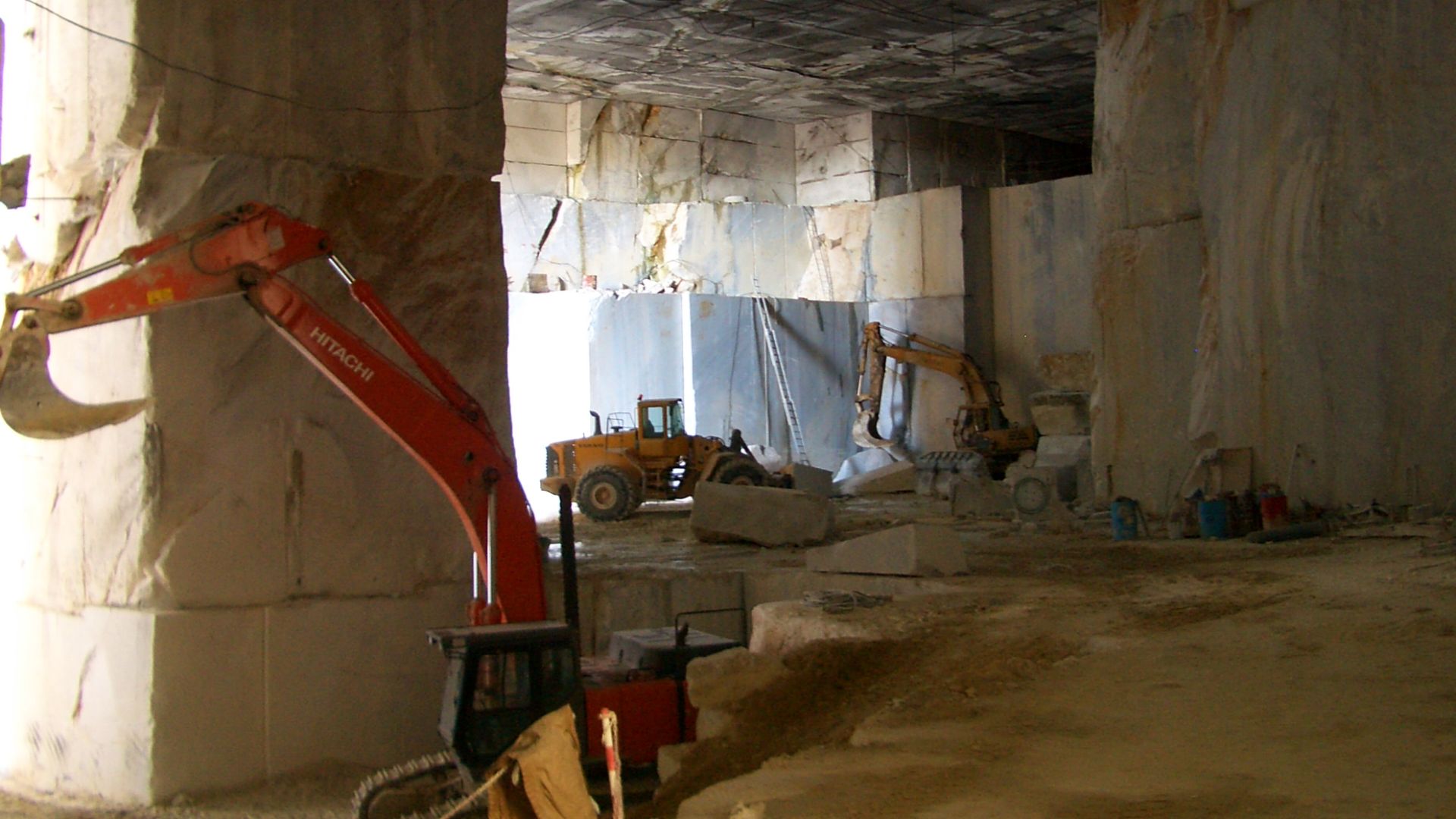
The marble's crystal structure gives it an unusual balance between strength and workability. It is soft enough for sculptors to carve delicate details yet durable enough to survive centuries of exposure. Its fine grain allows artists to create smooth surfaces and subtle facial expressions that would be difficult in many other stones.
 User:Vmenkov, Wikimedia Commons
The Earliest Quarry Workers
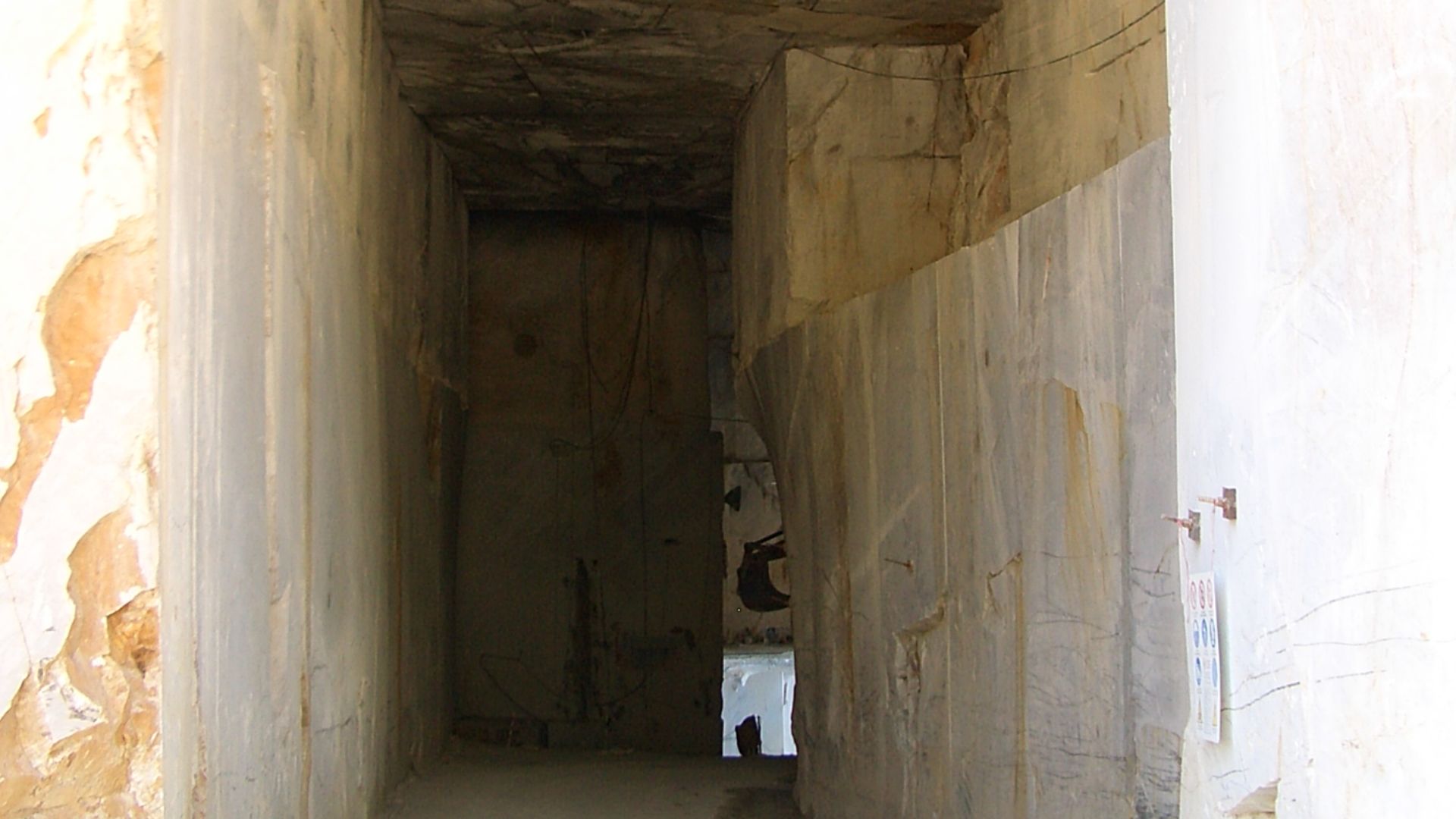
The region around Carrara was inhabited long before the Roman Empire. Ancient peoples recognized the value of the stone, but large-scale quarrying began after Roman expansion into northern Italy. The mountains quickly became one of the empire's most important sources of building material.
 User:Vmenkov, Wikimedia Commons
Rome Discovers Luna Marble
The Romans called Carrara marble marmor lunense, or Luna marble, after the nearby port of Luni. Vast quantities were extracted and shipped throughout the empire. The stone became associated with wealth, power, and imperial prestige.
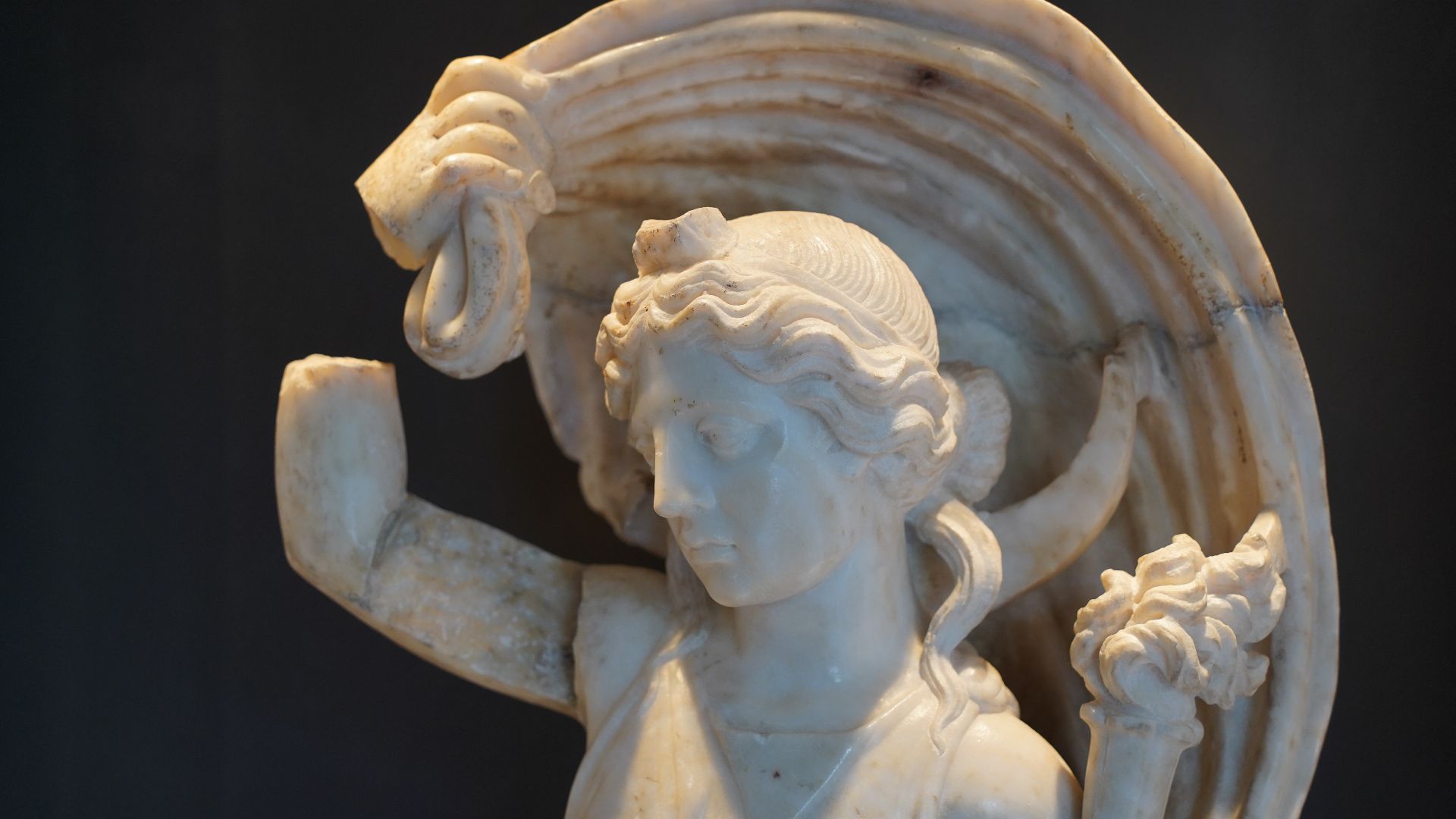 TimeTravelRome, Wikimedia Commons
Building An Empire In Marble
Roman architects used Carrara marble to transform their cities. Columns, temples, public buildings, and monuments increasingly featured the brilliant white stone. It helped create the visual language of Roman power that influenced architecture for centuries afterward.
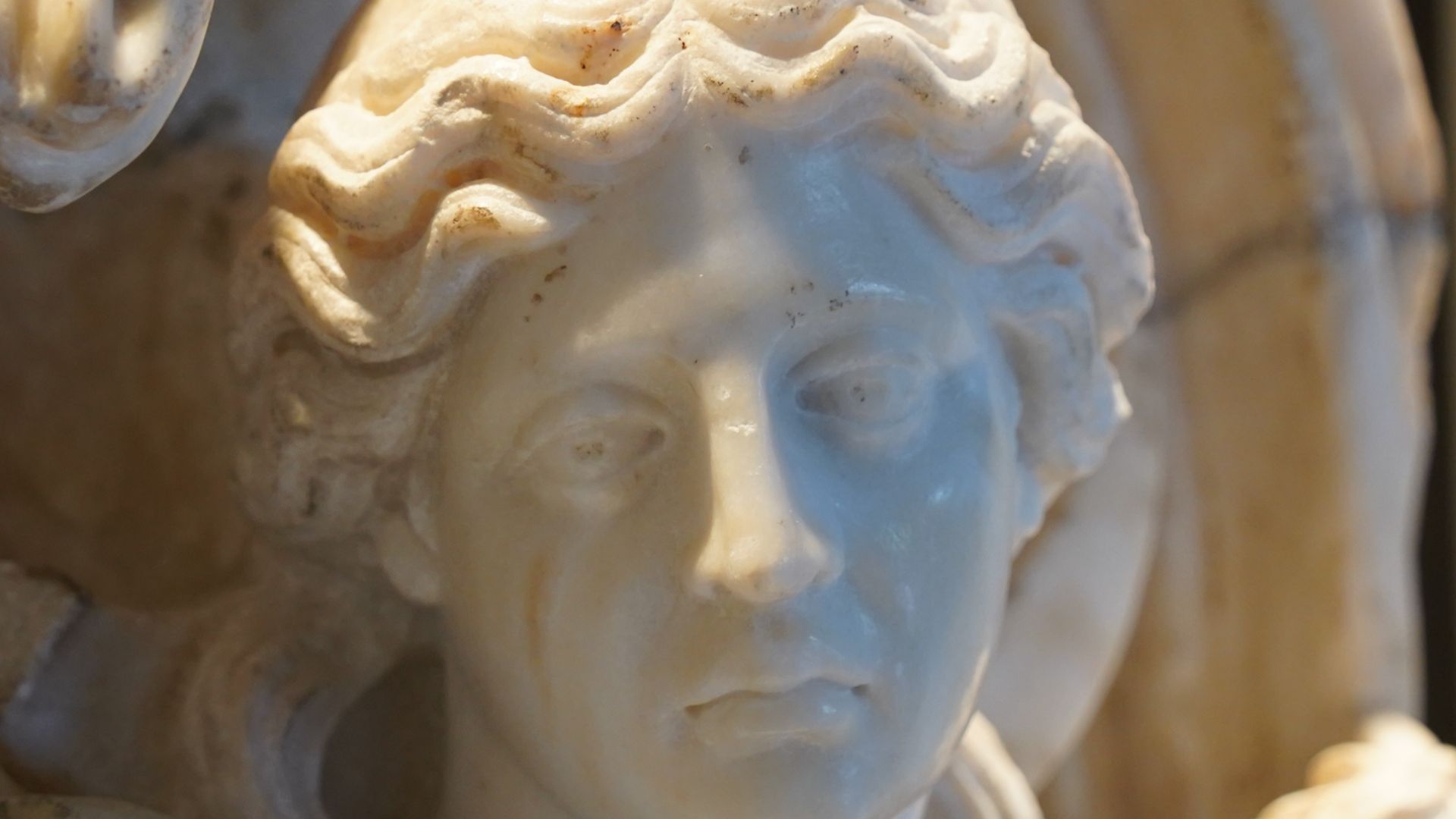 TimeTravelRome, Wikimedia Commons
Carrara Through The Middle Ages
After the fall of Rome, quarrying continued on a smaller scale. Local rulers and merchant families controlled access to the quarries and organized the difficult transportation of blocks through mountainous terrain. Marble remained a valuable commodity throughout medieval Europe.
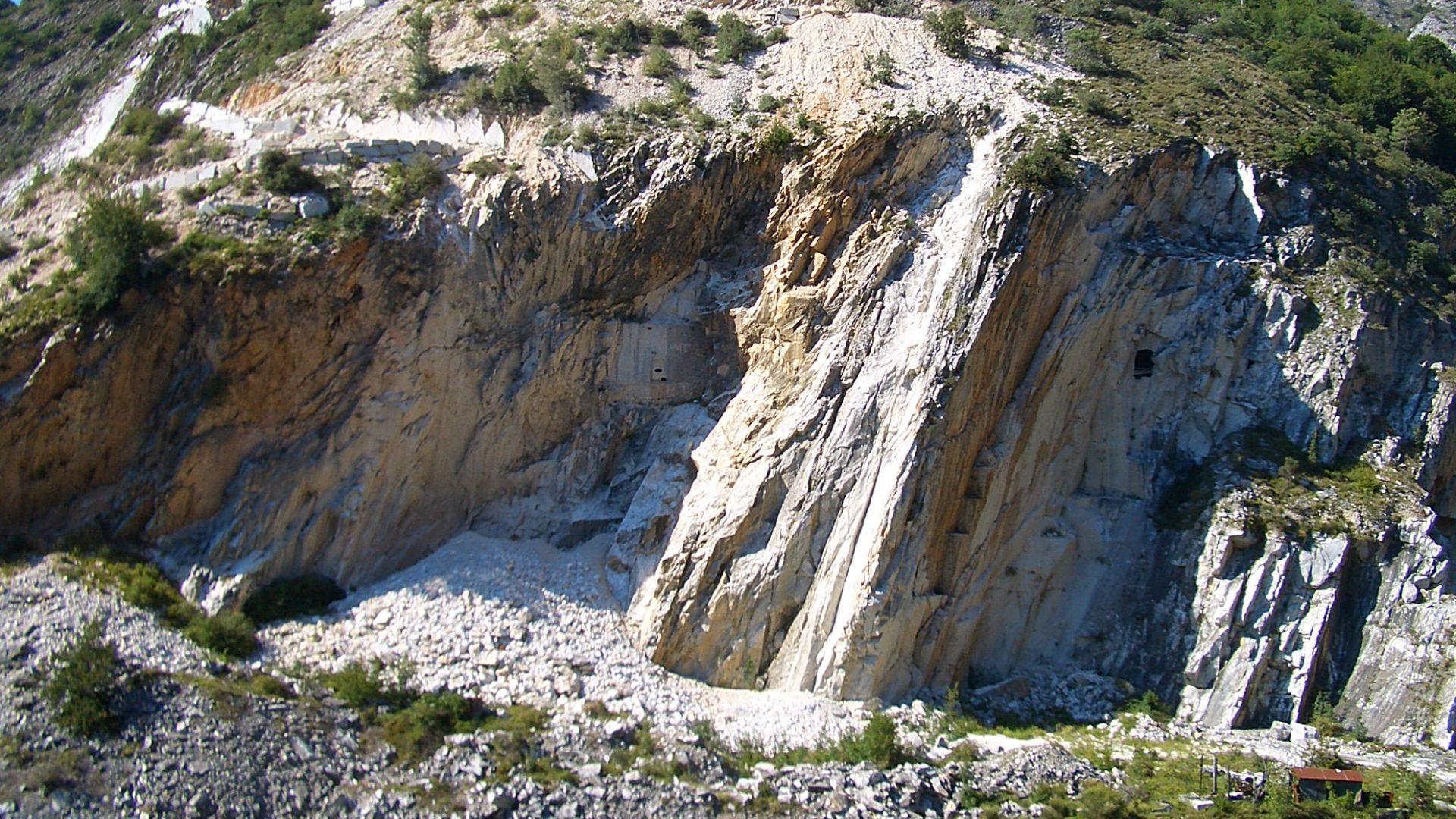 User:Vmenkov, Wikimedia Commons
Renaissance Artists Rediscover Carrara
The Renaissance sparked renewed demand for high-quality marble. Sculptors and architects sought the purest white varieties available. Carrara became the preferred source for many of the era's greatest artistic projects.
 Attributed to Jacopino del Conte, Wikimedia Commons
Michelangelo's Personal Connection
No artist is more closely associated with Carrara than Michelangelo. He spent months in the quarries personally selecting blocks, inspecting their grain, color, and structure. He believed the perfect sculpture already existed within the stone and that his job was simply to reveal it.
 Jorg Bittner Unna, Wikimedia Commons
The White Gold Of Tuscany
By the sixteenth century, Carrara marble had become one of Italy's most valuable natural resources. Rulers established regulations governing extraction and trade. The marble industry brought wealth to the region and helped shape the identity of Carrara itself.
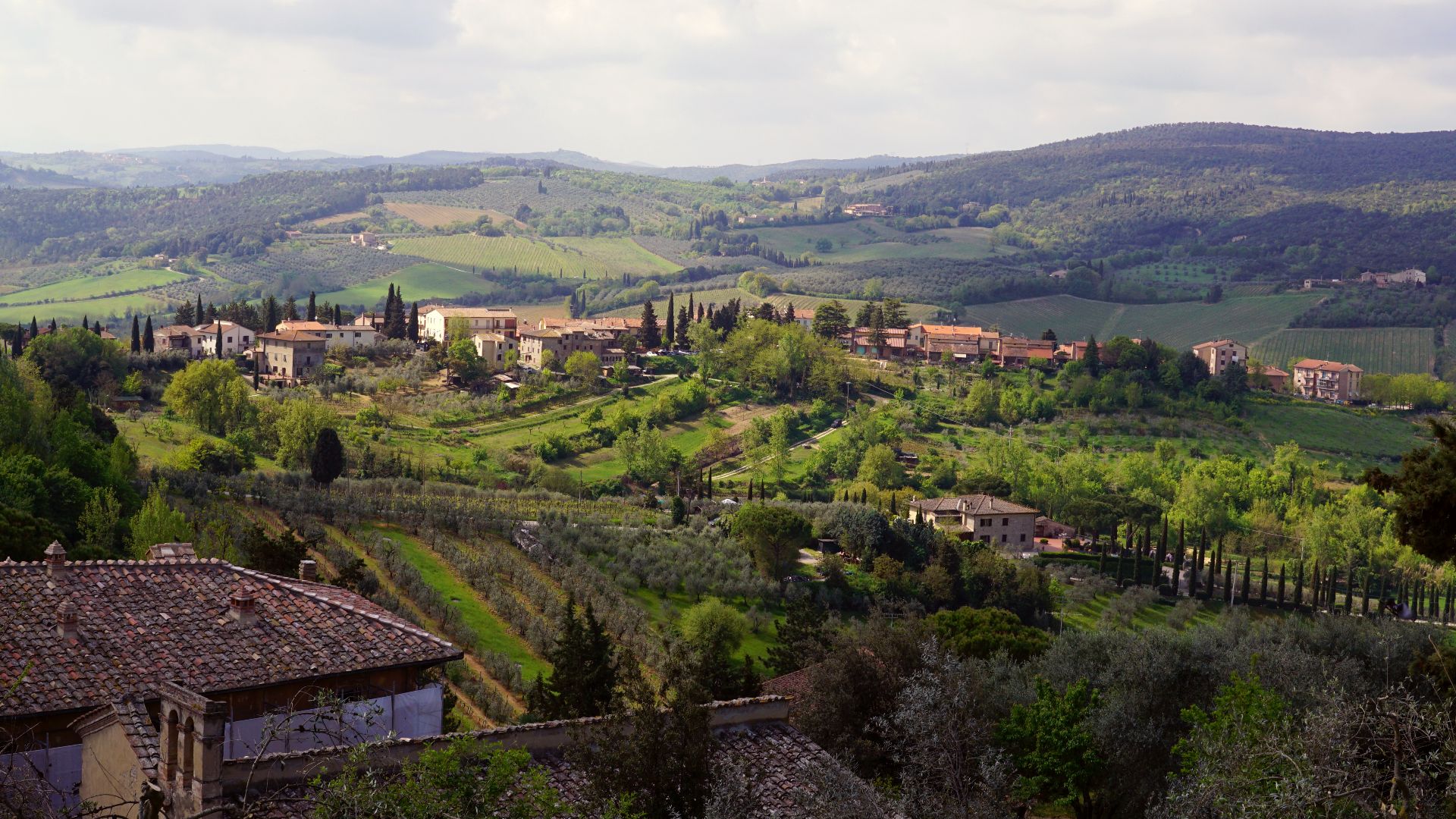 Lucia Garcia Gonzalez, Wikimedia Commons
Life In The Quarry Communities
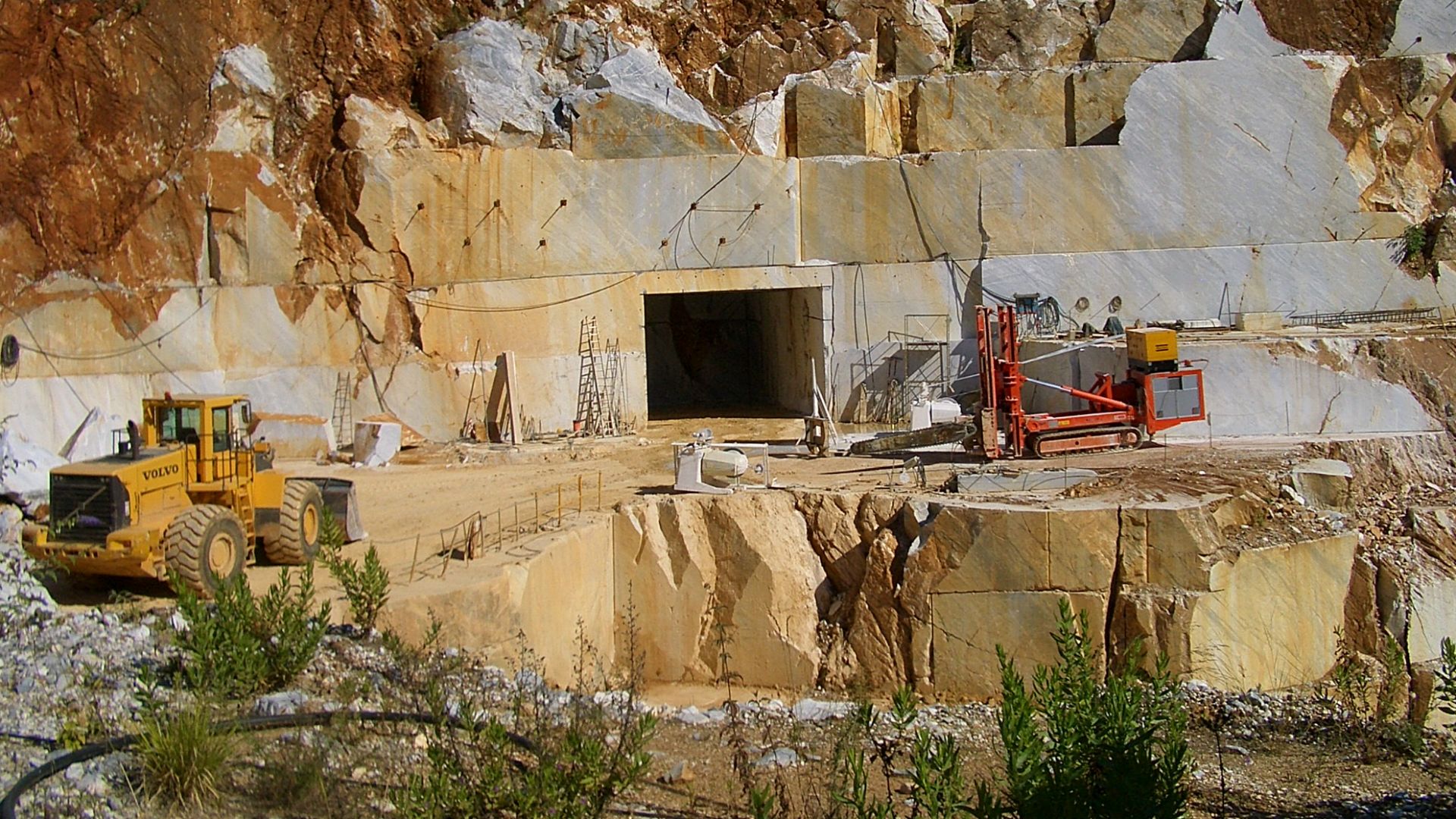
Quarry work was notoriously dangerous. Workers faced rockfalls, accidents, and physical back-breaking labor. Entire communities developed around the industry, with generations of families earning their livelihoods from the mountains.
 User:Vmenkov, Wikimedia Commons
From Hand Tools To Modern Technology
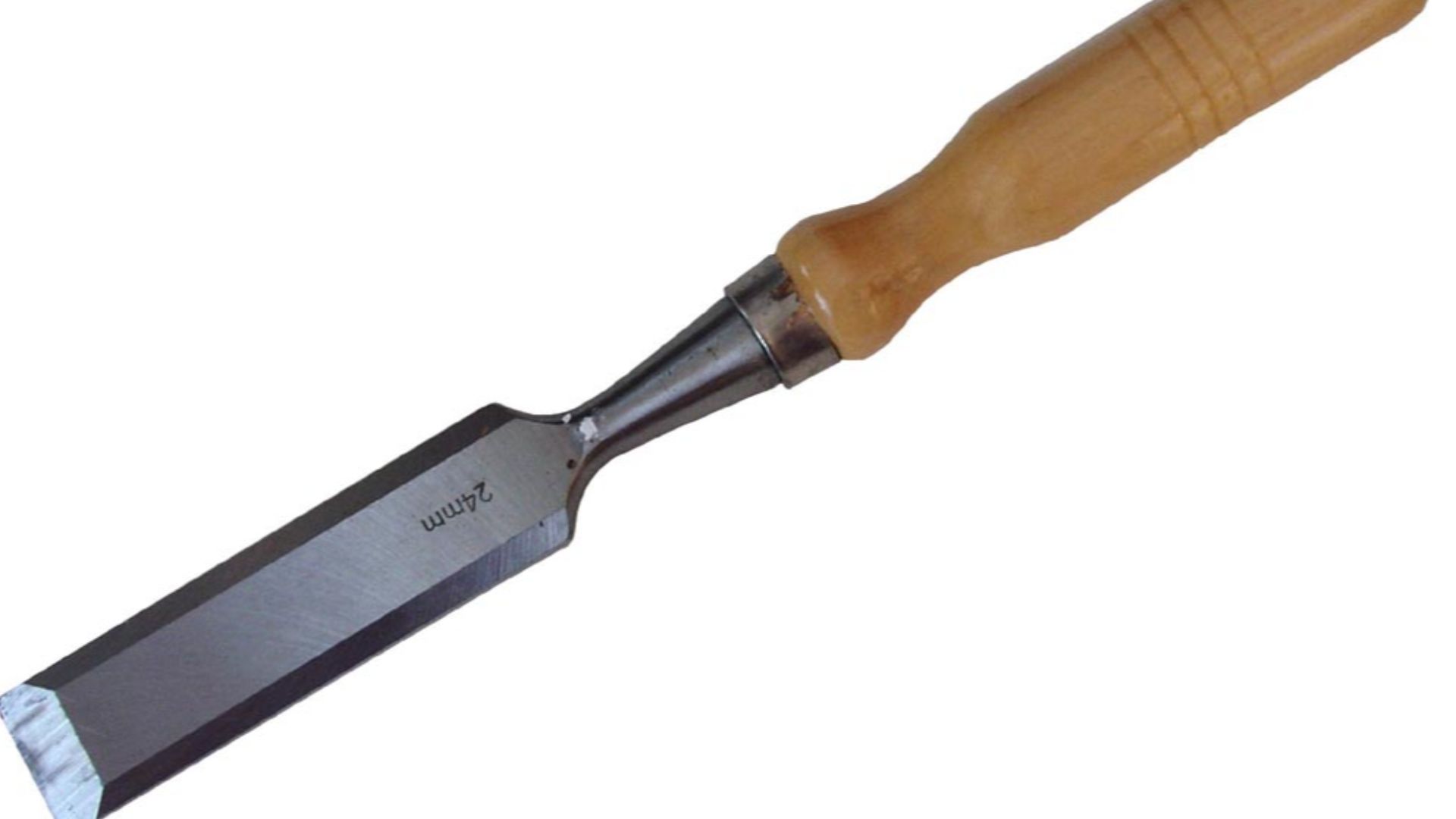
For centuries, quarrying methods changed little. Workers relied on wedges, chisels, and sheer physical effort to separate blocks from the mountainside. Modern machinery has increased efficiency, though quarrying remains challenging and hazardous work.
Finding The Perfect Block
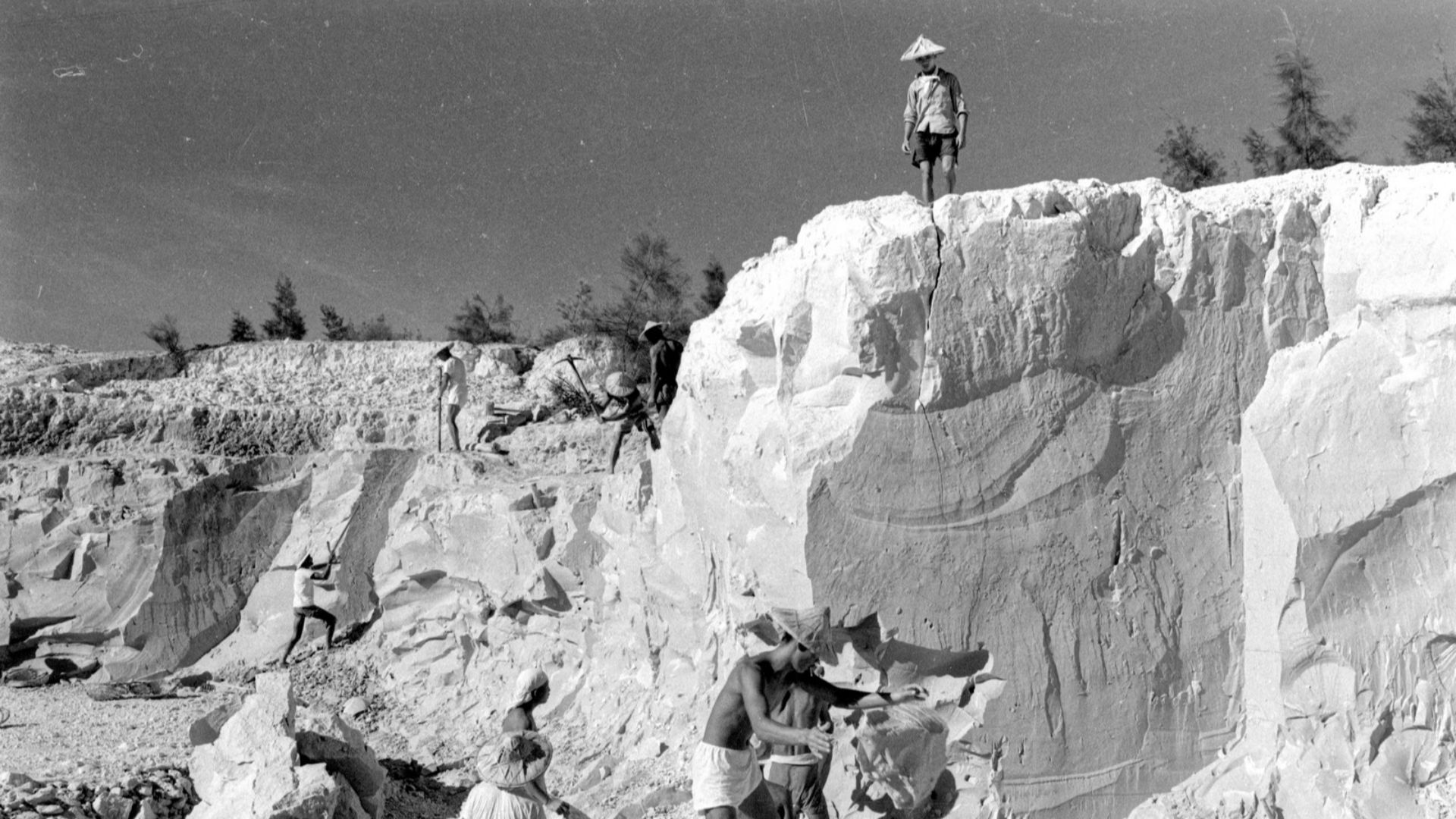
Not all marble is equal. Quarry operators carefully examine the stone for cracks, discoloration, and unwanted mineral veins. The most prized material is the pure white statuario grade favored by master sculptors.
Mapping The Quarry Face
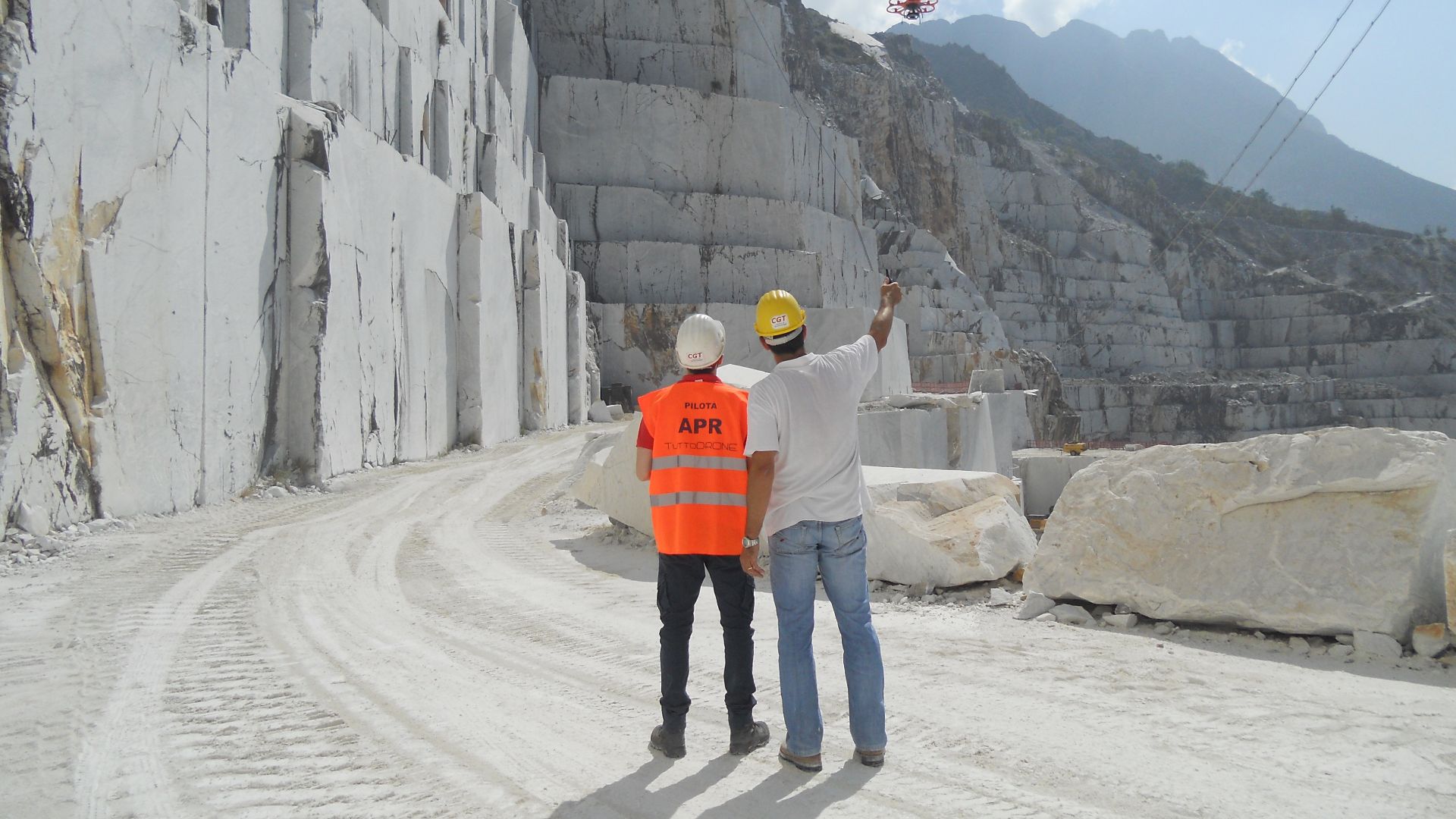
Before cutting begins, engineers study the rock face and identify natural fracture lines. These assessments help maximize the size and quality of the extracted blocks while reducing waste. Modern surveying equipment allows highly precise planning.
 Riccardo.salvini, Wikimedia Commons
Cutting Into The Mountain
Today, quarry workers use powerful drilling and wire-cutting systems. Diamond-coated cables are threaded through holes drilled in the marble. The cables gradually slice through the stone, separating enormous sections from the mountainside.
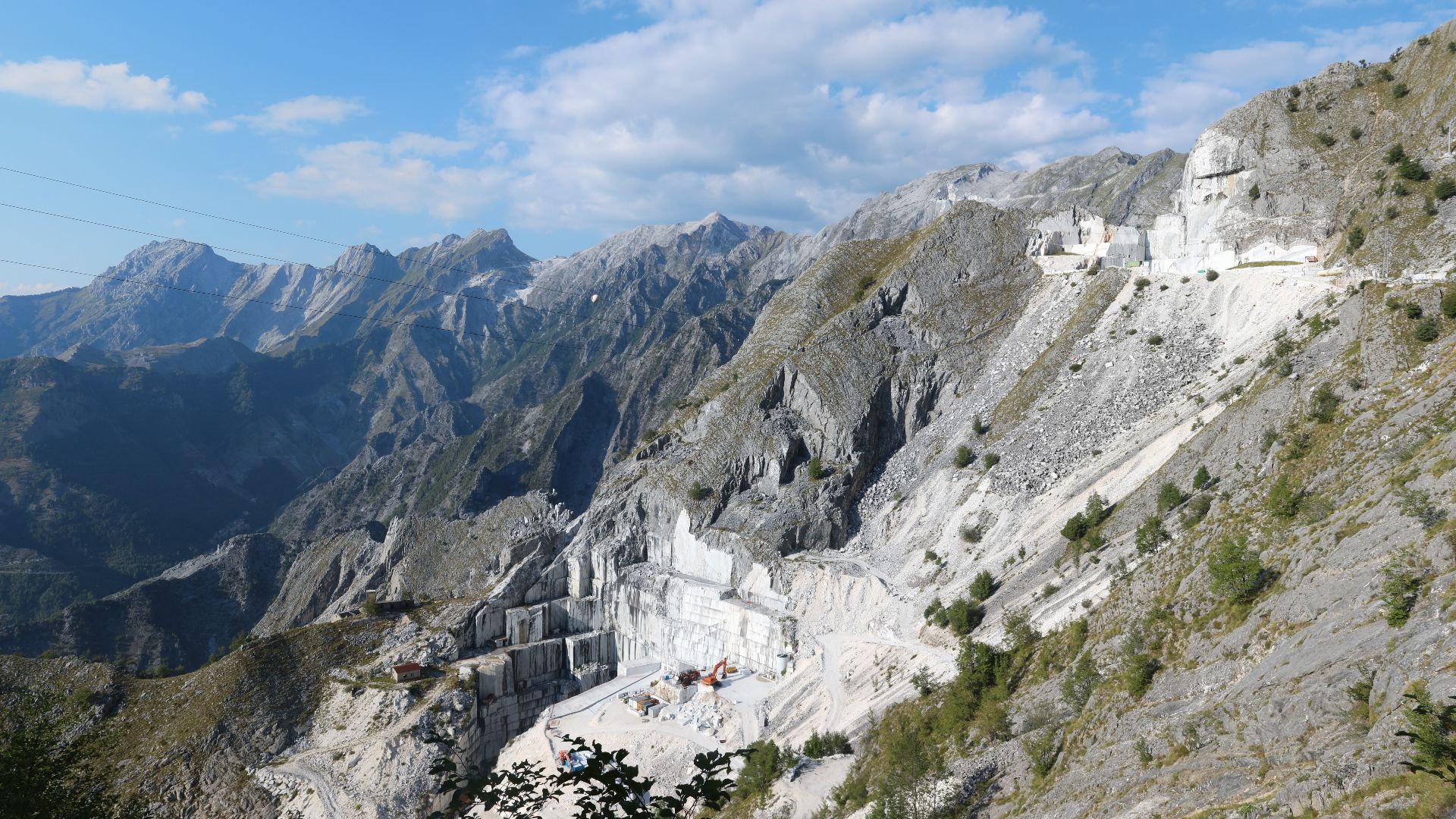 Ingo Mehling, Wikimedia Commons
Separating The Giant Block
Once multiple cuts have been completed, machinery carefully pulls the block away from the quarry wall. A single flawless block can weigh dozens of tons. Any major crack can put a serious dent in the block's value.
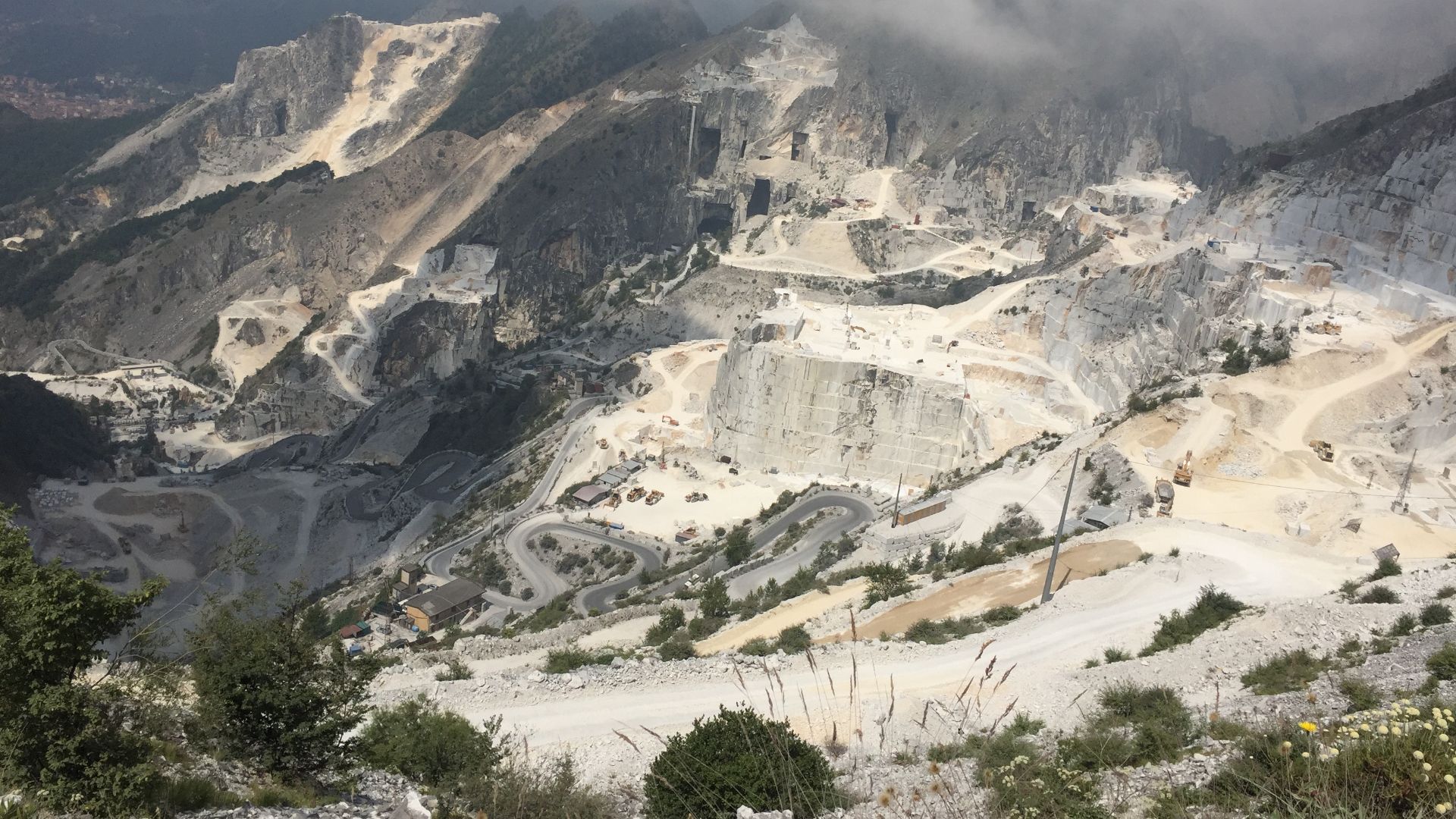
Moving Stone Weighing Tens Of Tons
Specialized loaders and heavy trucks transport the marble down steep mountain roads. Great care is needed because even small impacts can damage valuable stone that may eventually become a sculpture or luxury architectural feature.
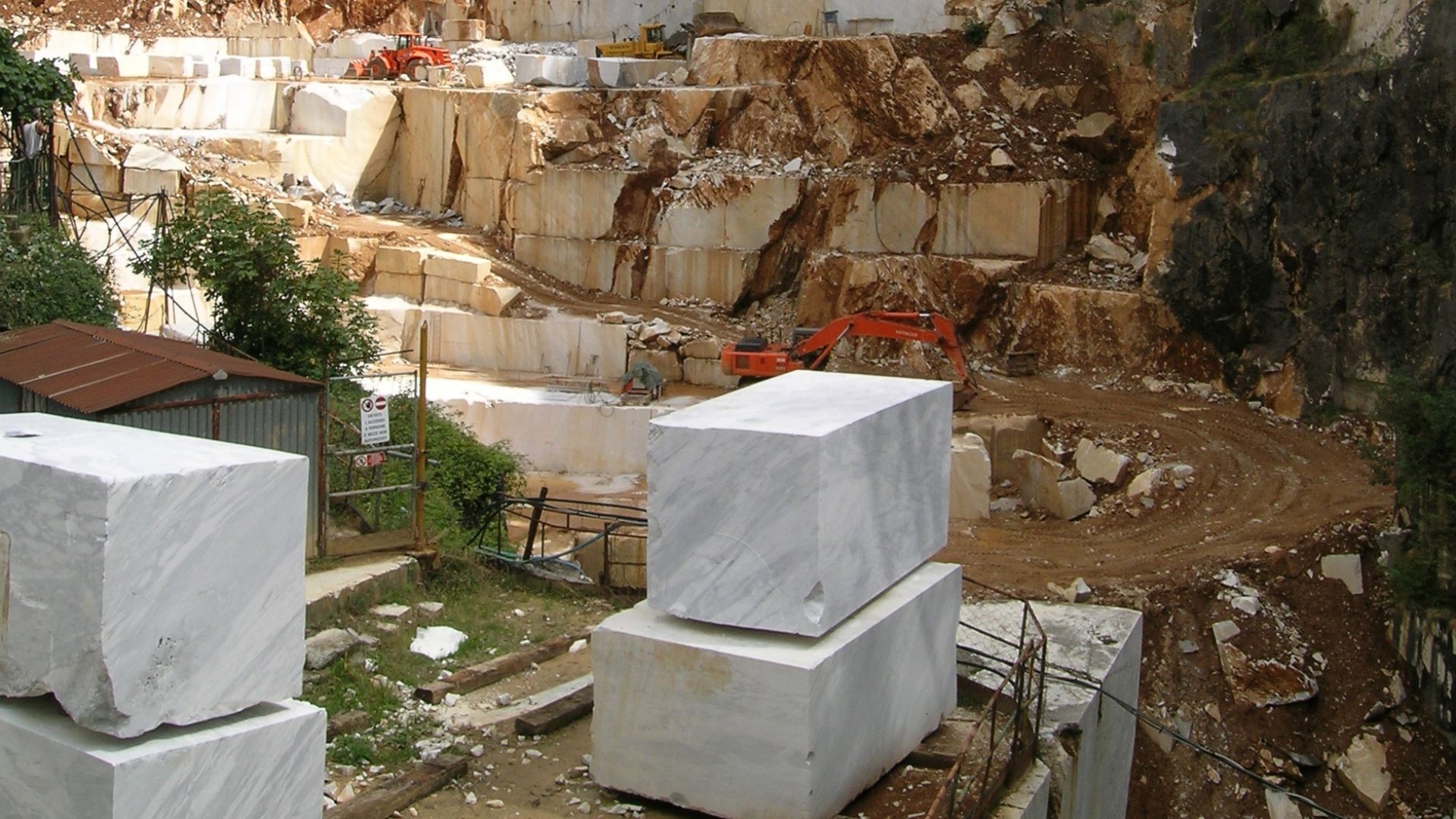
From Quarry To Workshop
After extraction, blocks are transported to processing facilities. Some are cut into slabs for architecture and interior design. Others remain intact and are sold to sculptors seeking large pieces for artistic projects.
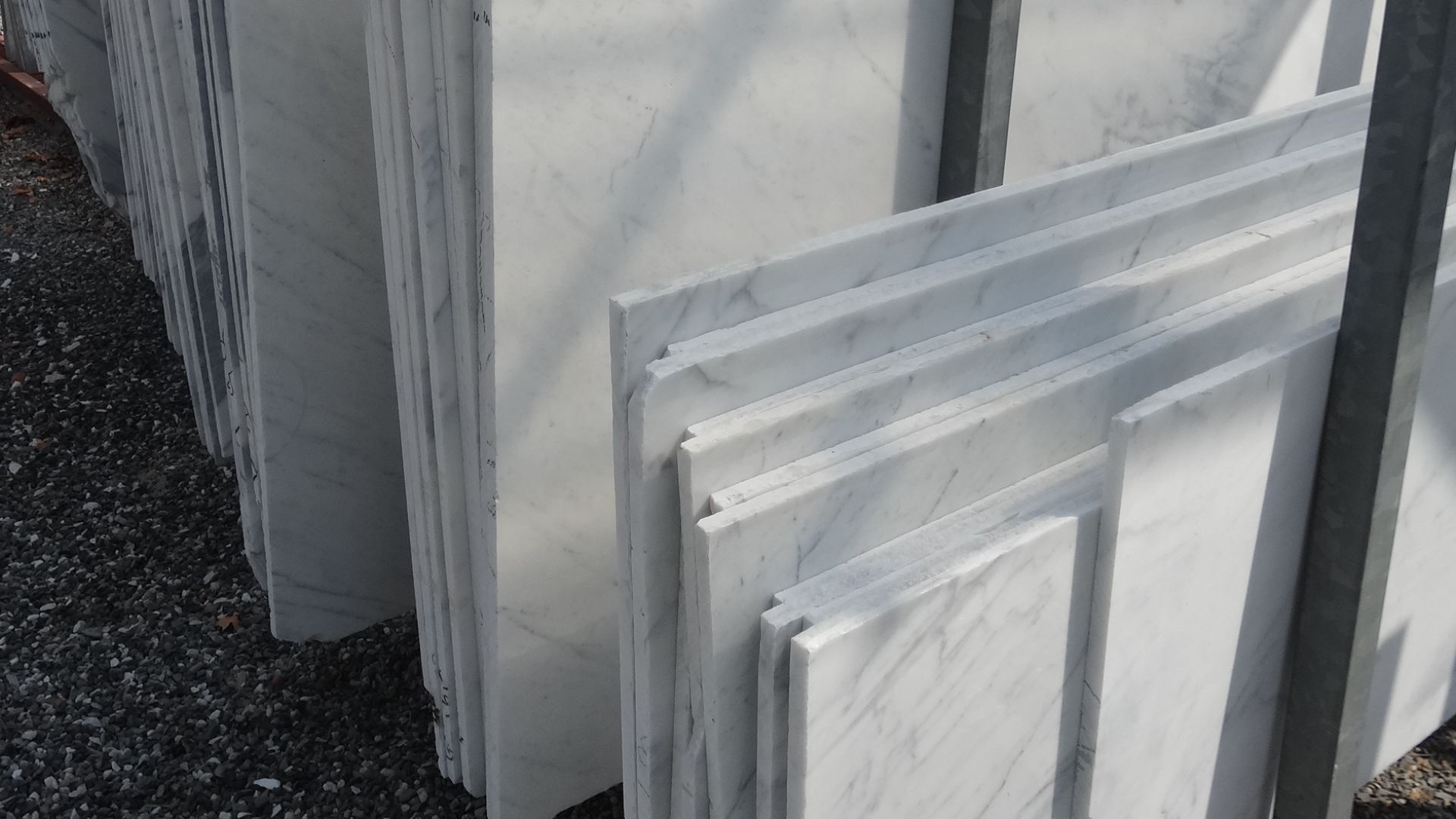 Jordiferrer, Wikimedia Commons
Carrara In Modern Architecture
Today, Carrara marble appears in luxury hotels, office towers, museums, and private residences around the world. Architects prize its timeless appearance and ability to create bright, elegant interiors.
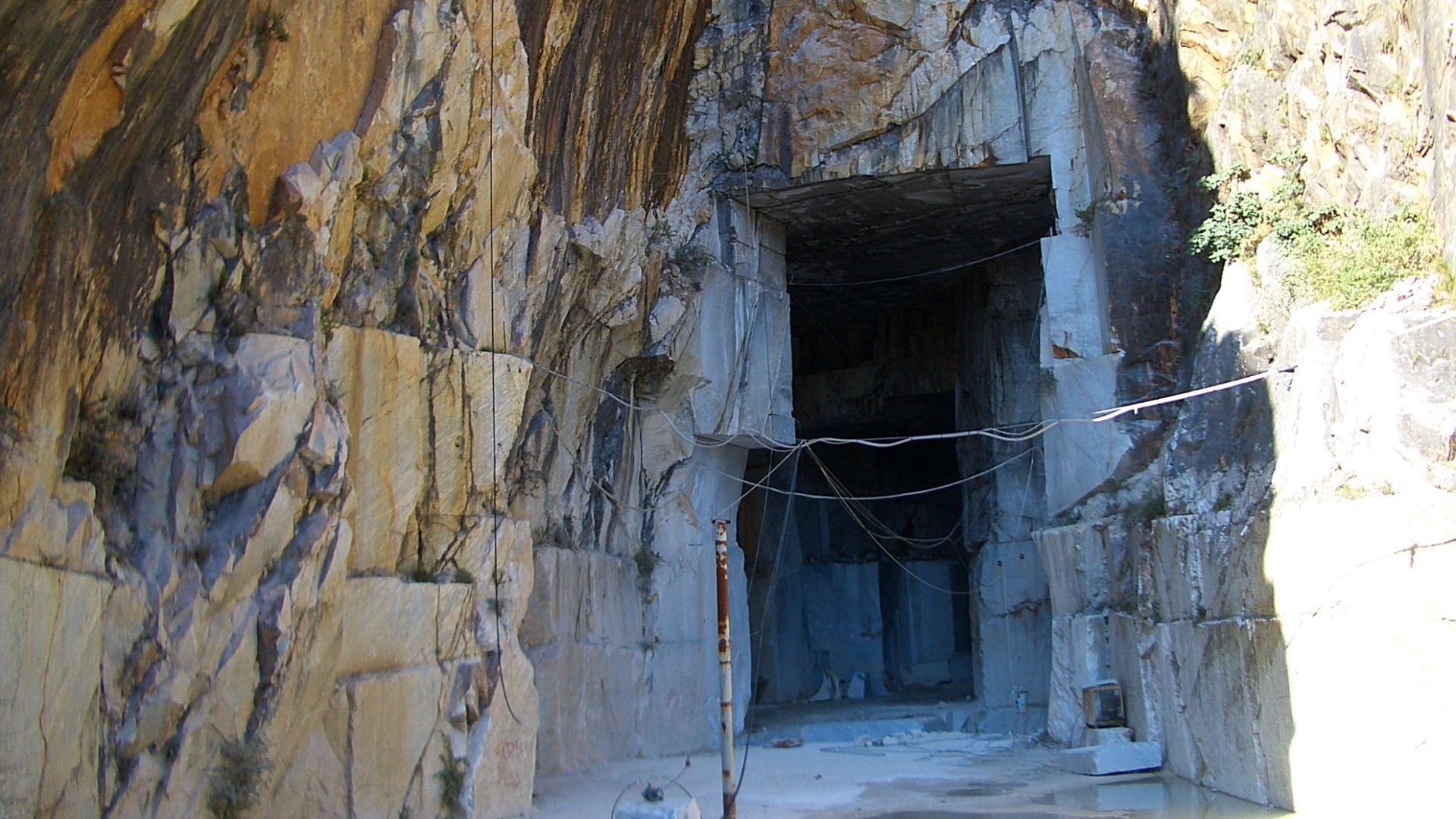 User:Vmenkov, Wikimedia Commons
Beyond Buildings And Sculptures
Carrara marble is also used for flooring, wall cladding, countertops, decorative objects, and industrial applications. Finely ground marble even appears in products ranging from paints to toothpaste.
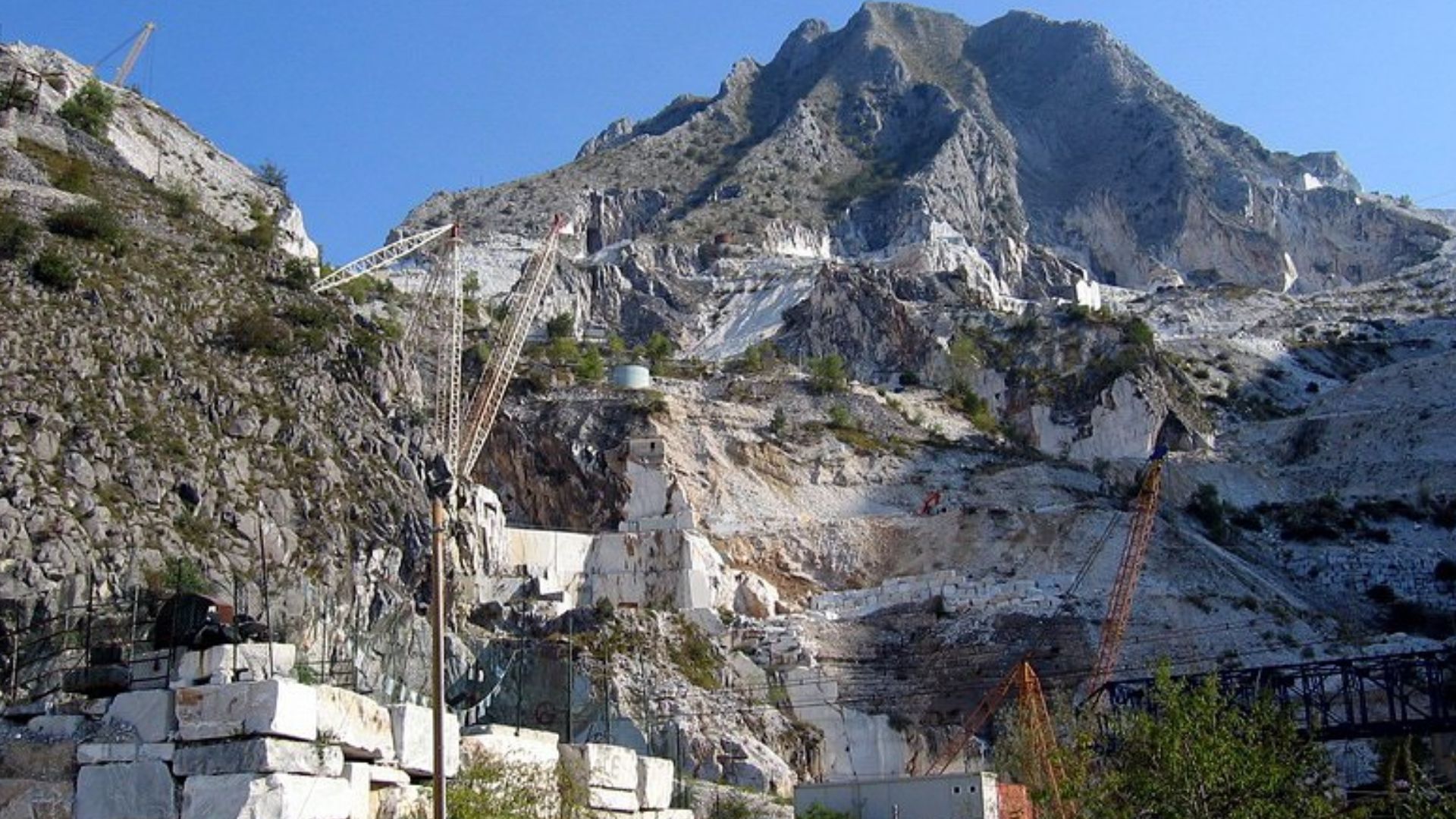
Carrara Marble In The Brutalist
Carrara's famous marble quarries gained renewed international attention through their appearance in the 2024 film The Brutalist. In one memorable sequence, the vast white quarry walls and immense extraction sites provide a dramatic backdrop that emphasizes the film's themes of architecture, ambition, and artistic vision.
 Screenshot from The Brutalist, Brookstreet Pictures (2024)
The Pantheon, Rome
Among the most famous Roman structures to use Carrara marble is the Pantheon in Rome. Completed during the reign of Emperor Hadrian, the building's elegant interior shows how the Romans used fine marble to convey imperial grandeur, wealth, and architectural mastery. Its marble surfaces still impress awestruck tourists nearly two thousand years later.
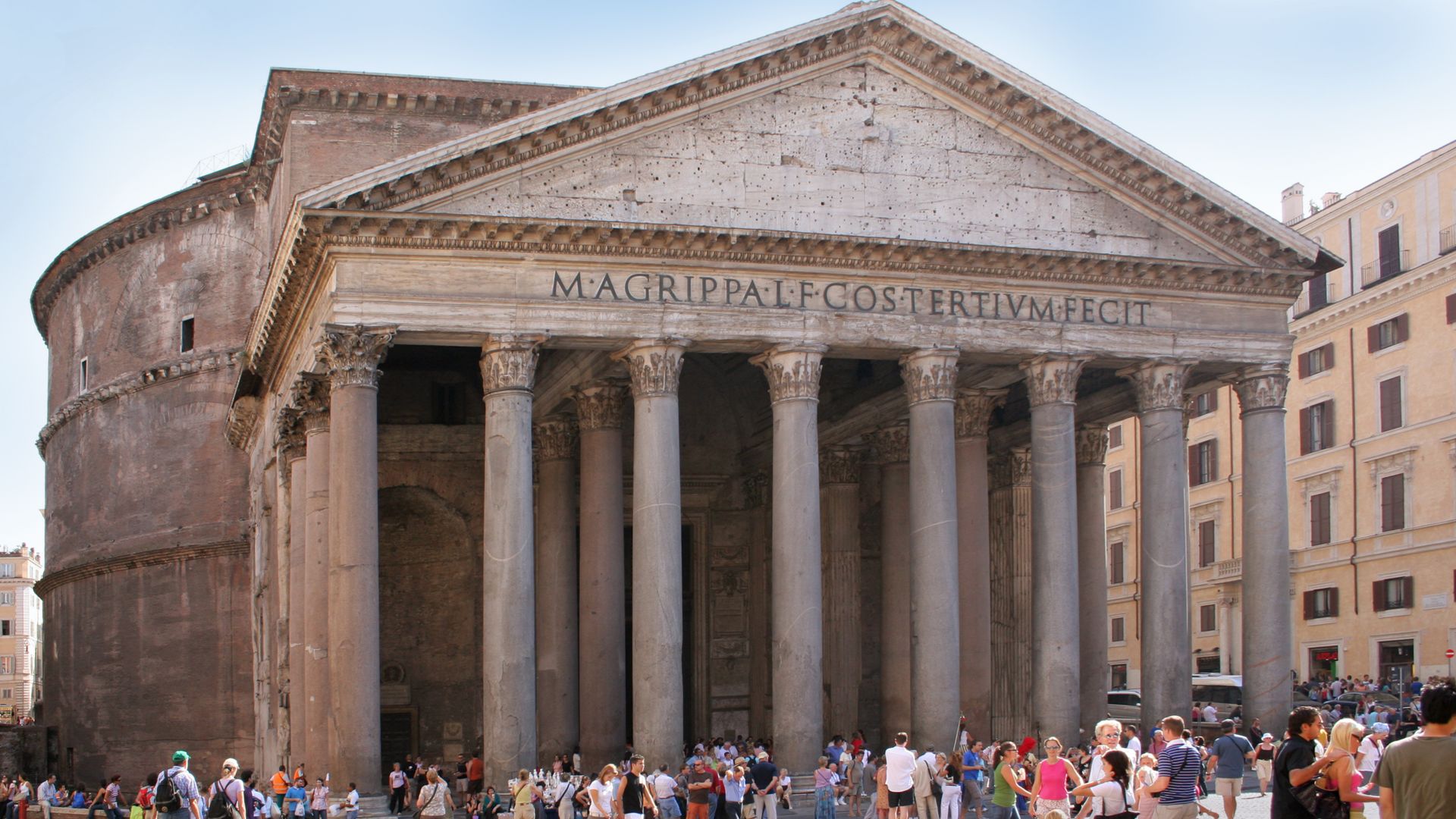 Roberta Dragan, Wikimedia Commons
Trajan's Column, Rome
Completed in 113 AD in the heart of Rome, Trajan's Column is one of the greatest surviving monuments of the Roman Empire. Constructed from massive blocks of Carrara marble, the column rises nearly 100 feet and is wrapped in a continuous spiral relief depicting Emperor Trajan's campaigns, providing an amazing visual record of Roman soldiers, equipment, and military life.
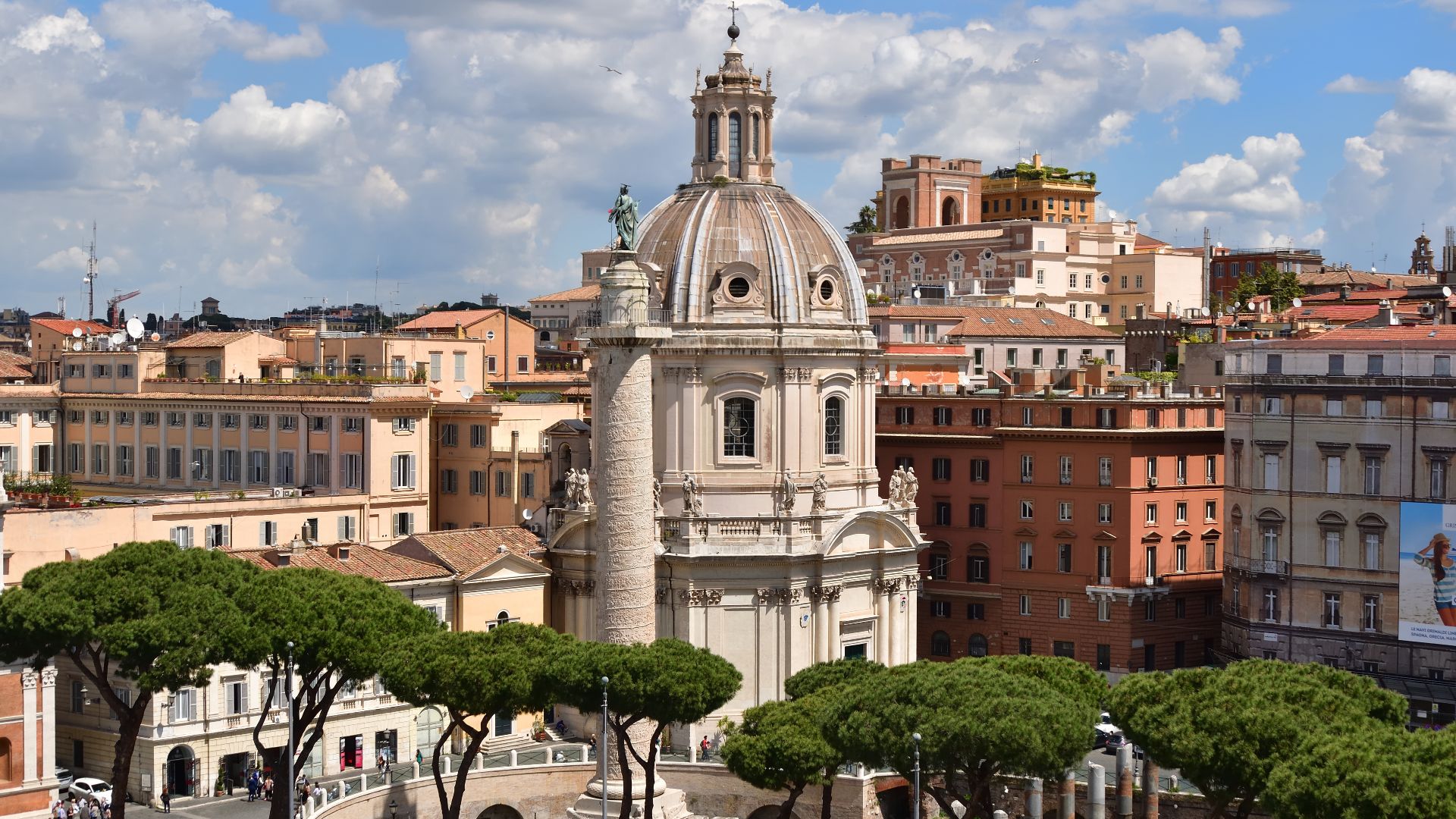
Column Of Marcus Aurelius, Rome
The Column of Marcus Aurelius was erected in Rome during the late second century AD to commemorate the emperor's military victories. Like Trajan's Column, it was made from Carrara marble using a spiraling narrative relief that ascends the shaft. The carvings are deeper and more dramatic than those on Trajan's monument, reflecting a shift toward a more expressive artistic style in the later Roman Empire.
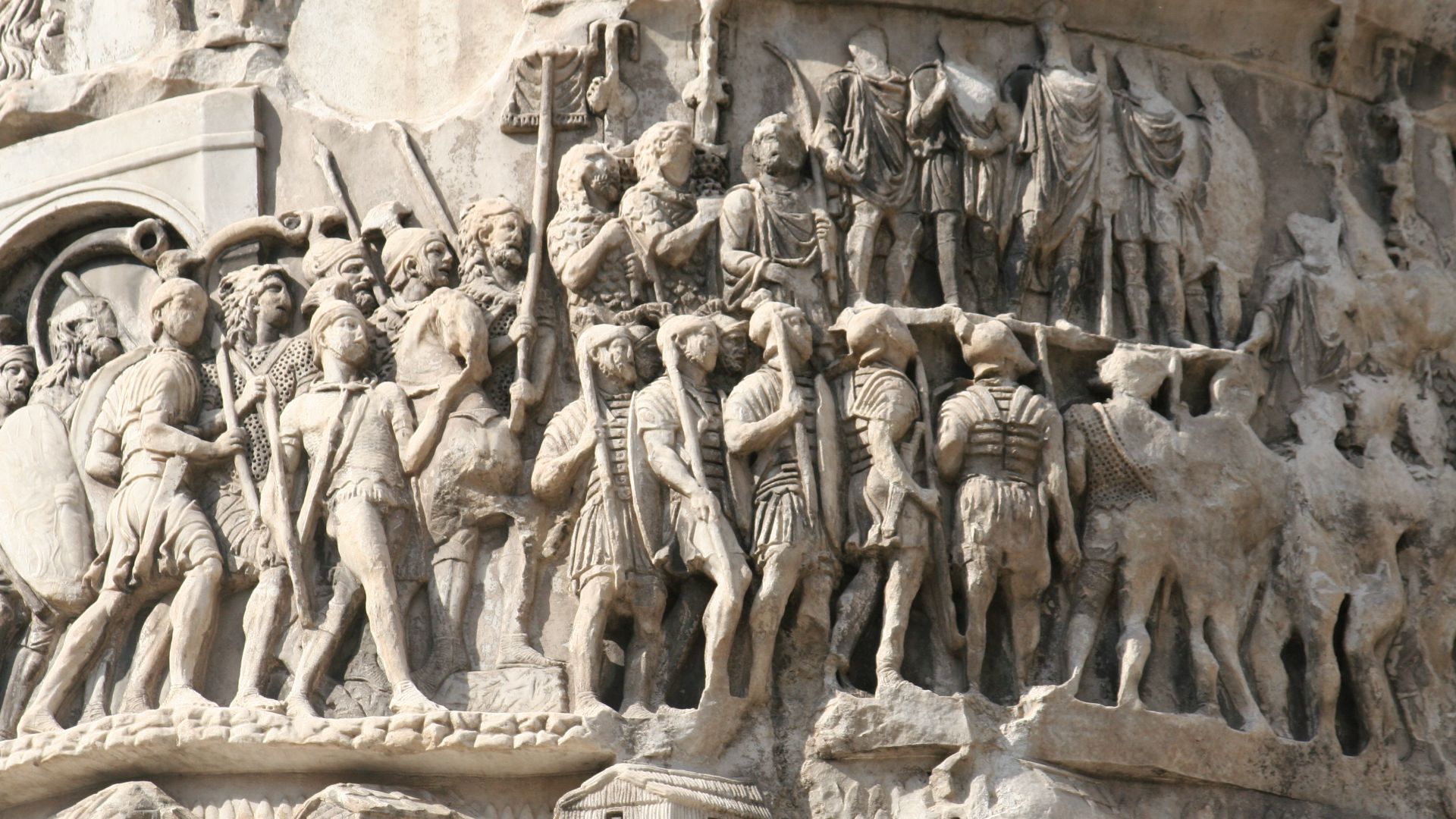 Barosaurus Lentus, Wikimedia Commons
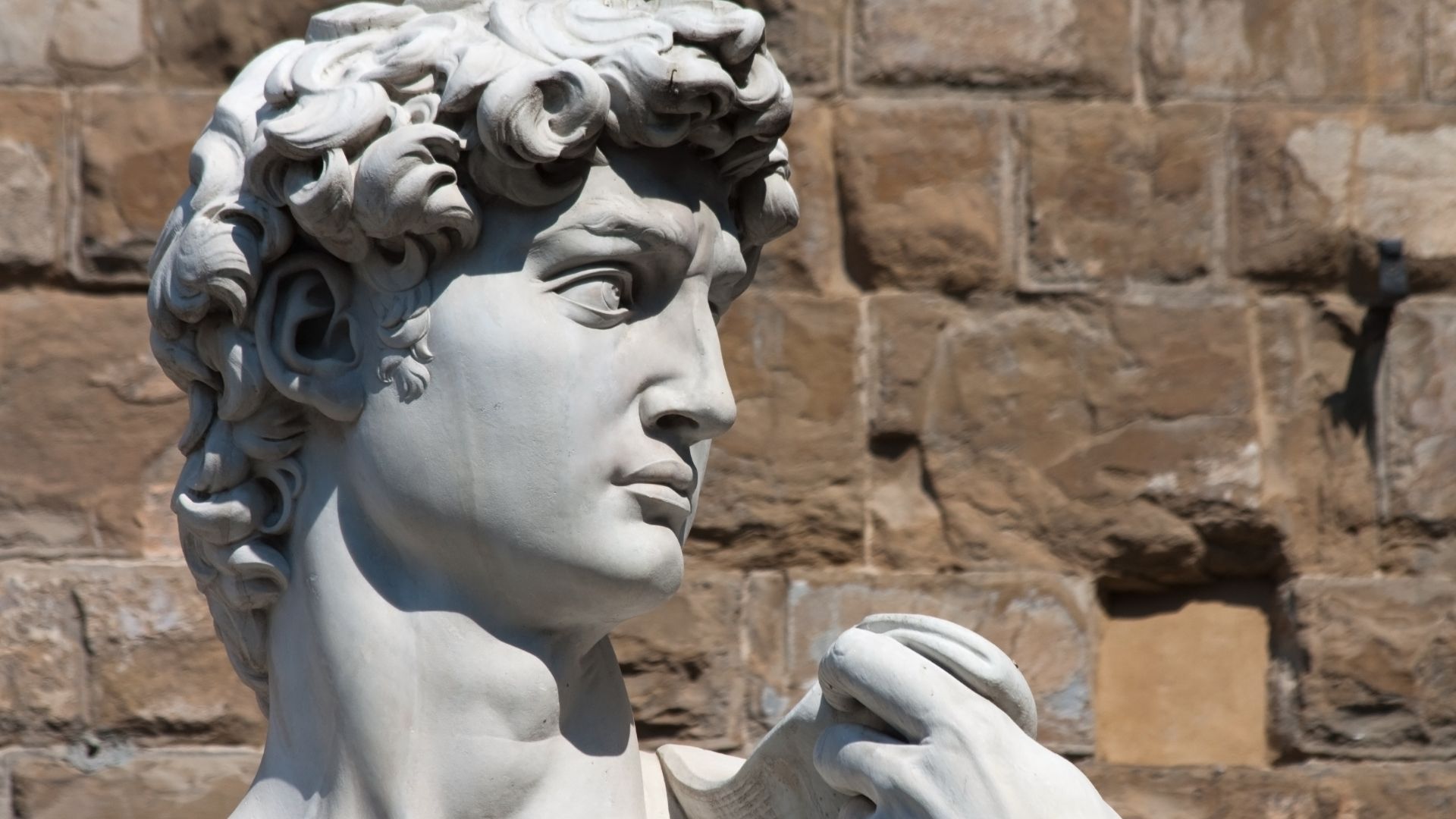
Michelangelo's David, Florence
The towering statue of David remains one of the greatest achievements in Western art. Carved from a massive block of Carrara marble between 1501 and 1504, Michelangelo transformed the stone into a masterpiece of anatomy, expression, and technical skill. The sculpture perfectly showcases marble's ability to capture astonishingly lifelike detail.
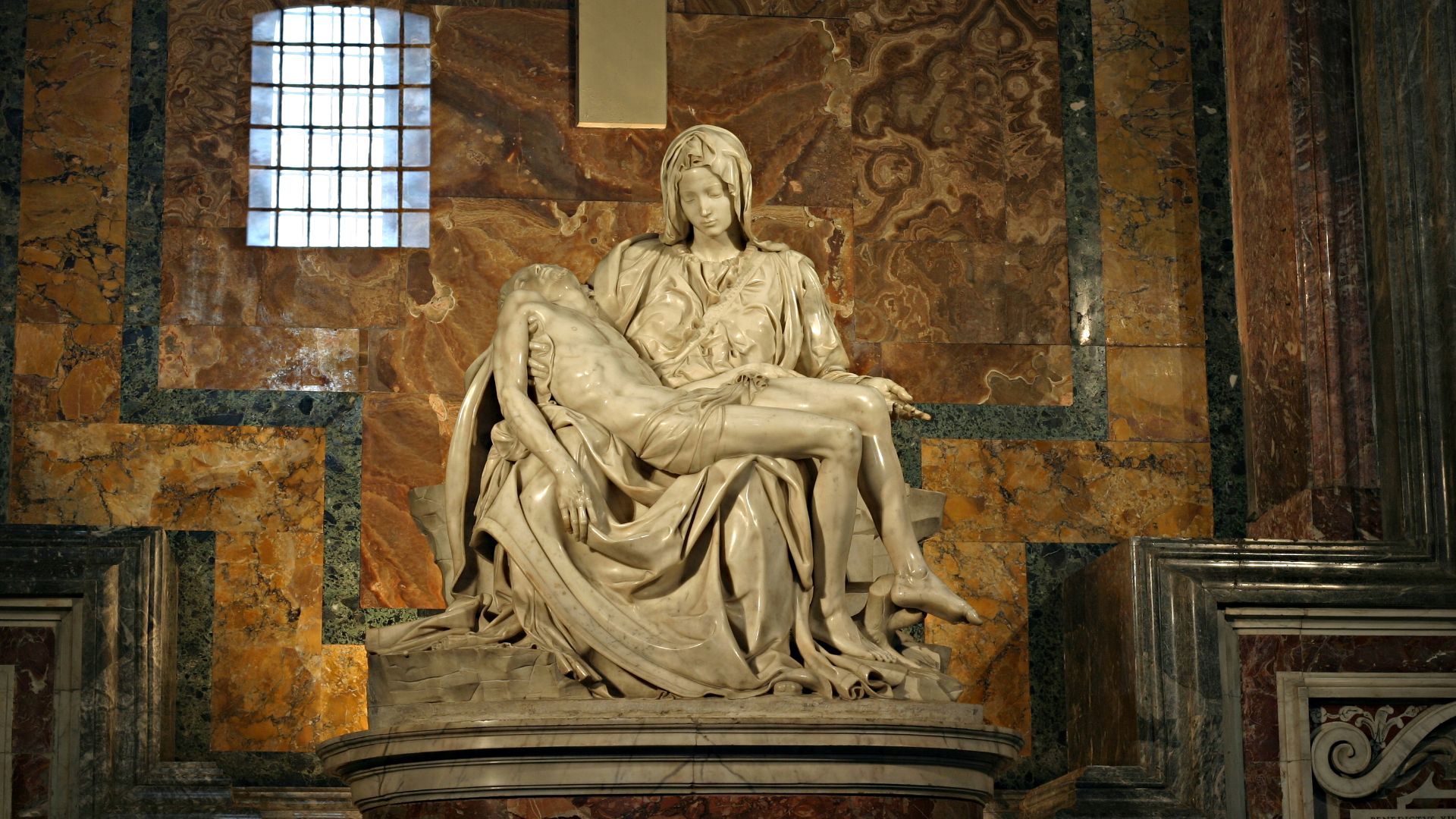
Pietà, Rome
Michelangelo's Pietà, housed in St. Peter's Basilica in Vatican City, was carved from carefully selected Carrara marble chosen personally by the artist. Completed when he was still in his twenties, the sculpture's smooth surfaces, delicate drapery, and emotional realism reveal why generations of sculptors prized Carrara marble above almost every other stone.
 Stanislav Traykov, Wikimedia Commons
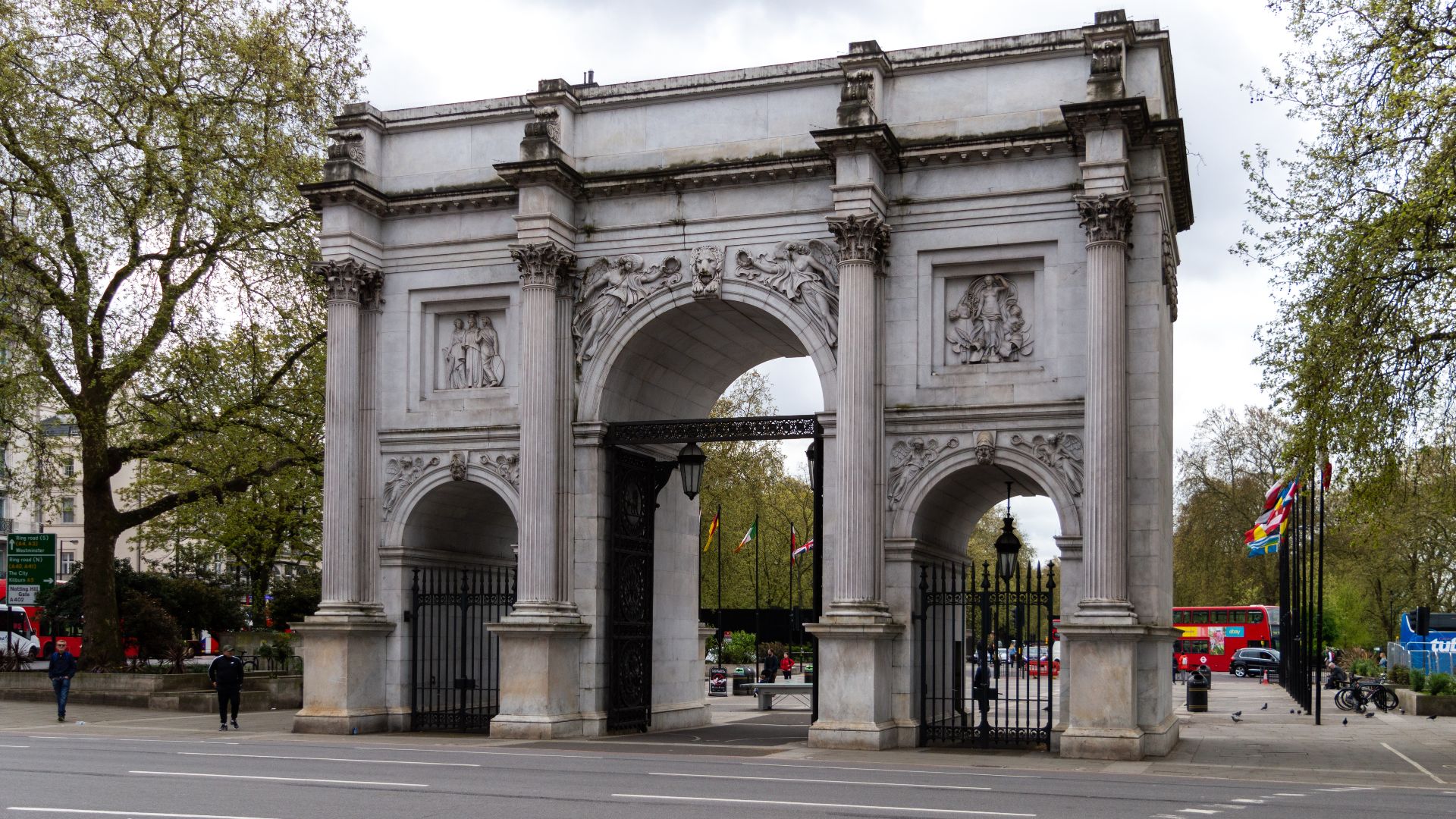
Marble Arch, London
London's Marble Arch is a notable example of Carrara marble used in monumental architecture. Originally designed by John Nash in the nineteenth century as a ceremonial gateway near Buckingham Palace, the structure's bright white stone helped create an enduring landmark. Its classical design reflects the continued influence of ancient Roman architecture.
 Tristan Surtel, Wikimedia Commons
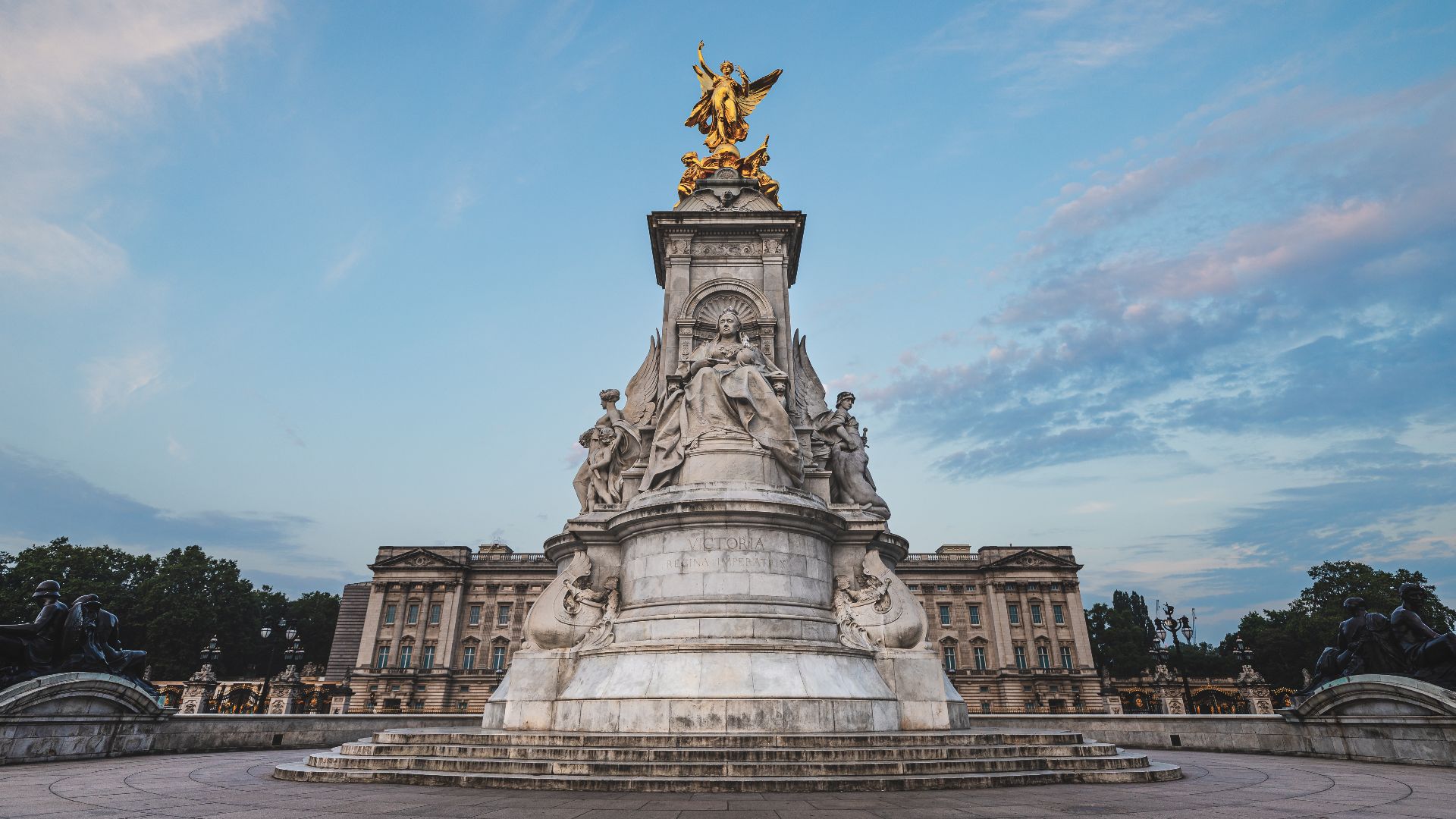
Victoria Memorial, London
Standing before Buckingham Palace, the magnificent Victoria Memorial incorporates large quantities of Carrara marble in a grand tribute to Queen Victoria. Unveiled in 1911, the monument features elaborate sculptures, allegorical figures, and decorative details. The brilliant white marble contributes to its commanding presence and makes it one of London's most recognizable landmarks.
 Julian Herzog (Website), Wikimedia Commons
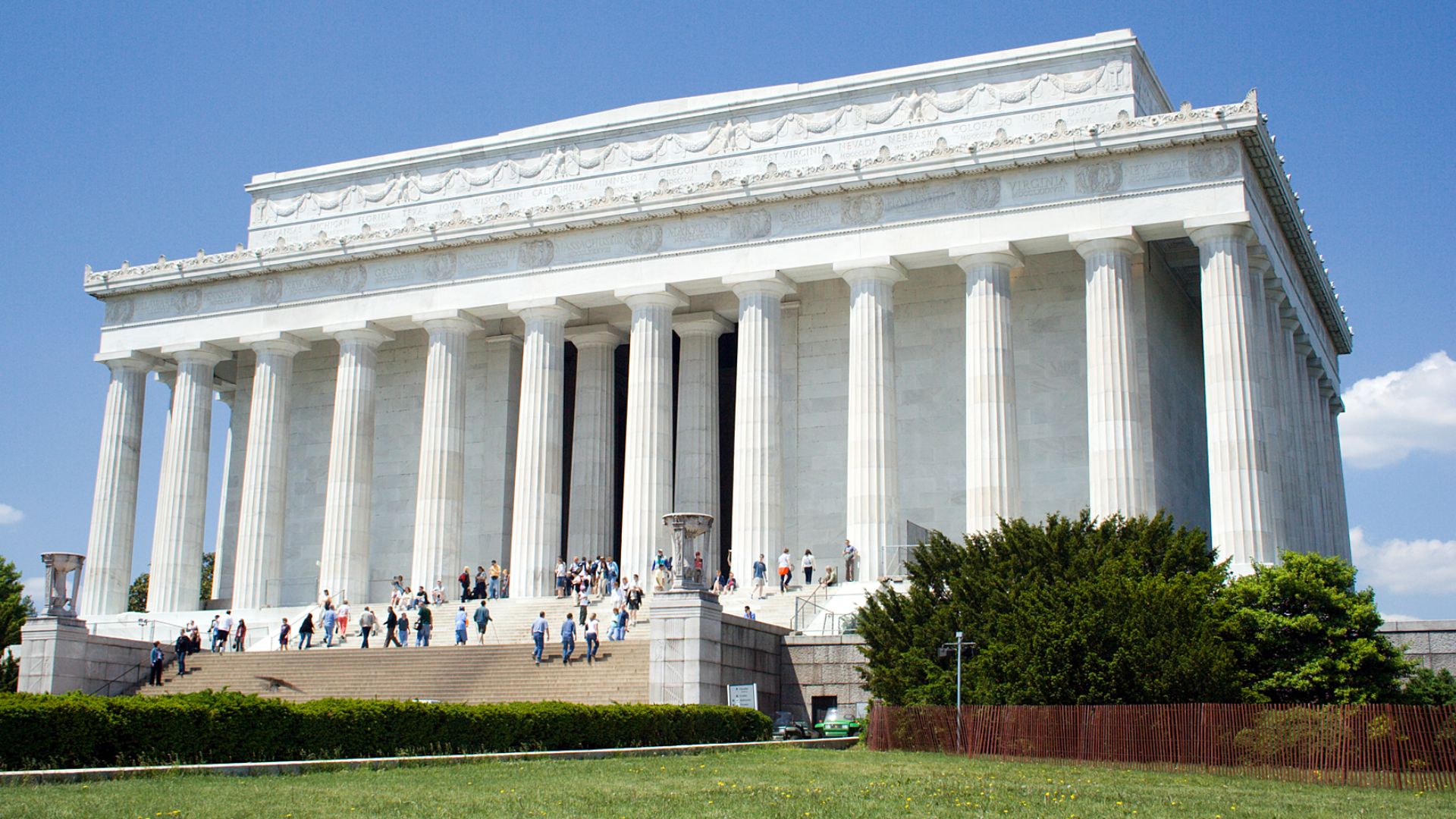
Lincoln Memorial, Washington, D.C
The interior of the Lincoln Memorial in Washington, D.C., contains significant marble elements that contribute to its solemn and monumental atmosphere. The memorial's famous seated statue of Abraham Lincoln was carved from white marble, while Carrara marble has been used in decorative and commemorative features.
 David Bjorgen, Wikimedia Commons
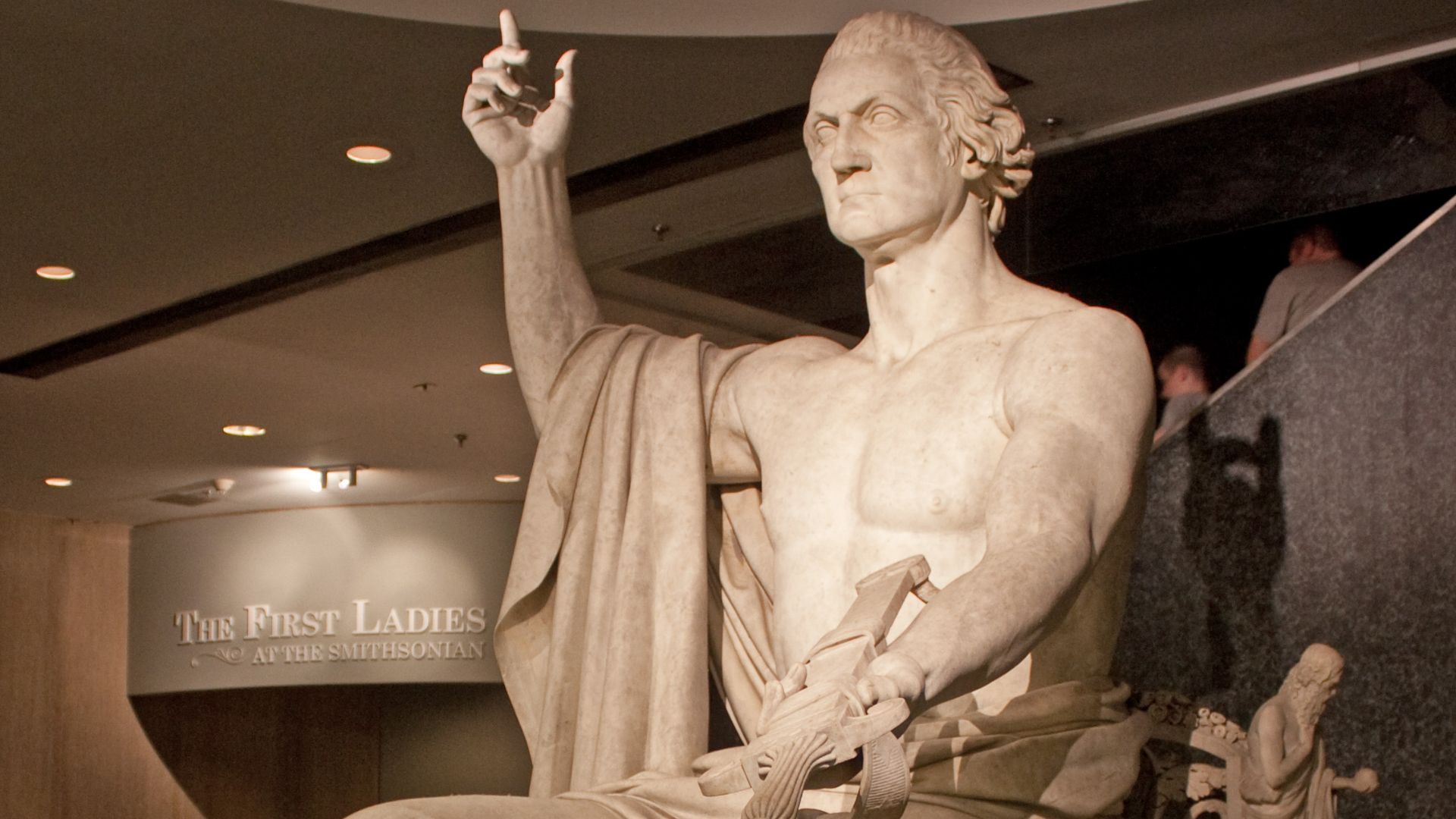
George Washington Statue, Washington, D.C
One of the most notable American works carved from Carrara marble is the statue of George Washington housed at the National Museum of American History. Created by Horatio Greenough in the 1840s, the monumental sculpture depicts Washington in a neoclassical style inspired by ancient Roman representations of rulers and statesmen. The use of Carrara marble reflected both artistic ambition and the enduring prestige of the Italian stone.
 Wknight94 talk, Wikimedia Commons
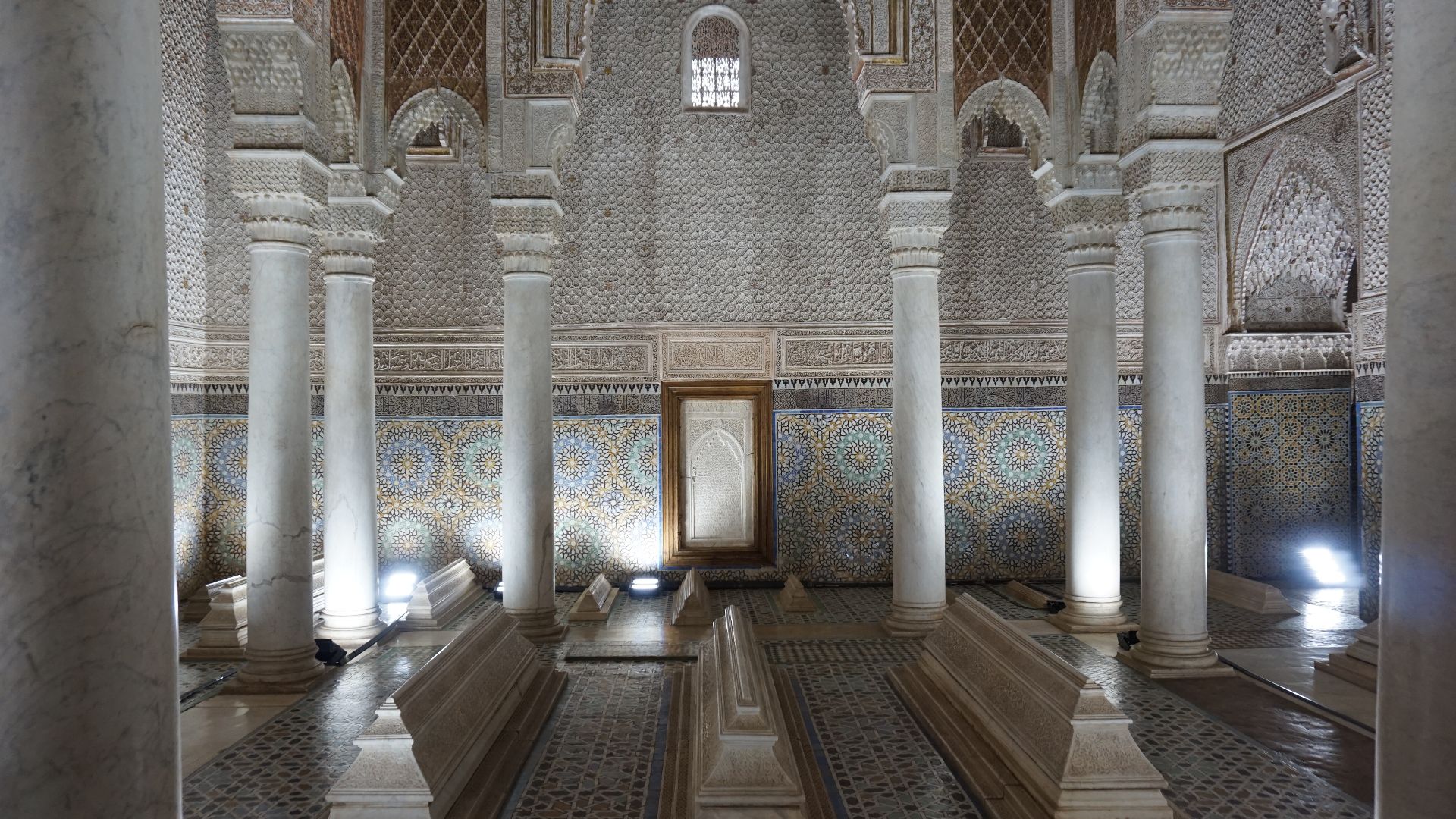
Saadian Tombs, Morocco
The Saadian Tombs in Marrakesh, Morocco, are renowned for their lavish decoration and extensive use of imported Carrara marble. Built during the sixteenth and seventeenth centuries, the mausoleum complex features marble columns, carved details, and richly ornamented chambers, emblematic of the wealth and international reach of Morocco's Saadian dynasty.
 Matt Kieffer from London, United Kingdom, Wikimedia Commons
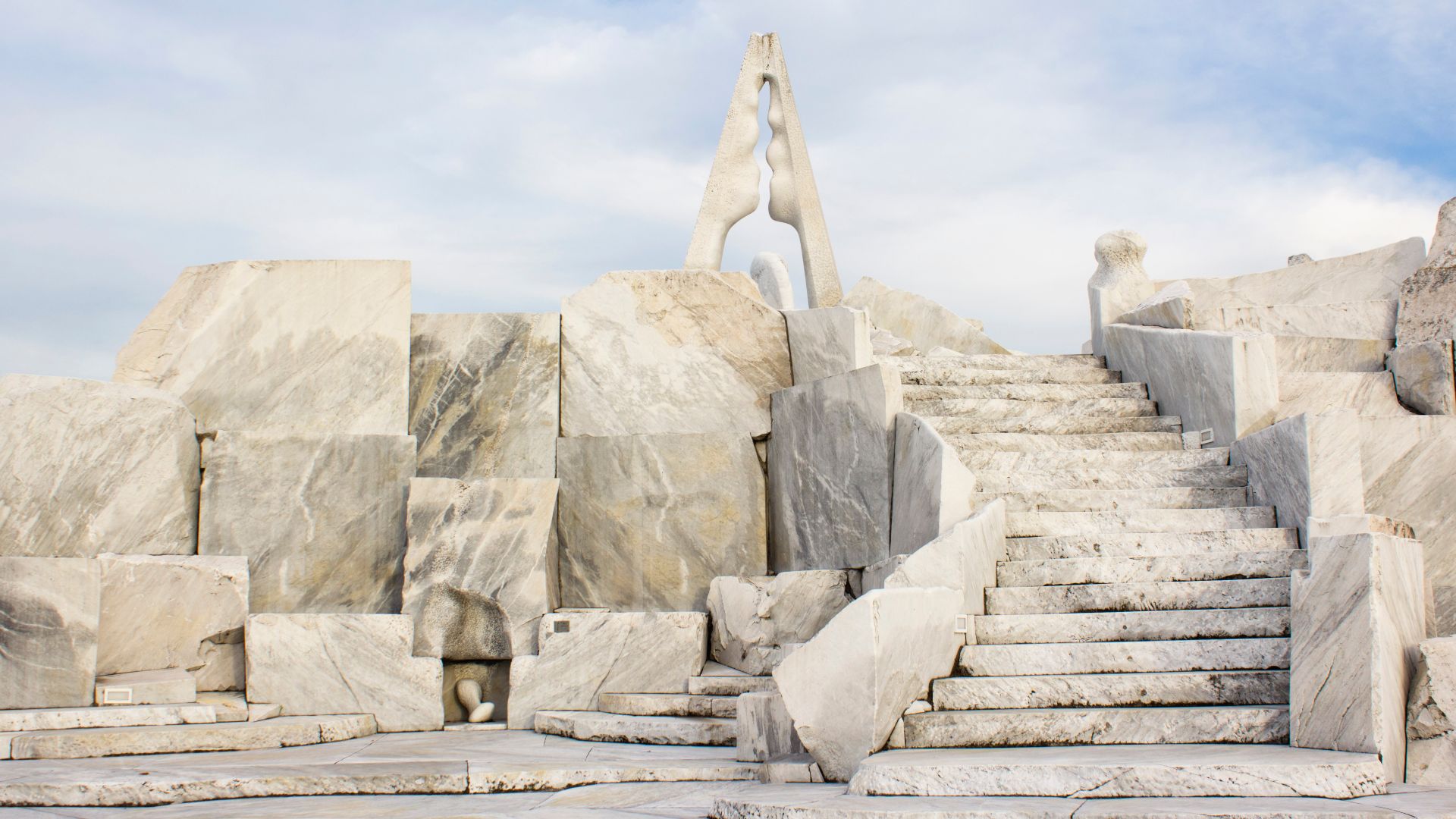
Kosanji Monument, Japan
The Kosanji Temple complex in Onomichi, Hiroshima Prefecture, incorporates Carrara marble in several decorative and commemorative elements. Built during the twentieth century, the temple blends traditional Japanese design with materials and artistic influences drawn from around the world.
 Japanexperterna.se, Wikimedia Commons
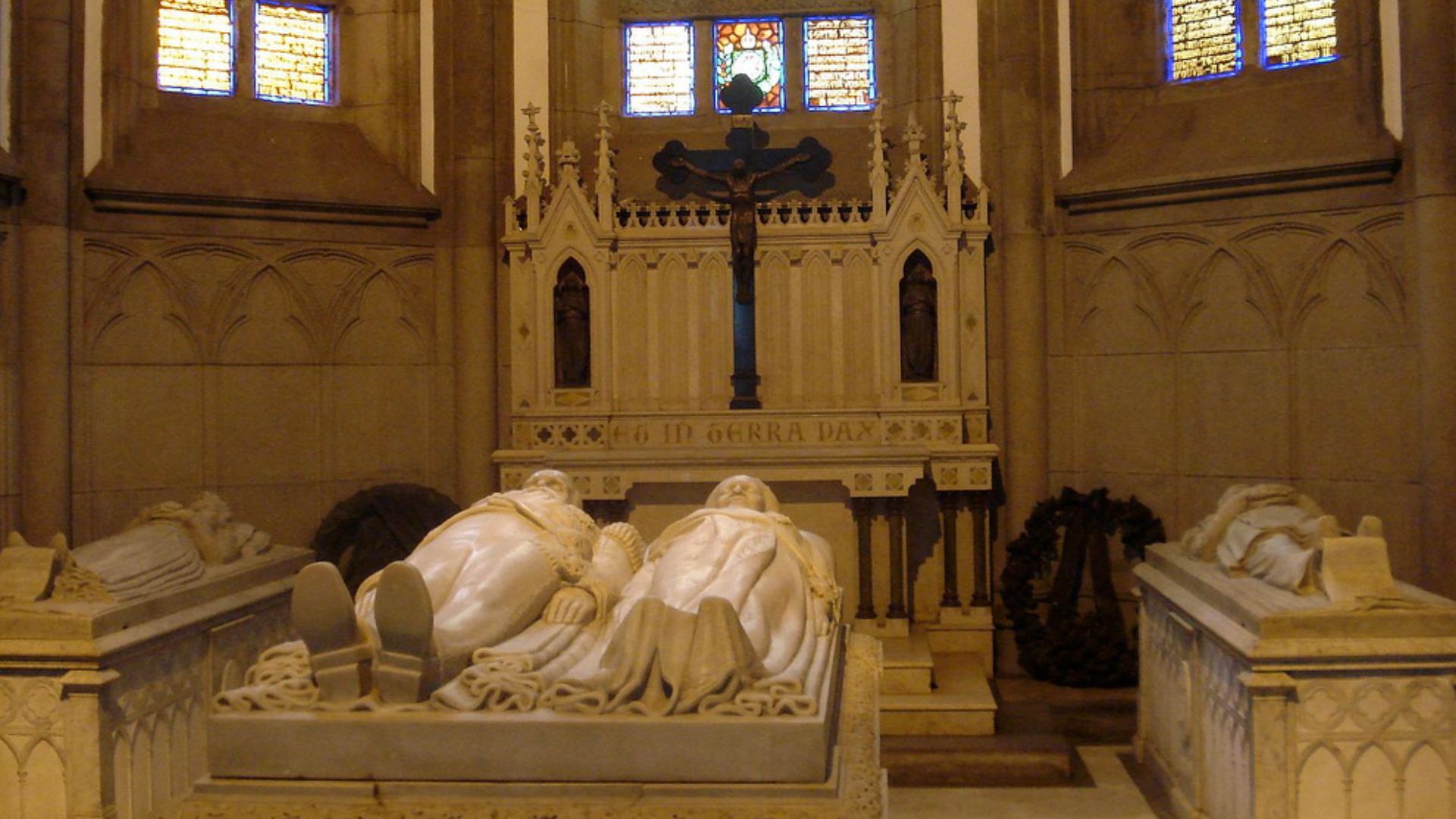
Tomb Of Emperor Pedro II And Teresa Cristina, Brazil
Inside the Cathedral of Saint Peter of Alcantara in Petrópolis, Brazil, lies the tomb of Emperor Pedro II and Empress Teresa Cristina. The monument features a Carrara marble gisant by French sculptor Jean Magrou along with relief work by Hildegardo Leão Veloso. lending dignity and permanence to one of Brazil's most important imperial memorials.
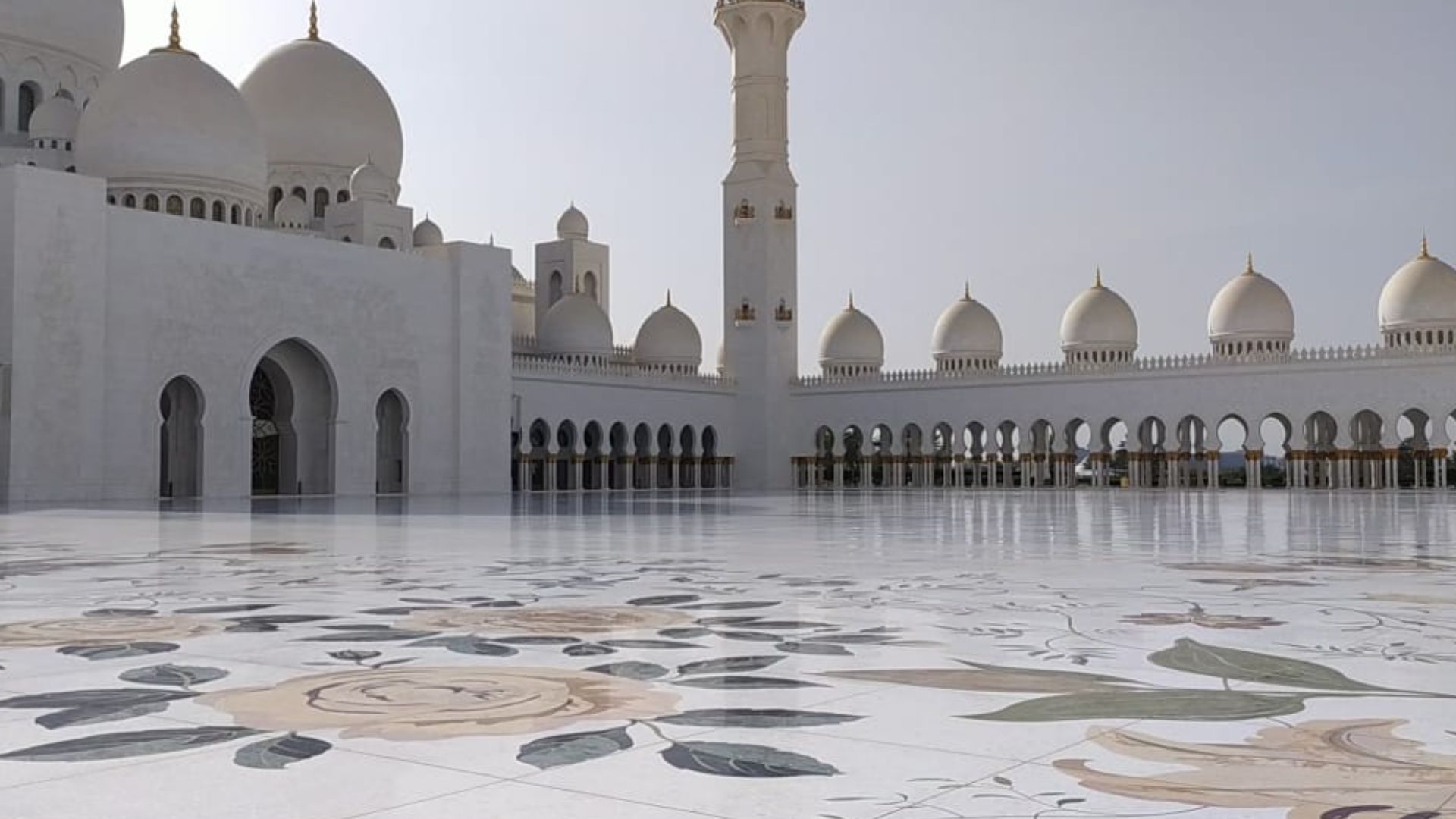
Sheikh Zayed Grand Mosque, Abu Dhabi
The Main Prayer Hall of the Sheikh Zayed Grand Mosque in Abu Dhabi showcases extensive use of fine white marble, including Carrara marble imported from Italy. The polished surfaces, intricate floral inlays, and vast columns help create one of the most visually striking religious interiors in the modern world.
You May Also Like:
A Quarry Worker Named Gary Johnson Once Felt "Unusual Bumps" And Found A Ton Of Dinosaur Tracks