


Ancient Beyond Belief
Something strange rises from a Montana mountainside. Granite blocks stack in patterns that look unnervingly deliberate. The formation predates human existence, yet visitors can't shake the feeling they're staring at ancient architecture.
 Diego Delso, CC BY-SA 4.0, Wikimedia Commons, Modified
Hidden Discovery
Christopher Borton and Linda Welsh bought land near Whitehall in 1996, never imagining what lay buried beneath decades of forest debris. While hiking their new property in Montana's Tobacco Root Mountains, they stumbled onto massive granite blocks stacked in geometric precision.
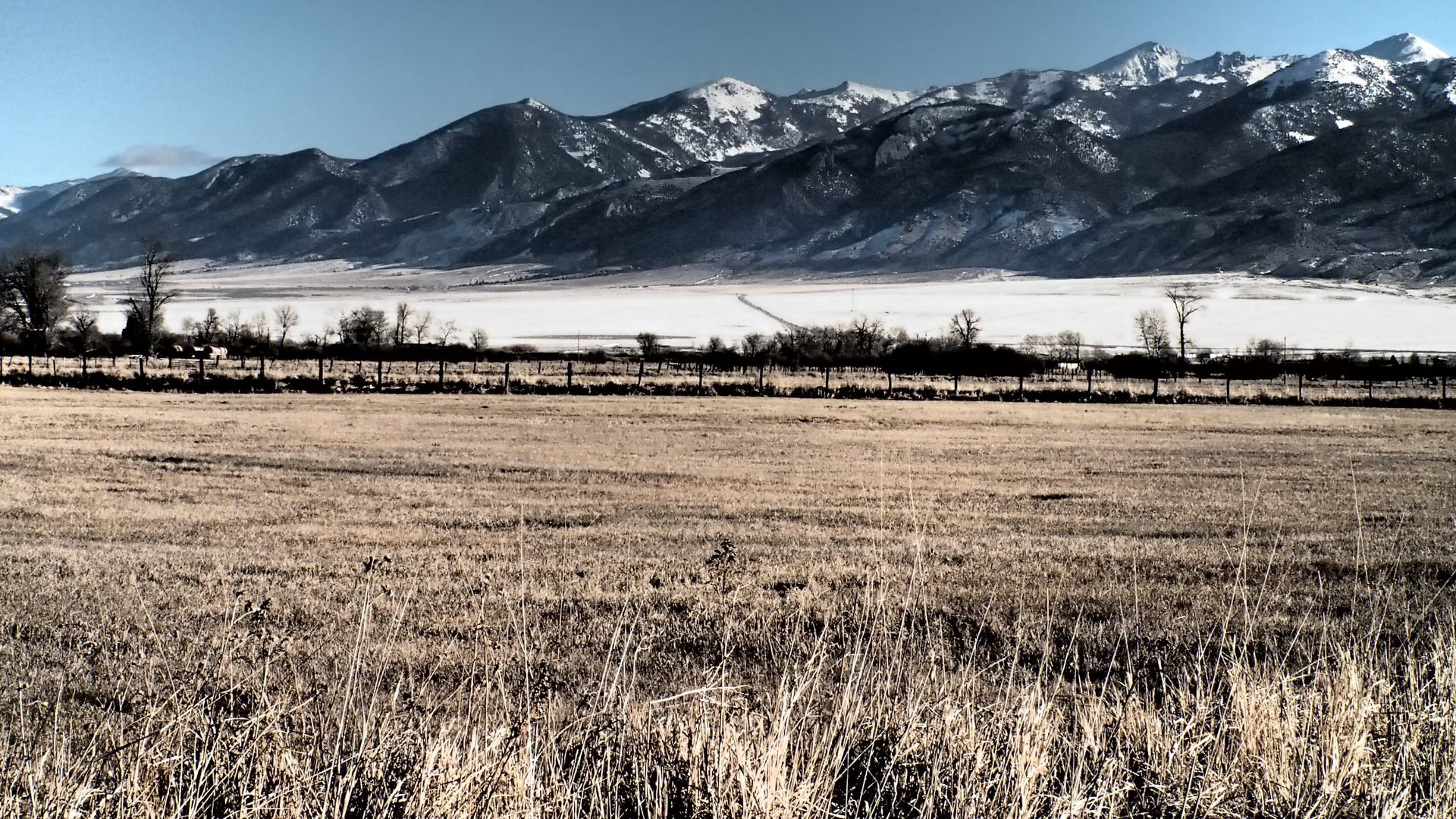
Whitehall Location
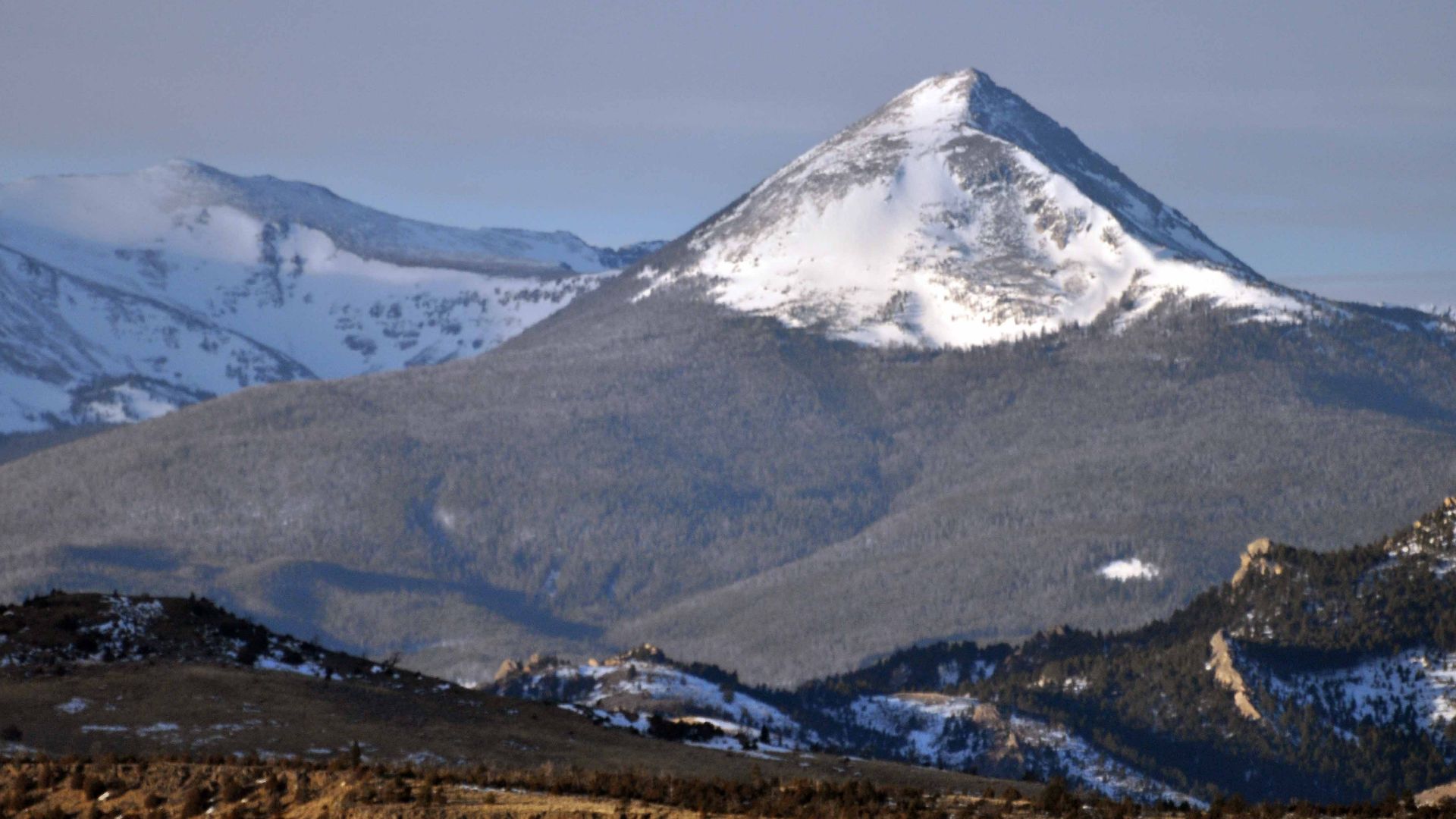
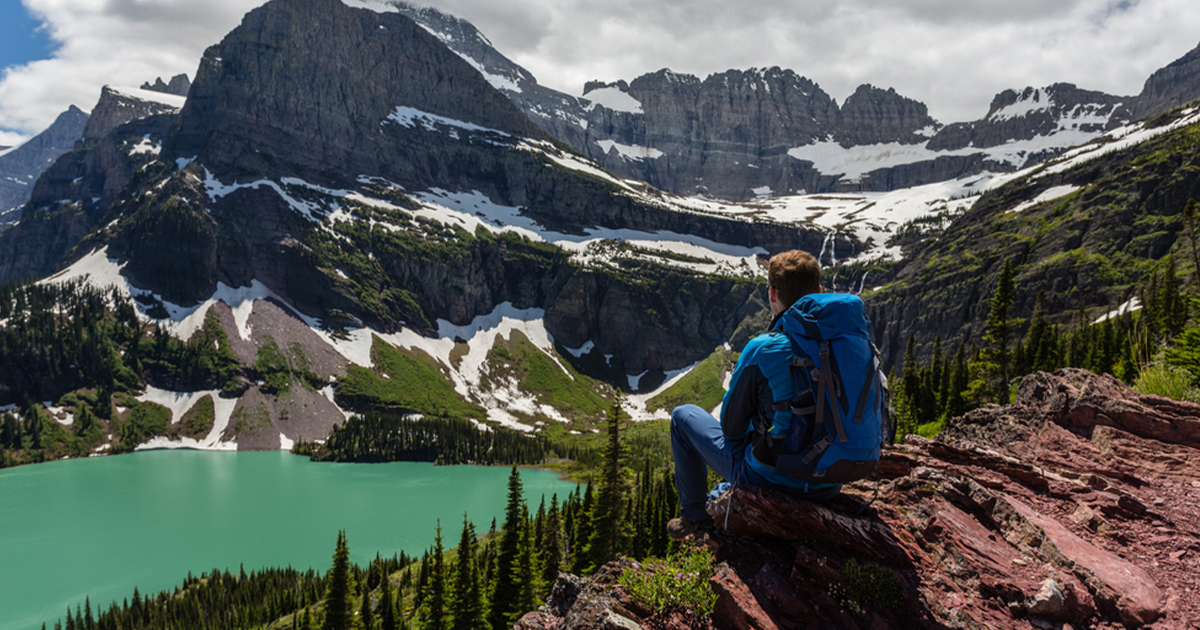
The wall sits in southwestern Montana's Tobacco Root Mountains, roughly 40 miles west of Bozeman and just outside the small town of Whitehall. This rugged range rises between the Jefferson and Madison Rivers, holding 43 peaks above 10,000 feet, with Hollowtop Mountain as the highest at 10,604 feet.
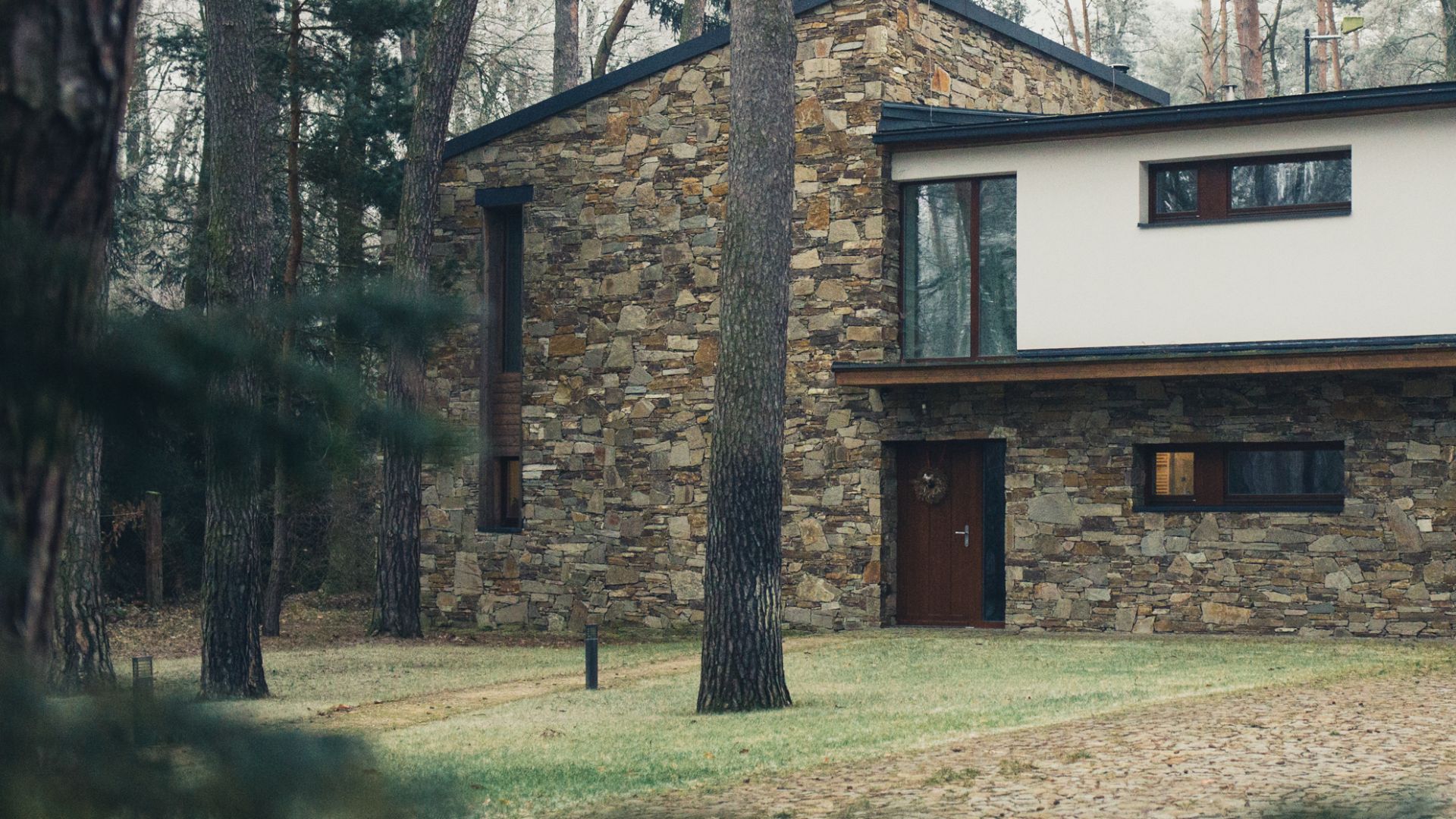
Private Property
Borton and Welsh turned their land into the Sage Mountain Center, focusing on sustainability and green living while reluctantly accommodating thousands of curious visitors. Private ownership has limited independent scientific study since no university archaeology department can access the site without permission.
 Flo Pappert flopt, Wikimedia Commons
Massive Dimensions
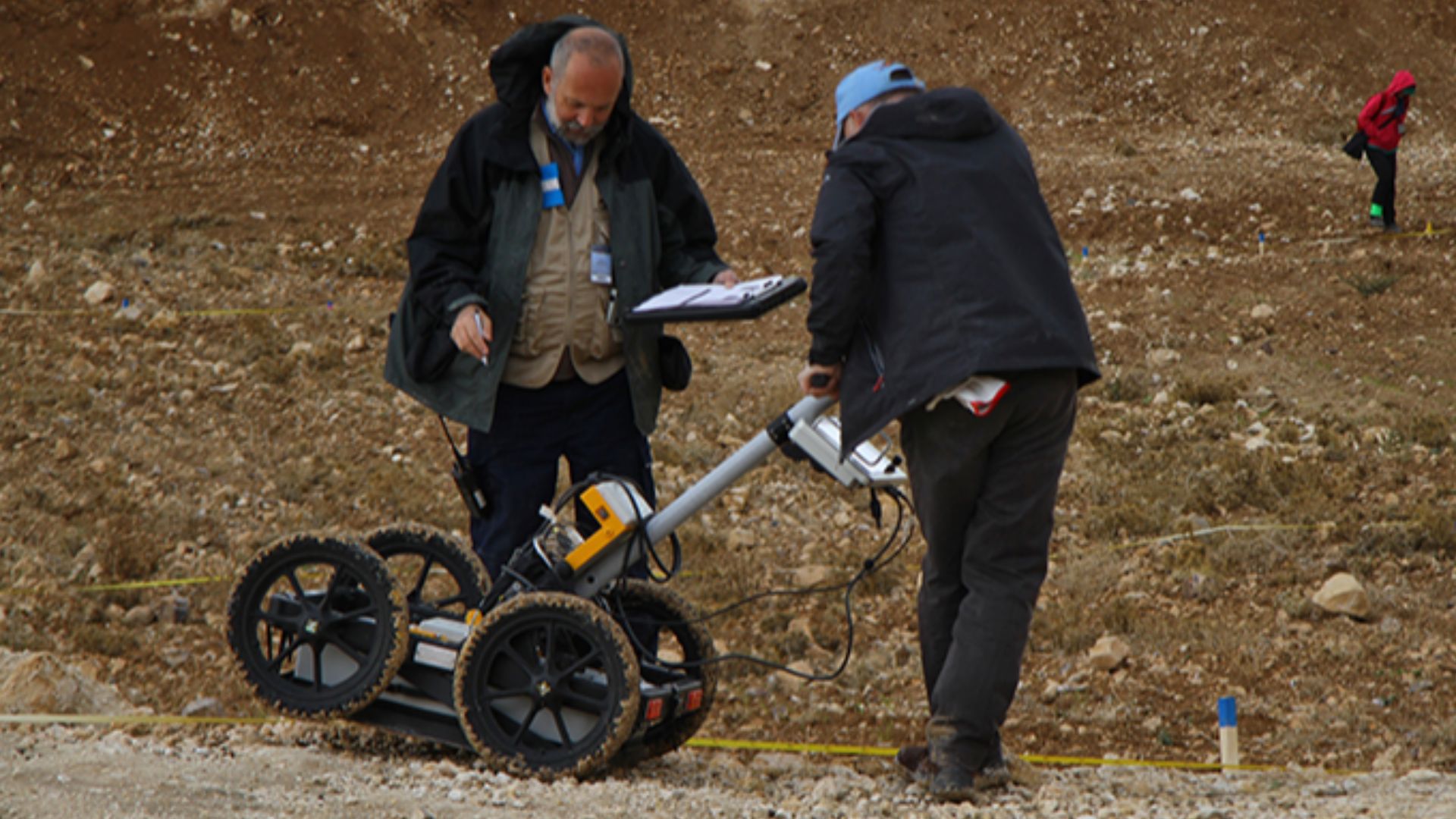
Stretching 275 feet horizontally and rising 24 feet above ground, the visible wall represents only part of the structure's full scale. Ground-penetrating radar studies revealed the formation continues at least 15 feet underground, potentially making the complete structure nearly 40 feet tall.
 The Official CTBTO Photostream, Wikimedia Commons
Polygonal Blocks
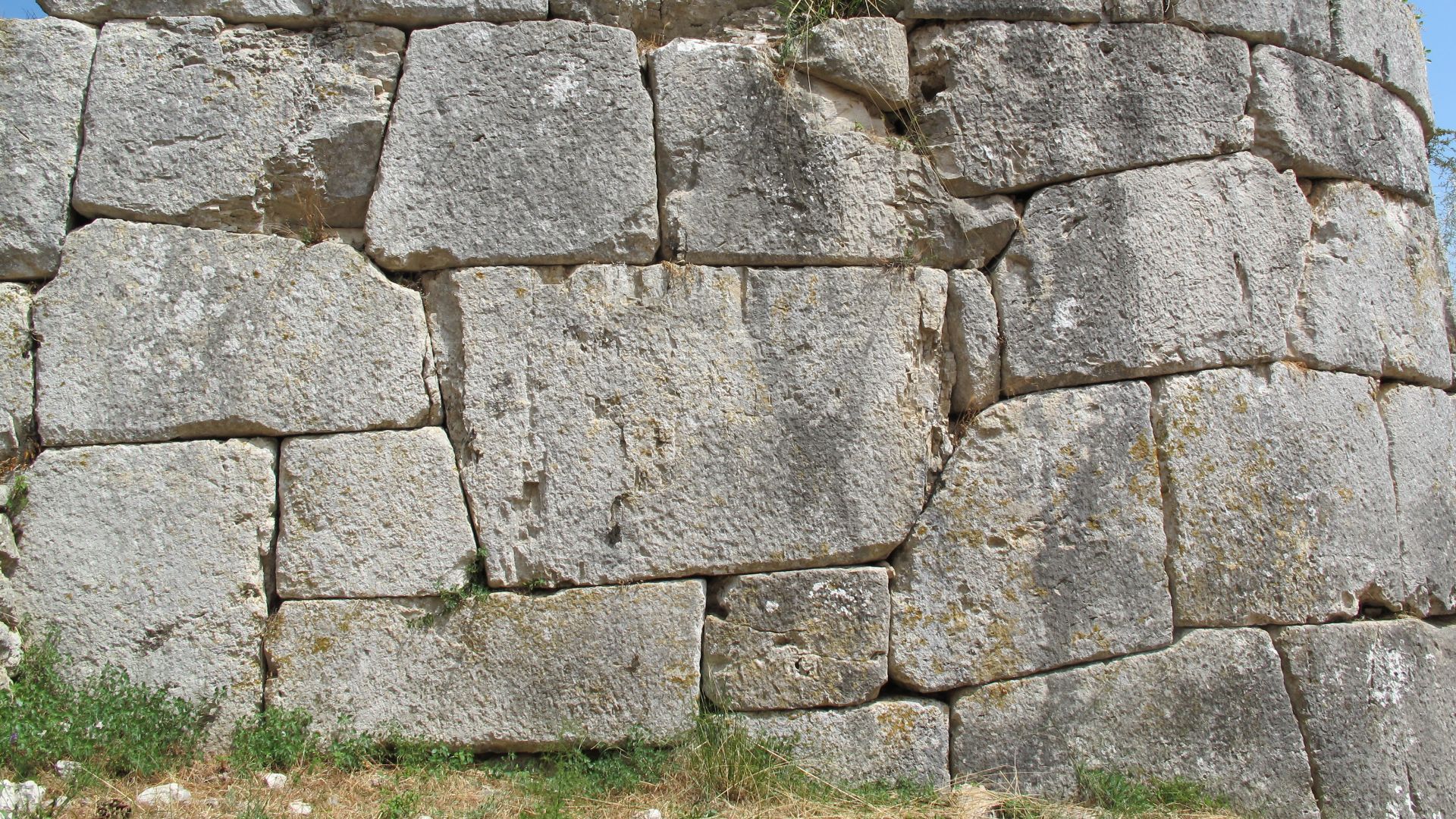
The granite blocks feature irregular polygonal shapes with sides ranging from three to eight, fitting together like an impossibly complex three-dimensional jigsaw puzzle. Unlike rectangular bricks stacked in predictable patterns, each stone has a completely unique shape, requiring its neighbor to match perfectly.
 pietro scerrato, Wikimedia Commons
Ninety-One Tons
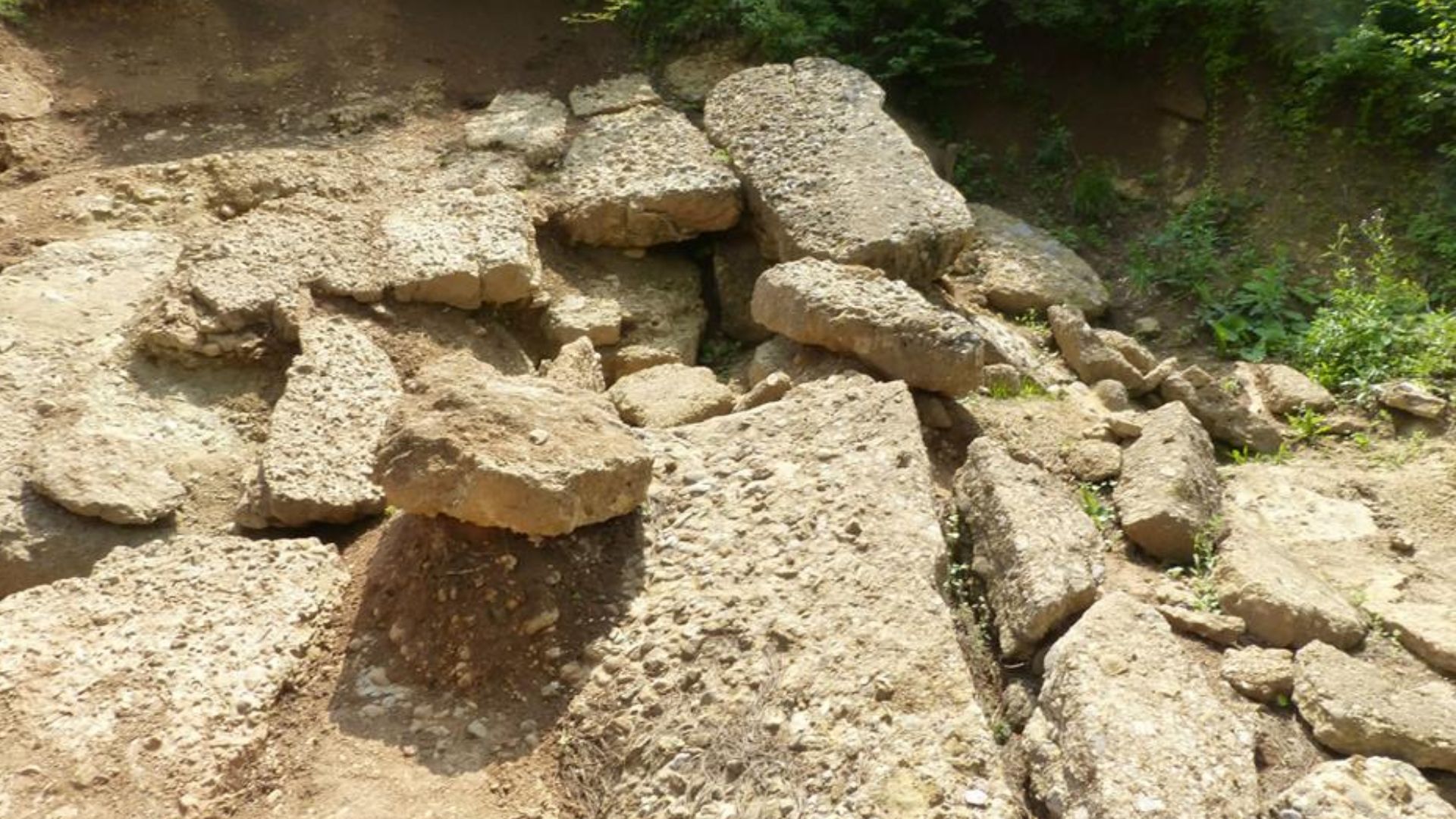
Dr Semir Osmanagich, the Bosnian-American researcher known for his work on the Bosnian Pyramid Complex, personally measured and calculated the weight of the largest visible block at approximately 91 tons. That's roughly equivalent to 60 full-sized automobiles stacked together, or about 182,000 pounds of solid granite.
 TheBIHLover, Wikimedia Commons
Underground Extension
LiDAR imaging and ground-penetrating radar surveys commissioned by the landowners revealed stunning subsurface details invisible to the unaided eye. The scans show the wall continues 15 feet below the current ground level, resting on what appears to be a remarkably flat foundation.

Boulder Batholith
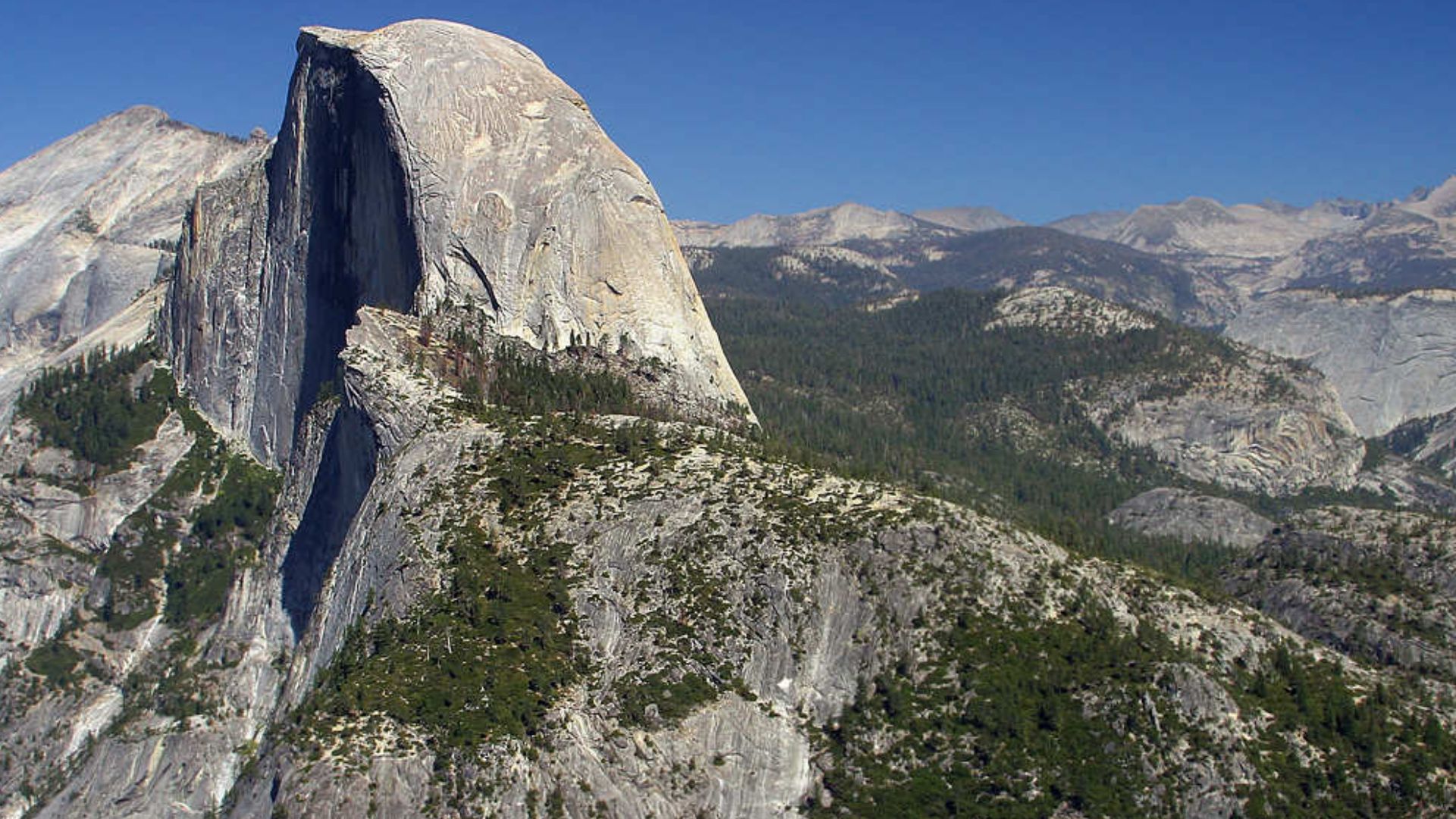
The Sage Wall belongs to the Boulder Batholith, a small geological formation covering roughly 1,900 square miles in southwestern Montana. A batholith forms when massive amounts of magma rise from Earth's mantle but cool before reaching the surface, creating huge underground bodies of plutonic rock.
 Jon Sullivan, Wikimedia Commons
75 Million
Scientific dating using SHRIMP zircon U-Pb geochronology established that the Butte Granite formed approximately 76.7 million years ago, with some sections dating to 74.7 million years. This means the granite cooled and solidified roughly 76 million years before the Egyptian pyramids were built around 2560 BCE.
 James St. John, Wikimedia Commons
Granite Formation
Molten magma rose through Earth's crust during violent volcanic activity associated with the Elkhorn Mountains Volcanics, accumulating miles beneath the surface where extreme pressure prevented it from erupting. As this underground magma ocean slowly cooled over millions of years, minerals crystallized into a distinctive granite composition.
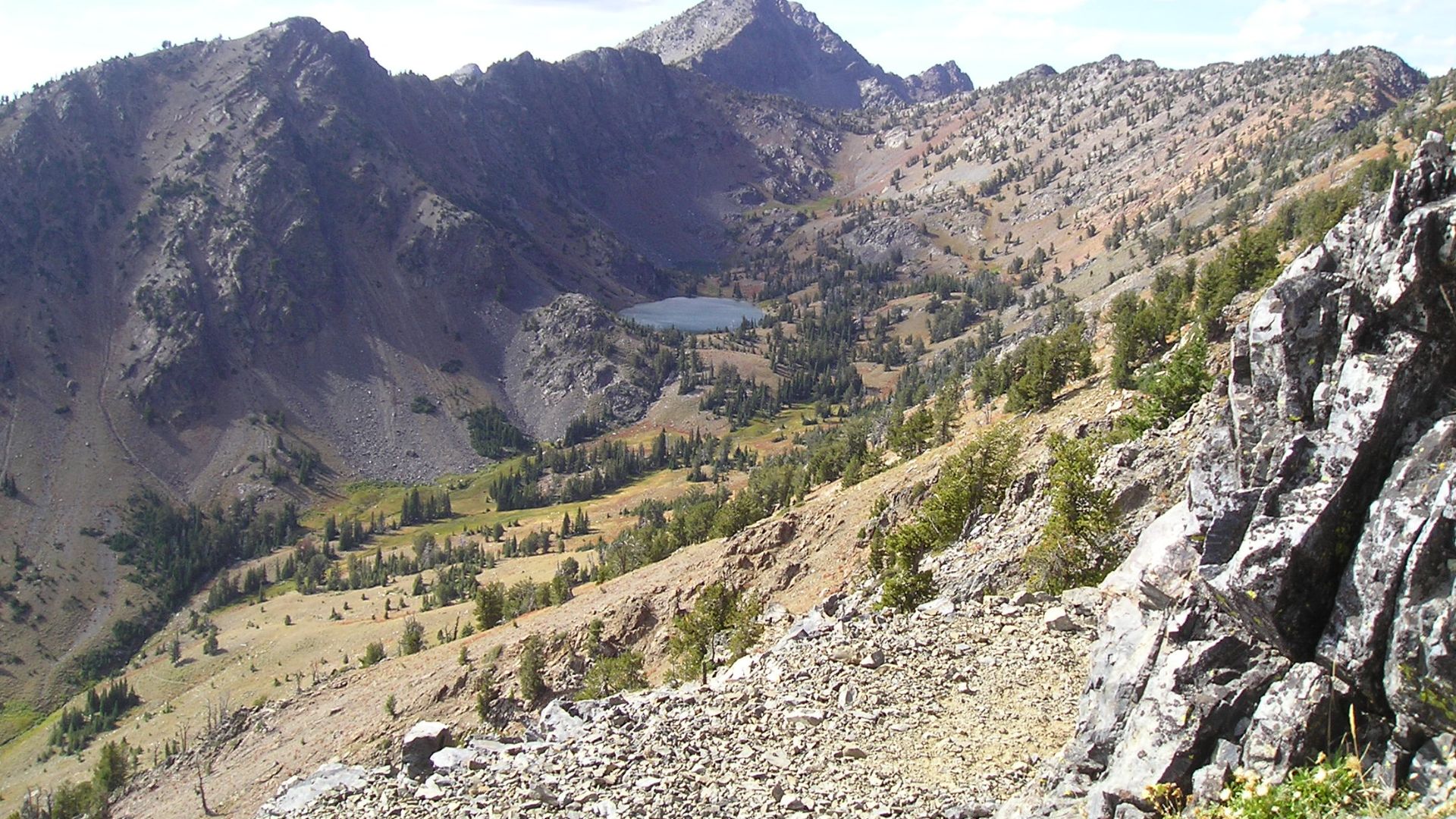 U.S. Forest Service, Wikimedia Commons
Natural Jointing
When granite cools from its molten state deep underground, it contracts and develops systematic fracture networks called joints through predictable geological processes. The cooling magma creates internal stresses that crack the rock into polygonal patterns, much like mud dries into geometric shapes.
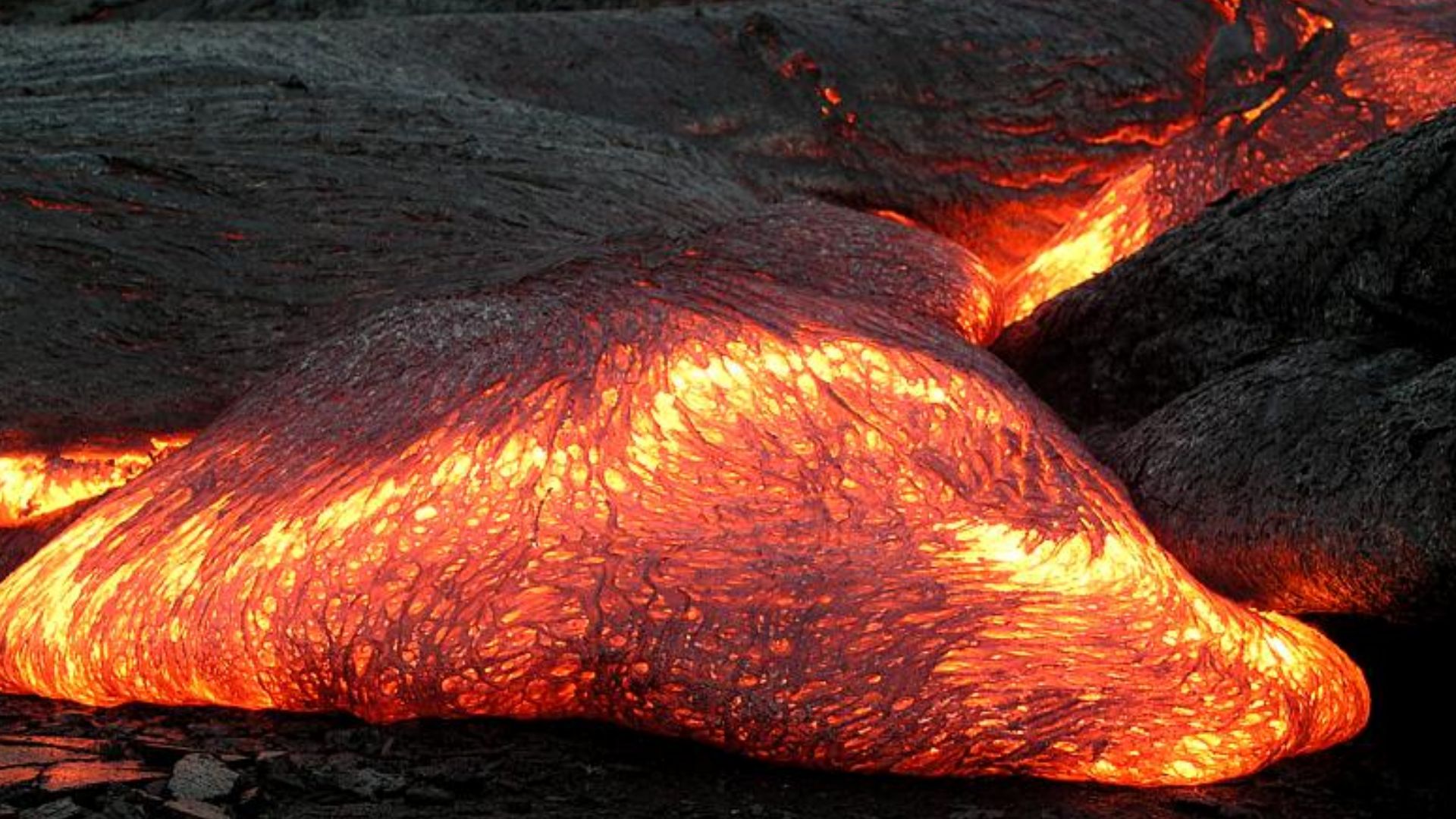 Hawaii Volcano Observatory (DAS), Wikimedia Commons
Magnetic Properties
Visitors discovered that magnets stick firmly to vertical wall surfaces—an unusual characteristic that supporters of the man-made theory cite as evidence of ancient technology or deliberate material selection. The granite exhibits unusually strong magnetic readings during susceptibility testing.

Raised Knobs
Small protrusions jut from the surfaces of many blocks, resembling the mysterious knobs found on ancient structures at Sacsayhuaman in Peru, certain Egyptian temples, and Easter Island's moai statues. These raised features typically measure a few inches across and appear deliberately placed.
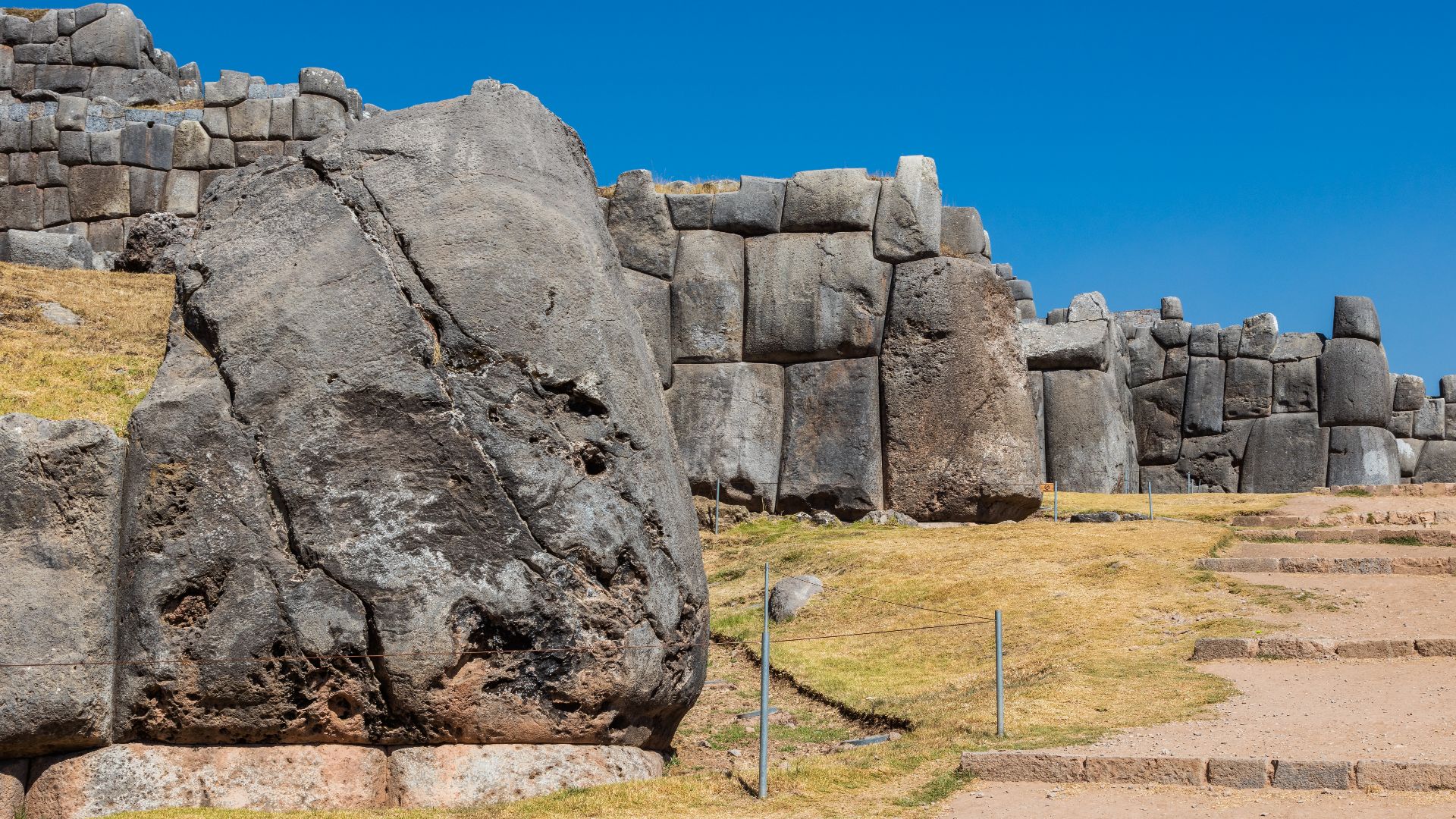 Diego Delso, Wikimedia Commons
Winter Solstice
Researchers claim the wall aligns with the rising sun during the winter solstice, though this assertion lacks rigorous astronomical verification or peer-reviewed documentation. The claim draws parallels to authenticated archaeoastronomical sites like Stonehenge and Newgrange, where ancient builders demonstrably oriented structures toward specific solar events.
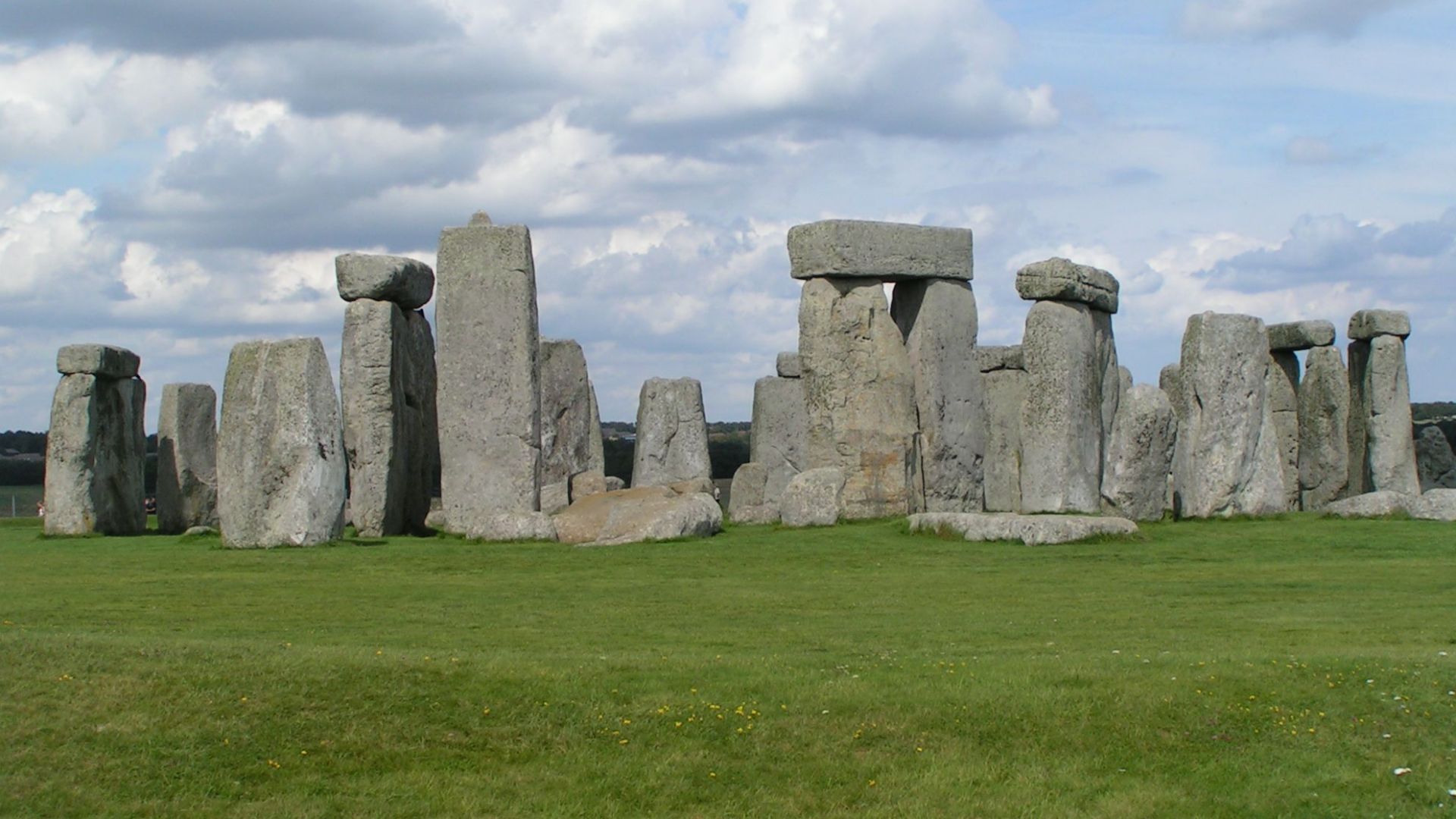 Stefan Kuhn, Wikimedia Commons
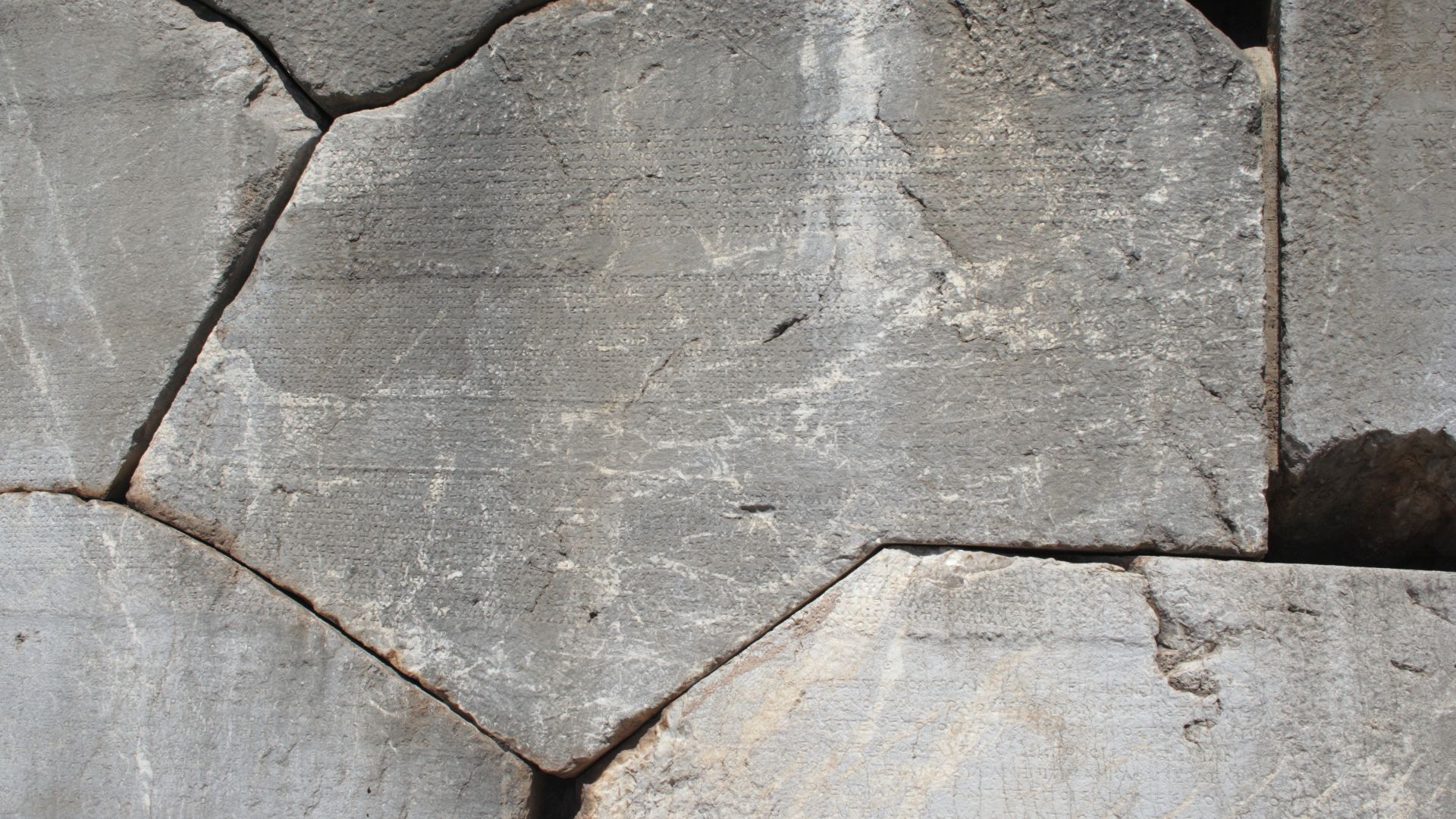
Tight Fitting
The blocks nestle against each other with such precision that visitors attempting the famous "credit card test" find they cannot slide even a thin piece of plastic between many of the joints. This extraordinary fit occurs across curved, three-dimensional interfaces spanning several square feet of continuous contact between neighboring stones.
Lost Civilization
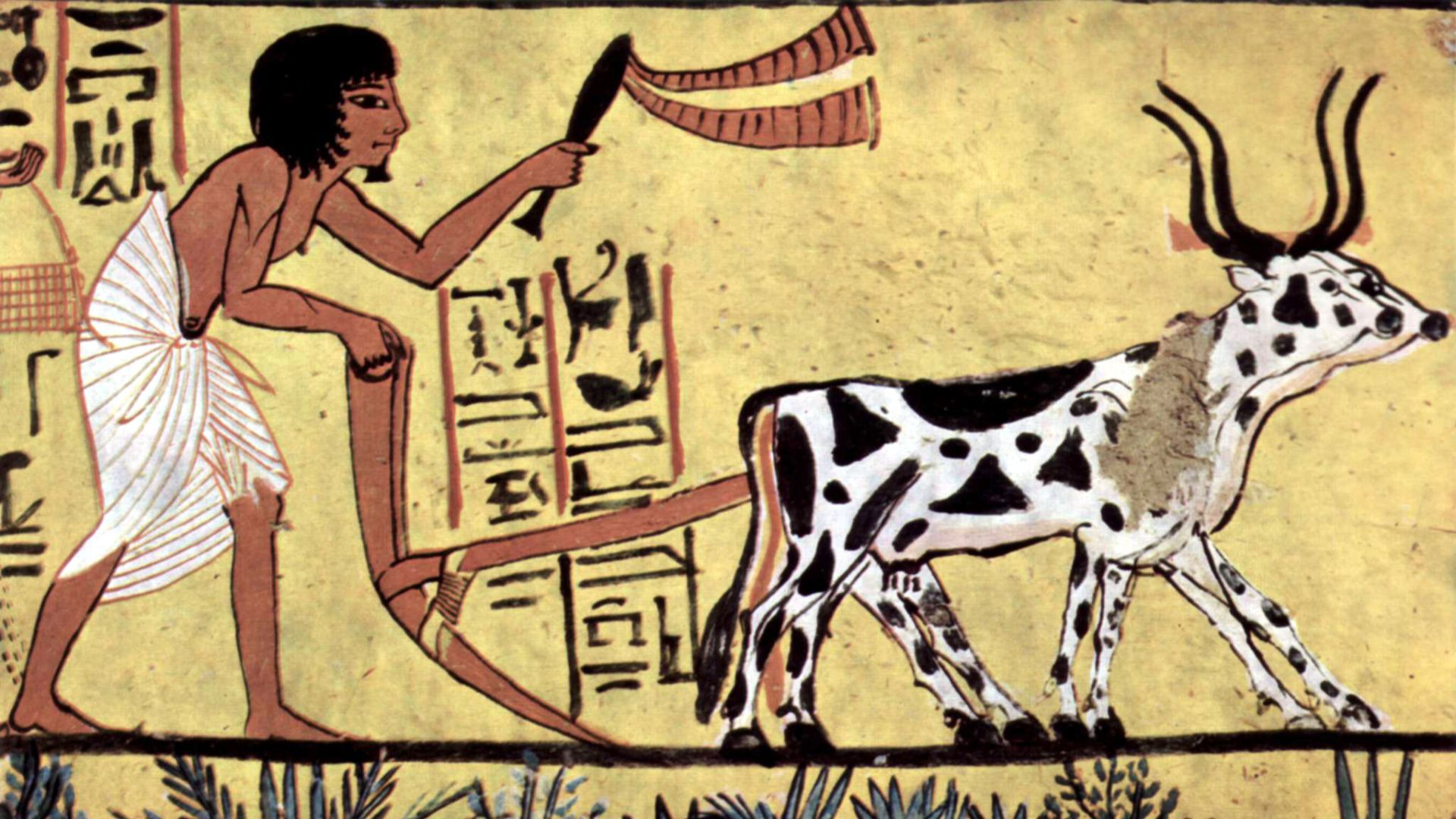
Graham Hancock's theory proposes that an advanced Ice Age civilization flourished globally before being catastrophically destroyed around 12,800 years ago. These hypothetical "magicians of the gods" supposedly taught megalithic construction techniques, astronomical knowledge, and agricultural practices to hunter-gatherer communities in regions like Egypt.
 Painter of the burial chamber of Sennedjem, Wikimedia Commons
Sacsayhuaman Comparison
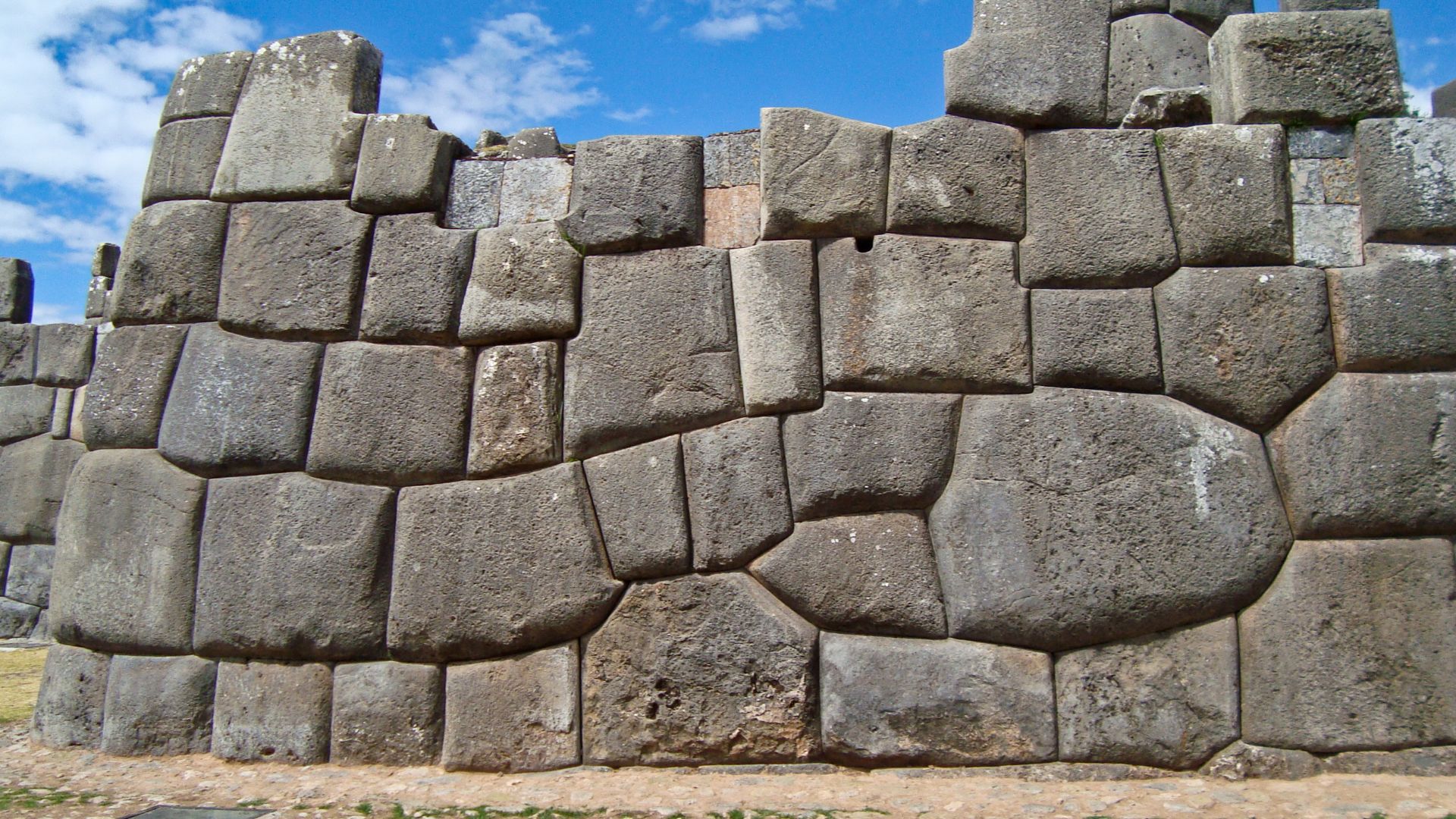
Those fortress walls at Sacsayhuaman, built by the Inca in the 15th century outside Cusco, Peru, feature massive limestone blocks weighing up to 125 tons fitted together in complex polygonal patterns without mortar. Linda Welsh recognized this architectural similarity immediately upon discovering the Sage Wall.
Younger Dryas
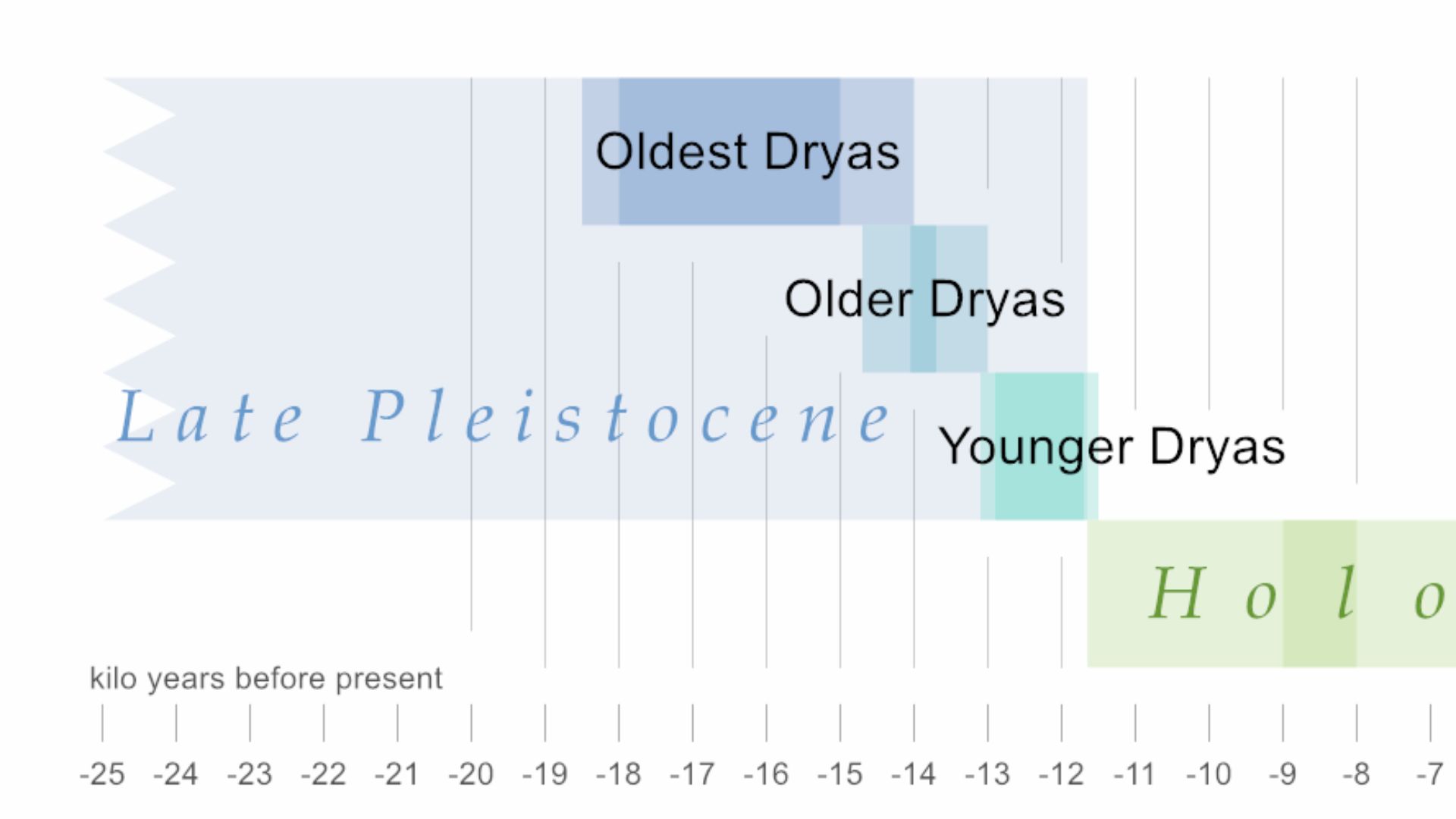
The Younger Dryas period began abruptly 12,800 years ago, when Earth plunged back into near-glacial conditions after emerging from the Ice Age. It lasted approximately 1,200 years before temperatures rapidly warmed again. The Younger Dryas Impact Hypothesis proposes that comet fragments struck Earth.
Graham Hancock
British author Graham Hancock has spent three decades promoting theories about lost Ice Age civilizations, publishing bestsellers like Fingerprints of the Gods (1995) and Magicians of the Gods (2015) that challenge mainstream archaeological narratives. His work proposes that survivors of the Younger Dryas catastrophe traveled globally.

Joe Rogan
Episode 2316 of The Joe Rogan Experience podcast catapulted the Sage Wall from regional curiosity to international phenomenon when Rogan discussed it with guest Cameron Hanes. Rogan expressed skepticism about natural formation explanations while repeating claims that the wall extends deep underground like Easter Island's moai statues.

Internet Debate
Social media platforms erupted with passionate arguments after viral videos showcasing the Sage Wall accumulated millions of views across YouTube, TikTok, and Instagram. Comment sections became battlegrounds where amateur geologists clashed with alternative history enthusiasts, each side accusing the other of willful blindness or gullibility.

Tourist Access
The Sage Mountain Center offers two-hour guided hiking tours for $99 per person and requires advance reservations to manage the overwhelming demand following Joe Rogan's podcast mention. Visitors traverse marked trails through Douglas fir forest before encountering the wall itself.
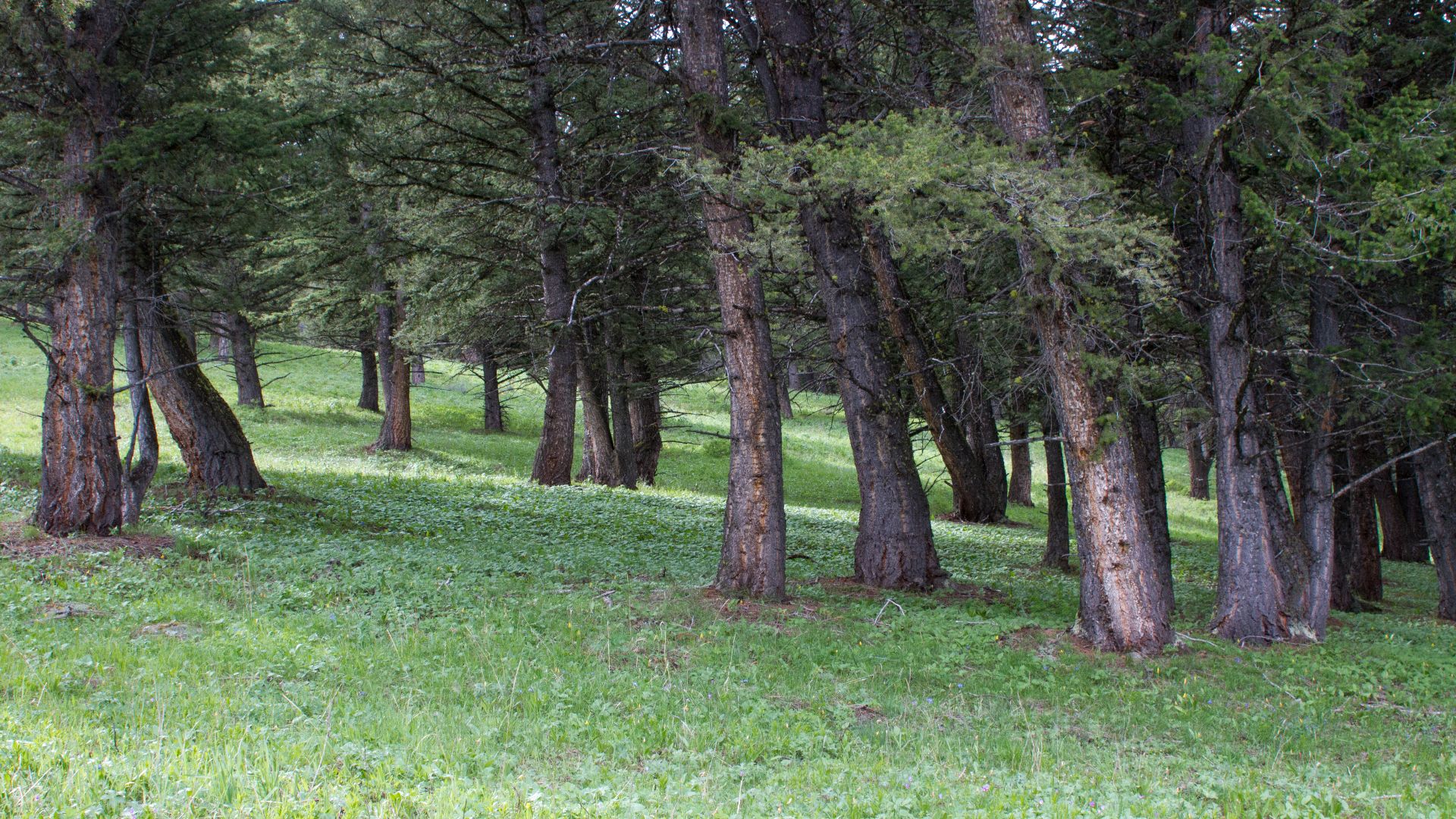 NPS/Diane Renkin, Wikimedia Commons
Scientific Testing
LiDAR imaging removed digital vegetation to reveal the wall's structure without organic interference, showing anomalies in the mountain's otherwise natural granite formations. Soil health surveys of the decomposed granite substrate surrounding the wall confirmed a typical composition for upland mountain forest environments.
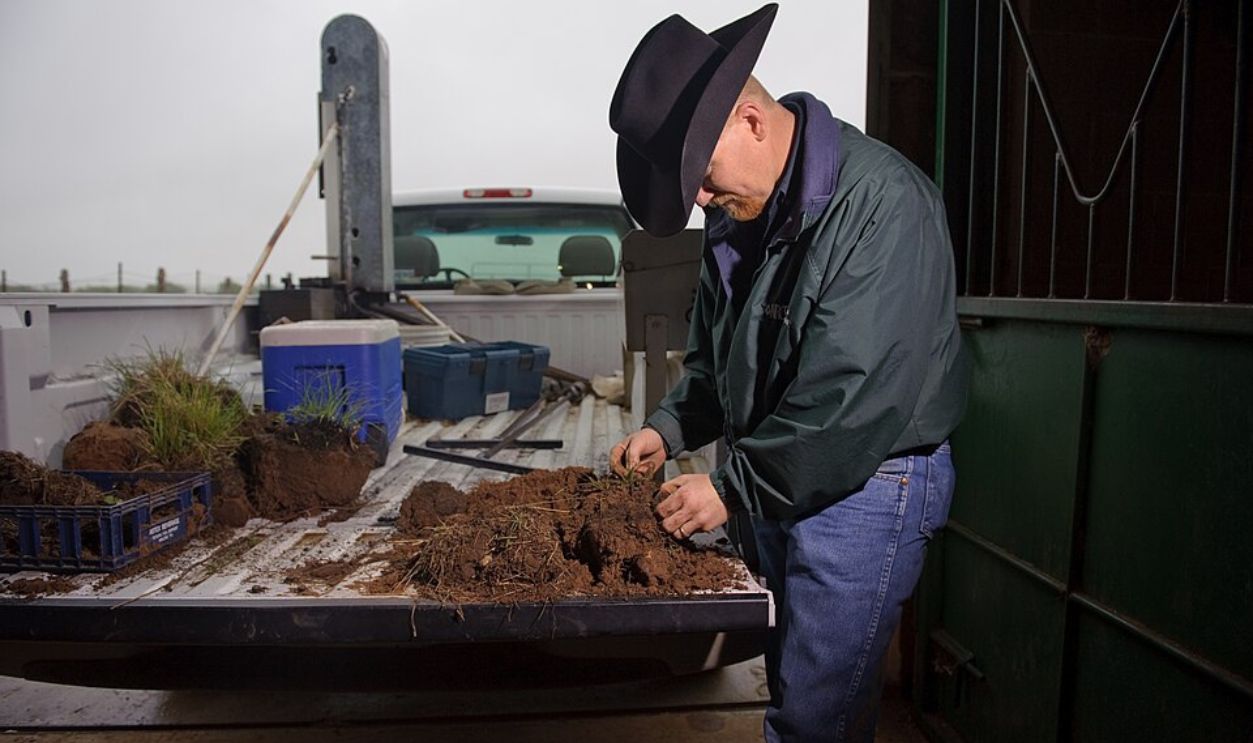 USDA NRCS Texas, Wikimedia Commons
Unanswered Questions
Why does this particular granite outcrop display such dramatically organized geometry while surrounding batholith formations appear more chaotic and less structured? Well, the Sage Wall's greatest mystery might not be whether humans built it but rather how nature engineered something so convincingly artificial that people worldwide question expert consensus.
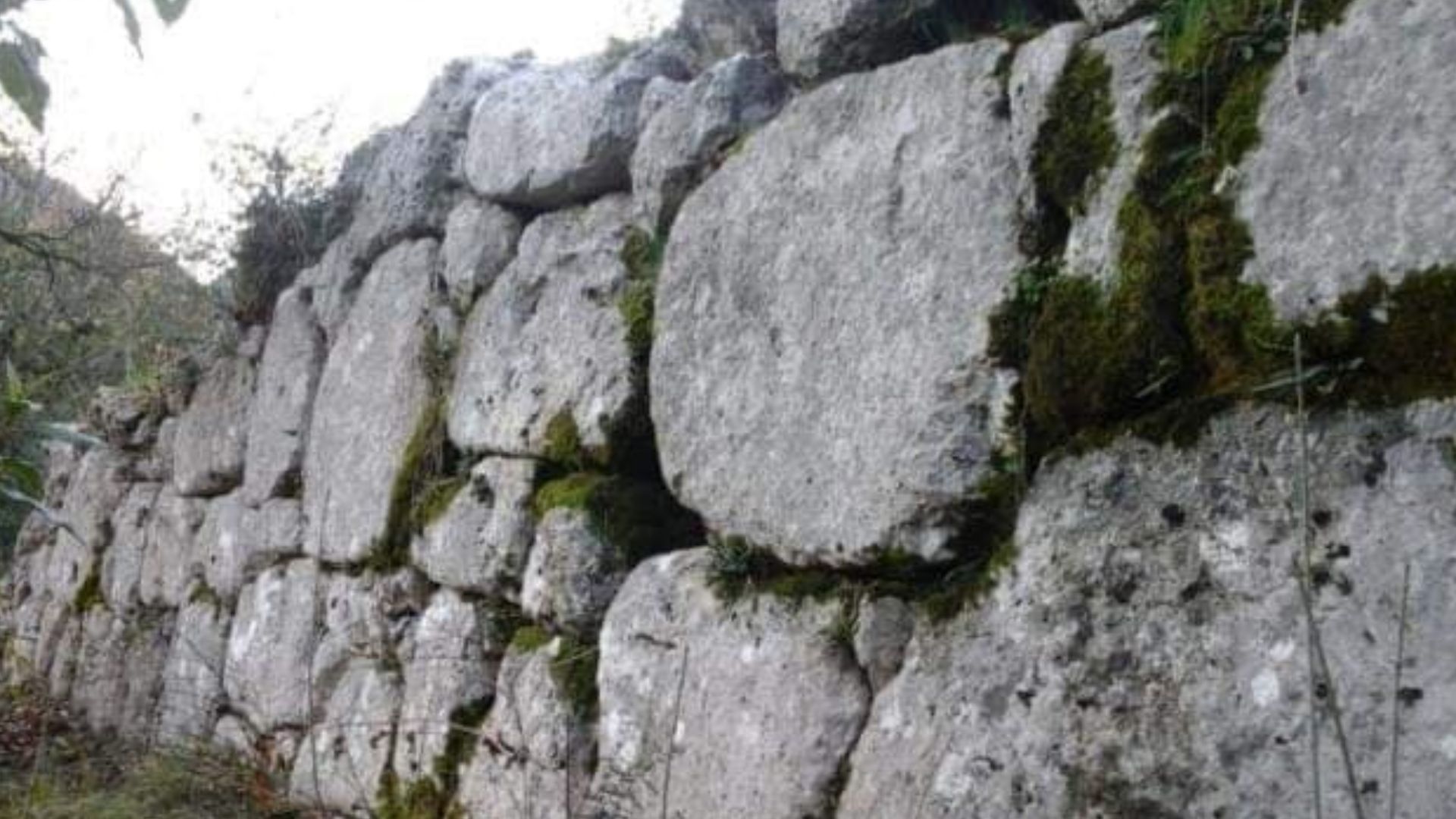 Riccardi Orazio Paolo, Wikimedia Commons






.jpg)