
Very Different Neighbors...
Canada feels familiar to many Americans at first. The language is mostly the same, the border may be close, and the culture can seem similar from a distance. Then the small differences start piling up: metric road signs, sales tax surprises, different payment habits, winter realities, and border rules that are stricter than expected.
The trip is rarely hard, but it can be more confusing than first-time visitors assume.
 Pixel-Shot, Adobe Stock Images
The Metric System Catches People Immediately
The first surprise often appears on the road. Speed limits are posted in kilometres per hour, gas is sold by the litre, and temperatures are given in Celsius. Destination Canada even jokes that Canada uses the metric system “mostly,” while Fahrenheit tends to confuse Canadians most. For Americans used to miles, gallons, and degrees Fahrenheit, the mental math can get old fast.

Speed Limits Feel Slower Than They Look
A posted speed limit of 100 may look startling until visitors remember it means kilometres per hour, not miles. That is about 62 mph, which feels much more normal once converted. Still, Americans sometimes need a few days to stop reacting emotionally to big-looking numbers on highways and small-looking temperatures on weather apps.

Celsius Makes Weather Feel Like A Puzzle
A forecast of 22 degrees sounds freezing to many Americans, but in Canada that is a pleasant warm day. Meanwhile, -10 does not sound survivable until visitors learn what that actually feels like with the right coat. Celsius becomes easier with practice, but first-time visitors often spend the trip asking, “Okay, but what is that in real temperature?”

Sales Tax Is Not Built Into The Sticker Price
Americans are used to sales tax appearing at checkout, but Canadian tax rates can still catch visitors off guard because they vary by province. The federal GST is 5% in non-HST provinces, while HST provinces charge combined rates such as 13% in Ontario and 15% in several Atlantic provinces. That means the price on the shelf is often not the final price.

Tipping Feels Familiar But Still Awkward
American visitors usually understand tipping, but Canadian payment terminals can still create pressure. Suggested options often start around 15%, 18%, or 20%, and tipping prompts appear in more places than some travellers expect. Canadians themselves have been complaining about “tipping fatigue,” so visitors are not imagining the awkwardness.

The Money Looks Familiar Until The Coins Appear
Canadian dollars are colorful, durable, and easy to tell apart, but the coins surprise Americans. The $1 loonie and $2 toonie are common, which means visitors suddenly accumulate heavy pockets instead of a stack of small bills. It is practical once you adjust, but at first, paying for coffee with a handful of coins feels oddly old-fashioned.

Credit Cards Are Easy, But Not Always Identical
Tap payments are common in Canada, and many Americans love how quickly transactions move. Still, visitors may run into foreign transaction fees, card acceptance quirks, or machines that expect a chip-and-PIN workflow. It is worth checking your card settings before the trip, especially if you plan to leave big cities or use smaller businesses.

Border Rules Feel More Serious Than Expected
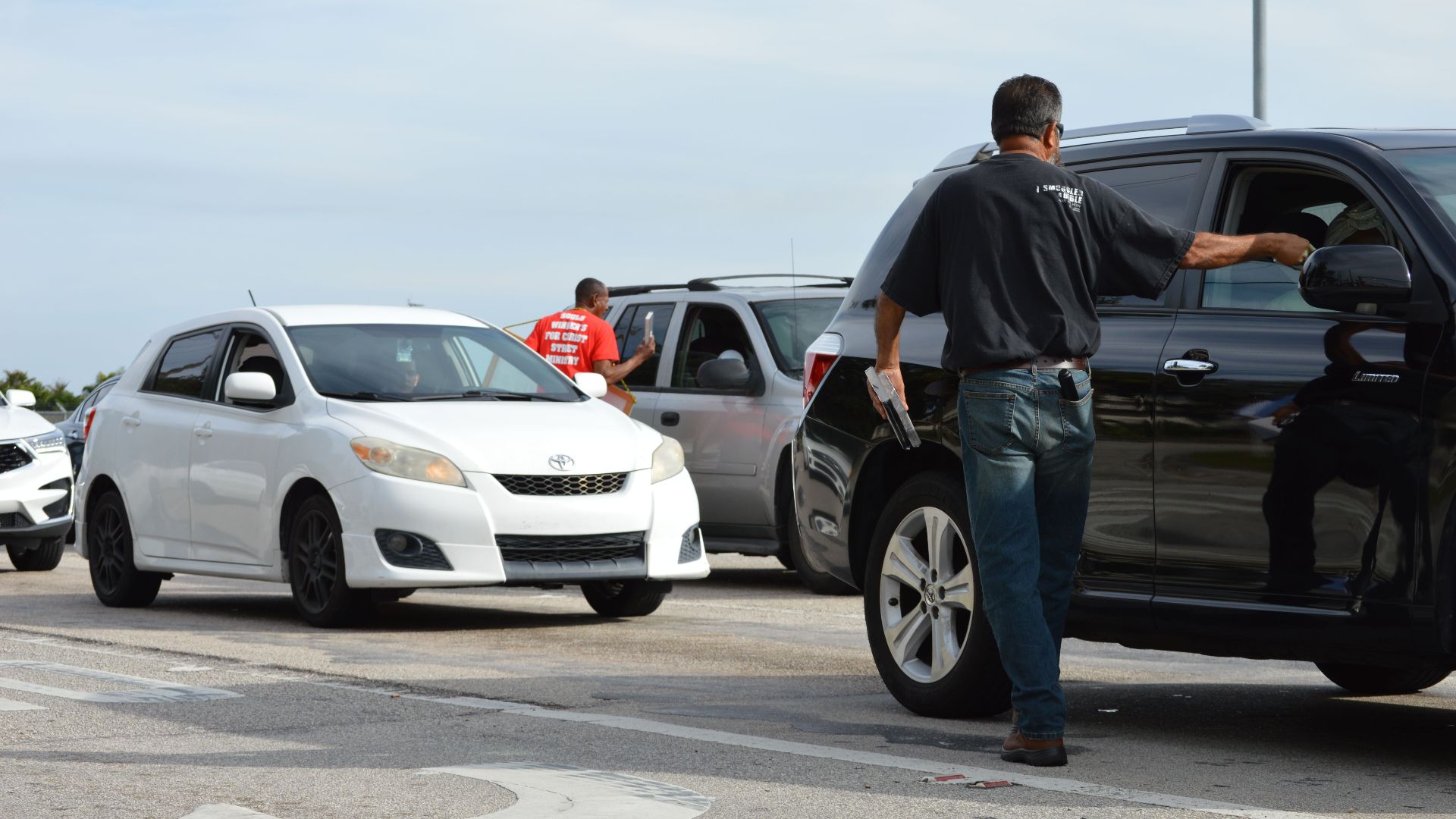
Driving into Canada can feel casual because the countries share such a long border, but the crossing is still an international entry point. Travellers must declare what they are bringing, and CBSA officers can examine goods. Food, alcohol, tobacco, weapons, and other items may be restricted or require extra attention.
 Soul Winners For Christ, Pexels
Bringing Food Across The Border Can Get Complicated
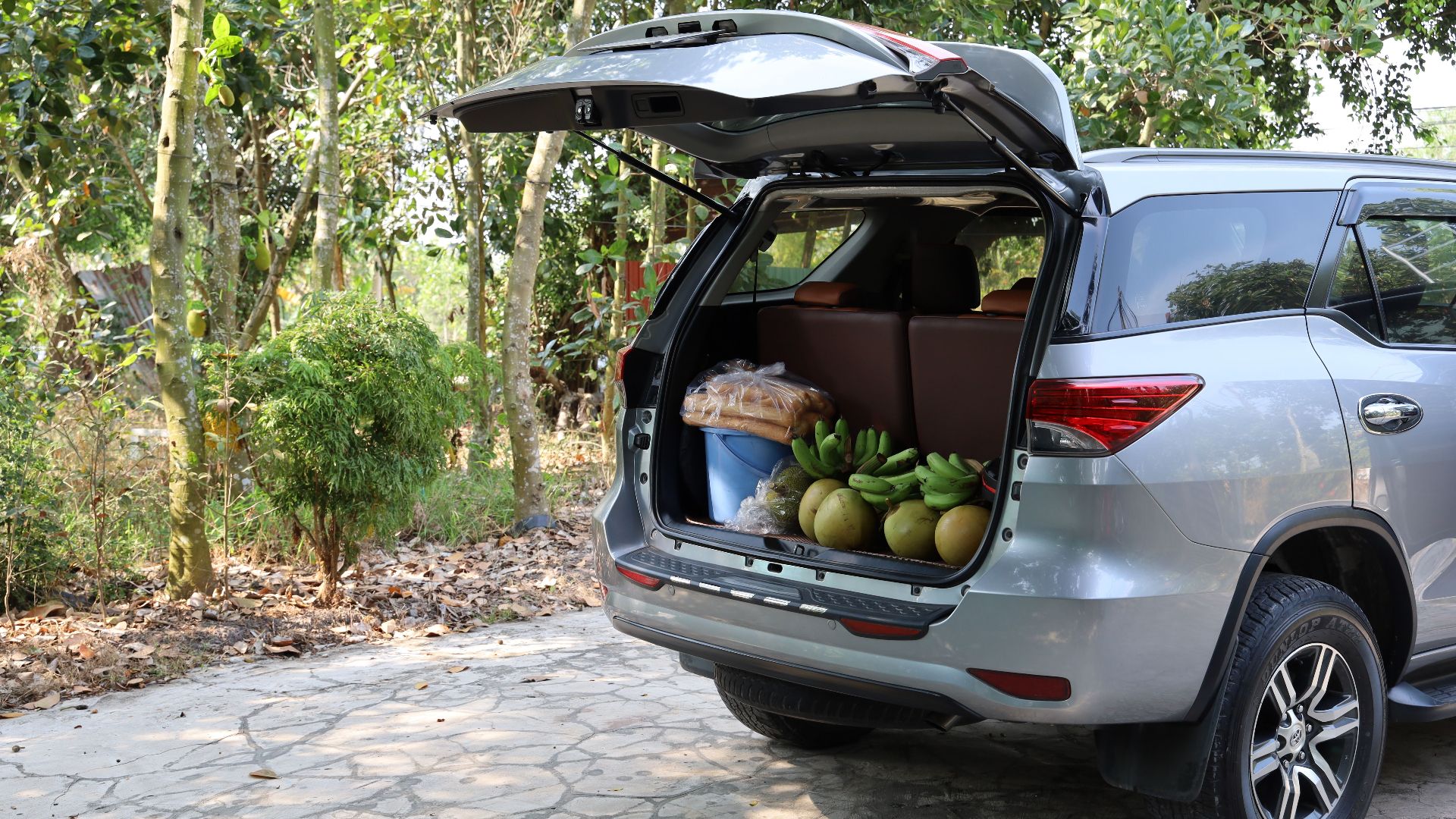
Americans often assume snacks, groceries, or leftovers are harmless, but Canada has specific import rules for food. Restrictions depend on the item, where it came from, and which province you enter. The Canadian Food Inspection Agency tells travellers to check requirements and declare products, because some items may need permits or may not be allowed.
Cannabis Rules Are Easy To Misunderstand
Cannabis is legal in Canada, but that does not mean visitors can bring it across the border. CBSA warns that bringing cannabis or cannabis products into or out of Canada is illegal without proper authorization, even if it is for personal use or medical reasons. That catches some travellers by surprise.

Winter Is More Serious Than A Pretty Snowfall
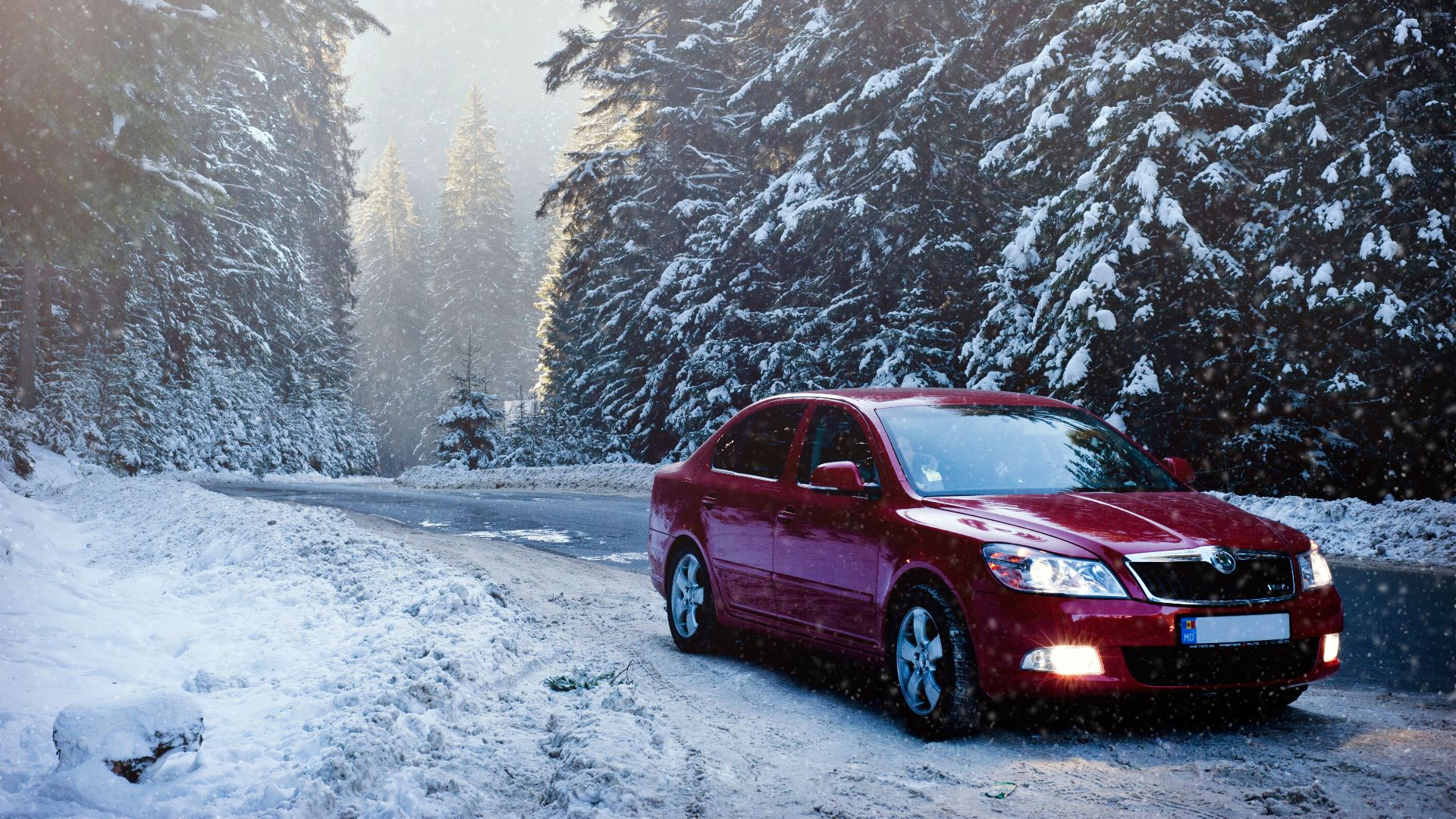
Many Americans know Canada gets cold, but first-timers can underestimate how quickly winter weather becomes dangerous. Environment and Climate Change Canada warns that winter conditions can change quickly and include extreme cold, snow, freezing rain, and reduced visibility. A cute snowy getaway can become stressful if visitors are underdressed or driving unprepared.

Winter Driving Requires A Different Mindset
Driving in Canada during winter is not just regular driving with prettier scenery. Transport Canada advises checking weather, giving yourself extra travel time, slowing down, knowing your vehicle, and carrying winter supplies. Visitors from warmer states may be especially surprised by black ice, snow squalls, and how fast highway conditions change.
Weather Alerts Matter More Than People Expect
First-time visitors may treat weather alerts like background noise, but in Canada they can be essential. Environment Canada issues warnings, advisories, and watches to help people respond to severe weather, including winter storms, freezing drizzle, fog, and extreme cold. Paying attention can change whether a travel day is safe or miserable.
 Malen Almonacid Trossi, Pexels
Distances Look Manageable Until You Actually Drive Them
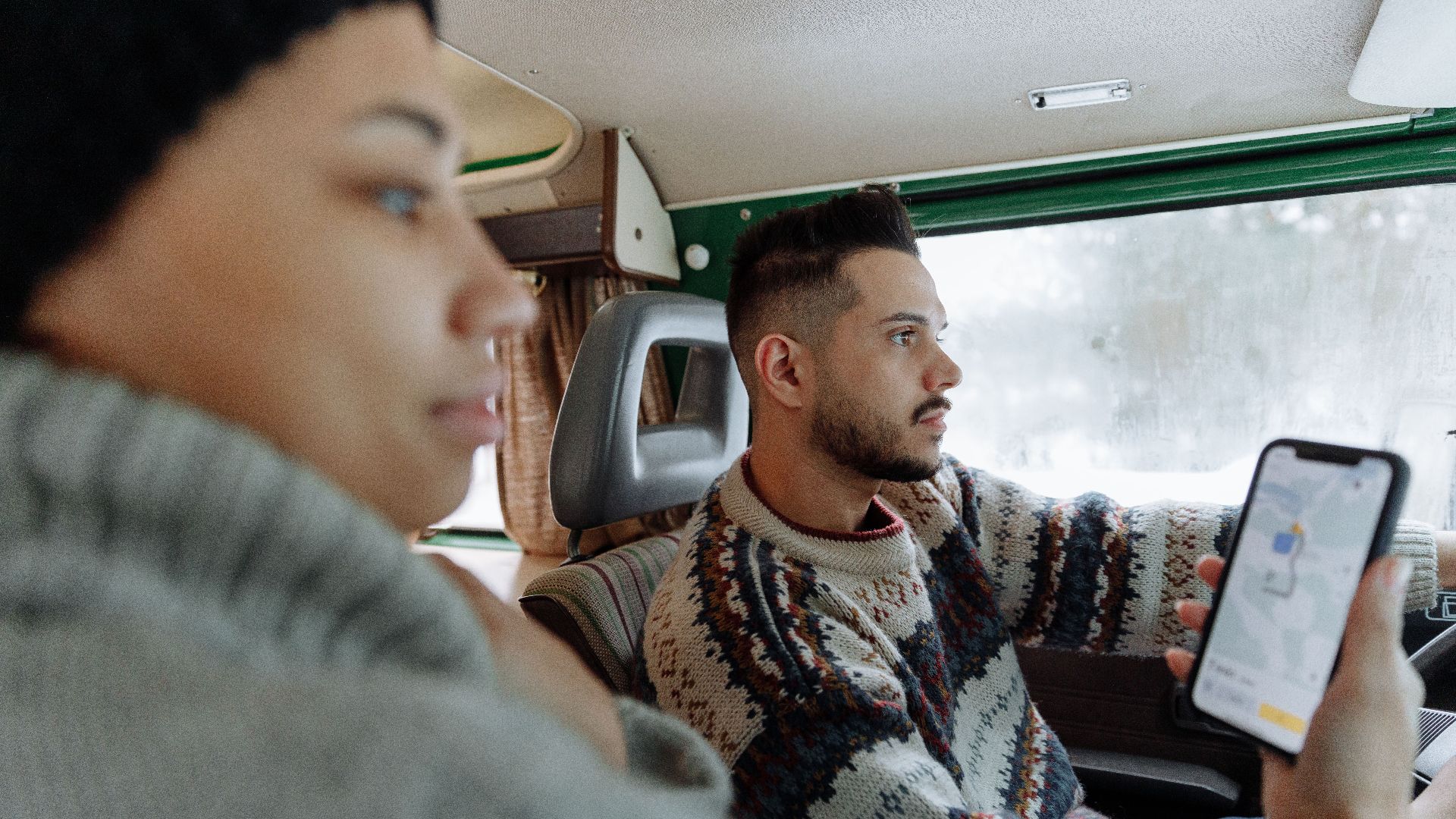
Canada is enormous, and maps can be deceiving. Americans may assume two cities in the same province are close, only to discover they are hours apart. Driving from Toronto to Montreal is a serious road trip, and crossing Ontario alone can feel endless. The country rewards planning, snacks, patience, and realistic expectations.
Cities Feel Familiar, But Parking Can Be Painful
Major Canadian cities feel easy at first, especially Toronto, Vancouver, Montreal, Calgary, and Ottawa. Then visitors meet downtown parking prices, street signs, snow routes, permit rules, and confusing one-way streets. Americans used to suburban parking lots may find Canadian city driving more stressful than expected.

Public Transit Can Be Better And More Confusing
Some American visitors are pleasantly surprised by transit in Canadian cities, while others are confused by payment cards, fare zones, transfer rules, and station names. Toronto’s PRESTO system, Vancouver’s Compass Card, and Montreal’s transit network all work well once understood, but the first day can involve a lot of staring at machines.

French In Quebec Changes The Experience
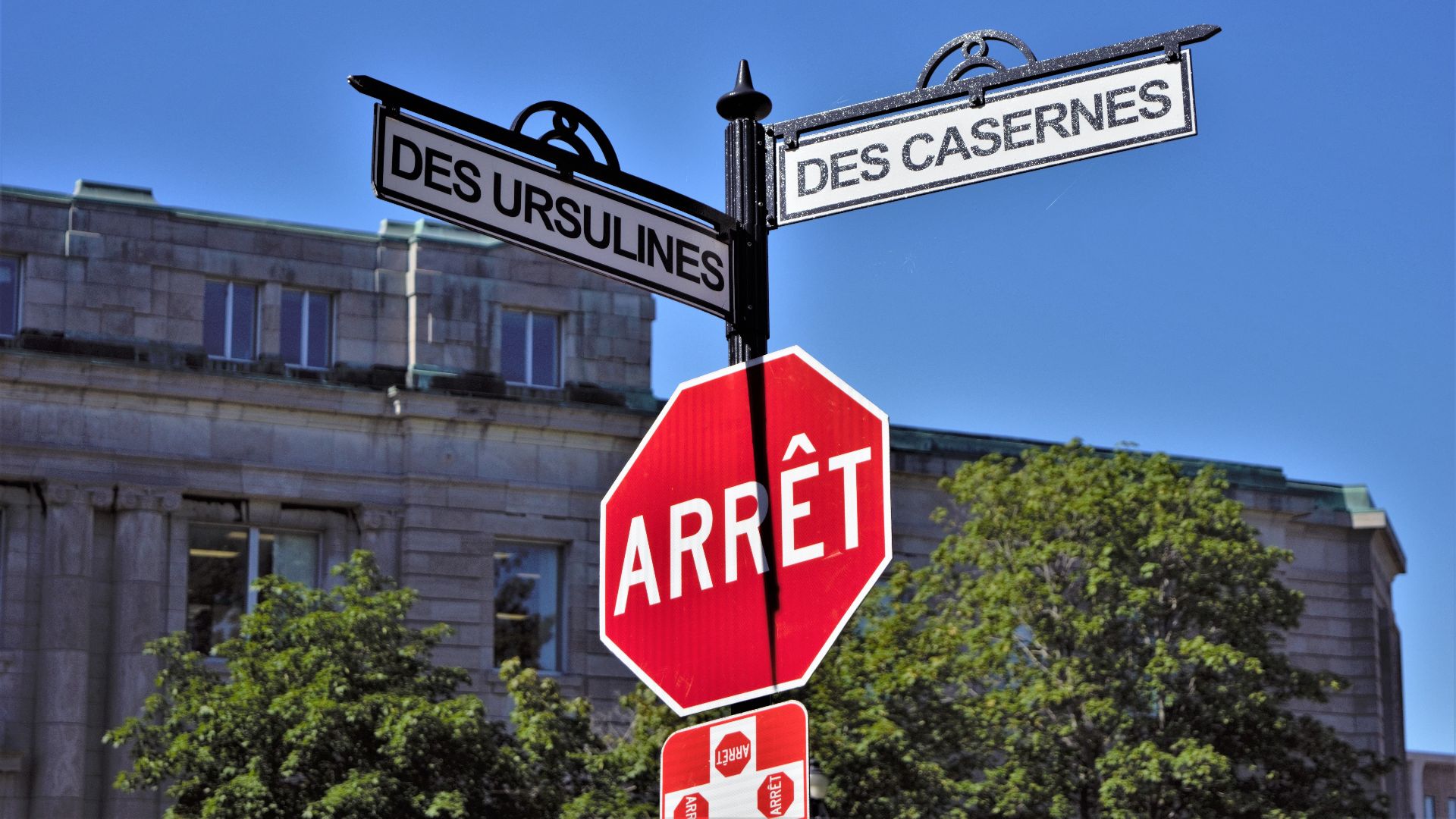
Visiting Quebec can feel like stepping into a different country within a country. Signs, menus, packaging, and public announcements often appear in French first. Many people in tourist areas speak English, but Americans who expect everything to operate exactly like the rest of Canada may feel disoriented at first.
Canadian Politeness Has Its Own Rules
Americans often hear that Canadians are polite, but the social rhythm can still feel different. People may say “sorry” more often, speak more softly in public, or expect slightly more personal space in lines and transit. It is not that Americans are rude, but the tone can feel noticeably more restrained.

Restaurant Portions Can Feel Different
American visitors sometimes notice that Canadian restaurant portions feel a little smaller or less extreme than what they are used to at home. This is not universal, of course, and plenty of Canadian meals are huge. Still, some travellers quietly realize they have been trained by American serving sizes to expect leftovers automatically.

Familiar Chains Are Not Always The Same
McDonald’s, Starbucks, Costco, Walmart, and Subway exist in Canada, but menus, prices, packaging, and promotions can differ. Tim Hortons also plays a cultural role that can surprise visitors. Americans expecting a perfect copy of home may find that even familiar places have small differences that make them feel slightly foreign.

Milk Comes In Bags In Some Places
This one sounds like a joke until visitors see it. In parts of Canada, especially Ontario and Quebec, milk may be sold in plastic bags that sit inside reusable pitchers. Many Canadians think it is normal. Many Americans stare at it like they have discovered an alternate universe dairy system.

Healthcare Is Not Free For Visitors
Americans often know Canada has public healthcare, but visitors sometimes misunderstand what that means. Canadian residents are covered through provincial systems, but tourists are not automatically covered for medical costs. Travel insurance still matters, especially for skiing, road trips, winter travel, or any trip involving children or older relatives.

Phone Plans Can Be A Shock
Using an American phone in Canada may trigger roaming charges depending on the plan. Some carriers include Canada, while others charge daily fees or limit data. First-time visitors who do not check ahead can burn through money just by using maps, posting photos, or checking restaurant reviews.

Border Wait Times Can Wreck A Schedule
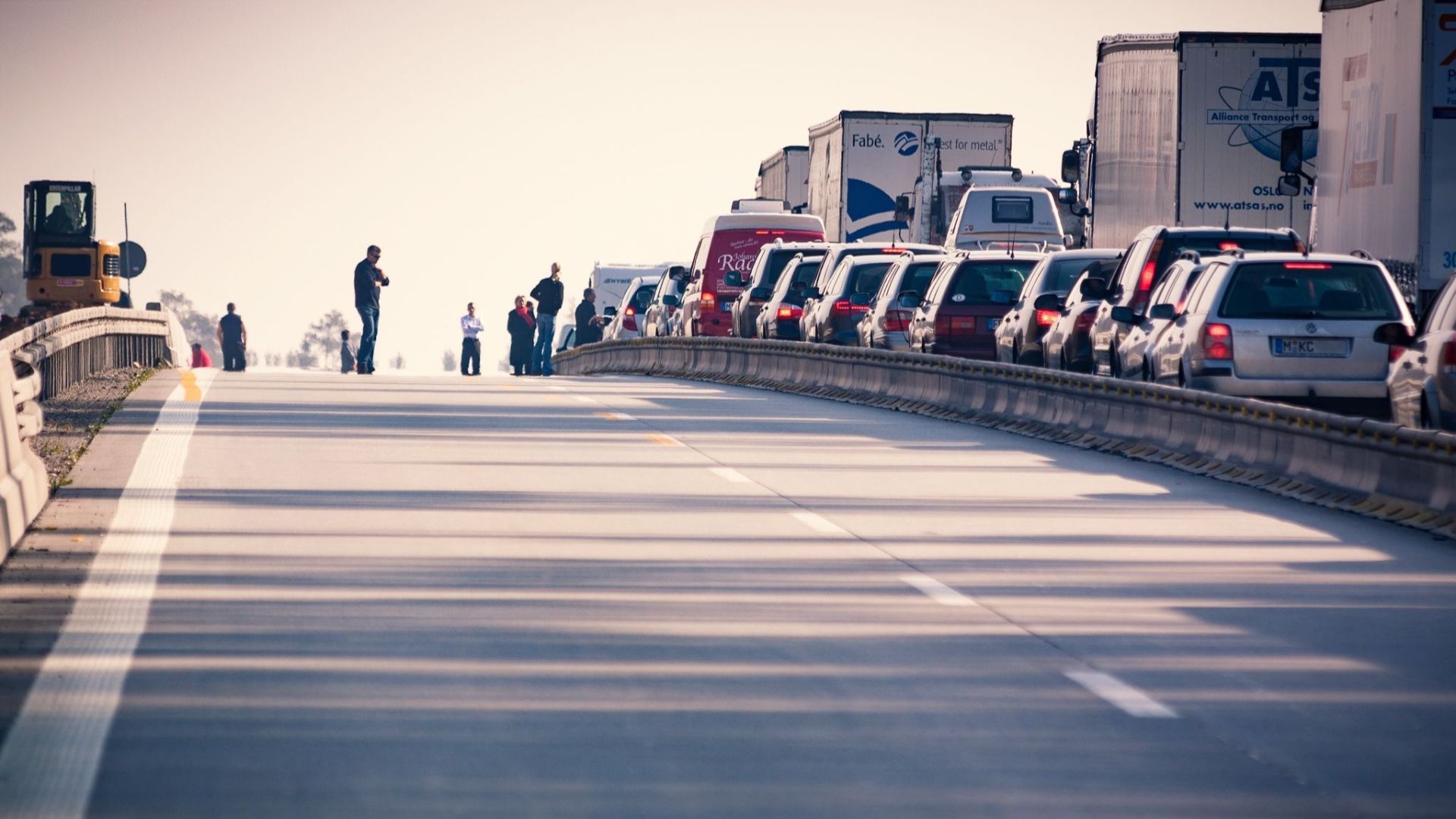
Crossing by land can be quick, but it can also take far longer than expected during holidays, weekends, or major events. Americans planning a casual drive may forget to budget time for inspection, questions, traffic backups, and bridge or tunnel delays. A border crossing is not just another toll booth.
Canadians May Know More About The U.S. Than Americans Know About Canada
This can be humbling. Canadians often consume American news, sports, movies, politics, and television, so they may know a lot about the United States. Americans visiting Canada sometimes realize they know much less about Canadian provinces, politics, geography, and culture than they assumed.

The Similarities Can Be The Most Confusing Part
Canada is not difficult because it feels completely foreign. It is difficult because it feels familiar until suddenly it does not. The roads, stores, hotels, and restaurants may seem easy, but the small differences keep adding up. That is also what makes the trip interesting: Canada is close enough to feel comfortable and different enough to keep Americans on their toes.
 Anastasiya Lobanovskaya, Pexels
You May Also Like:
Unique Excursions For Your Travel Bucket List
Things Canadians Notice Immediately When They Visit Small-Town America