Los Angeles is famous for movie studios, sprawling freeways, and palm-lined boulevards. But tucked between its neighborhoods and skyscrapers is another city entirely: one filled with rugged canyons, hidden waterfalls, prehistoric fossils, and surprisingly wild landscapes. You don't have to leave Los Angeles to discover places that feel a world away from Hollywood. Some of its most remarkable natural attractions are hiding in plain sight.
Griffith Park's Unexpected Wilderness
Most visitors associate Griffith Park with its famous observatory and views of the Hollywood sign. Yet the park contains more than 4,200 acres of rugged terrain, including chaparral-covered hillsides, oak woodlands, and secluded canyons. Some trails feel remarkably remote, despite being surrounded by one of America's largest cities. Coyotes, hawks, and other wildlife inhabit this enormous urban wilderness, making it possible to experience a surprisingly untamed side of Los Angeles.
The Prehistoric World Of La Brea
Right in the middle of Los Angeles, the La Brea Tar Pits offer something almost unbelievable: an active Ice Age fossil site surrounded by modern city streets. Natural asphalt has seeped to the surface for thousands of years, trapping and preserving animals including mammoths, saber-toothed cats, and dire wolves. Scientists continue excavating fossils here, providing a fascinating glimpse into Southern California's prehistoric past. It's one of the strangest natural attractions in any major American city.
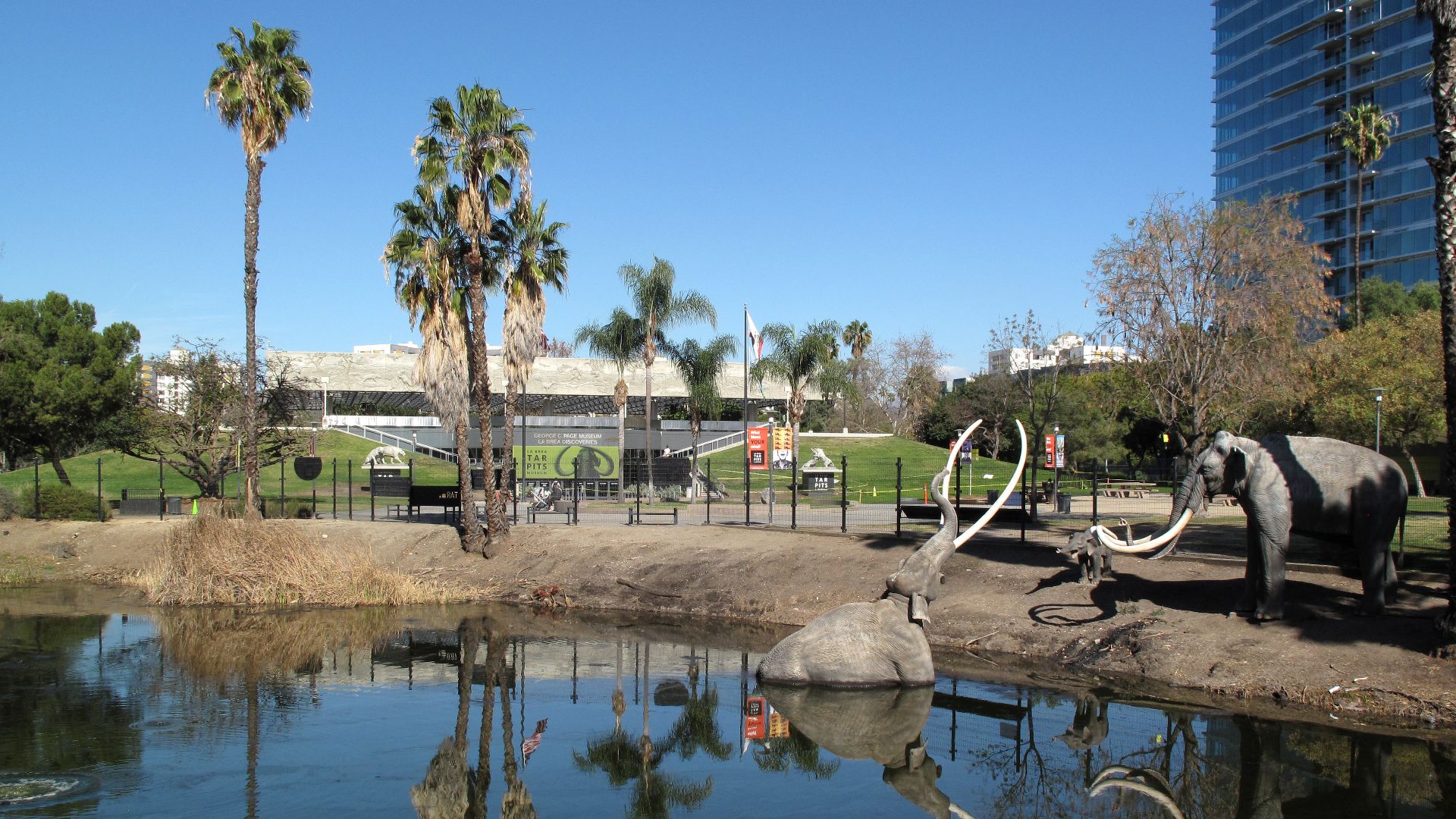 Downtowngal, Wikimedia Commons
Fern Dell's Hidden Greenery
Tucked into the southern edge of Griffith Park, Fern Dell feels like a miniature rainforest transplanted into Southern California. A shaded walking path follows a small stream beneath lush ferns, moss-covered stones, and overhanging trees. The greenery is particularly striking in a city associated with dry hillsides and sunshine. Although Fern Dell is partly a landscaped environment rather than untouched wilderness, its cool, sheltered atmosphere makes it one of Los Angeles's most delightful little escapes.
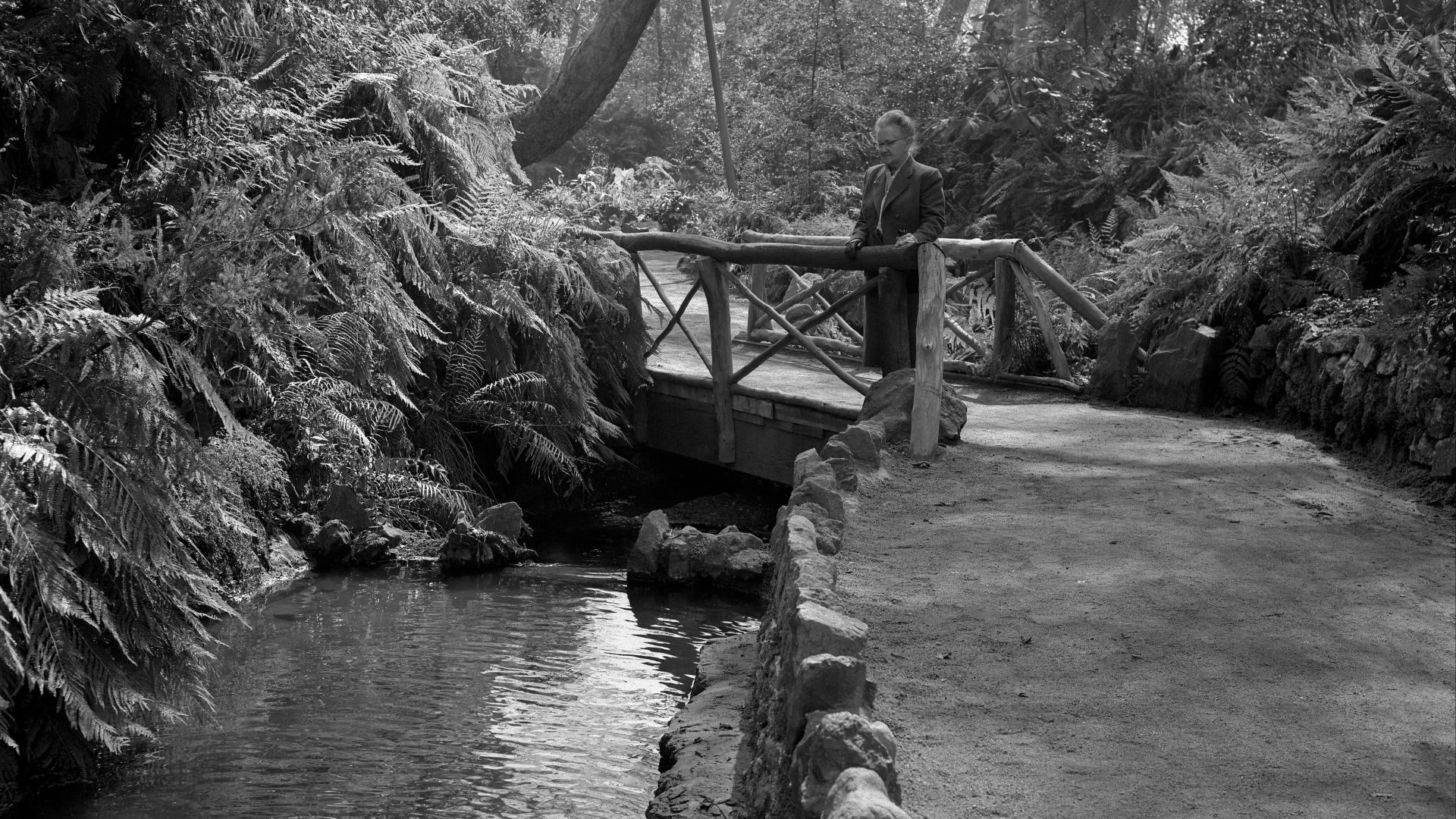 Los Angeles Times, Wikimedia Commons
Franklin Canyon's Secret Lake
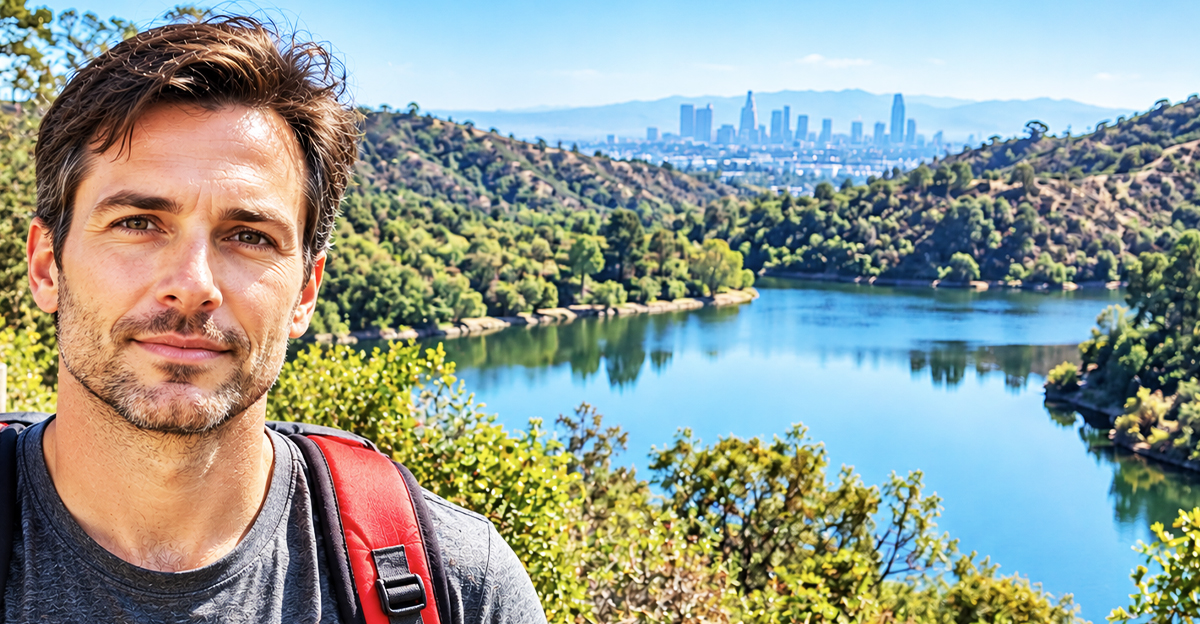
Between Beverly Hills and the San Fernando Valley lies Franklin Canyon Park, a 605-acre refuge of oak woodlands, grassy slopes, and peaceful water. Its reservoir and smaller pond attract birds traveling along the Pacific Flyway, while hiking trails wind through scenery that feels far removed from nearby boulevards. The setting may look familiar to television fans: Franklin Canyon has appeared in numerous Hollywood productions. Yet many visitors have no idea this quiet landscape exists so close to the city.
The Wild Wetlands Near The Airport
Just south of Marina del Rey, the Ballona Wetlands preserve a rare piece of coastal Southern California. Salt marshes, mudflats, and open grasslands provide habitat for shorebirds, herons, and other wildlife, even as airplanes and busy roads pass nearby. The contrast is extraordinary: one moment you're surrounded by urban development, and the next you're watching birds forage in a landscape shaped by the tides. Public access is limited to designated paths and scheduled openings to protect the fragile ecosystem.
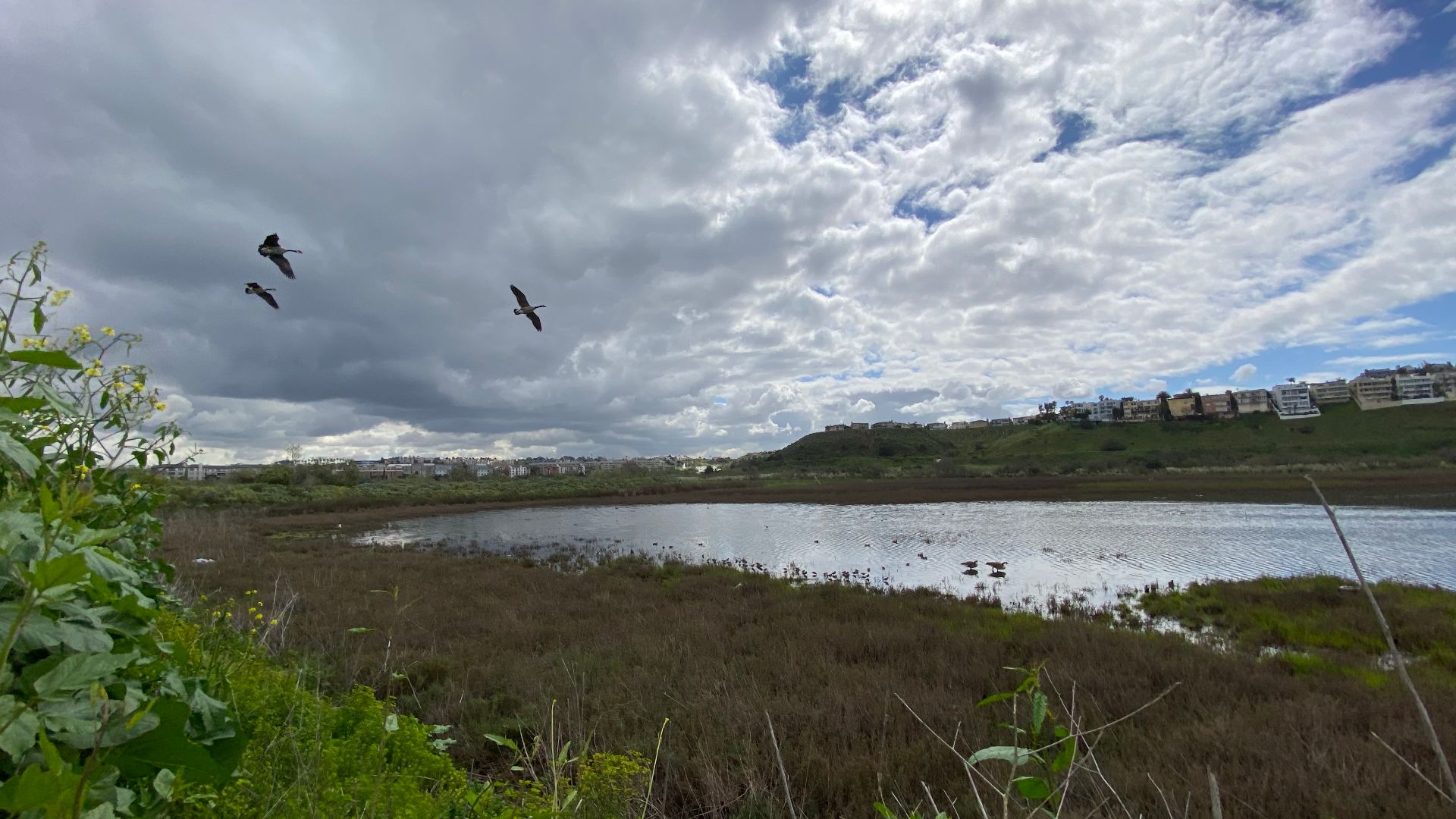
A Mountain View From Baldwin Hills
The Baldwin Hills Scenic Overlook offers one of the most dramatic views of the Los Angeles Basin. Visitors who tackle its steep staircase or winding trails are rewarded with sweeping vistas stretching from downtown skyscrapers to the Pacific Ocean. But the real surprise is the landscape itself. Once heavily disturbed by industrial activity, portions of these hills have been restored with native vegetation. Seasonal wildflowers and wildlife now share the slopes with hikers enjoying an unexpected pocket of nature.
The Tide Pools Of San Pedro
At the southern edge of Los Angeles, near Point Fermin, rocky tide pools reveal an astonishing miniature world when the ocean retreats. Sea anemones, crabs, barnacles, and other marine creatures occupy shallow pools between the rocks. The nearby Cabrillo Marine Aquarium offers guided walks that explain how these animals survive crashing waves and changing tides. Visitors should check tide tables, wear sturdy shoes, and avoid disturbing wildlife. It's a remarkable coastal experience that many tourists never associate with Los Angeles.
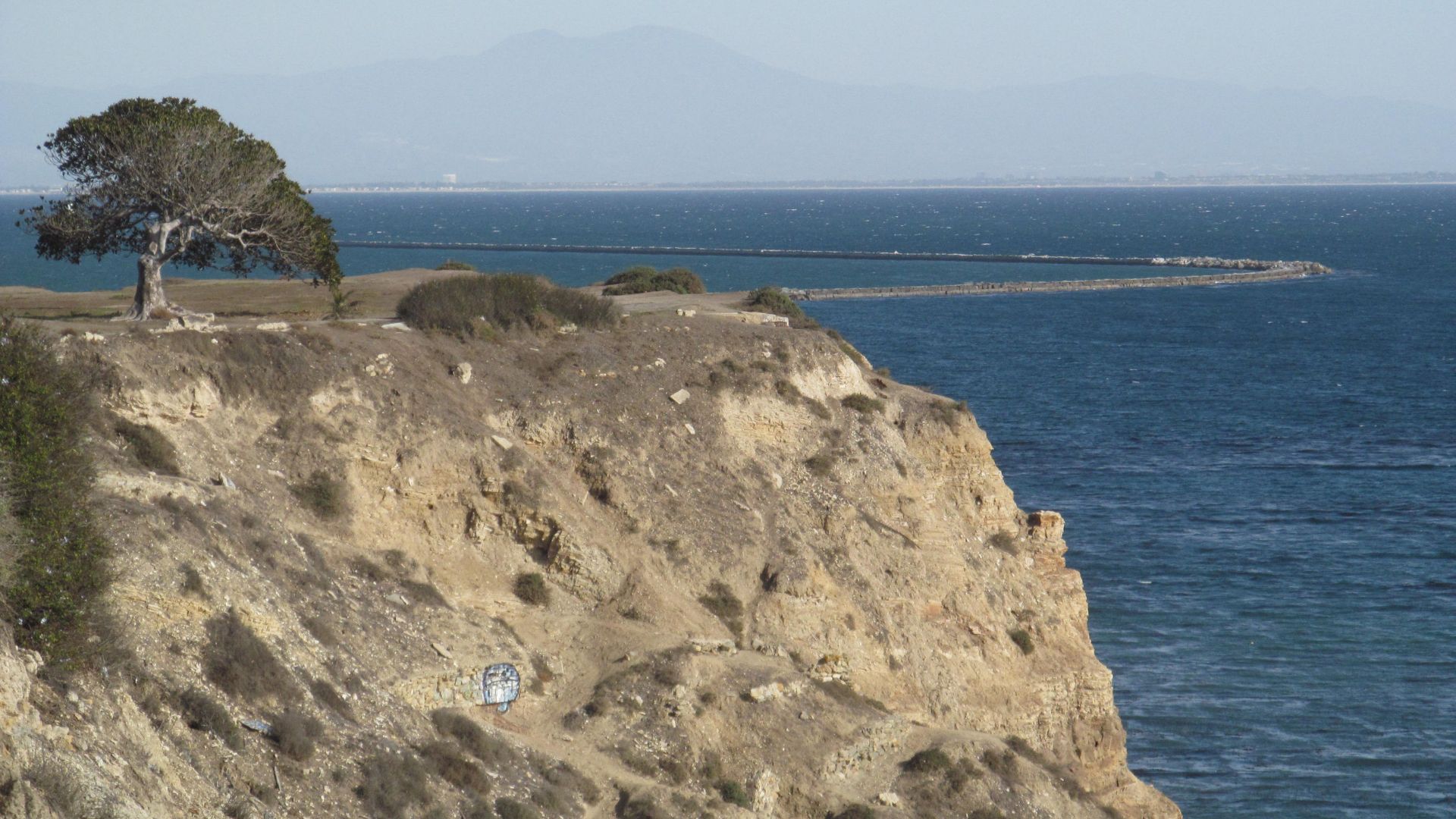 Doug Kerr from Albany, NY, United States, Wikimedia Commons
The Hidden Hills Of Debs Park
Northeast of downtown, Ernest E. Debs Regional Park protects roughly 282 acres of hillsides and natural open space. Trails climb through scrub-covered terrain where visitors may encounter rabbits, hawks, and other wildlife. A small hilltop reservoir adds an unexpected splash of water to the landscape, while the park's connection to the Arroyo Seco watershed reveals another side of the city's geography. For travelers willing to explore beyond the famous attractions, it's an unusually peaceful retreat.
Bonus: The Hidden Waterfall Near Malibu
Just outside Los Angeles, in the Santa Monica Mountains near Malibu, Escondido Falls offers one of Southern California's most surprising natural escapes. Reached by a hiking trail beginning near Pacific Coast Highway, the waterfall tumbles over moss-covered rock formations surrounded by lush greenery. The lower falls are accessible by a roughly 3.5- to 4-mile round-trip hike, while the spectacular upper falls are considerably harder to reach and involve dangerous, steep terrain. The waterfall is especially impressive after winter rains, although its flow can diminish dramatically during dry months.
A Different Los Angeles Awaits
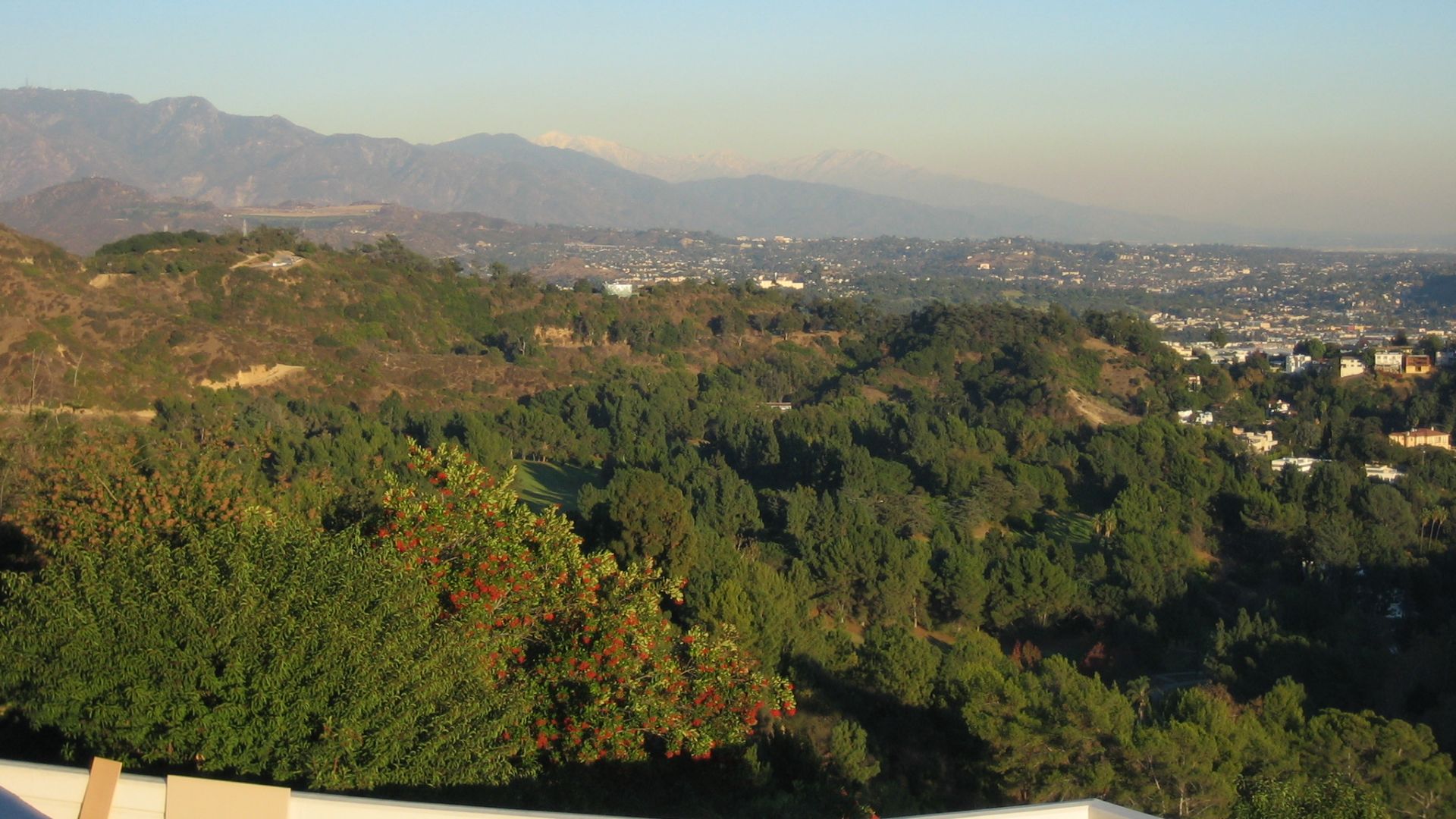
What makes these places extraordinary isn't simply their scenery. It's their proximity to the city millions of people think they already know. Within the same sprawling metropolis, travelers can explore Ice Age fossils, coastal wetlands, mountain trails, and living tide pools. Los Angeles may be built around entertainment, but some of its greatest spectacles were created by nature long before Hollywood existed.
Editorial note: The La Brea Tar Pits museum is temporarily closed for renovations as of October 2026, although outdoor areas and excavation sites remain accessible. Check individual park conditions before visiting.
You May Also Like:
Truths About Southern California That Only Locals Understand—Do These Sound Normal to You?
California Hidden Gems That Even The Residents Don’t Know About