A Wall That Changed America
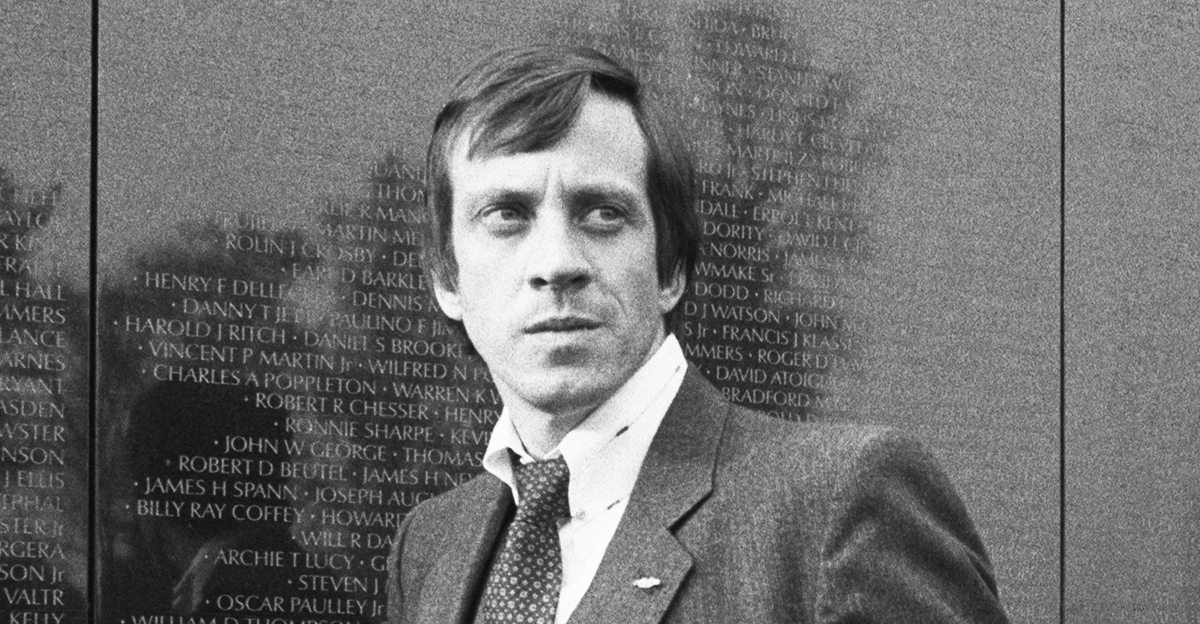
The Vietnam Veterans Memorial is now one of the most visited and emotionally powerful monuments in Washington, D.C. Its creation, however, was anything but inevitable. The memorial emerged from the determination of Vietnam veteran Jan Scruggs, who overcame skepticism, controversy, and public criticism to build a lasting tribute to those who served and died in the war.
Growing Up In America
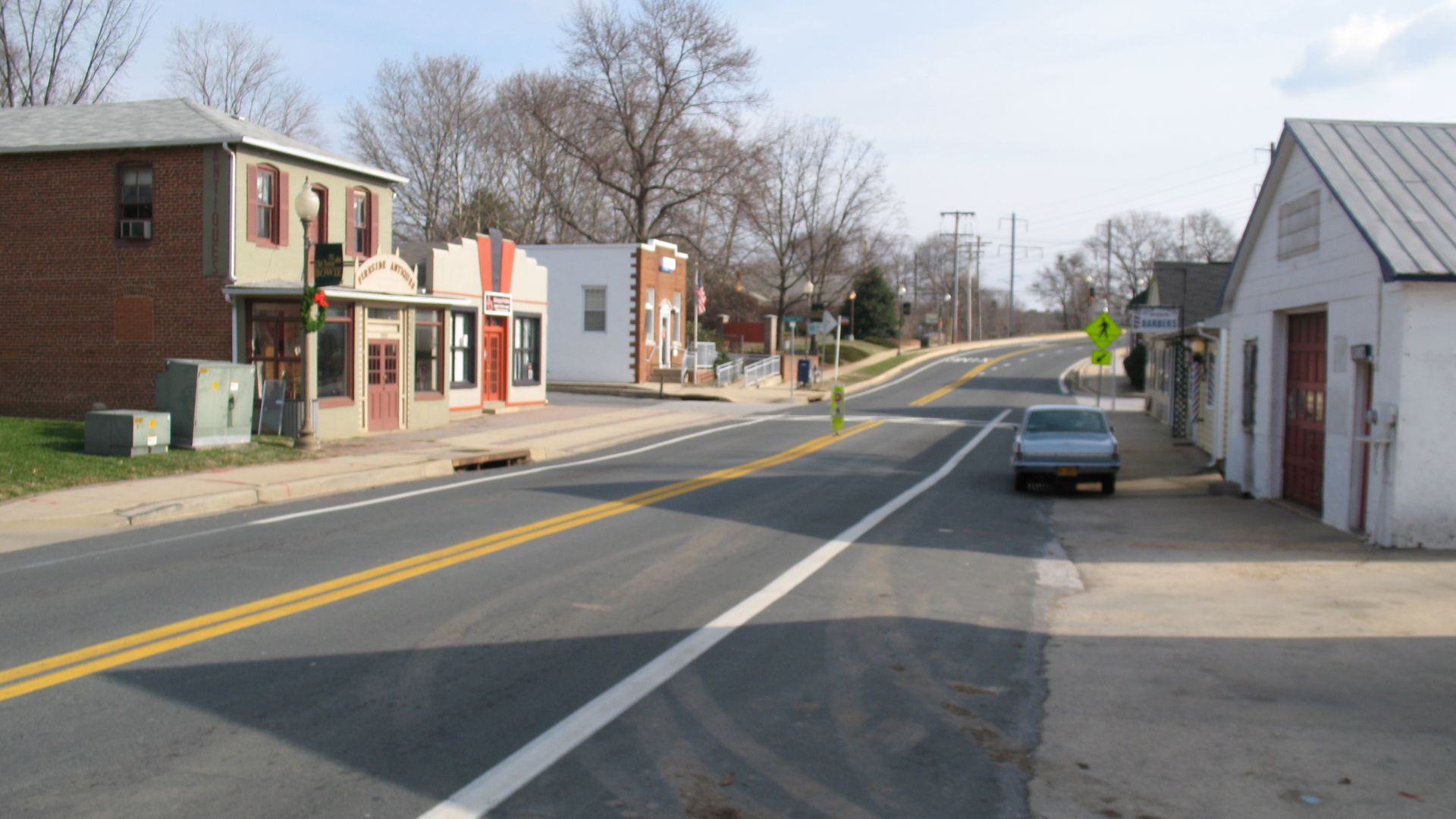
Jan Scruggs was born on March 29, 1950, in Bowie, Maryland. His early years were spent in the Washington, D.C., area. Like a lot of young guys of his generation, his life would soon be shaped by the escalating conflict in Vietnam.
 Andrew Bossi, Wikimedia Commons
Entering The Army
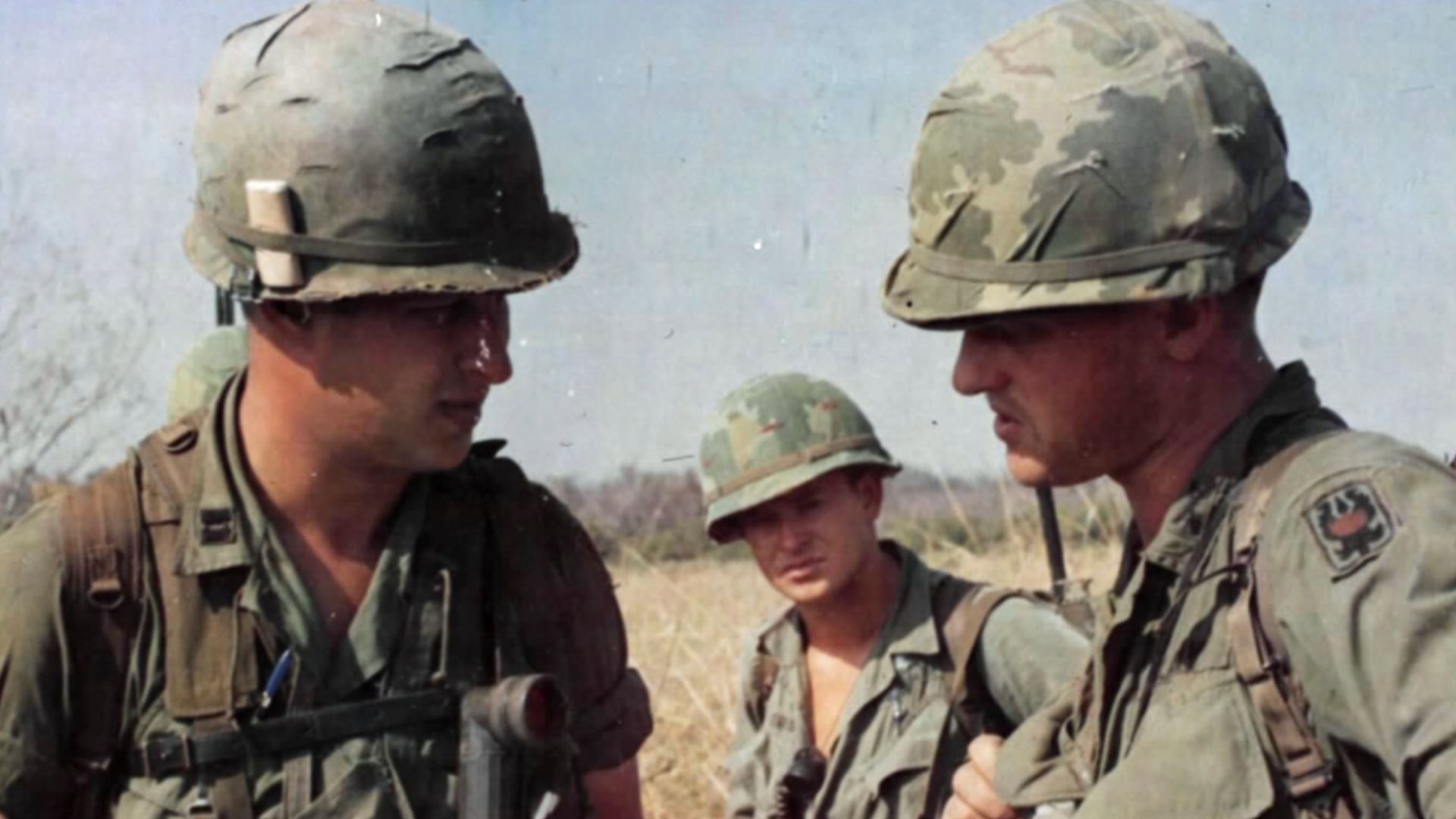
Scruggs enlisted in the U.S. Army and served in Vietnam as an infantryman with the 199th Light Infantry Brigade. His military service placed him directly in the line of fire in a conflict that would later inspire his most important life's work.
 PFC Norman F. Buchman, Wikimedia Commons
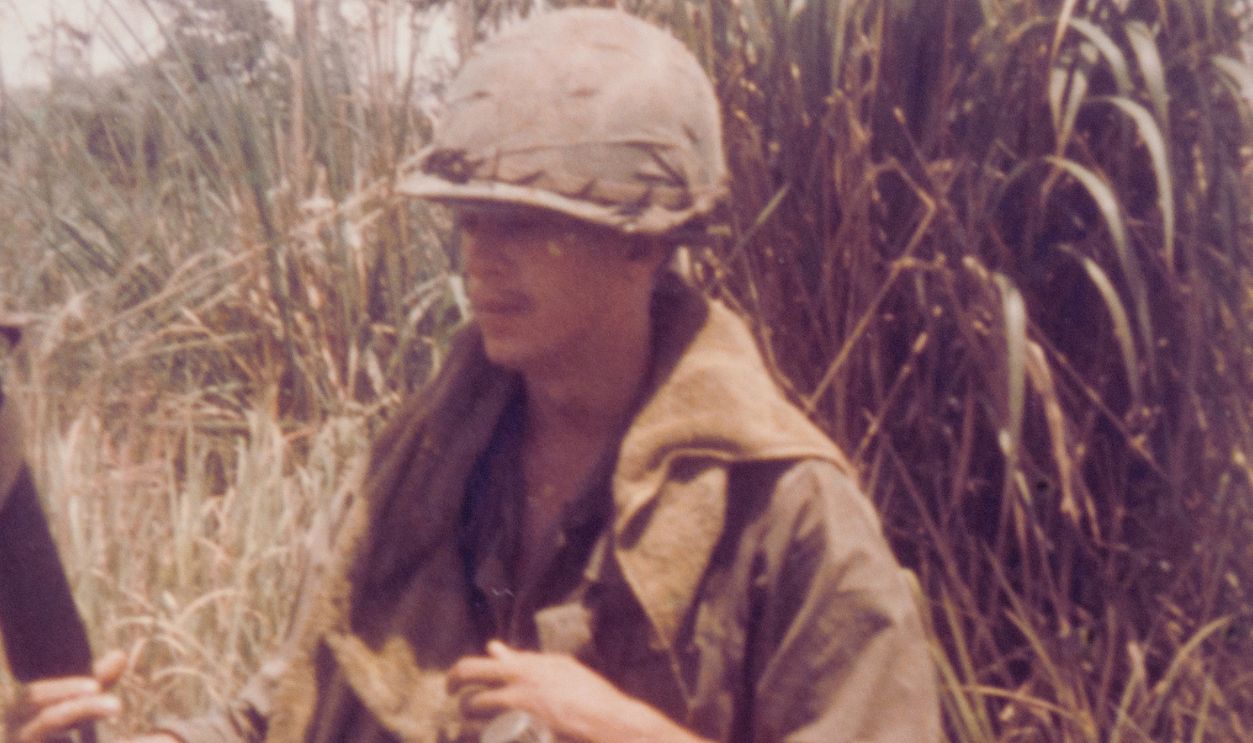
Combat In Vietnam
During his service in Vietnam, Scruggs experienced combat firsthand. He was wounded in action and received the Purple Heart. The realities of war left a lasting impression on him and influenced how he saw the conflict and its veterans.
 The Washington Post, Getty Images
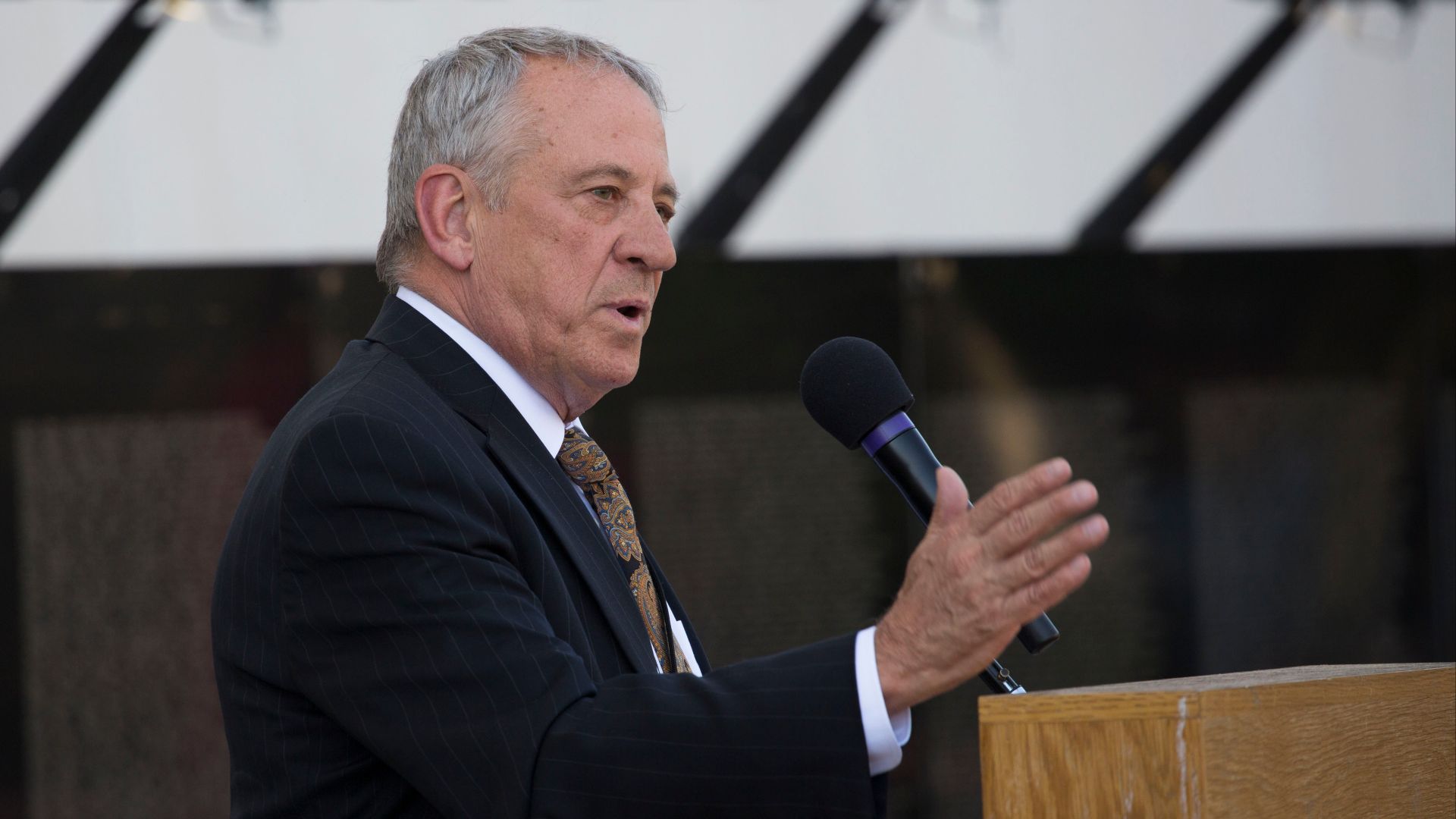
Returning Home
After returning to the United States, Scruggs encountered a country deeply divided over the Vietnam War. Many veterans felt misunderstood or ignored, and the war was a painful and controversial subject throughout much of American society.
 LBJ Library, Wikimedia Commons
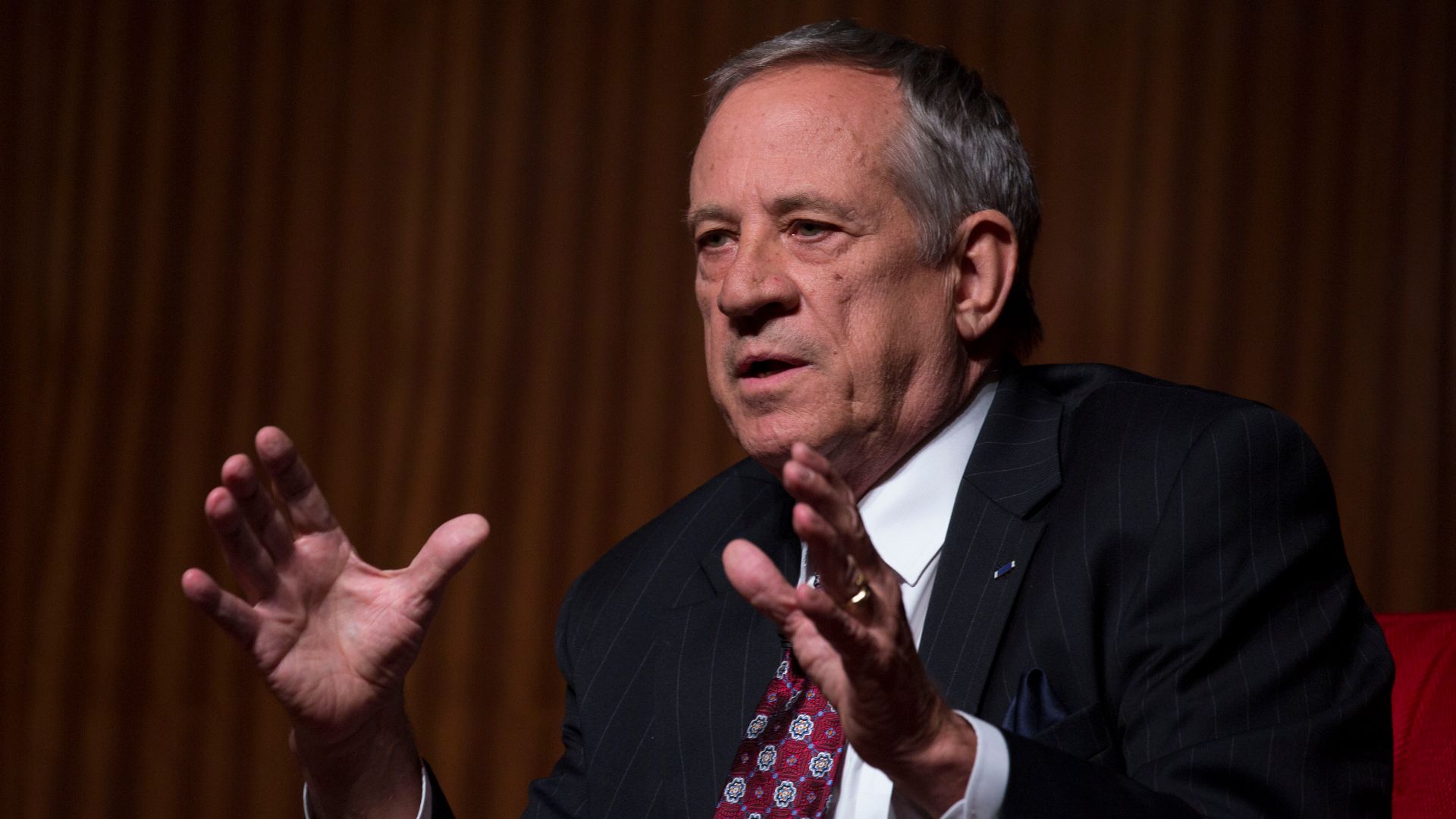
A Lasting Disillusionment
According to Scruggs, many Vietnam veterans struggled with how the war was remembered. Unlike veterans of earlier conflicts, they often felt their service was overshadowed by political arguments about the war itself rather than recognition of individual sacrifice.
 LBJ Library, Wikimedia Commons
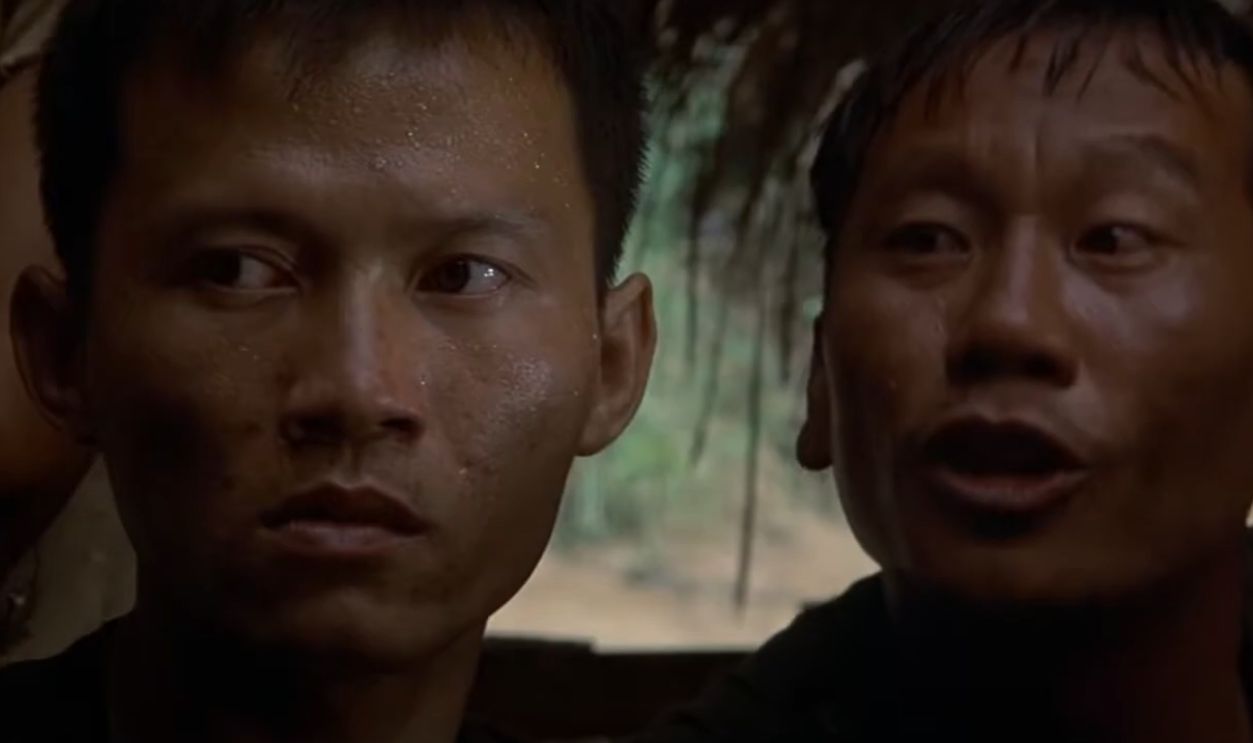
A Powerful Inspiration
Scruggs later saw the movie The Deer Hunter (1978) that told the story of a group of Vietnam veterans. For Scruggs, the movie brought back a flood of memories, and ultimately helped convince him that a permanent memorial could honor those who had died in Vietnam.
 Screenshot from The Deer Hunter, Universal Pictures (1978)
The Memorial Idea
In 1979, Scruggs came up with the brainchild of creating a national memorial dedicated specifically to Vietnam veterans. He was already developing a panoramic vision in his mind of a monument that would focus on remembrance and healing rather than politics or military victory.
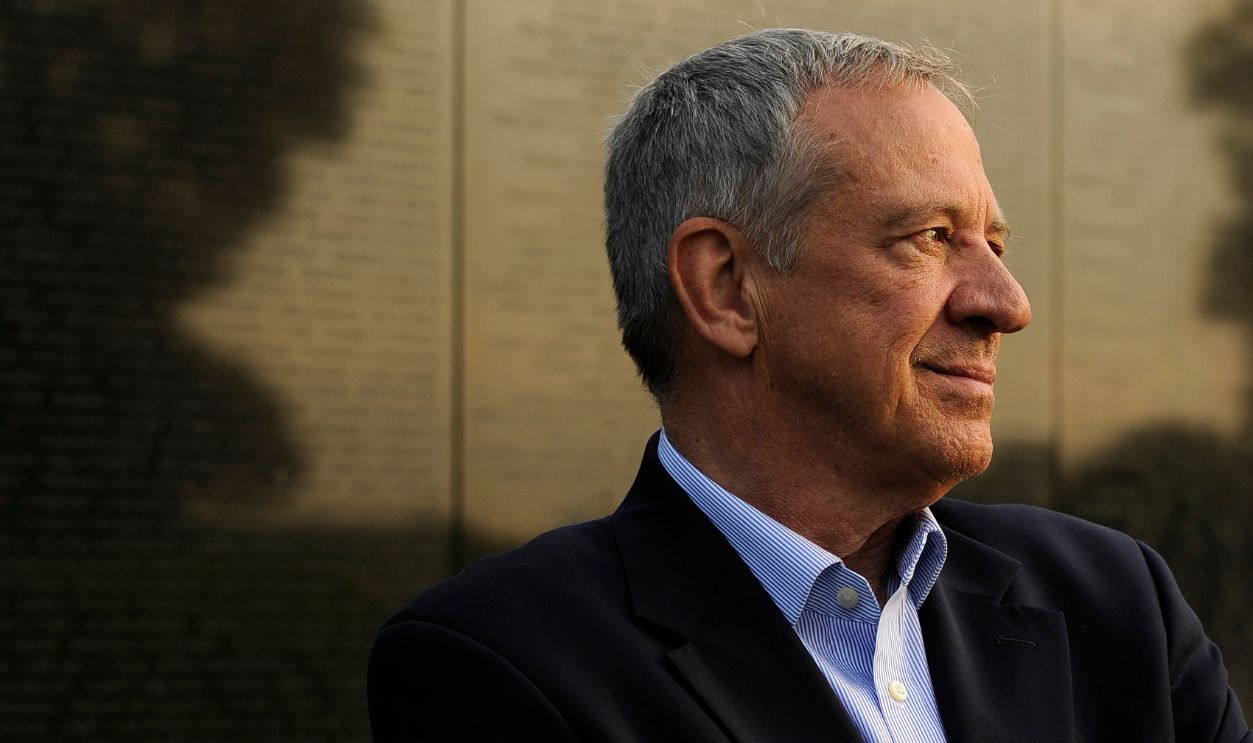 The Washington Post, Getty Images
Founding The Fund
To pursue the project, Scruggs helped establish the Vietnam Veterans Memorial Fund. The organization was created to raise private money for the memorial, allowing the project to proceed without direct federal funding.
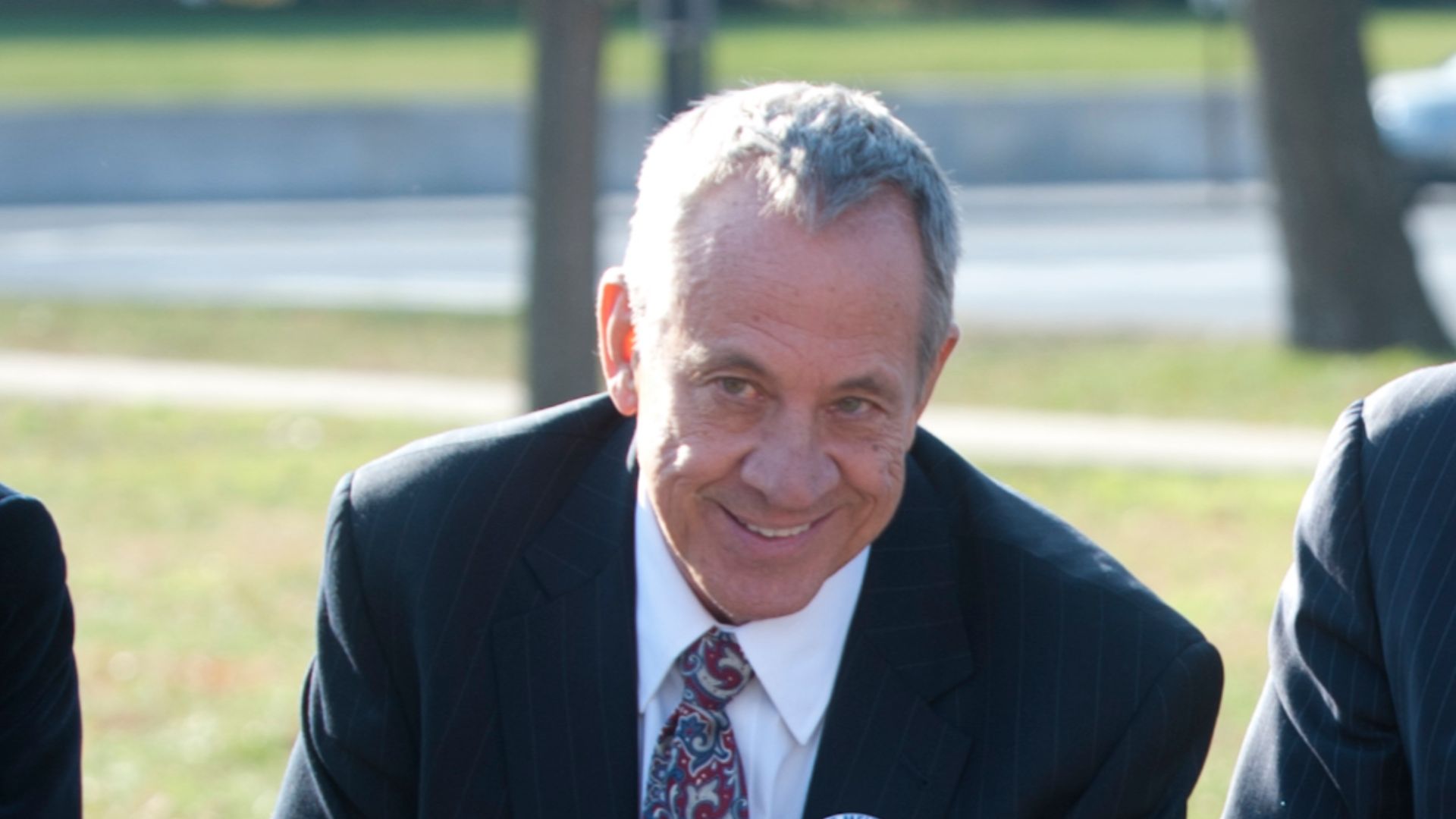 U.S. Department of Defense Current Photos, Wikimedia Commons
Early Skepticism
Many people initially dismissed the proposal. Some doubted that enough money could be raised, while others questioned whether Americans would even want a major memorial devoted to such a controversial war. The project faced significant obstacles from the beginning.
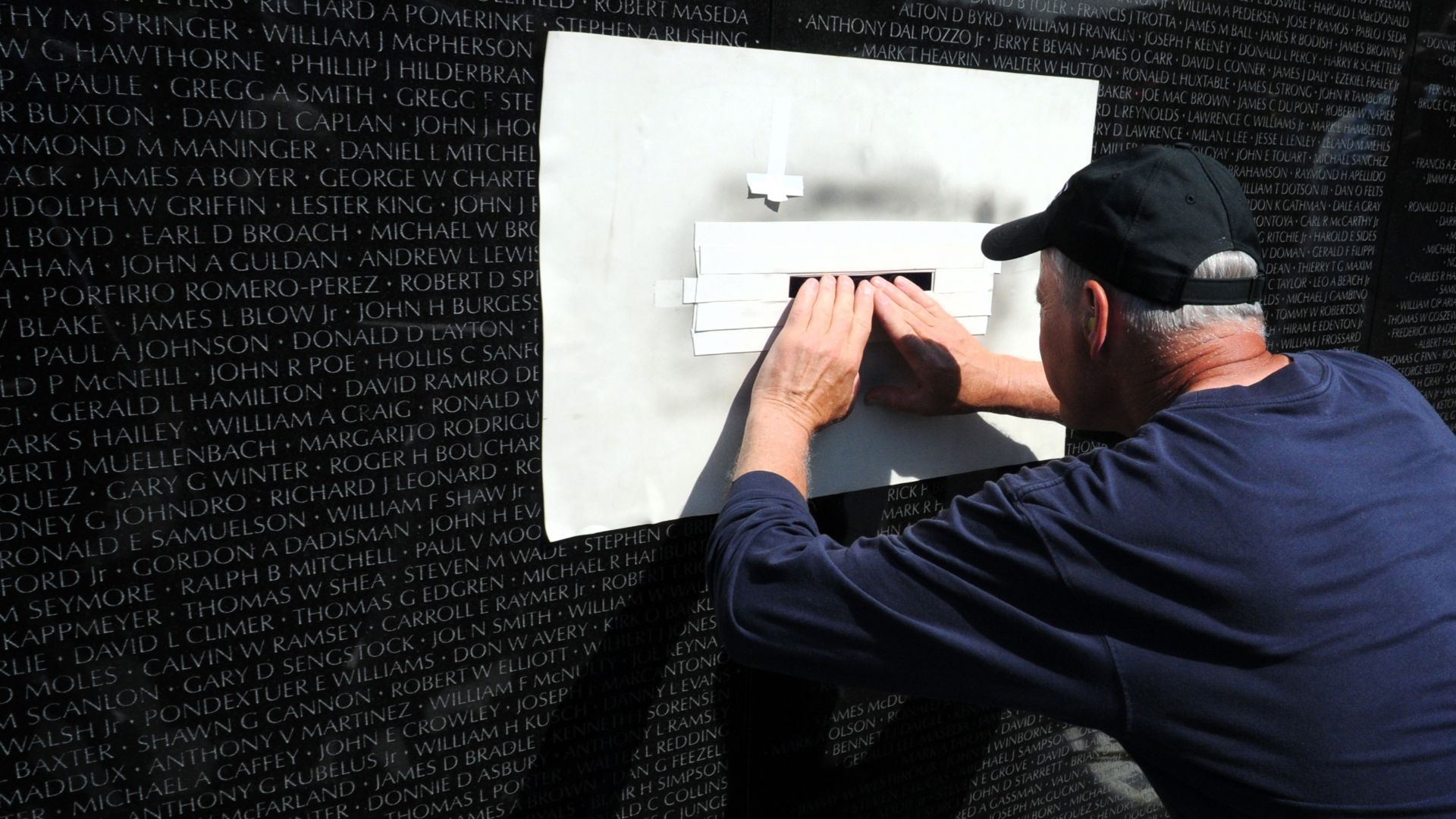 William D. Moss, Wikimedia Commons
Roger Mudd's Report
National attention arrived when journalist Roger Mudd reported on Scruggs and the proposed memorial. The coverage was often skeptical, portraying the project as unlikely to succeed. Yet the publicity introduced the effort to millions of Americans.
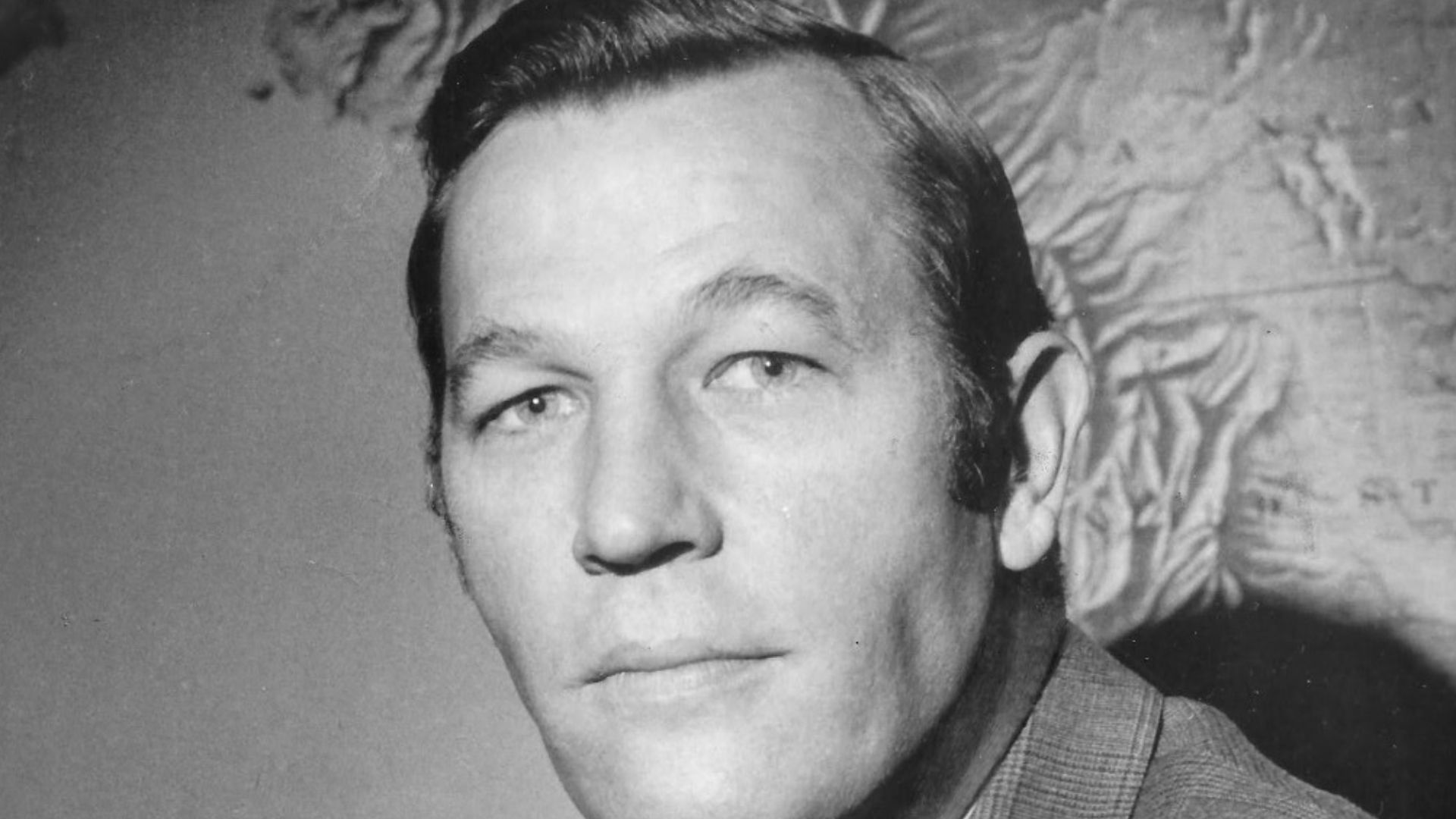 CBS Photo Division, Wikimedia Commons
Late Night Jokes
Late-night television comedians also mocked the proposal. Some treated the idea of a Vietnam memorial as unrealistic or unnecessary. Rather than discouraging supporters, however, the criticism brought even more public attention to Scruggs's campaign.
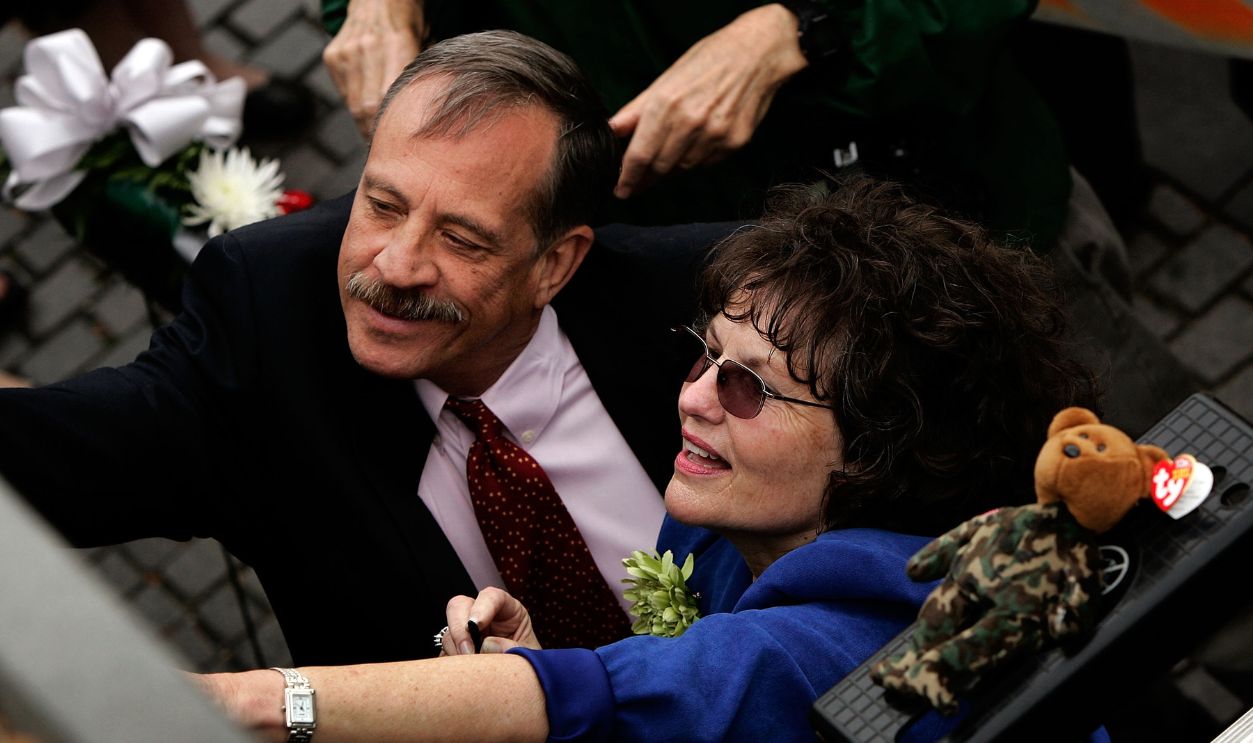
Donations Pour In
Unexpectedly, the negative publicity helped generate support. Ordinary Americans began sending donations to the Vietnam Veterans Memorial Fund. Small contributions from thousands of individuals gradually transformed the memorial from a dream into a realistic possibility.
![Complete assignment is listed as: Subject: Veterans Day ceremony [and aftermath] at the Vietnam Veterans Memorial, Washington, D.C., where Secretary Dirk Kempthorne [delivered the opening remarks, and joined participating dignitaries including the former](https://www.factinate.com/storage/app/media/splashtravels/2026/6/19/1781882398b9e988eabad826d010c98dd15d162fc5d0e8f19a.jpg)
Building Momentum
As donations increased, support for the project grew. Veterans, families of the fallen, and members of the public rallied behind the effort. The campaign demonstrated that many Americans wanted a place to remember those who served in Vietnam.
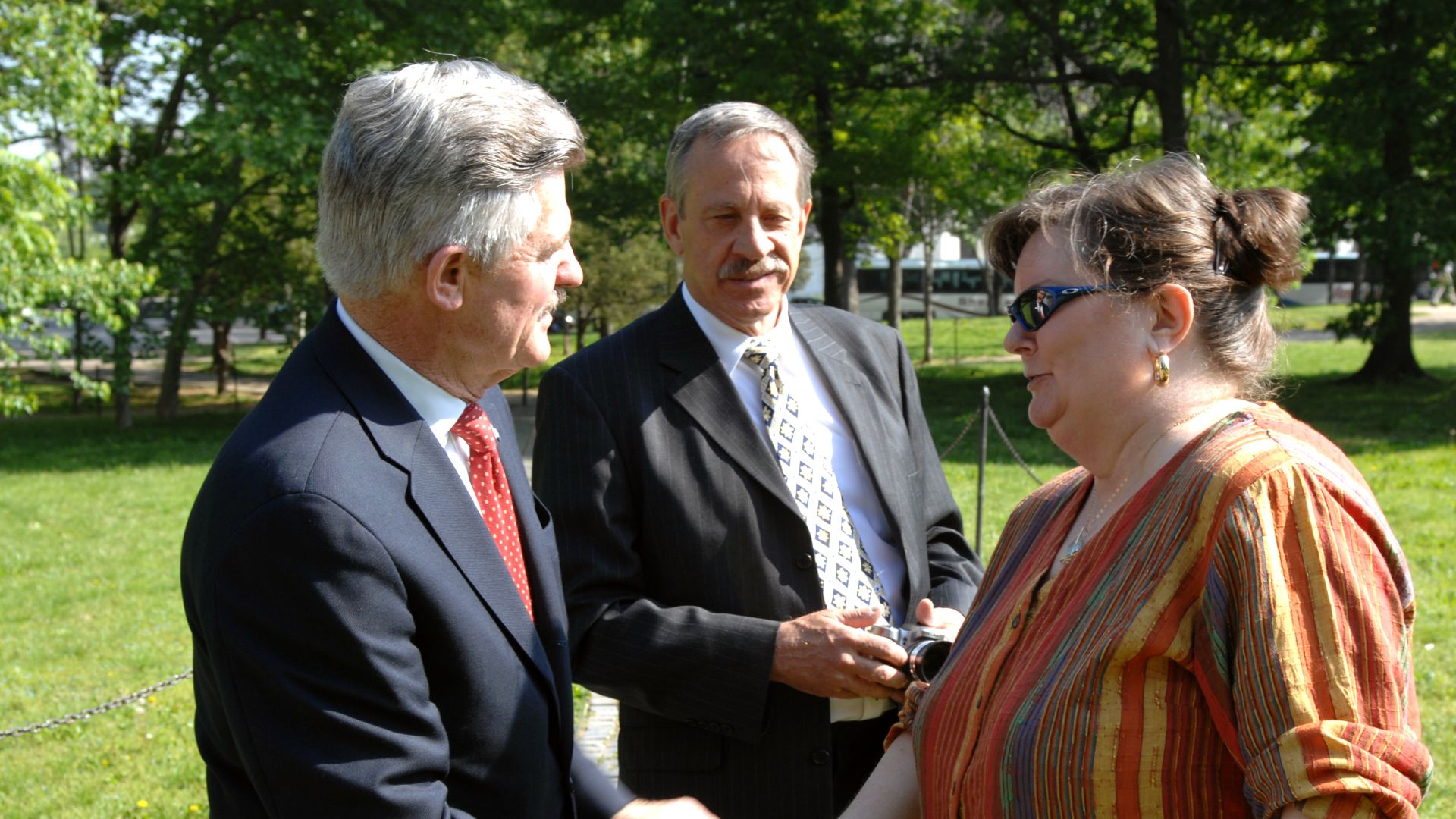 Sebastian J. Sciotti, Jr., Wikimedia Commons
Choosing A Design
The memorial fund organized a national design competition. The contest attracted 1,421 anonymous submissions. Jurors evaluated the entries without knowing the identities of the designers, focusing entirely on the merits of each proposal.
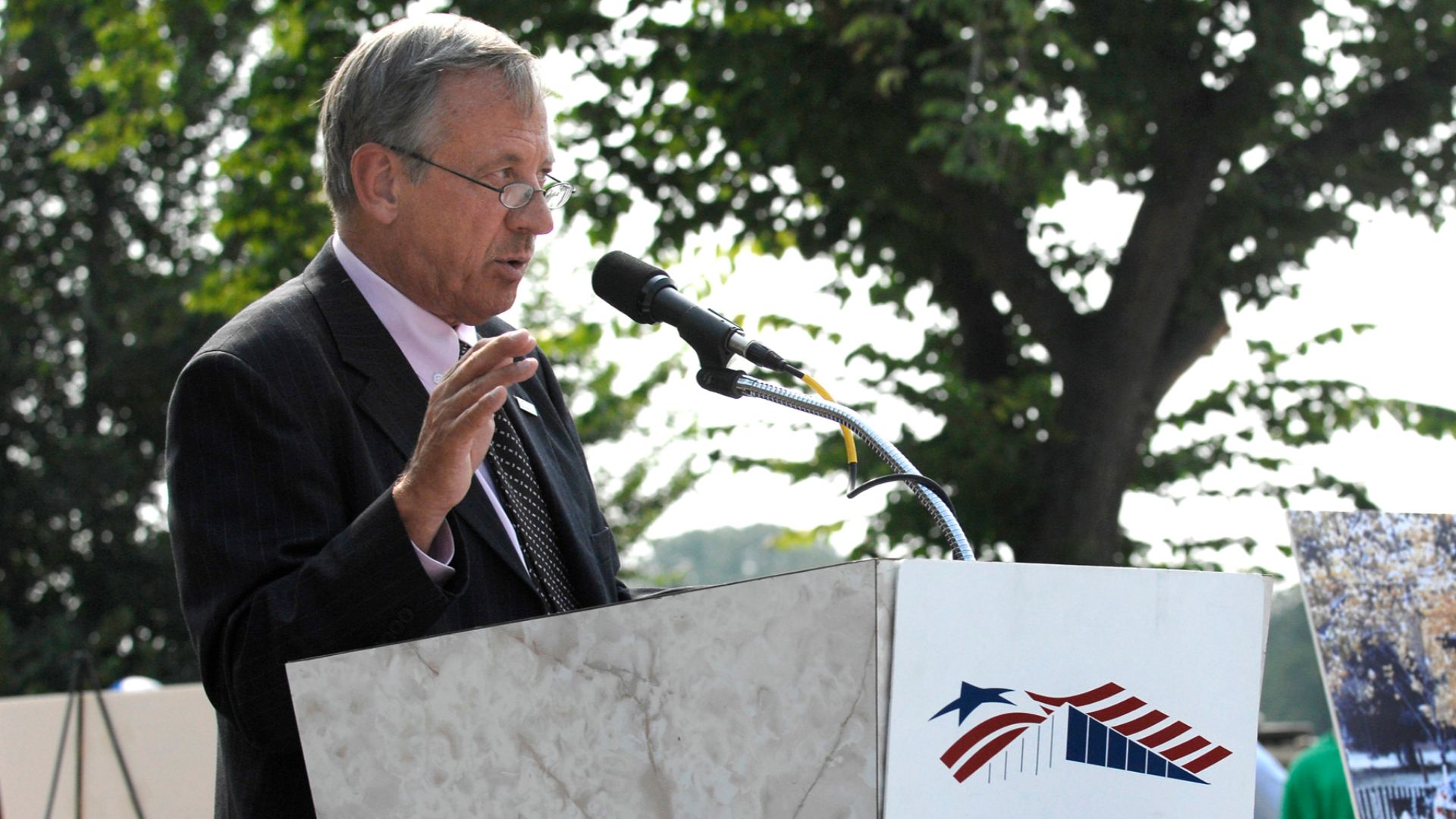 Army Sgt. 1st Class Michael J. Carden, Wikimedia Commons
Maya Lin Wins
The winning design came from Maya Lin, a 21-year-old Yale University student. Her proposal featured two long black granite walls inscribed with the names of service members who were killed or remained missing during the war.
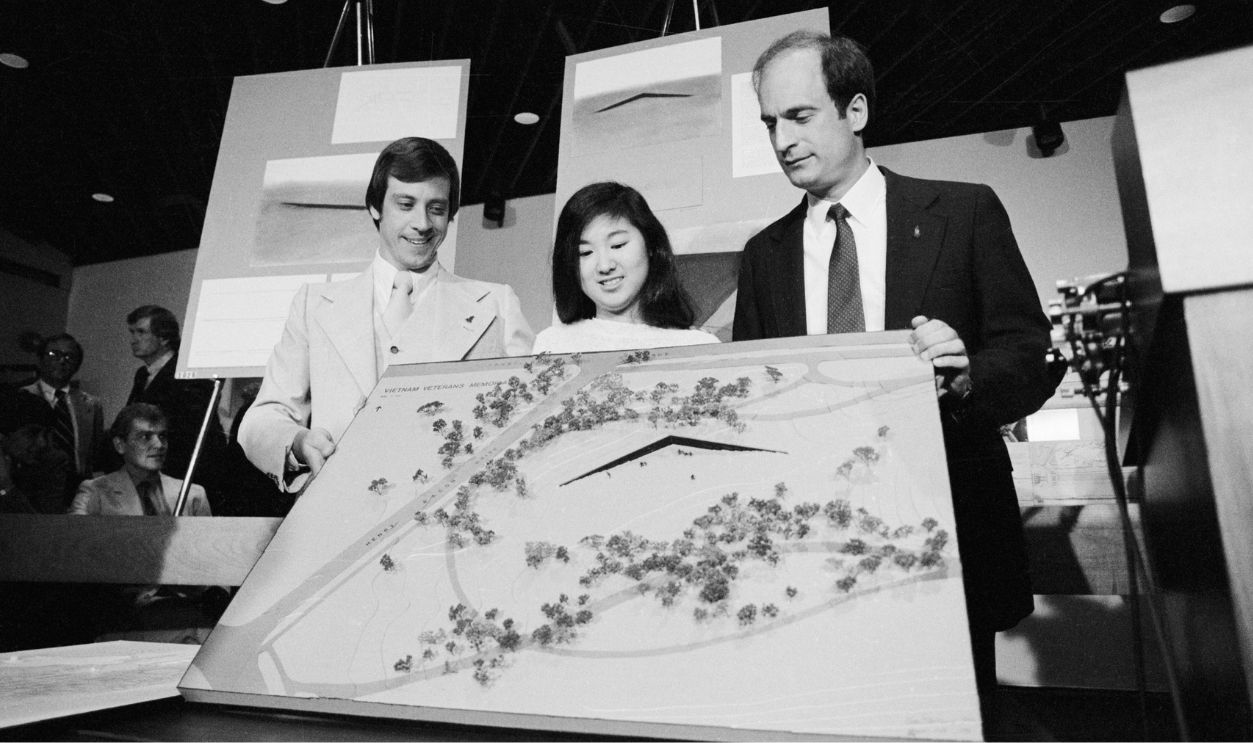
An Unconventional Memorial
Lin's design differed dramatically from traditional war monuments. Instead of heroic statues or triumphant imagery, the design emphasized reflection, loss, and remembrance. The wall descended into the earth before rising again at its opposite end.
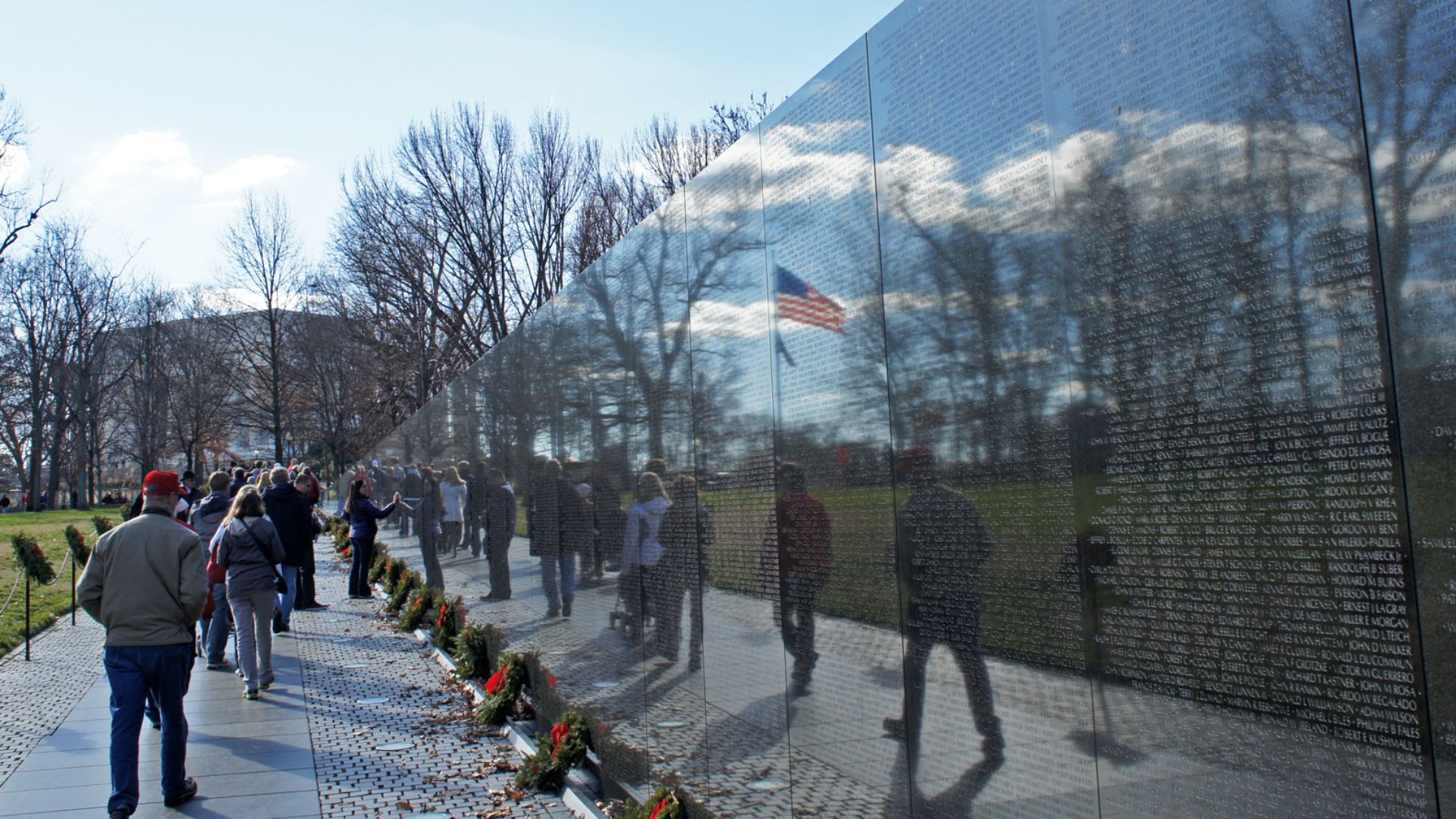 Mariordo (Mario Roverto Duran Ortiz), Wikimedia Commons
Immediate Controversy
The design quickly became controversial. Critics objected to its black color, minimalist appearance, and lack of traditional patriotic symbolism. Some opponents even referred to it as a black gash of shame.
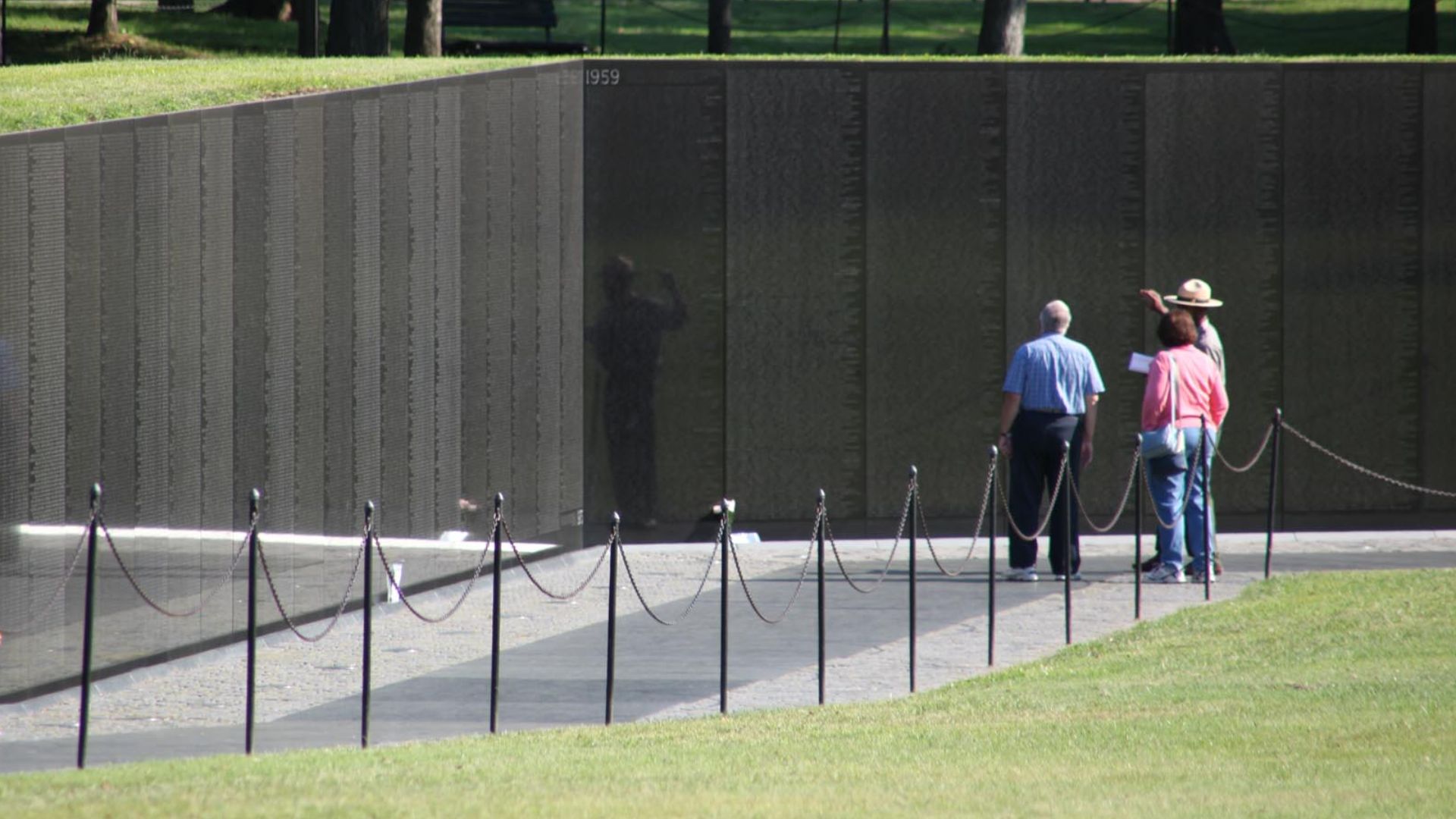 Tim Evanson from Cleveland Heights, Ohio, USA, Wikimedia Commons
Defending The Design
Supporters argued that the design's simplicity gave it extraordinary emotional power. They believed the focus on individual names encouraged visitors to think about the human cost of war rather than political debates surrounding the conflict.
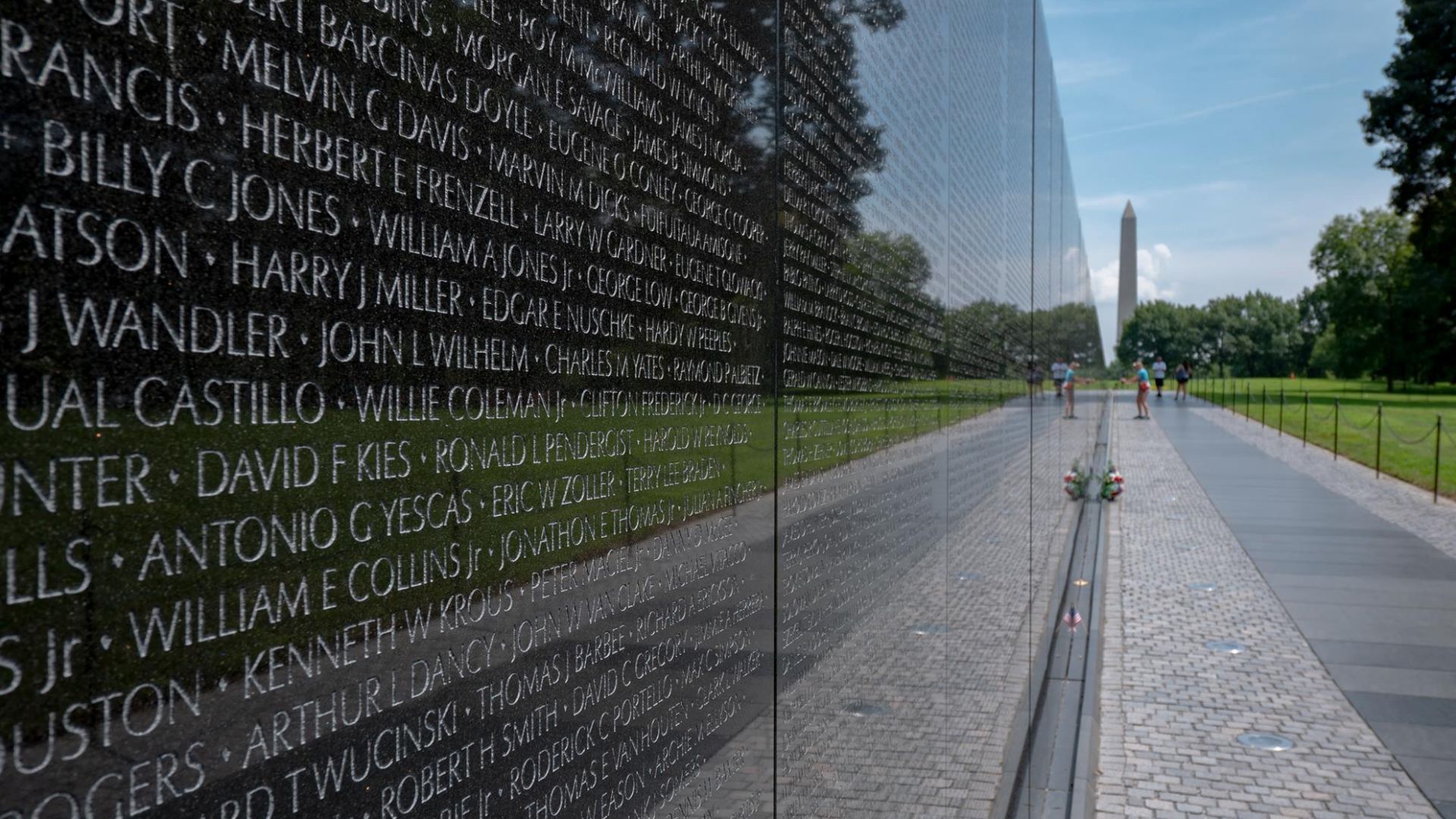 David J. Jackson, Wikimedia Commons
A Compromise Reached
To address criticism, a compromise was developed. The memorial would be built according to Maya Lin's design, but additional elements would be added nearby, including the Vietnam Veterans Memorial statue depicting three servicemen.
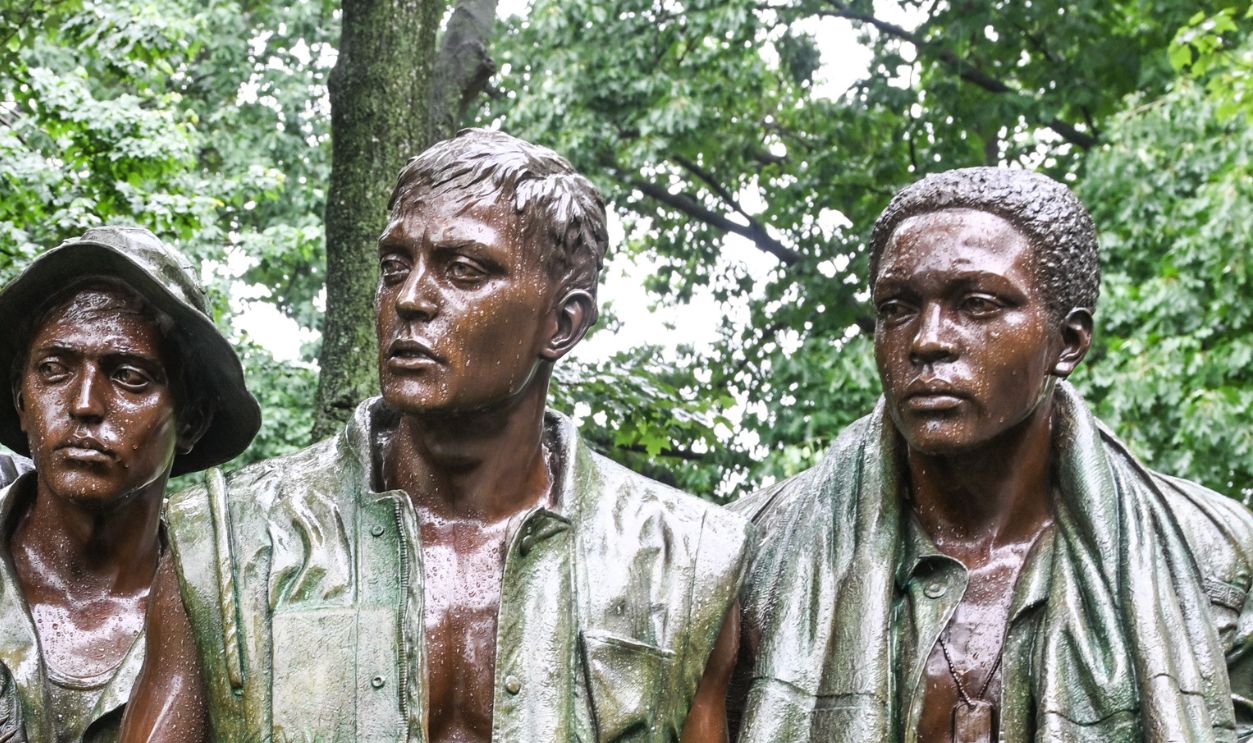
Dedication Day
The Vietnam Veterans Memorial was dedicated on November 13, 1982. Thousands of veterans attended the ceremonies. For many participants, the event represented long-awaited public recognition of their service and sacrifices.
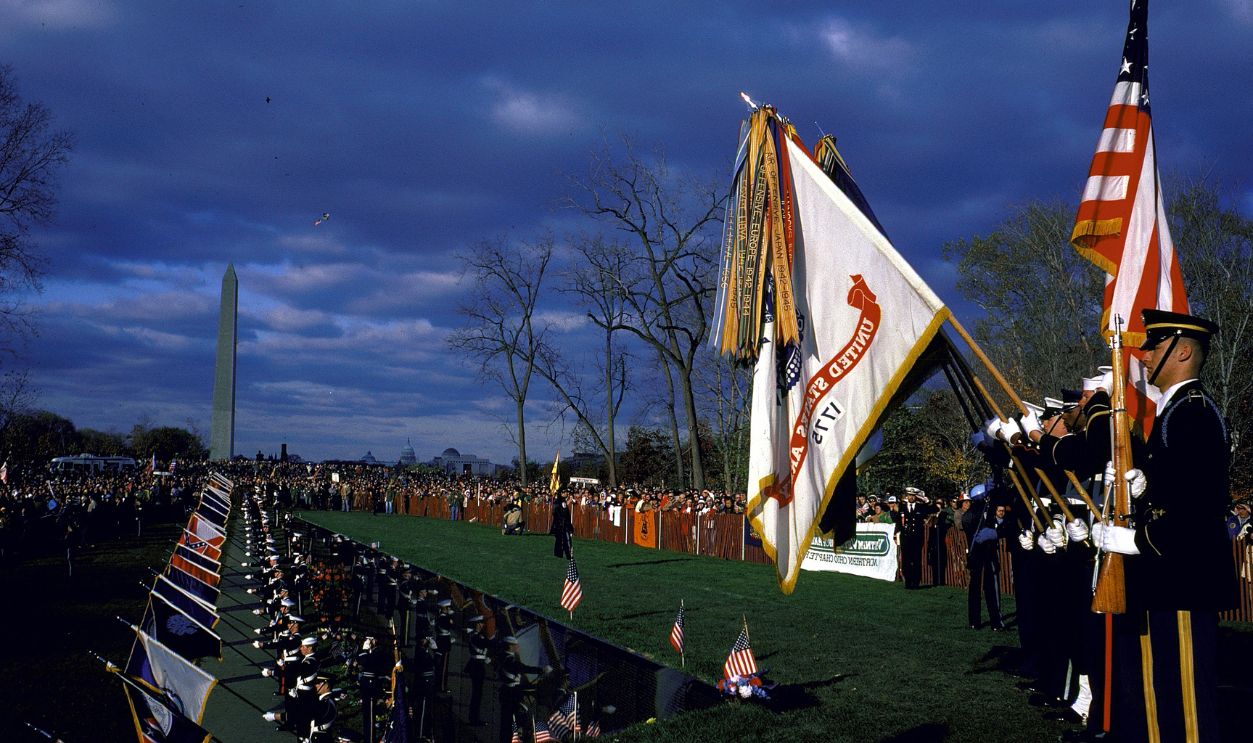
Public Reaction Changes
After opening, the memorial's reputation changed dramatically. Visitors responded strongly to the experience of seeing the names engraved on the wall. Many found the memorial deeply personal and emotionally moving.
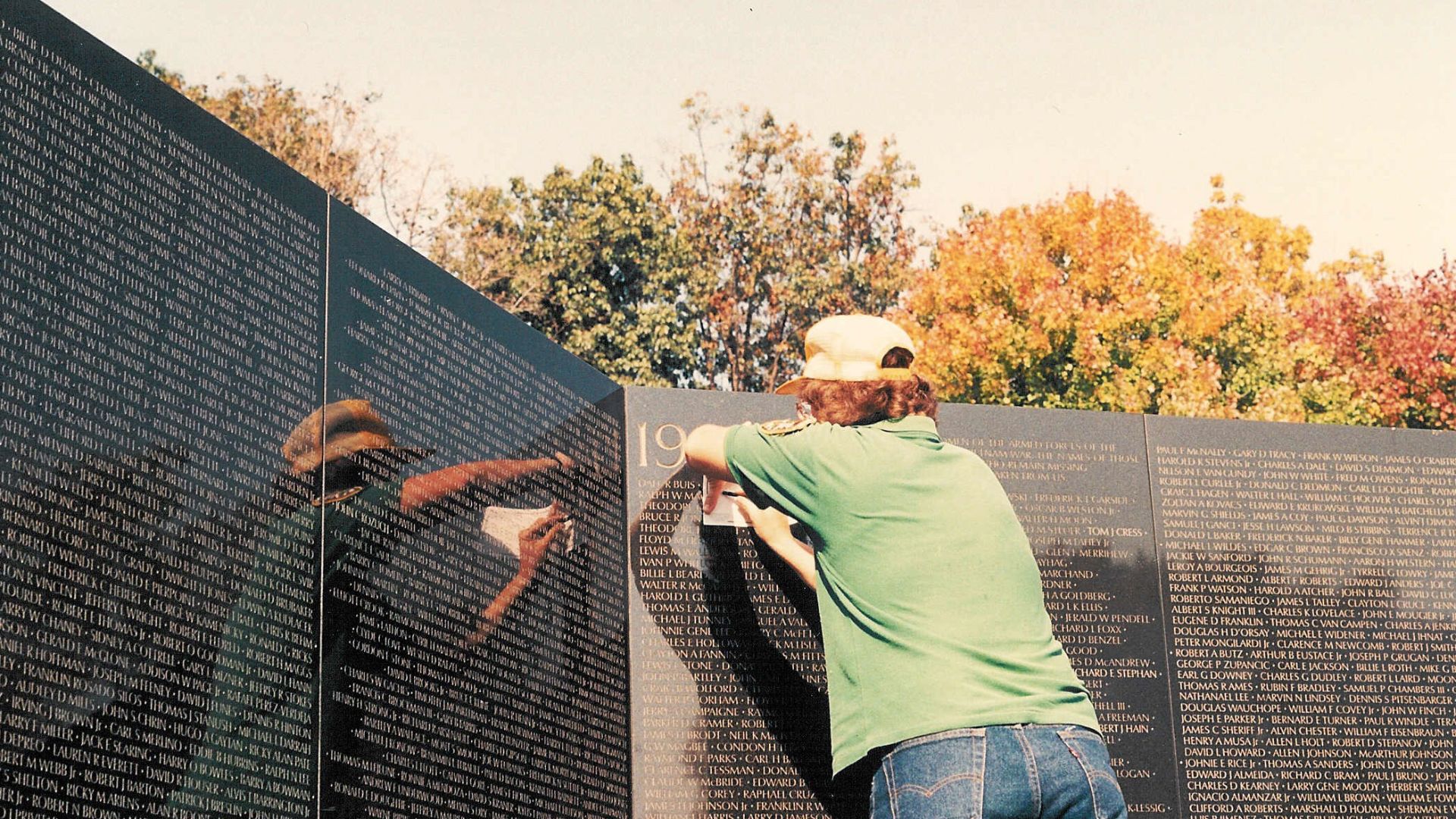 Benutzer:Rabe!, Wikimedia Commons
Maya Lin's Career
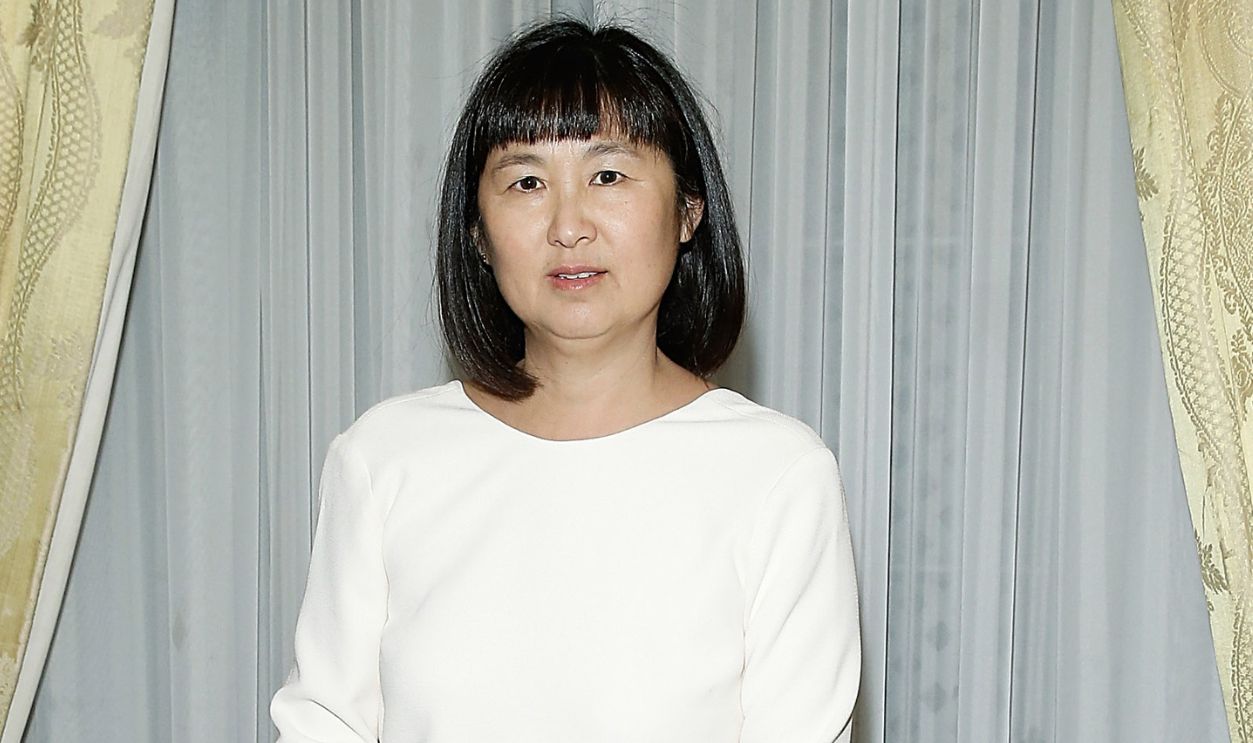
The success of the memorial launched Maya Lin's distinguished career. She became a respected architect, artist, and designer whose later projects included museums, memorials, public installations, and environmental works across the United States.
A Global Landmark
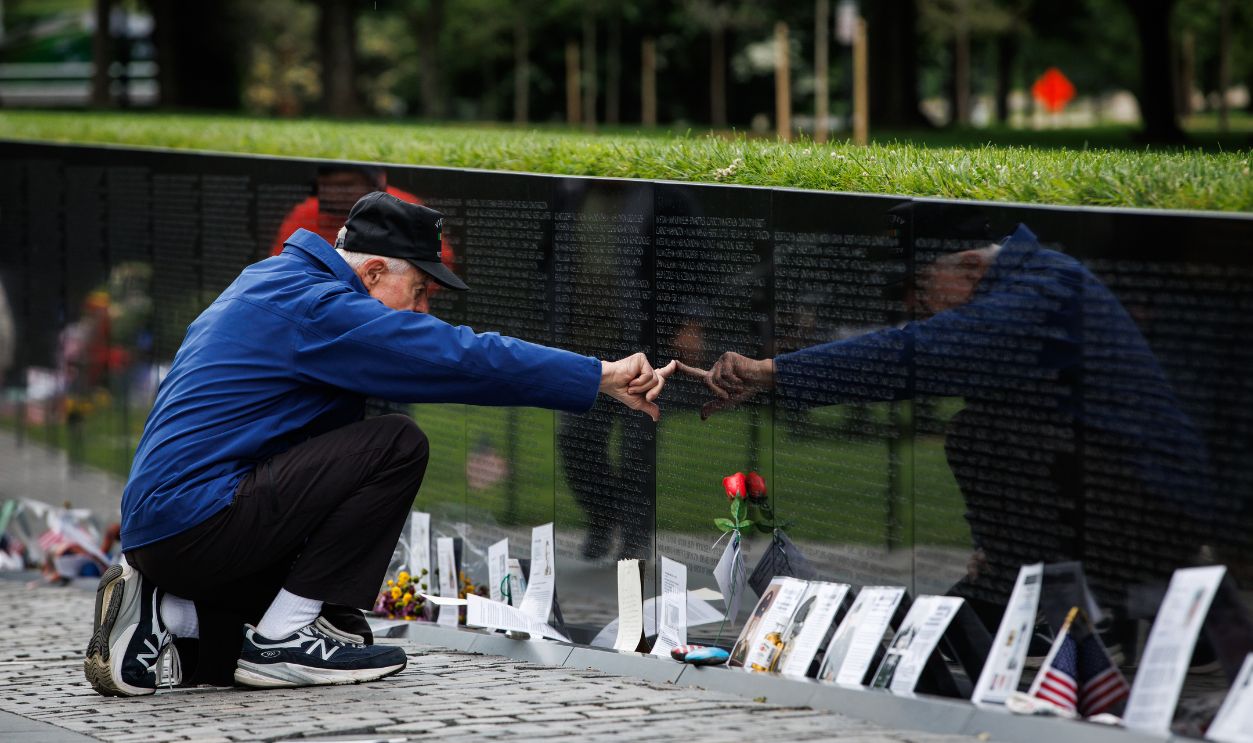
Over time, the Vietnam Veterans Memorial came to be regarded as one of the world's most influential and moving war memorials. Its design has inspired numerous later memorials and remains one of Washington's most visited sites.
Scruggs Today
Jan Scruggs continues to be associated with the memorial he helped create. As founder of the Vietnam Veterans Memorial Fund, he is widely recognized for transforming a controversial idea into a national monument that honors sacrifice, remembrance, and healing.
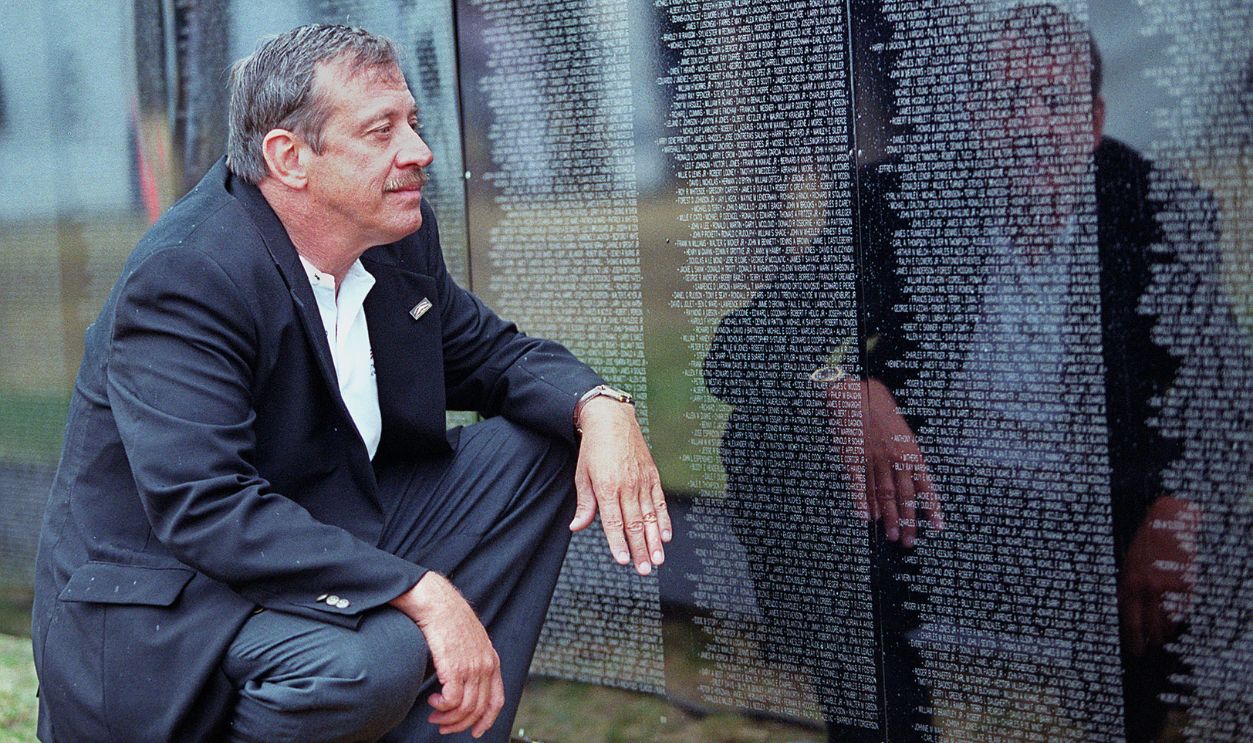 MediaNews Group/Boston Herald via Getty Images, Getty Images
You May Also Like:
Scientists finally unlocked the secret of what made Roman concrete almost indestructible.
Italy’s Carrara Marble Quarry Built Our Civilization
American cities that Americans love to visit—and the ones they tend to avoid.