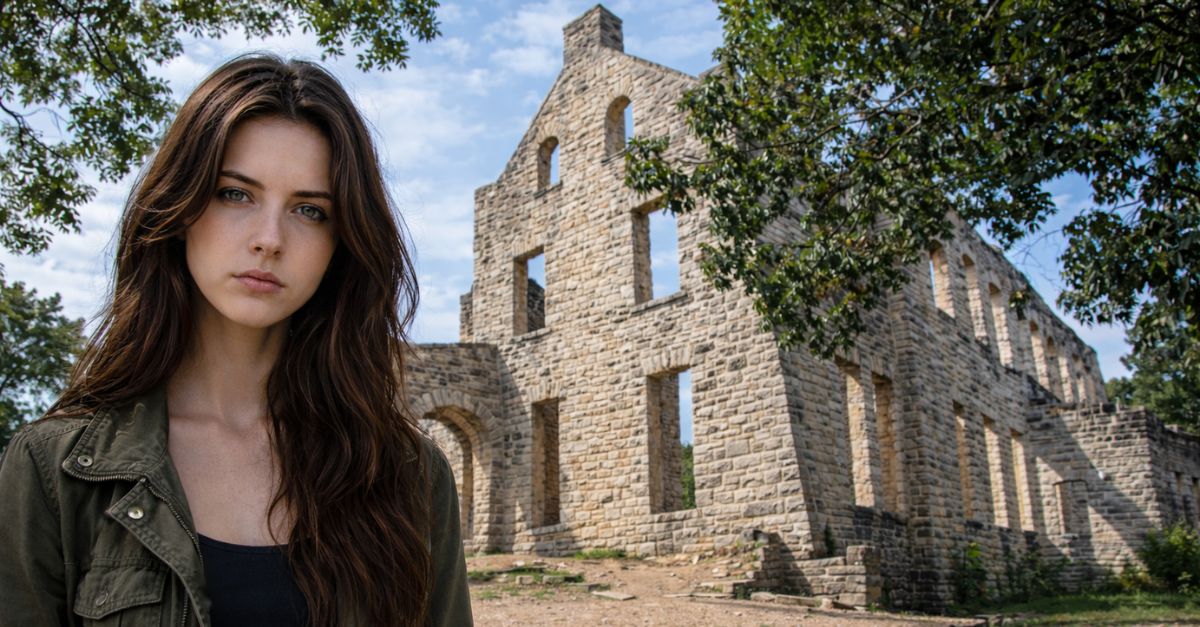
Stone And Stories Lost To Time
Across the United States, grand mansions once built to showcase power and ambition now stand empty, weathered, and largely forgotten. Each crumbling staircase and silent hall tells a story and still raises questions.
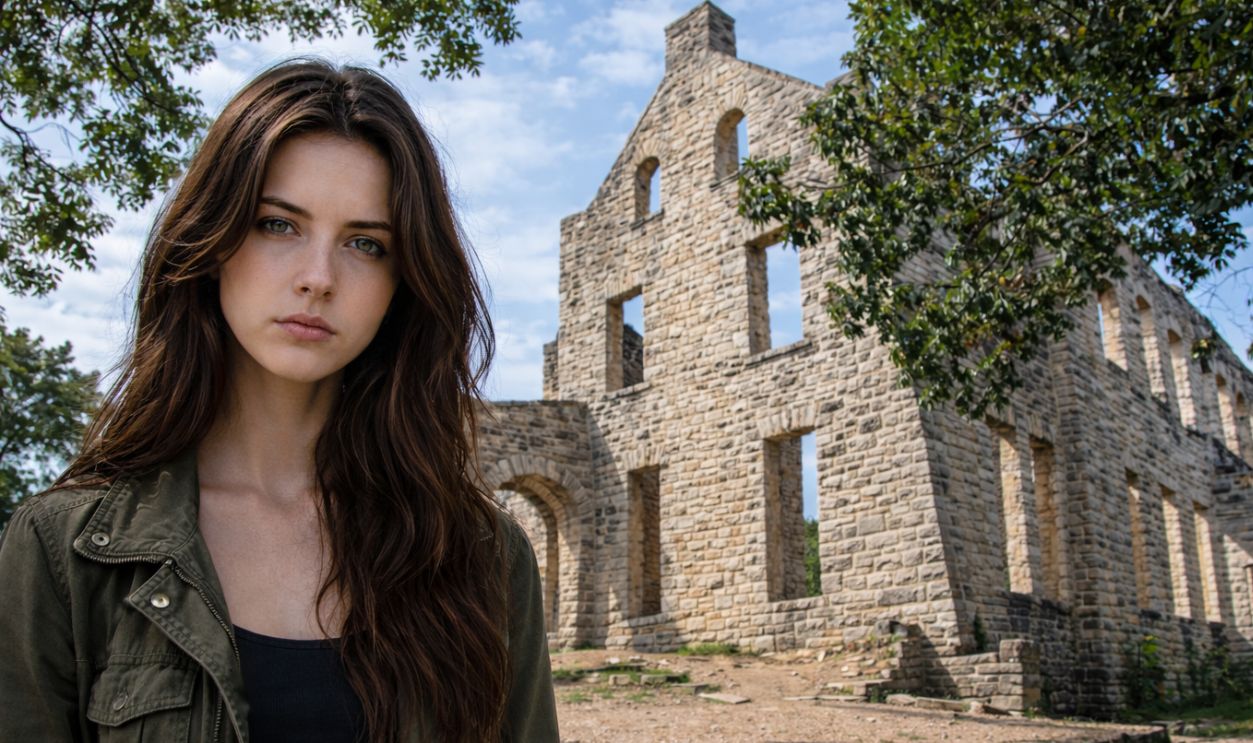 mostateparks, Wikimedia Commons, Modified
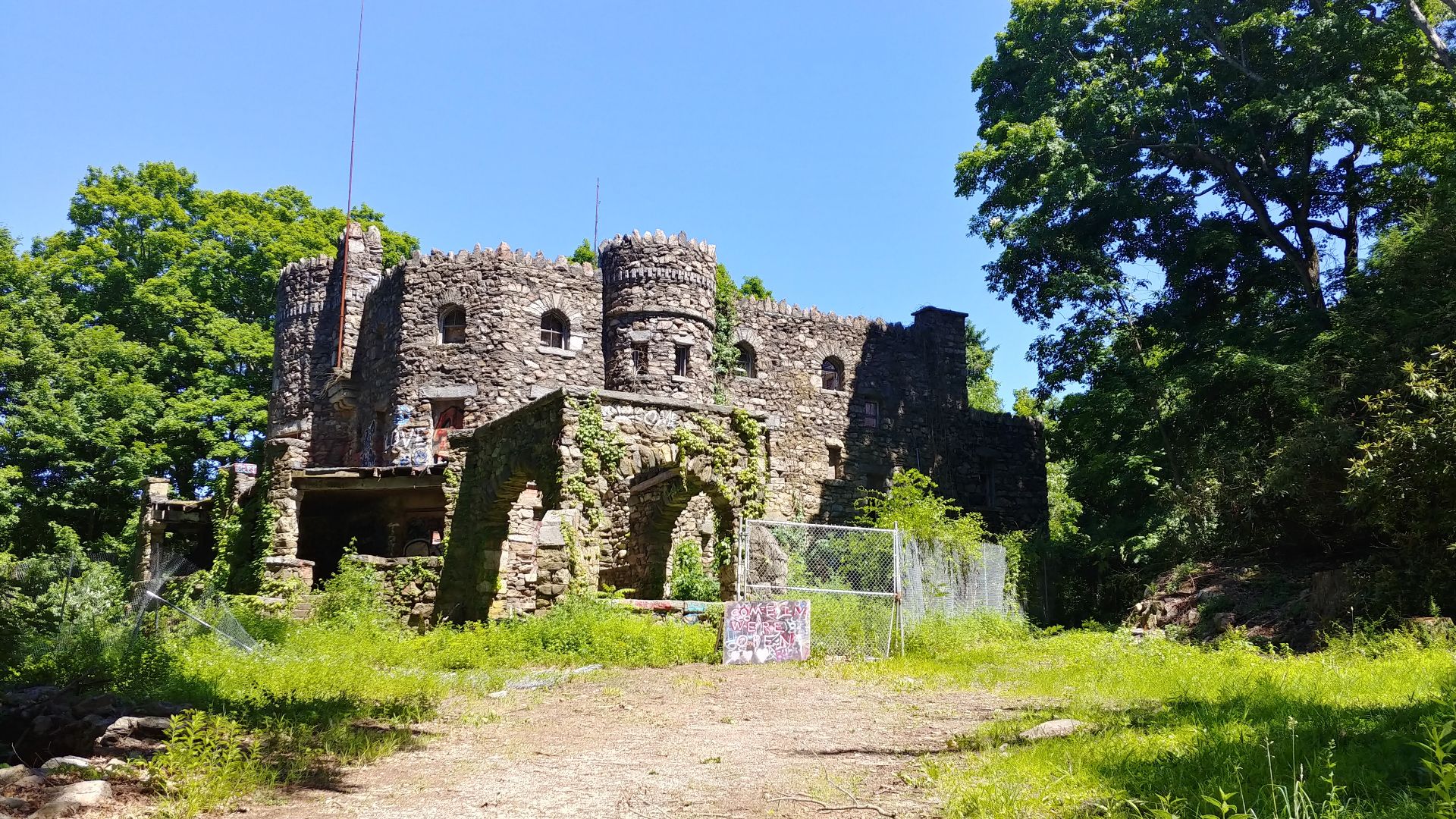
Hearthstone Castle, Danbury, Connecticut
Between 1895 and 1899, Hearthstone Castle was constructed as a grand private residence during the city’s industrial rise. It was first named “Sanford Castle” after its owner, E Starr Sanford, who was a famous photographer. However, he sold it in 1902.
Hearthstone Castle, Danbury, Connecticut (Cont.)
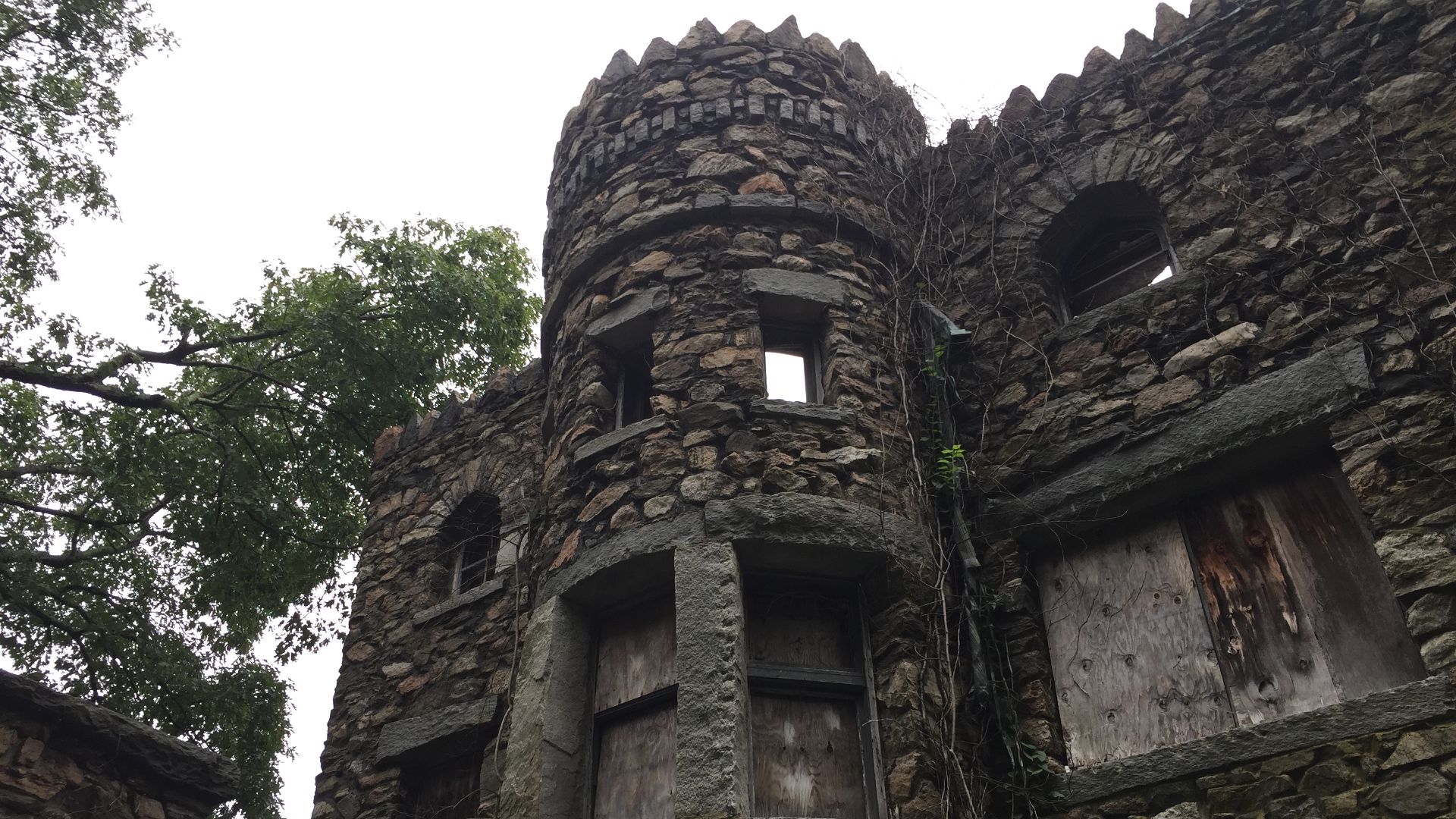
The new owner, Victor Buck, and his family changed the name to “Buck’s Castle” before selling it. Irene Parks and later heirs lived in the castle before it was sold to the town of Danbury. However, the site wasn’t well-maintained, and the roof has collapsed. Restoration options have been discussed ever since, with no real progress.
Wyndclyffe, Rhinebeck, New York
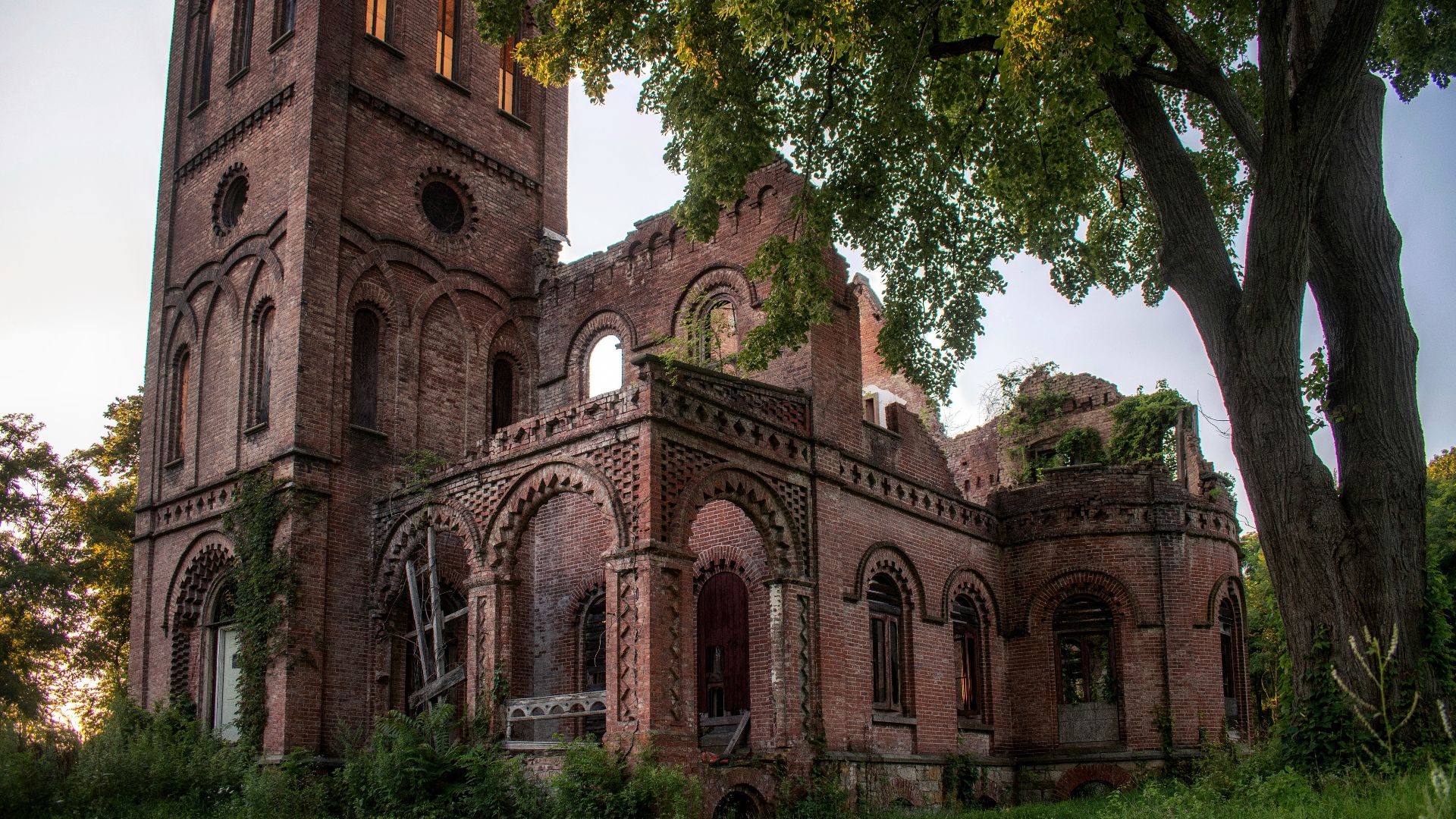
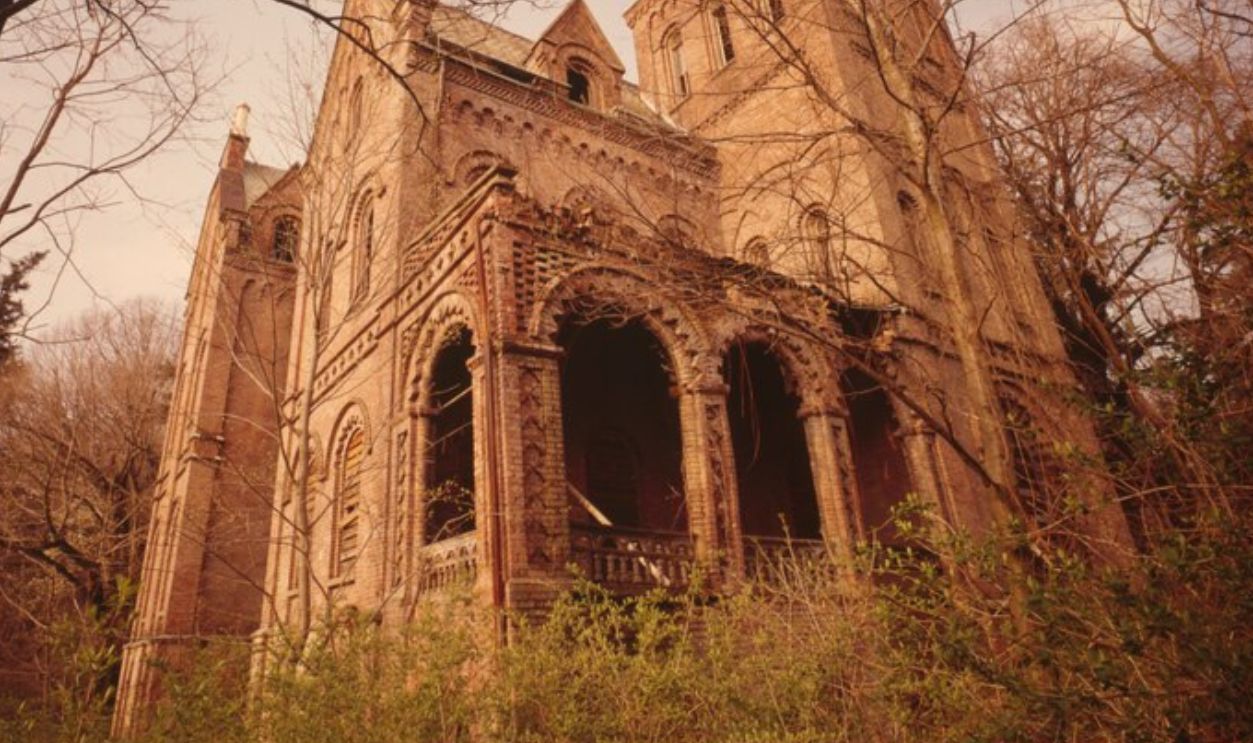
Wyndclyffe was completed in 1853 as a weekend and summer retreat overlooking the Hudson River, commissioned by socialite Elizabeth Schermerhorn Jones. Likely designed by local architect George Veitch, the estate helped popularize Rhinebeck as a retreat for wealthy New Yorkers seeking scenic countryside escapes.
Wyndclyffe, Rhinebeck, New York (Cont.)
Despite its early prominence, the mansion experienced repeated periods of vacancy as ownership changed over the decades. By the late 20th century, neglect and vandalism had taken a heavy toll on the structure.
 Jack Boucher, Wikimedia Commons
Bannerman’s Castle, Pollepel Island, New York
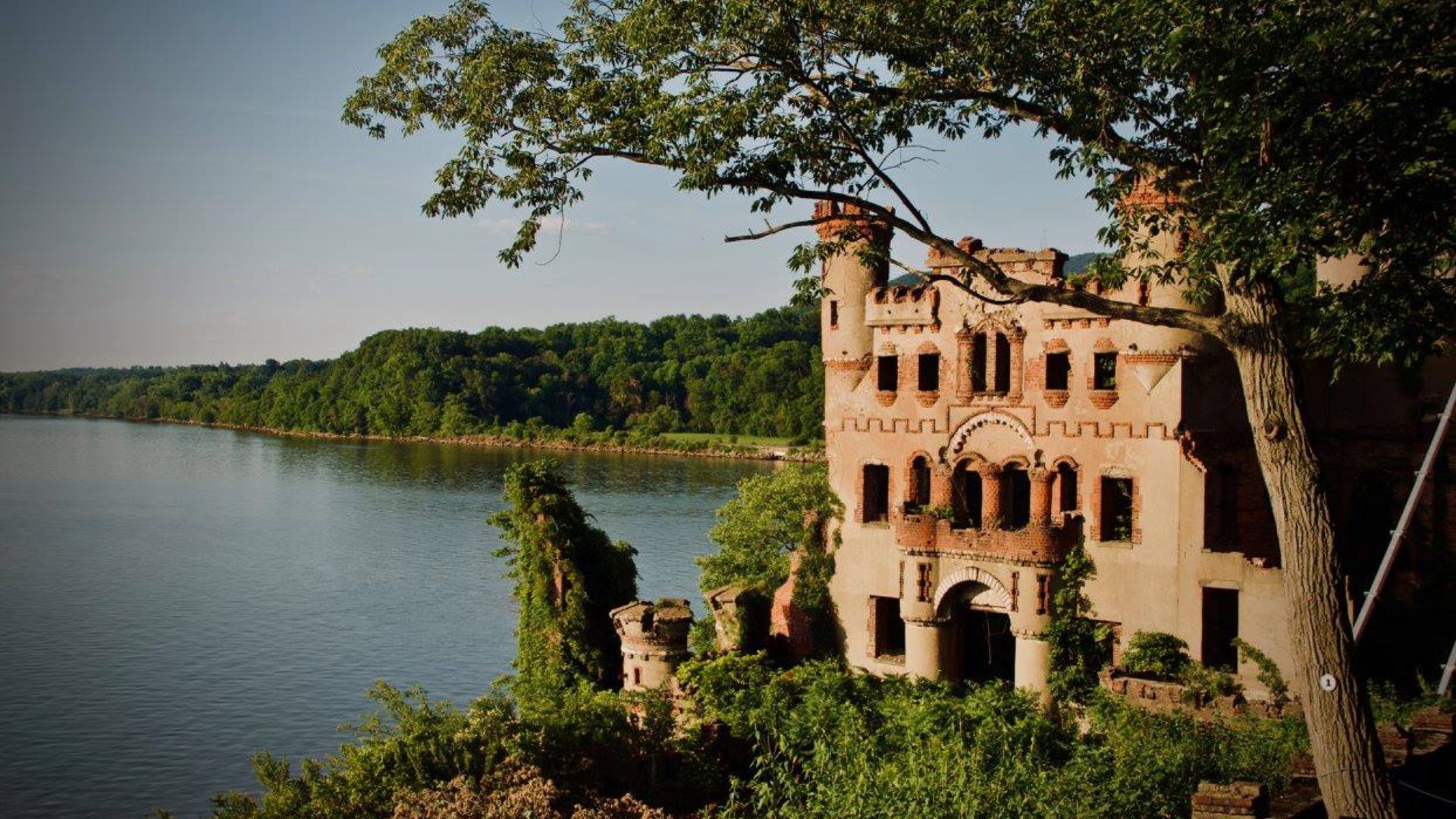
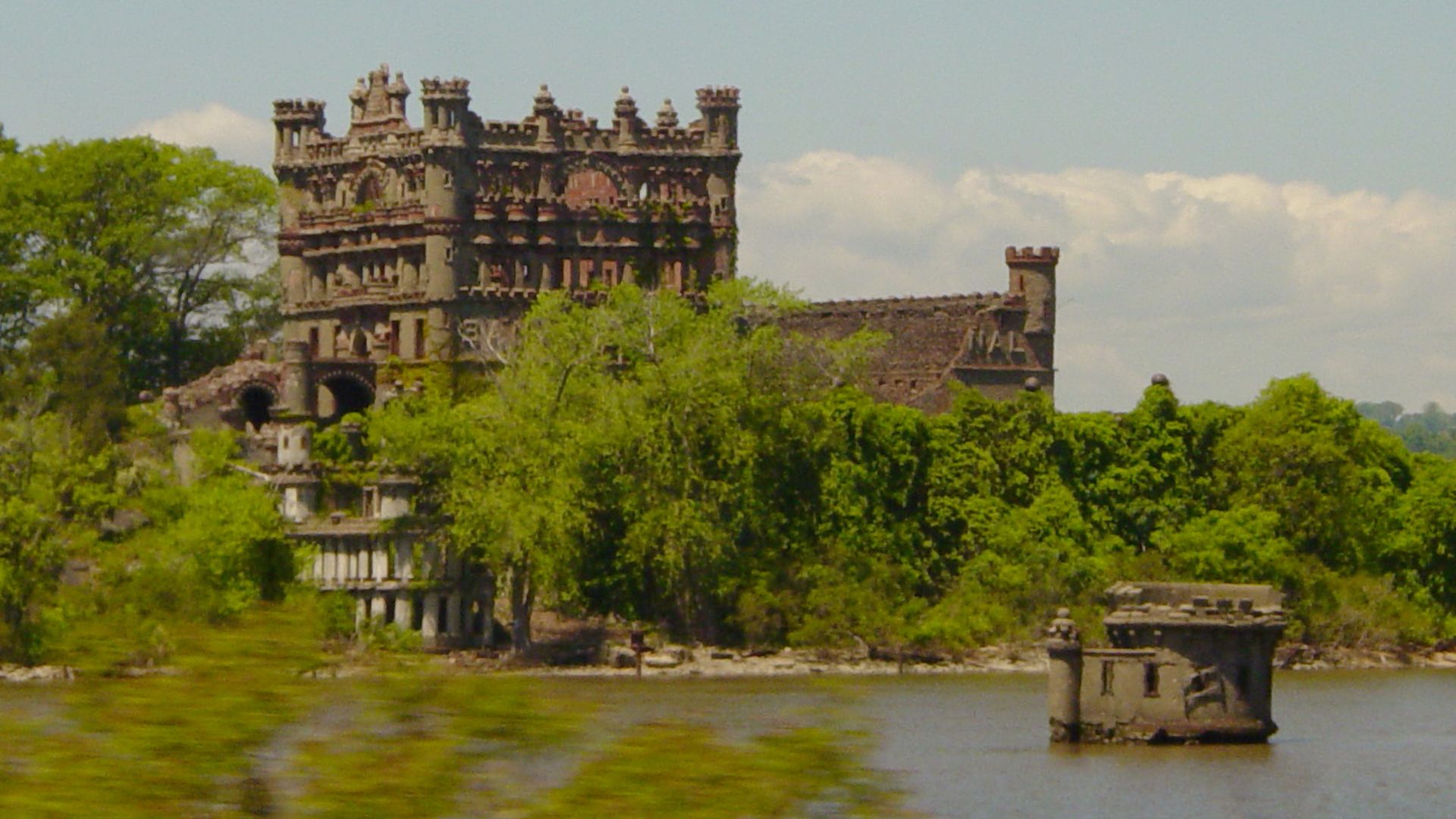
To secure explosives away from New York City, iron arms magnate Francis Bannerman VI began constructing Bannerman’s Castle in 1901 on Pollepel Island. The dramatic complex was designed primarily to store surplus weapons and ammunition purchased after the Spanish–American War, while also serving as a bold advertisement for Bannerman’s business.
Bannerman’s Castle, Pollepel Island, New York (Cont.)
Although living quarters and offices were included, the site functioned mainly as an arsenal rather than a traditional home. After Francis Bannerman VI’s death in 1918, the property passed to his family but saw little active use. Over the years, accidental explosions, a major fire in 1969, and decades of neglect severely damaged the structures.
 User:Leonard G., Wikimedia Commons
Dundas Castle, Roscoe, New York
Rising above the Catskill Mountains near Roscoe, Dundas Castle was constructed in the early 20th century as an ambitious private retreat inspired by Scottish medieval fortresses. Commissioned by Bradford Lee Gilbert, the property was later bought by Ralph Wurts-Dundas in 1915, and he began building the castle.
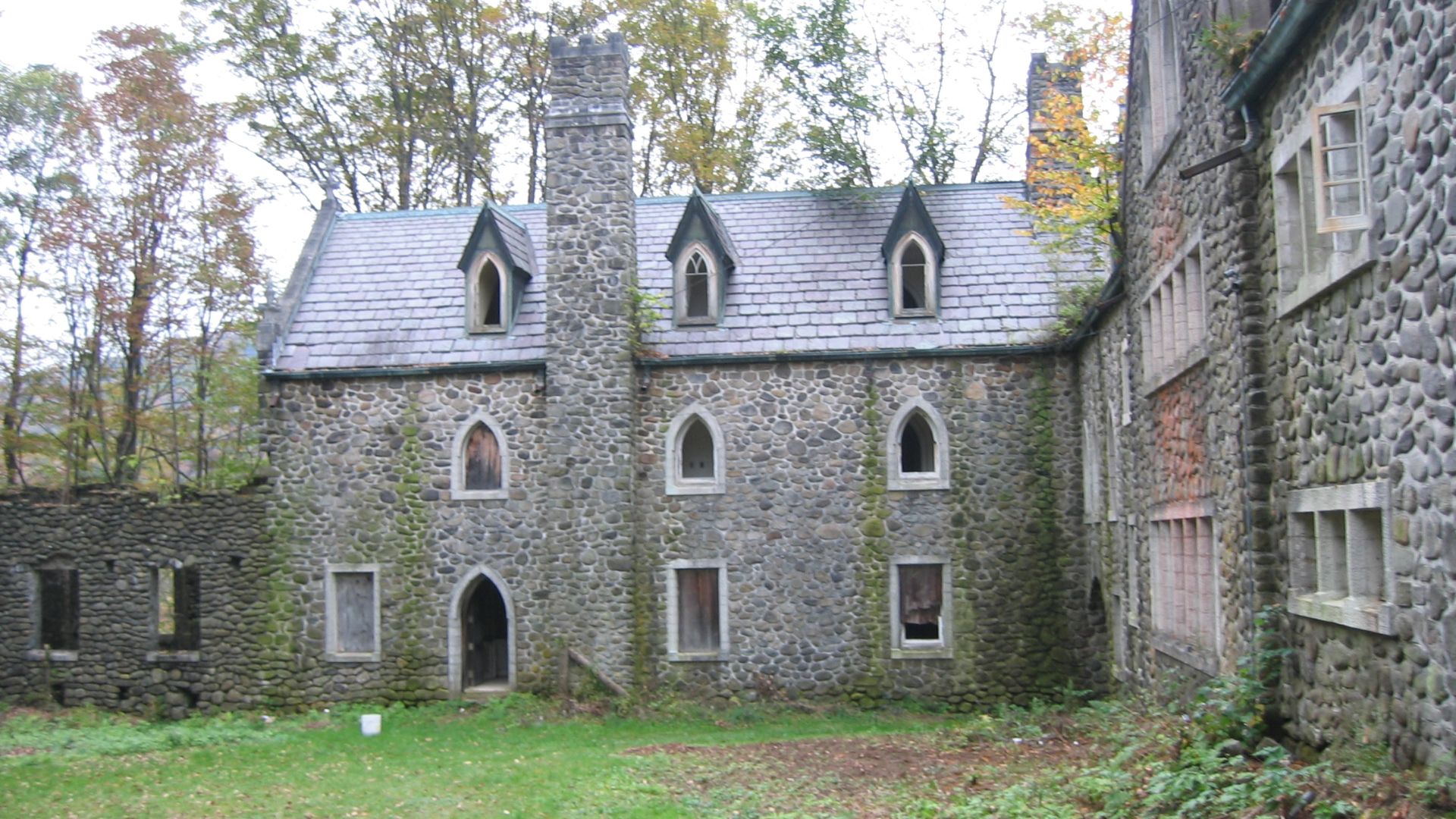 Peter Bond from Philadelphia, USA, Wikimedia Commons
Dundas Castle, Roscoe, New York (Cont.)
Gilbert started working on a summer residence, but the stone structure was later designed for the new owner, complete with towers, battlements, and expansive views of the surrounding area. However, the project was never fully completed because Dundas died in 1921.
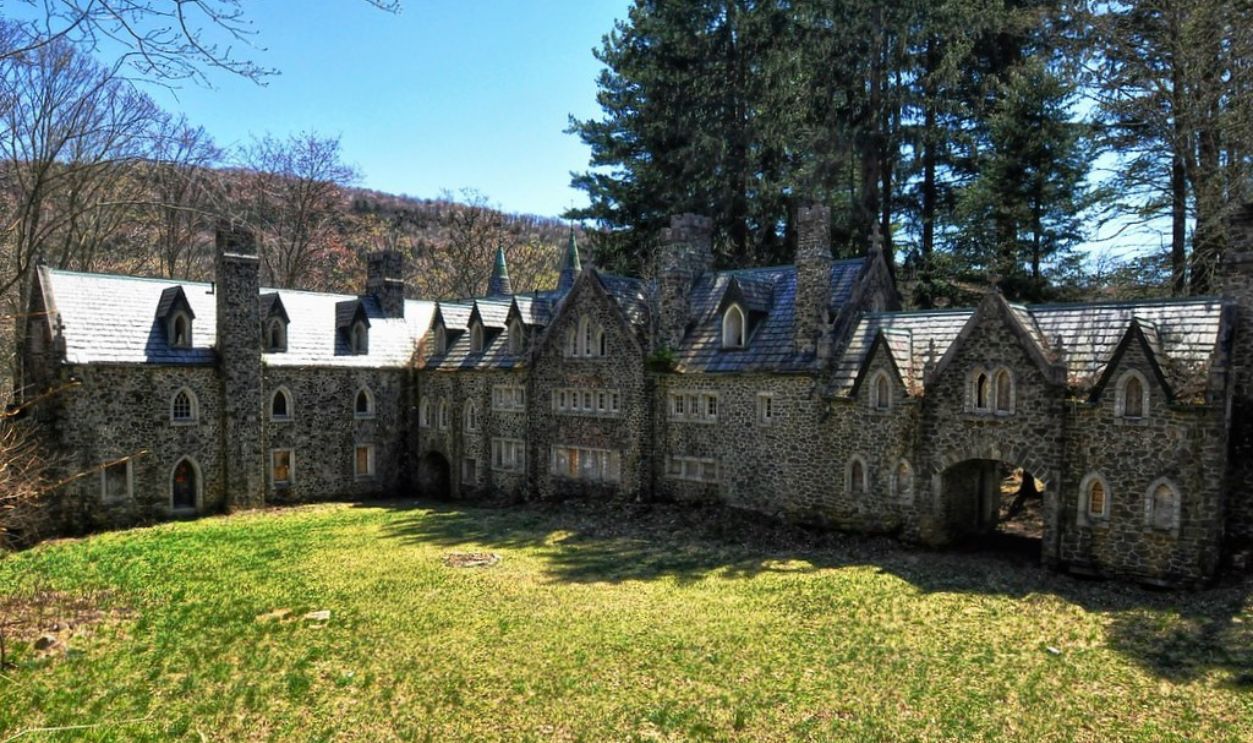
Dundas Castle, Roscoe, New York (Cont.)
The partially finished structure was later sold and briefly repurposed as a youth camp, but its isolated location and unfinished interior limited long-term use. Over time, the castle fell into disrepair and was abandoned. Today, the remaining stone walls and towers stand as atmospheric ruins along a popular hiking trail.
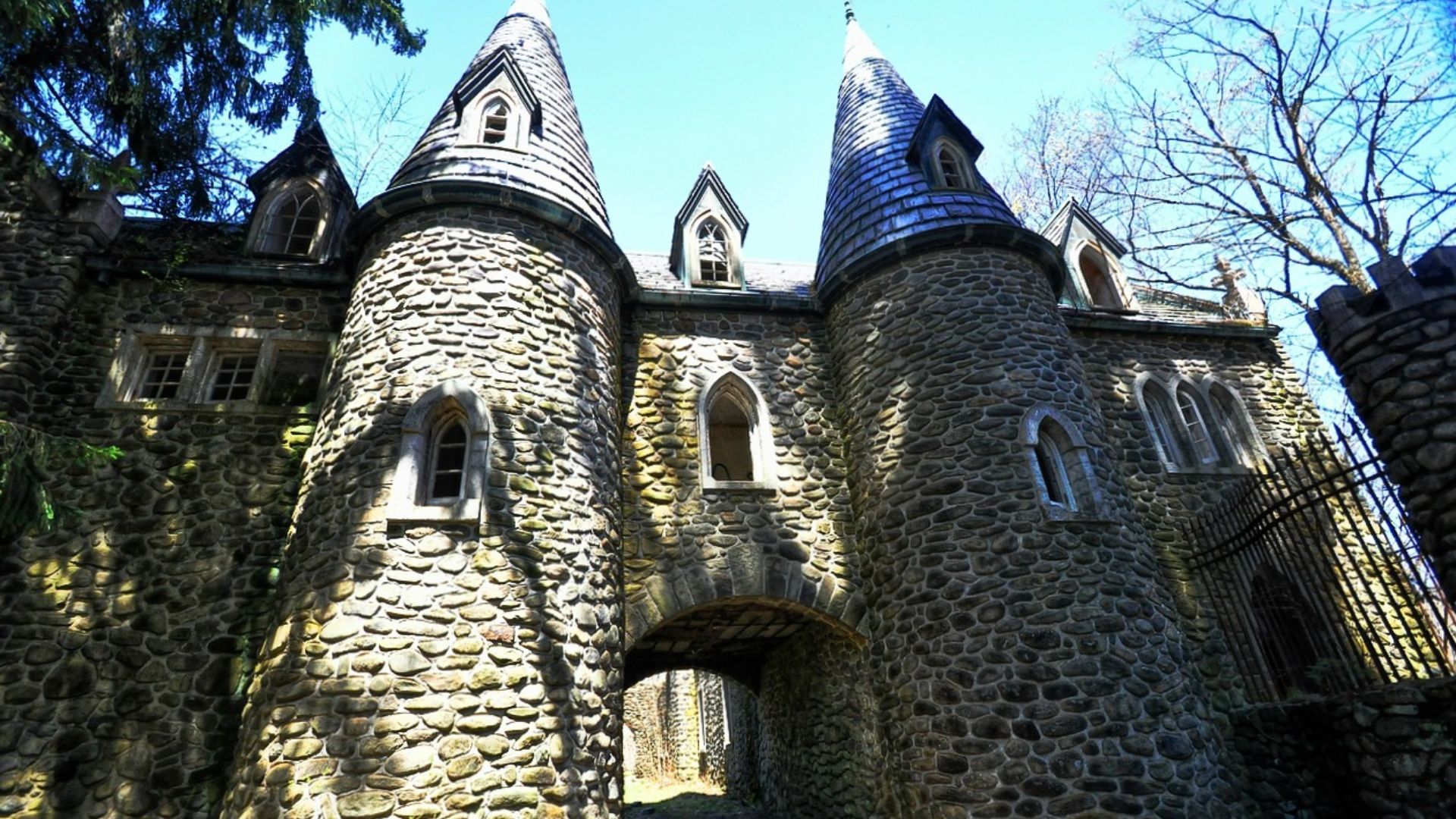 Forsaken Fotos from , Maryland, Wikimedia Commons
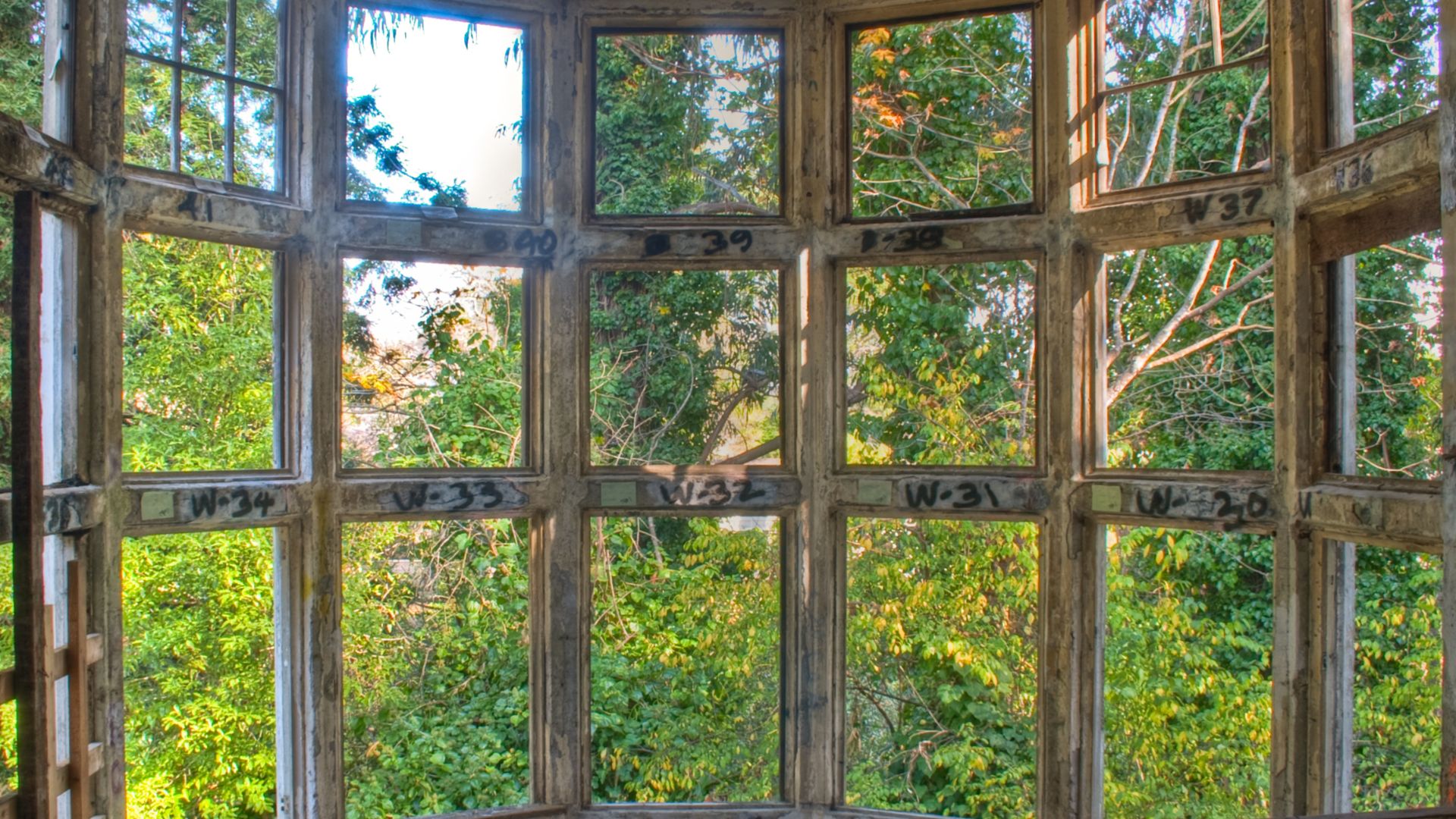
Rispin Mansion Capitola, California
Built in 1921 by Henry Allen Rispin, this Mission Revival mansion showcased Capitola’s resort ambitions. Overlooking Soquel Creek, it symbolized post‑WWI prosperity. Listed on the National Register of Historic Places, it remains a striking reminder of California’s coastal allure.
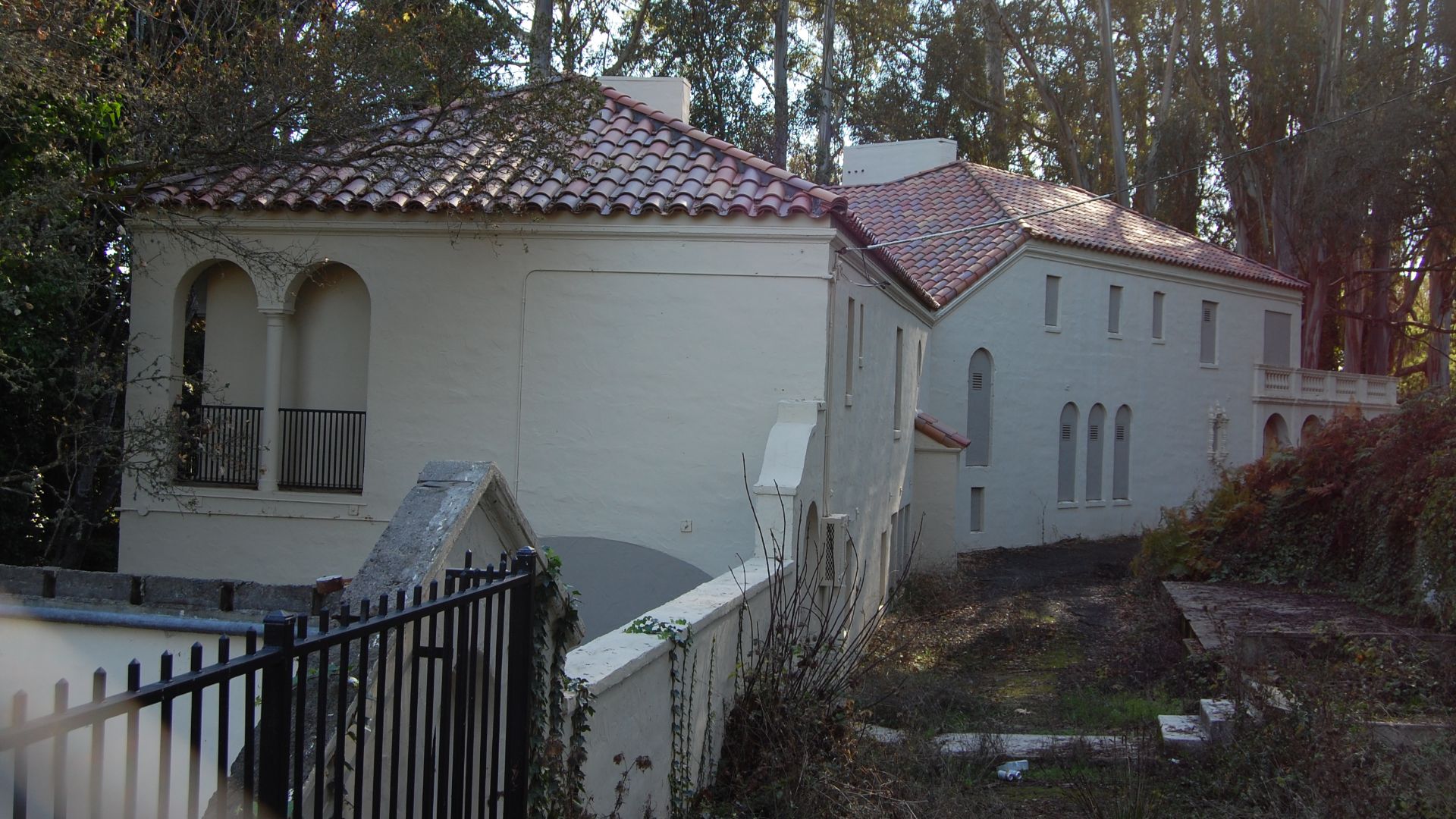 Eugene Zelenko, Wikimedia Commons
Rispin Mansion Capitola, California (Cont.)
Following Rispin’s financial collapse, the mansion found its brief purpose as a convent, housing the Poor Clares from the early 1940s until 1959. After the nuns departed, the property fell truly vacant. Vandalism, boarded windows, and overgrown grounds followed. Despite historic designation, preservation stalled, while local ghost stories cemented its reputation.
 Jonathan Haeber from Richmond, CA, Wikimedia Commons
Belvoir Estate Ruins, Fairfax County, Virginia
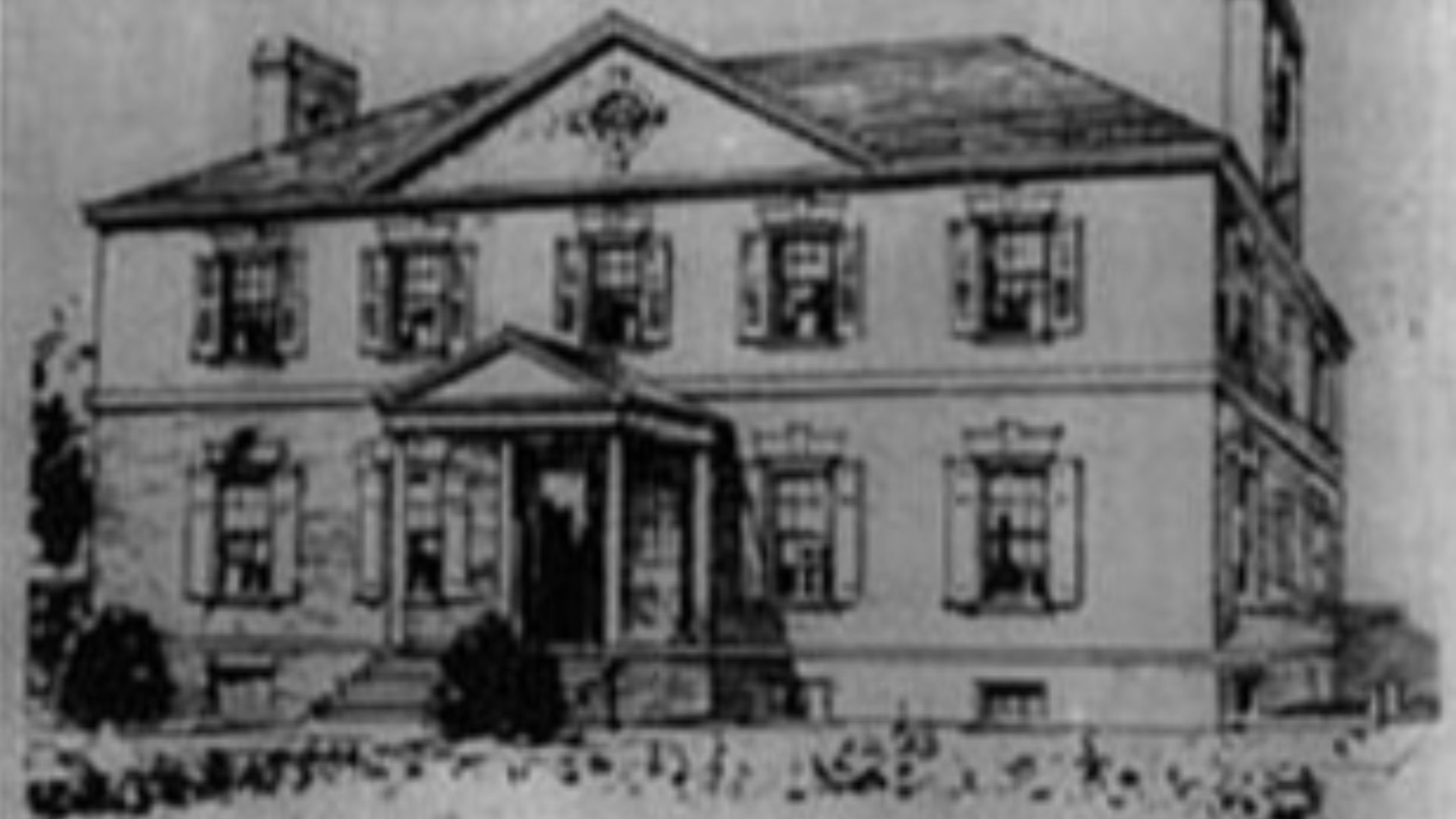
Originally constructed between 1736 and 1741 for Colonel William Fairfax, Belvoir was once one of colonial Virginia’s most impressive plantation estates. Designed in the Georgian style, the mansion symbolized wealth and transatlantic ties to England.
Belvoir Estate Ruins, Fairfax County, Virginia (Cont.)
The estate also played a role in early American history, with frequent visits from George Washington, who was related to the Fairfax family by marriage. In 1783, shortly after the American Revolutionary War, a devastating fire destroyed the main house. Rather than rebuild, subsequent owners allowed the site to deteriorate.
 Gilbert Stuart, Wikimedia Commons
Belvoir Estate Ruins, Fairfax County, Virginia (Cont.)
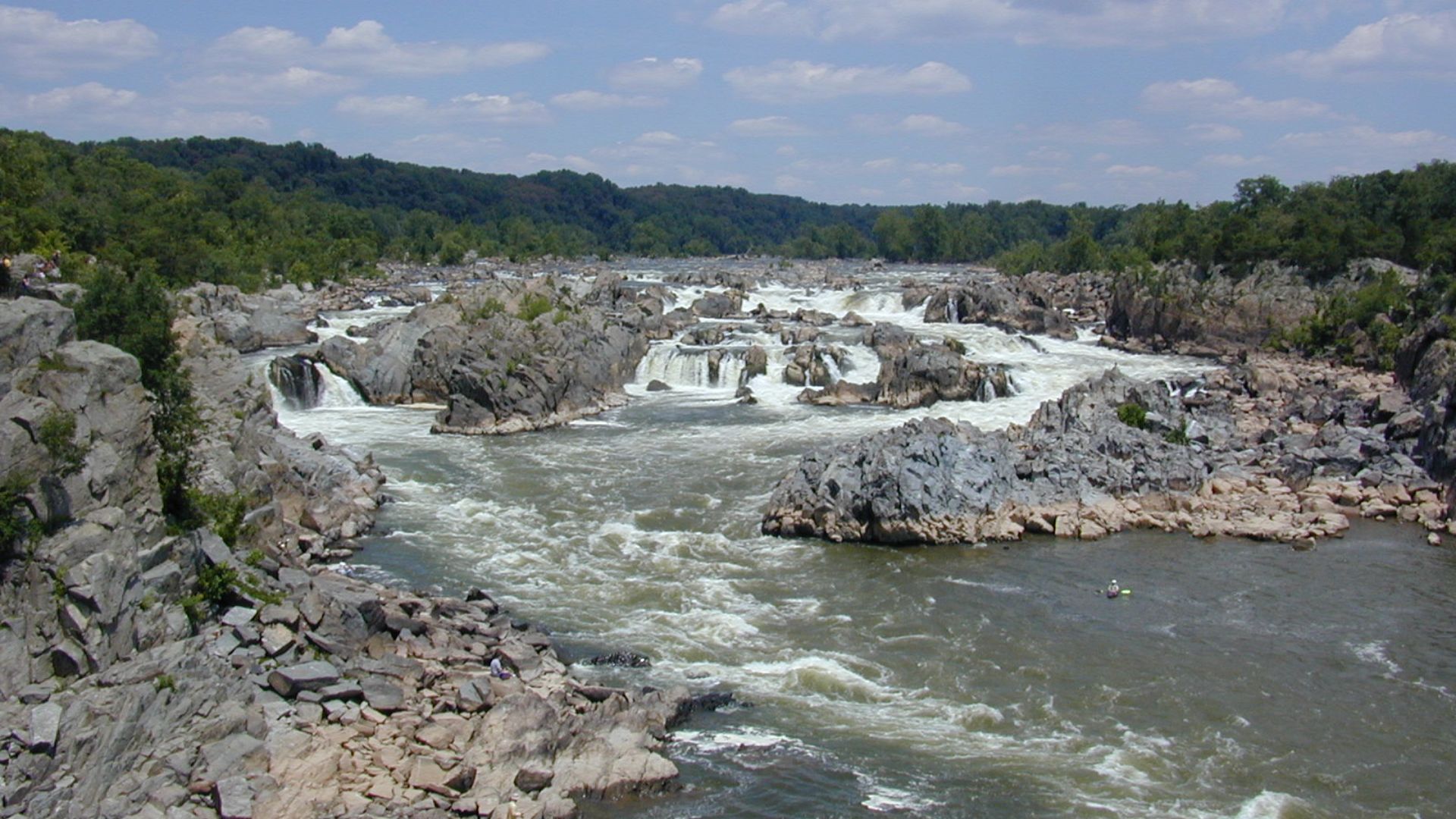
Over time, the ruins became evidence of shifting fortunes following independence. The preserved remains sit within a public park overlooking the Potomac River. Interpretive markers help visitors understand the estate’s scale and its role in colonial society.
 Jan Kronsell, Wikimedia Commons
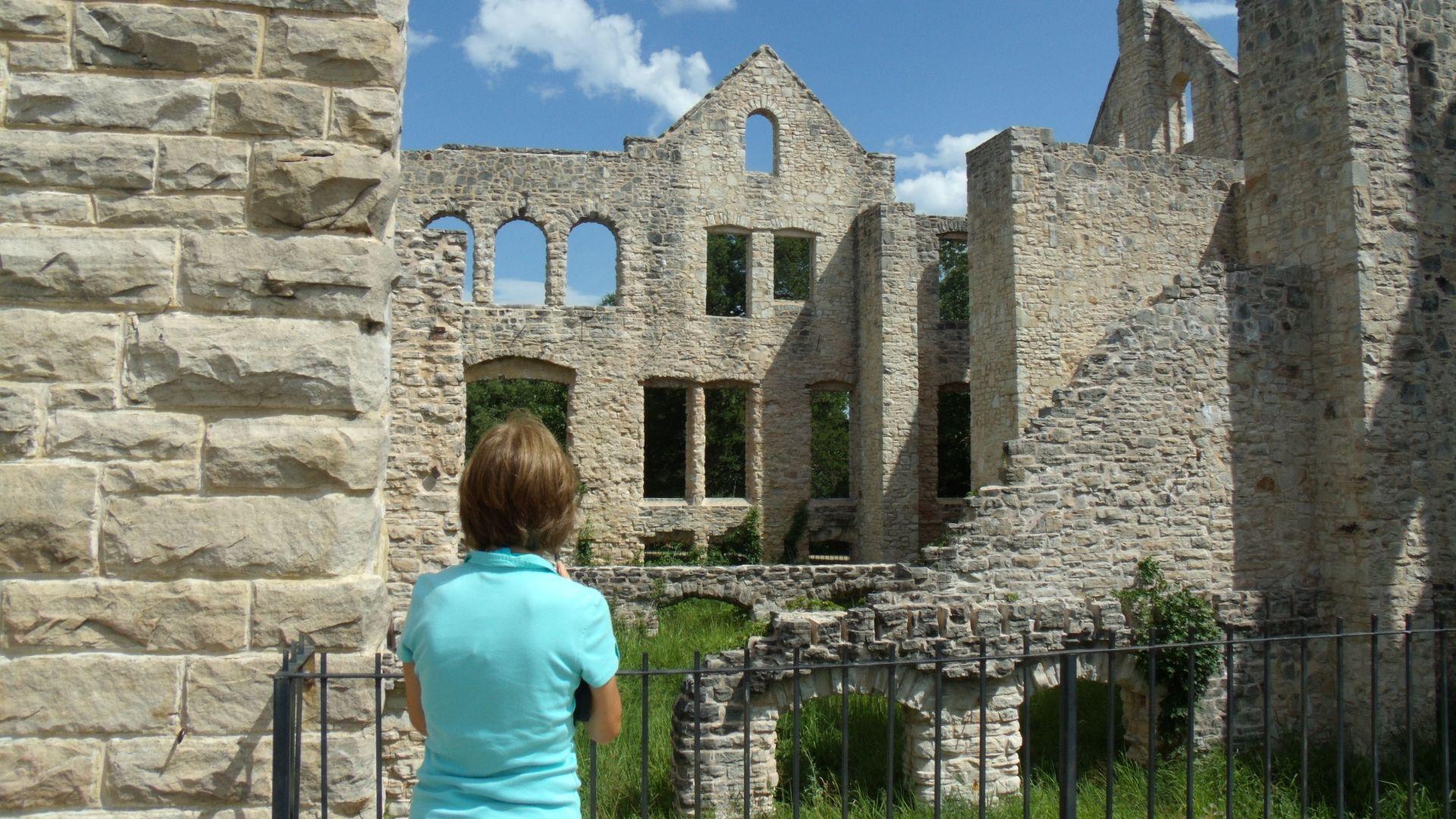
Ha Ha Tonka Castle, Camdenton, Missouri
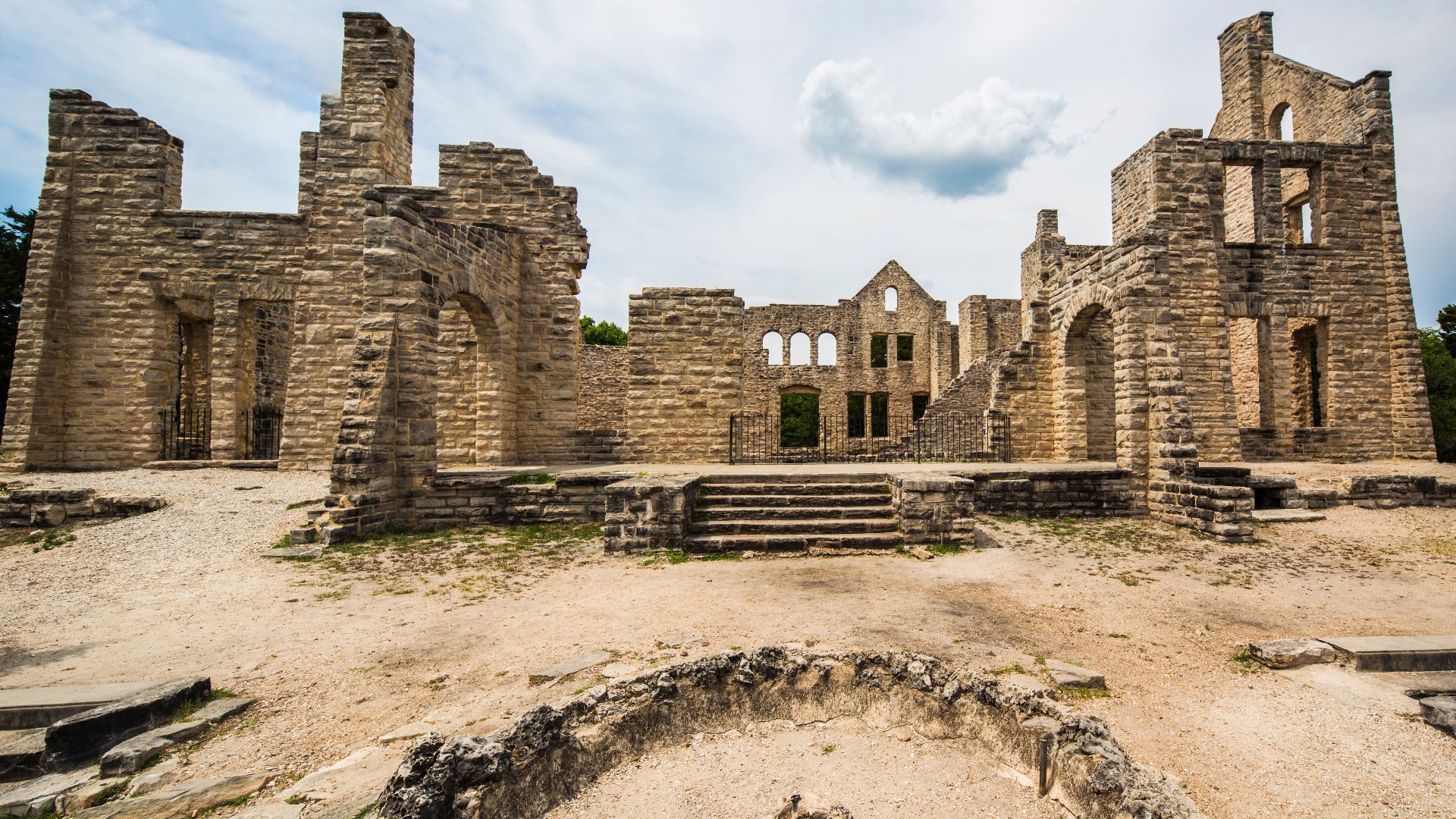
Built in 1905 by Kansas City financier Robert Snyder, Ha Ha Tonka Castle was designed as a European-style retreat overlooking the Ozarks. Designed to resemble a medieval castle, the limestone structure featured terraces and amazing views.
 ThePhotoRun, Jason Runyon, Wikimedia Commons
Ha Ha Tonka Castle, Camdenton, Missouri (Cont.)
Snyder died before the home was completed, and although the property later served as a hotel and private residence, it never reached its original potential. After years of vacancy, a devastating fire in 1942 gutted the building and left only its stone shell. The dramatic ruins form the centerpiece of Ha Ha Tonka State Park, attracting photographers and history enthusiasts.
 mostateparks, Wikimedia Commons
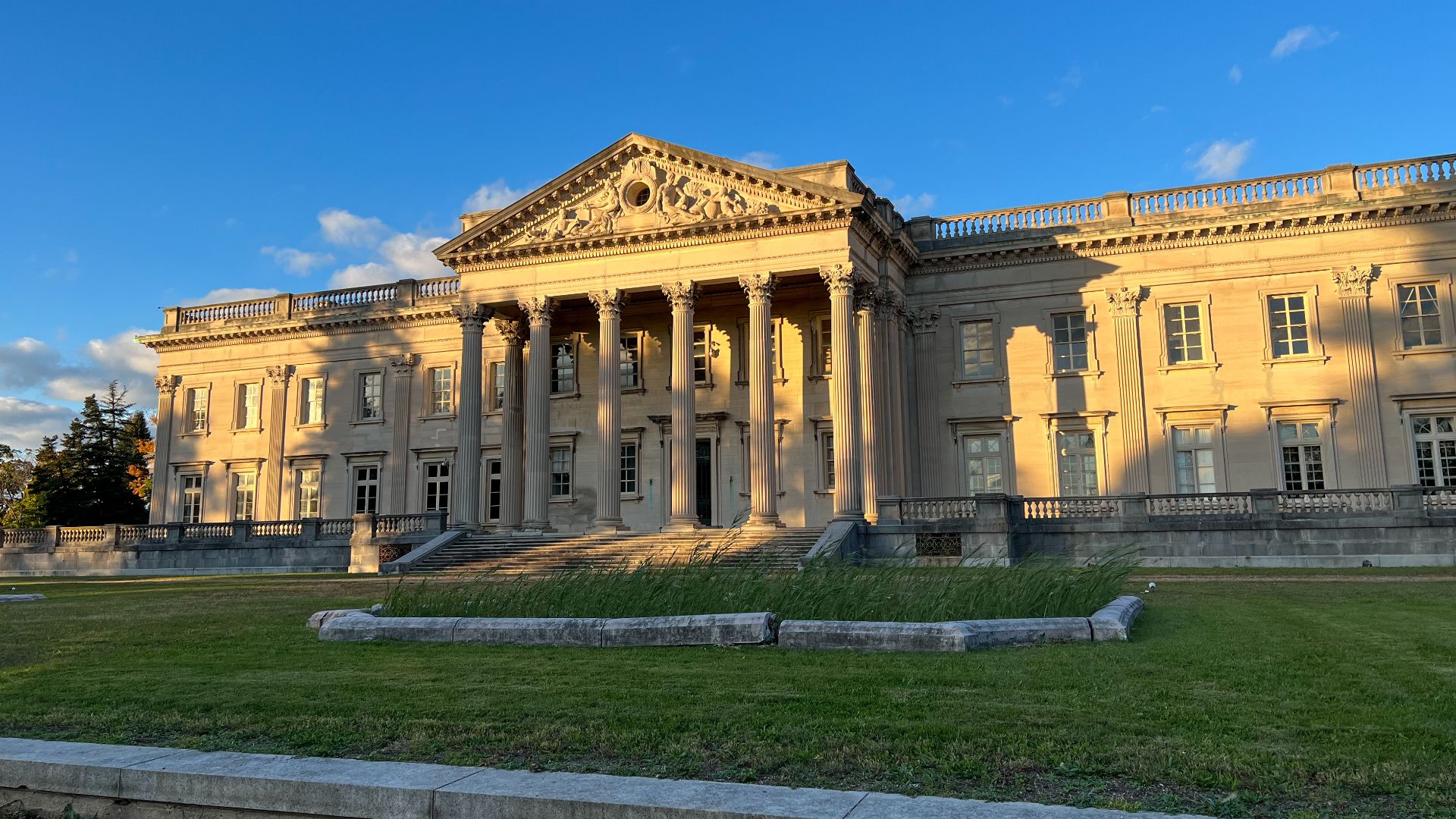
Lynnewood Hall, Elkins Park, Pennsylvania
Completed in 1900 for transportation magnate Peter Widener, Lynnewood Hall was designed by architect Horace Trumbauer as one of the largest private residences ever built in the United States. Modeled after European palaces, the massive estate featured dozens of rooms, formal gardens, and priceless art collections.
 EmeraldForrest, Wikimedia Commons
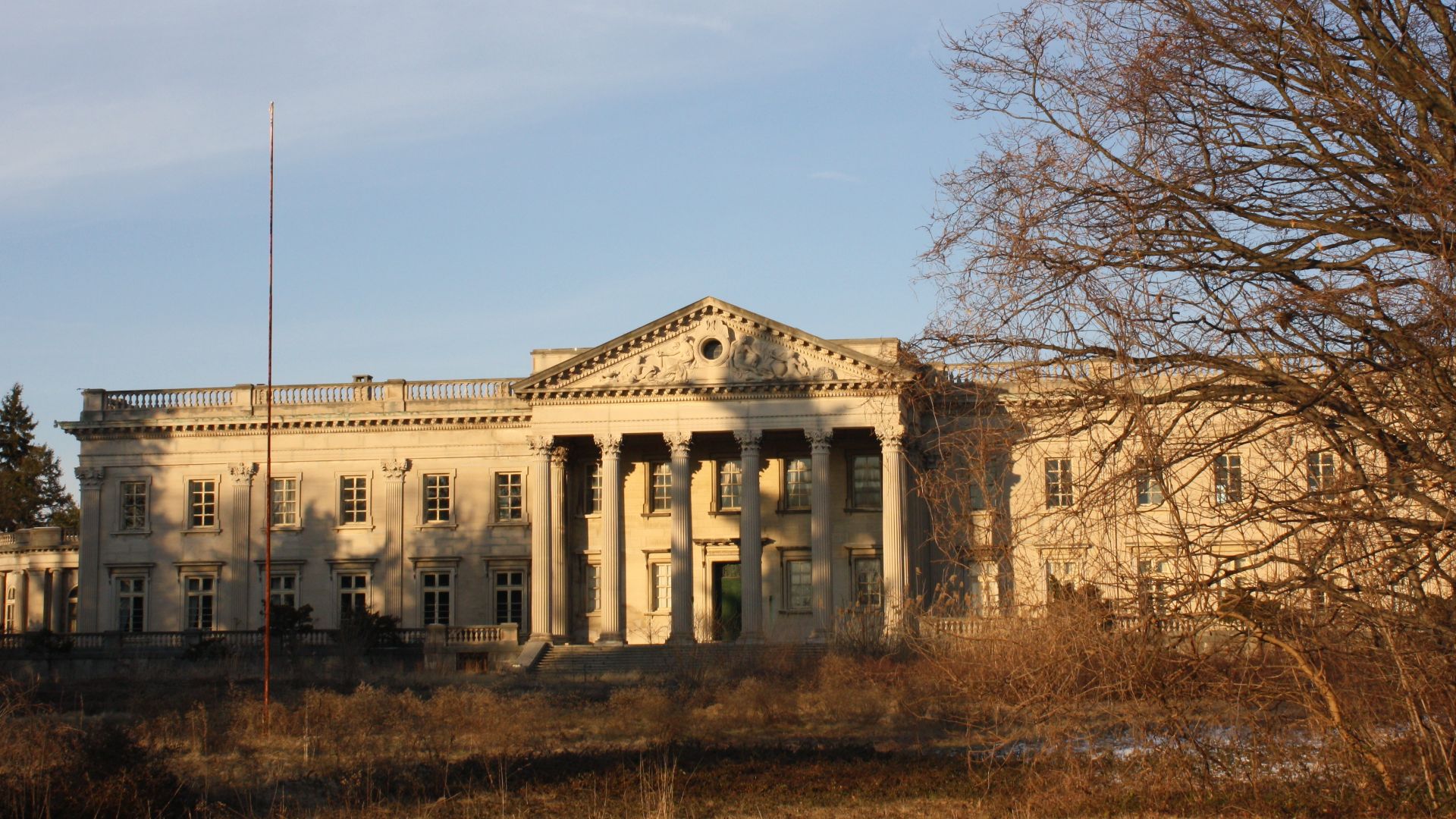
Lynnewood Hall, Elkins Park, Pennsylvania (Cont.)
After Widener’s descendants gradually left the property, the mansion entered a long period of vacancy, which accelerated its decline. Deferred maintenance and legal disputes complicated preservation efforts for decades. Lynnewood Hall is frequently cited in documentaries and articles exploring the excess and fragility of America’s Gilded Age.
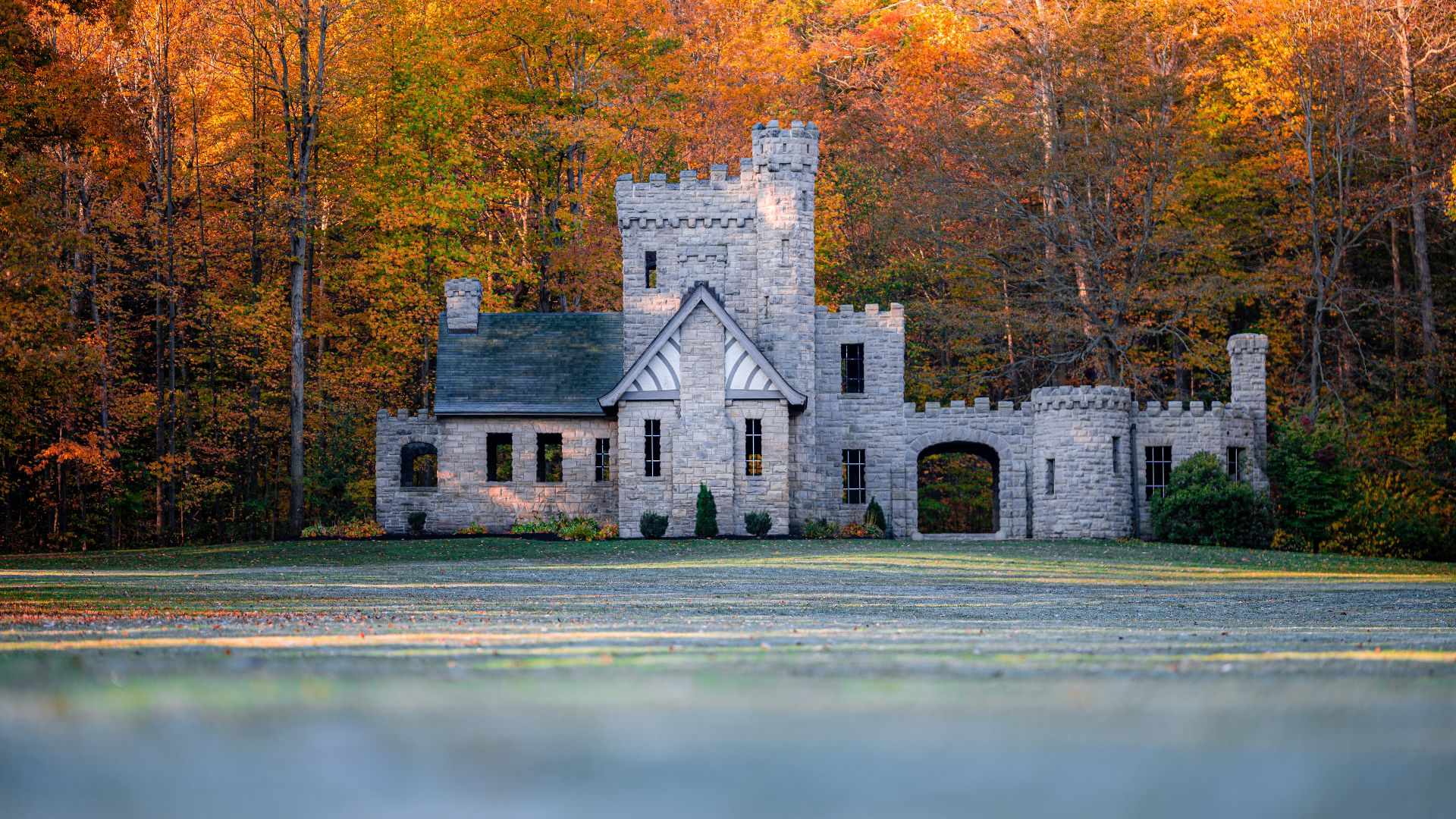
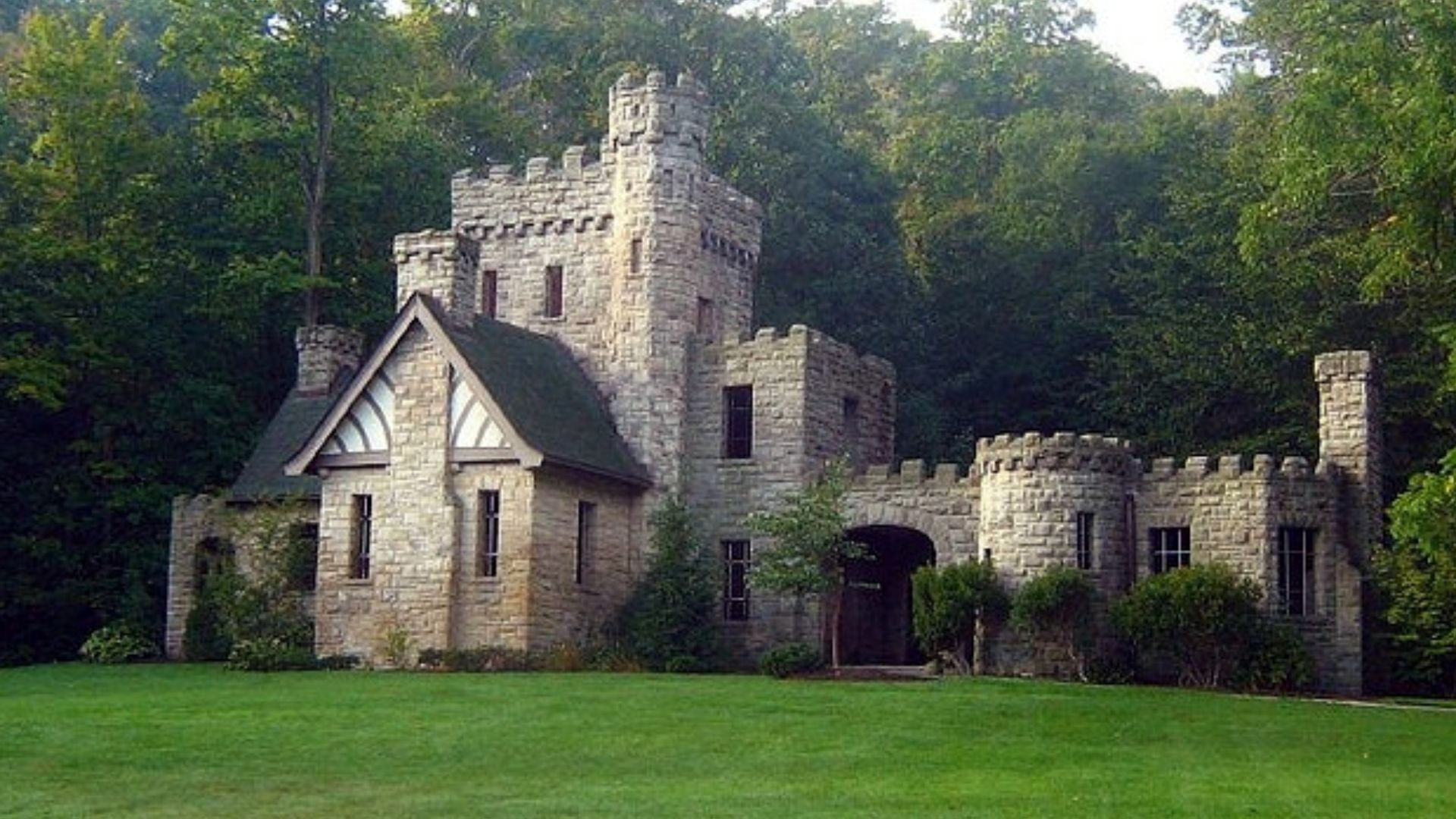
Squire's Castle, Willoughby Hills, Ohio
Located in a wooded park near Cleveland, Squire’s Castle began as a stone gatehouse in the 1890s for a planned estate commissioned by oil executive Feargus B Squire. The larger mansion was never constructed after financial and personal setbacks halted development. Left incomplete, the structure eventually fell into disuse.
Squire's Castle, Willoughby Hills, Ohio (Cont.)
Over time, its isolated location and weathered stone walls inspired stories of hauntings and tragic events, many of which remain unverified. Now part of a public park, Squire’s Castle is an attractive spot for local history enthusiasts fascinated by its quiet atmosphere and the lingering mystery surrounding an estate that never fully existed.
 sunsets_for_you, Wikimedia Commons
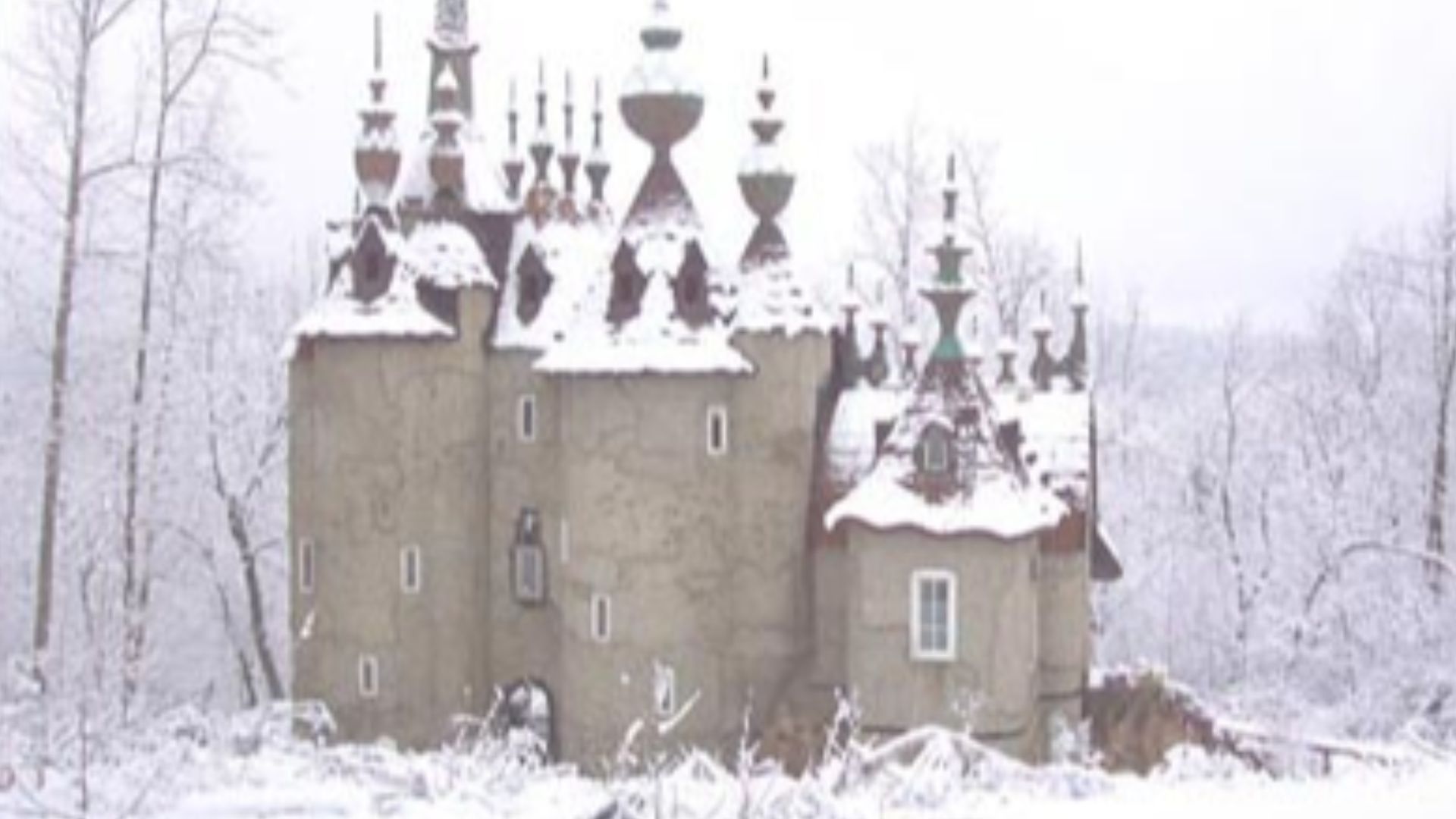
Castle Mont Rouge, Rougemont, North Carolina
Conceived as a private, castle-inspired residence in rural North Carolina, Castle Mont Rouge was the vision of artist and builder Robert Mihaly. Construction began in the early 2000s, with plans for towers and a dramatic hilltop presence. Financial strain and mounting logistical challenges eventually slowed progress and left the project unfinished.
 Robert Mihaly, Wikimedia Commons
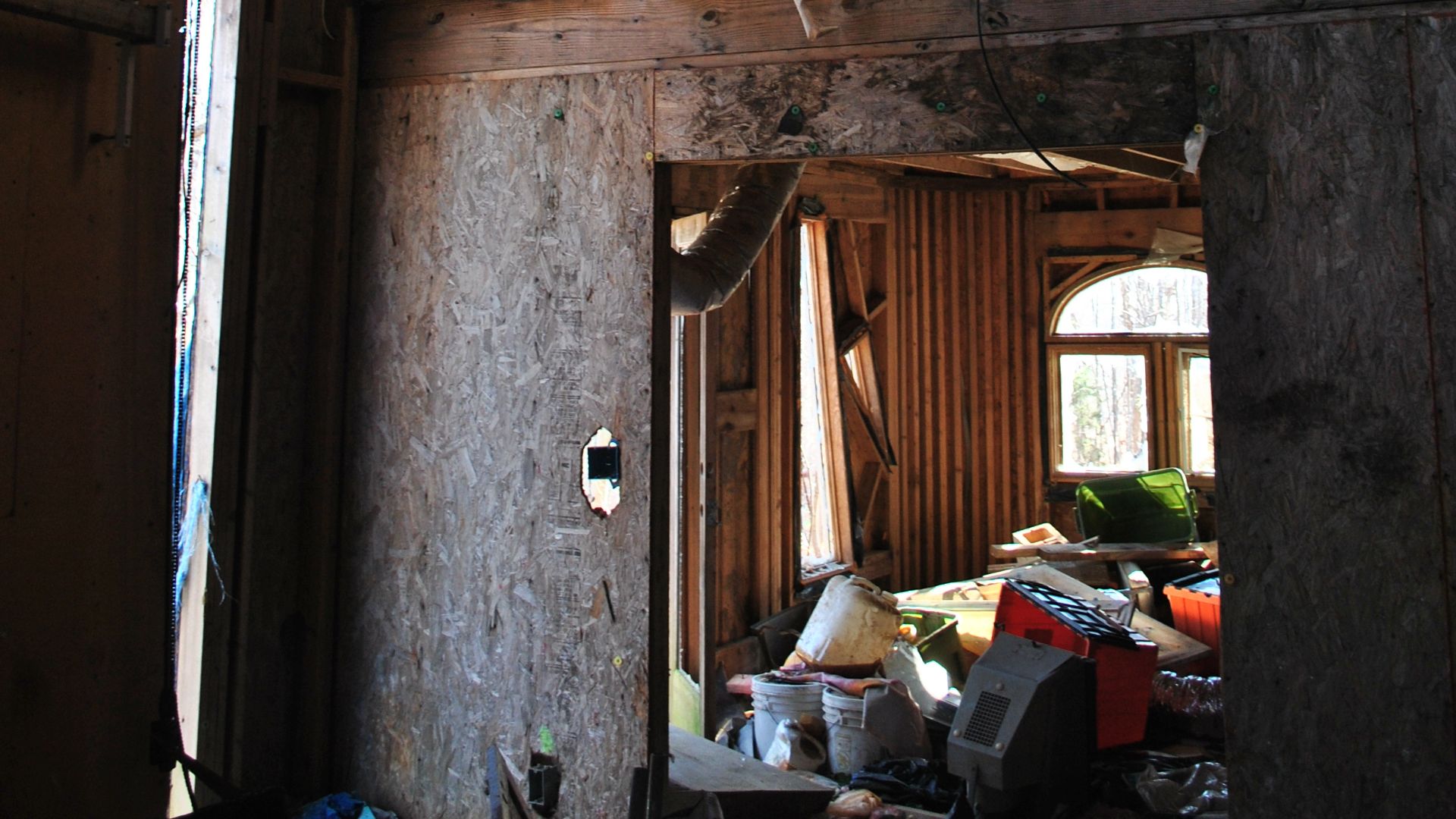
Castle Mont Rouge, Rougemont, North Carolina (Cont.)
Without consistent maintenance, the structure was abandoned for years, which allowed weather and vegetation to take their toll. The partially built castle developed a reputation as a modern ruin that sparked curiosity among passersby. Its exposed walls and incomplete towers now stand as an unusual example of contemporary ambition colliding with practical limits.
 Indy beetle, Wikimedia Commons
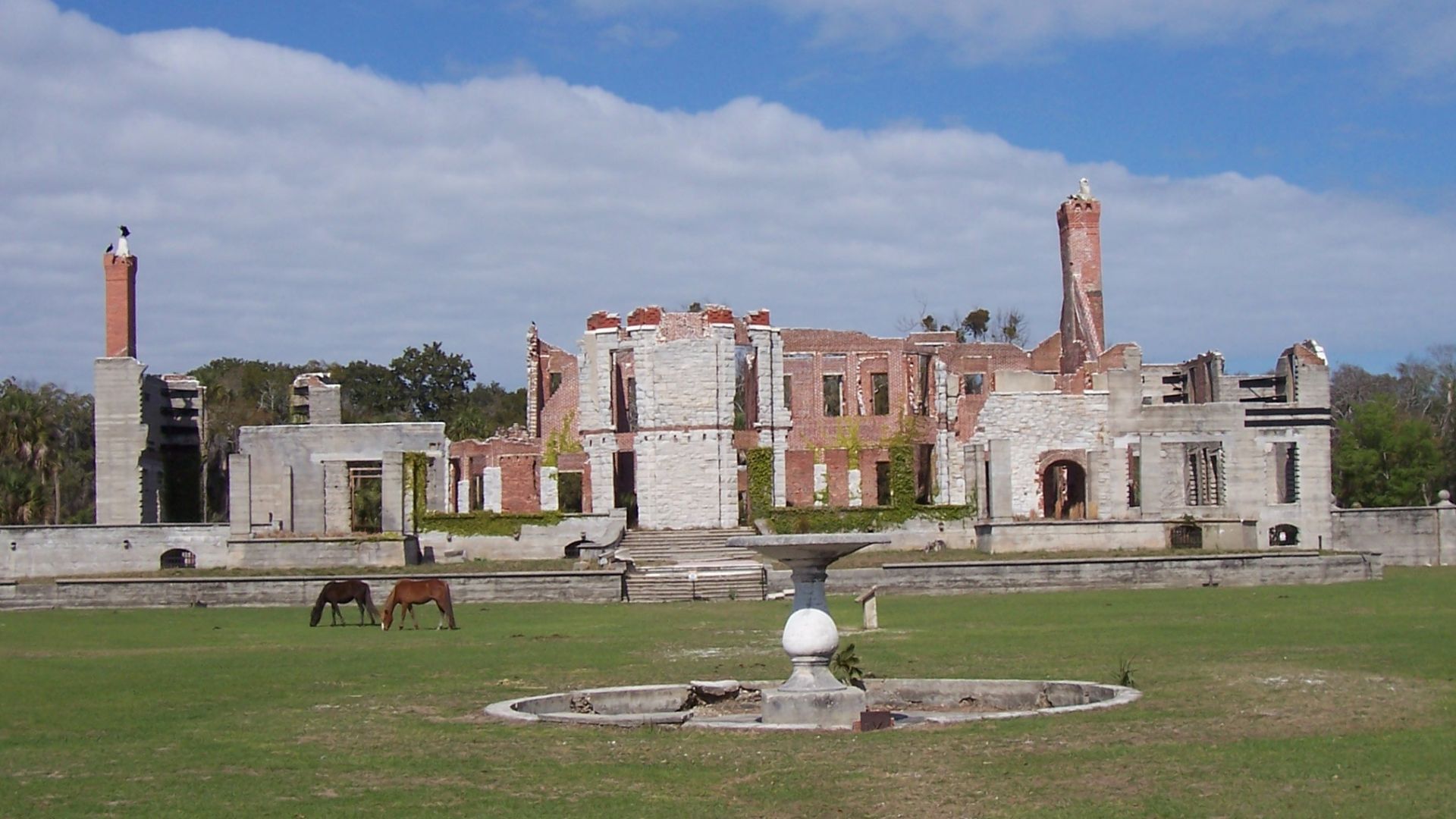
Dungeness Ruins, Cumberland Island, Georgia
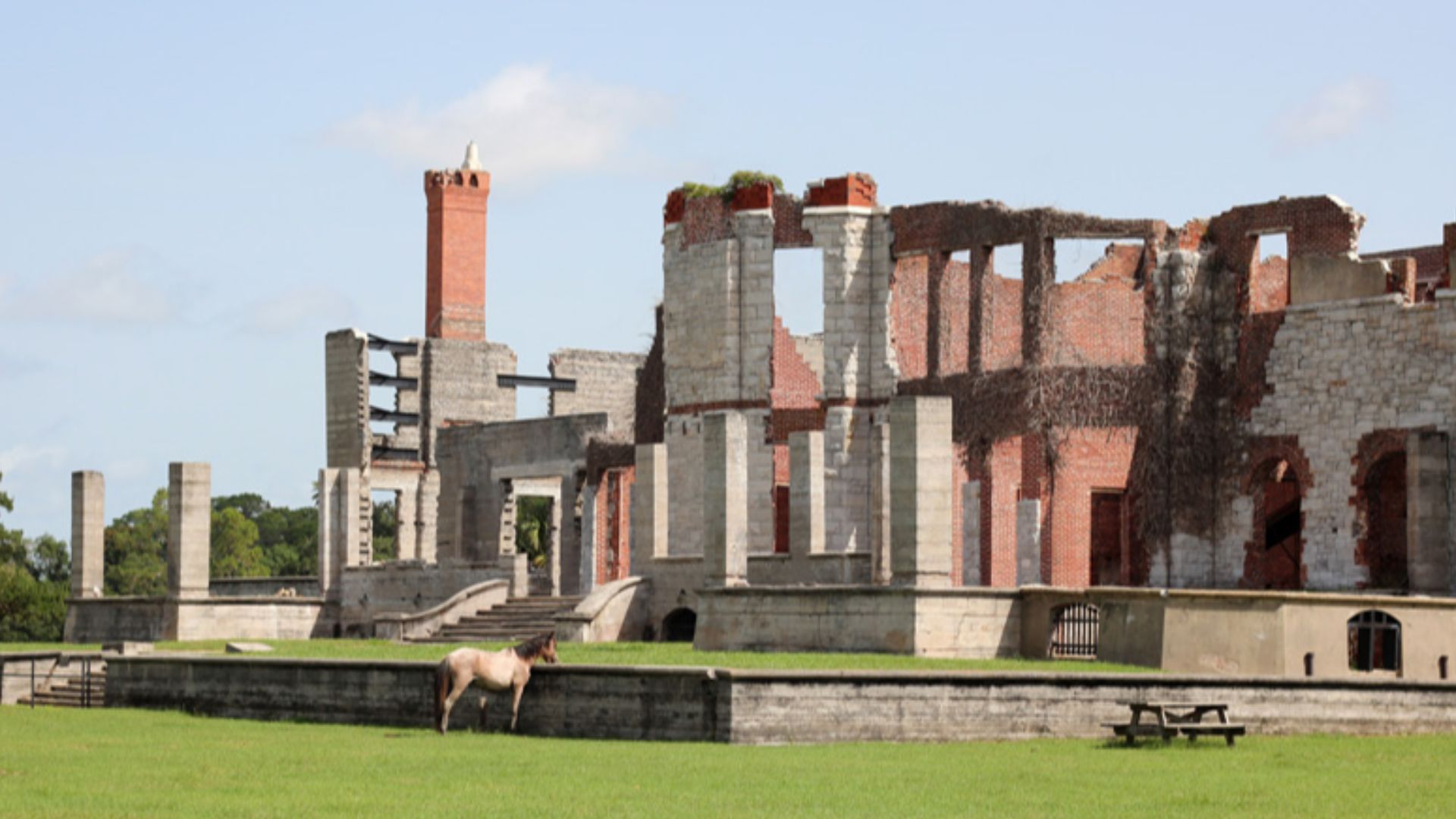
Set along Georgia’s southern coast on Cumberland Island, Dungeness was originally built in 1884 by Thomas and Lucy Carnegie as a lavish winter estate. Designed in Queen Anne style, the mansion once featured extensive gardens and breathtaking ocean views. Over the decades, the property endured repeated damage from coastal storms.
Dungeness Ruins, Cumberland Island, Georgia (Cont.)
However, its fate was sealed by a massive fire in 1959 that destroyed the main structure. Rather than rebuild, the Carnegie family left the site to nature. Today, the roofless walls and columns remain preserved within Cumberland Island National Seashore, where moss-draped ruins offer visitors a haunting glimpse into Gilded Age wealth.