
The American Dream Had Some Unexpected Addresses
Leaving Europe is one thing. Deciding where to land in America? That’s where it gets interesting. Across surveys, relocation searches, and online discussions, Europeans weren’t all chasing the same dream. And some of their choices might surprise you...

North Carolina Quietly Made Its Case
North Carolina also attracted European interest through American job searches. Charlotte and Raleigh give newcomers substantial cities to consider, while the state stretches from Atlantic beaches to Appalachian mountains. That makes it an alternative worth investigating for someone who wants variety. Choosing an American home doesn’t necessarily mean deciding that every weekend, forever, must involve either the beach or the mountains.
 James Willamor, Wikimedia Commons
Colorado Put The Outdoors First
Colorado appealed to Europeans who wanted mountains and outdoor activities to become part of normal life. Prospective movers discussed hiking, space, and somewhere suitable for a family, while people already settled there praised the opportunities they’d found. The attraction went beyond a ski holiday. A spectacular landscape becomes considerably more appealing when enjoying it doesn’t require booking a return flight.

Utah Put The Mountains Within Reach
Utah appeared in European relocation plans and shortlists, particularly among people interested in mountains, hiking, and an active lifestyle. The Salt Lake area offered a way to combine those interests with city conveniences. Its distinctive local culture also prompted questions. Loving the scenery was one thing; figuring out where to feel at home required a closer look.
 Garrett from Salt Lake City, Wikimedia Commons
Washington Offered A Useful Compromise
Washington attracted Europeans looking for access to nature without giving up the conveniences of a major metropolitan area. Forests, mountains, and water provided the scenery, while the Seattle region offered somewhere to build an everyday routine. That combination mattered to people who wanted an outdoorsy lifestyle but weren’t quite ready to make isolation their most time-consuming new hobby.

Oregon Offered A Different West Coast Dream
Oregon attracted Europeans looking at both Portland and the coast, offering another version of West Coast living beyond California. Forests, mountains, and a dramatic coastline give it plenty of appeal for someone who wants the outdoors nearby. The weather requires some acceptance, though. Moving across the Atlantic doesn’t necessarily mean finally getting rid of the raincoat.

Nevada Wasn’t All About Casinos
Nevada appeared on European shortlists without the conversation revolving entirely around Las Vegas. Reno specifically entered the picture for prospective movers interested in access to nature. That gives the state a different appeal from its international reputation. Some people were imagining an American home, rather than an extended weekend involving neon lights and several financial decisions they’d prefer not to discuss afterward.

Arizona Offered A Change Of Scenery
Arizona entered European moving discussions through its desert climate, lifestyle possibilities, and the prospect of a substantial change. Some were drawn to the warmth and surroundings, while others were investigating somewhere suitable for family life. It offered a different escape from Europe’s familiar settings. Of course, wanting more sunshine and discovering an Arizona summer are two separate stages of that relationship.

Florida Still Knew How To Tempt People
Florida attracted Europeans considering a fresh start, joining a partner, or pursuing a lifestyle they’d enjoyed while visiting. Its outdoor environment also earned praise from people who had already moved. Sunshine helped make the introduction, but discussions soon turned to friendships, community, and settling in. Even the most appealing escape eventually needs to become somewhere you have an ordinary life.

Hawaii Took The Escape A Little Further
Hawaii also appeared in European plans, from people weighing a work relocation to others imagining a permanent island home. The environment and lifestyle provided a powerful attraction, but housing, transportation, and family needs quickly entered the discussion. Paradise still required a practical plan. Unfortunately, being somewhere beautiful doesn’t persuade the monthly bills to take a holiday too.
 Farragutful, Wikimedia Commons
Massachusetts Made Leaving Home Feel Less Dramatic
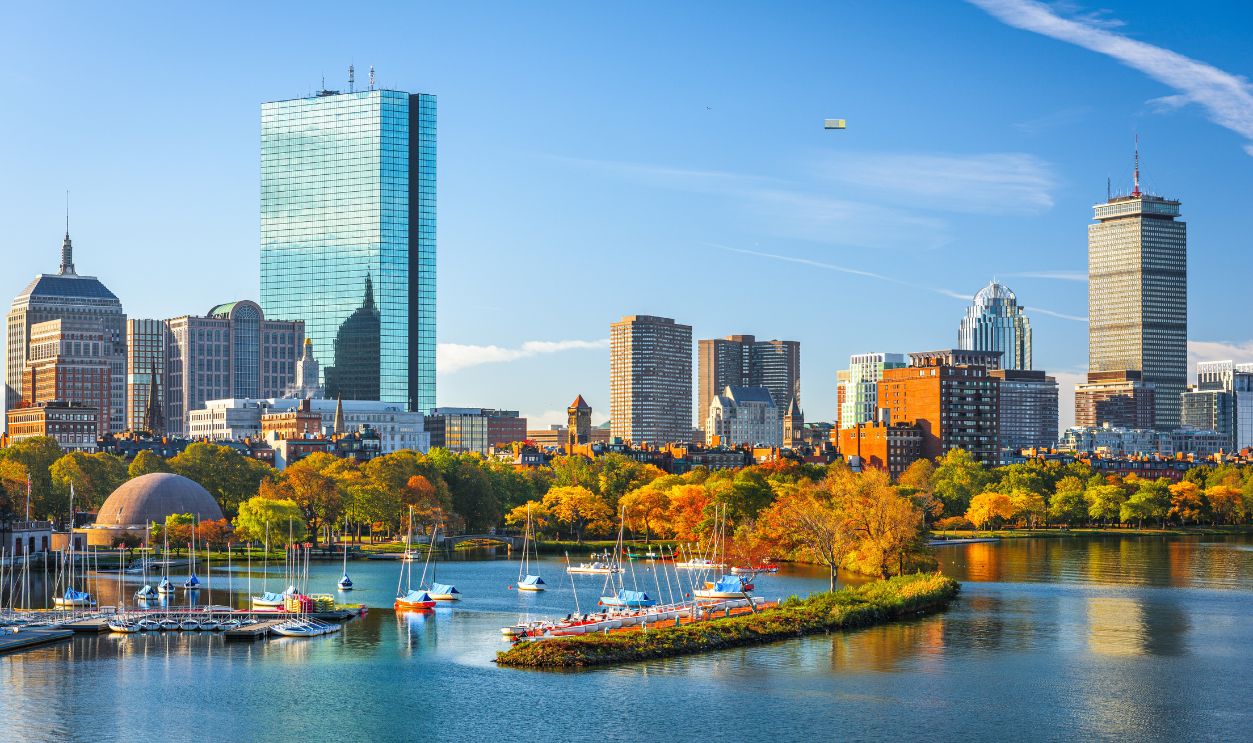
Massachusetts repeatedly entered European discussions, with education, healthcare, career possibilities, and familiar surroundings helping make its case. Boston’s historic center and public transportation appealed to people who valued an older urban environment, while relative proximity to Europe mattered too. Crossing an ocean is already a substantial adjustment. Not everyone wants buying milk to become their first major driving assignment.
New Jersey Had Familiar Faces And Big-City Access
New Jersey attracted Europeans weighing career opportunities, family needs, and connections to established communities. Access to New York added another selling point, while some newcomers specifically wanted walkable neighborhoods with cafés, shops, and public transportation. The appeal was practical: an American move without giving up every familiar convenience. Unfortunately, familiarity didn’t extend to finding the housing pleasantly inexpensive.

California Offered Several Different Dreams
California appeared in European shortlists and broader preferences for places to live and work. Its variety helped: someone imagining Southern California wasn’t necessarily looking for the same experience as someone considering the Bay Area. That’s part of the attraction, and part of the complication. Agreeing on California still leaves plenty of room to disagree about what the new life should actually look like.

Michigan Had More Than Its Reputation To Offer
Michigan appeared in European relocation discussions involving both Lansing and the Detroit area, while an established European resident defended how much they enjoyed living there. It was a useful counterpoint to dismissing a state based on its reputation. Some prospective newcomers were looking closely enough to consider contracts, neighborhoods, and everyday expenses. The decision had moved considerably beyond recognizing a name on a map.
 A Healthier Michigan from Detroit, United States, Wikimedia Commons
Minnesota Made Familiarity A Selling Point
Minnesota appealed to some Europeans precisely because parts of it felt recognizable. Discussions included people considering the Twin Cities, residents who enjoyed the state, and families weighing a move from Europe. Its Scandinavian influences helped make an unfamiliar destination seem less unfamiliar. Apparently, crossing the Atlantic doesn’t always mean wanting to leave every trace of home on the other side.
 AlexiusHoratius, Wikimedia Commons
Illinois Brought Big-City Life Into The Midwest
Illinois appealed through the possibilities of life in Chicago, where European newcomers discussed neighborhoods, restaurants, music, and professional opportunities. It offered a substantial urban experience beyond the familiar coastal choices. The attraction wasn’t simply having somewhere impressive to photograph. People wanted somewhere to build a social life, find their routine, and enjoy themselves after the working day was finally over.
 Jesse Collins, Wikimedia Commons
Pennsylvania Had A More Practical Appeal
Pennsylvania appeared among states drawing interest from Europeans exploring American work opportunities. Philadelphia and Pittsburgh offer two distinct urban starting points, giving prospective newcomers more to consider than the state’s relatively understated international image. It might not inspire quite as many glamorous daydreams as California. But somewhere to work, socialize, and build a routine can be a fairly persuasive package.

Virginia Left Plenty Of Options Open
Virginia also entered the picture through interest in American jobs. Northern Virginia offers access to the Washington, D.C., region, while other parts of the state provide mountain communities, smaller cities, and coastal settings. That variety leaves room for different priorities. Choosing Virginia doesn’t settle the city-versus-country argument, but at least both sides can continue making their case without changing states.
 Ben Schumin, Wikimedia Commons
Texas Had More Than One Selling Point
Texas attracted European interest through work and relocation possibilities, with several cities offering different starting points. Austin’s technology connections and music scene provided one appeal, while Houston’s energy, healthcare, and other industries offered another. The state’s international image only explained so much. A cowboy hat might help someone picture Texas, but it won’t tell them which neighborhood they’d actually enjoy living in.

New York Had A Powerful Pull
New York stood out in broader European preferences, with its most famous city providing an obvious attraction. Career prospects, food, culture, and nightlife offered plenty to get excited about, while international expats already living there highlighted the financial pressure of housing. The opportunity and the tradeoff could both be real. Getting the exciting new life didn’t necessarily mean getting the apartment pictured alongside it.

The Cities Help Explain The State Choices
Often, a particular city helped put its state on the shortlist: Boston for Massachusetts, Seattle for Washington, Chicago for Illinois, and Los Angeles or San Francisco for California. Sometimes the American dream is surprisingly specific.
 veerasak Piyawatanakul, Pexels
You Might Also Like:
Iconic American Vacation Destinations That Used To Be Accessible Only To The Wealthy