
Same Vacation, Different Rulebook
Millions of Americans visit Mexico every year. Some go for the beaches. Some go for the food. Some go because paying $18 for a margarita back home started to feel a little ridiculous.
But one mistake a lot of travelers make is assuming that if something is perfectly legal in the United States, it must be legal in Mexico too. Not even close.

Bringing Certain Cold Medicines
Many Americans toss cold medicine into their luggage without a second thought. That's usually fine in the United States. In Mexico, some medications containing pseudoephedrine, including certain versions of Sudafed, face much stricter restrictions. What seems like an ordinary travel essential can raise questions at customs.

Bringing Certain Painkillers And Cough Medicines
Not every medication that is common in America is treated the same way in Mexico. Certain products containing codeine can face additional restrictions, and travelers may need documentation depending on the medication. It's always worth checking before packing your medicine cabinet into your suitcase.

Taking Your Feet Off The Pedals While Cycling
Many cyclists have coasted down a hill with their feet off the pedals at some point. In certain parts of Mexico, traffic regulations require cyclists to maintain proper control of their bicycles at all times, and local rules can prohibit riding with feet off the pedals. It's one of those obscure laws that most people never think about until they hear about it.

Bringing A Gun Across The Border
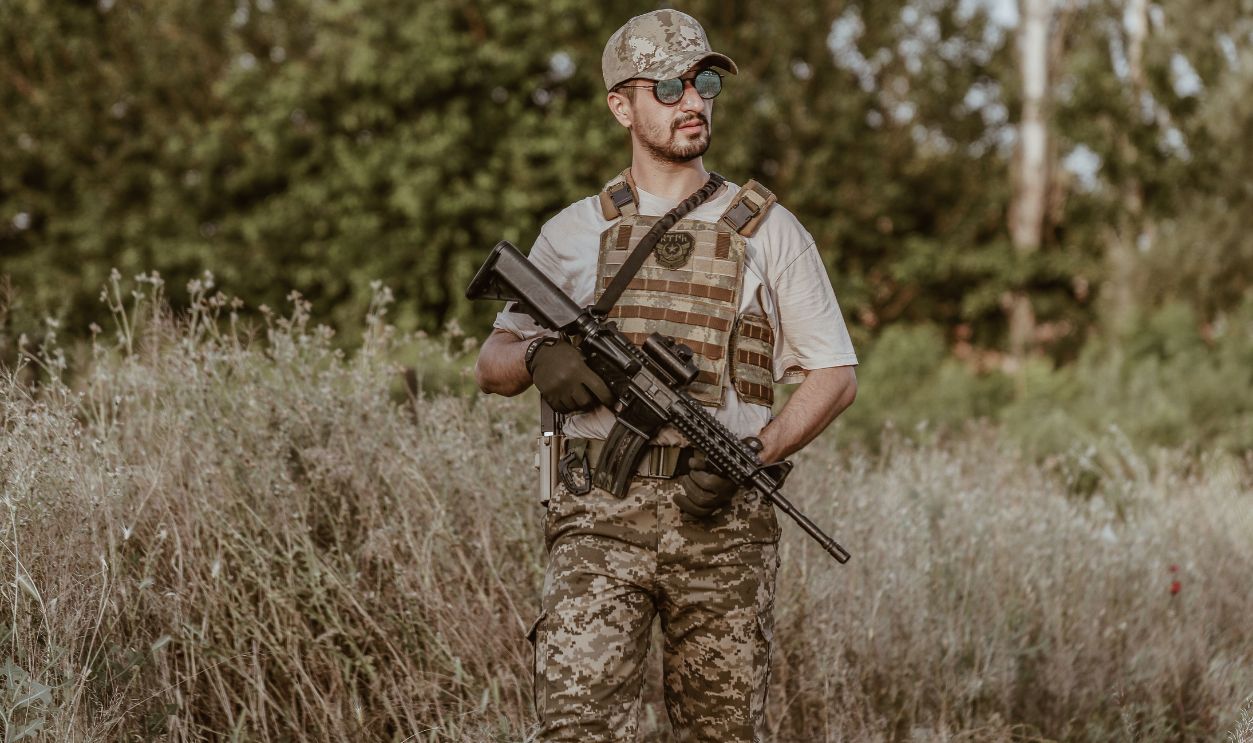
For millions of Americans, keeping a firearm in a vehicle is completely normal. In Mexico, it can quickly become a major legal problem. Mexican firearm laws are far stricter than those in the United States, and travelers have been arrested after crossing the border with guns they forgot were in their vehicles. Even legally owned firearms can result in serious criminal charges once you enter Mexico.
The Forgotten Bullet Problem
In some cases, travelers aren't carrying a firearm at all. They're carrying a single forgotten round of ammunition. Border inspections have uncovered stray bullets hidden in glove boxes, backpacks, and center consoles years after they were placed there. A mistake that might seem trivial in the United States can create serious legal headaches in Mexico.

Driving On A Day Your Car Is Banned
Most Americans assume that if their vehicle is registered and insured, they can drive whenever they want. In the Mexico City metropolitan area, that's not always true. Under the Hoy No Circula program, certain vehicles are prohibited from driving on specific days based on emissions classifications and license plate information. The system is designed to reduce air pollution, and visitors who don't know the rules can find themselves facing fines they never saw coming.
Carrying Pepper Spray
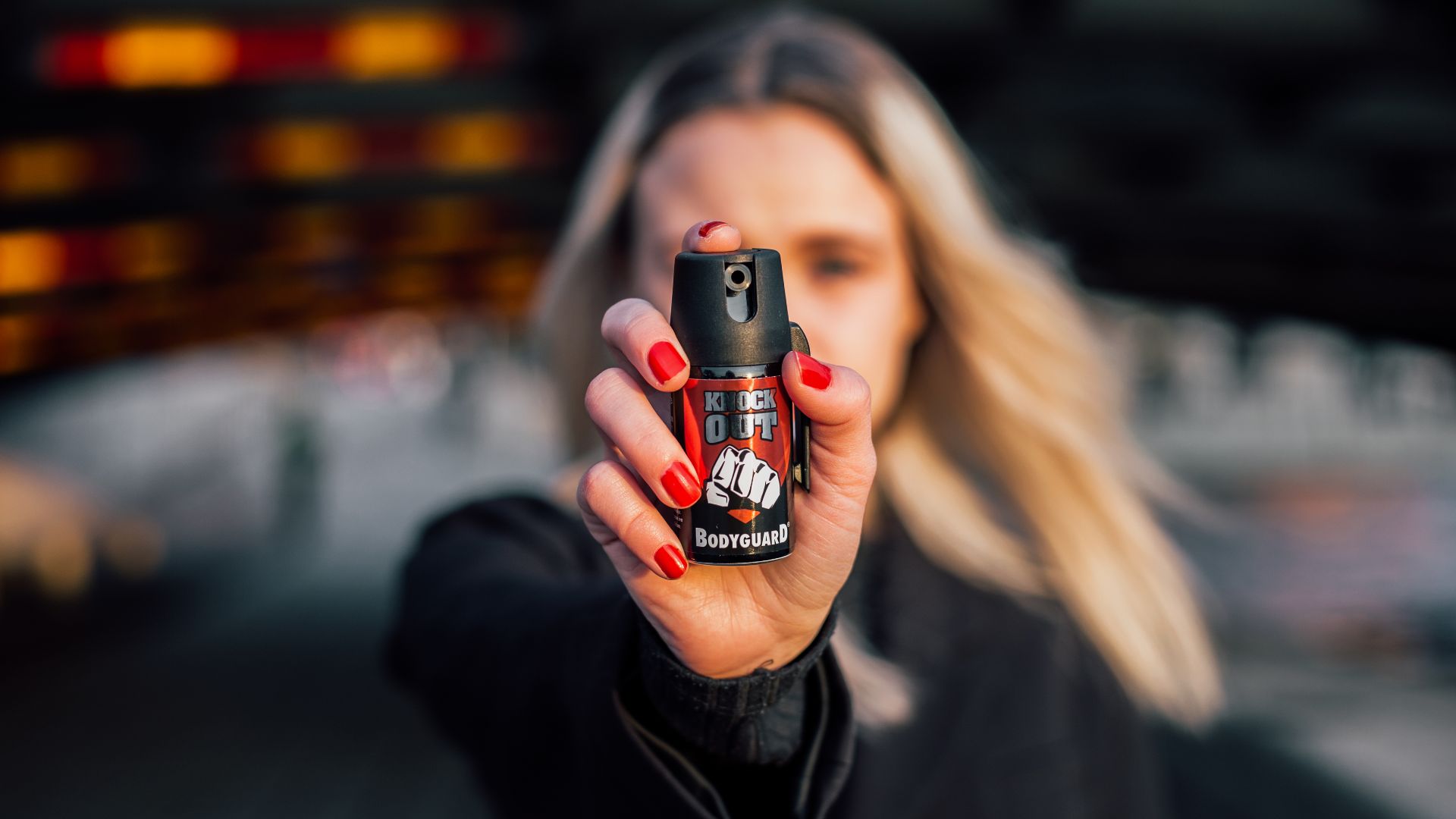
Many Americans carry pepper spray for personal protection and barely think about it. In Mexico, the rules can be very different depending on the state and circumstances. Something that feels like a completely ordinary safety item at home can create legal complications during a border inspection.
 Bjorn Hansson, Wikimedia Commons
Drinking Alcohol On The Beach
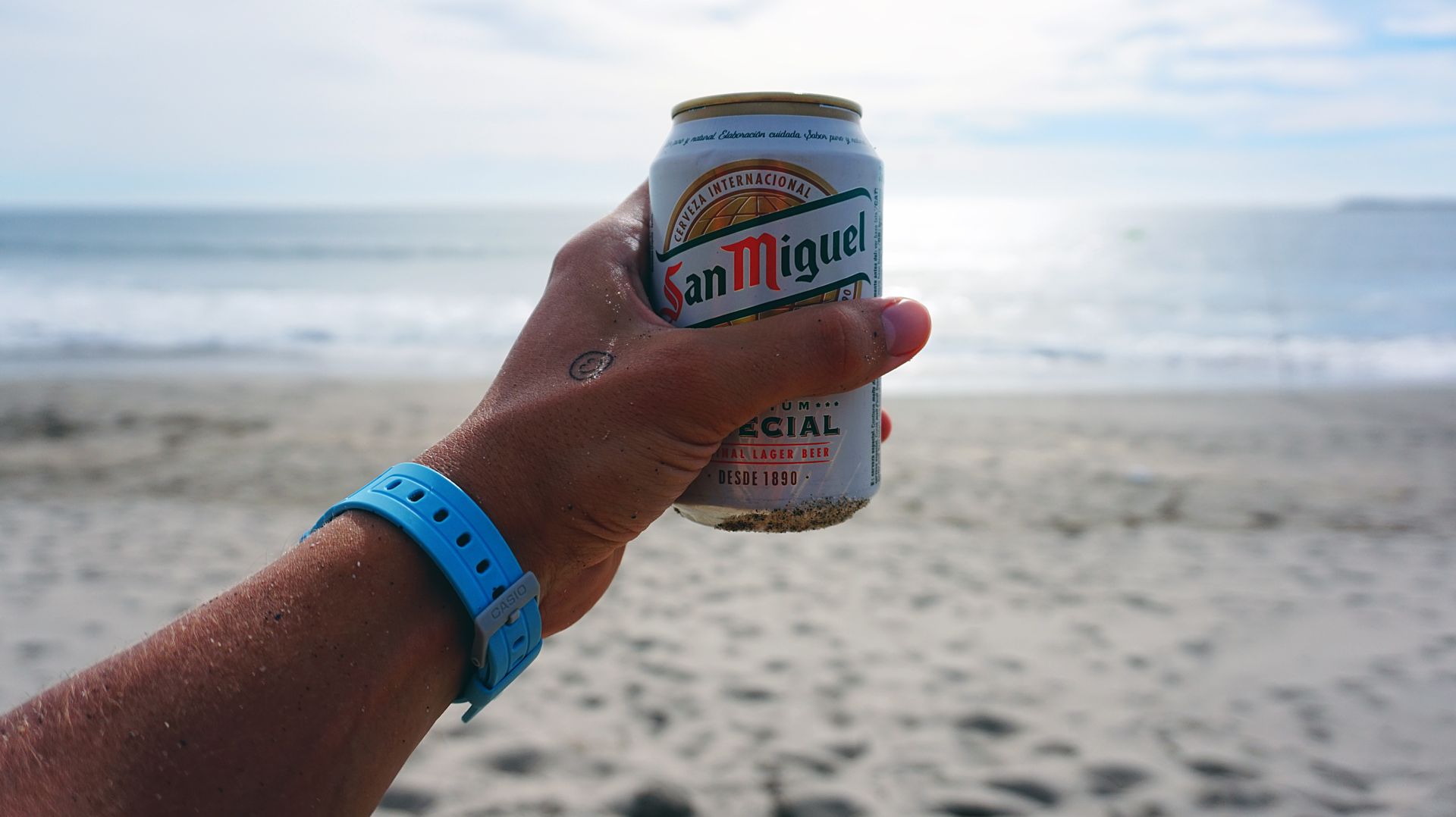
Having a cold beer while sitting on the sand is a pretty normal vacation activity in many parts of the United States. In many Mexican beach destinations, however, public drinking is restricted or prohibited. Rules vary by municipality, but visitors are often surprised to discover that a beach doesn't automatically mean open-container laws disappear.
 Jacques Philippe Gollnick, Pexels
Walking Around With An Open Container
If you've spent time in places like New Orleans or certain entertainment districts around the United States, carrying a drink while walking around may not seem unusual. Many Mexican cities have stricter open-container laws than visitors expect. Strolling down the street with an alcoholic beverage can attract unwanted attention from local authorities.
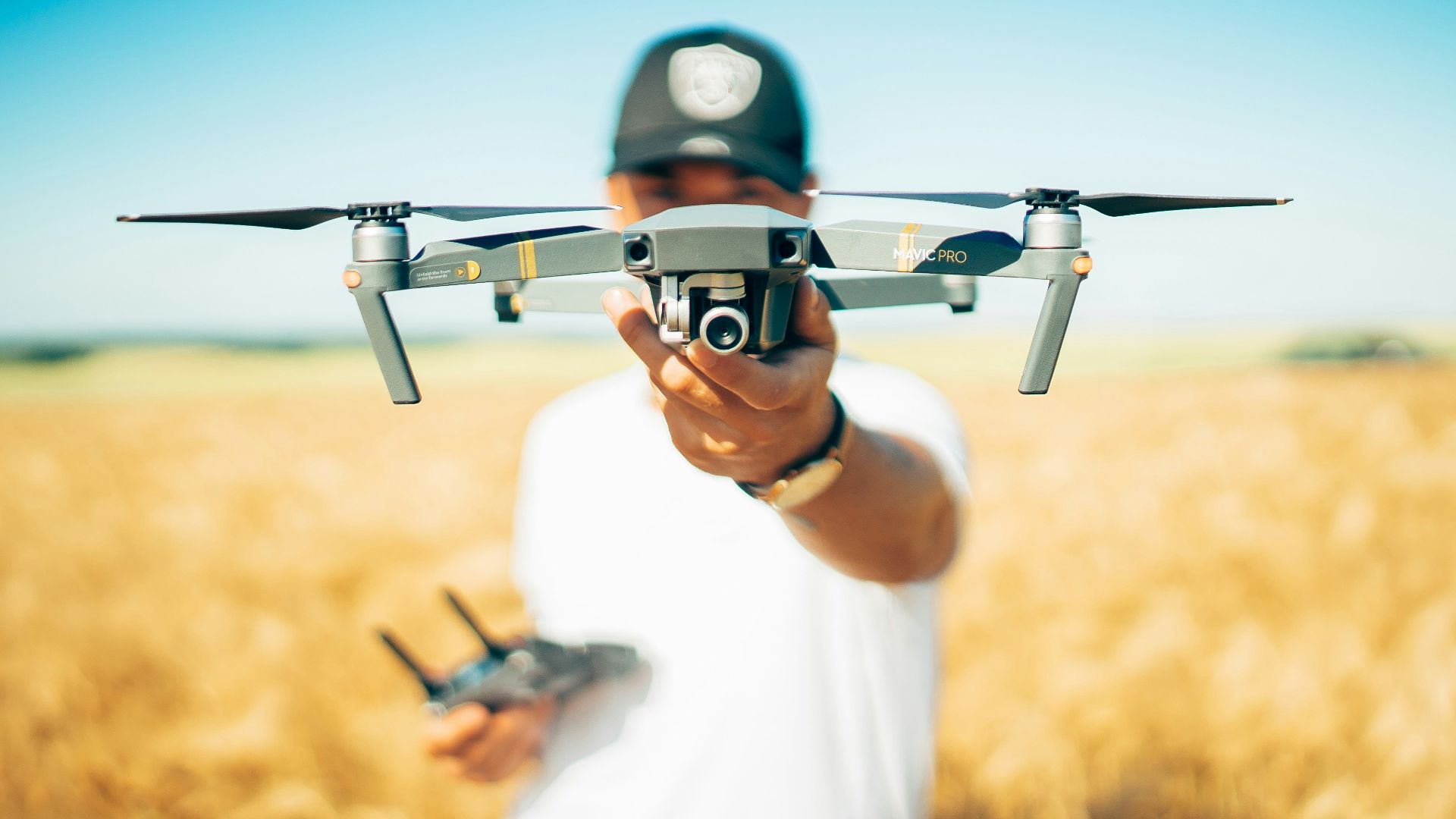
Flying A Drone At Tourist Attractions
Drones have become a standard vacation accessory for some travelers. Mexico allows recreational drone use in many situations, but restrictions are common around airports, government facilities, archaeological sites, and protected areas. The perfect vacation photo can become a costly mistake if you're flying somewhere you shouldn't be.
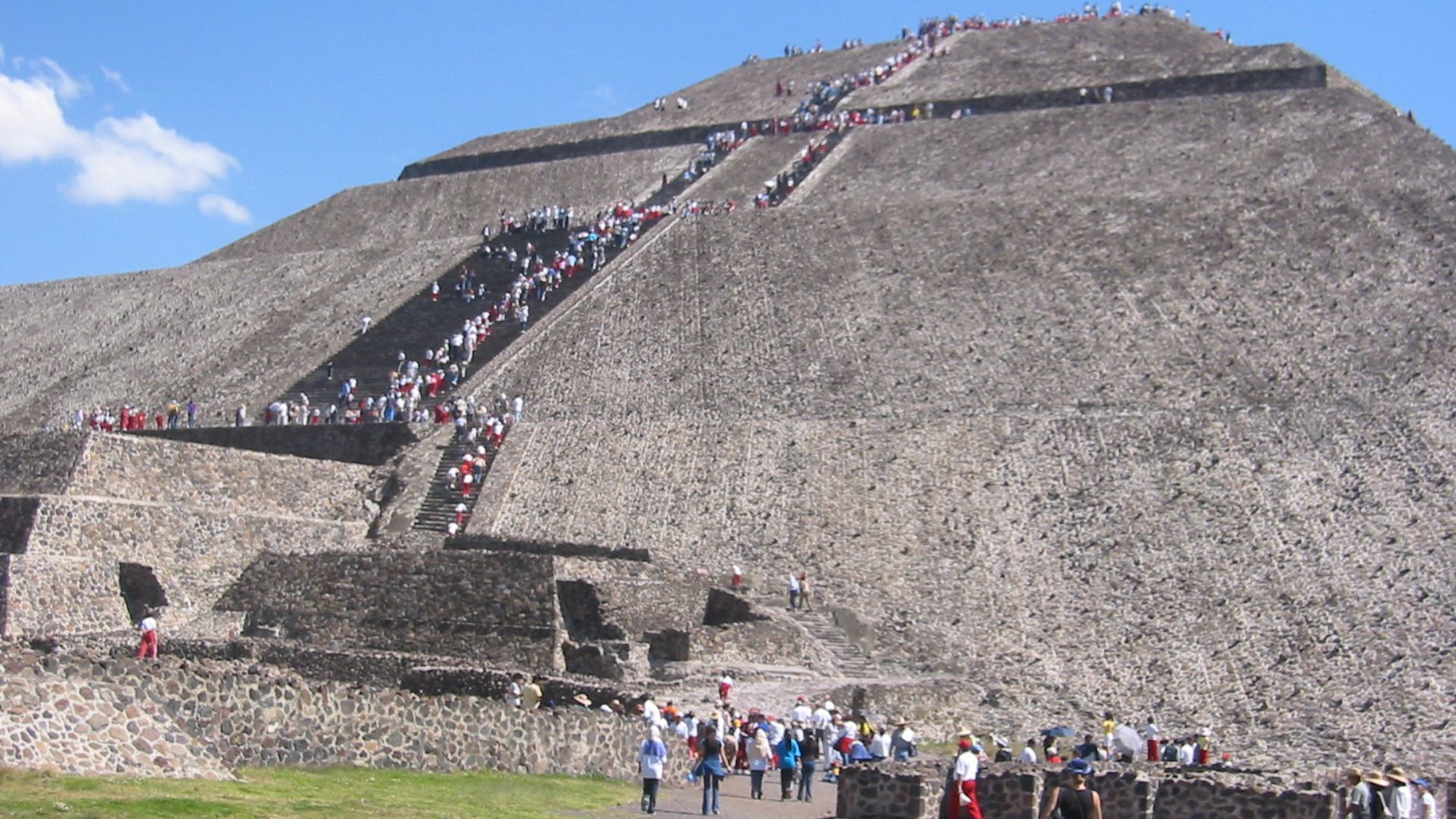
Climbing Ancient Ruins
Years ago, climbing some of Mexico's most famous pyramids was a popular tourist activity. Today, many archaeological sites prohibit visitors from climbing them. Authorities have tightened the rules to protect fragile structures, and tourists who ignore the restrictions can face substantial fines and removal from the site.
 Tjeerd Wiersma from Amsterdam, The Netherlands, Wikimedia Commons
Driving Without Mexican Auto Insurance
Many Americans assume their U.S. auto insurance follows them wherever they drive. That's not always the case. Mexico generally expects drivers to carry insurance recognized under Mexican law. Discovering your policy isn't valid after an accident is a lesson nobody wants to learn the hard way.

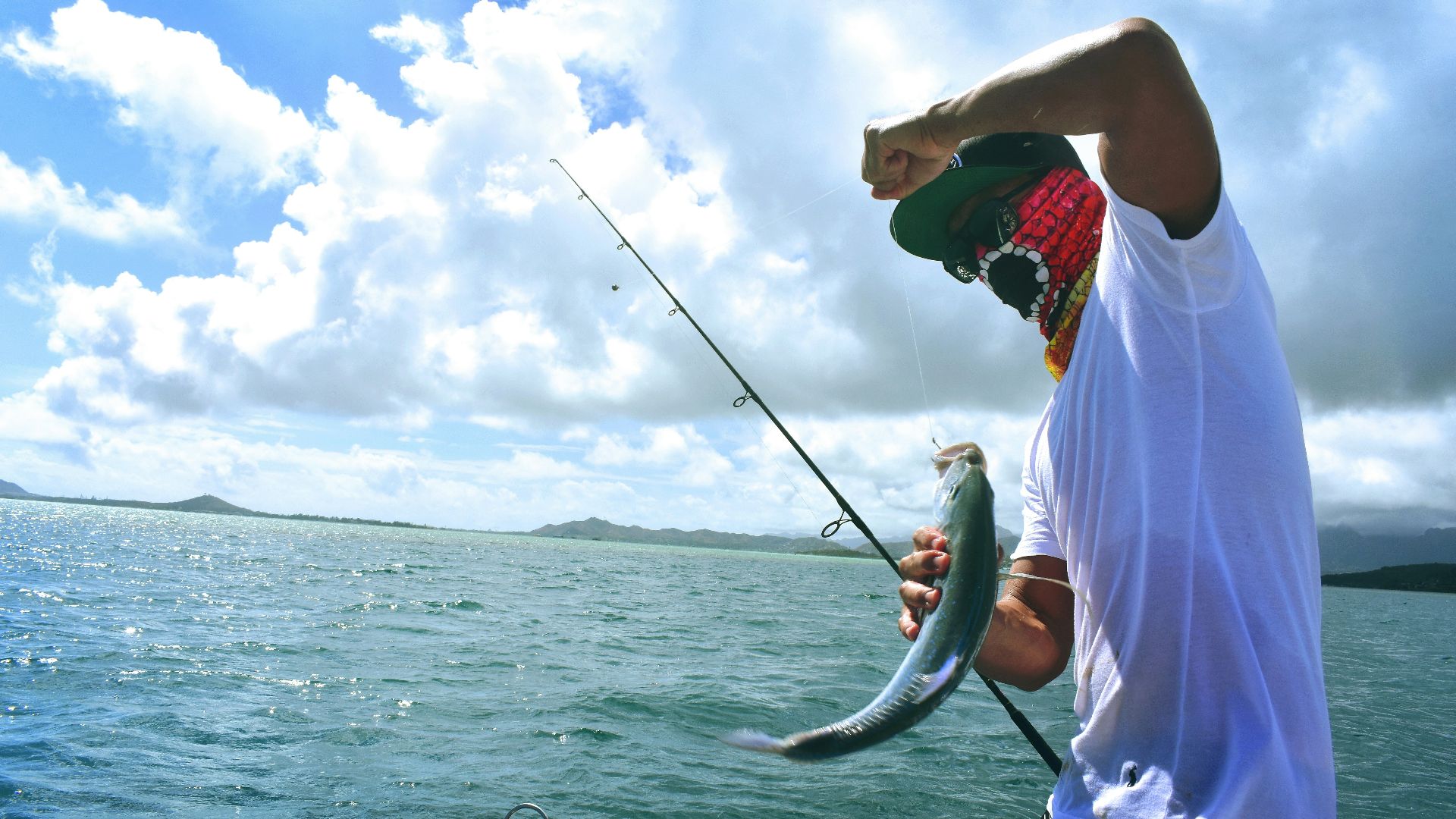
Fishing Without A License
Some travelers assume casual fishing isn't a big deal, especially if they're just casting a line from shore. Mexico generally requires permits for recreational saltwater fishing activities, and authorities conduct inspections in many popular fishing destinations. Visitors are often surprised to learn that 'just fishing for fun' can still require a license.
Mexico's Beaches Have More Rules Than You Think
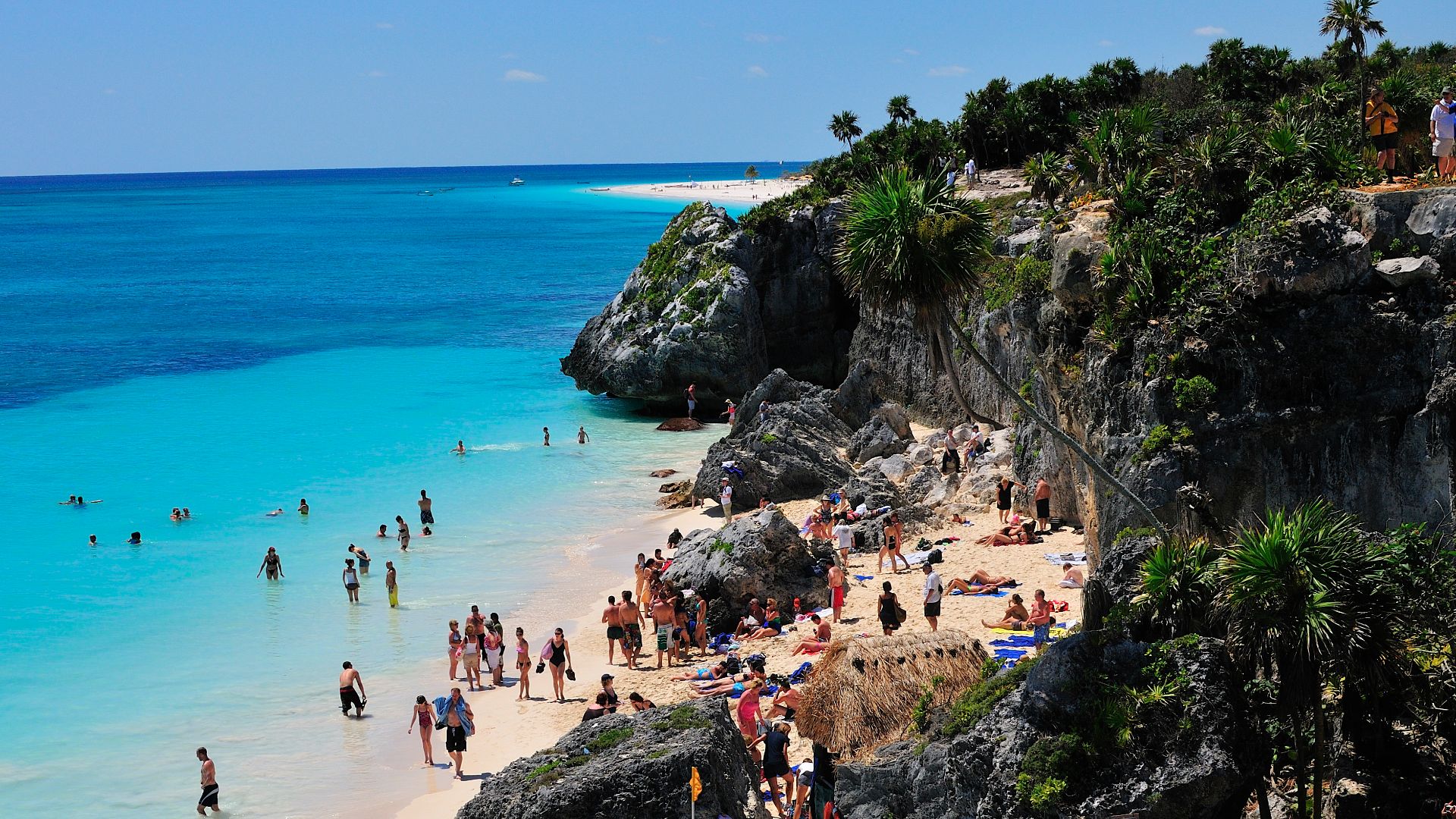
Many Americans assume a public beach means they can do pretty much whatever they want. In reality, beach regulations in Mexico can vary dramatically depending on the location. Activities involving alcohol, vehicles, camping, campfires, fishing, and even souvenir collecting may be restricted or prohibited. That's why it's worth checking the local rules before treating every beach the same.
Riding ATVs On The Beach
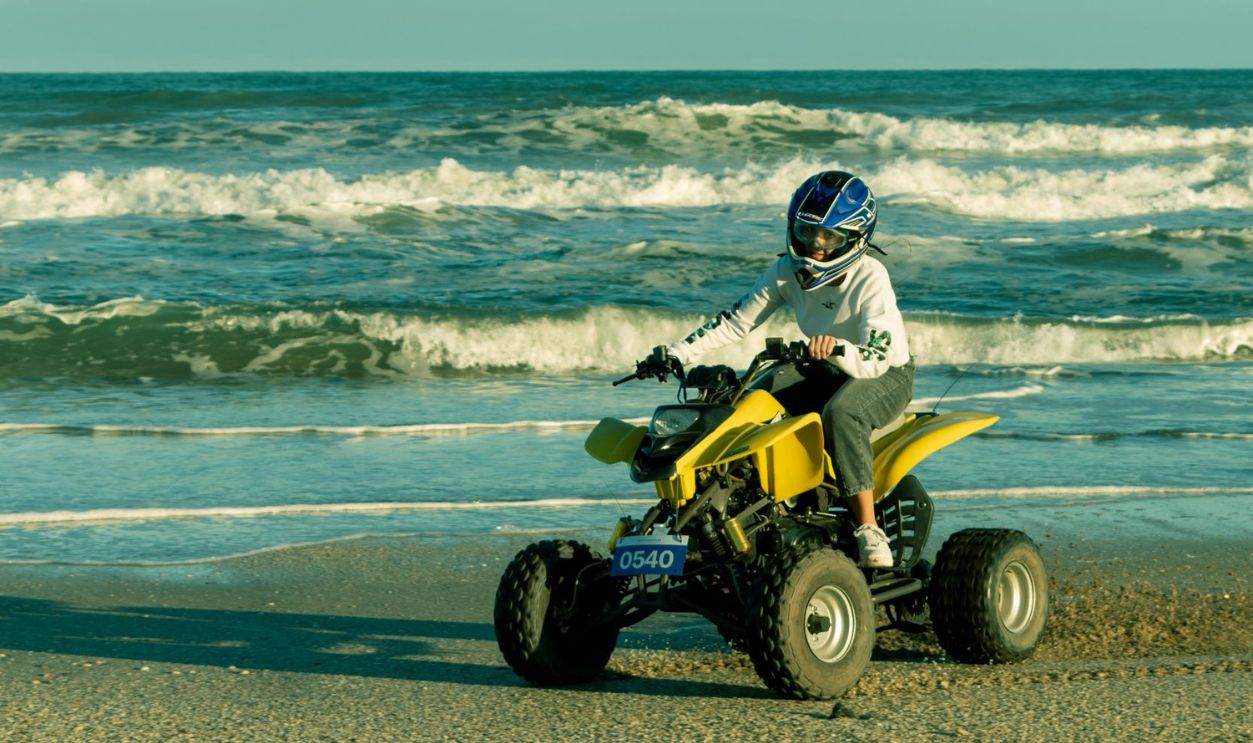
Beach ATV rentals are popular in many vacation destinations. However, many Mexican beaches, protected coastal areas, and conservation zones restrict or prohibit off-road vehicles. Driving where you're not supposed to can result in fines that cost far more than the rental itself.
Taking Sand, Shells, Or Coral Home
Picking up a few shells as a vacation souvenir seems harmless enough. In some protected Mexican coastal areas and marine reserves, removing natural materials such as coral, sand, or certain shells can violate environmental regulations. Even something that looks insignificant can sometimes create problems if taken from a protected area.

Bringing Fresh Fruit Across The Border
Road-trippers do this all the time. A cooler full of snacks, fruit, and groceries seems perfectly normal when traveling around the United States. International borders change the rules. Mexico has agricultural restrictions that can prohibit certain fruits and produce from entering the country.

Bringing Meat Products Across The Border
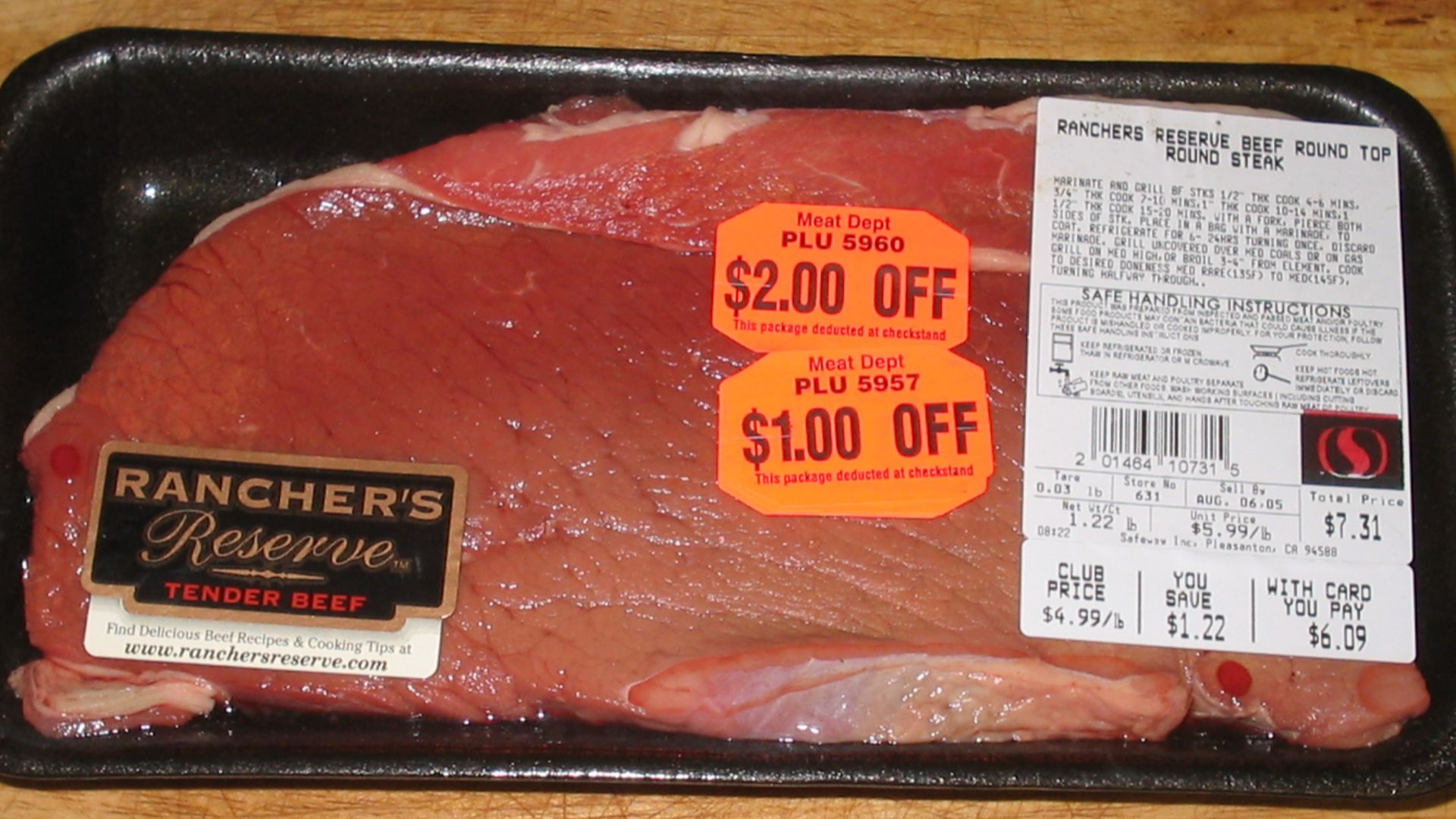
That leftover sandwich or package of meat in your cooler could cause issues too. Mexico regulates various animal and meat products entering the country. Travelers who assume food is food are often surprised when customs officials start inspecting grocery bags and coolers.
Starting A Campfire On The Beach
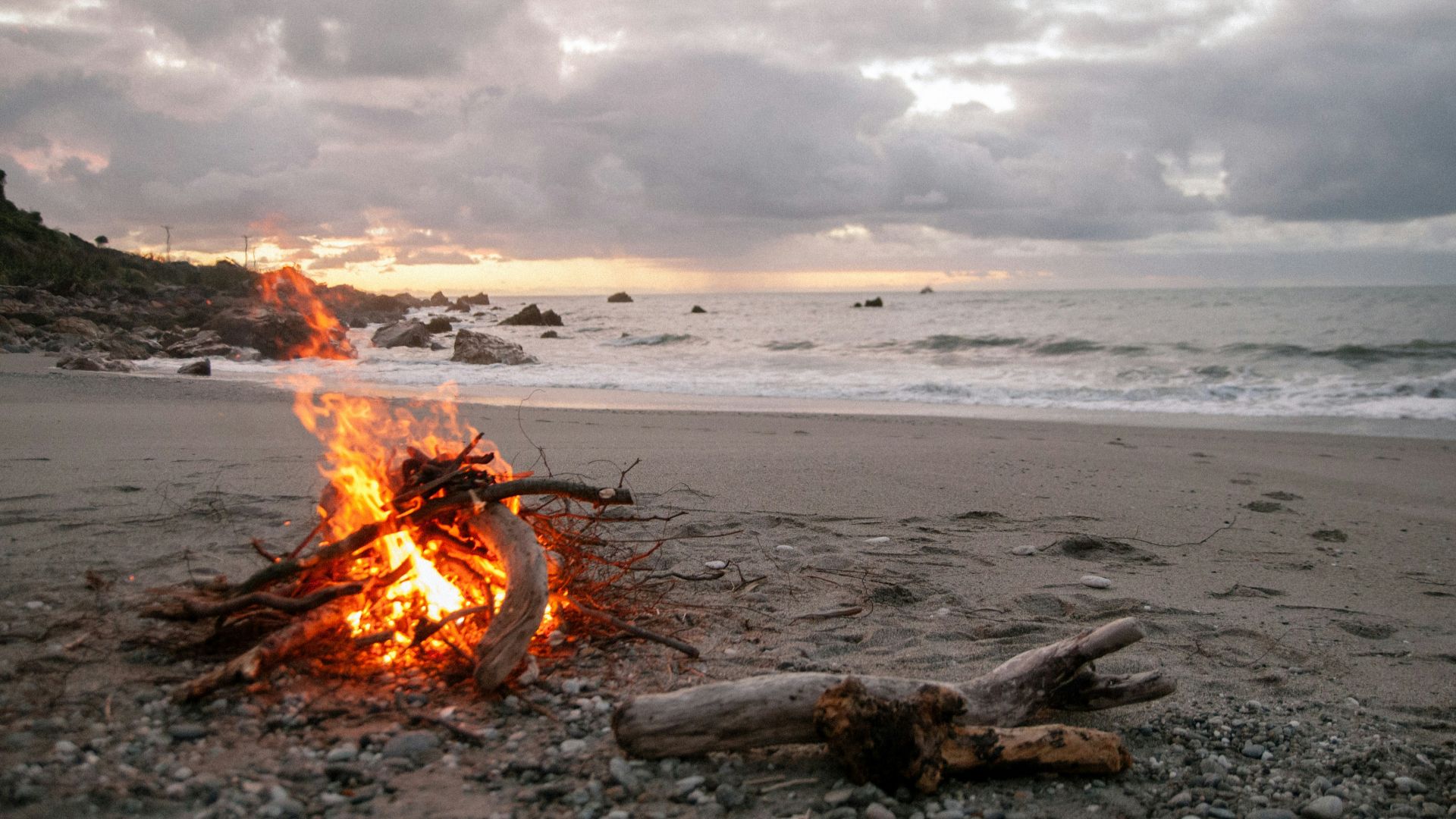
A beach fire at sunset sounds like the perfect vacation memory. Unfortunately, many Mexican beaches and protected coastal areas prohibit campfires because of environmental concerns and wildfire risks. Rules vary by location, but assuming every beach allows bonfires can lead to fines and a quick visit from local authorities.
Camping Directly On The Beach
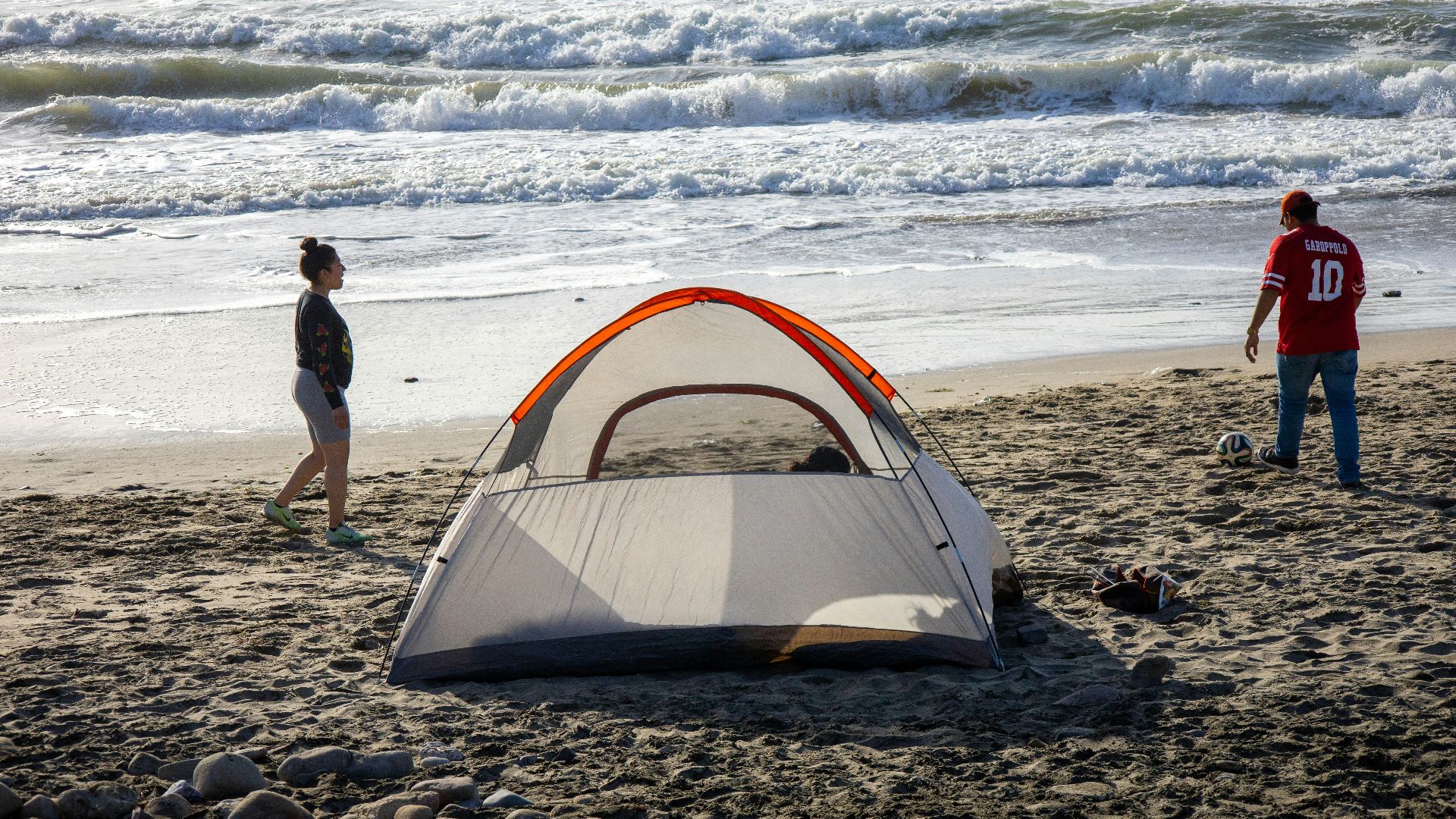
Some American beach destinations allow overnight camping in designated areas. Many Mexican beaches do not. Property rights, environmental protections, and local regulations often determine whether camping is allowed. Just because a beach looks empty doesn't mean you're allowed to set up a tent there.
You Might Also Like:
The Most Famous Filming Locations You Can Visit Yourself
Top 5 Destinations For Whale Watching
The 2026 Best Cities In America Rankings Have Just Been Published—Do You Agree With The Top 10?