Americans Chased The Mexico Dream...Then Reality Hit
For years, Mexico felt like the ultimate American escape hatch. Lower rent, warm weather, cheaper healthcare, tacos that cost less than a bottle of water back home...what exactly wasn’t to love? Americans flooded into cities all over Mexico looking for a better life. But now? Many of those same expats are quietly packing up and heading back north. And the reasons why are a lot more complicated than people expected.

Instagram Sold A Fantasy
Social media made expat life look almost absurdly perfect. Ocean views, cheap tacos, rooftop bars, and laptops beside infinity pools became the standard online image.
For a while, Mexico became one of the internet’s favorite “escape the U.S.” fantasies. TikTok videos about moving to Mexico and living cheaply abroad regularly pulled in millions of views during the pandemic-era remote-work boom.
Rent Prices Started Exploding
One of the biggest reasons Americans moved to Mexico in the first place was affordable housing. In many cities, Americans could rent apartments or homes for a fraction of what they were paying in the U.S.
But in popular expat areas, rents started climbing fast. Neighborhoods in Mexico City like Roma and Condesa saw major price increases during the post-pandemic remote-work boom. Some locals and housing advocates claimed rents surged dramatically within just a few years as foreign demand increased.
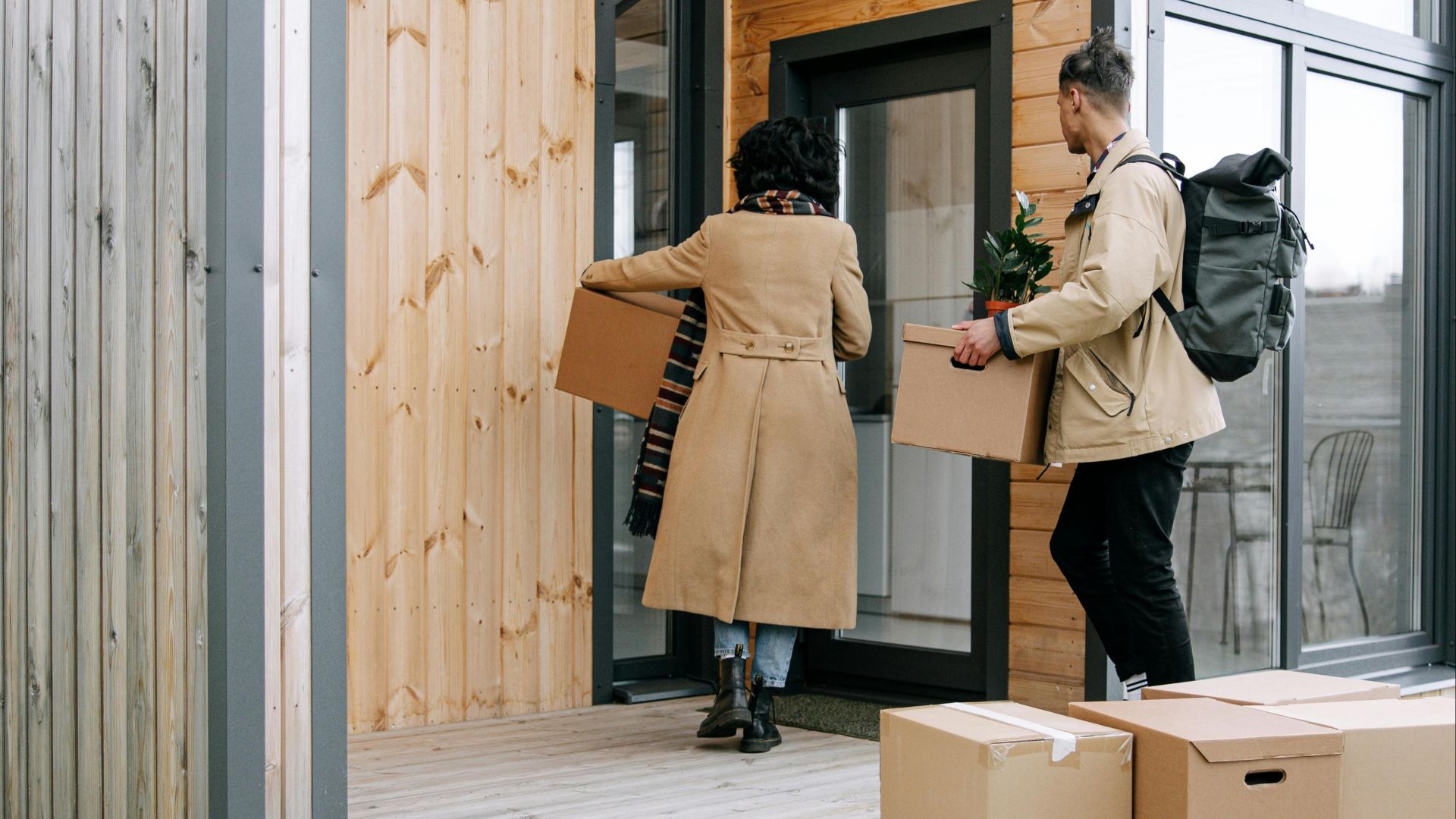
Everyday Life Wasn’t As Cheap Anymore
Housing wasn’t the only thing getting more expensive. Grocery prices, restaurant costs, utilities, and everyday services also started rising in many expat-heavy areas.
Mexico’s inflation rate climbed sharply in 2022, reaching its highest levels in more than two decades. At the same time, Americans earning in dollars discovered trendy expat districts were no longer “ultra-cheap” compared to many smaller U.S. cities.

Healthcare Was Great…Until Bigger Problems Happened
Mexico’s healthcare system gets praised by many expats, especially for affordability. Routine doctor visits, dental care, and prescriptions are often dramatically cheaper than in the United States.
For example, some retirees reported paying under $50 for appointments that might cost several hundred dollars in the U.S. without insurance. But others became nervous about handling serious illnesses or complex surgeries far from family and established American healthcare networks.

Safety Concerns Started Affecting Decisions
Mexico is enormous, and safety varies wildly depending on region and city. Plenty of expats still report feeling perfectly safe where they live.
Still, cartel-related headlines and U.S. travel advisories made some Americans uneasy over time. Even expats living far from higher-crime regions admitted the constant news coverage sometimes created pressure from worried family members back home.
Americans Accidentally Helped Drive Prices Up
A weird irony started happening. The more Americans moved into certain neighborhoods, the more expensive those neighborhoods became.
Airbnb growth exploded in cities popular with foreigners. Critics argued that landlords increasingly favored tourists and remote workers over long-term local tenants because short-term rentals often brought in far more money. Some Americans eventually realized they were helping create the exact affordability problem they had tried to escape.
Mexico City Became Ground Zero For The Debate
Mexico City became one of the biggest symbols of the expat boom. Entire neighborhoods suddenly filled with Americans working remotely from laptops in trendy cafés.
By 2022 and 2023, anti-gentrification protests in the city gained international headlines. Signs criticizing “digital nomads” and rising rents appeared in several neighborhoods. Some Americans living there admitted the growing tension made them rethink whether they wanted to stay long term.
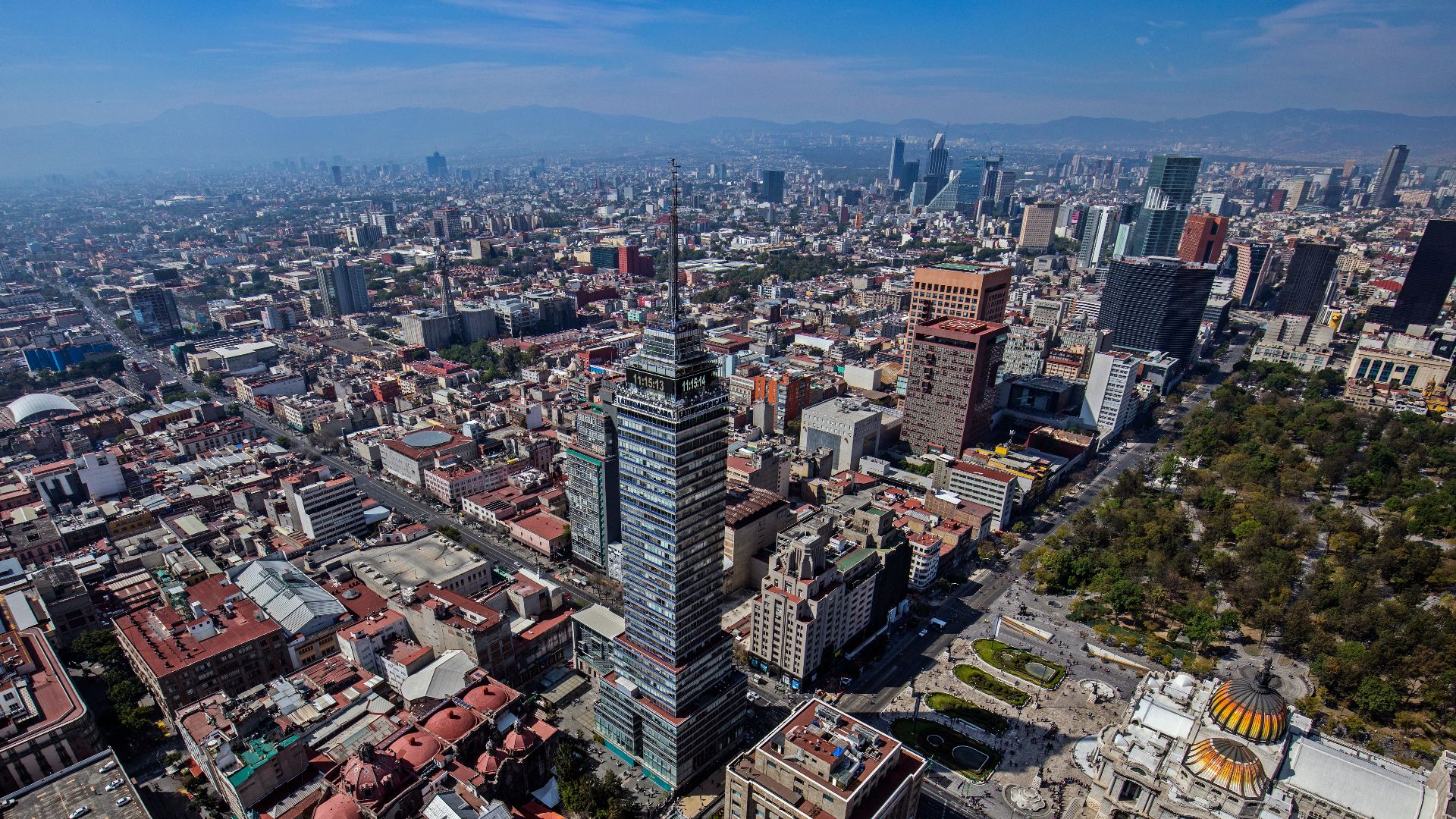 Gobierno CDMX, Wikimedia Commons
The Strong U.S. Dollar Didn’t Stay Strong Forever
Part of what made Mexico so affordable for Americans was the exchange rate. A strong U.S. dollar gave many expats a major financial advantage.
But the Mexican peso strengthened significantly during 2023, becoming one of the world’s stronger-performing currencies that year. Americans who once enjoyed extremely favorable exchange rates suddenly saw rent, groceries, and daily expenses getting noticeably more expensive month after month.
Remote Work Rules Changed Everything
A lot of Americans who moved to Mexico during the pandemic were remote workers. As long as their employer allowed fully remote work, living abroad made financial sense.
But by 2023 and 2024, many major companies started implementing return-to-office policies. Some businesses also cracked down on employees working internationally because of payroll, tax, and legal complications. That forced some Americans abroad to suddenly move back much sooner than planned.

The Honeymoon Phase Eventually Wore Off
Some Americans admitted they moved to Mexico a little too quickly after falling in love with vacation life. Beaches, cheap cocktails, warm weather, and slower living felt incredible at first.
But eventually, real life returned. Bills still existed. Stress still existed. Work still existed. A number of expats later admitted they had confused “loving vacations” with “wanting to permanently relocate.”

Daily Life Came With More Frustrations Than Expected
Living somewhere full time is very different from visiting for two weeks.
Some Americans struggled with paperwork delays, banking issues, infrastructure problems, and navigating unfamiliar systems. Things that once felt charming during short vacations eventually became exhausting during normal daily life. Some expats realized they missed the predictability and convenience they once complained about back home.

Some Expats Started Feeling Isolated
But eventually, some Americans admitted the lifestyle felt lonelier and less stable than they expected.
Constant visa runs, temporary housing, language barriers, and feeling disconnected from long-term community started wearing people down. Some expats realized they had plenty of beautiful scenery around them...but not many deep roots or longtime friendships.

Some Americans Missed Convenience More Than They Expected
This surprised a lot of people.
Many expats initially loved slowing down and escaping the hyper-convenient American lifestyle. But after several years, some started missing things they once mocked: predictable shipping, familiar products, easier banking, cleaner roads, reliable customer service, or simple bureaucratic processes.

Internet And Infrastructure Could Be Frustrating
For remote workers especially, reliable internet was everything.
While many parts of Mexico have excellent modern infrastructure, outages and service inconsistencies still frustrated some expats. Water shortages became particularly noticeable in Mexico City during recent drought concerns, while internet or power interruptions occasionally caused major problems for Americans working full time online.
Family Distance Became Harder Over Time
Moving abroad sounds adventurous at first. Then birthdays, holidays, illnesses, and family emergencies start happening.
Some Americans said the emotional cost of living far away eventually became heavier than expected. Quick weekend visits home weren’t always simple or cheap. Grandparents missed grandchildren growing up. Adult children worried about aging parents.

Visa Rules And Residency Paperwork Got More Complicated
Mexico still remains relatively accessible compared to many countries, but immigration enforcement tightened in some areas after the expat boom exploded.
For years, some Americans relied on repeatedly entering Mexico on tourist visas and renewing them every few months. But after 2021, multiple travelers reported receiving shorter stays than expected from immigration officials instead of the traditional 180-day period many visitors had grown used to.

America Started Feeling Different Too
A strange thing happened for some long-term Americans abroad: after years away, the United States itself started feeling unfamiliar.
Returning home could feel overly expensive, rushed, stressful, and culturally different than they remembered. Some expats realized they had changed during their years abroad, and suddenly the country they originally left no longer felt exactly the same either.
Some Expats Never Fully Felt Local
At the same time, many Americans also admitted they never completely felt rooted in Mexico either.
Even after years there, some still felt like outsiders socially or culturally. A number of expats described feeling caught in a strange middle ground where neither country fully felt like home anymore—and that uncertainty eventually pushed some to move back.
Politics And Cultural Tension Started Creeping In
Not every local loved the sudden American influx. And not every American adapted smoothly to local culture either.
In some expat-heavy areas, resentment occasionally grew over rising rents, English-only attitudes, or foreigners treating neighborhoods like playgrounds instead of communities. Some Americans admitted they underestimated how sensitive gentrification issues could become.
Retirement Calculations Changed Fast
Many retirees originally moved to Mexico because their fixed incomes stretched dramatically further there.
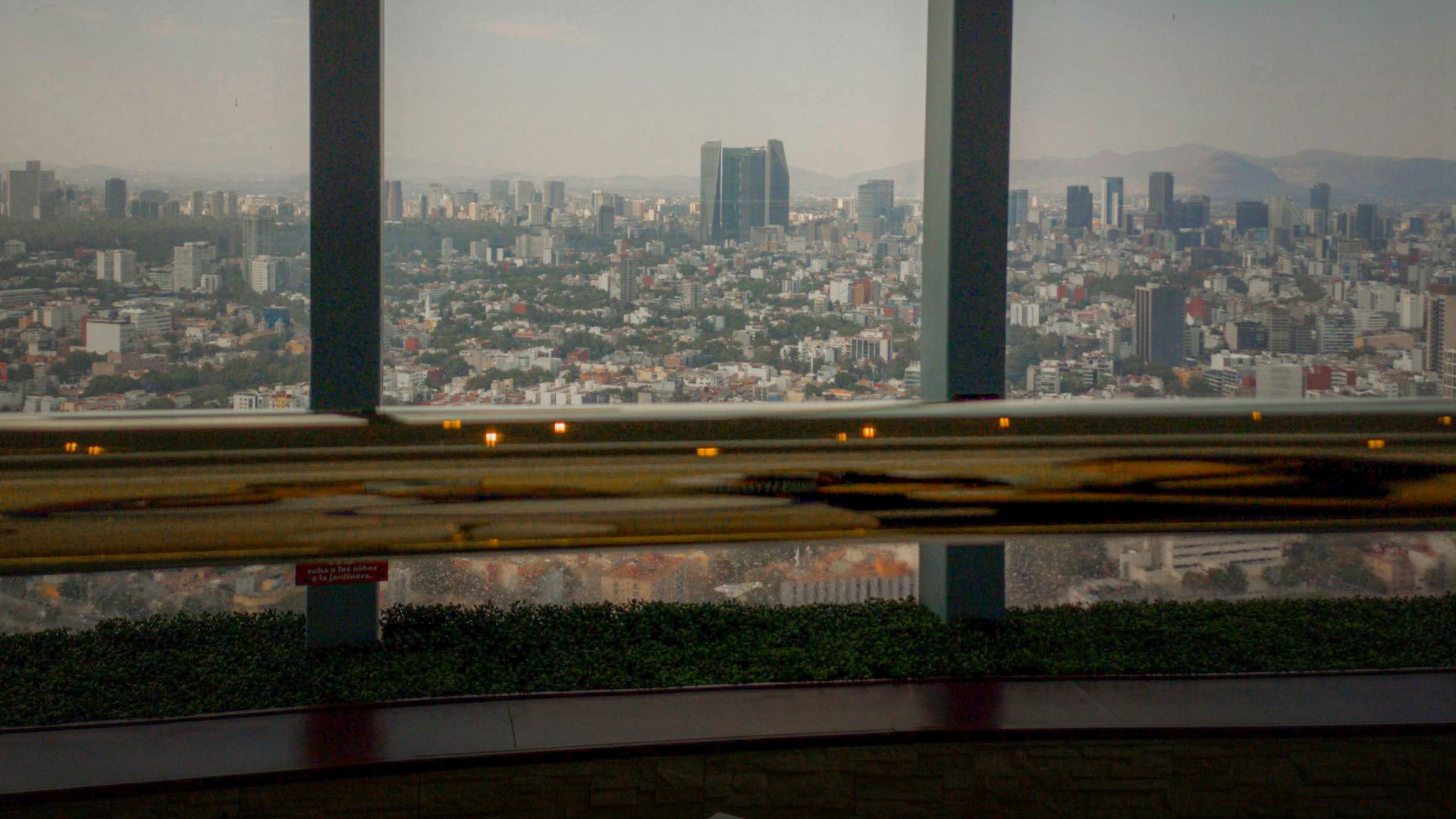
Mexico remains cheaper than many parts of the United States overall, but rising rents, inflation, airfare, and insurance costs started reshaping retirement budgets. Some retirees eventually realized the gap between living comfortably in Mexico versus the U.S. was no longer as enormous as it once seemed.
Some People Simply Got Homesick
This might actually be the simplest explanation of all.
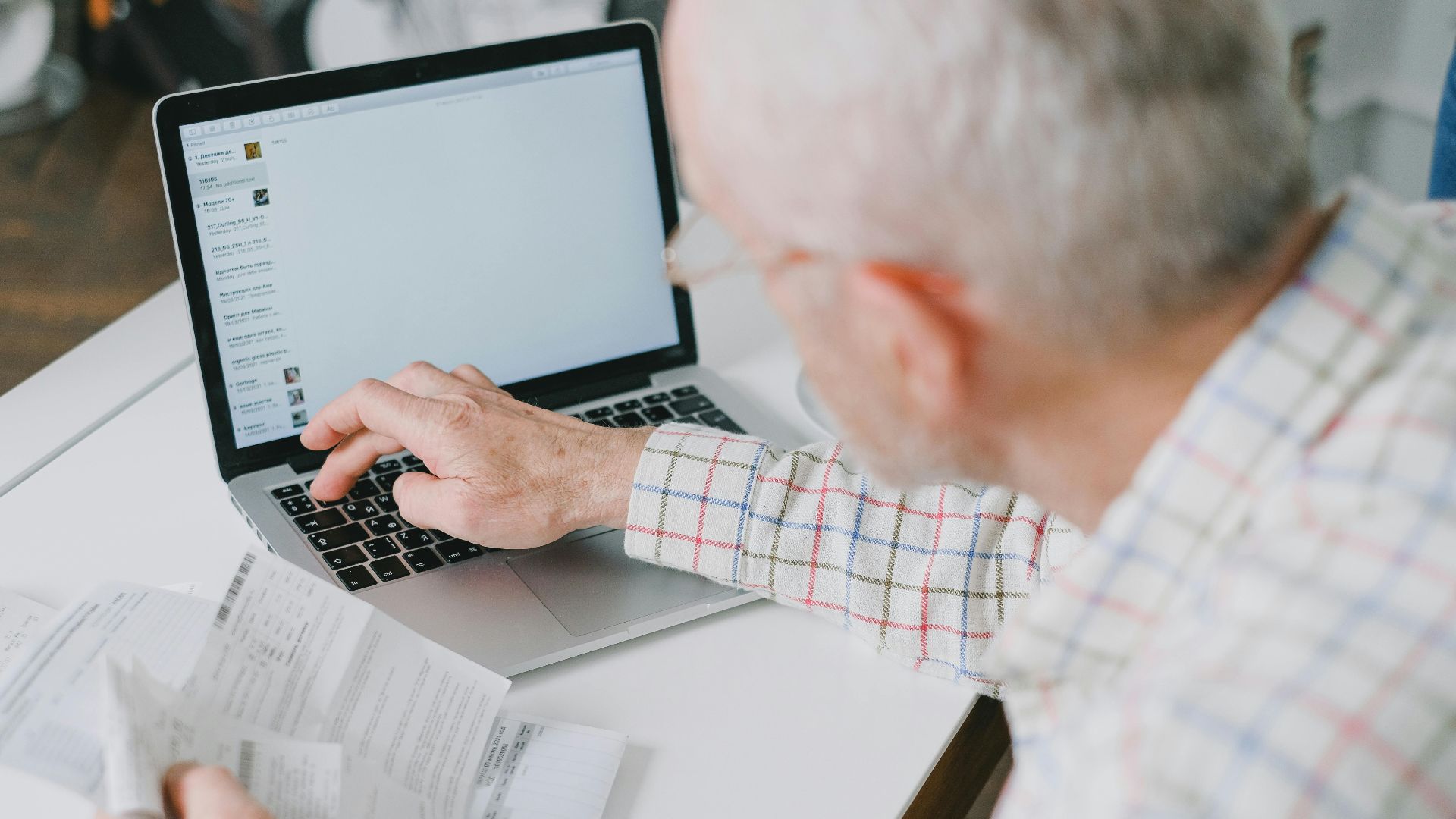
No matter how beautiful the beaches are, some Americans eventually missed familiar accents, favorite foods, lifelong friends, sports culture, holidays, and the feeling of being fully “home.” It turns out nostalgia can hit pretty hard when you’re thousands of miles away watching football at a sports bar full of other homesick Americans.

Mexico Is Still Extremely Popular With Americans
Mexico consistently ranks among the top destinations for American expats and retirees, with estimates often placing the U.S.-born population living there at well over one million people.
But the growing number of Americans reconsidering the move shows something important: relocating abroad doesn’t magically eliminate life’s problems. Sometimes it just swaps them for new ones...plus a much better taco situation.
You Might Also Like:
Every State Has A Sandwich Personality—These Are The Best Ones
Things The Baby Boomer Generation Made Worse (According To Everyone Else)—Do You Agree?