They Started It
Every generation gets blamed for something, but Baby Boomers seem to get blamed for…well, almost everything. Millennials and Gen Z have practically built entire personalities around complaining about what Boomers “ruined.” These are the things people constantly point to when the generational finger-pointing begins. Fair or unfair? You tell us...

Housing Prices
For younger generations, this is the big one. Boomers bought homes when prices were dramatically lower relative to income, then watched property values explode over the decades. Now many Millennials and Gen Z buyers feel locked out entirely. Fair or not, Boomers often get blamed for turning housing into an investment game instead of simply a place to live. It doesn’t help that stories about buying a house for $28,000 in 1974 usually end with younger people staring into the void.

College Costs
Boomers love saying things like, “I paid for college with a summer job,” which is exactly why younger people lose their minds during these conversations. Tuition has skyrocketed over the decades, while wages haven’t kept pace. Younger generations often argue that Boomers benefited from affordable education, then supported systems that made college financially brutal for everyone after them. Student loan debt became the modern version of a lifelong side quest nobody asked for.

Job Requirements
Somewhere along the line, “entry-level” stopped meaning entry-level. Younger workers often blame Boomers for creating corporate hiring systems where applicants need five years of experience, three certifications, and the endurance of an Olympic athlete just to answer emails in an office. The rise of endless interviews, unpaid internships, and “we’re like a family here” workplace culture gets pinned on older management styles constantly.

Work-Life Balance
Boomers grew up in an era where loyalty to your employer was considered a virtue. Staying late was admirable. Taking vacations sometimes looked suspicious. Younger generations tend to reject that mindset entirely and blame Boomers for normalizing burnout culture. To Gen Z especially, bragging about never taking sick days sounds less inspiring and more like Stockholm syndrome with a company pension attached.

The “Starter Home” Disappearing
Boomers are often accused of turning modest homes into oversized status symbols. Younger buyers complain that affordable starter homes either barely exist anymore or get bought up instantly by investors. Entire neighborhoods that once housed middle-class families now look like luxury real estate brochures featuring granite countertops nobody specifically requested.

HOA Culture
Younger generations absolutely love blaming Boomers for the rise of homeowners associations and all the chaos that comes with them. Entire neighborhoods now have regulations about grass height, mailbox colors, and whether your garbage can was visible for twelve seconds too long. Nothing says freedom quite like receiving a threatening letter because your shrubs looked “informal.”

Endless Meetings At Work
Nobody has officially proven Boomers invented pointless meetings, but younger workers seem convinced they did. The stereotype is that Boomers love long conference calls, corporate buzzwords, and meetings that absolutely could have been emails. Entire TikTok accounts now exist purely to mock office culture created decades ago by people who still print directions from MapQuest.

Retirement Expectations
Younger generations often look at Boomer retirement lifestyles with a mix of envy and disbelief. Pensions, affordable homes, stable jobs, and retiring before age 70 feel almost mythical now. Many younger workers think Boomers were the last generation to fully experience the traditional “American Dream” before the ladder got pulled up behind them.

Car Dependency
Boomers came of age during America’s suburban expansion boom, and younger generations often blame that era for modern car dependency. Massive highways, sprawling suburbs, and cities built around parking lots instead of people are constant targets of criticism now. Gen Z especially seems baffled by the idea that walking to a grocery store became impossible in so many places.
Environmental Damage
This one gets heated fast online. Younger generations often accuse Boomers of ignoring environmental problems for decades while benefiting from rapid industrial growth and consumer culture. Boomers counter that they also helped launch major environmental movements in the 60s and 70s. Still, when climate conversations happen online, Boomers usually end up catching strays within about three comments.
 James St. John, Wikimedia Commons
Corporate Culture
The image of stiff office environments, mandatory dress codes, soul-crushing cubicles, and motivational posters somehow all gets traced back to Boomer leadership. Younger workers increasingly want flexible schedules, remote work, and less rigid hierarchies. Boomers, meanwhile, are stereotyped as people who still think wearing jeans in an office is an act of rebellion.

Office Dress Codes
Younger workers still seem genuinely confused by the existence of neckties. Boomers are often blamed for creating office environments where people had to wear uncomfortable clothes just to sit quietly under fluorescent lighting for eight hours. Casual Fridays felt revolutionary back then. Now some people attend meetings wearing hoodies from bed.

The “Live To Work” Mentality
Younger generations often feel Boomers tied personal identity too closely to careers. Questions like “What do you do?” became shorthand for measuring social worth. Gen Z especially seems determined to separate self-worth from productivity, while Boomers are stereotyped as people who genuinely enjoyed discussing quarterly sales reports at dinner parties.

Television Commercial Volume
This might sound random, but enough people complain about it that it deserves a spot here. Younger viewers joke that Boomers tolerated absurdly loud TV commercials and endless pharmaceutical ads for decades without revolting. Somewhere along the line, every commercial break started sounding like a monster truck rally sponsored by blood pressure medication.

Lawn Obsession
Boomers helped turn perfect lawns into a suburban competitive sport. Younger generations increasingly see giant grass lawns as expensive, wasteful, and weirdly stressful. Entire weekends disappearing because someone needed to trim grass by half an inch now feels like a bizarre cultural ritual future historians will study carefully.

Chain Restaurants Everywhere
Boomers helped fuel the rise of suburban chain restaurants, and younger generations now mock that entire dining culture relentlessly. Endless strip malls filled with identical steakhouses, casual dining chains, and giant parking lots feel painfully bland to younger people who prefer local restaurants and more walkable communities. Still, nobody complains while eating free breadsticks.
 Harrison Keely, Wikimedia Commons
Customer Service Rage
The stereotype of Boomers demanding to “speak to the manager” refuses to die. Fair or not, younger generations associate Boomers with aggressive customer complaints, public confrontations, and terrifying restaurant interactions over things like soup temperature. The phrase “Karen” didn’t appear out of thin air.
 Daniel & Hannah Snipes, Pexels
The 40-Hour Commute Lifestyle
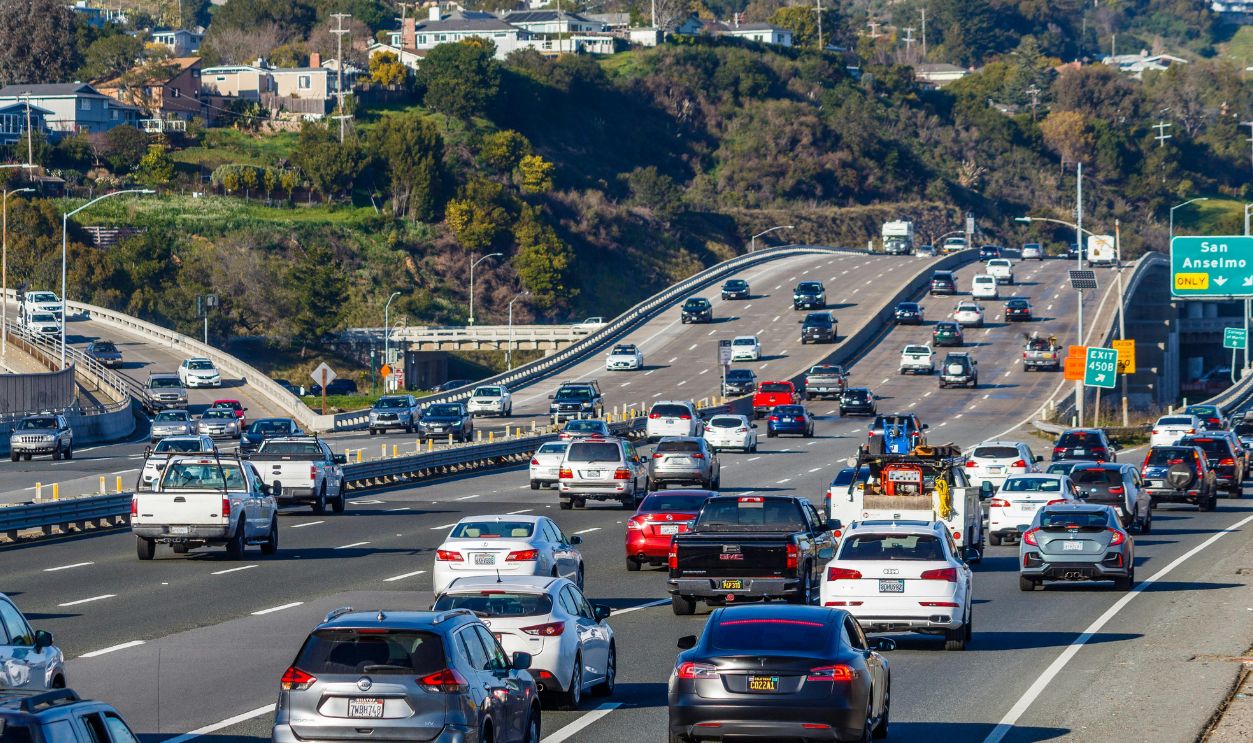
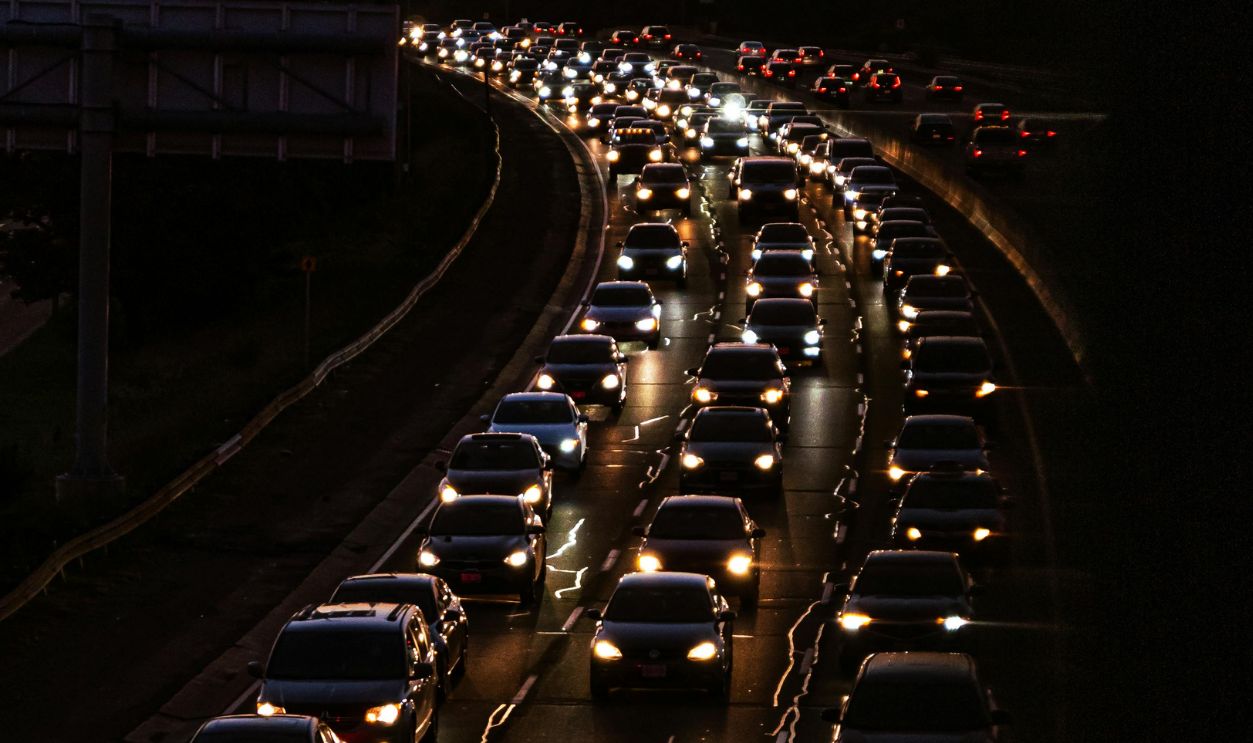
Boomers normalized commuting huge distances every day because suburban homeownership became the goal. Younger generations increasingly see spending two hours a day trapped in traffic as completely insane. Remote work only intensified that divide, because once people realized meetings could happen from home, sitting on a highway started feeling even more absurd.
Consumerism
Boomers grew up during decades of enormous economic expansion, and younger generations often argue that nonstop consumer culture exploded during that period. Bigger houses, more stuff, constant upgrades, and entire garages filled with unused exercise equipment became symbols of excess. Minimalism trends today almost feel like a direct rebellion against basements full of unopened Tupperware.

Airline Travel
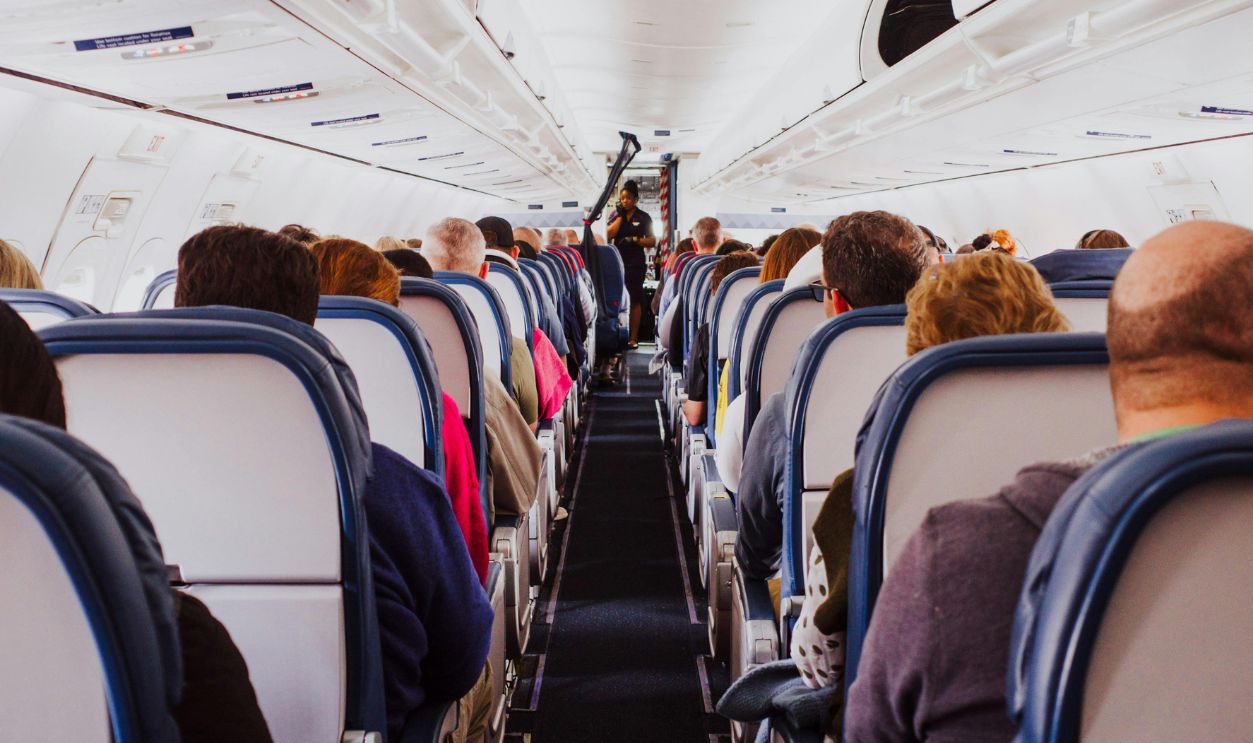
Older generations still remember when flying felt glamorous. Younger generations inherited modern air travel instead: cramped seats, baggage fees, emotional support peacocks, and a security process that feels like entering a maximum-security prison. Boomers obviously didn’t single-handedly cause this, but people still blame the generations that normalized deregulated “budget airline misery.”
Social Security Anxiety
Younger workers constantly hear that Social Security might not fully exist by the time they retire, which creates a lot of generational resentment. Many feel Boomers benefited from stronger retirement systems while younger taxpayers now shoulder growing financial pressure. Whether accurate or oversimplified, the frustration keeps showing up in almost every generational debate online.

Internet Comment Sections
Boomers didn’t invent the internet, but younger generations absolutely blame them for Facebook comment sections becoming digital wastelands. Every local news article somehow turns into a full-scale war about parking, weather, taxes, or whether teenagers are “too soft these days.” The internet was supposed to bring humanity together. Instead, it created neighborhood groups arguing about raccoons.

Phone Calls For No Reason
Younger generations would rather fight a raccoon than answer an unexpected phone call. Boomers, meanwhile, still treat calling as the default form of communication. Gen Z especially cannot comprehend why someone would call just to ask a question that could’ve been answered in a seven-word text message.

Tipping Culture
People increasingly complain that tipping has spiraled completely out of control, and some younger critics trace it back to older service industry norms. Self-checkout kiosks asking for 25% tips now feel like financial jump scares. Younger customers are exhausted, workers are underpaid, and everyone somehow ends up angry at each other instead of the system itself.

Everything Becoming A Subscription
You used to buy things once. Now your car, television, software, doorbell, and probably toaster want monthly payments. Younger generations often blame older corporate leadership for helping create subscription-everything capitalism. Nobody wakes up excited to manage seventeen passwords just to watch one show and unlock heated seats.

The “Don’t Discuss Feelings” Mentality
Boomers are often stereotyped as the generation that avoided talking openly about mental health, emotions, or therapy. Younger generations increasingly prioritize emotional openness and self-care, which creates a giant cultural divide. Gen Z discussing boundaries and burnout sometimes sounds completely alien to older generations raised on “walk it off.”

Malls Dying
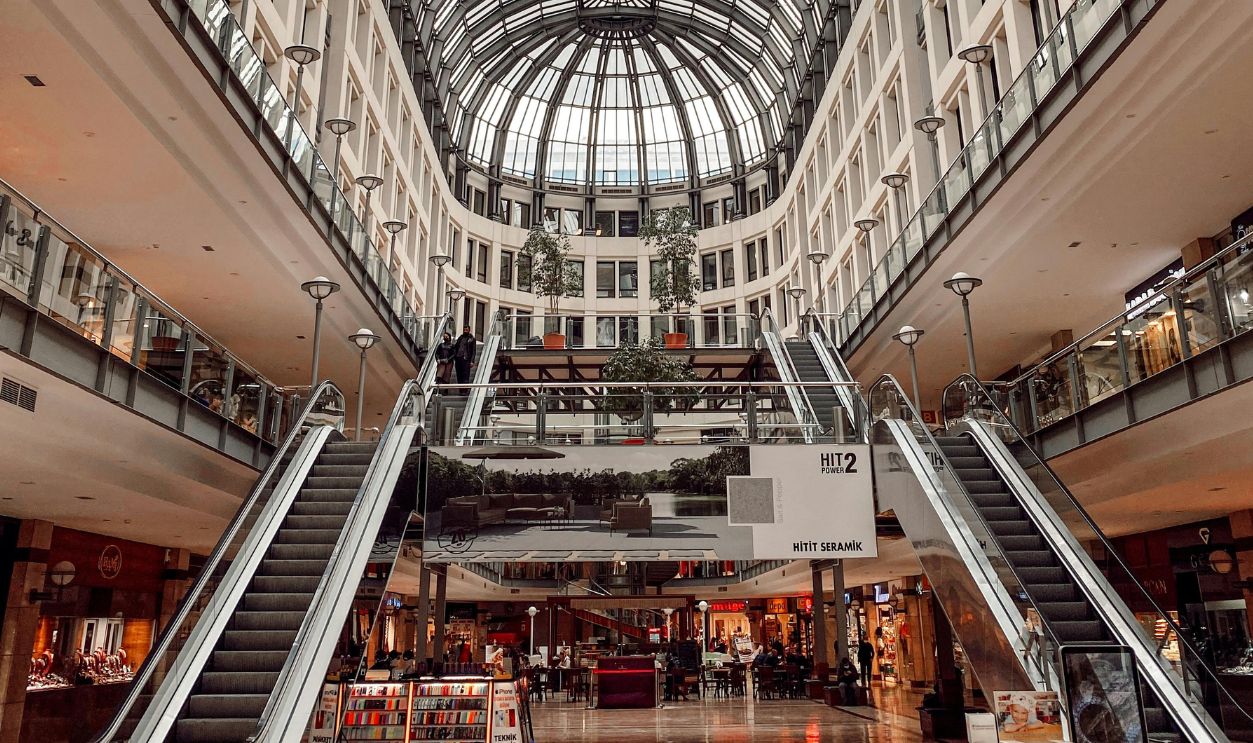
Boomers helped build mall culture, then eventually helped abandon it. Younger generations inherited empty parking lots, dying department stores, and abandoned food courts that somehow still smell faintly like cinnamon pretzels. There’s an entire strange sadness around dead malls now that feels oddly nostalgic, even for people who barely experienced them.
“Kids These Days” Complaints
Every older generation complains about younger people, but Boomers have become especially associated with it culturally. Younger generations joke that Boomers think smartphones destroyed civilization while simultaneously forwarding Facebook posts written entirely in capital letters. Every generation eventually becomes confused by the next one. Boomers just happened to do it during the internet era, where everyone could watch in real time.

The “Pull Yourself Up By Your Bootstraps” Advice
Nothing irritates younger generations faster than financial advice that sounds wildly outdated. Boomers are often mocked for suggesting things like walking into businesses with a resume or buying homes by “cutting back on coffee.” Right or wrong, those conversations almost always end with somebody angrily bringing up avocado toast.

The Never-Ending Generational War
Ironically, one thing Boomers may not deserve blame for is generational fighting itself. Humans have complained about younger and older generations for centuries. Ancient philosophers were already grumbling about “lazy youth” long before Wi-Fi existed.

You Might Also Like: