A Kid’s-Eye View Of The U.S.
Ask adults what makes America great, and you’ll get big-picture answers. Ask kids, and you’ll get something way more honest. Surveys from groups like Pew Research Center, Gallup Student Poll, and UNICEF offer a glimpse into what children actually value about the country they live in. Some of these might surprise you.
Freedom To Be Yourself
Older kids and teens bring this up a lot. They talk about expressing opinions, choosing their identity, and feeling heard. Younger kids don’t use the word “freedom” as much—but they still describe it through things like picking hobbies or speaking up.

You Can Be Anything Someday
This idea shows up strongest with older kids and teens. Pew research has found that American teens are especially likely to believe hard work leads to success. Younger kids still dream big—but it’s more about fun jobs than long-term opportunity.

They Don’t Think About Politics Much
Adults often jump straight to politics when talking about America. Kids almost never do. Even teens tend to focus more on daily life—school, friends, and freedom—rather than government. It’s a surprising gap between how adults and kids see the country.
So Many Different People
Teens are more likely to recognize diversity as a big-picture strength. Younger kids notice it too—but in simpler ways, like different foods, languages, or classmates. Either way, it’s something they consistently point out as interesting.
The Food Choices Are Endless
If there’s one thing kids notice fast, it’s the food. The U.S. has over 200,000 fast-food restaurants, plus global cuisines everywhere. Younger kids focus on pizza, fries, and snacks—while older kids start appreciating the variety more.

Theme Parks And Big Attractions
This one leans younger. Kids often name places like Walt Disney World, which draws over 50 million visitors a year. For younger kids, it feels like stepping into a movie. Teens still enjoy it—but they’re less likely to define the country by it.

Movies, Shows, And Entertainment
All ages notice this, but in different ways. Younger kids focus on characters and cartoons, while teens recognize the U.S. as a global entertainment hub. Either way, American media shapes how kids see the country.
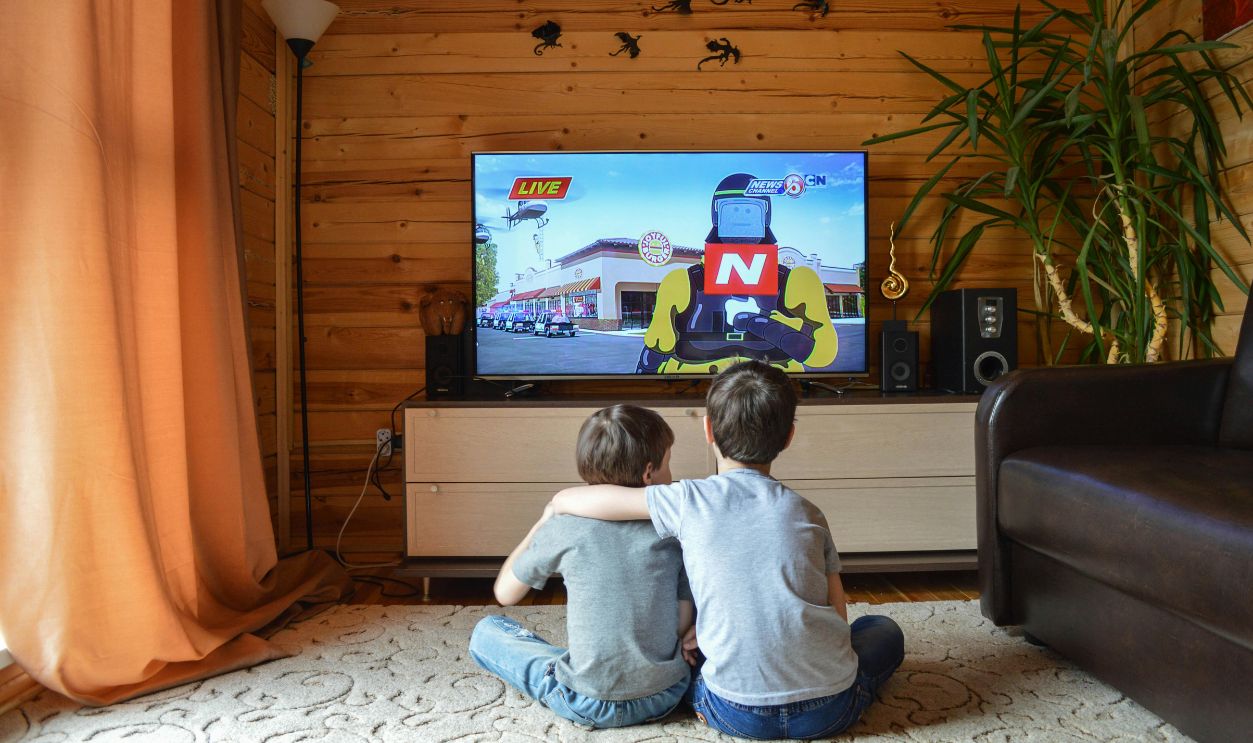
Sports Are Everywhere
This hits across age groups, but teens tend to take it more seriously. Younger kids enjoy playing, while older ones follow teams, stats, and leagues like the NFL or NBA. Youth participation numbers show millions are involved at some level.
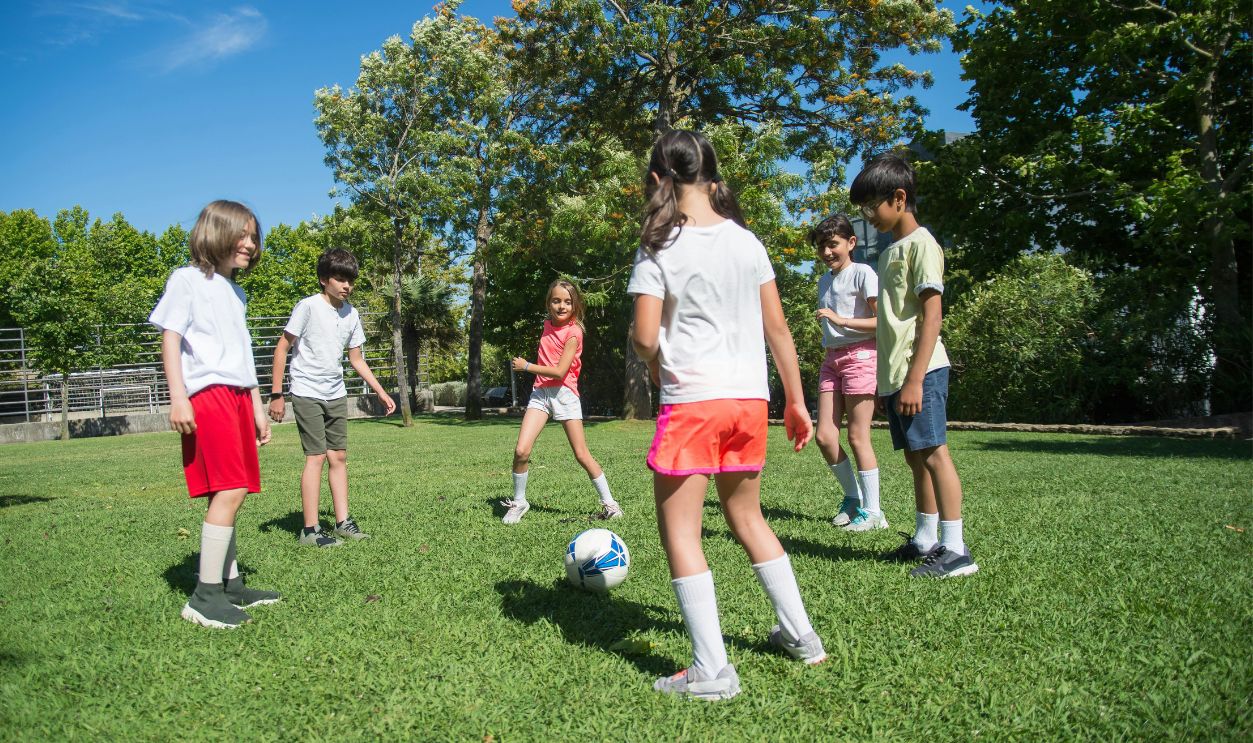
School Activities And Clubs
Younger kids talk about fun—friends, games, and favorite teachers. Older kids focus more on clubs, sports, and building skills. Data shows a majority of U.S. students participate in extracurriculars, which makes this a consistent highlight.
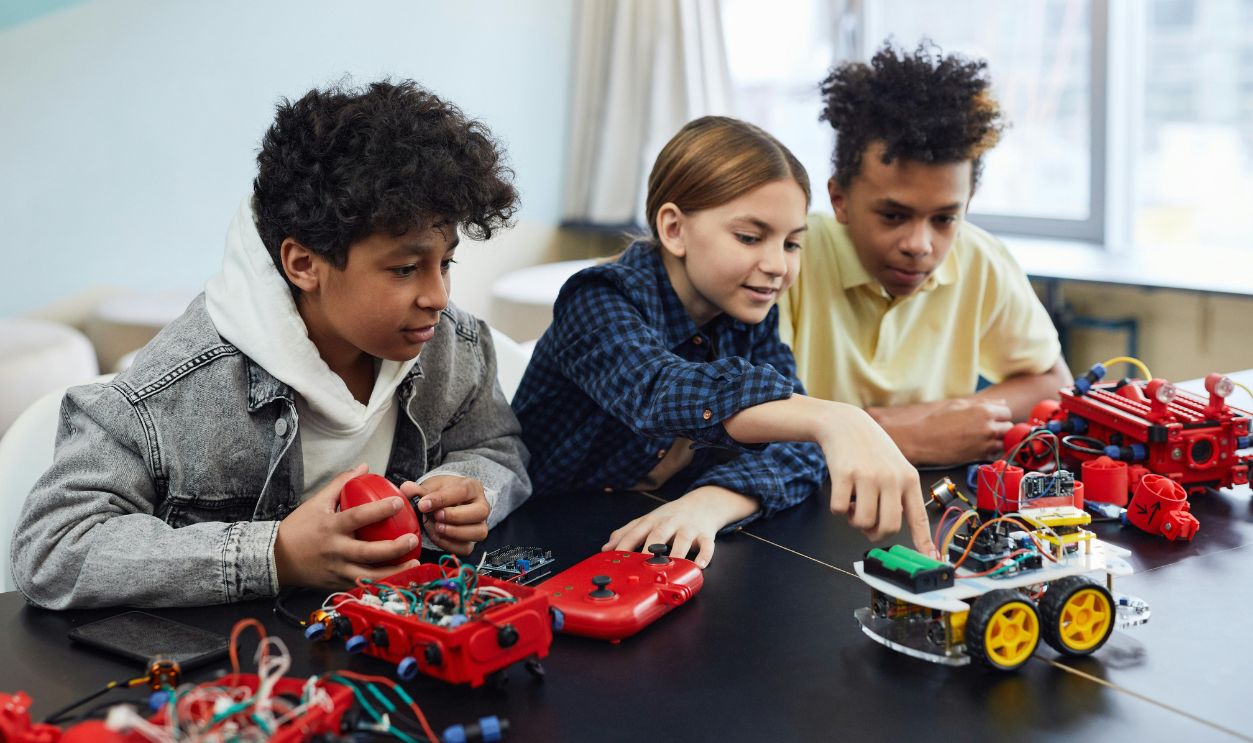
Technology And Cool Gadgets
Kids don’t just use tech—they expect it. Most American teens have smartphones, and gaming is a daily habit for many. Younger kids enjoy it too, but teens are more likely to see tech as part of their identity and social life.

Big Houses And Space To Play
This stands out more to younger kids, who notice backyards, parks, and room to run around. It’s part of their everyday life. Teens still appreciate it, but they’re less likely to mention it first compared to things like tech or independence.
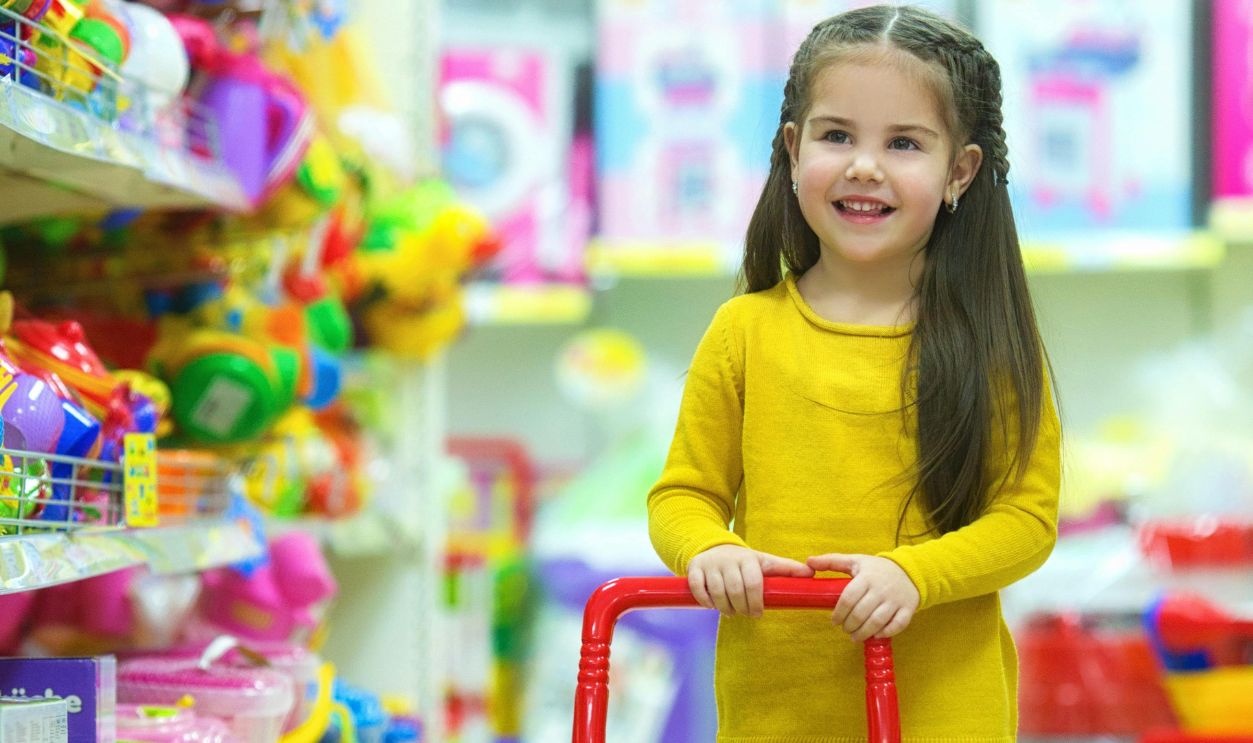
Shopping And Malls
Younger kids think in terms of toys, games, and fun stuff they can see and touch. Teens shift toward clothes, trends, and hanging out with friends. Either way, easy access to stores—both physical and online—makes a strong impression.
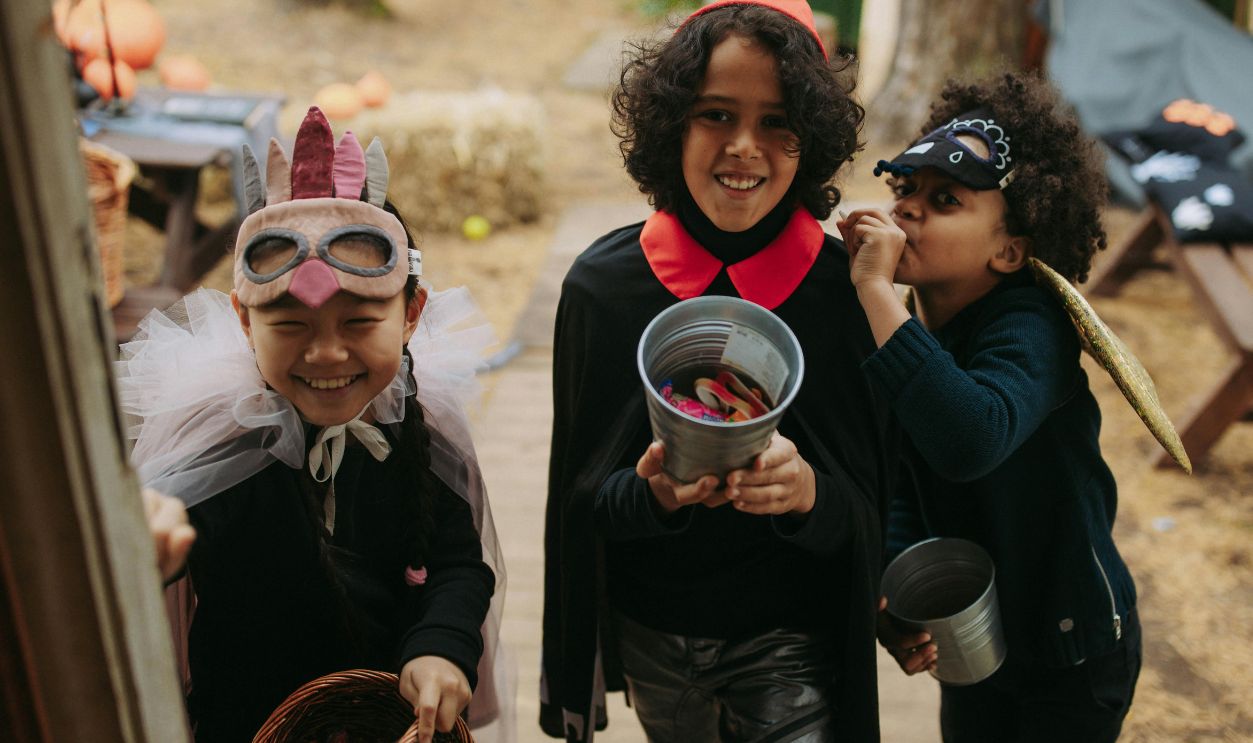
Celebrations And Holidays
Younger kids absolutely love this one. Halloween candy, Christmas gifts, and fireworks are a big deal. Teens still enjoy holidays, but younger kids are the ones who really center them as a “best part.”
Feeling Safe At Home
This comes up more with younger kids, who connect “America” to home, family, and routine. It’s less abstract and more about comfort. Teens are more aware that safety can vary depending on where you live, so their answers get more nuanced.
They Notice Inequality Earlier Than You’d Think
This one surprises a lot of adults. Teens especially mention differences in wealth, schools, or neighborhoods. Some surveys show older students are aware that not everyone has the same opportunities—even while still believing in the idea of success.
Freedom Of Speech (In Kid Terms)
Teens are much more likely to recognize this directly. They talk about sharing opinions and being heard. Younger kids show it in simpler ways, like feeling comfortable speaking in class or with friends.

Opportunities To Learn
Older kids and teens mention this more, especially when thinking about college or careers. Younger kids focus on enjoying school day-to-day, while older ones start seeing education as a pathway to something bigger.
Friends From Everywhere
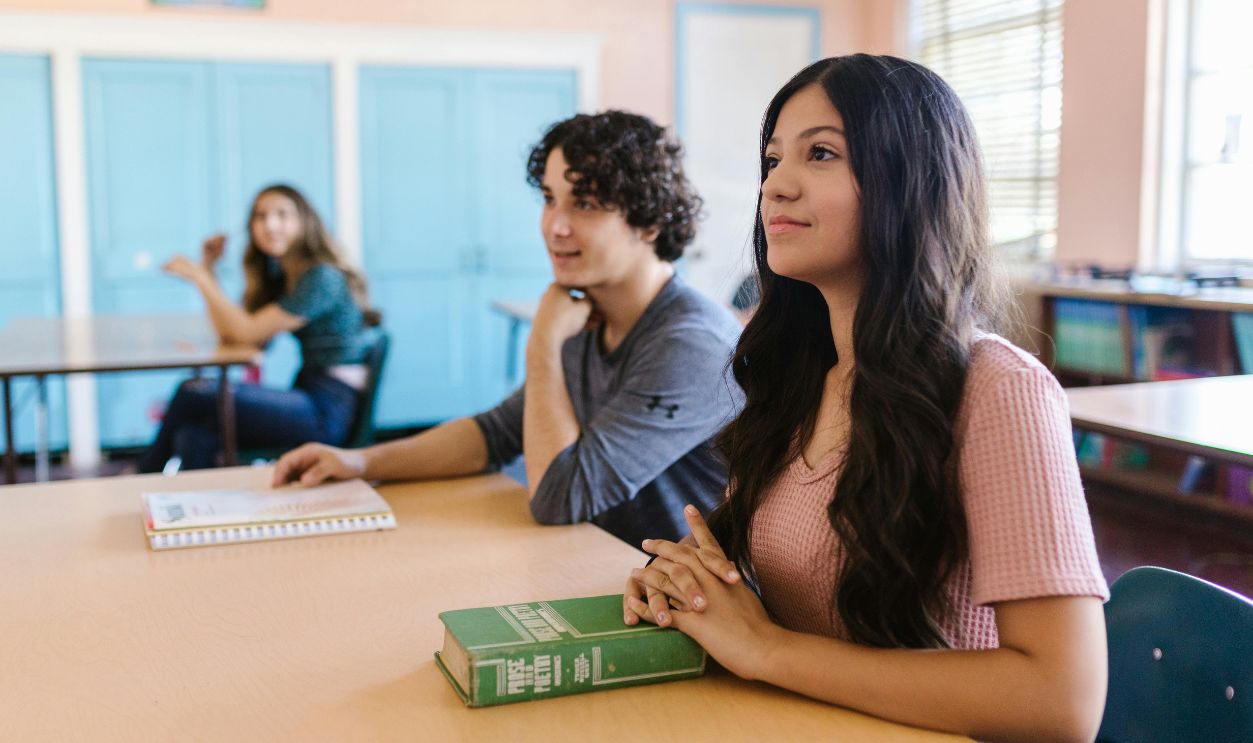
All ages experience this, but teens tend to reflect on it more. Younger kids just see it as normal. Studies show diverse social circles help shape how kids understand the world early on.

Cool Cities And Landmarks
Younger kids recognize famous places from school or TV. Teens are more likely to connect them to culture or travel. Either way, landmarks help shape their overall image of the country.

Fast Internet And Easy Access
Teens mention this more directly, since so much of their social life happens online. Streaming, gaming, and messaging all rely on it. Younger kids benefit too, especially for videos and games, but they’re less likely to call it out on their own.

Being Creative And Sharing It
This leans older. Teens talk about posting videos, creating content, and building an online presence through platforms like YouTube or TikTok. Younger kids create too—but it’s usually just for fun, not for sharing widely.

Younger Kids: It’s All About Fun
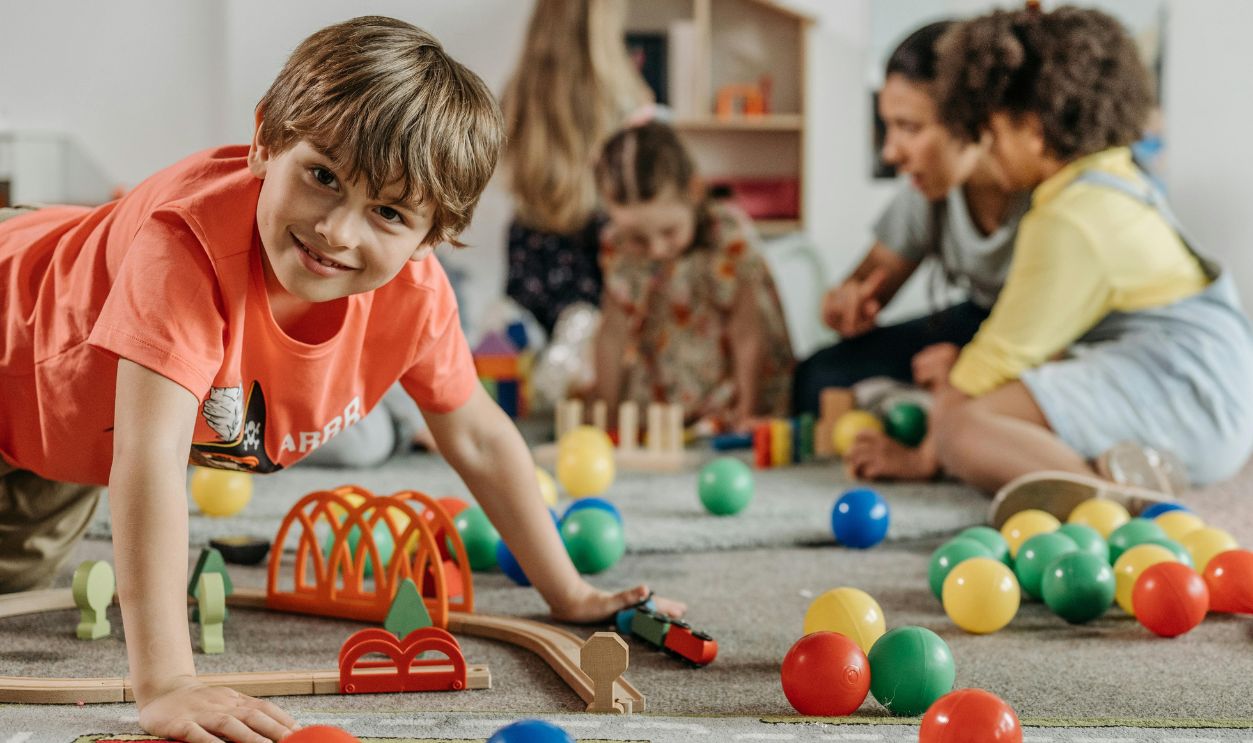
For younger kids, the “best things” are simple—food, toys, holidays, and places to play. Their answers are immediate and tied to what they experience every day. It’s less about the country itself and more about what makes life feel fun.
Teens: It’s About The Future
Teens zoom out more. They talk about freedom, opportunity, and what comes next after school. Their answers start to sound more like adult perspectives, shaped by classes, social media, and thinking about careers or independence.

The Overall Sense Of Possibility
Across every age group, one theme shows up: possibility. Whether it’s having fun today or dreaming about tomorrow, kids consistently describe America as a place where a lot feels within reach.

What It All Comes Down To
Kids don’t overcomplicate things. Younger ones focus on fun and comfort, while teens think about freedom and the future. Put it together, and you get a clear, honest snapshot of what stands out most to them.
You Might Also Like:
The States With The Best Quality Of Life—According To Data
The Happiest Cities In America