There was a time when the business trip practically advertised its own perks. The company picked up dinner, someone else paid for the hotel, and a road warrior could quietly accumulate enough airline miles to make the airport routine feel worthwhile. Those benefits have not disappeared, but recent travel research suggests that the definition of a valuable work trip is becoming much broader. Travelers increasingly care about flexibility, smooth technology, useful face-to-face time, personal well-being, and the freedom to get something meaningful out of the destination itself.
That change matters because companies are also asking harder questions about why employees are traveling at all. Deloitte’s 2025 Corporate Travel Study found that companies were increasingly focused on travel that produces identifiable business outcomes, while conferences, client meetings, business development, and training remained major reasons for sending employees on the road. The result is a new bargain between employer and traveler. If a trip needs to justify its cost, the person taking it increasingly expects the experience to justify the disruption to their life as well.
The Expense Account Is No Longer The Whole Point
Cost still matters enormously. Deloitte found that 54% of surveyed travel managers named cost as one of the top three factors restricting travel in 2025, up from 48% the previous year. Yet simply squeezing a trip to the lowest possible price can create its own problems when the cheaper option involves an exhausting connection, an inconvenient hotel, or a booking system that takes longer to navigate than the flight itself.
That helps explain why flexibility has become such a recurring theme in traveler research. SAP Concur’s 2024 global traveler study found that 91% of respondents had experienced some form of reduced travel flexibility, including restrictions on direct flights, overnight stays, premium cabins, ground transportation, remote work during personal travel, or adding leisure days to business trips. Around 22% said they would be willing to decline a business trip if they could not extend it for personal travel. Those numbers suggest that flexibility itself is becoming a benefit, rather than simply a nice exception buried in the travel policy.
The corporate travel industry appears to recognize the shift. Expedia Group’s 2026 research among senior travel-management-company decision makers found sharply rising expectations around streamlined booking, loyalty rewards, personalization, mobile tools, better service, and the ability to combine business and leisure travel within the same system. More than 80% of respondents reported increased traveler expectations in several of those areas. In other words, the modern perk is increasingly the absence of hassle.
Travelers Want Their Time Back
For frequent business travelers, an expensive seat or fancy lobby may matter less if the journey wastes half a day. Time has become one of the most practical currencies in business travel, particularly when employees are expected to remain productive while moving between cities. A comfortable schedule, a direct route, useful transportation time, and a hotel near the actual meeting can all change how demanding a trip feels. Recent research suggests travelers are paying attention to exactly those details.
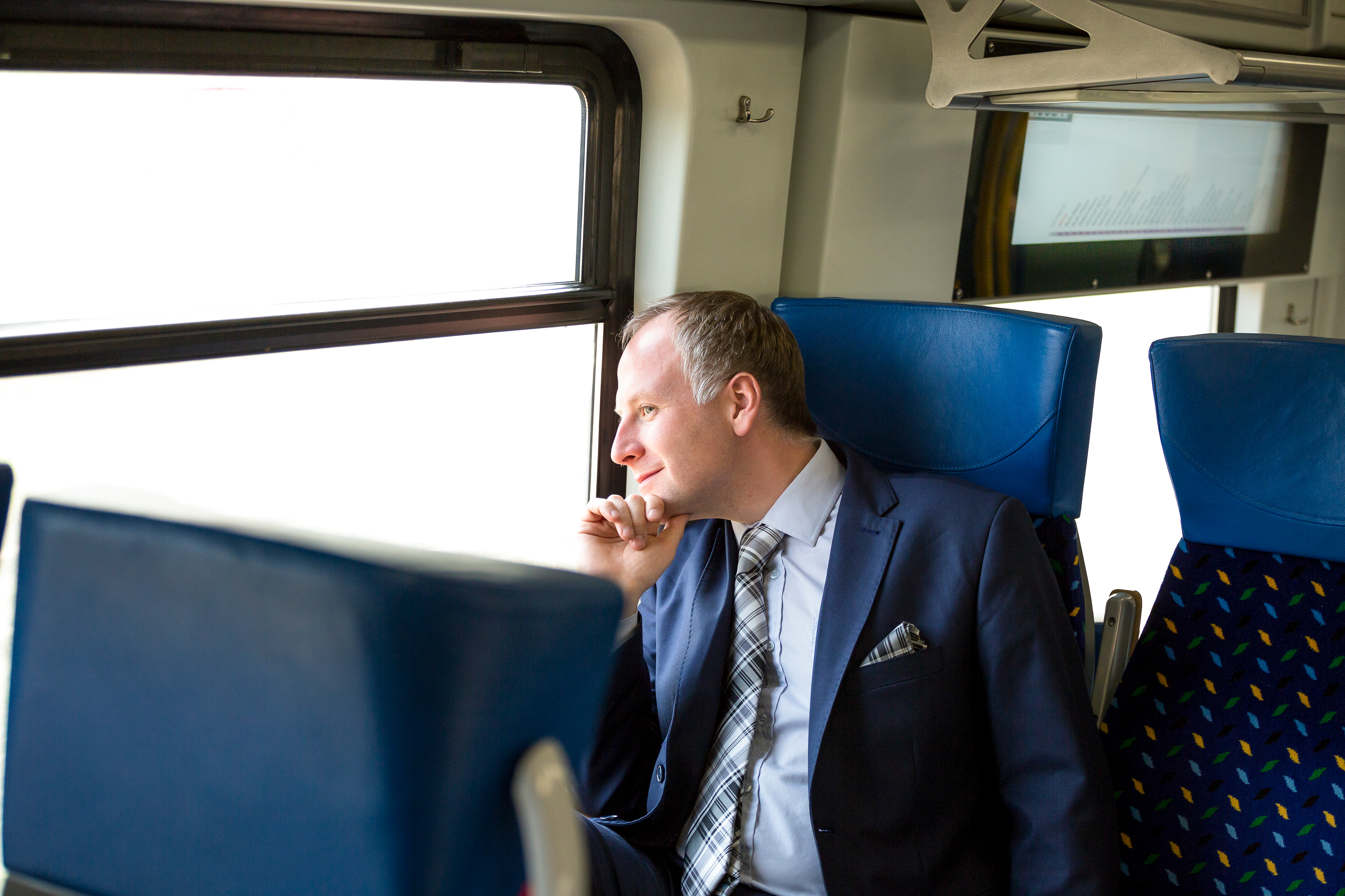
American Express Global Business Travel surveyed 3,000 business travelers in France, Germany, and the United Kingdom about rail travel in 2025. Forty-seven percent identified greater work efficiency as the main advantage of taking the train instead of flying or driving, while 92% said they used time aboard trains to get work done. Comfort was another significant factor, cited by 43% of respondents. The findings illustrate why the supposedly quickest option on paper is not always the option a traveler values most.
Booking technology is part of the same equation. Deloitte found that 49% of surveyed business travelers said they always used corporate booking channels in 2025, and travelers who changed flights booked through corporate platforms generally described their most recent change experience as smooth or very smooth. The gap between consumer travel websites and corporate tools also appeared to be narrowing, with fewer travelers saying they chose online travel agencies specifically because the shopping experience was better.
Artificial intelligence is now entering that convenience equation too. SAP Concur reported in 2026 that 72% of surveyed business travelers would use non-approved AI tools for travel-related purposes, a sign that employees may move faster than corporate policies when they see technology that saves time. Expedia Group’s research found that travel management companies are investing heavily in AI, although fewer than half of surveyed leaders described its impact so far as very positive. The lesson is less about having the flashiest AI assistant and more about whether technology actually removes friction.
Bleisure Has Become Part Of The Calculation
Perhaps the clearest sign that business travel is being redefined is the rise of blended trips. GBTA reported in late 2024 that 46% of travel buyers said employees at their companies were taking more trips combining business and leisure than they had a year earlier, while only 9% reported a decline. Expedia Group’s 2025 consumer research similarly found that 42% of surveyed consumers planned to take a bleisure trip.
This does not necessarily mean employees want every three-day conference to become a weeklong vacation. Instead, it shows why control over a schedule can feel more valuable than another reimbursed dinner. Arriving on Saturday instead of Sunday, staying an extra night, meeting a friend after the conference, or exploring a neighborhood after the workday can turn an obligatory journey into something an employee actually anticipates. The growing interest in blended travel documented by GBTA, SAP Concur, Expedia, and Booking.com for Business all points in that direction.

Generational differences show up here, although they are not absolute. Booking.com for Business reported that 68% of surveyed U.S. Millennials had added leisure time to a business trip, compared with 55% of Gen Z respondents and 60% of Gen X respondents. That makes Millennials particularly prominent participants in the bleisure trend, but the numbers also show that combining work with personal time is hardly limited to the youngest people in the airport lounge.
Wellness Is Becoming A Real Travel Benefit
A good business trip used to be judged largely by whether everything ran on time. Increasingly, travelers are also judging how they feel when they get home. Flight schedules that destroy a night’s sleep, nonstop group dinners, long transfers, and constant connectivity can make even a productive trip exhausting. Recent hospitality research suggests that business travelers are carving out more deliberate recovery time while away.
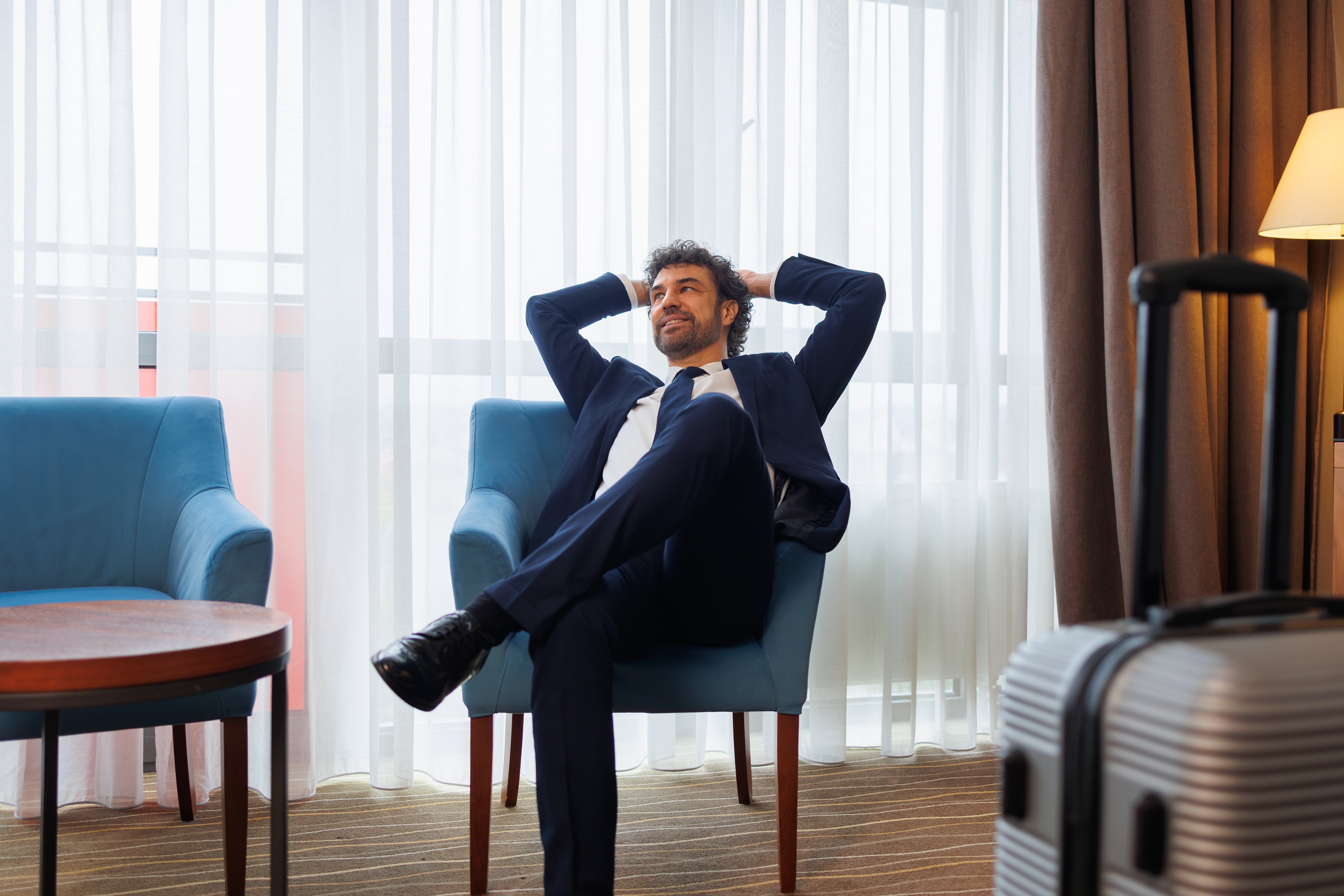
Hilton’s 2026 Trends Report found that 27% of business travelers actively seek time alone during work trips to recharge. Nineteen percent said they sometimes choose sleep instead of socializing with coworkers, while 30% reported opting for a private late-night meal or snack after group activities. Those are modest choices, but they reflect a broader move away from the idea that every minute of a business trip needs to be filled with networking or entertainment.
SAP Concur’s 2026 global survey offers another perspective. Ninety-three percent of surveyed business travelers said work travel benefits their mental and physical health, according to the company’s report. That finding sits alongside other research showing that travel can still create stress, particularly when flexibility disappears or disruptions pile up. Booking.com for Business, for example, found that 47% of surveyed U.S. Gen Z business travelers described work travel as very or fairly stressful. Taken together, the research suggests that travelers can genuinely enjoy being on the road while still wanting companies to make the experience less punishing.
The Best Trip Now Has To Feel Worth Taking
None of this means the classic business-travel perks are obsolete. Loyalty points, room upgrades, lounges, comfortable seats, and good meals continue to have obvious appeal. Expedia Group’s 2026 research found rising expectations for both loyalty rewards and negotiated perks, showing that travelers have not suddenly lost interest in traditional benefits. They have simply added a much longer list of things they expect around them.
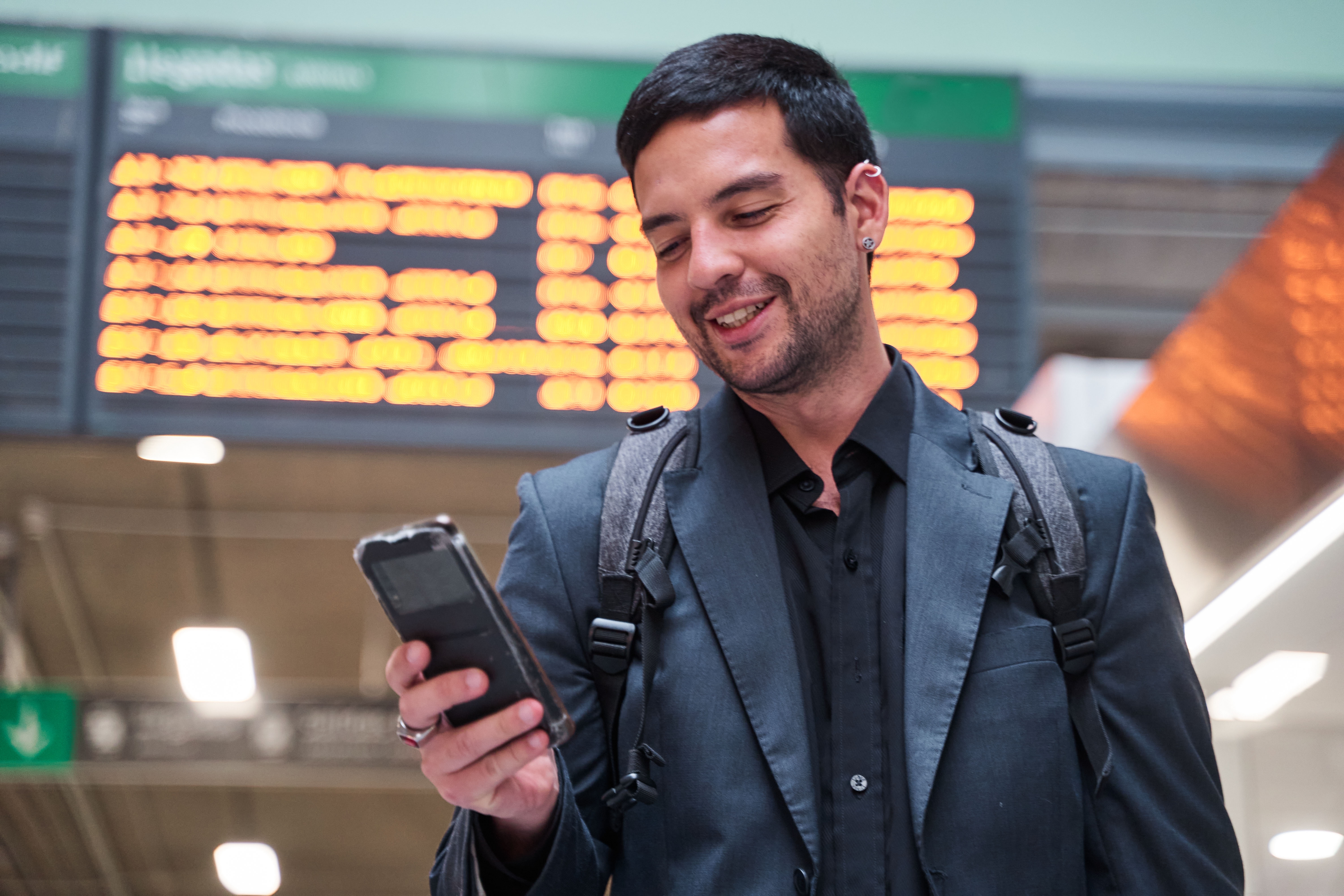
That list increasingly includes safety and support too. Booking.com for Business found that substantial majorities of surveyed U.S. Millennials and Gen X travelers preferred speaking with a person when something went wrong. Expedia Group’s research likewise identified duty of care, round-the-clock support, and concierge-style assistance among areas where expectations are rising. The smartphone may handle a routine boarding pass beautifully, but travelers still value a competent human when the last flight home disappears from the departure board.
Sustainability is also moving further into travel policy. Deloitte reported that 48% of travel managers surveyed in 2025 said their companies were optimizing travel practices to reduce environmental impact, while 43% said their organizations prioritized airlines using sustainable aviation fuel, up from 33% in 2024. That does not mean environmental considerations automatically outweigh price, schedule, or practicality, but sustainability is increasingly another factor shaping which trips get approved and how employees are asked to travel.
Ultimately, the modern business traveler appears to be placing a higher value on the quality of the entire trip, not simply the amount that can be charged to an expense account. The prized experience may be a direct flight that protects an evening at home, a booking app that fixes a disruption quickly, a hotel that makes sleep easy, a train ride where real work gets done, or an extra day to experience the destination after the meetings finish. Companies still need travel to create business value. The increasingly important question is whether the trip creates enough value for the traveler too.