What Could Have Been: A Tragic Tale Just Before The 1964 Olympics
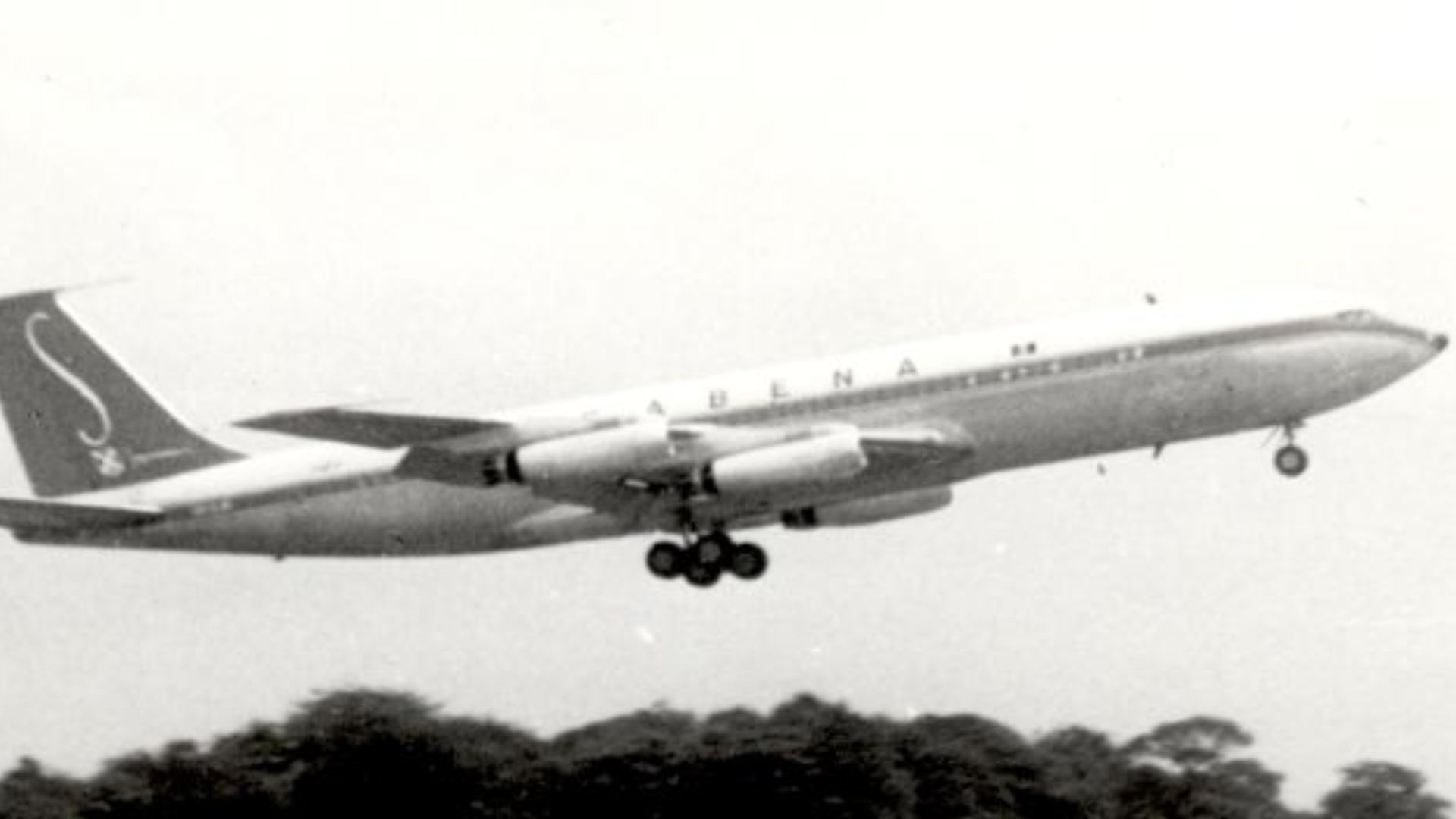
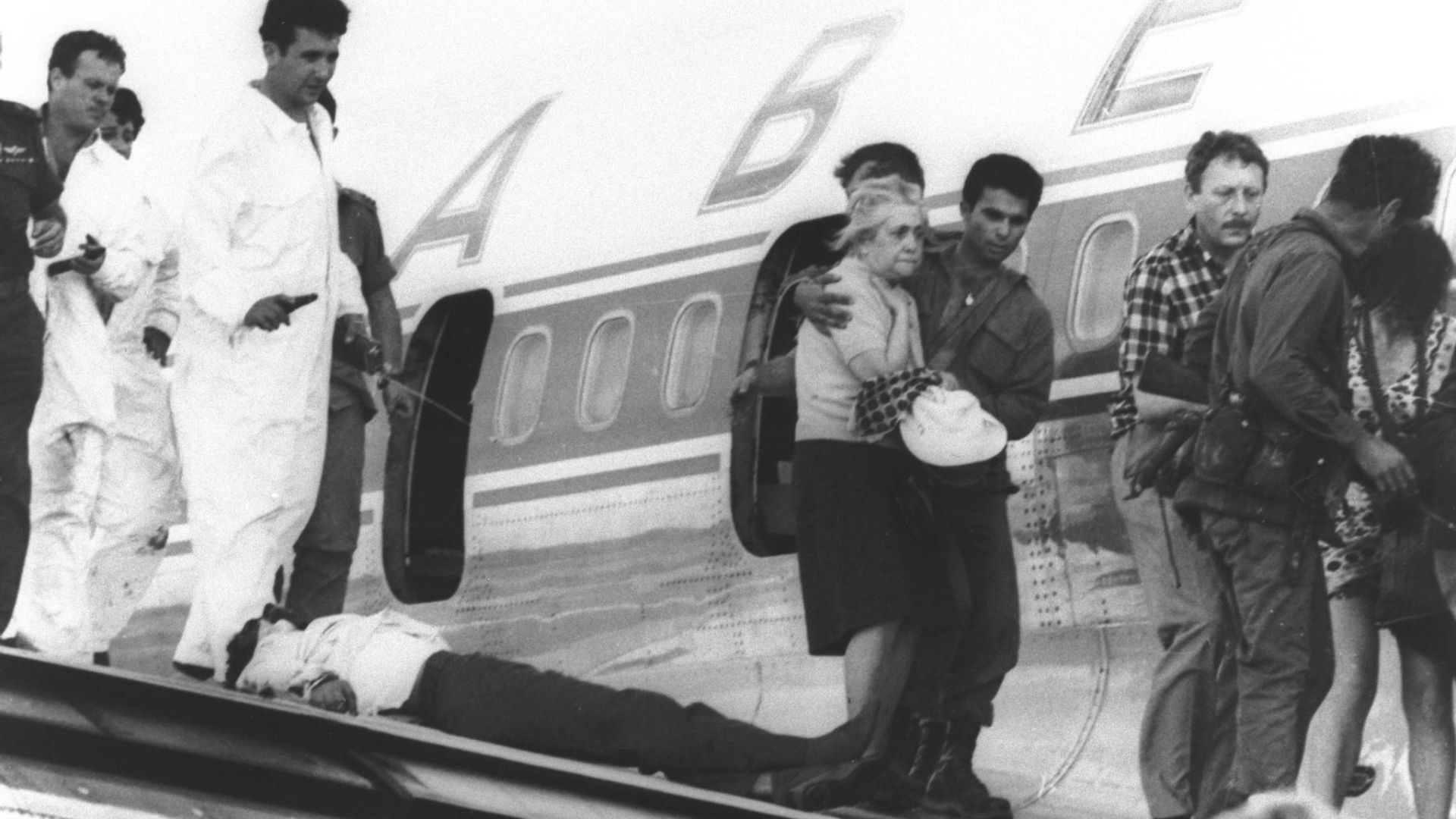
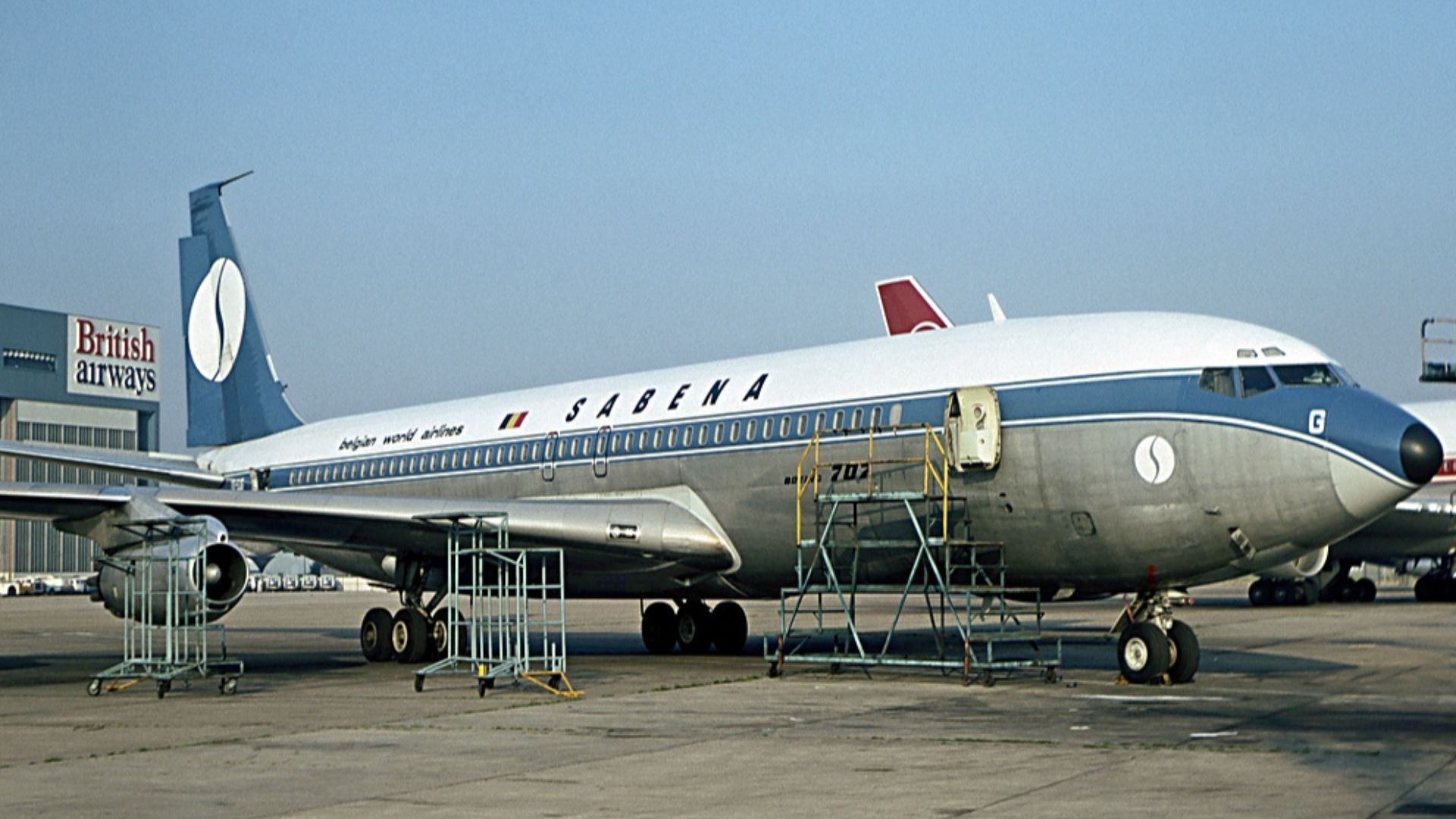
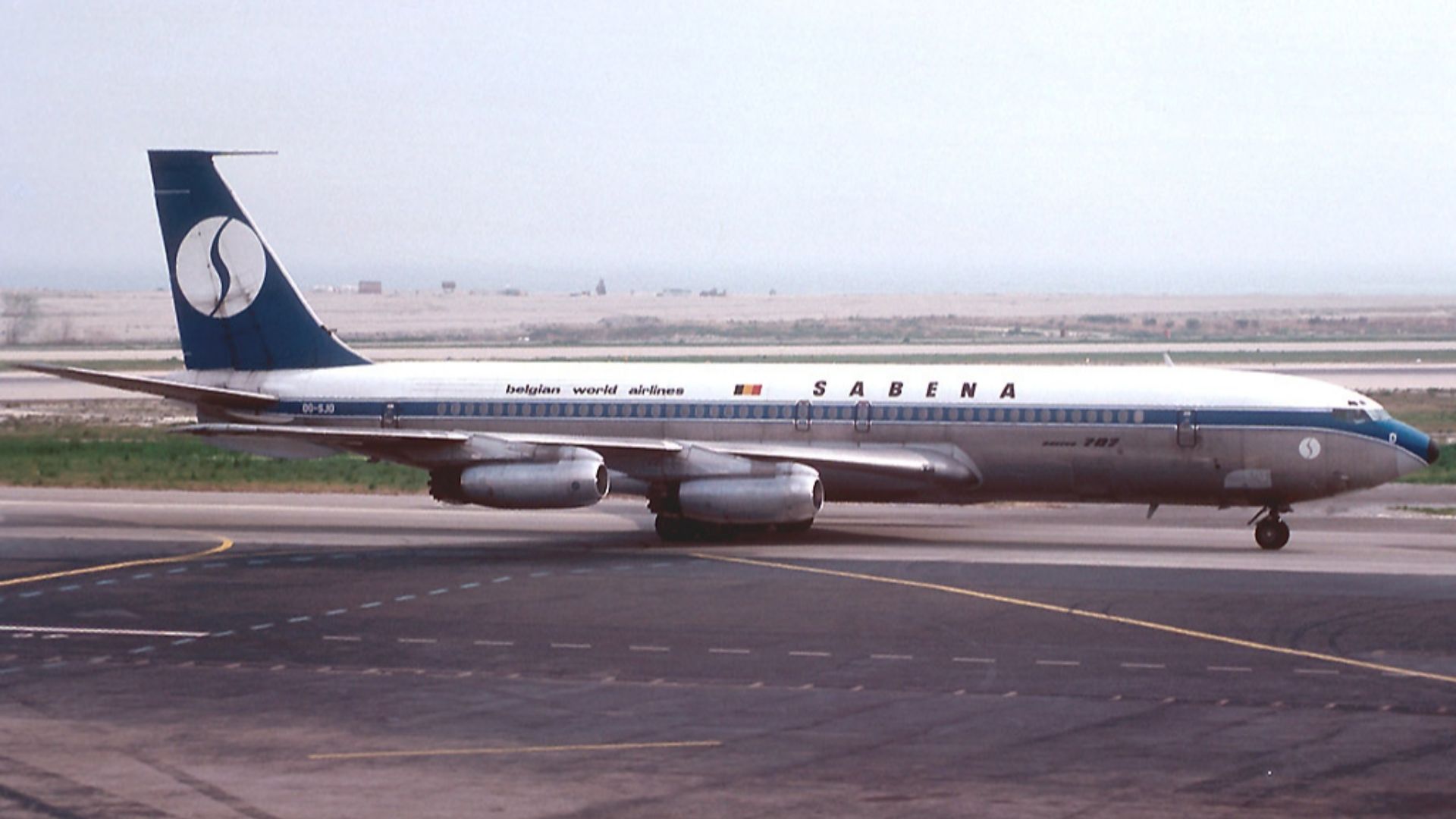
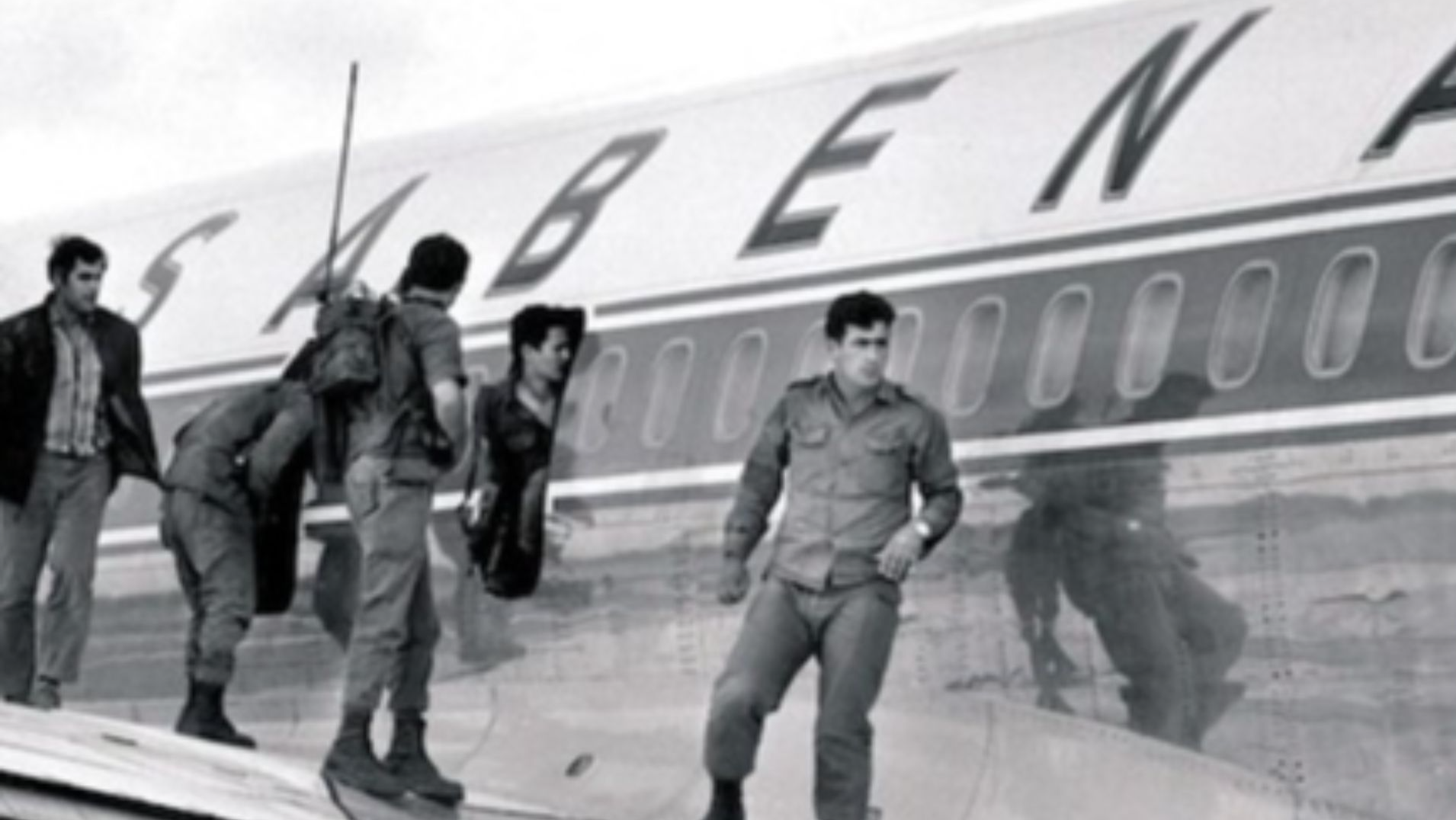
Winter sports often balance elegance and danger, but on February 15, 1961, that balance shattered. Sabena Flight 548, a Boeing 707 traveling from New York to Brussels, crashed during its landing approach, killing everyone on board and one person on the ground. Among the passengers was the entire 1961 U.S. World Figure Skating Team—athletes, coaches, officials, and family members en route to the World Championships in Prague. The crash erased a generation of American skating talent and left a permanent mark on Olympic-era sports history.
The Jet Age Promise
The early 1960s marked the height of optimism in commercial aviation. Jet aircraft symbolized speed, progress, and safety, shrinking oceans and making global competition routine. For international sports teams, jets enabled tighter schedules and greater exposure. The U.S. figure skating delegation boarded Flight 548 with the same confidence shared by millions of travelers in the dawning Jet Age.
A Team On The Rise
American figure skating entered 1961 with momentum. National champions across disciplines were poised to challenge the world’s best. Many skaters were considered future Olympic contenders, and the World Championships represented a critical step toward long-term international dominance.
 Ron Ilan- IDF Spokesperson's Unit photographer, Wikimedia Commons
The Faces Behind The Headlines
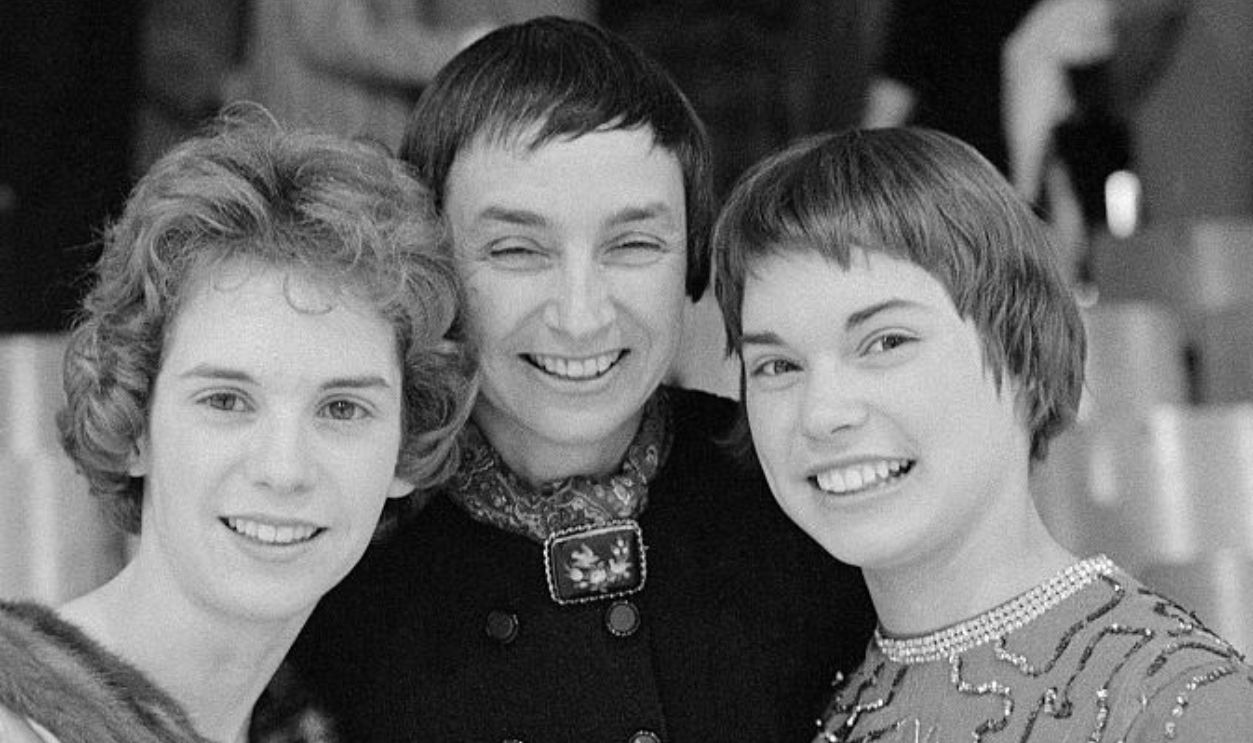
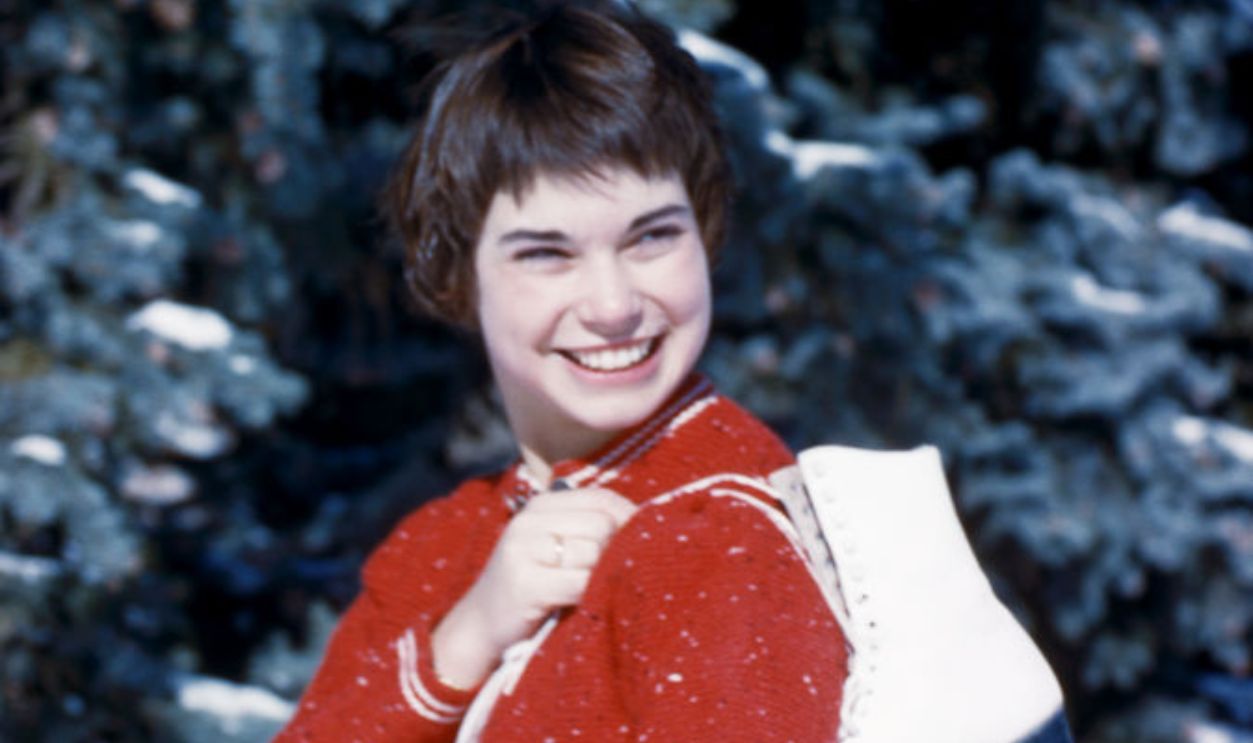
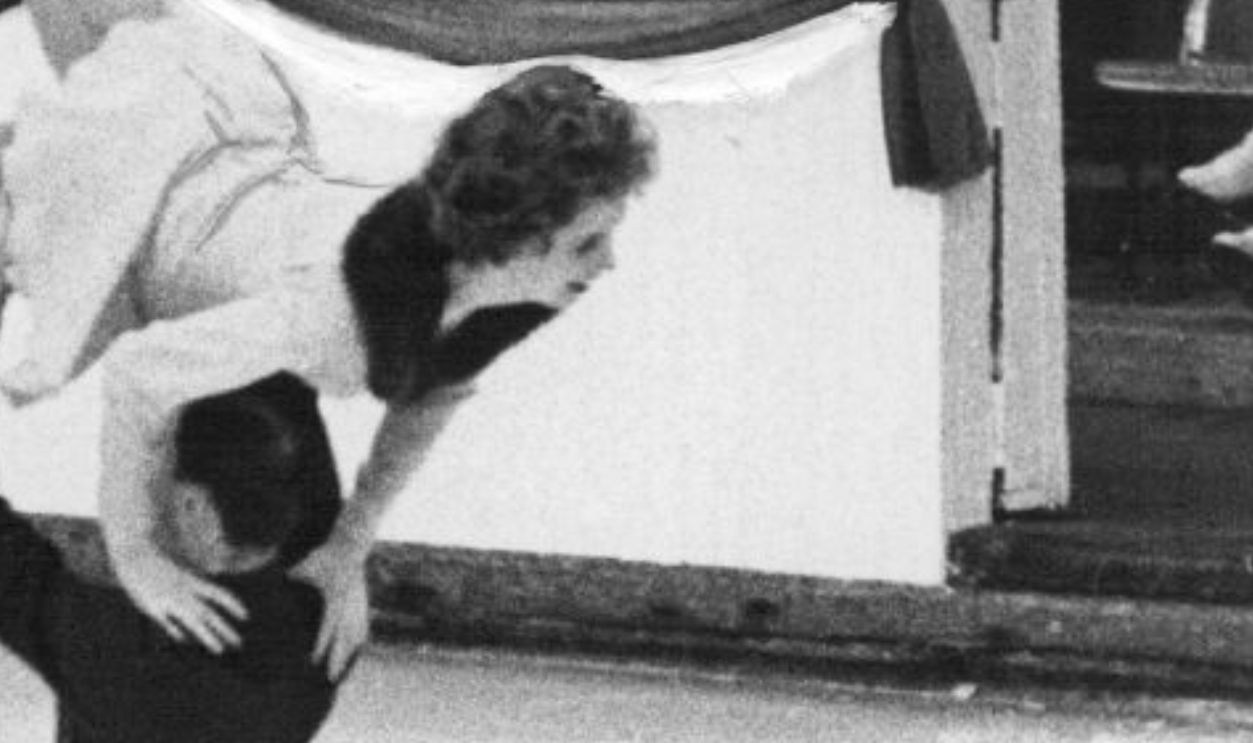
Among those aboard was Laurence Owen, the reigning U.S. ladies’ champion, coached by her mother, Maribel Vinson-Owen—a nine-time national champion herself. Laurence’s talent was so celebrated that she appeared on the cover of Sports Illustrated just days before the crash. Other passengers included national champions in men’s, pairs, and ice dance, along with respected judges and coaches.
The Entourage That Makes A Sport
Elite skating relies on a support system beyond the ice. Coaches, officials, federation leaders, and parents were integral to the team’s success—and many of them were on the flight. The loss extended far beyond medal contenders; it wiped out institutional knowledge that had taken decades to build.
 Steve Fitzgerald, Wikimedia Commons
Departure From Idlewild
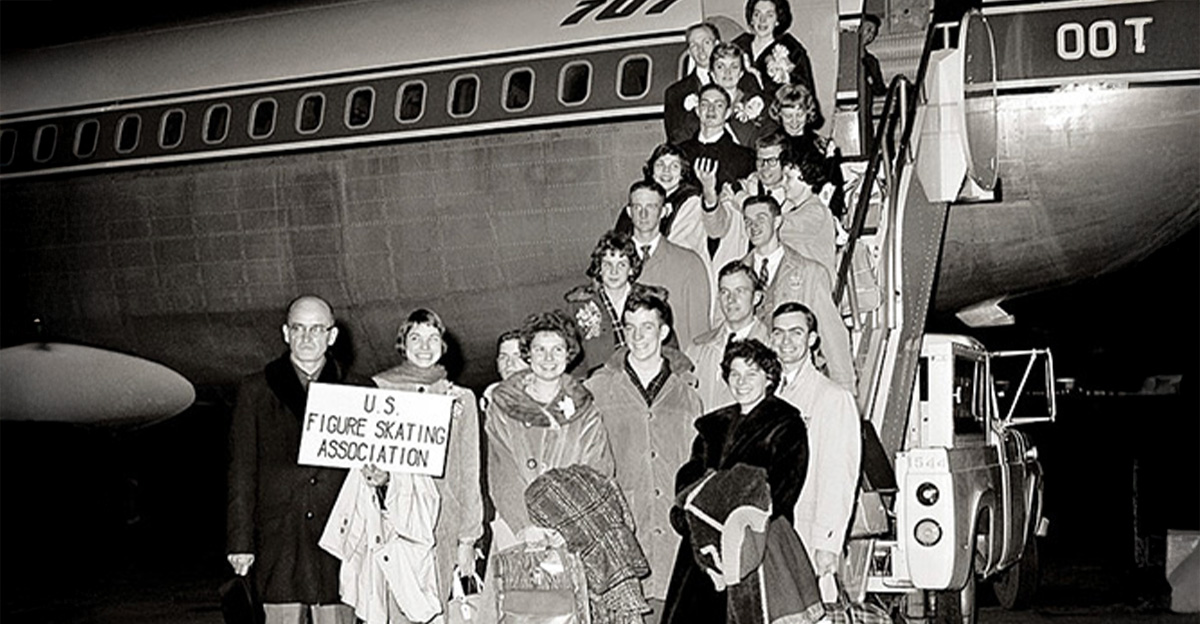
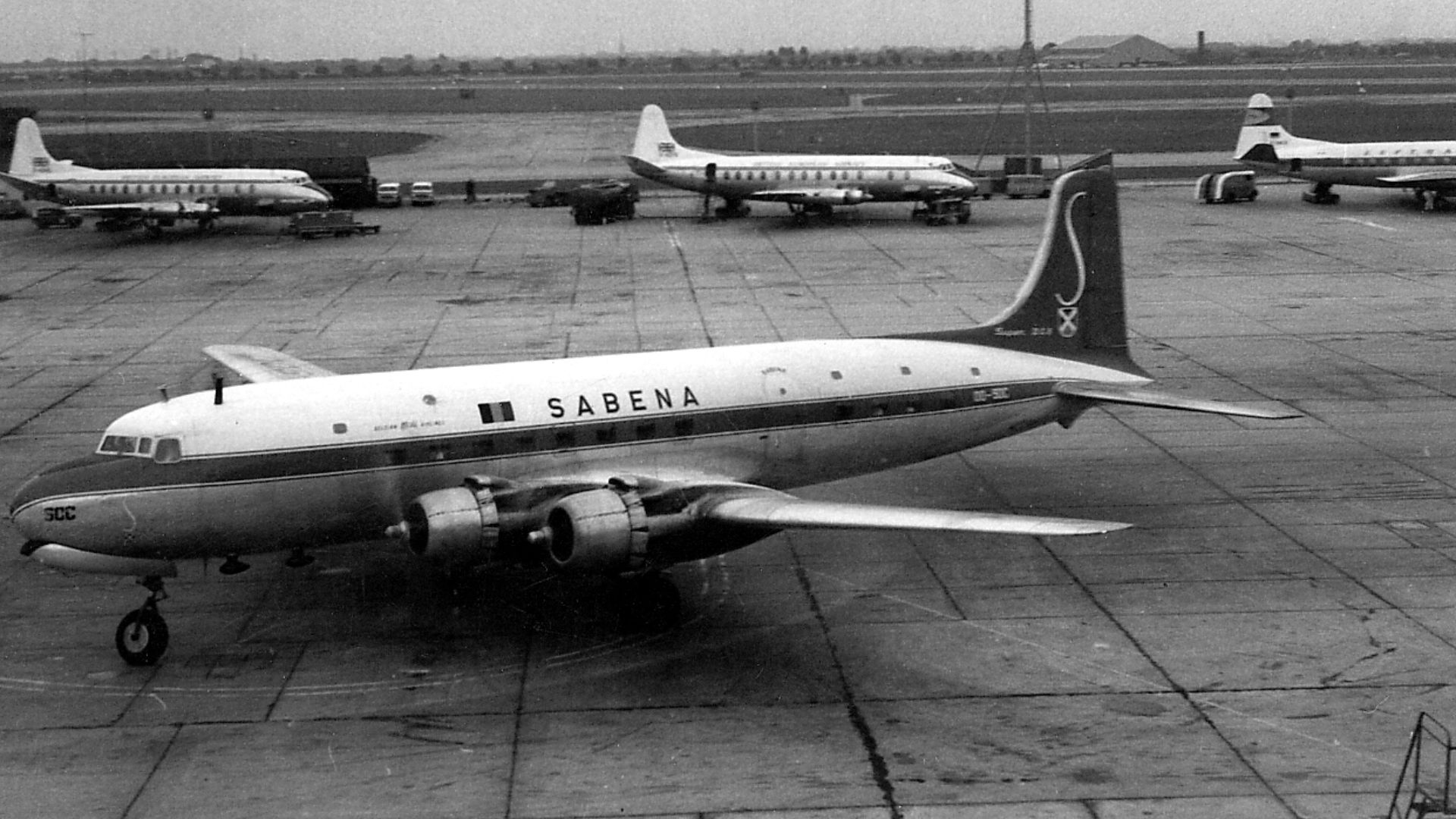
The journey began at Idlewild Airport in New York (now JFK). Photographs show smiling athletes and bundled families preparing for an overseas competition. It was an ordinary departure, filled with anticipation and routine—the kind that rarely foreshadows catastrophe.
 Phillip Capper from Wellington, New Zealand, Wikimedia Commons
Across The Atlantic, Routine And Calm
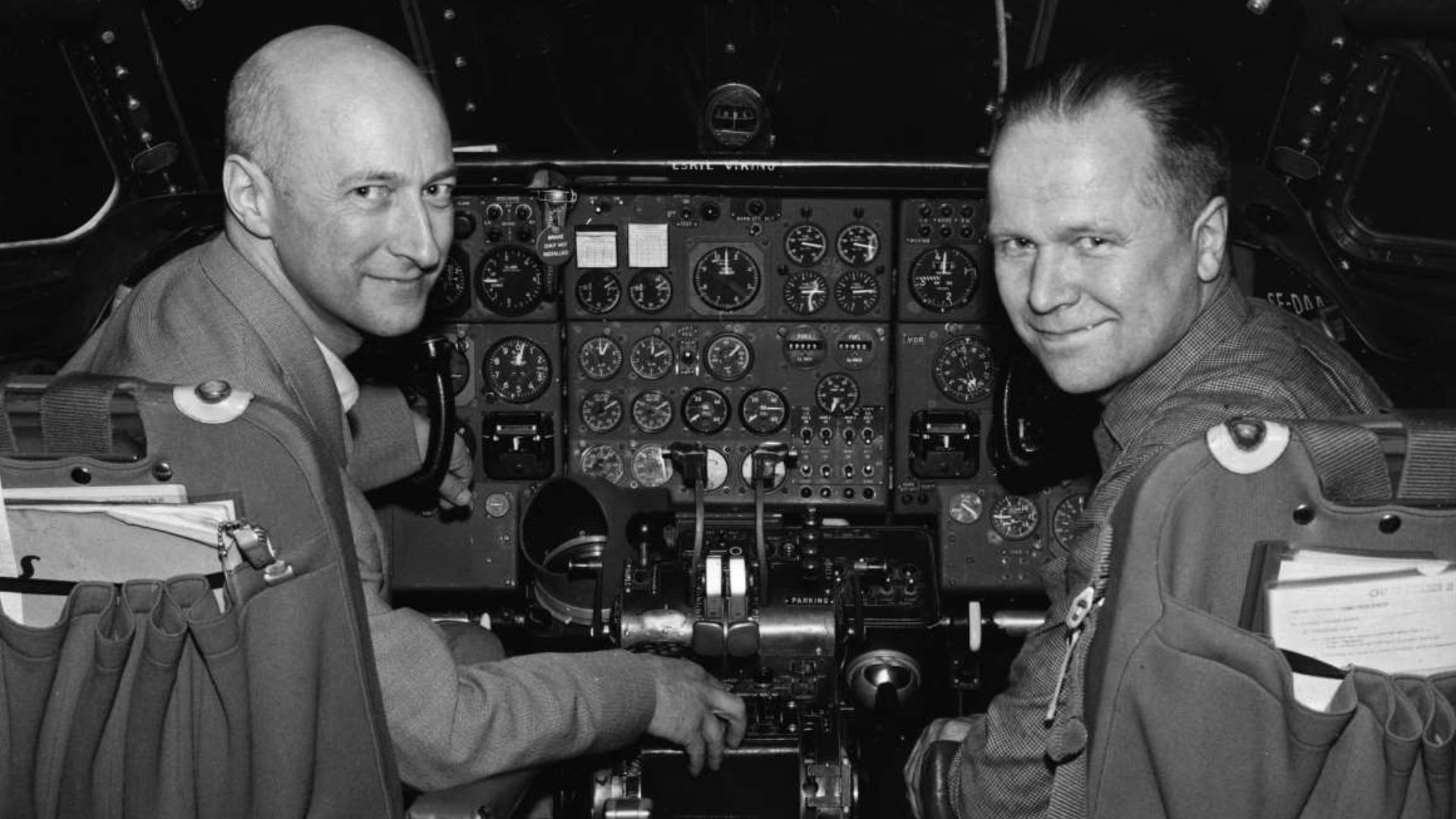
The transatlantic portion of the flight proceeded without incident. The experienced flight crew operated a standard international route, and passengers passed the hours with rest, conversation, and quiet preparation for the competition ahead.
 AlainDurand, Wikimedia Commons
Brussels Ahead, A Simple Plan
Brussels was meant to be a brief stopover before continuing to Prague. For the skaters, the most demanding challenges lay ahead on the ice—not in the air. The assumption of a routine landing framed everything that followed.
 AnonymousUnknown author / Ilmailu, Wikimedia Commons
Radio Trouble—Then Resolved
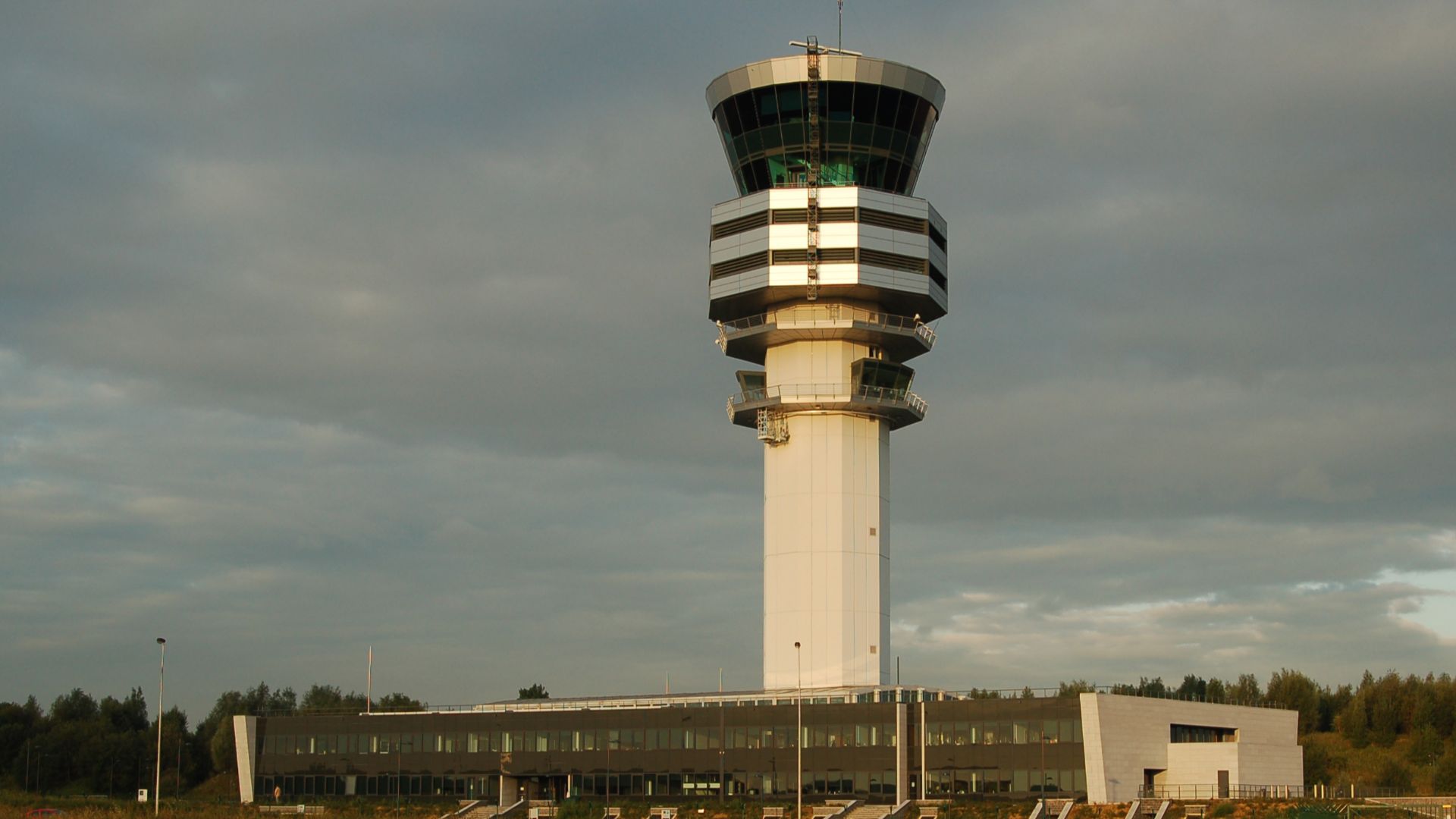
As Flight 548 approached Brussels Airport, air traffic controllers noted intermittent radio communication issues. The problem was reportedly resolved and did not initially appear serious—an example of the minor complications common in aviation.
A Runway Not Yet Clear
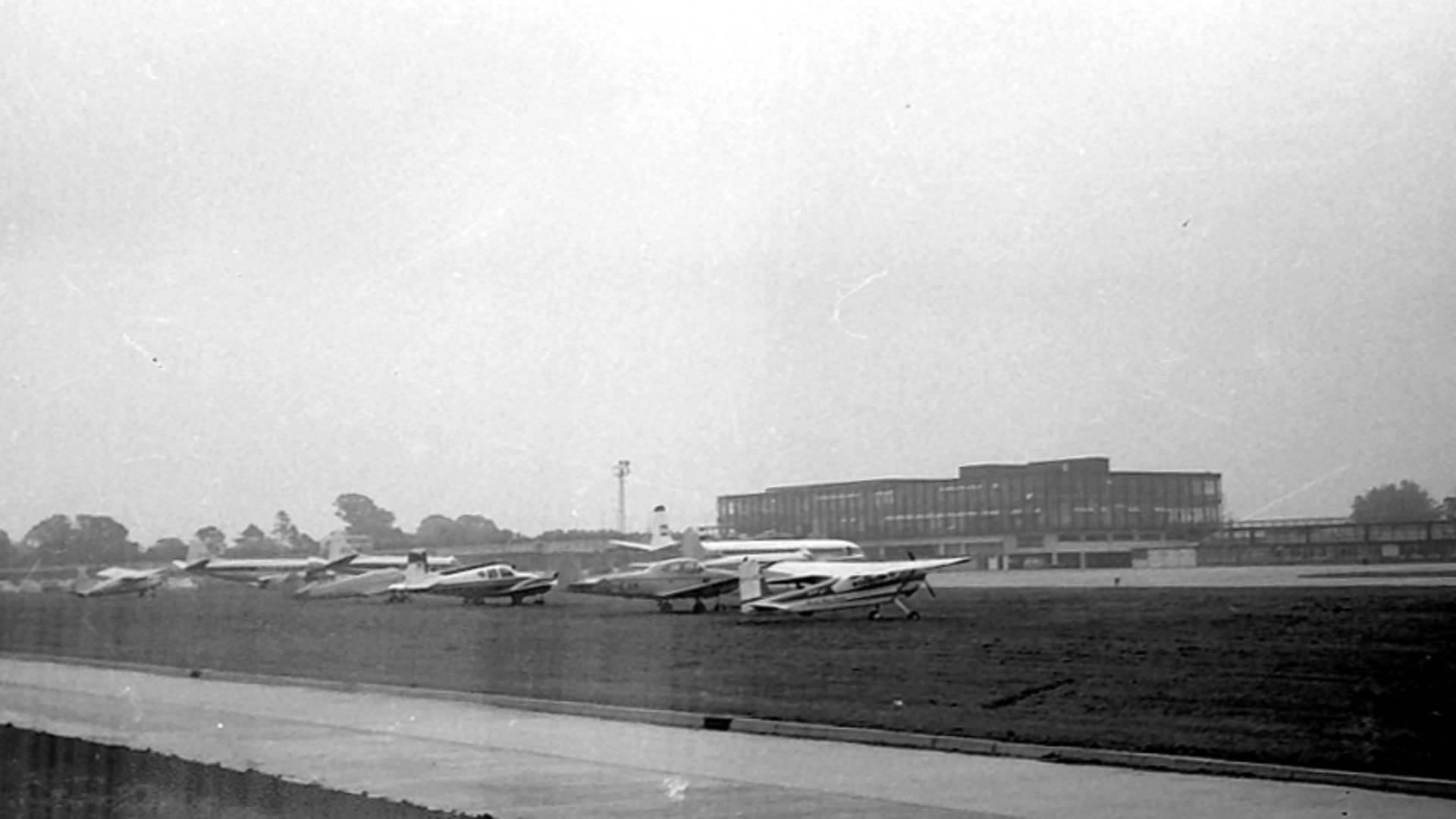
On final approach, the assigned runway was still occupied by another aircraft. Controllers instructed the Sabena crew to abort the landing and execute a go-around, a standard and widely practiced safety maneuver.
 Phillip Capper from Wellington, New Zealand, Wikimedia Commons
The Go-Around That Turned Complicated
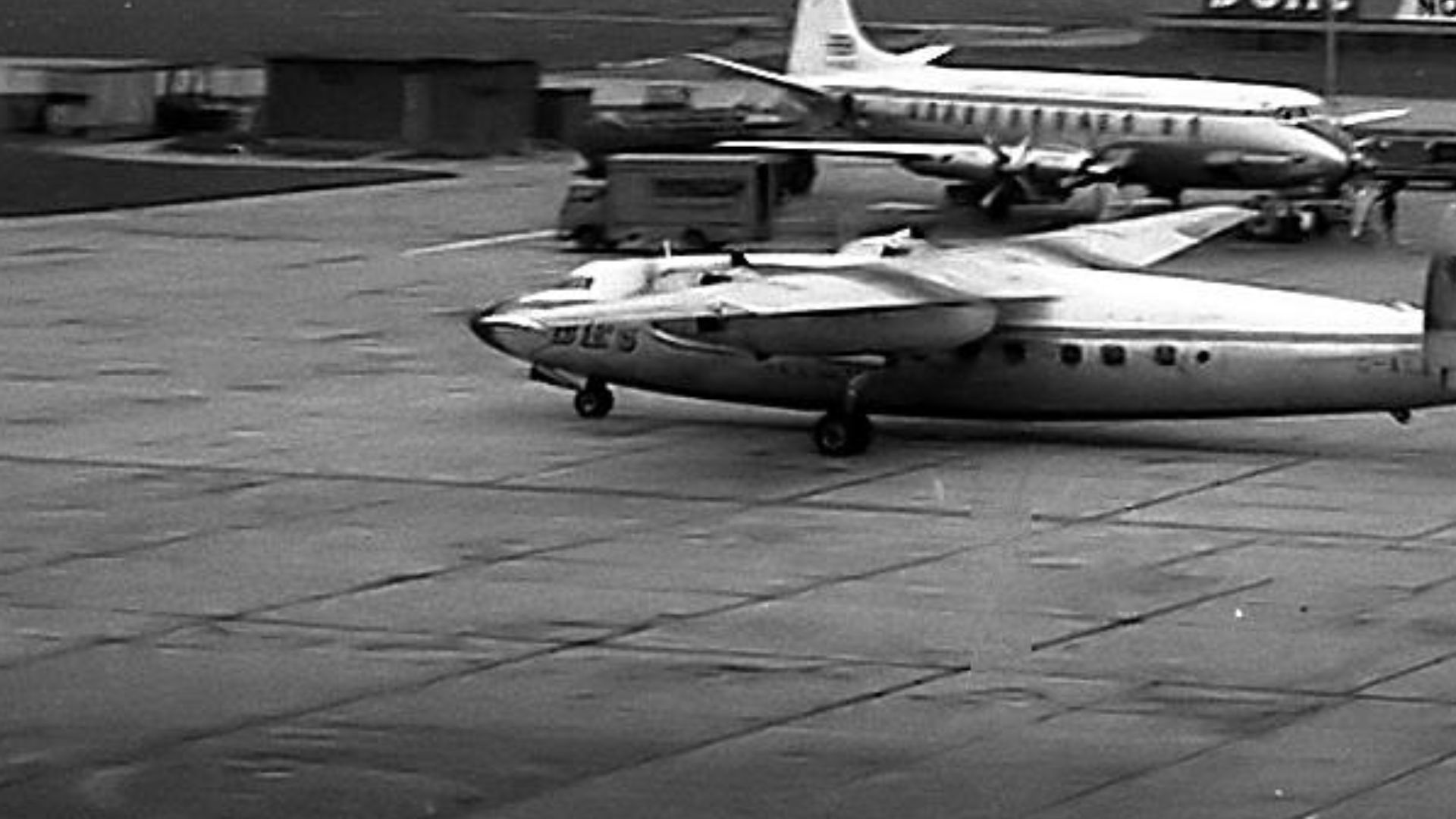
During the go-around, the aircraft experienced control difficulties, particularly involving pitch. A pronounced nose-up attitude developed, increasing the risk of aerodynamic stall at a critical low-altitude phase of flight.
 Phillip Capper from Wellington, New Zealand, Wikimedia Commons
Circling For Another Chance
Instead of stabilizing quickly, the aircraft entered a circling pattern. From the ground, observers saw a jet struggling to maintain controlled flight, though the severity of the emergency was not immediately apparent.
 Herbert Behrens / Anefo, Wikimedia Commons
Loss Of Control Near The Airport
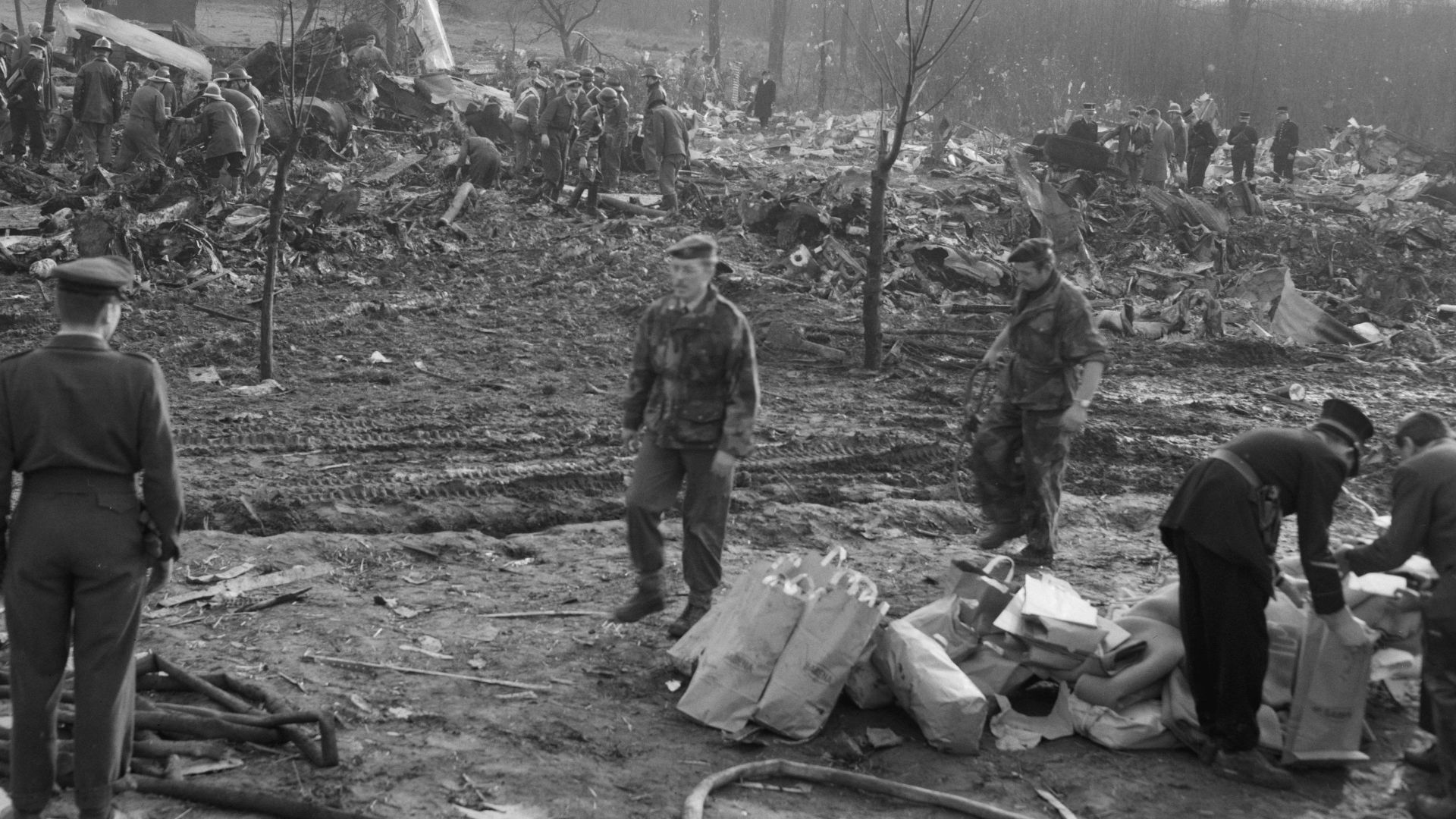
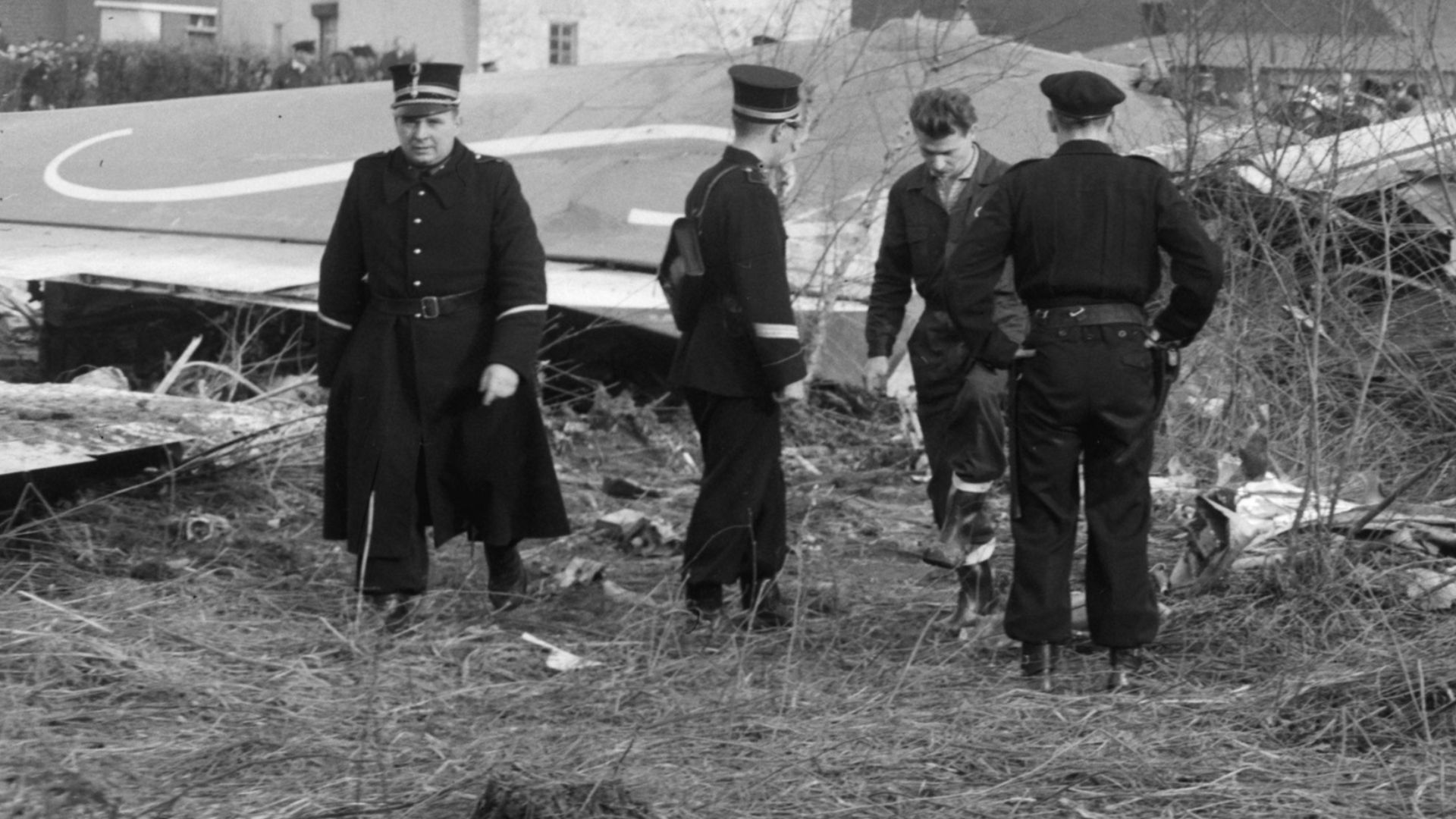
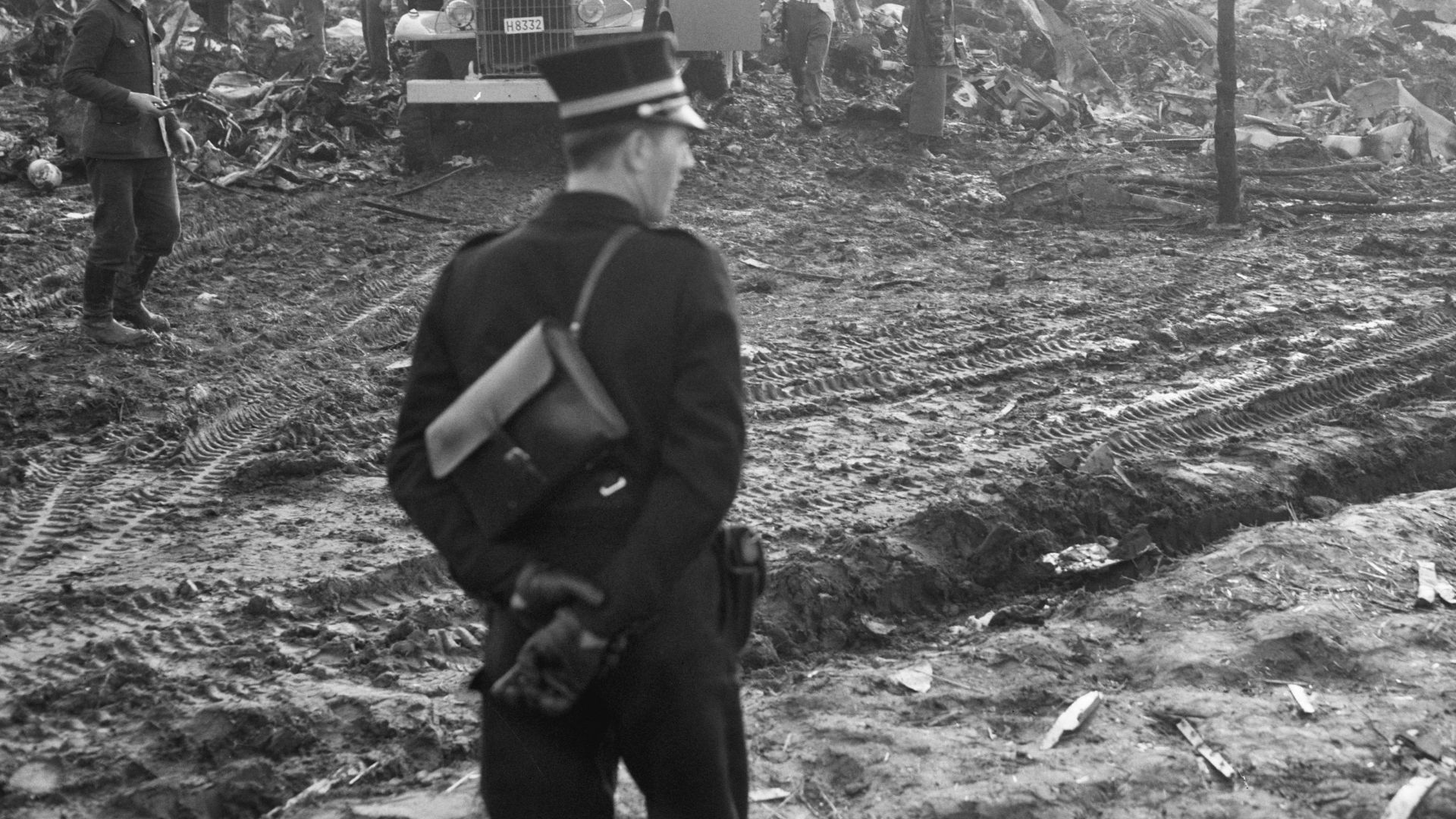
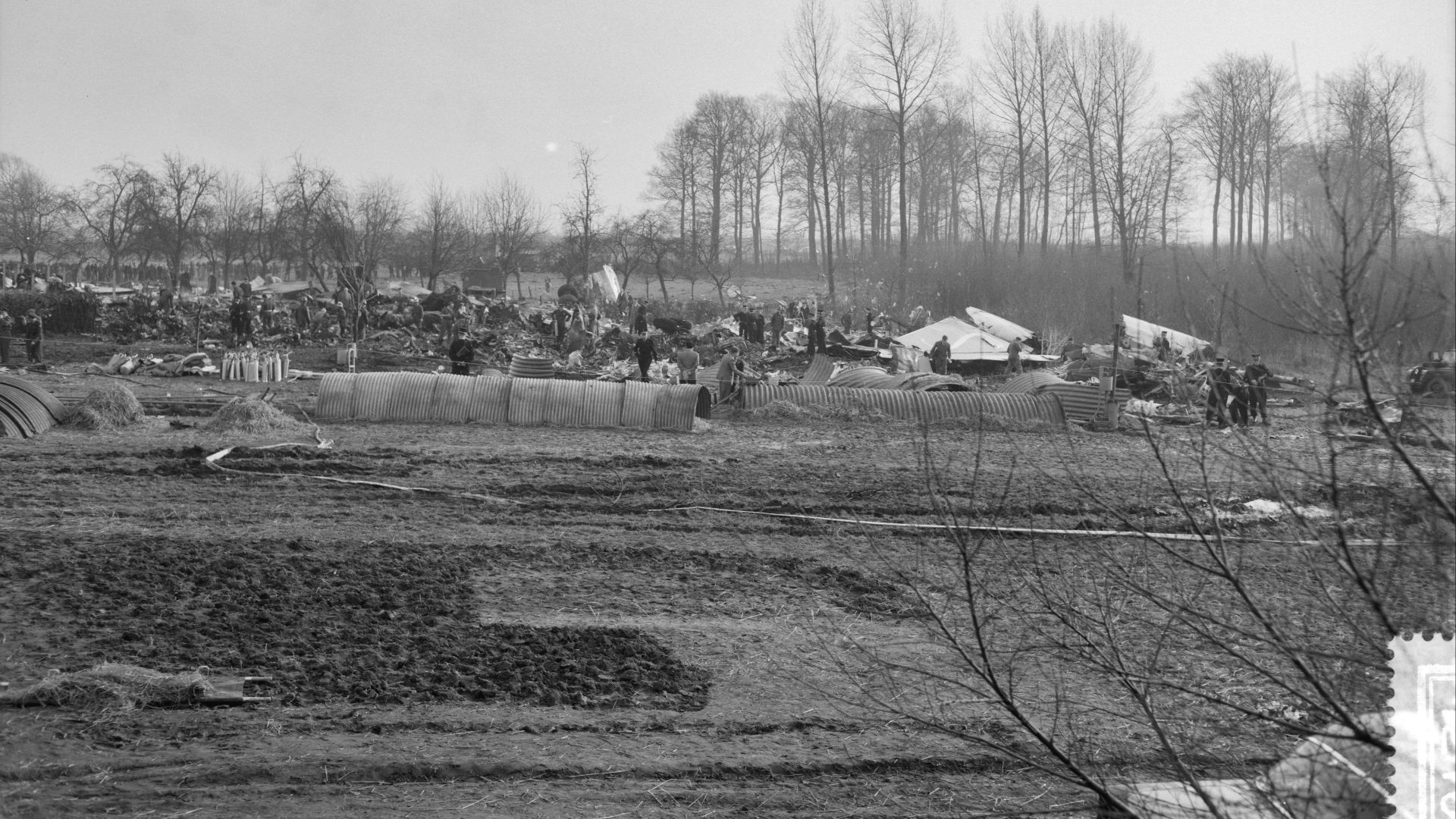
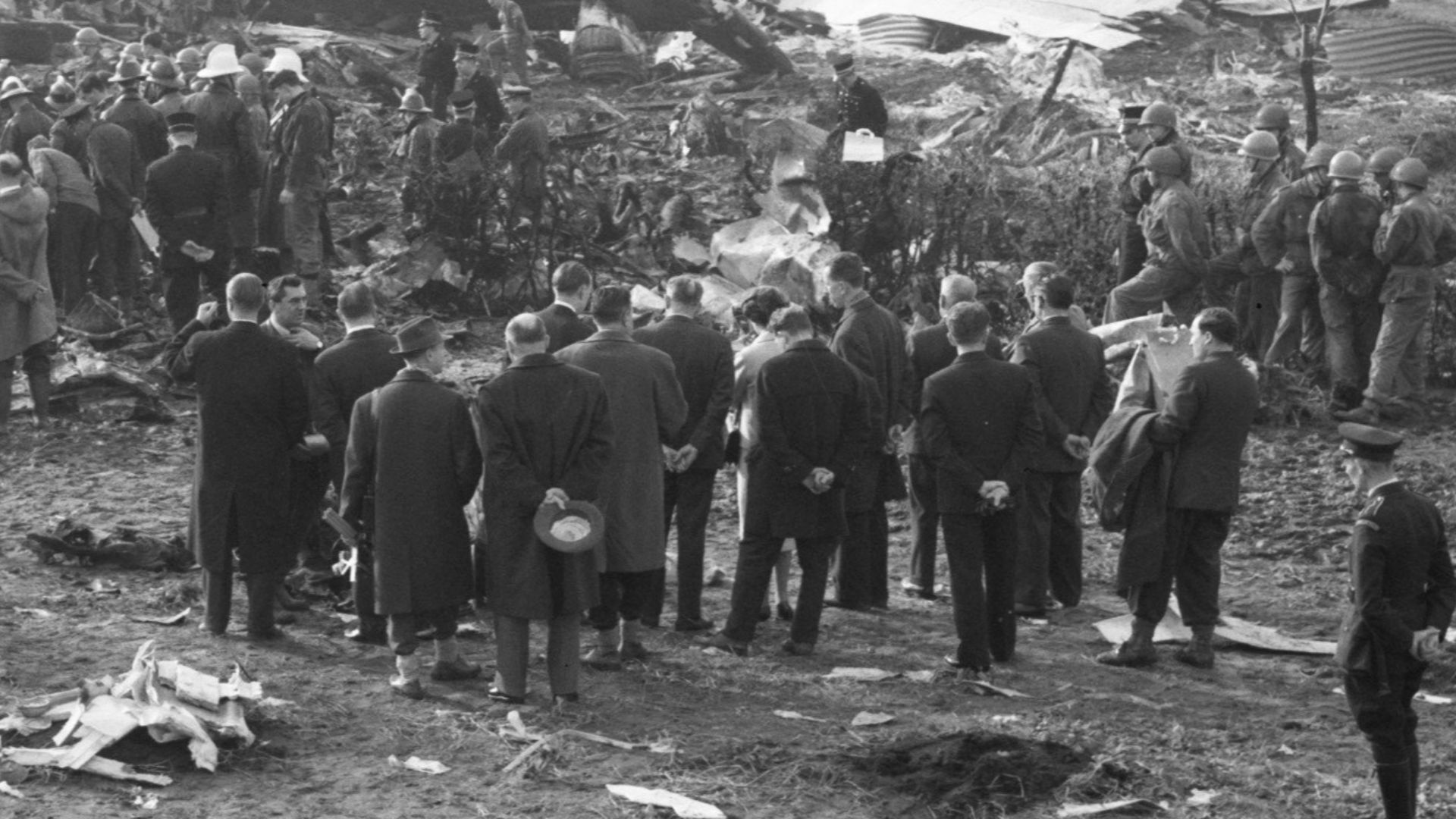
The aircraft ultimately lost control and crashed into a field near the airport, erupting into flames. All 72 passengers and crew were killed, along with a farmer working nearby.
 Herbert Behrens / Anefo, Wikimedia Commons
Why The Cause Stayed Elusive
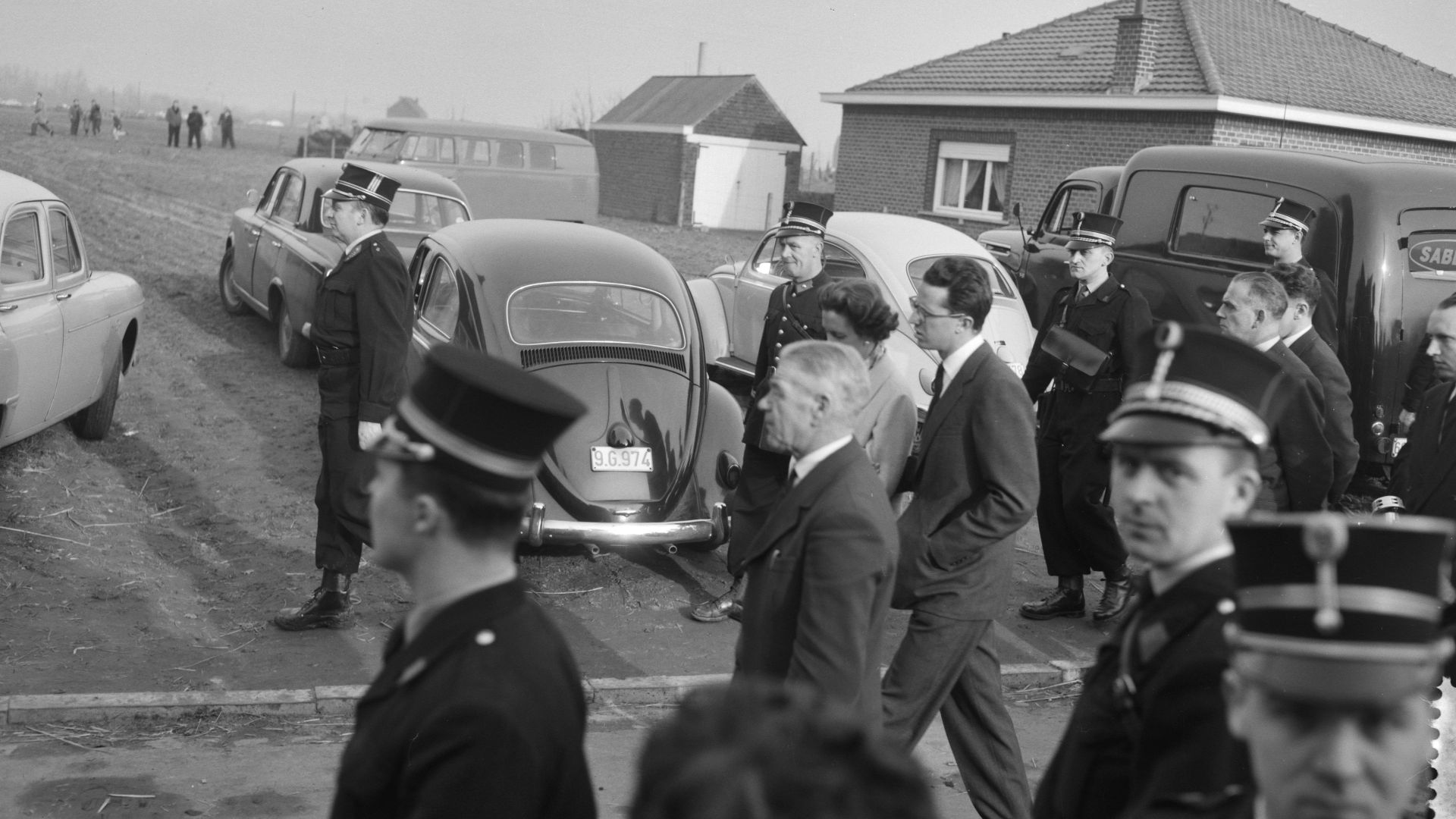
Despite extensive investigation, authorities were unable to identify a single definitive cause. Mechanical failure, system malfunction, and procedural factors were all considered, but no explanation fully accounted for the loss of control.
 Herbert Behrens / Anefo, Wikimedia Commons
The Stabilizer Theory, In Plain Language
Investigators focused on a possible malfunction of the horizontal stabilizer trim system, which controls the aircraft’s pitch. If the system moved toward an extreme nose-up position, it could overpower pilot inputs and induce a stall—particularly during a go-around.
 Herbert Behrens / Anefo, Wikimedia Commons
Aviation’s Response After The Crash
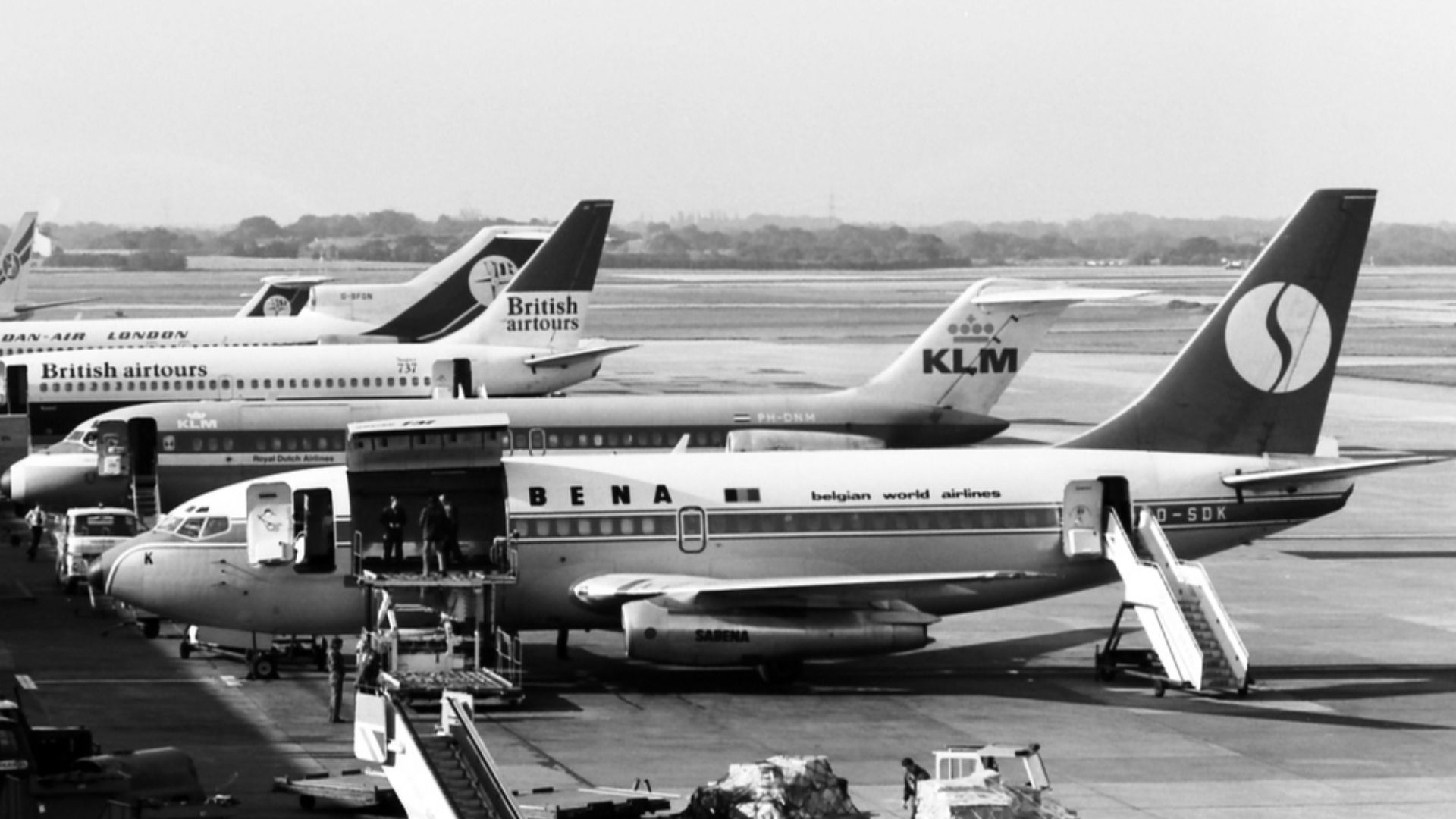
Although the cause remained uncertain, the tragedy prompted design changes. Boeing introduced safeguards to prevent runaway stabilizer trim, reinforcing the principle that safety improvements often follow disasters rather than prevent them.
 Andy Kennaugh, Wikimedia Commons
The Championships That Never Happened
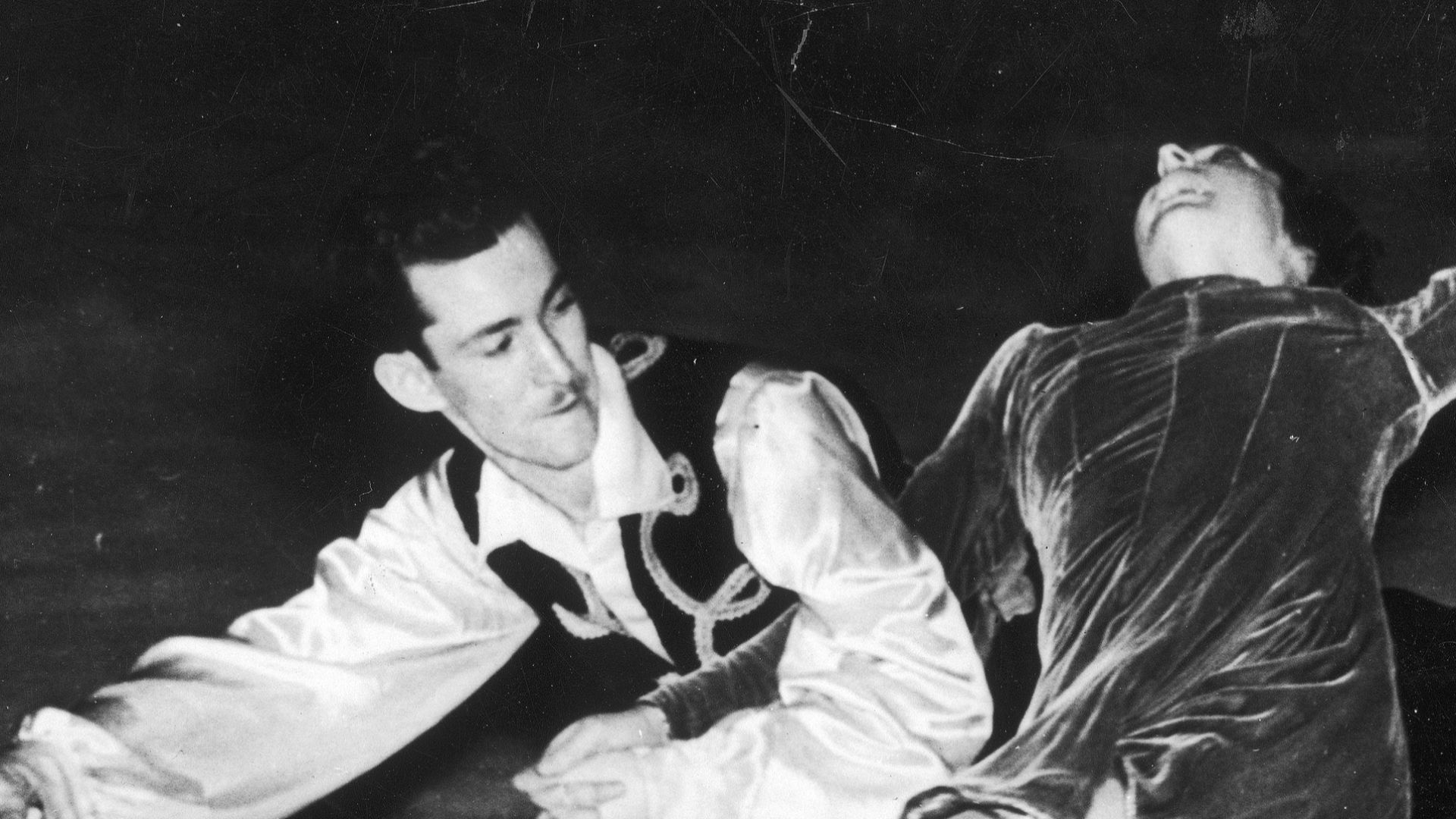
In the aftermath, the 1961 World Figure Skating Championships in Prague were canceled. The international skating community recognized that competition was impossible without the U.S. team—and inappropriate amid such loss.
 Keystone View Company, Wikimedia Commons
Shockwaves Through American Rinks
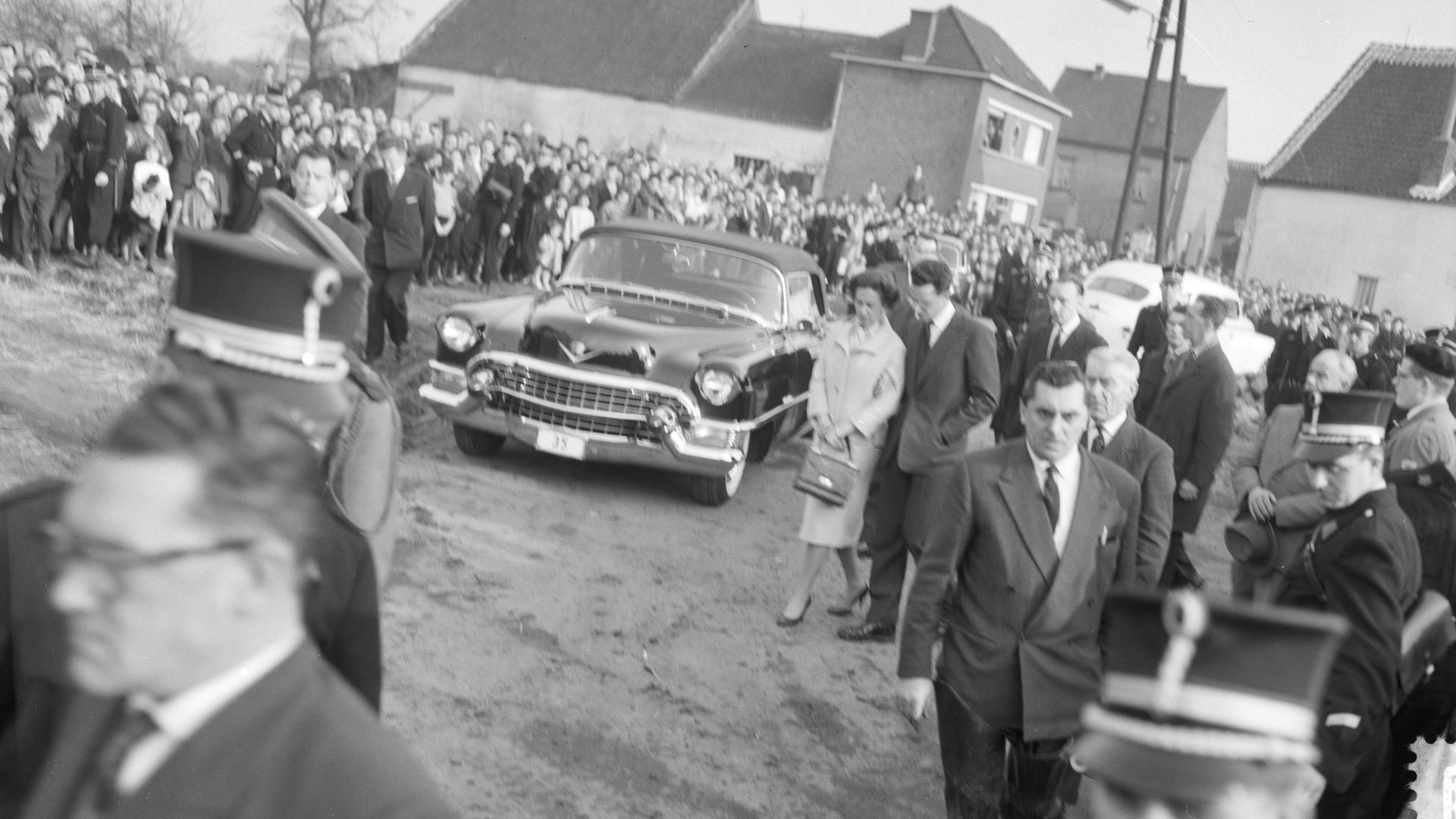
The crash devastated American skating. Coaches lost colleagues, young athletes lost mentors, and clubs lost leadership. Rebuilding would require more than new skaters—it required reconstructing an entire system.
 Herbert Behrens / Anefo, Wikimedia Commons
The Memorial Fund And A New Mission
U.S. Figure Skating established a memorial fund to honor those lost and support developing athletes. The fund ensured that the tragedy would not end the nation’s presence in elite skating.
 Larry Sharkey, Los Angeles Times, Wikimedia Commons
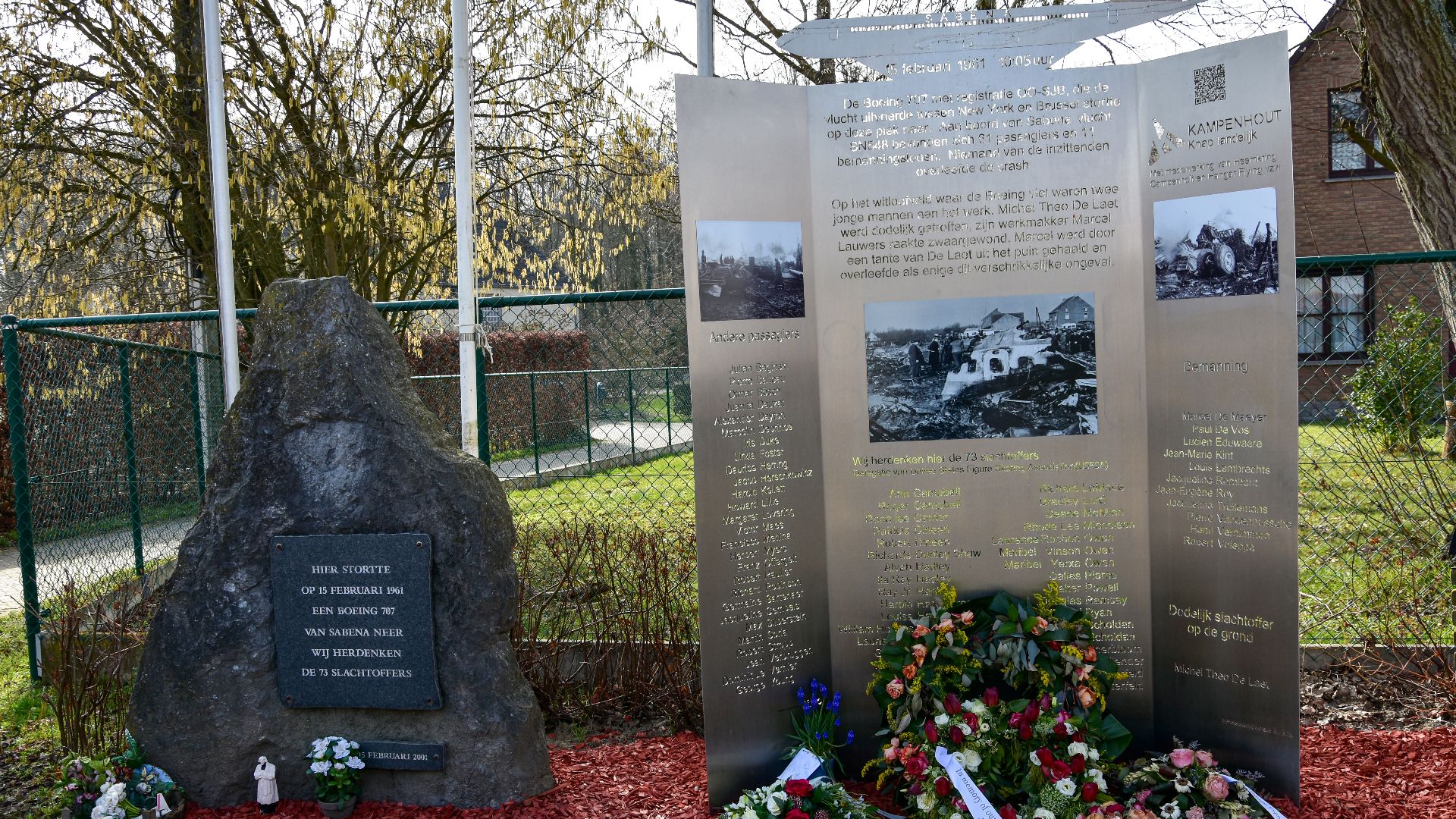
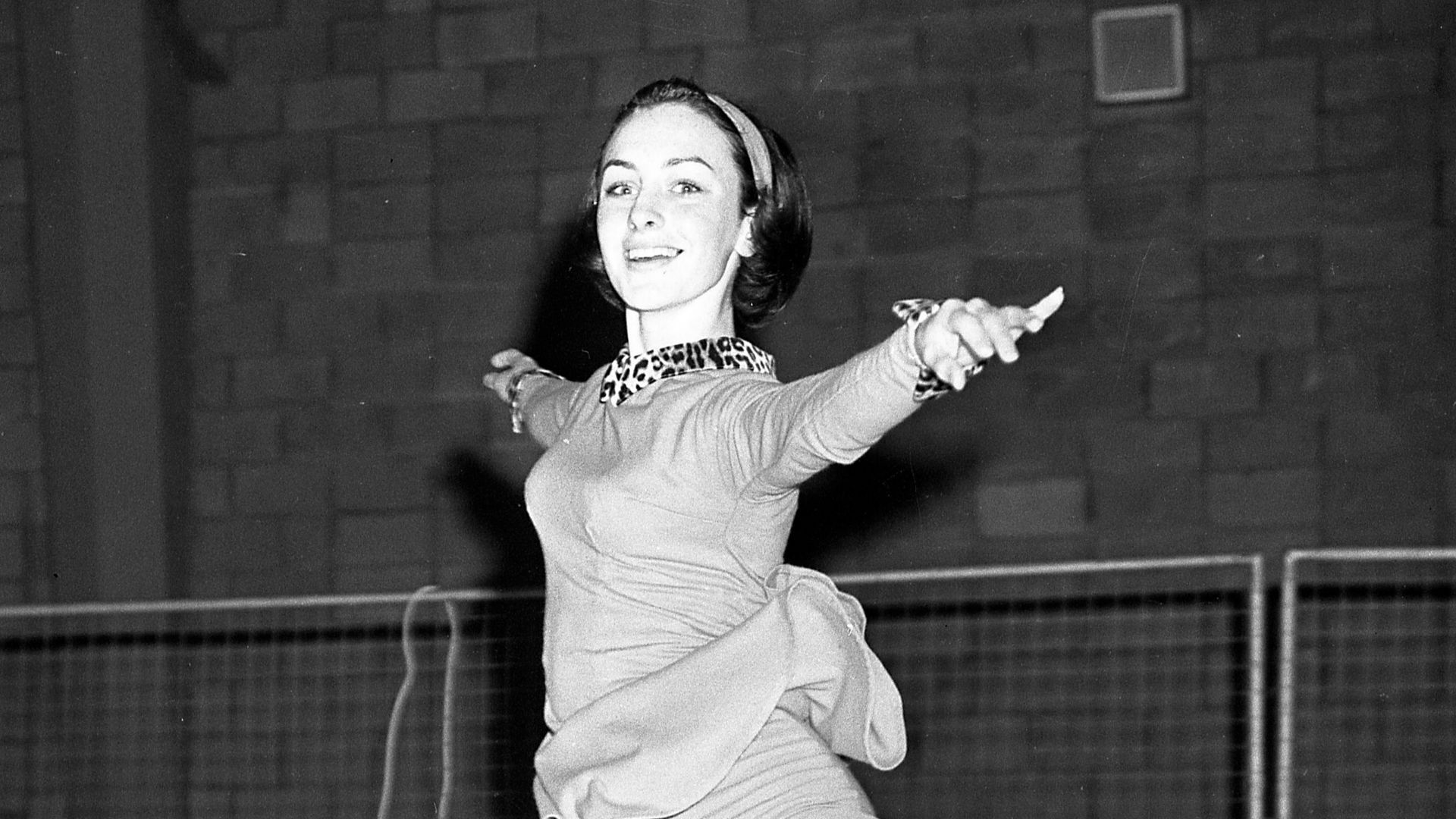
A Future Champion Touched By The Aftermath
One beneficiary of the fund was Peggy Fleming, whose coach had died in the crash. Years later, her Olympic success became a symbol of the sport’s resilience and renewal.
 Larry Sharkey, Los Angeles Times, Wikimedia Commons
The Emotional Geography Of The Crash Site
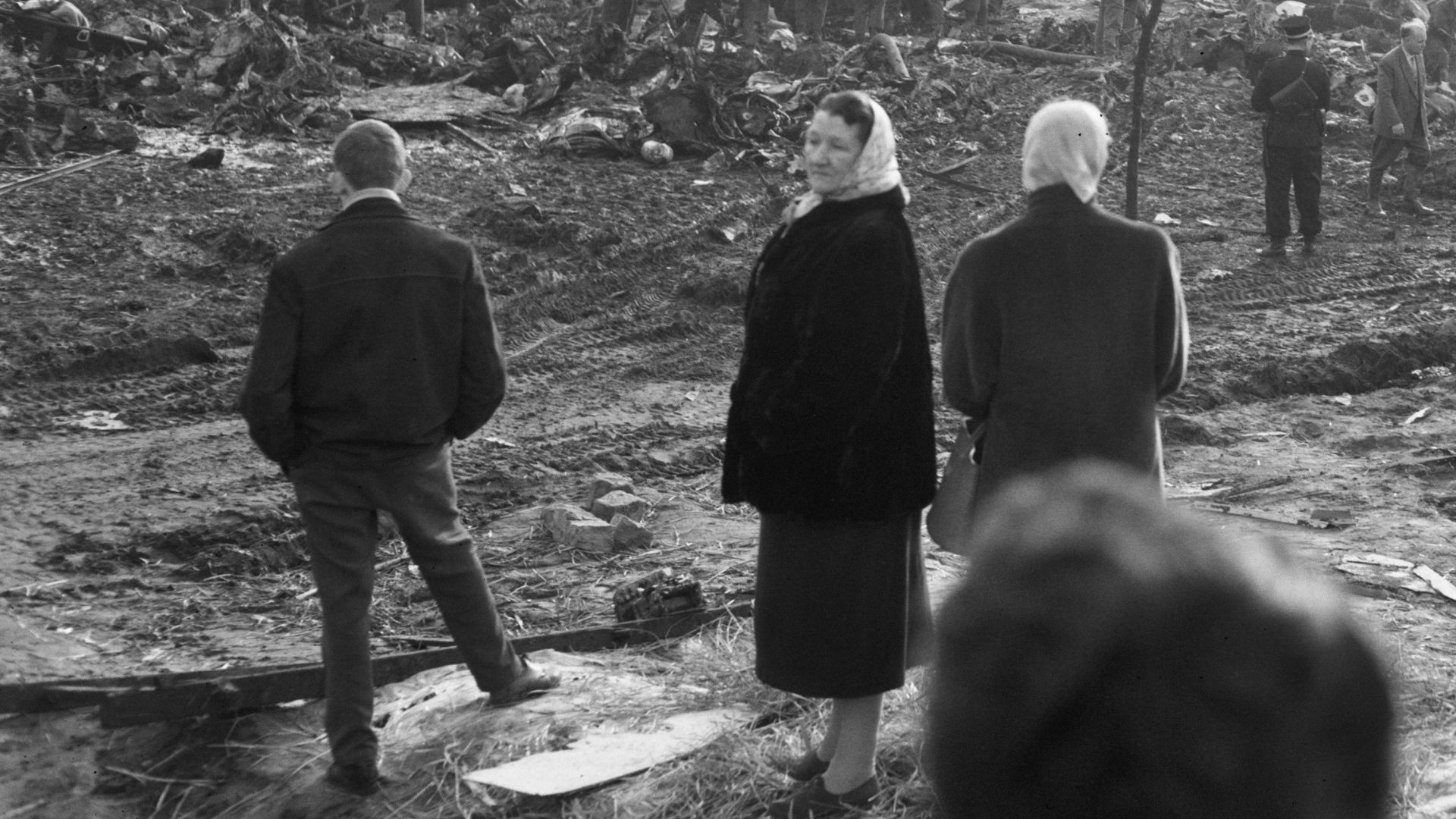
The crash site near Brussels became a place of remembrance. Memorials and anniversaries transformed an ordinary field into a lasting symbol of loss, connecting geography with collective memory.
 Mutter Erde, Wikimedia Commons
The Image That Froze In Time
Laurence Owen’s Sports Illustrated cover became one of the tragedy’s most haunting artifacts—capturing promise just before it vanished. The image endures as a reminder of what was lost.
 Hy Peskin Archive, Getty Images
How The Story Fits Into Olympic Lore
Though not traveling to the Olympics, many aboard were future Olympic hopefuls. Their loss altered the trajectory of U.S. skating and became inseparable from Winter Olympic history.
 Herbert Behrens / Anefo, Wikimedia Commons
Remembering Beyond The Myth
The story resists simple narratives. It is not about destiny or symbolism, but about people—athletes and mentors whose lives ended abruptly, leaving unfinished careers and unrealized futures.
 Herbert Behrens / Anefo, Wikimedia Commons
The Long Road Back To The World Stage
American figure skating eventually returned to prominence through patience, funding, and community resolve. The rebuilt program carried forward an awareness of how fragile excellence can be.
 Ron Ilan- IDF Spokesperson's Unit photographer, Wikimedia Commons
What We Owe The Ones Who Didn’t Land
Flight 548 reminds us that even the most disciplined preparation cannot eliminate risk. The responsibility of remembrance lies not in spectacle, but in honoring lives through continuity and care.
Turning Tragedy Into Remembrance & Memory Into Strength
The tragedy of Sabena Flight 548 stands at the intersection of sport, aviation, and loss. A routine maneuver became fatal, and a generation of skating excellence vanished in moments. Yet from devastation came resolve. The ice did not empty. The sport endured—carrying forward the names, lessons, and legacy of those who never reached their destination.
 Herbert Behrens / Anefo, Wikimedia Commons
You May Also Like:
America's Remaining Major Native American Reservations