Sequoyah Began With an Idea Everyone Mocked—And Ended Up Making History
Most people struggle to learn a new language. Sequoyah decided to create a writing system instead. What started as an obsession in the early 1800s would eventually help transform the Cherokee Nation—and leave historians wondering how one person pulled off something so extraordinary.
 Apic and Universal History Archive, Getty Images
Before There Were Books
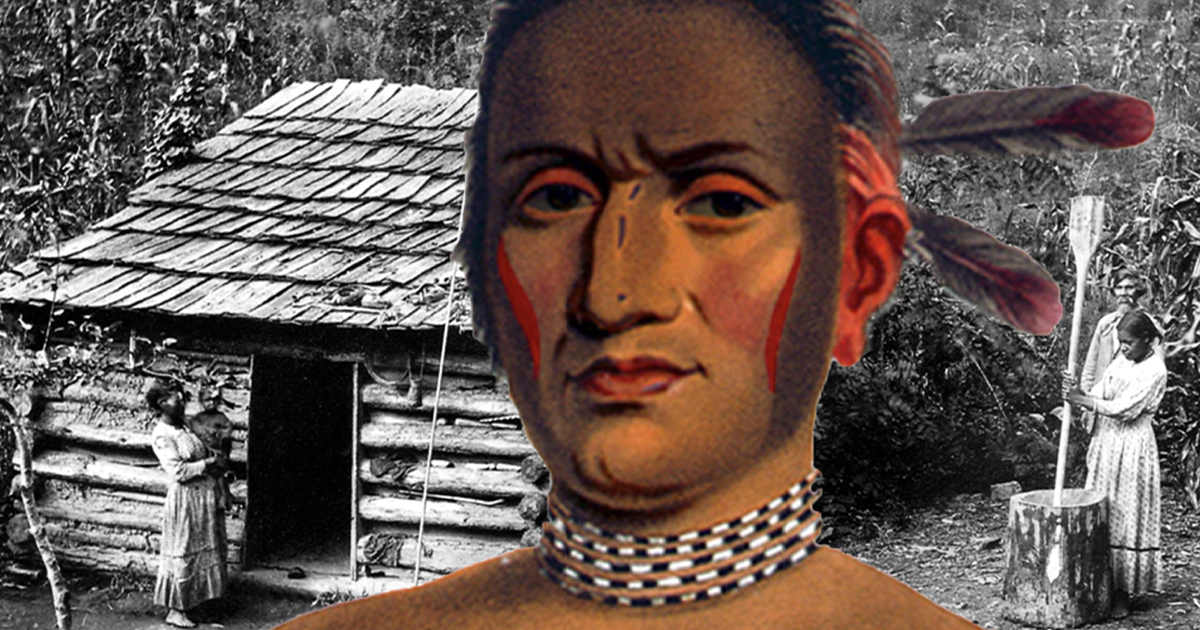
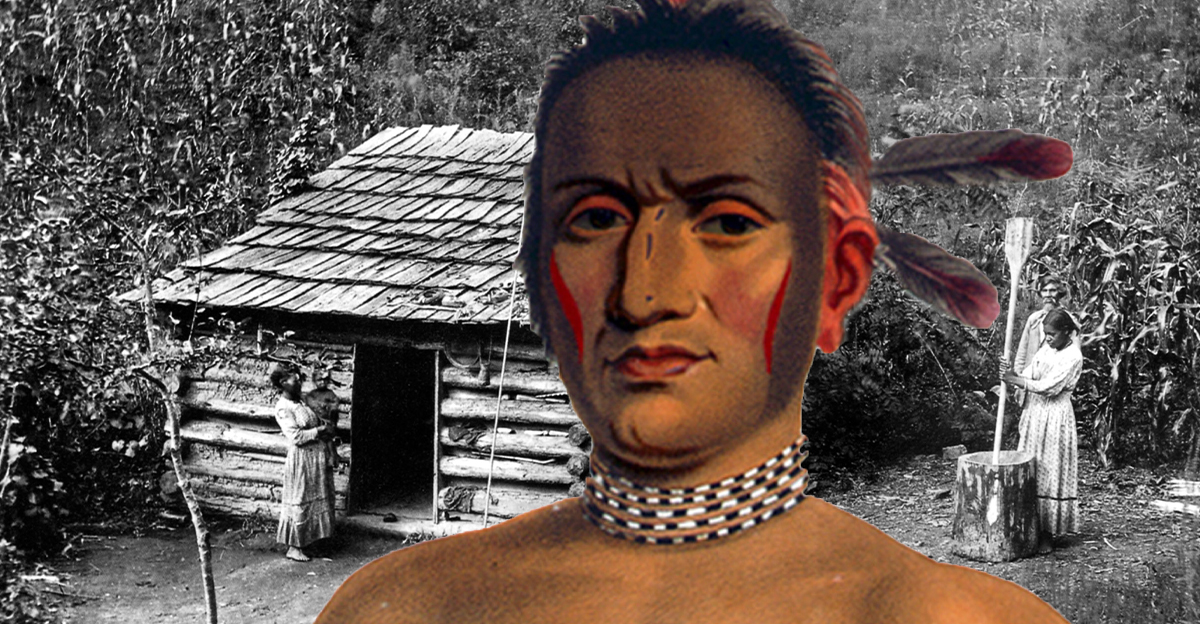
Long before anyone was writing Cherokee words on paper, the Cherokee lived across what are now Georgia, Tennessee, North Carolina, South Carolina, Alabama, and Kentucky. They farmed, hunted, traded, and built thriving towns. Their stories, laws, and traditions were passed from one generation to the next through spoken language.
 Boston Public Library, Wikimedia Commons
The Cherokee Already Had a Rich Culture
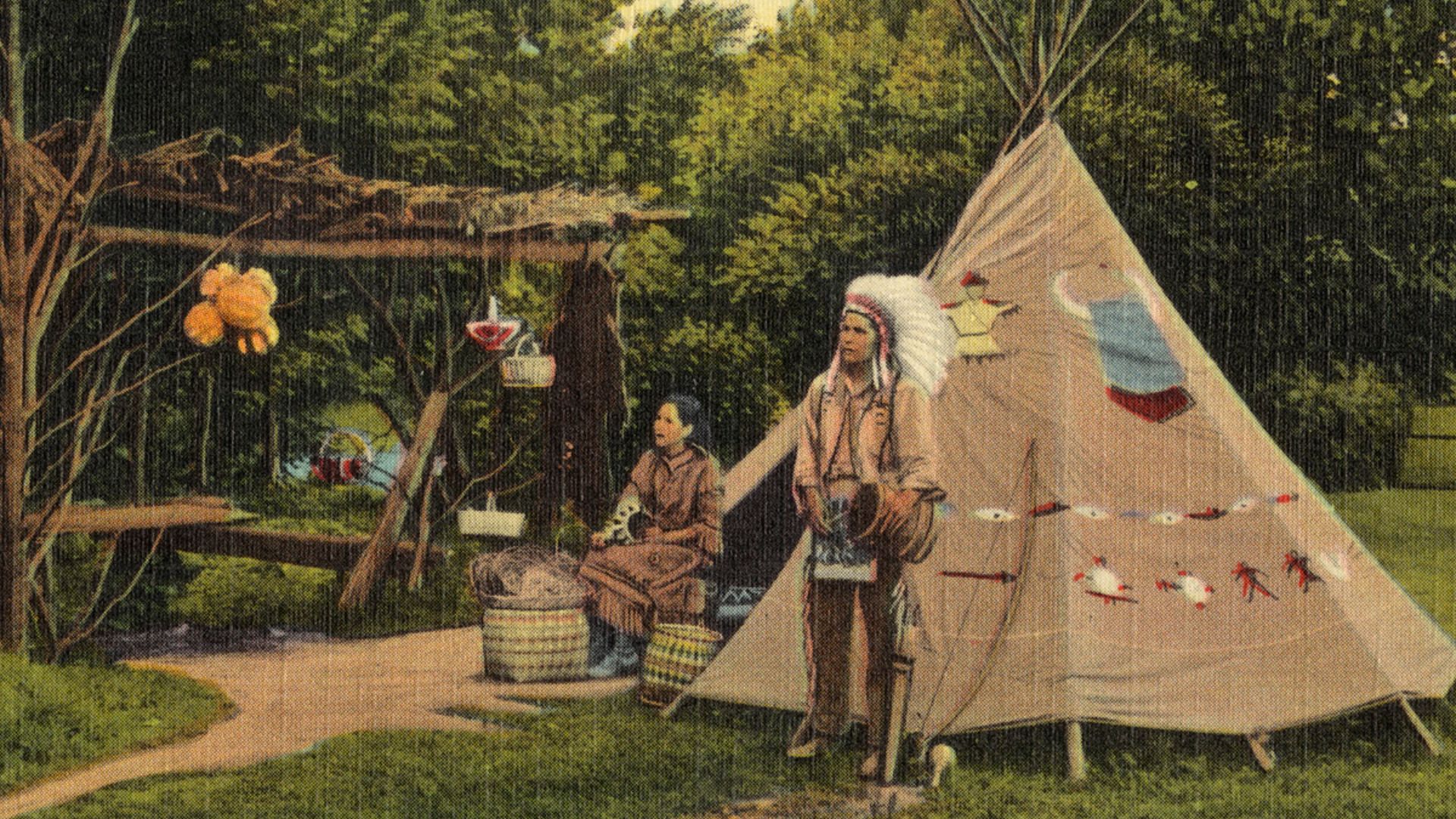
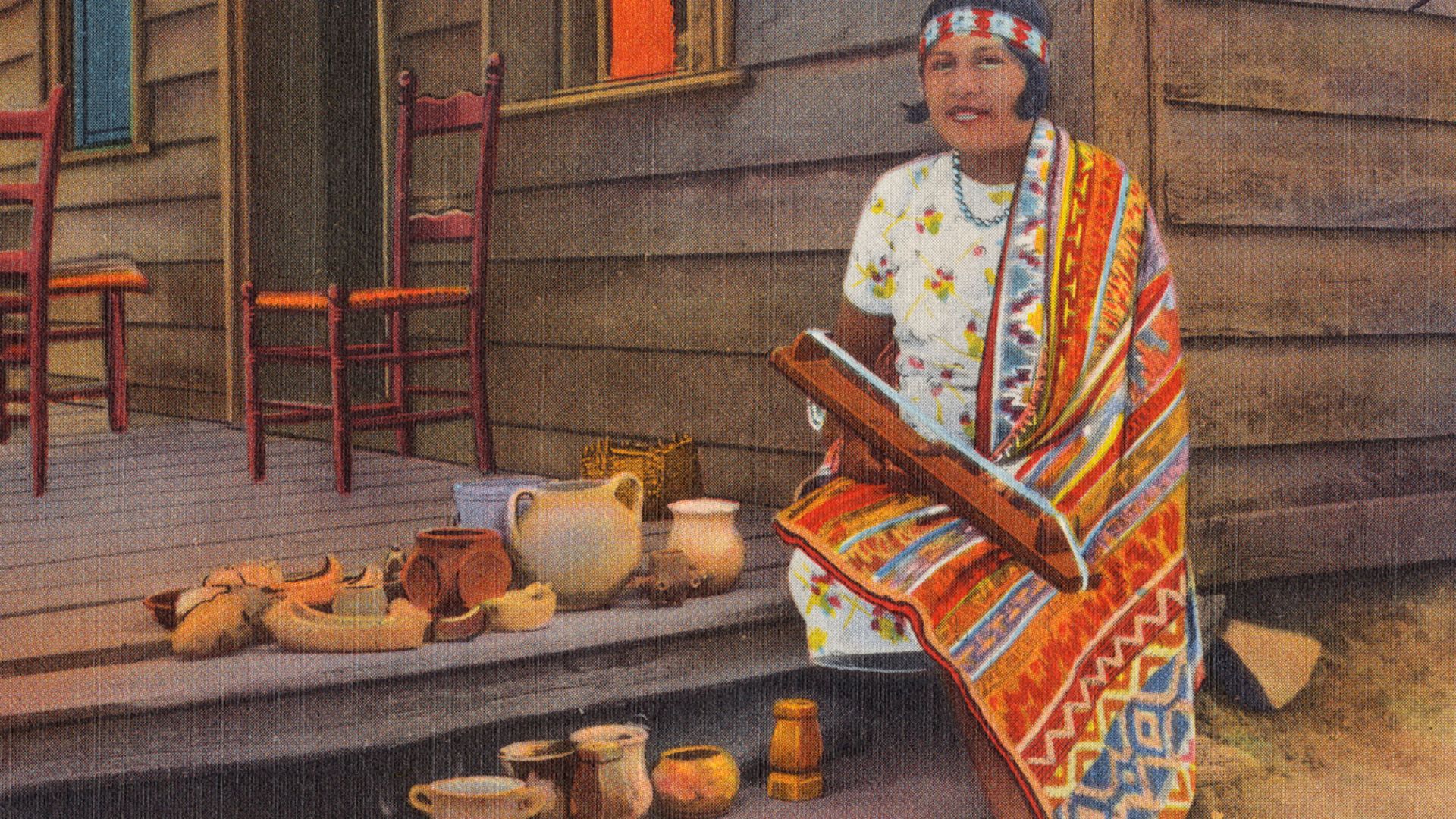
Sometimes people hear this story and assume the Cherokee needed writing to become successful. That's not true. They already had governments, communities, trade networks, and traditions. Writing wasn't going to create a culture—it was going to help preserve one.
 Boston Public Library, Wikimedia Commons
Then Something Caught One Man's Attention
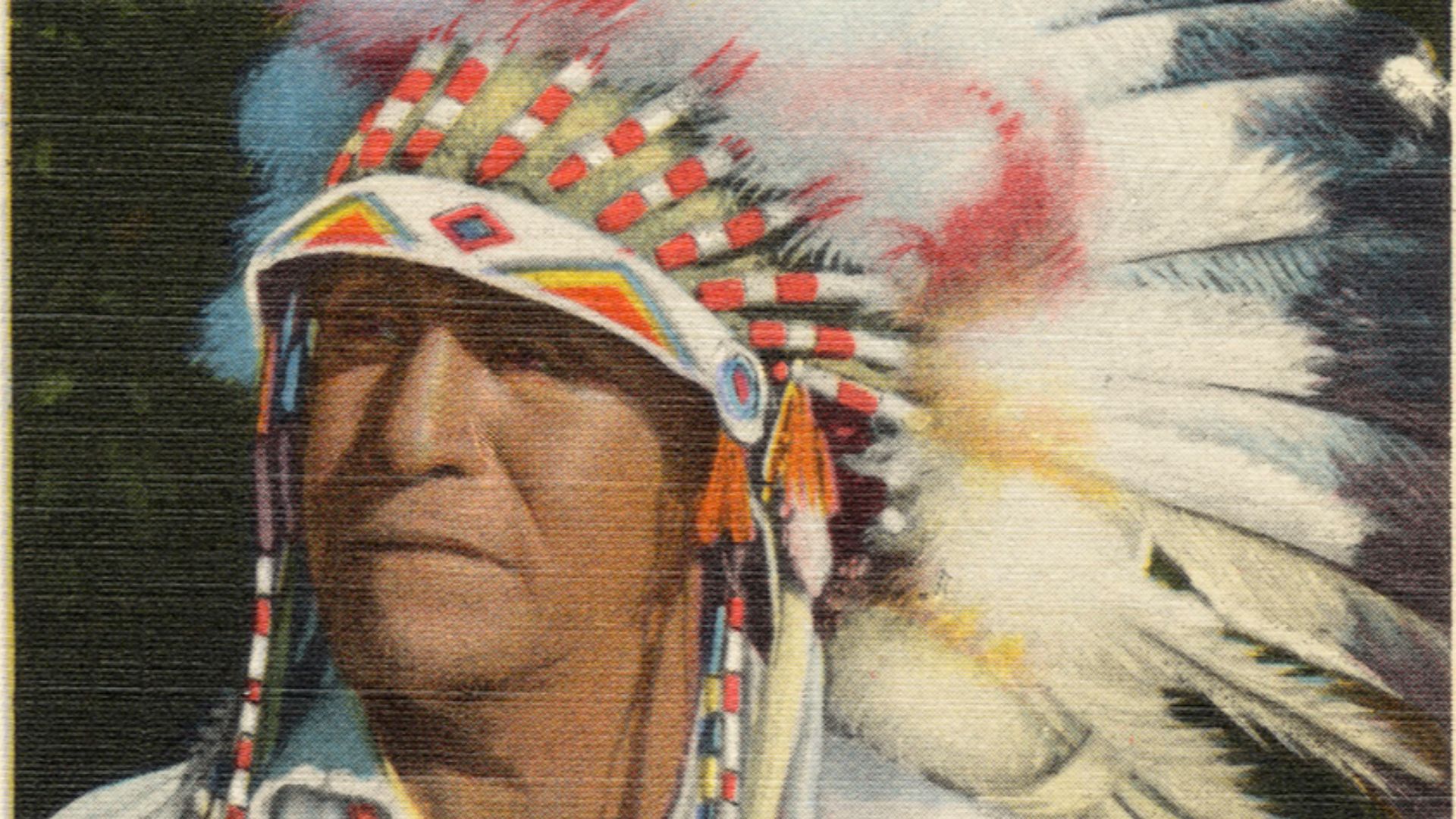
As more Europeans arrived, Cherokee people saw books, letters, newspapers, and official documents. Most people accepted writing as just another part of life. Sequoyah couldn't stop thinking about it.
 Pub. by The Asheville Post Card Co., Asheville, N. C., Wikimedia Commons
How Could Marks on Paper Talk?
That question fascinated him. How could someone write a message in one place and have another person understand it somewhere else? It probably sounded a little like magic at first. The more Sequoyah thought about it, the more determined he became to figure it out.
 Henry Inman, Wikimedia Commons, Modified
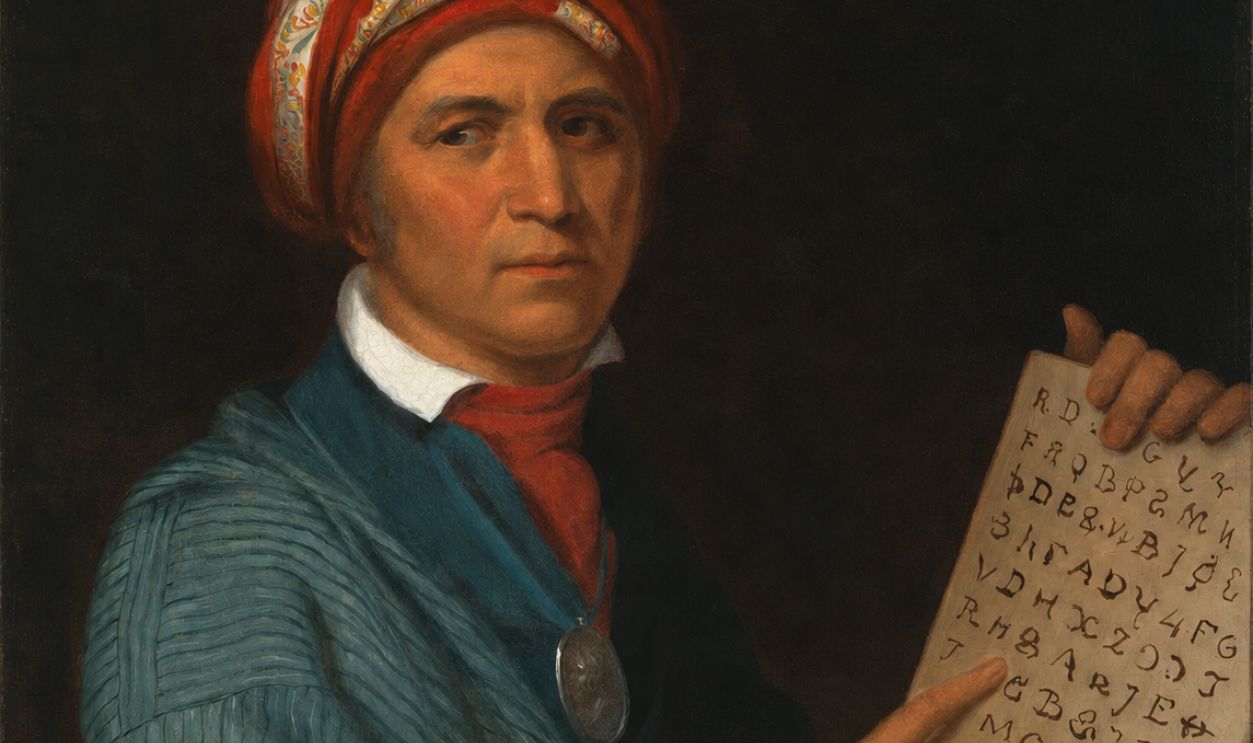
Meet Sequoyah
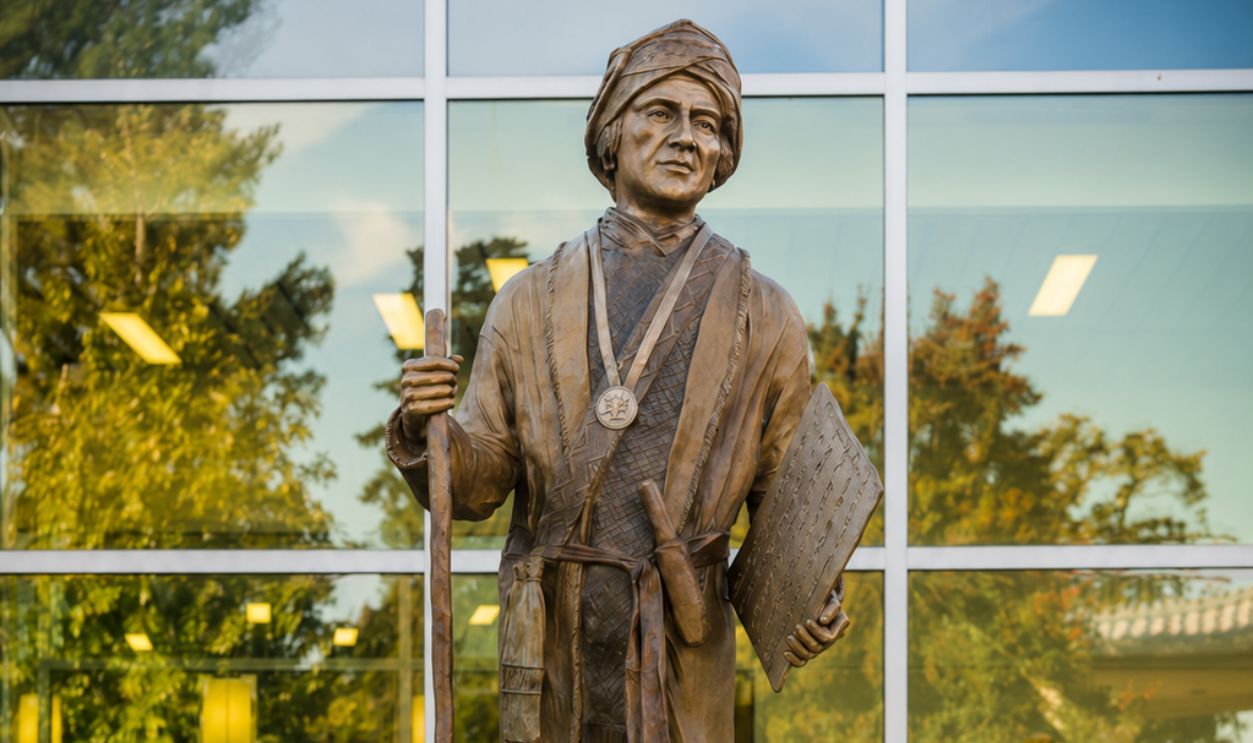
Sequoyah was born sometime between 1770 and 1778, likely near present-day eastern Tennessee. He worked as a blacksmith and silversmith, but history remembers him for something very different. He was about to attempt something most people thought was impossible.
 Nunneleygroup, CC BY-SA 4.0, Wikimedia Commons, Modified
People Thought He Had Lost It
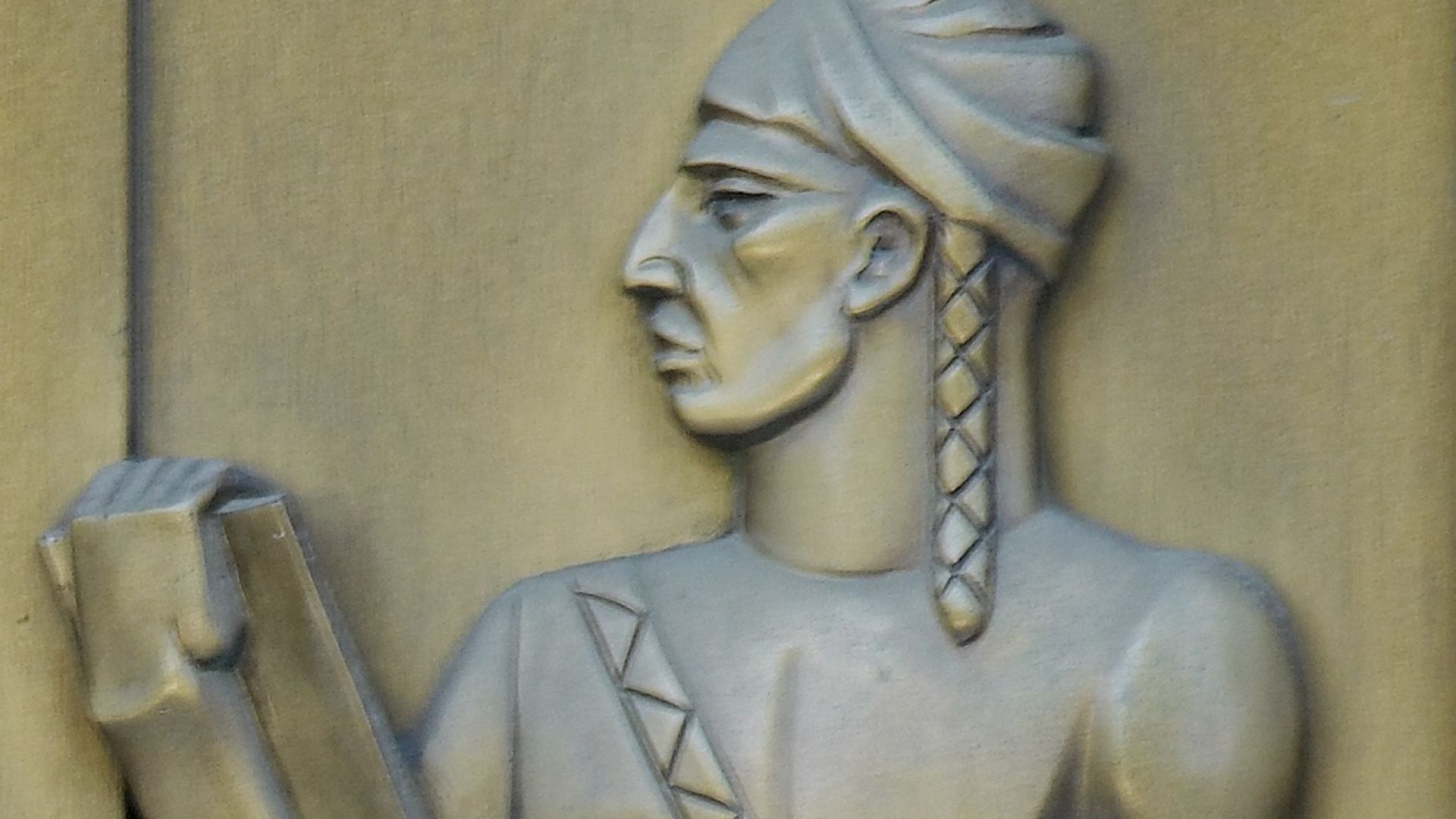
When Sequoyah started working on a writing system for Cherokee, many people thought he was wasting his time. Some reportedly believed he was practicing witchcraft. Imagine spending years on a project while your neighbors think you've completely lost your mind.
He Refused to Quit
Thankfully, Sequoyah was stubborn. While others doubted him, he kept experimenting. Day after day, year after year, he searched for a way to put the Cherokee language onto paper.
The First Idea Didn't Work
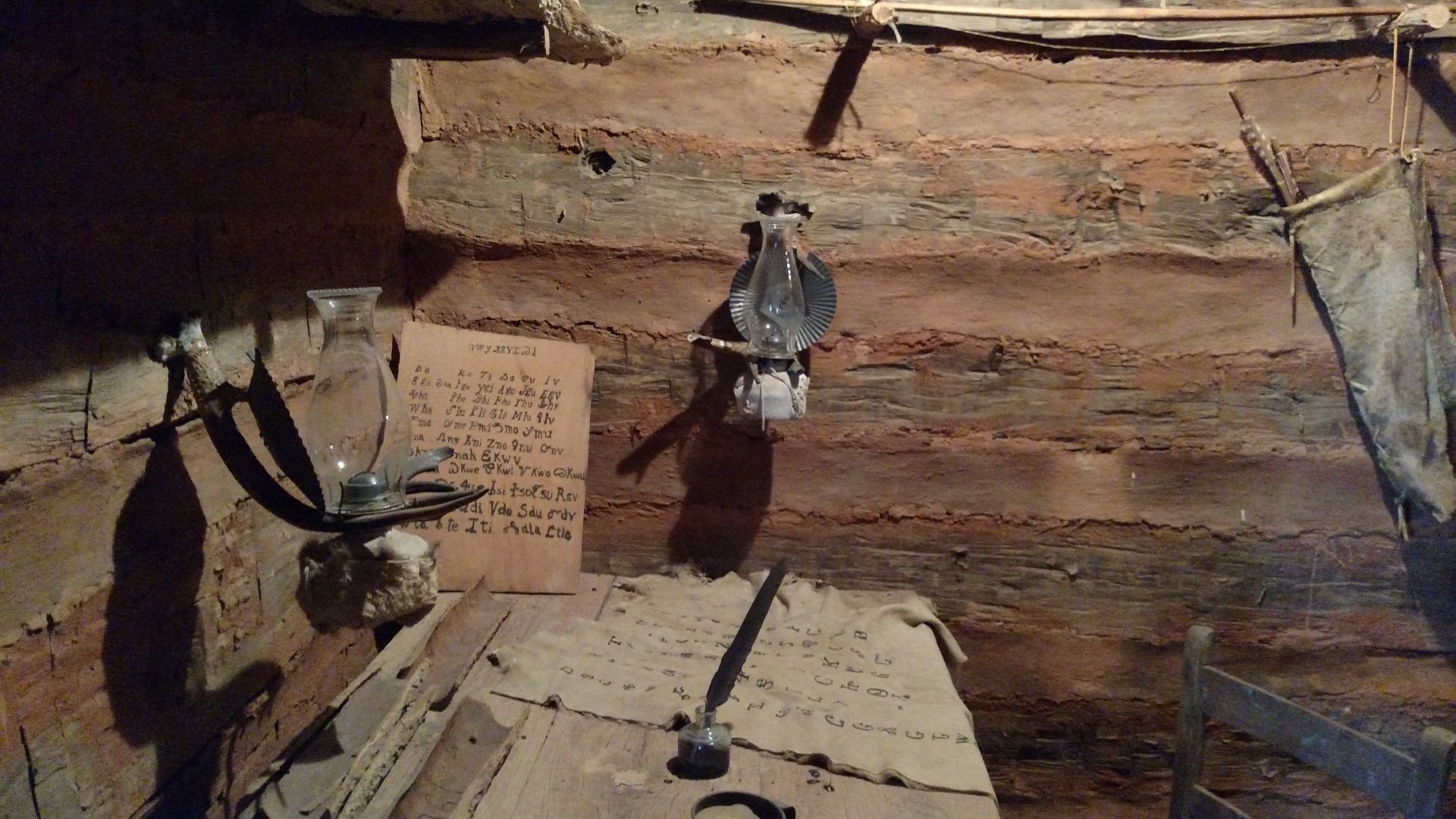
At first, Sequoyah tried creating symbols for entire words. It sounded good in theory. The problem was there were simply too many words. He quickly realized that approach would become a nightmare to learn.
 National Trails Office (US National Park Service), Wikimedia Commons
Then Everything Clicked
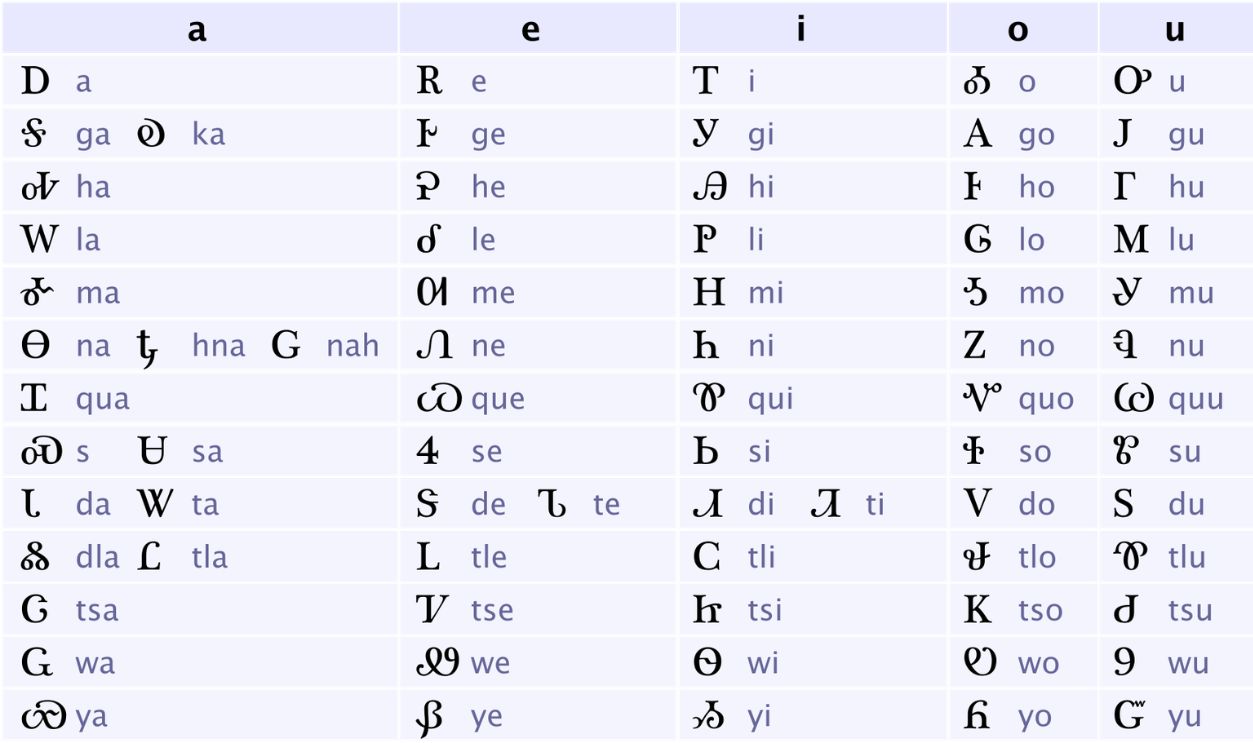
Eventually, Sequoyah had a breakthrough. Instead of creating symbols for words, he could create symbols for sounds. Suddenly the project became manageable. Sometimes the biggest discoveries happen when someone realizes they're solving the wrong problem.
 Sakurambo at English Wikipedia, Wikimedia Commons
Not Quite an Alphabet
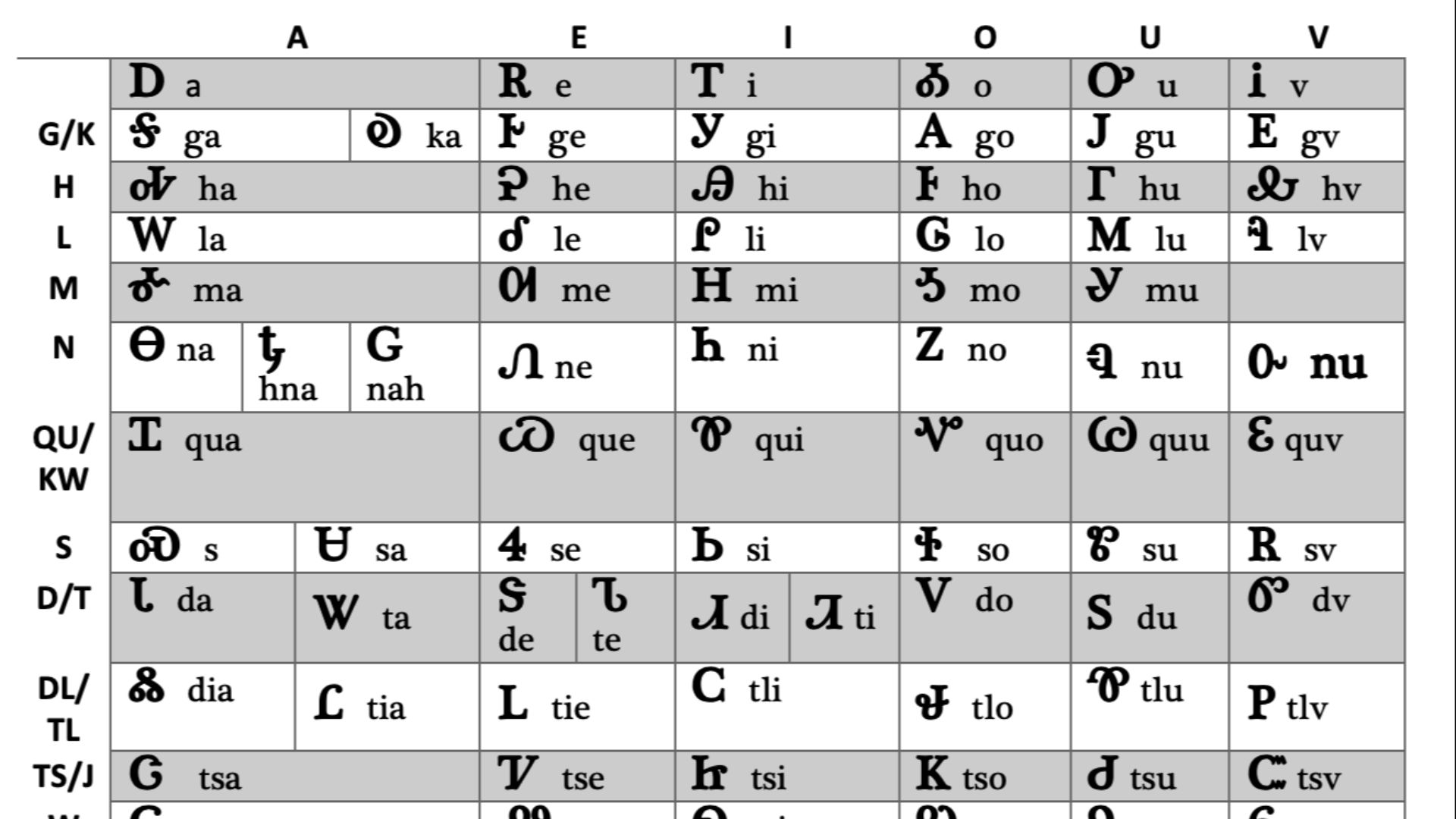
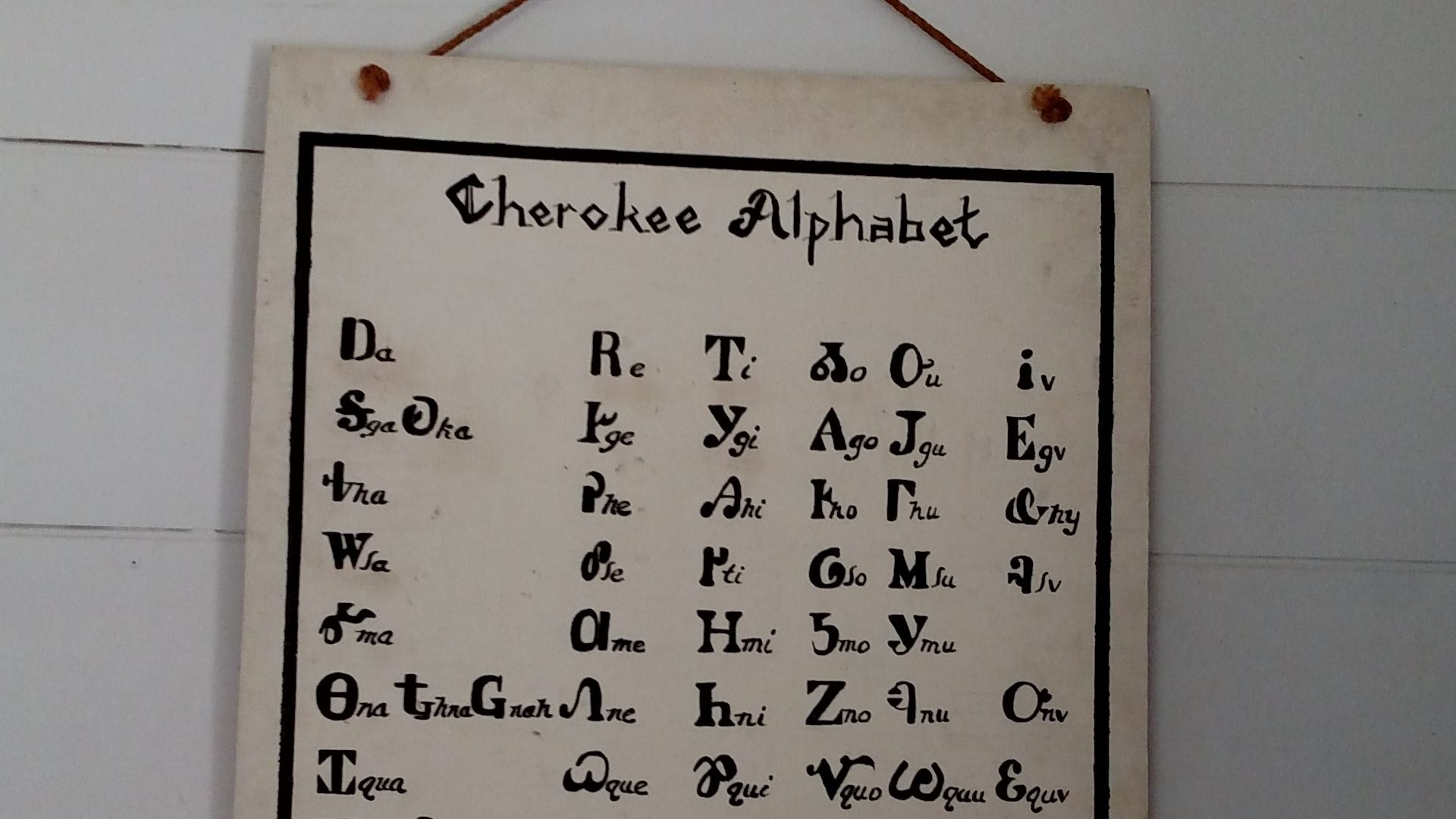
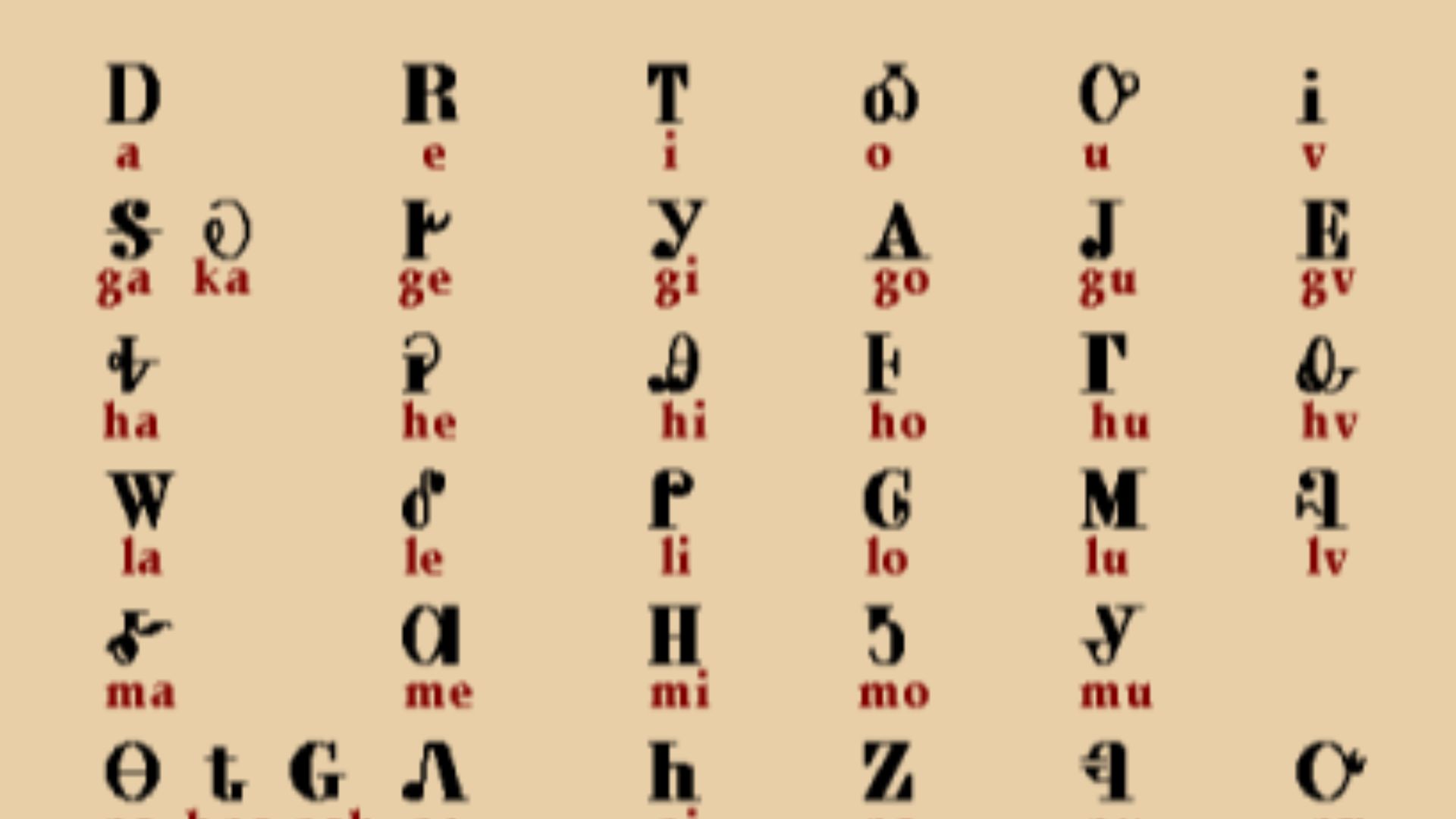
Technically, Sequoyah didn't invent an alphabet. He invented a syllabary. Each symbol represented a syllable rather than a single letter sound. It sounds complicated, but for Cherokee speakers it worked incredibly well.
 Mattie.walkerr, Wikimedia Commons
Eighty-Five Symbols Changed Everything
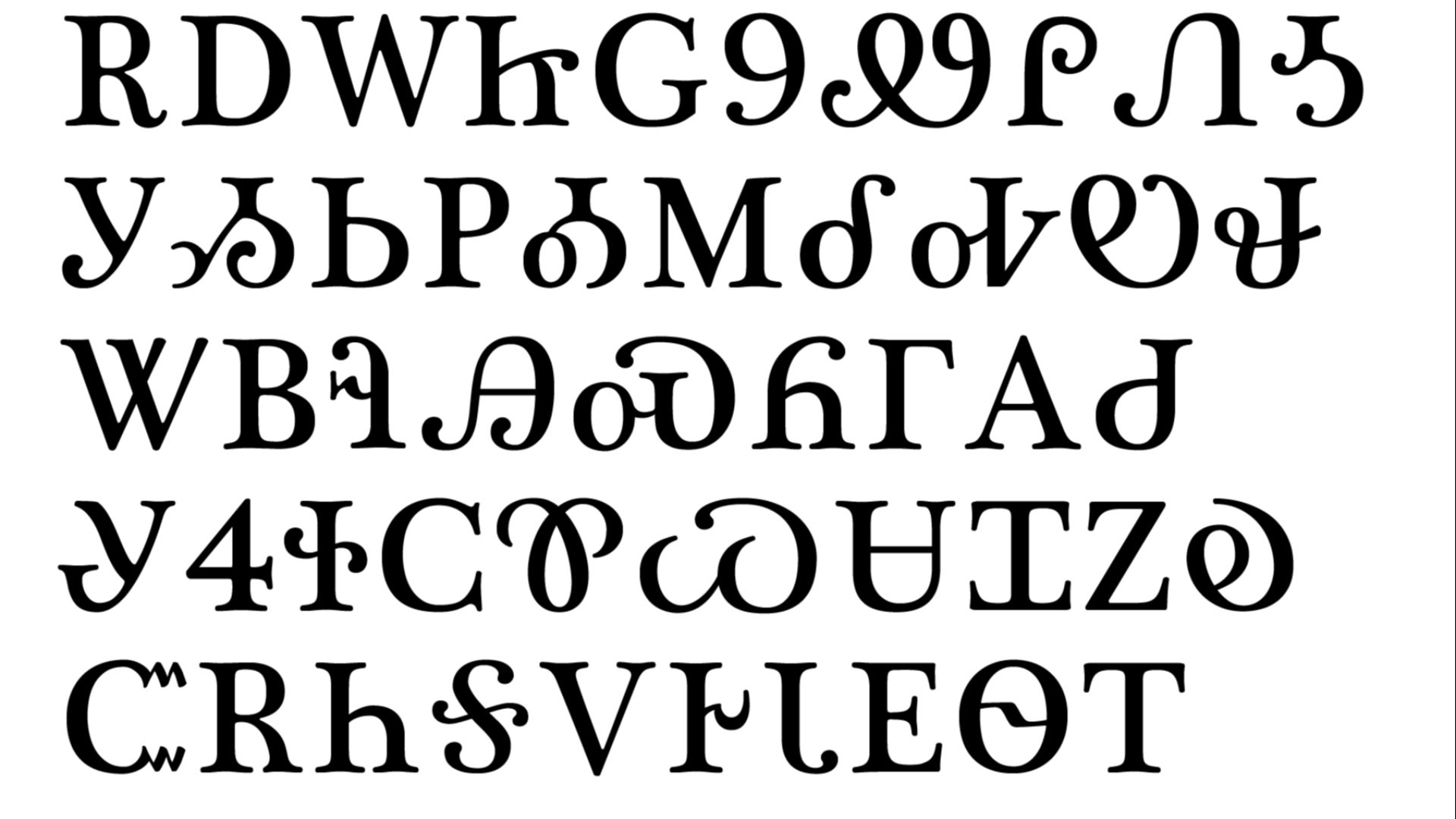
By around 1821, Sequoyah had finished the Cherokee syllabary. It contained 85 symbols capable of representing spoken Cherokee. The crazy part wasn't that he created it. The crazy part was what happened next.
 Original: Robfergusonjr, modified: AmazingJus, Wikimedia Commons
Nobody Believed Him
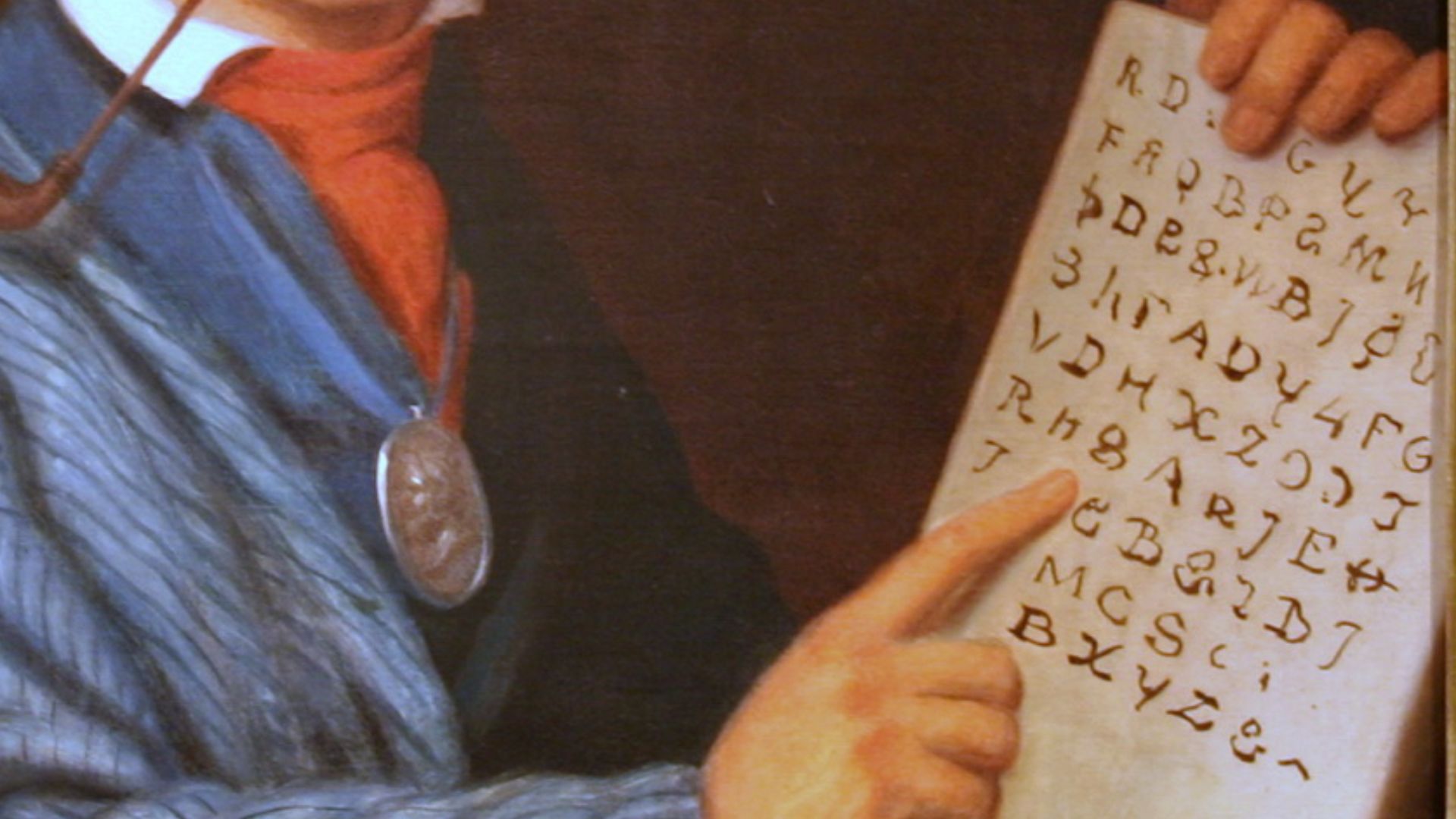
Even after finishing the system, Sequoyah had a problem. People still didn't think it would work. So he needed proof.
 Henry Inman / After Charles Bird King, Wikimedia Commons
Enter Ayokeh
Sequoyah taught the syllabary to his daughter, Ayokeh. Then he demonstrated how they could exchange written messages. Other Cherokee leaders watched as messages were written, delivered, and read correctly. Suddenly the doubters became a lot quieter.
 Cherokee Phoenix, Wikimedia Commons
The Nation Takes Notice
Once people saw the system working, interest exploded. What had seemed impossible a few years earlier suddenly looked revolutionary. Cherokee citizens began learning the new writing system at an astonishing pace.
 National Trails Office (US National Park Service), Wikimedia Commons
Faster Than Anyone Expected
Something remarkable happened. Within just a few years, literacy spread rapidly throughout the Cherokee Nation. Visitors were amazed by how many people learned to read and write using the syllabary.
 Stanley John, Wikimedia Commons
Some Americans Couldn't Believe It
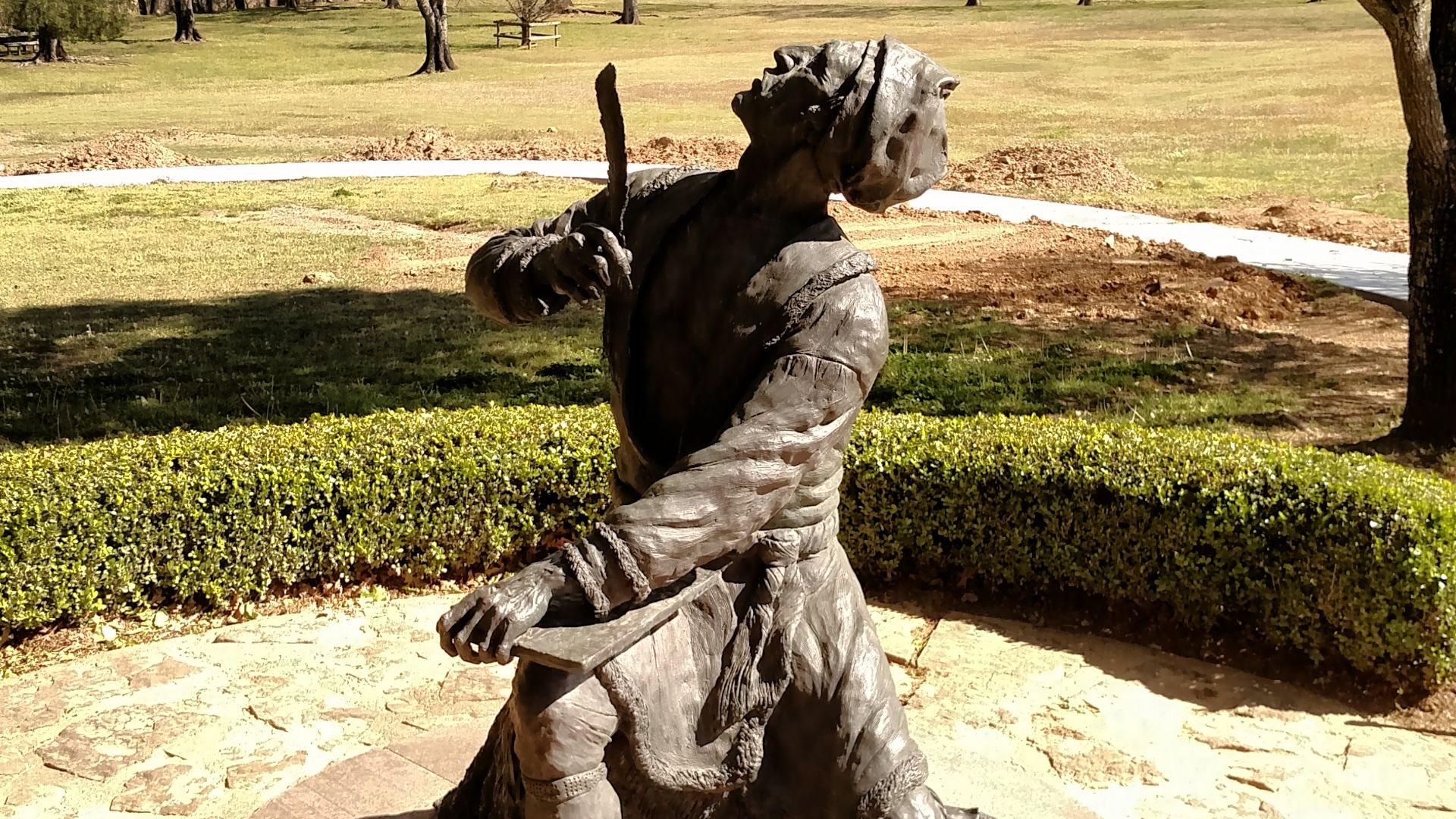
In fact, Cherokee literacy rates soon rivaled or exceeded those in some neighboring white communities. Think about that for a second. A writing system that didn't exist a few years earlier was already being used by thousands of people.
 National Trails Office (US National Park Service), Wikimedia Commons
The Cherokee Phoenix Takes Flight
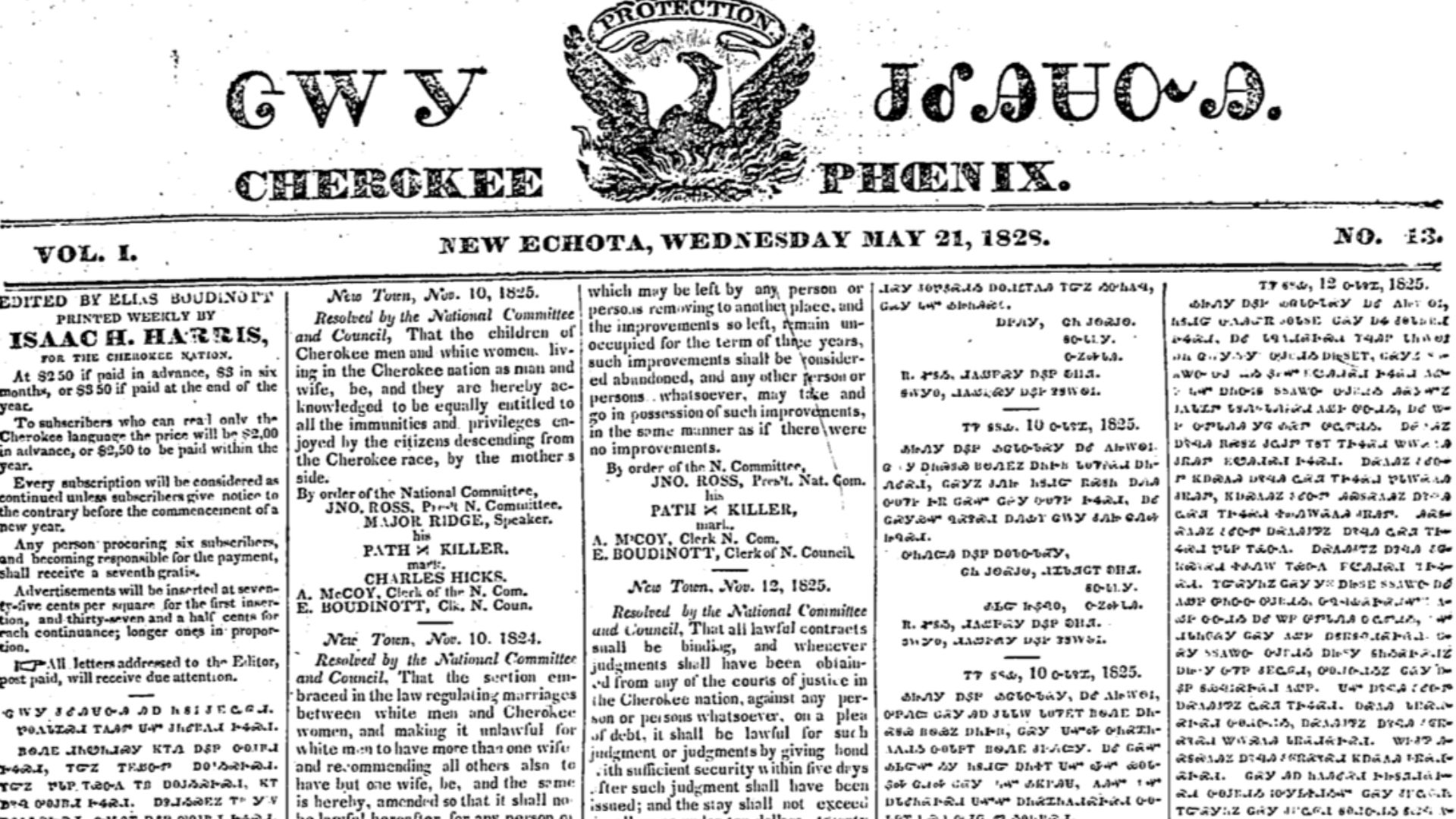
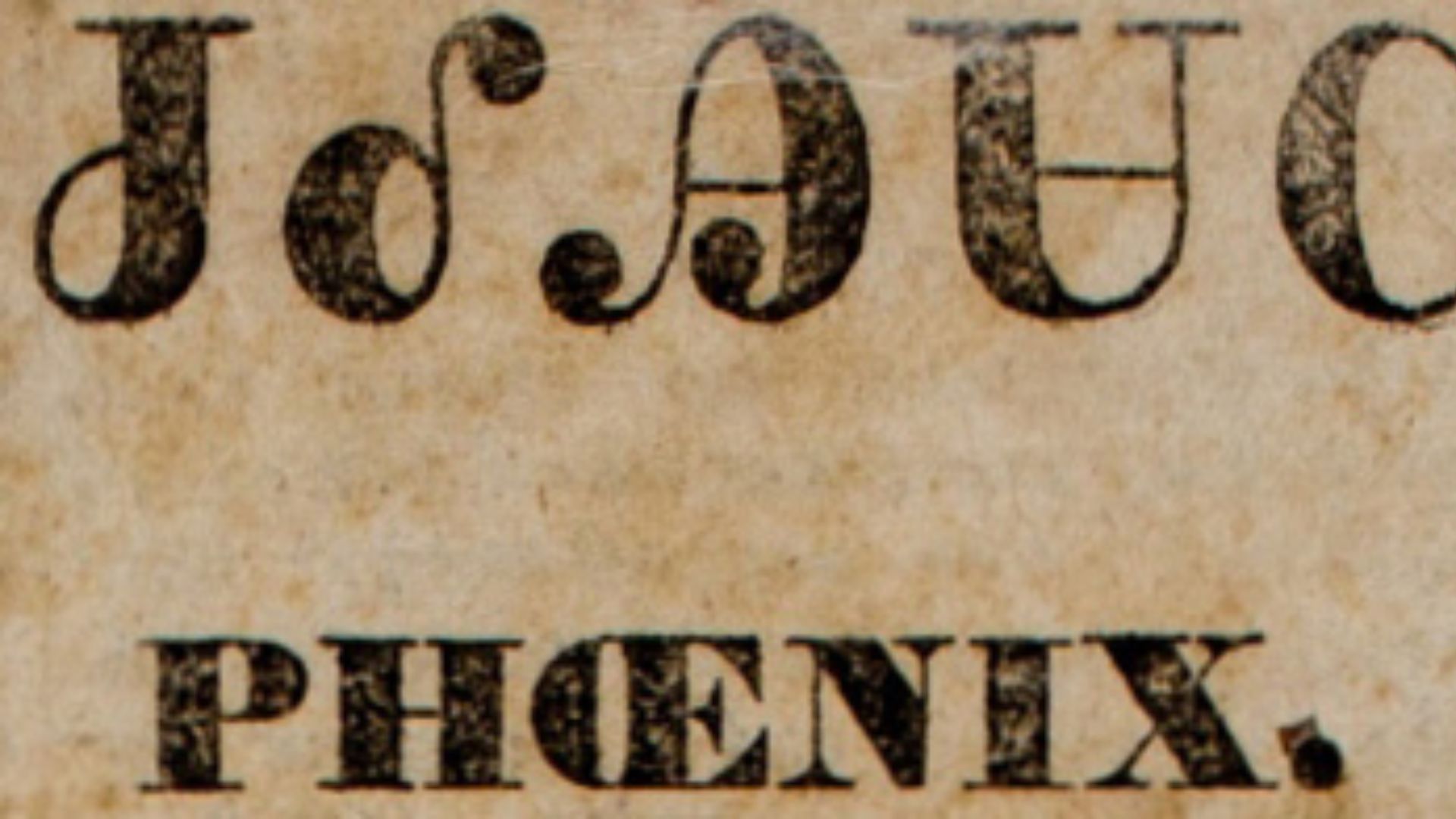
In 1828, the Cherokee Nation launched the Cherokee Phoenix in New Echota, Georgia. It became the first Native American newspaper published in the United States. Articles appeared in both English and Cherokee.
 Elias Boudinot and Isaac H. Harris, Wikimedia Commons
Imagine Reading Your First Newspaper
For Cherokee readers, this was a huge moment. News, government announcements, and community discussions could now be read in their own language. The Cherokee syllabary wasn't just surviving—it was thriving.
 http://en.wikipedia.org/w/index.php?title=User:CPret&action=edit, Wikimedia Commons
Writing Became Part of Daily Life
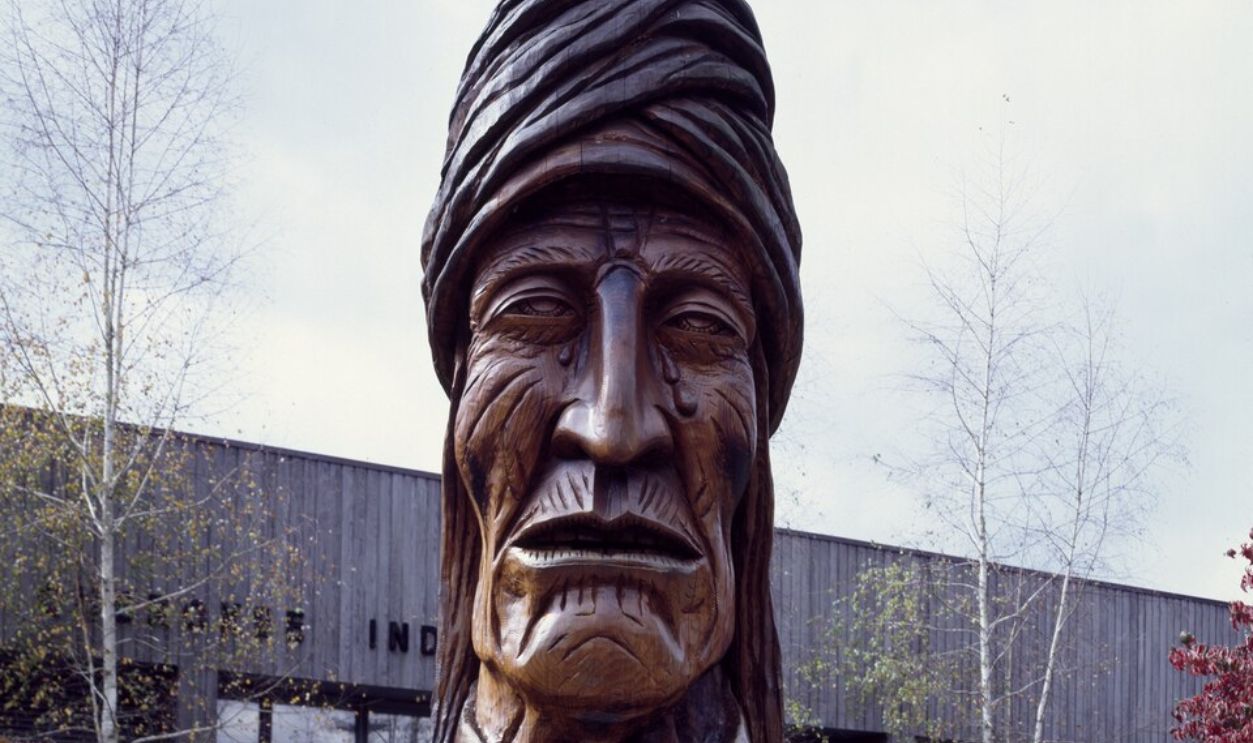
People began writing letters, recording laws, documenting events, and sharing information. The Cherokee language now existed in a completely new form. Words that once disappeared after being spoken could now last for generations.
 Carol M. Highsmith, Wikimedia Commons
Sequoyah Becomes Famous
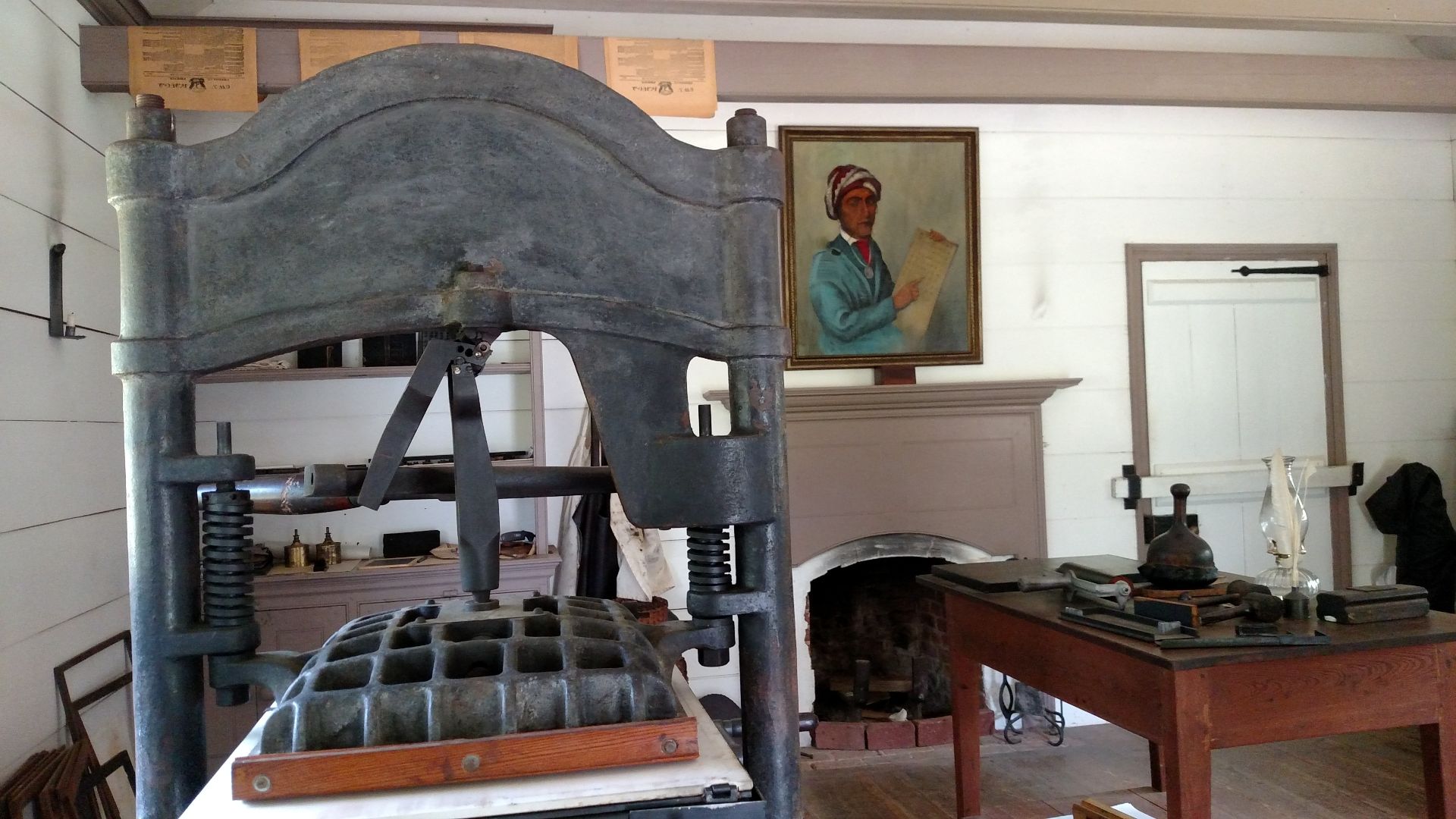
The man once dismissed as a dreamer became one of the most respected figures in Cherokee history. His achievement spread far beyond Cherokee territory. Even people outside the nation recognized how remarkable it was.
 National Trails Office (US National Park Service), Wikimedia Commons
Then Everything Changed
Just as the Cherokee Nation was embracing literacy and expanding its institutions, trouble arrived. Settlers wanted Cherokee land, especially after gold was discovered in Georgia in 1828.
![Trois Cherokees, ambassadeurs pour conclure une paix avec le Royaume-Uni en 1762.
Outacite [Pouting Pigeon], Austenaco [Ostenaco] & Cunne Shote [Conocotocko II or Standing Turkey] sont accompagné dans ce voyage par Henry Timberlake qui rendra compte de l](https://www.factinate.com/storage/app/media/splashtravels/2026/7/1/1782910949ddf4cb4e09011bf864cc46307ae10d8519ea045c.png) Joshua Reynolds, Wikimedia Commons
Joshua Reynolds, Wikimedia Commons
The Trail of Tears
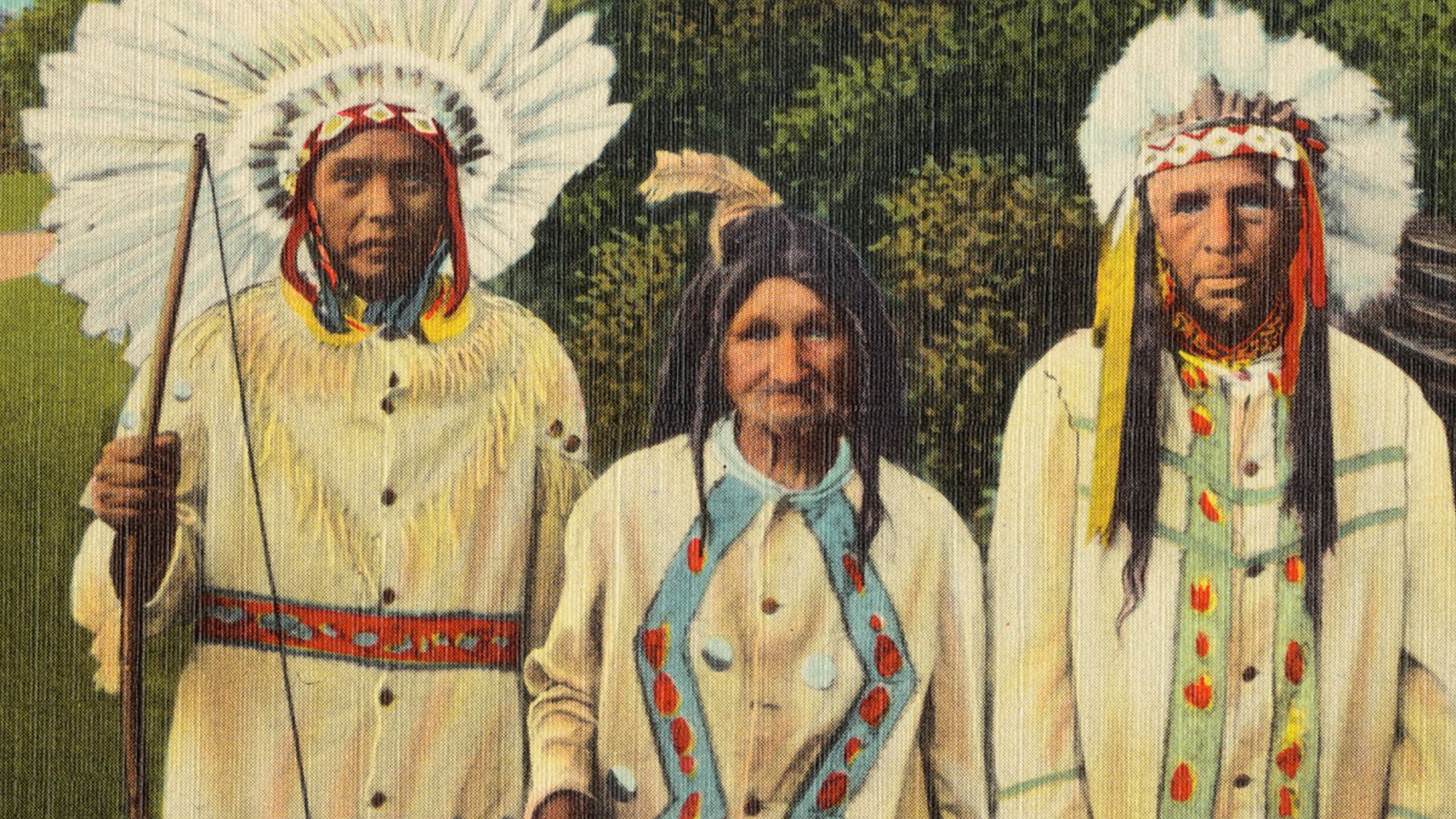
In 1838 and 1839, thousands of Cherokee people were forcibly removed from their homeland and marched west to present-day Oklahoma. The journey became known as the Trail of Tears. Thousands died during the relocation.
 Boston Public Library, Wikimedia Commons
The Writing System Refused to Die
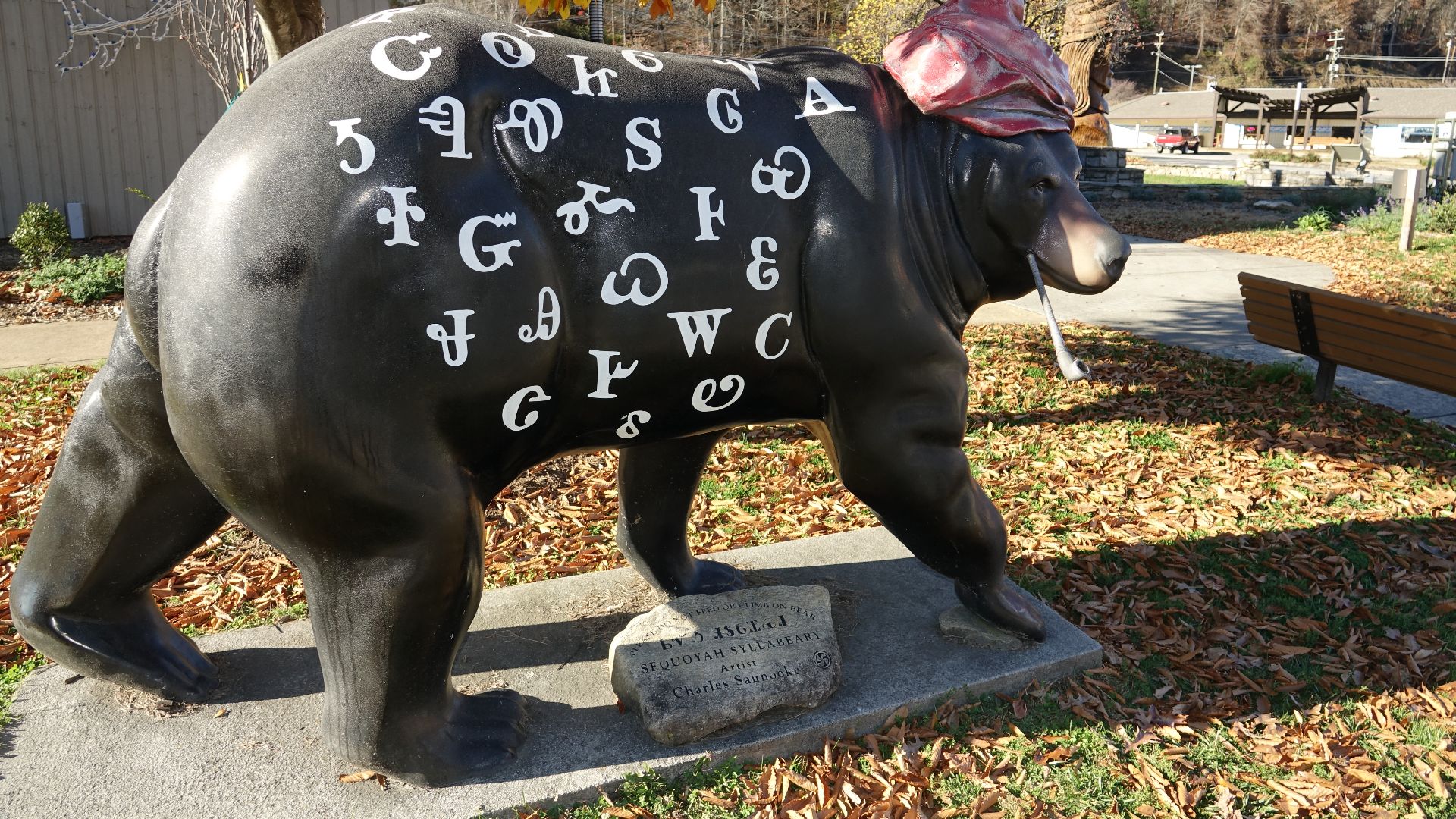
Many things were lost during those difficult years, but the syllabary survived. Families continued teaching it. Communities continued using it. Sequoyah's invention traveled west along with the Cherokee people.
A Language Under Pressure
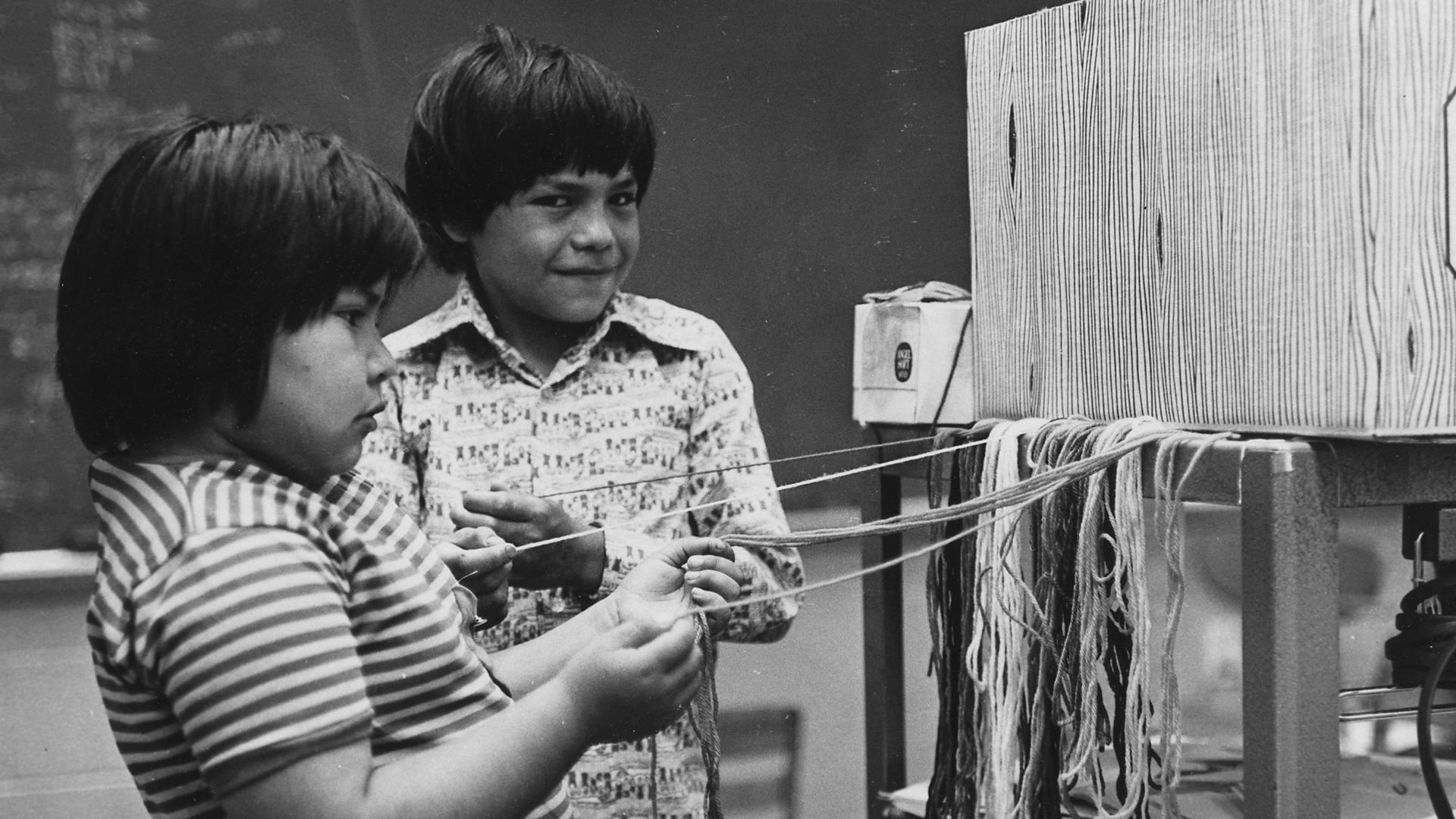
Over time, English became more common and fewer Cherokee children grew up speaking the language fluently. Like many Indigenous languages, Cherokee faced the risk of declining use.
 Unknown authorUnknown author or not provided, Wikimedia Commons
Saving Cherokee for the Future
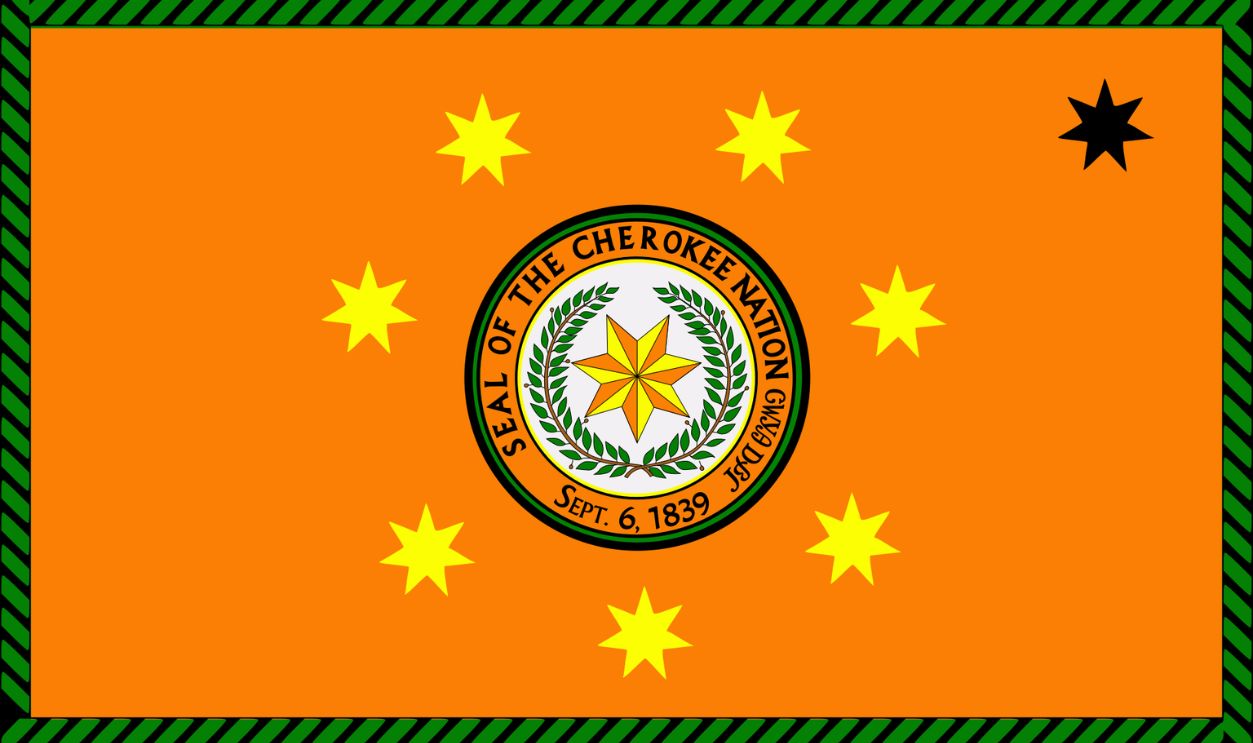
Today, Cherokee Nation language programs, schools, and cultural organizations work to preserve the language. Children are still learning the syllabary more than 200 years after it was created.
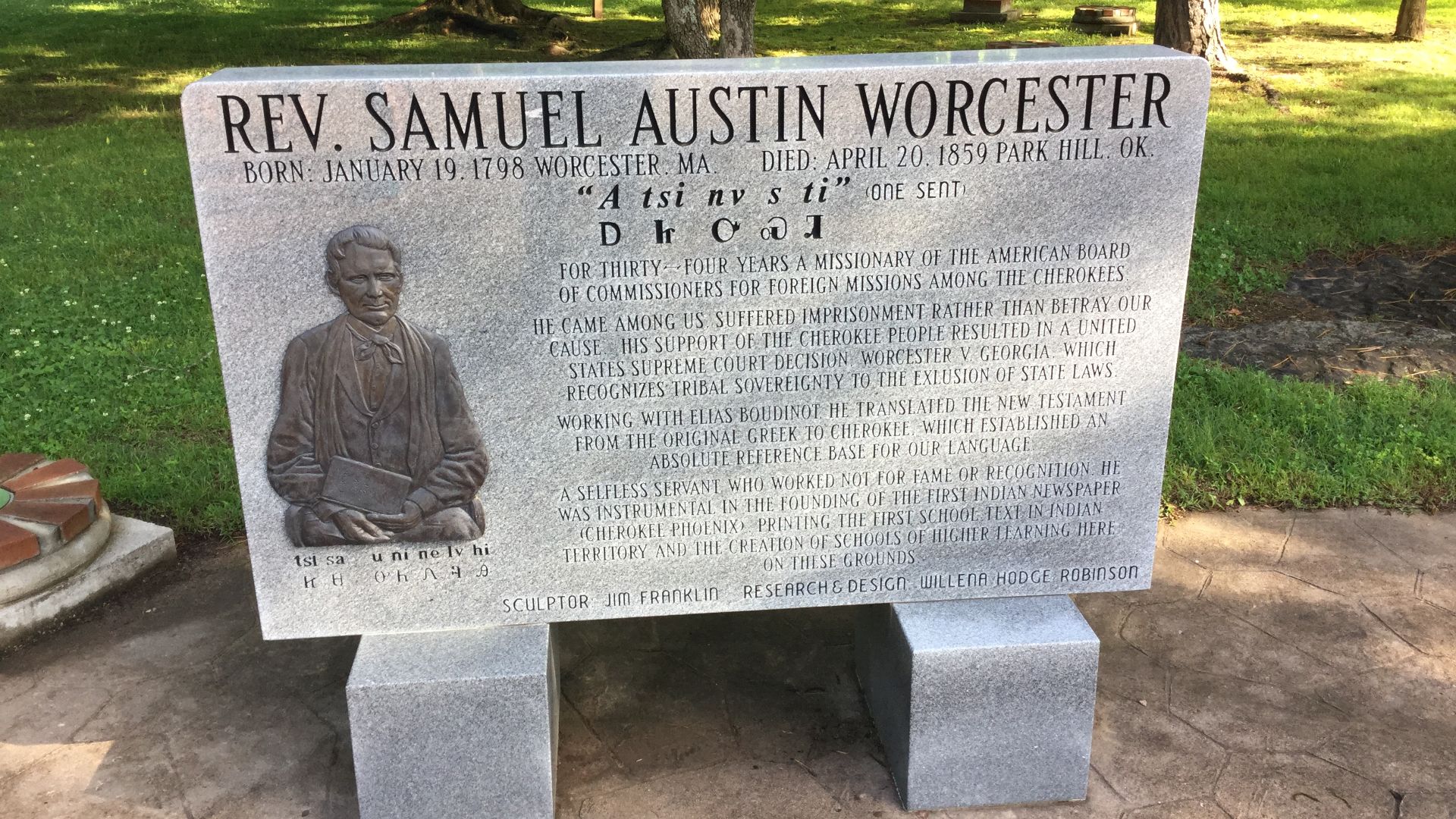 Wesley Fryer from Oklahoma City, Oklahoma, USA, Wikimedia Commons
Then Came the Internet
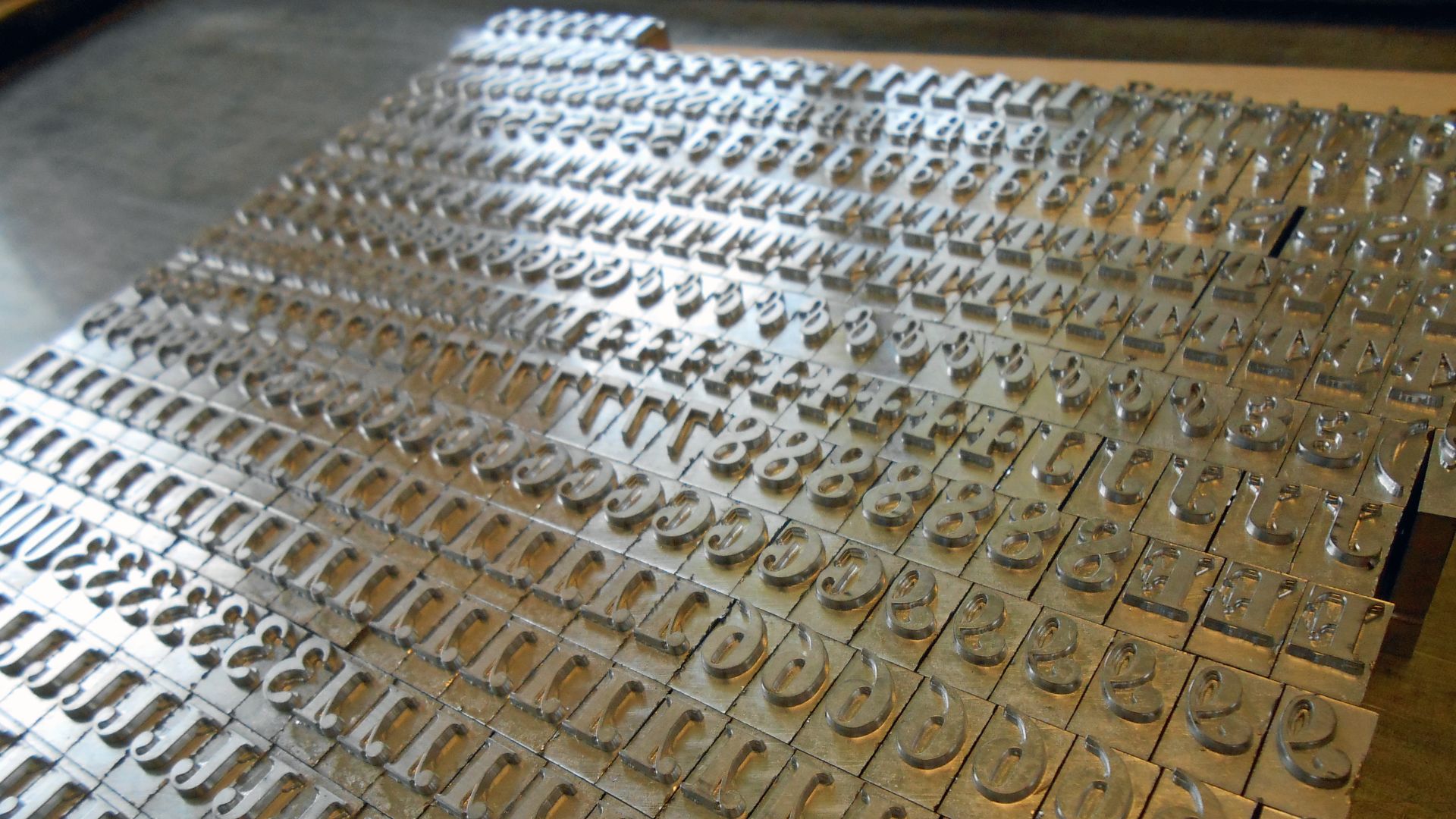
If Sequoyah could see today's world, he might be shocked. The Cherokee syllabary is now part of Unicode, meaning it can be used on computers, websites, smartphones, and social media.

Text Messages in Cherokee
That's right. A writing system invented in the early 1800s can now be used to send text messages. Somehow, Sequoyah's work made the jump from handwritten notes to smartphones.
What Makes This Story So Unusual?
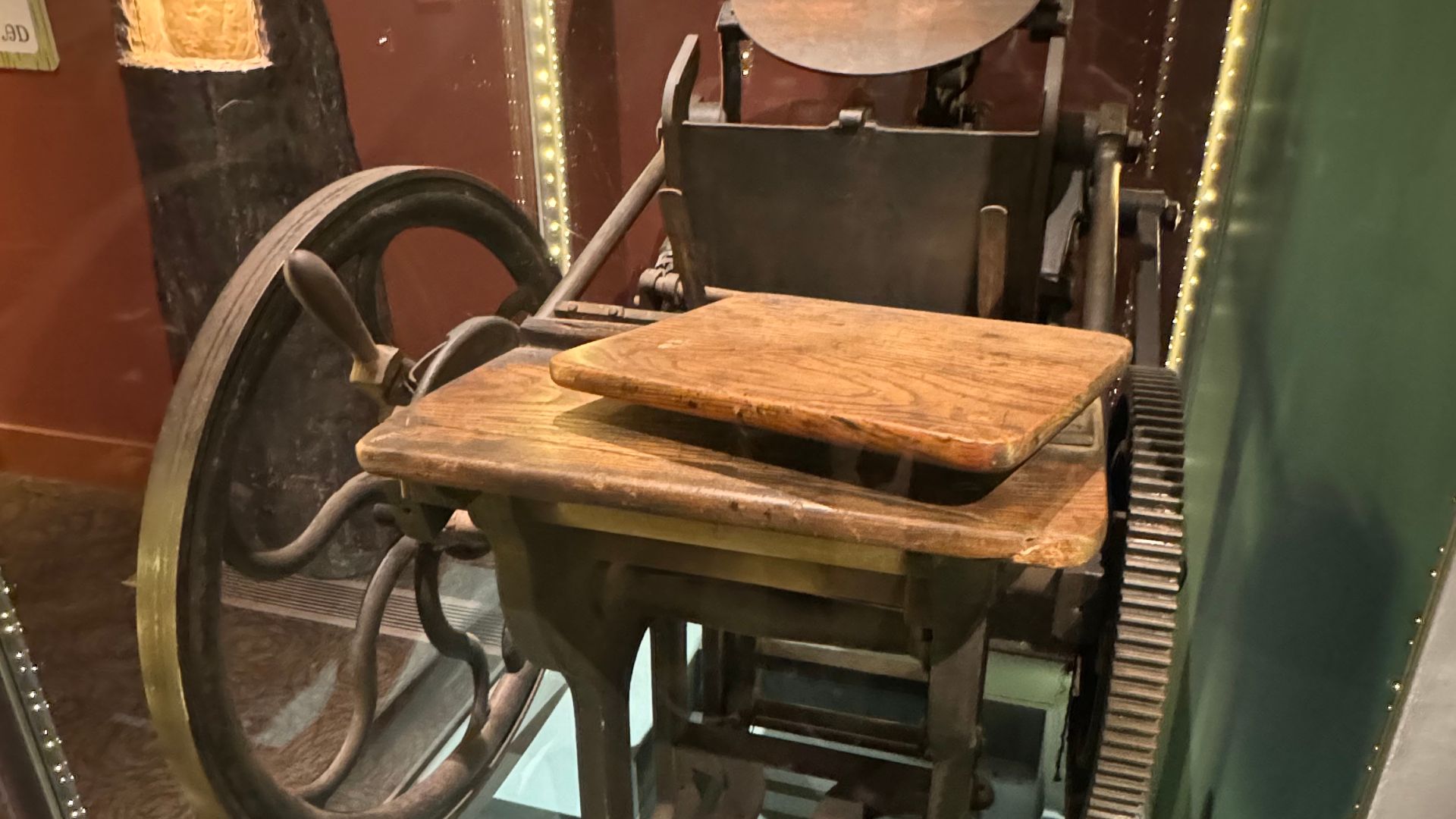
Most writing systems develop slowly over centuries. Sequoyah accomplished something incredibly rare. One person created a writing system that an entire nation adopted within his lifetime.
The Real Legacy of Sequoyah
The syllabary didn't just help people write words. It helped preserve stories, laws, traditions, and identity during some of the hardest years in Cherokee history. It became much more than a writing system.
 Larry D. Moore, Wikimedia Commons
Maybe We've Been Looking at Innovation All Wrong
When people think about great inventions, they often picture cars, computers, or machines. Sequoyah's invention wasn't mechanical at all. Yet it changed countless lives and continues to impact people more than two centuries later.
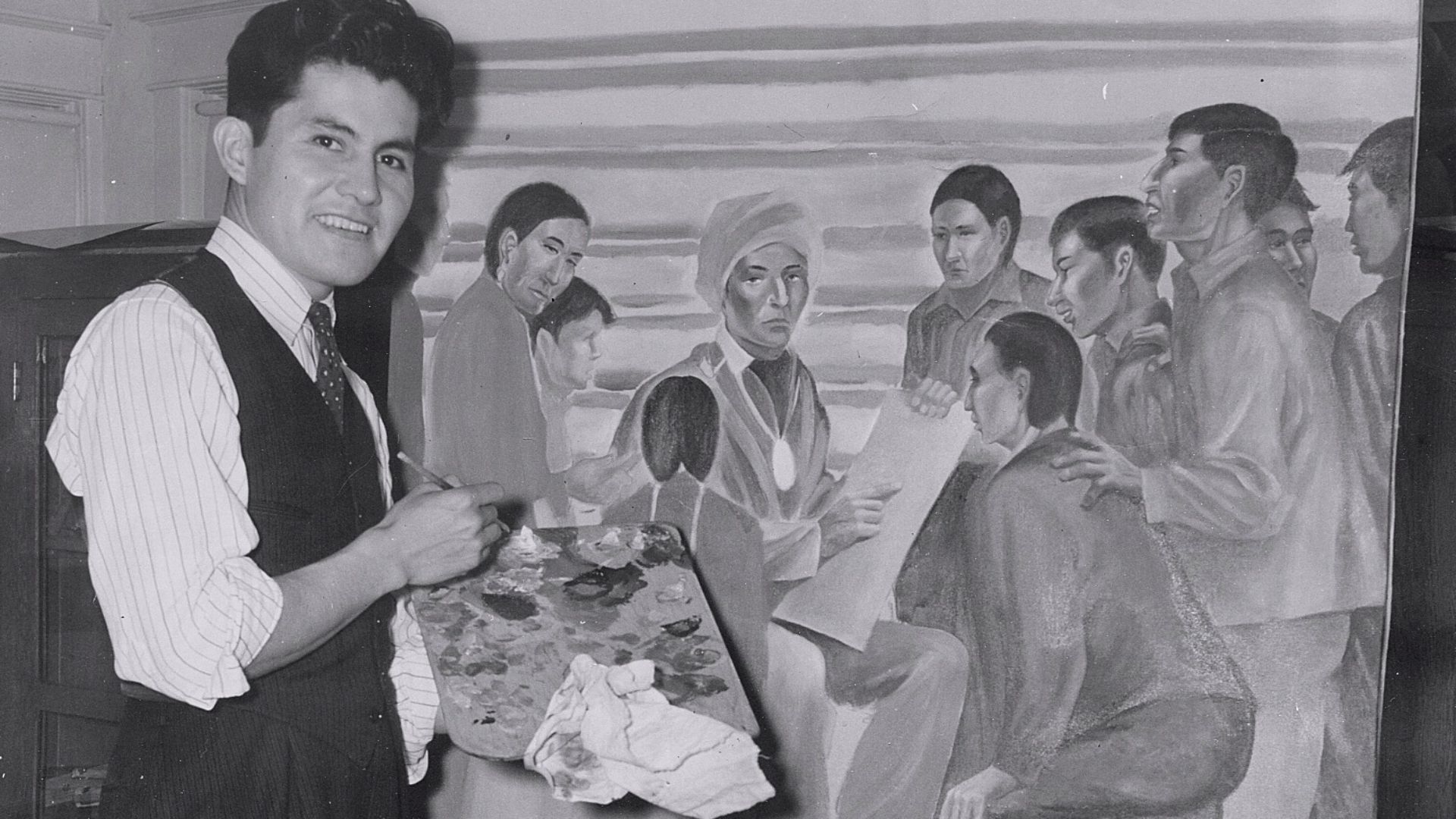 Franklin Gritts, Wikimedia Commons
What Modern Life Can Learn From Sequoyah
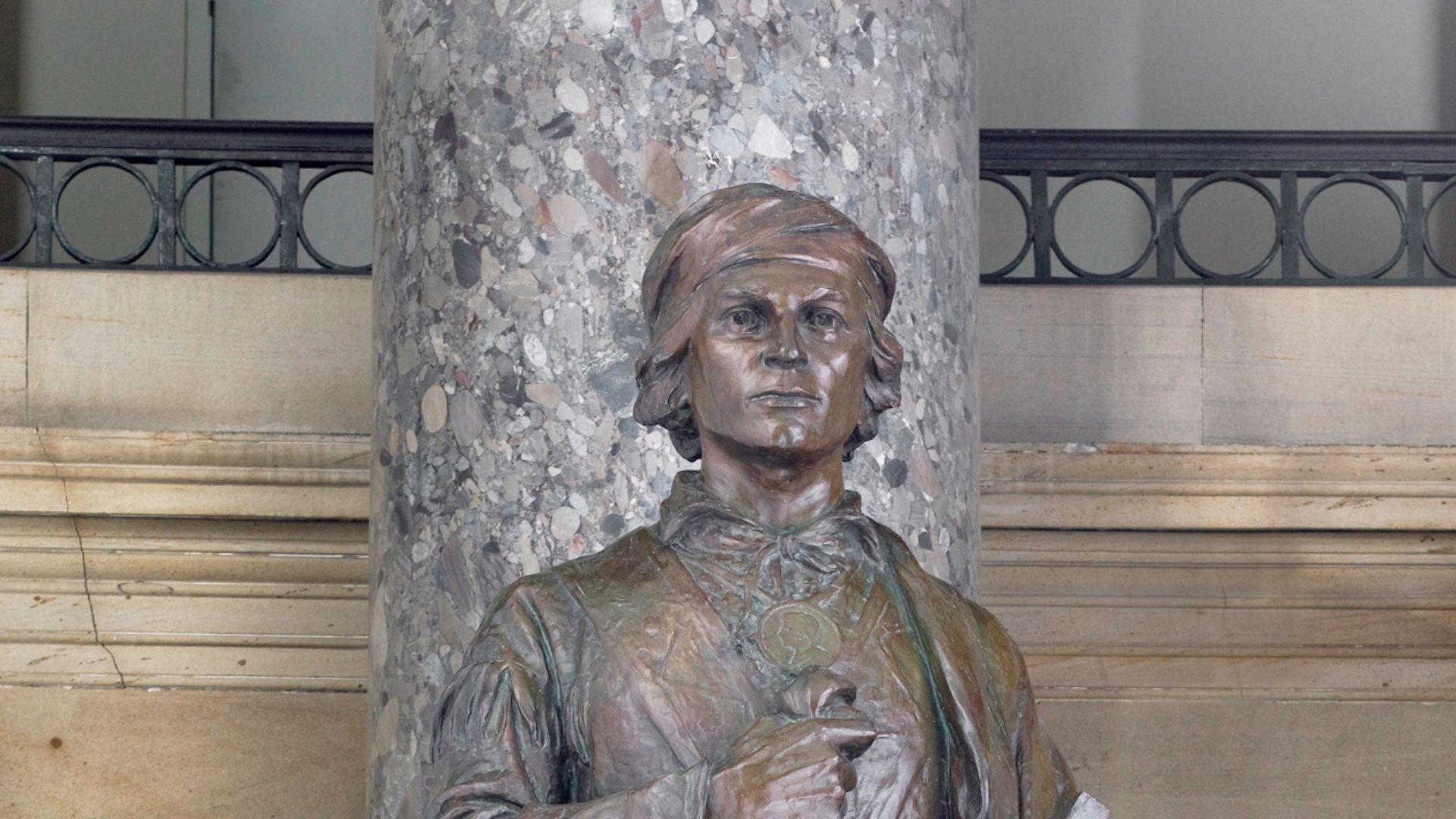
Most inventions make life more convenient. Sequoyah's invention helped protect a culture. That's a very different kind of achievement—and maybe an even more important one.
In a world obsessed with creating the next big thing, Sequoyah proved that preserving who we are can be one of the greatest achievements of all.
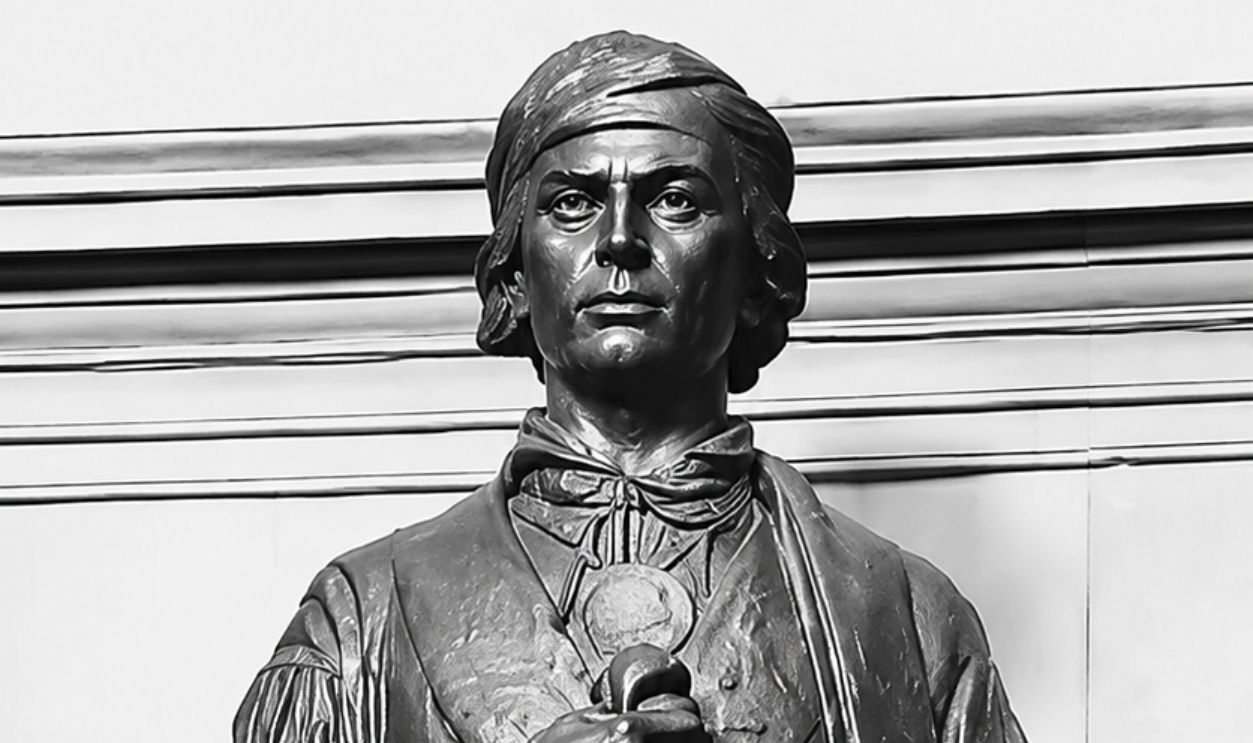 The Architect of the Capitol, Wikimedia Commons, Modified
You May Also Like:
The Native American Tribe Who Led The Most Impressive Retreat In History
Blackfoot Nation: The Most Aggressive Tribe in North America
Incredible Images Of The Most Feared Tribe In U.S. History