Something Changed At Dinner
For millions of years, early members of the human family apparently relied heavily on foods from trees and shrubs. Then the chemical signatures locked inside fossil teeth changed dramatically. Around 3.5 million years ago, some hominids began exploiting grasses, sedges and other savanna-linked foods, opening an ecological door that later humans would push much farther.
The Clues Were In Teeth
Scientists reconstructed these ancient diets using fossilized tooth enamel. Unlike a fossilized seed or butchered bone, enamel can preserve a chemical record of foods consumed while the tooth was developing. Researchers therefore weren't simply guessing what these ancestors ate from the shape of their jaws. They could examine a dietary signal millions of years old.

Carbon Tells A Story
The key evidence comes from carbon isotopes. Plants using different forms of photosynthesis incorporate carbon differently. Those chemical differences move through the food chain and eventually get incorporated into animal teeth. Measuring the ratio of carbon-13 to carbon-12 can therefore tell us the broad kinds of plants supporting an ancient animal's diet.
 Mauricio Antón, Wikimedia Commons
Two Different Menus
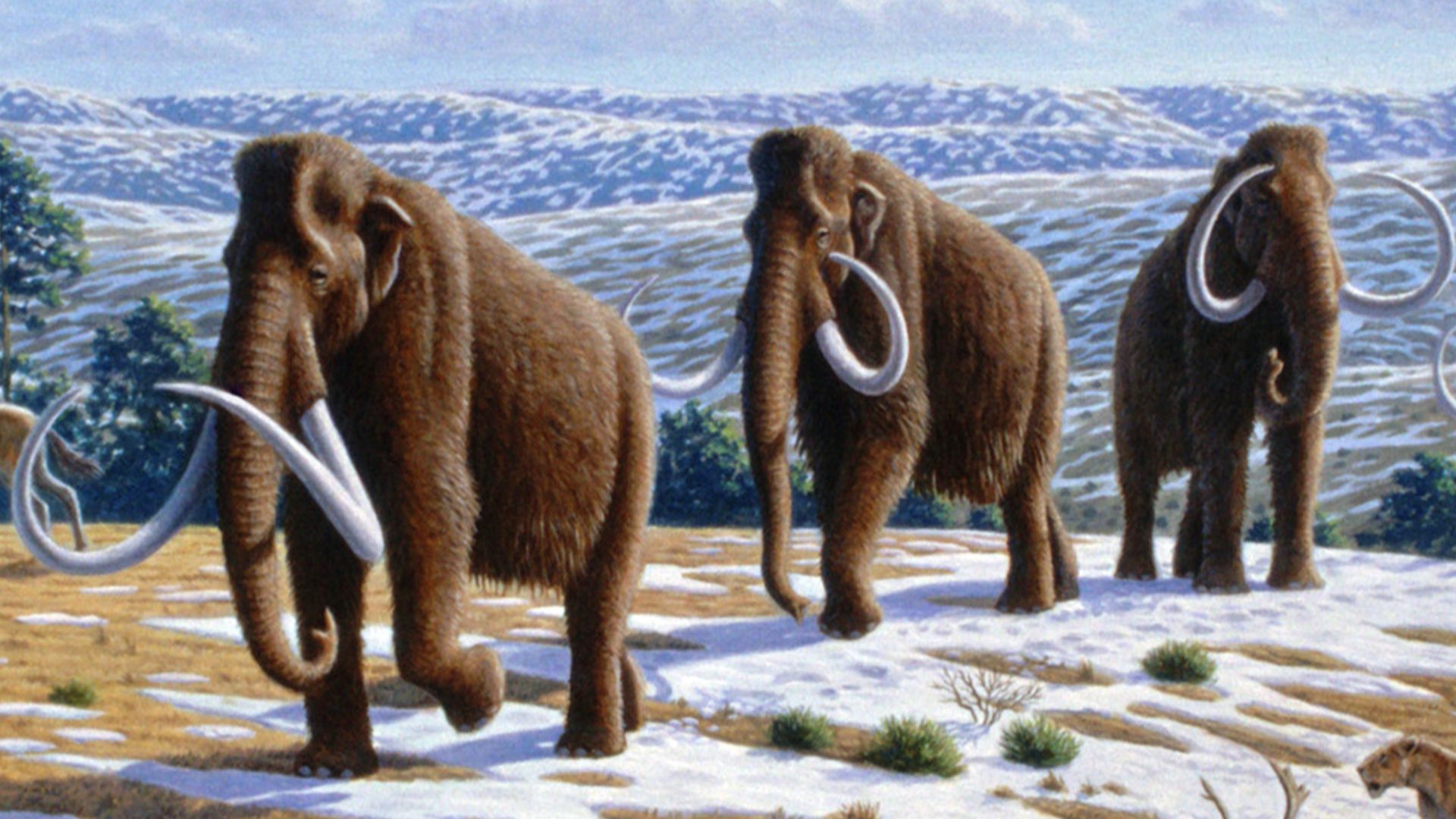
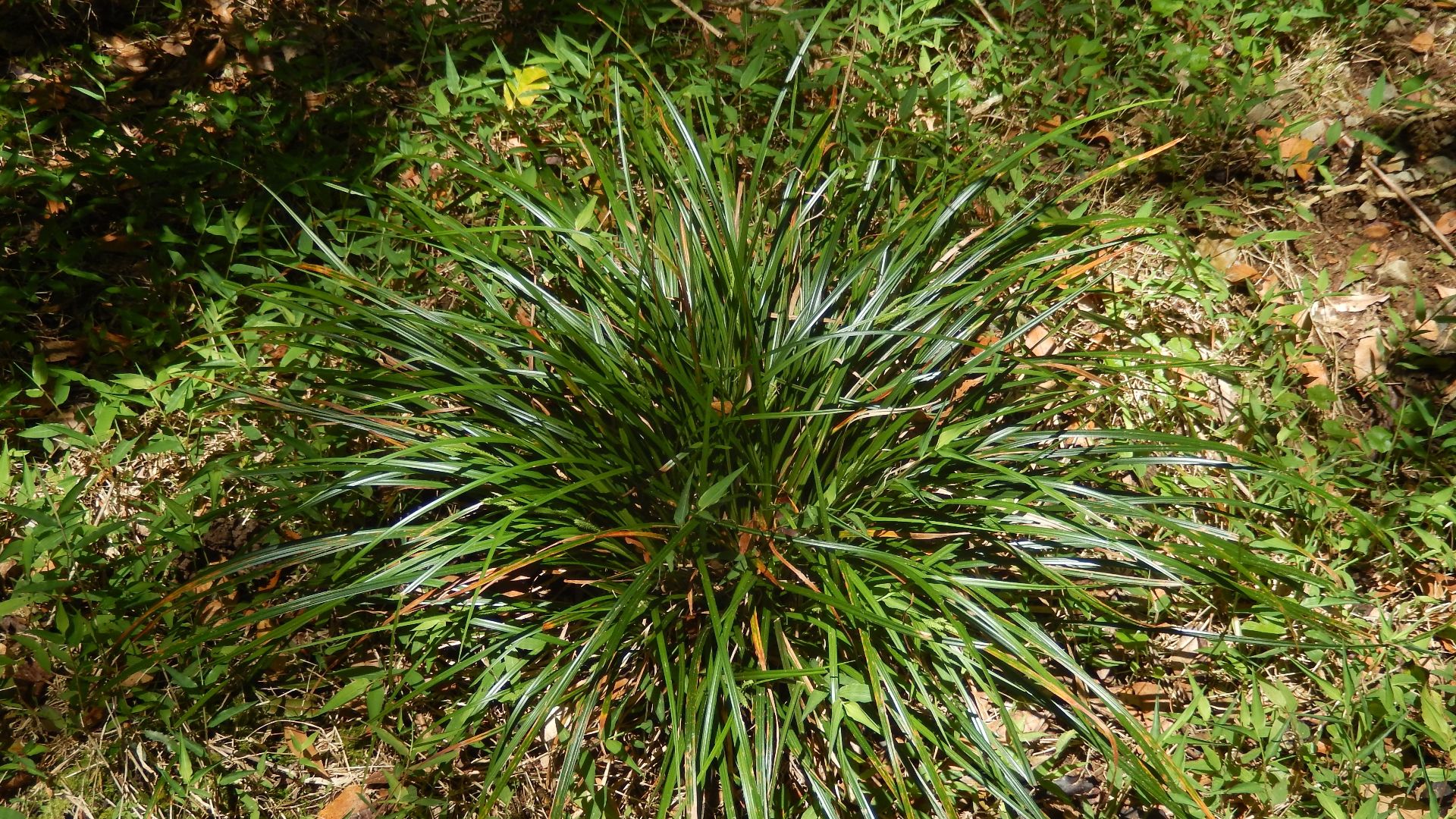
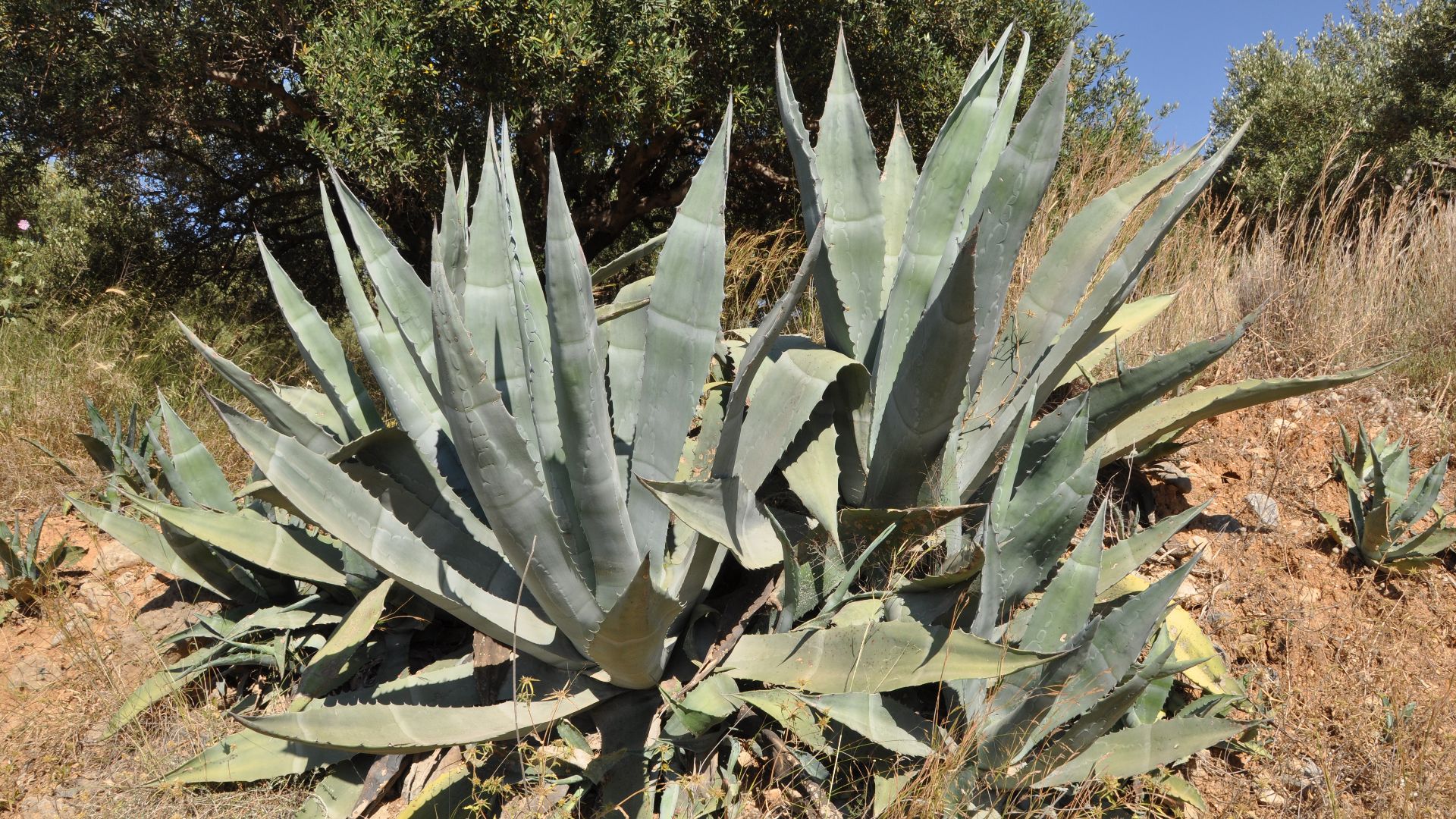
Researchers broadly distinguish between C3 and C4 resources. Trees, shrubs and many fruits are C3 plants. Tropical grasses and many sedges are C4 plants. CAM plants, including some succulents, can leave a similar enriched carbon signature. That distinction allowed scientists to detect a major change in the foods early hominids were exploiting.
 Poyt448, Peter Woodard, Wikimedia Commons
Earlier Ancestors Stayed Traditional
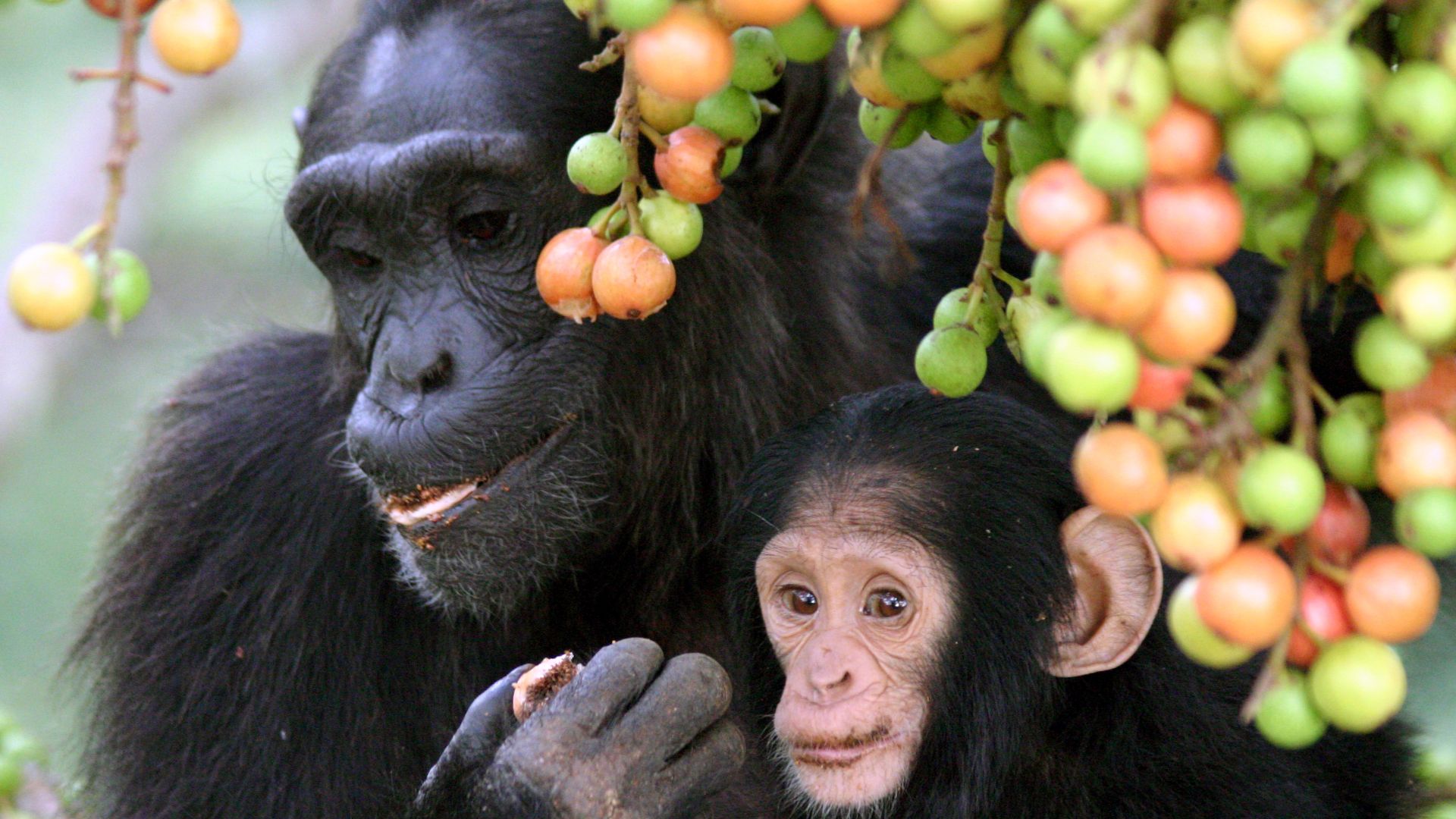
Before roughly four million years ago, the available isotopic evidence indicates that early hominids depended overwhelmingly on C3 resources. Their dietary pattern was therefore broadly comparable to modern chimpanzees, whose diets are dominated by fruits and other woodland foods. The surprising part is that grasses were already plentiful, yet hominids initially seem to have largely ignored them.
 Alain Houle (Harvard University), Wikimedia Commons
Australopithecus Anamensis Stayed C3
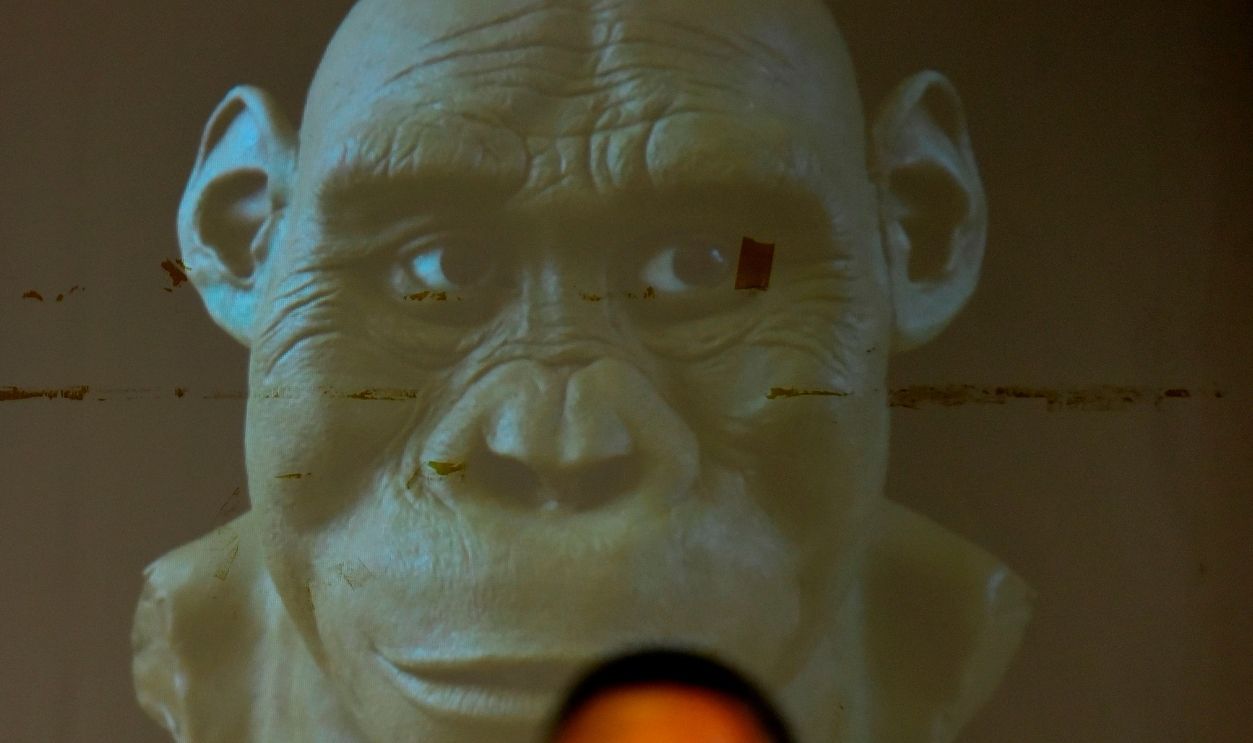
Australopithecus anamensis, which lived roughly 4.2 to 3.8 million years ago, illustrates the older pattern. Isotope studies of specimens from Kenya found that nearly all of its dietary carbon came from C3 resources. Its heavy enamel and strong jaws suggest dietary flexibility, but tropical grass-based foods apparently weren't yet a major part of its menu.
Then The Signal Changed
By approximately 3.5 million years ago, researchers began seeing something markedly different. Multiple hominid populations show increased carbon-13 values indicating significant consumption of C4 or CAM resources. The shift was important because these ancestors were exploiting food categories that earlier members of their lineage appear to have used far less extensively.
 Marc Ryckaert (MJJR), Wikimedia Commons
Lucy's Species Joined In
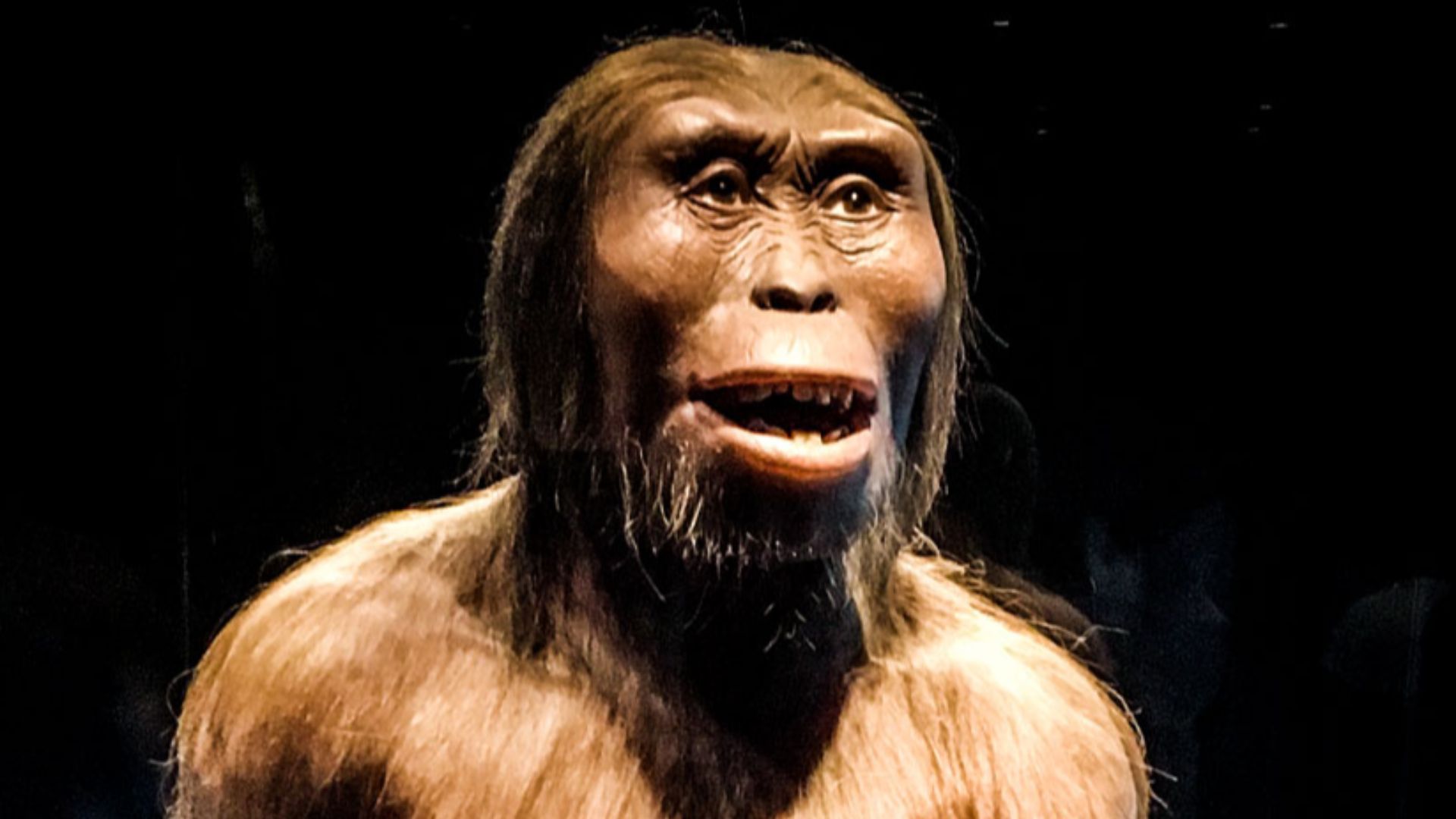
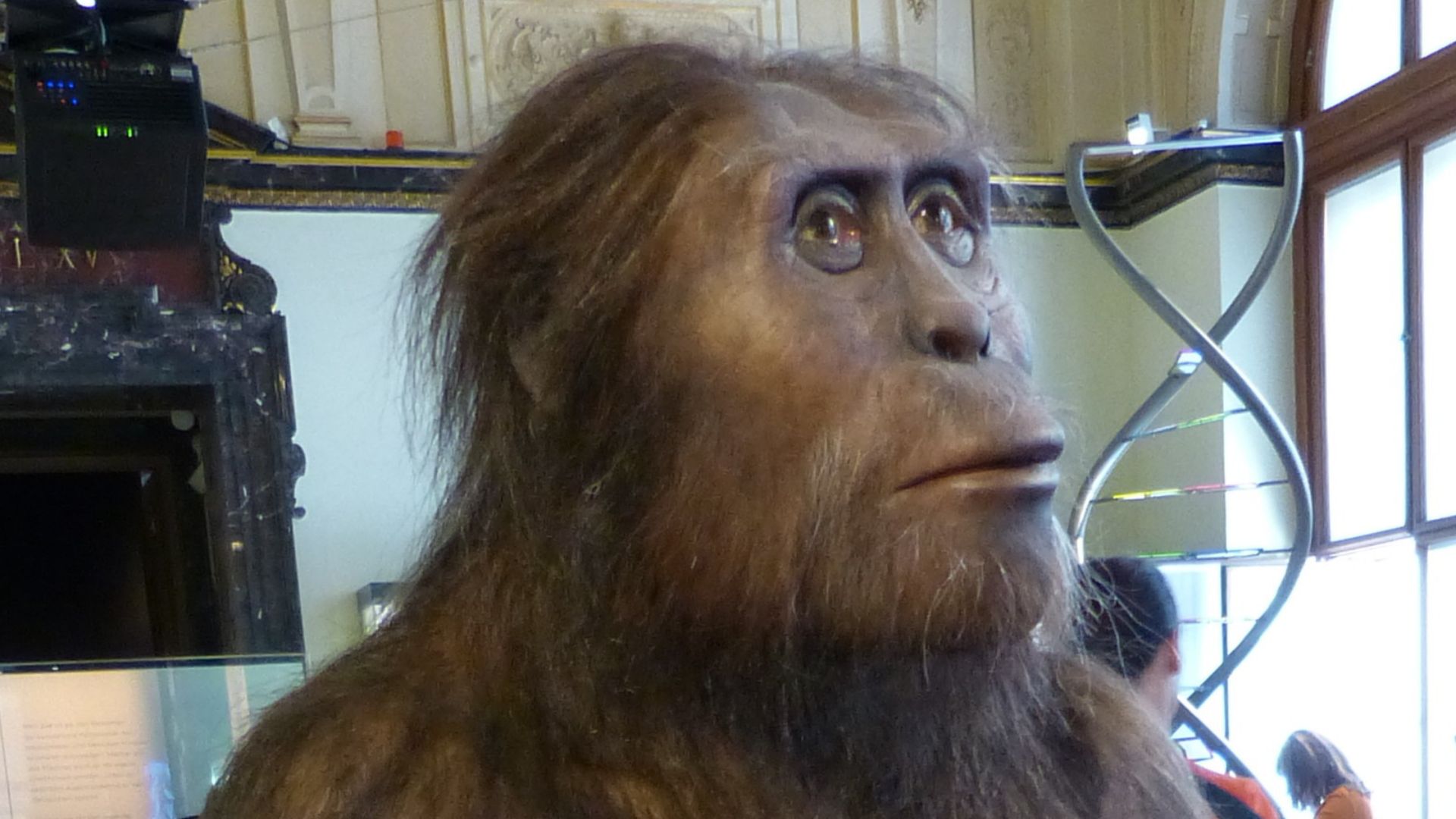
One of the key species was Australopithecus afarensis, the species to which the famous Lucy fossil belongs. Isotope evidence from Ethiopia shows that by around 3.4 million years ago, individuals were consuming substantial and highly variable quantities of C4/CAM resources, sharply contrasting with the predominantly C3 diet inferred for earlier Australopithecus anamensis.
 ErnestoLazaros, Wikimedia Commons
Their Diets Were Surprisingly Different
There wasn't one standard Australopithecus afarensis menu. Researchers found enormous variation among individuals. One 2013 analysis estimated an average C4 contribution around 22%, but individual values ranged from essentially none to roughly 69%. That variability may be as significant as the dietary shift itself, suggesting unusual flexibility in finding food.
 Wolfgang Sauber, Wikimedia Commons
Kenyanthropus Changed Too
Kenyanthropus platyops, another hominid species living around the same broad period, also showed remarkable dietary breadth. Individuals from the Turkana Basin ranged from diets based almost entirely on C3 foods to diets dominated by C4 resources. Different hominids were apparently experimenting with dramatically broader ecological possibilities at roughly the same time.

Grass Doesn't Necessarily Mean Grass
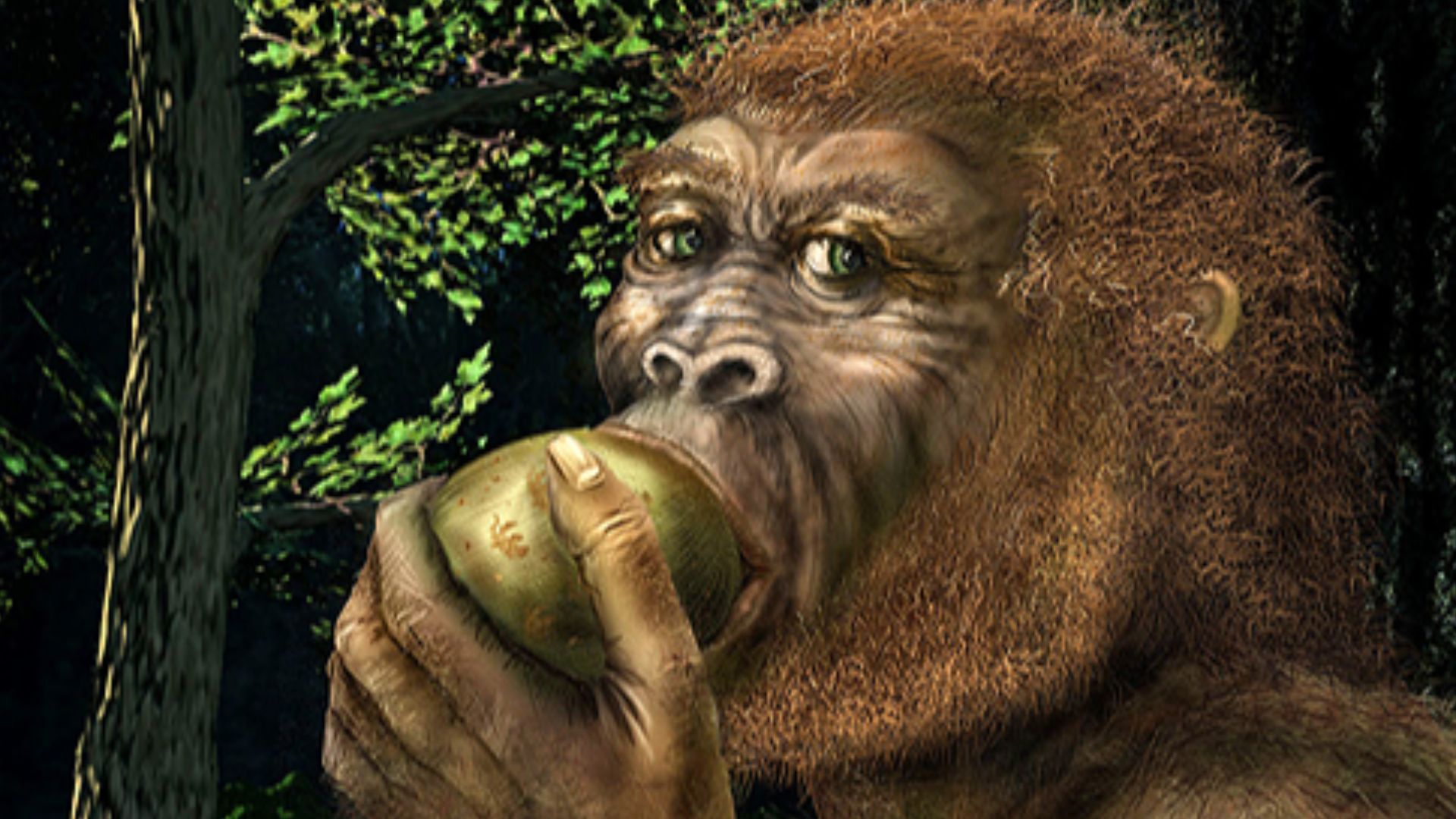
The isotope evidence comes with an important limitation. A C4 signature does not prove that a hominid sat down and chewed grass blades. Researchers cannot tell from the isotopes alone whether the food was grass seeds, stems, roots, sedges, underground storage organs, succulents or something else deriving its carbon from C4 plants.
 National Science Foundation, Wikimedia Commons
Meat Is Another Possibility
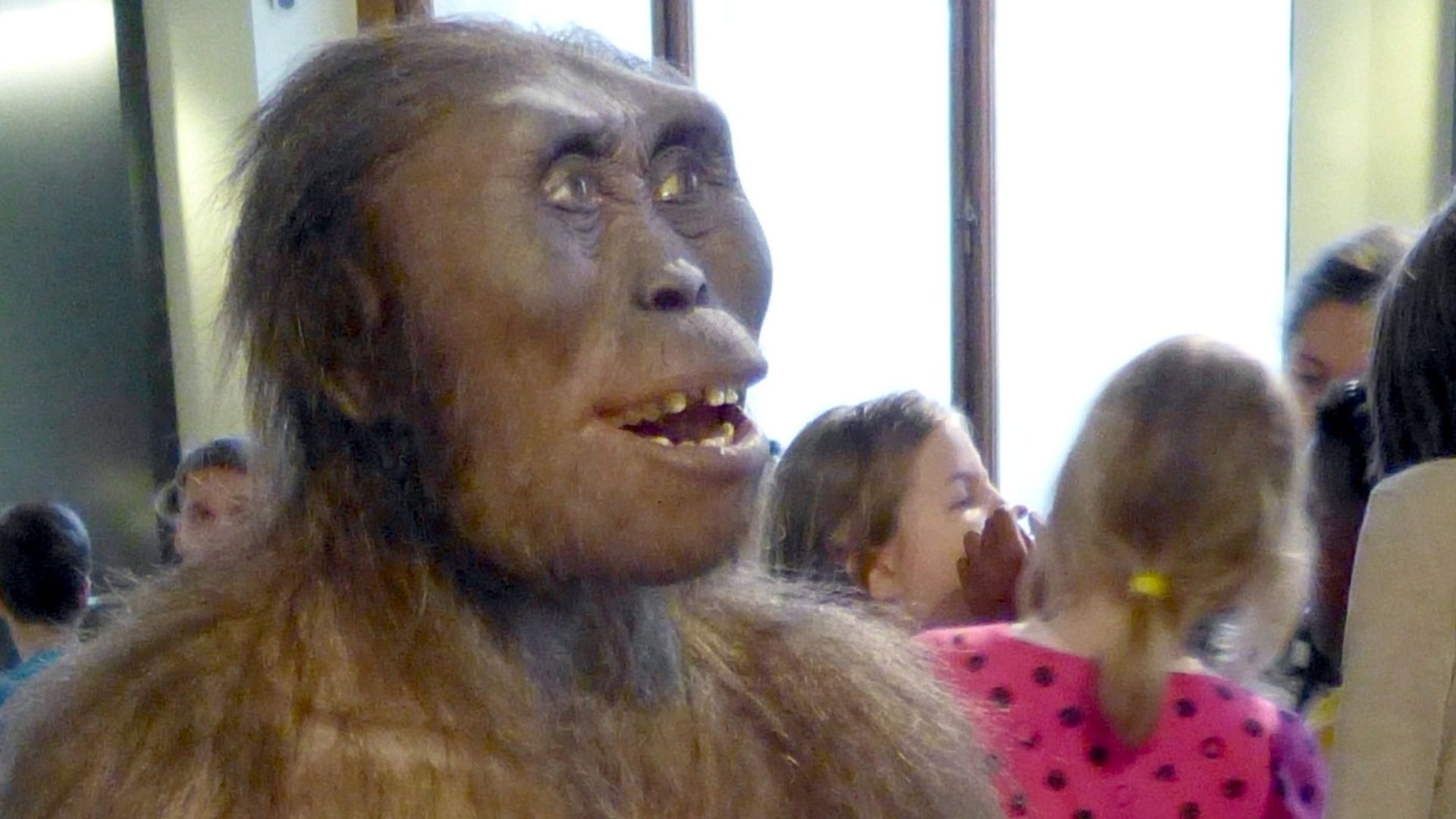
There's an even more intriguing possibility. Eating an animal that had been grazing on C4 grasses could transfer the same carbon signature to a hominid's teeth. Grass-eating insects could do the same. Consequently, the isotope results cannot establish that these 3.5-million-year-old hominids were eating significant amounts of meat. They simply leave the possibility open.
 Wolfgang Sauber, Wikimedia Commons
Meat Evidence Comes Later
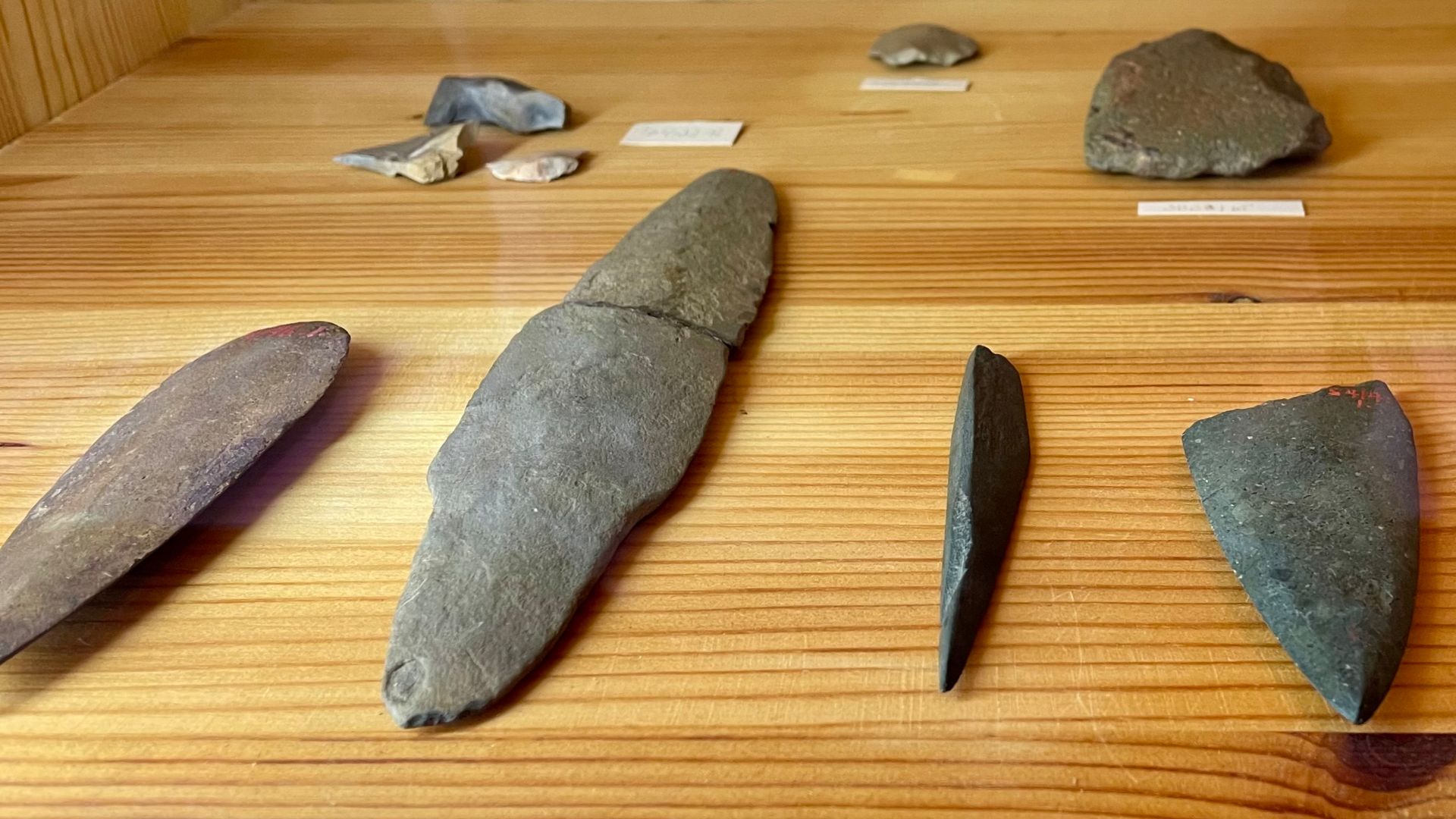
The strongest direct archaeological evidence for regular consumption of meat and marrow becomes much clearer later. Cut-marked animal bones and stone-tool evidence show that hominids were accessing large-animal tissues by at least around 2.6 million years ago. The earlier isotope change therefore shouldn't be presented as proof that meat suddenly transformed human evolution 3.5 million years ago.
 Limelightangel, Wikimedia Commons
The Savannah Wasn't New
Another mystery makes the change especially fascinating. Grassy savannas and woodlands had existed in eastern Africa long before hominins began showing strong C4 dietary signatures. Researchers therefore cannot simply say, "the forest disappeared, so they ate grass." Their ancestors apparently lived alongside these resources for hundreds of thousands of years without exploiting them heavily.
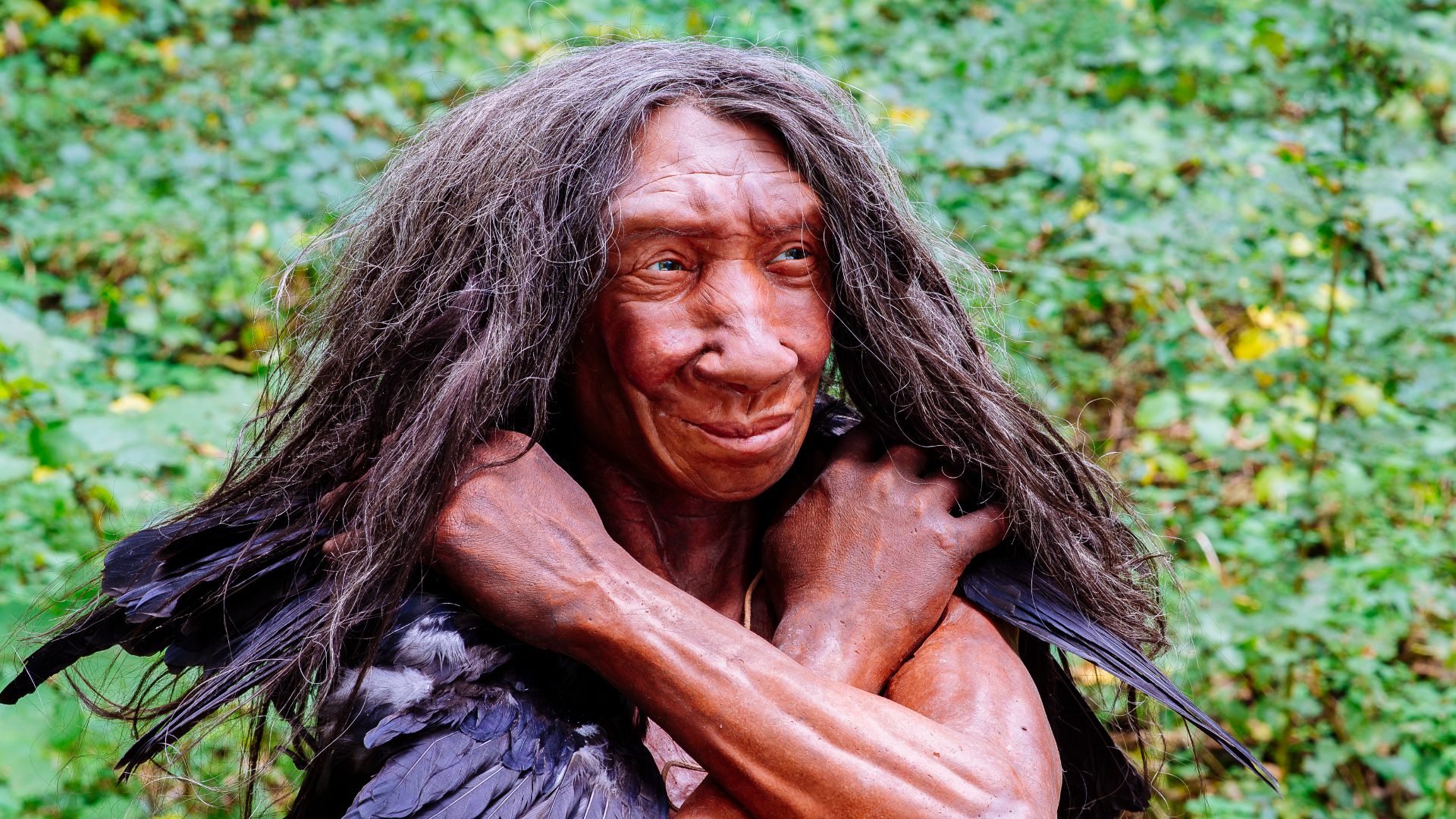 Neanderthal-Museum, Mettmann, Wikimedia Commons
Something About Behavior Changed
That raises an intriguing possibility: what changed may not simply have been the environment, but the hominids themselves. New foraging behaviors, different movement patterns, social learning or anatomical adaptations could have helped make previously neglected foods useful. Exactly which factor mattered most remains uncertain, but diet was becoming much more ecologically adventurous.
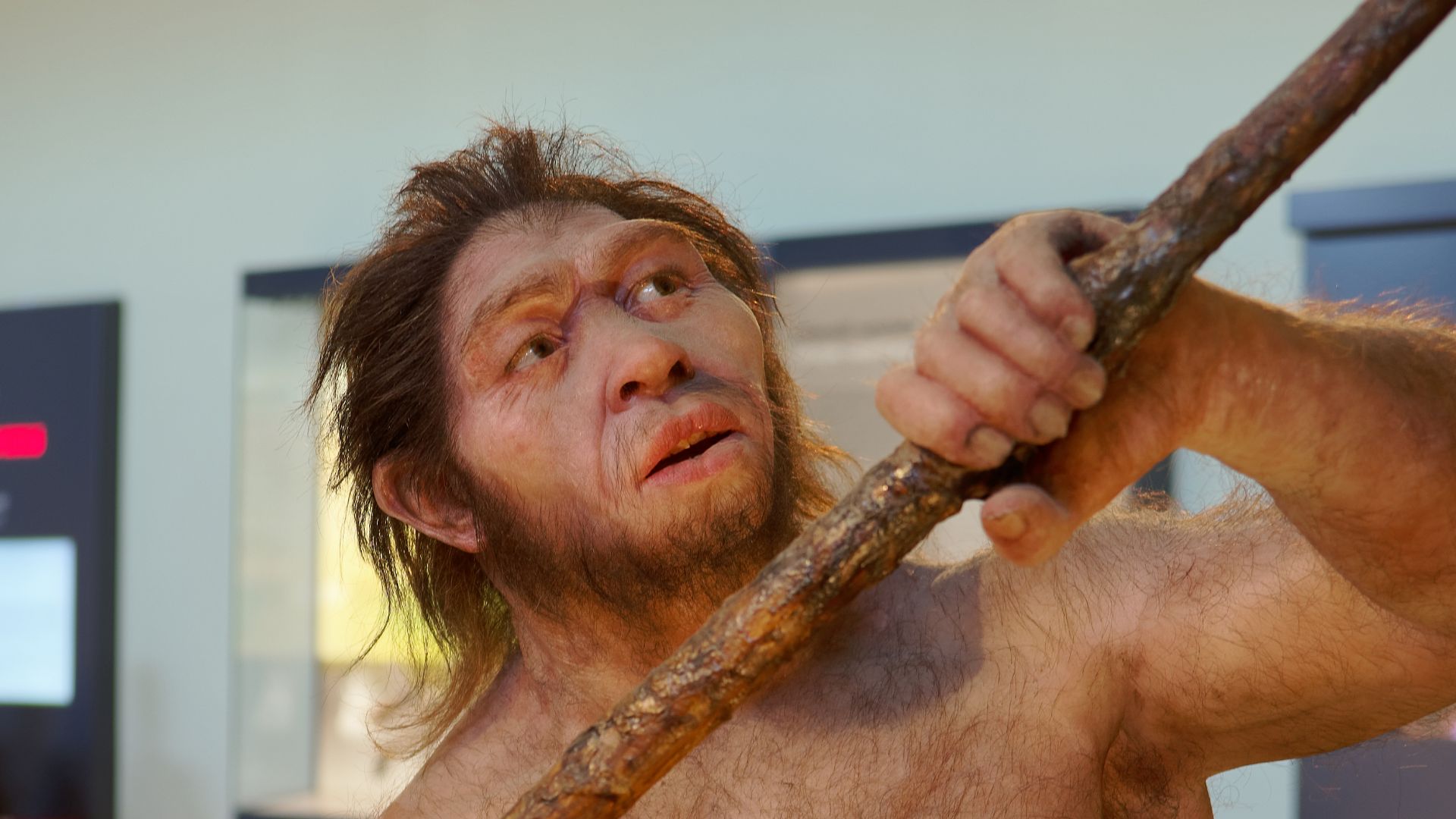 Jakub Hałun, Wikimedia Commons
Teeth Were Changing Too
The dietary transition occurred during a period when australopith teeth and jaws were also evolving. Researchers have examined whether larger cheek teeth and thicker enamel relate to increasingly varied or mechanically demanding foods. Later work found that C4 expansion accompanied broader evolutionary changes involving tougher foods and increasingly committed terrestrial bipedalism, although simple cause-and-effect remains difficult to prove.
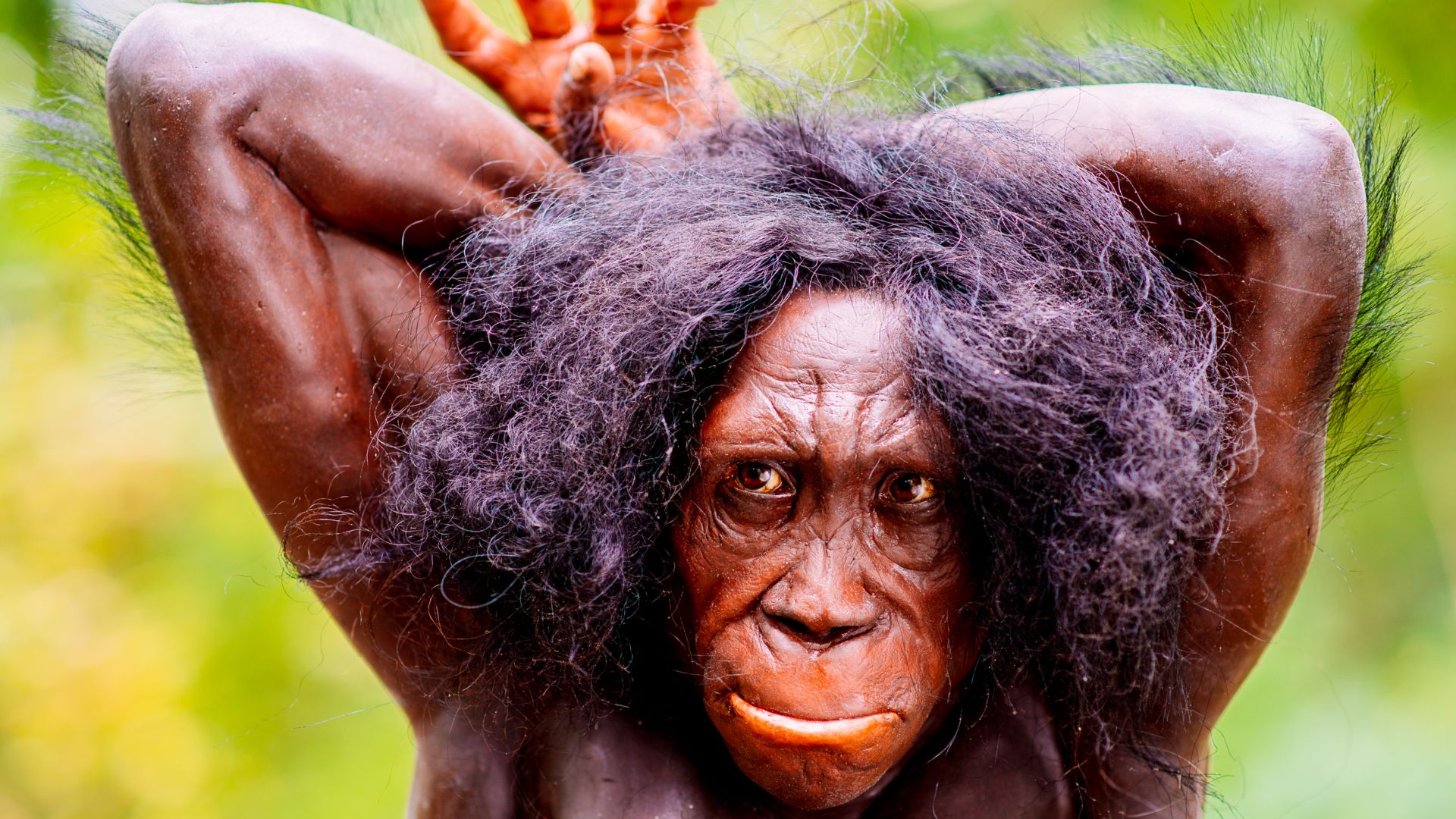 Neanderthal-Museum, Mettmann, Wikimedia Commons
It Opened New Territory
Dietary flexibility has an enormous evolutionary advantage: it can let a species survive in habitats where specialists struggle. By adding resources from open grassland environments to woodland foods, some hominids may have been able to exploit a wider range of African landscapes. Researchers have described this dietary expansion as an important ecological distinction between australopiths and today's great apes.
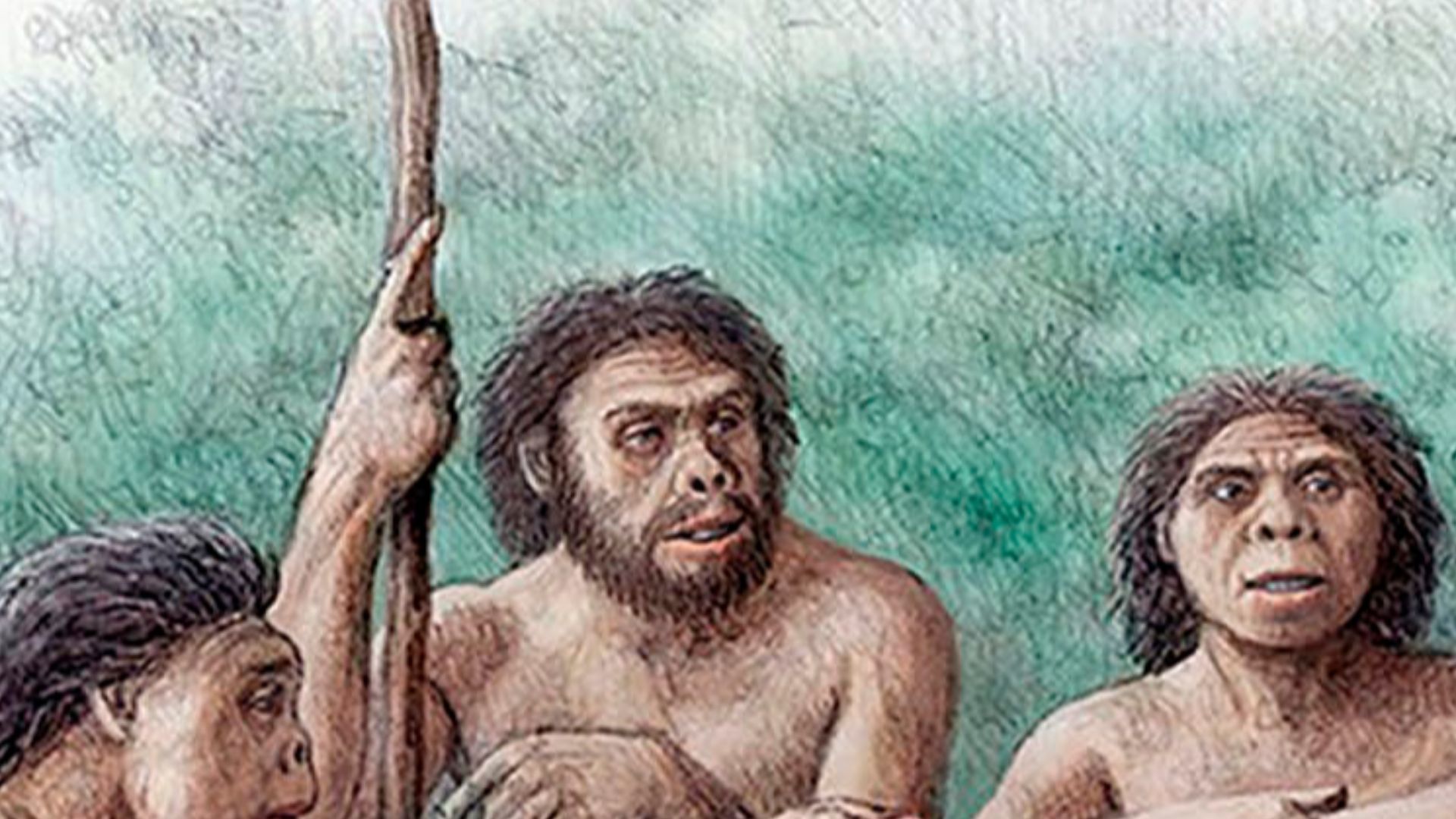 Mauricio Antón. Published by Bartolini-Lucenti, S et al., Wikimedia Commons
Evolution Didn't Choose One Menu
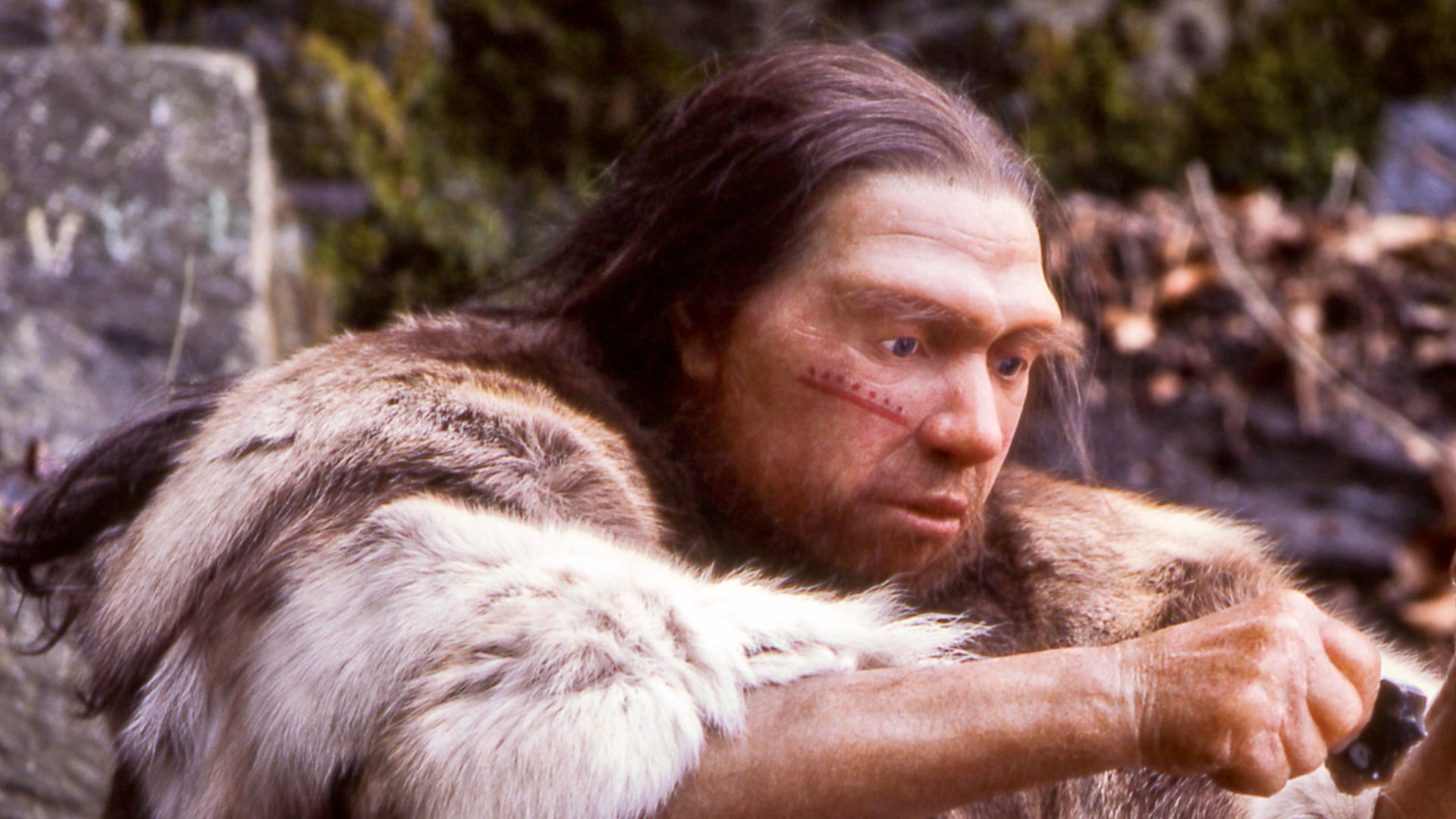
The most remarkable development came later. Early hominins did not all converge upon the same diet. Instead, different lineages increasingly occupied different dietary niches. Some remained extremely flexible, while others became much more specialized. The 3.5-million-year dietary expansion therefore seems less like one new menu than the beginning of multiple evolutionary experiments.
 Neanderthal-Museum, Mettmann, Wikimedia Commons
Paranthropus Went Its Own Way
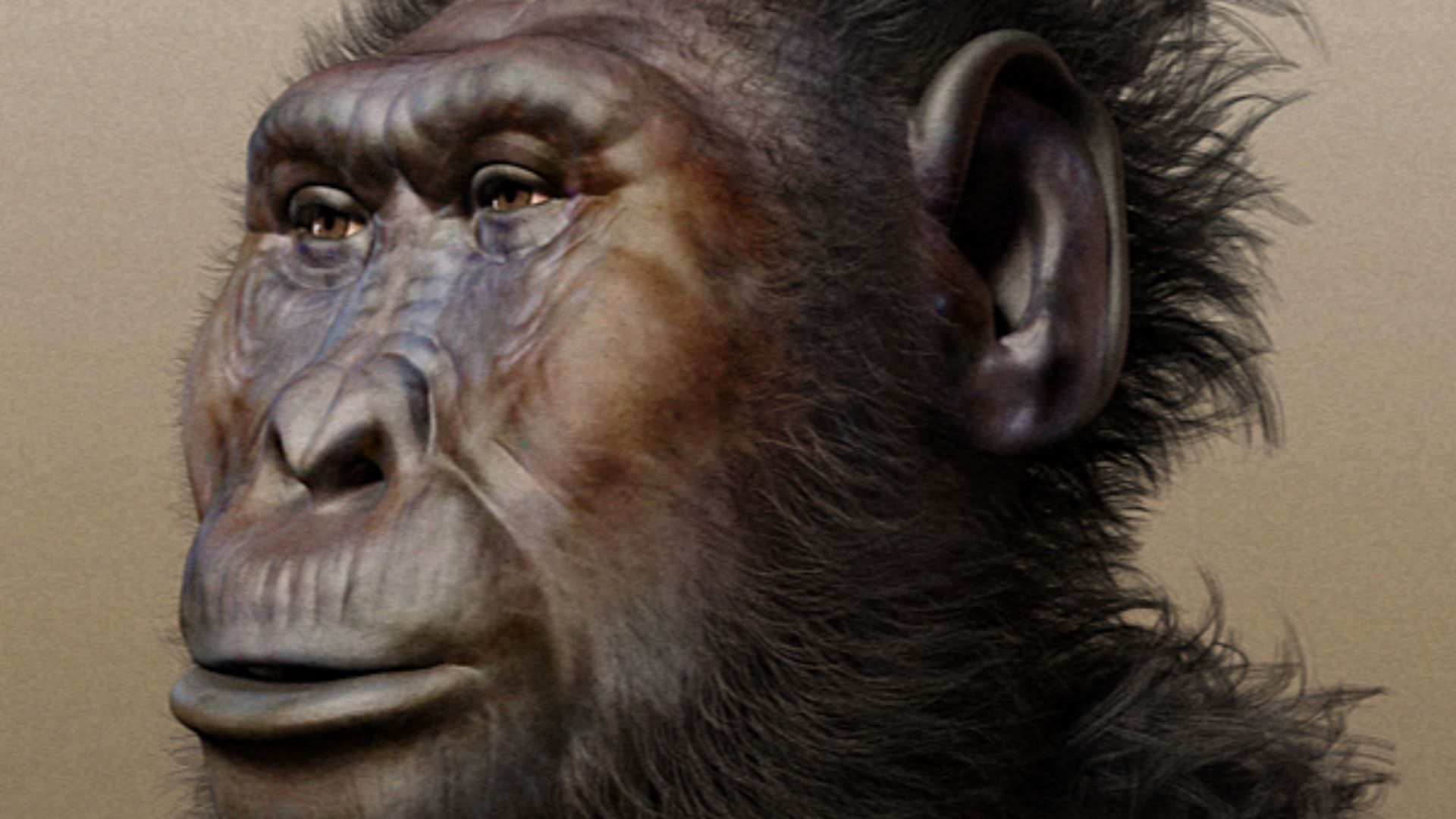
By around two million years ago, eastern African Paranthropus boisei had become extraordinarily dependent on C4-derived resources. Isotopic estimates suggest roughly three-quarters of its dietary carbon could come from that category. That was dramatically different from early Homo, even though the two lineages could inhabit the same general regions.
Homo Stayed More Flexible
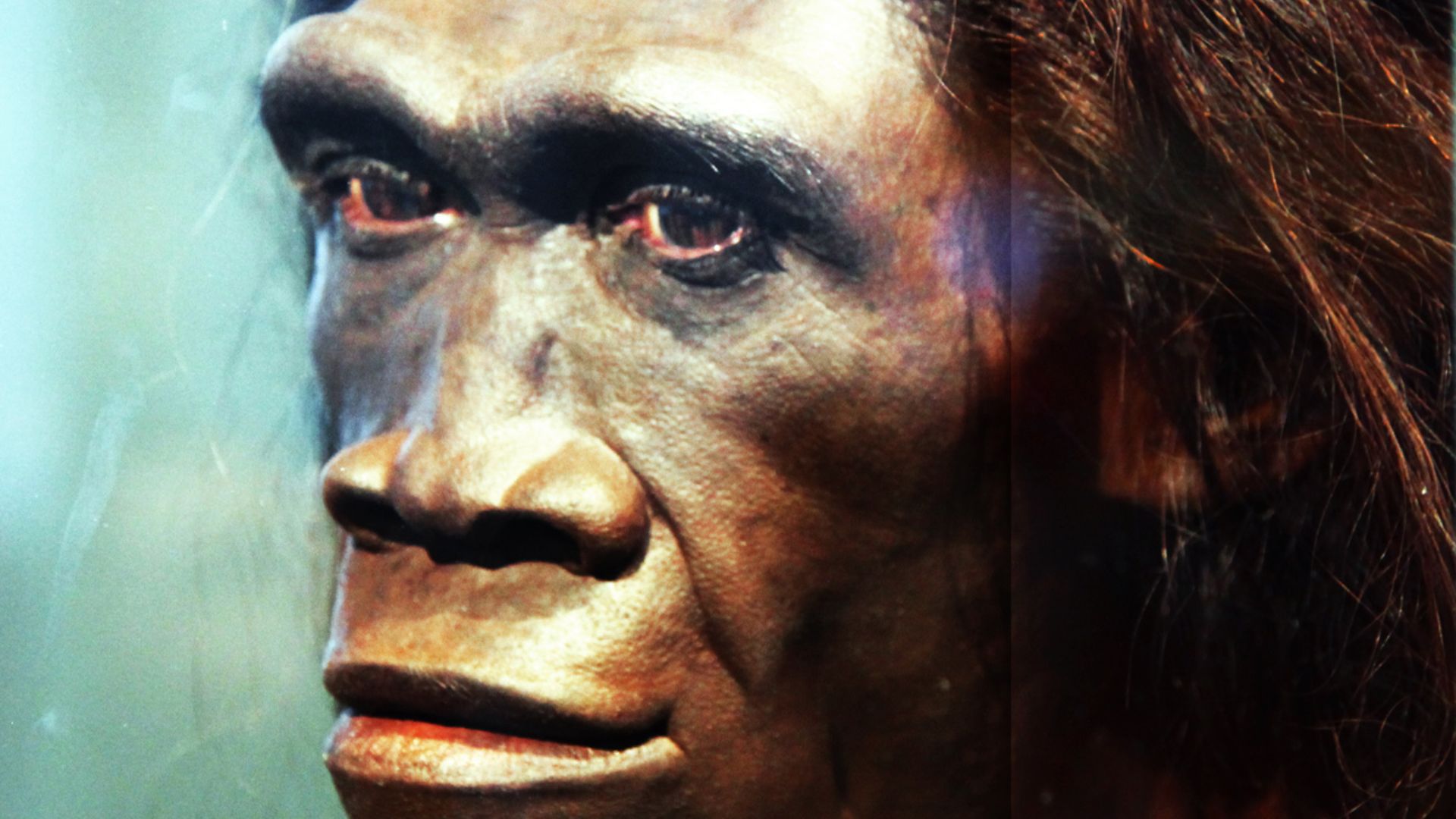
Early members of Homo in the Turkana Basin displayed a more mixed isotopic signature. Around two million years ago, researchers estimated roughly 65% of their dietary resources were C3 based and about 35% C4 based. Later Homo samples show greater C4 contributions, demonstrating that the human lineage continued changing its relationship with grassland food webs.
 Tim Evanson, Wikimedia Commons
Similar Bodies, Different Diets
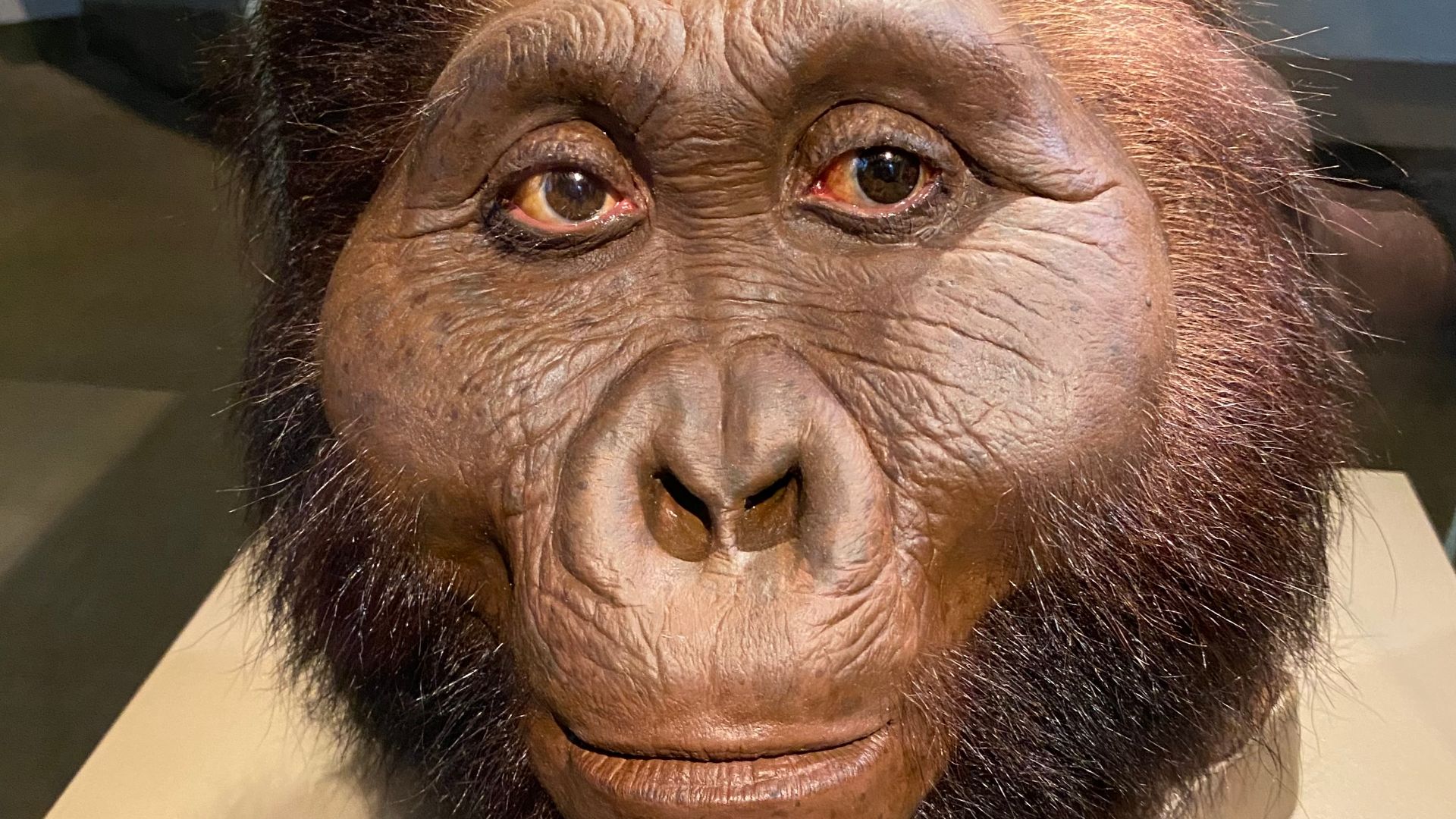
One surprise came from comparing Paranthropus boisei in eastern Africa with Paranthropus robustus in southern Africa. Their anatomy looked sufficiently similar that researchers expected broadly comparable diets. Isotope evidence instead revealed striking differences. Similar-looking hominids could evidently make very different ecological choices, warning scientists against reconstructing diet from anatomy alone.
 Ryan Schwark, Wikimedia Commons
Even Specialists Weren't Simple
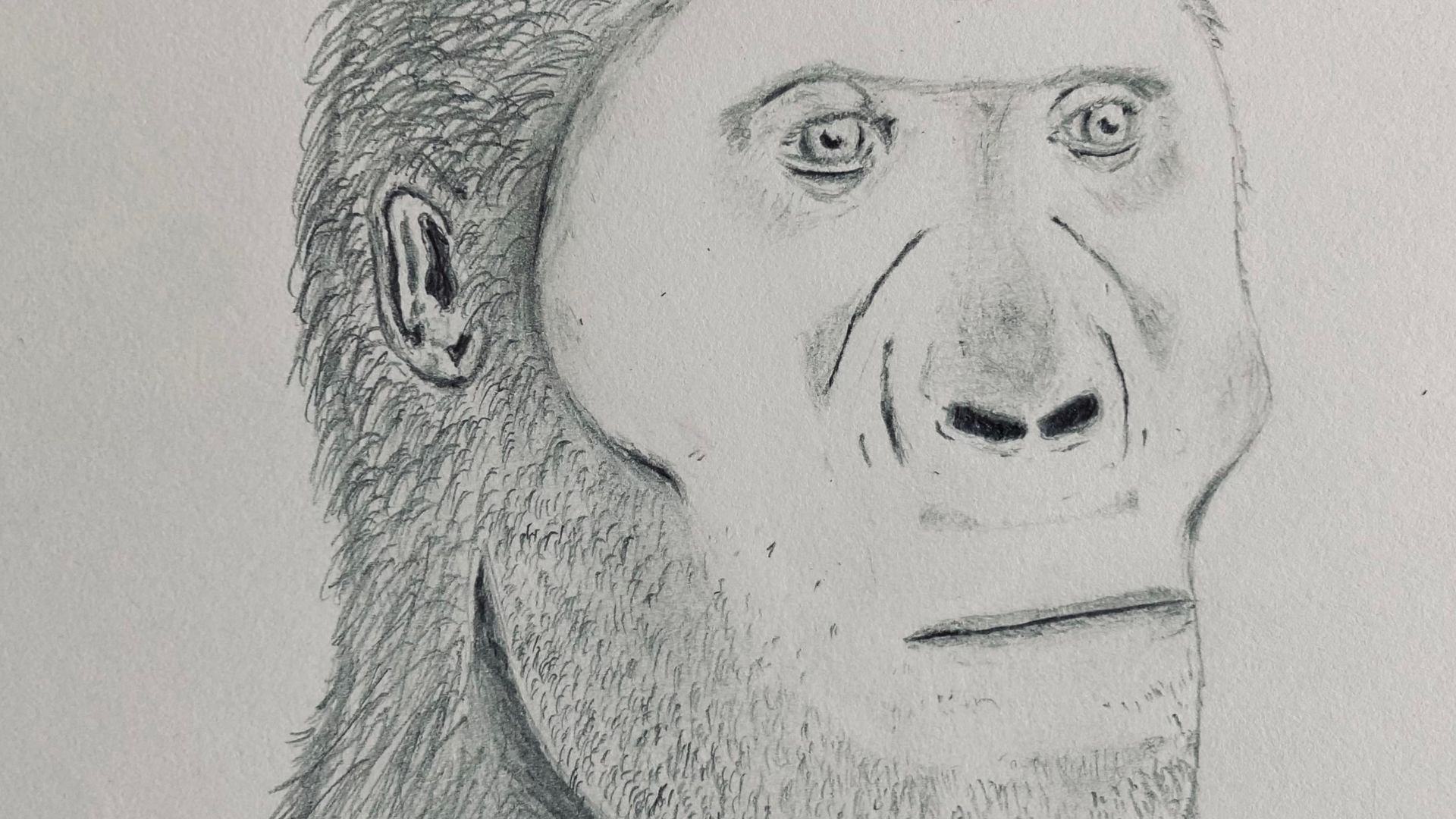
Further evidence complicated things again. Studies of Paranthropus robustus found that the diets of individual animals could change seasonally and from year to year. What had once appeared to be an obvious dietary specialist was showing substantial flexibility. Early human evolution, researchers discovered, couldn't be reduced to neat categories based only on jaw and tooth shape.
 Nikhil Iyengar, Wikimedia Commons
The Date Didn't Stay Fixed
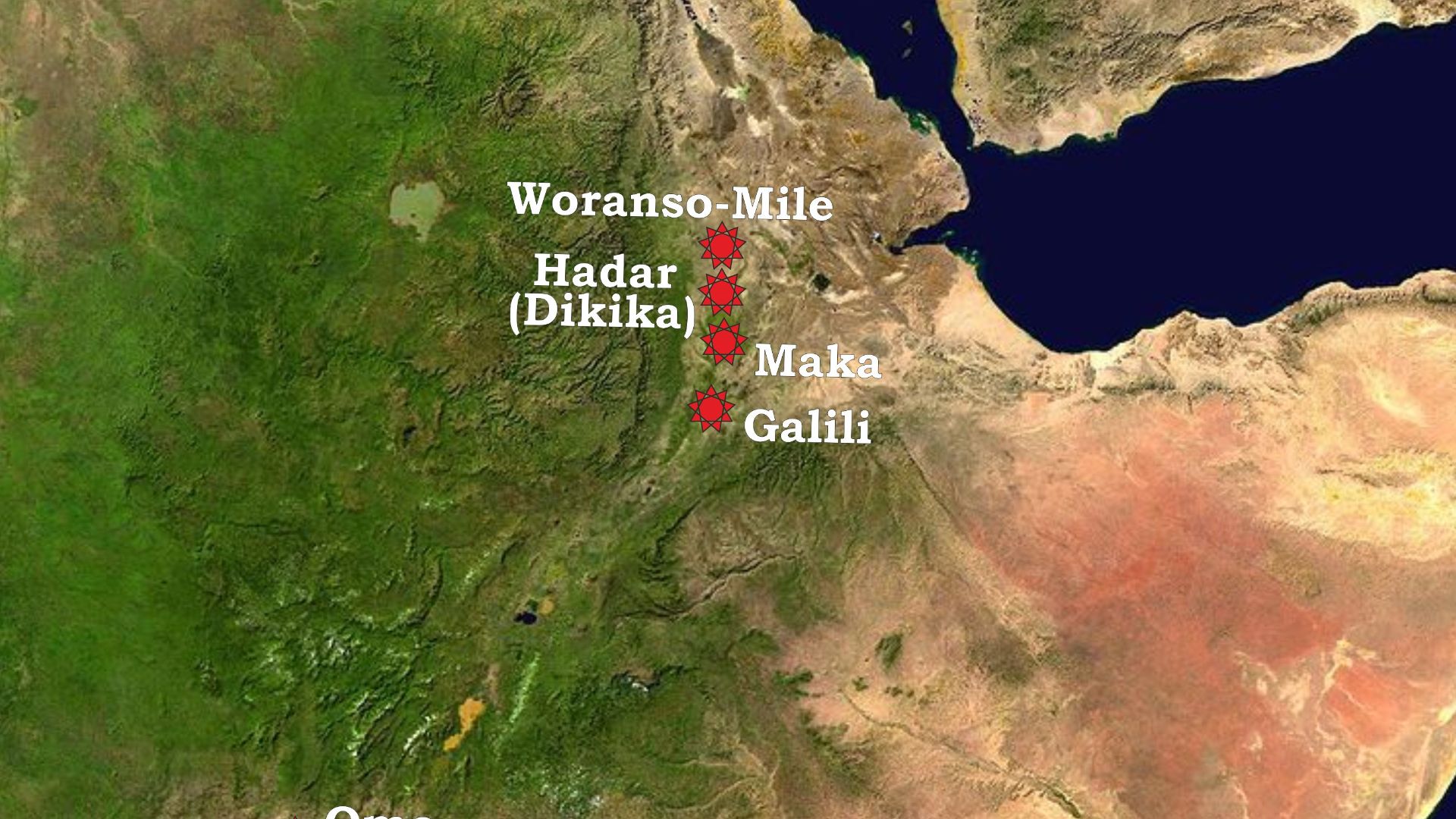
Science kept moving after the widely reported 2013 discoveries. Later isotope research from Woranso-Mille in Ethiopia found evidence that hominids were incorporating C4 foods as early as about 3.76 million years ago. That pushes the beginning of the dietary expansion somewhat earlier than the headline-grabbing 3.5-million-year estimate and shows why evolutionary timelines are still approximations.
It Wasn't About Bigger Brains Yet
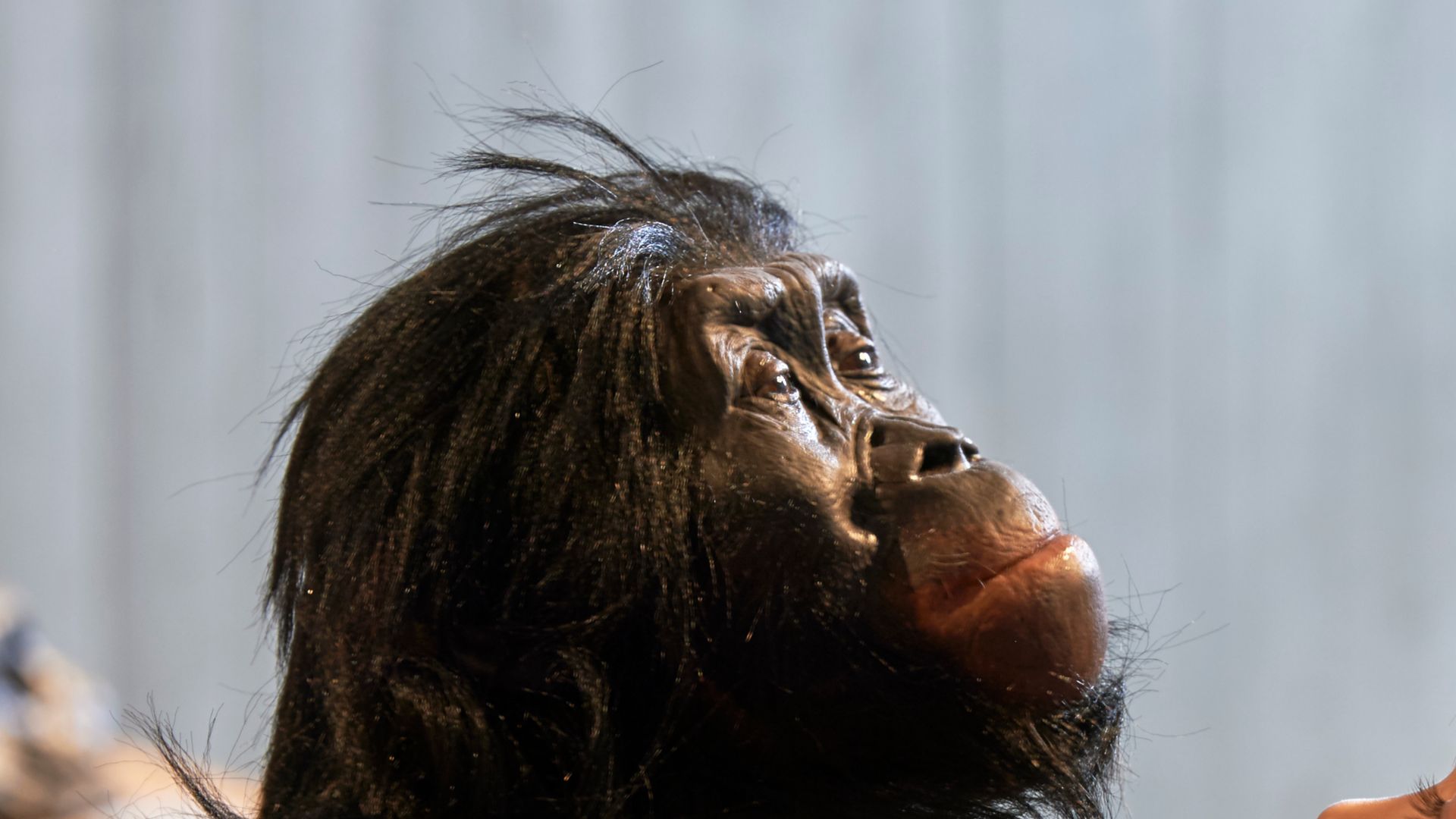
It's tempting to draw a straight line from eating new foods to bigger brains and eventually modern humans. But the evidence doesn't justify anything quite that simple. Australopithecus afarensis still had a relatively small brain. What changed dramatically was its ecological repertoire. Greater dietary flexibility created possibilities upon which later evolutionary developments could build.
 Neanderthal-Museum, Mettmann, Wikimedia Commons
The Menu Changed Our Story
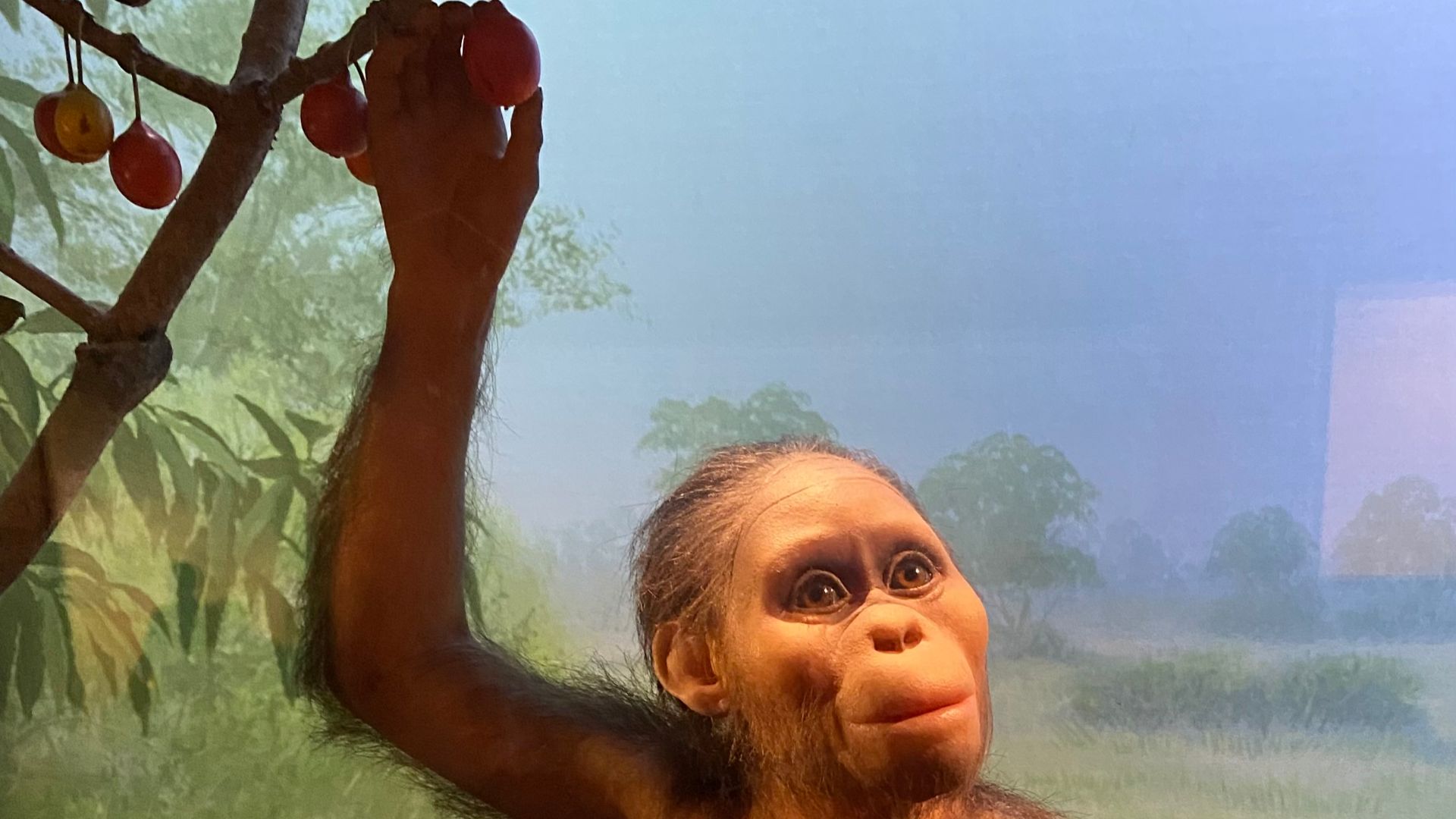
The real importance of the discovery isn't that scientists identified one magical food that "made us human." They found evidence for something subtler and arguably more important: our distant relatives began breaking an old primate dietary pattern. By exploiting foods their predecessors largely ignored, hominids widened their ecological world and started down evolutionary paths that eventually produced radically different ways of surviving.
 Ryan Schwark, Wikimedia Commons
You May Also Like: