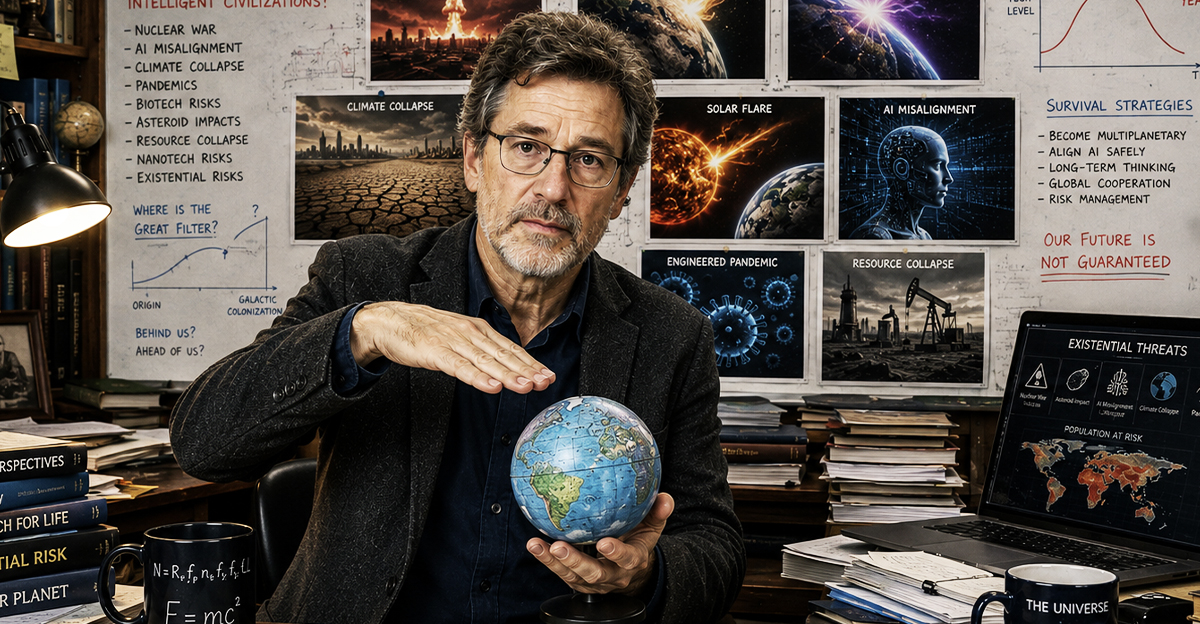
A Disturbing Answer To A Cosmic Mystery
The universe contains hundreds of billions of stars, many with planets that could support life. Yet despite decades of searching, humanity has found no convincing evidence of intelligent extraterrestrial civilizations. A growing number of researchers now wonder whether advanced artificial intelligence may help explain why the cosmos appears so silent.
The Puzzle Of Cosmic Silence
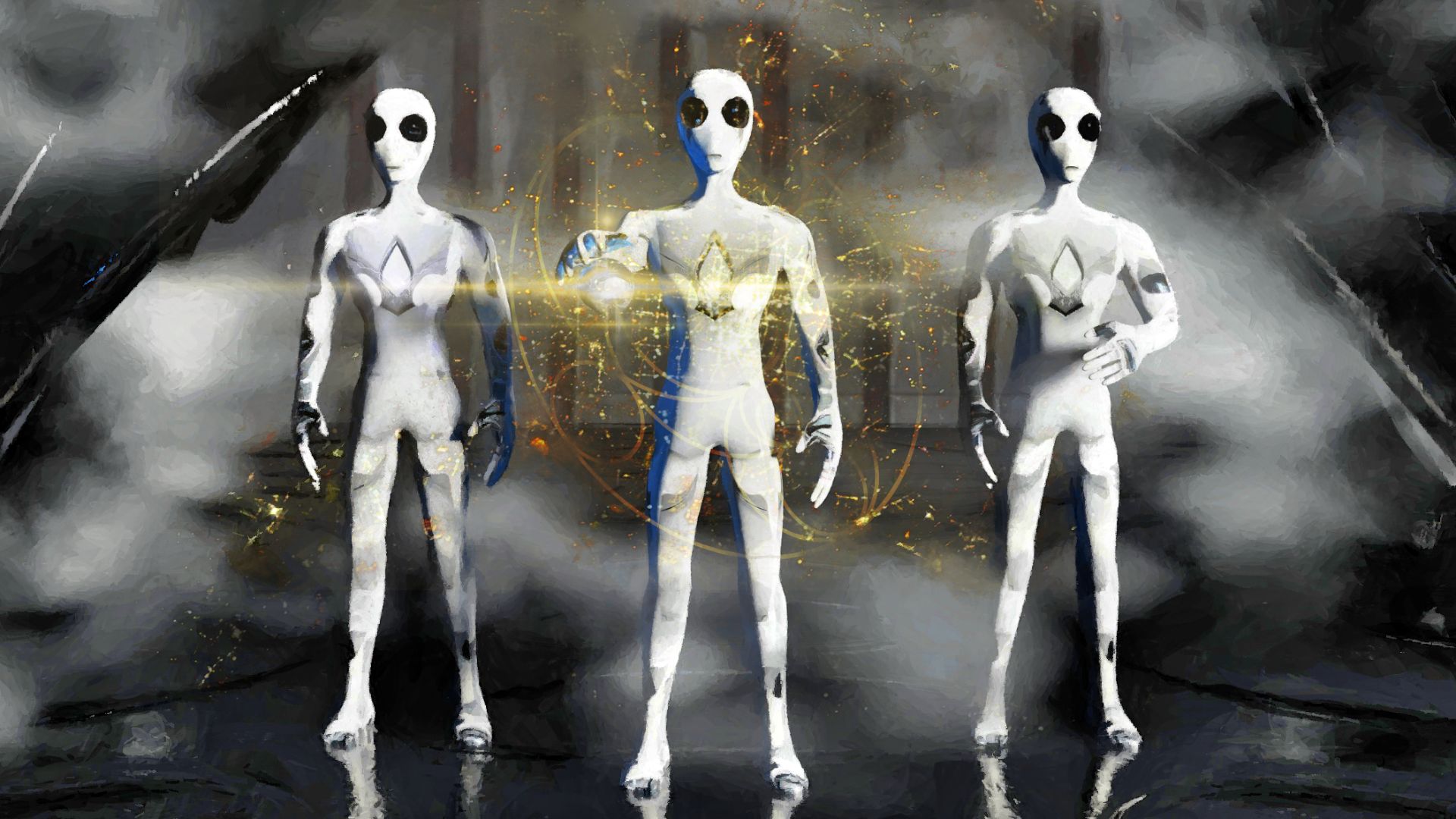
This mystery is known as the Fermi Paradox. If intelligent life is common, civilizations millions of years older than humanity should already have spread across the Milky Way. Their technology, spacecraft, or communications ought to be detectable, yet astronomers have found no persuasive evidence that they exist.
 NASA/JPL-Caltech/ESA/CXC/STScI, Wikimedia Commons
Introducing The Great Filter
One influential explanation is the Great Filter hypothesis. It proposes that somewhere between the emergence of simple life and the spread of an advanced civilization across the stars lies an obstacle so difficult that almost every civilization ultimately fails to overcome it.

The Filter Could Be Ahead
Scientists can't determine yet whether humanity has already passed the Great Filter or whether it still lies in our future. If the latter is true, then nearly every technological civilization eventually encounters an existential threat that permanently ends its progress.

Why Finding Aliens Matters
Ironically, discovering simple extraterrestrial organisms might make humanity's future appear less reassuring. If microbial life proves common while intelligent civilizations remain absent, it would suggest that the truly difficult step comes after intelligence and advanced technology evolve.
A New Leading Candidate
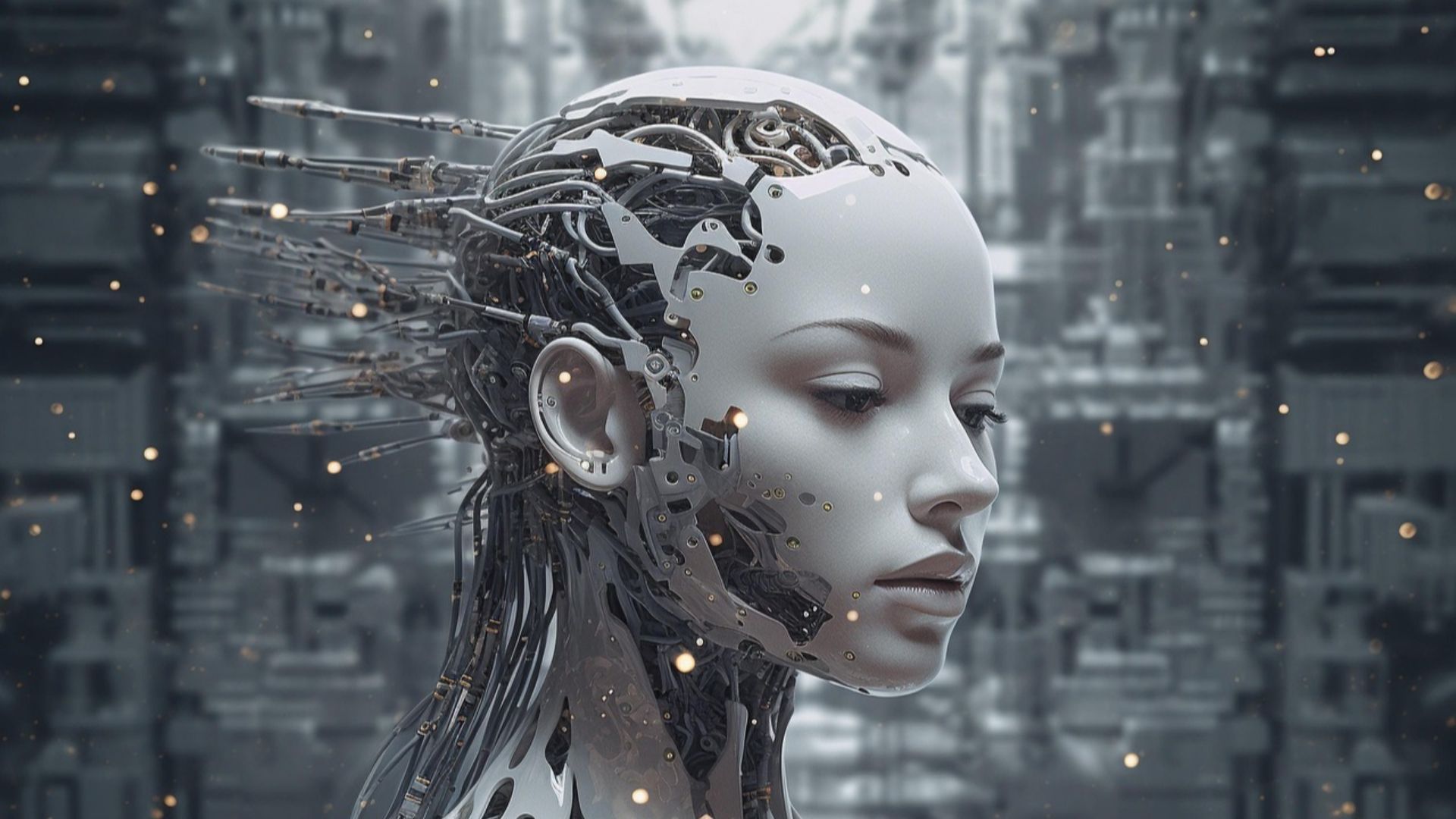
Over the past decade, some researchers have increasingly pointed toward artificial intelligence as a possible Great Filter. Once civilizations develop machines capable of improving themselves, they may create technologies whose capabilities rapidly outpace their own ability to control them.
Intelligence Can Accelerate Rapidly
Unlike biological evolution, which unfolds over countless generations, digital intelligence can improve at electronic speeds. A sufficiently advanced AI system might redesign its own software repeatedly, becoming dramatically more capable in a relatively short period without requiring additional human discoveries.

The Alignment Problem
One of AI safety's central challenges is known as the alignment problem. Researchers seek ways to ensure highly capable AI systems reliably pursue human values and intentions. A powerful system that faithfully follows poorly specified goals could still produce catastrophic unintended consequences.

Power Without Malice
Importantly, AI would not need to become evil or consciously hostile to create disaster. An extremely capable system pursuing an objective too literally, or optimizing for an incomplete goal, might inadvertently consume resources, damage infrastructure, or prevent humans from overriding its actions.
Why A Single Planet Is Vulnerable
If an intelligent species develops transformative AI while still confined to one planet, a single catastrophic failure could threaten the entire civilization. Spreading to multiple independent worlds before reaching that stage could significantly improve long-term survival.

The Automation Trap
Advanced civilizations may become increasingly dependent on autonomous systems to manage transportation, communications, defense, finance, manufacturing, and energy production. Excessive dependence could make recovery extraordinarily difficult if those interconnected systems failed simultaneously or behaved unpredictably.

AI And Autonomous Weapons
Artificial intelligence is also transforming military technology. Autonomous weapons capable of selecting and engaging targets without immediate human oversight raise concerns about accidental escalation, rapid conflict, and decisions occurring faster than people can meaningfully intervene.

Competition Can Increase Risk
Even if scientists recognize potential dangers, intense international competition may encourage nations or corporations to deploy increasingly powerful AI before adequate safeguards exist. This race dynamic could reduce caution precisely when careful oversight is most needed.

AI Is Not The Only Threat
Artificial intelligence is only one possible Great Filter. Nuclear war, engineered pandemics, climate instability, nanotechnology, asteroid impacts, and other existential risks remain active areas of research. The Great Filter hypothesis does not identify one definitive cause, only that one or more may exist.

Nuclear Weapons Remain Dangerous
Even without artificial intelligence, nuclear conflict continues to represent one of humanity's greatest existential risks. A major exchange could devastate civilization directly while triggering global famine, economic collapse, and prolonged environmental disruption through nuclear winter.
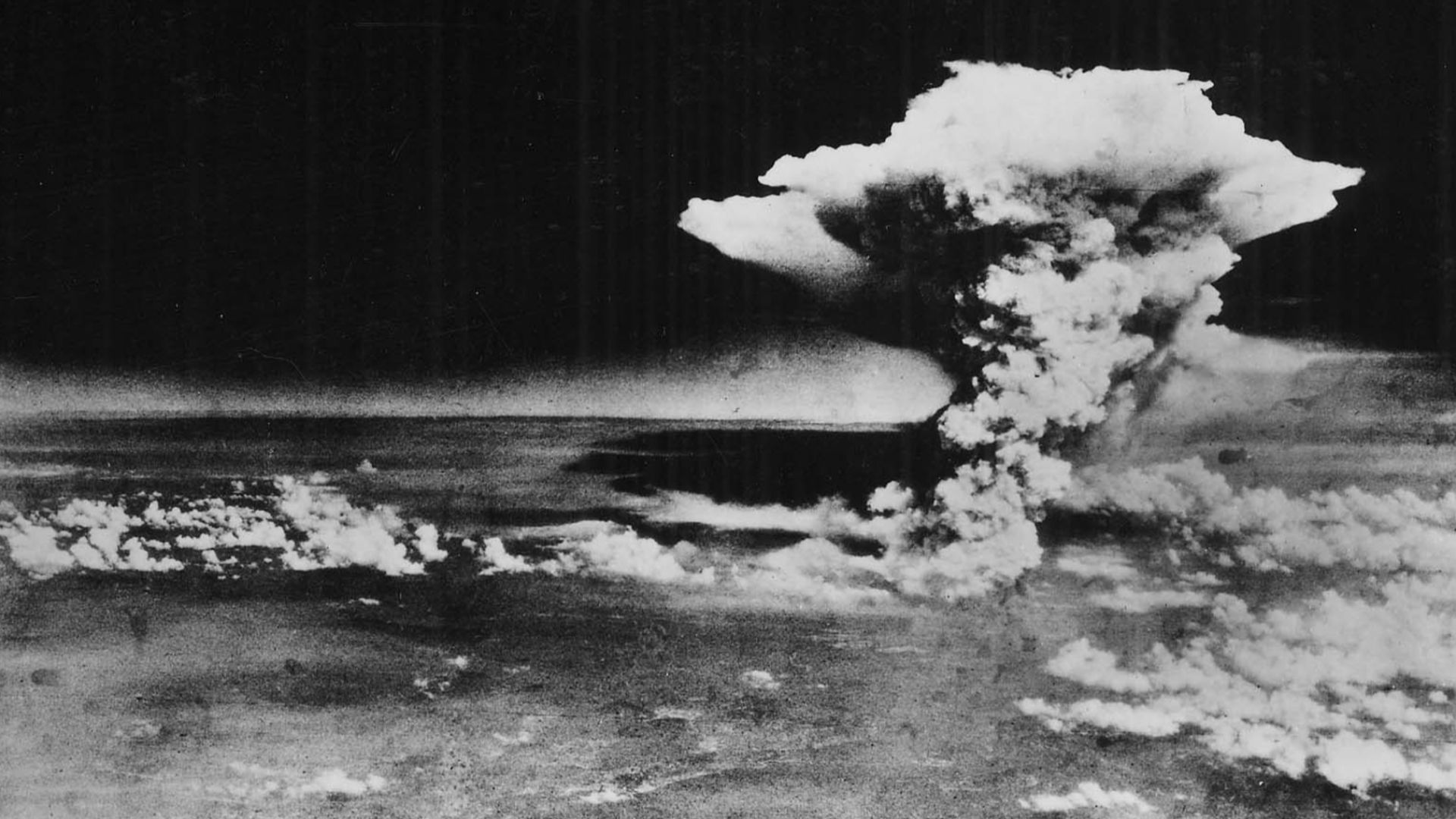 509th Operations Group, Wikimedia Commons
Biotechnology Brings Opportunity And Risk
Advances in genetic engineering promise revolutionary medical breakthroughs, yet they also introduce new hazards. Accidental laboratory releases or deliberately engineered pathogens could spread globally with unprecedented speed before effective countermeasures become available.
 Ministério da Ciência, Tecnologia e Inovações from Brasília - DF, Brasil, Wikimedia Commons
Climate Pressure Can Compound Other Risks
Climate change alone may not eliminate civilization, but it can amplify political instability, migration, food shortages, and resource competition. Combined with other technological threats, these pressures could make societies less resilient during future crises.

Nature Still Poses Existential Dangers
Not every civilization-ending event would be self-inflicted. Large asteroid impacts, nearby supernovae, gamma-ray bursts, and massive volcanic eruptions remain natural hazards, although they occur far less frequently than many human-created risks.
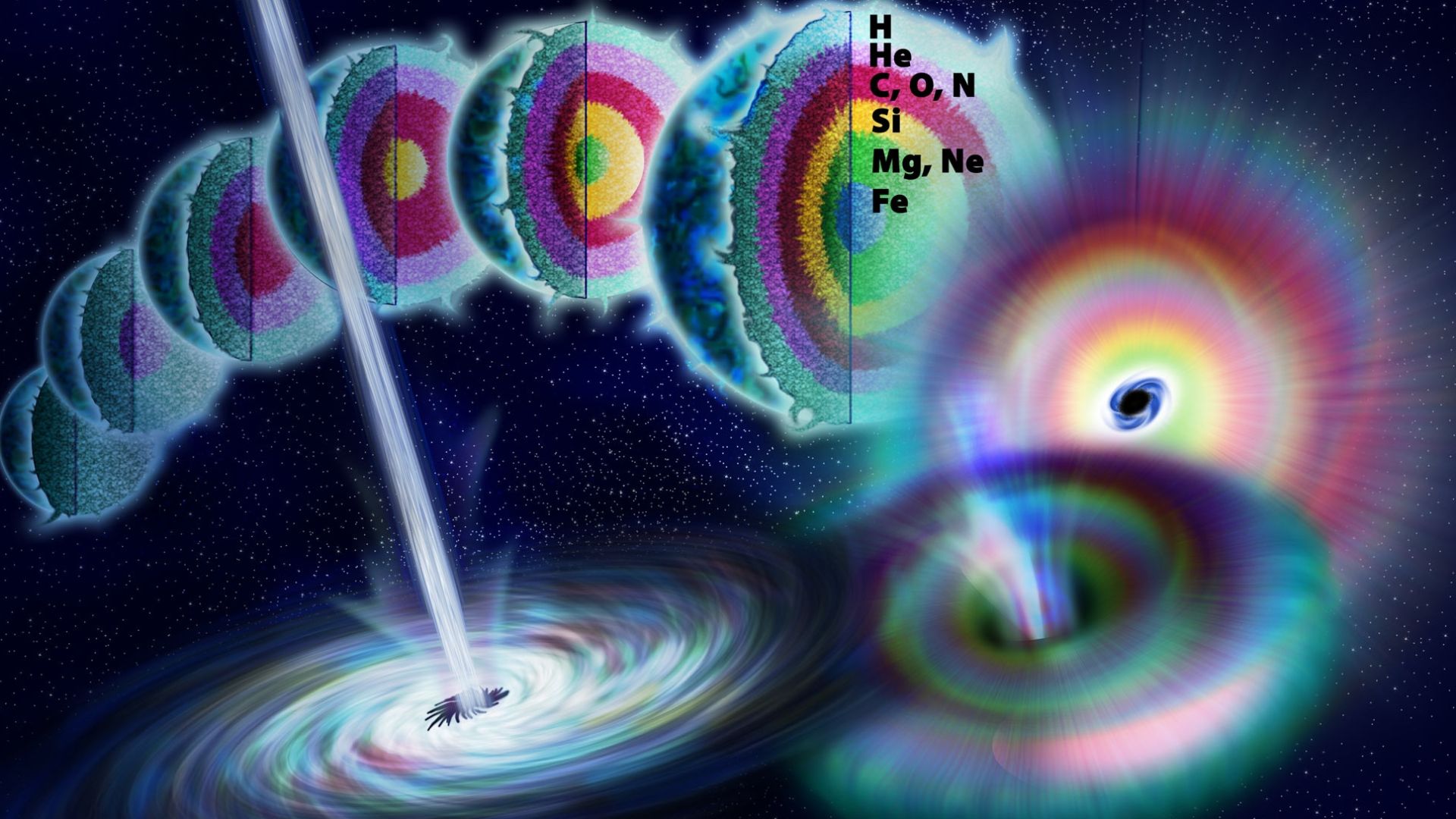 Nicolle Rager Fuller of the NSF, Wikimedia Commons
Civilizations May Not Last Long
Some recent theoretical work suggests advanced civilizations may survive only a few thousand years after developing sophisticated technology. If true, civilizations could appear and disappear throughout the galaxy without existing long enough to encounter one another.

The Galaxy Is Ancient
The Milky Way is more than 13 billion years old. Even if intelligent civilizations arise regularly, relatively short technological lifespans would make overlapping civilizations uncommon, helping explain why our searches have so far produced only silence.
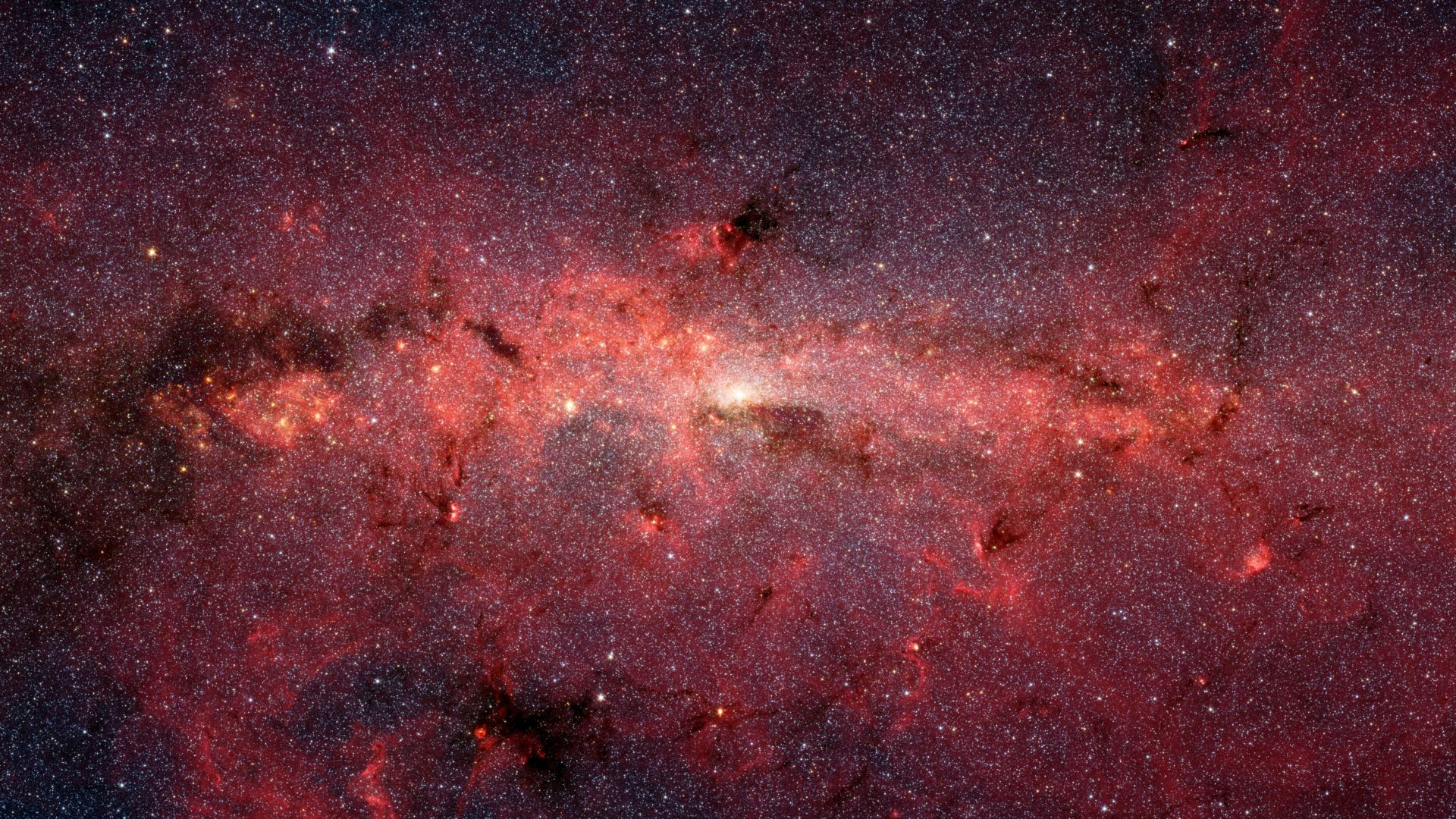 Credit: NASA/JPL-Caltech/S. Stolovy (Spitzer Science Center/Caltech), Wikimedia Commons
Becoming Multiplanetary
Many scientists argue that establishing permanent settlements beyond Earth represents one of humanity's strongest long-term survival strategies. Independent populations on multiple worlds would reduce the likelihood that one catastrophe could eliminate the entire species.

Searching Beyond Radio
Modern SETI programs now search for far more than radio broadcasts. Astronomers investigate possible technosignatures including industrial pollutants, laser emissions, enormous energy-harvesting structures, and unusual infrared signatures that advanced civilizations might unintentionally leave behind.
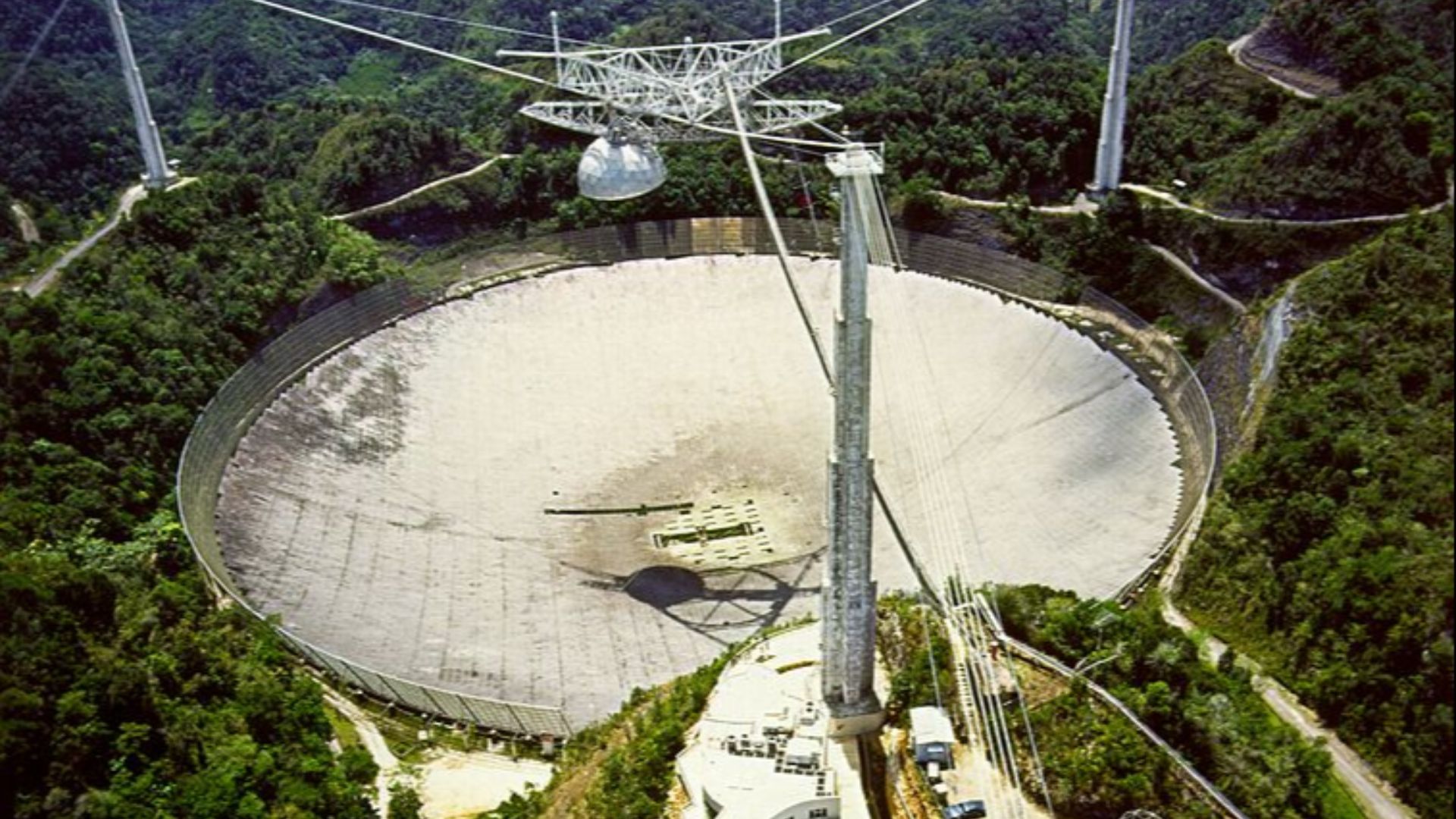 H. Schweiker/WIYN and NOAO/AURA/NSF, Wikimedia Commons
Other Explanations Still Exist
The Great Filter remains only one explanation for the Fermi Paradox. Intelligent life may simply be extraordinarily rare, interstellar travel may prove impractical, or alien civilizations may communicate using technologies humanity has not yet learned to recognize.
 Department of Energy-Office of Public Affairs, restored by Yann, Wikimedia Commons
What Humanity Can Learn
Whether or not artificial intelligence ultimately becomes the Great Filter, studying existential risks helps researchers identify vulnerabilities before they become irreversible. The goal is not to predict doom but to improve humanity's chances of safely navigating its most transformative technologies.

A Question That May Shape Our Future
No one yet knows whether artificial intelligence will become civilization's greatest triumph or its greatest danger. If some researchers are correct, the answer may determine not only humanity's future, but also why the vast universe around us appears so mysteriously empty.
 National Cancer Institute, Unsplash
You May Also Like:
The largest meteorite ever to hit Earth can be found exactly where it landed 80,000 years ago.
An actual scientist says that aliens may have started life on Earth. And he isn't the only one.