The Map Is Far From Finished
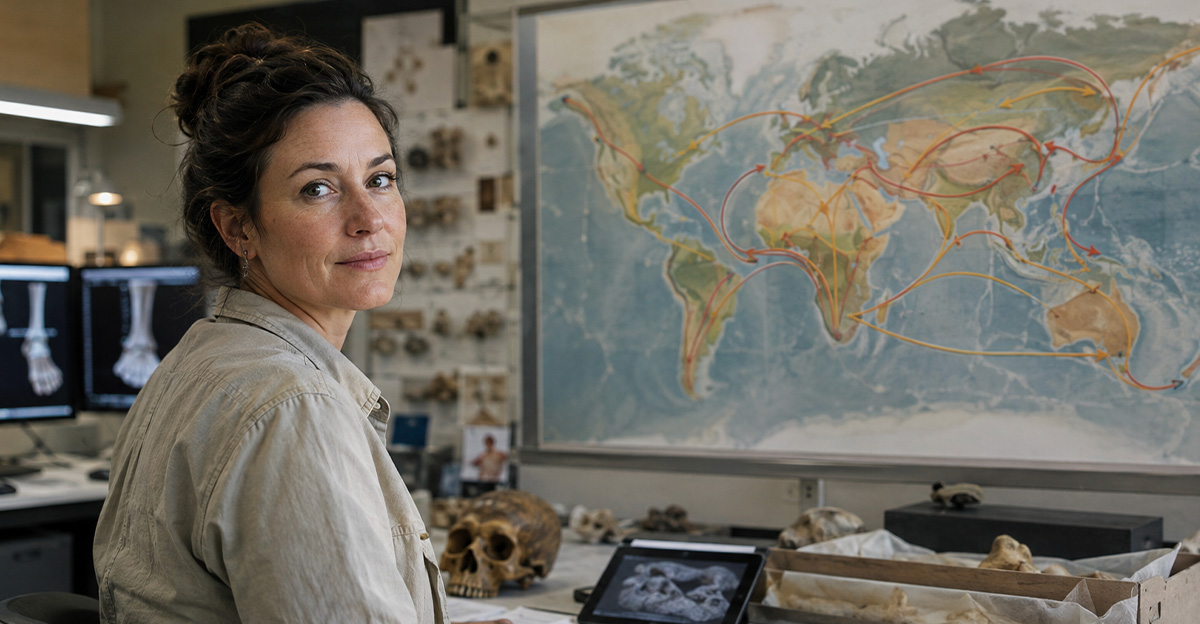
We know humans began in Africa and eventually reached almost every habitable corner of the planet. Easy enough, right? Not remotely. Fossils, DNA, stone tools, climate records, and ancient footprints keep revealing journeys nobody expected—and sometimes they tell completely different versions of the same story.
Was There Really One Great Exodus?
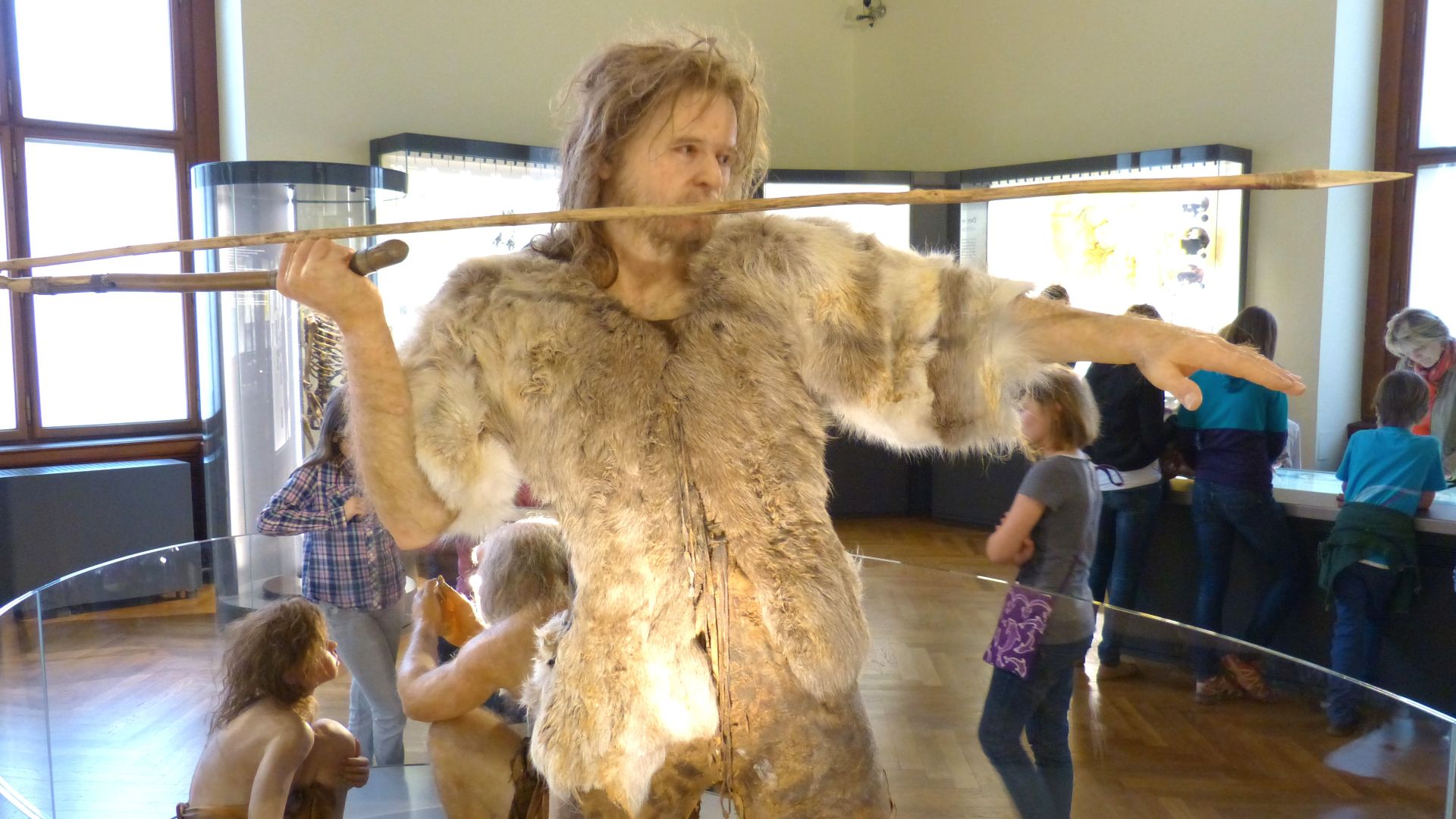
The classic story says modern humans left Africa in one hugely successful migration roughly 60,000 years ago. Yet fossils show earlier Homo sapiens venturing beyond Africa long before that. Scientists increasingly picture several expansions, with most early groups apparently leaving little genetic trace in people alive today.
Why Did The Later Migration Succeed?
If humans repeatedly left Africa, why did one later expansion populate so much of Eurasia? A 2025 study suggests Homo sapiens had already learned to thrive across an unusually broad range of African environments before the successful dispersal. Whether ecology, technology, social networks, or all three provided the advantage remains debated.
 Wolfgang Sauber, Wikimedia Commons
Did Humans Leave Through The North Or South?
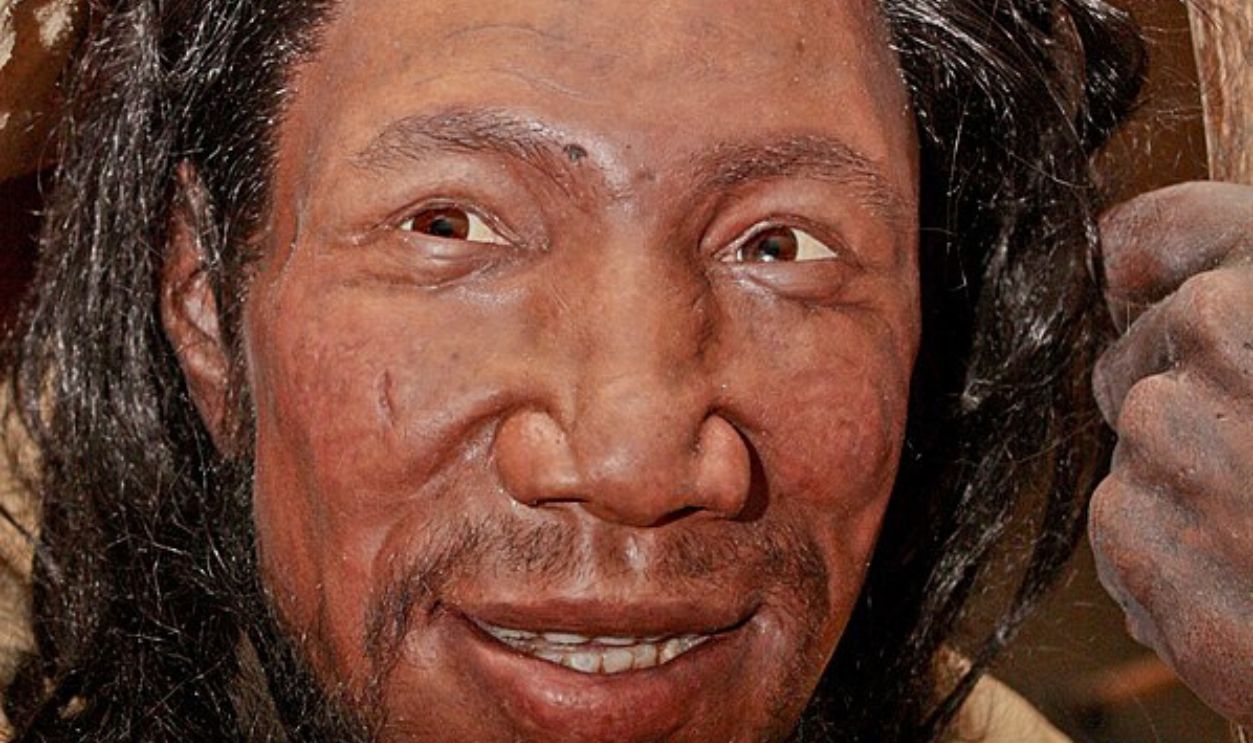
One possible exit took humans through Egypt and the Sinai Peninsula. Another crossed from eastern Africa toward Arabia. Genetic studies have sometimes favored northern routes, while archaeology and climate modeling keep southern possibilities alive. The trouble is that the landscape itself changed dramatically, erasing clues along the way.
 Daniela Hitzemann, CC BY-SA 4.0, Wikimedia Commons
Where Did Migrants Wait Before Spreading Across Eurasia?
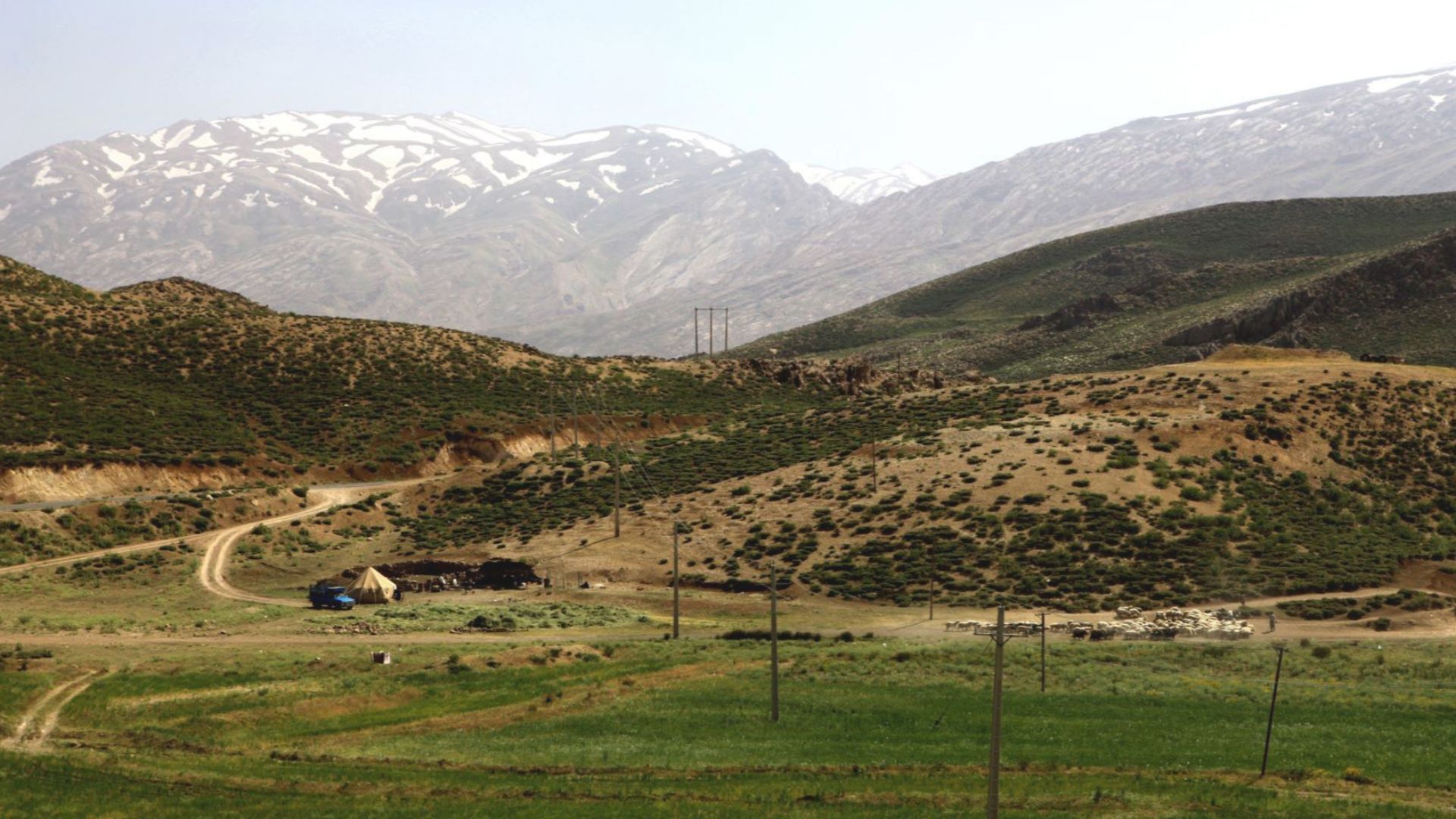
There is a curious gap between the main departure from Africa and the rapid expansion across Eurasia around 45,000 years ago. Research has proposed the Persian Plateau as a possible population “hub” where ancestors of later Eurasians remained for thousands of years. It is an intriguing solution, but hardly the final word.
Was Arabia A Highway Or A Homeland?
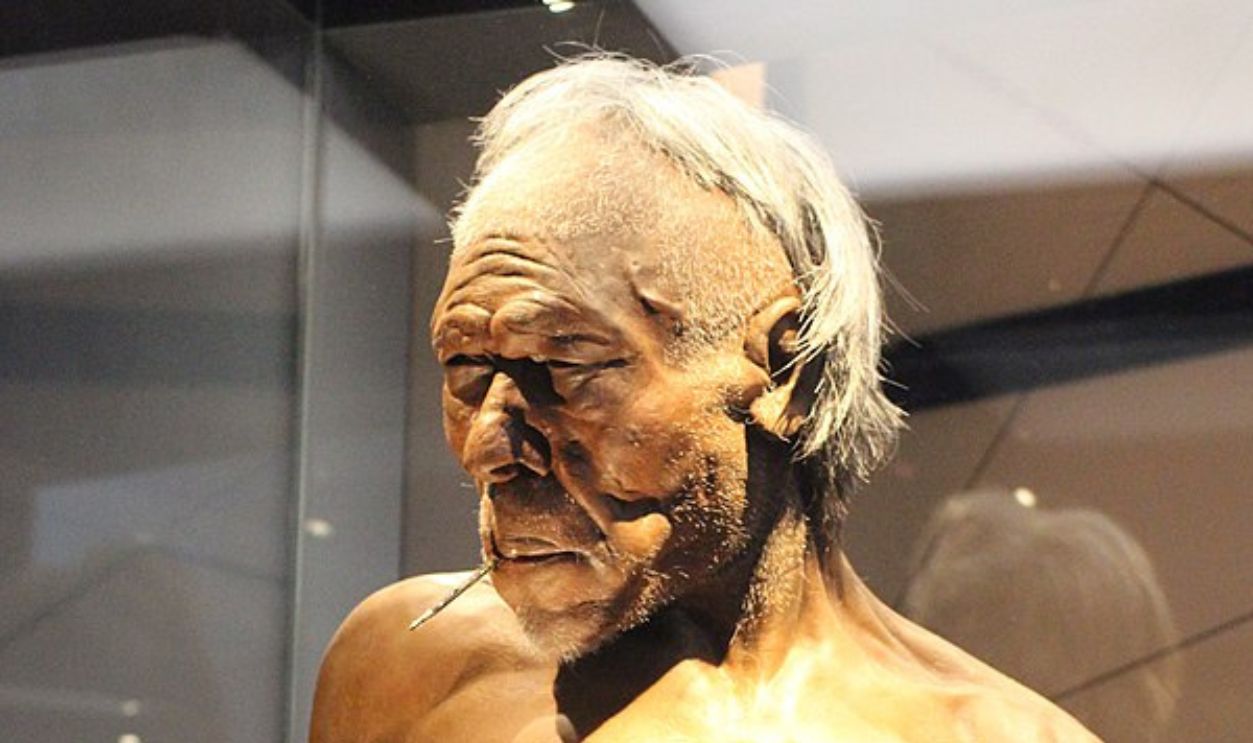
Arabia was once imagined mainly as a corridor people hurried through on their way elsewhere. Archaeological discoveries have made that picture harder to defend. During wetter periods, Arabia contained lakes, grasslands, and usable habitats. Scientists now debate whether humans merely passed through or established populations that stayed for generations.
 Emőke Dénes, CC BY-SA 4.0, Wikimedia Commons
Did A Green Sahara Open The Door?
Today’s Sahara looks like the ultimate migration barrier, but prehistoric North Africa periodically became much wetter. Rivers, lakes, and grasslands appeared during favorable climate phases. Researchers agree these windows mattered, but exactly when people used them—and whether they drove major expansions—remains surprisingly difficult to pin down.
 Jakub Hałun, Wikimedia Commons
Were The First Global Travelers Beachcombers?
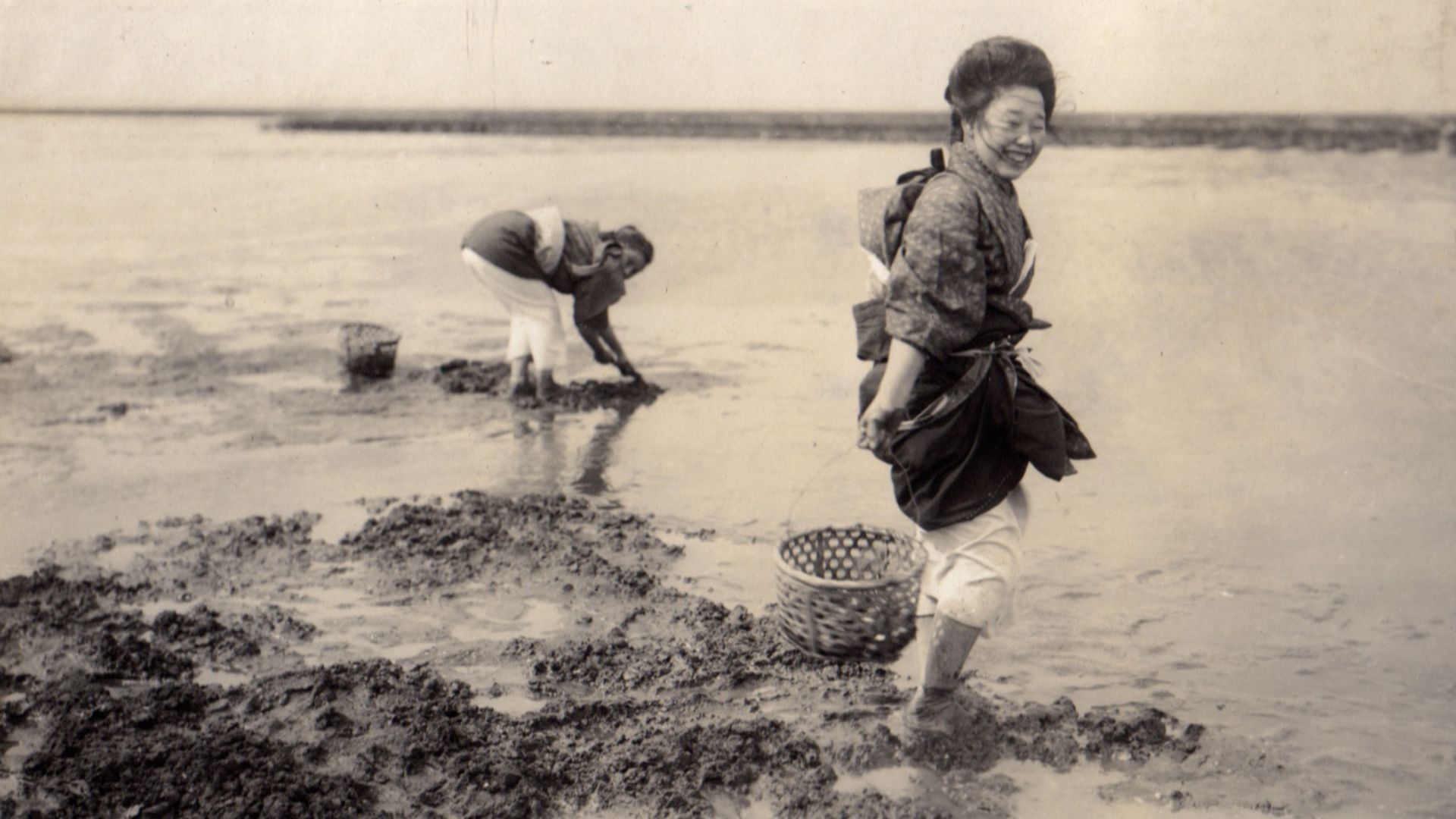
Coasts offered shellfish, fish, fresh water, and relatively straightforward routes. That makes coastal migration an attractive explanation for rapid human expansion. Unfortunately, Ice Age sea levels were much lower. Vast stretches of the coastlines early travelers actually used are now underwater, placing some of archaeology’s most valuable evidence beyond easy reach.
 A.Davey from Portland, Oregon, EE UU, Wikimedia Commons
How Far Did The Failed Migrations Get?
Some Homo sapiens groups left Africa well before the ancestors of most living non-Africans. But where did those populations go? Fossils suggest surprisingly early journeys, while genetics indicates many lineages eventually disappeared. Their maximum range—from Arabia into southern or eastern Asia—remains one of prehistory’s tantalizing missing chapters.
 Werner Ustorf, Wikimedia Commons
Did The Toba Eruption Change Everything?
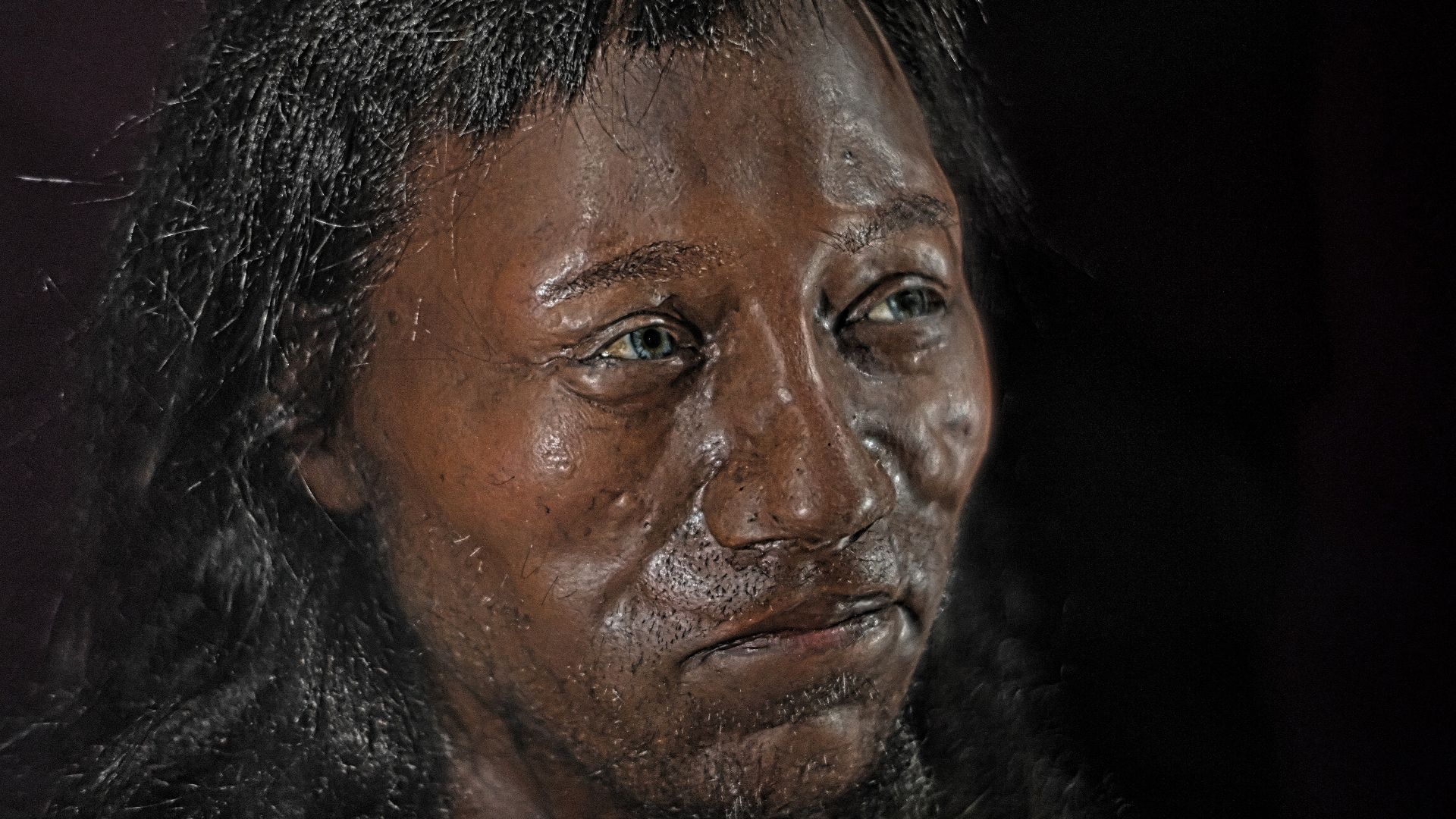
Around 74,000 years ago, Indonesia’s Toba volcano produced an enormous eruption once blamed for devastating human populations. Archaeological sites in India, however, contain stone-tool traditions apparently continuing across the eruption. That weakened the catastrophe theory, but researchers still investigate whether Toba disrupted populations or migration patterns more subtly.
Where Did We Meet Neanderthals?
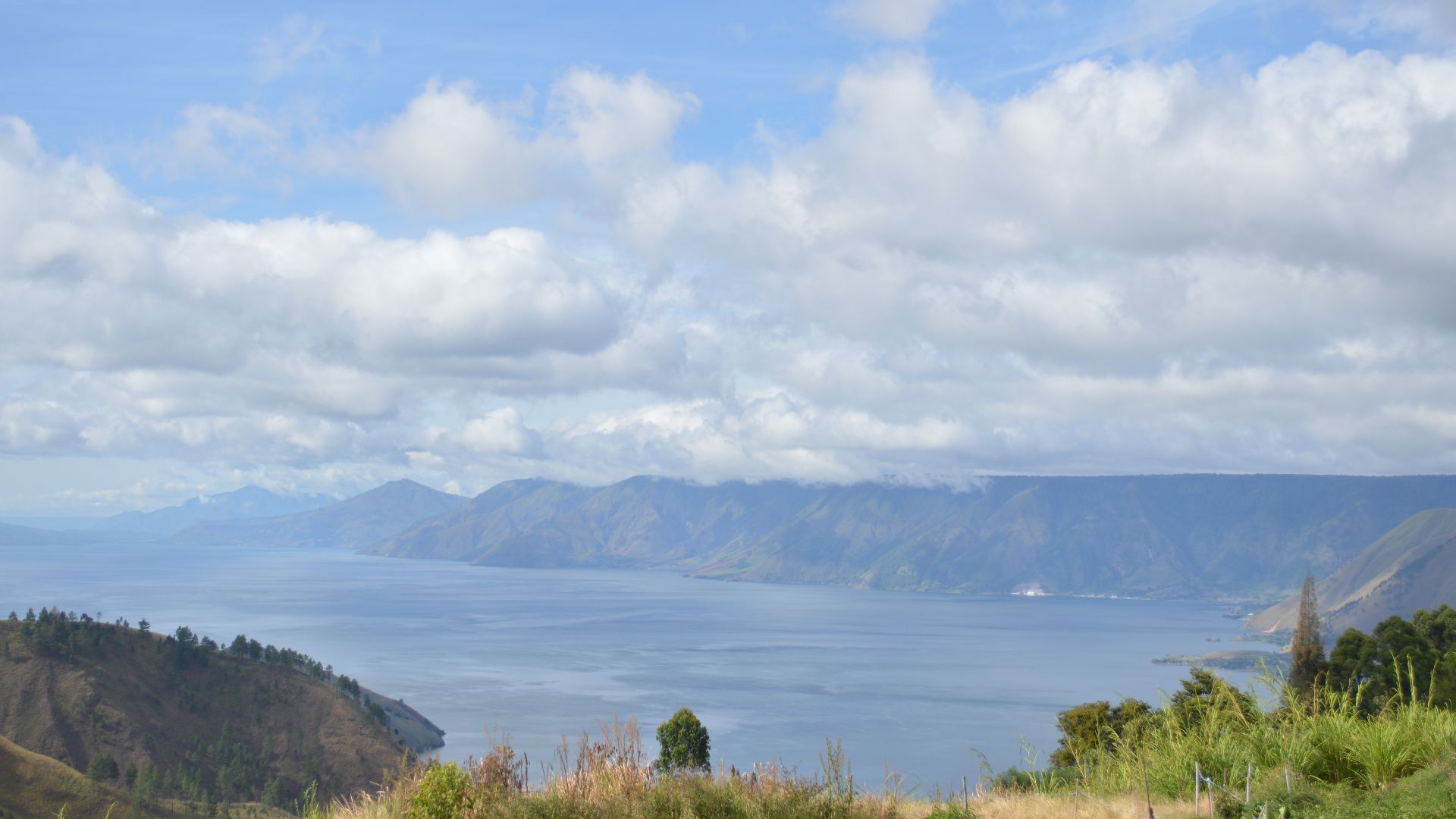
Modern humans and Neanderthals definitely interbred, but locating the crucial encounter is harder. Ancient genomes now place the shared mixing event behind living non-African ancestry roughly 45,000–49,000 years ago. Somewhere in western Eurasia or the broader Middle East is a strong possibility—but that prehistoric meeting place remains elusive.
Who Exactly Were The Denisovans?
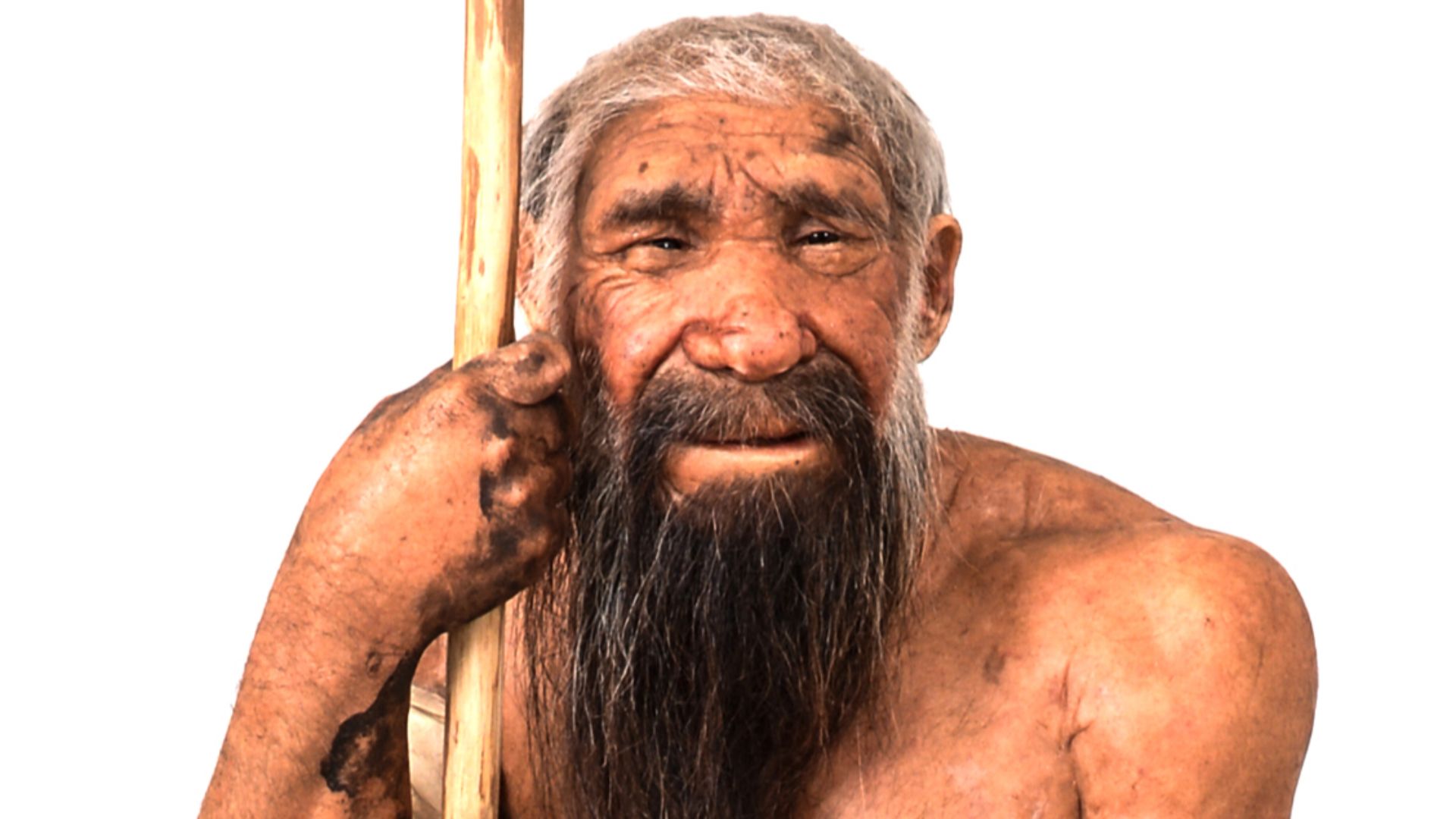
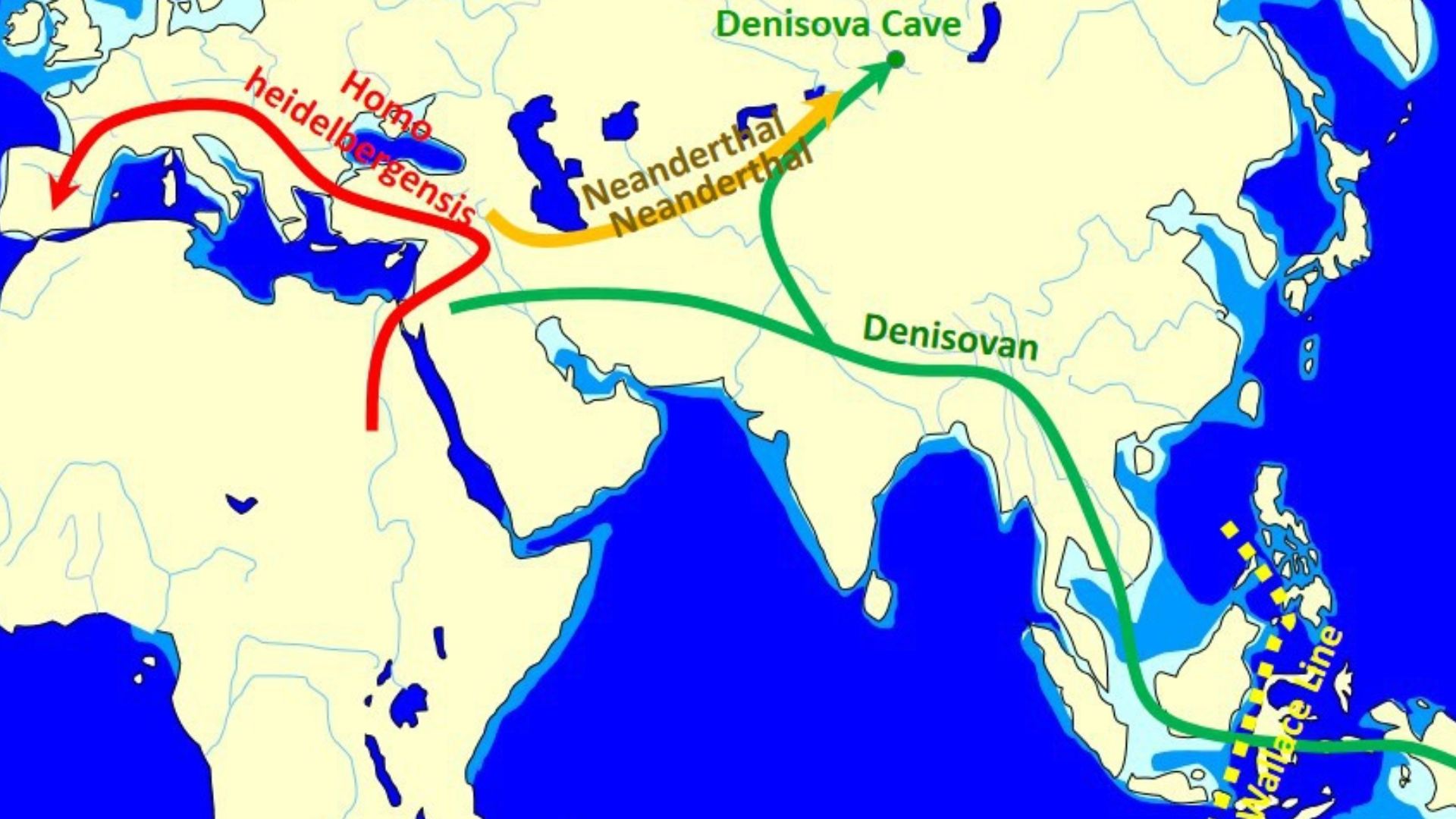
Denisovans are among archaeology’s strangest major players. Their DNA survives widely in living people, yet their physical remains remain extraordinarily scarce. Siberian fossils supplied their genetic identity, while a Tibetan jaw expanded their known range. How far Denisovan populations actually spread through Asia is still frustratingly unclear.
 John D. Croft, Wikimedia Commons
How Many Times Did Humans Meet Denisovans?
Apparently, once was not enough. Genetic research points to at least three separate episodes of Denisovan ancestry entering modern human populations. That suggests multiple Denisovan groups were scattered across Asia. Where those encounters happened could completely redraw migration maps that once treated “the Denisovans” as a single population.

Did Humans Meet The Other Islanders?
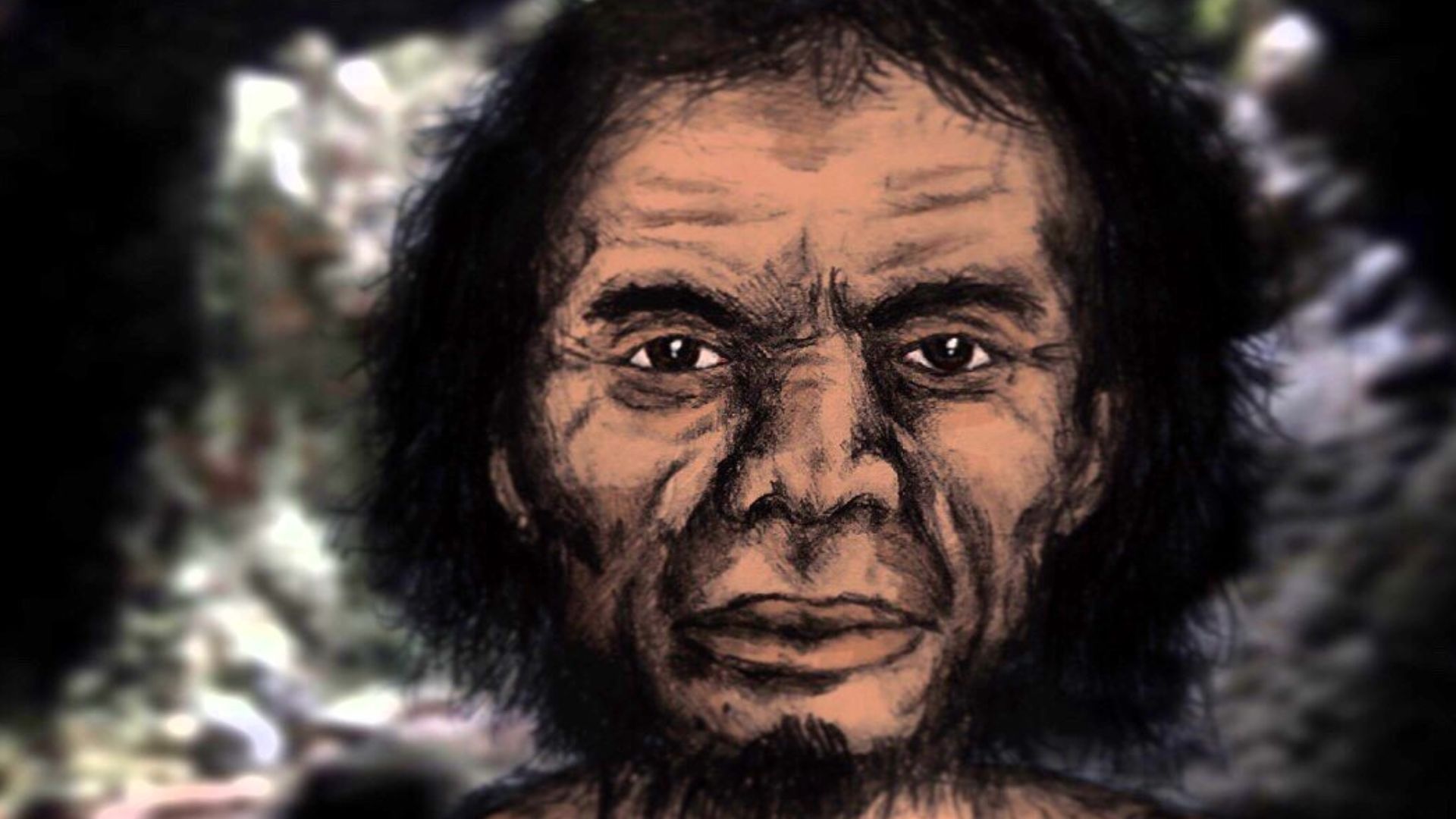
Homo floresiensis lived on Flores, while Homo luzonensis occupied the Philippines. Modern humans eventually reached the same wider region. Yet genetic studies have not found convincing major ancestry from these island hominins in living populations. Did the groups meet without interbreeding, or have scientists simply not found the genetic evidence yet?
When Did People Reach Sahul?
Madjedbebe in northern Australia has produced evidence interpreted as human occupation about 65,000 years ago. That date pushes people into Sahul—the Ice Age continent joining Australia and New Guinea—remarkably early. The site is hugely important, but the precise timing of the continent’s initial settlement remains actively discussed.
 Thomas Dick (1877–1927), Wikimedia Commons
Which Way Did The First Australians Come?
Reaching Sahul required moving through the islands of Wallacea. Researchers have modeled two broad possibilities: a northern route toward New Guinea and a southern route through islands such as Timor toward Australia. Both are plausible enough that the question now resembles prehistoric route planning with most of the signposts missing.
 A. Buchan, S. Parkinson or J. F. Miller, Wikimedia Commons
Were Those Sea Crossings Intentional?
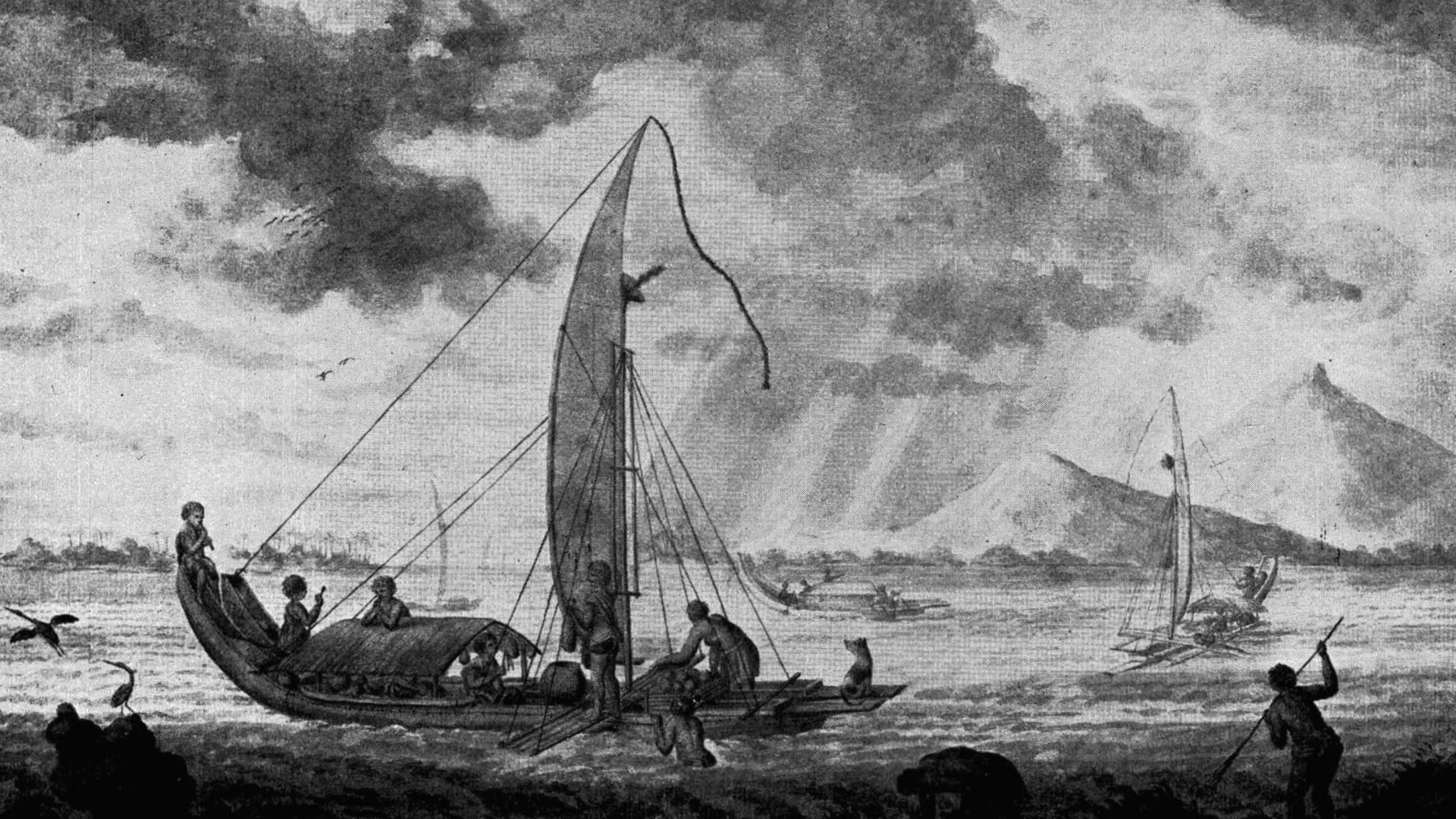
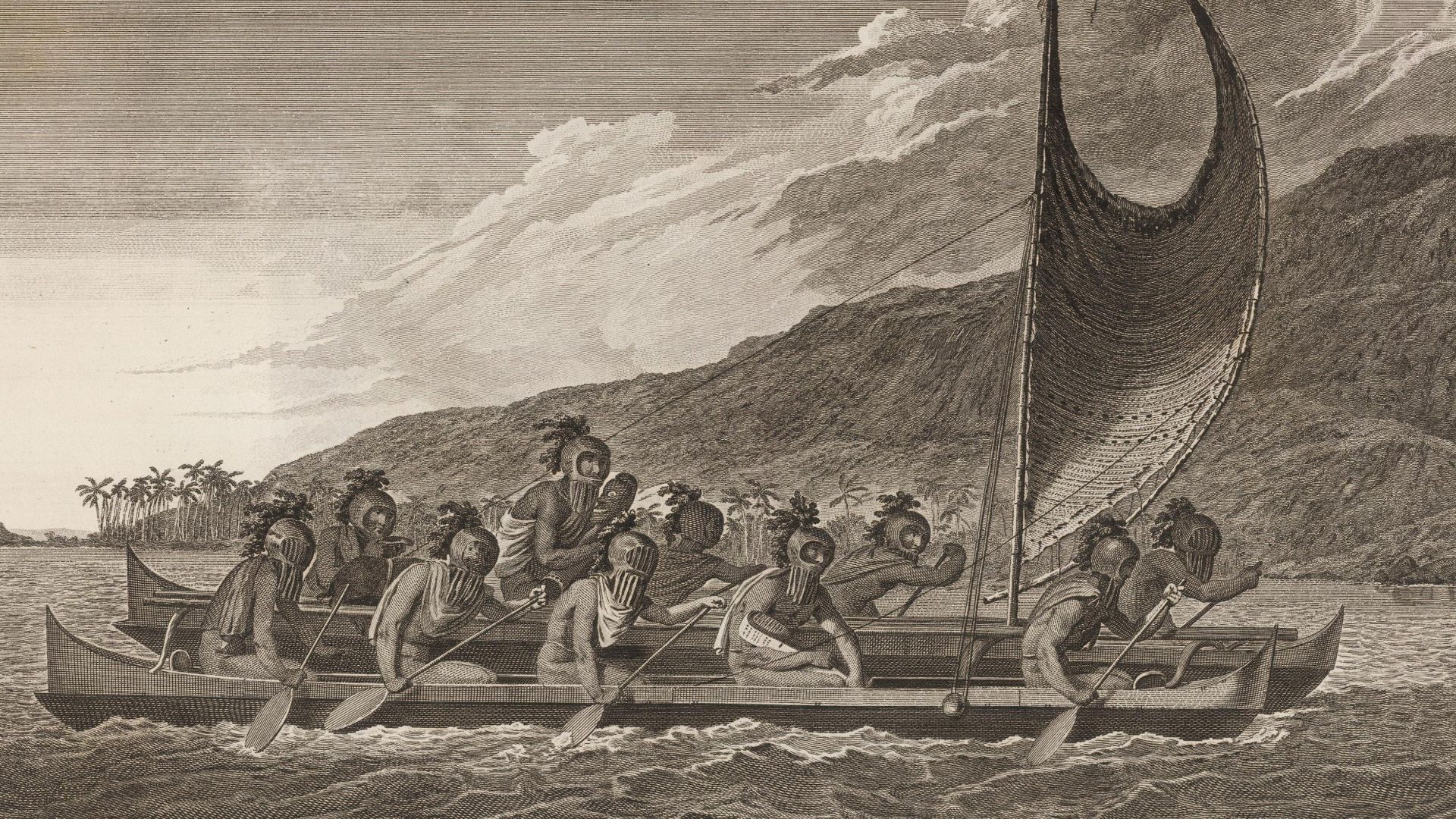
Even during low sea levels, reaching Sahul involved open-water crossings. That means early travelers needed some form of watercraft. But were families deliberately navigating toward distant land, or did accidental voyages occasionally succeed? Archaeology preserves stone tools far better than ancient boats, leaving the sophistication of those first sailors largely invisible.
 John Webber, Wikimedia Commons
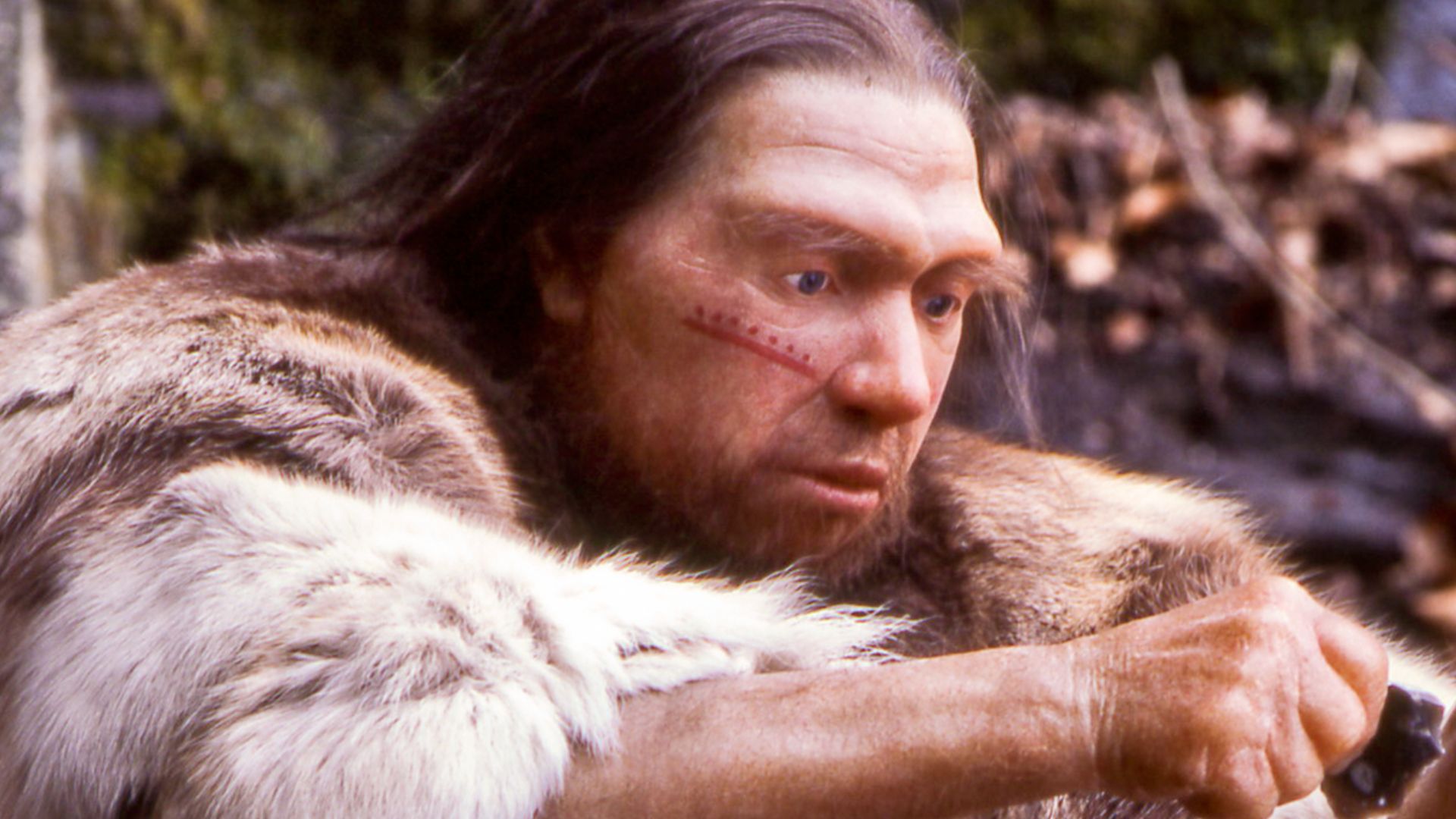
Was Sahul Settled In One Movement?
Australia and New Guinea formed one connected landmass when humans arrived, but that does not mean settlement happened as one neat wave. Different entry routes, population bottlenecks, later isolation, and Denisovan ancestry complicate the picture. Scientists continue reconstructing how quickly the first communities spread across this enormous new world.
 Neanderthal-Museum, Mettmann, Wikimedia Commons
When Did Humans First Reach The Americas?
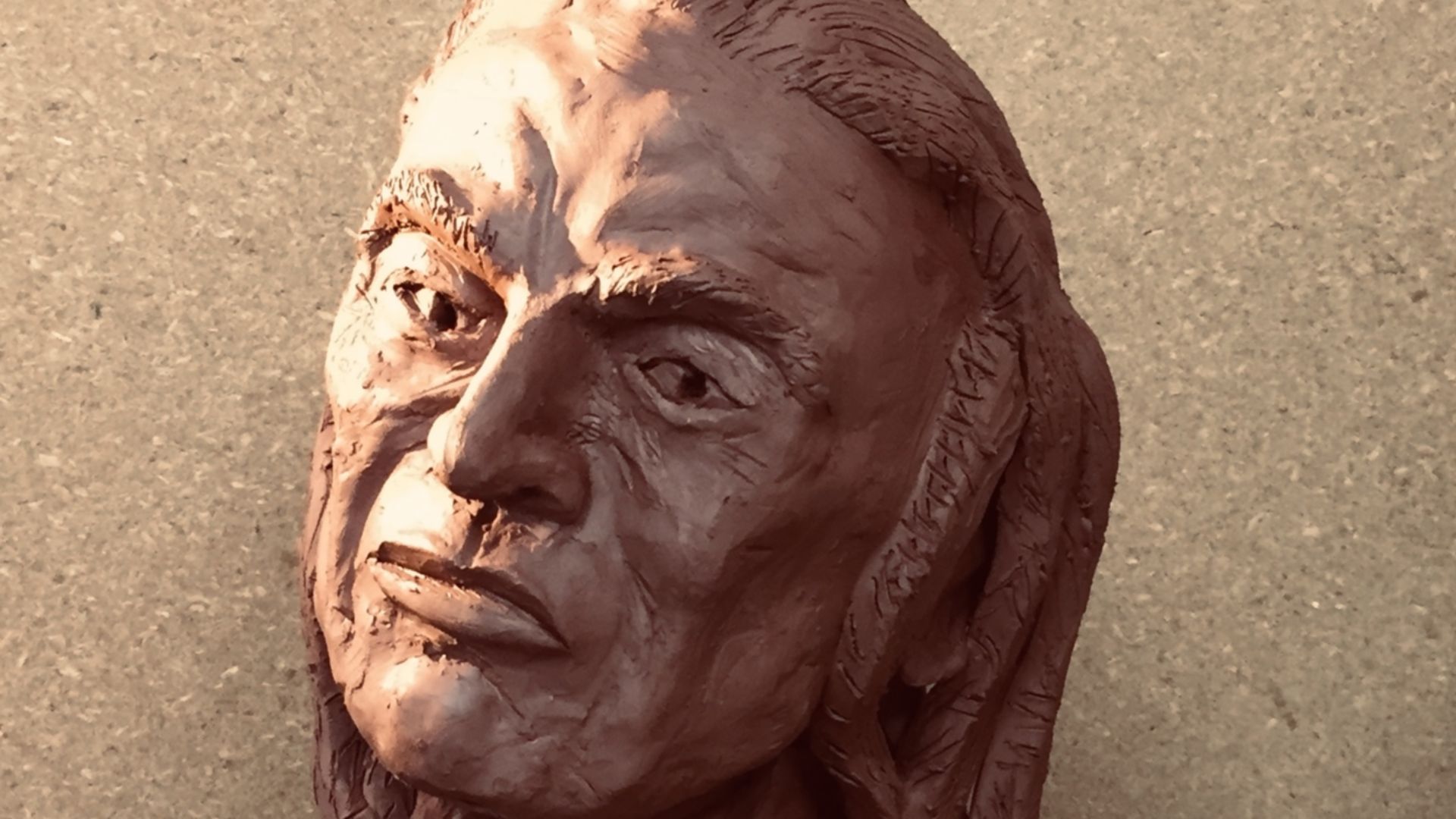
For decades, the peopling of the Americas seemed comfortably tied to people arriving near the end of the Ice Age. Then older sites began demanding attention. Today the argument is less about whether people preceded the once-dominant Clovis culture and more about just how much earlier they arrived.
 Anthonywpark, Wikimedia Commons
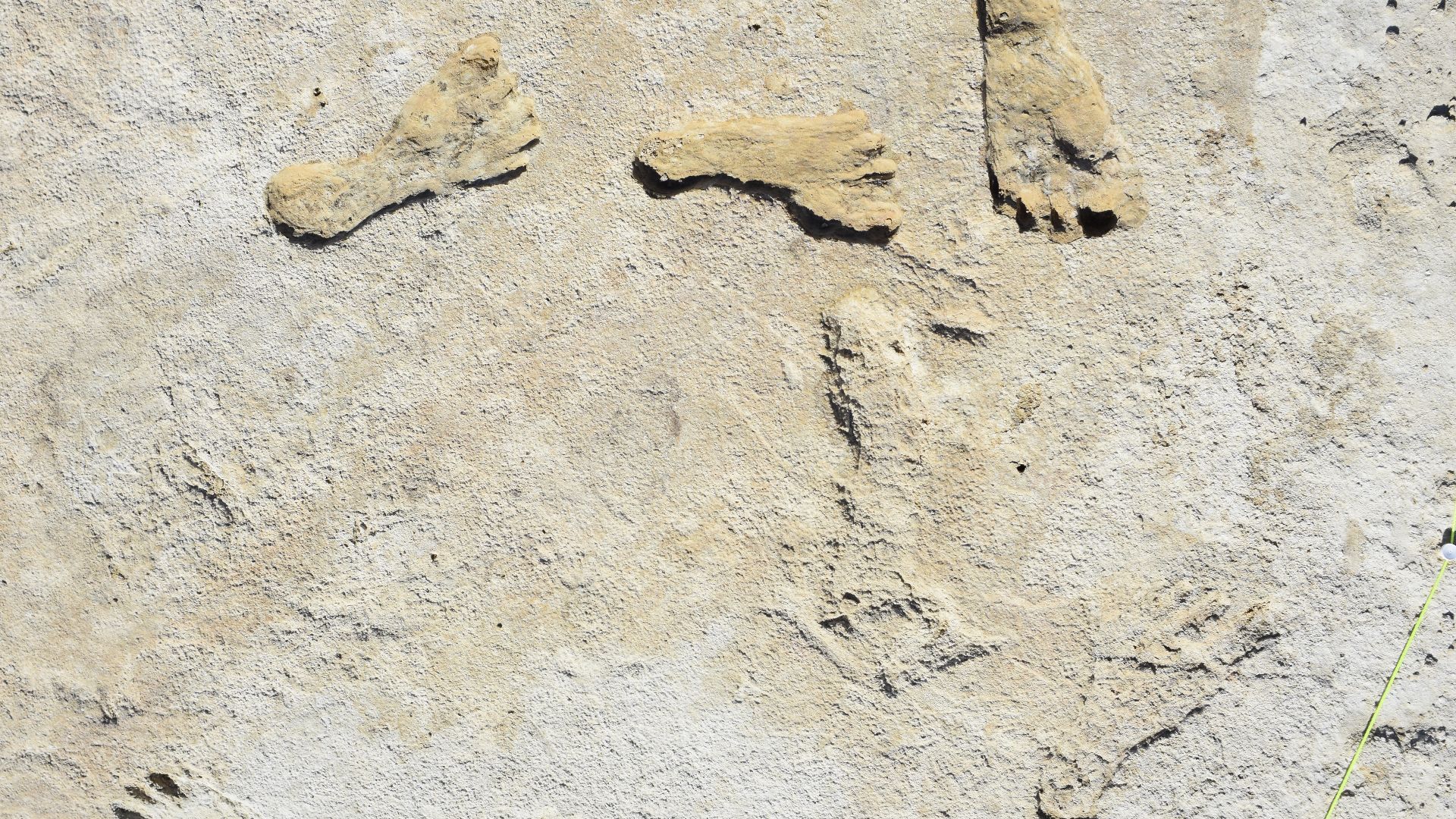
What Do The White Sands Footprints Mean?
Human footprints at White Sands, New Mexico, have been dated to roughly 21,000–23,000 years ago. Critics initially questioned the dating method, but pollen and sediment dating later supported the original age. The footprints now provide powerful evidence for Ice Age Americans—while raising a bigger mystery about how they got there.
Did The First Americans Follow The Coast?
One possibility has migrants moving down the Pacific coastline, perhaps exploiting marine resources. Another eventually involved an interior corridor between massive ice sheets. Environmental studies suggest the availability of both routes changed through time. Determining which pathway the earliest people actually used remains a central archaeological puzzle.
 Neanderthal-Museum, Mettmann, Wikimedia Commons
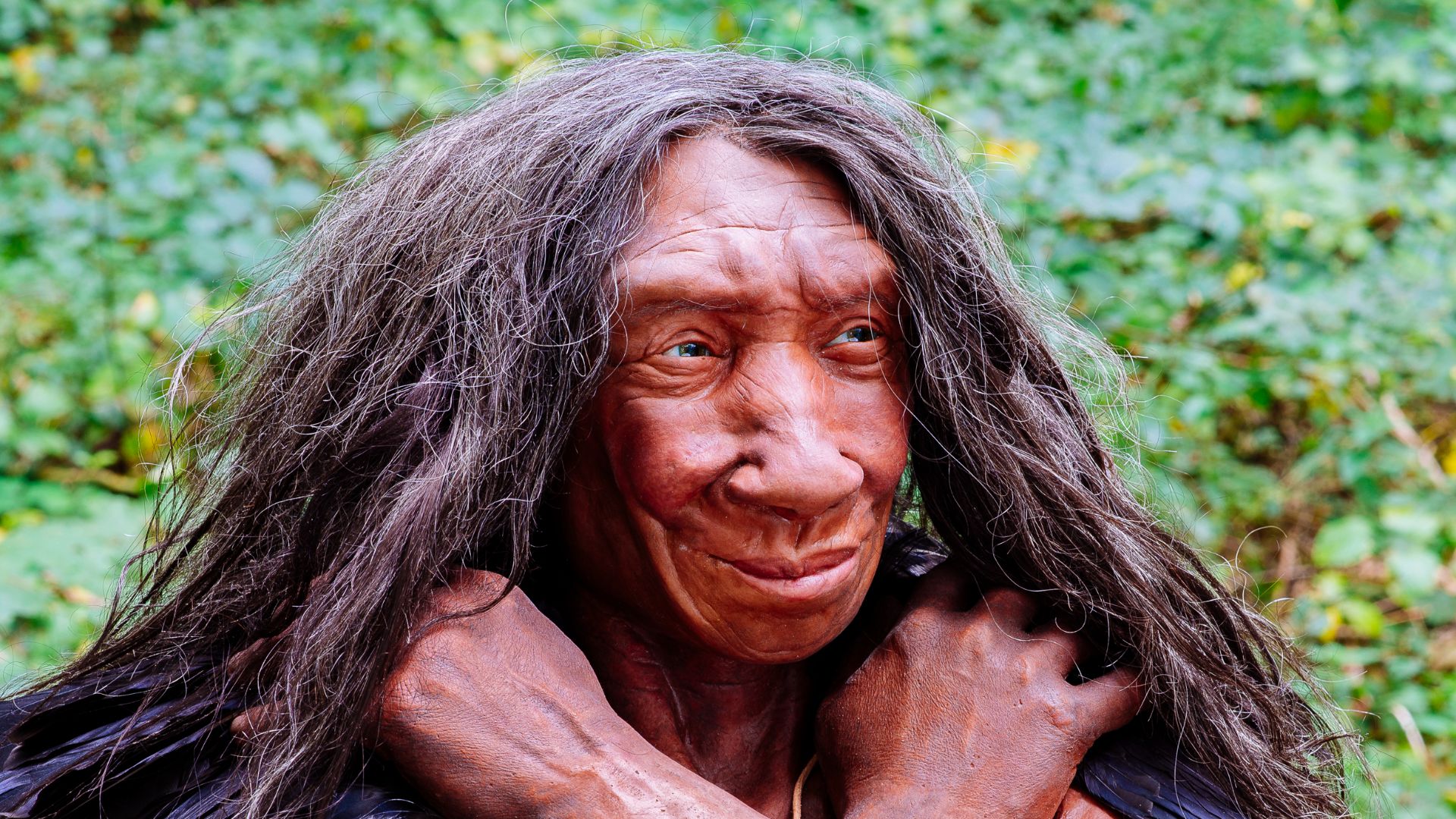
Where Was The Beringian Standstill?
Genetics suggests ancestors of Indigenous Americans spent a period relatively isolated before expanding through the Americas. But where? Perhaps eastern Siberia, the Bering land bridge, Alaska, or a larger region connecting them. Much of ancient Beringia is now submerged, making this prehistoric waiting room extraordinarily difficult to locate.

How Did People Reach South America So Fast?
Once humans entered the Americas, archaeological evidence appears surprisingly far south relatively quickly. That rapid spread has encouraged arguments for coastal travel, highly mobile communities, or an earlier start than traditionally assumed. Every credible old site in South America therefore affects not just local history, but the timeline of two continents.

Who Crossed Between Polynesia And South America?
Genetic evidence indicates prehistoric contact between Polynesian and Native South American populations around AD 1200. The contact itself now looks increasingly difficult to dismiss. The delicious mystery is direction: did Polynesian sailors reach the Americas, did South Americans voyage westward, or were movements more complicated than either scenario?
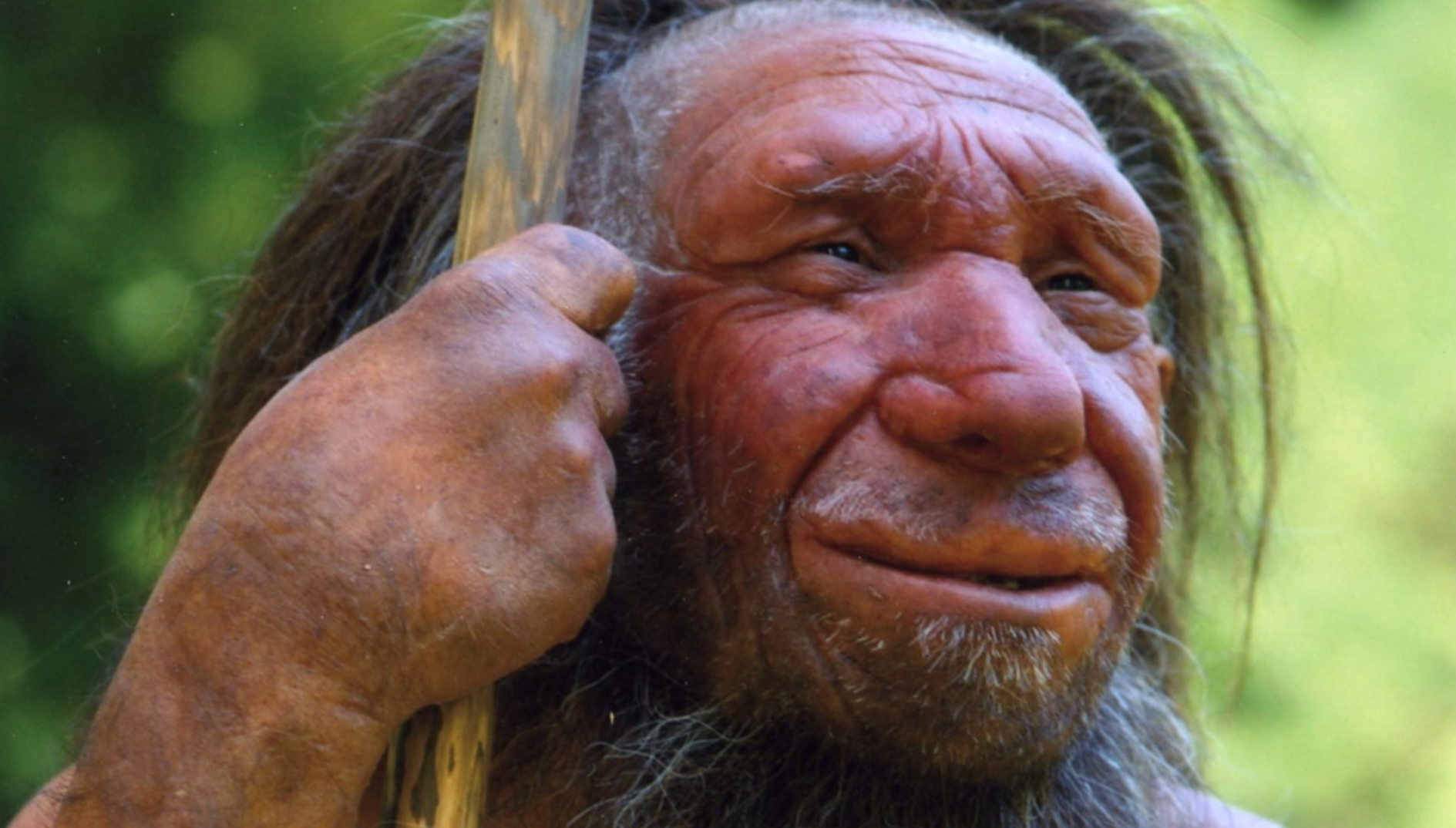 Neanderthal-Museum, Mettmann, Wikimedia Commons
Where Did The Austronesian Expansion Really Begin?
Taiwan remains central to the widely accepted model for the spread of Austronesian languages, but genetics keeps making the story more complicated. Recent research traces deeper ancestry toward coastal southeastern China, while debate continues over how migration, intermarriage, and language shift combined as people moved through Island Southeast Asia and Oceania.
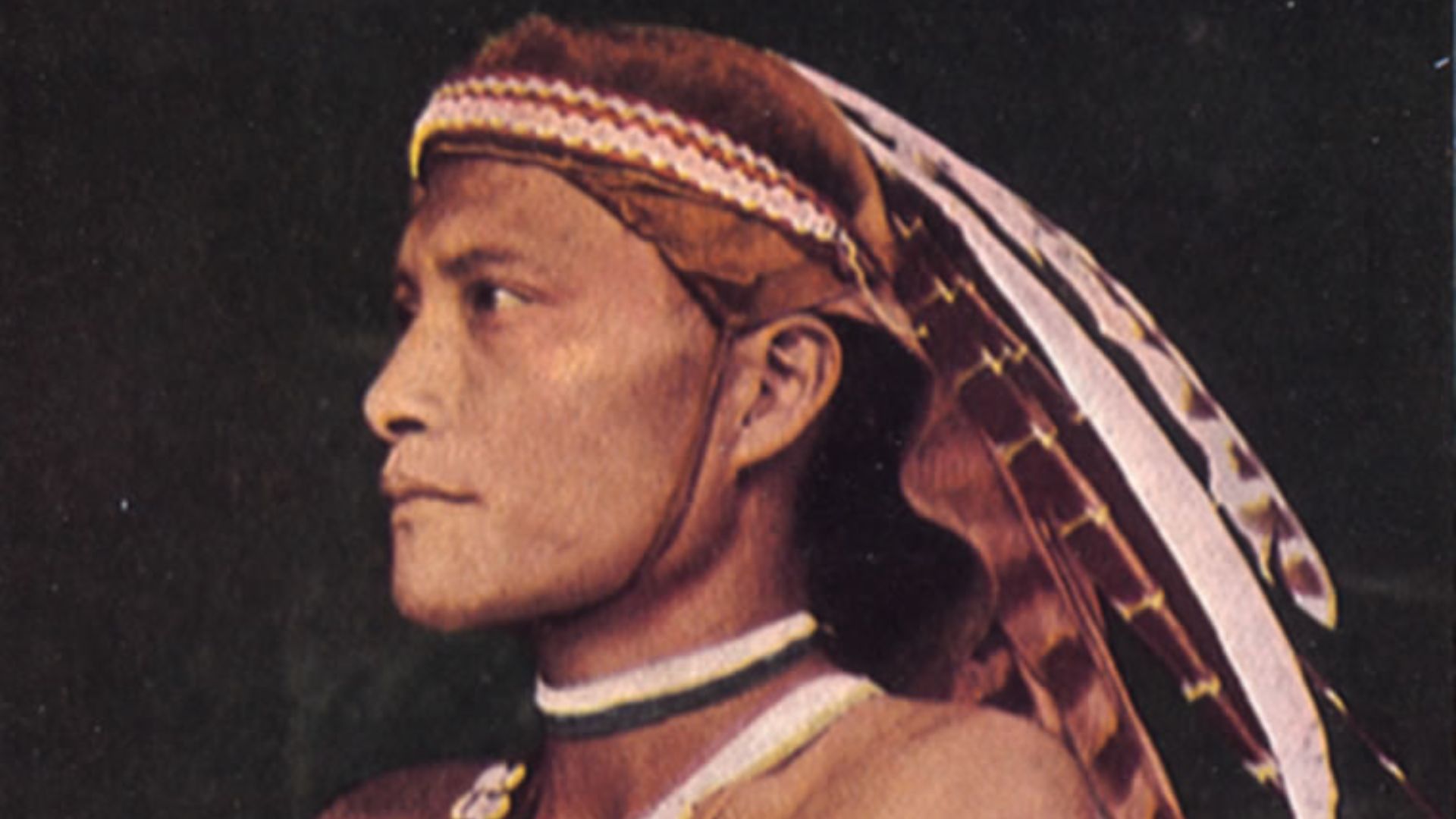 Unknown authorUnknown author, Wikimedia Commons
Which Route Did The Bantu Expansion Take?
Beginning several thousand years ago, Bantu-speaking communities transformed enormous areas of Africa. Genetics supports large-scale population movement, yet the exact routes through and around the Congo rainforest remain debated. Recent genomic work favors southern or combined pathways over a purely northern route, but ancient DNA still has plenty left to reveal.
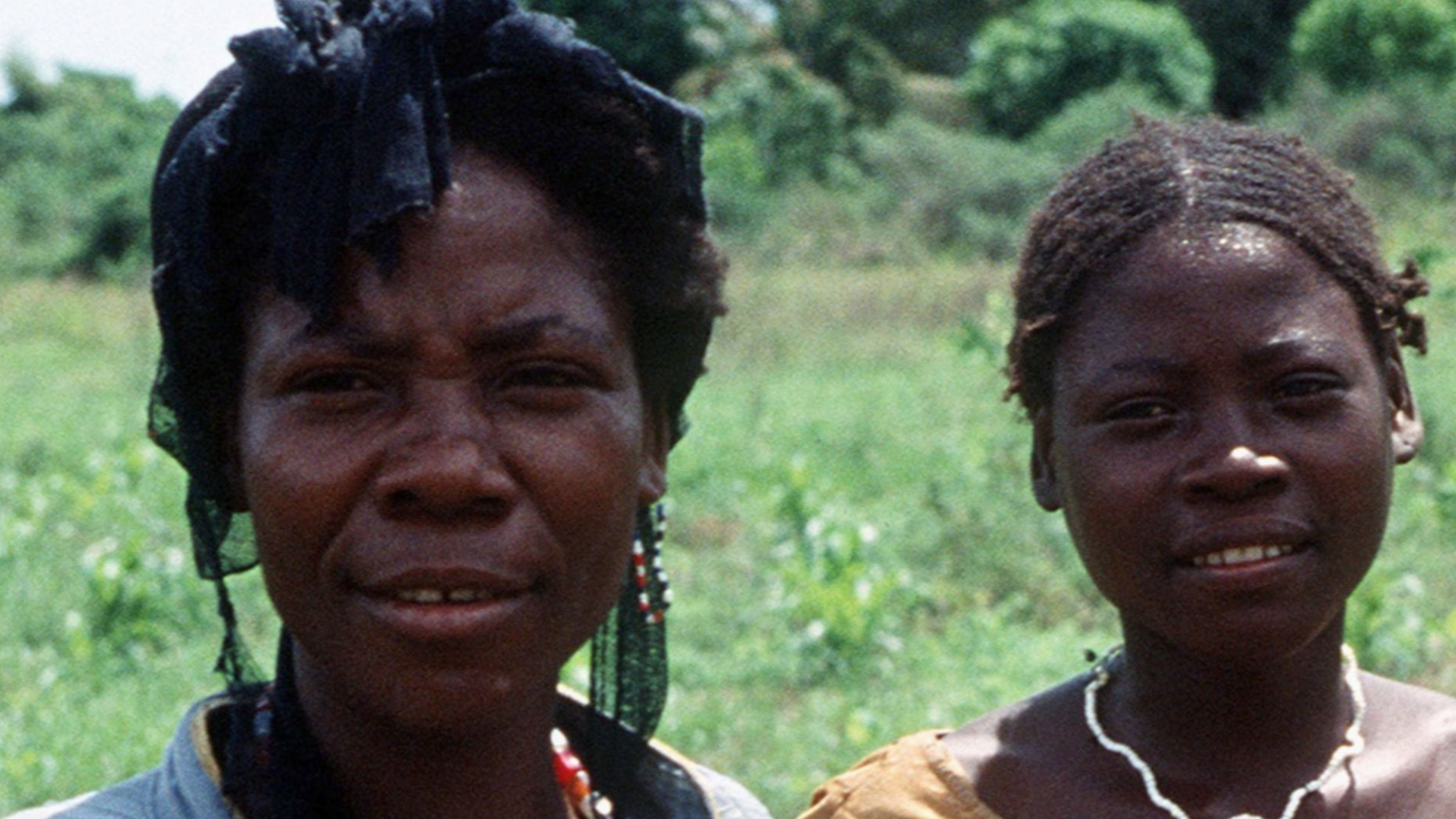 Sergeant G.D. Robinson, Wikimedia Commons
The Next Discovery Could Move Everyone Again
Human migration was never a tidy march of arrows across a map. Groups moved, stopped, mixed, vanished, doubled back, crossed seas, and entered landscapes now buried underwater. That is why the arguments endure. Every ancient genome, footprint, submerged campsite, or forgotten cave has the potential to redraw humanity’s journey all over again.
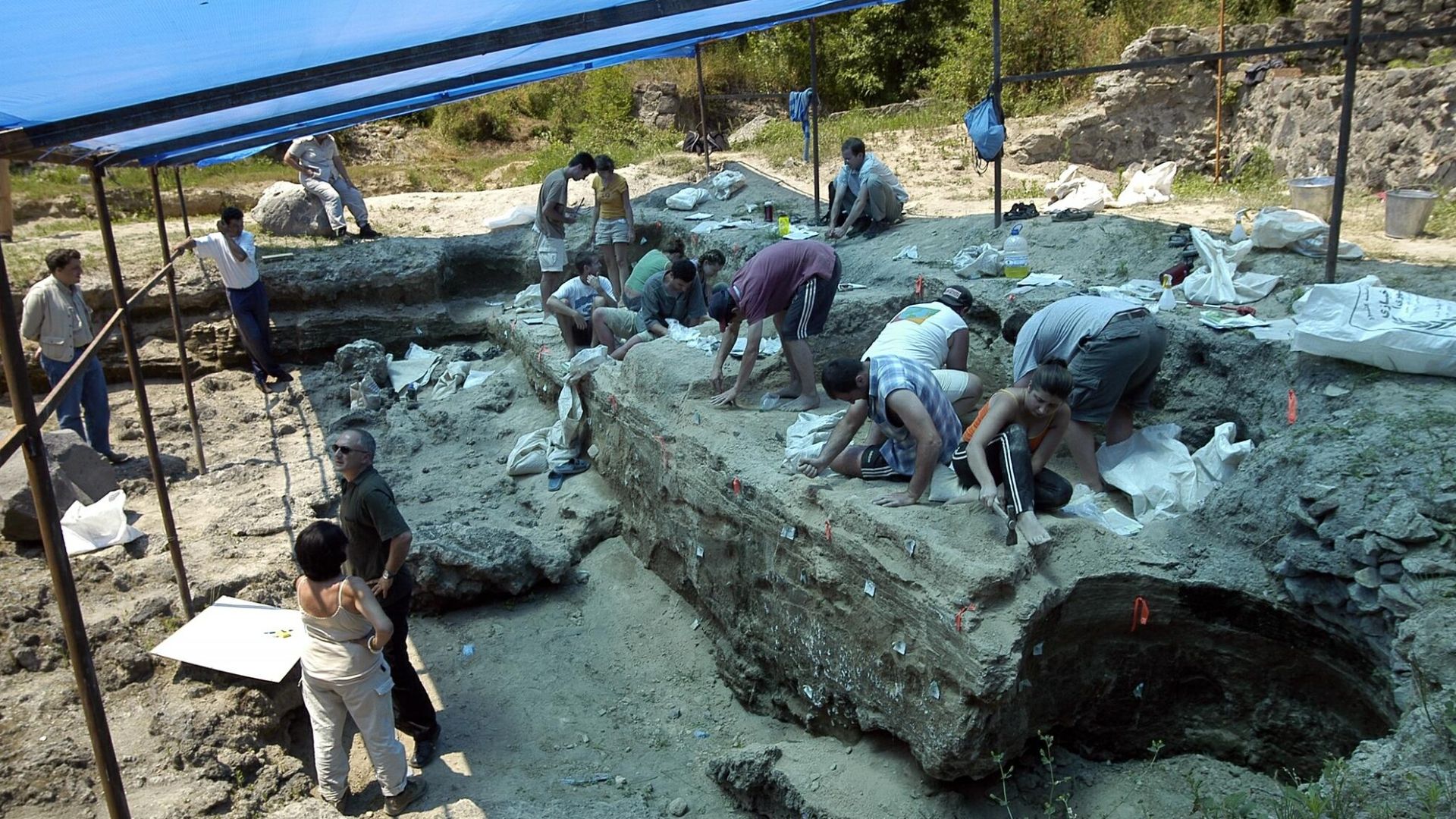 Georgian National Museum, Wikimedia Commons
You May Also Like:
Americans Immediately Notice These Things When They Take A Train Across Canada
Canadian Destinations Americans Say Feel More Remote Than They Expected