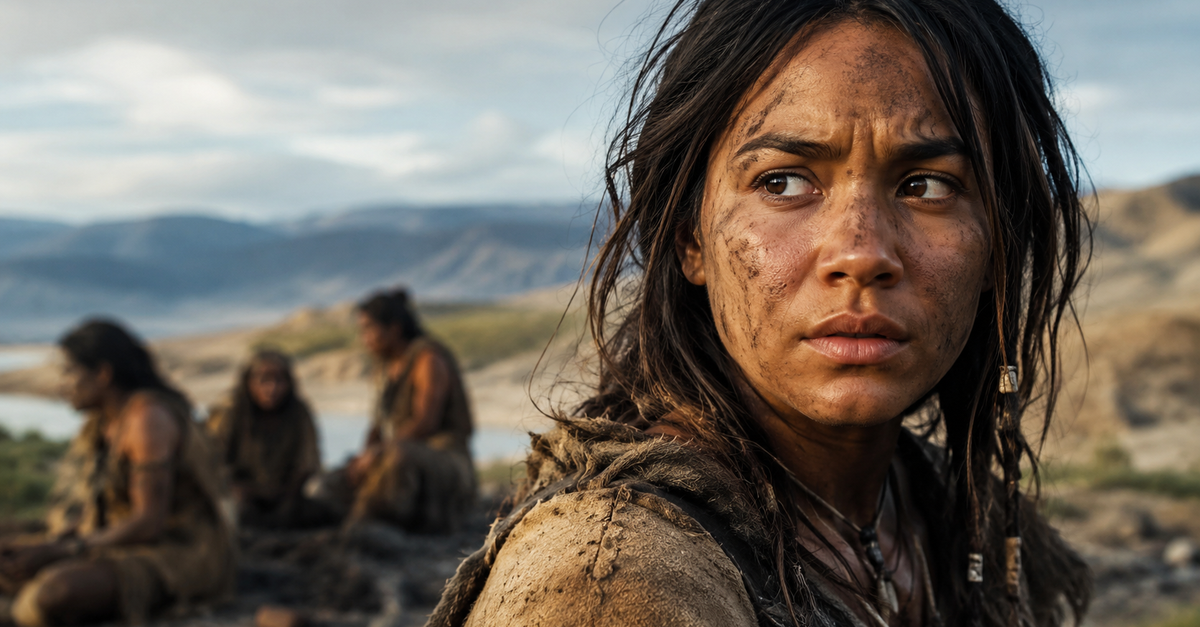
Ancient Survival Was More Sophisticated Than We Imagined
For many years, researchers believed environmental disasters regularly overwhelmed ancient communities. New archaeological discoveries are painting a much more complex picture. Instead of simply collapsing, many ancient societies adjusted their lifestyles, technologies, and economies to survive changing conditions. These findings are reshaping how scientists understand human resilience. Factinate Ltd
Climate Disasters Have Always Been Part Of Human History
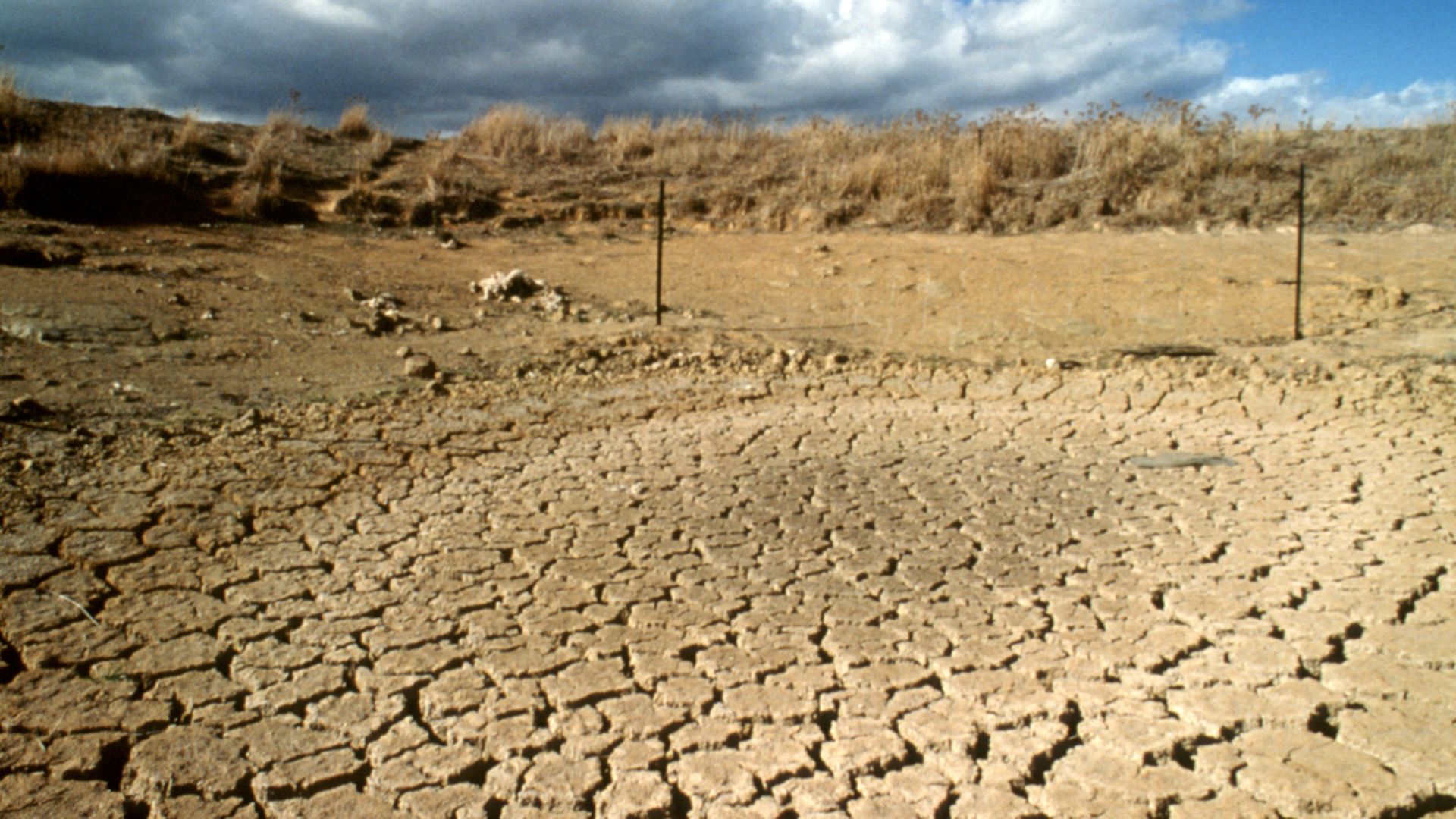
Droughts, floods, volcanic eruptions, and sudden cooling events affected people long before recorded history. Ancient communities faced many of the same environmental pressures that concern us today. Their responses varied depending on local conditions and available resources. Archaeologists are increasingly finding evidence that flexibility often made the difference.
 Plant Industry, CSIRO, Wikimedia Commons
Archaeologists Are Finding More Than Ruins
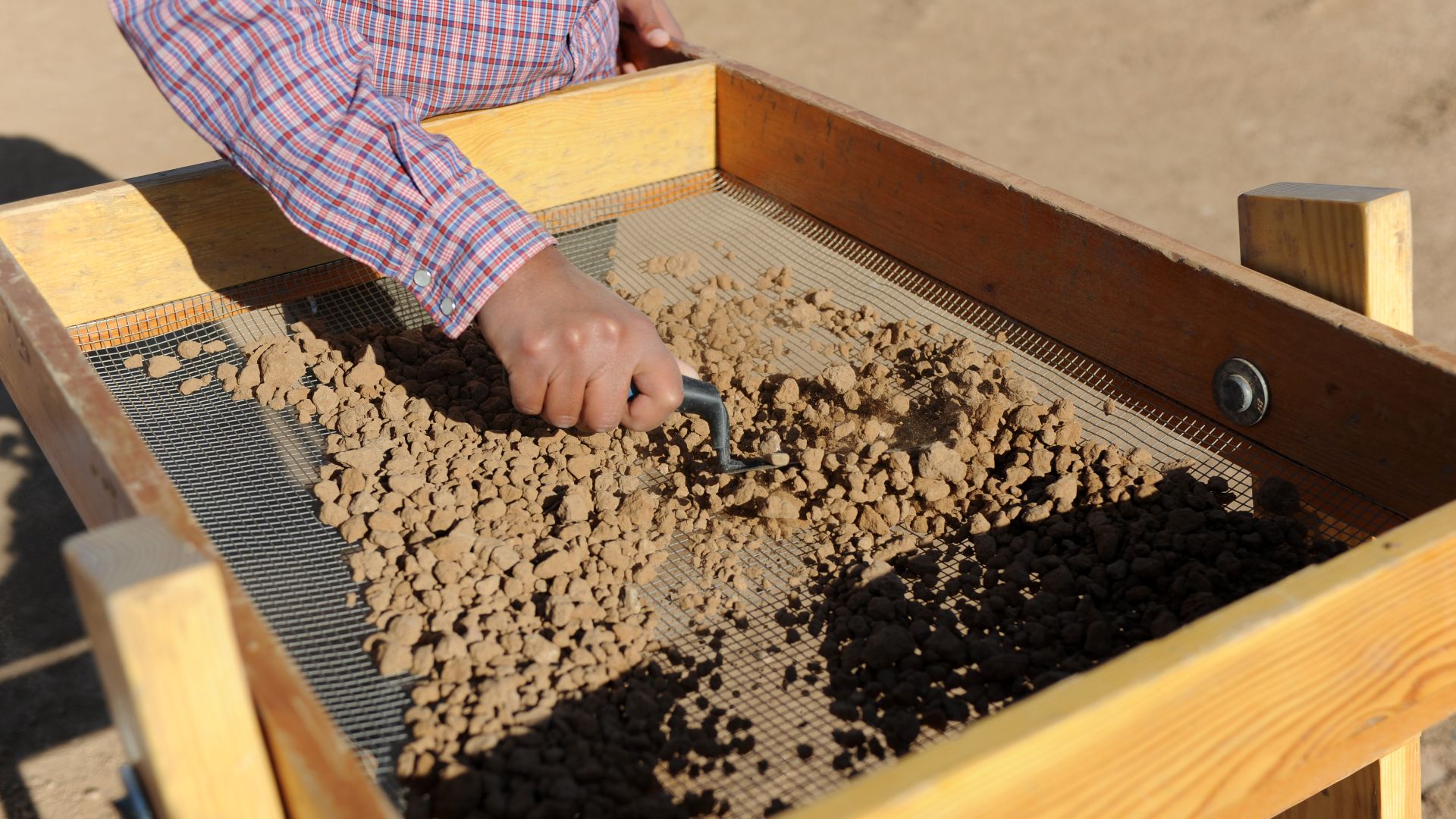
Modern excavations recover far more than pottery and stone tools. Researchers analyze pollen, charcoal, sediments, animal bones, plant remains, and microscopic fossils to reconstruct ancient environments. These techniques reveal how landscapes changed alongside human behavior. Together they provide a detailed picture of survival rather than simple decline.
 U.S. Air Force photo/Airman 1st Class Devante Williams, Wikimedia Commons
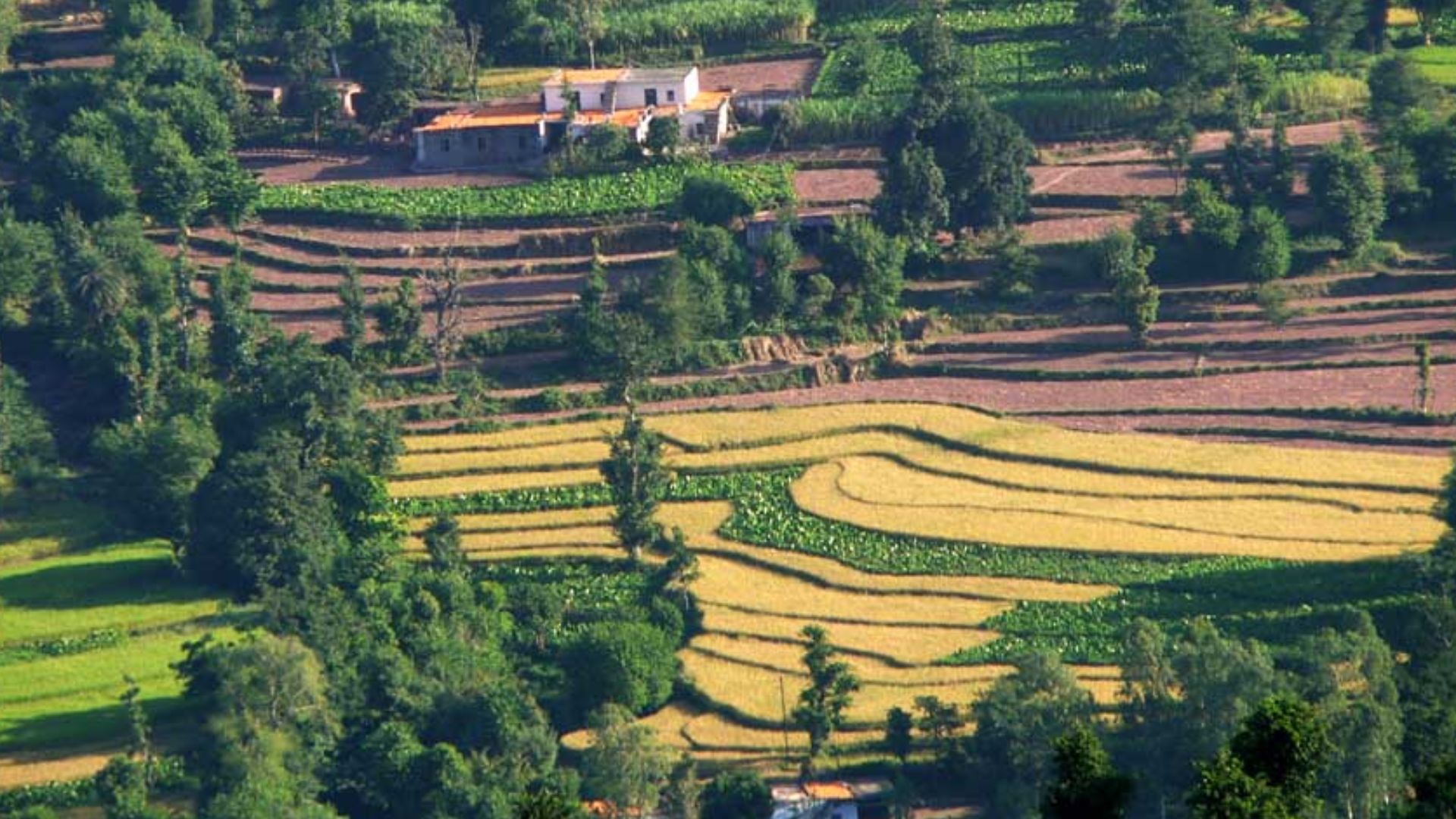
The Story Of Collapse Is Being Rewritten
Older theories often linked environmental disasters directly to the abandonment of settlements. New evidence shows that many communities stayed in place and adapted instead. Some changed farming methods while others expanded trade or altered settlement layouts. Scientists now view resilience as an important part of human history.
 Koshy Koshy from Faridabad, Haryana, India, Wikimedia Commons
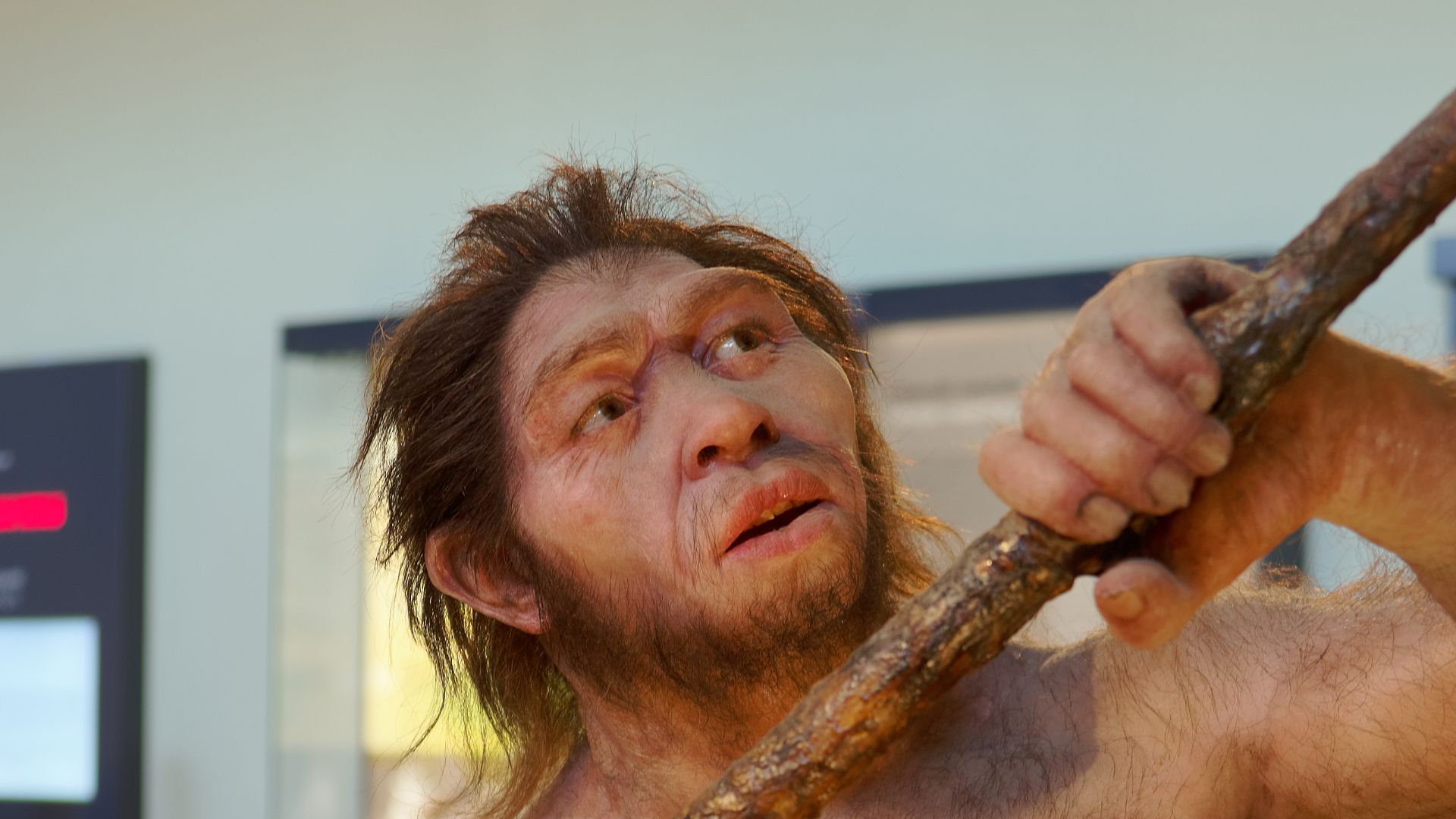
Homo Erectus Was Tougher Than Expected
A recent study from Tanzania suggests Homo erectus survived in extremely dry environments about one million years ago. Researchers found repeated evidence that these early humans returned to harsh landscapes instead of avoiding them. Stone tools and environmental clues indicate they repeatedly found reliable food and water sources. This challenges the idea that only modern humans mastered difficult environments.
 Jakub Halun, Wikimedia Commons
Early Humans Chose Strategic Locations
Researchers discovered that Homo erectus repeatedly occupied areas near rivers and changing water systems. These locations offered dependable resources even during dry periods. Returning to the same places over thousands of years suggests detailed environmental knowledge. That level of planning demonstrates remarkable adaptability.
 Tim Evanson, Wikimedia Commons
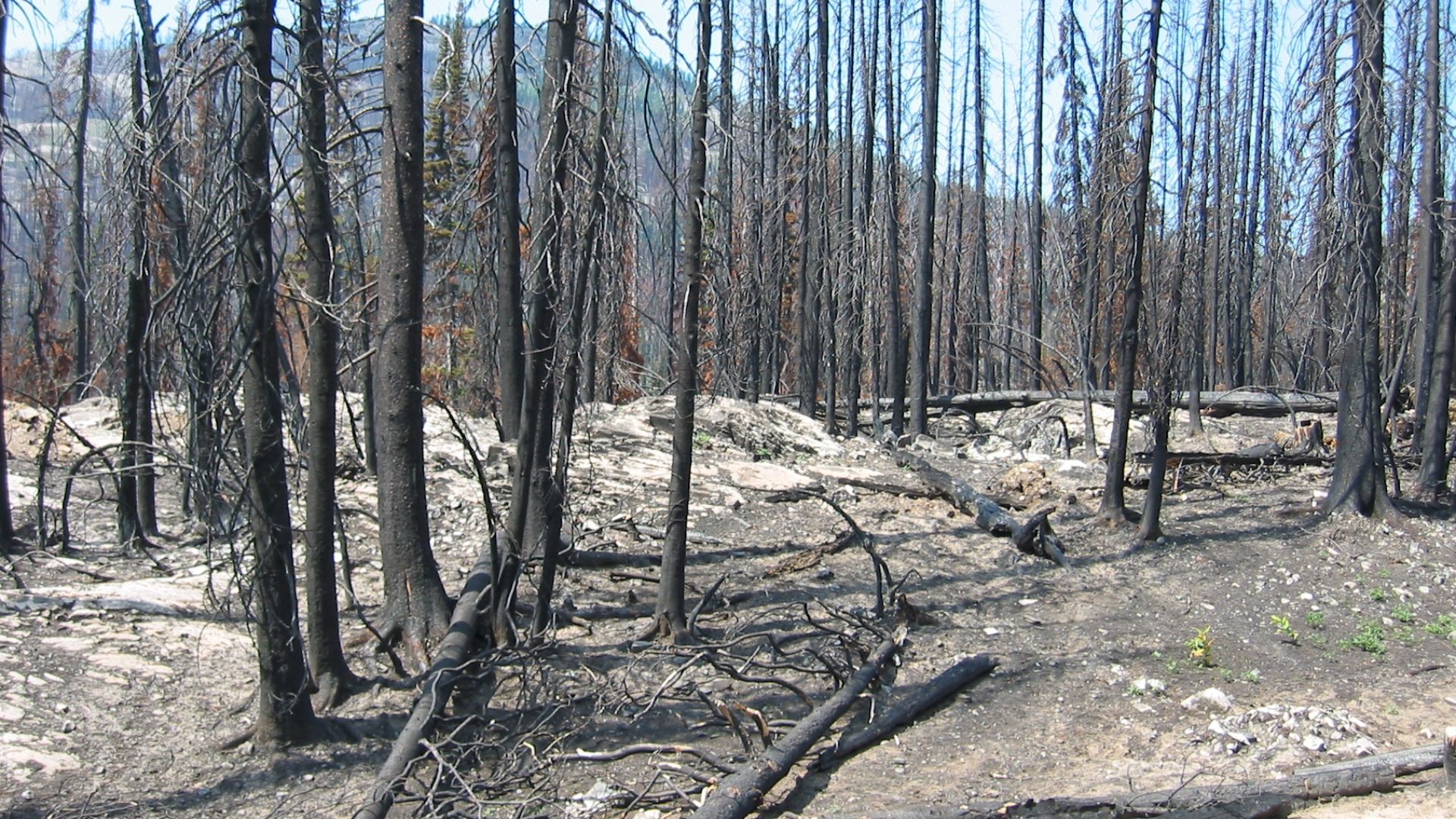
Fire Left Clues Behind
Tiny pieces of charcoal preserved in sediments reveal when ancient wildfires occurred. Scientists combine these records with archaeological evidence to understand how people responded after fires. Rather than abandoning burned landscapes forever, some groups returned when conditions improved. Fire became another challenge that people learned to navigate.
 Own work by the original uploader, Wikimedia Commons
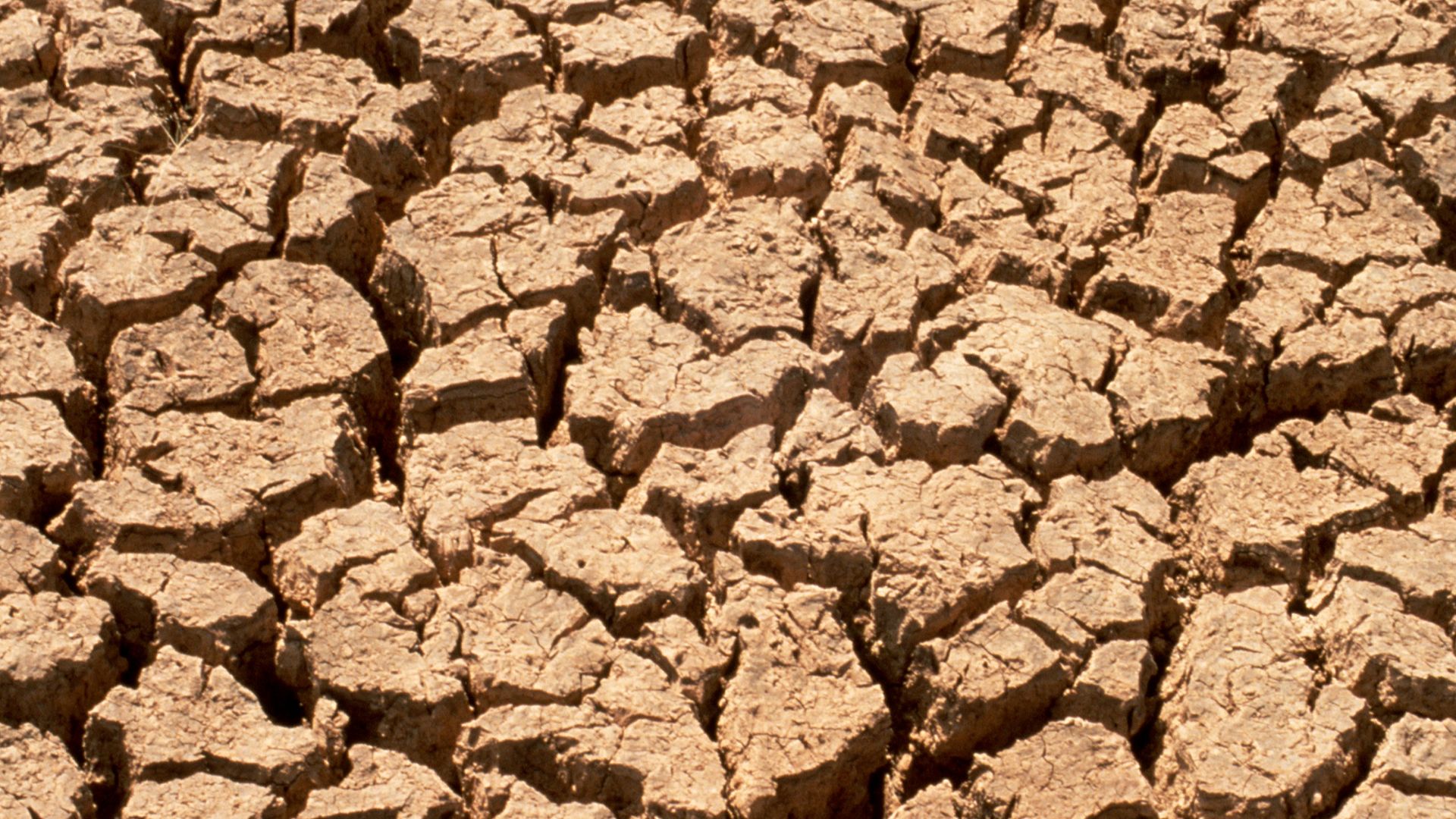
Drought Did Not Always Mean Disaster
Periods of prolonged drought often forced communities to rethink daily life. Some groups diversified their diets instead of relying on a single food source. Others expanded hunting, fishing, or gathering while adjusting farming practices. These flexible strategies reduced the risk of complete failure.
 Atmospheric Research, CSIRO, Wikimedia Commons
Ancient Villages Survived Sudden Climate Shifts
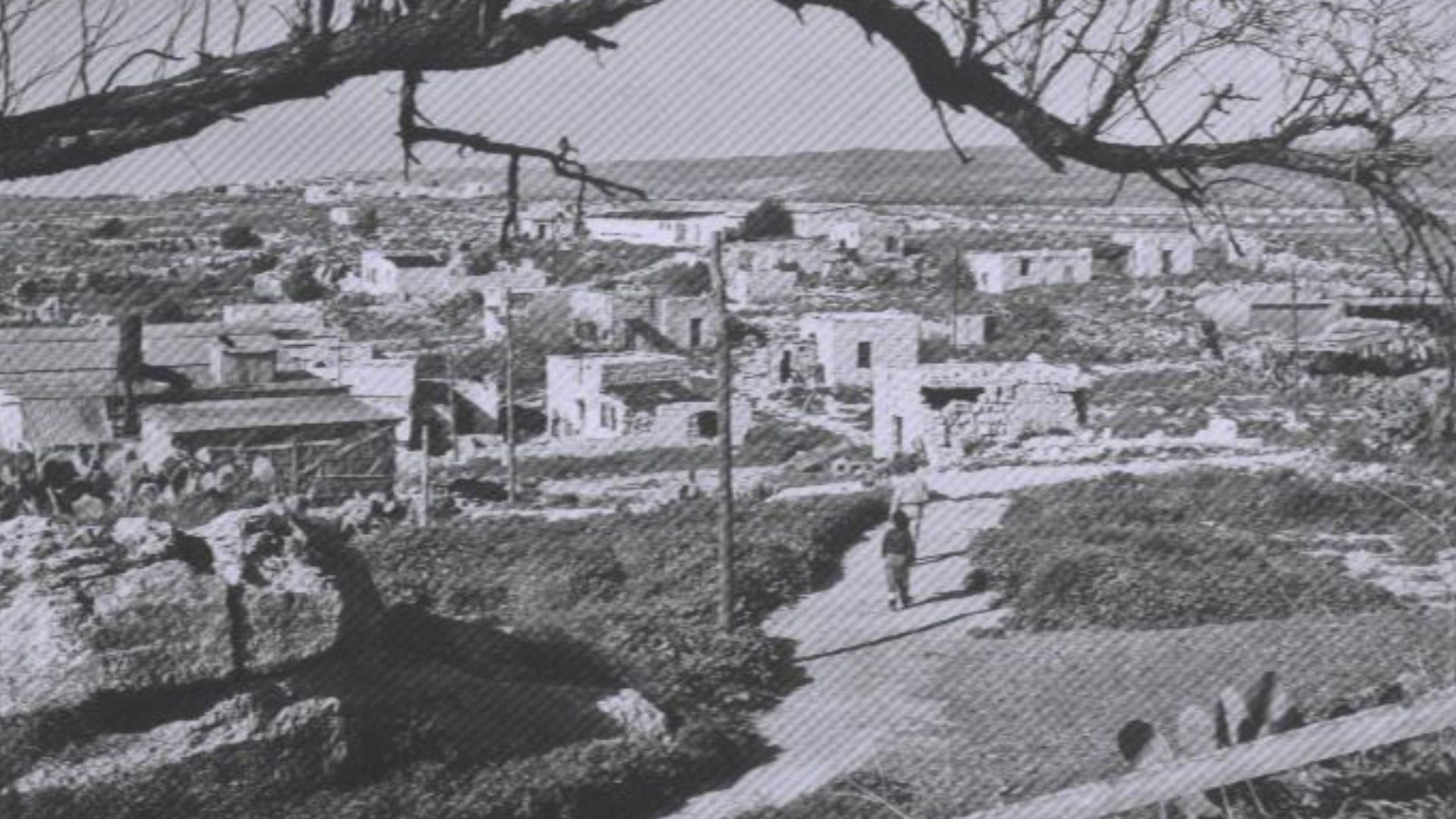
The 8,200-year climate event brought cooler temperatures, drought, and rising sea levels to parts of the Eastern Mediterranean. Archaeologists once believed many coastal settlements disappeared during this period. Excavations at Habonim North in present-day Israel tell a different story. Evidence shows the village remained occupied and even continued developing.
Fishing Helped Communities Adapt
The people of Habonim North relied heavily on marine resources alongside agriculture. Fishing nets, tools, and imported materials demonstrate a diverse economy. Multiple food sources made the settlement less vulnerable when environmental conditions changed. Diversification became an effective survival strategy.
 David King from Haifa, Israel, Wikimedia Commons
Trade Continued During Difficult Times
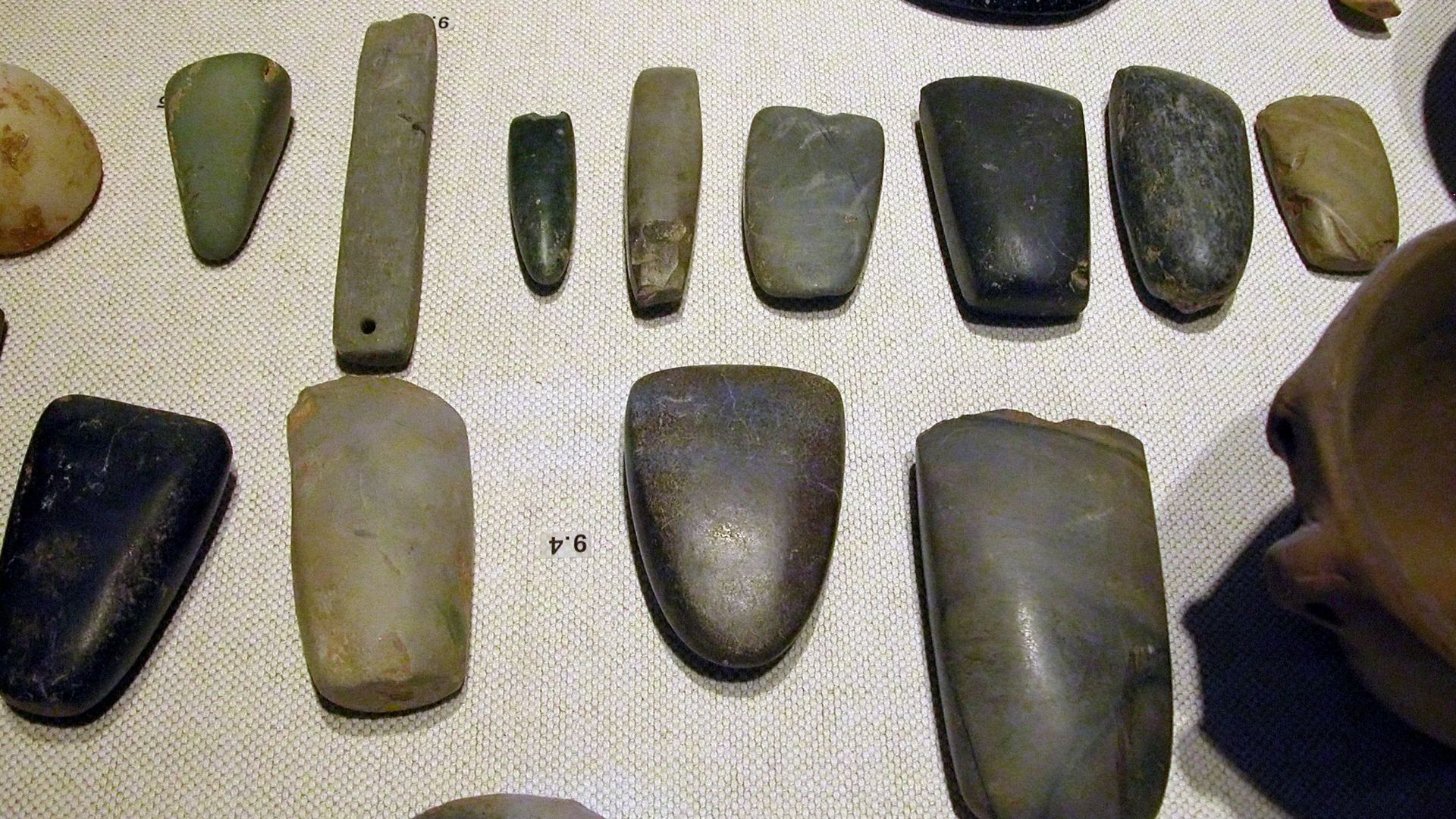
Archaeologists found basalt tools at Habonim North even though the stone originated far from the settlement. This indicates trade networks continued despite climate stress. Maintaining connections with neighboring communities increased access to valuable resources. Social cooperation strengthened resilience.
Innovation Often Followed Crisis
Environmental challenges encouraged technological improvements rather than stopping progress. Better tools, new food processing methods, and improved resource management appeared in many archaeological records. People experimented with different solutions as conditions changed. Innovation frequently emerged during periods of hardship.
 Jose-Manuel Benito, Wikimedia Commons
Agriculture Became More Flexible
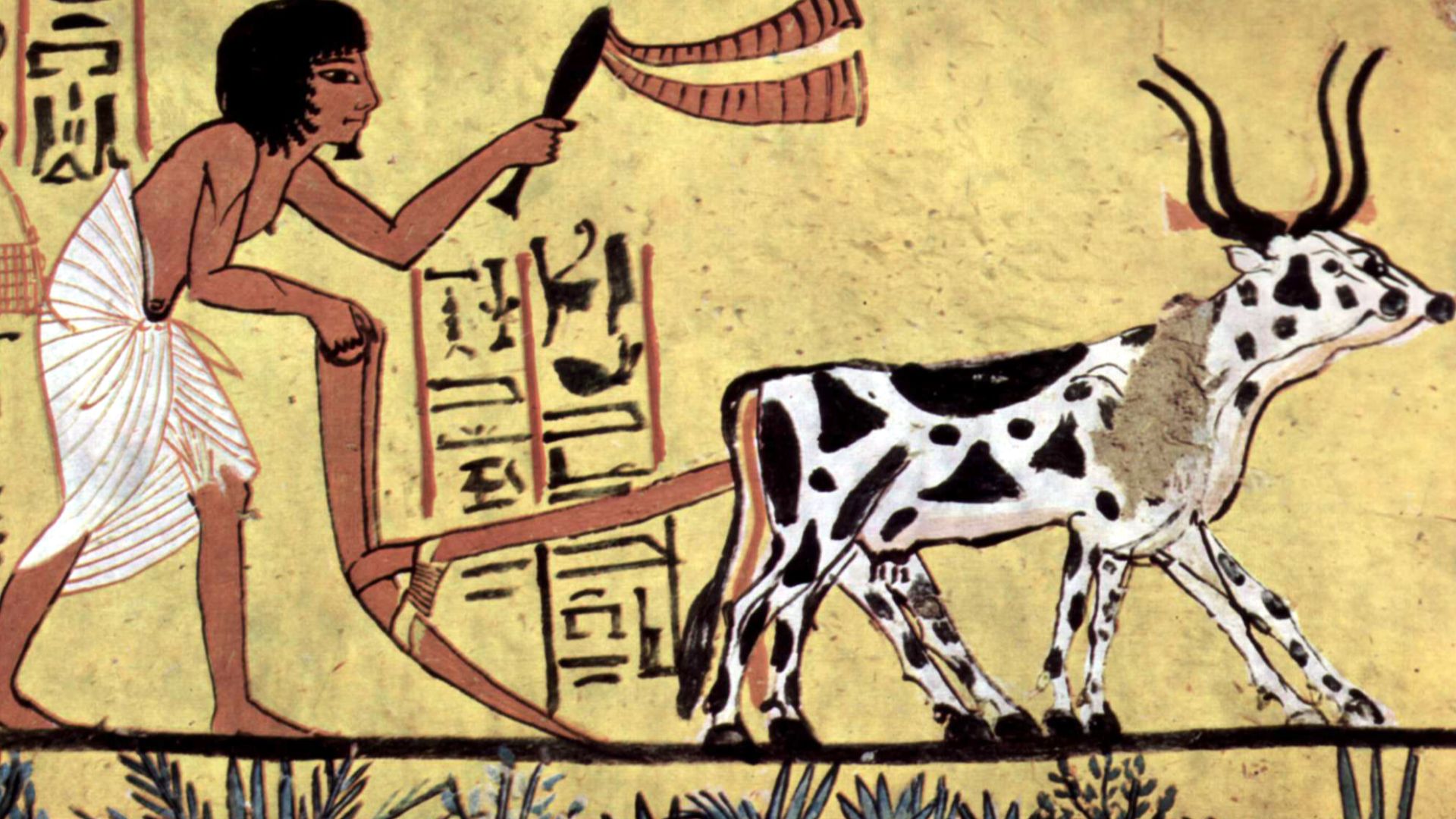
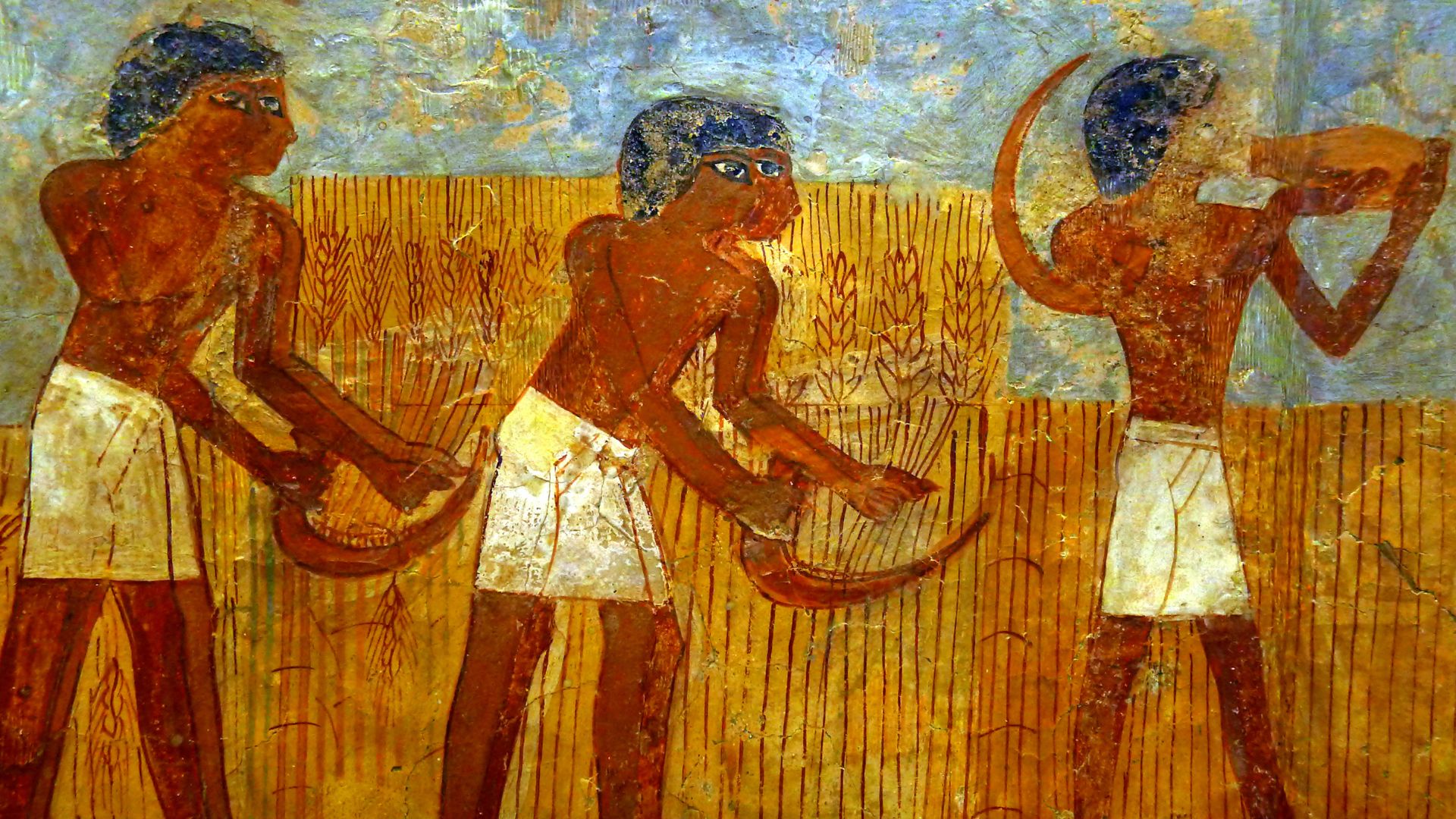
Ancient farmers adjusted planting schedules and crop choices to suit changing weather. Some communities combined farming with herding or fishing instead of depending on one activity. Diversification reduced the danger of crop failures. Flexible food production improved long-term survival.
 Painter of the burial chamber of Sennedjem, Wikimedia Commons
Water Management Became Essential
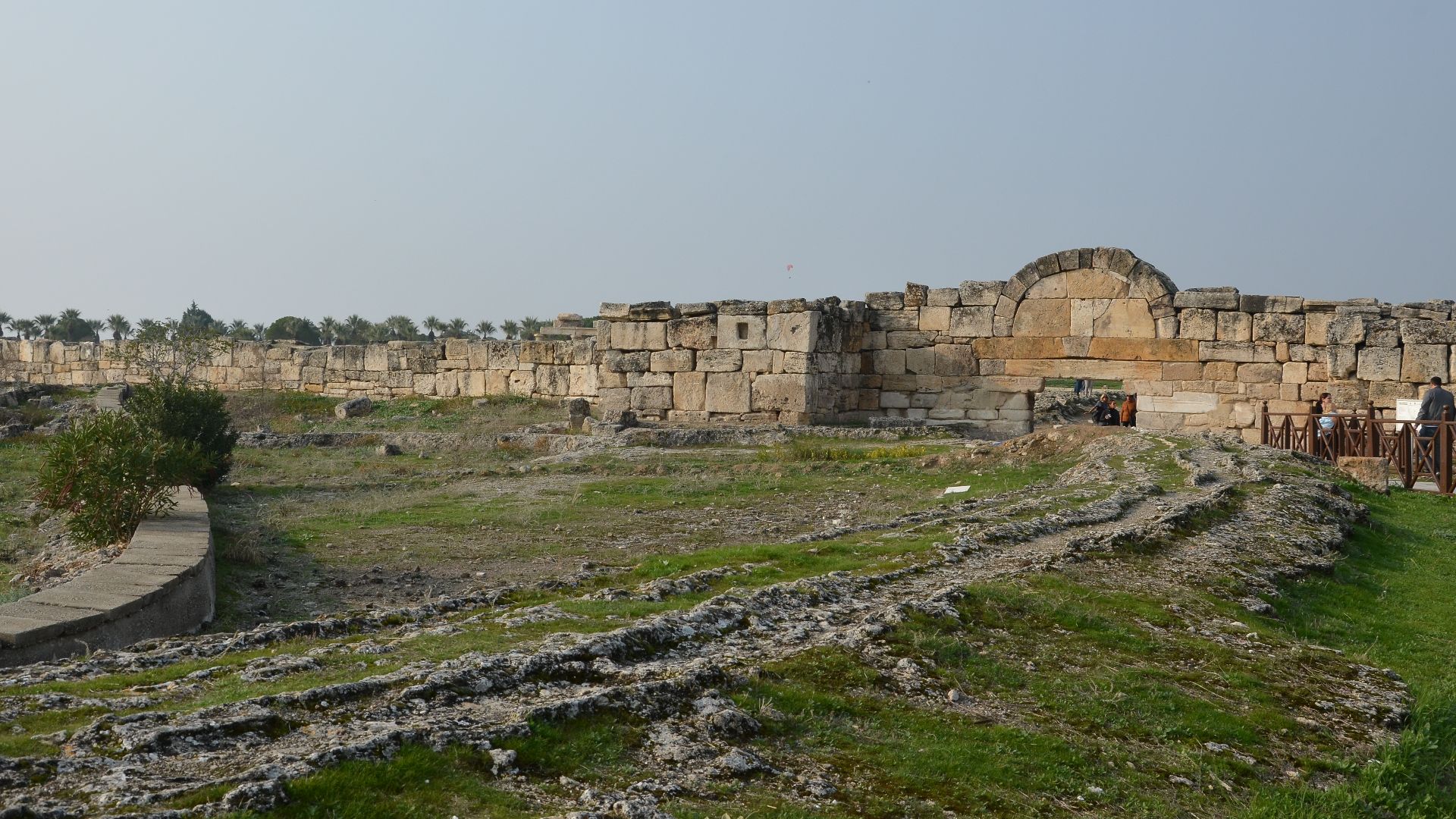
Finding dependable water sources was often the key to survival. Ancient societies built canals, reservoirs, terraces, and irrigation systems in many regions. These projects required planning and cooperation among large groups of people. Better water management allowed settlements to remain occupied despite changing climates.
 shankar s. from Dubai, united arab emirates, Wikimedia Commons
Mobility Was Sometimes The Best Solution
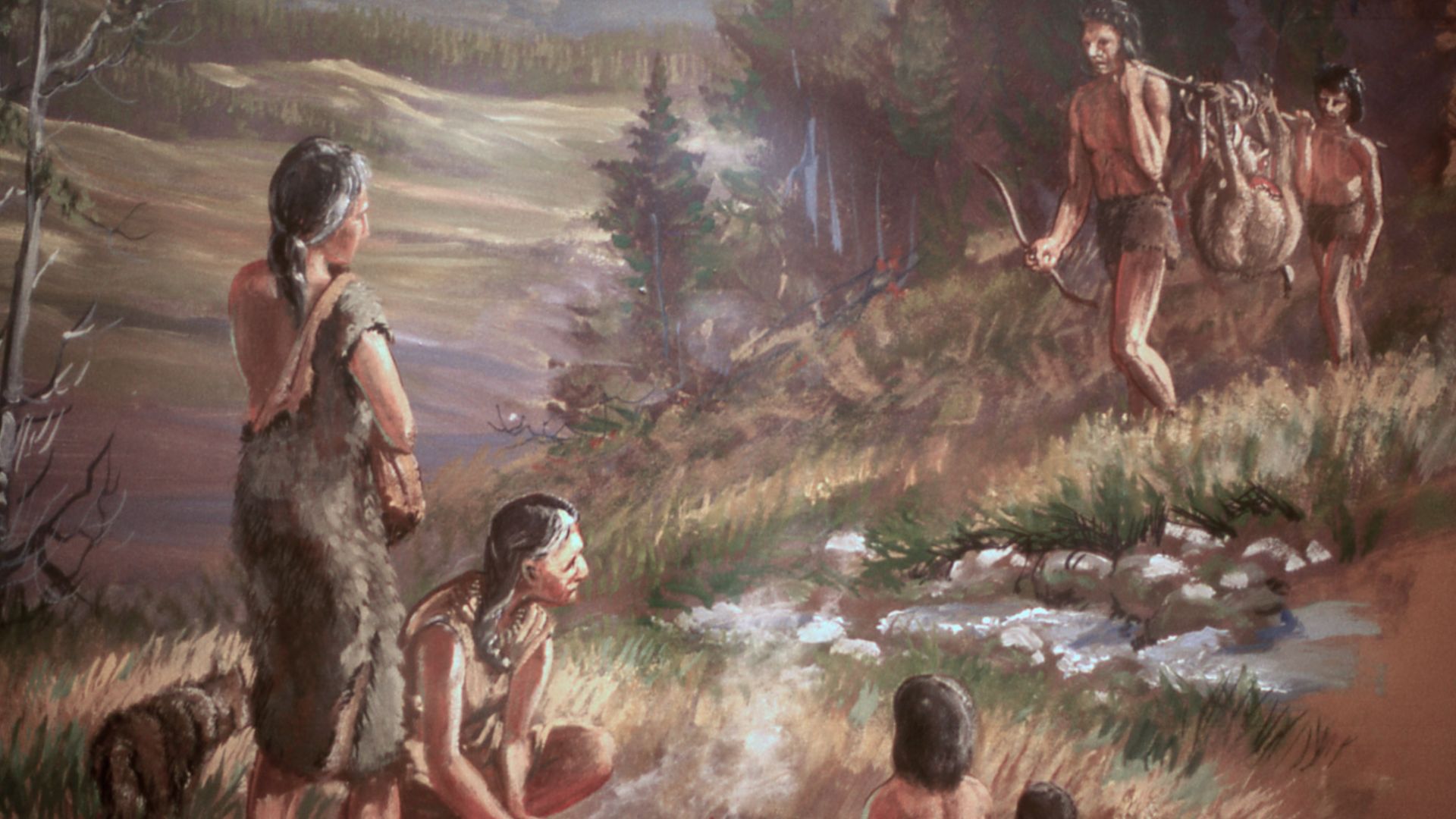
Not every community stayed in one place. Some groups became more mobile during difficult environmental periods. Seasonal movement allowed them to follow food, water, and favorable conditions. Migration often represented adaptation instead of failure.
 Artist unknown, Wikimedia Commons
Social Cooperation Made A Difference
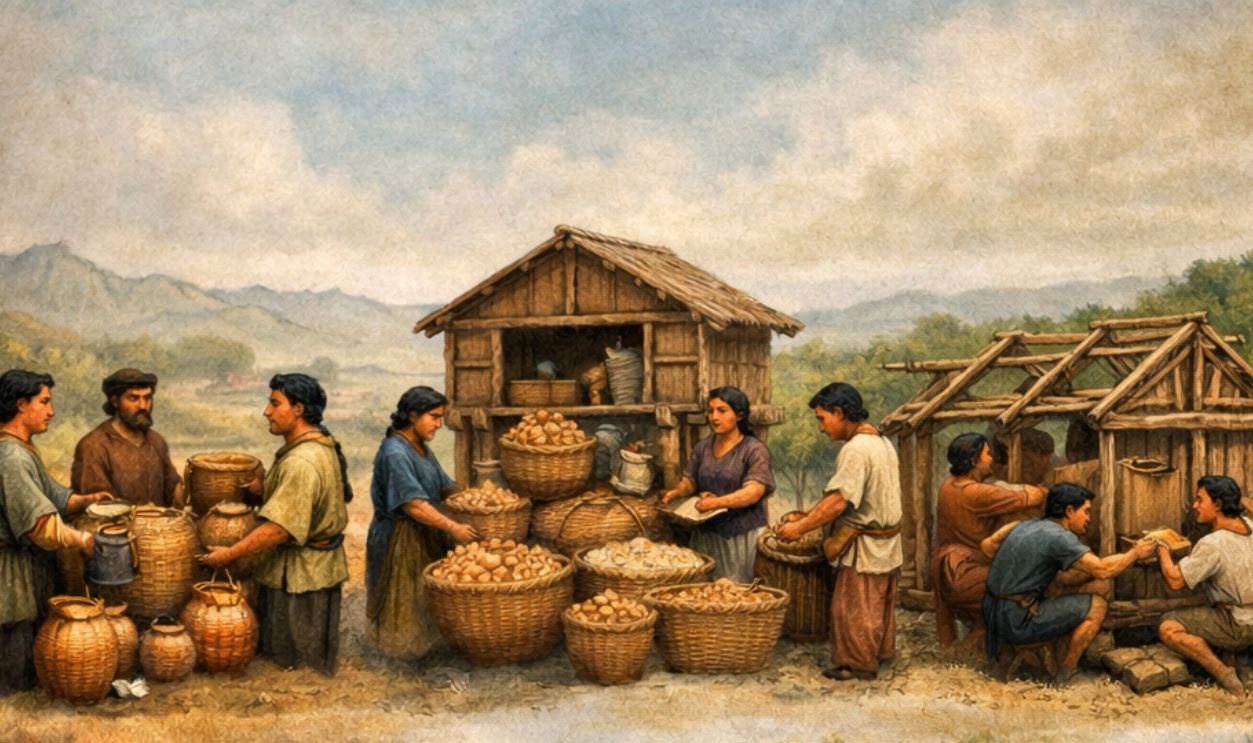
Communities that shared resources generally handled disasters more successfully. Archaeological evidence points to cooperation through trade, food distribution, and collective construction projects. Working together reduced individual risk during difficult times. Strong social networks became an important survival tool.
Flexibility Was More Valuable Than Size
Large settlements were not automatically the most resilient. Smaller communities often adapted more quickly because they could change food sources or relocate with less difficulty. Researchers increasingly recognize that flexibility mattered more than population size alone. Adaptability repeatedly appears in archaeological evidence.
Ancient People Understood Their Landscapes
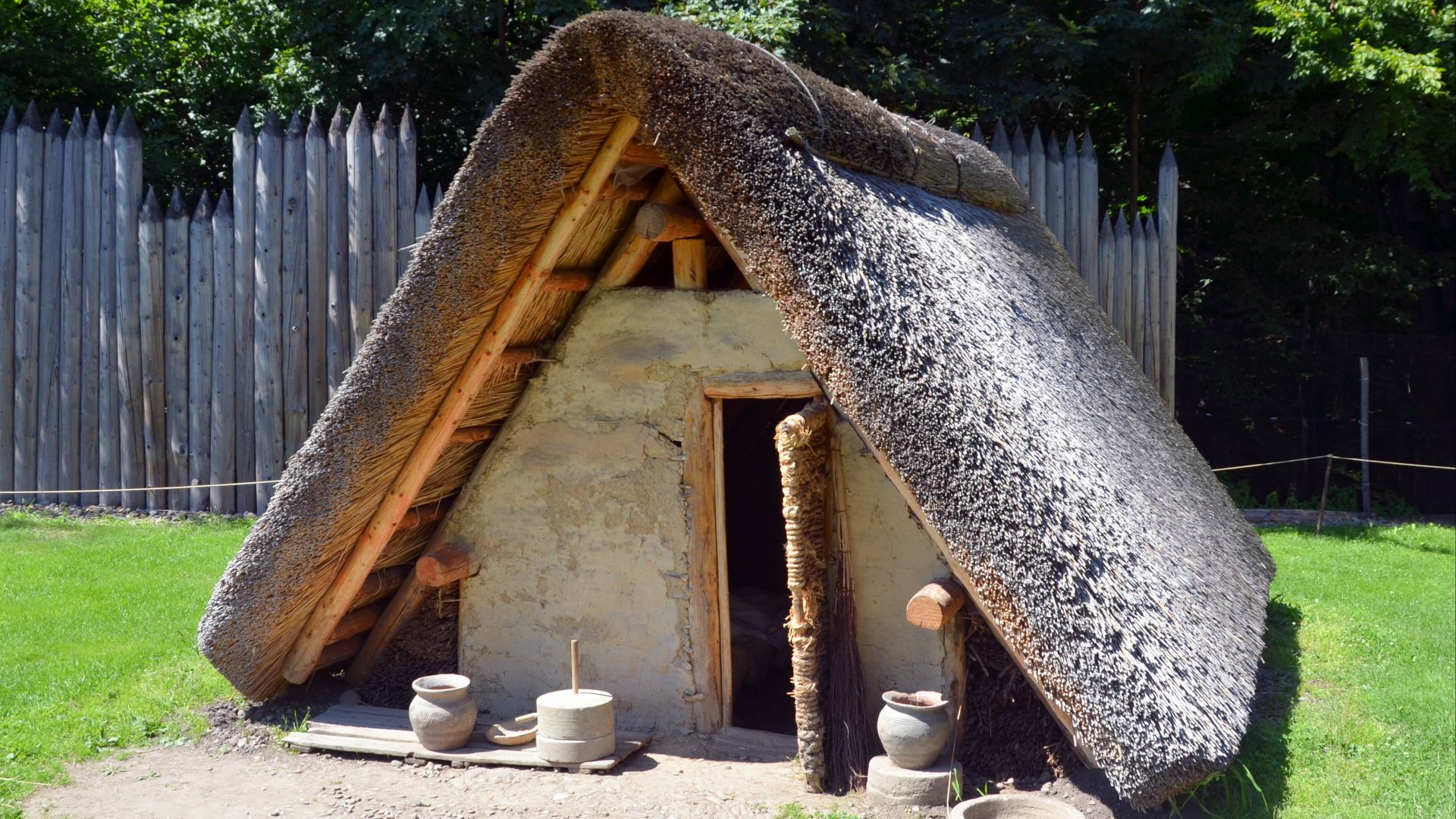
Generations of observation gave ancient communities deep knowledge of local environments. They recognized seasonal changes, animal movements, and reliable water sources. This knowledge guided settlement choices and resource use. Careful observation helped reduce the impact of environmental disruptions.
Disasters Did Not Affect Everyone Equally
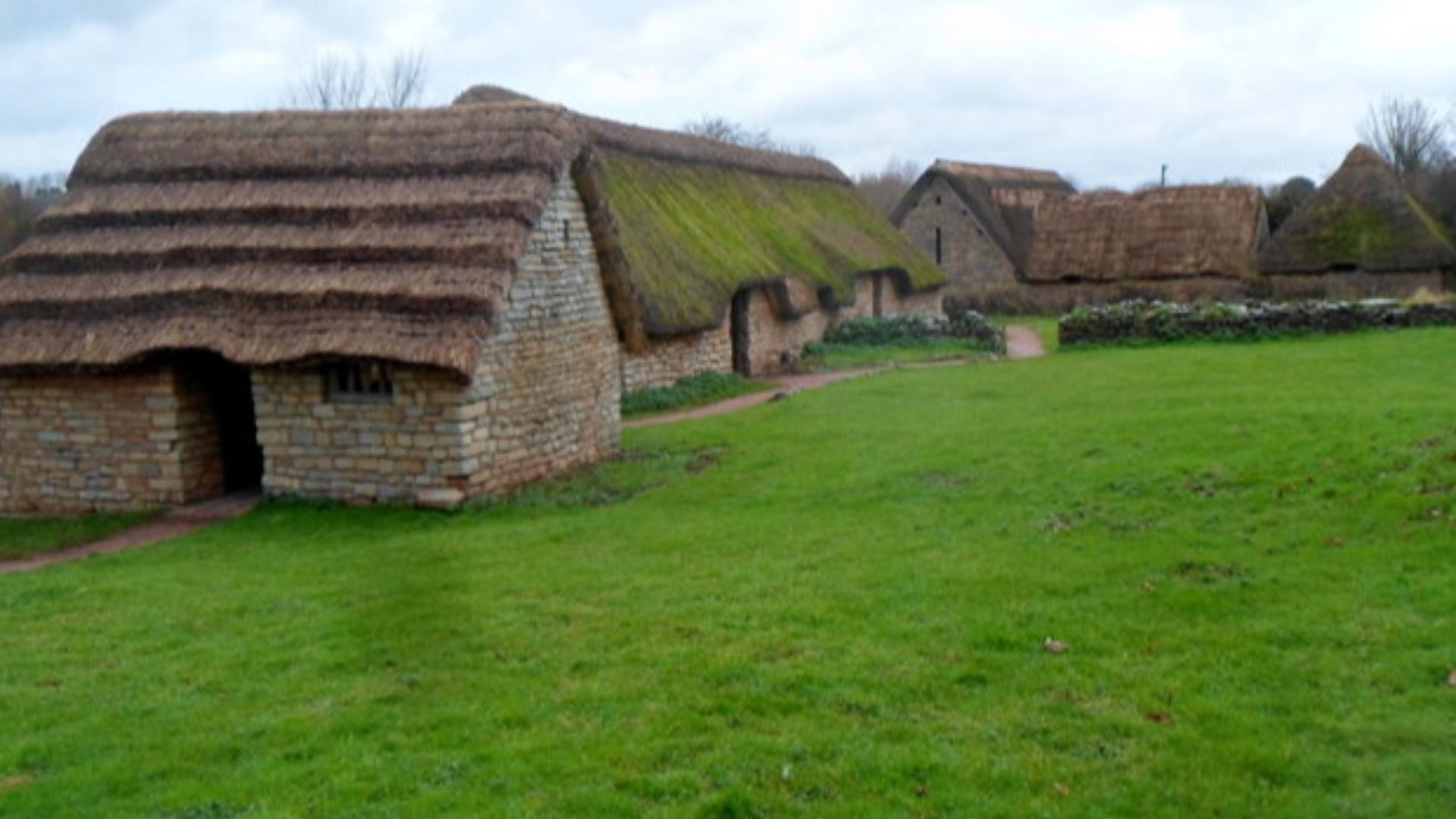
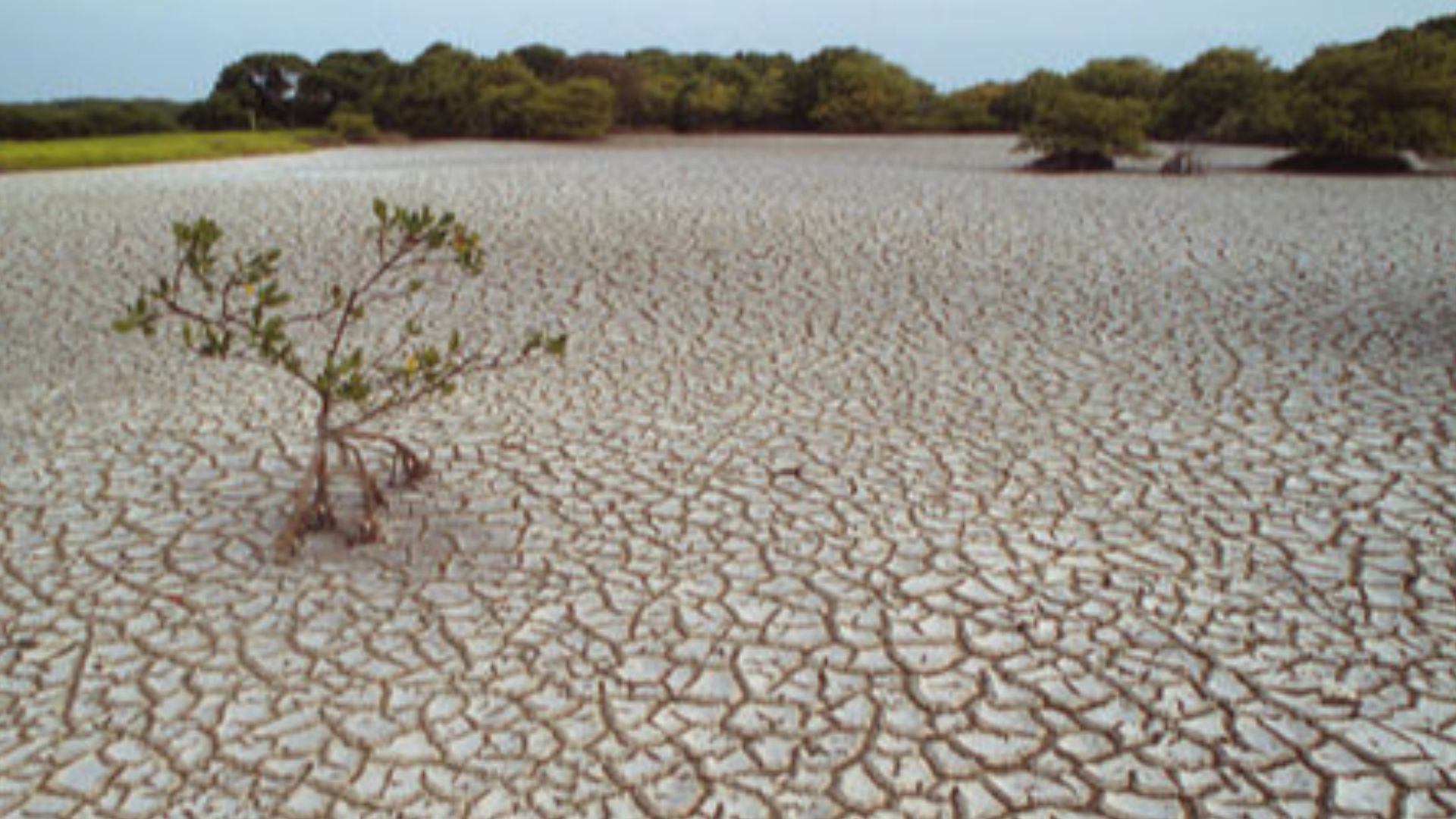
Environmental events varied greatly from one region to another. A drought that devastated one area might leave another largely unaffected. Communities responded according to their local geography, culture, and available resources. Scientists now emphasize regional differences instead of broad assumptions.
 TNSE UMA TVM, Wikimedia Commons
Archaeology Shows Survival Was Local
Recent research suggests resilience depended heavily on local conditions. Successful adaptations reflected specific landscapes rather than universal solutions. Communities developed strategies that fit their unique environments. This explains why neighboring societies sometimes experienced very different outcomes.
 Unknown artistUnknown artist, Wikimedia Commons
Ancient Climate Was Surprisingly Unstable
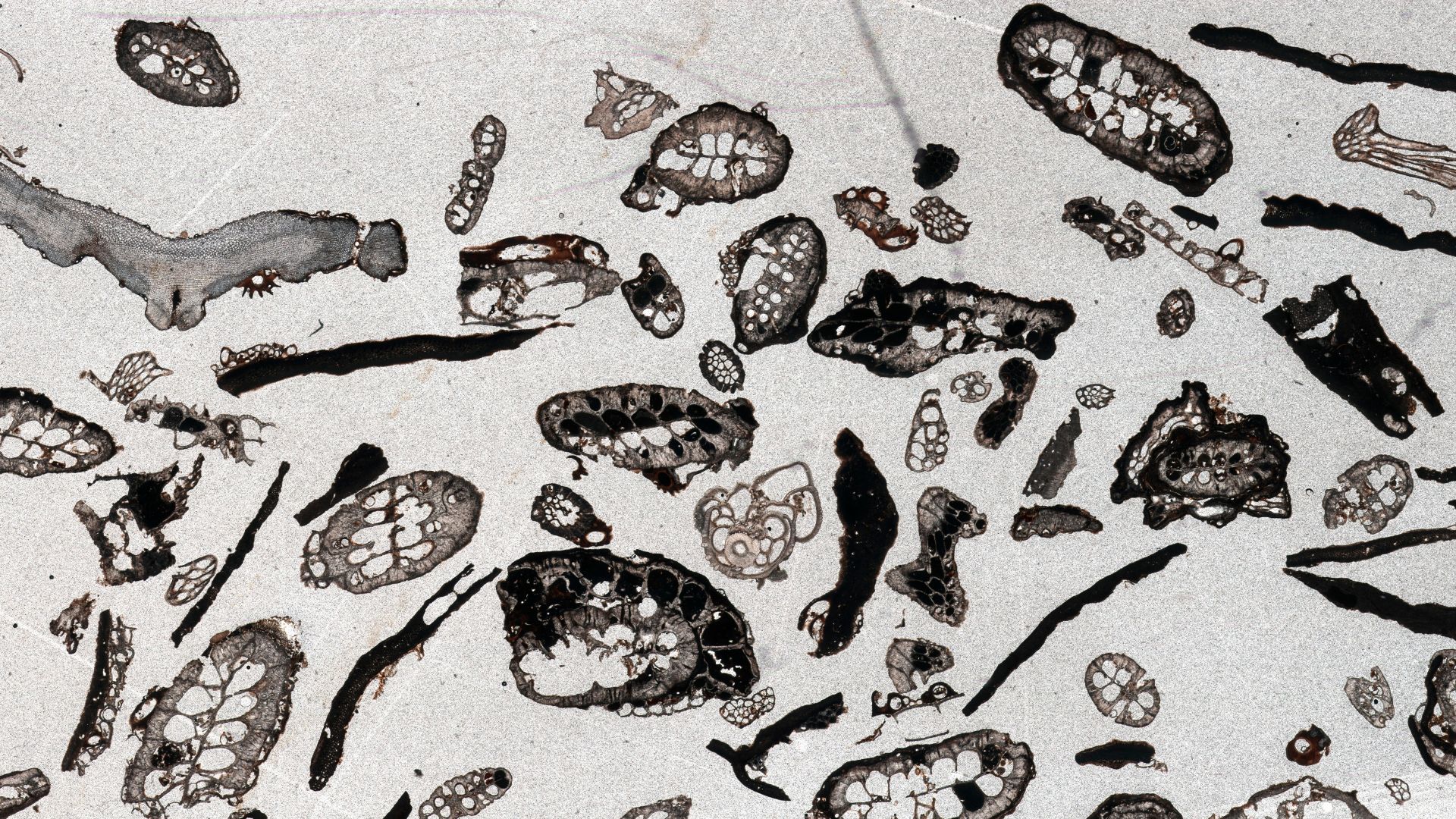
Recent studies of Mediterranean sediments reveal climate fluctuated dramatically over centuries. Wet and dry periods often alternated much faster than researchers previously believed. Despite this instability, archaeological evidence shows people continued living in many affected regions. Human societies repeatedly adjusted instead of disappearing.
 Axel Munnecke, Wikimedia Commons
New Technology Helps Reveal The Past
Researchers now combine satellite imagery, chemical analysis, ancient DNA, pollen studies, and climate modeling with traditional archaeology. These techniques reveal environmental details that were impossible to detect only a few decades ago. Better data produces a clearer understanding of ancient resilience. Technology continues to transform archaeological research.
 Svante Paabo, Max Planck Institute for Evolutionary Anthropology, Wikimedia Commons
Researchers Are Rethinking Human Evolution
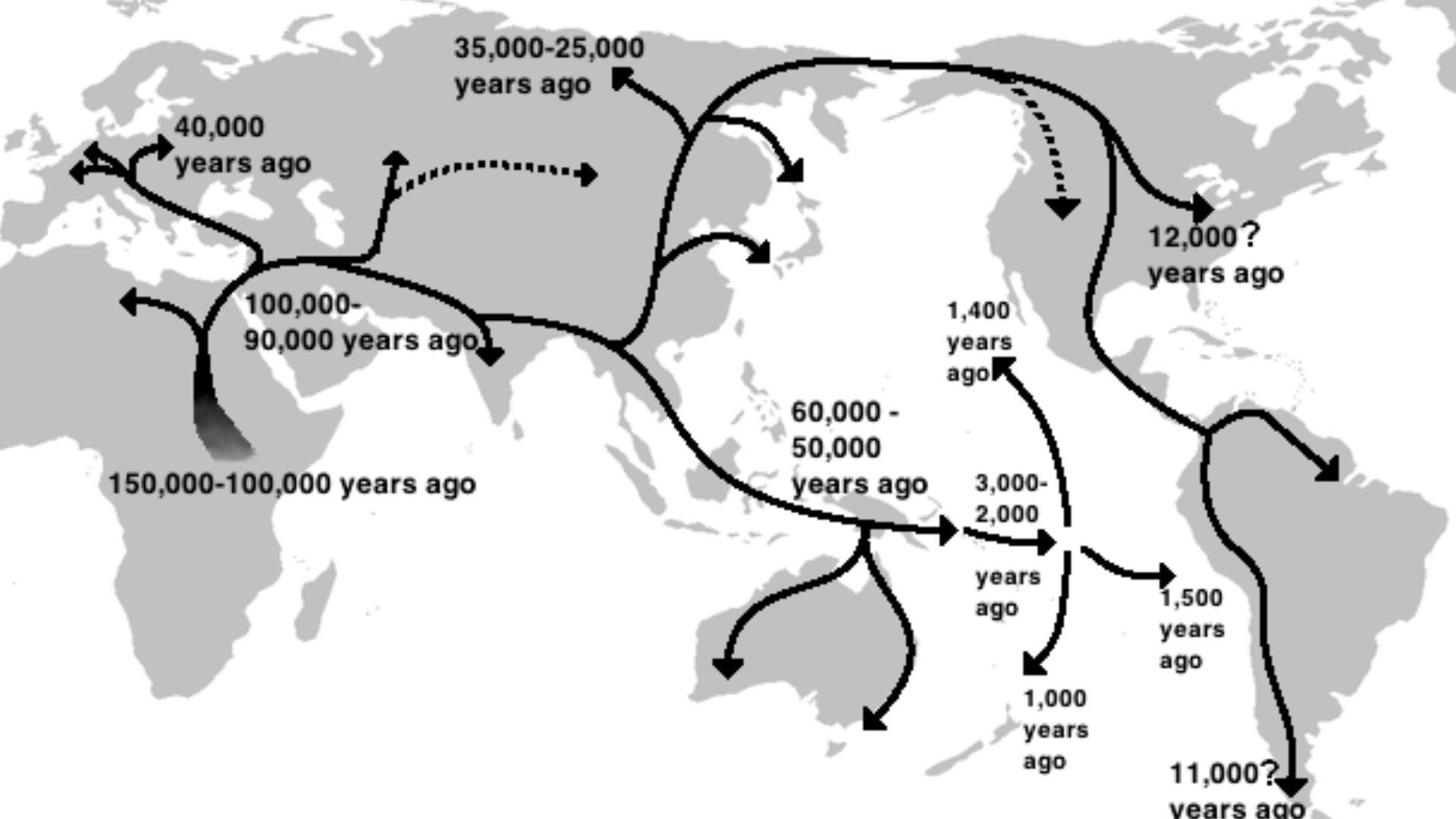
Evidence from Africa suggests adaptability developed long before modern humans spread across the globe. Studies indicate humans occupied increasingly diverse environments between about 70,000 and 50,000 years ago. Living successfully in forests, deserts, and other challenging habitats prepared people for future migrations. Flexibility became one of humanity's defining traits.
Ancient Lessons Still Matter Today
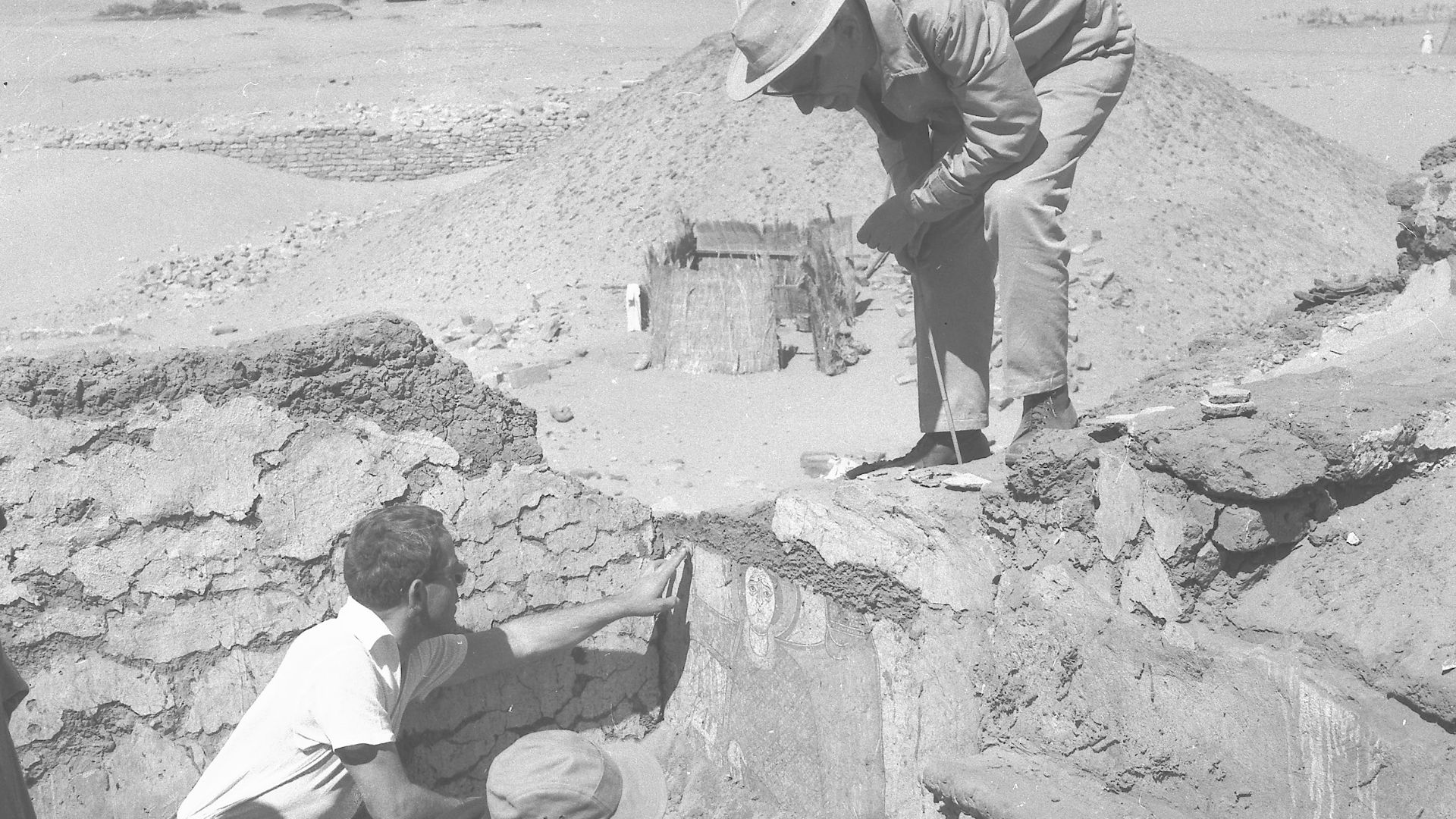
Archaeologists caution that the past cannot provide simple solutions for modern climate change. Ancient societies lived under very different technological and social conditions. However, their experiences show that cooperation, innovation, and flexibility can improve resilience. These recurring themes remain relevant today.
 Tadeusz Biniewski, Wikimedia Commons
The Past Offers Hope Alongside Warning
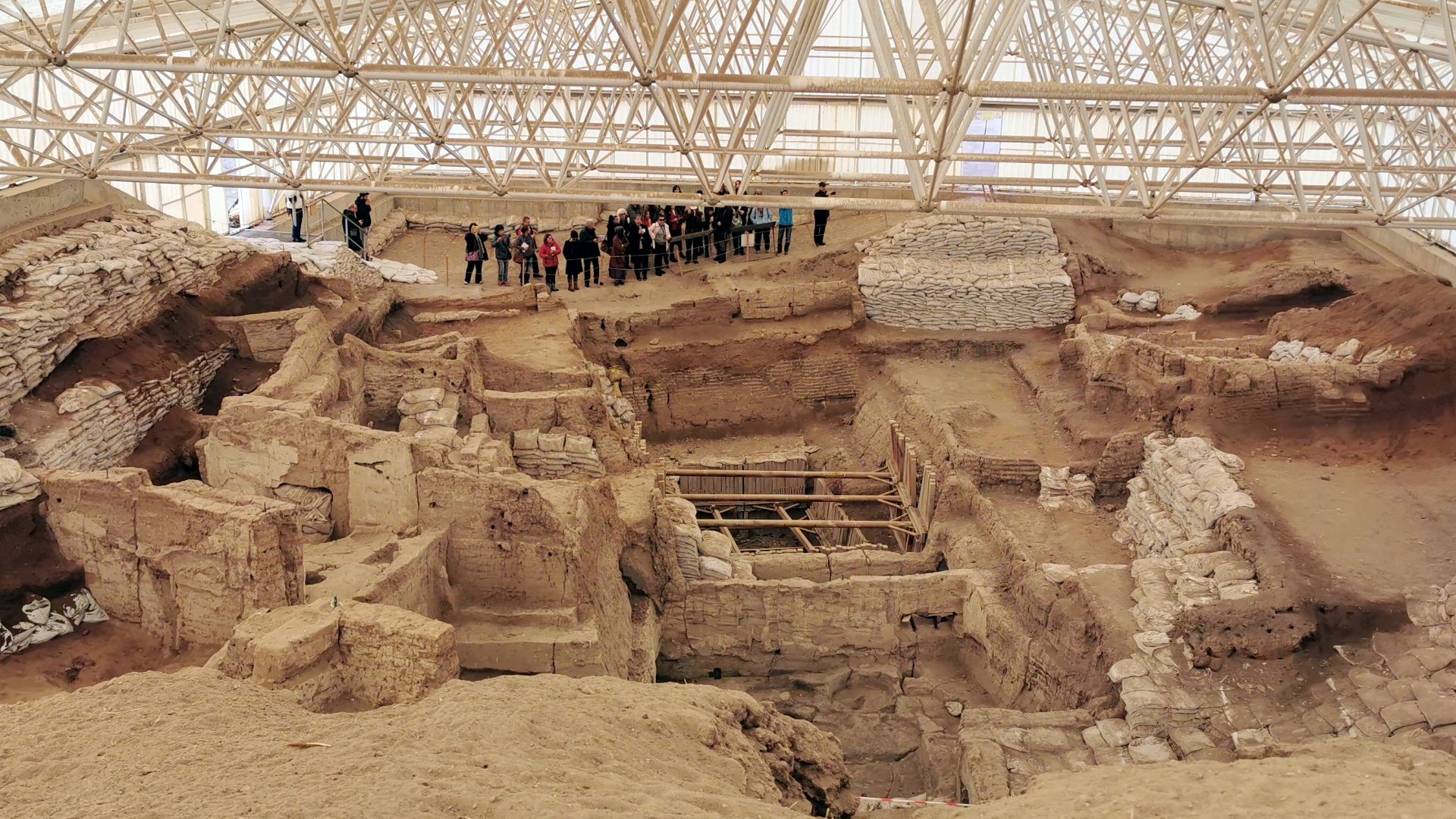
Environmental disasters have always challenged humanity, but archaeology shows they rarely produced only destruction. Ancient people often responded with creativity, careful planning, and social cooperation. Researchers continue uncovering examples that overturn older assumptions about inevitable collapse. The growing body of evidence suggests our ancestors were far more adaptable than scientists once believed.
 Murat Ozsoy 1958, Wikimedia Commons
You May Also Like:
The Lenape: The Native Tribe That Tipped The Balance of The Revolutionary War
Scientists uncover a toxic legacy of Ancient Rome that may have lowered intelligence across Europe