The Lakota Leader Who Forced the United States to Surrender
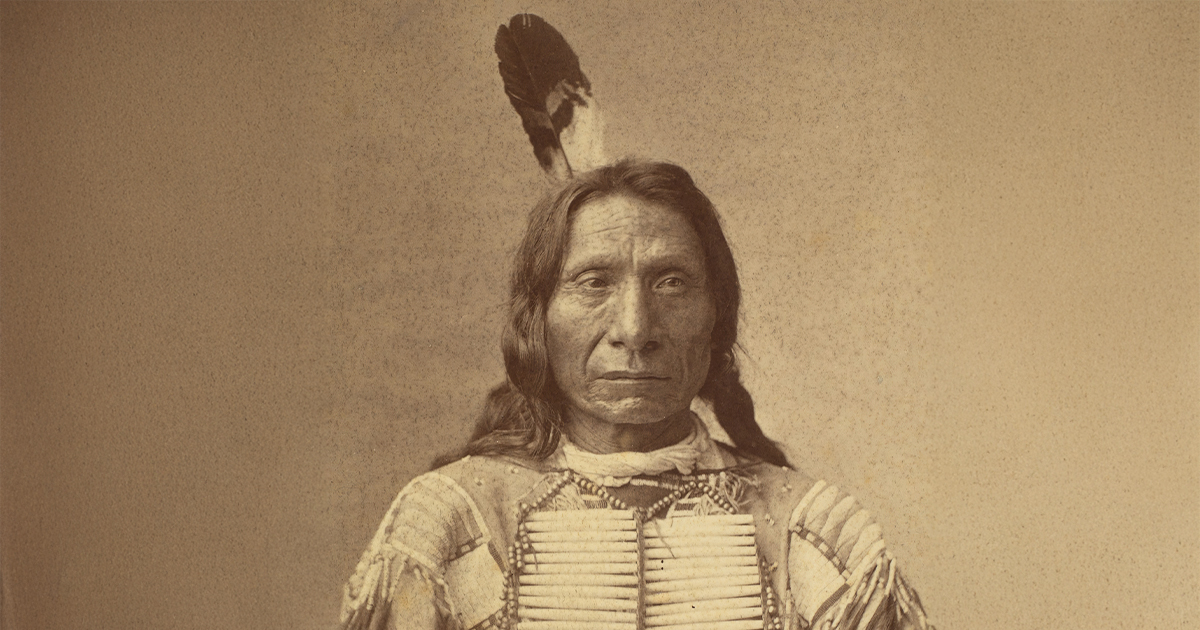
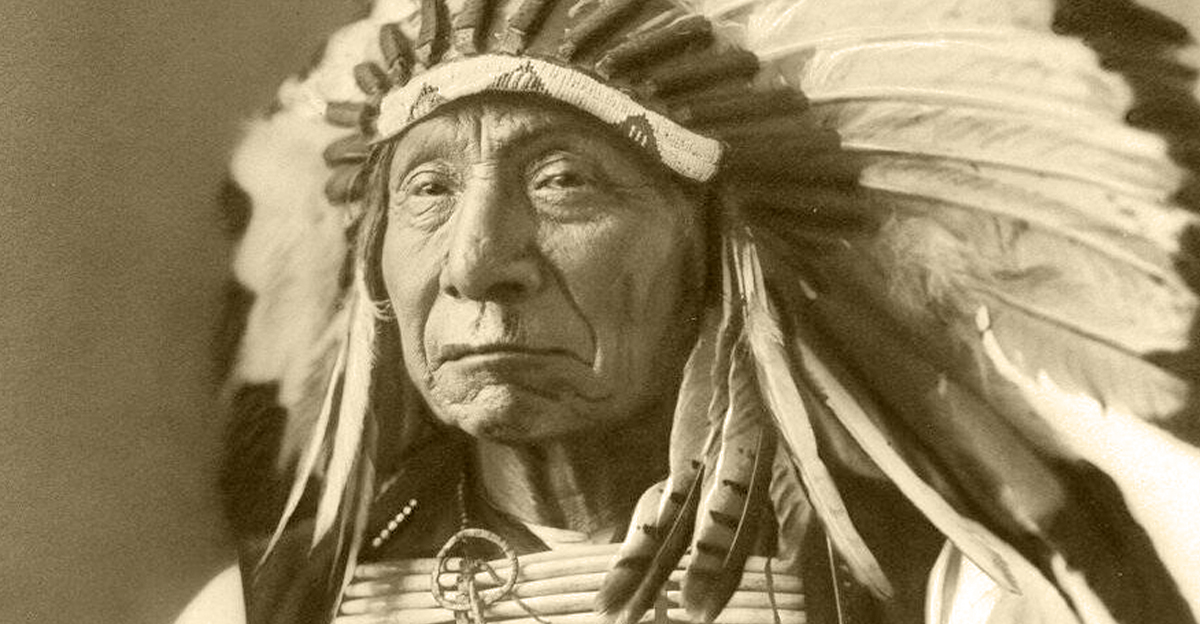
Red Cloud stands apart in American history as the only Native leader who successfully fought the US Army to a standstill and forced it to abandon its forts. An Oglala Lakota leader, Red Cloud combined battlefield skill, political intelligence, and deep loyalty to his people during one of the most violent periods of westward expansion.
Born Into a Divided Plains World
Red Cloud was born around 1822, near the Platte River in what is now Nebraska. His Lakota name was Maȟpíya Lúta, meaning “Red Cloud.” His early life unfolded during a time when intertribal warfare, buffalo hunting, and growing pressure from settlers shaped daily survival.
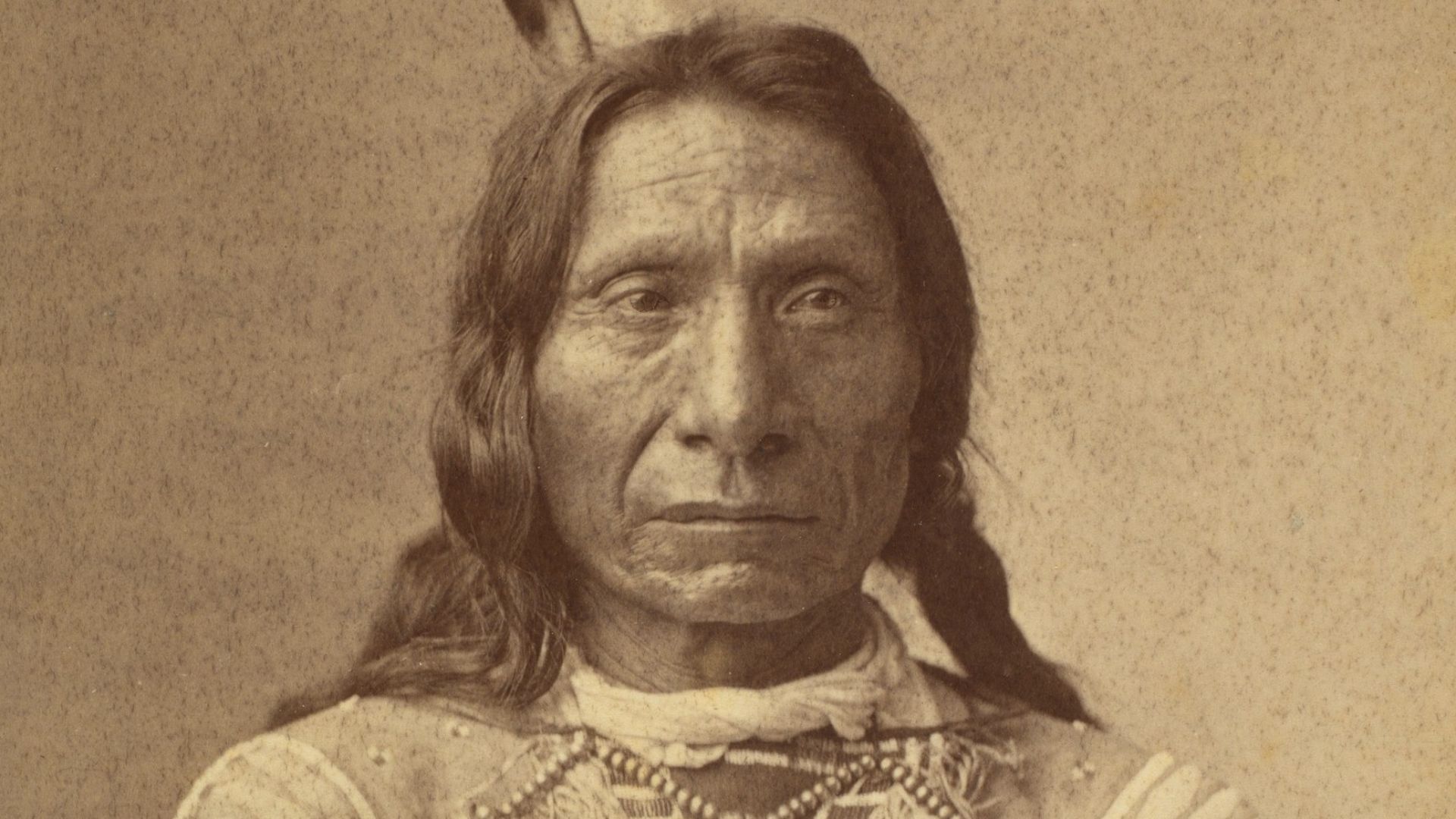 Charles Milton Bell, Wikimedia Commons
Raised by Warriors
After his father died young, Red Cloud was raised by his uncle Old Smoke, a respected Oglala leader. From an early age, Red Cloud learned hunting, horsemanship, and combat. Unlike some leaders, he gained respect first as a warrior long before becoming a political figure.
Making a Name Through Combat
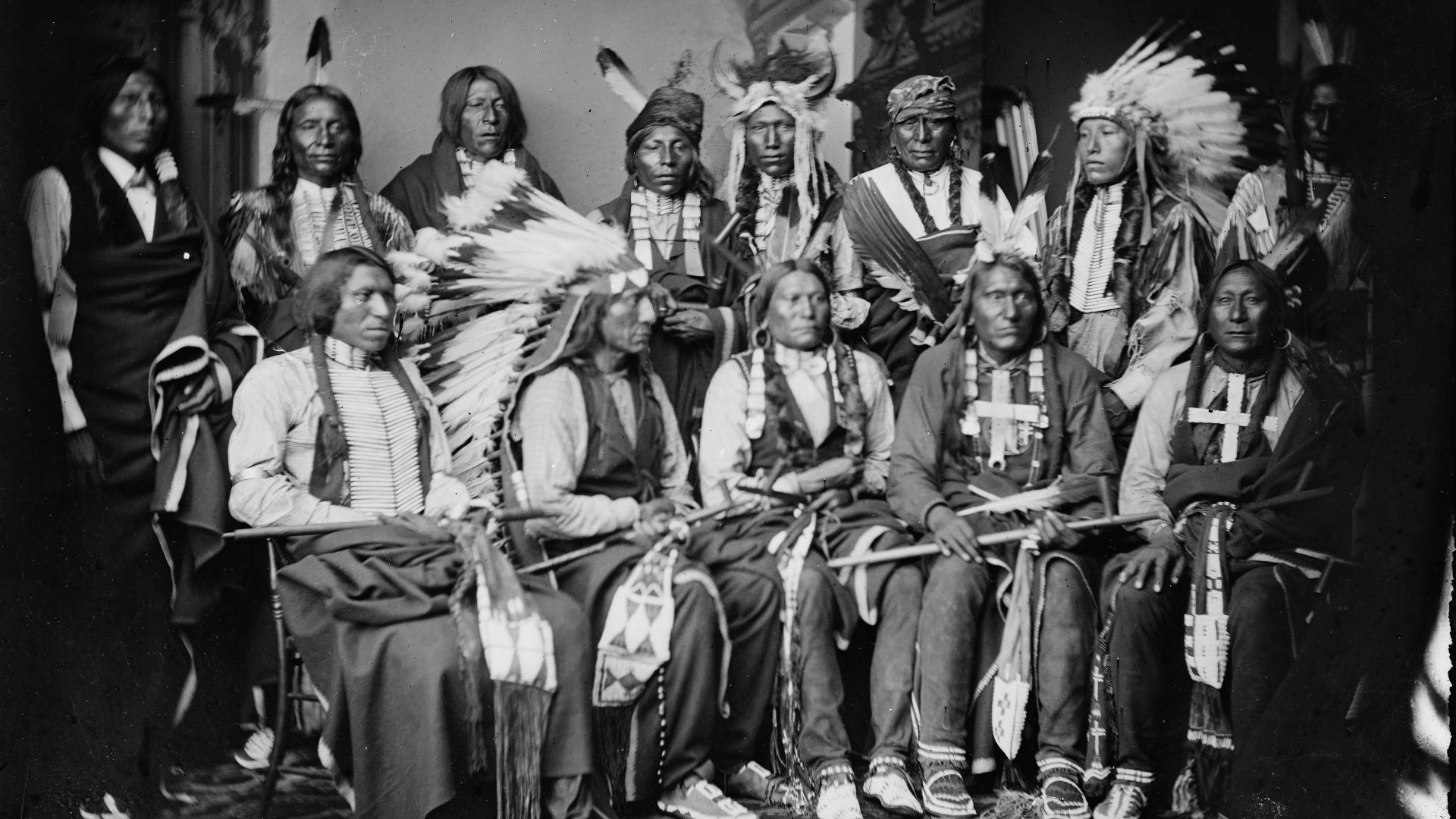
As a young man, Red Cloud earned a reputation for bravery in battles against rival tribes, particularly the Crow and Pawnee. He proved himself through hand-to-hand combat, raids, and leadership under pressure. These early experiences shaped his understanding of warfare and strategy.
The Plains Begin to Change
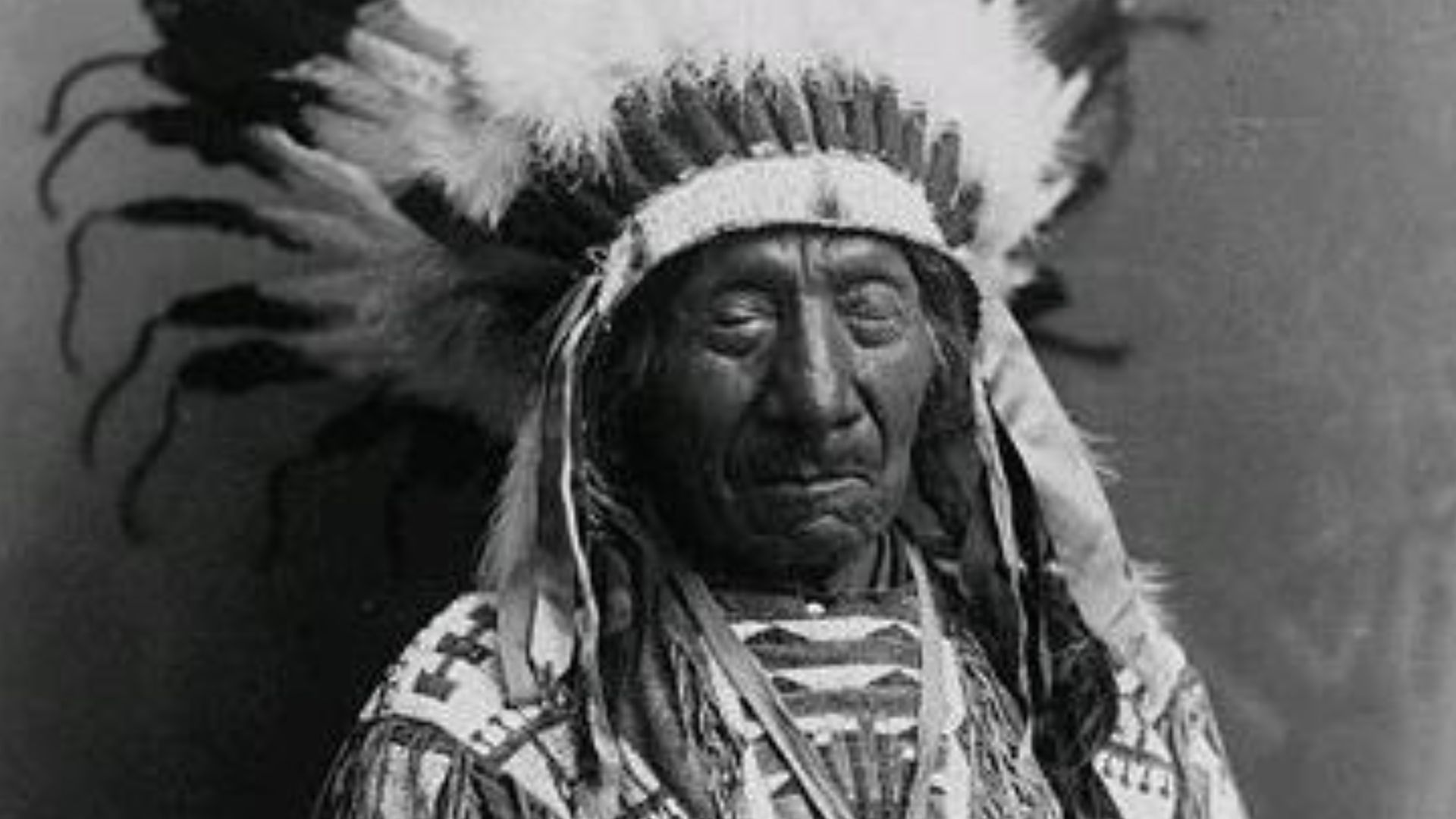
By the 1850s, wagon trails, forts, and military roads began cutting through Lakota land. The Bozeman Trail, established in 1863, ran directly through the Powder River Country, one of the most important hunting grounds for the Lakota, Cheyenne, and Arapaho.
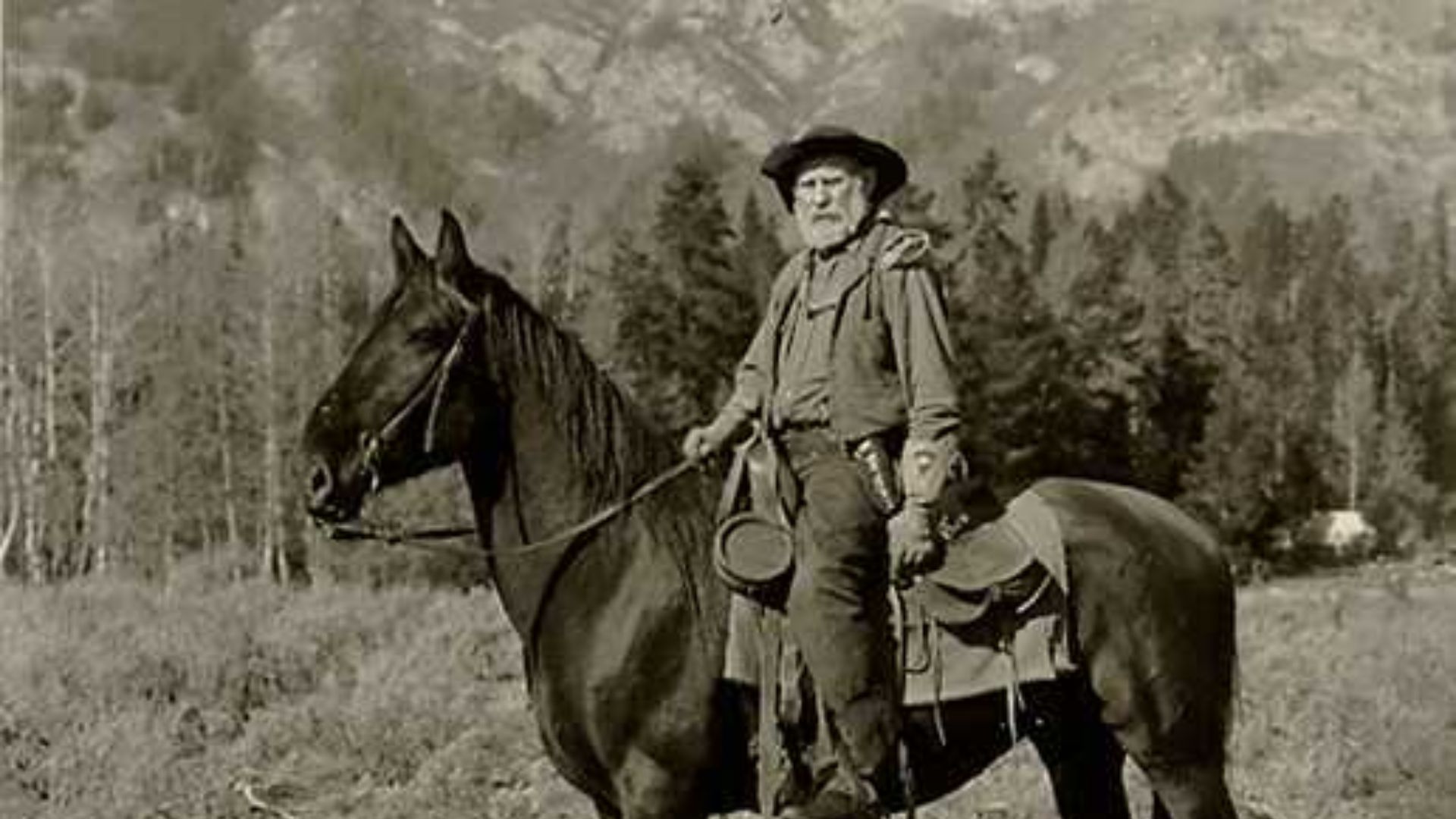 George A. Grant, Wikimedia Commons
Why the Bozeman Trail Sparked War
The Bozeman Trail allowed gold seekers to reach Montana but violated earlier treaties. Red Cloud understood the danger immediately. To him, the trail was not a road, but an invasion. He famously declared that the Lakota would not allow soldiers to “cut the land in half.”
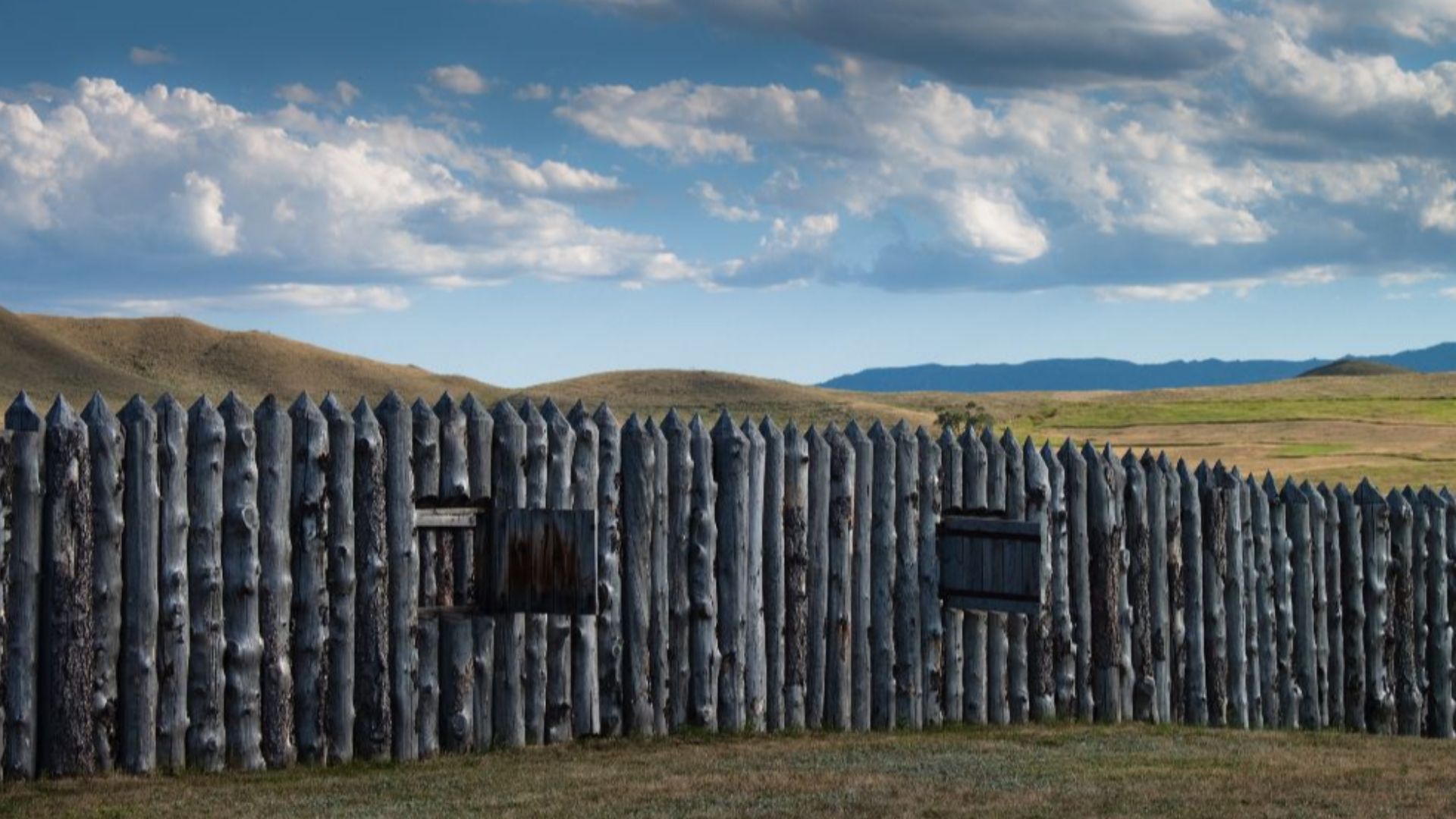
Red Cloud Takes Command
By 1865, Red Cloud had emerged as the leading voice of resistance. He refused to attend treaty councils and instead organized coordinated attacks against US forts along the Bozeman Trail. His leadership unified Lakota bands that rarely acted together before.
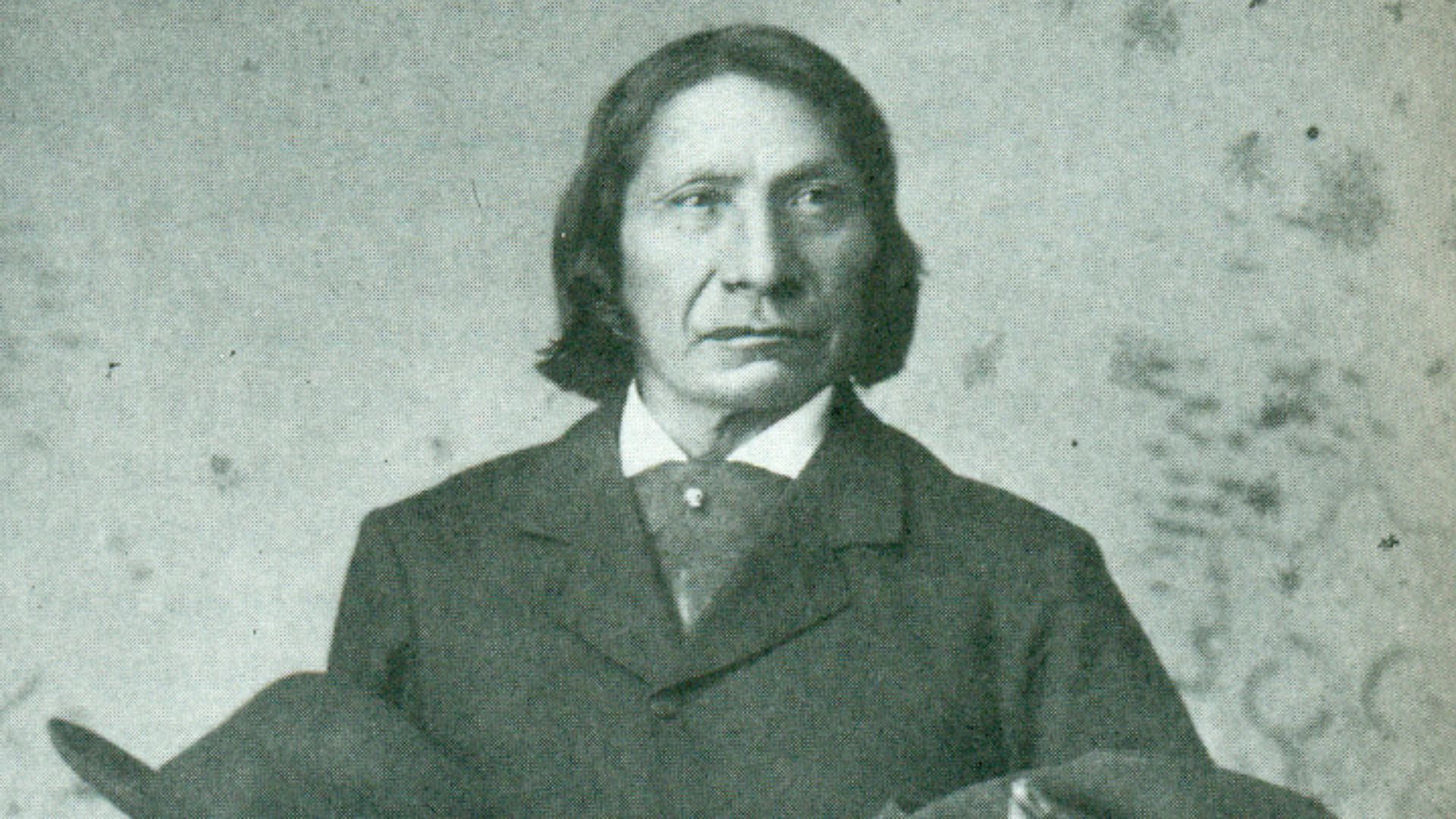 John Nicolas Choate, Wikimedia Commons
Red Cloud’s War Begins
From 1866 to 1868, Red Cloud led what became known as Red Cloud’s War. It was a sustained, organized conflict against US military forces. Unlike scattered raids, this was a strategic campaign aimed at forcing the army to abandon the region entirely.
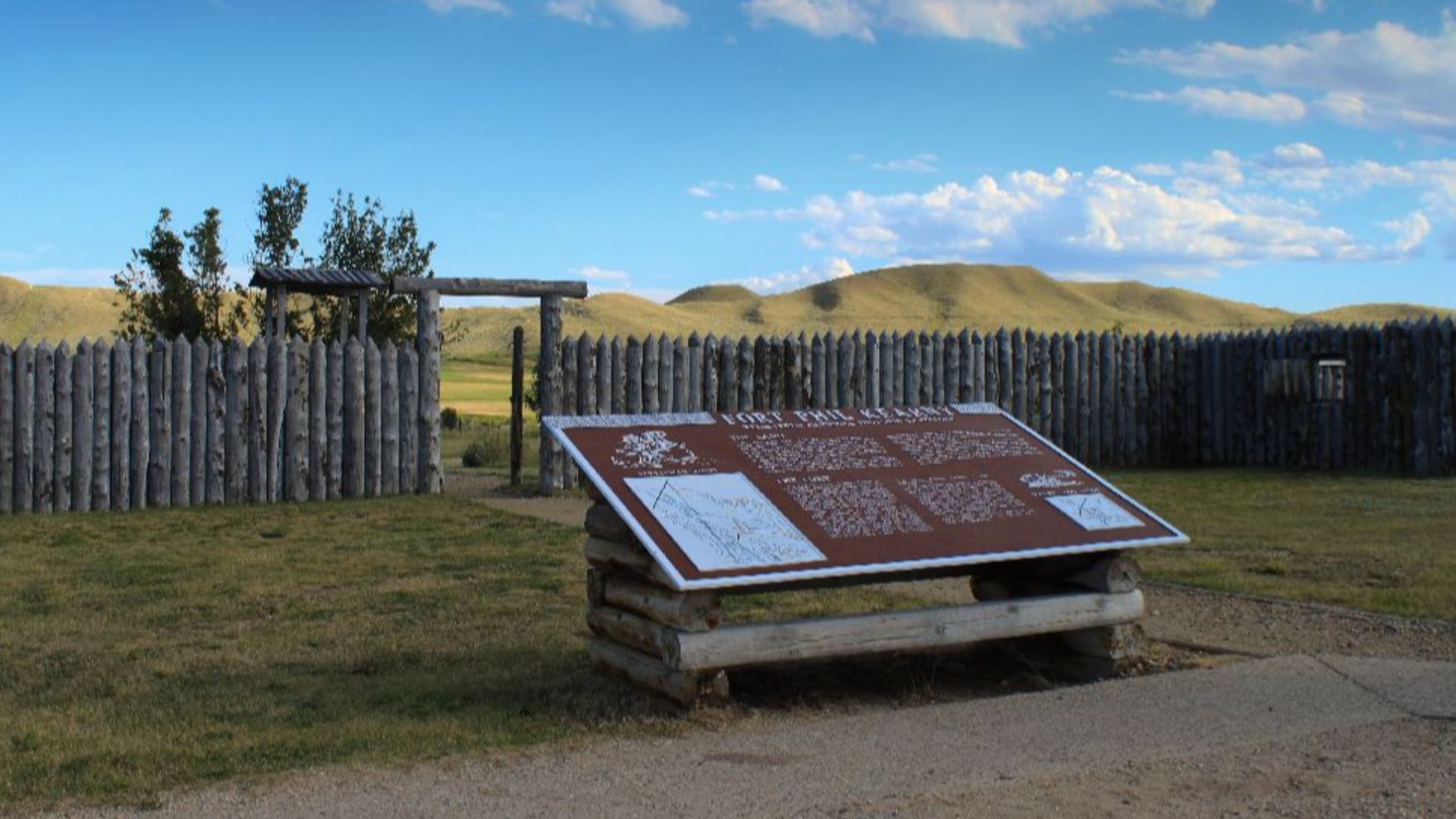
The Fetterman Fight
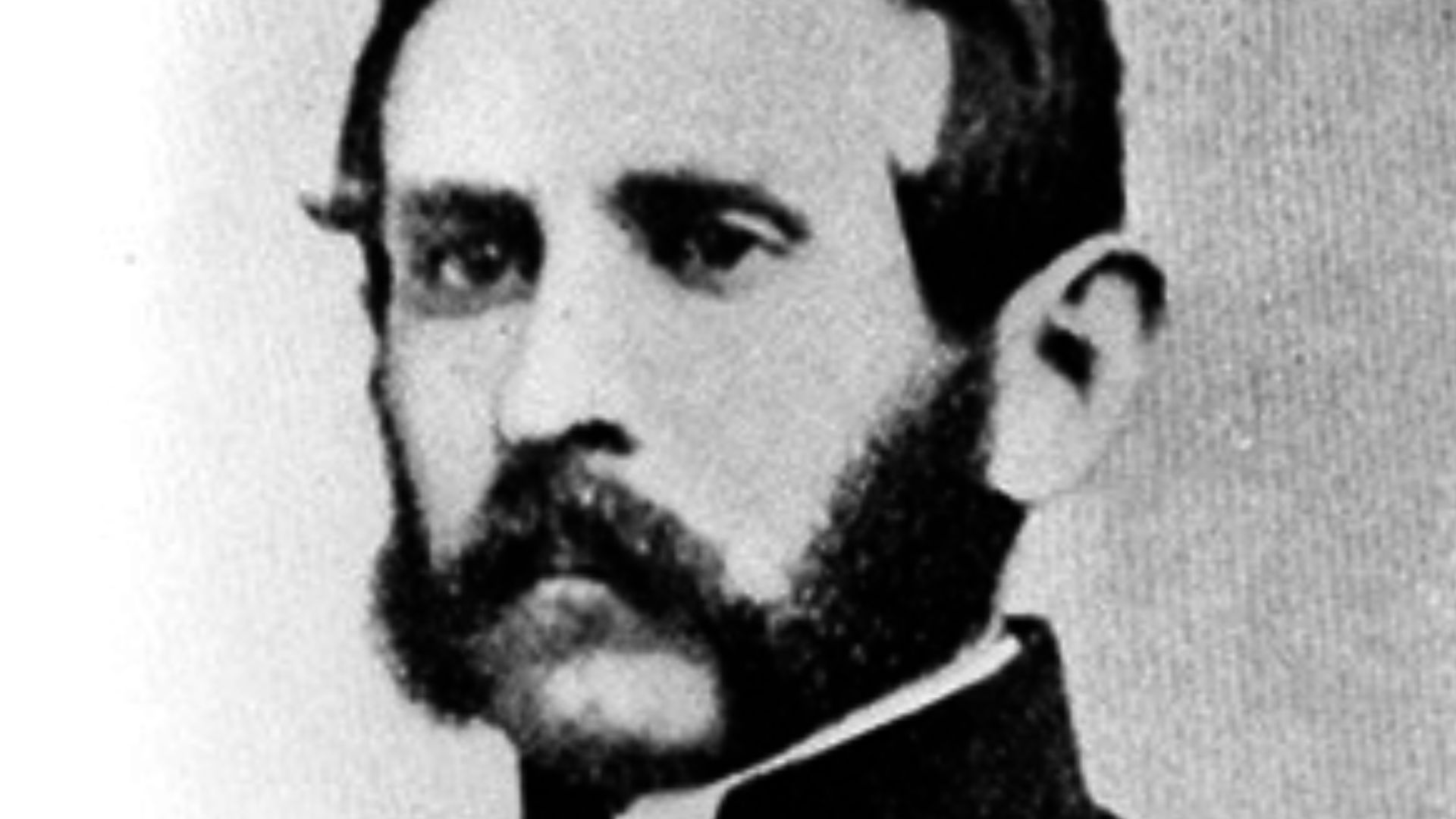
On December 21, 1866, Red Cloud’s warriors achieved a stunning victory near Fort Phil Kearny. Captain William Fetterman and 80 soldiers were lured into an ambush and killed. It was the worst US military defeat on the Plains up to that time.
 J. B. Lippincott, Wikimedia Commons
A War the Army Could Not Win
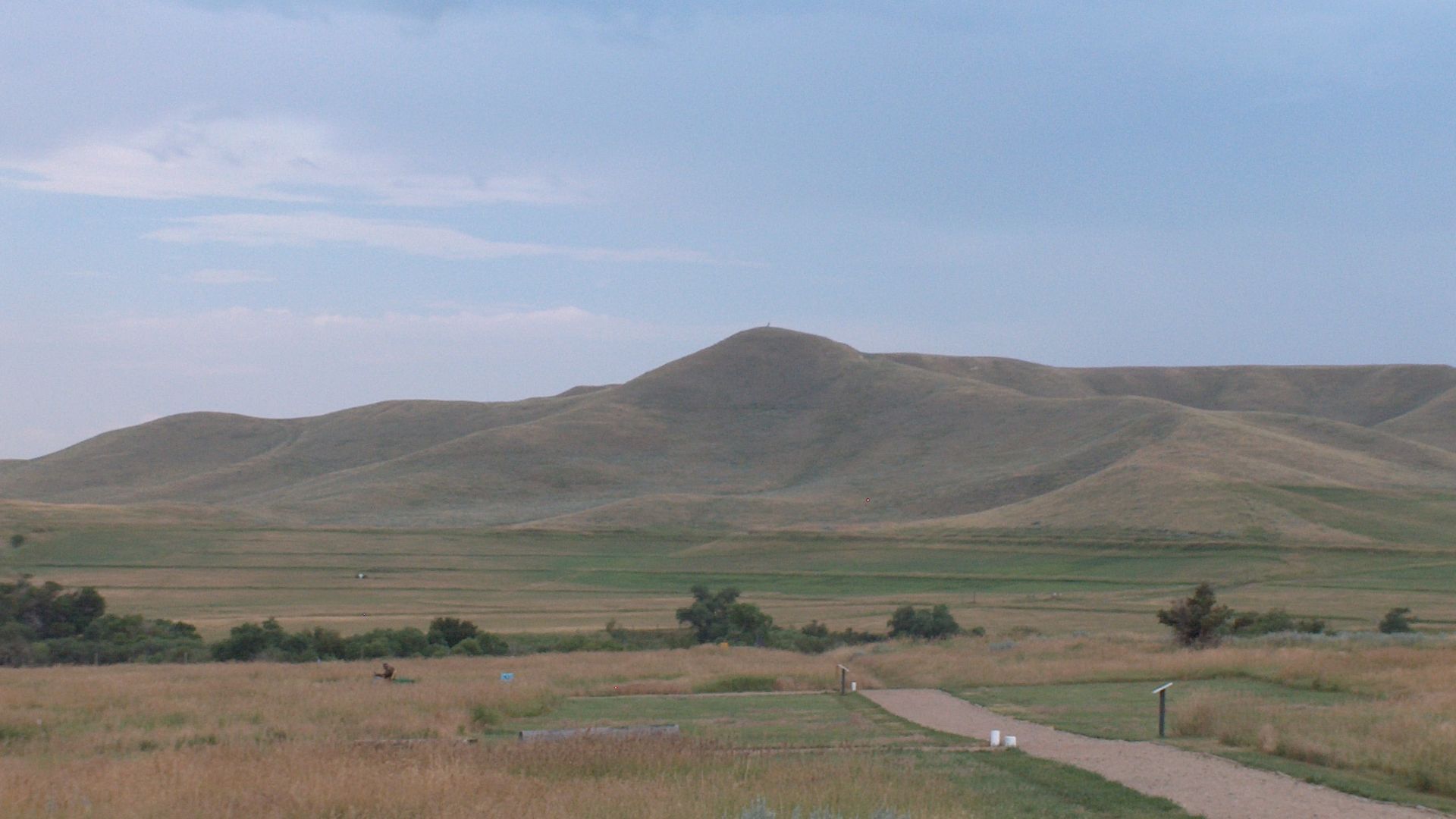
Despite reinforcements, the US Army struggled. Soldiers were unfamiliar with the terrain and faced constant attacks. Supply lines failed, morale dropped, and forts became liabilities. Red Cloud’s strategy relied on patience, mobility, and deep knowledge of the land.
 Gcoudert at English Wikipedia, Wikimedia Commons
Victory Without a Final Battle
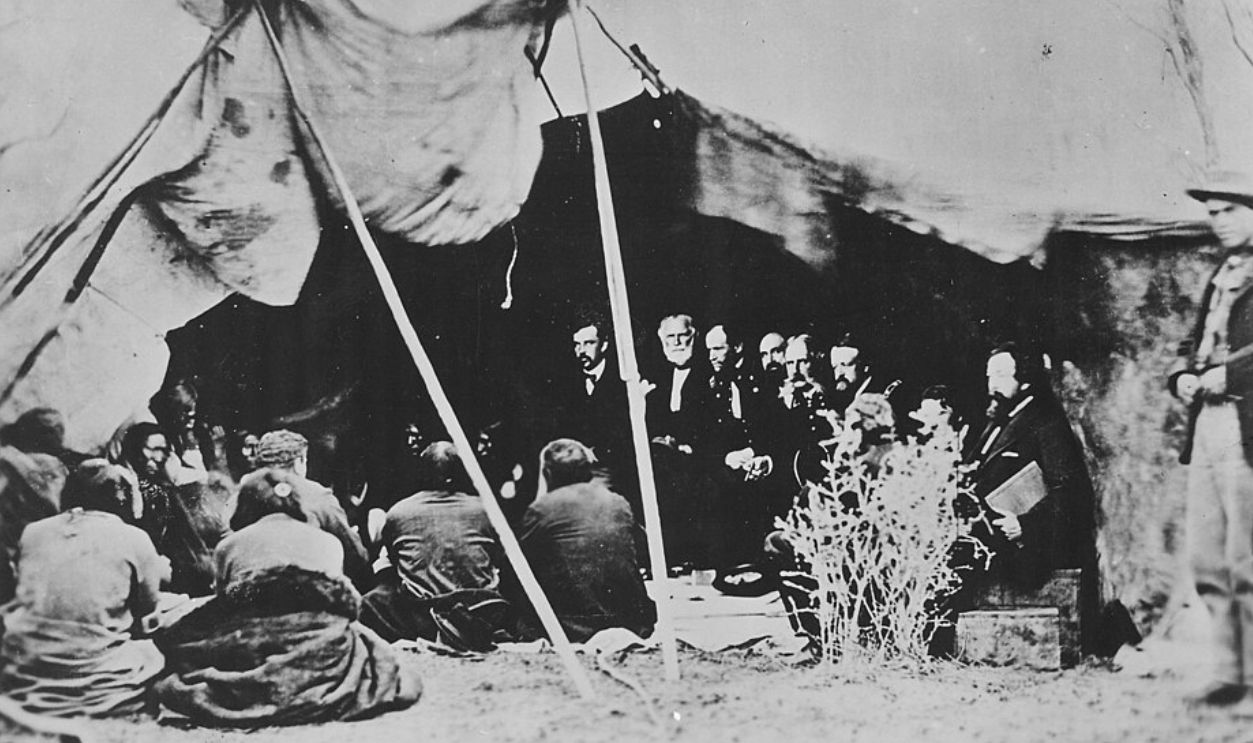
By 1868, the US government admitted defeat. It agreed to abandon Forts Phil Kearny, Reno, and CF Smith. This marked the only time in US history that the government surrendered territory after sustained Native resistance.
 Unknown author, Wikimedia Commons
The Fort Laramie Treaty
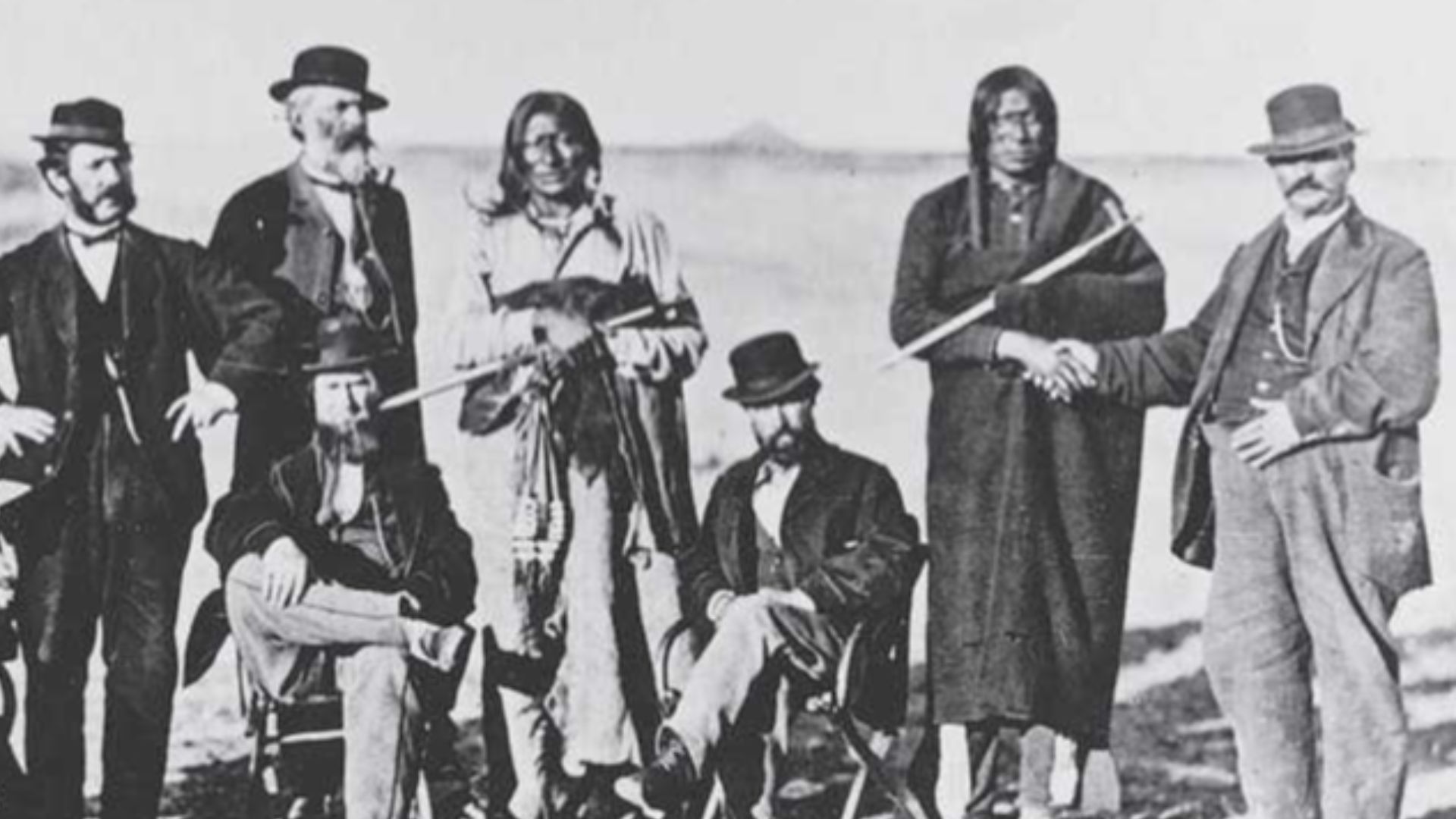
The Treaty of Fort Laramie (1868) recognized Lakota control of the Powder River Country and guaranteed the Black Hills as Lakota land. Red Cloud refused to sign until the forts were physically destroyed. Only then did he agree to peace.
A Leader Who Traveled East
In 1870, Red Cloud traveled to Washington, DC, becoming one of the first Plains leaders to do so. He met President Ulysses S Grant and spoke openly about broken promises. Observers noted his calm authority and sharp political awareness.
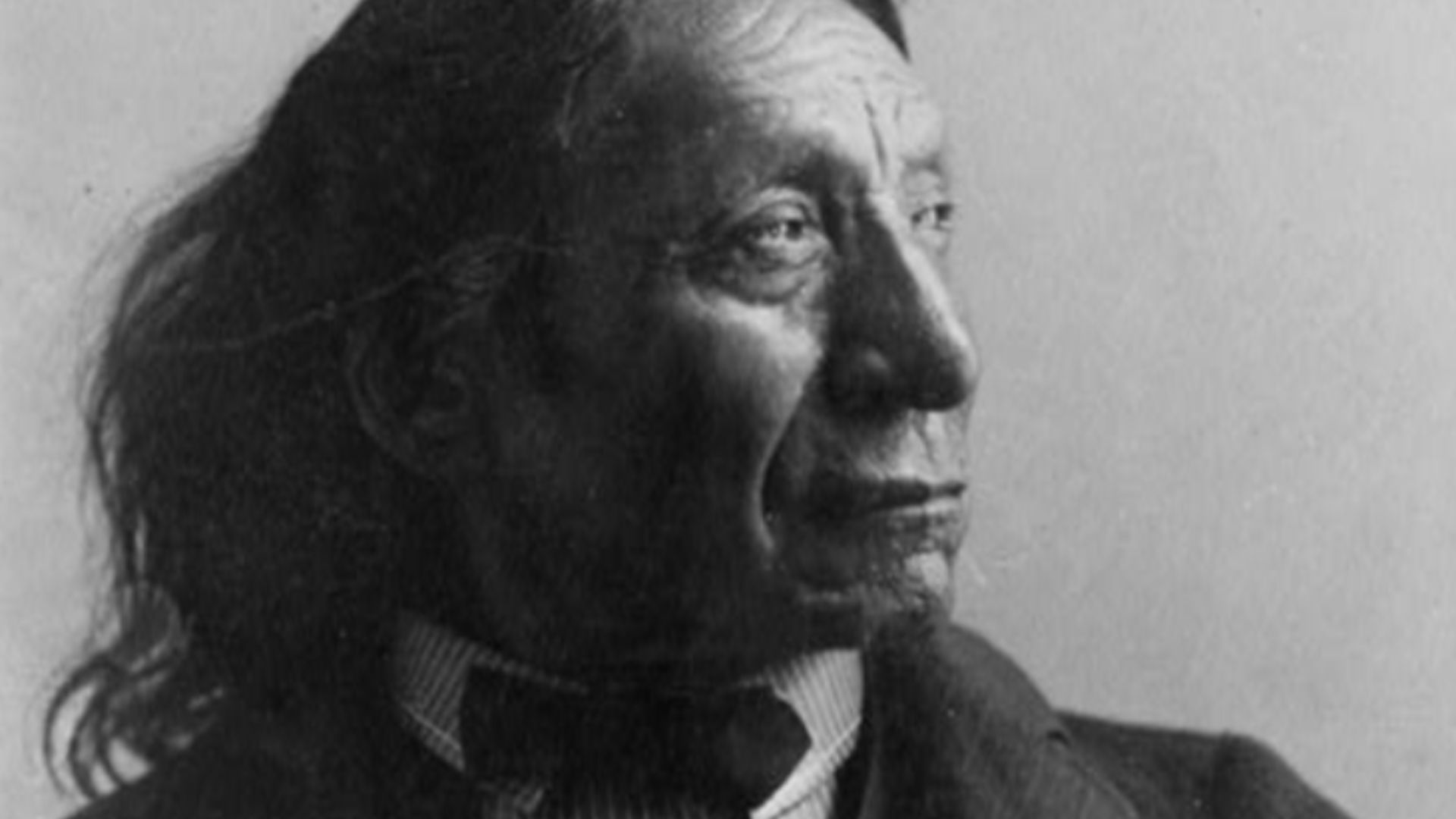 Trager and Kuhn, photographer, Wikimedia Commons
Watching Promises Break Again
Despite treaty guarantees, gold was discovered in the Black Hills in 1874. Once again, settlers flooded Lakota land. Red Cloud warned that violence would return, but unlike younger leaders, he believed negotiation now offered the best chance for survival.
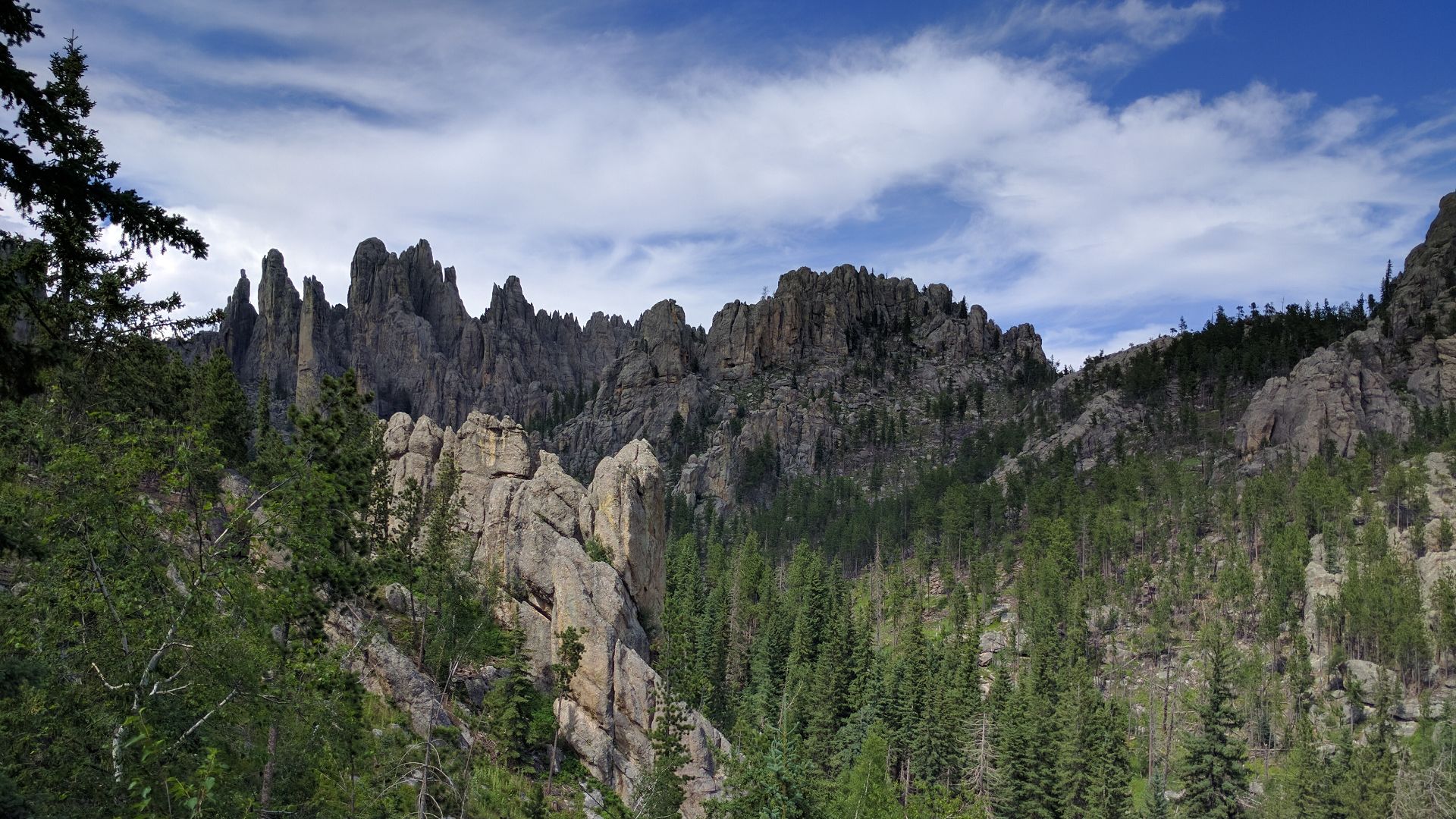
Choosing a Different Path Than Crazy Horse
Unlike Crazy Horse and Sitting Bull, Red Cloud chose not to fight during the Great Sioux War of 1876. He believed the odds were no longer survivable. This decision caused tension, but Red Cloud remained focused on preserving Lakota lives.
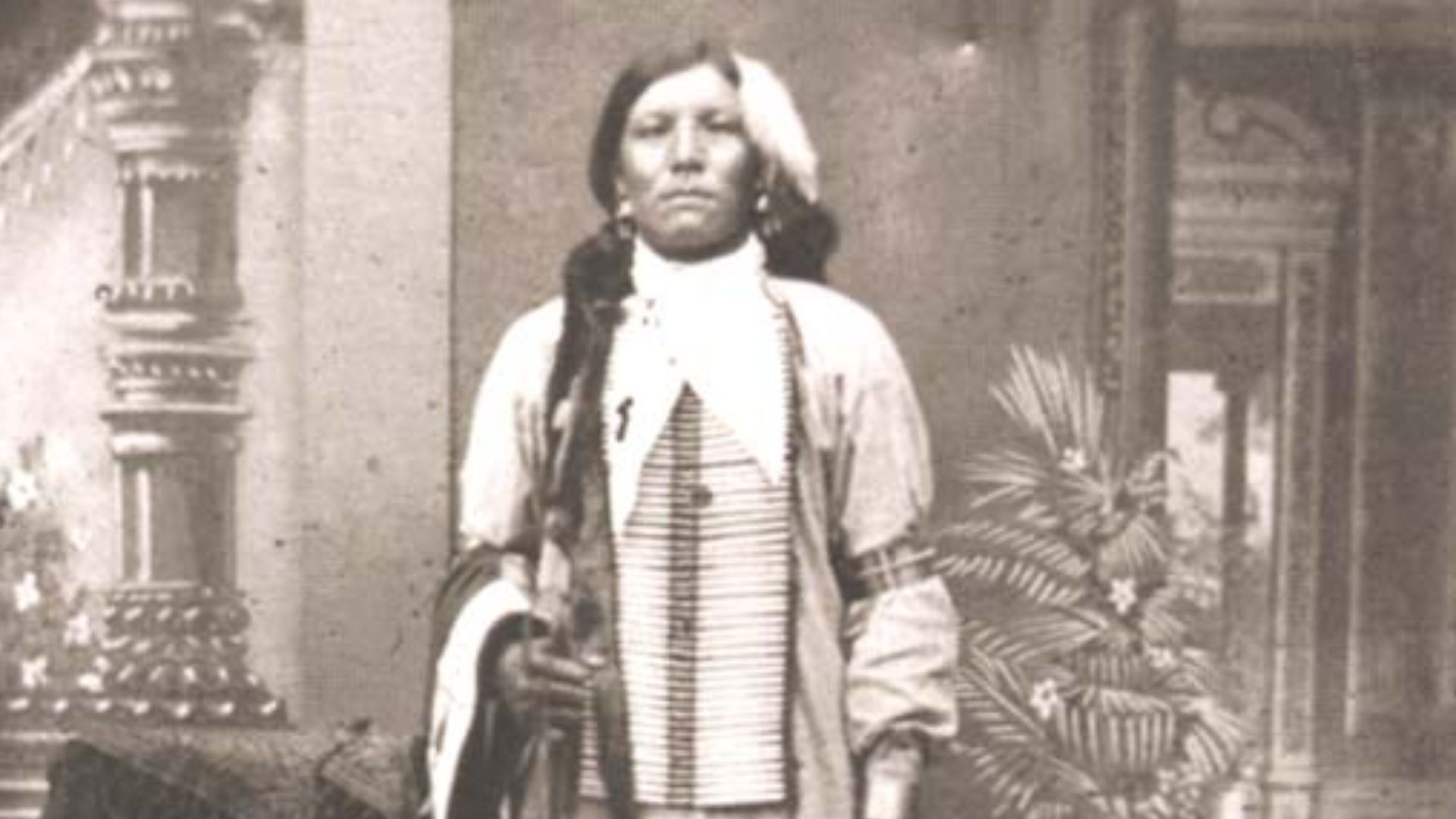 Unknown authorUnknown author, Wikimedia Commons
Life on the Reservation
Red Cloud spent his later years at the Red Cloud Agency in Nebraska. He opposed forced farming, boarding schools, and the breaking up of tribal land. Though constrained, he continued advocating fiercely for Lakota rights.
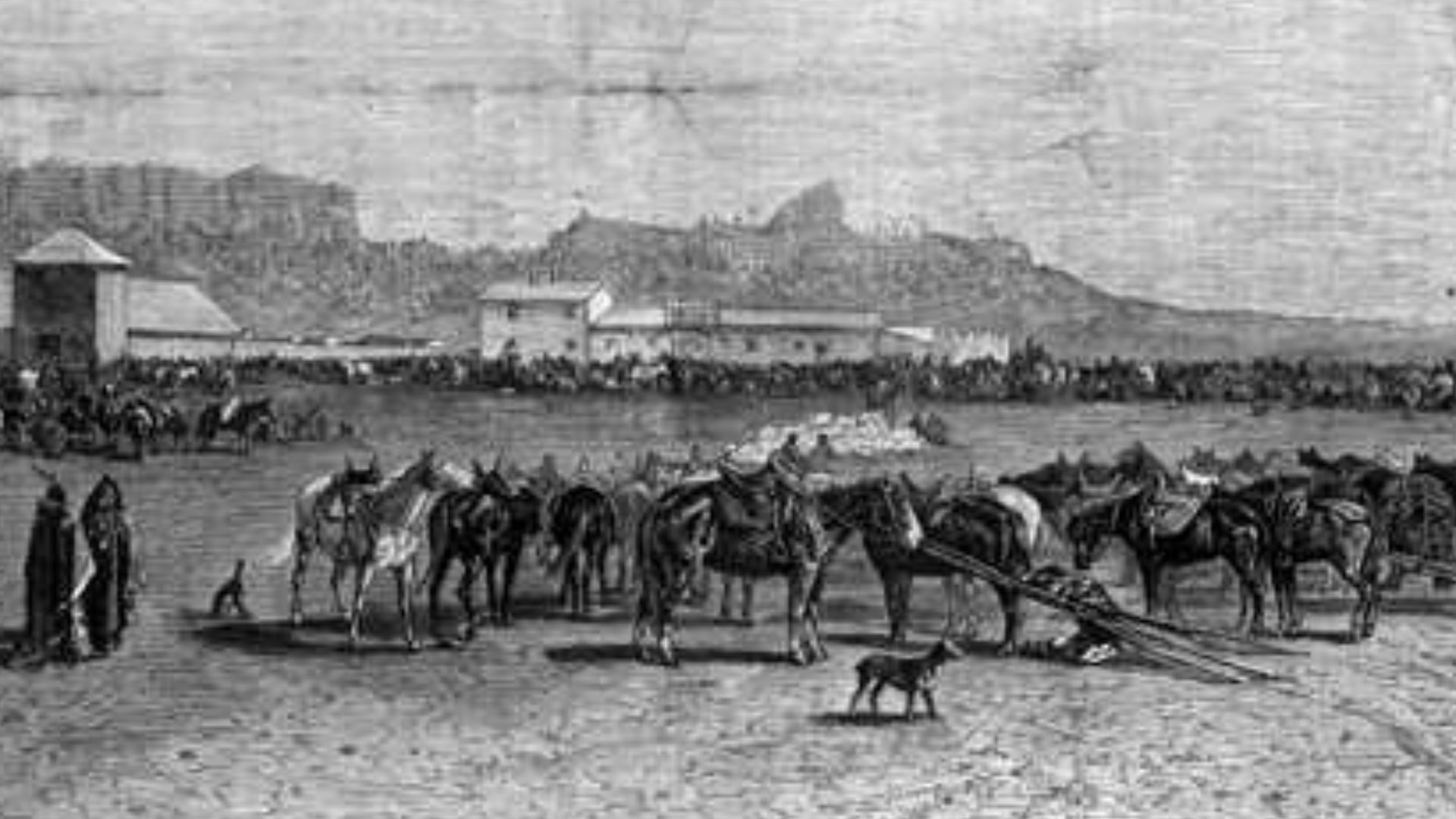 Ivan Pranishnikoff, Wikimedia Commons
A Voice That Never Fell Silent
Even in old age, Red Cloud spoke out against injustice. He criticized the Dawes Act of 1887, which divided tribal land into private plots. “They made us many promises,” he said, “more than I can remember, but they never kept but one.”
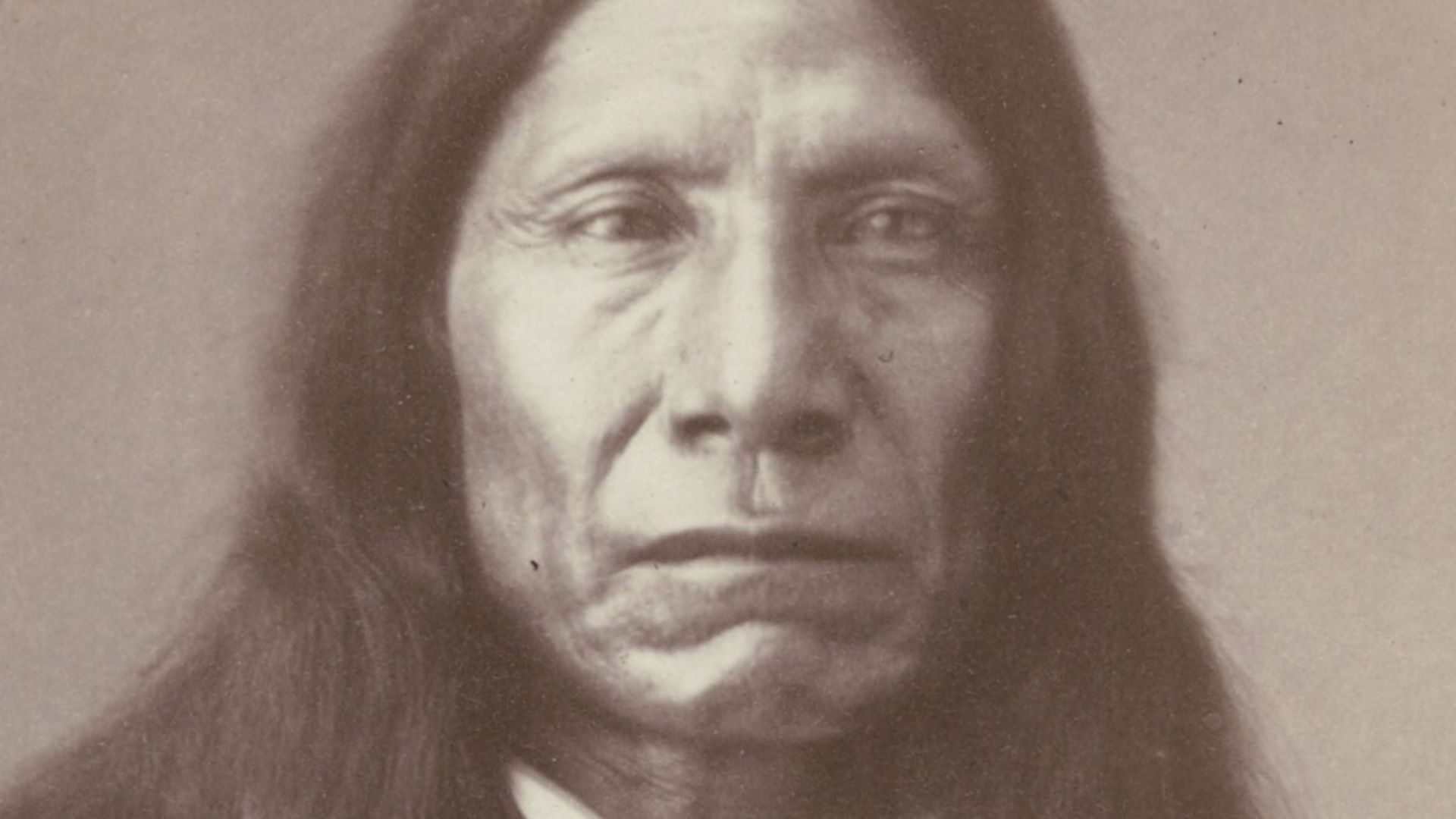 Alexander Gardner, Wikimedia Commons
Leadership Through Adaptation
Red Cloud’s strength lay in adaptation. He knew when to fight and when to speak. His ability to shift strategies kept the Lakota alive through periods that destroyed many other nations. His leadership was not flashy, but it was enduring.
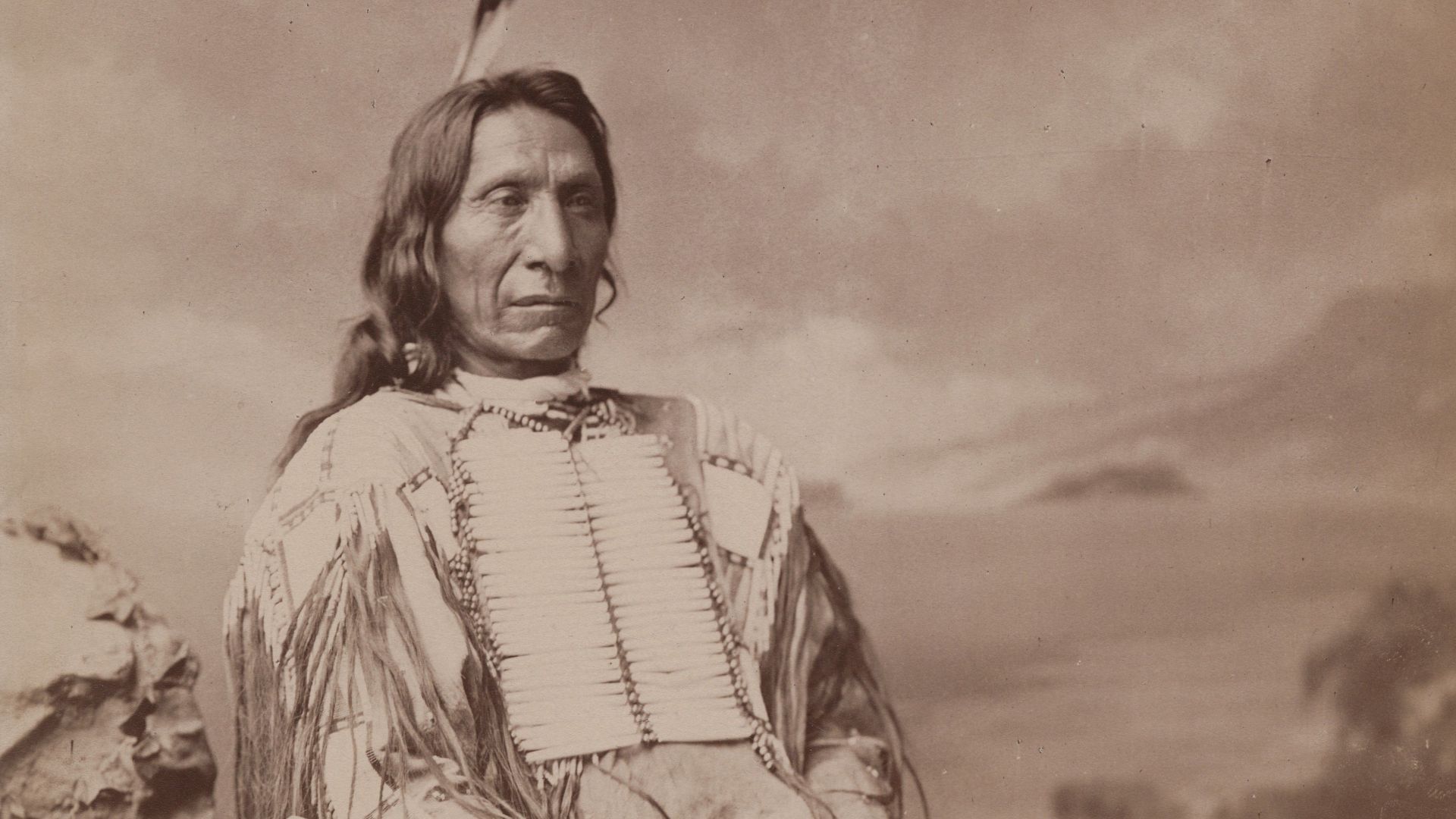 John Karl Hillers, Wikimedia Commons
How History Often Misjudged Him
For years, Red Cloud was criticized for not fighting longer wars. Modern historians see this differently. Scholar Pekka Hämäläinen notes that Red Cloud understood “power does not always come from battle, but from survival.”
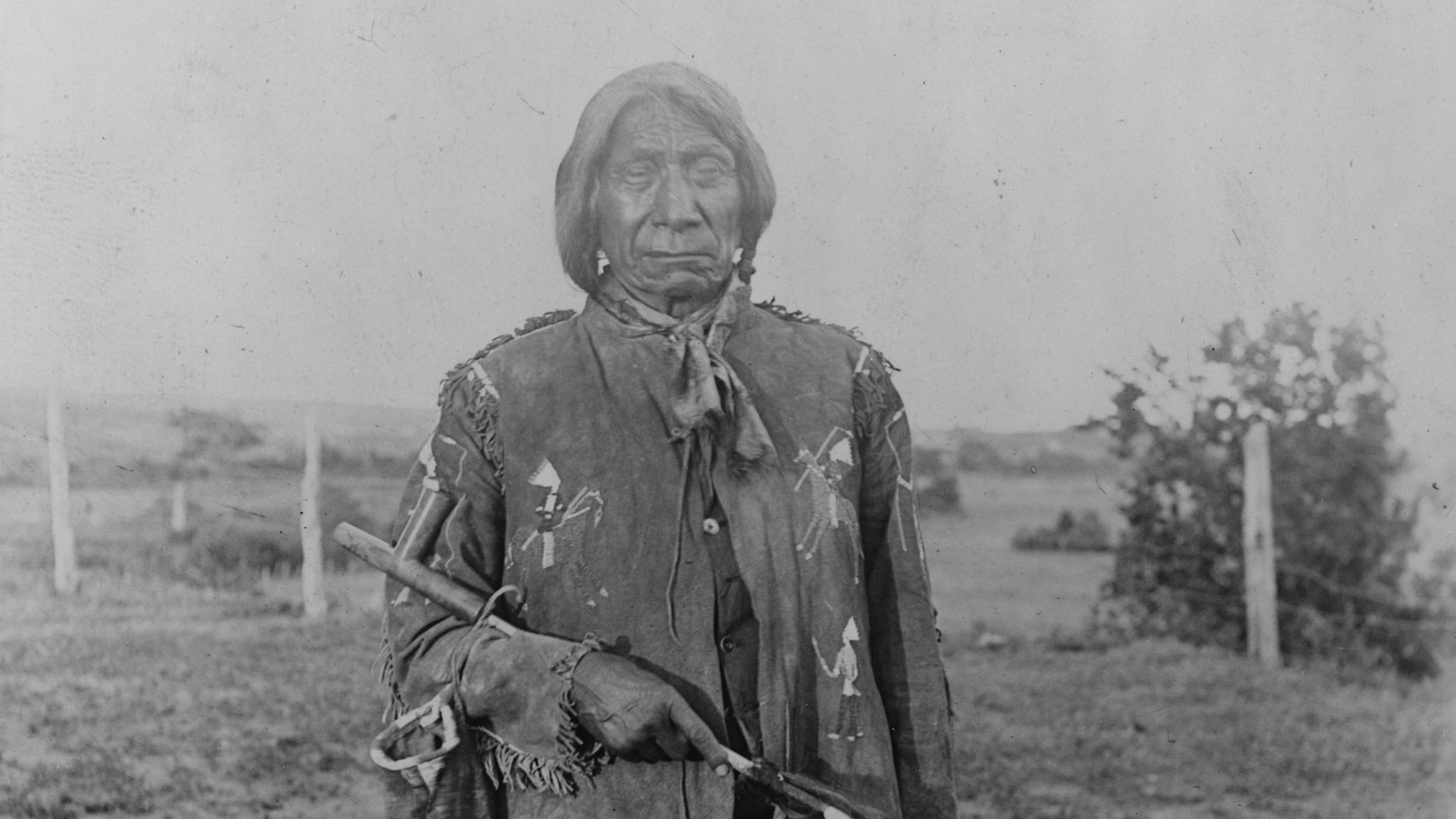 Bratley, J. H. (Jesse H.), photographer, Wikimedia Commons
The Long Life of a Warrior
Red Cloud lived longer than most Plains leaders of his generation. He died on December 10, 1909, at around 87 years old. By then, he had witnessed the complete transformation of the Plains world he once ruled.
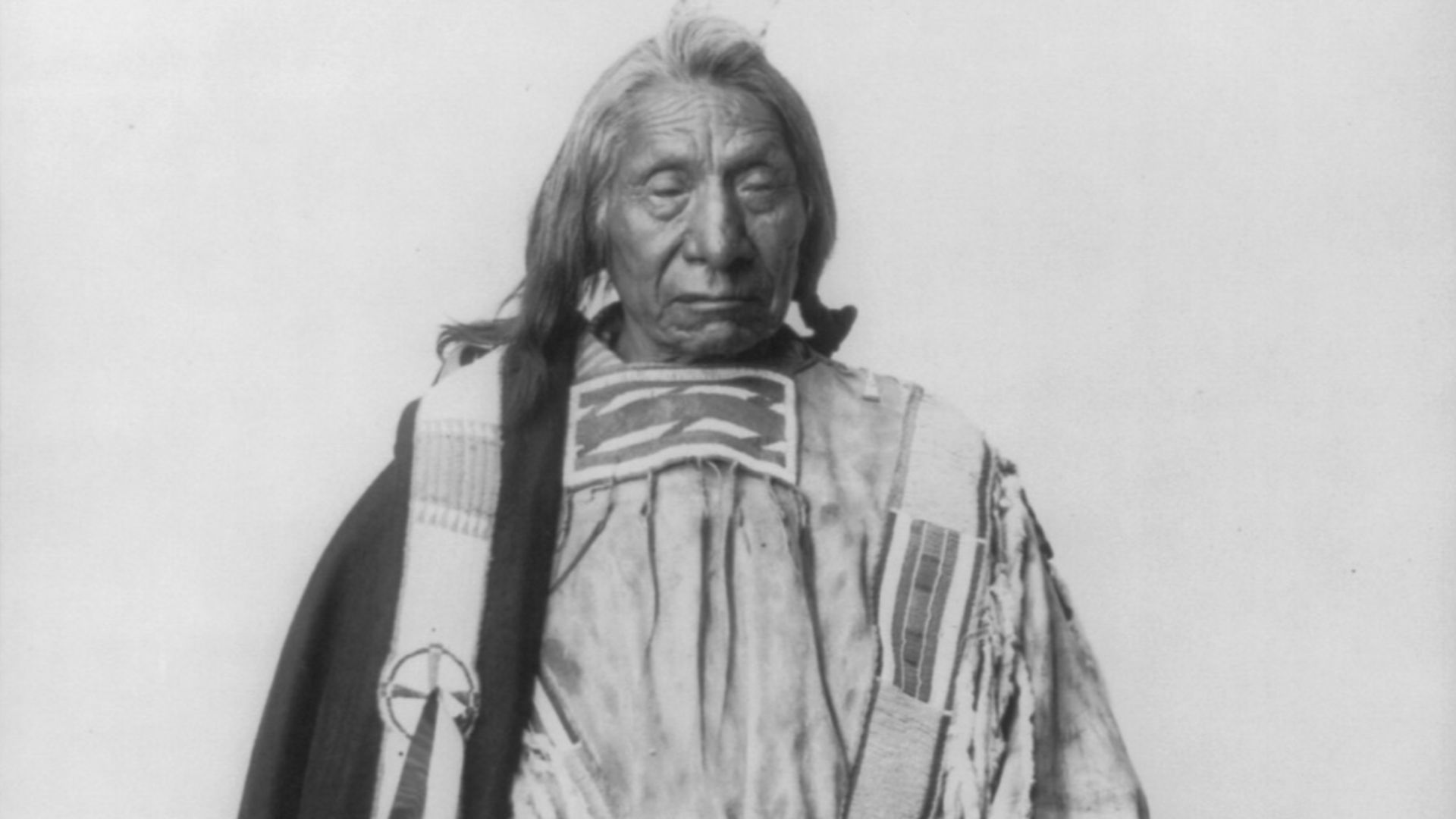 Miscellaneous Items in High Demand, PPOC, Library of Congress, Wikimedia Commons
Legacy of a True Victor
Unlike most Native leaders, Red Cloud achieved a clear military victory against the United States. No later treaty erased that fact. His war forced a global power to retreat, if only briefly, from Indigenous land.
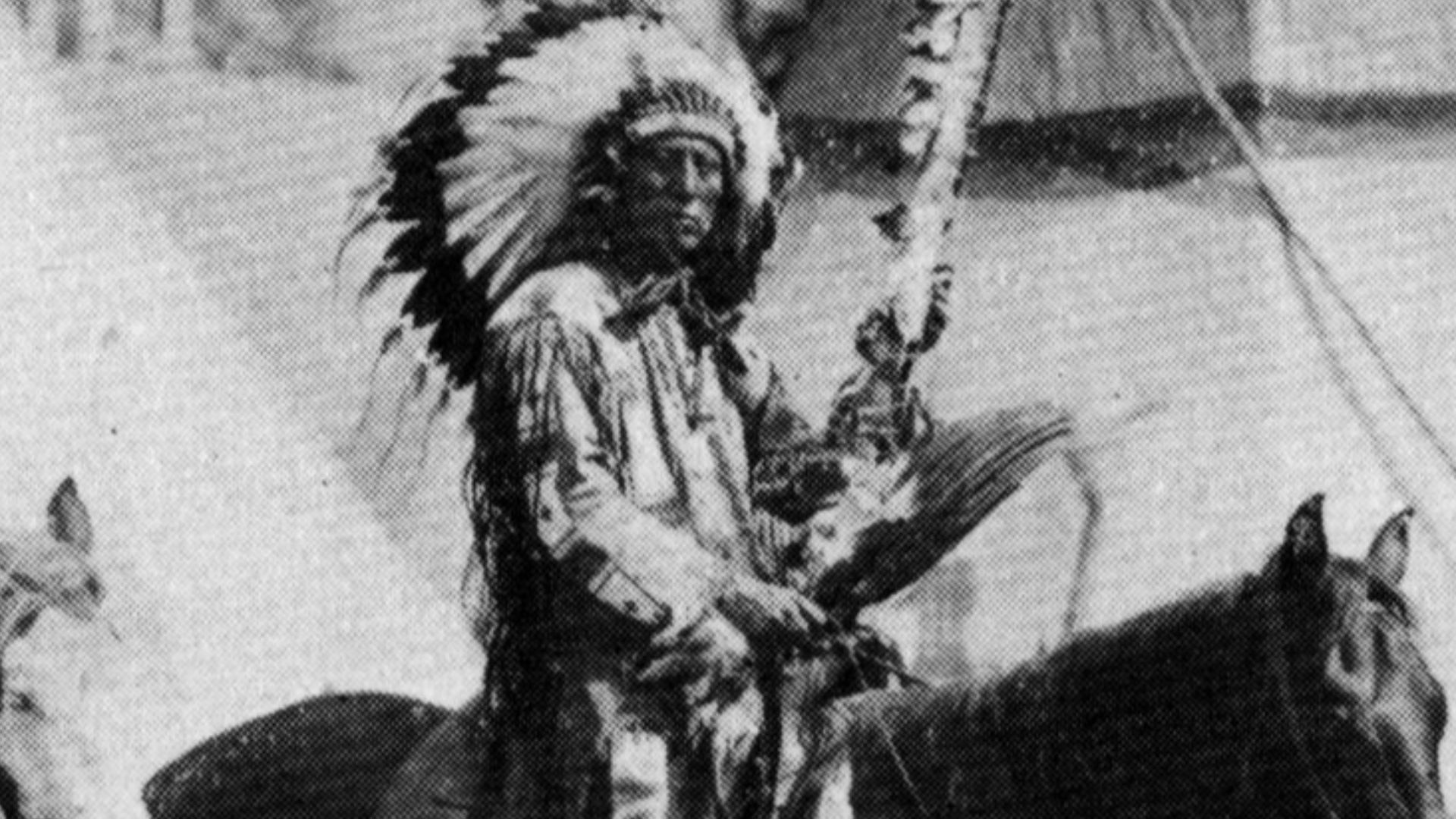 C. D. Arnold, Wikimedia Commons
Why Red Cloud Still Matters
Red Cloud’s life challenges simple ideas of resistance. He proved that victory can come through strength, patience, and negotiation. His legacy lives on as a reminder that Native leadership was never passive and never powerless.
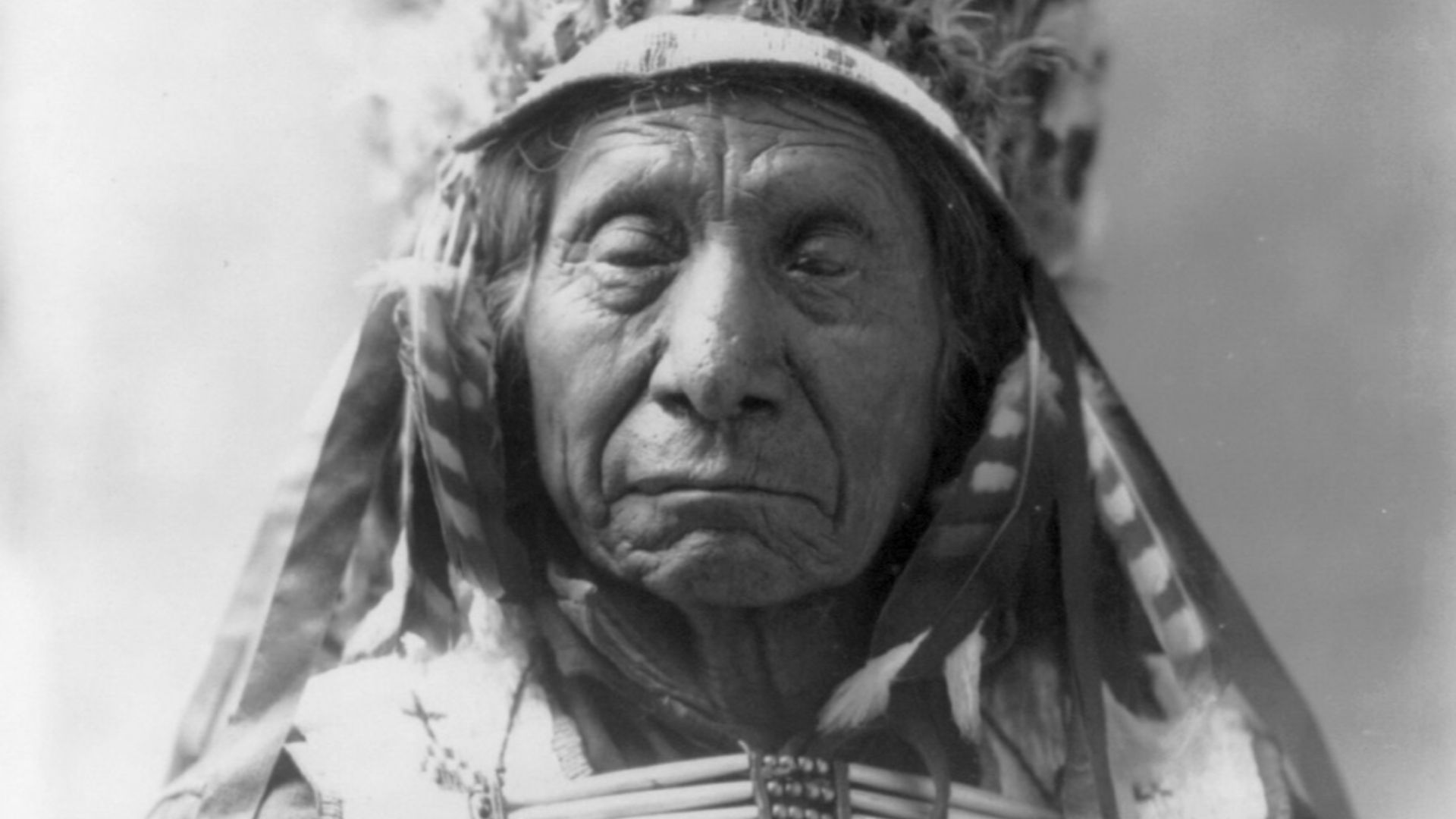 Miscellaneous Items in High Demand, PPOC, Library of Congress, Wikimedia Commons
The Final Truth About Red Cloud
Red Cloud was not a symbol created by history. He shaped history himself. He fought when fighting mattered, spoke when words mattered more, and ensured that the Lakota endured when survival became the hardest battle of all.
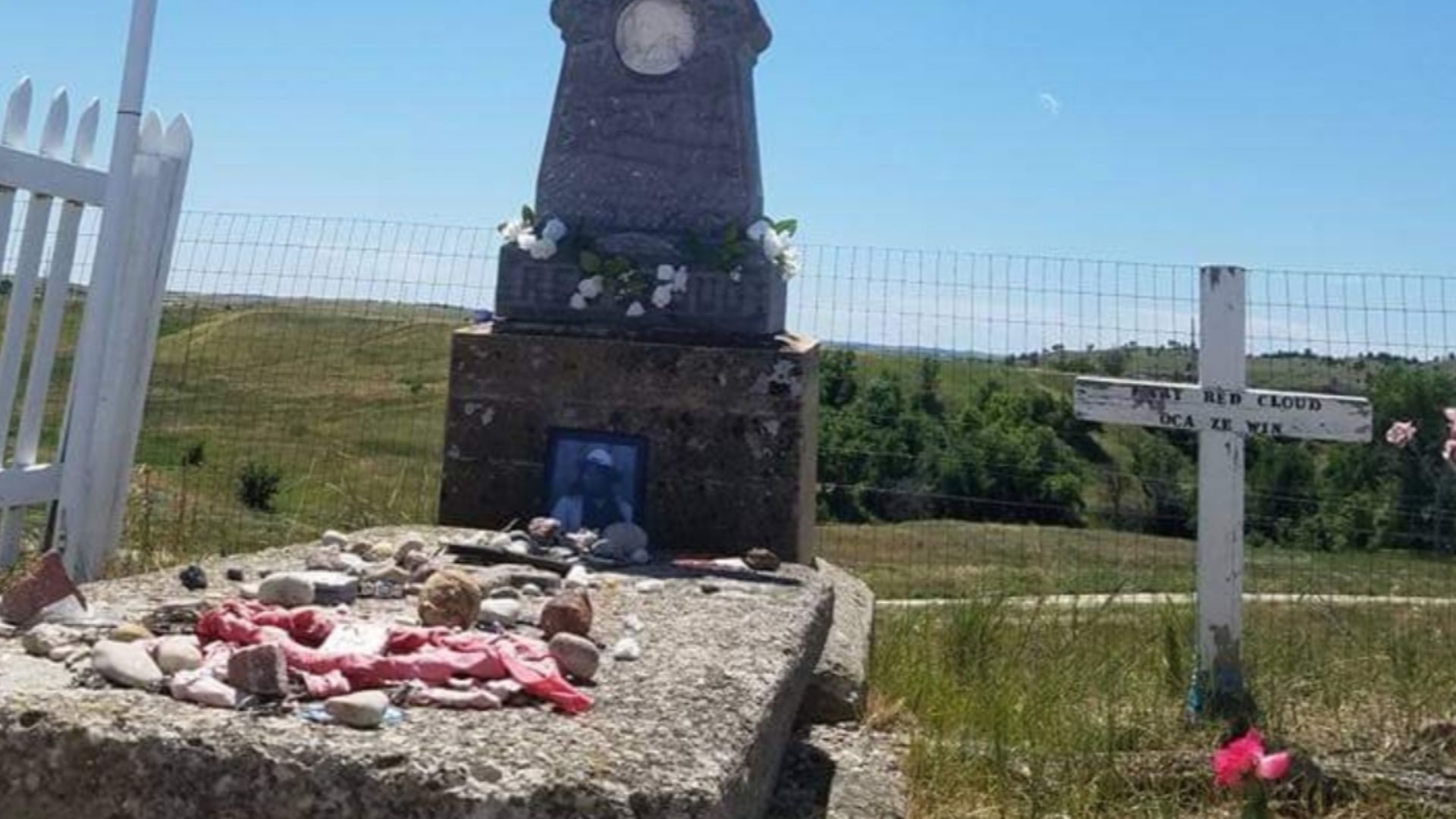 Calvin Bluetooth, Wikimedia Commons
You May Also Like:
The Native American Tribe Who Led The Most Impressive Retreat In History
Blackfoot Nation: The Most Aggressive Tribe in North America
Incredible Images Of The Most Feared Tribe In U.S. History