
At Saint Romain-en-Gal, just outside Lyon, archaeologists uncovered a monumental mausoleum built by a wealthy Gallo-Roman family in the first century AD.
Its plan echoed the celebrated Mausoleum of Augustus in Rome, and that parallel says a lot about how local elites displayed influence. Curious about how one burial structure alters long-held assumptions about power and identity in Roman Gaul? Then stick around, this discovery is worth your time.
A Monument With Imperial Inspiration
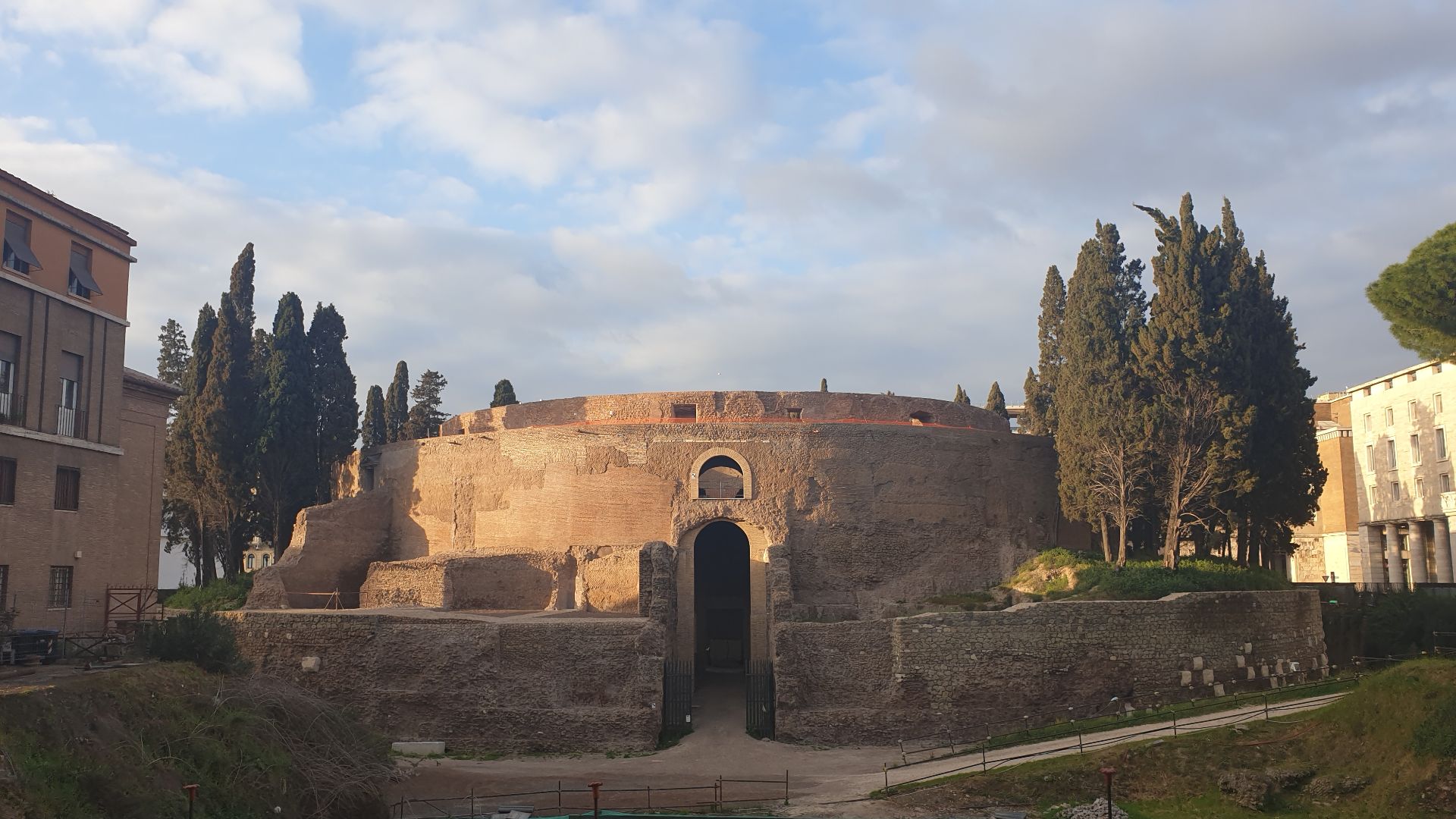
Archaeologists revealed a large circular funerary monument whose architecture directly referenced the Mausoleum of Augustus. The structure used the same core feature: a ring-shaped plan surrounding a central chamber, which signaled allegiance to the Roman imperial style during the early Empire.
That choice wasn’t casual. Borrowing the emperor’s blueprint broadcasts loyalty, ambition, and cultural alignment. It also shows you how elite families in Gaul adopted Rome’s visual language to solidify their standing. The closer the monument echoed Roman prestige, the clearer the message about influence and connections.
Carrying that insight forward, the layout reveals how intentionally the family shaped the space.
 MumblerJamie, Wikimedia Commons
A Carefully Organized Burial Complex
The monument stood within a broader funerary area that included an enclosure, access points, and zones reserved for offerings. Its arrangement shows attention to procession and ritual movement. Visitors would have approached along a predetermined path, seeing the monument rise before them in a way that emphasized rank.
Such planning reflects a household capable of funding large-scale stonework. It also tells you that commemoration mattered deeply. Romanized families in Gaul wanted burial spaces that projected stability, success, and civic presence long after depurture.
Building on that, the mausoleum’s scale confirms the family’s position within local society.
Elite Power On Display
The size and ambition of the structure place its patron among the wealthiest local landowners. In a region where Romanization blended with local customs, a mausoleum of this caliber signaled political influence. Also, economic strength. It gave future generations a permanent reminder of the family’s status.
Local elites often used monumental funerary architecture to show their participation in Rome’s civic culture. The Saint-Romain-en-Gal mausoleum demonstrates that this wasn’t limited to urban centers; rural areas also saw families investing heavily in legacy and authority.
As the excavation continued, the evidence pointed beyond status to cultural reach.
 Ethan Doyle White, Wikimedia Commons
Roman Identity Expressed Through Design
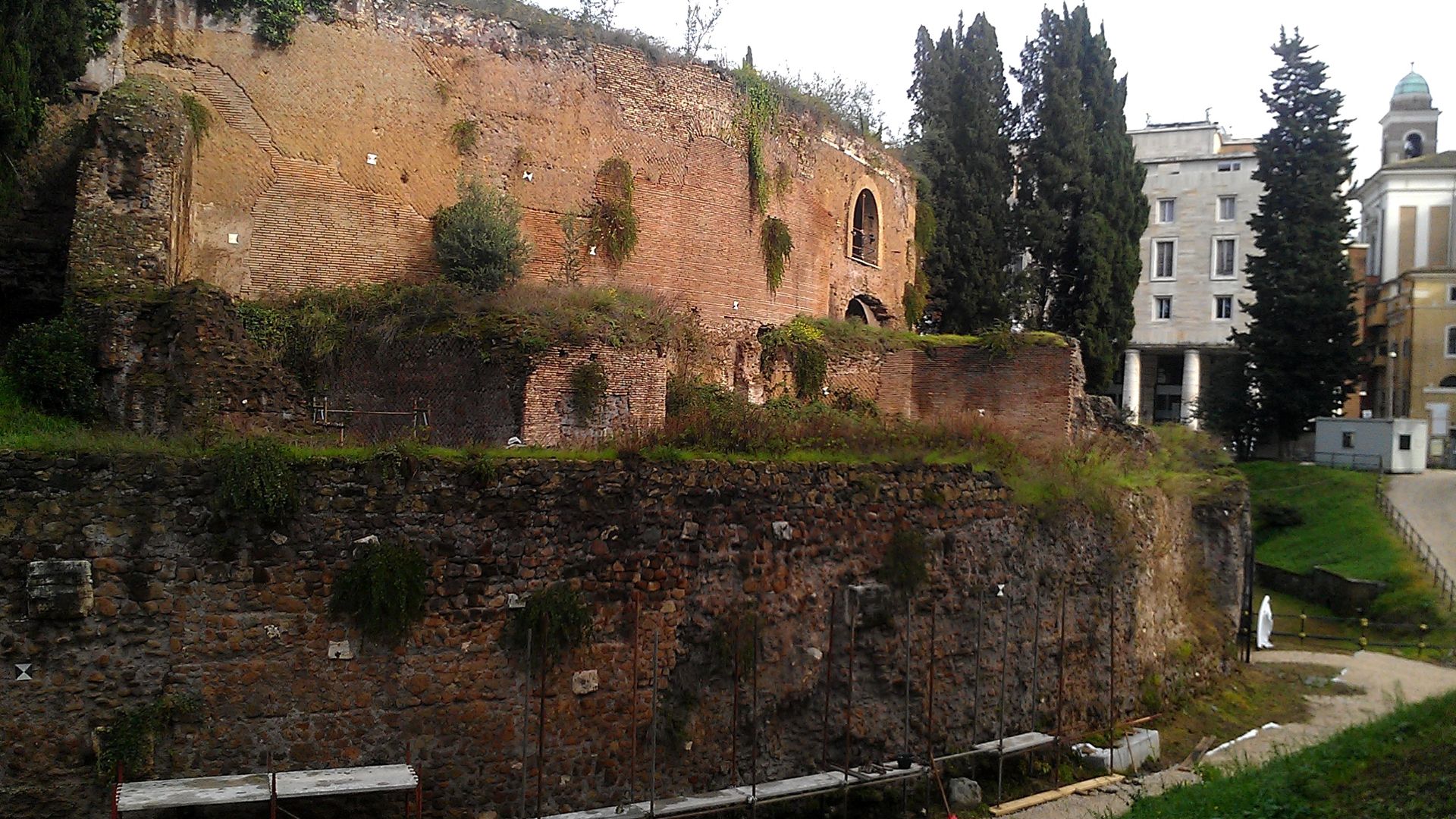
The mausoleum combined Roman architectural vocabulary with local materials, creating a hybrid form that still leaned heavily toward imperial style. Its circular plan, masonry techniques, and facade elements mirrored those of Italian monuments. Using this architecture outside Rome reveals how far imperial imagery traveled.
By reproducing the emperor’s own tomb, the builders signaled their place within the cultural order that Rome promoted across the provinces. That gesture shows you how identity was constructed through architecture as much as through citizenship or political ties.
A Site That Changes The Narrative
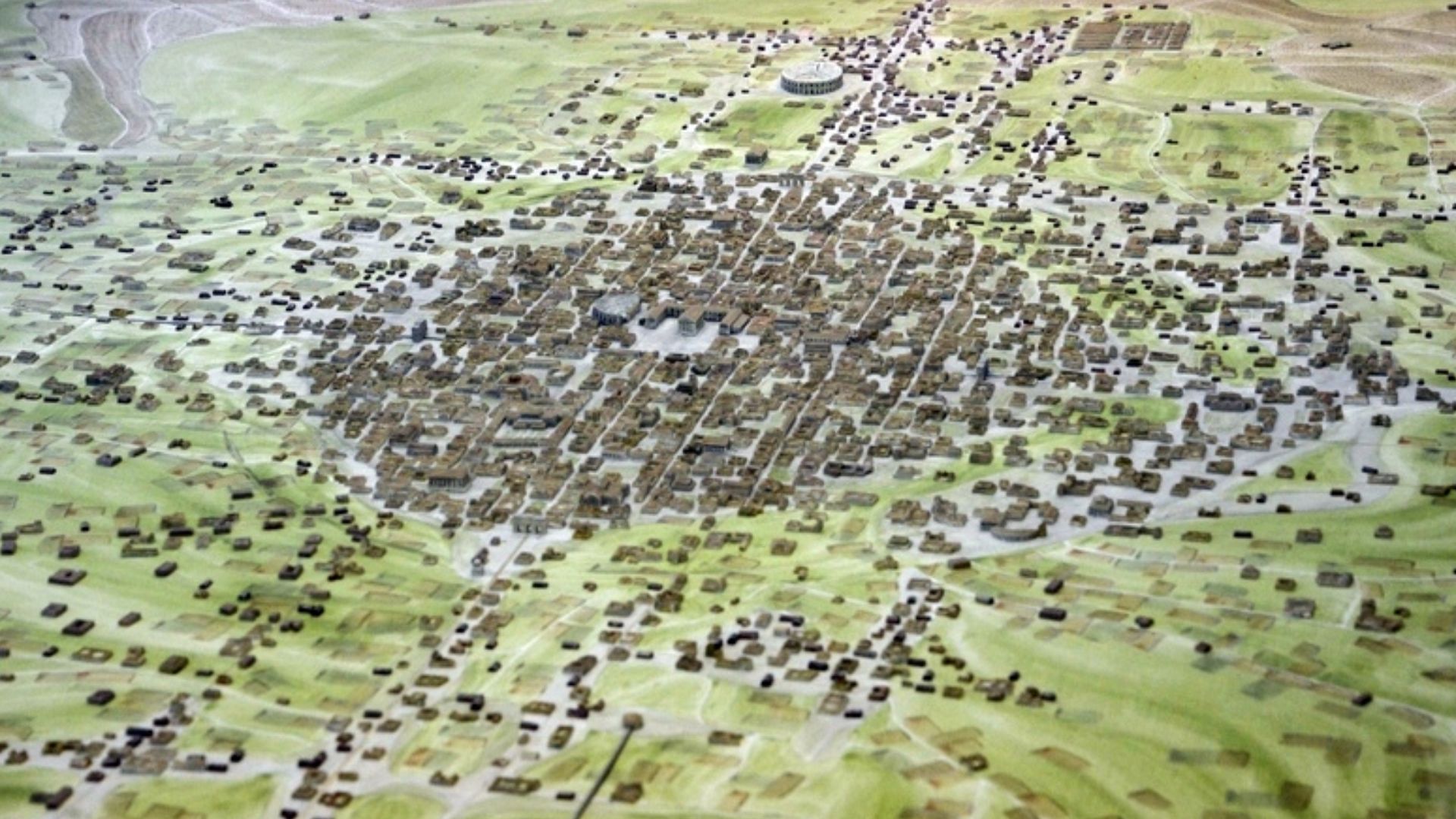
Until this discovery, scholars believed only major urban elites commissioned mausoleums modeled directly on imperial examples. Finding one near Lyon, outside a city’s core, reshapes that view. It shows that provincial communities weren’t passively adopting Roman customs—they were actively competing in displays of prestige.
This mausoleum demonstrates that Gaulish elites quickly learned Roman architectural grammar, using it to carve out authority within their region. It expands the map of where high-ranking families projected influence and forces historians to recalibrate assumptions about power networks in early Roman Gaul.
 Jona Lendering, Wikimedia Commons
A Provincial Statement With Imperial Weight
Archaeological finds don’t rewrite textbooks all at once. They revise pieces of the puzzle, and this site adds a vital one. The Saint-Romain-en-Gal mausoleum offers a direct view of how provincial elites managed their image and legacy under Roman rule. Its scale and cultural message show how architecture conveyed political identity in a world defined by hierarchy.