A Dynamic Place
The Moon may look geologically quiet, but scientists have found mounting evidence that it's still changing. As its interior cools, the Moon contracts, creating faults and triggering moonquakes. New discoveries are expanding the known danger zones, raising important questions for astronauts, landers, and future lunar bases.
A World Slowly Shrinking
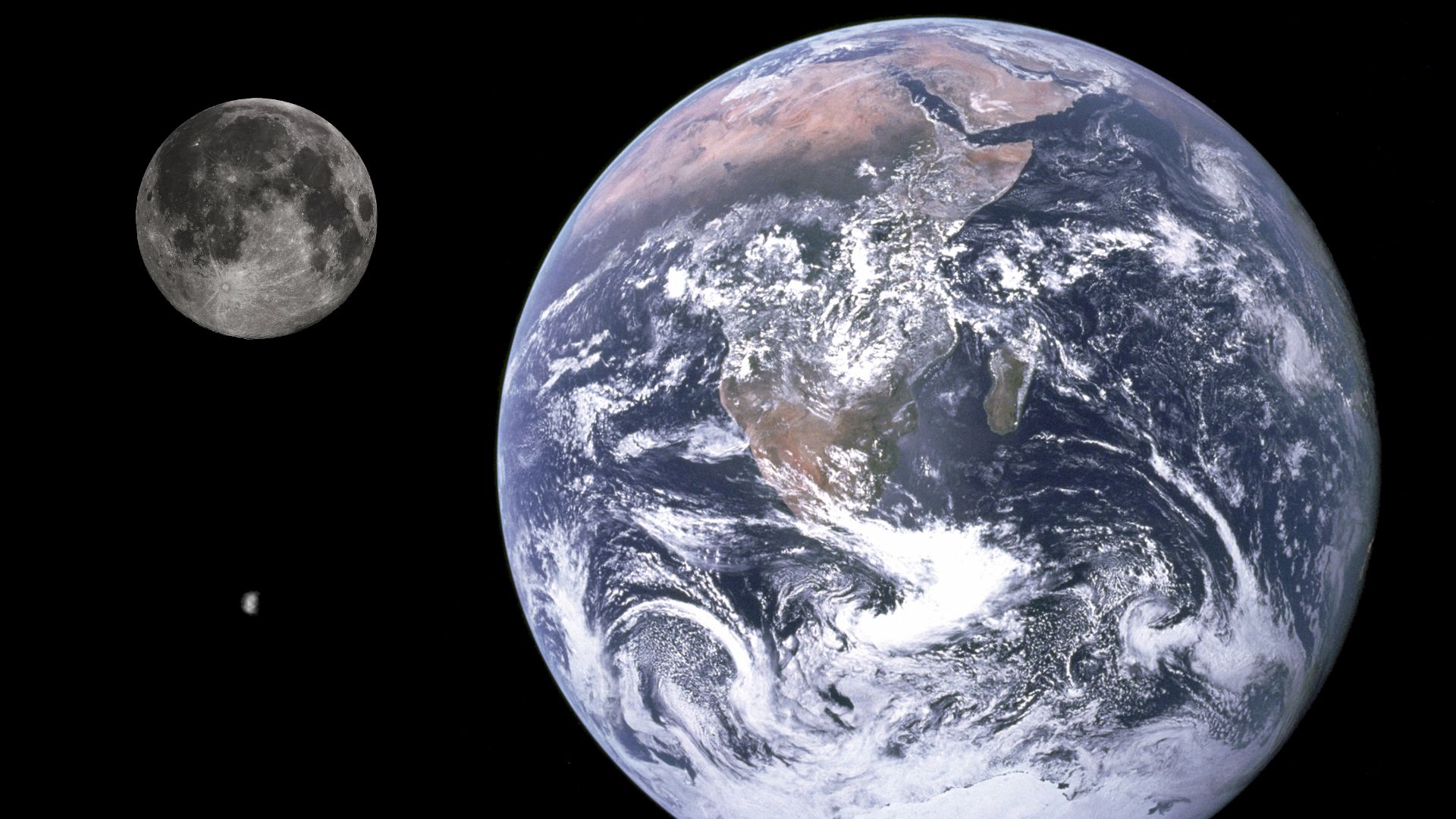
The Moon has been losing internal heat for billions of years. As its interior cools, it gradually contracts, forcing its brittle outer crust to adjust to a slightly smaller volume. Scientists estimate that the Moon’s diameter has decreased by roughly 160 feet over the past several tens of millions of years.
 IapetusCallistus, Wikimedia Commons
A Wrinkling Lunar Surface
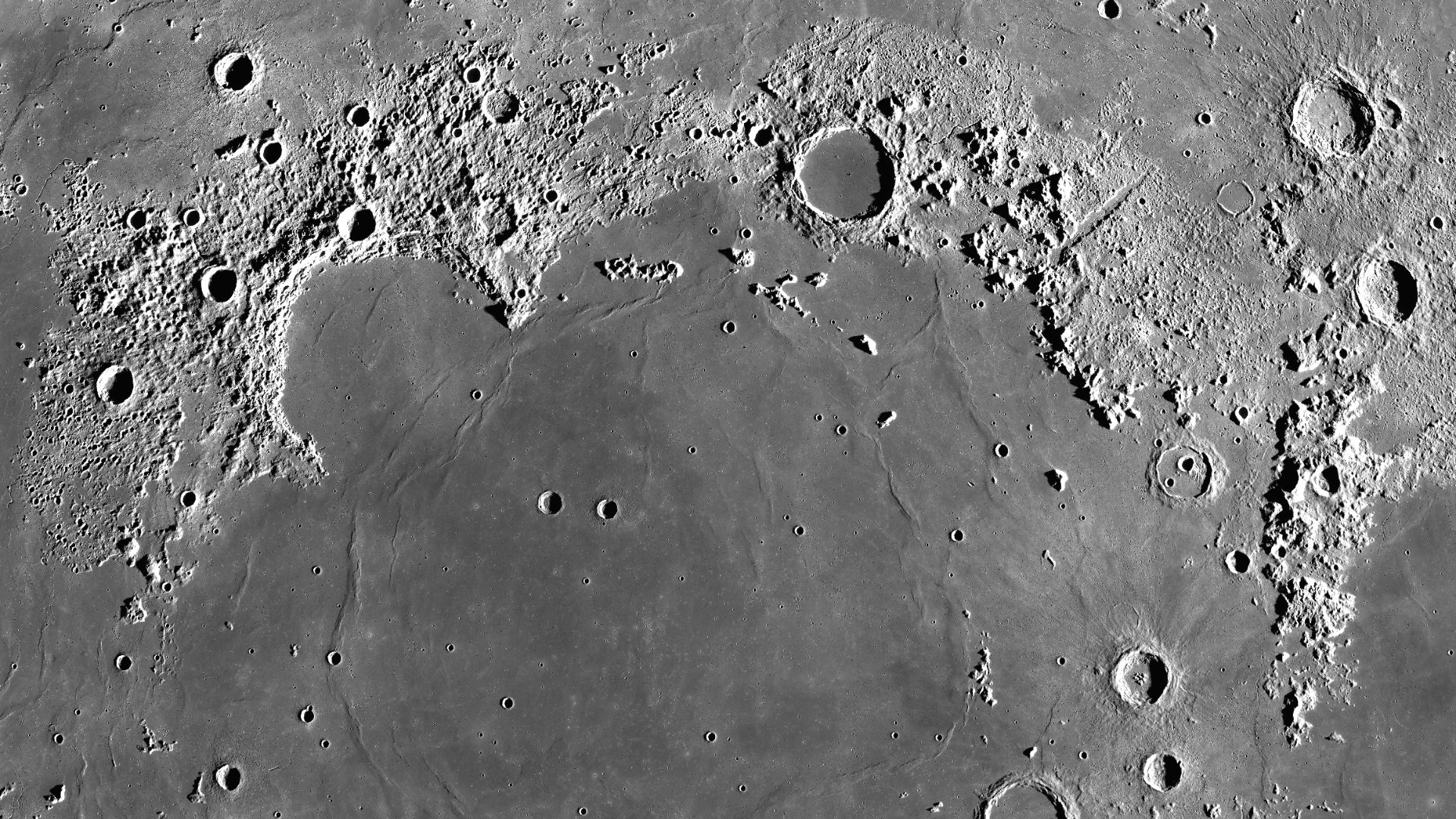
Scientists sometimes compare the process to a grape shriveling into a raisin. As the Moon contracts, compressional stress deforms its crust. Unlike a raisin’s flexible skin, however, the Moon has a brittle surface that breaks, producing faults and ridges as sections of crust are pushed over neighboring sections.
 NASA (image by Lunar Reconnaissance Orbiter), Wikimedia Commons
No Moving Tectonic Plates
Earth’s crust is divided into tectonic plates that move, collide, separate, and slide past one another. The Moon has no comparable system of plate tectonics. Instead, stress accumulates within its continuous crust, creating distinctive geological structures as the entire world slowly contracts around its cooling interior.
 Stephen Rahn from Macon, GA, USA, Wikimedia Commons
Faults Leave Visible Scars
Among the clearest signs of lunar contraction are lobate scarps, ridges created when compression forces one section of crust up and over another along a thrust fault. These structures are common throughout the lunar highlands, and some are considered remarkably young by geological standards.
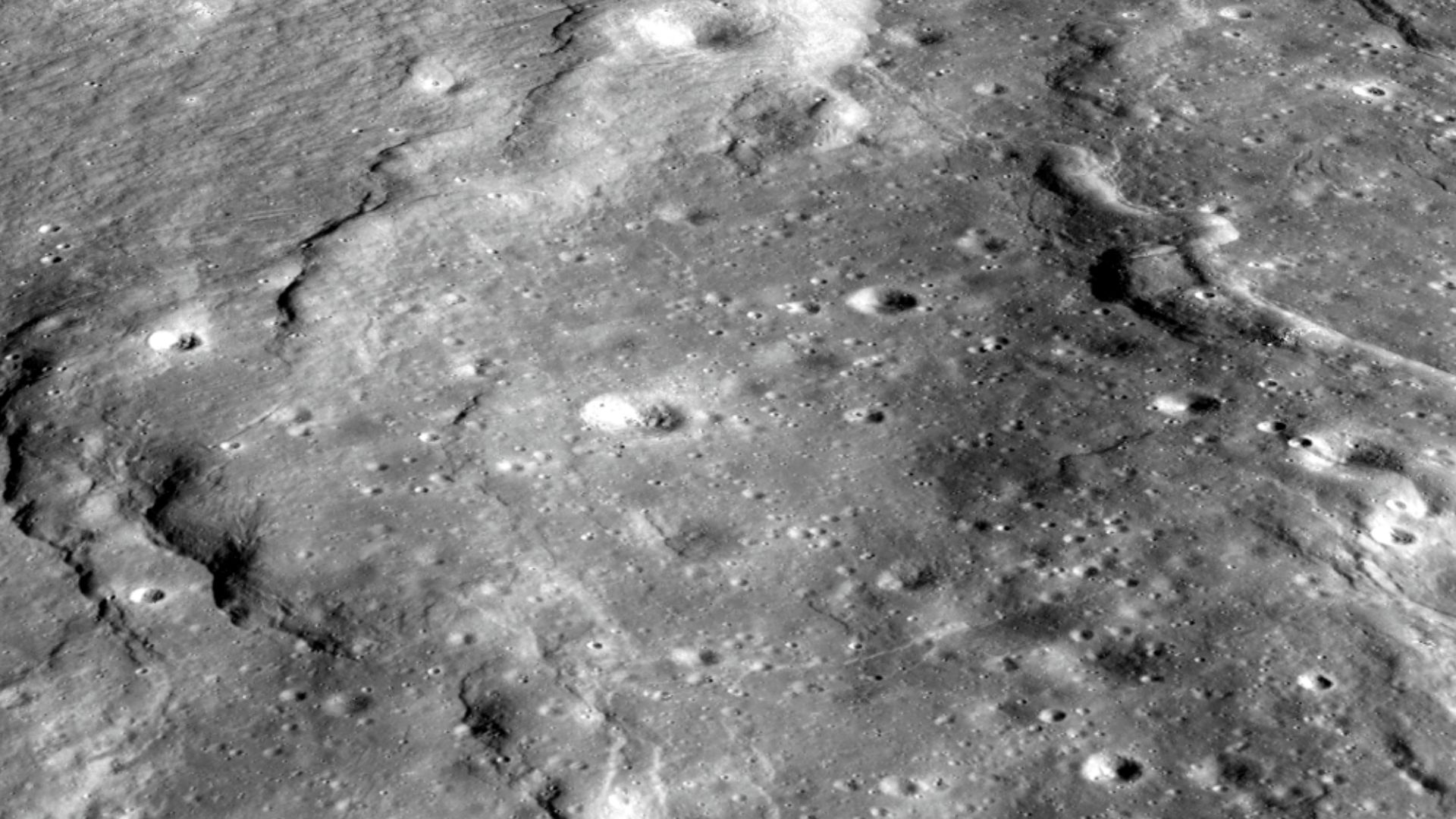 NASA/GSFC/Arizona State University, Wikimedia Commons
Moonquakes Are Nothing New
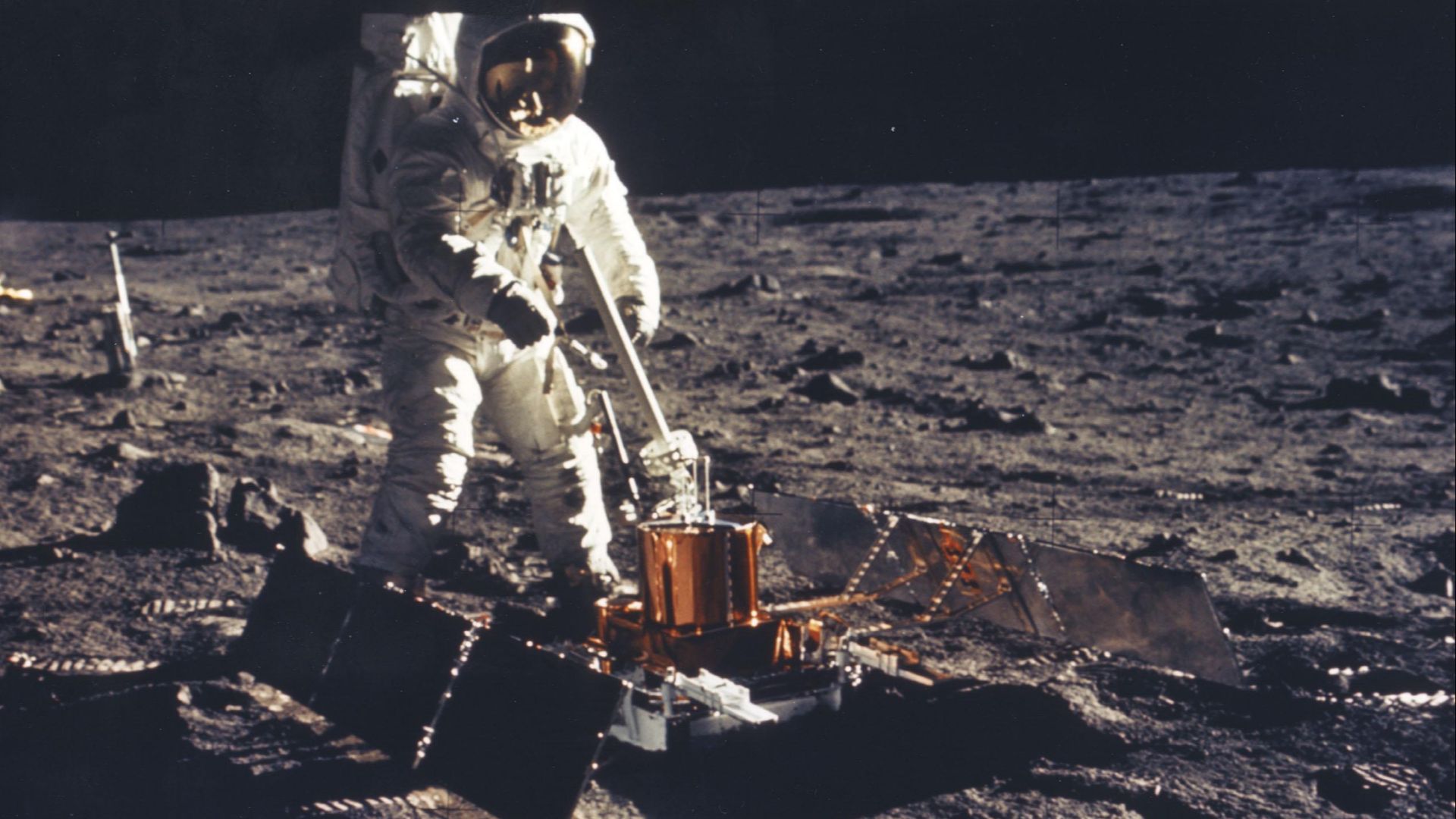
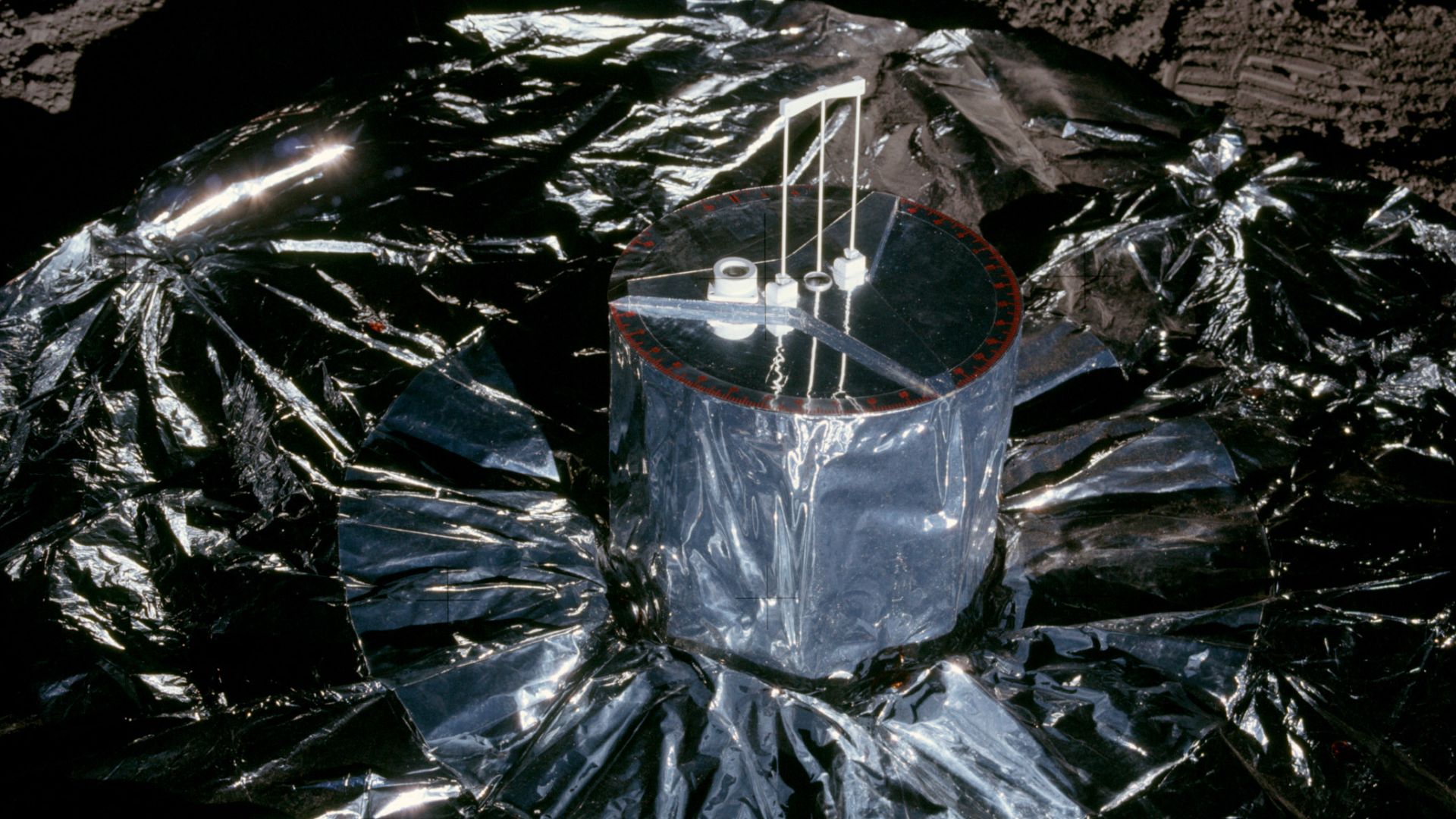
Scientists have known about seismic activity on the Moon since the Apollo program. Astronauts placed seismometers on the lunar surface more than 50 years ago, allowing researchers to record different types of moonquakes and begin investigating the unexpectedly active processes occurring beneath the apparently motionless lunar landscape.
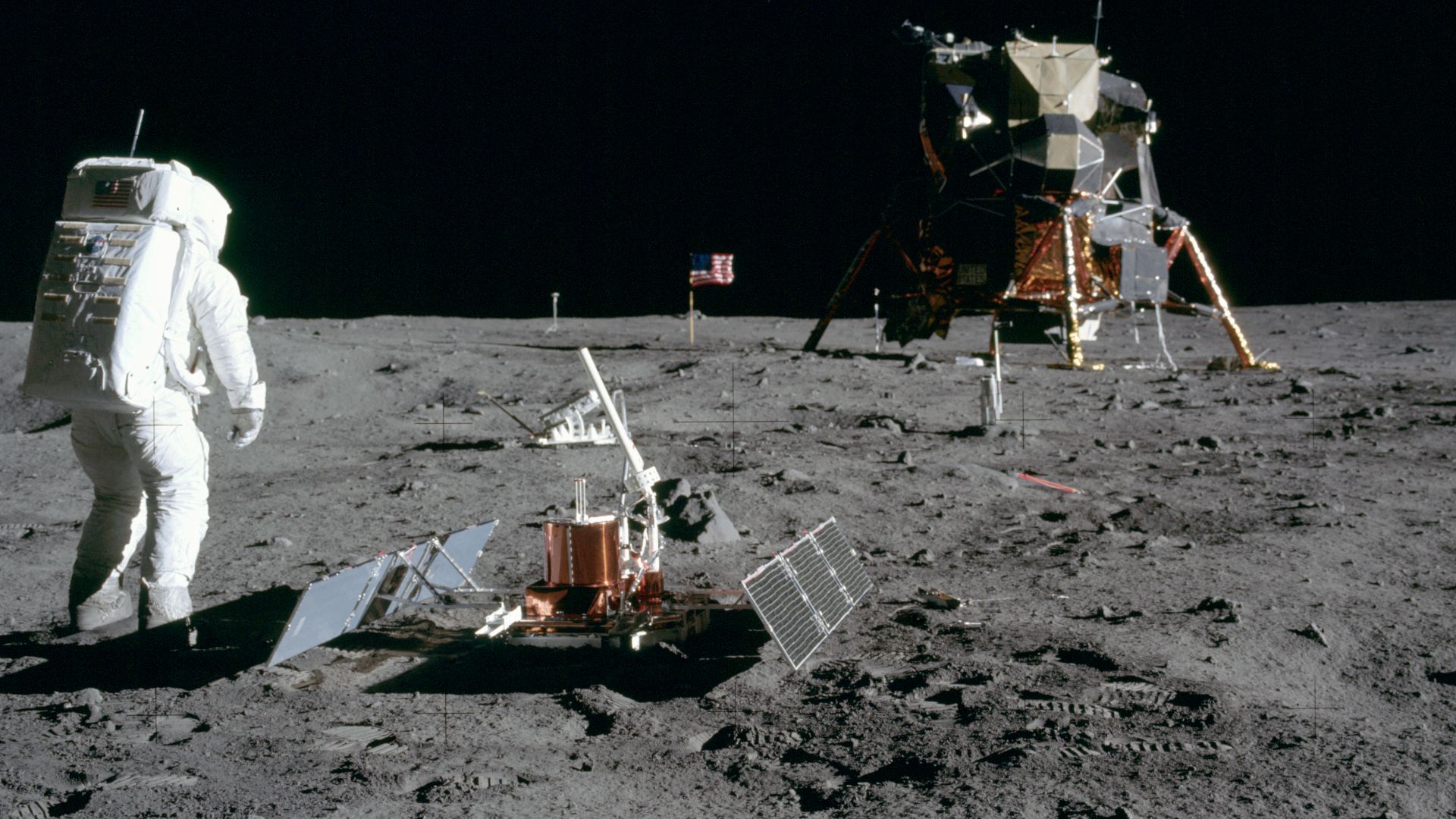 NASA Neil A. Armstrong, Wikimedia Commons
Several Kinds Of Quakes
Not every moonquake has the same cause. Researchers distinguish between deep moonquakes influenced by Earth’s tidal pull, thermal quakes associated with dramatic temperature changes, and shallow tectonic moonquakes connected with faults. The shallow events are especially important because they can be relatively strong and prolonged.
![Tycho Central Peak Spectacular! Vertical view of Tycho central peak summit showing 120 m wide boulder, M127008391L [NASA/GSFC/Arizona State University].
On 10 June 2011 the LRO spacecraft slewed 65° to the west, allowing the LROC NACs to capture this dram](https://www.factinate.com/storage/app/media/splashtravels/2026/7/15/1784132174d6435dceb533e2944682f50815a55f691524bb4a.jpg) NASA/GSFC/Arizona State University, Wikimedia Commons
NASA/GSFC/Arizona State University, Wikimedia Commons
Apollo Data Remains Valuable
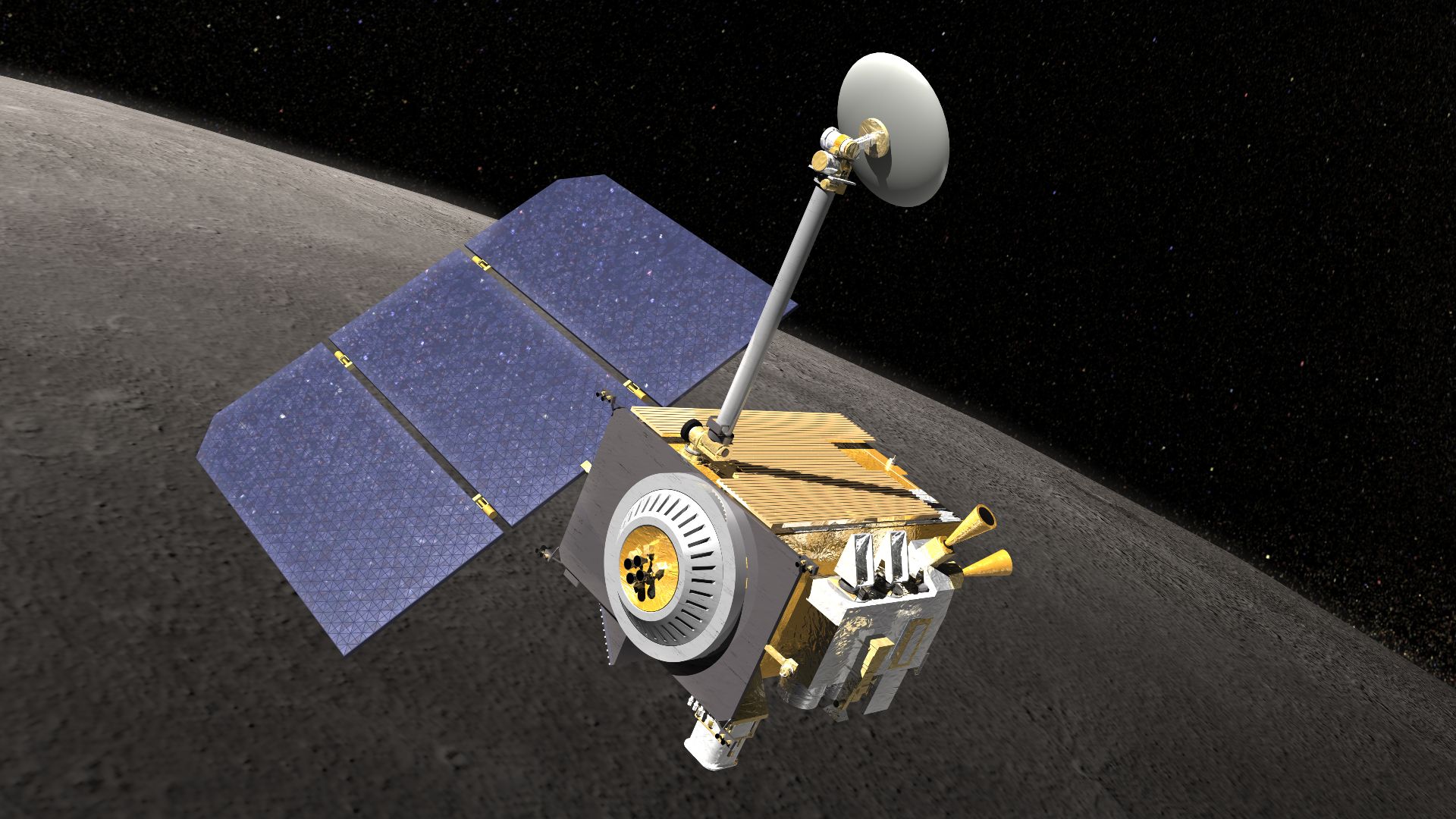
Modern scientists continue reanalyzing seismic measurements collected by Apollo instruments. Researchers have combined those decades-old records with detailed mapping from NASA’s Lunar Reconnaissance Orbiter. By comparing the locations of faults, surface features, and historical seismic events, scientists can investigate possible connections between contraction and moonquakes.
A Powerful South Pole Quake
Researchers examining faults near the lunar south pole connected them with a powerful shallow moonquake recorded by Apollo seismometers. The event was estimated at approximately magnitude 5. That would be clearly noticeable on Earth, but differences in lunar gravity and geology can make the consequences significantly different.
 European Space Agency, Wikimedia Commons
Moonquakes Can Last Hours
Earthquakes generally fade within seconds or minutes, but some moonquakes can continue much longer. The Moon’s dry, fractured crust does not dampen seismic energy as effectively as Earth’s interior. As a result, vibrations can persist for extended periods, with some recorded moonquakes continuing for hours.
 NASA Kennedy Space Center / NASA or National Aeronautics and Space Administration, Wikimedia Commons
Low Gravity Changes Everything
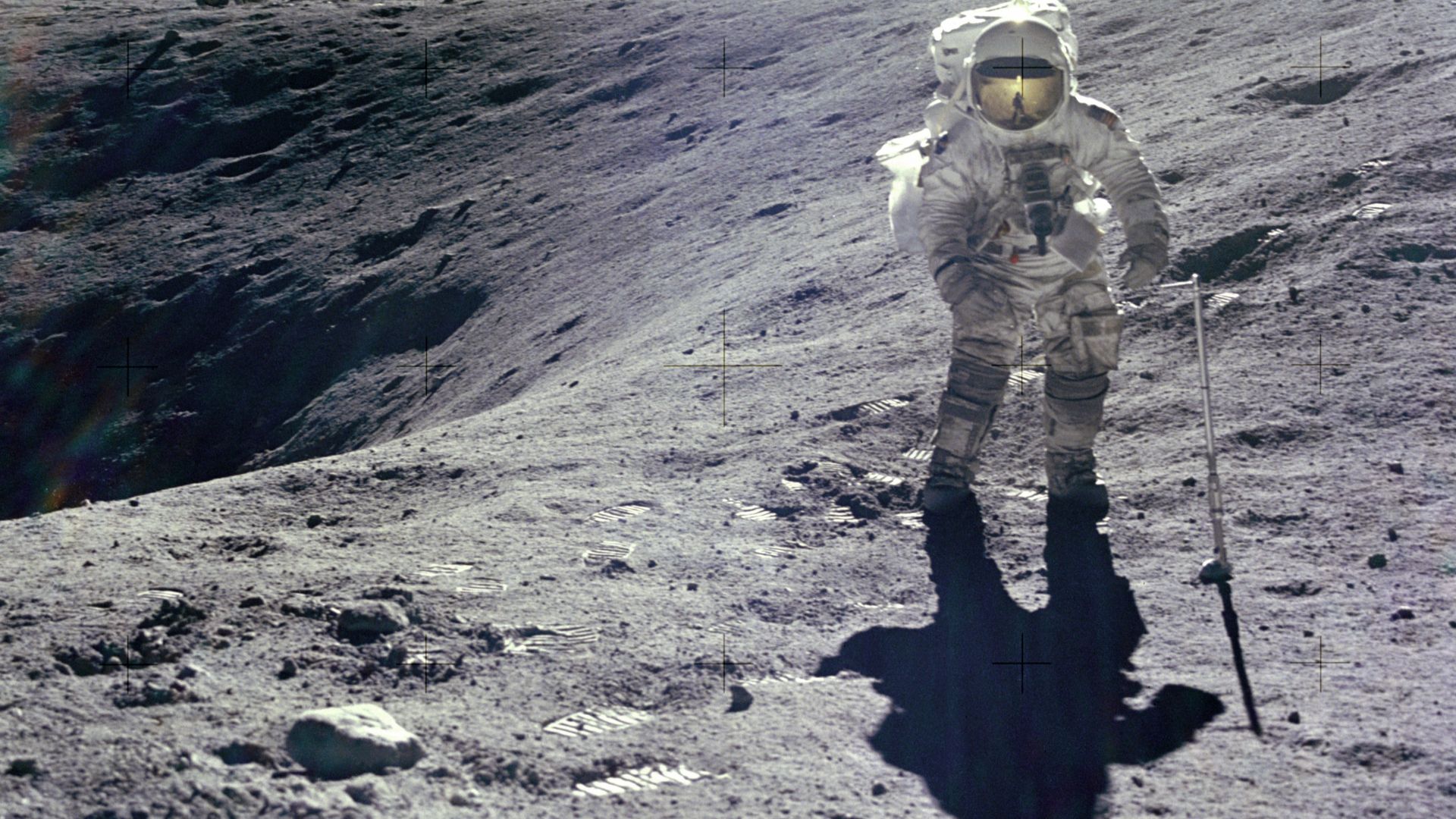
The Moon’s gravity is only about one-sixth as strong as Earth’s. Smithsonian lunar geologist Tom Watters explained that even relatively small amounts of ground acceleration could potentially knock an astronaut off balance. Shaking can also disturb the loose surface material known as regolith and destabilize sloping terrain.
 NASA John W. Young, Wikimedia Commons
Landslides Pose Another Risk
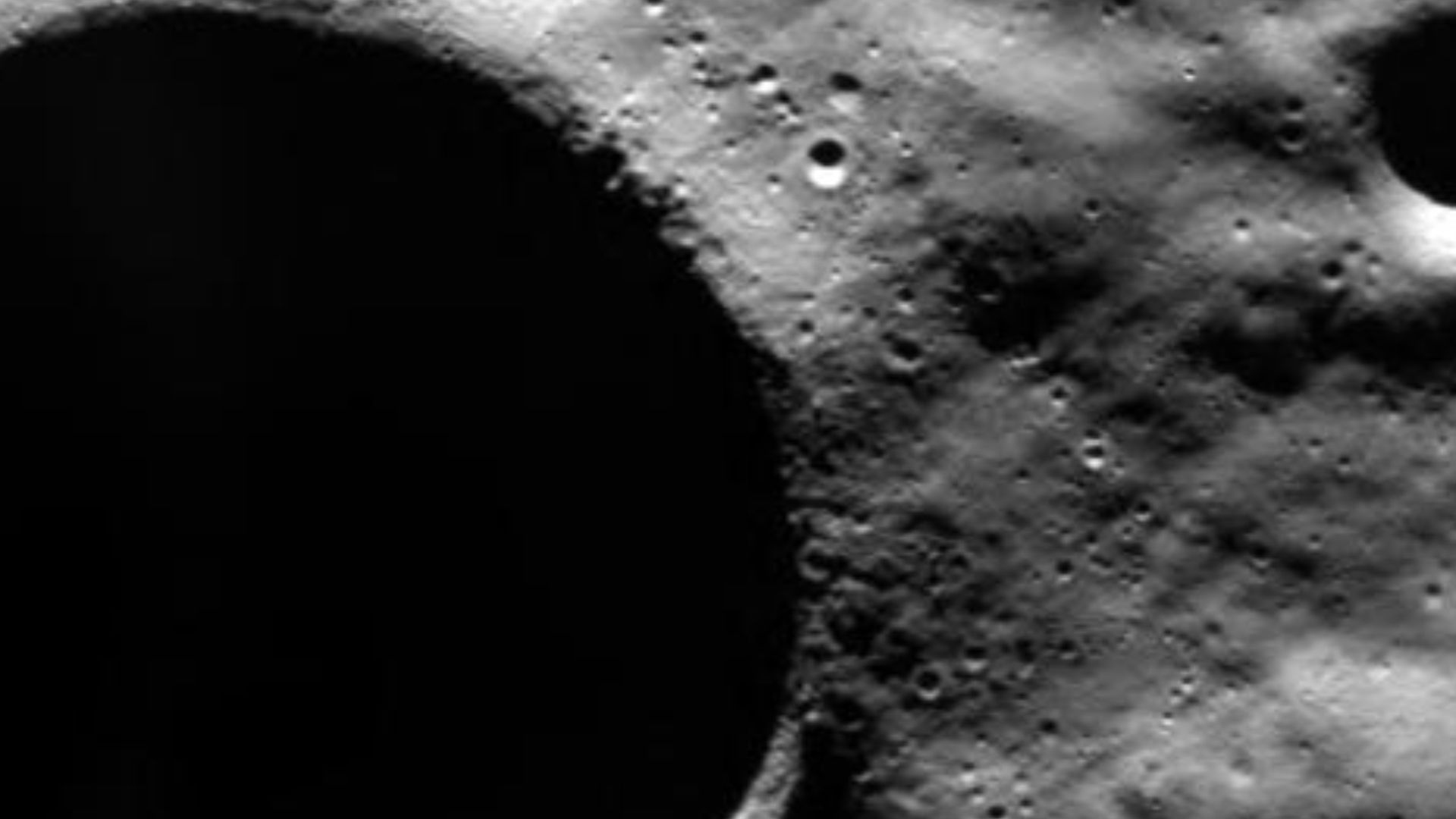
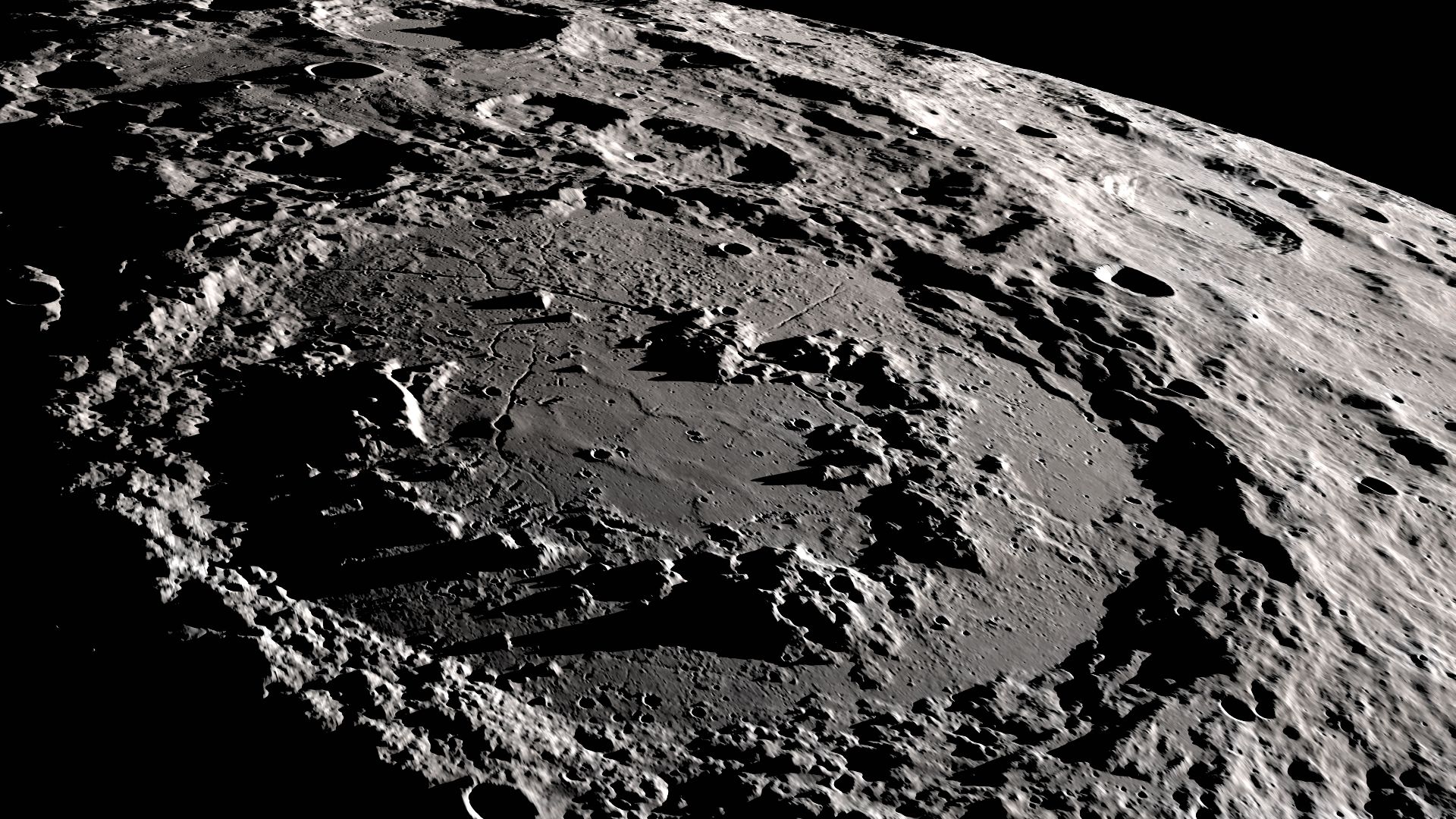
Researchers modeled the effects of seismic shaking on slopes near the lunar south pole. Their work indicated that some permanently shadowed regions could be vulnerable to landslides even under relatively modest shaking. Loose regolith on steep crater walls creates a particular concern for exploration and infrastructure.
 Uploaded by Patricia Moore, Wikimedia Commons
Shackleton Crater Draws Attention
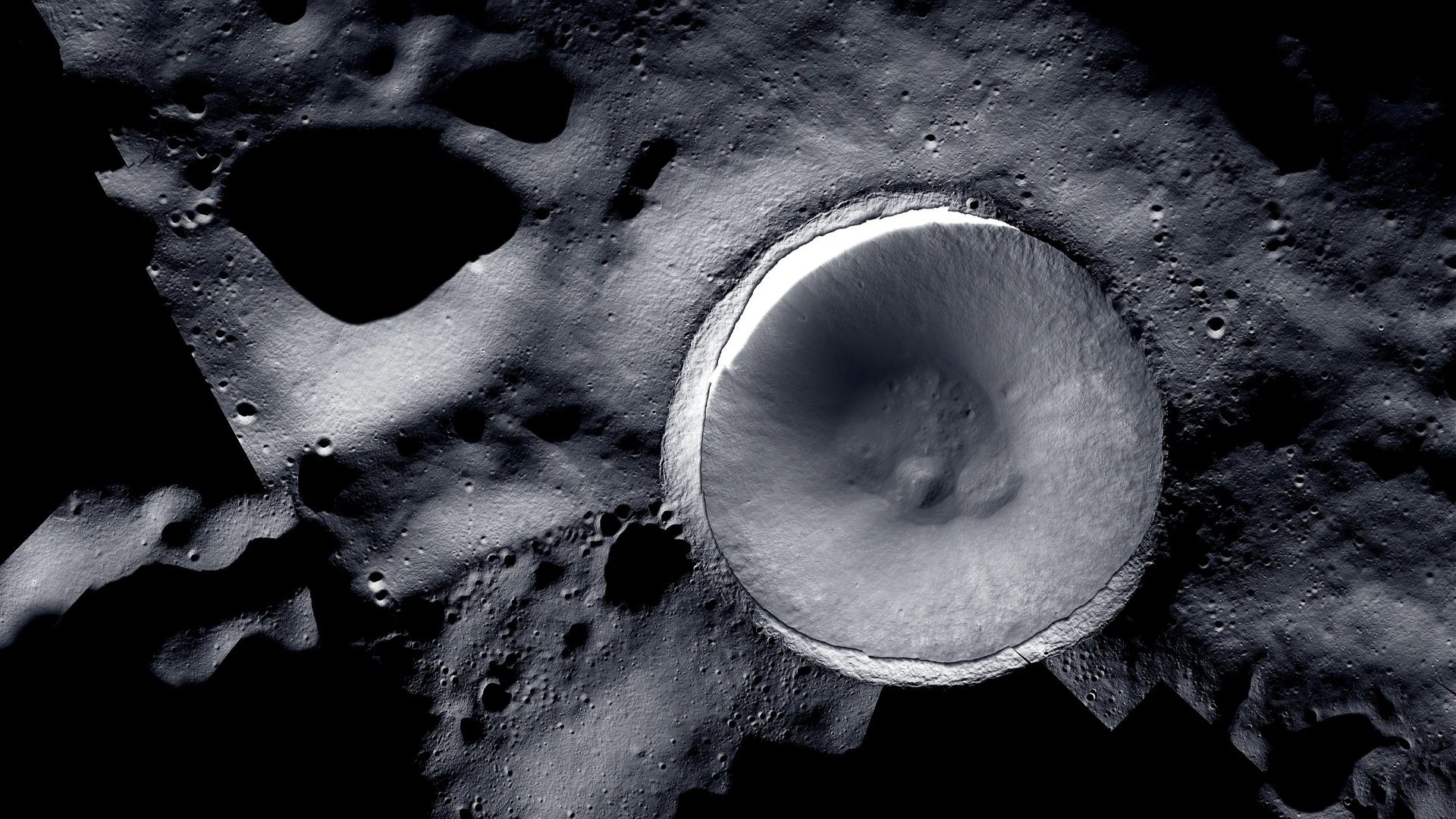
The area around Shackleton Crater has attracted attention because of its location near the lunar south pole and the possibility of water ice in permanently shadowed areas. Research found that some slopes in this region could be susceptible to seismic landslides, complicating assessments of potential exploration sites.
The South Pole Prize
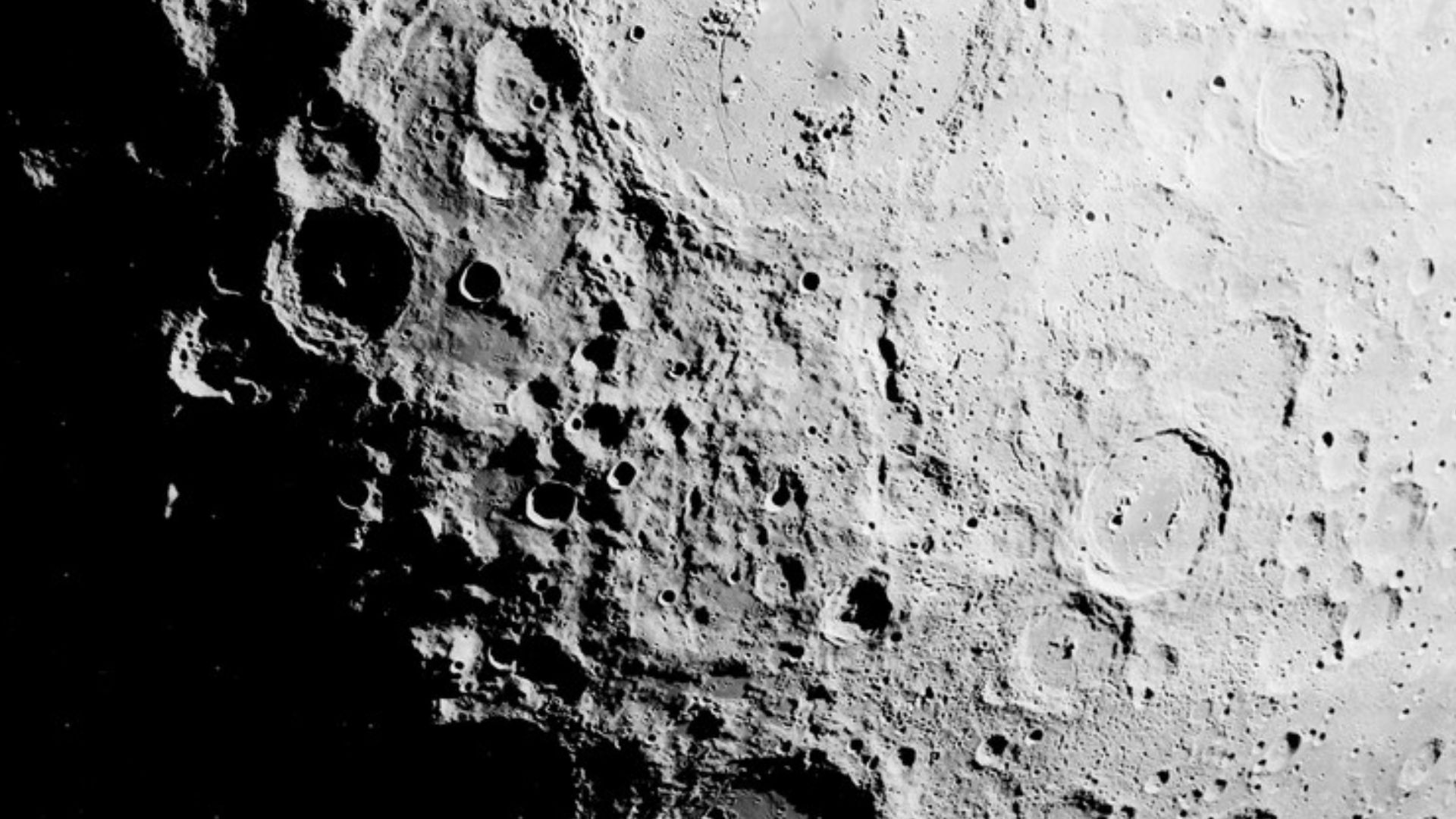
The lunar south pole is a major focus of future exploration because permanently shadowed craters may contain water ice. Nearby elevated terrain can also offer favorable lighting conditions. These characteristics could help support life-support systems, fuel production, scientific research, and power generation for future missions.
 Cropped from NASA image, Wikimedia Commons
Safety Is A Balancing Act
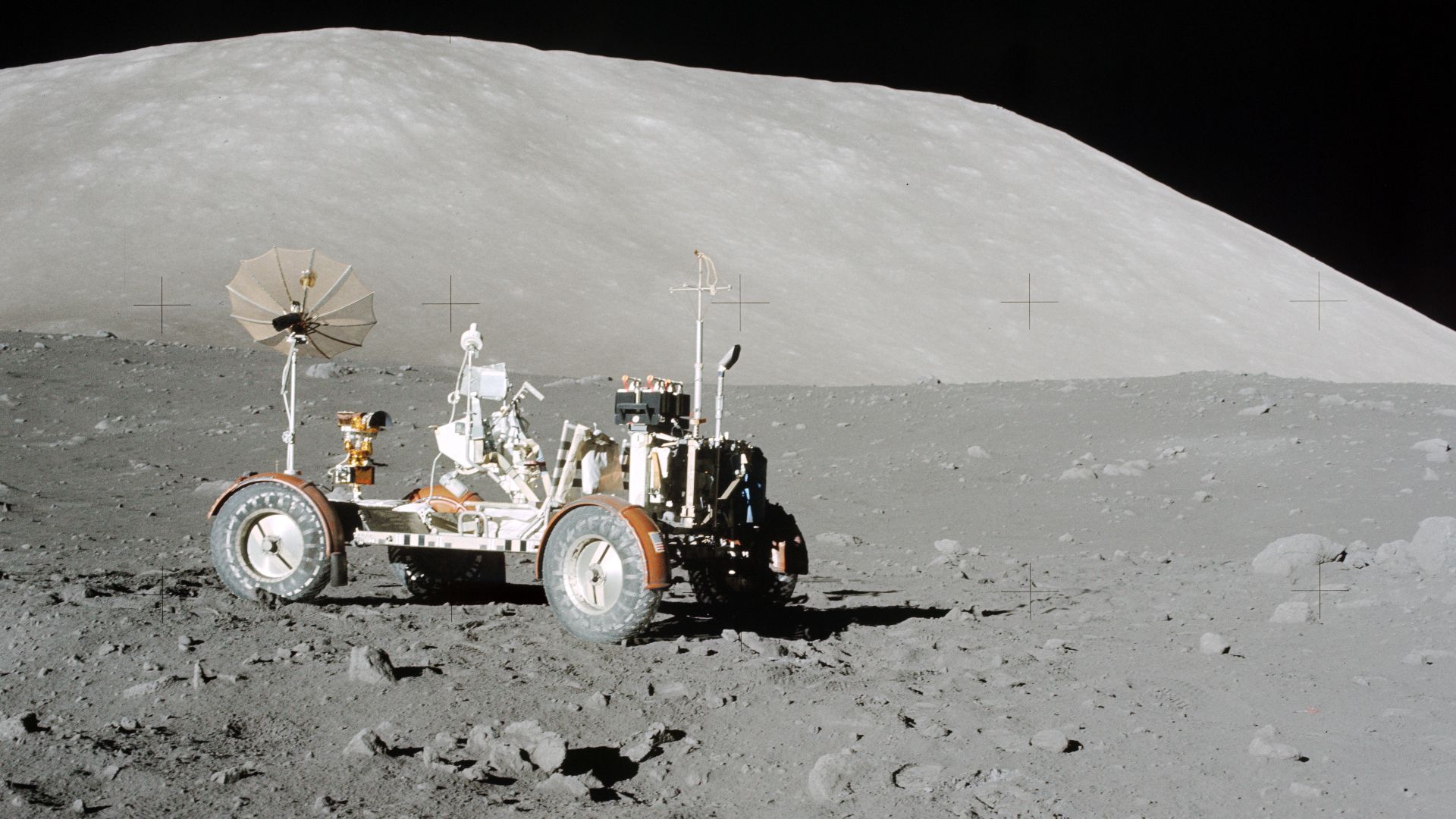
Selecting a lunar landing or base site requires balancing multiple factors. Mission planners must consider access to water ice and sunlight alongside surface roughness, steep slopes, boulder fields, and tectonic structures. New seismic research adds another consideration to an already complicated process of choosing safe locations.
 NASA / Harrison H. Schmitt, Wikimedia Commons
A Major 2026 Discovery
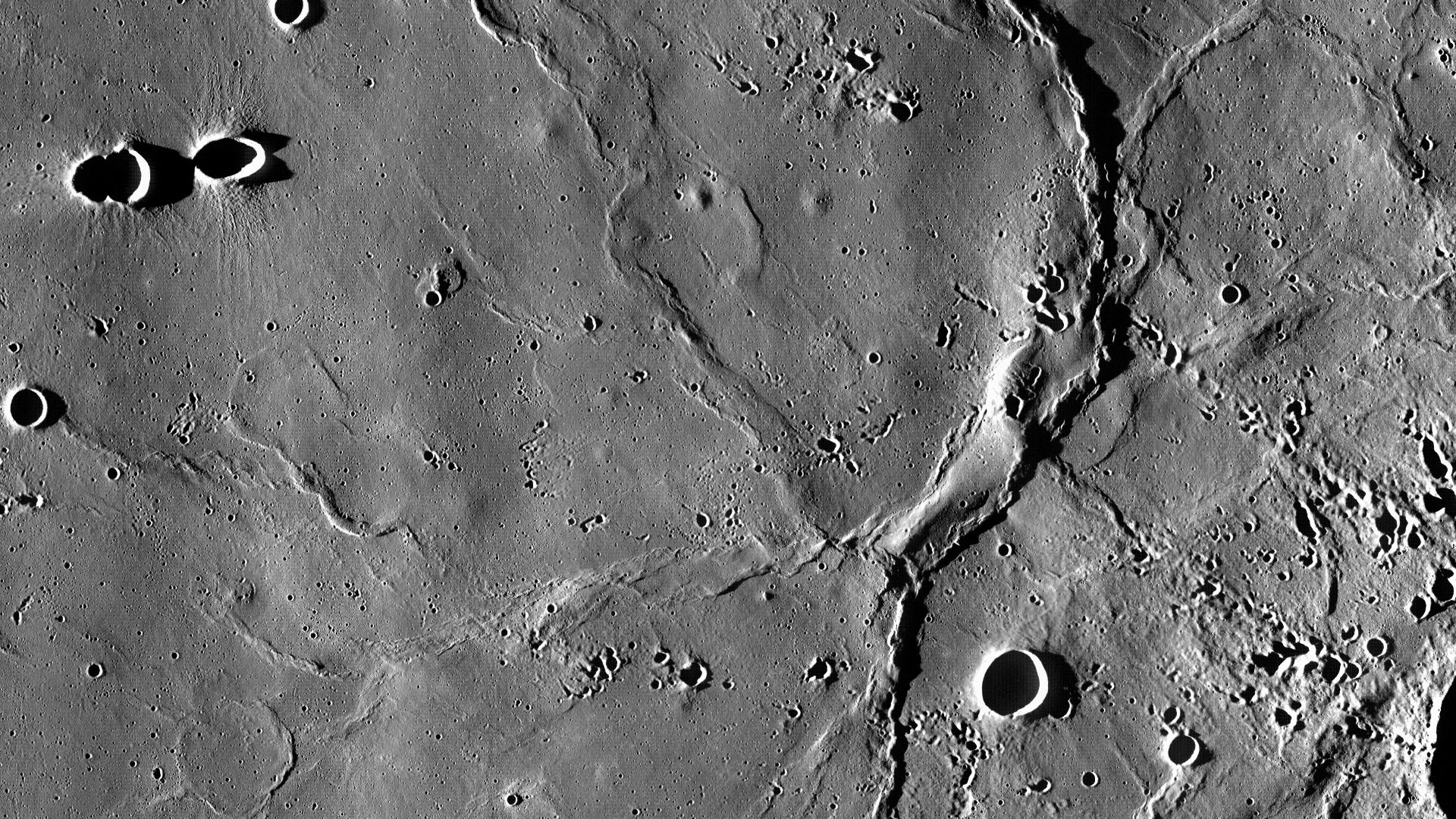
In February 2026, researchers reported the first worldwide mapping and detailed study of small mare ridges, known as SMRs. These subtle terrain features occur across the Moon’s broad, dark plains. The work showed that recent contraction features are far more widespread than scientists had previously documented.
More Than A Thousand Ridges
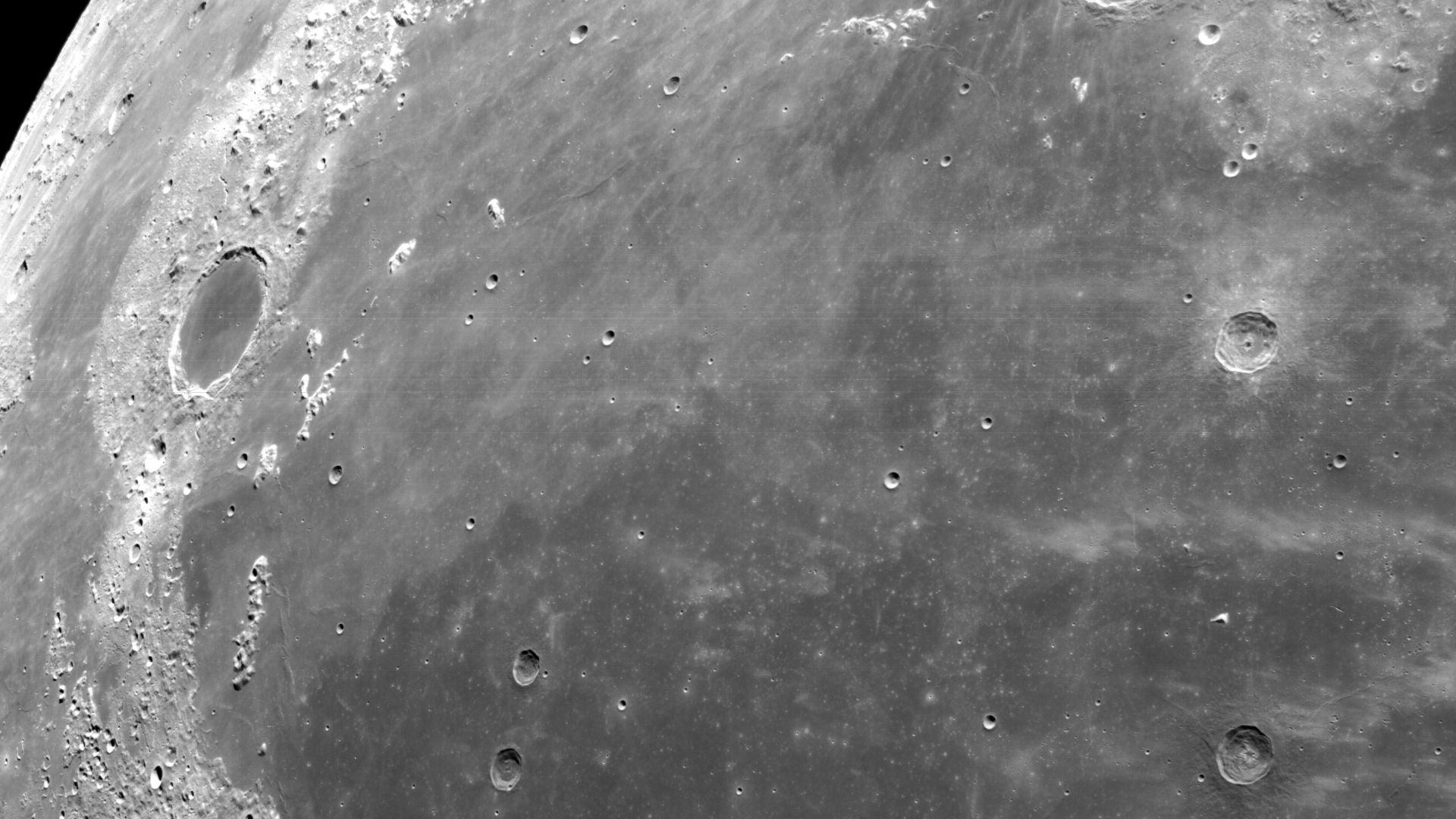
Researchers identified 1,114 previously unrecognized small mare ridge segments across the lunar maria on the Moon’s near side. Their new catalog increased the total number of known SMRs to 2,634, giving scientists a much more complete picture of geological structures associated with lunar contraction.
 NASA Johnson, Wikimedia Commons
Surprisingly Young Features
The team estimated that the average small mare ridge is approximately 124 million years old. Earlier research estimated an average age of about 105 million years for lobate scarps. Those comparable ages place both types of features among the youngest geological structures found on the Moon.
![A North-South trending lobate scarp lies within Xenophanes crater. LROC NAC M118031613LE, image width is 600 m [NASA/GSFC/Arizona State University].](https://www.factinate.com/storage/app/media/splashtravels/2026/7/15/1784134831b0a02225e84cf87cce08d6969ab37f9dc8eebbdc.png) NASA/GSFC/Arizona State University, Wikimedia Commons
NASA/GSFC/Arizona State University, Wikimedia Commons
Two Landscapes, One Process
Small mare ridges and lobate scarps appear in different lunar environments, but scientists found that they form through the same kind of compressional faulting. Lobate scarps occur in the highlands, while SMRs are restricted to the maria, the large dark plains visible from Earth.
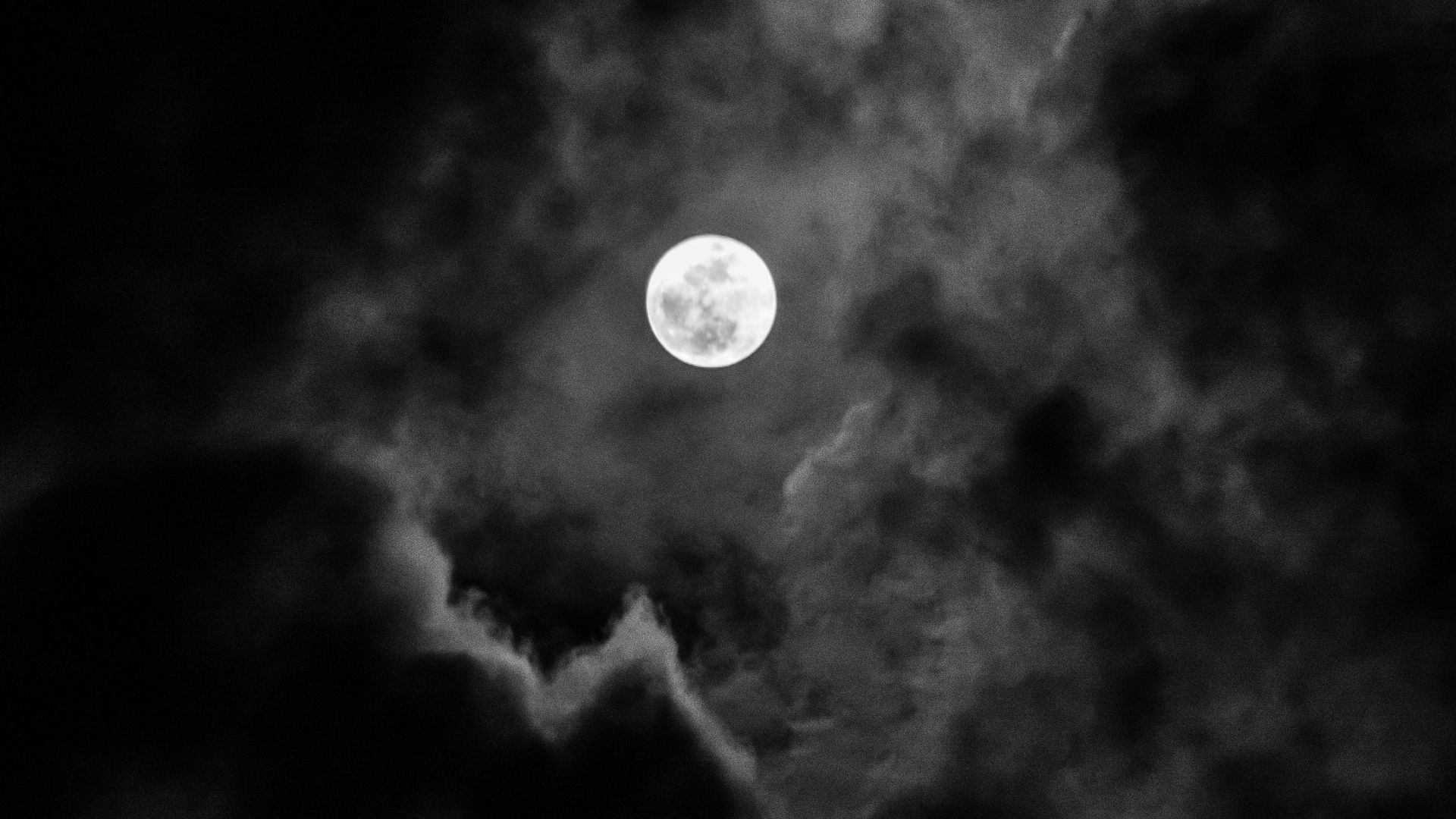 Katsiaryna Naliuka, Wikimedia Commons
The Connections Become Clearer
Researchers found locations where lobate scarps in the lunar highlands transition into small mare ridges within neighboring maria. That connection strengthens the evidence that both structures share a common origin and are products of the same global contraction affecting the Moon’s crust.
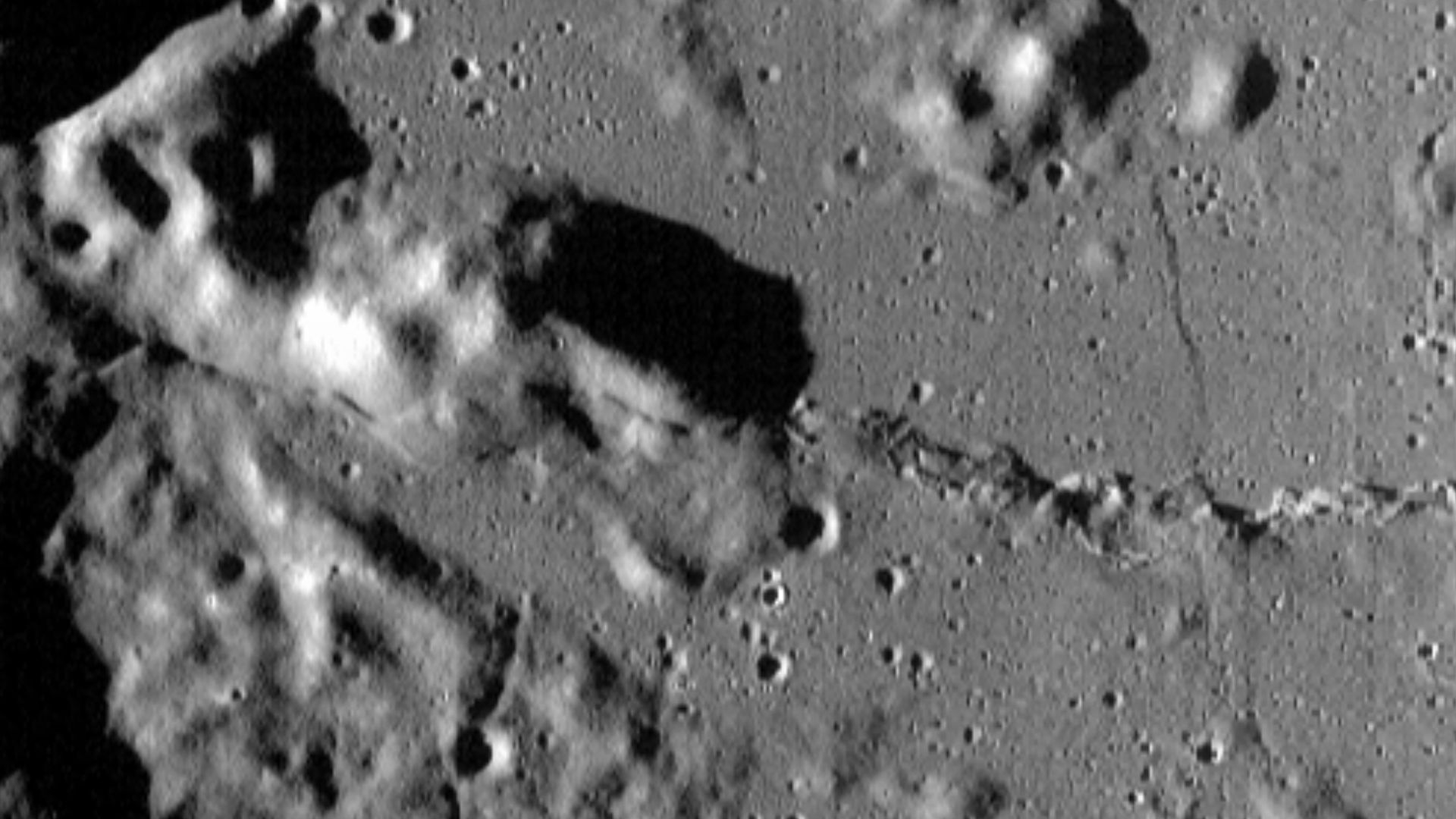
New Potential Quake Zones
Earlier research connected the forces that create lobate scarps with recorded moonquakes. Because small mare ridges form through the same type of faulting, researchers say seismic activity may also occur throughout lunar maria containing these features. The new catalog therefore expands the map of potential moonquake sources.
 National Cancer Institute, Unsplash
Equipment Faces Its Own Risks
Astronauts are not the only concern. Seismic shaking could shift lander footpads, tilt scientific instruments, or disturb carefully aligned communication and power equipment. Over longer periods, repeated shaking could fatigue structural joints, loosen anchoring systems, and affect cables or pipelines serving permanent infrastructure.
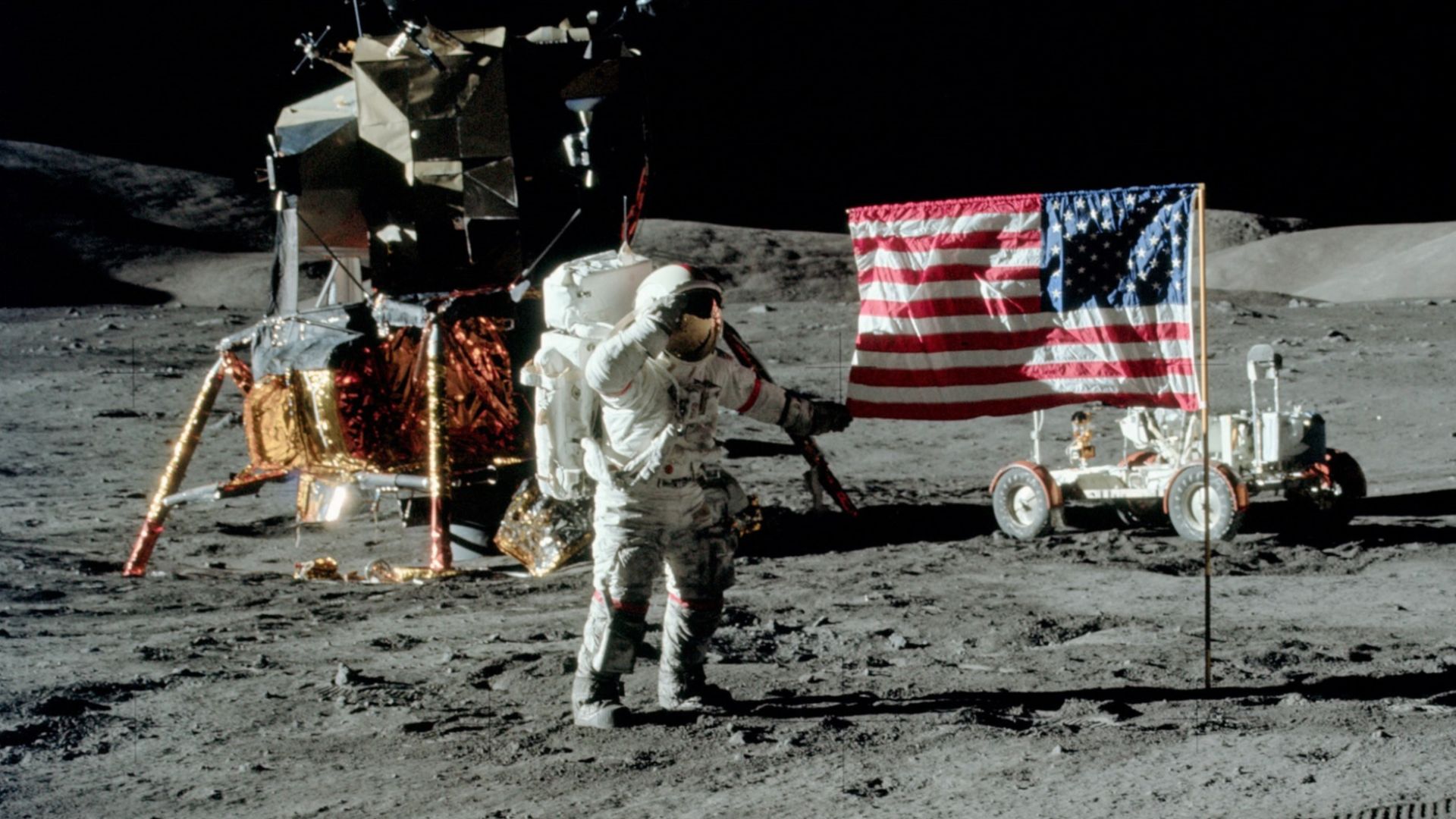 Harrison Schmitt, Wikimedia Commons
Building For Lunar Quakes
Engineers can reduce seismic risks through careful site selection and specialized construction. Proposed measures include stable bases, adjustable footpads, anchoring systems extending through loose regolith, flexible structural components, and shock-absorbing equipment mounts. Heavy objects inside habitats could also require restraints to prevent dangerous movement.
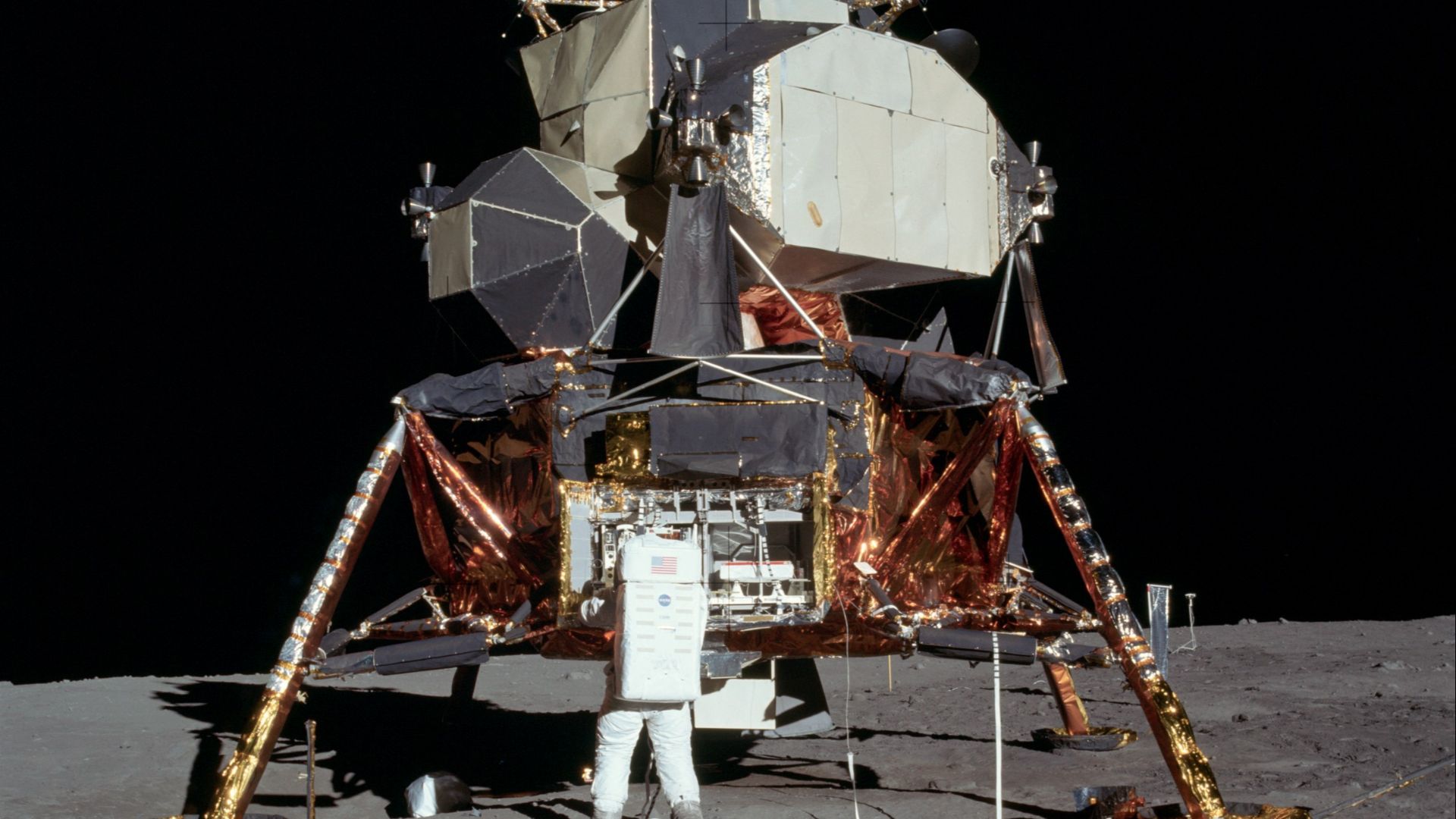 Neil Armstrong, Wikimedia Commons
More Seismometers Are Needed
Scientists still lack a complete picture of seismic activity across the Moon. Existing records are geographically limited because Apollo instruments were concentrated on the near side. A wider seismic monitoring network could track the frequency, strength, and distribution of moonquakes and improve future hazard maps.
A More Dynamic Moon
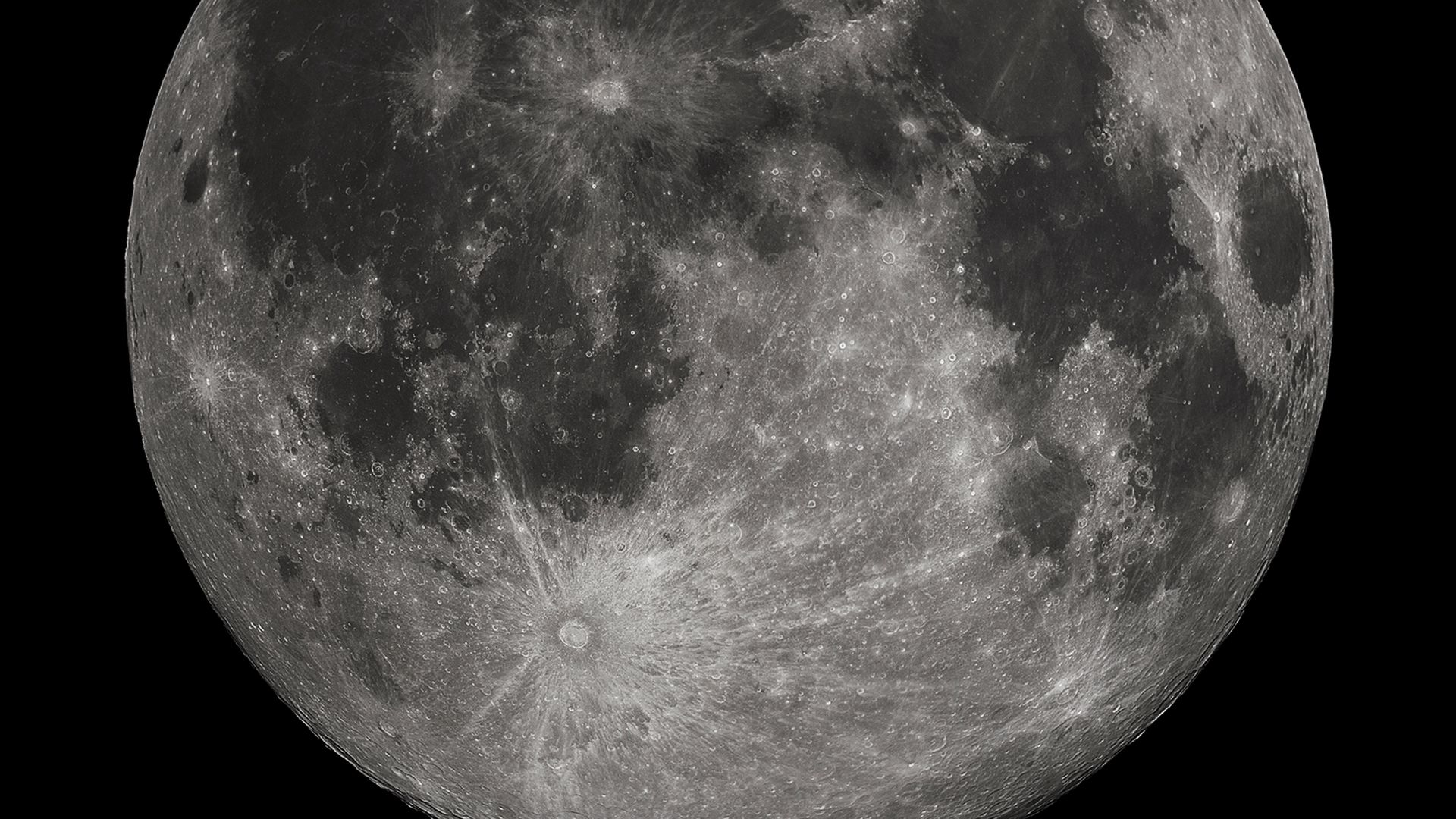
The new discoveries reinforce a picture of the Moon as a geologically dynamic world still responding to the loss of internal heat. Scientists emphasize that the findings should not discourage exploration. Instead, better tectonic maps and seismic measurements can help future missions choose safer sites and build stronger infrastructure.
 Gregory H. Revera, Wikimedia Commons
You May Also Like:
Scientists revealed the strange chemistry of a rare comet from far beyond our solar system.
NASA researchers detected a mysterious signal from deep space that repeats every 44 minutes.