A Discovery That Rewrote History
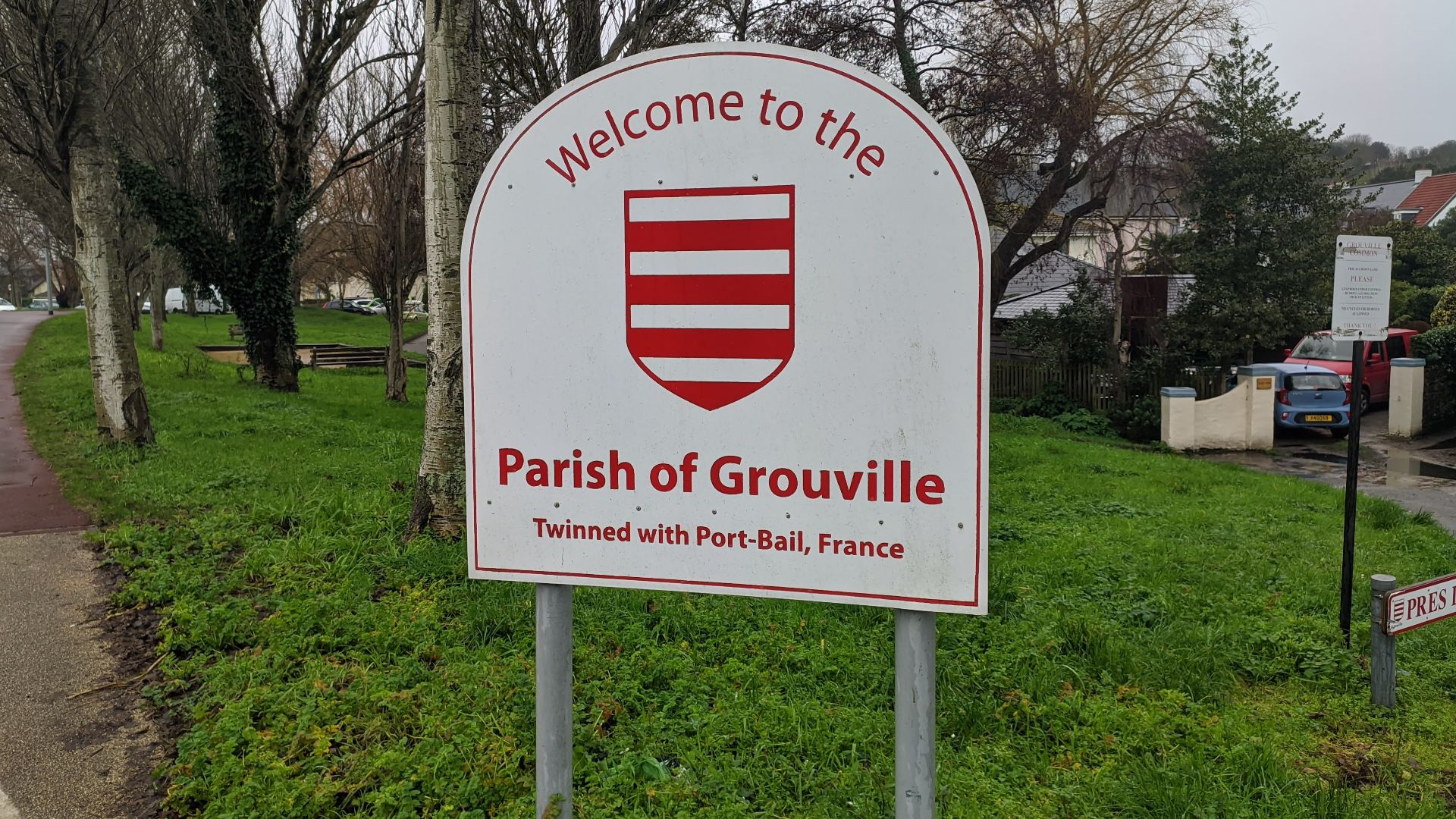
In 2012, two amateur metal detectorists dug up one of the most extraordinary archaeological finds in Europe. The Grouville Hoard, also known as Le Câtillon II, contained tens of thousands of ancient coins and precious objects. What started out as a hobbyist search turned into a landmark discovery that reshaped our understanding of Iron Age Britain.

A Thirty-Year Search Pays Off
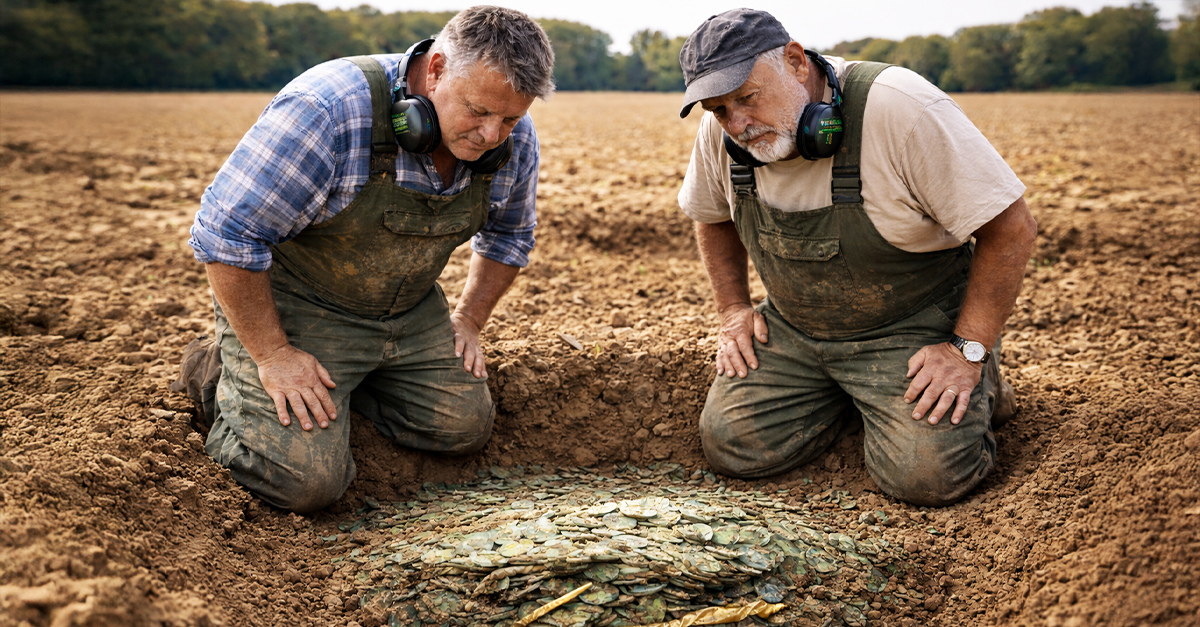
Reg Mead and Richard Miles didn’t stumble upon the hoard by accident. They spent more than 30 years searching a specific field in Grouville, lured by decades-old stories of coins unearthed from the field’s gummy clay. While other locals scoffed at the idea, the hardscrabble persistence of this metal detecting tandem would eventually transform a local rumor into a major archaeological discovery.
 Jerriais janne, Wikimedia Commons
The First Clues In Early 2012
The breakthrough came in early 2012 when the pair found around 60 silver coins and a single gold coin. These initial finds suggested that something far larger could be buried beneath the soil, prompting further investigation and eventually revealing the immense hoard below.
Unearthing A Massive Treasure
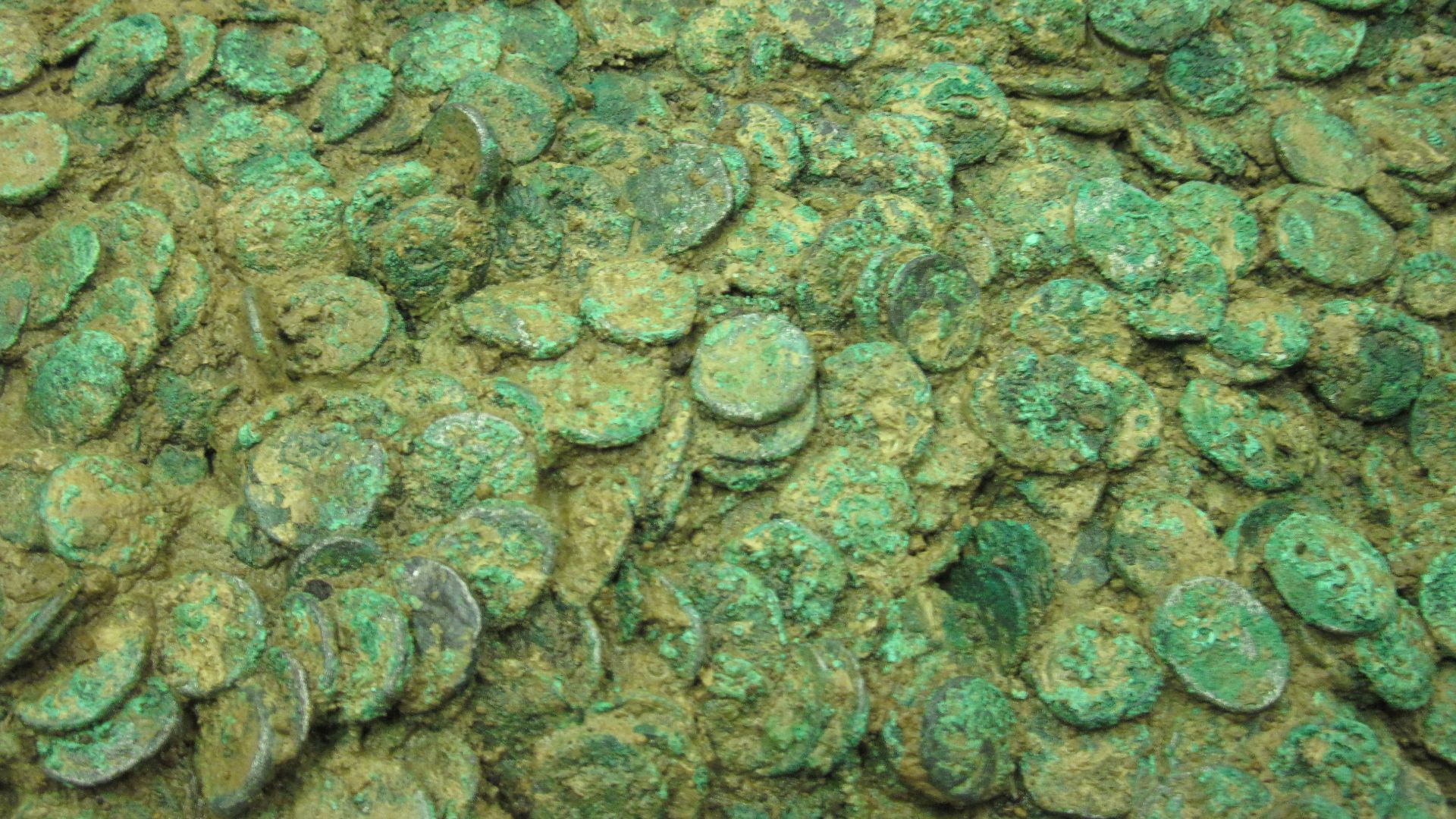
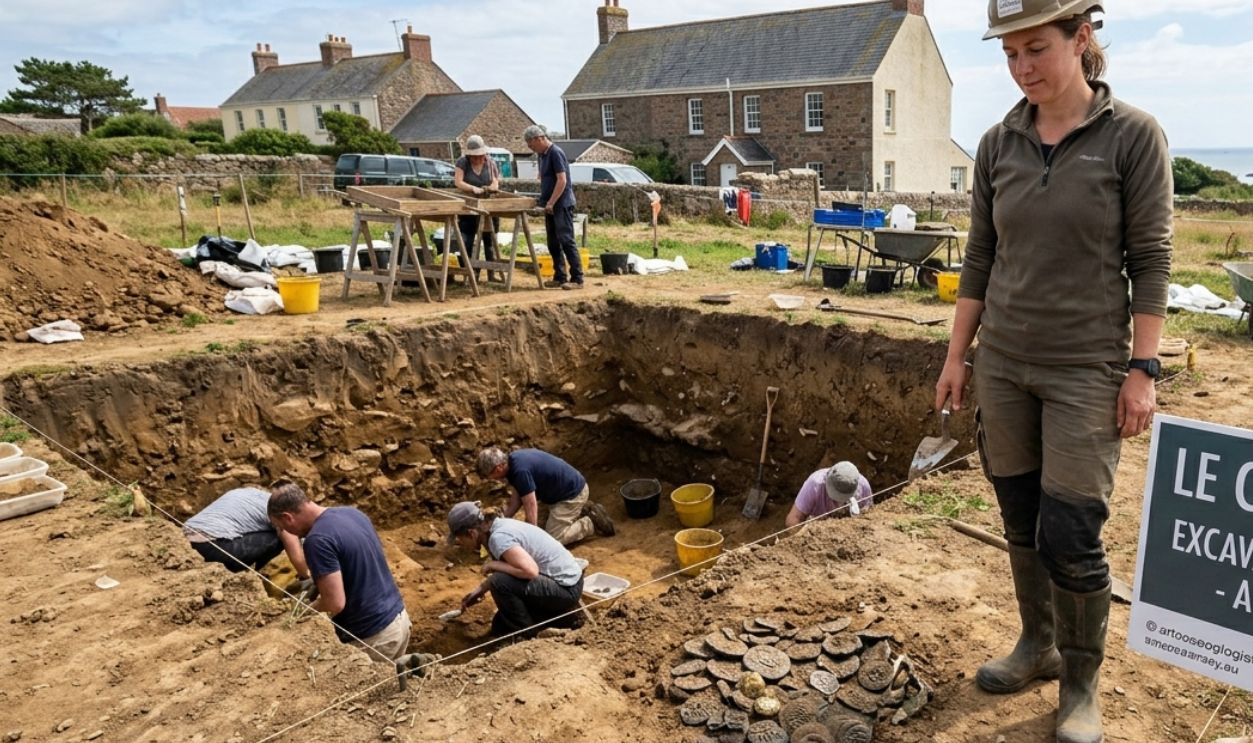
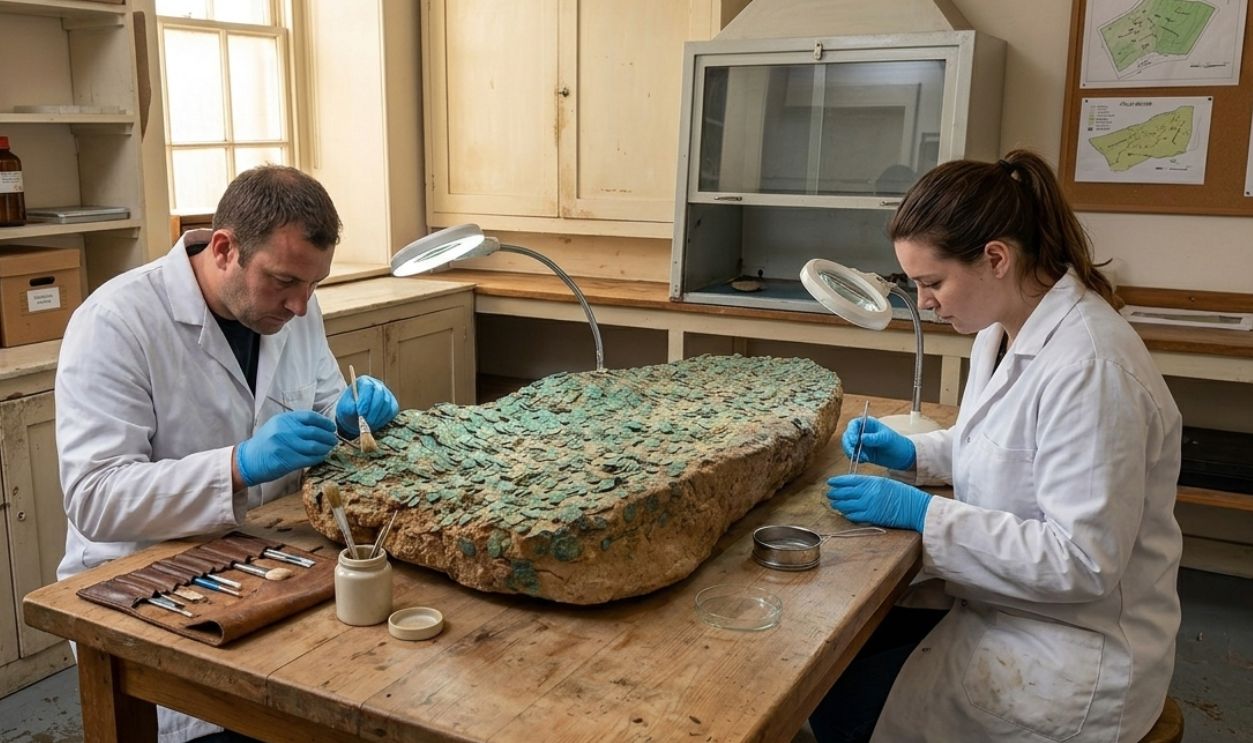
Soon after the initial discovery, the men located a tightly packed mass of coins embedded in clay. Archaeologists were called in, and the hoard was carefully excavated as a single block. The mass measured roughly 140 by 80 by 20 centimeters and weighed an imposing 750 kilograms.
A Hoard Of Staggering Scale
The Grouville Hoard is estimated to contain around 70,000 coins, making it the largest Celtic coin hoard ever found. These coins date to the late Iron Age and include both Celtic and Roman examples, giving us a rare glimpse into a chaotic time in European history.

More Than Just Coins
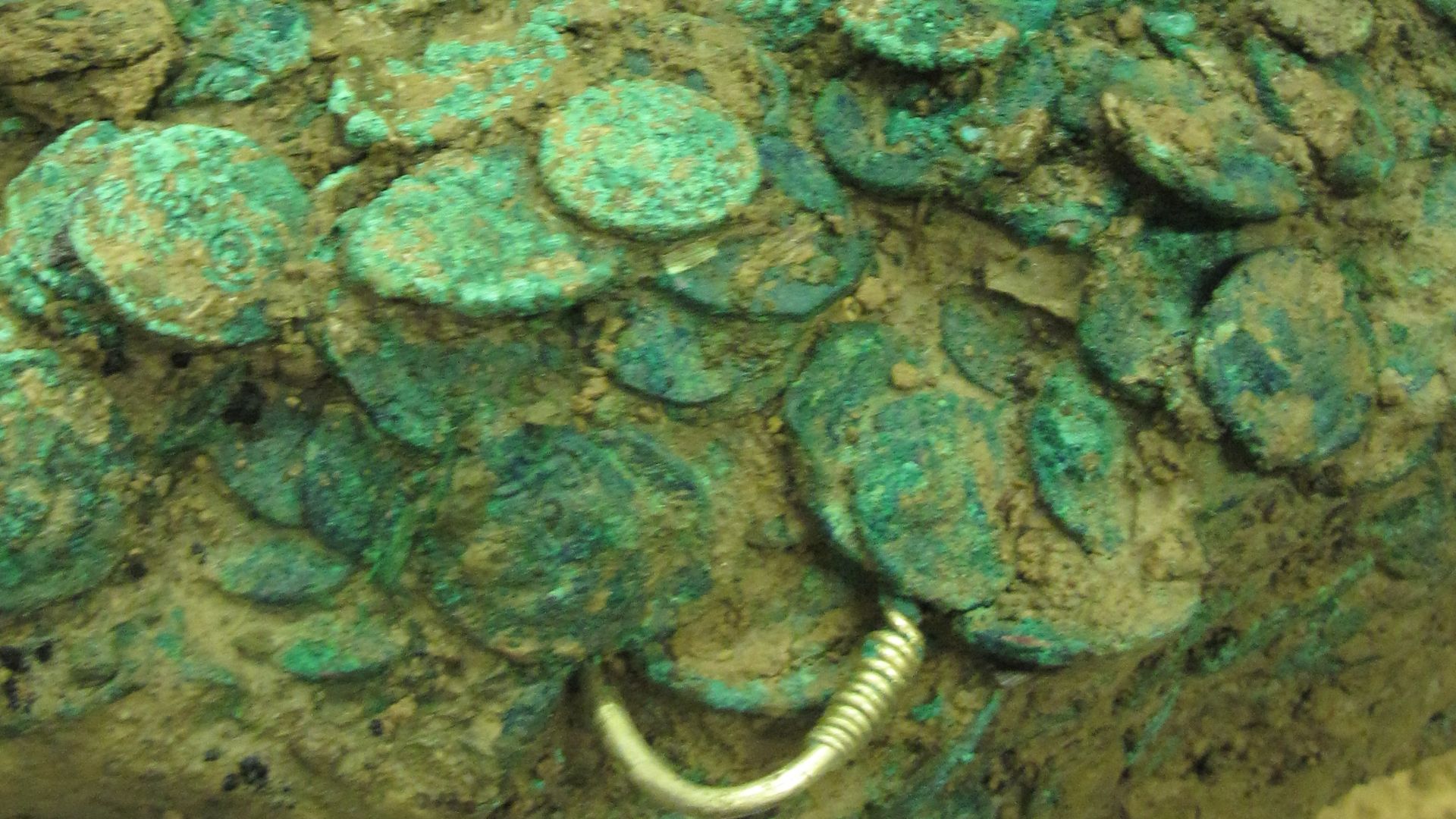
The hoard wasn’t limited to just currency. Archaeologists found gold torcs, silver bracelets, glass beads, and fine metalwork embedded within the mass. These items strongly hint that the hoard represented significant wealth, possibly belonging to an elite group or even an entire community.
Evidence Of A Complex Site
Excavations revealed more than buried treasure. Archaeologists uncovered signs of structures, including timber posts and burnt materials. These findings suggest the site may have been part of a larger settlement or at least some sort of workshop, rather than just a simple hiding place.
A Possible Minting Location
Some coins were found cut or damaged, and signs of furnace material were present. This has led researchers to speculate that the site may have been used for coin production or metalworking, giving the discovery another layer of complexity.

Theories About Its Origins
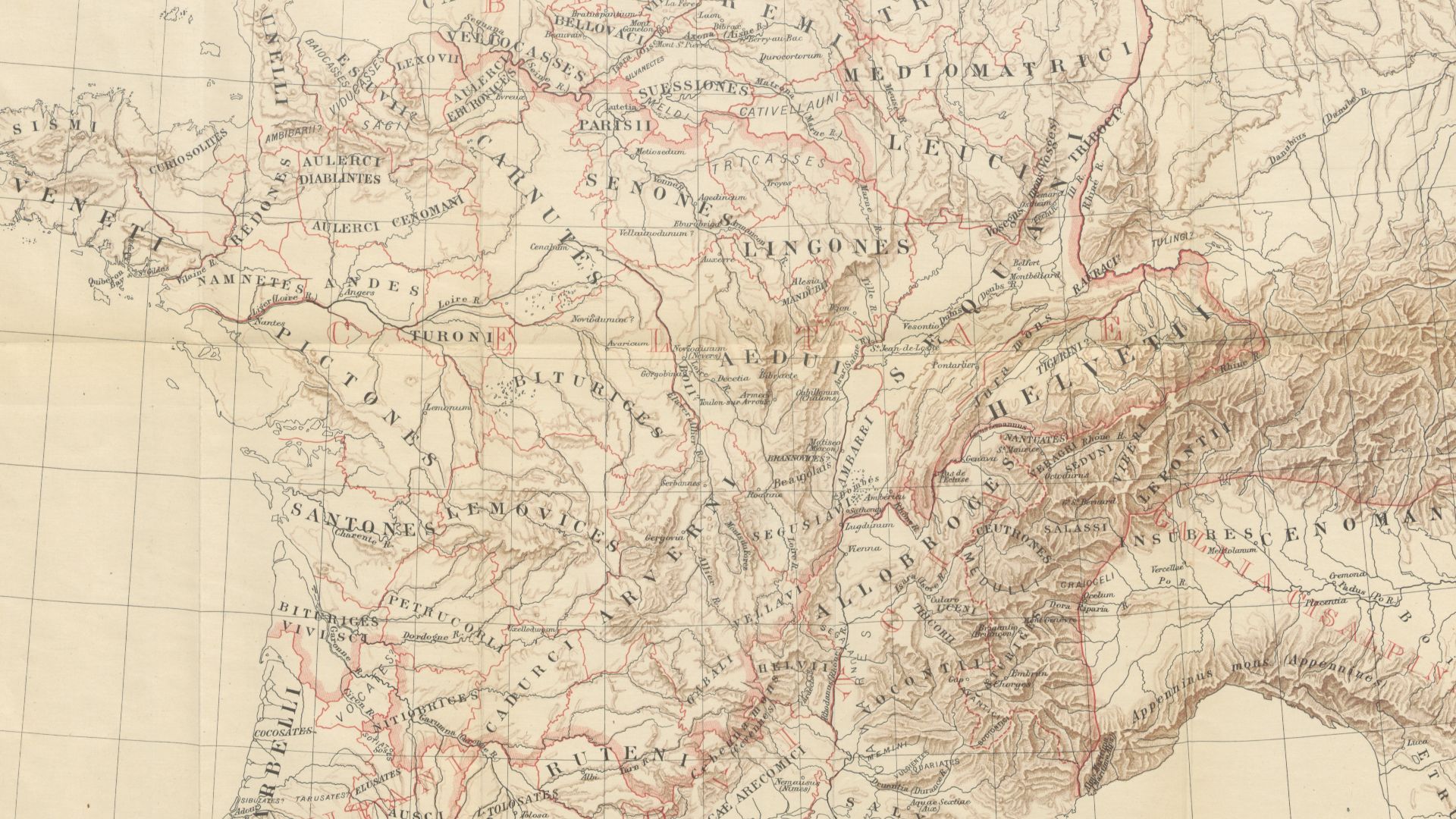
One leading theory suggests the hoard belonged to the Coriosolitae tribe from northern France. These people may have transported their wealth to Jersey during the Roman conquest of Gaul, hoping to keep it safe from invading forces.
 The British Library, Wikimedia Commons
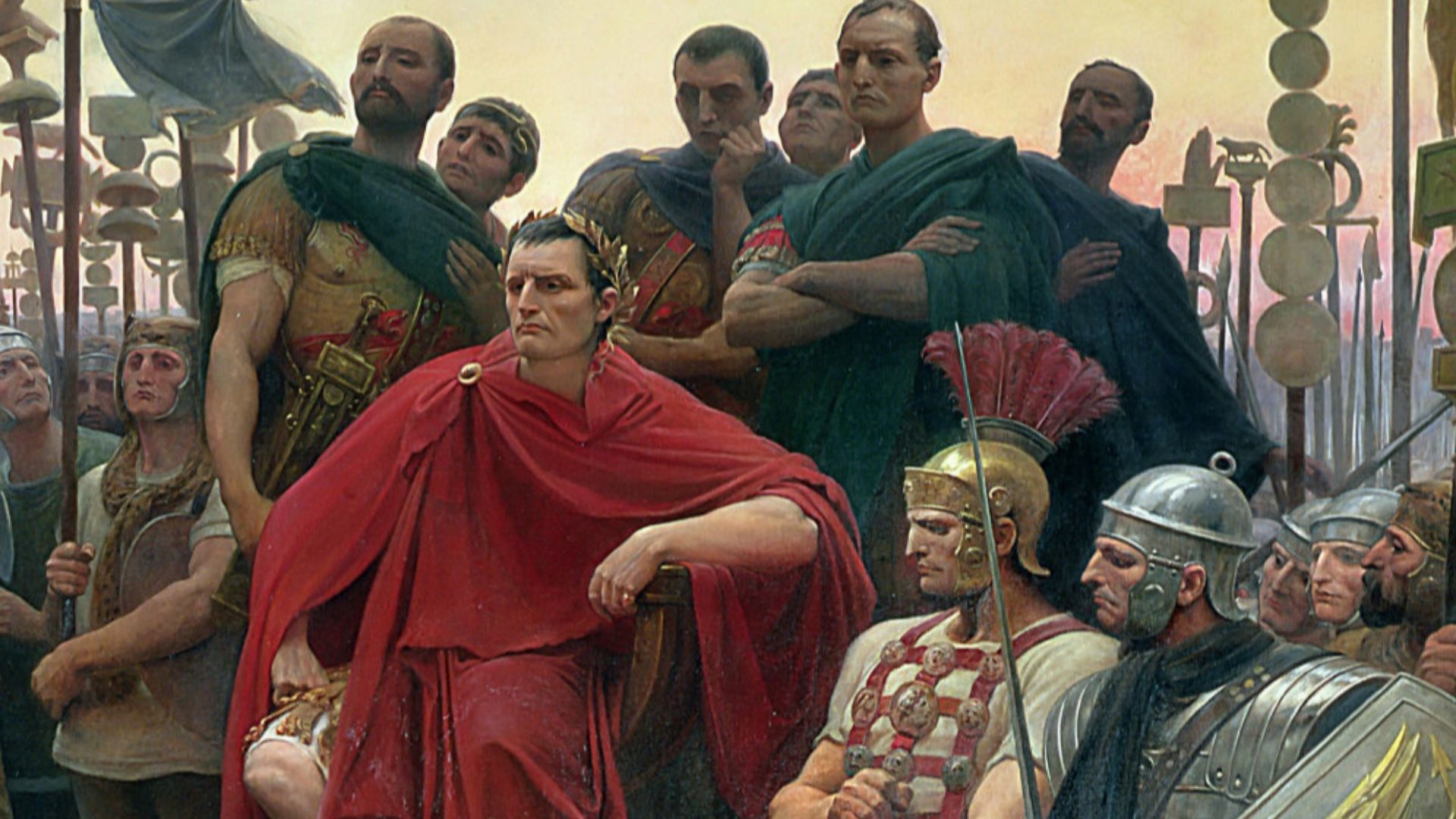
Fleeing Julius Caesar’s Armies
Historical evidence points to the mid-first century BC, when Julius Caesar’s campaigns of conquest disrupted Celtic societies. The hoard may represent a desperate attempt to safeguard wealth during this period of conflict, possibly intended for later recovery that never occurred.
 Lionel Royer, Wikimedia Commons
Why Jersey?
The location puzzled archaeologists for years. Jersey was once thought to be a sparsely populated backwater during this era, making it an unusual place for such a massive deposit. But more recent research suggests there may have been a network of nearby settlements, making the location more logical than researchers previously thought.
 Copernicus Sentinel-2, ESA, Wikimedia Commons
A Sacred Or Strategic Site
Some experts think the hoard might have been buried in a location considered sacred. Others argue it was strategically chosen for concealment. The truth may lie somewhere between, combining spiritual significance with the practical concern of safety and being able to find the hoard again when the dust settled.

The Challenge Of Conservation
The hoard was removed as a solid block because the coins were fused together by corrosion and soil. Separating and conserving each piece has been a painstaking process that continues years after the initial discovery.

A Treasure Still Being Unpacked
Even today, researchers are still extracting coins and artifacts from the clay mass. Each newly revealed coin adds one more piece to the puzzle of Iron Age trade, craftsmanship, and cultural connections across ancient Europe.
Legal Gray Area
Unlike the United Kingdom, Jersey doesn't operate under the Treasure Act of 1996. This created uncertainty about ownership and valuation. Ultimately, agreements were made between the finders, the landowner, and authorities regarding the hoard’s future to clarify its status and eventual ownership.
 MODIS Land Rapid Response Team, NASA GSFC, Wikimedia Commons
A Multi-Million Pound Valuation
Experts estimated the value of the hoard could reach into the millions, with individual coins potentially worth hundreds of pounds. The scale and rarity of the find made it one of the most priceless archaeological discoveries in the region.

Purchased For The Public
In 2021, the Government of Jersey acquired the hoard for £4.25 million. This ensured the treasure would stay on the island and be preserved for public study and display rather than being sold privately.

Museum Exhibitions Bring It To Life
Parts of the hoard have been displayed at institutions such as La Hougue Bie Museum and the Jersey Museum. These exhibits allow visitors to see the coins and artifacts up close while learning about their larger historical context.

A Window Into Celtic Europe
The Grouville Hoard has given insight into the economic and social systems of late Iron Age Europe. The diversity of coins suggests extensive trade networks and interactions between different Celtic tribes and regions.

Ongoing Research And Debate
More than a decade after its discovery, the hoard still inspires research and debate. Questions persist about its exact purpose, the identity of its owners, and why it was never retrieved, keeping the mystery alive.
 Henri Mathieu-Saint-Laurent, Pexels
A Discovery That Still Resonates
The Grouville Hoard is a great example of the kind of patience and curiosity needed by metal detectorists, and their contribution to the power of history beneath our feet. What started out as a run-of-the-mill local rumor is now recognized as one of Europe’s greatest archaeological finds. And, as any metal detectorist will tell you, the past still has countless secrets waiting to be uncovered.

You May Also Like: