Egypt’s Golden Age Begins
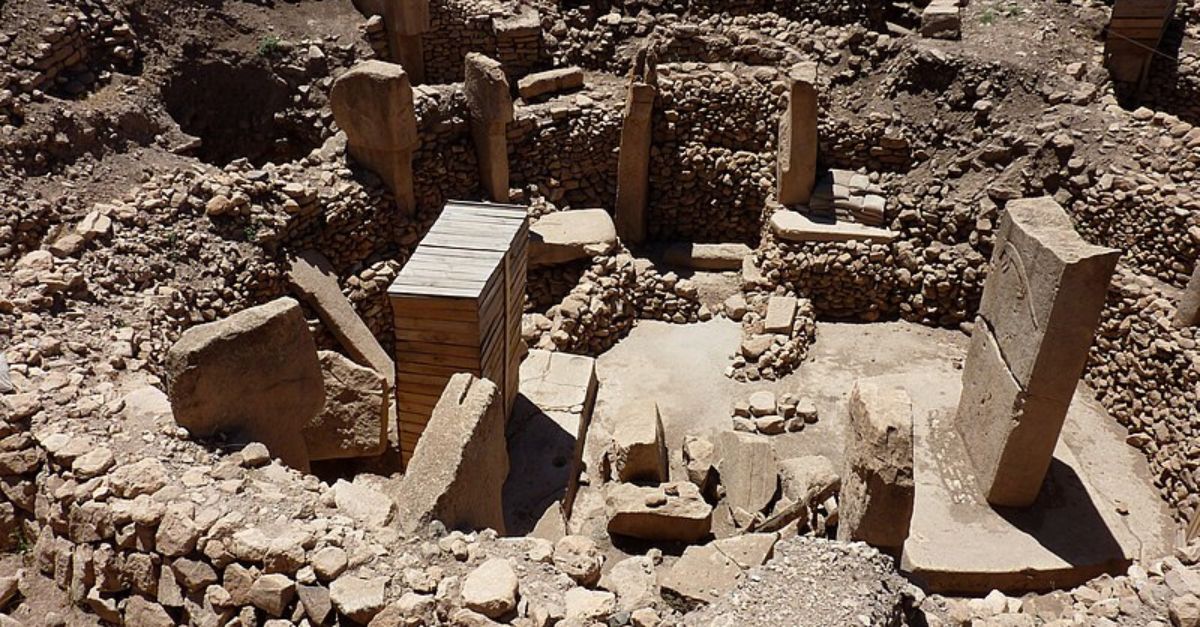
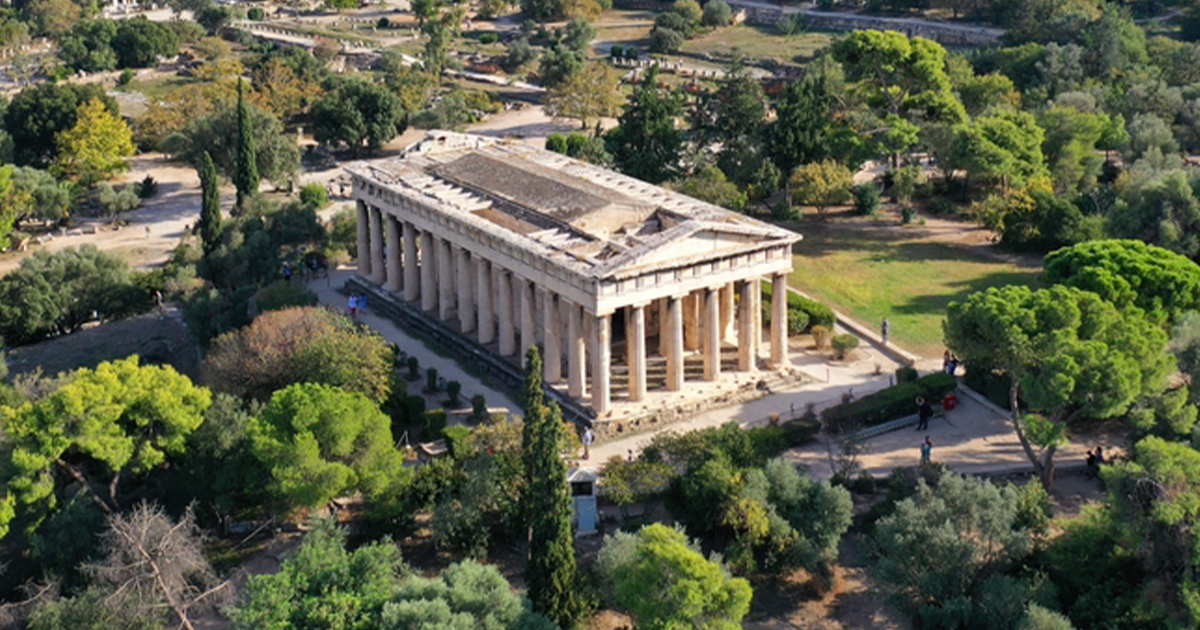
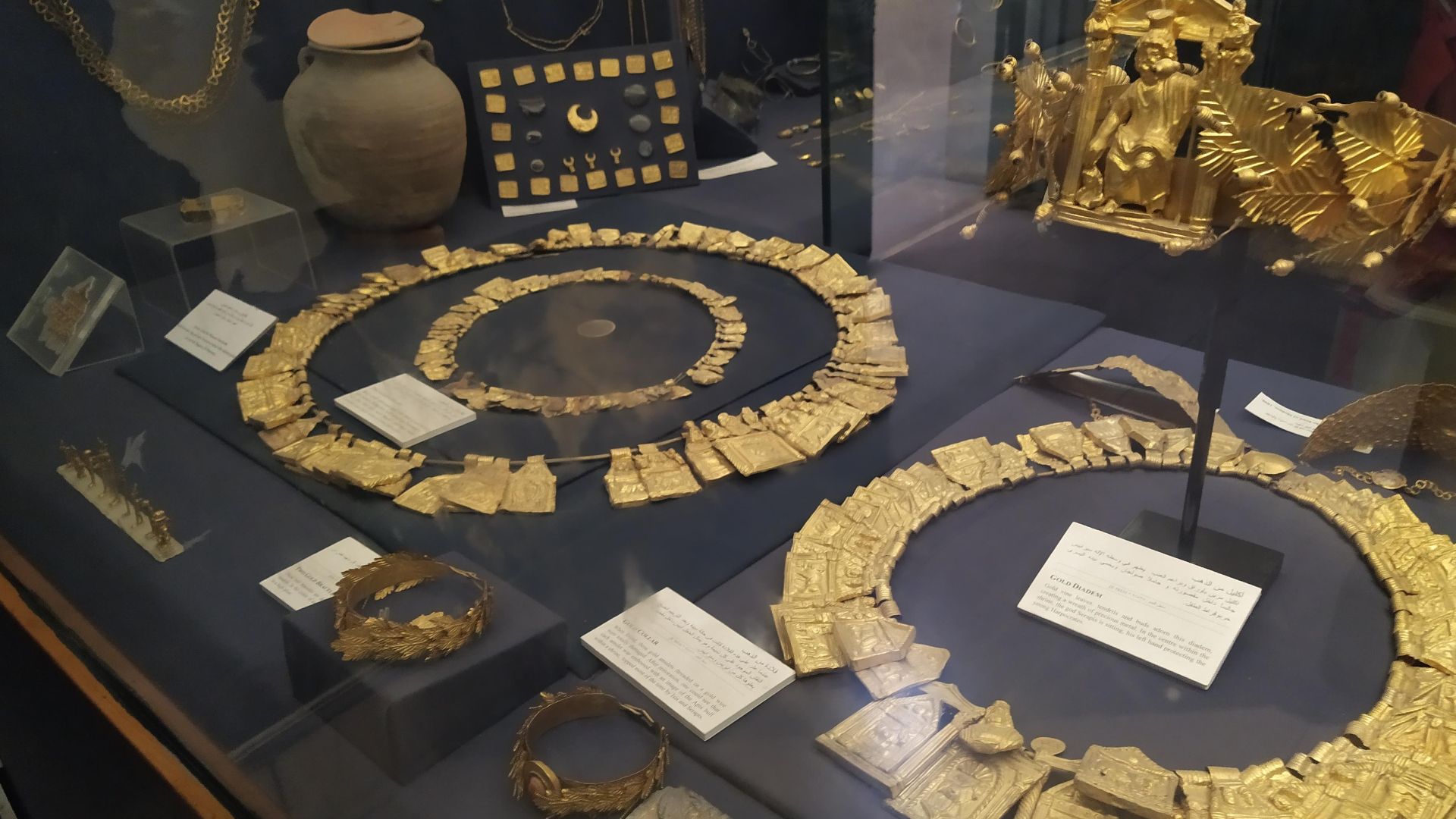
Gold shaped power in ancient Egypt, and rulers used it to decorate temples, crown jewels, and statues meant to shine like the gods. As Egypt grew stronger during the New Kingdom, demand exploded. The deserts east of the Nile promised huge deposits, sparking state-driven searches.
Why Egypt Needed Gold Beyond Royal Display
Gold moved Egypt’s economy as much as its ceremonies. Officials used it to pay specialist workers, and even strengthen alliances with foreign rulers who valued Egyptian metal above local supplies. Its role as currency and diplomacy made discovering new sources a priority, especially as older mines declined.
 Radoslaw Botev, Wikimedia Commons
How The Lost Gold City Was Found
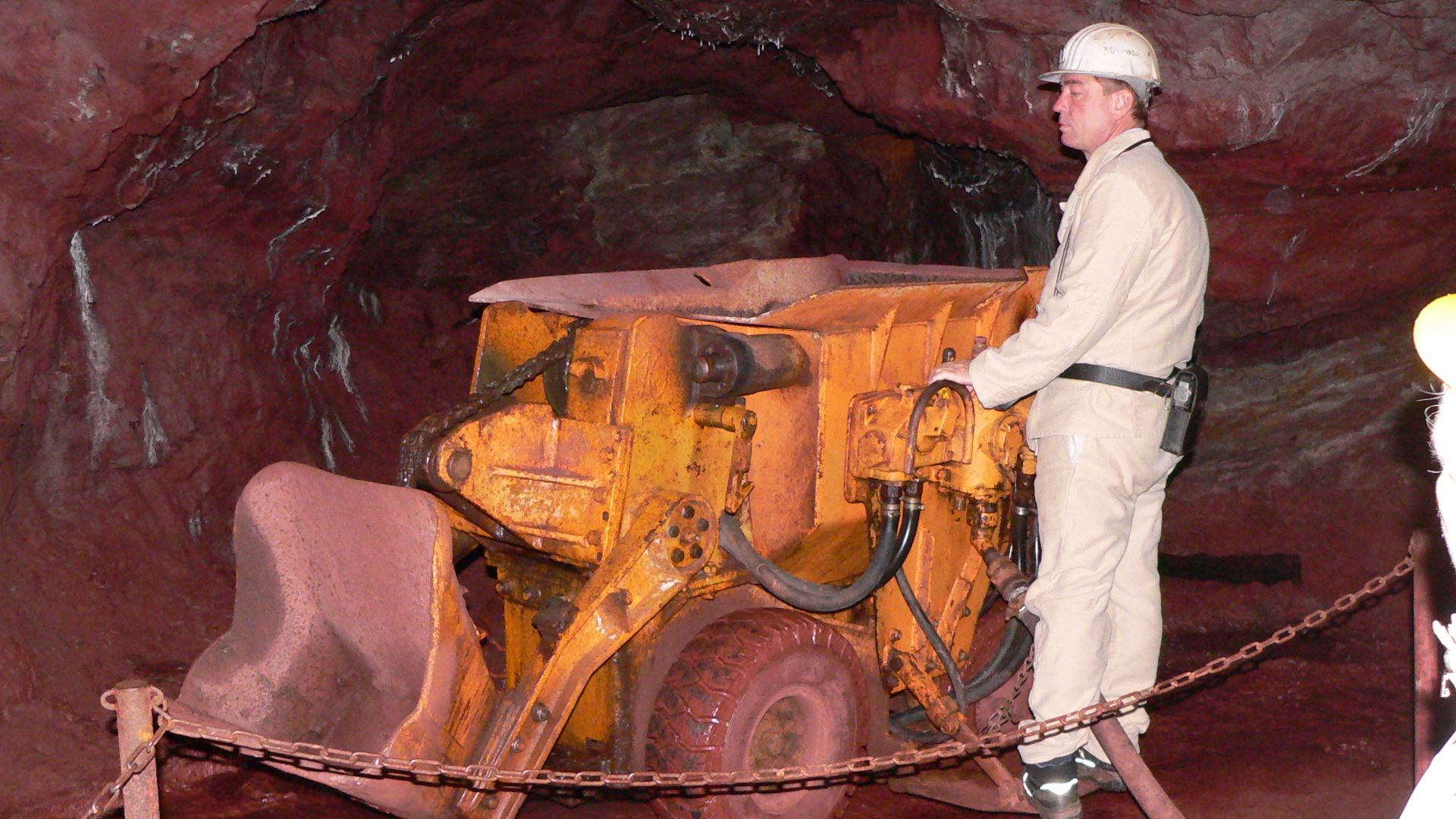
For years, the region around Gebel Sukari seemed like nothing more than barren rock. Modern mining machines changed that by cutting into untouched ground and revealing hints of older walls. Those early signs pushed archaeologists to look closer at an area long dismissed as empty.
 Hans-Peter Scholz Ulenspiegel, Wikimedia Commons
Why Anyone Looked Here In The First Place
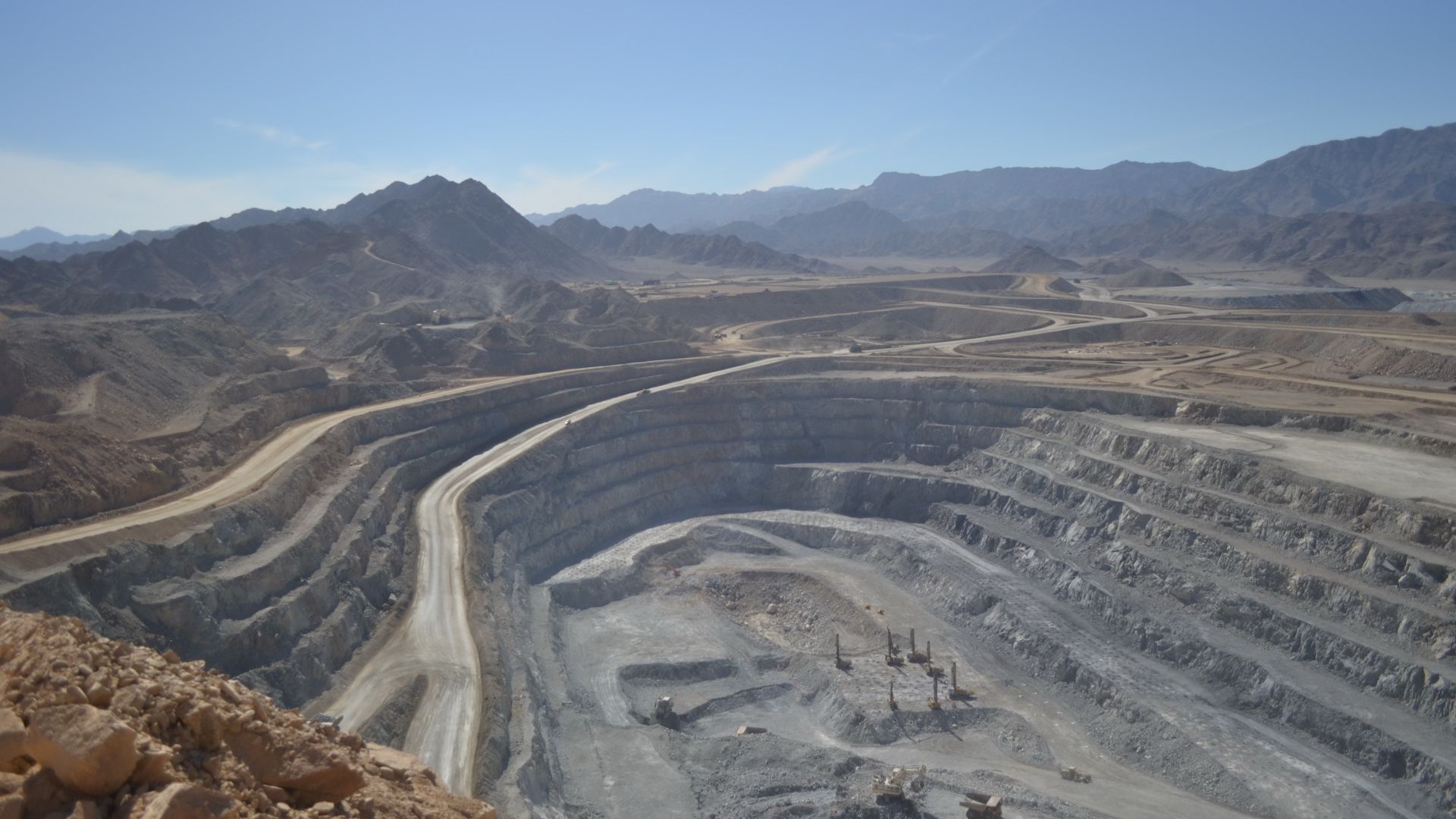
Egypt’s Ministry of Tourism and Antiquities had been monitoring modern mining zones for heritage risks. The Sukari region, now Egypt’s largest active gold site, sat near older workings. So, officials suspected traces of ancient activity might exist, though no one imagined a full settlement.
A Clue Exposed By Modern Machinery
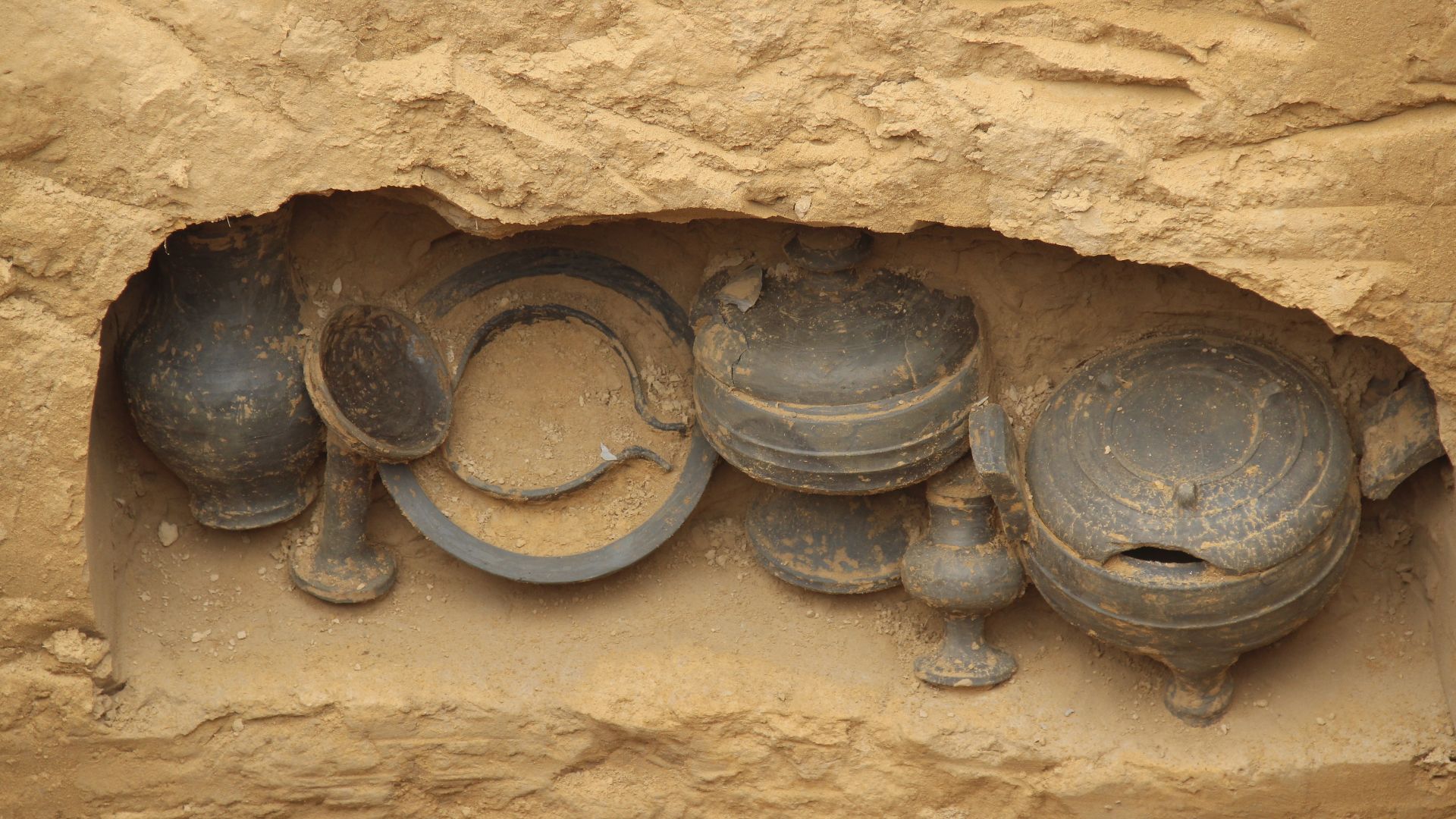
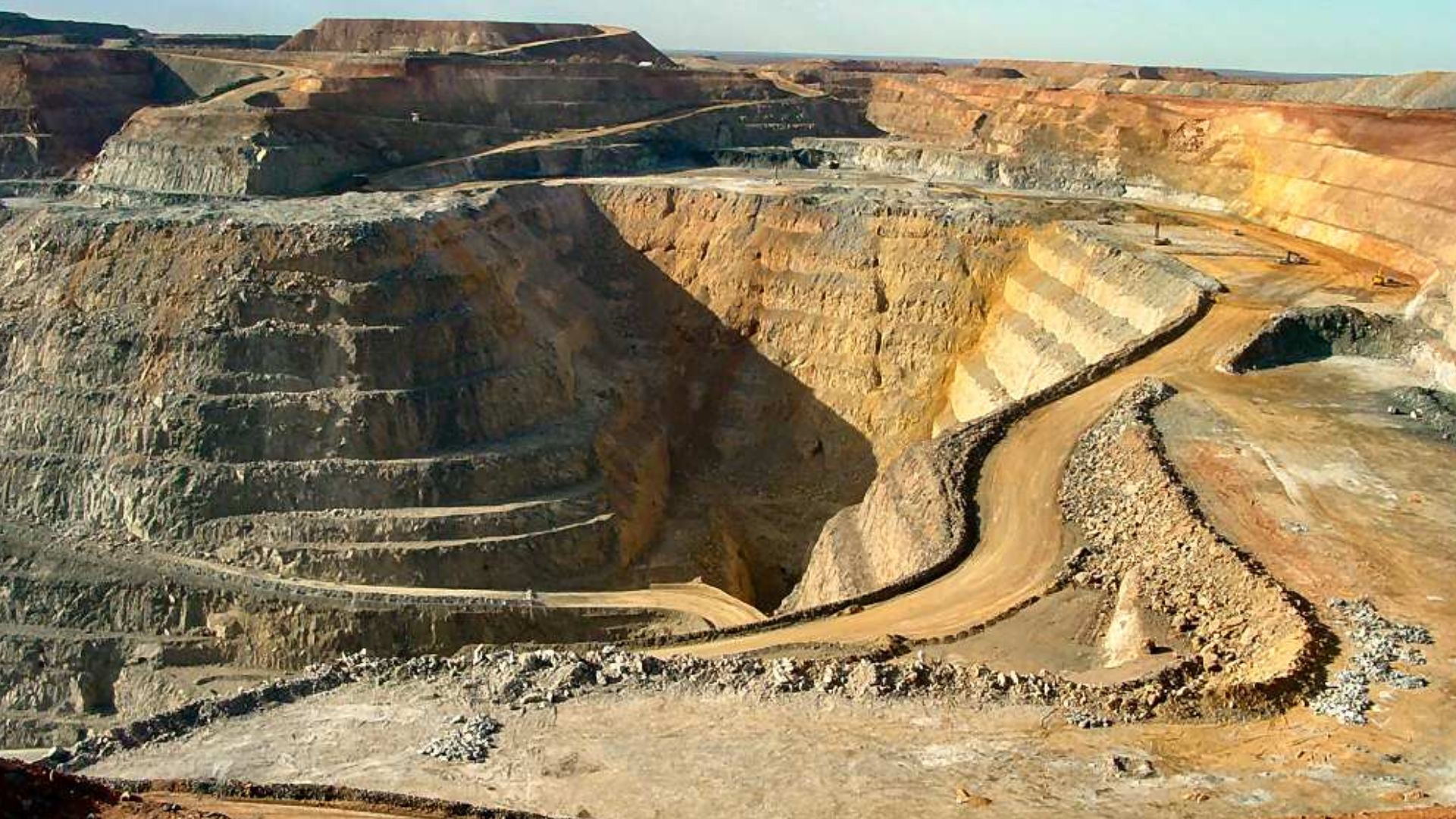
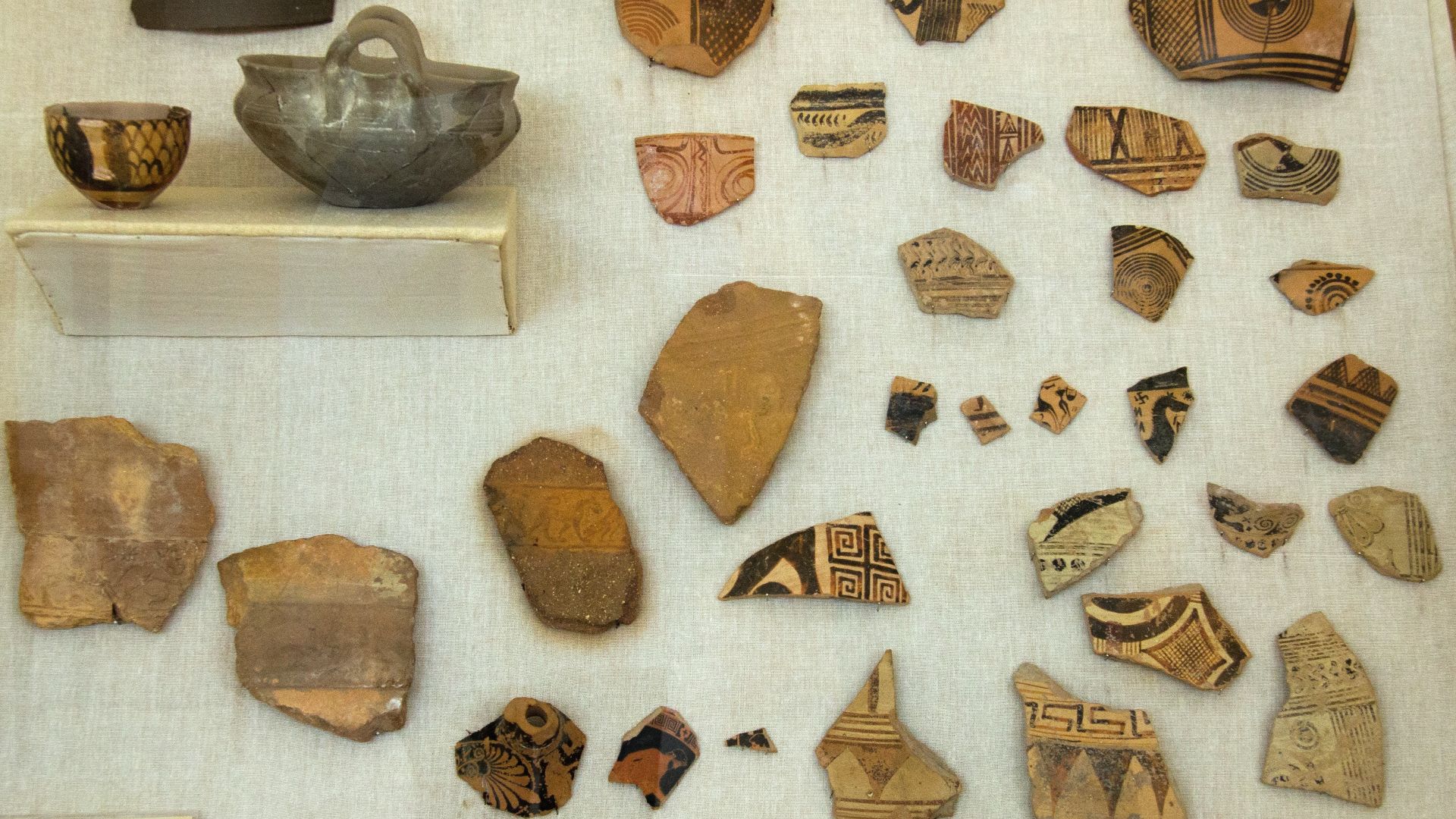
Workers at the modern mine uncovered various artifacts and pottery fragments while clearing new sections. The shapes didn’t match natural rock. The discovery forced a stop in operations and triggered a call to specialists trained to identify ancient remains.
The Moment Everything Changed
Once the team began removing surface sand, walls, tools, and storage pits appeared in quick succession. What looked like scattered ruins revealed the edge of a hidden town. The group expanded the excavation zone, and the scale of the discovery kept growing each day.
 Popo le Chien, Wikimedia Commons
A Planned Settlement Begins To Emerge
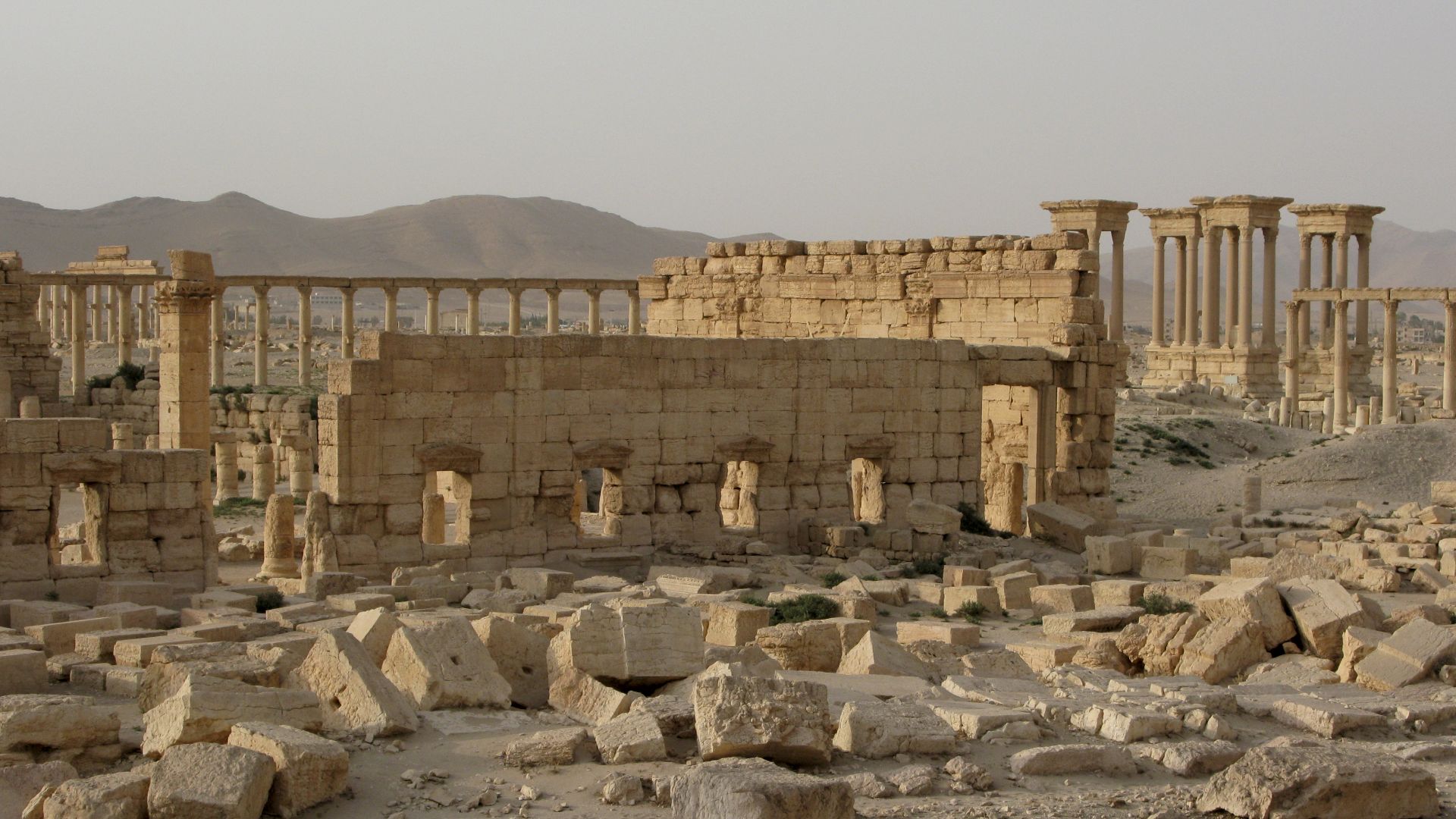
Clearing continued until full building outlines appeared. Houses and storage areas formed a connected settlement, not a temporary camp. This design showed long-term planning, suggesting people lived and worked here for years while supporting gold extraction.
 Vyacheslav Argenberg, Wikimedia Commons
Evidence Of A Community Tied To Gold
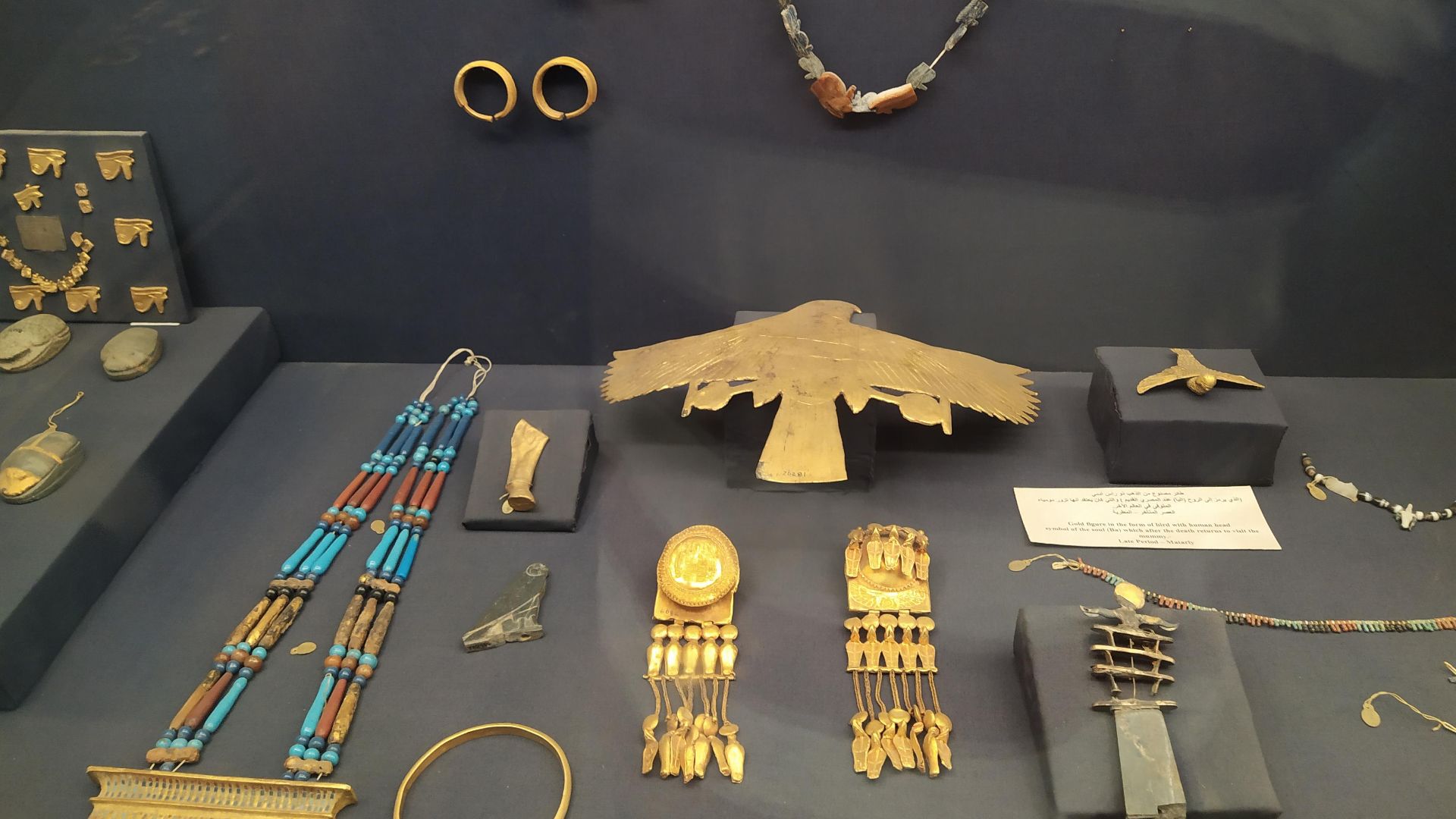
One confirmed structure surrounded processing zones. Their closeness to ore sources showed that the settlement existed primarily for mining. Every room, pathway, and working area supported the slow but steady effort of turning quartz into gold.
 Radoslaw Botev, Wikimedia Commons
A Site Much Older Than Expected
Dating confirmed parts of the settlement were roughly 3,000 years old. That placed it in a transitional period after Egypt’s height of power, proving that gold extraction continued even when political authority shifted. Mining remained a priority long after empires changed.
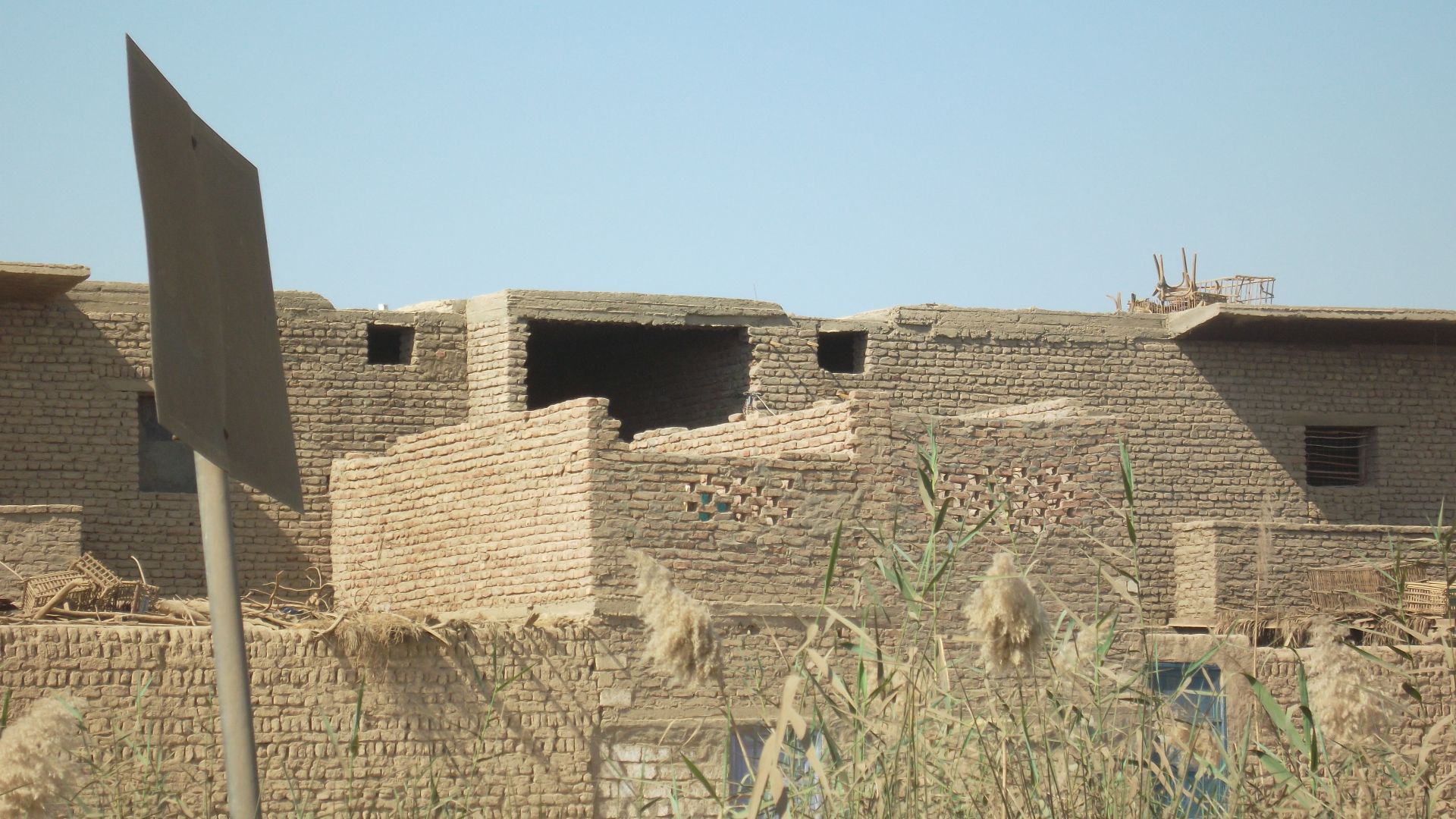
Homes That Point To Full Families
Excavators uncovered multi-room houses with storage areas and tools for daily tasks. These homes suggested families, not just workers, lived here. The presence of domestic spaces revealed a population that stayed for extended periods rather than rotating in and out.
 Verity Cridland, Wikimedia Commons
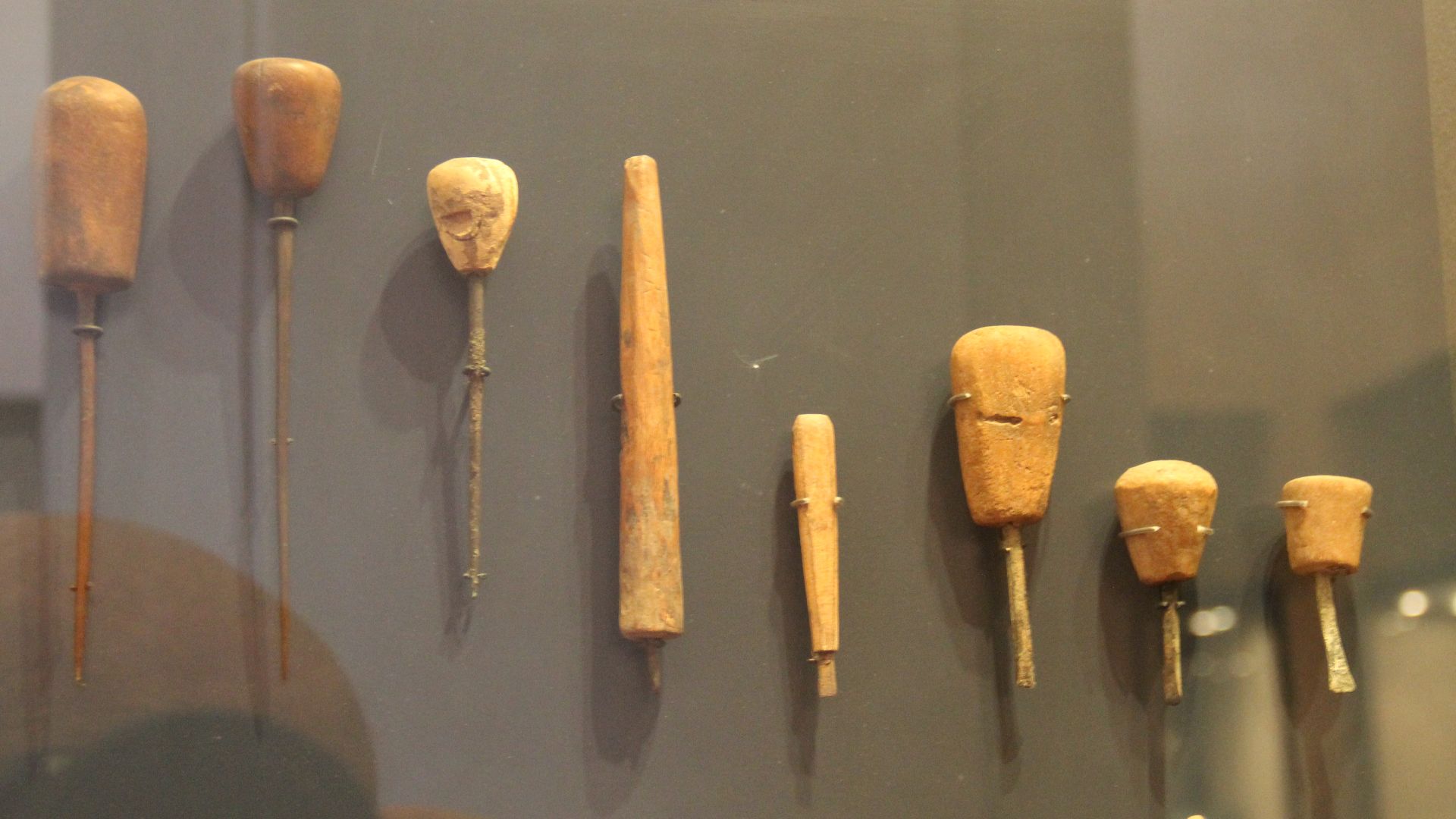
Workshops That Supported Constant Labor
Work buildings contained broken chisels, hammer stones, and remnants of repair work. These rooms functioned as maintenance hubs by keeping tools ready for extraction. This is evidence of a community with organized labor and clear task divisions.
 Gary Todd from Xinzheng, China, Wikimedia Commons
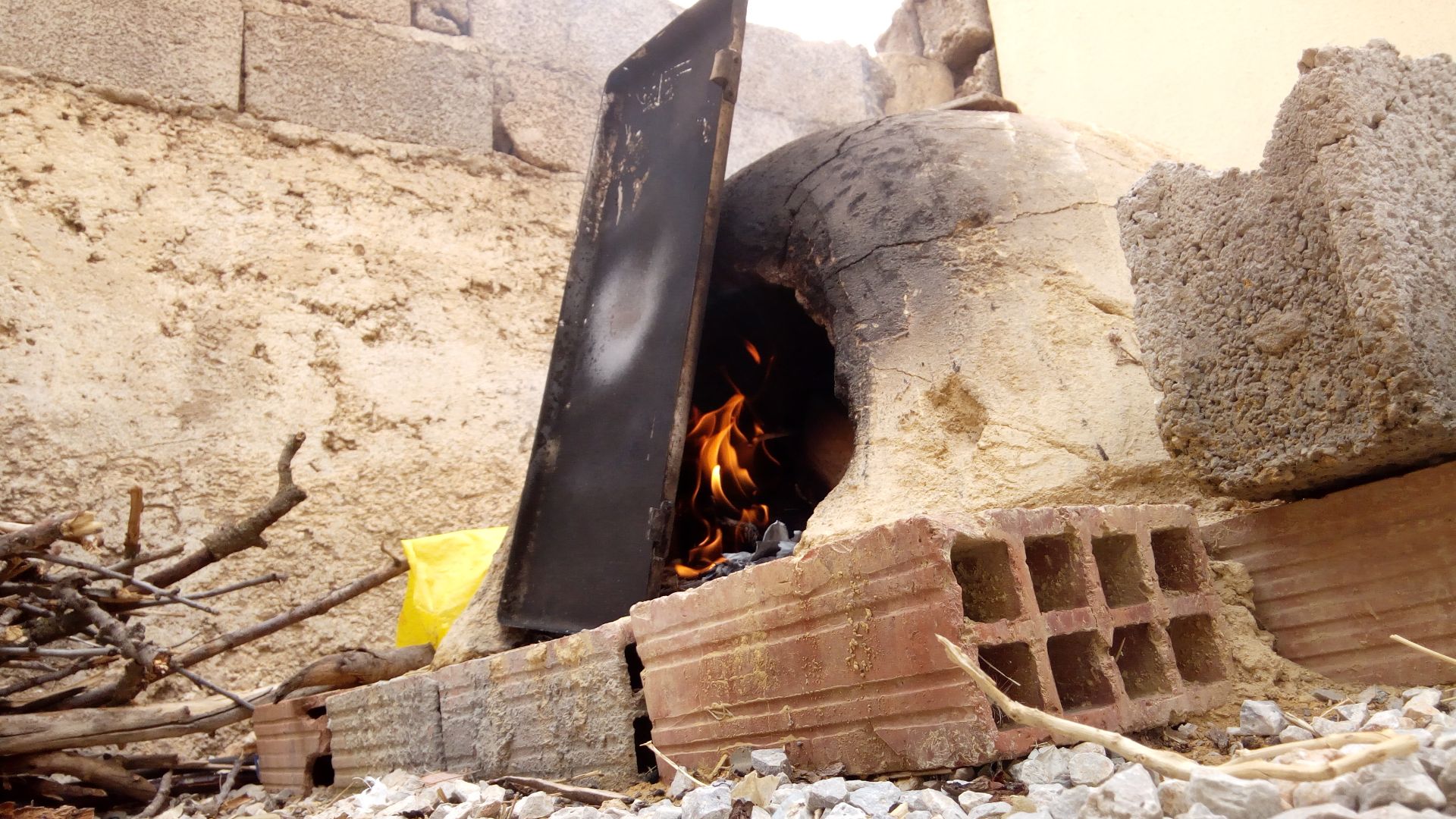
A Processing Hub Built With Purpose
Archaeologists mapped out crushing platforms, grinding stations, and basins for washing powdered quartz. Clay furnaces stood nearby, showing that refining took place on-site. The layout revealed a workflow designed to move ore from raw rock to usable gold with minimal delay.
Ore Brought Down From Nearby Ridges
Miners extracted quartz from the surrounding slopes using pounding tools. Once loosened, the pieces were carried along narrow paths back to the processing area. The repeated routes formed worn tracks, which left a physical record of the effort involved.
 Lauren Kay lakael, Wikimedia Commons
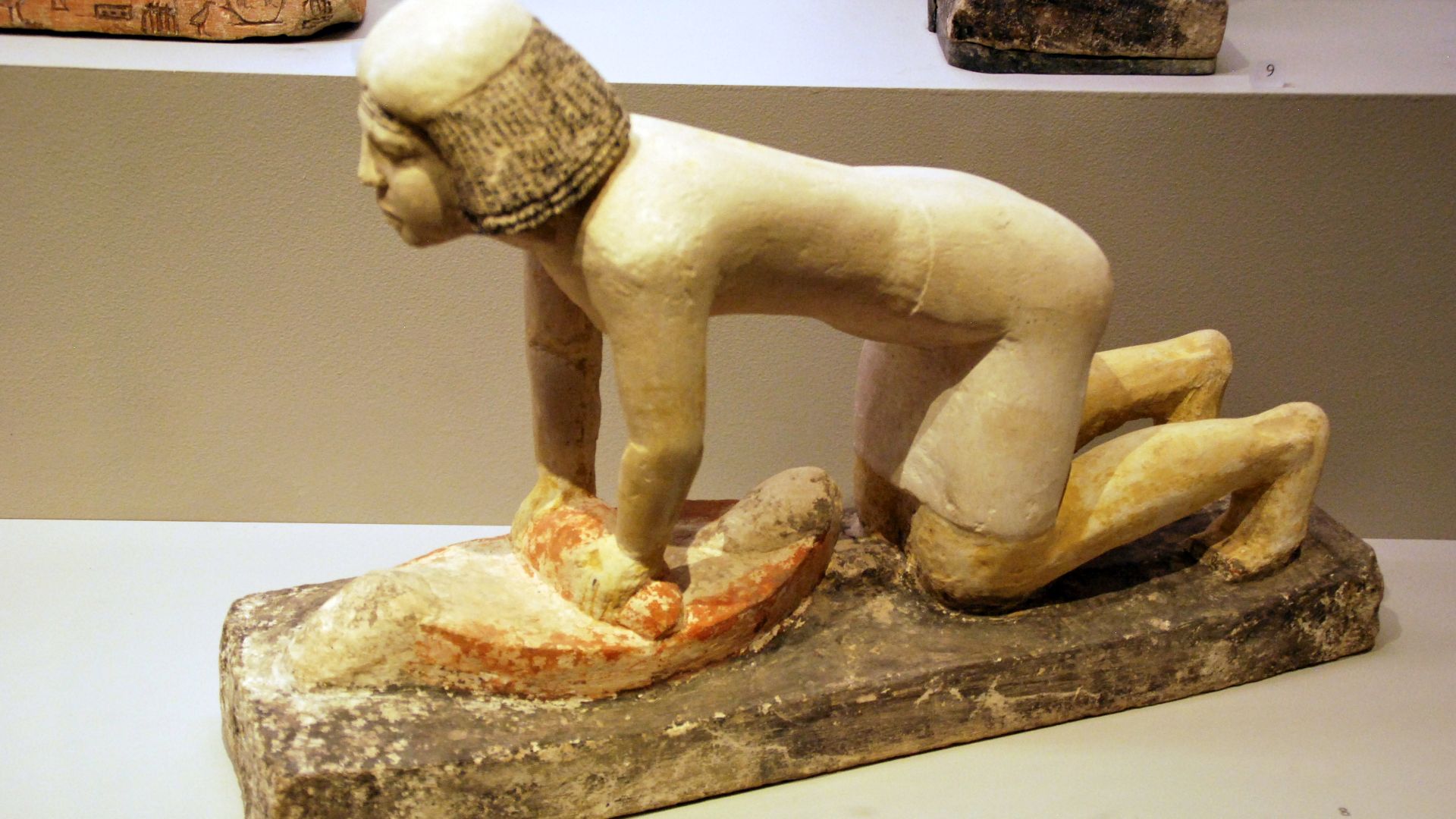
Grinding Quartz Into Fine Powder
Large stones slid across flat slabs, crushing quartz into powder needed for gold separation. The polished surfaces proved the long-term use. This step required steady movement and strength, turning solid stone into material light enough for washing.
 Marcus Cyron, Wikimedia Commons
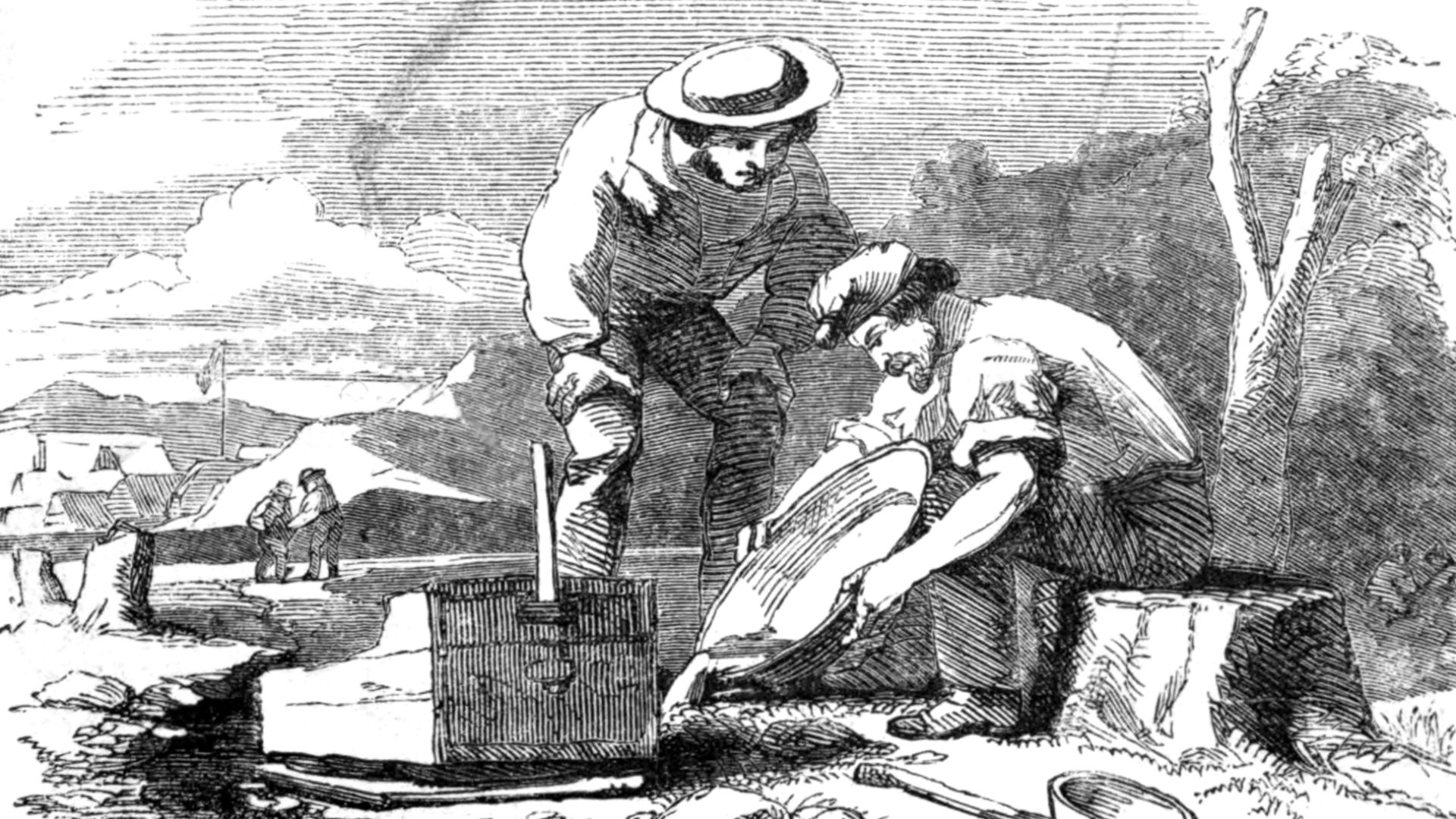
Washing The Powder To Reveal Gold
Workers poured water into shallow basins and shook the mixture until heavier gold settled at the base. The technique was delicate because strong movement could lose valuable particles. Repetition built skill, and each batch produced small but important amounts.
 Samuel Sidney, Wikimedia Commons
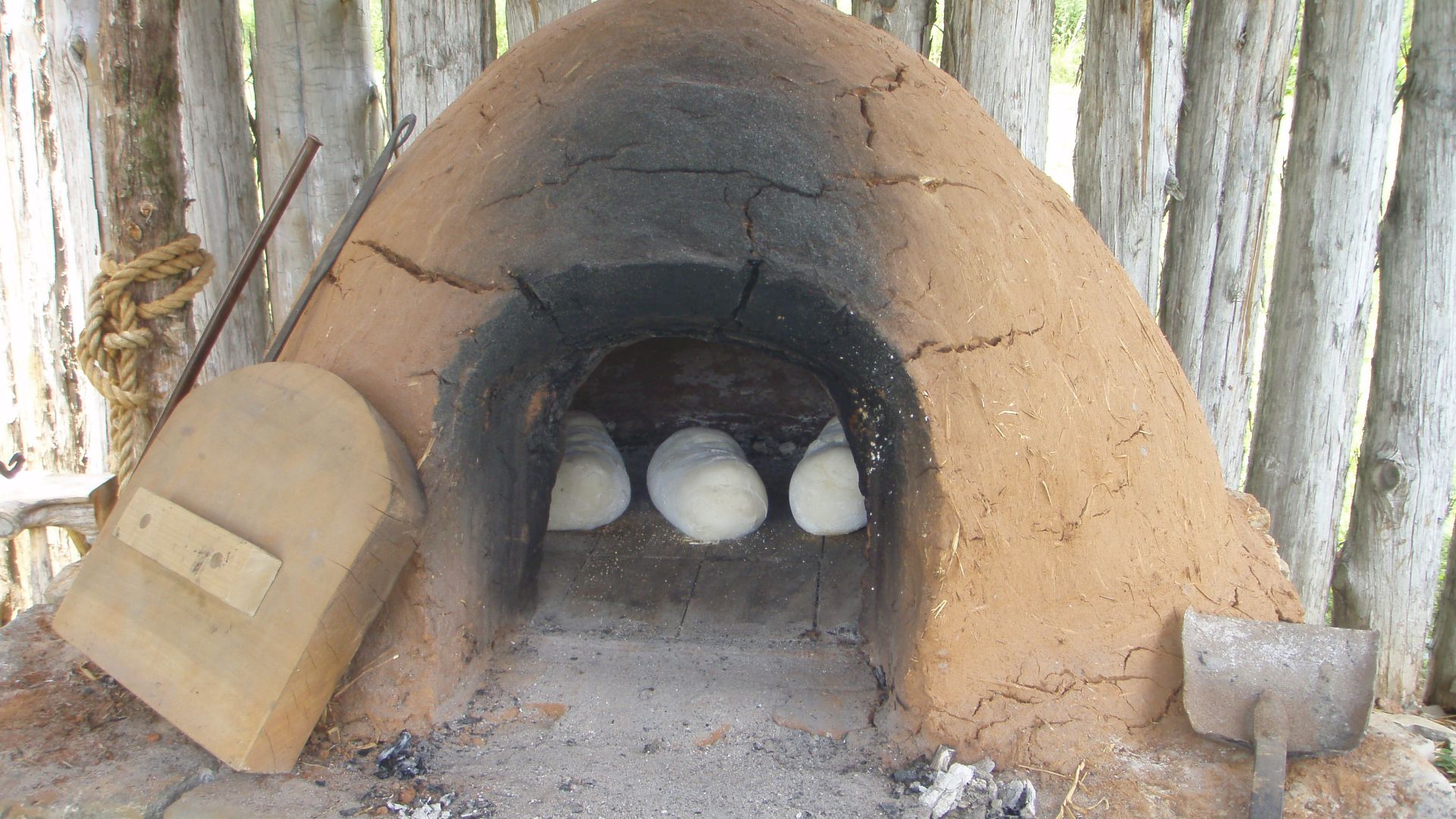
Furnaces That Completed The Process
Clay furnaces reached the heat needed to refine collected grains of gold. Their design showed planning and experience. The proximity of these furnaces to grinding zones reduced transport time and kept production steady.
 Virginia State Parks staff, Wikimedia Commons
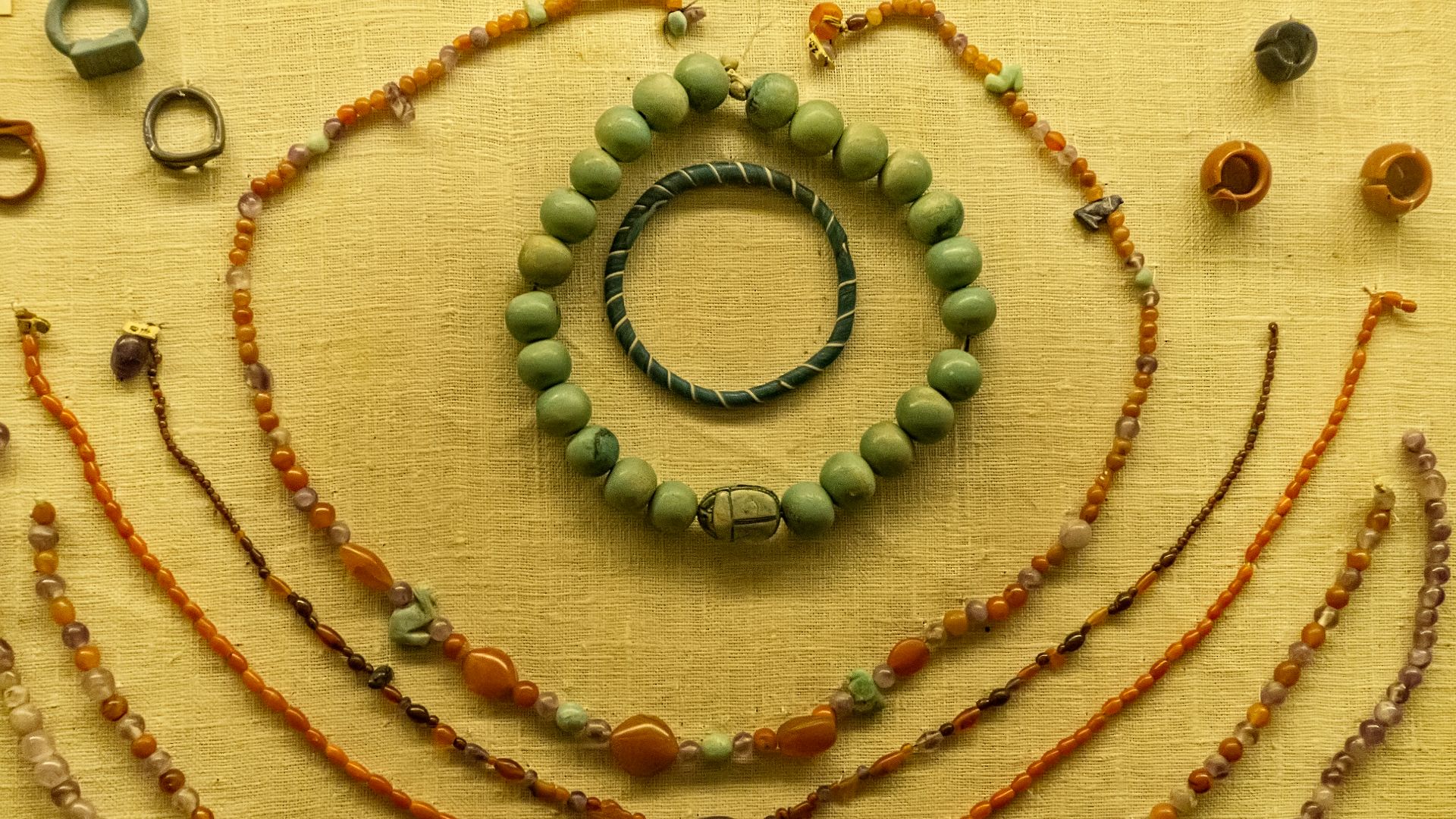
Objects From Beyond The Region
Some tools contained materials not found naturally near Gebel Sukari. This indicated supply routes linking the settlement to distant regions. Outside shipments supported daily work and proved the site was tied to wider trade connections.
 Mary Harrsch, Wikimedia Commons
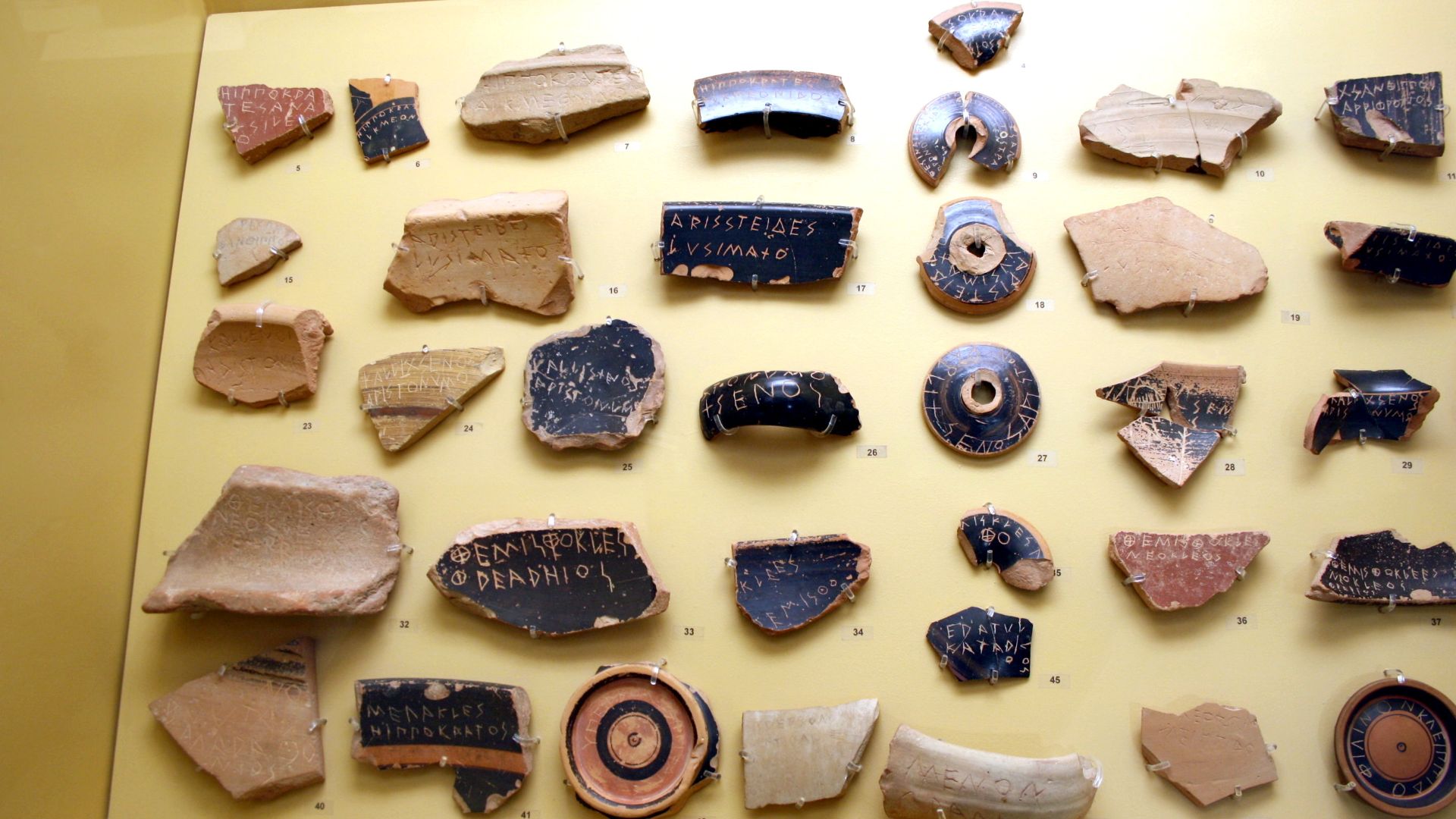
Administrators Who Tracked The Work
Buildings connected to record-keeping held ostraca listing names, supplies, and work actions. These notes reflected careful oversight and organization, which kept mining schedules predictable and prevented shortages that could slow the entire operation.
 Giovanni Dall'Orto., Wikimedia Commons
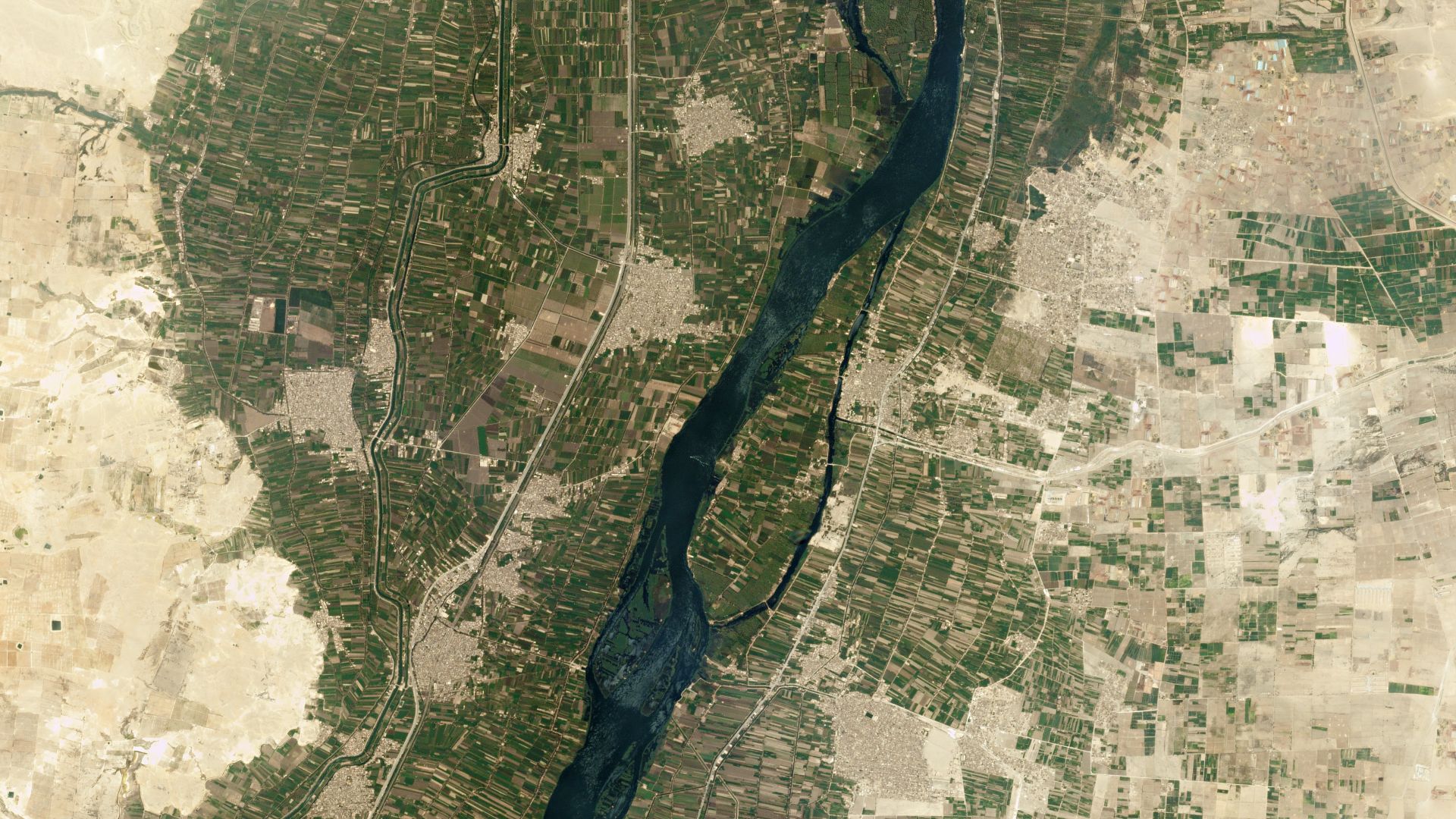
Food That Traveled Across The Desert
Excavated storage containers held traces of grains and dried fish. These foods came from the Nile Valley and likely arrived in planned intervals by caravan. The settlement depended on steady shipments to support workers in an area with limited resources.
 Planet Labs, Inc., Wikimedia Commons
Why Gebel Sukari Was Chosen
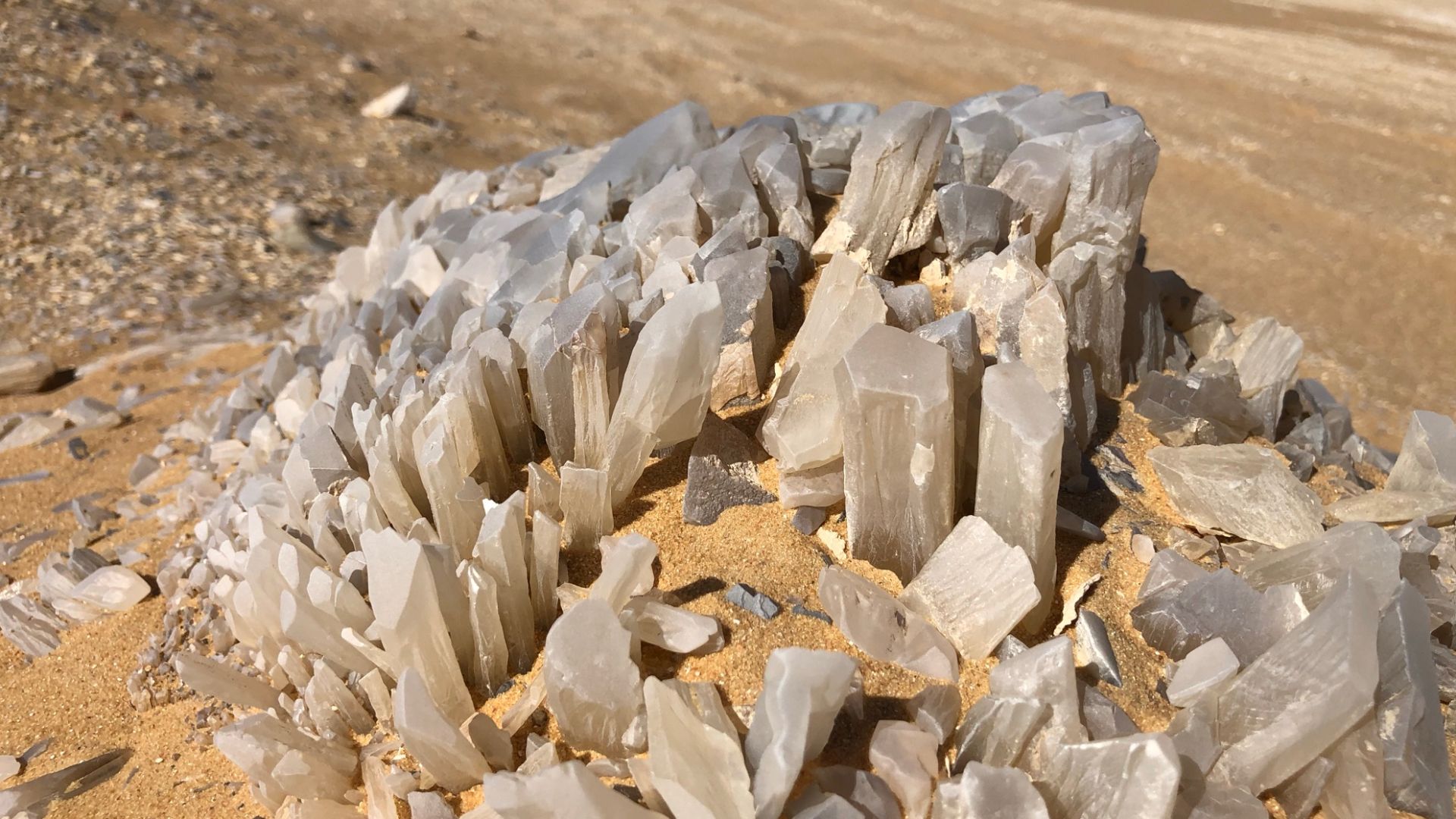
The ridges contained accessible quartz veins rich enough to justify a permanent settlement. The area also sat close to long-used routes capable of supporting caravans carrying water and supplies. These advantages allowed continuous mining even in difficult conditions.
 Viktor Lazic, Wikimedia Commons
Conditions That Tested Daily Life
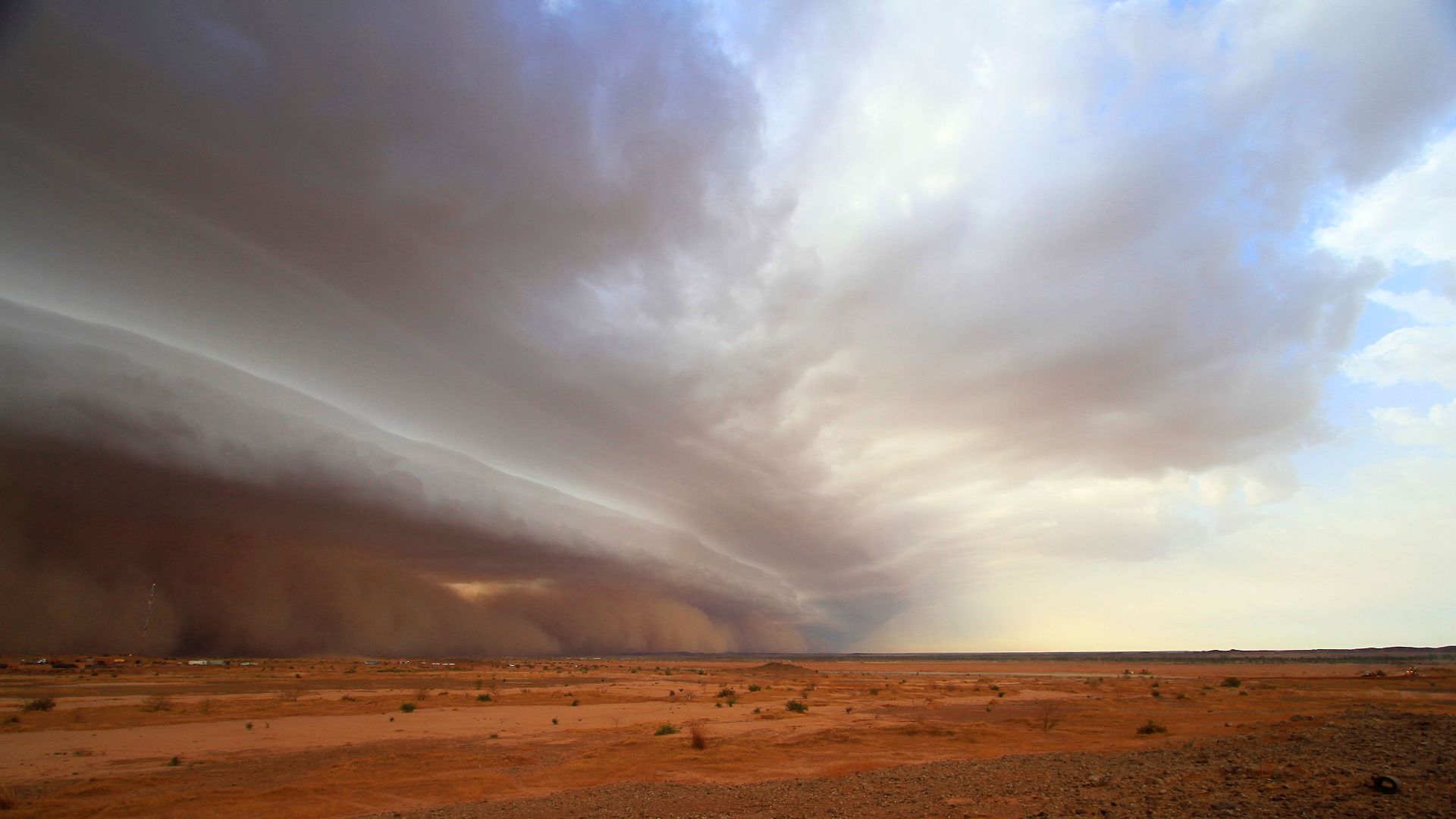
Heat pressed down throughout the day, and sudden sandstorms forced people to seek shelter. Water remained scarce, so rationing became essential. Despite these difficulties, residents built thick walls and storage spaces that helped them endure the environment.
 darrylkeith, Wikimedia Commons
Repairs That Kept Production Steady
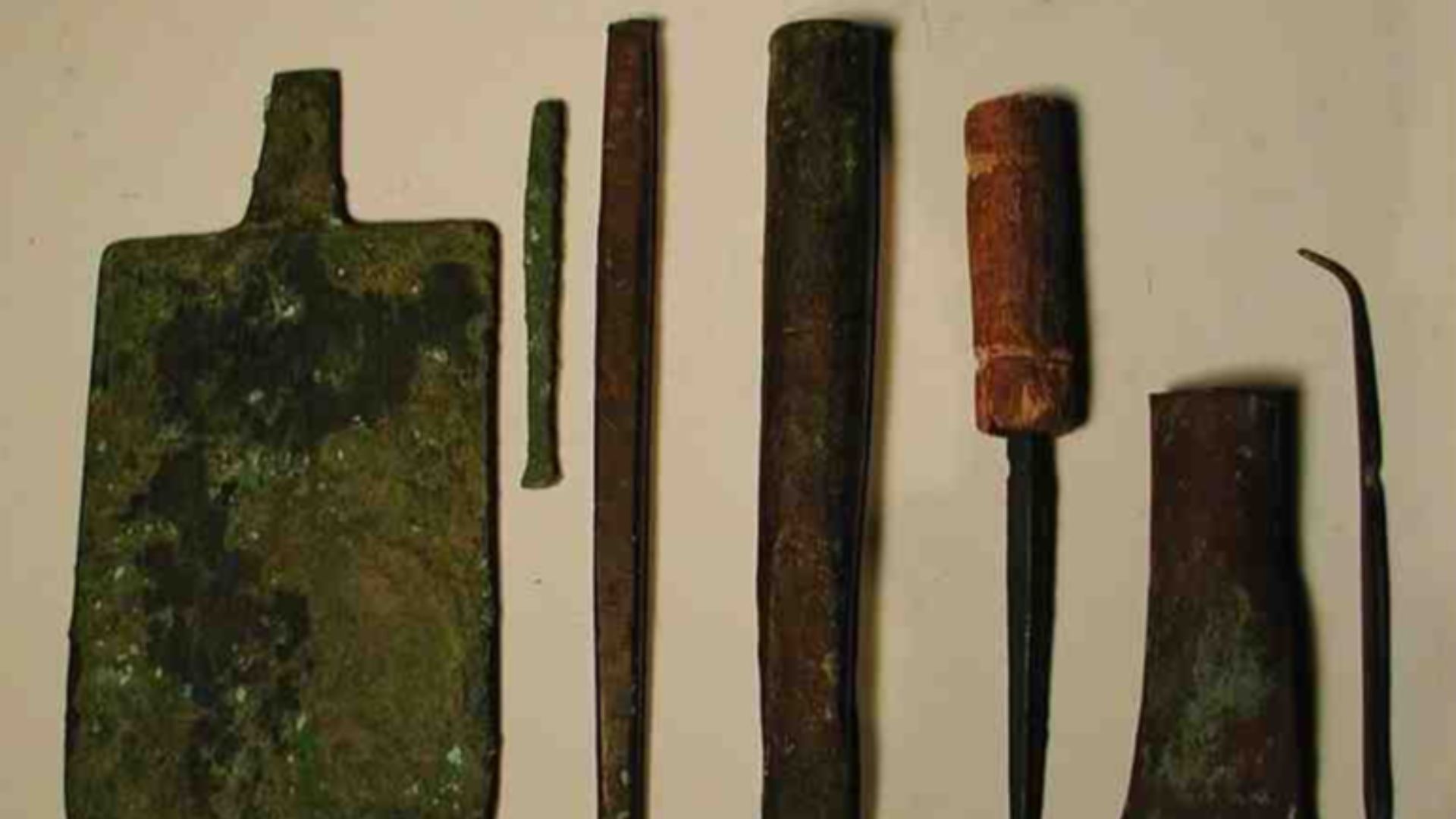
Tools wore out quickly. Workshops held spare parts and tools awaiting repair. Frequent upkeep kept the workflow from collapsing and demonstrated the importance of reliability in every part of the mining system.
 Unknown authorUnknown author, Wikimedia Commons
Layers Of Activity Across Centuries
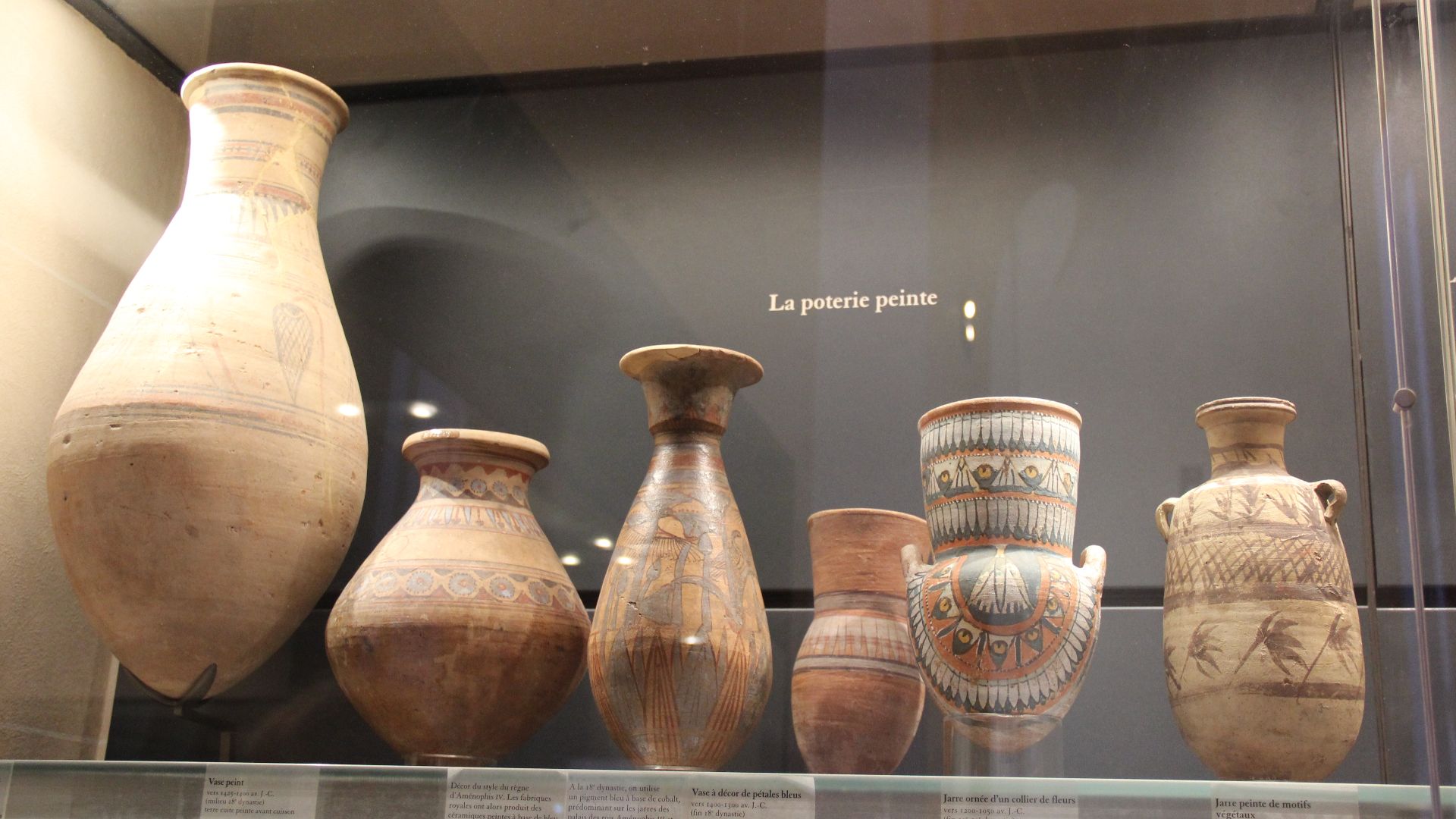
Artifacts from Roman and Islamic periods revealed that the site remained active long after its earliest community faded. Later groups reused older rooms or shaped new ones around the original layout, leaving a layered record of people who found value in the same rugged ground.
 Gary Todd from Xinzheng, China, Wikimedia Commons
Moving The Settlement To Protect It
As modern mining pushed closer, archaeologists faced the risk of losing the ruins to heavy machinery. They relocated the ancient complex about two miles away, a delicate operation that allowed the team to study each structure safely while preparing the site for future exploration.
Why The Discovery Still Matters
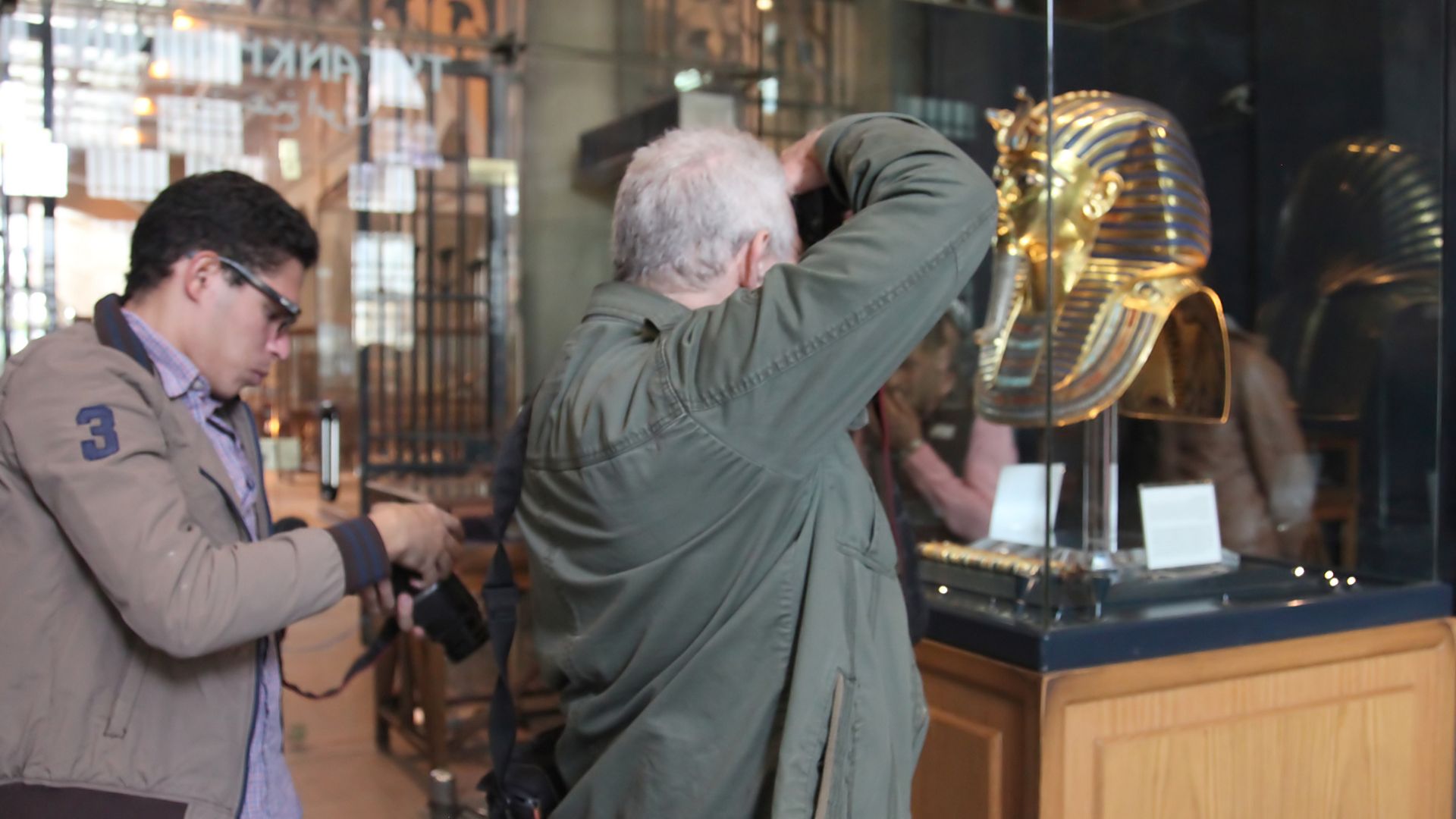
The site proves that ancient gold extraction could support a full community, not just temporary crews. It reveals the organization, skill, and long-term commitment needed to obtain a metal that held deep meaning in Egyptian culture.
 Roland Unger, Wikimedia Commons