

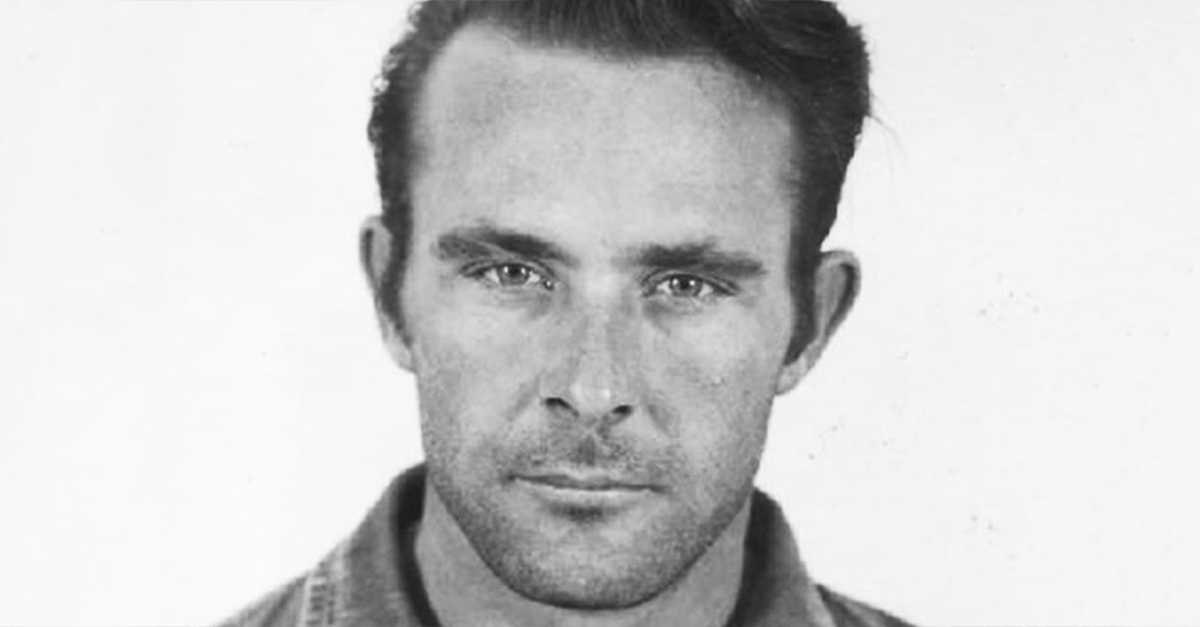
One Of History's Most Shocking Escape Stories
For decades, the June 1962 Alcatraz escape has fascinated historians, investigators, and the public alike. The disappearance of John and Clarence Anglin, along with Frank Morris, remains one of the most debated prison mysteries in American history.
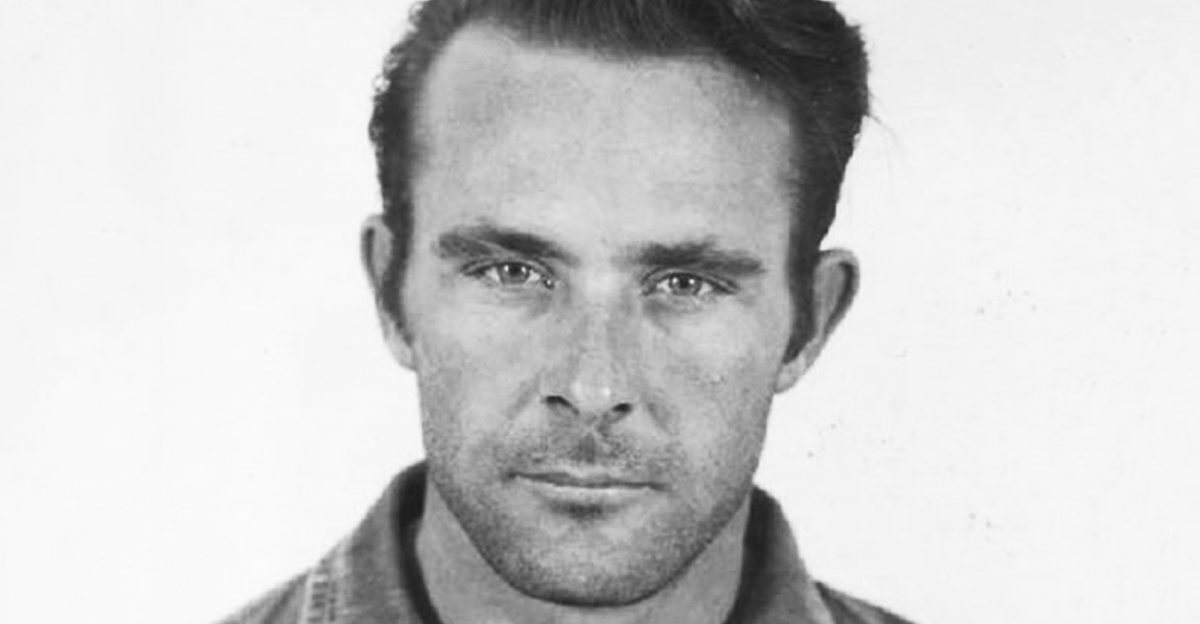 Unknown Author, Wikimedia Commons
The Night That Turned A Legend Upside Down
For decades, Alcatraz was marketed as the prison nobody could escape. Surrounded by cold water, powerful currents, and constant surveillance, it seemed impossible to beat. Then, on a June night in 1962, two brothers and their accomplice disappeared into the darkness and created one of America's greatest mysteries.
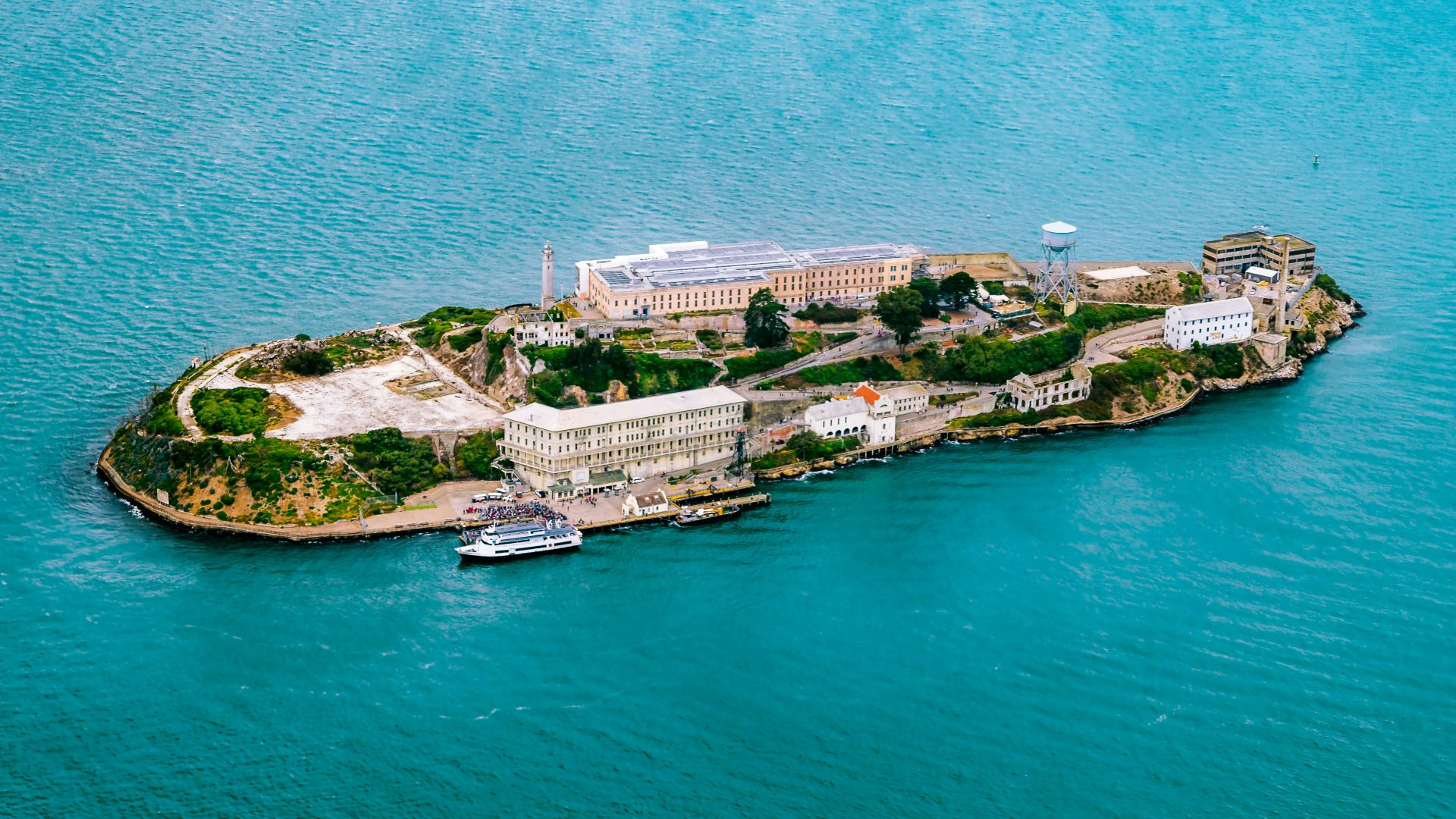
Alcatraz Was Built To Crush Hope
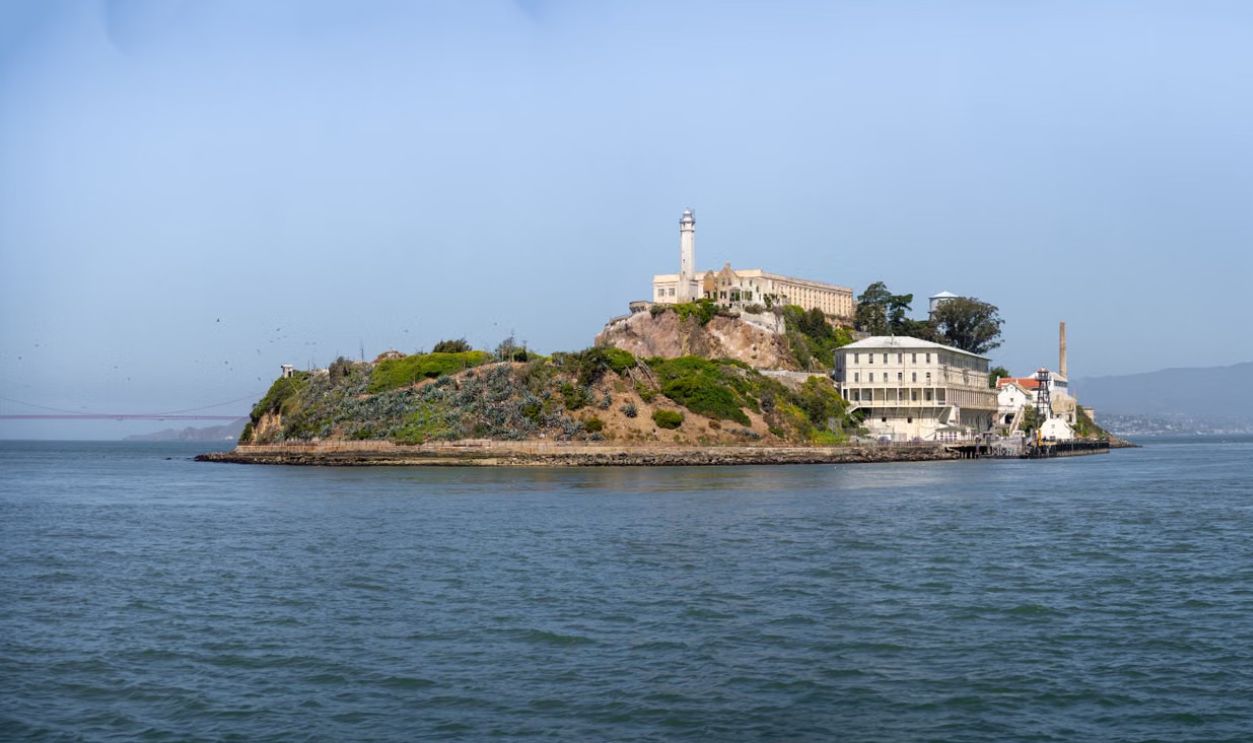
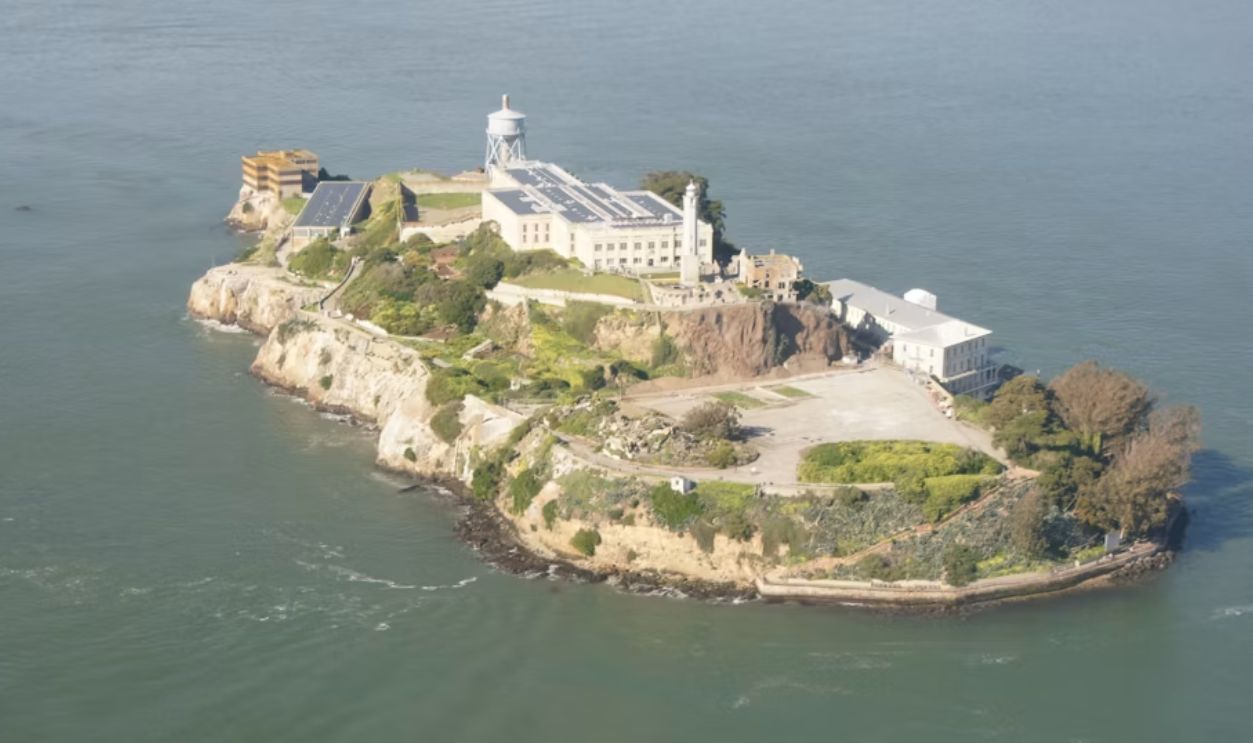
Located on a rocky island in San Francisco Bay, Alcatraz housed some of the nation's most difficult prisoners. Guards believed the surrounding water was as effective as any wall. Inmates were constantly reminded that escape was futile, and most accepted that reality.
Meet John And Clarence Anglin
John and Clarence Anglin grew up in a large family and spent much of their youth working as farmers alongside relatives. Before arriving at Alcatraz, they had already served time for bank robbery. Their shared background and close bond would become crucial to one of history's most famous prison breaks.
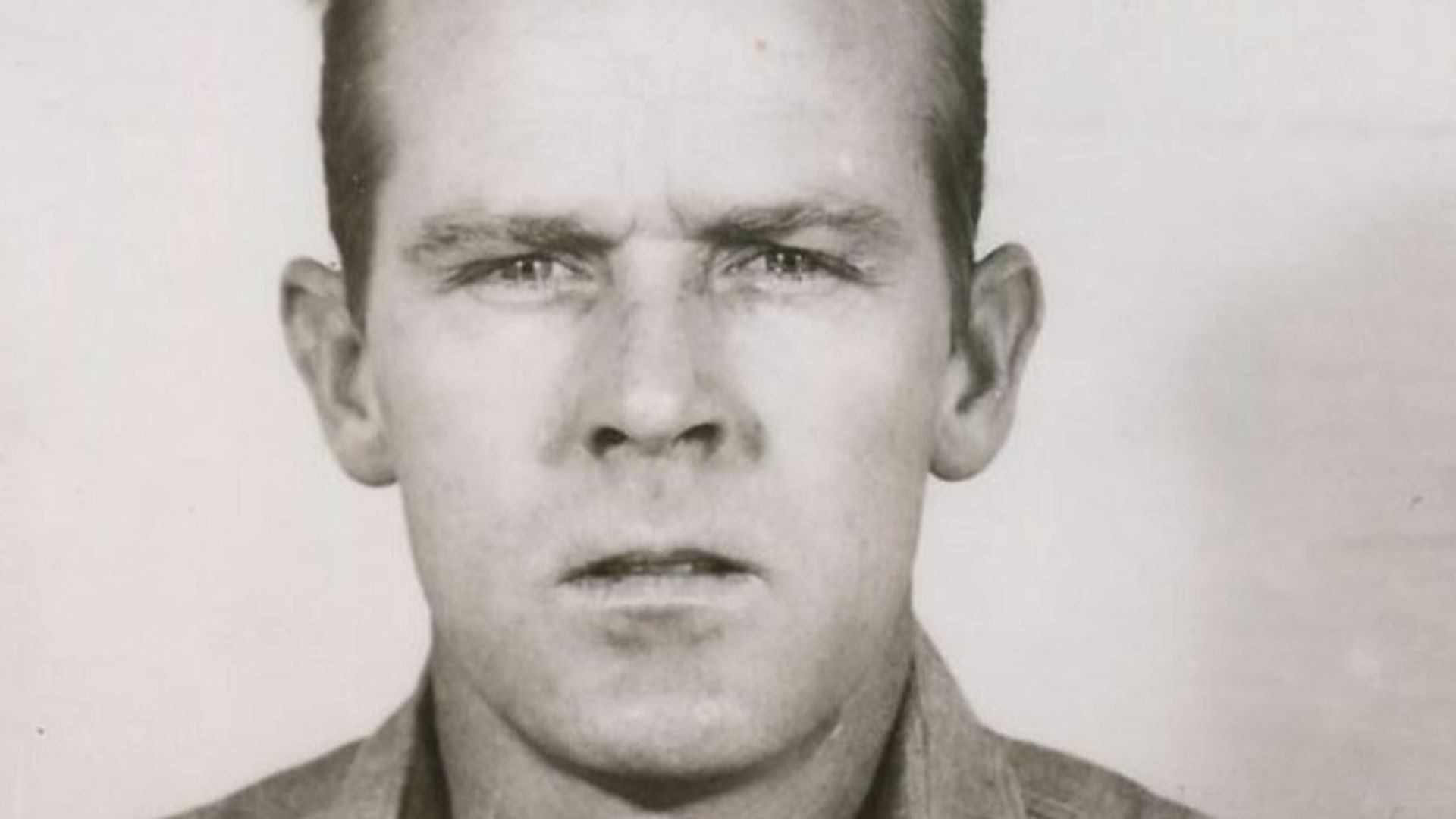 US Federal Government, Wikimedia Commons
The Man Who Brought The Plan
The brothers did not create the escape alone. Frank Morris—a highly intelligent inmate with a long, troubled history—became the mastermind behind the operation. According to investigators, Morris recognized weaknesses in the prison structure that others had overlooked.
 US Federal Government, Wikimedia Commons, enhanced
A Fourth Prisoner Joined The Plot
Another inmate named Allen West became involved in the scheme. He reportedly helped prepare the escape route and contributed to the months of planning. Yet despite all his effort, he would never make it beyond the prison walls when the critical moment finally arrived.
 Earl Of Sandwish, Wikimedia Commons, enhanced
The Discovery Behind The Cells
The men noticed that the concrete around ventilation openings behind their cells had weakened because of years of moisture exposure. What looked like a minor maintenance problem became the foundation of a daring escape strategy.
 Rob Young from United Kingdom, Wikimedia Commons
Turning Everyday Objects Into Tools
Without access to proper equipment, the prisoners improvised. Spoons and saw blades thrown away on the ground became digging tools. They even adapted a stolen vacuum cleaner motor into a makeshift drill capable of breaking through damaged concrete.

Hiding Their Progress In Plain Sight
Each day, the men carefully concealed their work. False walls covered the growing holes behind their cells. Guards conducting routine checks saw nothing unusual, allowing the escape project to continue for months without detection.
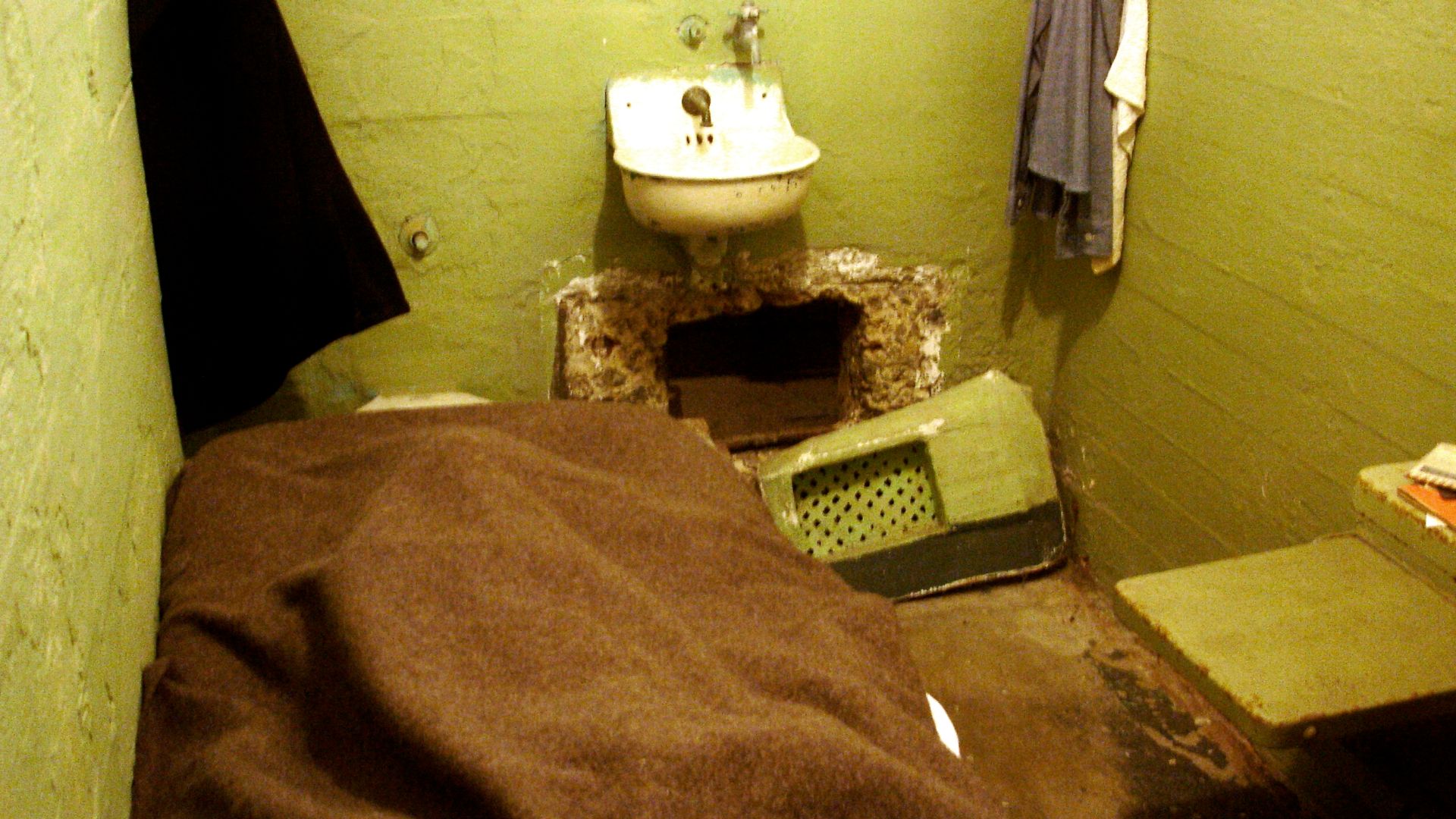 Benlechlitner, Wikimedia Commons
Music Became Their Best Cover
Noise was a constant threat to the operation. To disguise the sounds of drilling and scraping, the inmates worked during music periods. Morris also played his accordion to make their illicit project even harder to hear. The prison's regular activities helped mask the evidence of an escape taking shape behind the scenes.

A Secret Workshop Above The Cells
After widening the openings, the prisoners gained access to an unguarded utility corridor. From there, they could climb into hidden spaces above the cell block, creating a secret work area beyond the sight of the staff.
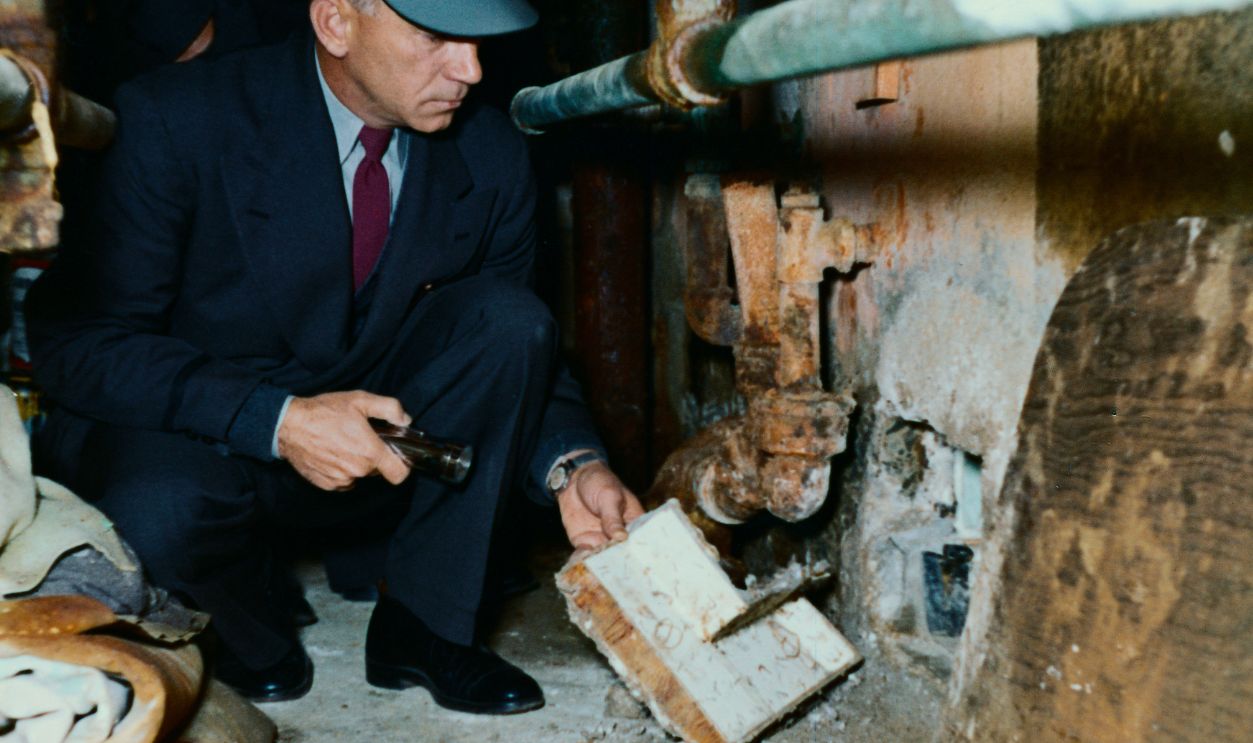
Building A Way Off The Island
Escaping Alcatraz was only half the challenge. The men still needed to cross San Francisco Bay. They began collecting raincoats and turning them into waterproof flotation devices through careful stitching and assembly.
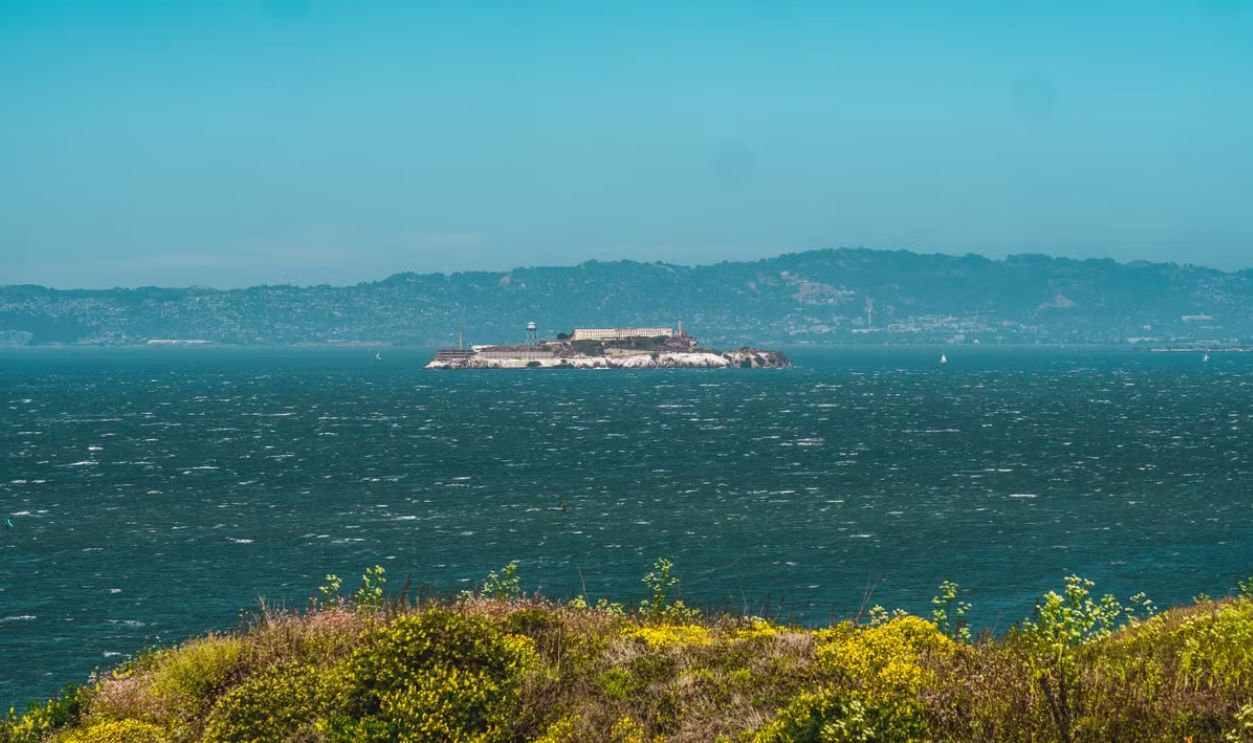
50 Raincoats Became A Raft
Investigators later determined that the escapees fashioned a large inflatable raft from dozens of prison-issued raincoats. The project required patience, creativity, and a level of engineering that few inmates were expected to possess.
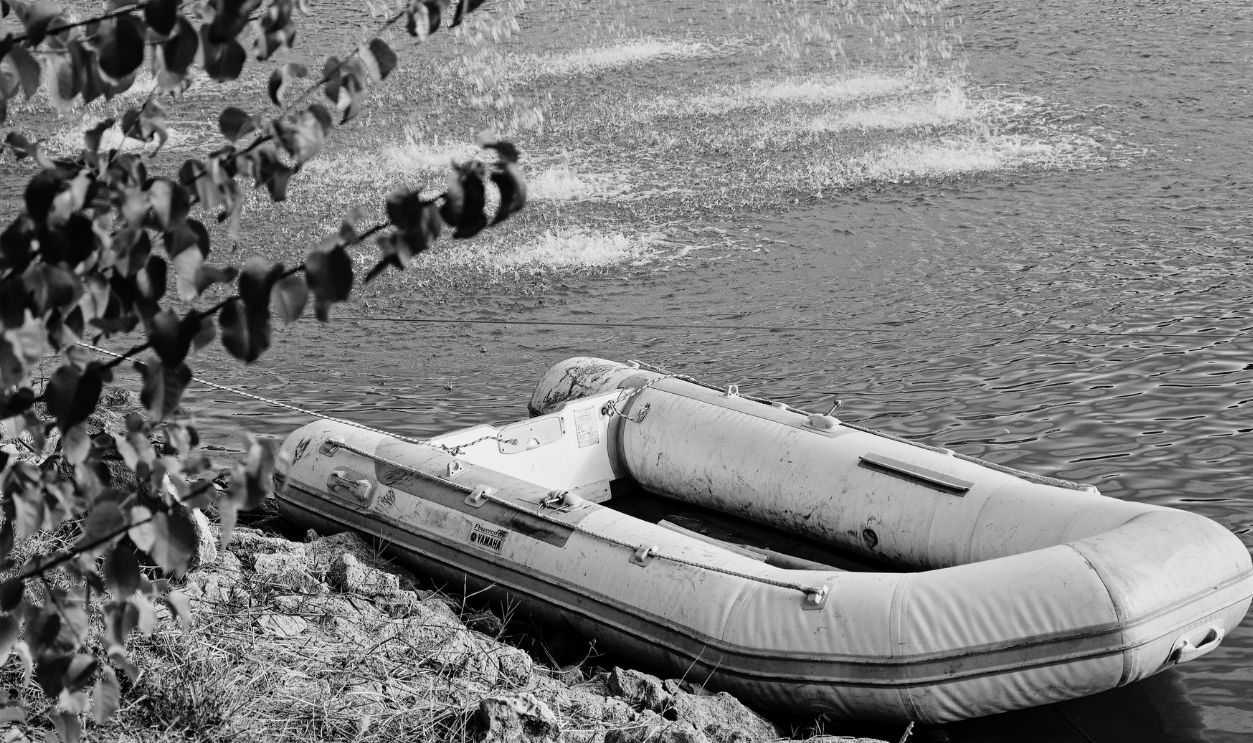
The Dummy Heads Were Brilliant
Perhaps the most famous element of the escape involved lifelike heads placed in the prisoners' beds. Made from papier-mâché and painted to resemble the inmates, the decoys fooled guards during nighttime checks.
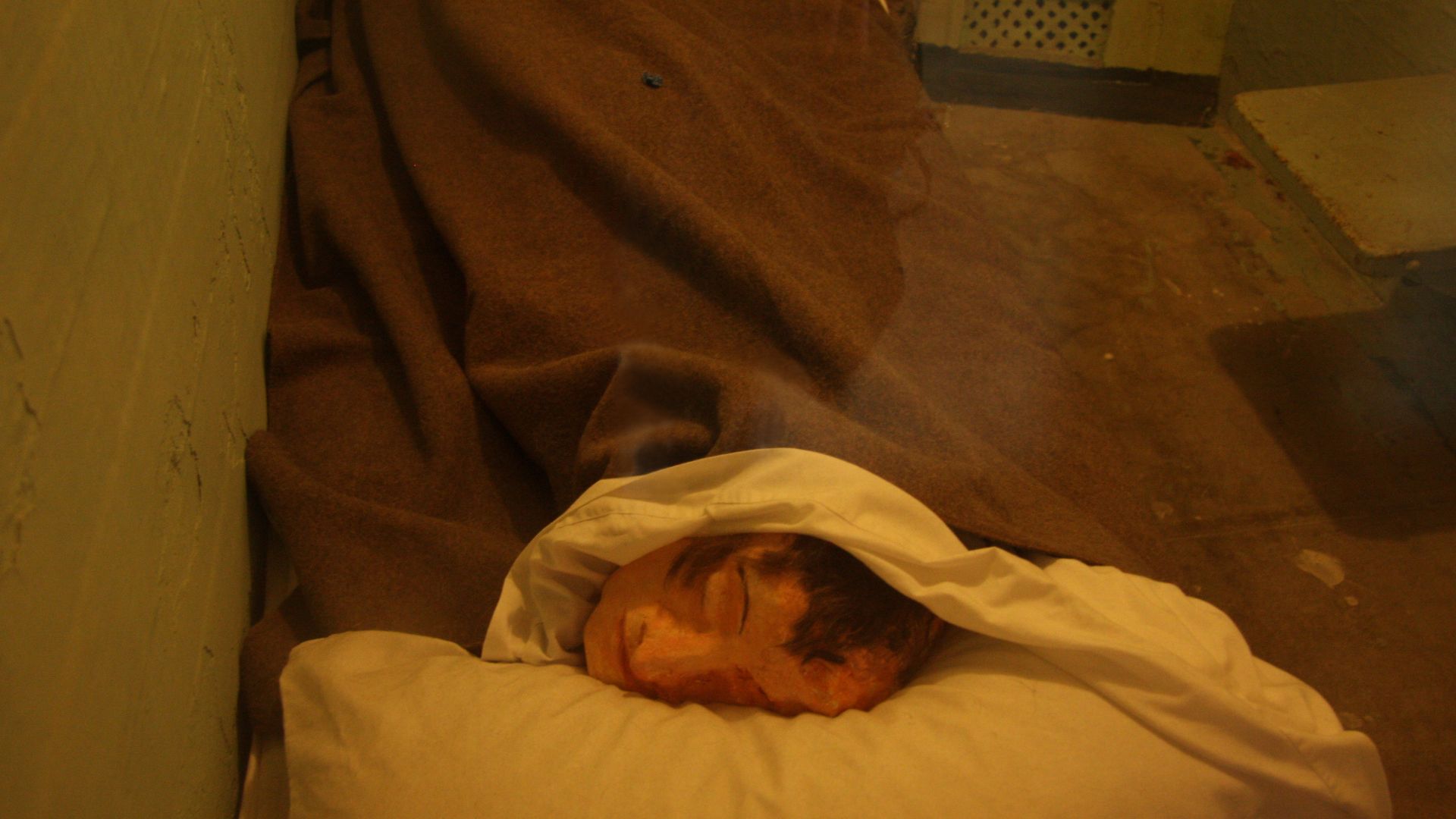 Ronnie Macdonald from Chelmsford, United Kingdom, Wikimedia Commons
Hair From The Prison Barbershop
The fake heads looked even more convincing because the men used real hair collected from the prison barbershop. In dim lighting, the decoys appeared remarkably realistic and bought the escapees valuable time.

Six Months Of Preparation
The operation was not spontaneous. Investigators concluded that the men spent roughly six months preparing every stage. Every tool, disguise, and backup plan had to be assembled while avoiding suspicion from guards.
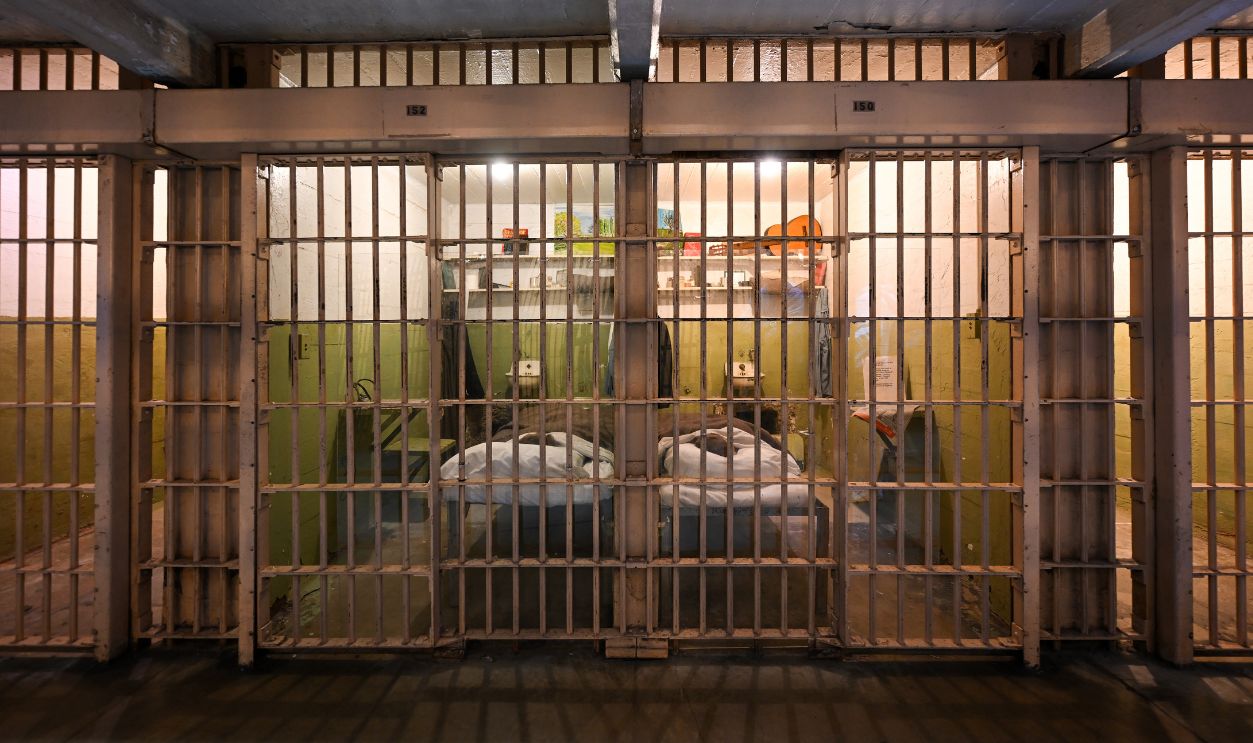
Escape Night Finally Arrived
On June 11, 1962, the plan entered its final phase. Morris and the Anglin brothers slipped through the openings behind their cells and moved toward the route they had carefully prepared over many months.
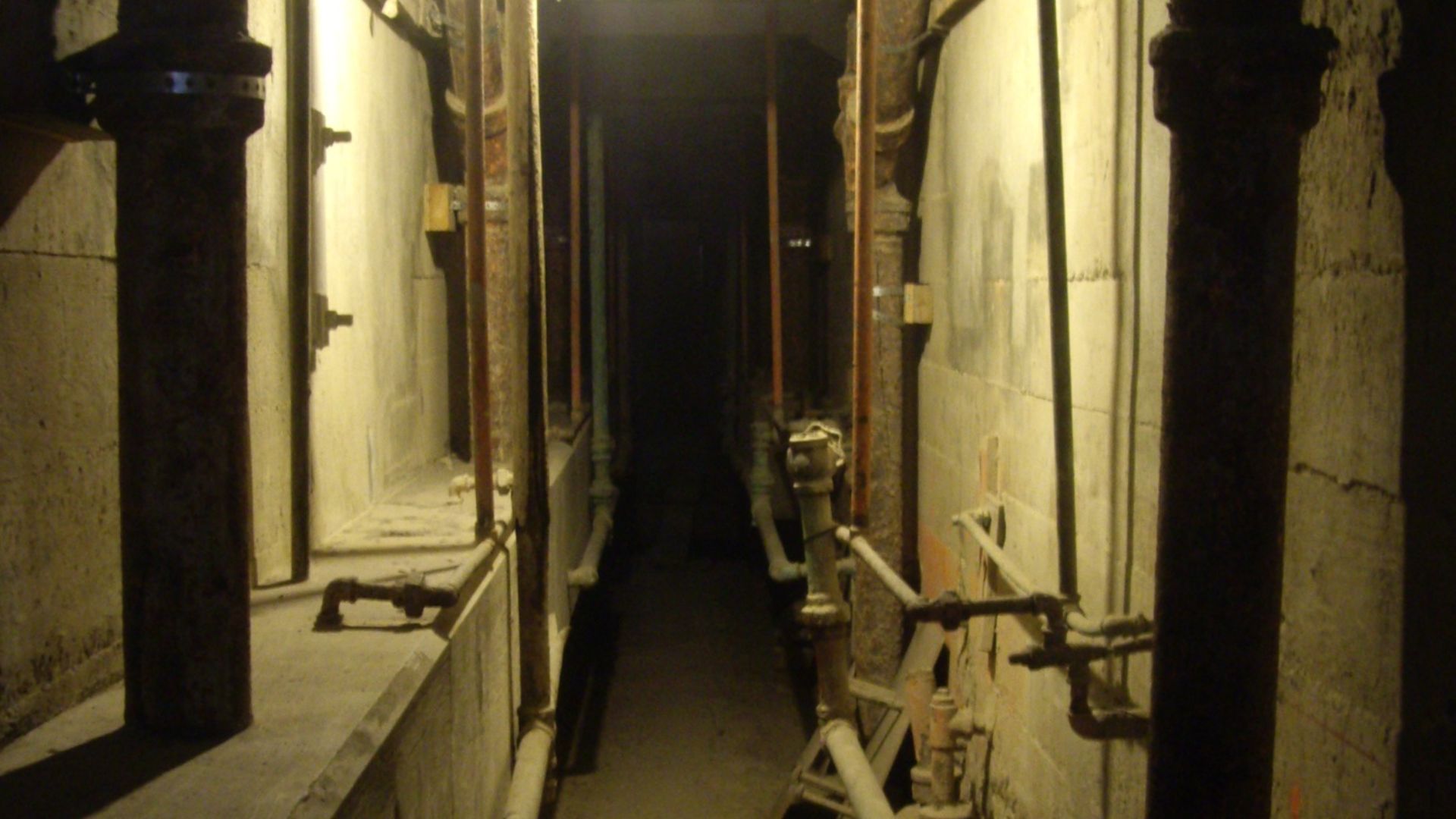 Christian Bradford, Wikimedia Commons
Allen West Encountered Disaster
Allen West discovered that he could not widen his opening quickly enough to get through. As the clock ticked and the risk of discovery increased, the others made the painful decision to leave without him.
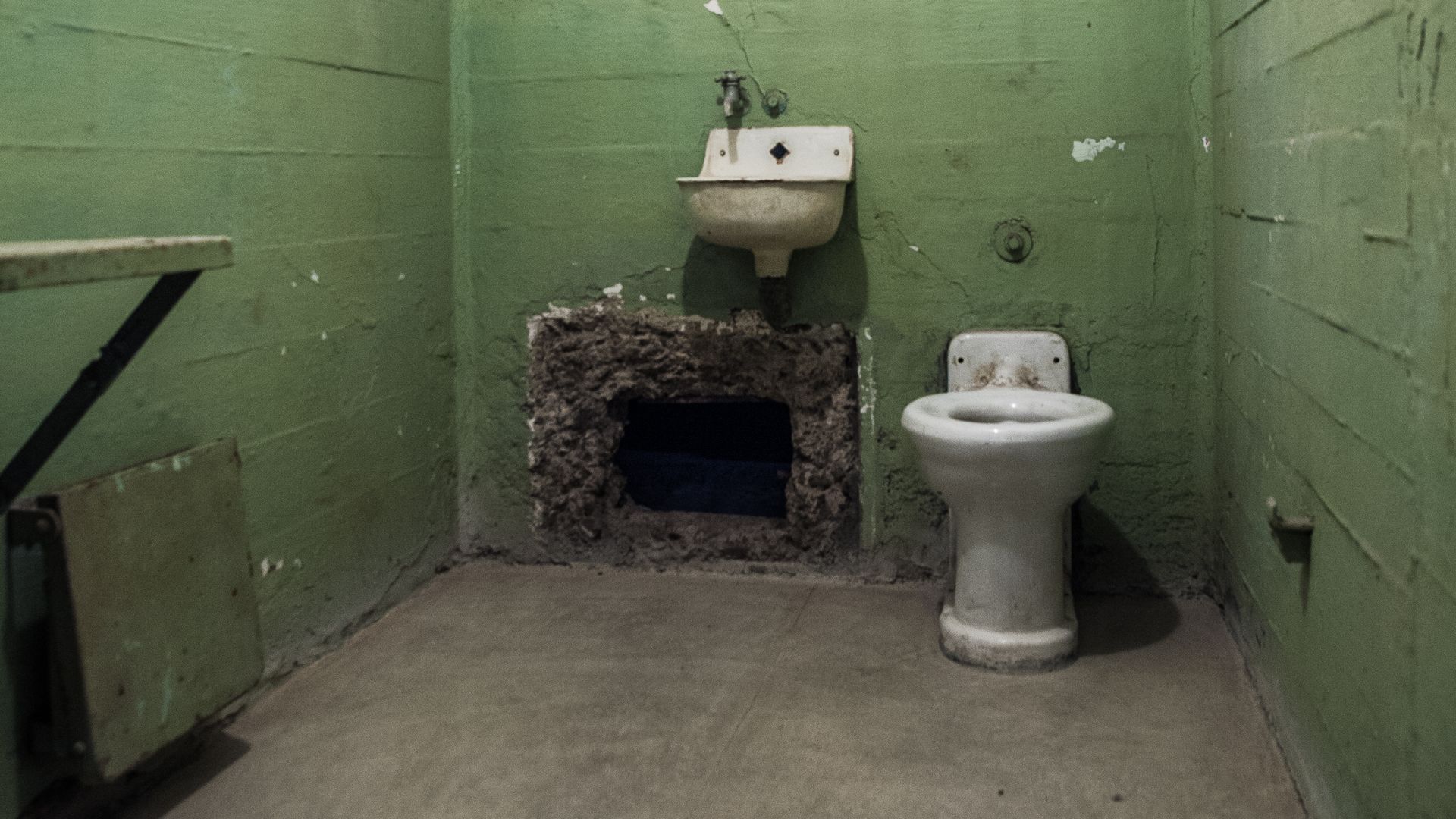 William Warby from London, England, Wikimedia Commons
Climbing Into The Darkness
The escapees navigated utility corridors and climbed through service areas above the prison via the ventilation shaft. Eventually they reached the roof and descended toward the shoreline by sliding down a kitchen vent pipe, moving through areas guards did not expect inmates to access.
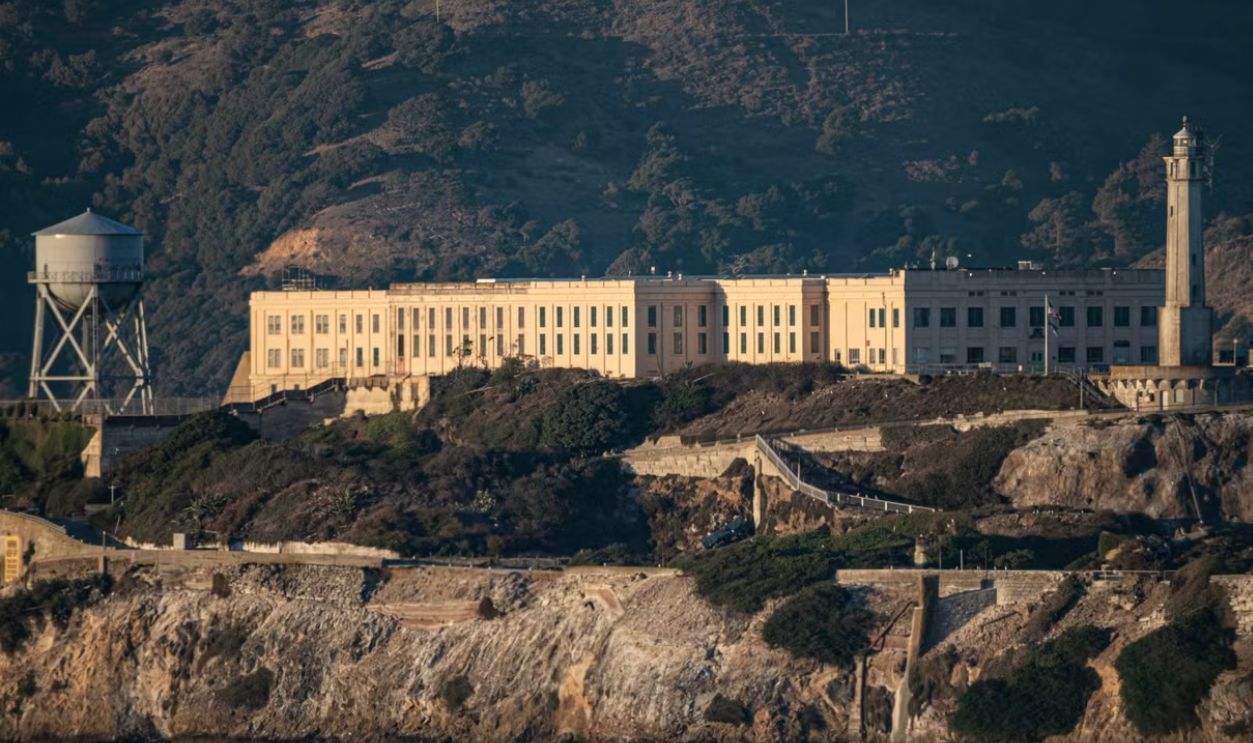
Vanishing From The Rock
At some point between roughly 9:30 and 10:00 that evening, the men launched their raft and disappeared into the bay. No guard witnessed their departure, and no confirmed sighting occurred immediately afterward.
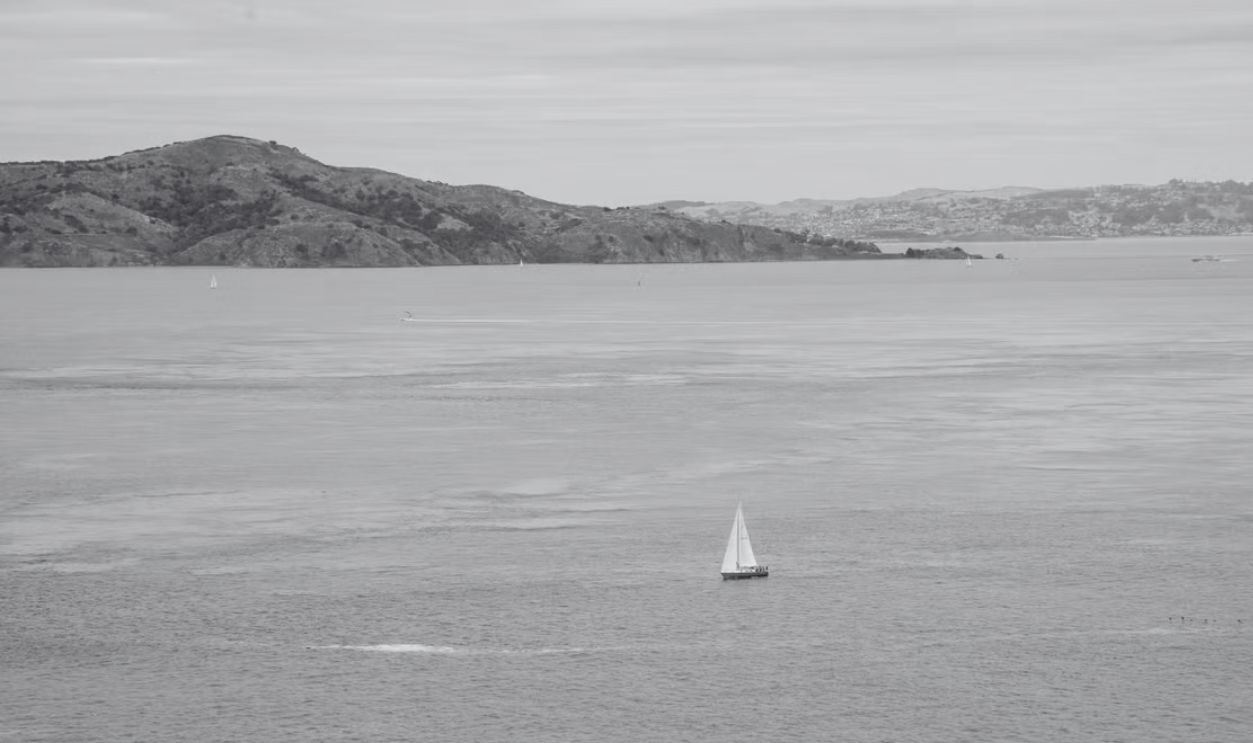
Morning Brought A Stunning Discovery
The following morning, guards conducting routine checks discovered the dummy heads. What first appeared to be sleeping prisoners quickly became one of the biggest security failures in federal prison history.
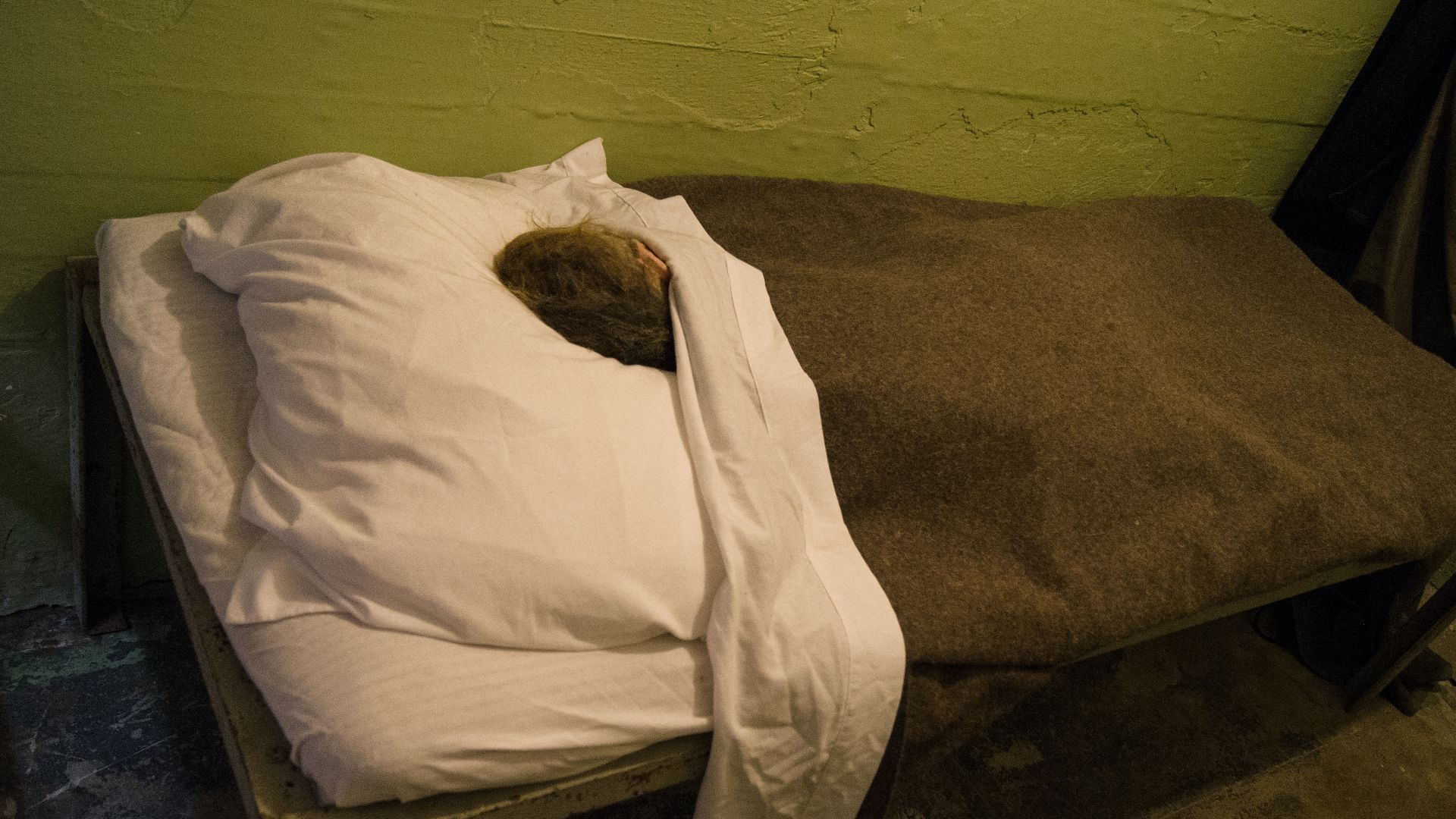 Adam Kliczek, Wikimedia Commons
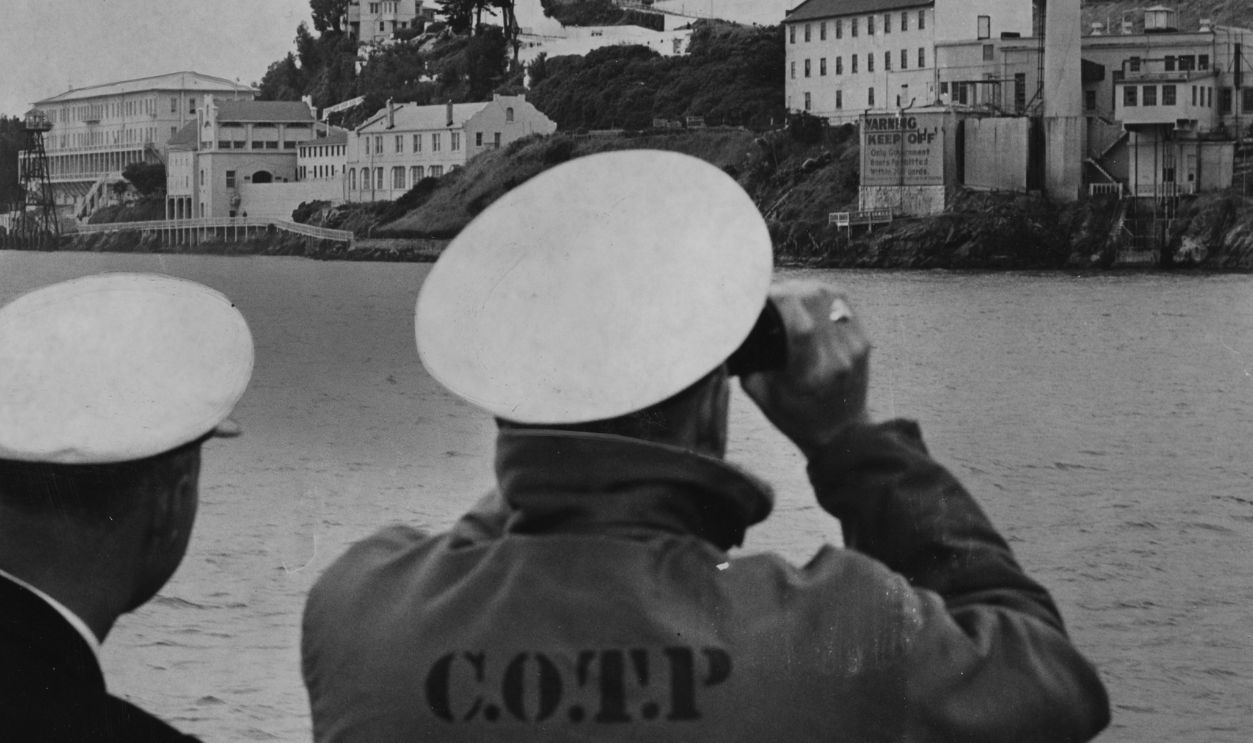
Authorities Launched A Massive Search
Law enforcement agencies responded with an enormous manhunt. Boats, aircraft, and investigators searched for signs of the fugitives. The effort generated hundreds of leads but very few definitive answers.
 San Francisco Chronicle/Hearst Newspapers, Getty Images
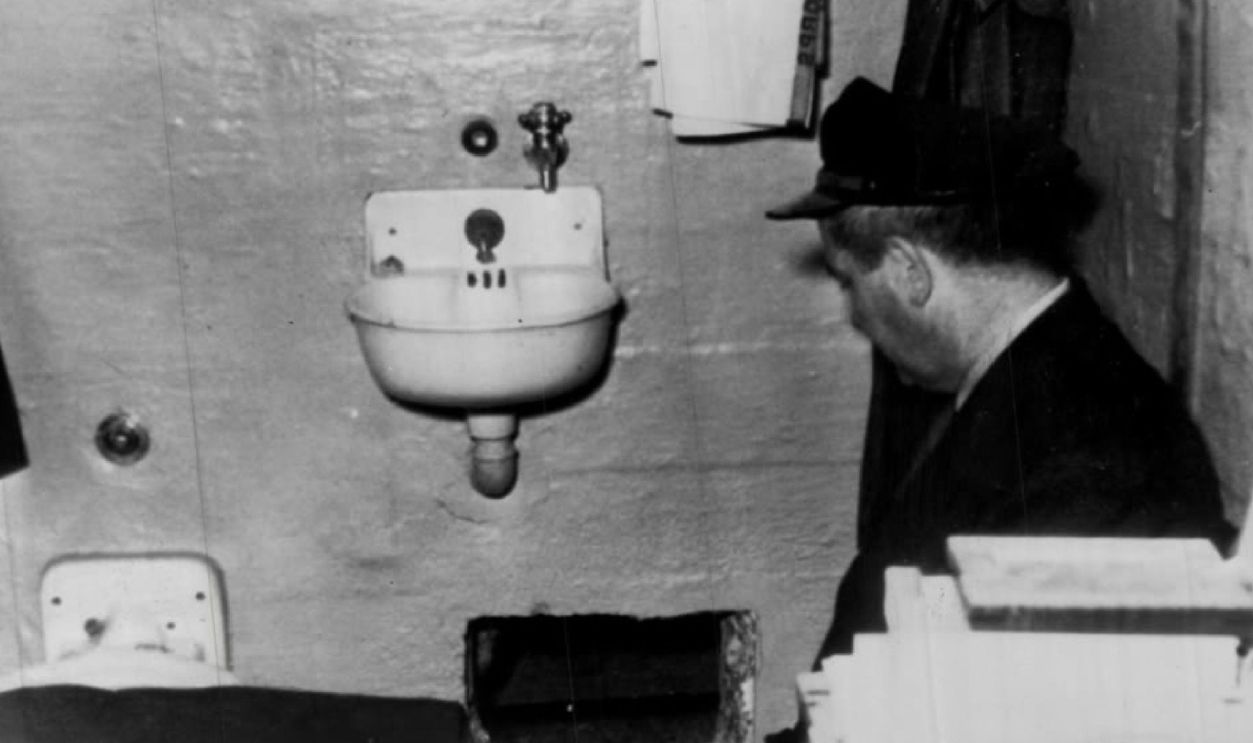
Evidence Appeared To Point Both Ways
Searchers found items connected to the escape, including pieces of equipment believed to belong to the men. Some discoveries suggested drowning, while others hinted that the fugitives may have reached land successfully.
The FBI Reached Its Conclusion
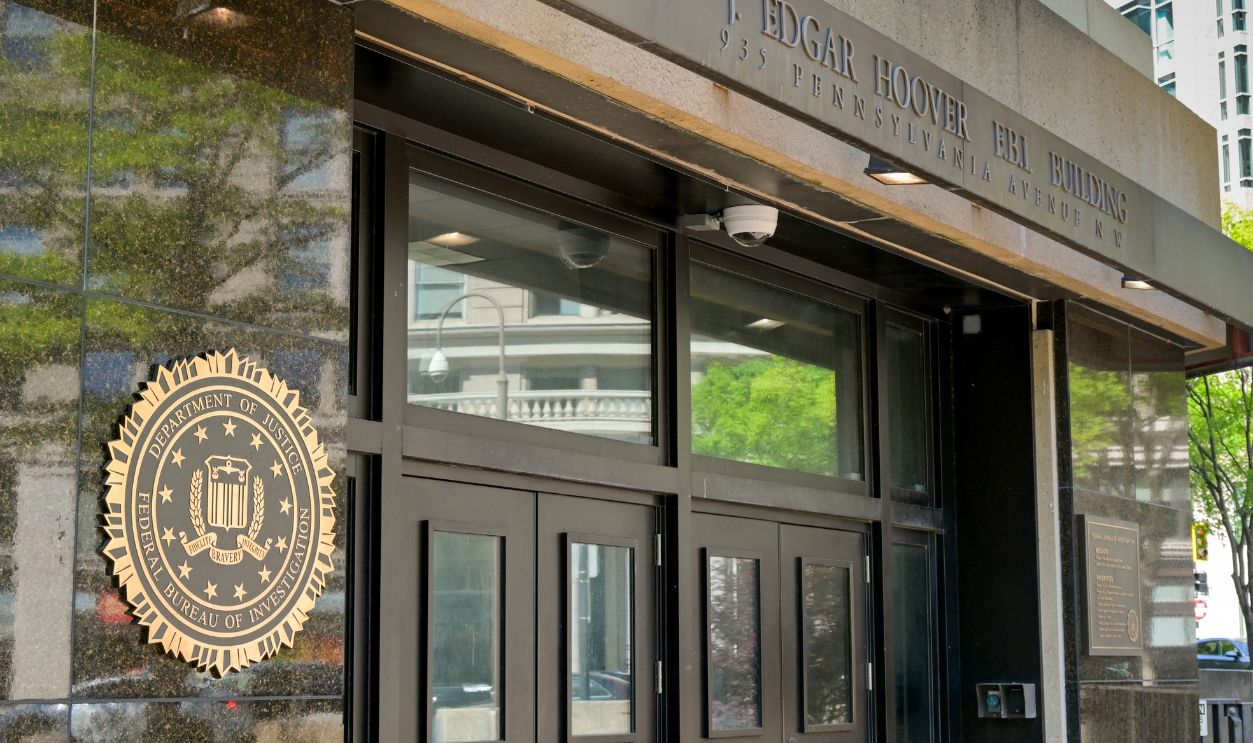
After years of investigation, the FBI officially closed its case in 1979. The bureau concluded that the most likely explanation was that Morris and the Anglin brothers drowned while attempting to cross the bay.
But The Mystery Refused To Die
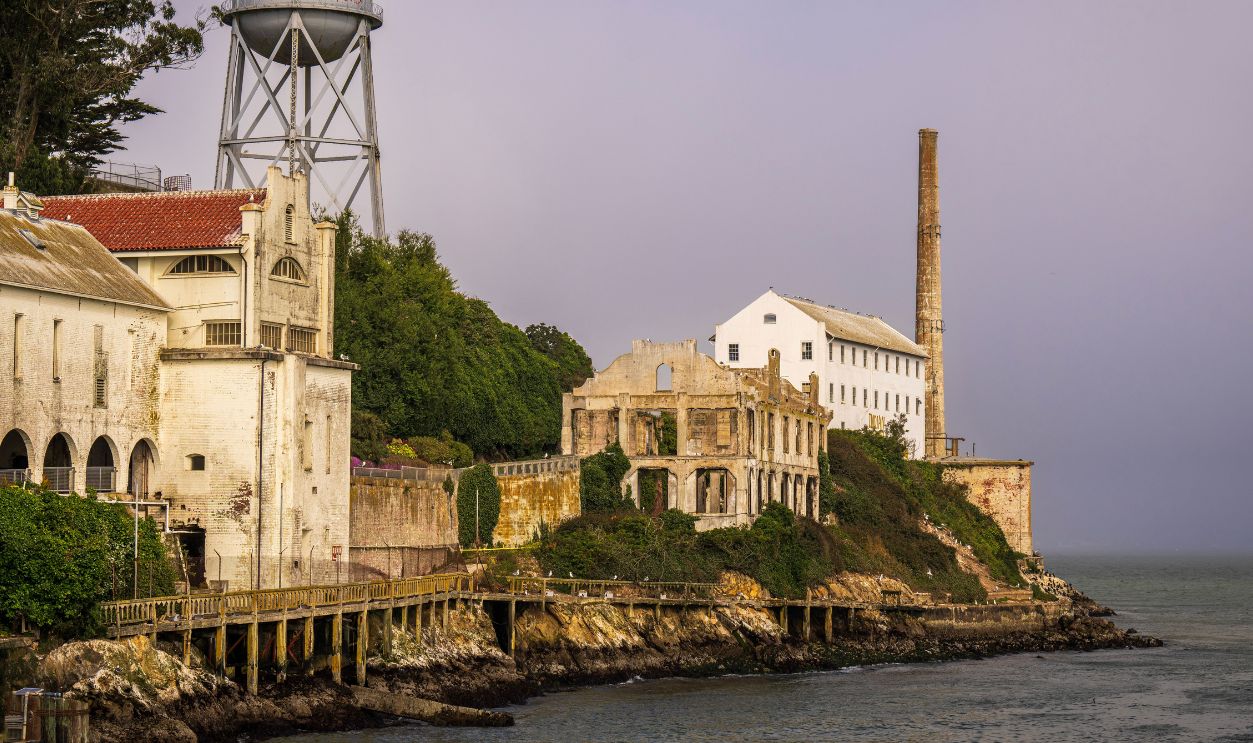
Despite the FBI's conclusion, no bodies were ever recovered. The absence of definitive proof kept speculation alive. Family members, researchers, journalists, and amateur investigators continued debating what really happened.
Reports Claimed The Brothers Survived
Over the years, various alleged sightings surfaced in places ranging from the United States to South America. None were conclusively verified, but they helped fuel the belief that John and Clarence Anglin may have escaped successfully.

A Letter Revived The Story
Public fascination surged again when a letter surfaced claiming to have been written by John Anglin. The author alleged that all three escapees survived. Authorities examined the claim but ultimately found the evidence inconclusive.

The Marshals Never Closed The File
Unlike the FBI investigation, the US Marshals Service has kept the case open. The escapees remained on wanted lists for decades, reflecting the fact that authorities never obtained definitive proof of their deaths.
 United States Marshals Service, Wikimedia Commons
Why Many Believe The Brothers Made It
The strongest argument for survival is simple: nobody ever proved otherwise. The brothers were experienced swimmers, the raft was carefully constructed, and no remains were found. While none of that confirms success, it keeps the possibility alive.

The Escape That Still Captivates America
More than 60 years later, the Anglin brothers and Frank Morris remain central figures in one of the most enduring mysteries in criminal history. Whether they drowned or reached freedom, their escape exposed weaknesses in America's most feared prison and secured their place in history forever.
You May Also Like:
It's Time To Correct The Record About Easter Island's Ruin, Which Everyone Got Completely Wrong






.jpg)