

Islands That Define Isolation
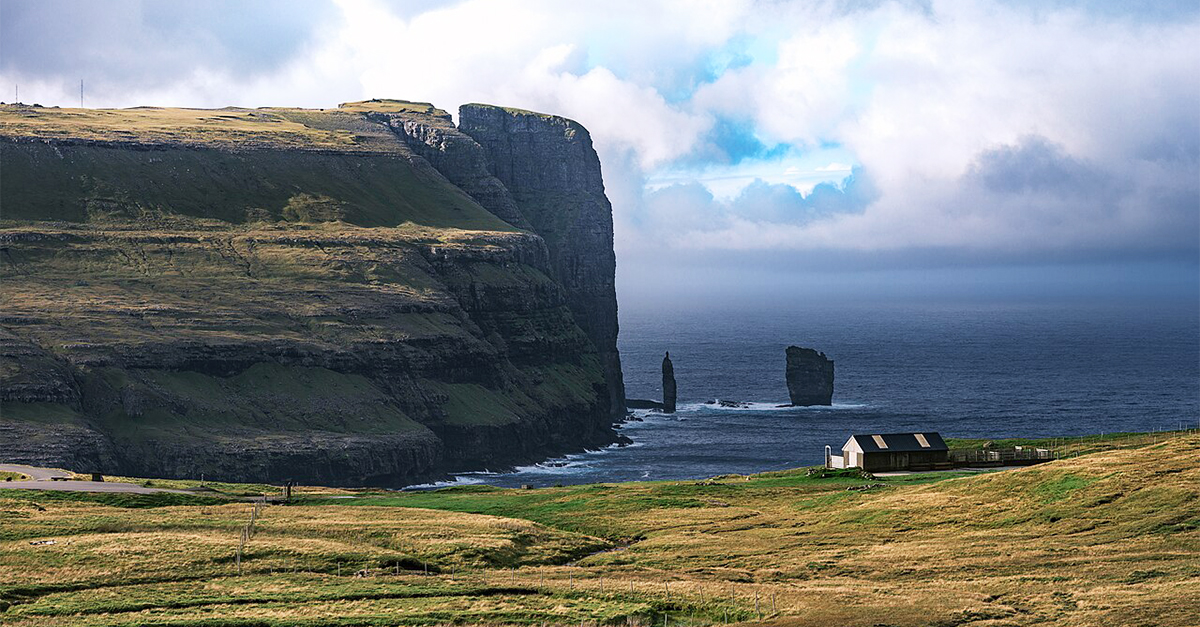
If you’ve ever dreamed of escaping the unrelenting din of everyday life, the world’s most remote islands take that idea to a whole different level. These places aren’t just quiet—they’re separated from the rest of humanity by vast stretches of ocean, limited access, and often less-than-ideal weather conditions. Visiting them isn’t easy, but that’s exactly what makes them so fascinating.
 Joshua Resnick, AdobeStock; Factinate
What Makes An Island “Remote”?
Remoteness is partly about geography, but it’s also about how disconnected the place is from regular human activity. The islands on our list are defined by their distance from the nearest permanent settlements, as well as by how difficult they are to get to. Many of these places don’t have airports, infrastructure, or even consistent human presence, making them some of the most isolated places on Planet Earth.
Tristan da Cunha
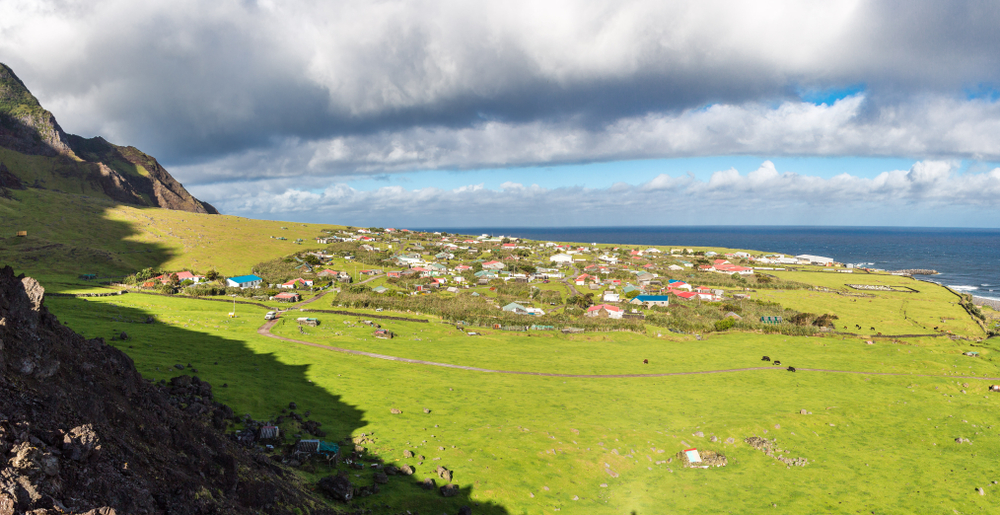
Often described as the most remote inhabited island in the world, Tristan da Cunha sits deep in the South Atlantic Ocean, thousands of miles from the nearest mainland. With no airport, visitors must make their way there by ship, typically from South Africa. Life in this British Commonwealth island moves at a slower pace, with an isolated, tight-knit community, and reliance on the vast surrounding ocean.
Pitcairn Island
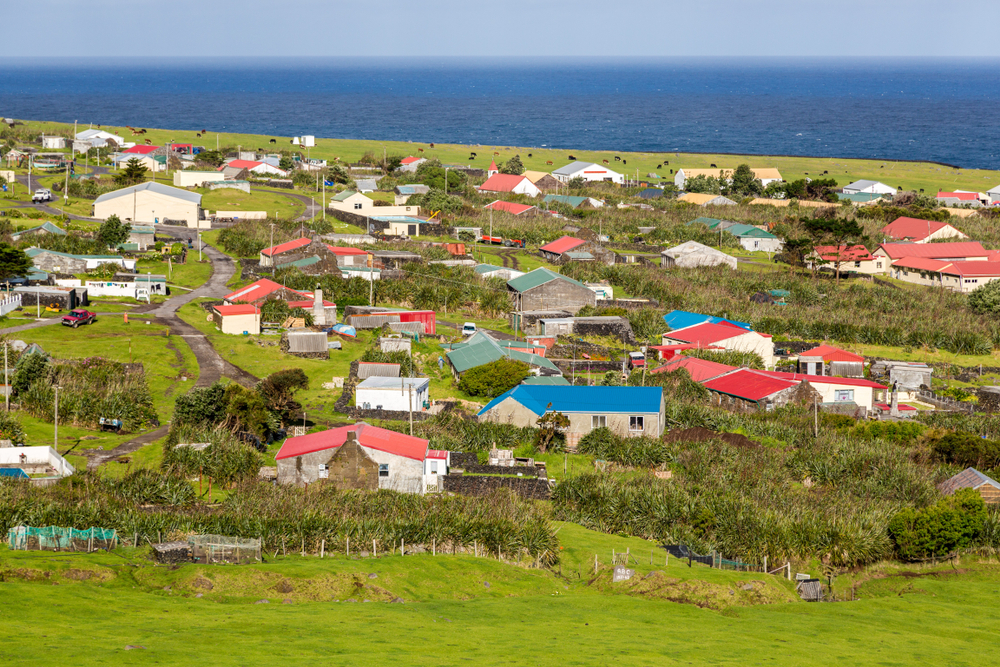
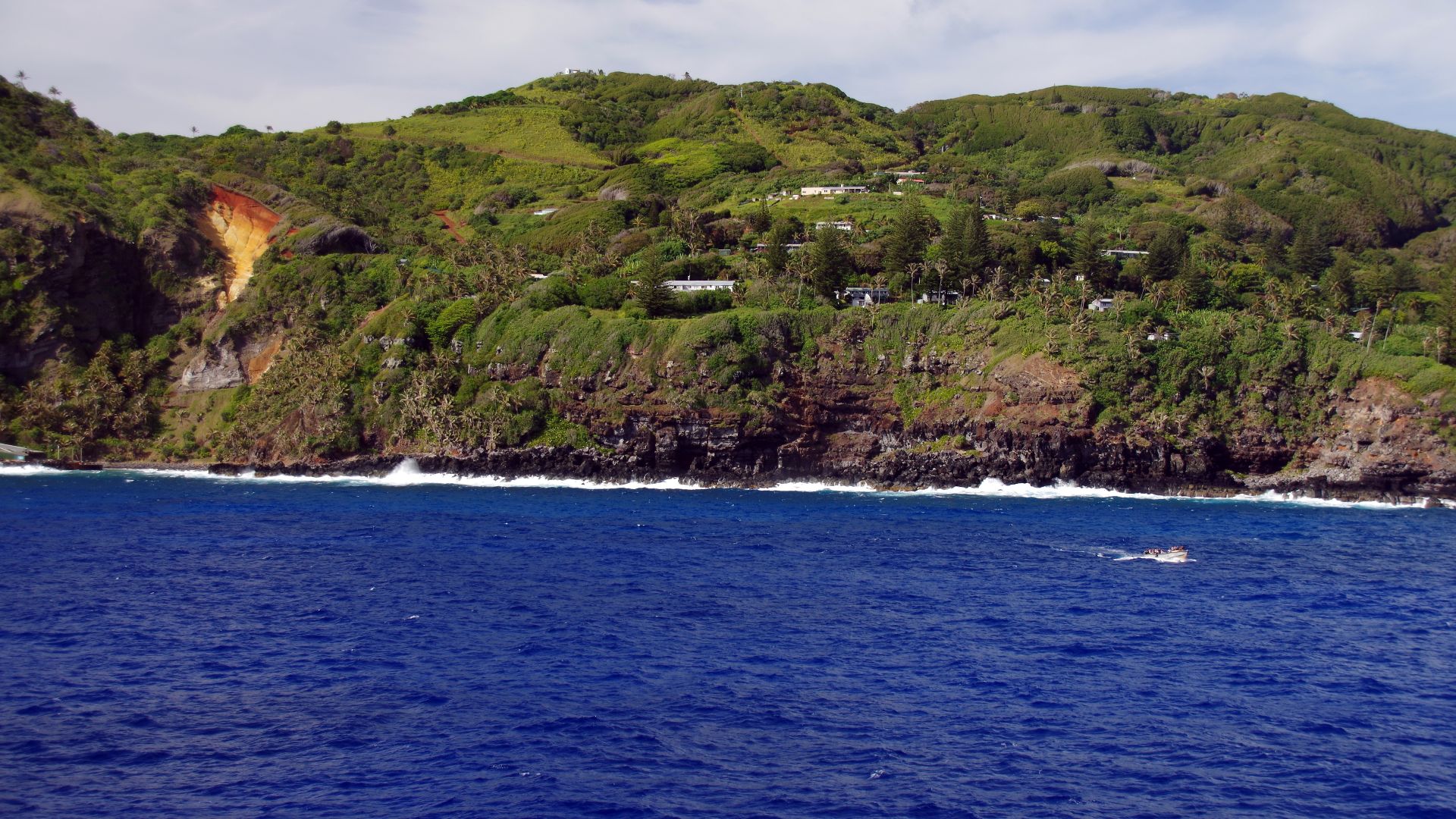
Pitcairn Island is one of the least populated places on Earth, with fewer than 50 residents. Many are descendants of the HMS Bounty mutineers, giving the island a unique historical identity. Located far out in the Pacific Ocean, 1200 miles west of Easter Island, it’s accessible only by boat, and even then, landing can be a challenge depending on the weather and sea conditions.
Easter Island
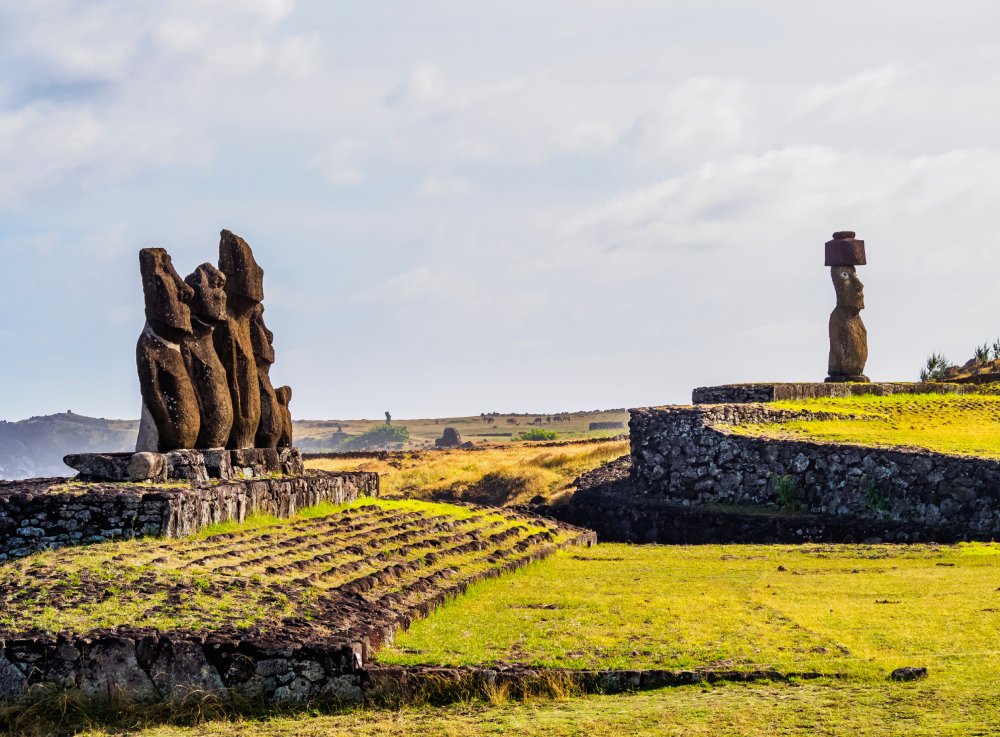
Easter Island, also known as Rapa Nui, is famous for its massive stone statues called “moai.” Located 2,330 miles from mainland Chile, it’s one of the most isolated inhabited islands in the world. Despite its remoteness, it has a rich cultural history and is one of the most intriguing destinations for those travelers seeking both mystery and isolation.
Bouvet Island
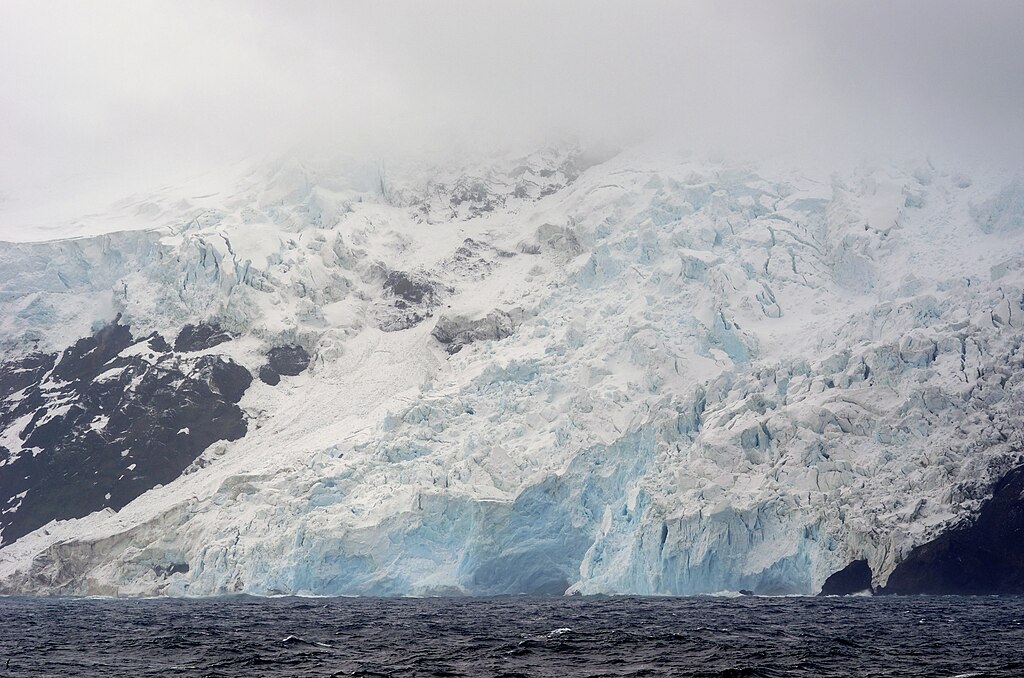
Bouvet Island is often considered the most remote island on Earth, located in the South Atlantic between Africa and Antarctica. The Norwegian-run island has no human inhabitants and is covered largely by glaciers. Harsh weather, steep cliffs, and icy conditions make landing extremely difficult, which means very few people have ever set foot on this isolated and forbidding landmass.
 Francois Guerraz, CC BY-SA 3.0, Wikimedia Commons
Kerguelen Islands
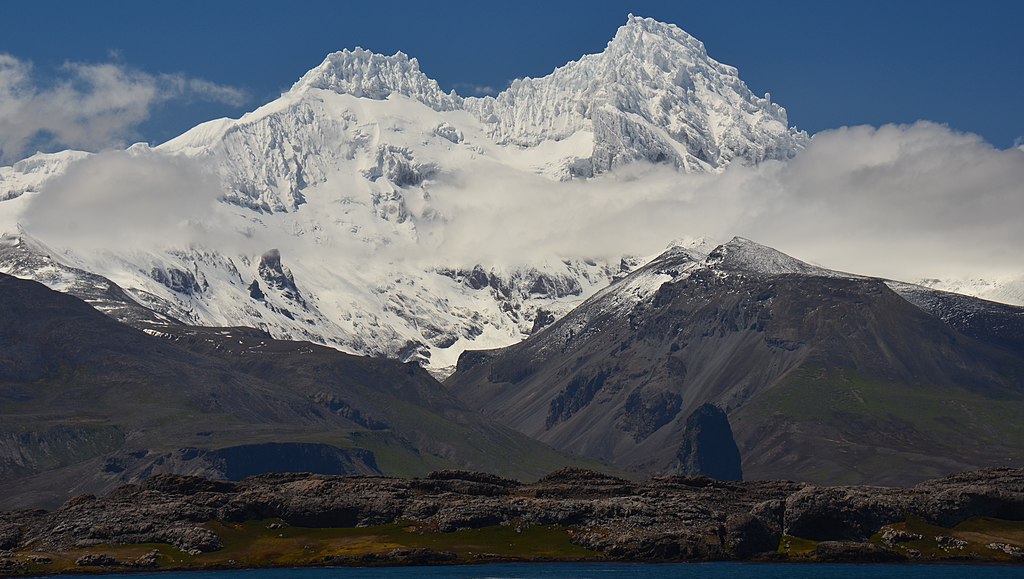
Nicknamed the “Desolation Islands,” the Kerguelen Islands are located in the southern Indian Ocean and are known for their bleak, windswept volcanic landscapes. There is no permanent civilian population—only a rotating group of French scientists and support staff. At a distance of 2,000 miles southeast of Madagascar, their extreme isolation and challenging climate make them one of the loneliest inhabited places on Earth.
 Cousin jf, CC BY-SA 4.0, Wikimedia Commons
Heard Island
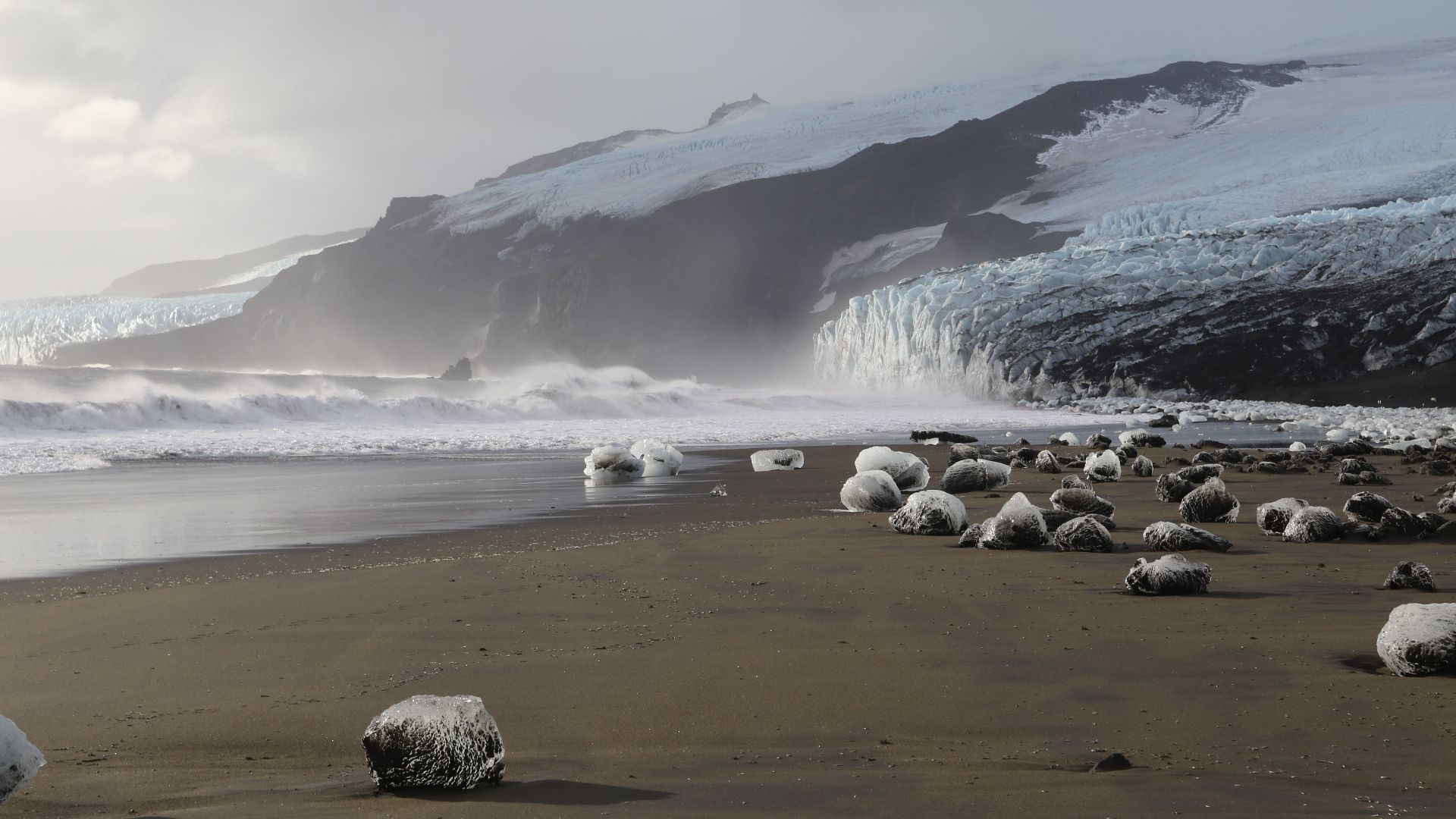
Heard Island is one of the most remote places under Australian control, located in the Southern Ocean near Antarctica. Dominated by an active volcano and surrounded by glaciers, there’s no permanent human population. Access is extremely limited, and the island jealously guards its reputation as one of the most pristine and untouched environments on the planet.
South Georgia
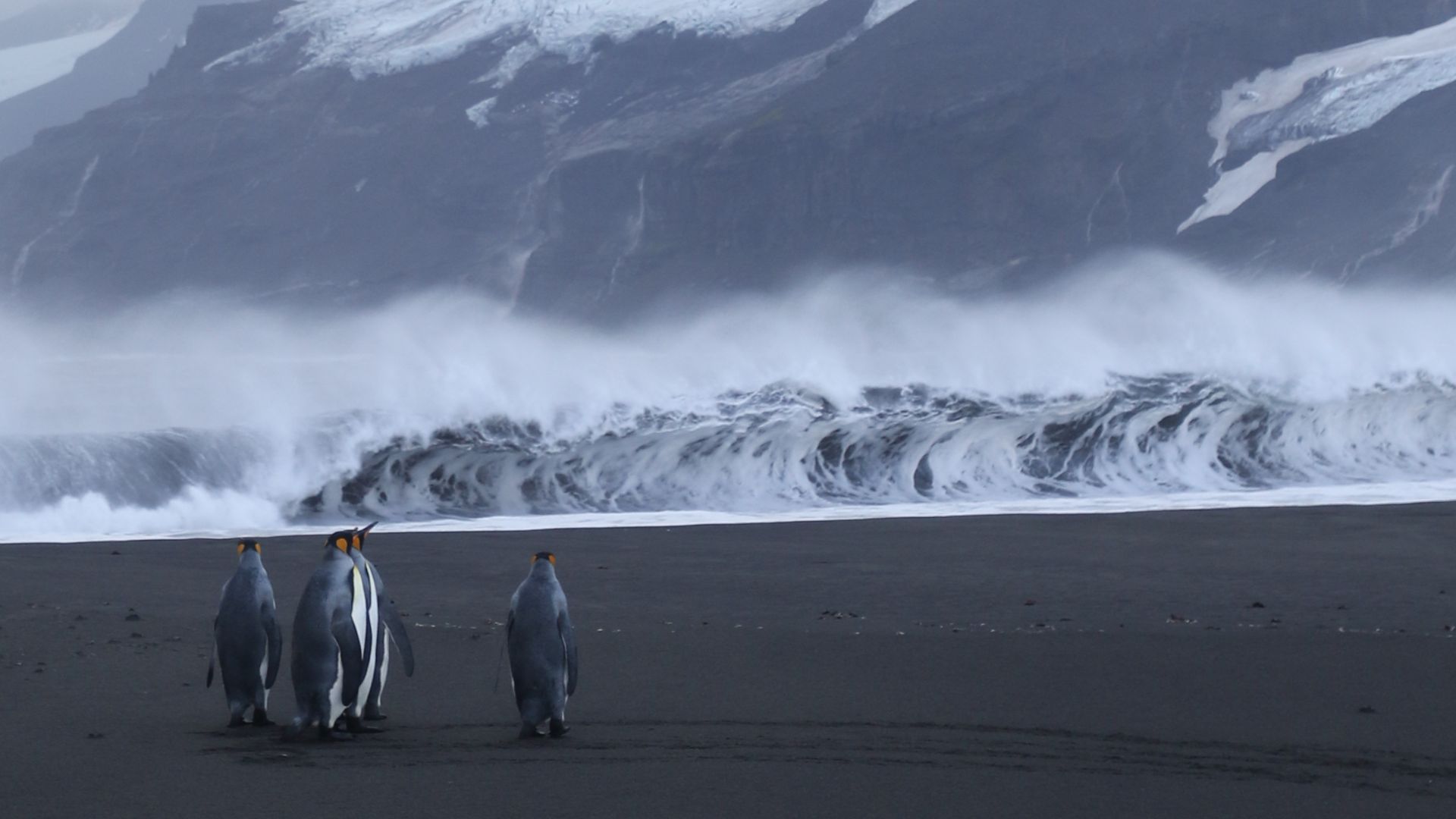
South Georgia is a rugged and dramatic island known for its massive penguin colonies, seals, and mountainous terrain. Though it has no permanent civilian population, it hosts small research stations. Its remote location and wild beauty make it a dream destination for adventurers, though getting there entails a long journey by sea. The explorer Ernest Shackleton is buried on the island near the tiny village of Grytviken.
McDonald Islands
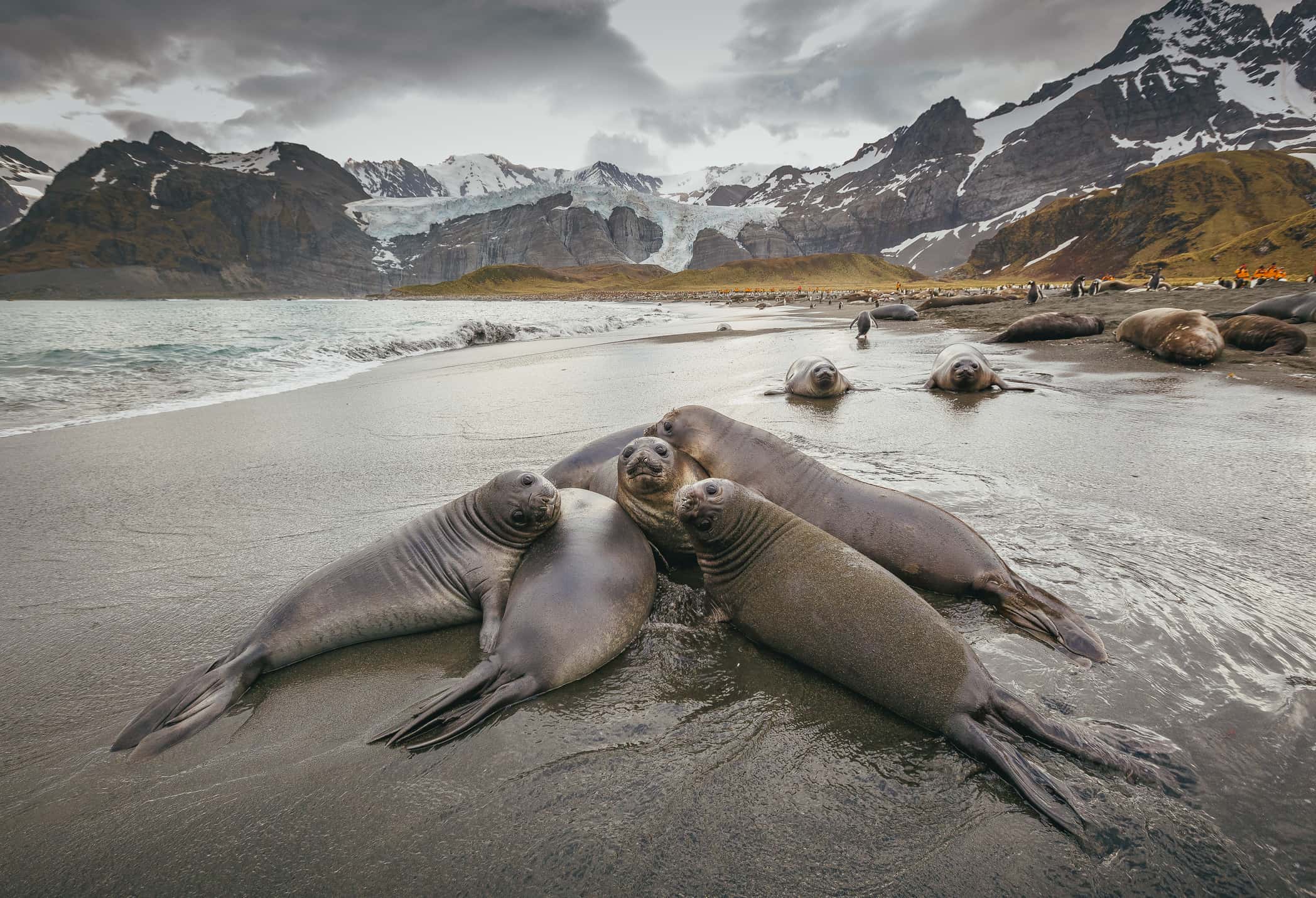
At 2,500 miles southwest of Australia and 1,100 miles north of Antarctica, the McDonald Islands are among the least visited places on Earth. Part of Australian territory, the windswept islands are volcanic, unstable, and extremely difficult to access due to rough seas and unpredictable conditions. There is no permanent human presence, and even scientific visits are a rarity, making them one of the most isolated island groups on this Earth.
Niʻihau
Niʻihau is the westernmost island of the Hawaiian chain. Often called the “Forbidden Island,” it is privately owned and largely closed to the public. While not geographically as distant as some others on this list, its isolation comes from its restricted access. This has helped preserve traditional Hawaiian culture and lifestyle, offering a rare glimpse into a way of life that has changed little over time.
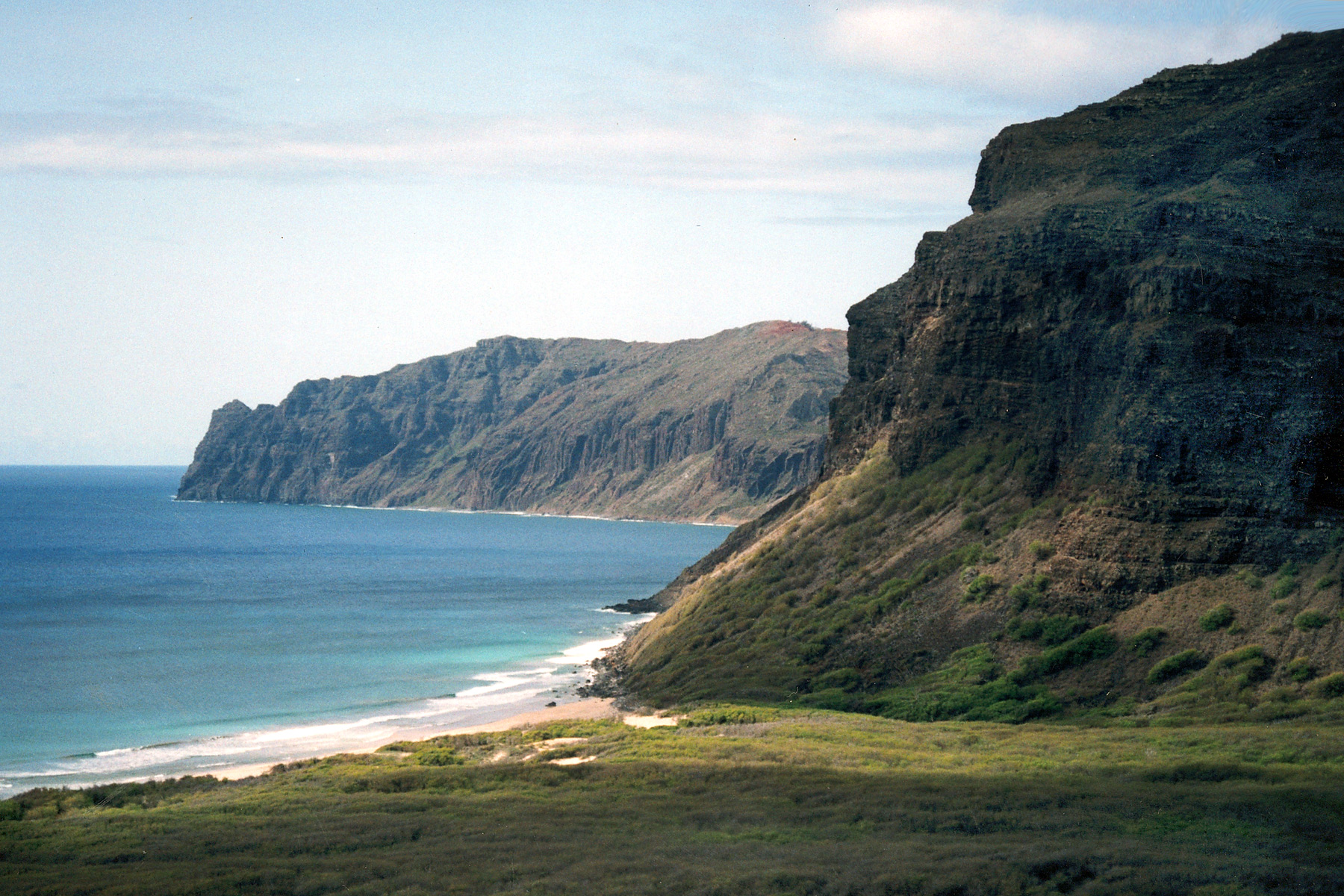 Polihale, CC BY-SA 3.0, Wikimedia Commons
Socotra
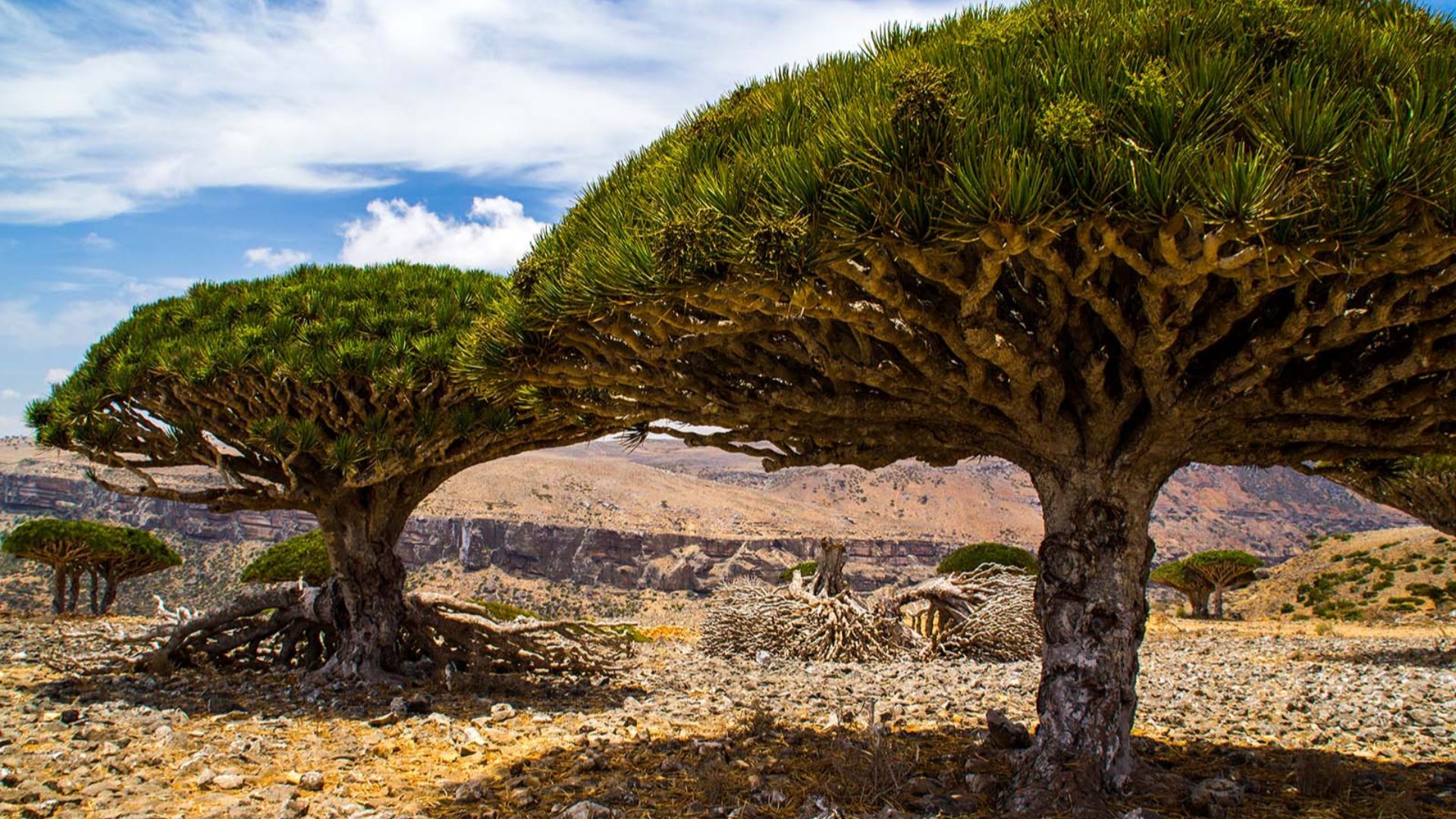
Socotra is one of the most unique islands on Earth, known for its otherworldly landscapes and unusual plant life, including the famous dragon’s blood tree. Its isolation has allowed species to evolve in ways found nowhere else. Though inhabited as territory of Yemen, its location 125 mile to the east of the coast of Somalia makes it difficult to reach, adding to its reputation as one of the most remote destinations on the planet.
Jan Mayen
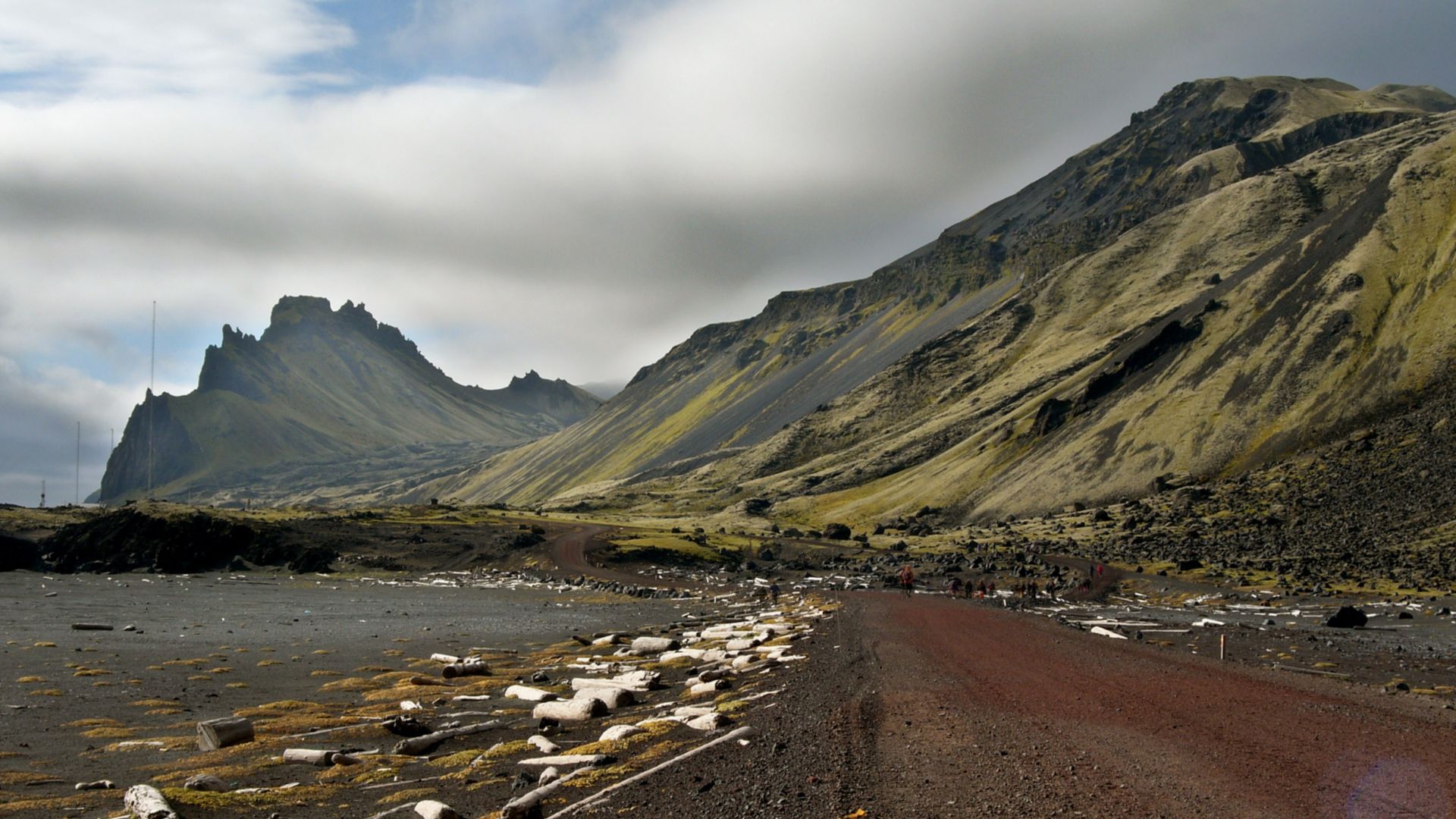
Jan Mayen is a remote Arctic island located between Greenland and Norway. It is home to a small rotating group of personnel who operate a weather station. Dominated by the Beerenberg volcano, the island is surrounded by cold, rough seas and harsh weather, making it one of the most isolated inhabited outposts in the Arctic region.
 Hannes Grobe, Alfred Wegener Institute, Wikimedia Commons
St. Helena
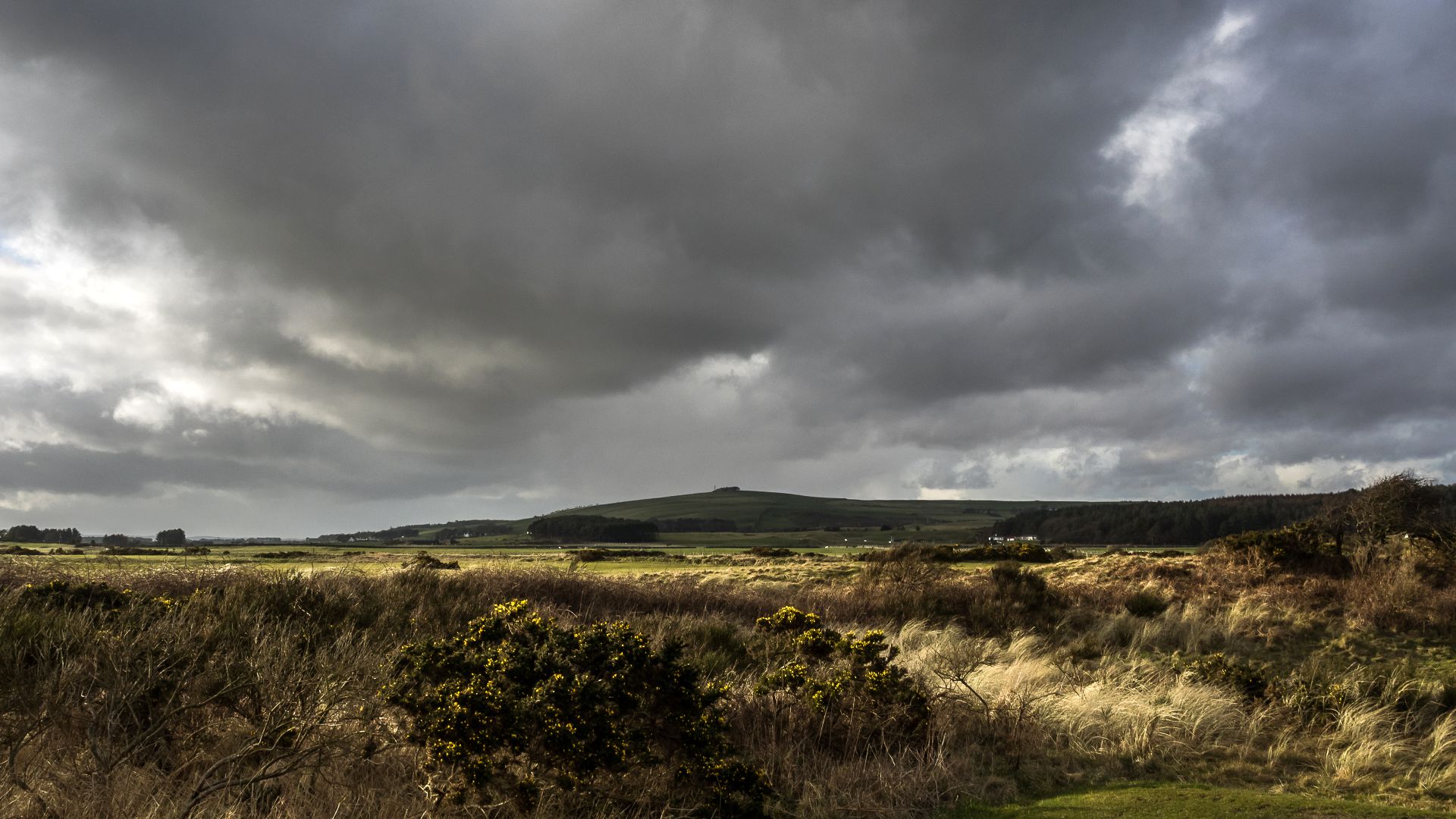
St. Helena is best known as the place where Napoleon lived out his days in exile. Located far out in the South Atlantic, it was historically accessible only by ship, contributing to its extreme isolation. Although the island is still connected to the rest of the world by an airport, its remote location still makes it feel very far removed from the rest of the world.
 David Baird , Wikimedia Commons
Clipperton Island
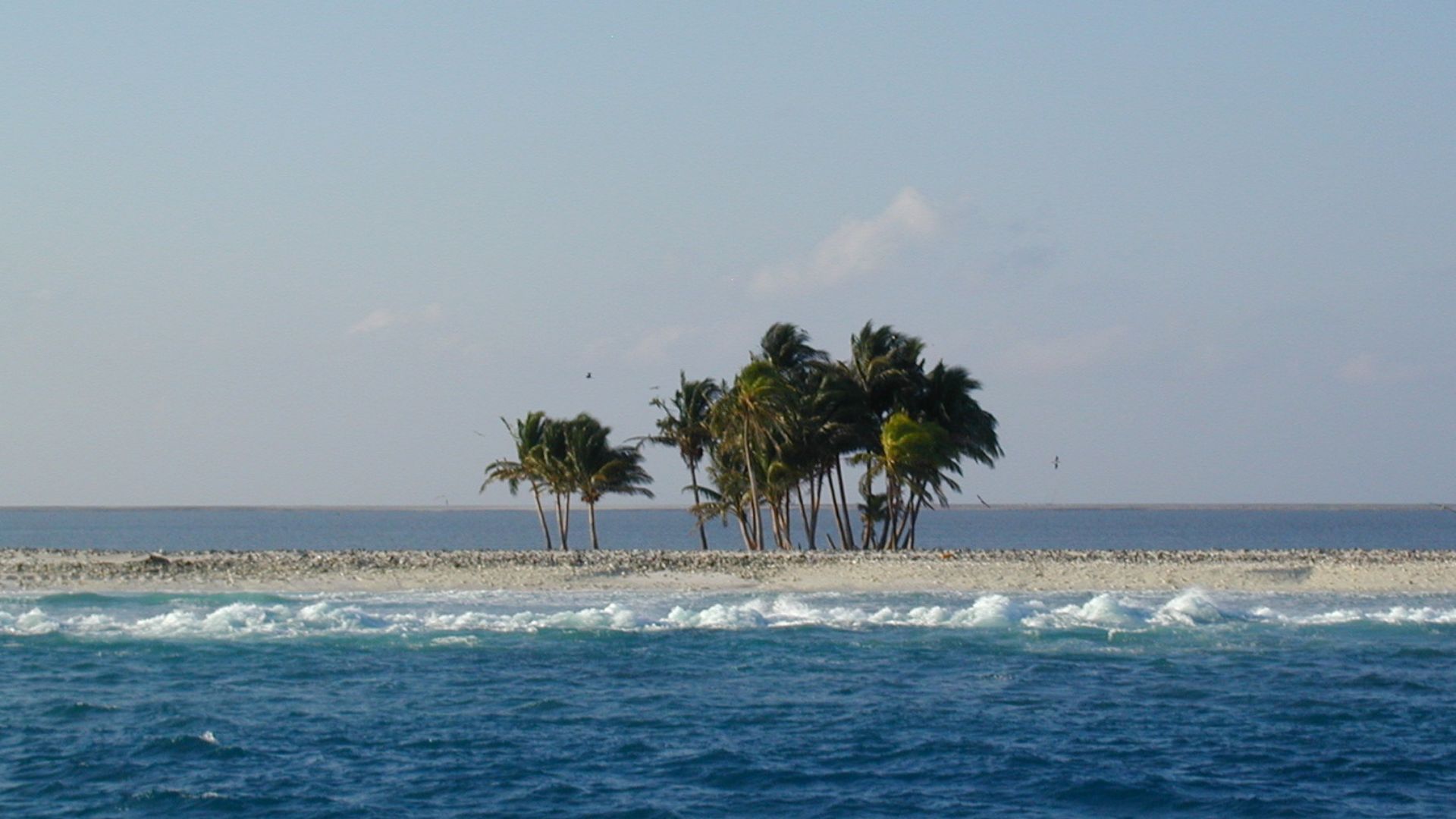
Clipperton Island is a small, uninhabited coral atoll in the eastern Pacific, about 300 miles southwest of the coast of Mexico. Part of France’s overseas possessions, the island’s isolation and harsh conditions have led to multiple failed settlement attempts, including one by Mexico in the early 1900s. Only scientists and explorers visit the place today. Its abandoned structures serve as lonesome reminders of its difficult and often tragic history.
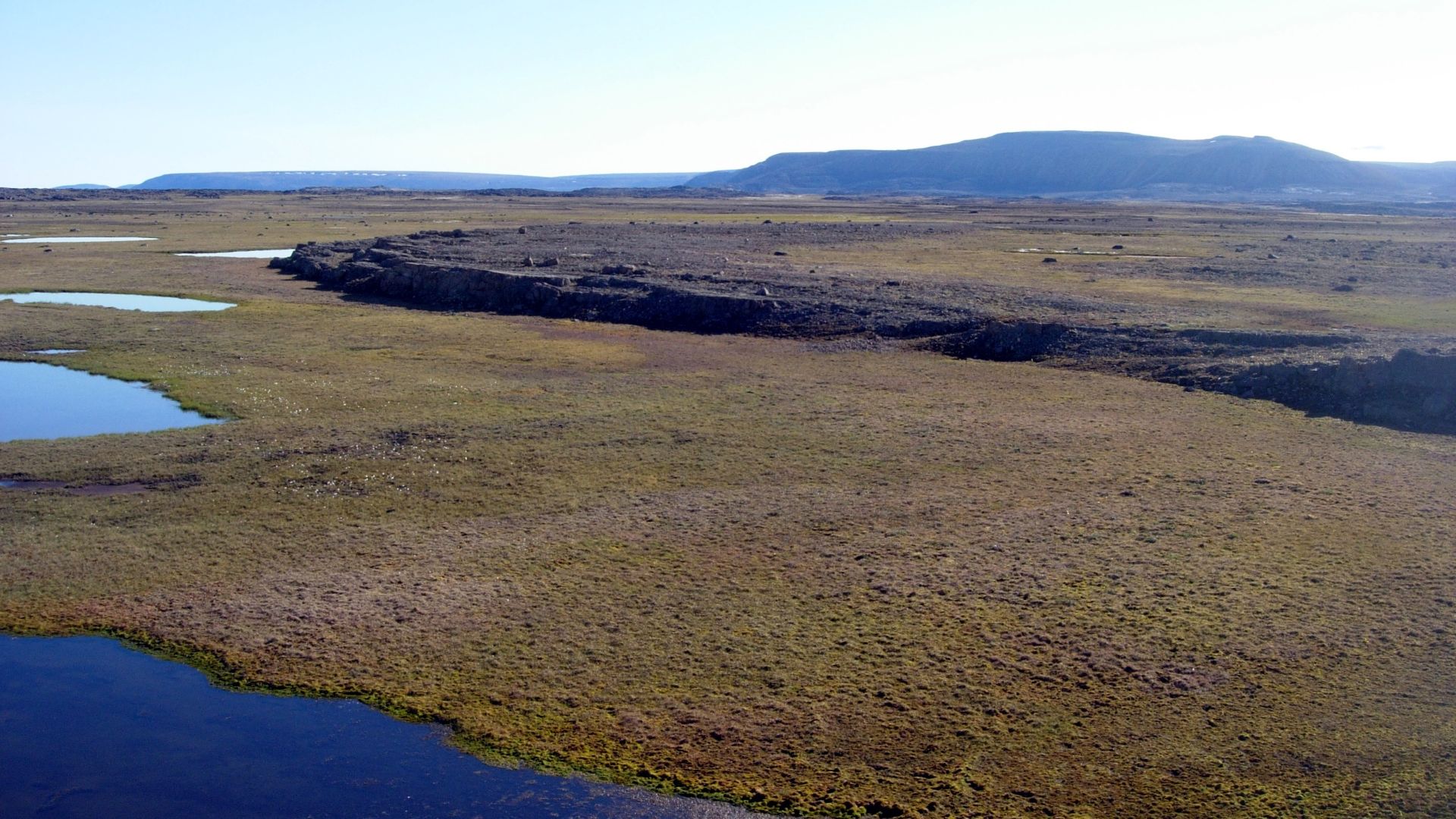
Devon Island
Devon Island in the Canadian Arctic, is the largest uninhabited island on Earth. Its barren, rocky terrain has been compared to the surface of Mars, and it is sometimes used for scientific research and to simulate conditions of space exploration. Extreme cold and isolation make it one of the least hospitable places for human life.
 Martin Brummell, Wikimedia Commons
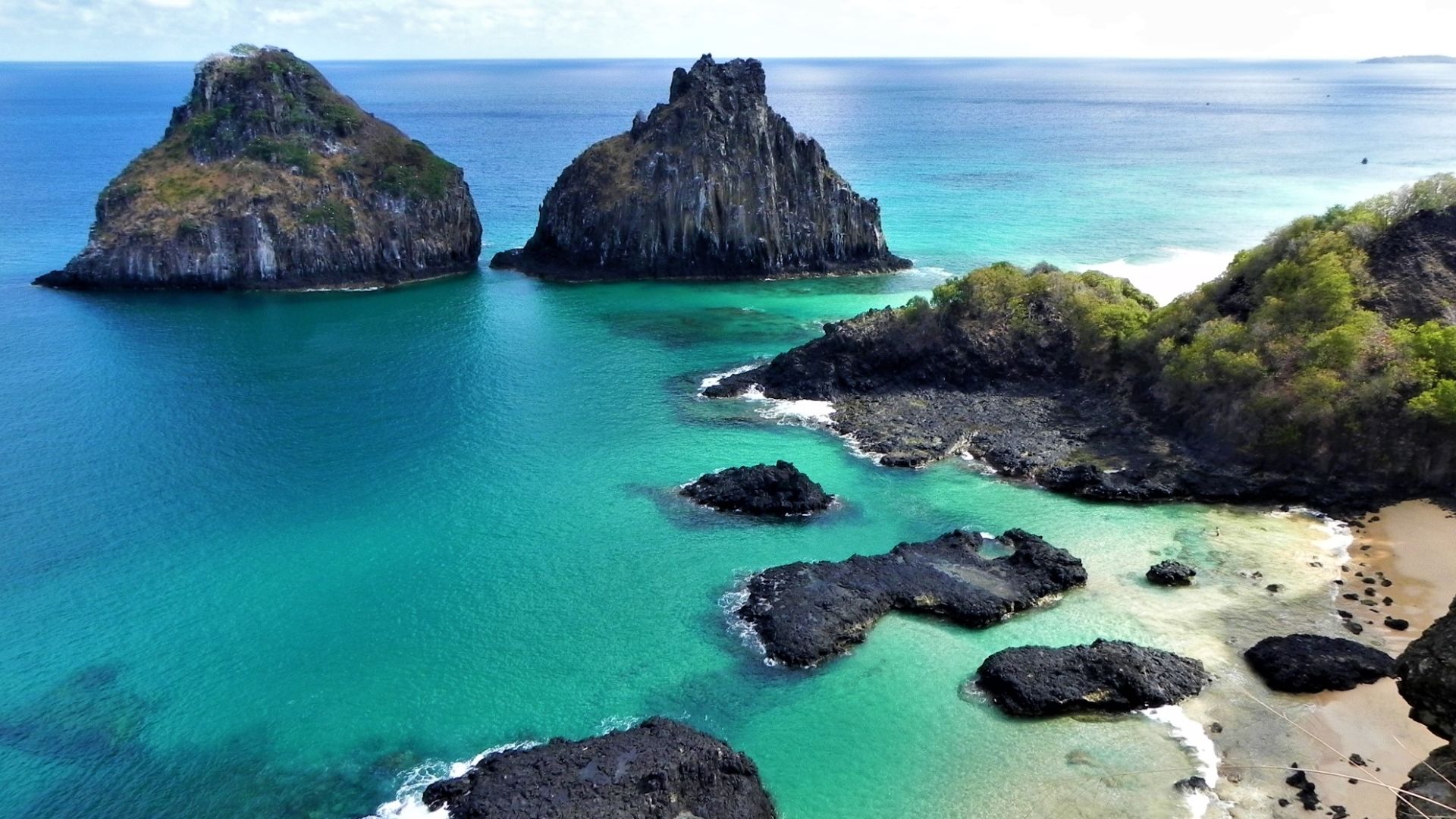
Fernando de Noronha
Fernando de Noronha is a stunning island group 200 miles off the coast of Brazil known for its crystal-clear waters and amazing marine life. While it is inhabited and accessible by plane, the government has put strict visitor limits in place to help preserve its environment. Its relative isolation makes Fernando de Noronha one of the most pristine tropical destinations in the world.
 Camilla Bonatto Bellini, Wikimedia Commons
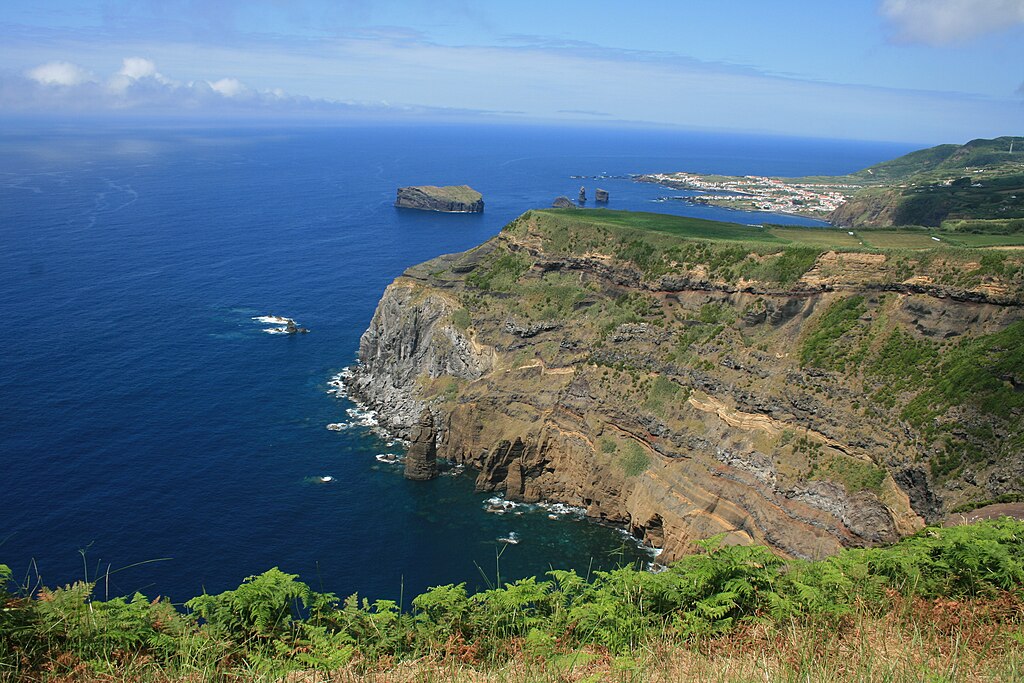
Azores
The Azores are a group of volcanic islands located far out in the Atlantic Ocean. While they are more accessible than a lot of the others on this list, their remote location still gives them a distinct sense of separation. Visitors are drawn to their dramatic landscapes, lakes created by volcanic activity, and unique blend of European and island culture.
 Abspires40, CC BY 2.0, Wikimedia Commons
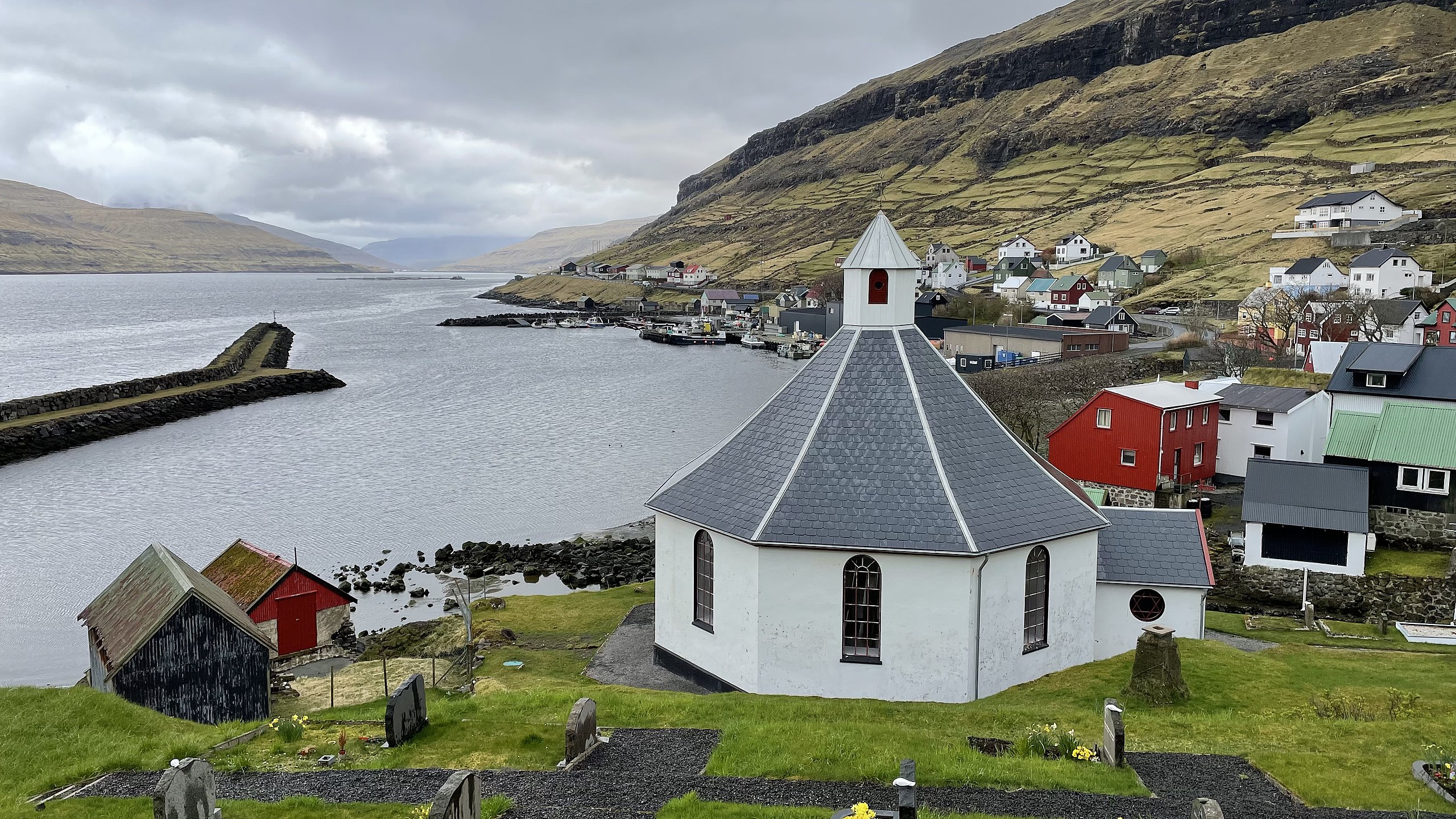
Faroe Islands
The Faroe Islands are a rugged and windswept archipelago in the North Atlantic about halfway between Scotland and Iceland. The island is part of Denmark. Though it is inhabited with a population of 55,000 people, the islands’ remote location and small population give them a quiet, isolated feel. Dramatic cliffs, waterfalls, and traditional villages make them one of the most visually striking and peaceful destinations in the world.
 Vincent van Zeijst, CC BY-SA 4.0, Wikimedia Commons
Ascension Island
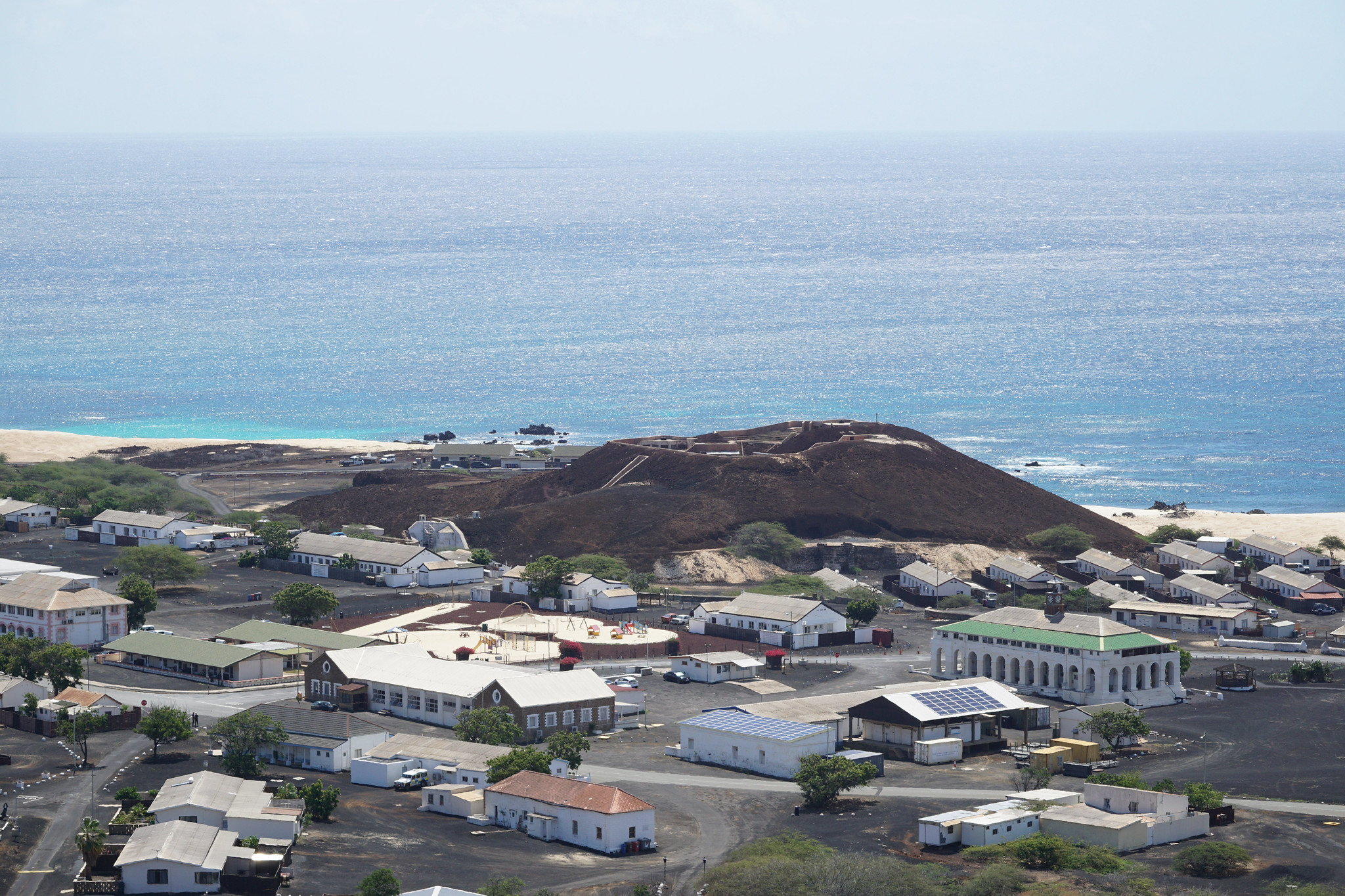
Ascension Island is a volcanic outpost in the South Atlantic with a small population tied to military and research facilities. Despite its strategic importance, it remains highly isolated. Its rugged landscapes and out of the way location make it one of the more unusual and lesser-known destinations for travelers in search something truly off the grid.
The Ultimate Escape—If You Can Get There
Even with a population of 8 billion people, Earth still has many vast and empty regions. Whether inhabited or completely untouched, each one of these destinations offers a different kind of escape from the rest of humanity. Visiting them isn’t always easy, but for those who make the journey, it’s an experience unlike anything else.
You May Also Like:
20 Thrilling Destinations For Adventure Lovers







.jpg)
