A Survival Story That's Hard To Believe
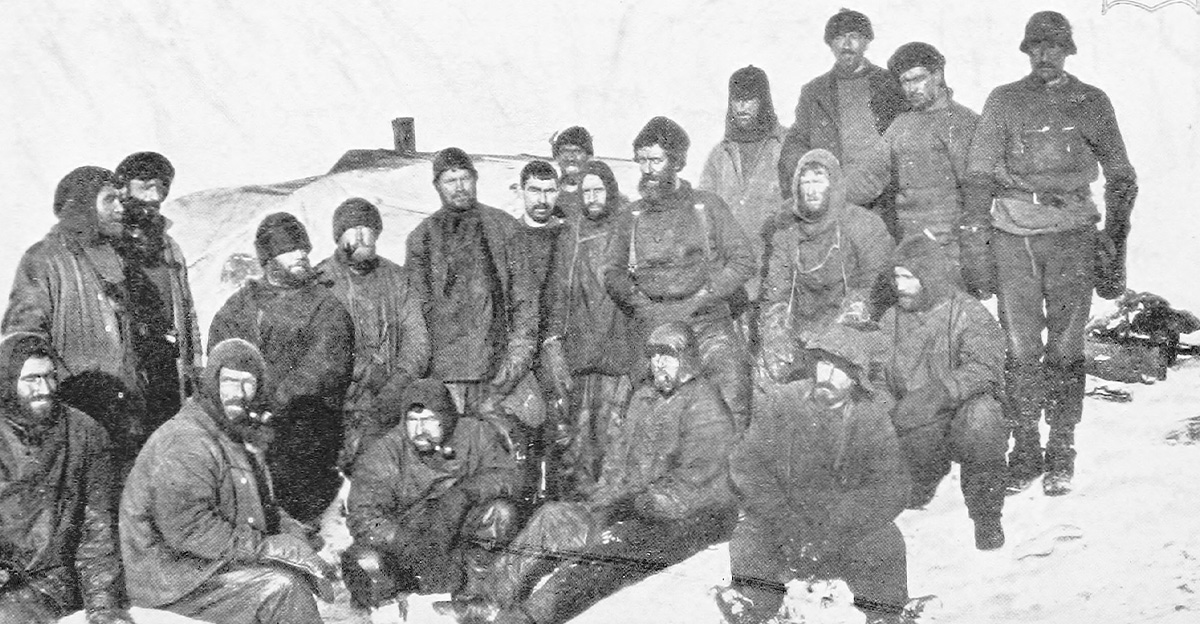
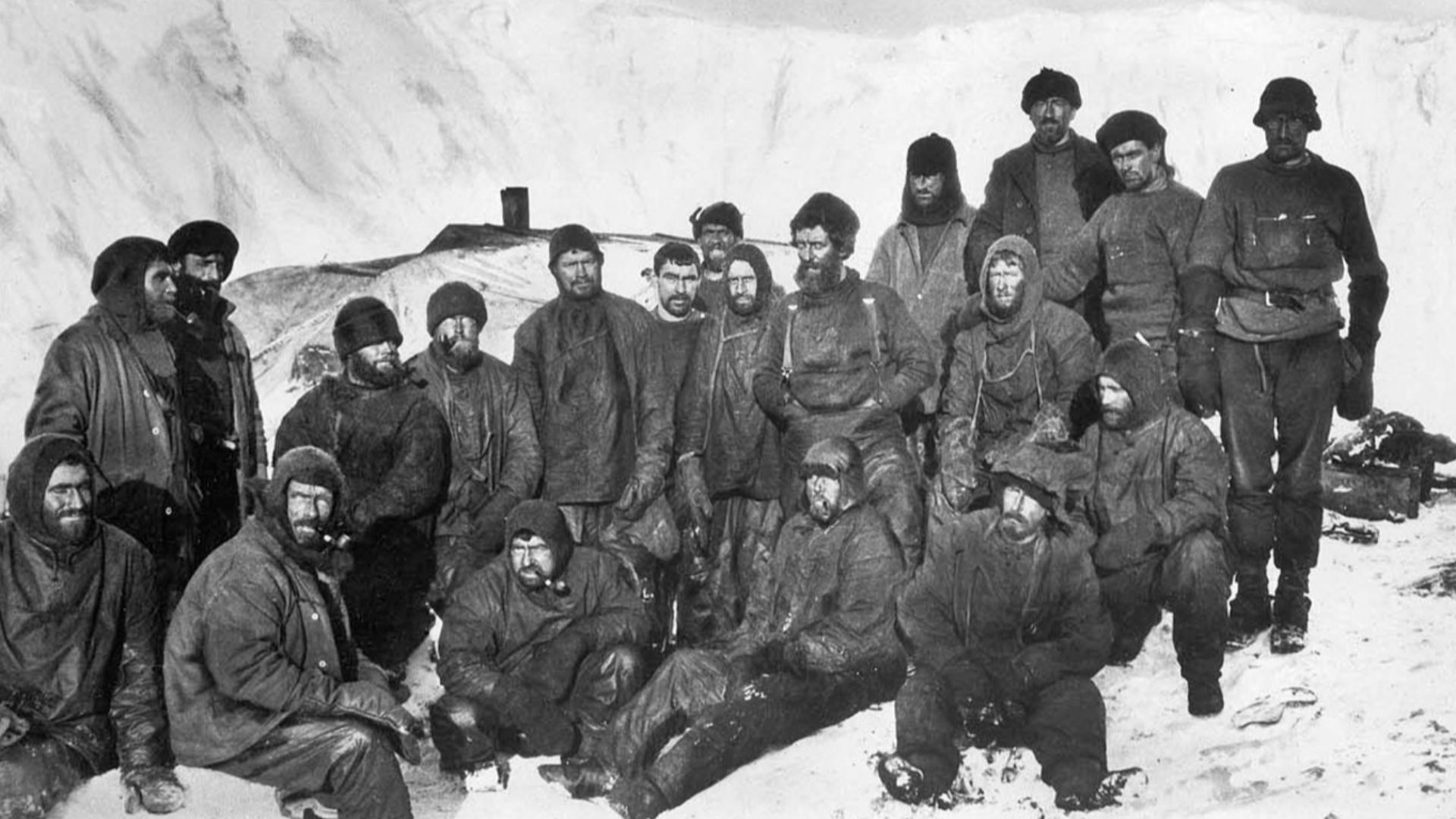
In 1915, Ernest Shackleton and 27 other men found themselves stranded in Antarctica with a crushed ship and no way to call for help. They spent months living on drifting ice, eating whatever they could catch, and wondering whether they'd ever get home. Somehow, not one of them died. Here's how they pulled it off.
 Frank Hurley, Wikimedia Commons
It Was Supposed To Be A Famous First
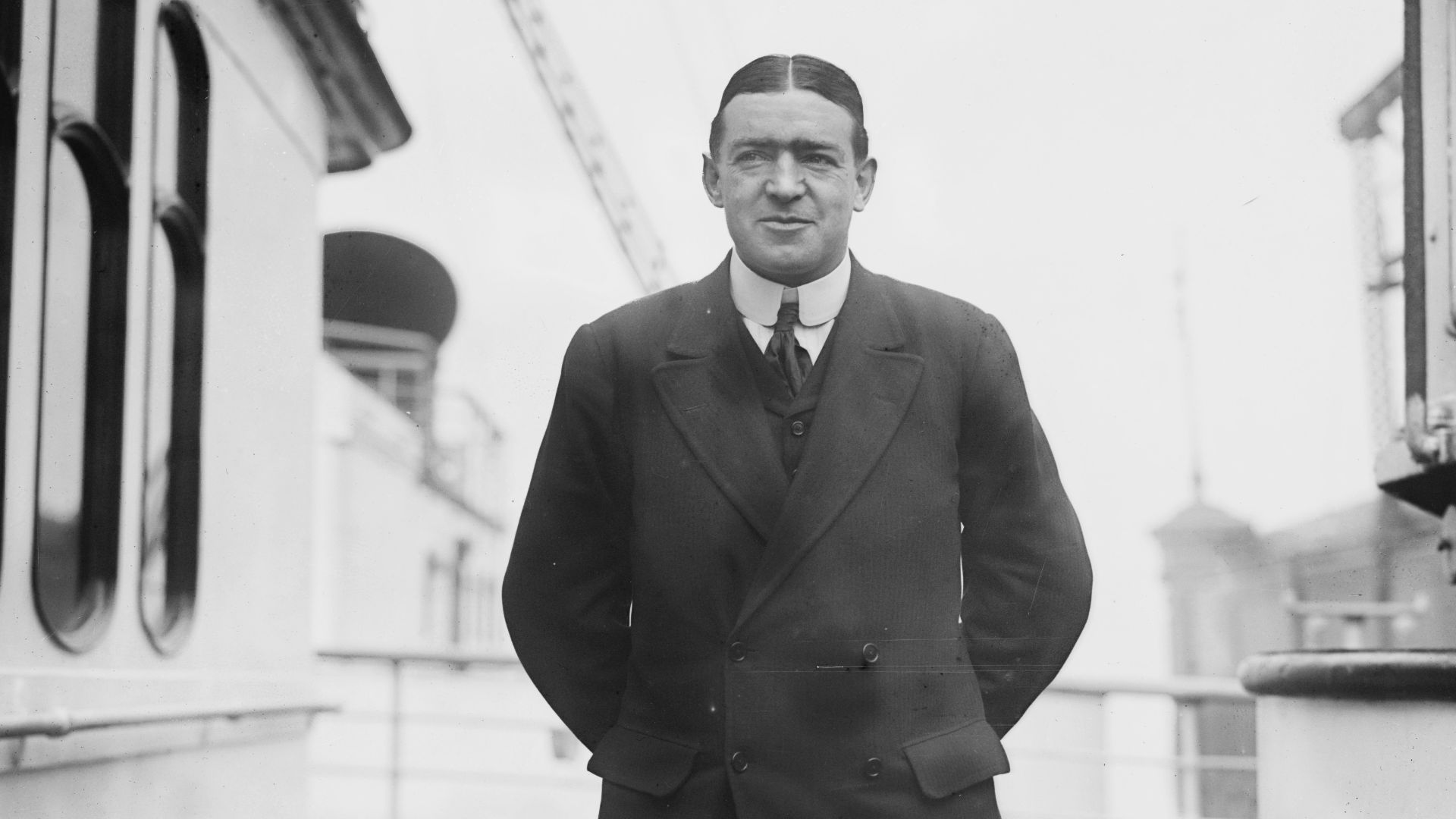
Shackleton wasn't planning a survival adventure. He wanted to become the first explorer to cross Antarctica on foot, traveling from the Weddell Sea to the Ross Sea via the South Pole. His ship, Endurance, left South Georgia in December 1914. Within weeks, the expedition was already in serious trouble.
 Bain News Service, publisher, Wikimedia Commons
The Ship Got Stuck In January
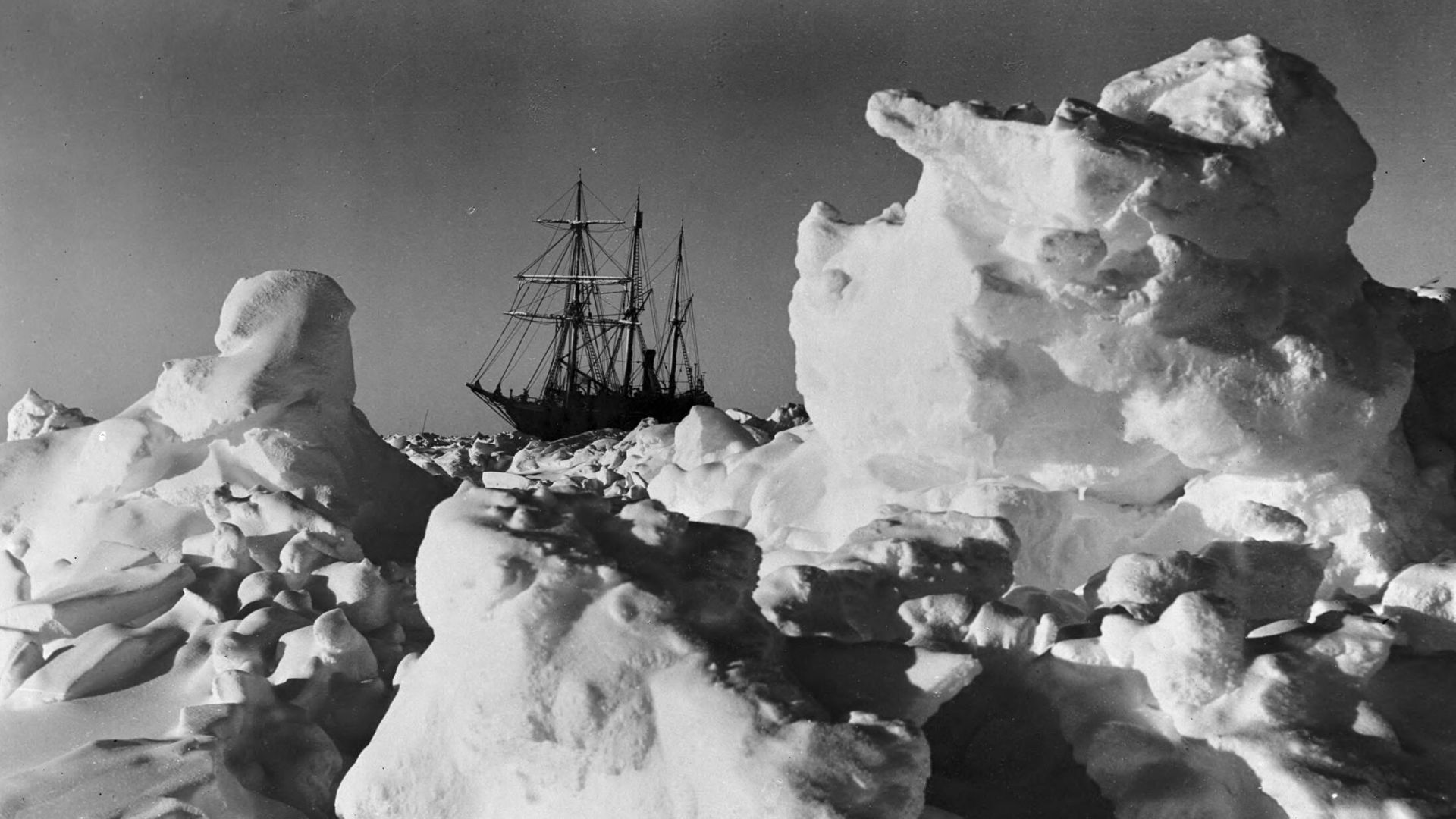
On January 19, 1915, Endurance became trapped in thick sea ice in the Weddell Sea. The crew tried cutting and sawing through the ice, but nothing worked. Eventually, they gave up trying to free the ship. Their only option was to wait and hope warmer weather would open a route out.
 Frank Hurley, Wikimedia Commons
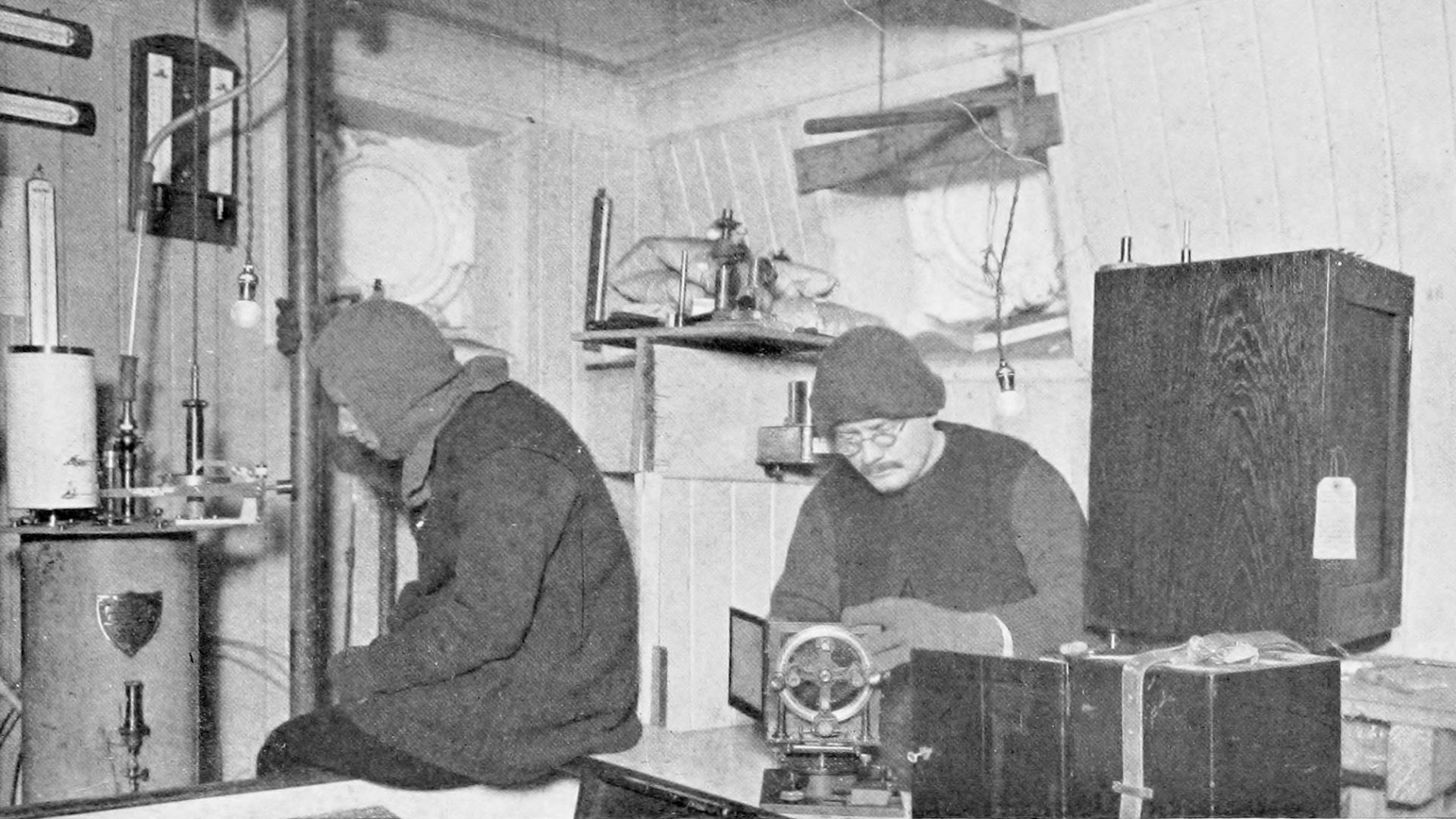
They Turned The Ship Into A Winter Home
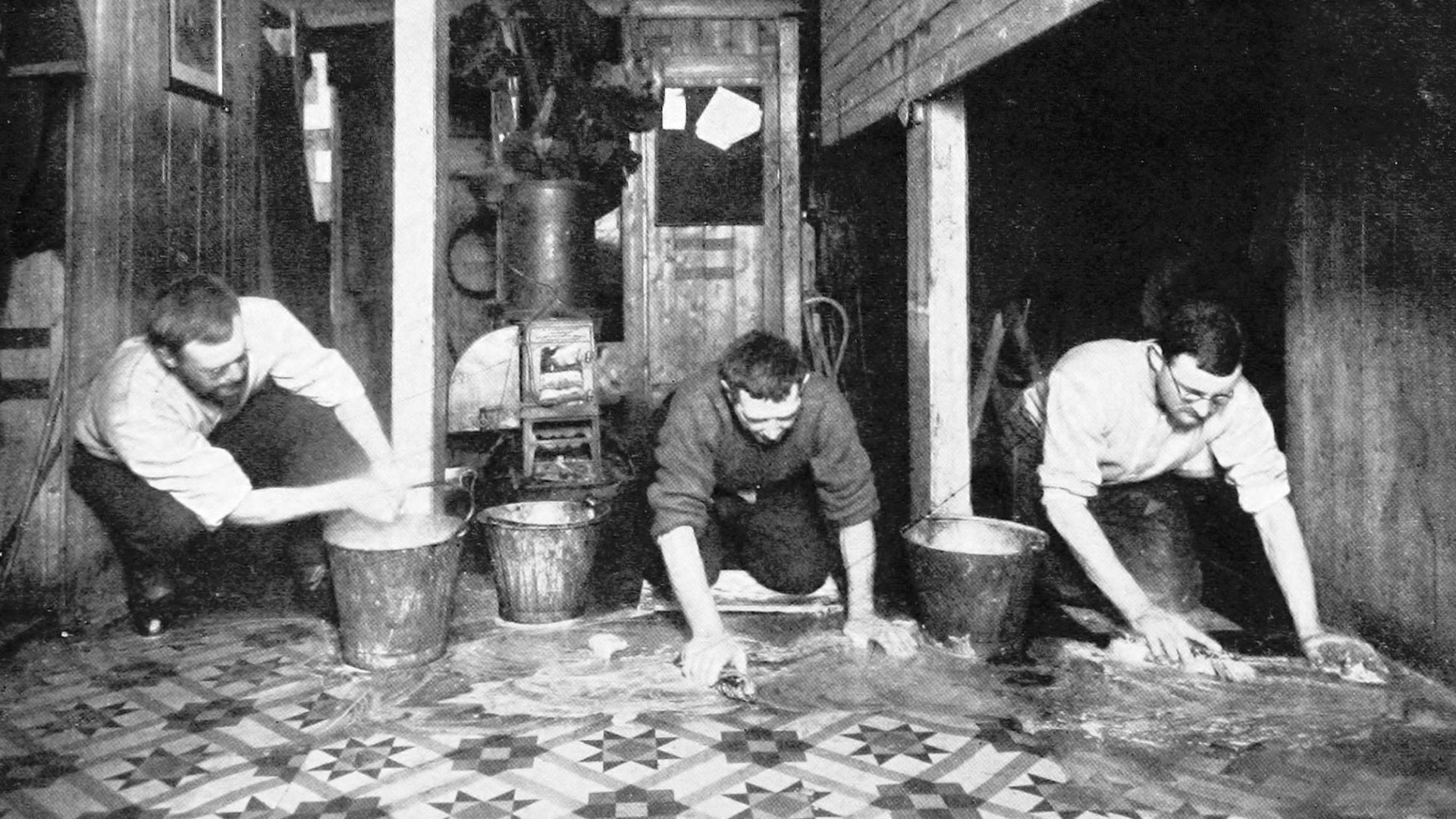
With nowhere to sail, the men settled in for the Antarctic winter. They played cards, listened to music, put on performances, and celebrated birthdays. The ship's cook, Charles Green, kept meals coming while the crew carried out regular chores. Shackleton wanted everyone busy rather than sitting around imagining the worst.
 Author Ernest Henry Shackleton Photograph by F. Hurley, Wikimedia Commons
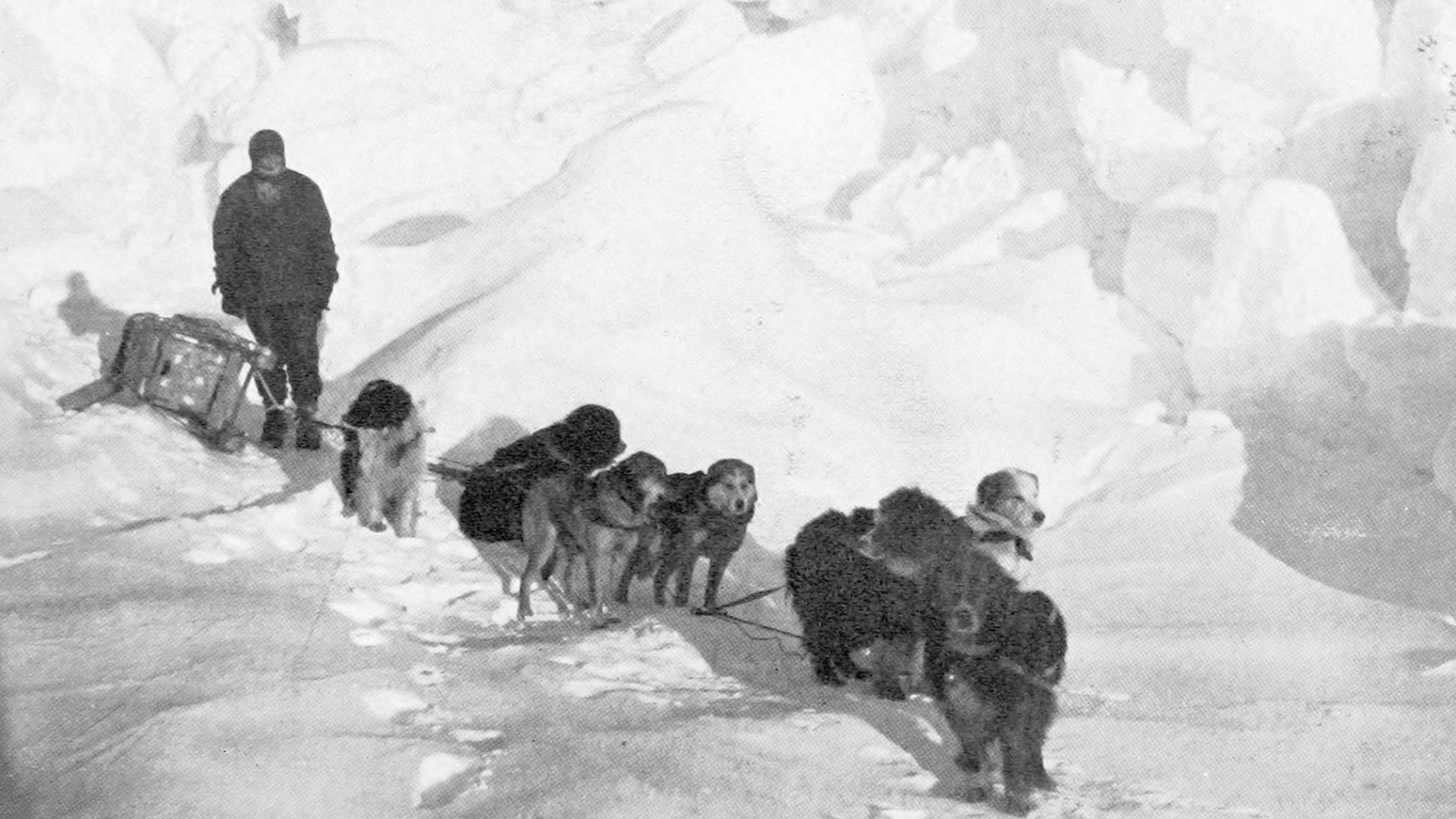
The Dogs Helped Keep Everyone Busy
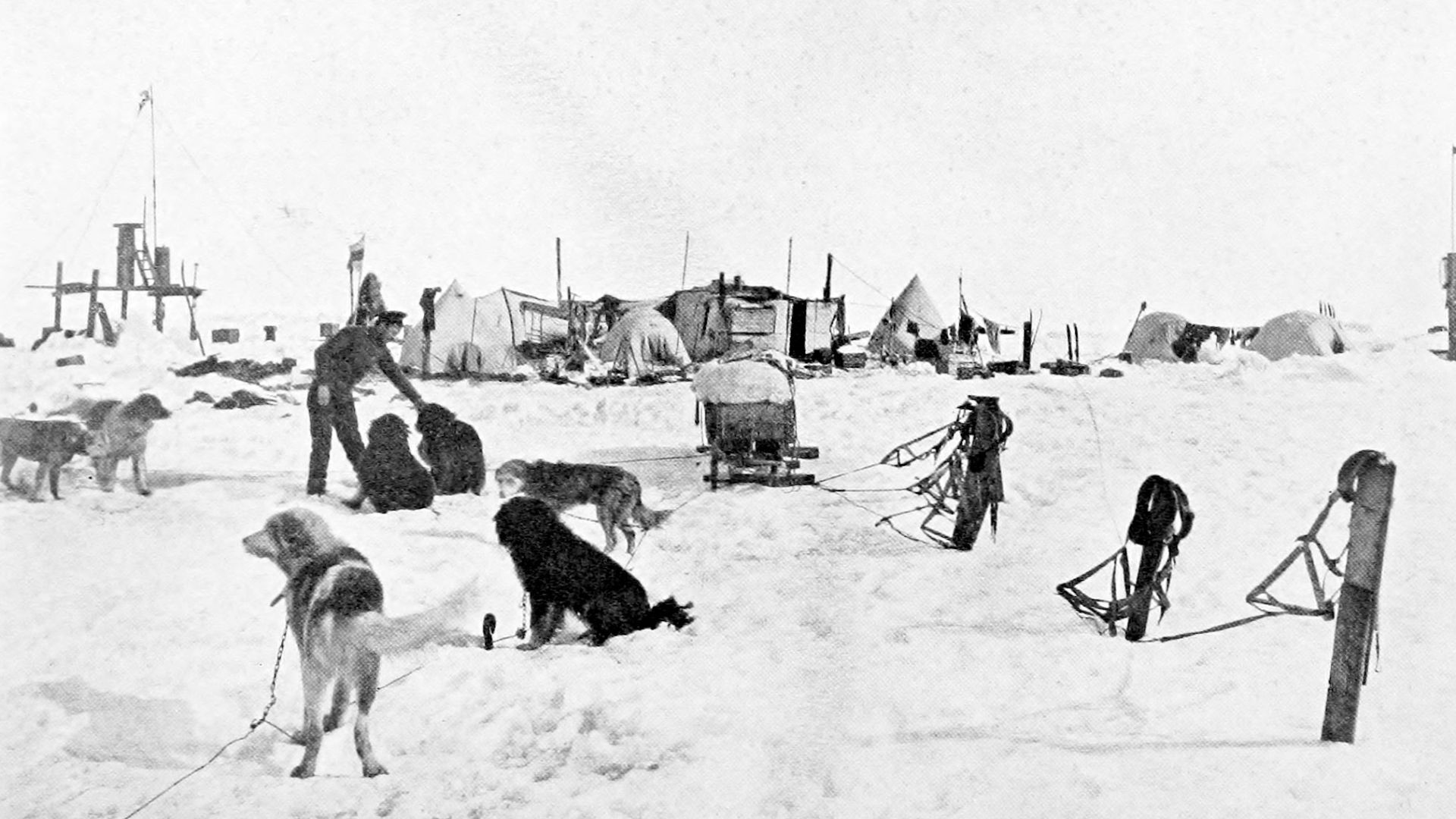
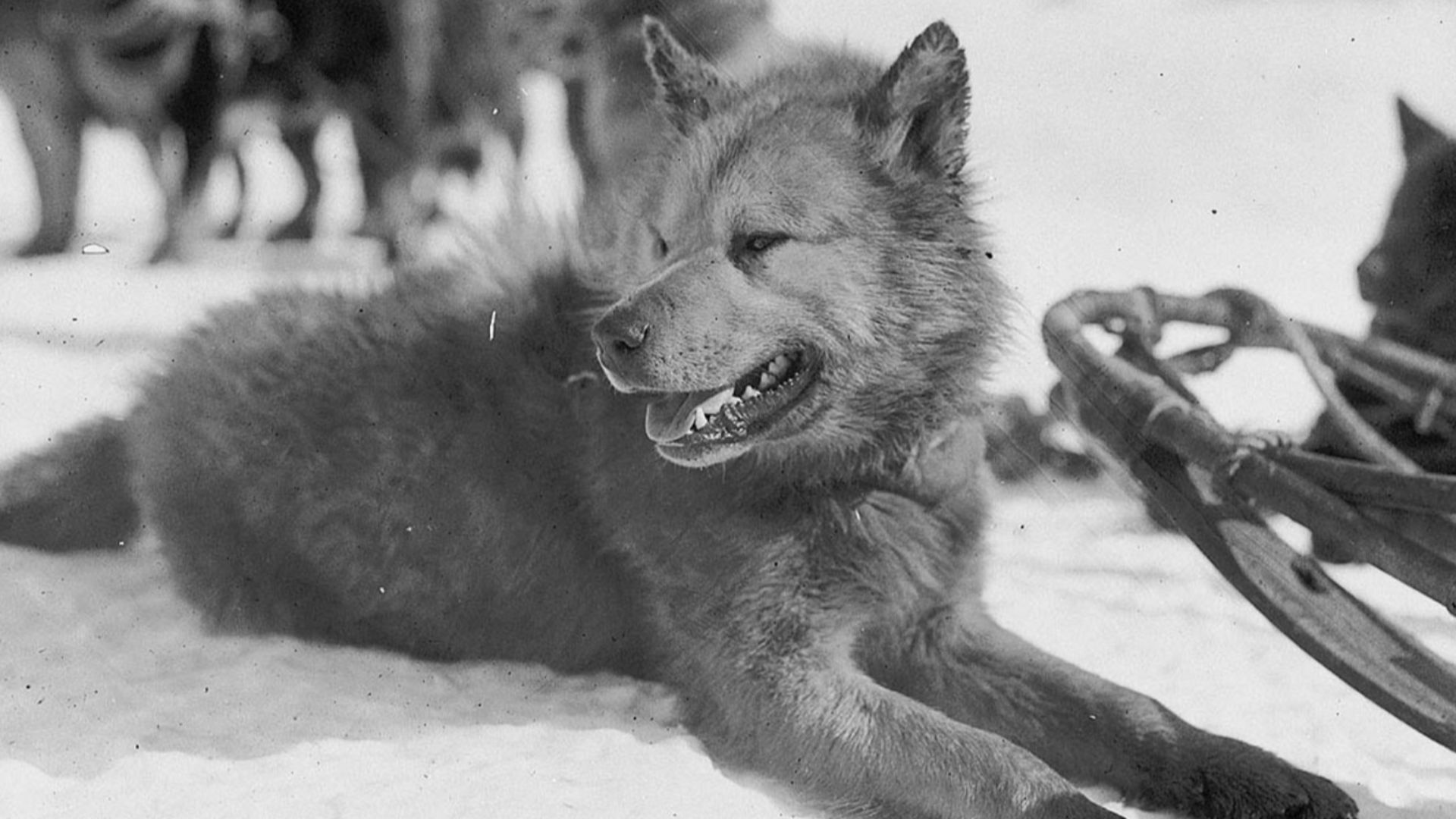
The expedition had brought dozens of sled dogs to pull supplies across Antarctica. The men built shelters for them on the ice and spent hours feeding, exercising, and caring for them. They even held dog races. Those animals gave the crew something useful to do when the days seemed endless.
 Author Ernest Henry Shackleton Photograph by F. Hurley, Wikimedia Commons
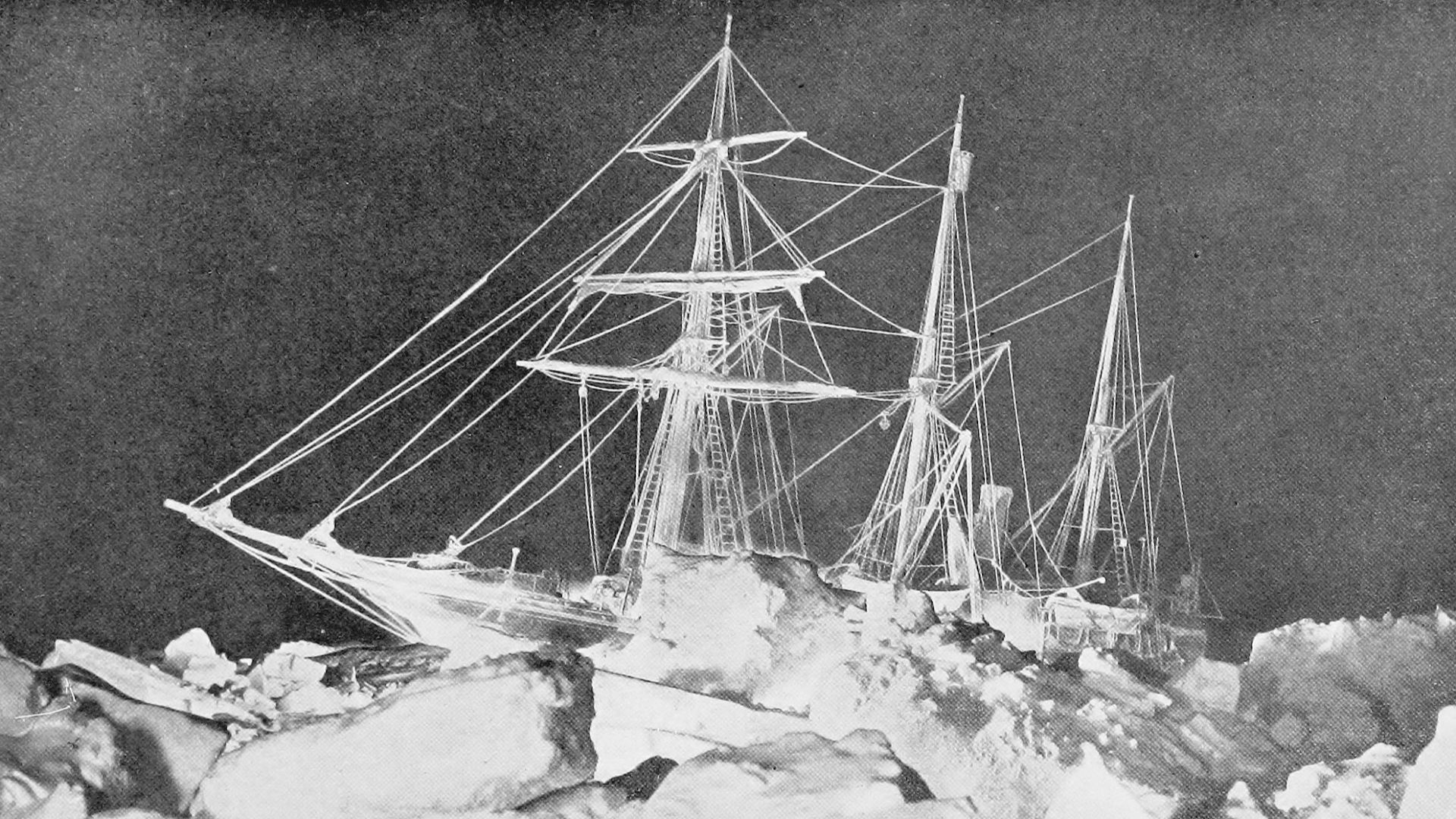
Then The Ice Started Crushing Their Ship
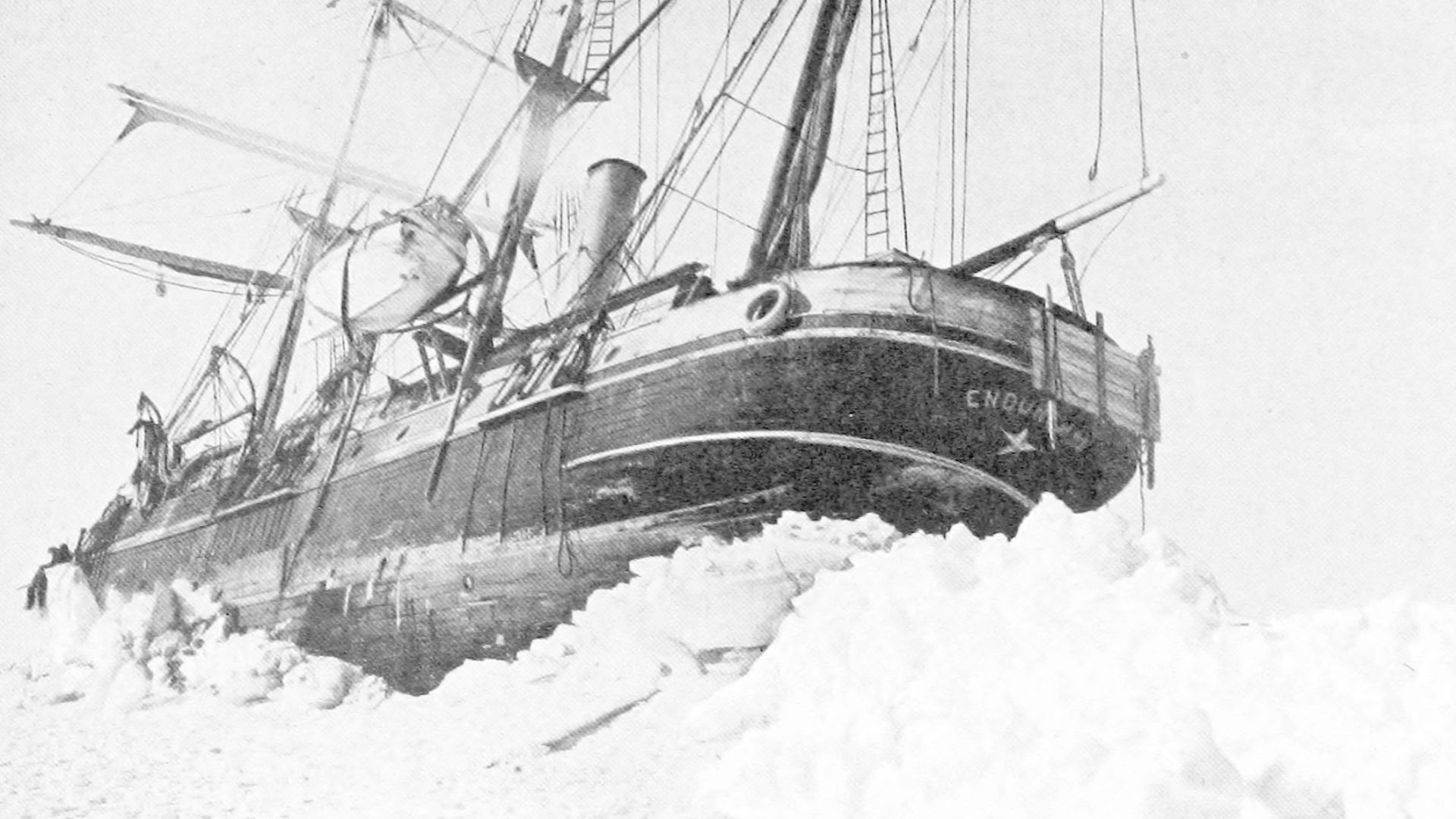
By October 1915, the pressure surrounding Endurance had become unbearable. Huge slabs of ice pushed against the wooden hull, bending and cracking its timbers. Water began pouring inside. The crew worked the pumps, but they couldn't save her. Shackleton finally ordered everyone off the ship on October 27.
 Author Ernest Henry Shackleton Photograph by F. Hurley, Wikimedia Commons
They Had To Leave Almost Everything Behind
Before abandoning Endurance, Shackleton told the men to take only what they needed to survive. Heavy personal belongings were left behind. The crew saved food, tools, tents, sleeping bags, and three lifeboats. Shackleton even left behind much of his own money. Carrying unnecessary weight could cost them their lives.
 Author Ernest Henry Shackleton Photograph by F. Hurley, Wikimedia Commons
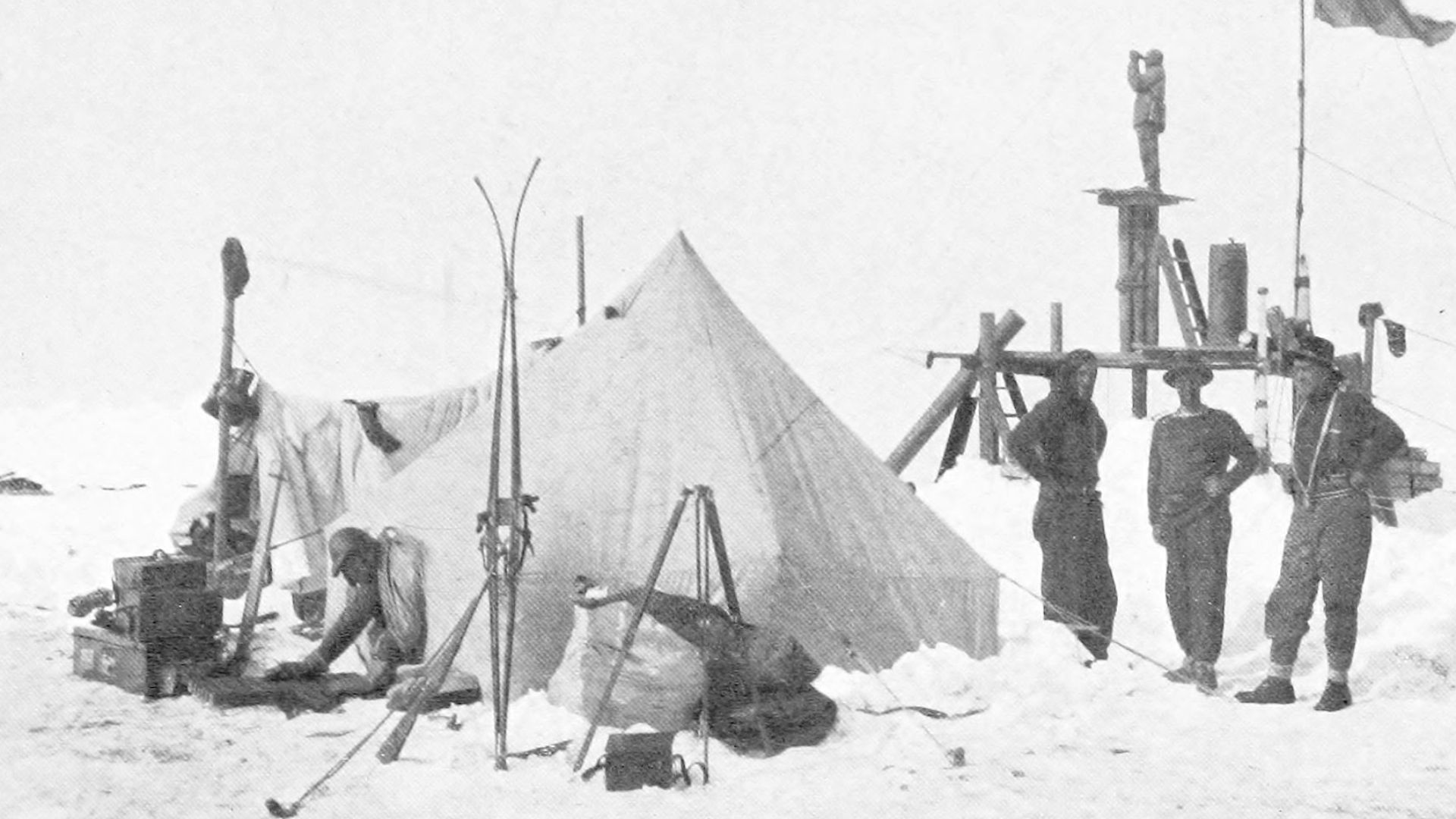
Their First Camp Was Called Ocean Camp
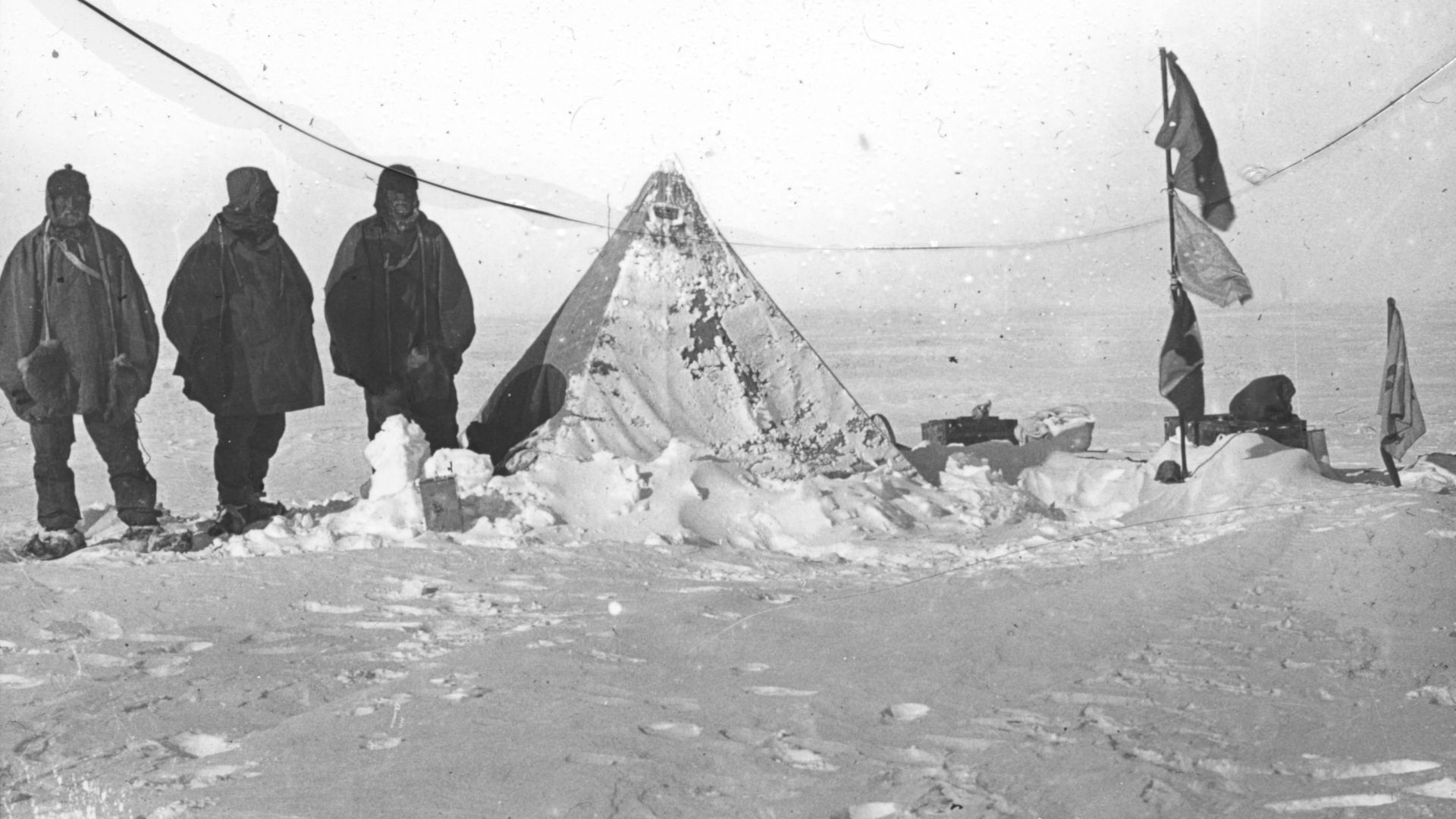
The men moved onto the frozen sea and established Ocean Camp, using tents and supplies rescued from Endurance. They were camping on ice floating above deep ocean water, with no solid land anywhere nearby. Worse still, the ice was drifting, meaning their campsite moved whether they wanted it to or not.
 Author Ernest Henry Shackleton Photograph by F. Hurley, Wikimedia Commons
They Watched Endurance Sink
On November 21, 1915, Endurance finally disappeared beneath the ice. Photographer Frank Hurley had managed to save a selection of photographs documenting the ship's destruction. Now the men had no shelter except their tents, and their three little boats were their only hope of eventually reaching land.
 Author Ernest Henry Shackleton Photograph by F. Hurley, Wikimedia Commons
Christmas Dinner Was Surprisingly Good
Despite everything, the crew managed a decent Christmas celebration in 1915. Their holiday meal included preserved expedition supplies and special treats saved for the occasion. Shackleton understood the value of marking important days. A proper celebration, even on a frozen ocean, gave the men something pleasant to remember.
 Ernest Henry Shackleton (1874-1922), Wikimedia Commons
Seal Meat Became A Regular Meal
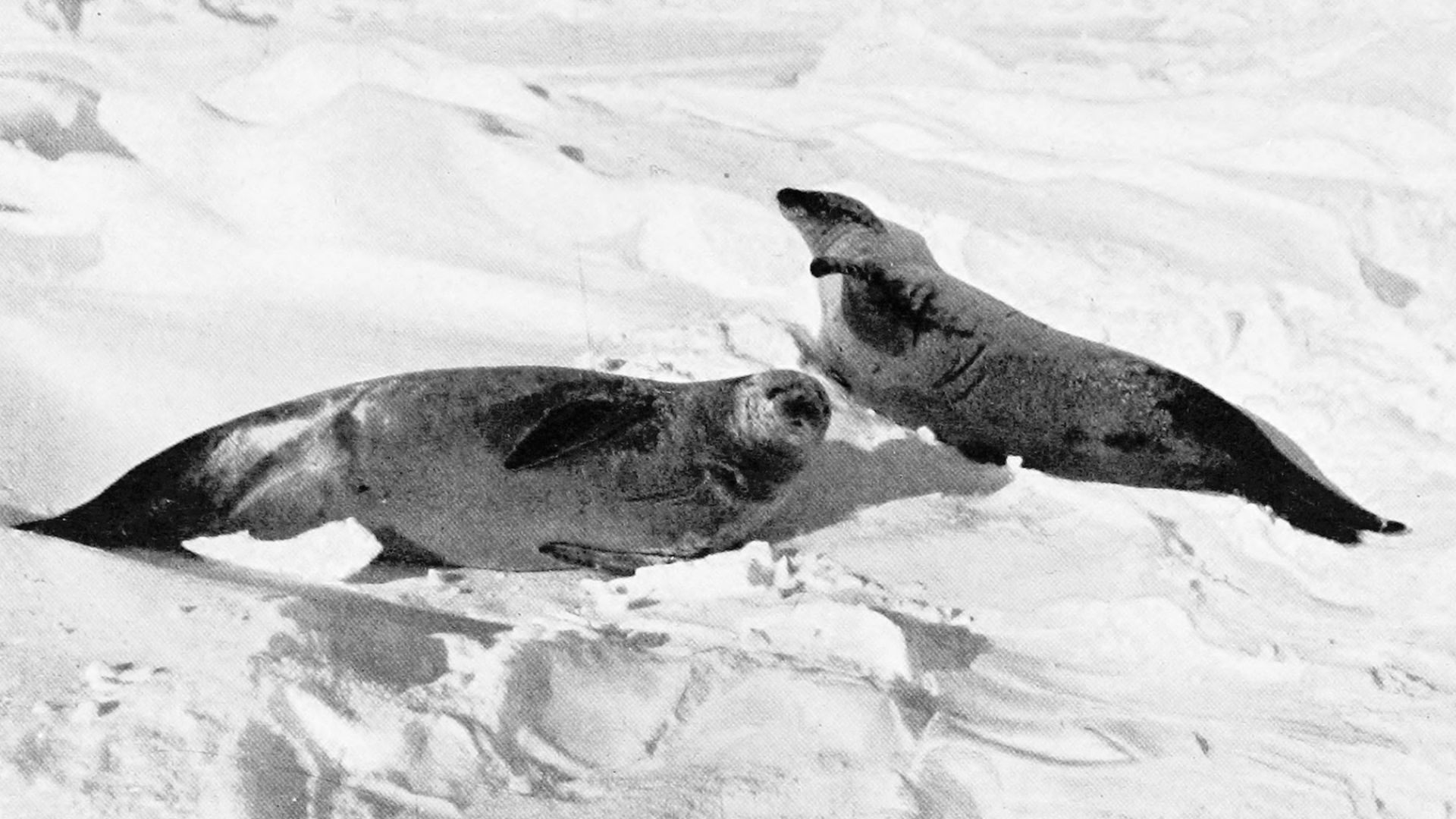
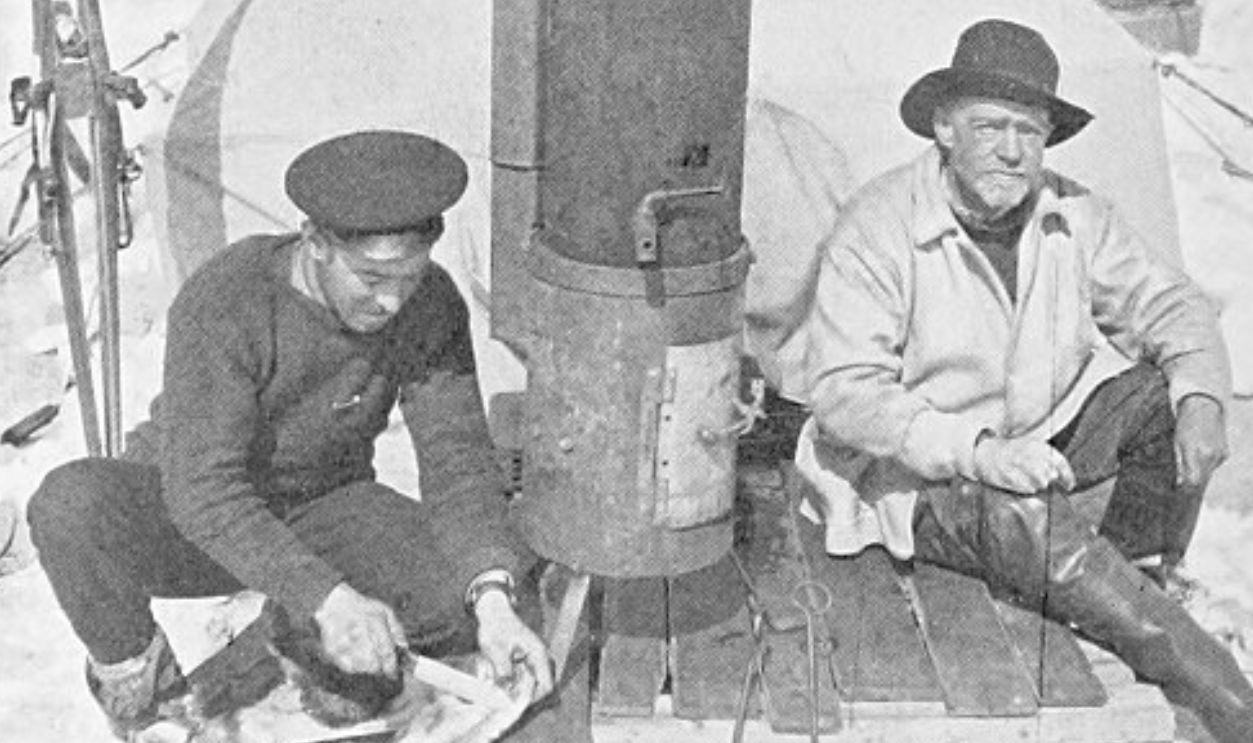
As their stored food ran low, the men relied more heavily on seals and penguins. Seal meat supplied protein, while blubber provided fuel for cooking and melting ice into drinking water. They also ate penguin meat. It was a long way from home cooking, but fresh meat helped prevent scurvy.
 Author Ernest Henry Shackleton Photograph by F. Hurley, Wikimedia Commons
They Couldn't Afford To Waste Anything
Living on the ice meant making the most of whatever they had. Clothing was repaired repeatedly, equipment was carefully maintained, and food was rationed. Even the fuel used to melt ice mattered. A damaged stove or missing cooking pot could create serious problems when there was no shop for hundreds of miles.
 Author Ernest Henry Shackleton Photograph by F. Hurley, Wikimedia Commons
Shackleton Paid Attention To The Little Things
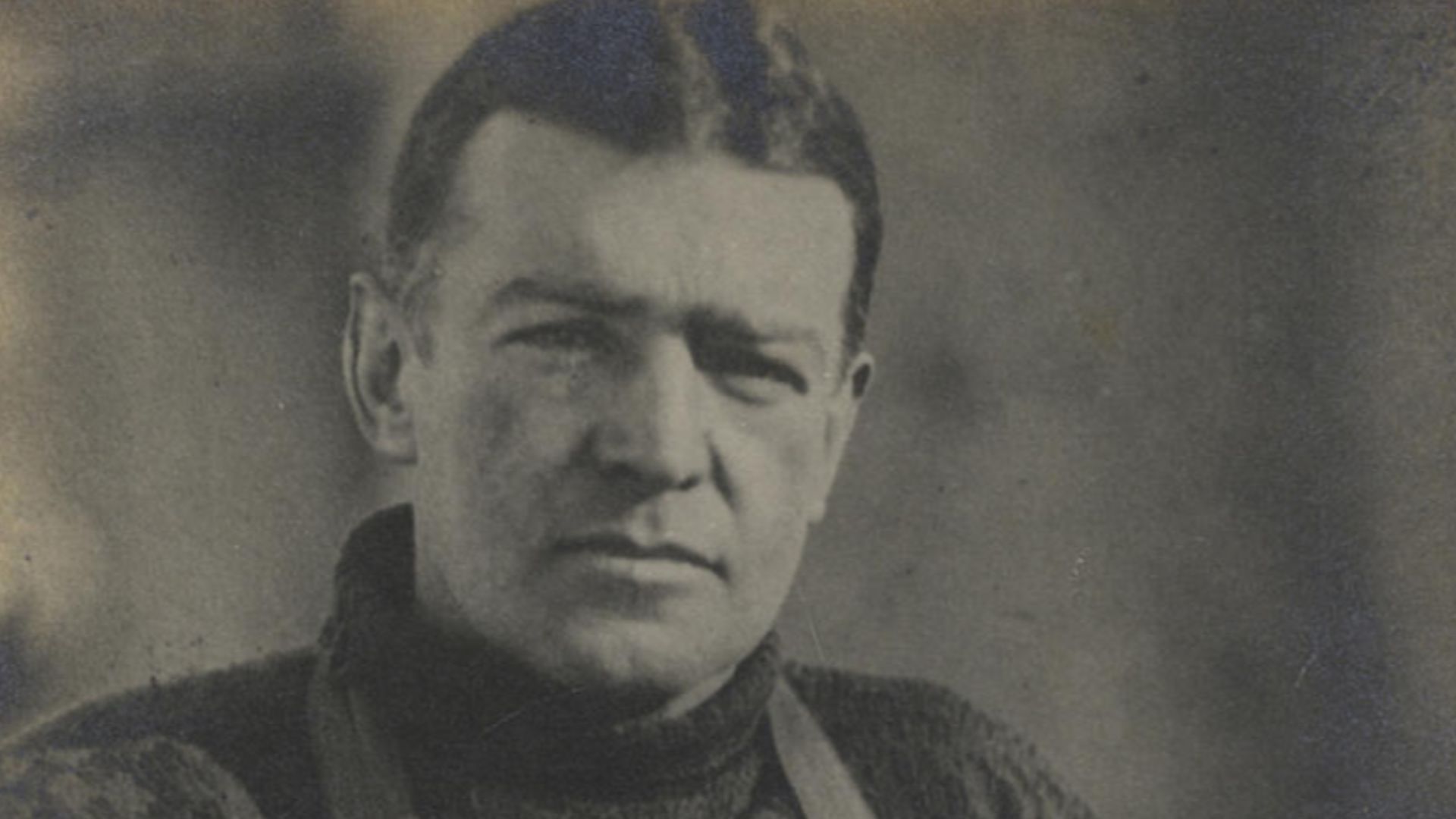
Shackleton didn't simply give orders and disappear into his tent. He watched for arguments, checked on men who seemed discouraged, and tried to keep the group working together. He also kept a close eye on anyone struggling with the conditions. With 28 people living so closely together, small disagreements could become serious.
 Frank Hurley, Wikimedia Commons
The Men Had To Eat Their Sled Dogs
One of the expedition's hardest decisions involved the dogs. As food supplies became scarce, the men could no longer afford to feed them. Most were killed before the crew left the ice, and some were used for food. The men had cared for these animals for months, making the decision particularly upsetting.
 Frank Hurley, Wikimedia Commons
The Ice Began Breaking Apart Beneath Them
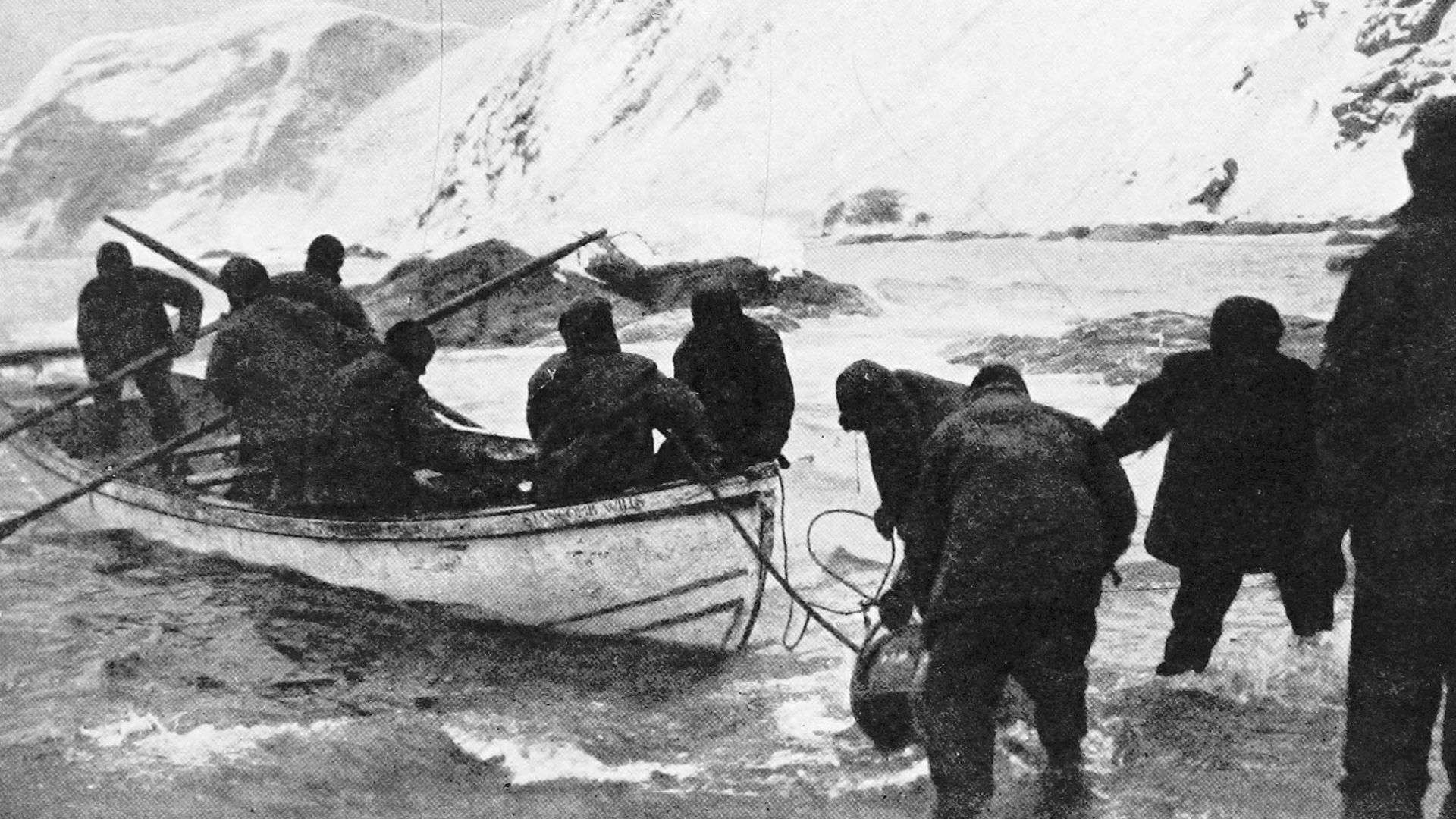
By early April 1916, the ice supporting their camp was breaking into smaller pieces. Cracks opened beneath tents, and the men had to move equipment away from dangerous areas. Staying put was no longer an option. Shackleton ordered the lifeboats launched on April 9, hoping they could reach nearby Elephant Island.
 Author Ernest Henry Shackleton Photograph by F. Hurley, Wikimedia Commons
Their Lifeboats Were Terribly Small
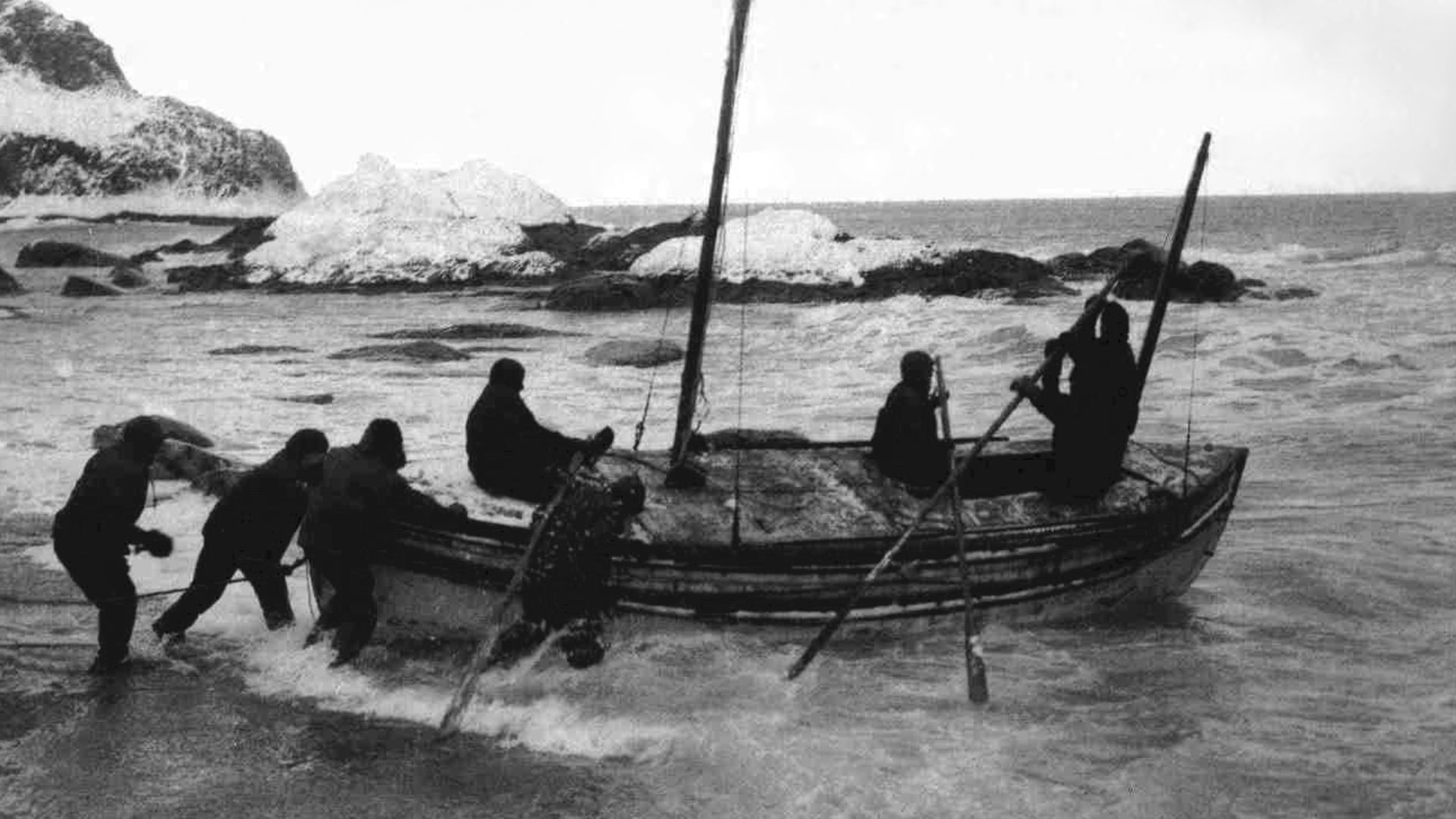
The three boats were called James Caird, Dudley Docker, and Stancomb Wills. All were open boats, offering little protection from freezing water and rough seas. The men squeezed inside with their supplies and began rowing through broken ice. They were exhausted before the most difficult part of the journey even began.
 Probably Frank Hurley, the expedition's photographer, Wikimedia Commons
Six Days In Those Boats Was Miserable
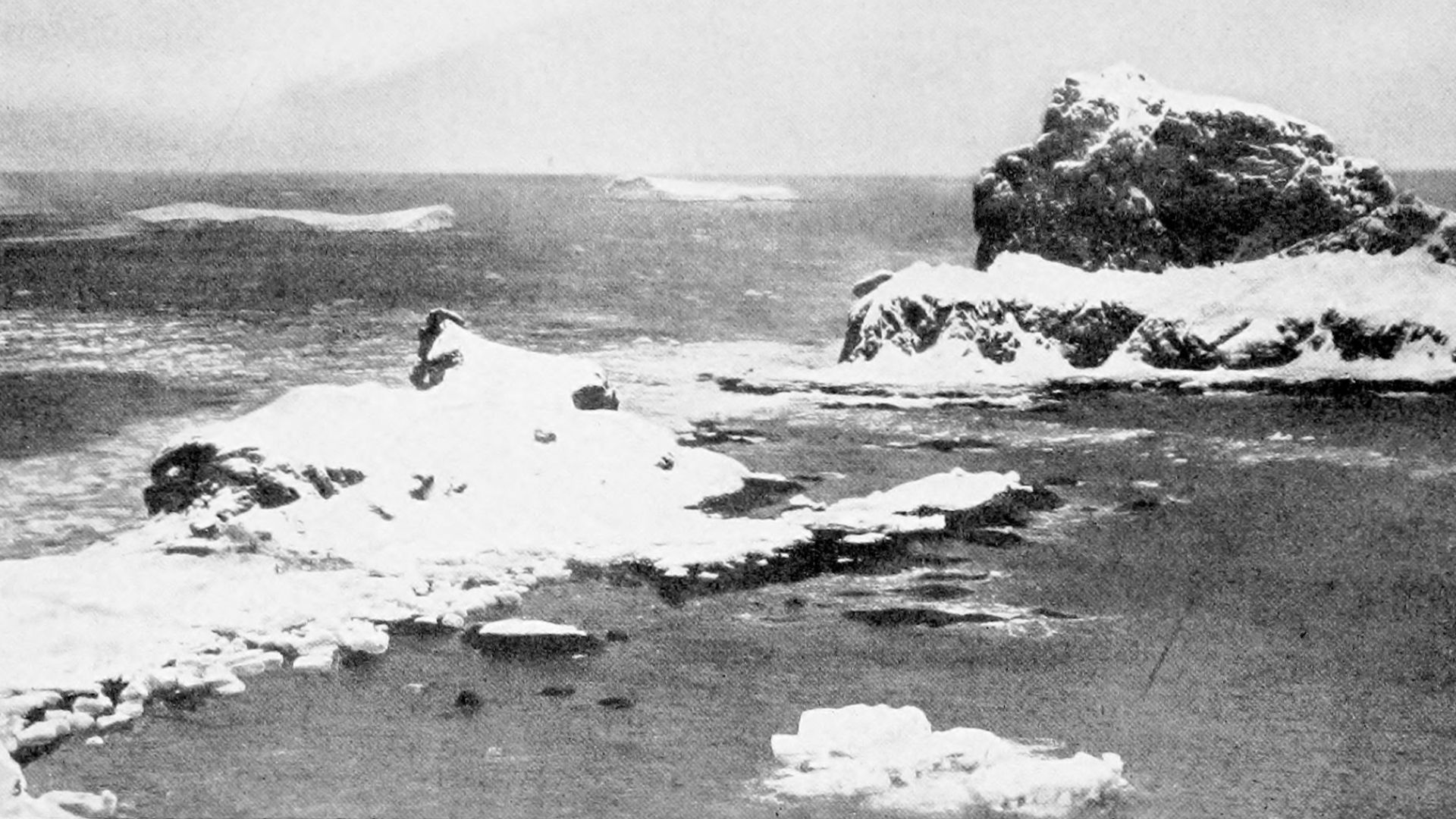
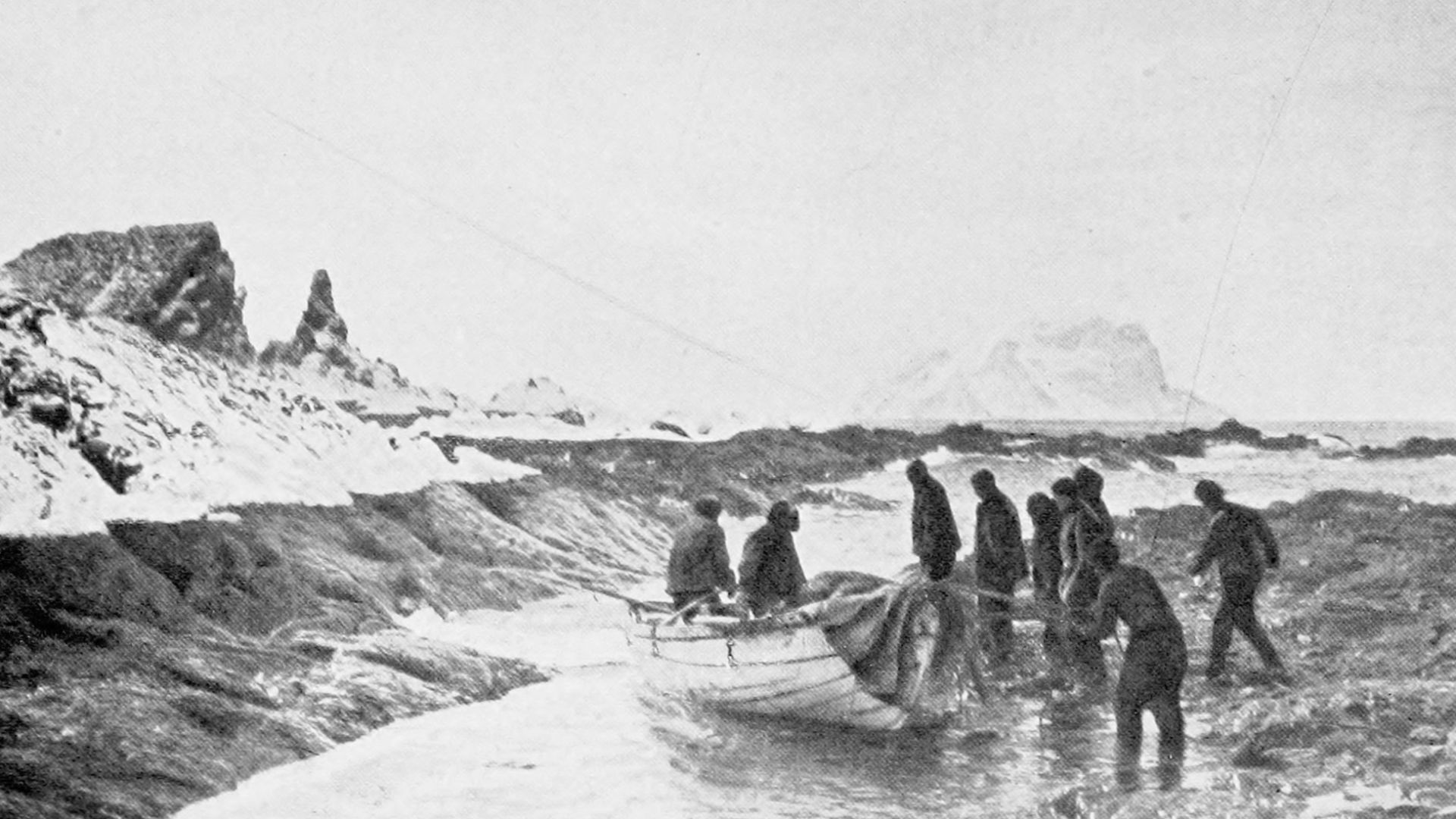
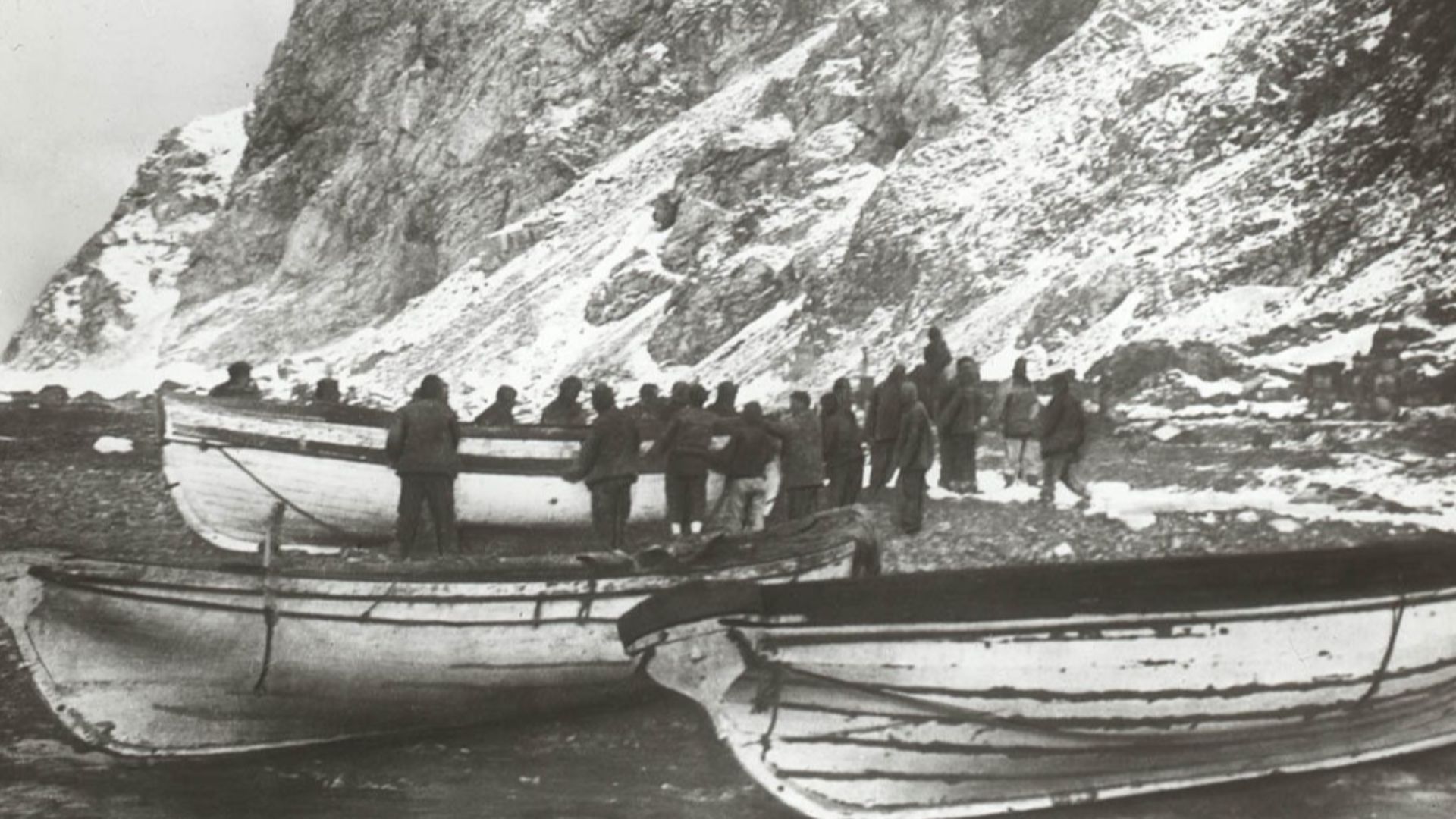
The men spent nearly a week battling waves, wind, and freezing spray. Their clothes remained soaked, and some suffered from frostbite. Sleeping was difficult, and there was barely enough room to stretch. On April 15, 1916, they finally reached Elephant Island, ending 497 days without setting foot on land.
 Author Ernest Henry Shackleton Photograph by F. Hurley, Wikimedia Commons
Elephant Island Was Hardly A Holiday Destination
The island had rocky beaches, steep cliffs, and almost no shelter from the weather. There were no buildings, people, or regular shipping routes nearby. Still, it was solid ground. The men moved to a more sheltered spot and began making a camp, knowing that simply reaching the island wasn't enough.
 Author Ernest Henry Shackleton Photograph by F. Hurley, Wikimedia Commons
Their Shelter Was Made From Two Boats
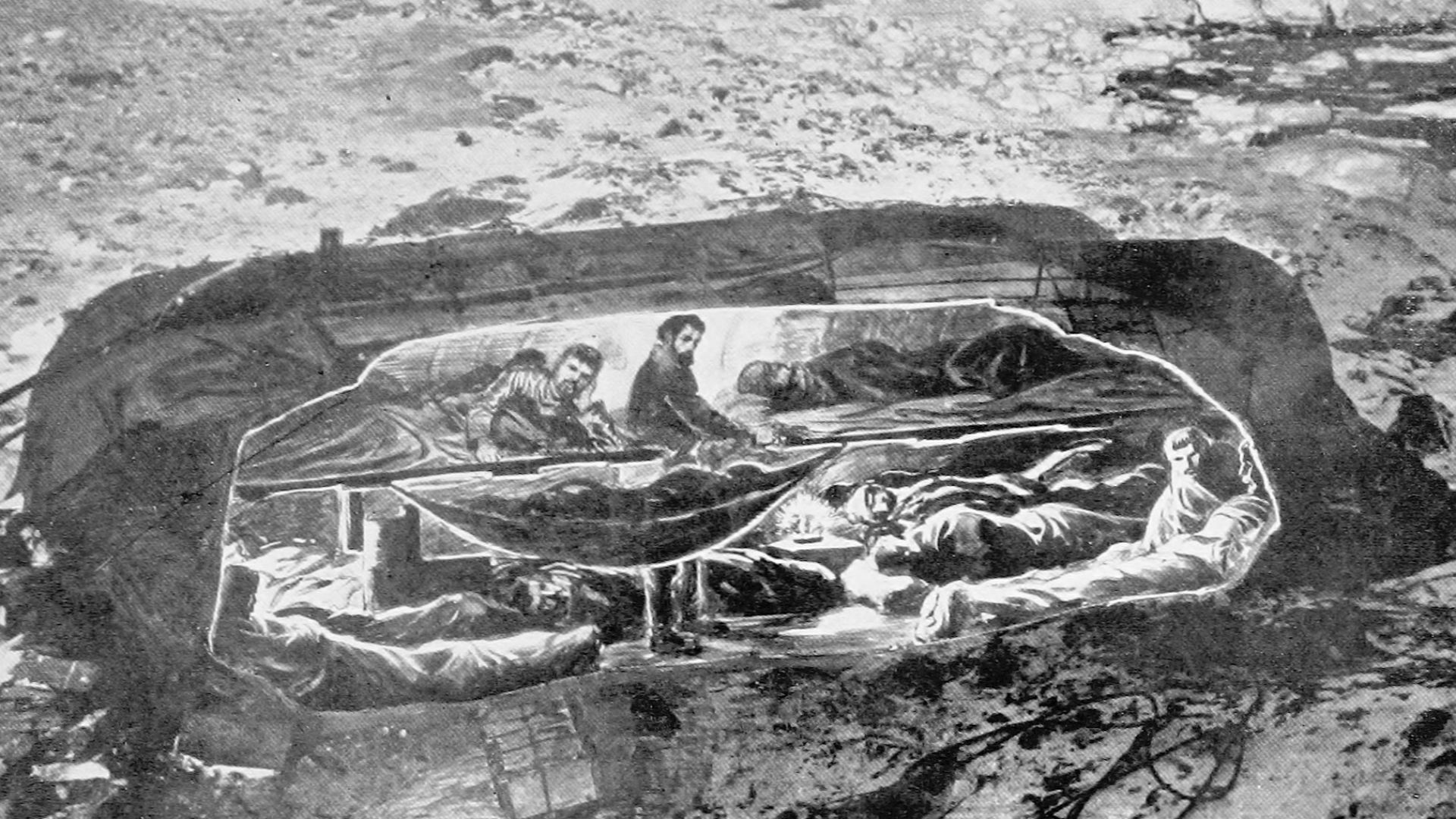
Frank Wild helped organize the camp while the men built a shelter using the Dudley Docker and Stancomb Wills, turned upside down on low stone walls. They covered gaps with canvas and other materials. The resulting shelter was cramped, smoky, and damp, but it protected them from some of the worst weather.
 Author Ernest Henry Shackleton, Wikimedia Commons
Shackleton Picked Six Men For A Dangerous Journey
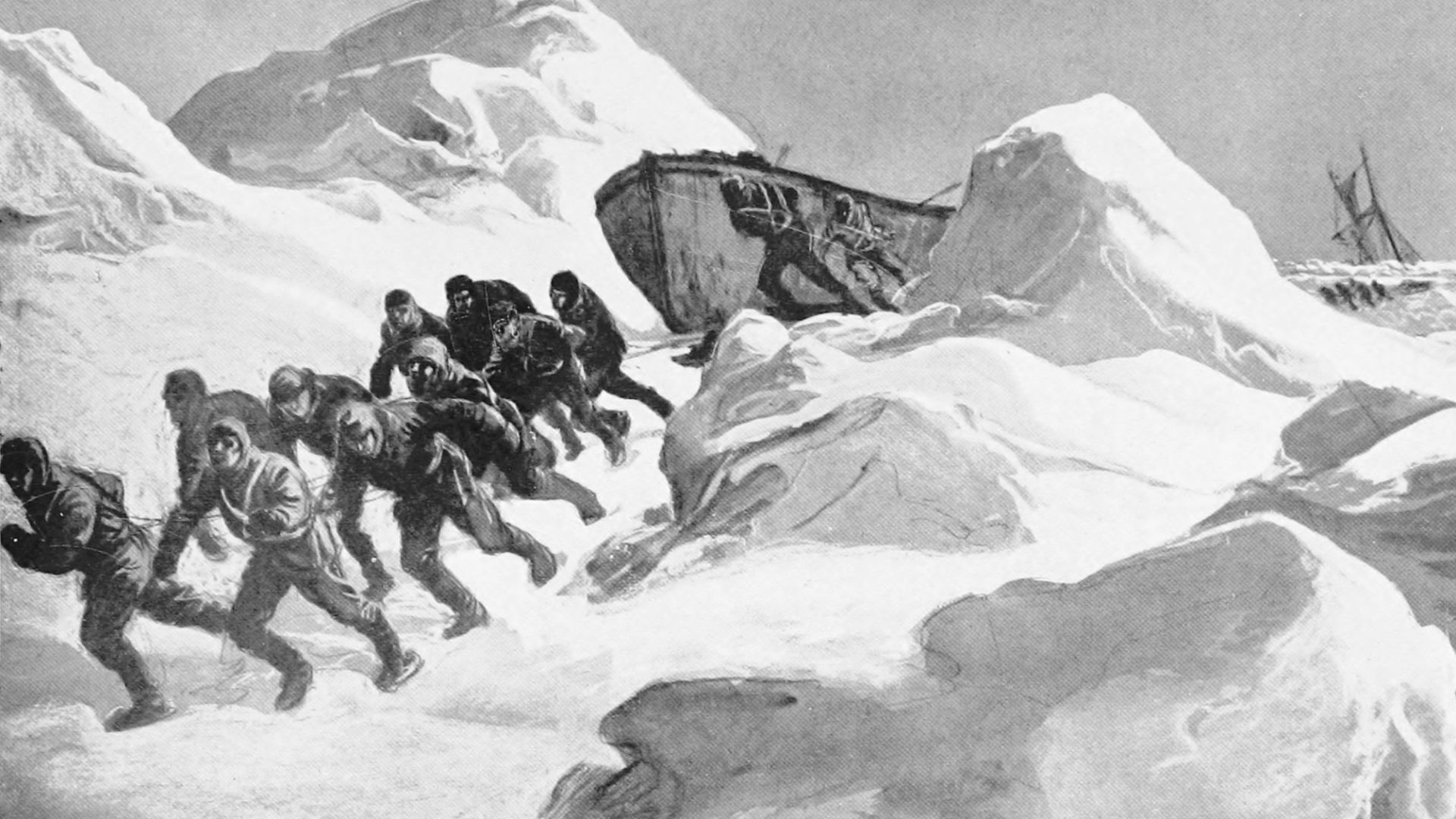
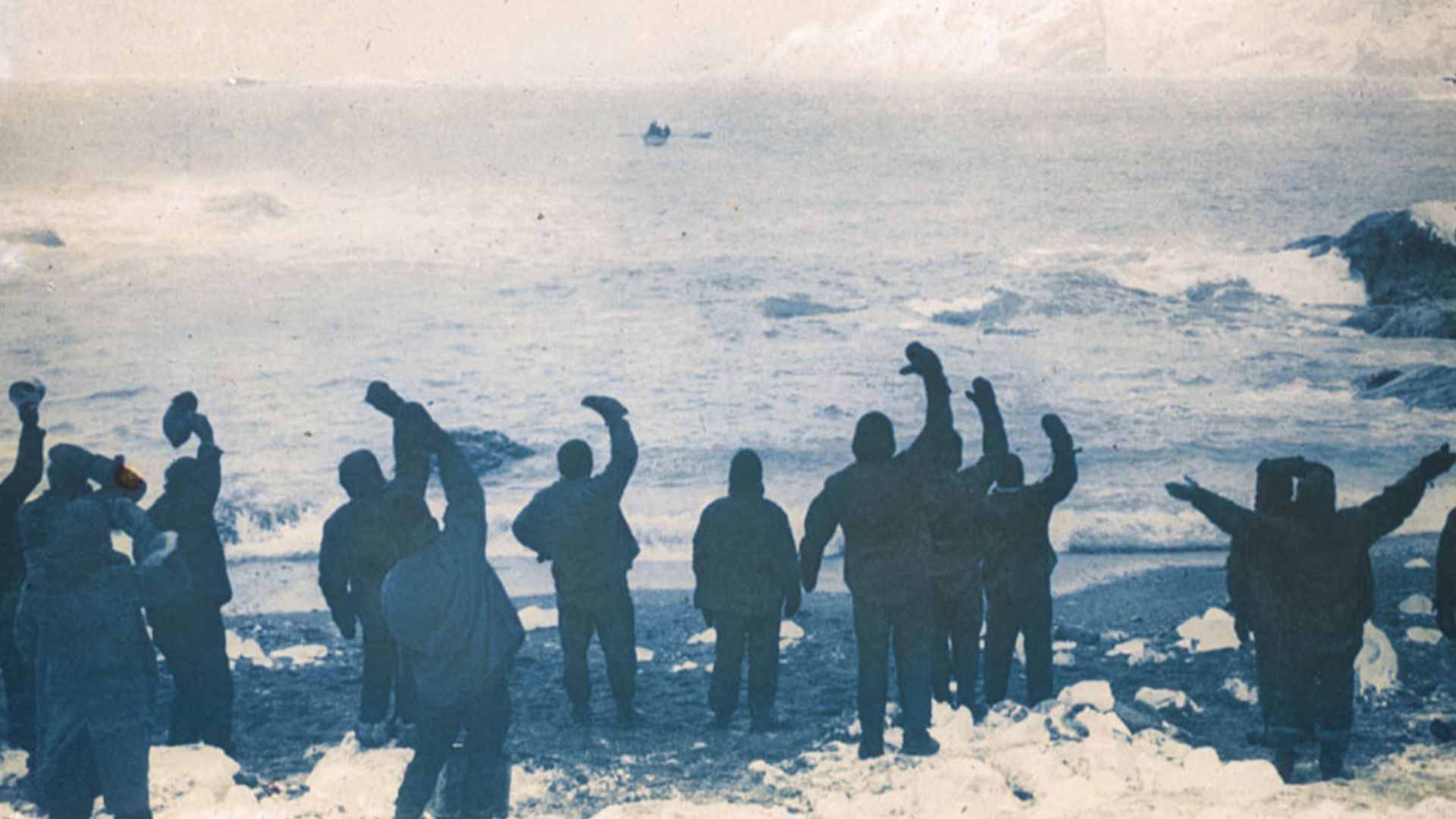
Shackleton knew no rescue ship was likely to visit Elephant Island by chance. On April 24, he left with five companions aboard the James Caird, heading for South Georgia, about 800 miles away. Frank Wild remained in charge of the 22 men left behind, with orders to keep them ready for rescue.
 Author Ernest Henry Shackleton Drawing by G. Marston, Wikimedia Commons
The James Caird Nearly Didn't Make It
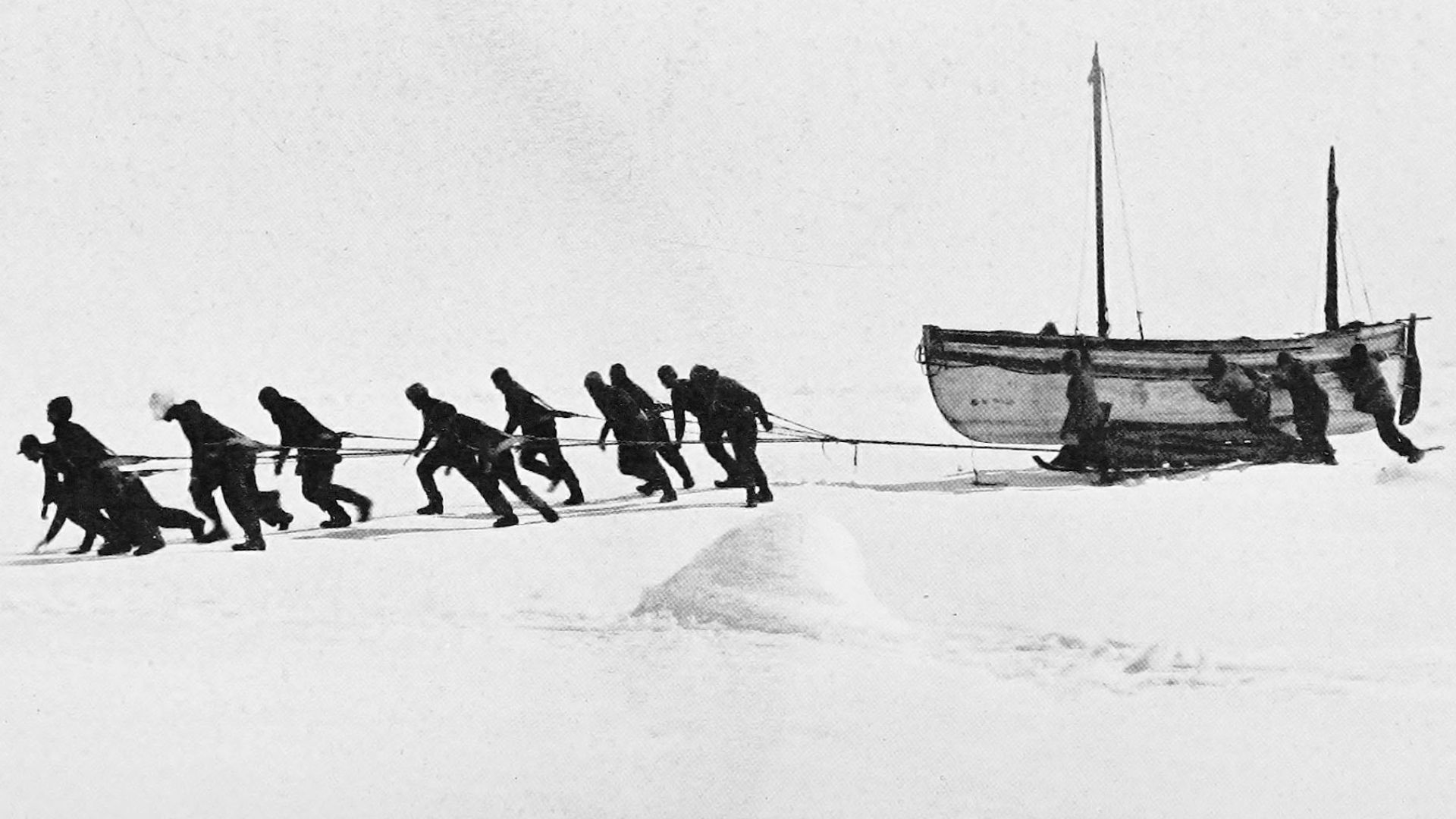
The little lifeboat faced enormous waves and freezing spray in the Southern Ocean. Ice collected on the boat, making it dangerously heavy. The crew had to chip it away while struggling to stay warm. Water also leaked inside, forcing the men to bail constantly. Their survival depended on keeping the boat afloat.
 Author Ernest Henry Shackleton Photograph by F. Hurley, Wikimedia Commons
Their Navigator Deserves A Lot Of Credit
Captain Frank Worsley had to find South Georgia using a sextant, compass, and limited chances to see the sun. Cloud cover made accurate readings difficult. Missing the island would have left them sailing into the Atlantic with dwindling supplies. His navigation was so accurate that they reached South Georgia on May 10.
 Frank Hurley, Wikimedia Commons
They Still Had Mountains To Cross
Unfortunately, the James Caird landed on South Georgia's uninhabited southern coast, away from the whaling stations. Shackleton, Worsley, and Tom Crean crossed the island's rugged mountains and glaciers on foot. After approximately 36 hours of travel, they reached the Stromness whaling station on May 20, 1916.
 State Library of New South Wales, Wikimedia Commons
The Men Left Behind Were Getting Desperate
Back on Elephant Island, the 22 stranded men spent their days hunting penguins and seals, repairing clothing, and waiting for news. Several were in poor health. Surgeon James McIlroy even had to amputate a man's frostbitten toes. Frank Wild tried to maintain morale, but nobody knew when help might arrive.
 Frank Hurley, Wikimedia Commons
Three Rescue Attempts Failed
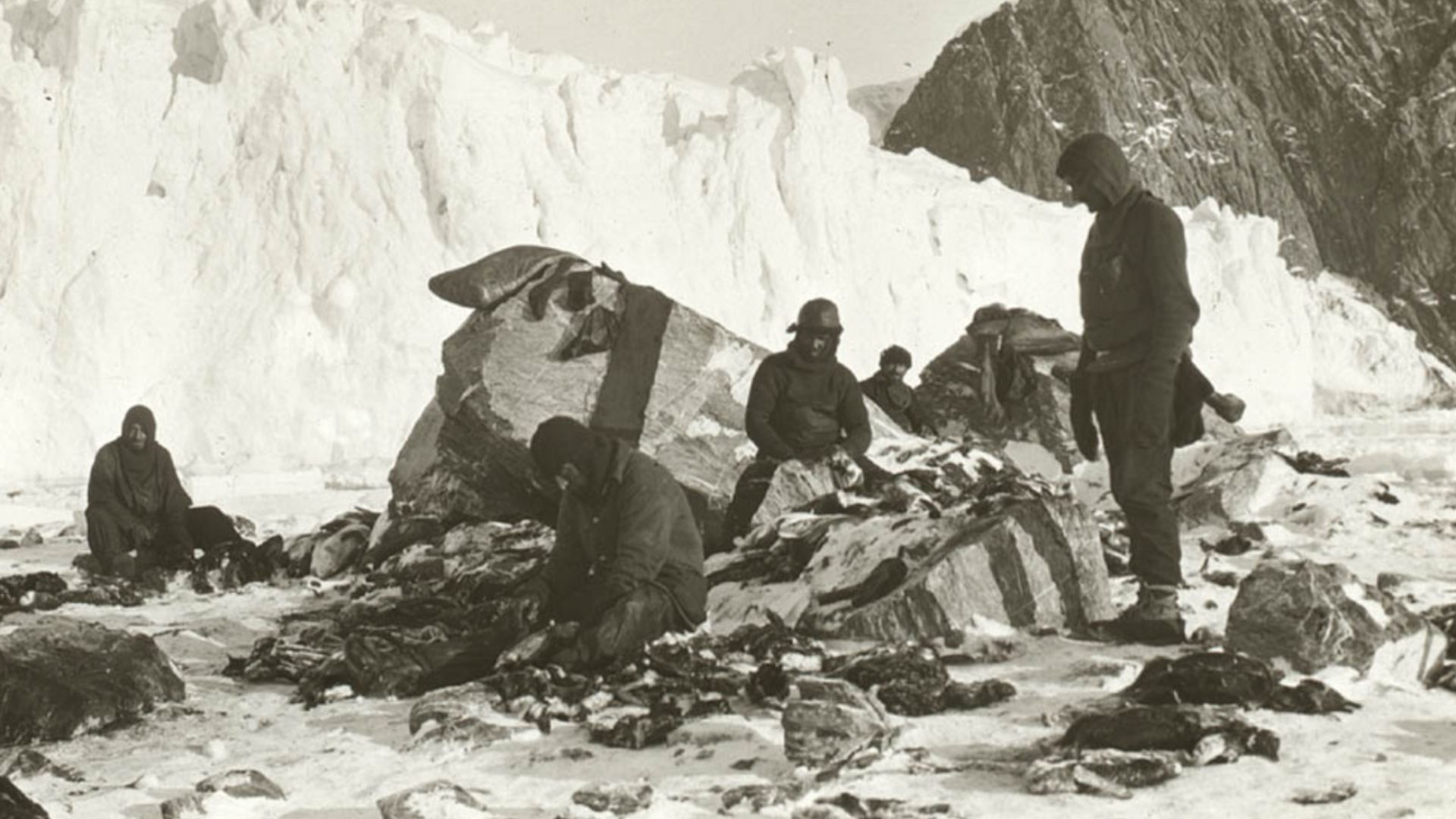
Shackleton began organizing rescue attempts almost immediately after reaching civilization. Unfortunately, Antarctic sea ice blocked the first three vessels from reaching Elephant Island. Each failure meant more waiting for the stranded men. Shackleton refused to abandon them and kept looking for another ship capable of making the journey.
 Frank Hurley, Wikimedia Commons
A Chilean Ship Finally Reached Them
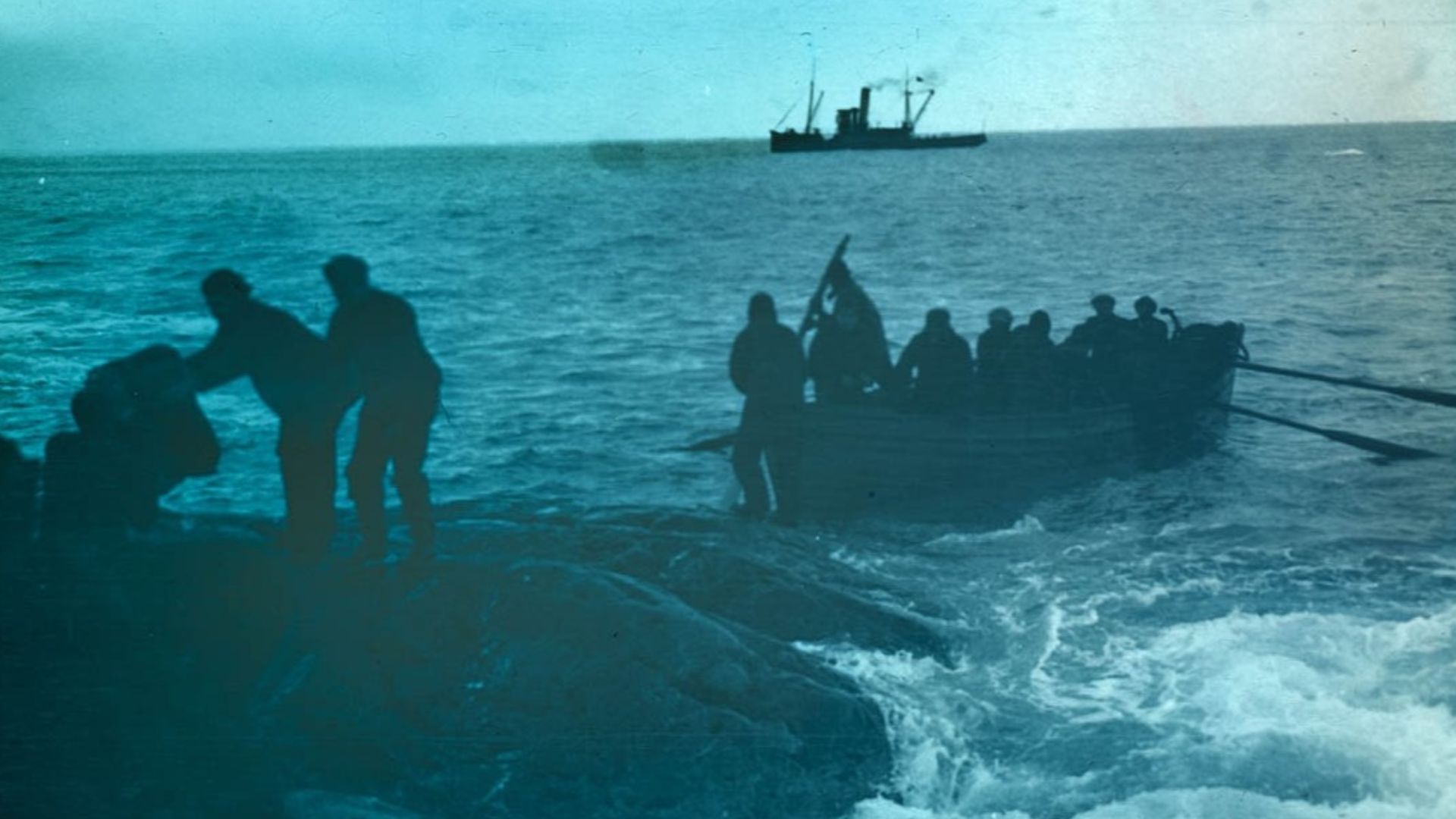
On August 30, 1916, the Chilean steam tug Yelcho, commanded by Luis Pardo, reached Elephant Island. Shackleton was aboard, anxiously counting the men standing on shore. All 22 were alive. The rescue brought an extraordinary ordeal to an end, more than ten months after the crew had abandoned Endurance.
 Frank Hurley, Wikimedia Commons
Would You Have Survived The Endurance Expedition?
Shackleton's men survived because they worked together, followed routines, conserved supplies, and made some incredibly difficult decisions. They were also fortunate that their navigation and rescue attempts succeeded. It's easy to admire their determination from a comfortable living room. But imagine those freezing nights, months of uncertainty, and meals of seal meat. Would you have lasted?
 Author Ernest Henry Shackleton Photograph by F. Hurley, Wikimedia Commons
You May Also Like:
American Explorer John Wesley Powell's First Trip Through The Grand Canyon Was Nearly A Disaster
Researchers discover an actual written account of Jesus rising from the dead.