The Unmoved Meteorite
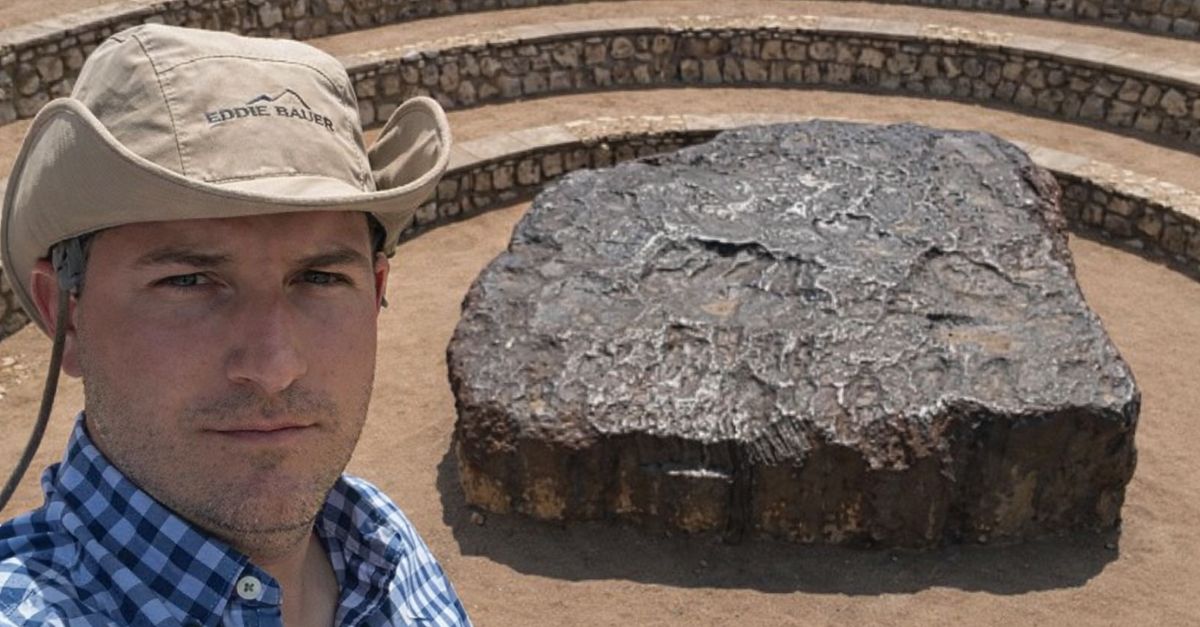
While museums display meteorite fragments removed from impact sites, Namibia preserves a singular cosmic trophy exactly where it landed. The Hoba meteorite remains untouched at its African resting place.
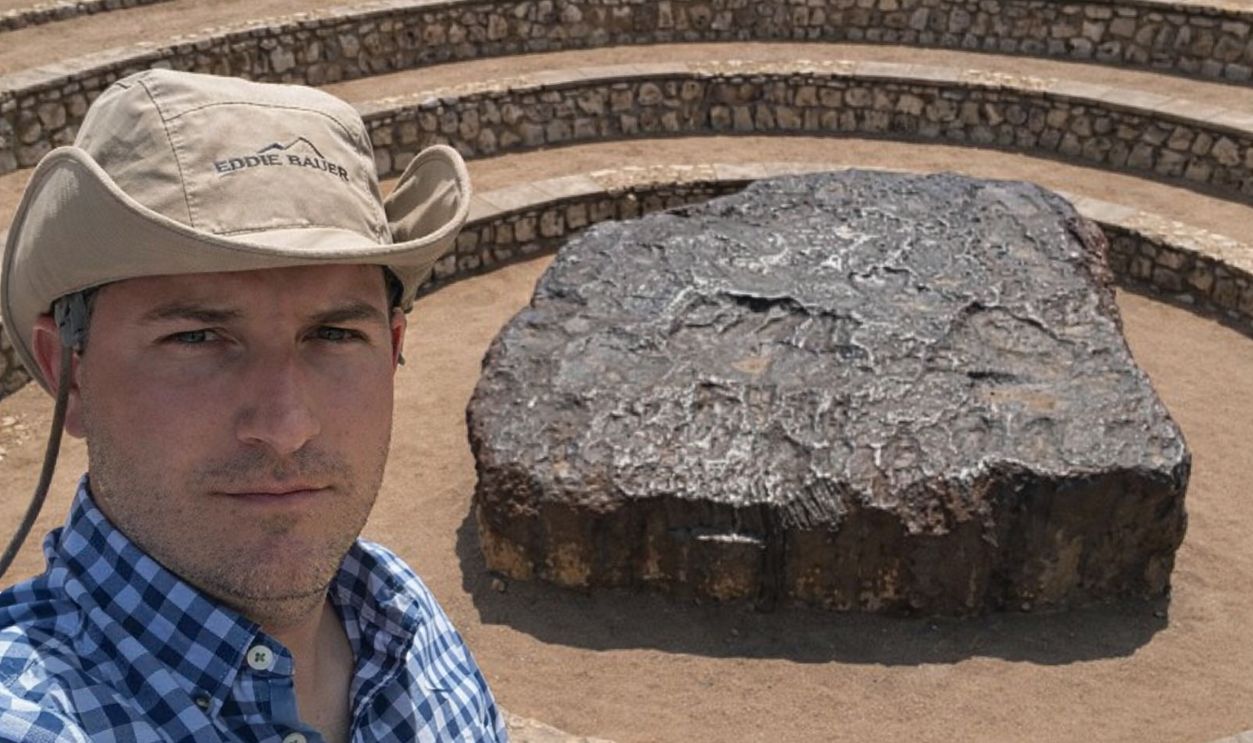 Epigraphie12, CC BY-SA 4.0, Wikimedia Commons, Modified
The Name "Hoba" Comes From The Farm Where It Rests
Local naming conventions in southern Africa often designate farms after geographical features, previous owners, or distinctive characteristics of the land. Hoba West farm was named after the Khoekhoegowab word meaning “gift”. When the incident was reported to authorities, officials simply labeled the meteorite after its location.
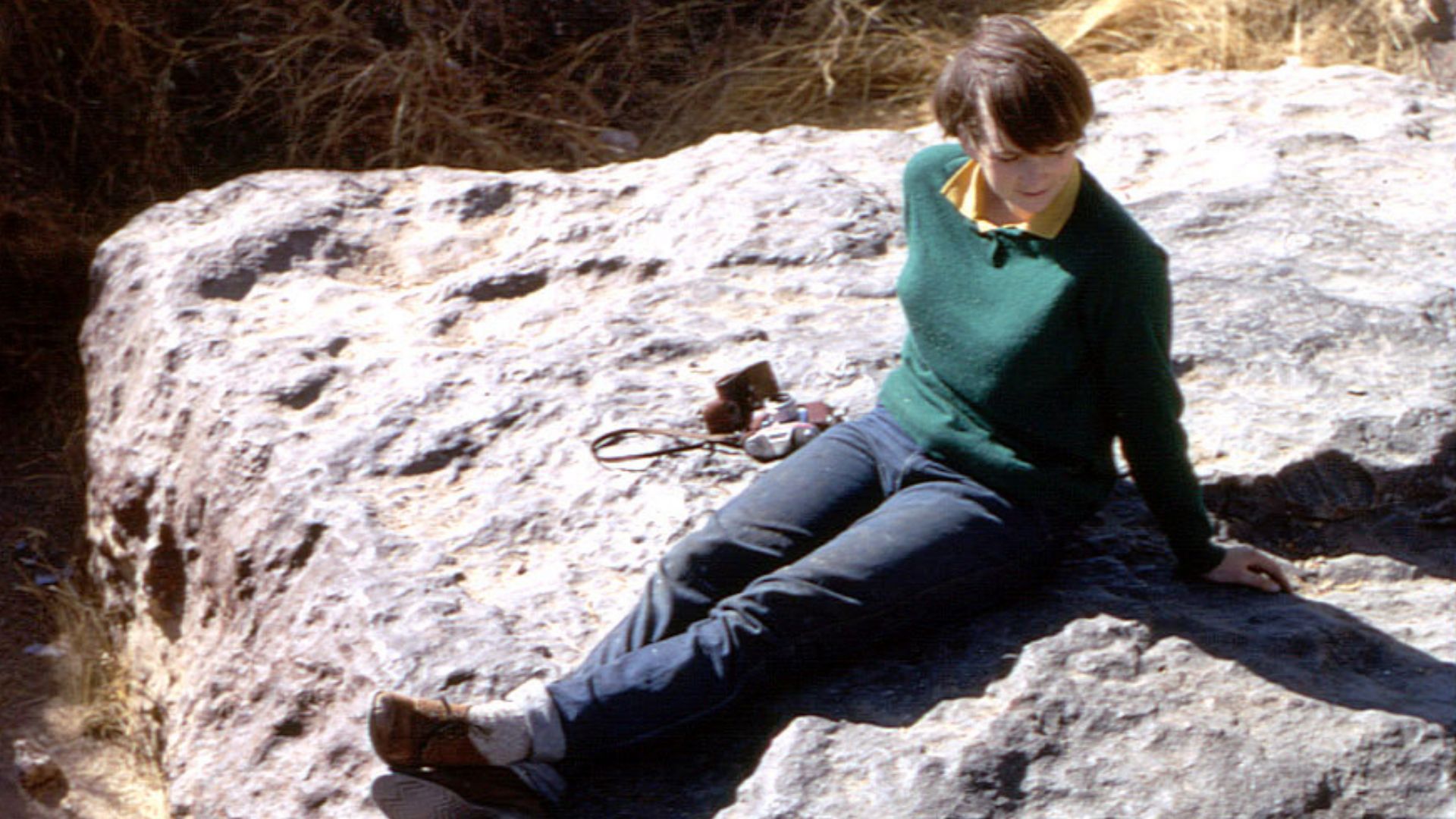 Paul venter at English Wikipedia, Wikimedia Commons
The Hoba Meteorite Weighs Over 130,000 Pounds
Mass equivalent to roughly nine African elephants, Hoba is the undisputed heavyweight champion of meteorites. This isn't a fragment or a scattered field—it's a single cohesive piece of extraterrestrial material tipping scales at approximately 130,000 Pounds.
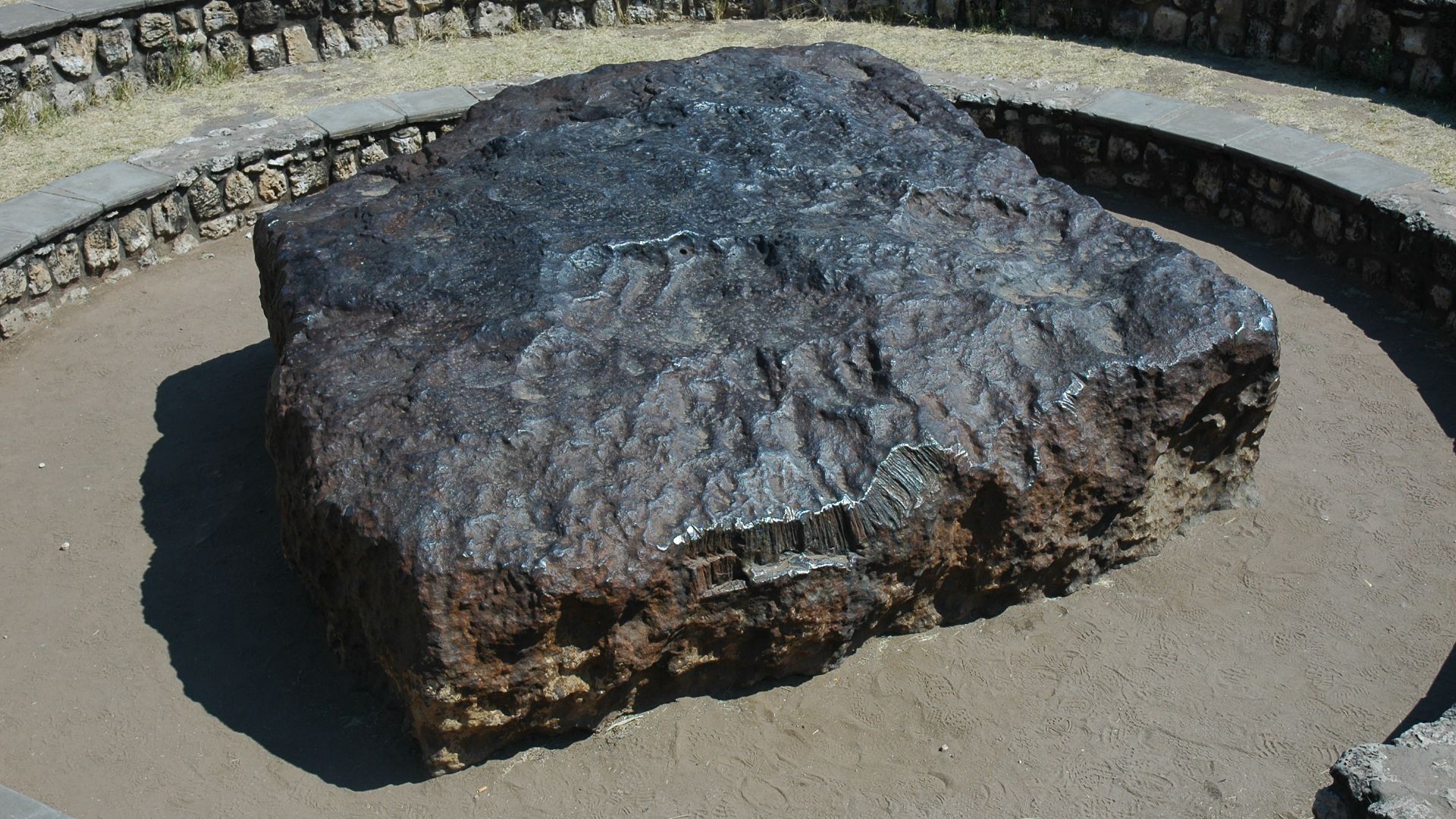 GIRAUD Patrick, Wikimedia Commons
Measures Roughly Nine Feet By Nine Feet Across
The meteorite stretches approximately nine feet in length, nine feet wide, and three feet thick at its deepest point. The tabular shape resembles a massive coffee table. Surface area totals around 80 square feet, large enough to host a dinner party if cosmic radiation concerns didn't apply.
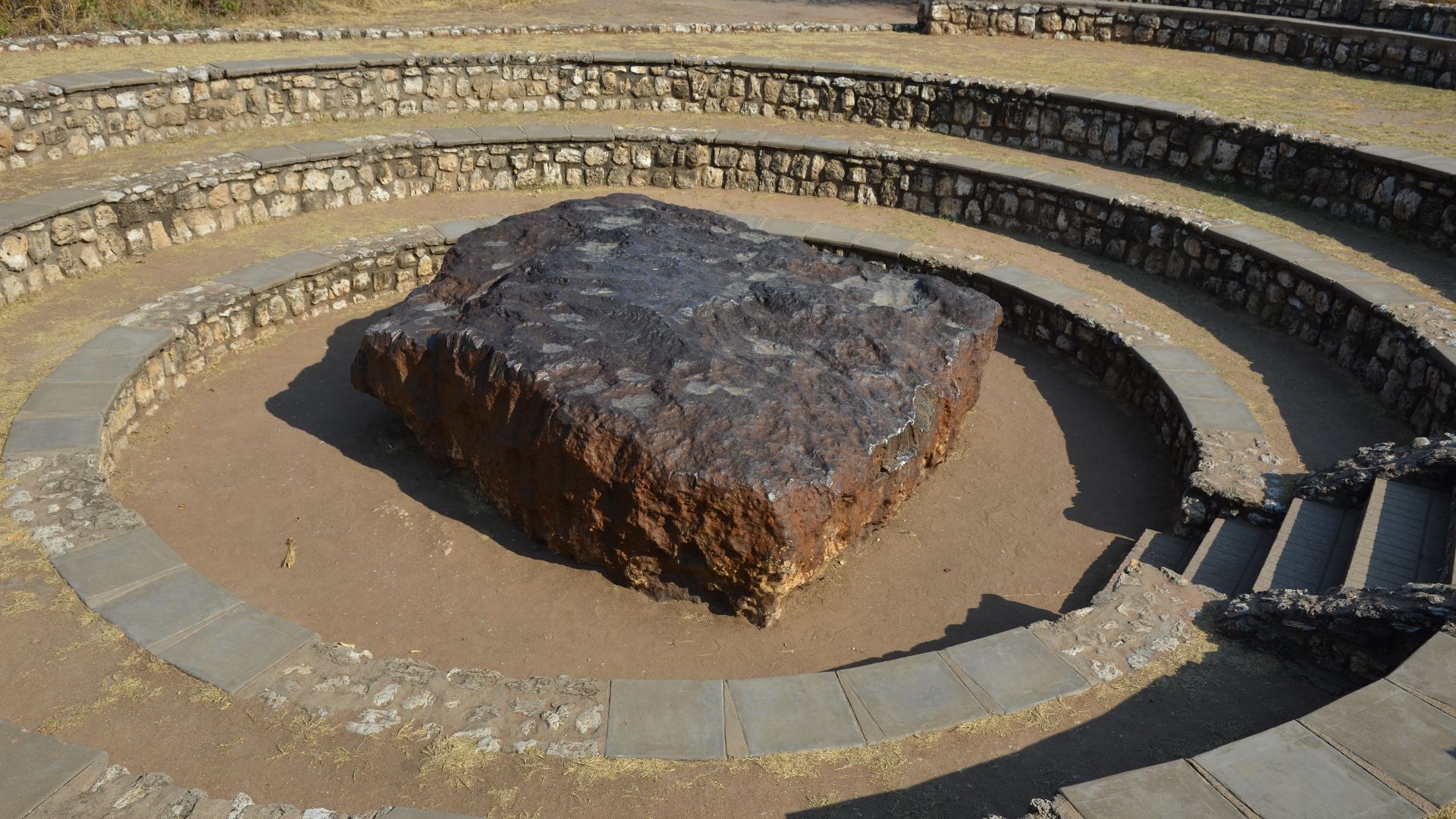 Pavel Spindler, Wikimedia Commons
The Meteorite Is Roughly Twice The Size Of A Standard Car
Compact sedans measure approximately 15 feet long and six feet wide for a total of 90 square feet of footprint. Hoba's nine-by-nine dimensions create 81 square feet of surface area, nearly the size of two cars parked side by side. Imagine a flattened SUV made entirely of space metal.
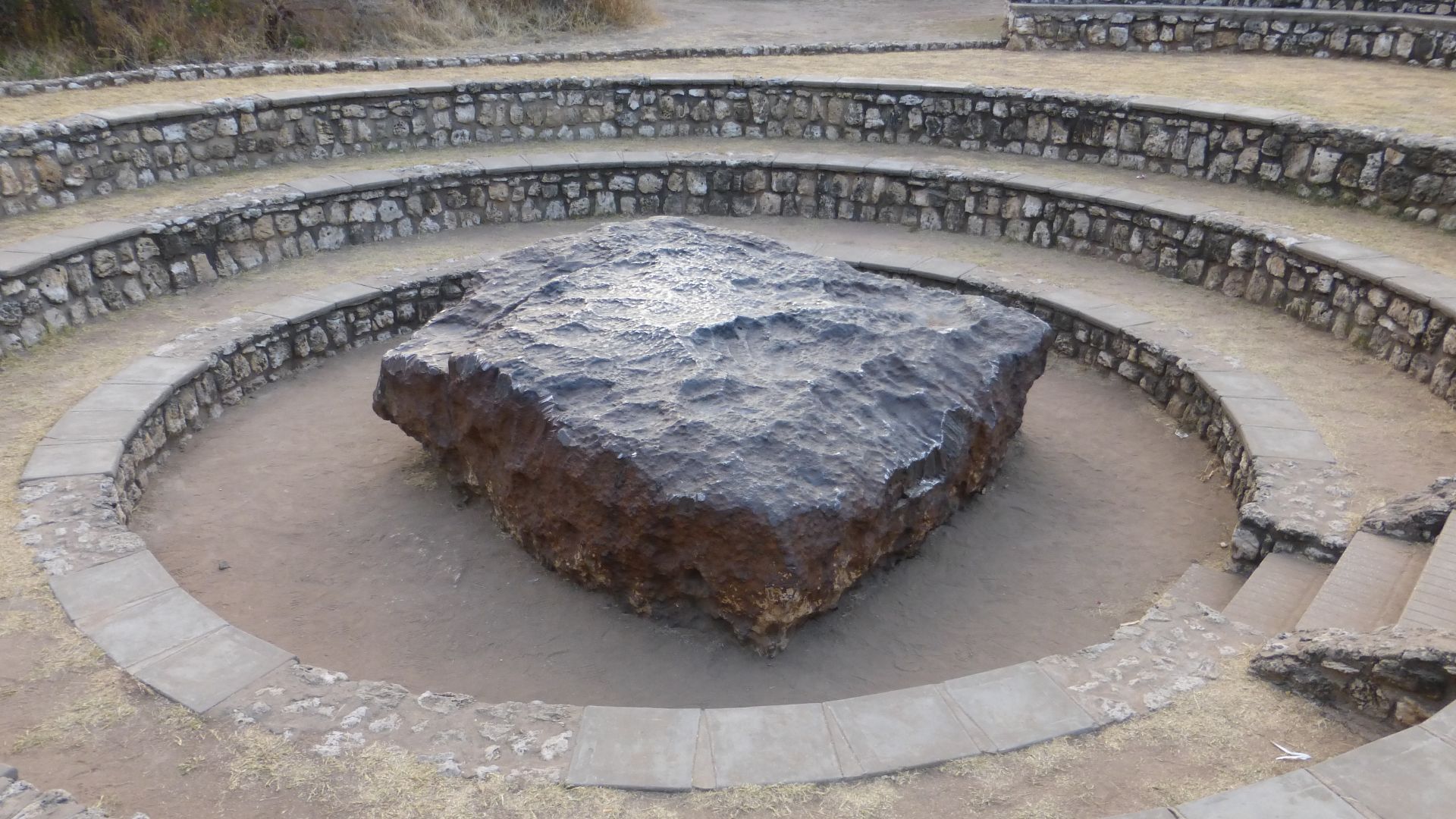 Sergio Conti from Montevecchia (LC), Italia, Wikimedia Commons
Located On A Farm In Namibia's Otjozondjupa Region
The meteorite sits on a cattle farm called Hoba West, roughly twelve miles from Grootfontein in northern Namibia. The farm's coordinates place Hoba at latitude 19 degrees south, longitude 17 degrees east, pinpointing humanity's closest encounter with space iron that didn't vaporize on entry.
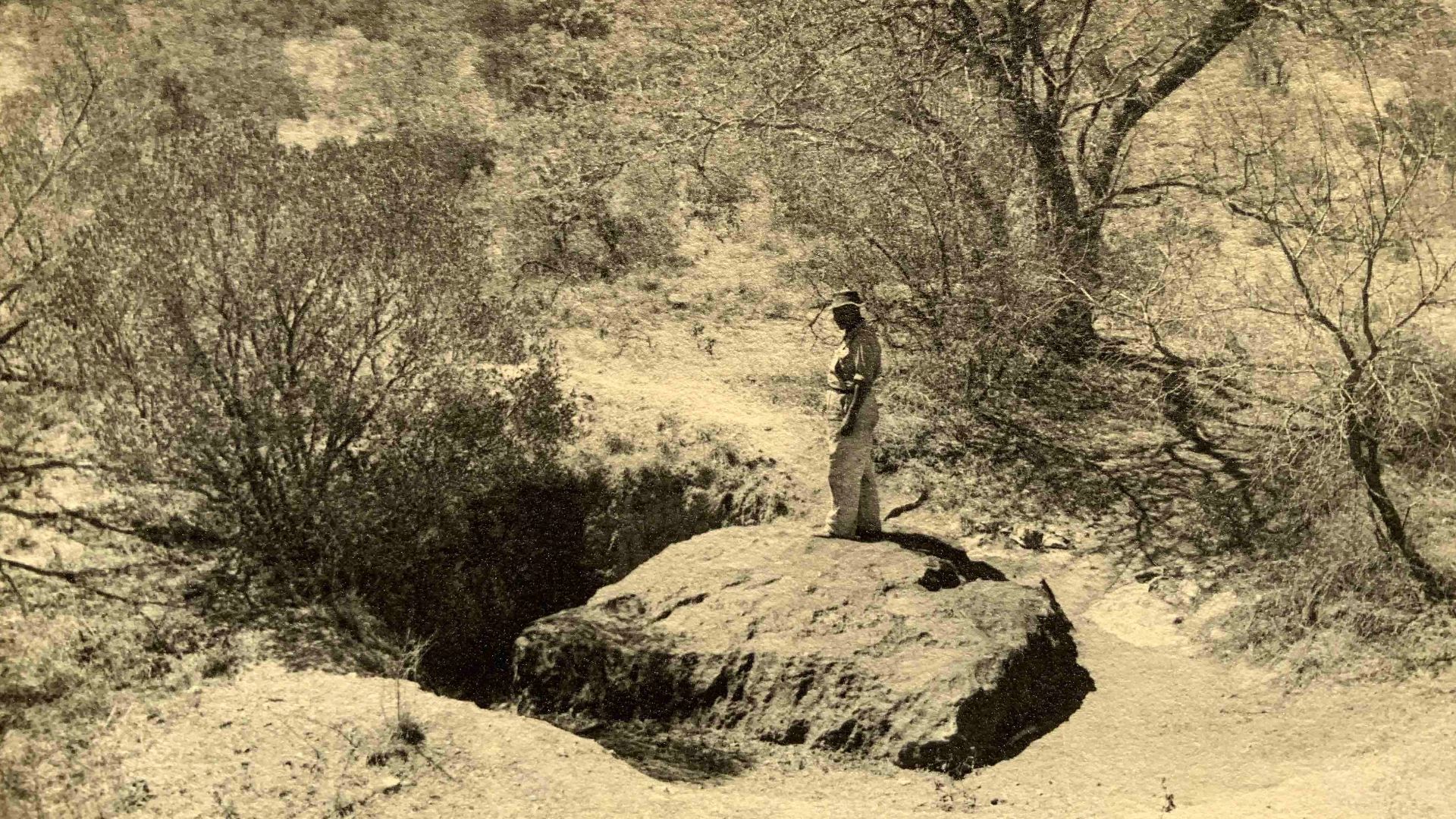
Found In 1920 By A Farmer Plowing His Field
Jacobus Hermanus Brits heard metal scraping against his plow blade while working the field one ordinary morning. Digging revealed a massive slab of iron jutting barely above ground level. Brits had unknowingly farmed over the world's largest meteorite for years, his cattle grazing mere feet away.
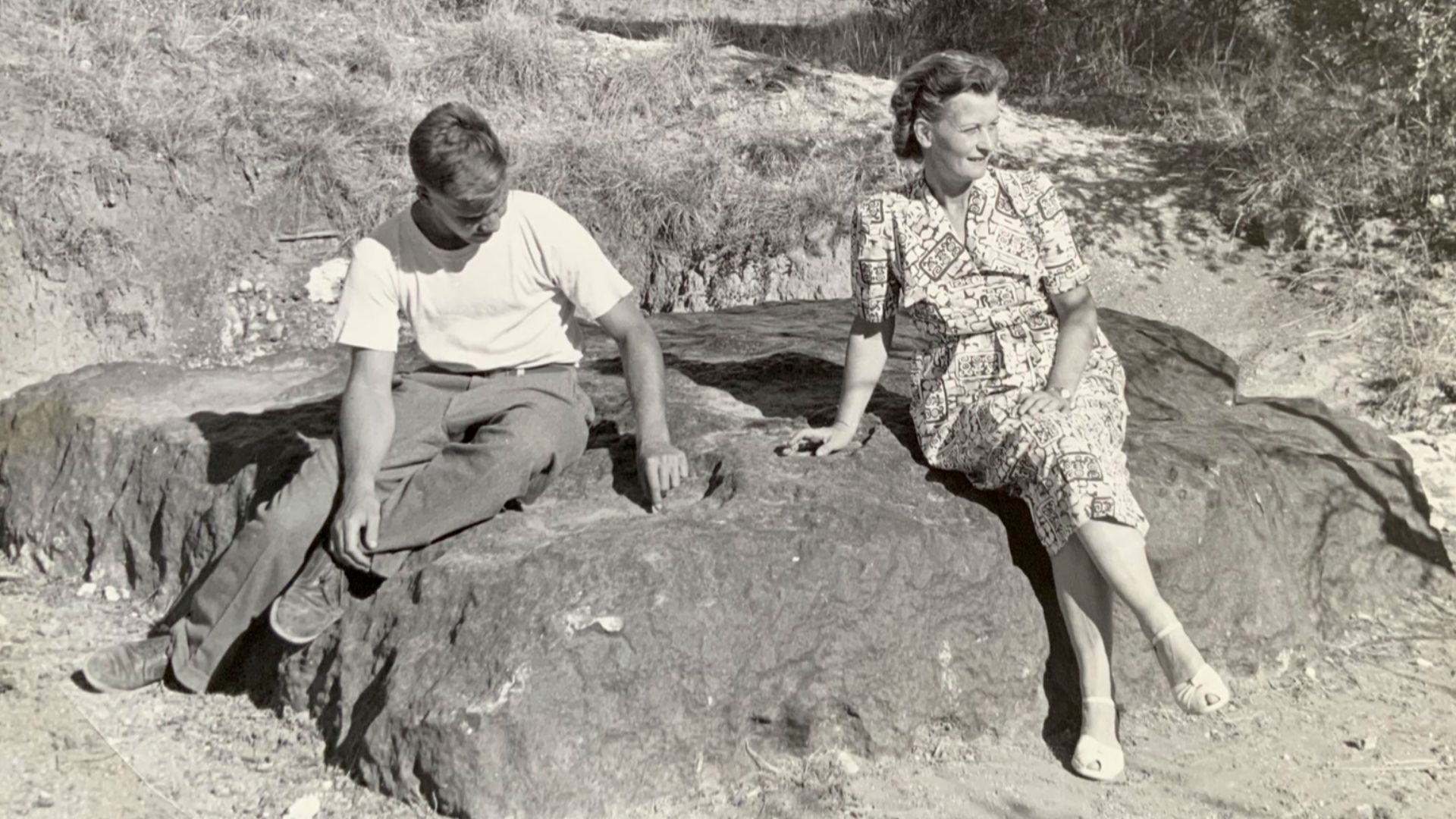
Composed Primarily Of Iron And Nickel Alloy
Chemical analysis reveals that Hoba contains roughly 84% iron and 16% nickel, with trace amounts of cobalt completing the composition. This ratio matches what scientists expect from planetary cores to suggest Hoba originated from a shattered protoplanet's metallic heart.
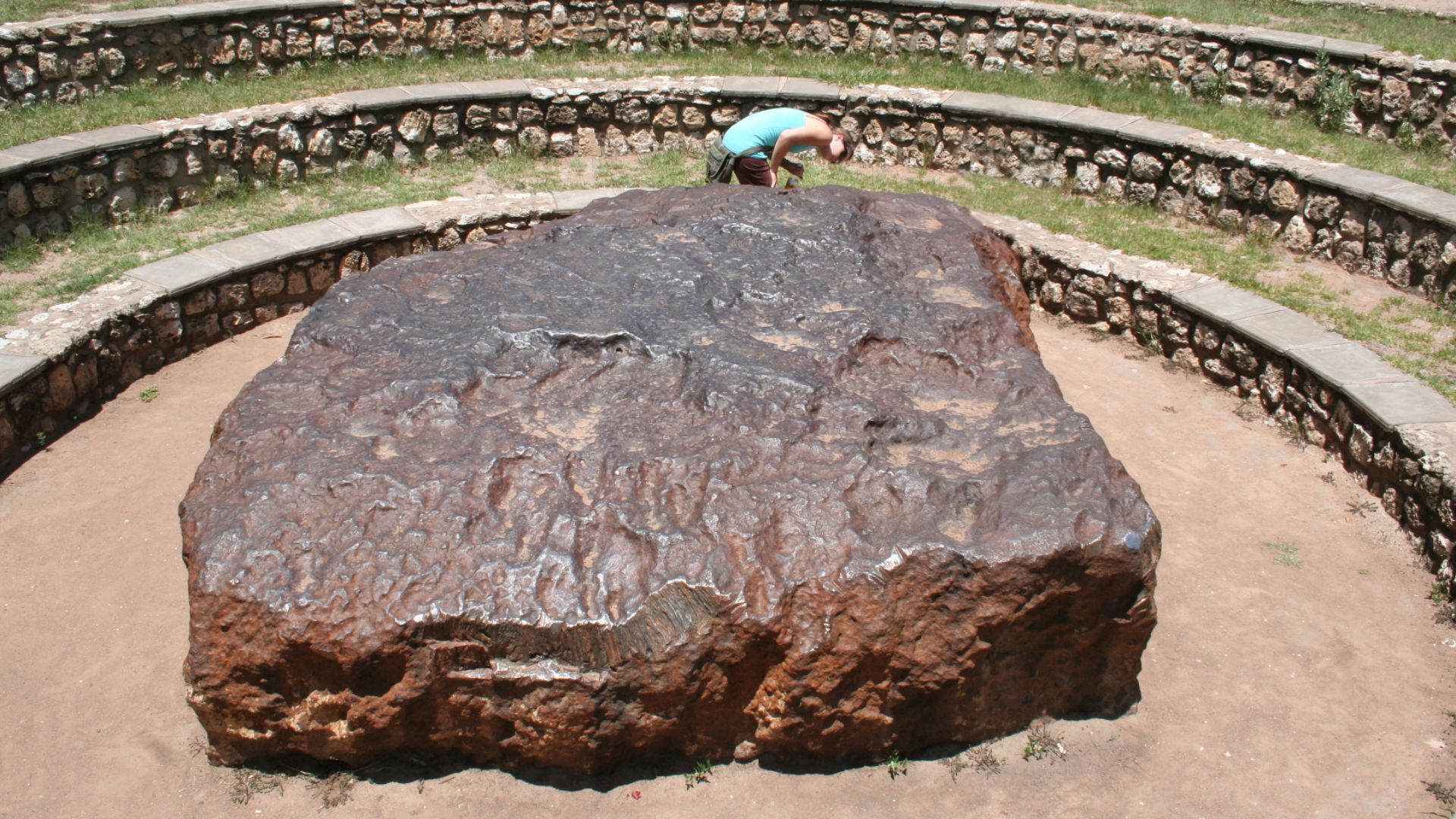
Contains Rare Trace Elements Including Cobalt
Beyond its iron-nickel composition, Hoba harbors small concentrations of cobalt, phosphorus, and sulfur that provide clues about its parent body's formation. Cobalt percentages reach approximately six-tenths of one percent, enough to intrigue metallurgists studying cosmic chemistry.
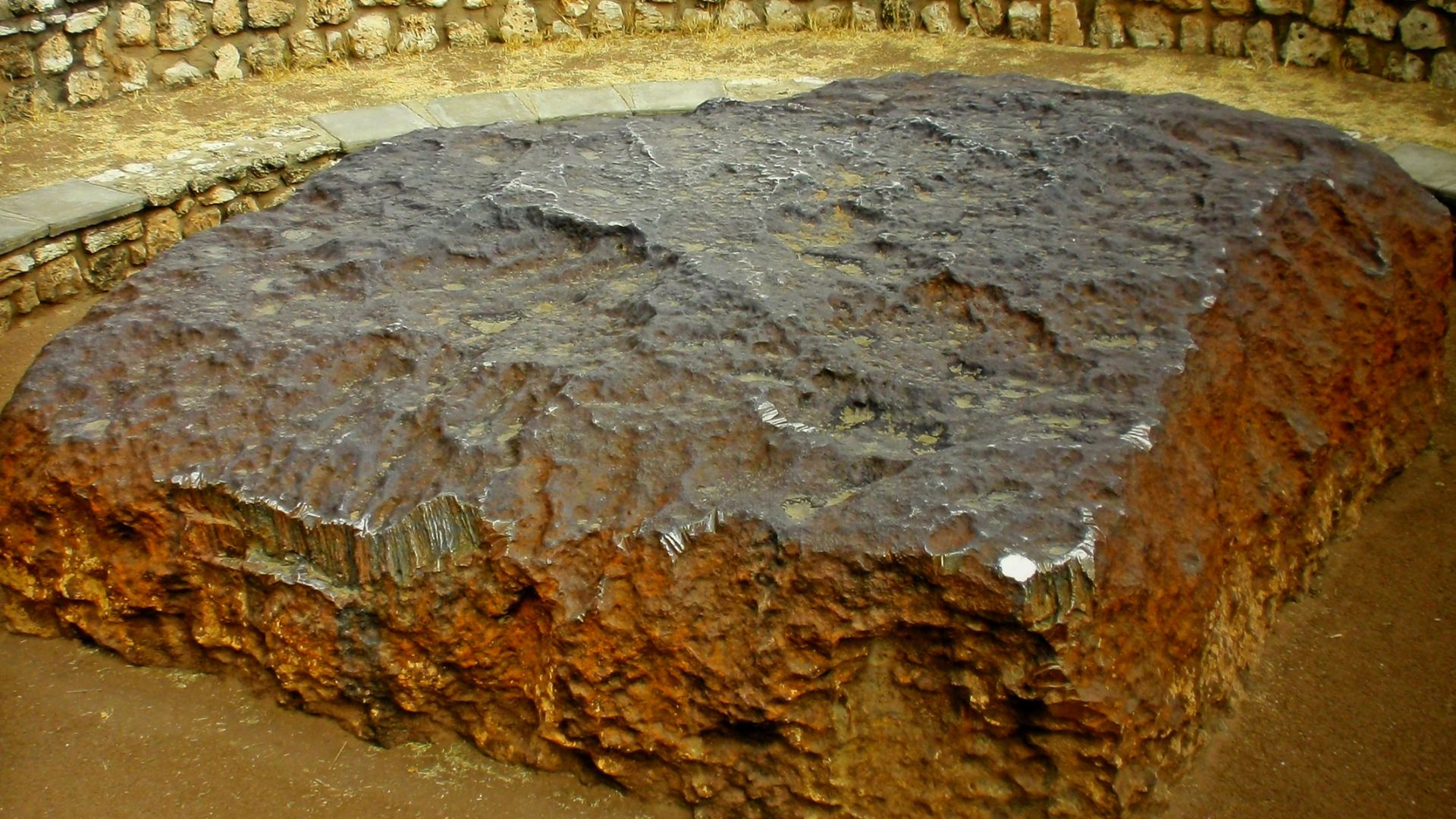 JUAN RAMON RODRIGUEZ SOSA, Wikimedia Commons
Scientists Studied The Meteorite's Crystalline Structure
Metallurgical studies show Hoba’s iron-nickel crystals cooled extremely slowly inside its parent asteroid, forming large visible grains. That structure classifies Hoba as an ataxite, a rare iron meteorite type lacking Widmanstatten patterns. Fewer than 2% of iron meteorites qualify, and this adds rarity beyond size.
 Sgt. 1st Class Michel Sauret, Wikimedia Commons
Flat Shape May Have Caused It To Skip Through The Atmosphere
Aerodynamic principles suggest Hoba's pancake profile created lift during atmospheric entry, similar to how flat stones skip across water surfaces. This skipping effect would have bled off kinetic energy gradually rather than releasing it explosively at ground impact. Physics essentially gave Hoba a gentle landing, it…
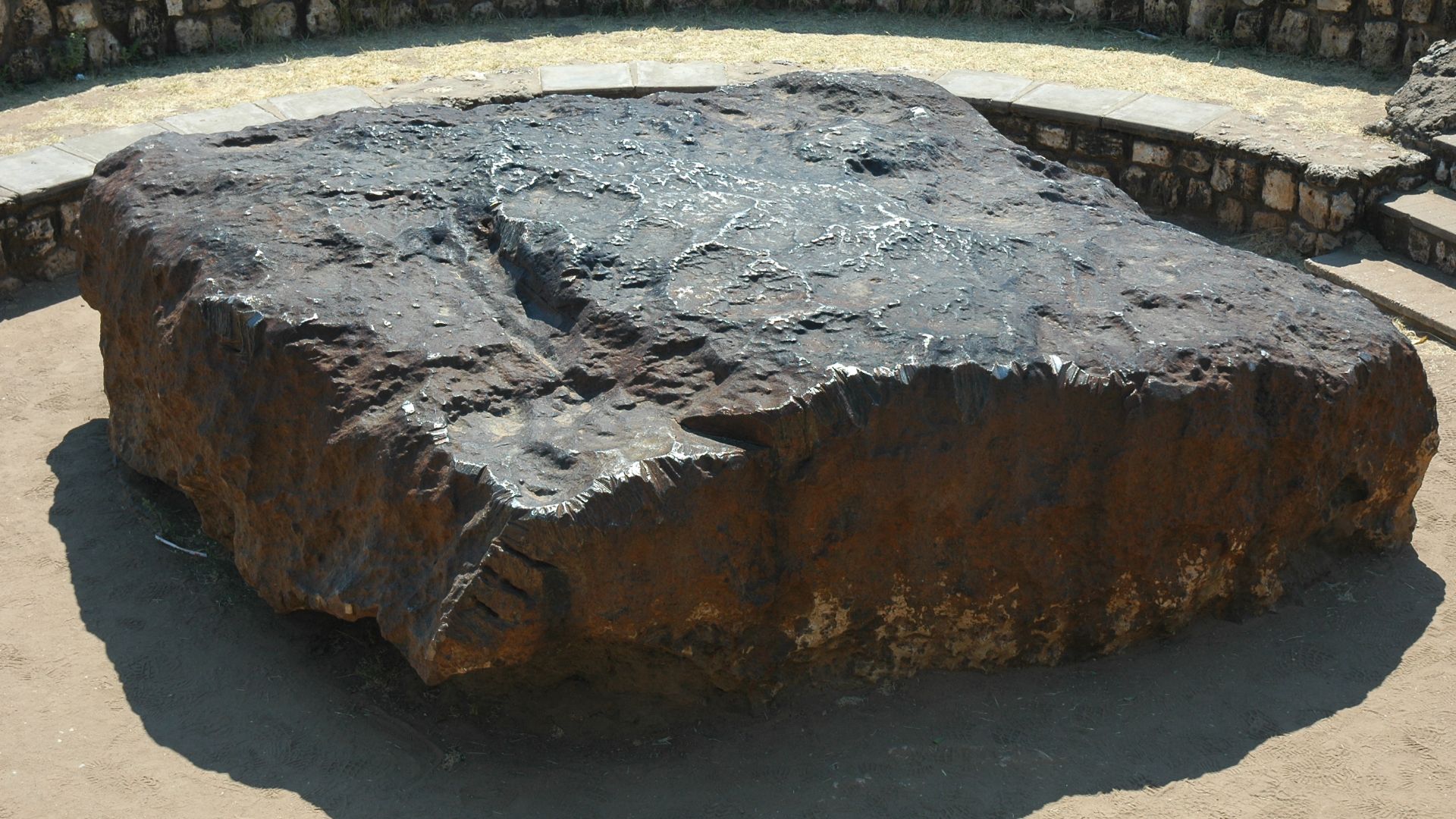 No machine-readable author provided. Calips assumed (based on copyright claims)., Wikimedia Commons
Never Created A Visible Impact Crater Upon Landing
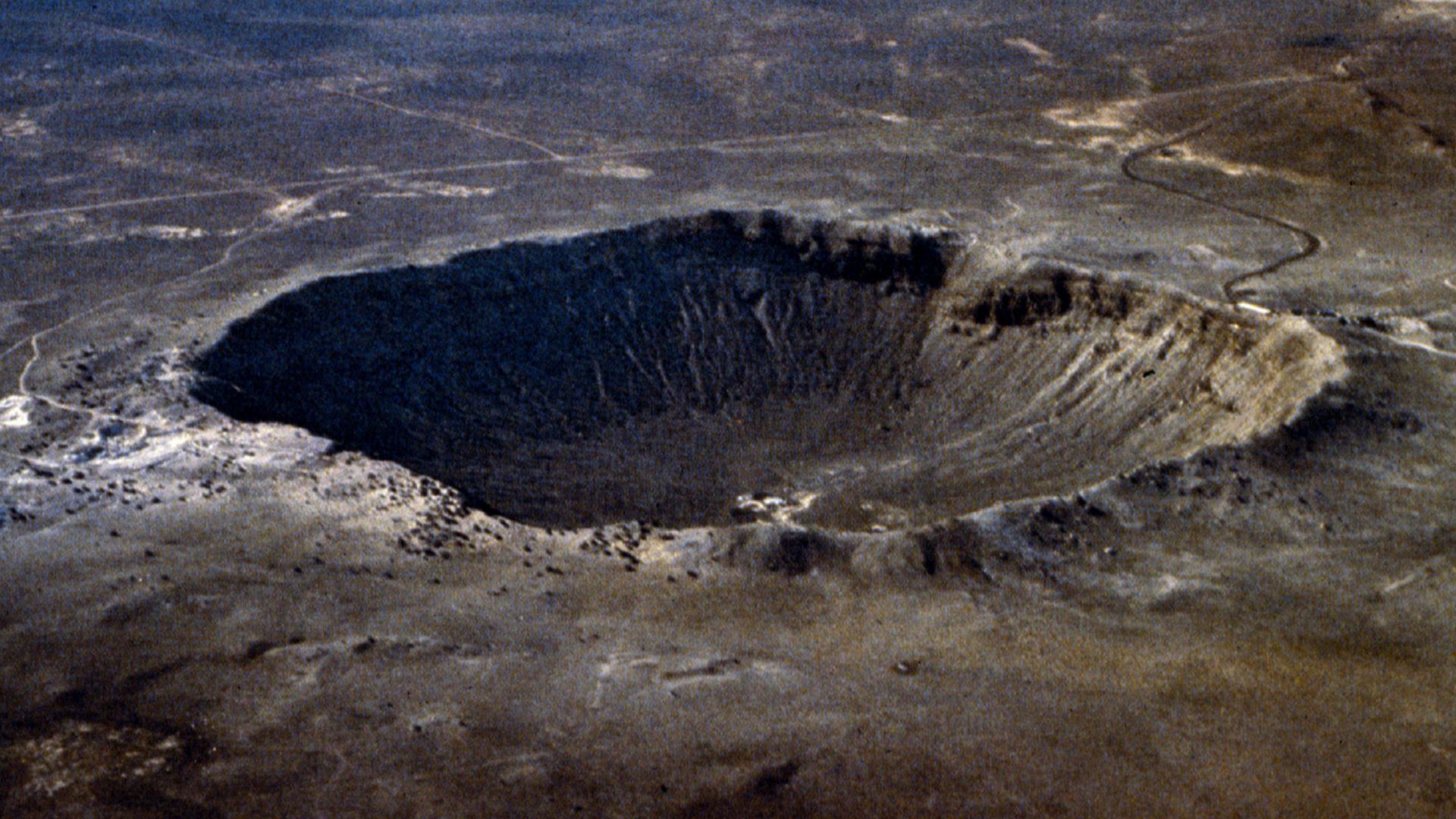
Most meteorites excavate obvious craters, but Hoba left no crater at all. The landing site shows no raised rim, ejecta blanket, or compressed soil layers. Scientists theorize the slab entered Earth's atmosphere at an extremely shallow angle, possibly tumbling or skipping before settling gently onto Precambrian bedrock.
 USGS/D. Roddy, Wikimedia Commons
No Impact Crater Exists Because Of The Shallow Landing Angle
Meteor Crater spans nearly a mile because its meteorite struck almost vertically at speeds above 26,000 miles per hour. Hoba arrived at a shallow angle, stretching deceleration across hundreds of miles. Like belly-flopping versus cannonballing, identical mass produced radically different results.
 Damien du Toit, Wikimedia Commons
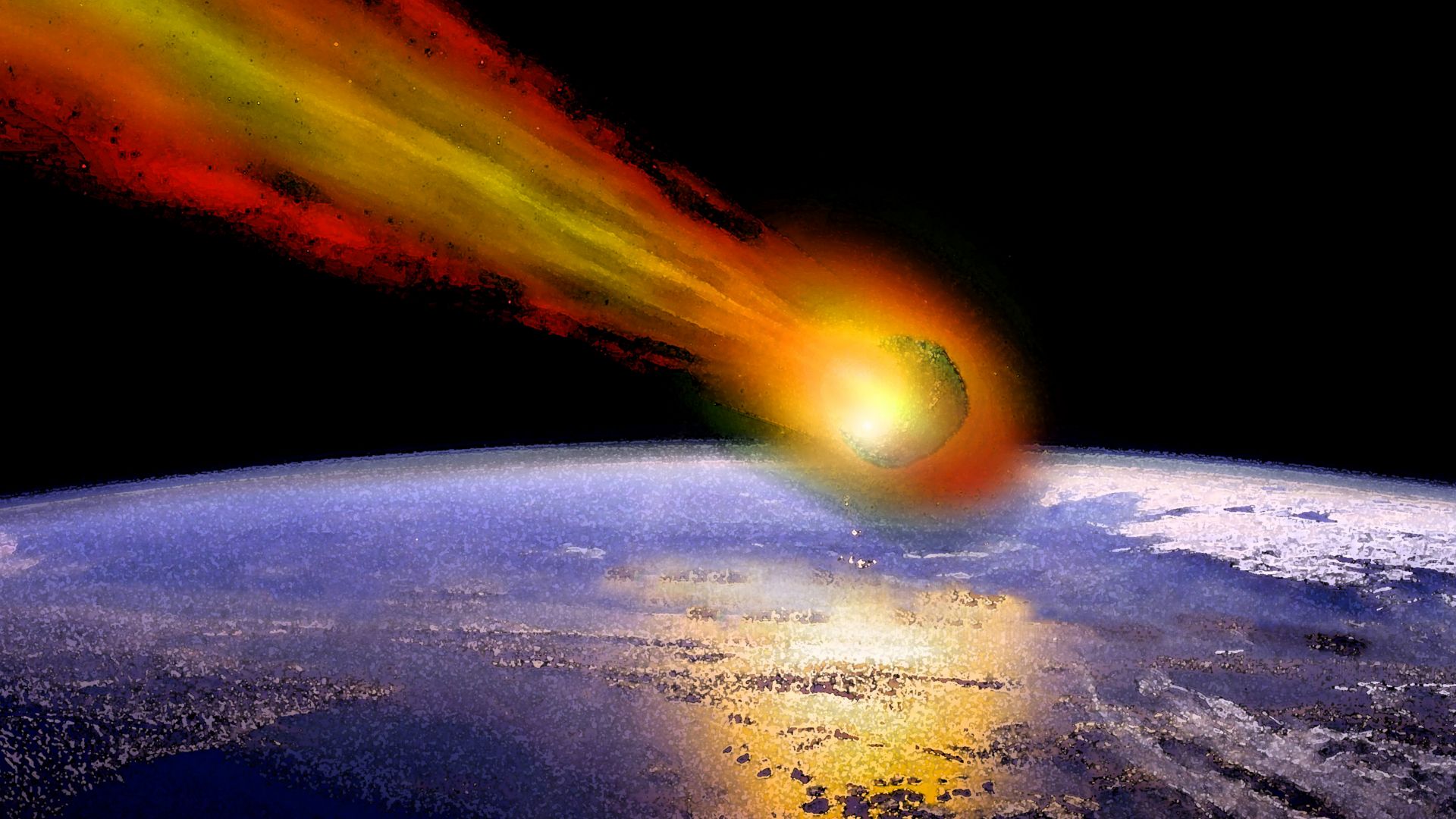
Atmospheric Entry Speed Was Relatively Slow For A Meteorite
Typical meteoroids slam into Earth's atmosphere at velocities from 25,000 to 160,000 miles per hour, depending on orbital trajectories. Hoba's lack of an impact crater suggests that terminal velocity dropped below several hundred miles per hour before ground contact occurred.
Scientists Estimate It Fell To Earth Around Eighty Thousand Years Ago
Dating methods place Hoba's arrival during the Middle Stone Age, when Homo sapiens had recently evolved but hadn't yet developed agriculture. The meteorite predates pottery and permanent settlements. While early humans chipped stone tools in Africa, this cosmic visitor was already weathering silently in Namibia's soil.
 Jakub Halun, Wikimedia Commons
The Meteorite Has Never Been Moved From Its Landing Site
Transportation logistics explain Hoba's permanent residence because moving more than 130,000 pounds would have required specialized heavy machinery that was unavailable when the discovery occurred in 1920. Modern cranes capable of lifting such mass exist, but extracting Hoba would damage both the meteorite and the surrounding bedrock.
 Pavel Spindler, Wikimedia Commons
Still, Its Too Massive To Transport Without Extraordinary Equipment
The nearest equipment capable of hoisting Hoba sits in industrial ports and mining operations hundreds of miles from Grootfontein. Transportation would require constructing reinforced roadways to support the combined weight of the meteorite plus the transport vehicle, then navigating rural Namibian terrain lacking infrastructure for such loads.
 Ohio Redevelopment Projects - ODSA, Wikimedia Commons
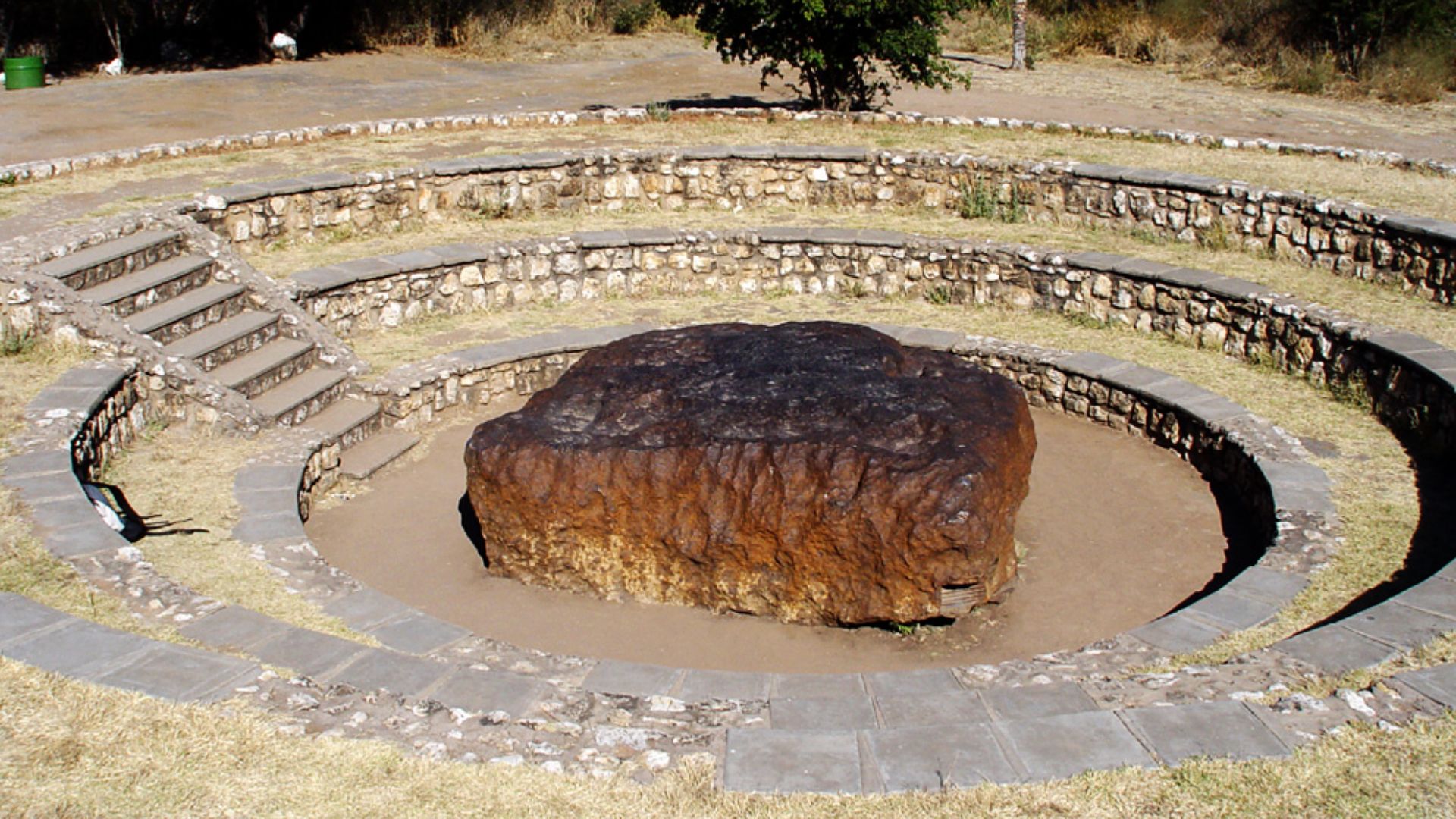
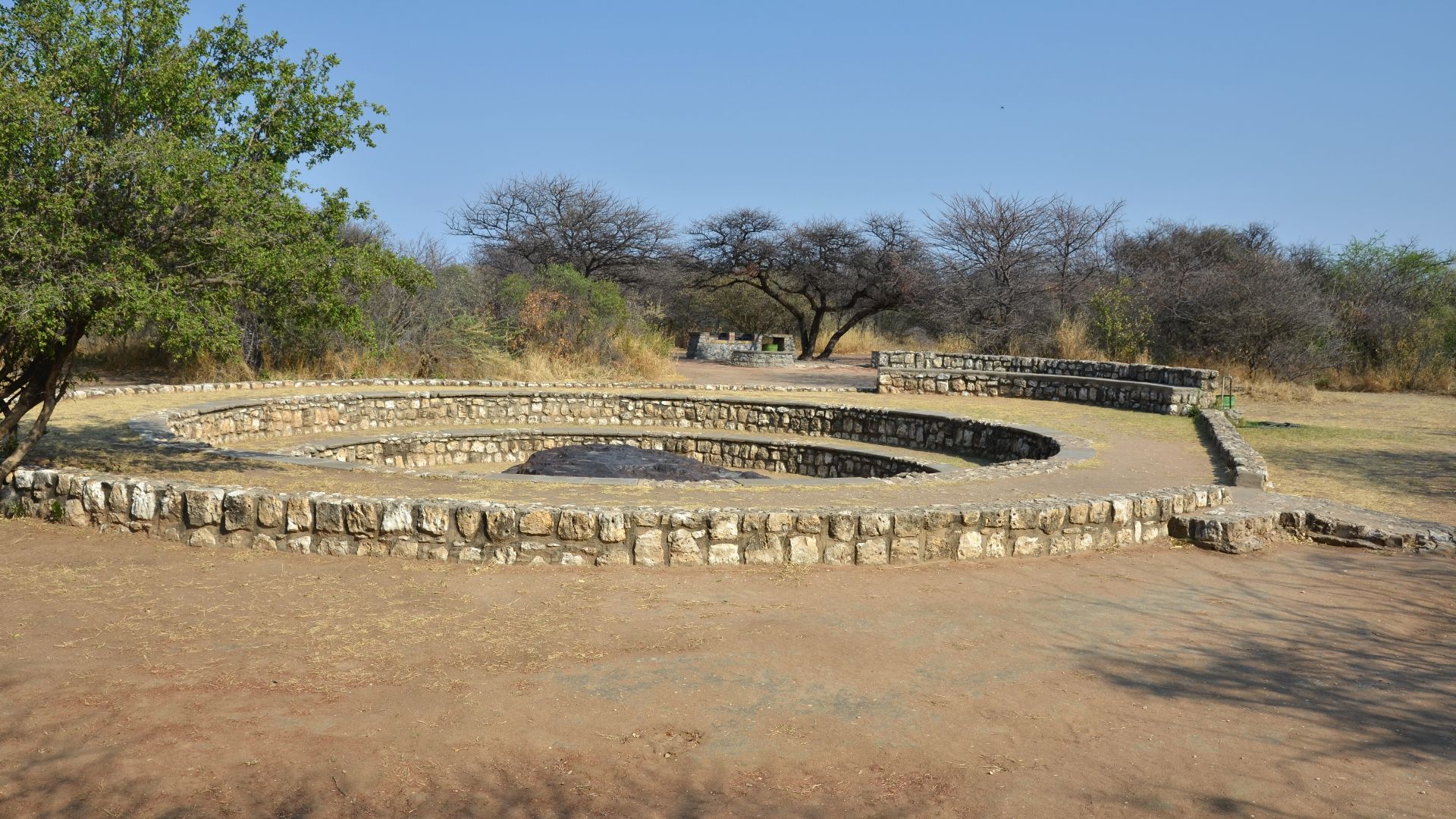
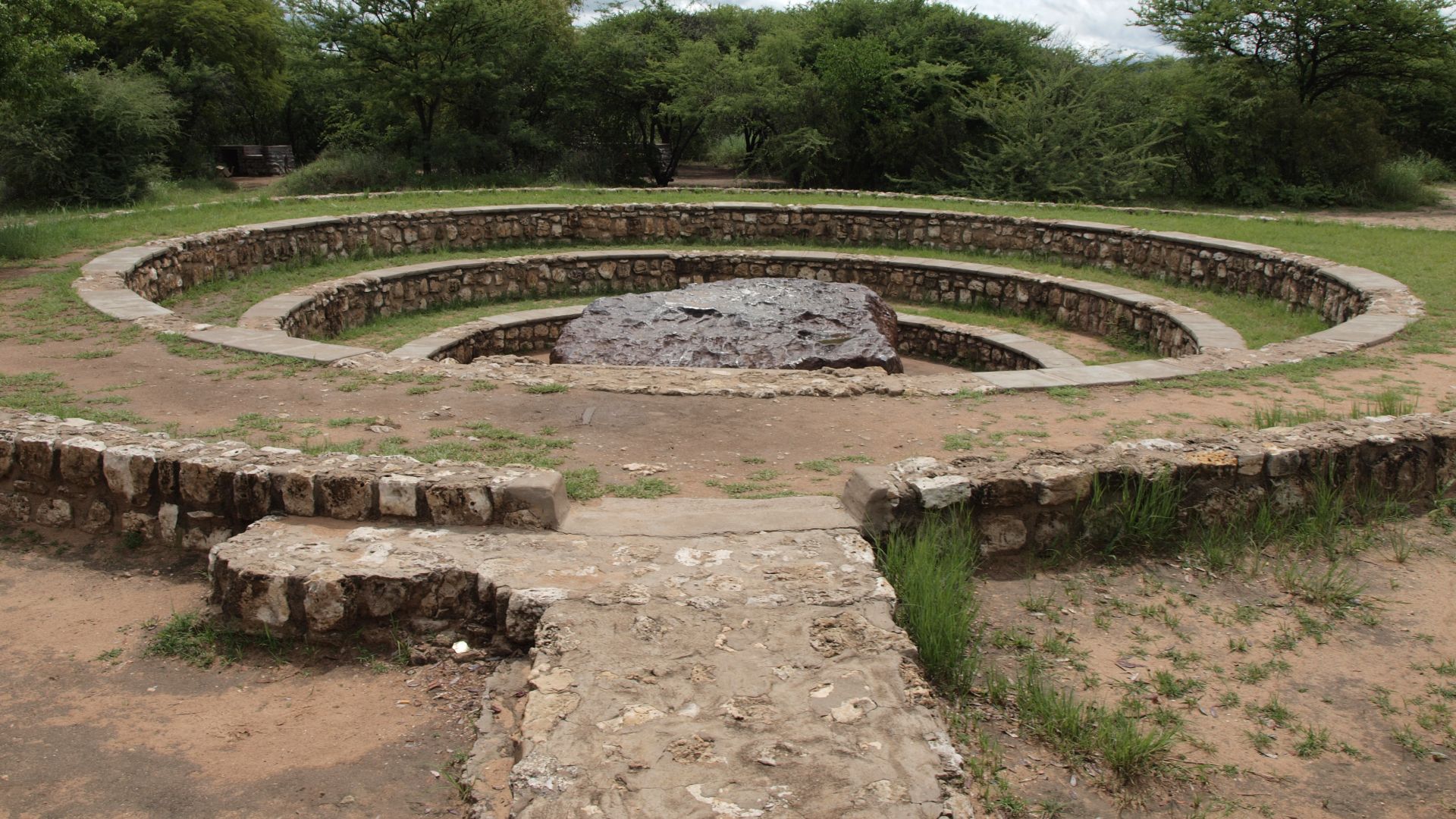
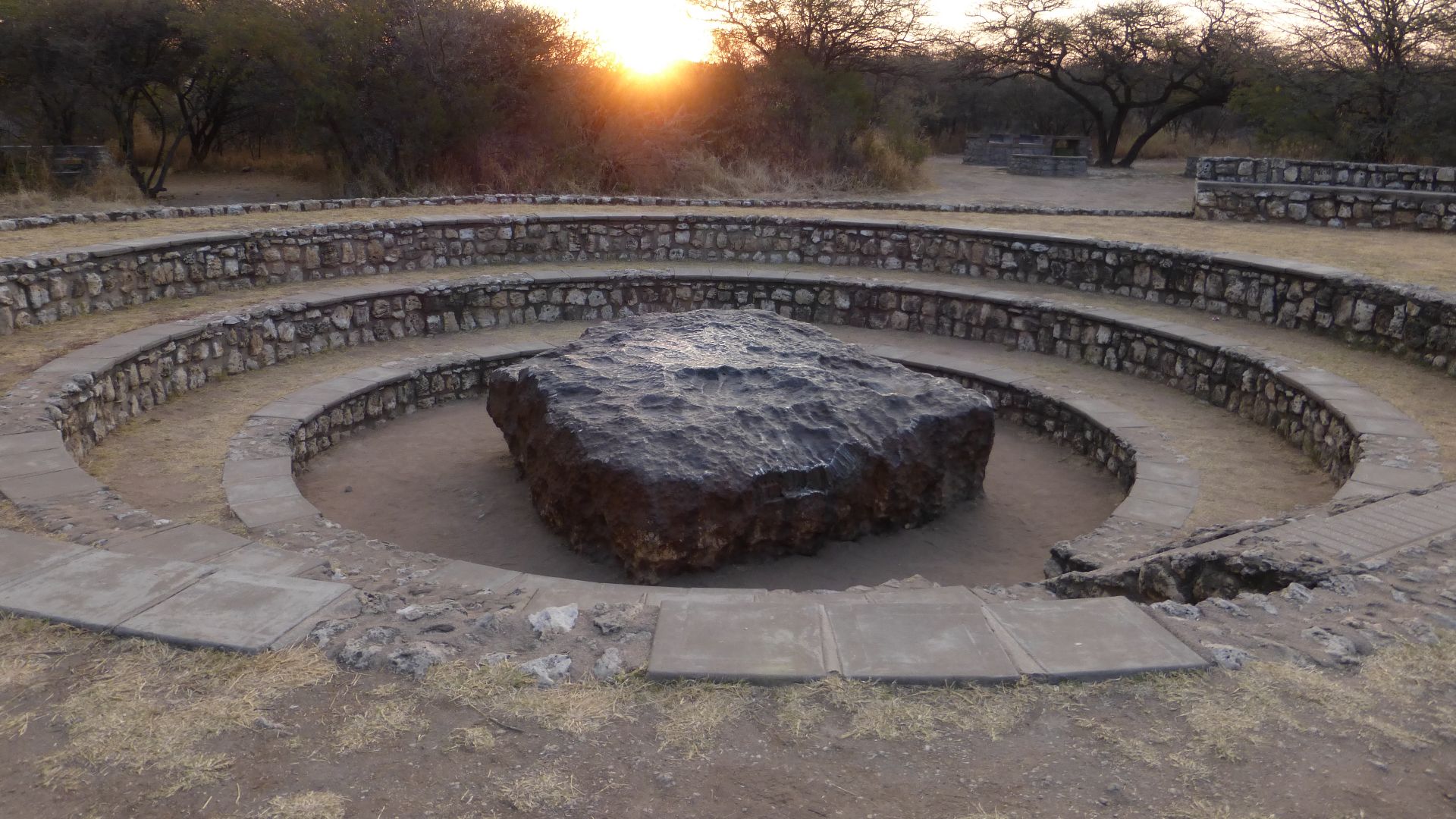
Stone Walls Now Surround The Site For Preservation
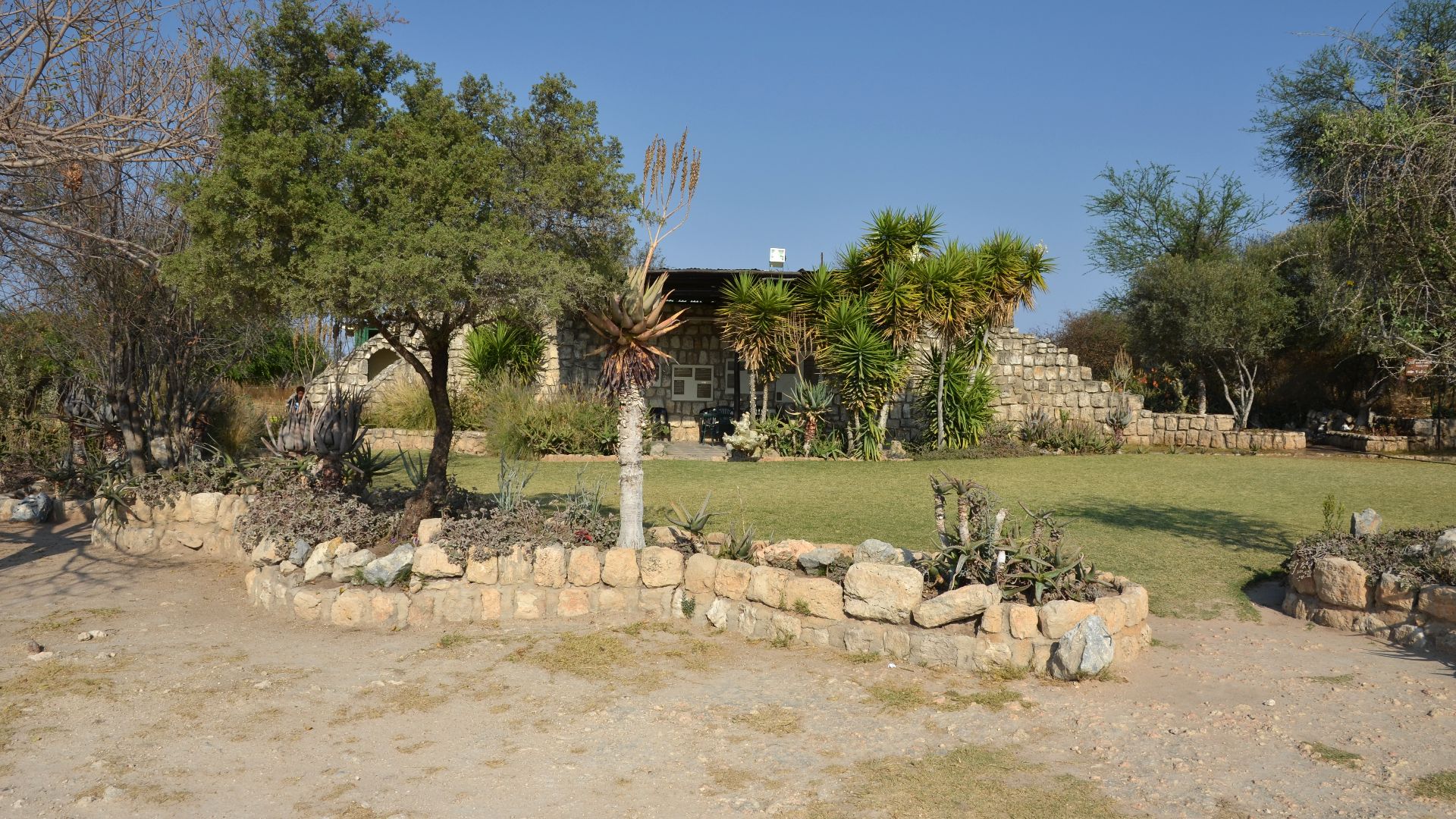
Low stone barriers erected in the 1980s create a physical boundary around Hoba. Visitors can view the meteorite from all angles, but can't climb aboard or touch the weathered iron face. The enclosure includes a viewing platform and interpretive area where educational materials explain the meteorite's significance.
 :ru:User:(WT-ru) Digr, Wikimedia Commons
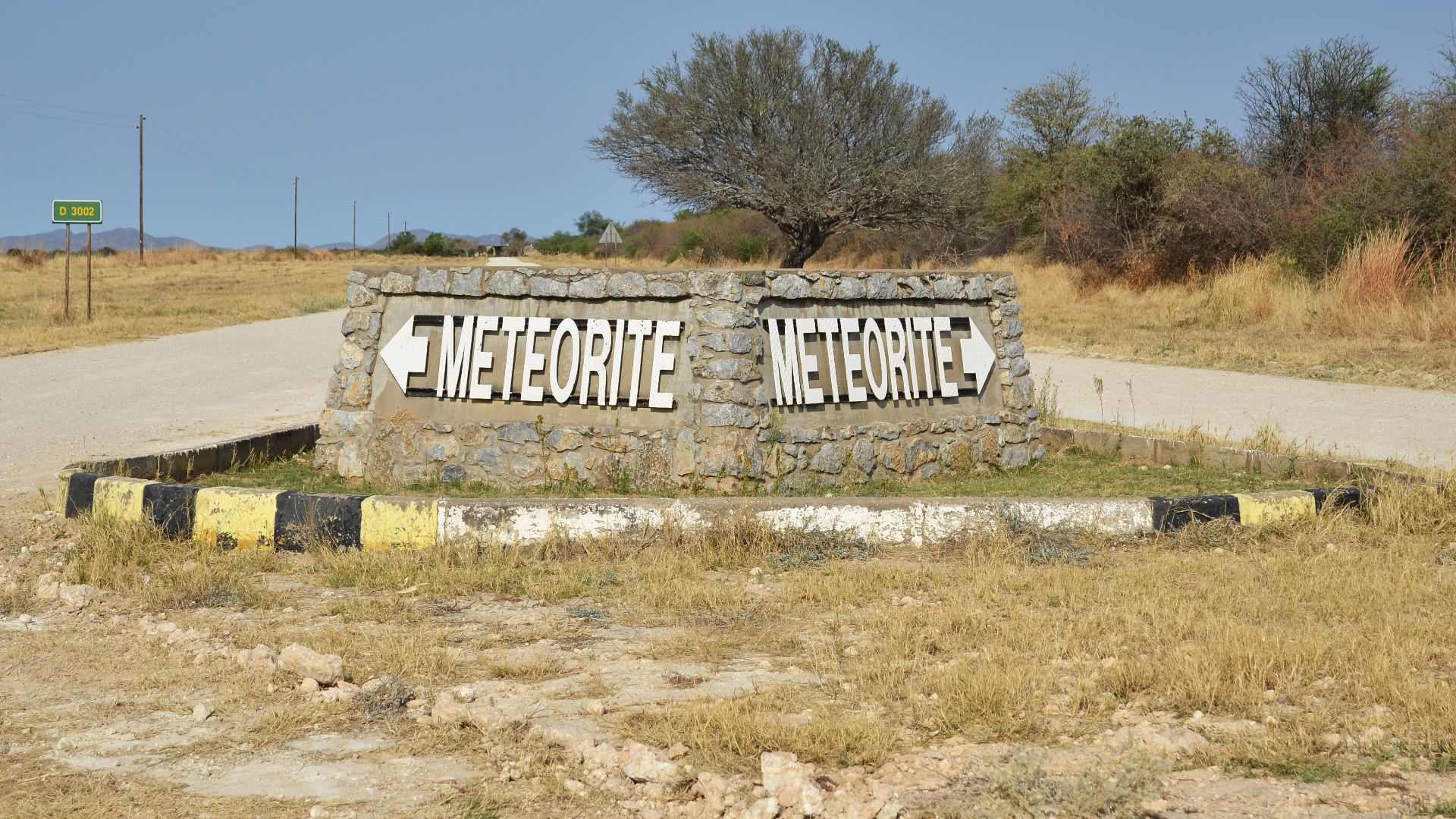
Educational Signs Explain The Meteorite's History To Visitors
Interpretive panels mounted near the viewing platform describe Hoba's scientific significance in English, Afrikaans, and German—Namibia's three most common languages among tourists. Diagrams illustrate atmospheric entry trajectories, cross-sections show internal crystal structures, and timelines place the meteorite's arrival in a geological context.
 Pavel Spindler, Wikimedia Commons
Declared A National Monument By The Namibian Government In 1955
Official monument status arrived 35 years after discovery, once authorities recognized Hoba's scientific and cultural significance. The designation protects the meteorite from commercial exploitation while permitting scientific research and public access. Namibia's National Heritage Act prohibits removing, damaging, or altering the site without explicit government permission.
 Pavel Spindler, Wikimedia Commons
Vandals Chipped Pieces Off Before Protection Measures
Souvenir hunters armed with chisels and hammers attacked Hoba's edges throughout the mid-twentieth century, reducing its estimated original mass by several tonnes. Deep scars along the meteorite's perimeter mark where collectors hacked off chunks weighing tens or hundreds of pounds.
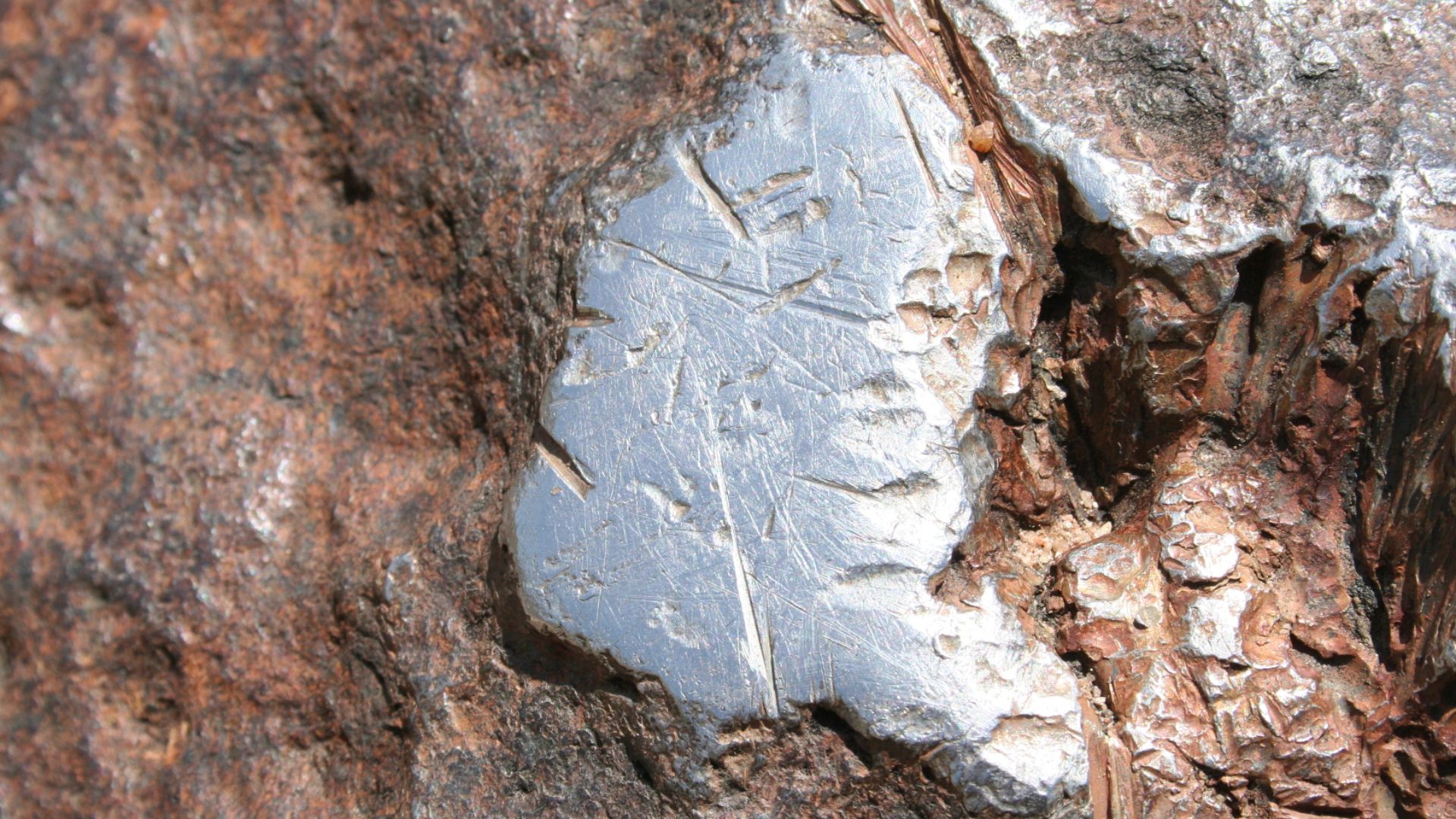
Surface Shows Ablation Patterns From Atmospheric Entry
Melted and re-solidified metal on Hoba’s upper surface preserves the extreme heat of its plunge through Earth’s atmosphere. During hypersonic descent, ablation forced molten iron to stream backward from the leading edge, carving regmaglypts—thumbprint-like dimples shaped by friction, wind pressure, and surface vaporization.
 Sergio Conti from Montevecchia (LC), Italia, Wikimedia Commons
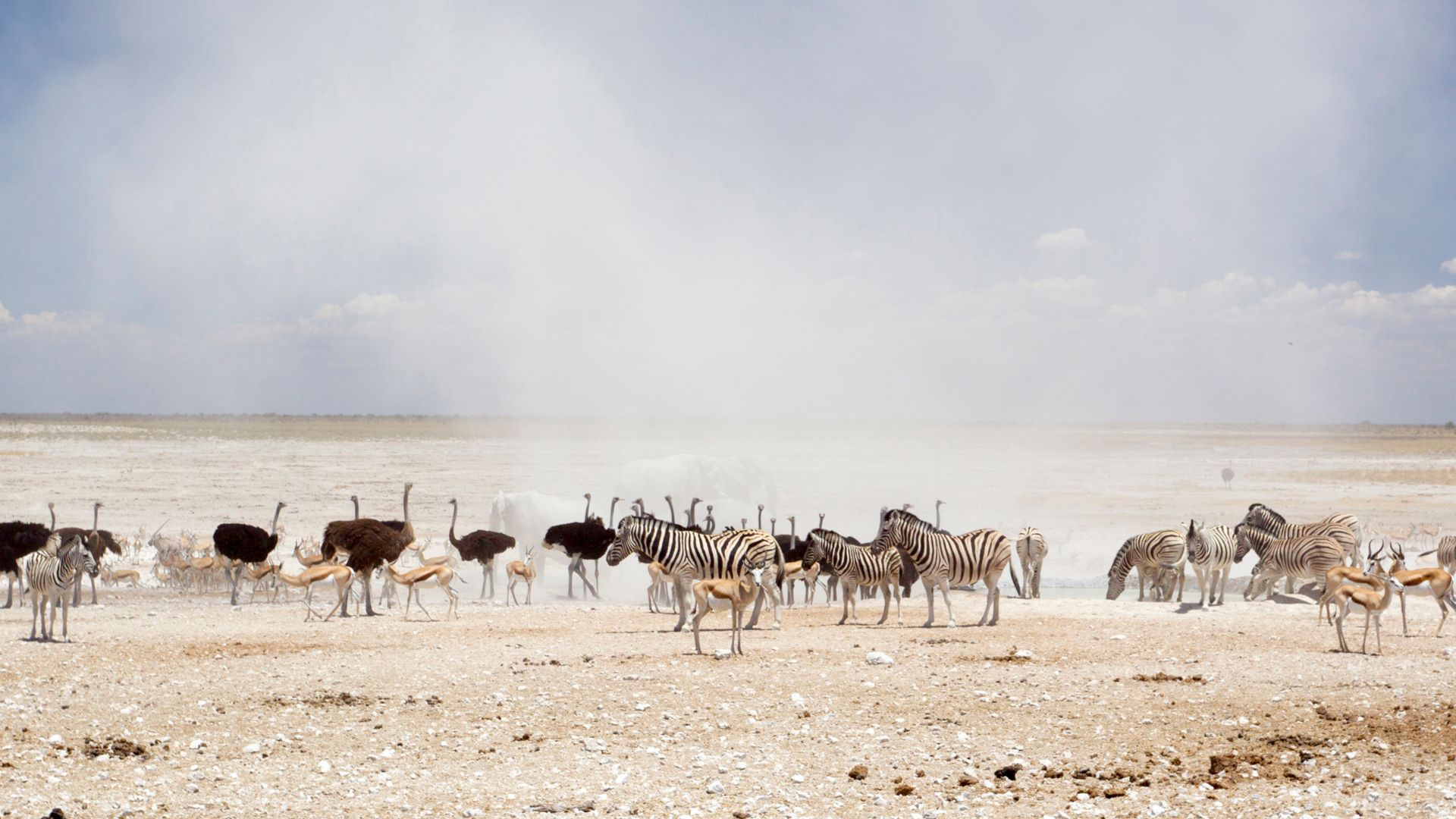
Tourists Visit The Site Throughout The Year
Hoba attracts thousands of visitors annually, and this makes it one of Namibia's most popular natural attractions alongside Etosha National Park and the Skeleton Coast. The site operates year-round with minimal facilities, just humanity's largest meteorite sitting under African skies as it has for millennia.
 Yathin S Krishnappa, Wikimedia Commons
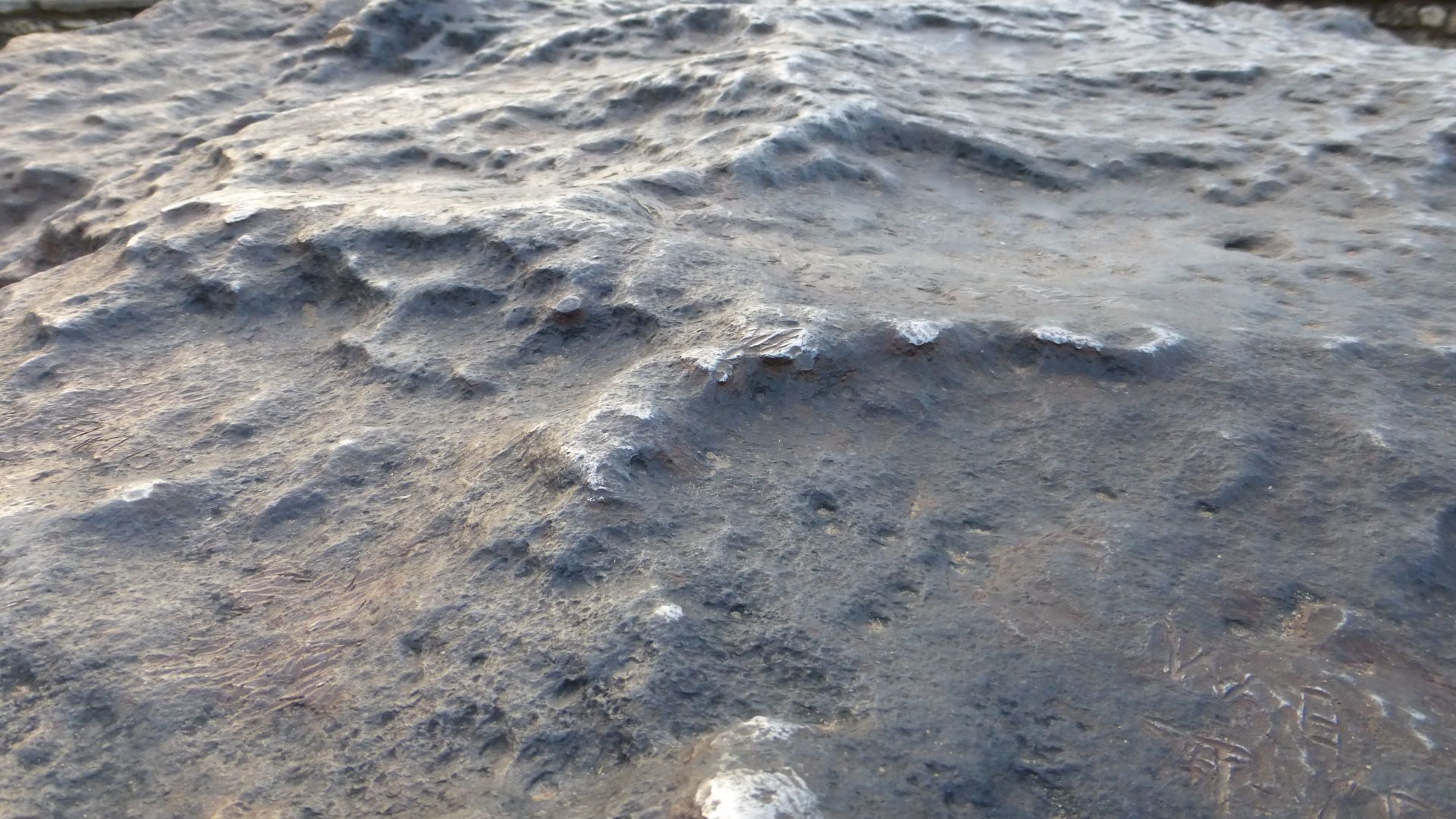
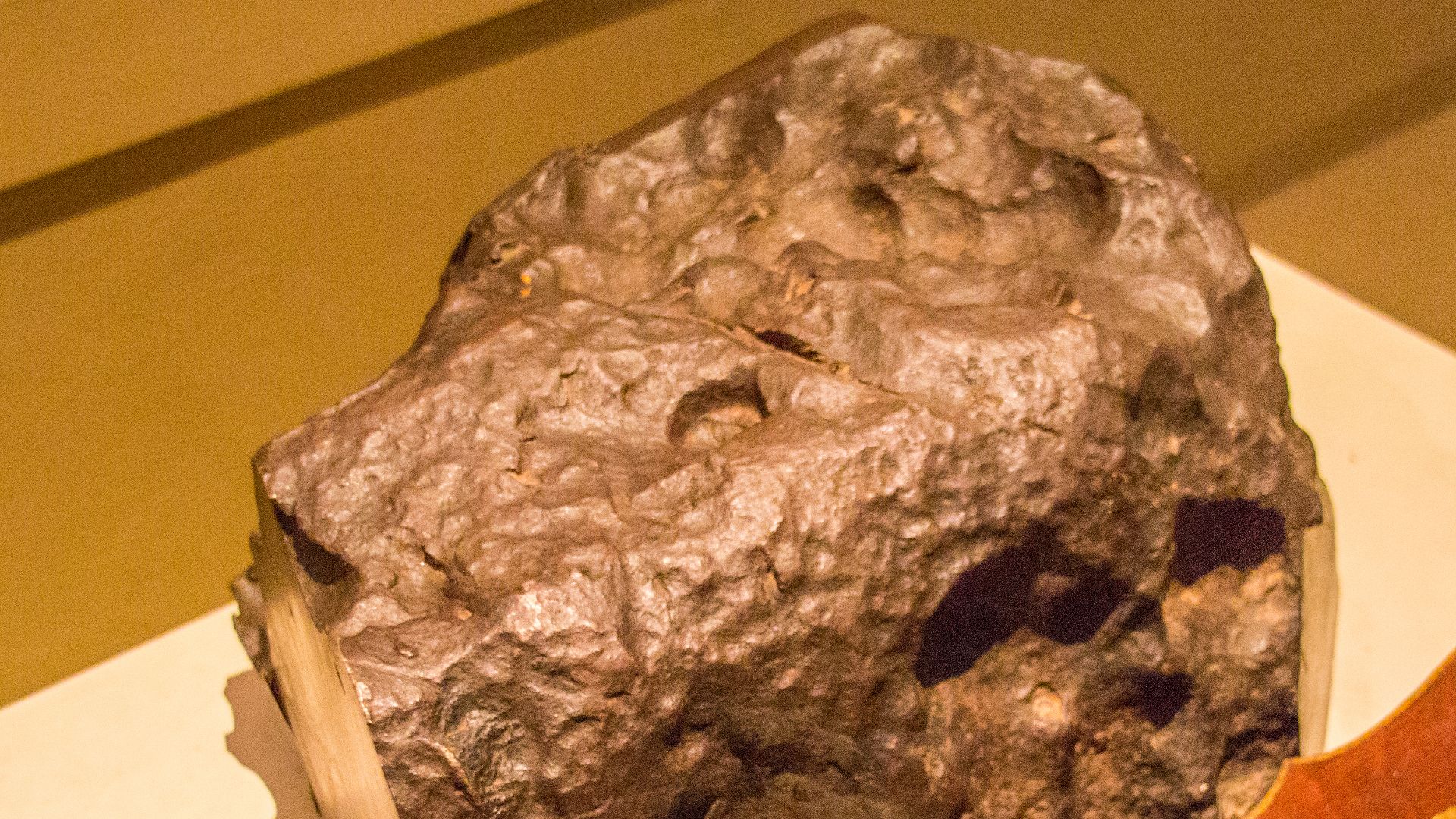
Weathering Has Created A Distinctive Rust-Colored Patina
Decades of rainfall, temperature fluctuations, and atmospheric exposure oxidized Hoba's surface into a reddish-brown crust resembling ancient iron tools excavated from archaeological sites. The patina layer measures only millimeters thick but protects the underlying metal from accelerated corrosion.
 Photograph by Mike Peel (www.mikepeel.net)., Wikimedia Commons
Researchers Occasionally Take Small Samples For Scientific Analysis
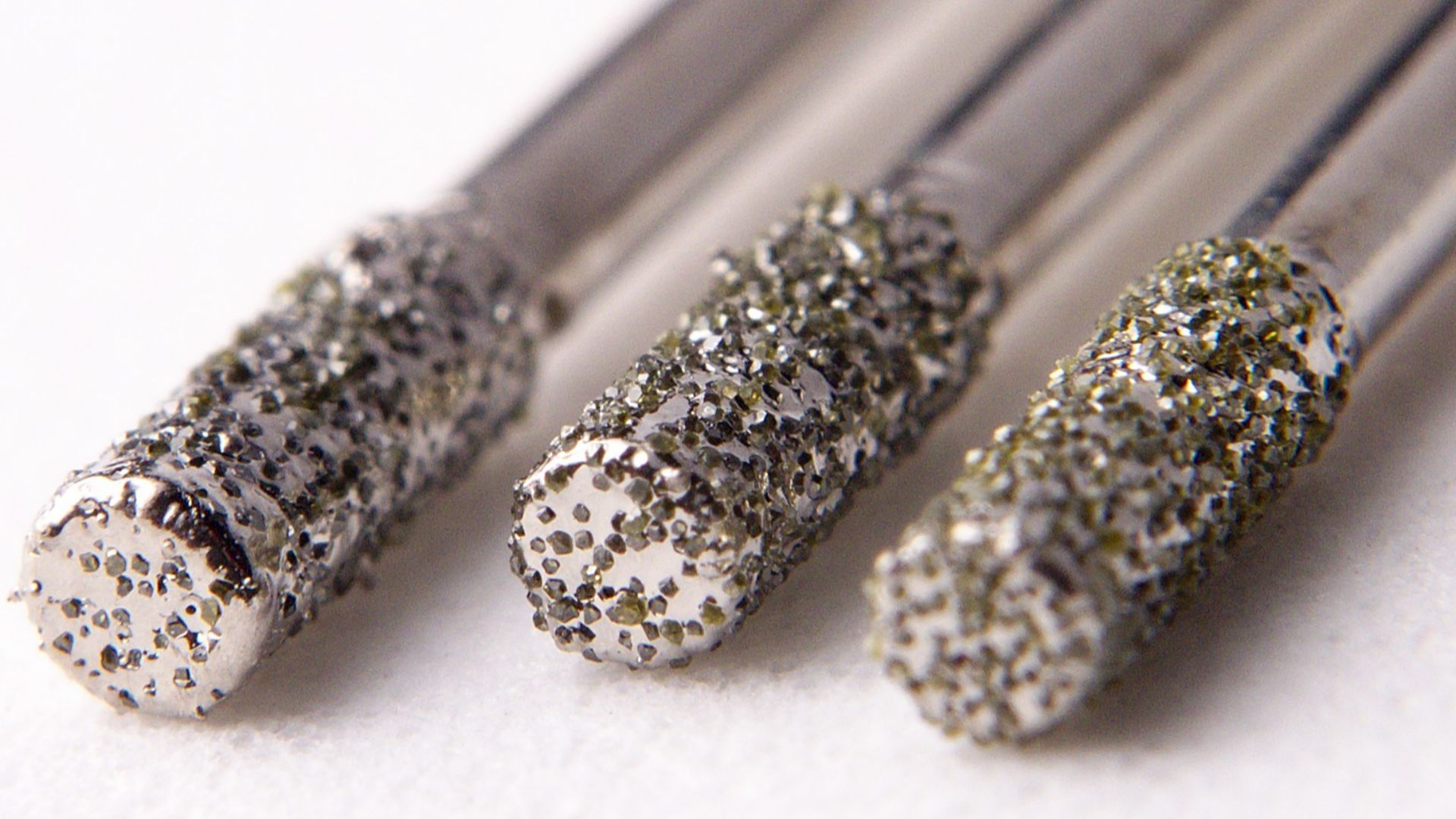
Authorized scientists extract tiny fragments using diamond-tipped core drills that minimize damage while providing material for advanced analytical techniques. Sample masses rarely exceed a few grams. Each sampling requires formal permits and coordination with Namibian authorities, who track exactly which portions of Hoba get sacrificed for science.
 Junkyardsparkle, Wikimedia Commons
Remains The Largest Known Meteorite Never Relocated From Impact Site
Museum collections worldwide display impressive meteorite specimens, transported from their discovery sites to climate-controlled facilities. Hoba alone stays put, too massive for casual relocation and protected by monument status that prohibits removal. Visiting Hoba means a pilgrimage to the impact site itself; no substitute experience exists elsewhere on Earth.
 Sergio Conti from Montevecchia (LC), Italia, Wikimedia Commons